
Growing zucchini and squash in your garden can be a rewarding experience, offering bountiful harvests of versatile vegetables that thrive in warm weather. These summer favorites belong to the cucurbit family, known for their rapid growth and prolific yields. Whether you’re a beginner or seasoned gardener, incorporating zucchini and squash into your plot provides fresh produce for salads, grilling, and baking, while also supporting pollinators in your ecosystem.
The key to success lies in understanding their needs for full sun, well-drained soil, and consistent moisture. By exploring creative ideas, you can maximize space, prevent common issues, and extend your harvest season. These strategies not only boost productivity but also enhance your garden’s overall health, making zucchini and squash essential for any vegetable patch.
1) Selecting Diverse Varieties
You’ll start your zucchini and squash journey by choosing varieties that suit your climate and space. What makes this essential is the range available—from compact bush types like ‘Black Beauty’ zucchini to vining winter squash such as ‘Butternut’. Why bother? Diverse selections ensure disease resistance and staggered harvests, keeping your garden productive longer.
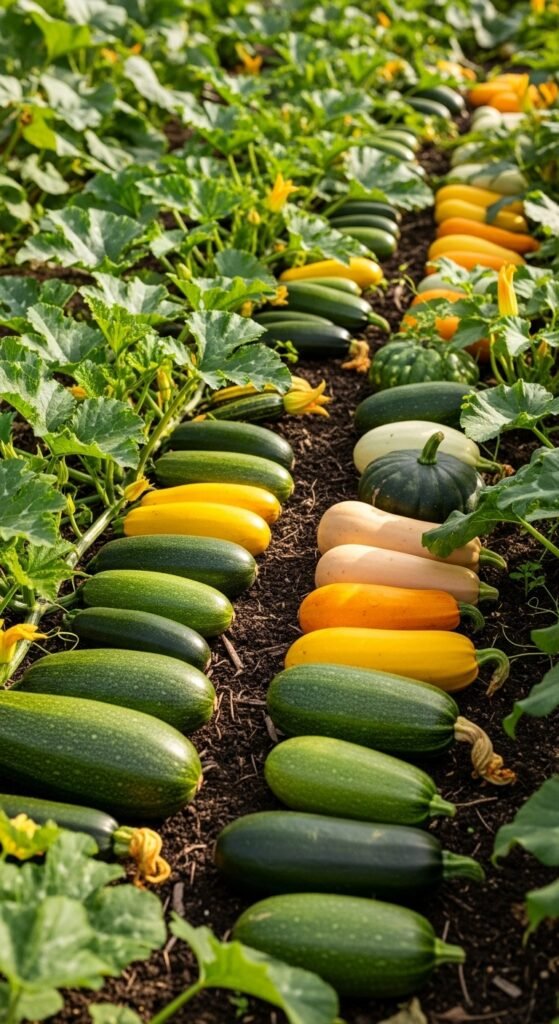
How to do it: Research local seed catalogs for hybrids resistant to powdery mildew. Plant seeds directly in warm soil after the last frost, spacing bush varieties 2-3 feet apart. For inspiration on perennial options, consider integrating ideas from a perennial vegetable garden to complement your annuals. This approach yields up to 10 pounds per plant, transforming your meals with fresh, homegrown flavors.
Experiment with colors too—yellow zucchini adds visual appeal while pattypan squash offers unique shapes for culinary fun. Always check maturity dates to align with your growing season, ensuring you enjoy the fruits of your labor without waste.
2) Optimizing Soil Preparation
Prepare your soil meticulously for zucchini and squash to thrive. What involves adding organic matter like compost to improve drainage and fertility. Why is this crucial? These plants are heavy feeders, requiring nutrient-rich soil to support rapid growth and fruit development. Poor soil leads to stunted plants and low yields.

How: Test your soil pH aiming for 6.0-7.0, then incorporate well-rotted compost at home at a rate of 2-3 inches deep. Till lightly to avoid compacting. This setup promotes strong root systems, reducing stress and increasing resistance to pests. Expect healthier vines producing more abundant crops, with each plant potentially yielding 6-10 fruits weekly during peak season.
Additionally, raised beds can elevate your game in heavy clay soils, preventing waterlogging and warming the earth faster in spring.
3) Starting Seeds Indoors
Kick off your season by starting zucchini and squash seeds indoors. What this means is sowing in biodegradable pots 3-4 weeks before transplanting. Why choose this method? It gives seedlings a head start in cooler climates, protecting them from late frosts and ensuring earlier harvests.
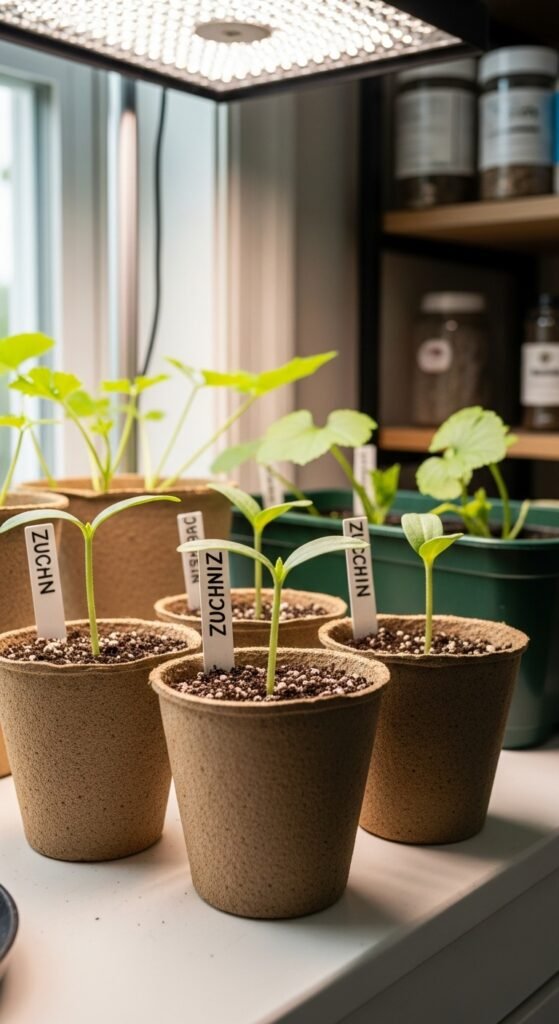
How to execute: Use seed-starting mix, keep at 70-85°F, and provide ample light. Harden off plants gradually before moving outdoors. This technique can advance your first pick by two weeks, leading to extended productivity. For spring planning, align with what to plant in spring guidelines to integrate seamlessly.
Monitor for damping-off by ensuring good airflow, resulting in robust transplants ready to flourish in your garden beds.
4) Effective Transplanting Techniques
Transplant your zucchini and squash seedlings with care to minimize shock. What entails planting at the same depth as their pots, in hills or rows. Why matters: Proper placement encourages deep roots, improving drought tolerance and nutrient uptake for vigorous growth.

How: Space hills 3-4 feet apart, adding a handful of organic fertilizer per hole. Water deeply post-planting and mulch around bases. This fosters quick establishment, yielding fruits in as little as 40-50 days. In fall transitions, draw from what to plant in fall for succession ideas.
Avoid overcrowding to prevent airflow issues, ensuring your plants remain healthy and productive throughout the summer.
5) Companion Planting Strategies
Pair zucchini and squash with beneficial companions to enhance growth. What includes planting alongside nasturtiums, beans, or radishes. Why effective: Companions deter pests like squash bugs, improve pollination, and enrich soil naturally.
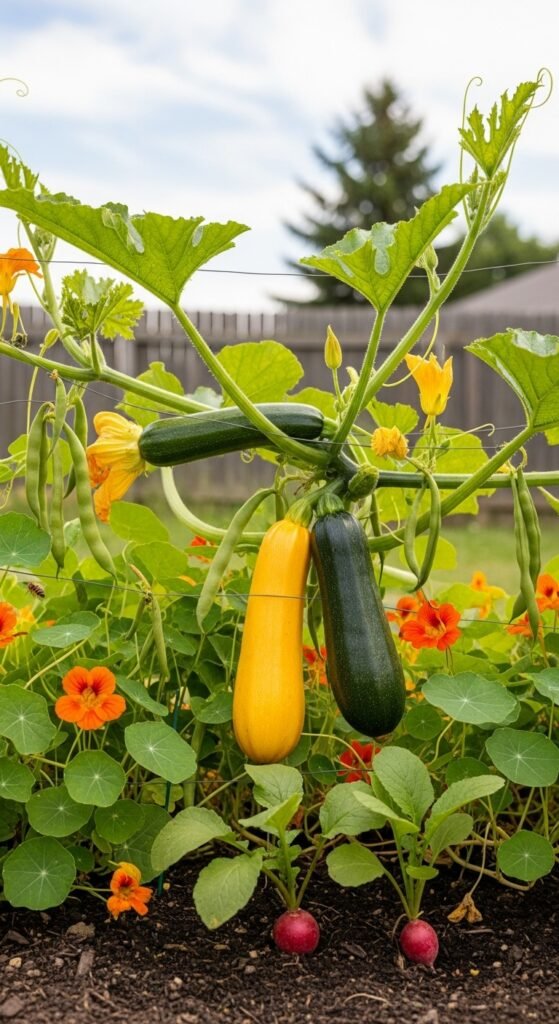
How: Intersperse flowers to attract bees and interplant legumes for nitrogen fixation. This symbiotic approach boosts yields by 20-30% while reducing chemical needs. For winter veggies, explore winter vegetable garden ideas to plan rotations.
Monitor interactions closely, adjusting as needed for a balanced, thriving ecosystem in your plot.
6) Vertical Trellising Methods
Train your zucchini and squash vertically to save space. What uses sturdy supports for vining varieties to climb. Why beneficial: It improves air circulation, reduces disease, and makes harvesting easier, ideal for small gardens.
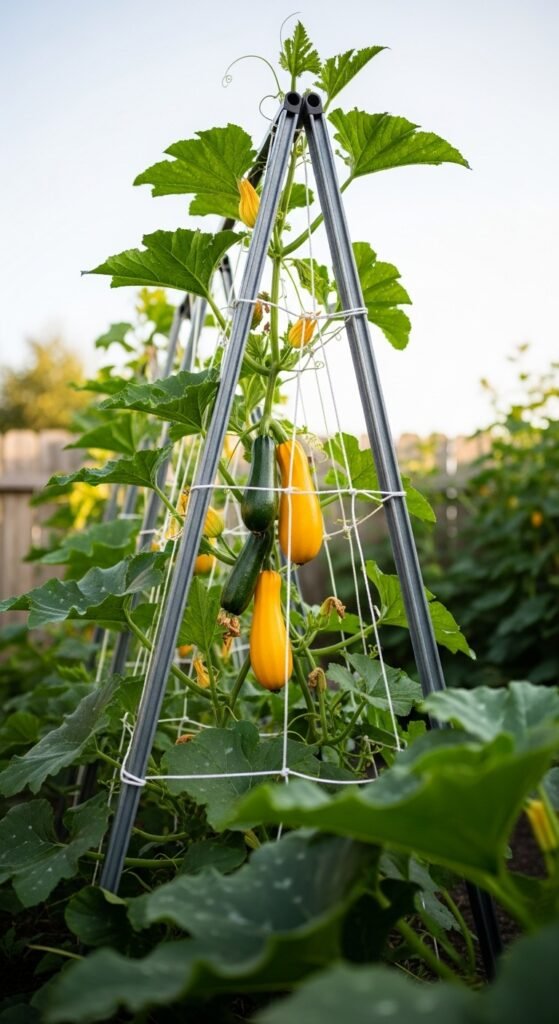
How: Install A-frame or cattle panel trellises, tying vines gently as they grow. This can double your usable space, allowing more plants per square foot. Draw inspiration from garden trellis ideas or specifically trellis ideas for cucumbers, adapting for similar cucurbits.
Support heavy fruits with slings, ensuring bountiful, blemish-free harvests from elevated positions.
7) Mulching for Moisture Control
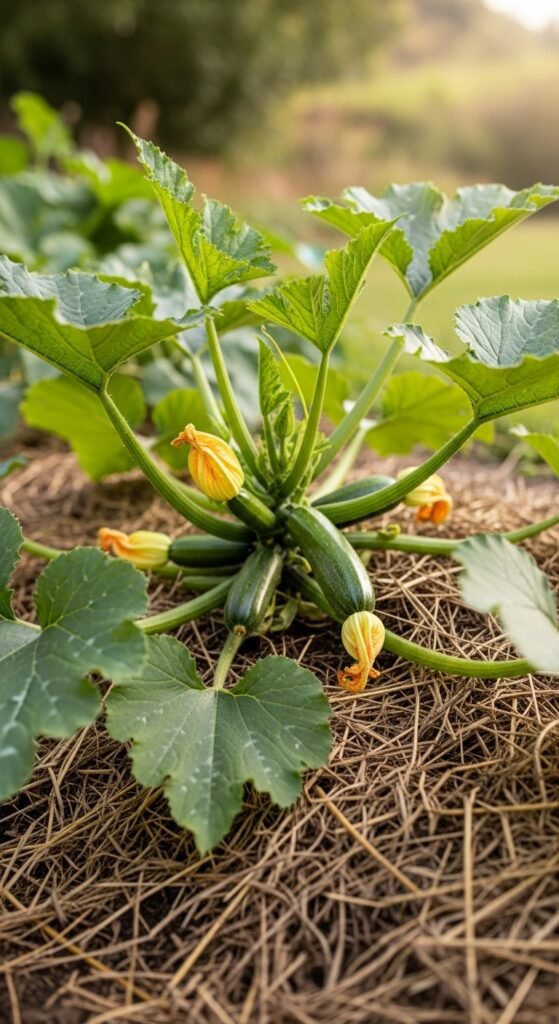
Apply mulch around zucchini and squash to conserve water. What layers organic materials like straw or leaves over soil. Why important: It suppresses weeds, retains moisture, and regulates temperature, promoting steady growth.
How: Spread 2-4 inches after plants establish, replenishing as needed. This reduces watering frequency by up to 50%, saving time and resources. In hardy setups, consider hardy winter vegetables for year-round mulching benefits.
Choose mulch wisely to avoid attracting slugs, keeping your plants hydrated and healthy.
8) Efficient Watering Practices
Water your zucchini and squash deeply but infrequently. What focuses on roots with soaker hoses or drips. Why key: Consistent moisture prevents blossom end rot and cracking, ensuring quality fruits.
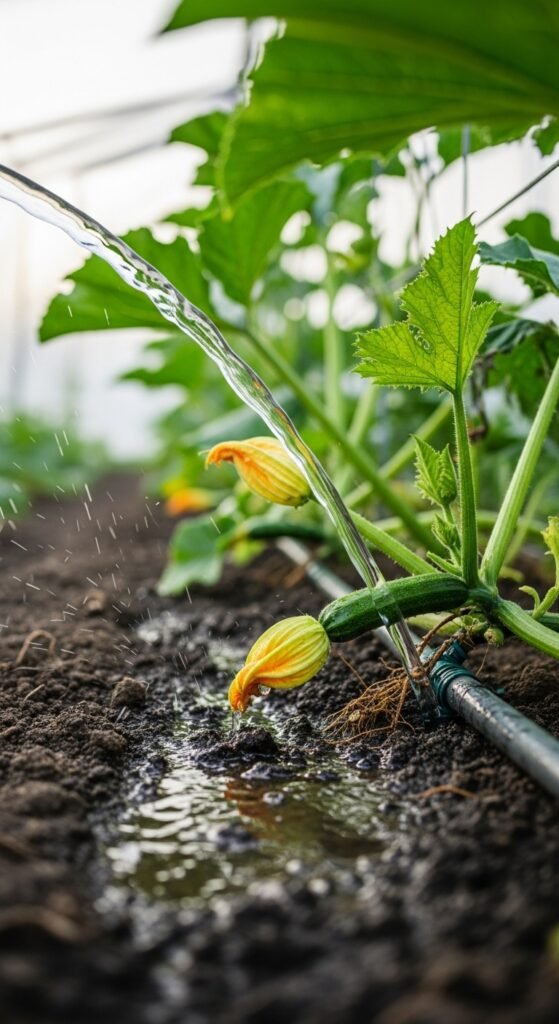
How: Aim for 1-2 inches weekly, early morning to minimize evaporation. This encourages deep roots, enhancing resilience. For advanced systems, integrate ideas from summer watering schedules.
Avoid overhead watering to reduce fungal risks, maintaining vibrant, productive vines.
9) Balanced Fertilizing Approaches
Fertilize zucchini and squash judiciously for optimal nutrition. What applies balanced organic feeds high in potassium. Why necessary: Supports fruit development without excessive foliage, balancing growth.
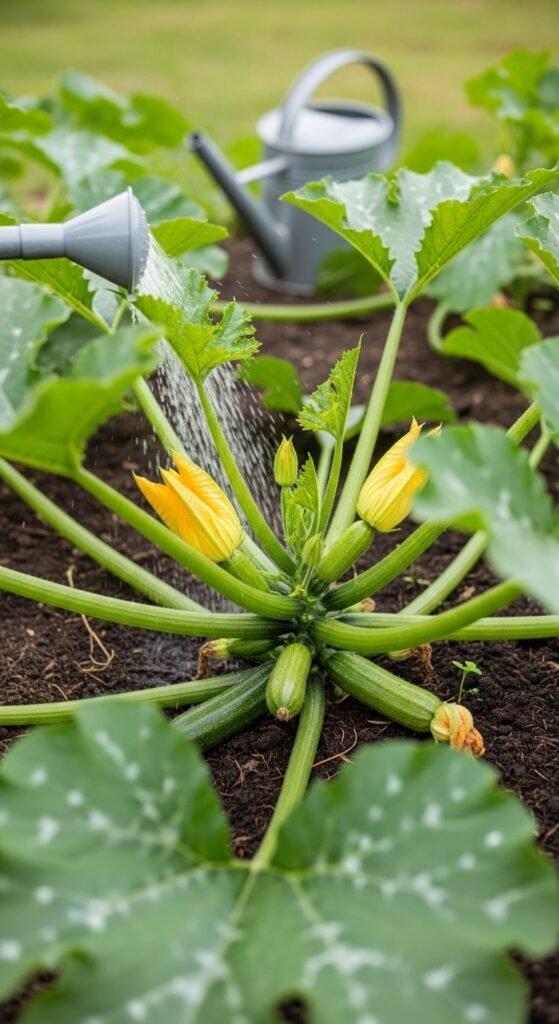
How: Side-dress with compost tea every 3-4 weeks post-flowering. This boosts yields without burnout. Rotate with legumes for natural enrichment.
Test soil annually to tailor applications, fostering sustainable abundance.
10) Organic Pest Management
Combat pests in your zucchini and squash organically. What deploys barriers, traps, and beneficial insects. Why preferable: Avoids chemicals, preserving ecosystem health and produce safety.
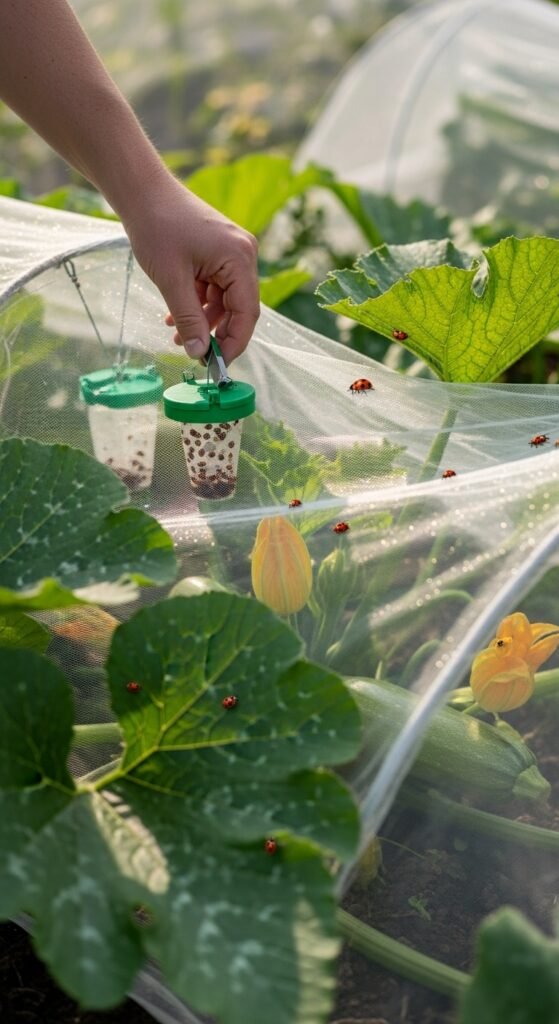
How: Use row covers early, hand-pick bugs, and introduce ladybugs. This controls squash vine borers effectively. For more tips, consider integrated pest strategies.
Regular inspections catch issues early, safeguarding your harvest.
11) Disease Prevention Tactics
Prevent diseases in zucchini and squash through proactive measures. What rotates crops and selects resistant varieties. Why vital: Minimizes powdery mildew and bacterial wilt, extending plant life.
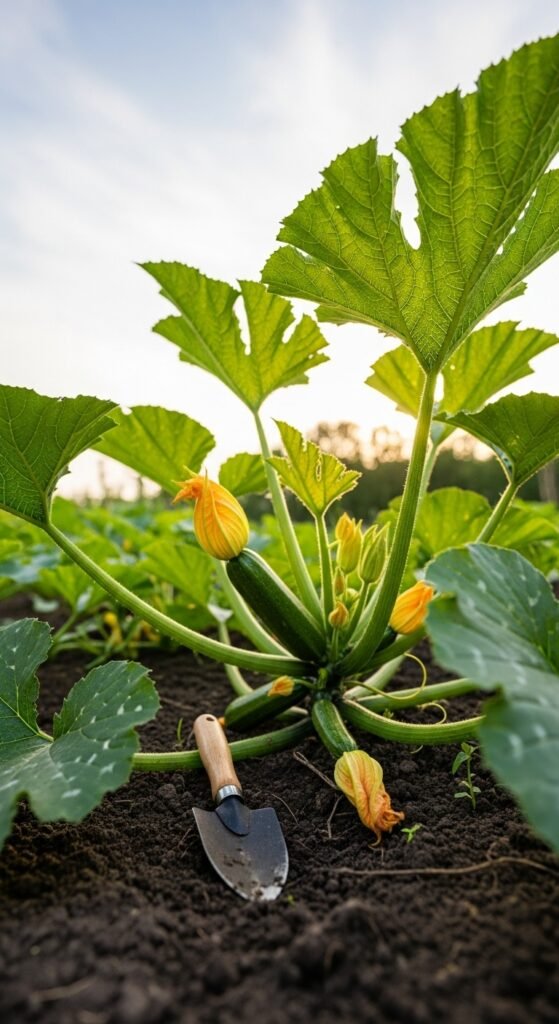
How: Space adequately for airflow, avoid wet foliage. This reduces incidence by 40-60%. Sanitize tools regularly.
Monitor for symptoms, removing affected parts promptly for garden vitality.
12) Pruning for Productivity
Prune zucchini and squash vines strategically. What removes excess leaves and suckers. Why helpful: Directs energy to fruits, improving size and quantity.
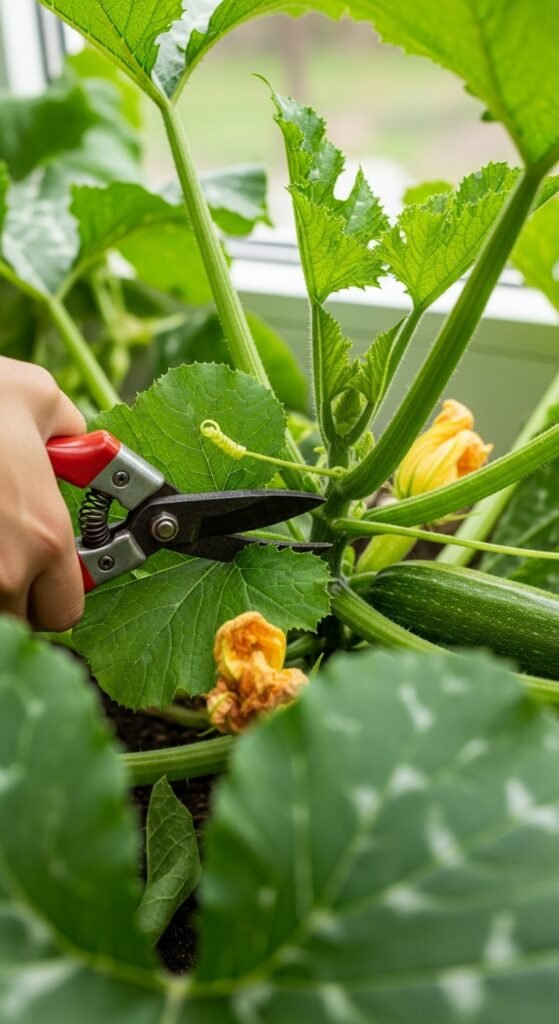
How: Trim lower leaves weekly, using clean shears. This enhances light penetration and air flow. Limit to 20% per session.
Result: Healthier plants with premium produce.
13) Timely Harvesting Guidelines
Harvest zucchini and squash at peak ripeness. What picks when 6-8 inches for summer types, fully mature for winter. Why timely: Prevents overgrowth, encouraging continuous production.
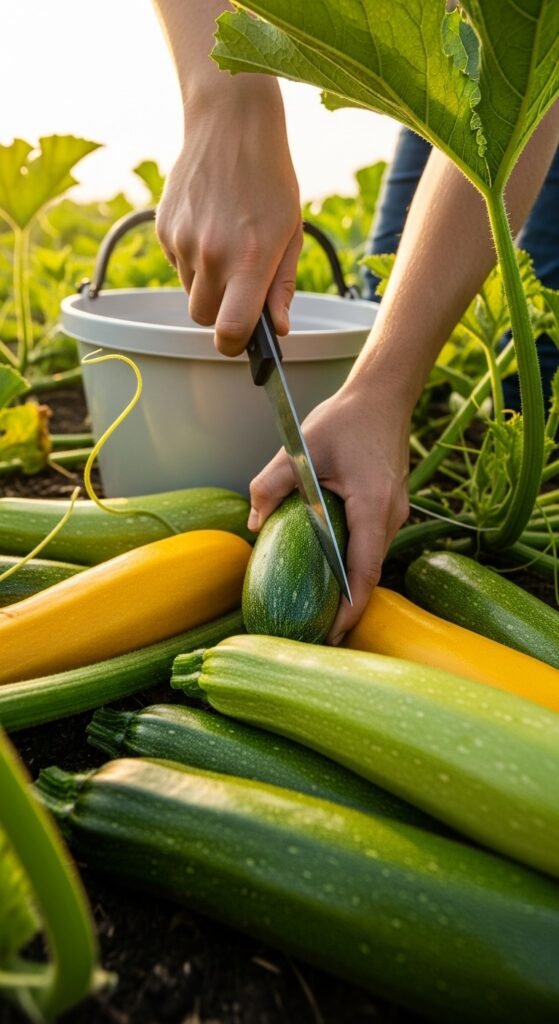
How: Use sharp knives daily during peak, storing cool. This maximizes flavor and yield. For pumpkins, adapt from how to harvest pumpkins techniques.
Frequent picking stimulates more fruits, prolonging your season.
14) Storing and Preserving Methods
Store and preserve your zucchini and squash harvest effectively. What includes refrigeration for fresh, or processing for long-term. Why essential: Extends usability, reducing waste from abundant crops.

How: Freeze shredded zucchini, or can relishes. Try canning zucchini relish or dehydrate zucchini chips for snacks. For winter types, cure properly drawing from curing winter squash.
This ensures year-round enjoyment of your garden’s bounty.
15) Creative Culinary Uses
Incorporate zucchini and squash creatively in meals. What spirals for noodles, grills, or bakes. Why fun: Adds nutrition and variety to diets, utilizing harvests fully.

How: Make fritters, breads, or stuffed blossoms. Experiment with pickling similar to pickled cucumbers. This transforms surplus into delights.
Share recipes with friends, celebrating your gardening success.
Key Principles for Zucchini and Squash Success
Sunlight and Spacing Requirements
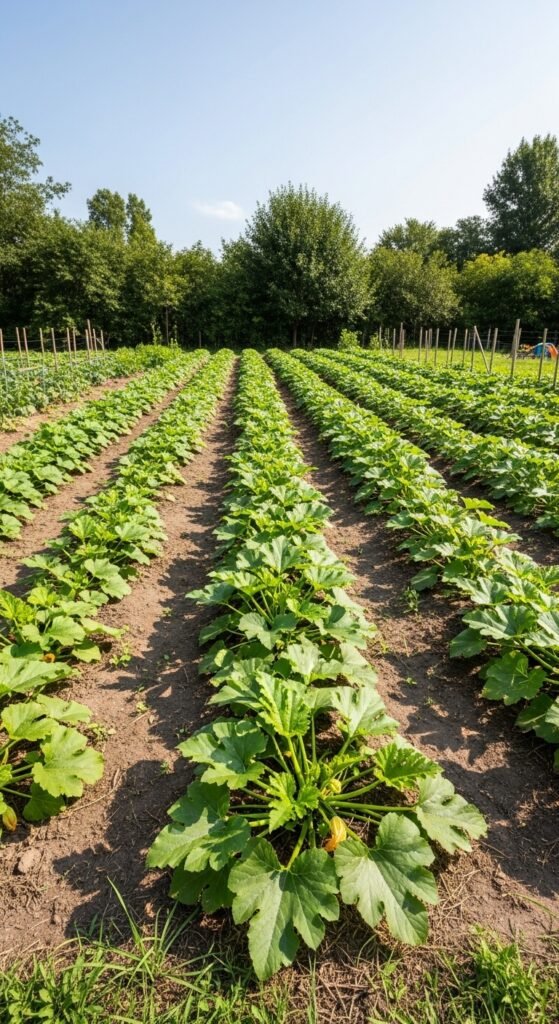
Ensure your zucchini and squash receive at least 6-8 hours of direct sunlight daily. Space plants properly to allow for growth and airflow, preventing overcrowding issues.
Pollination Essentials
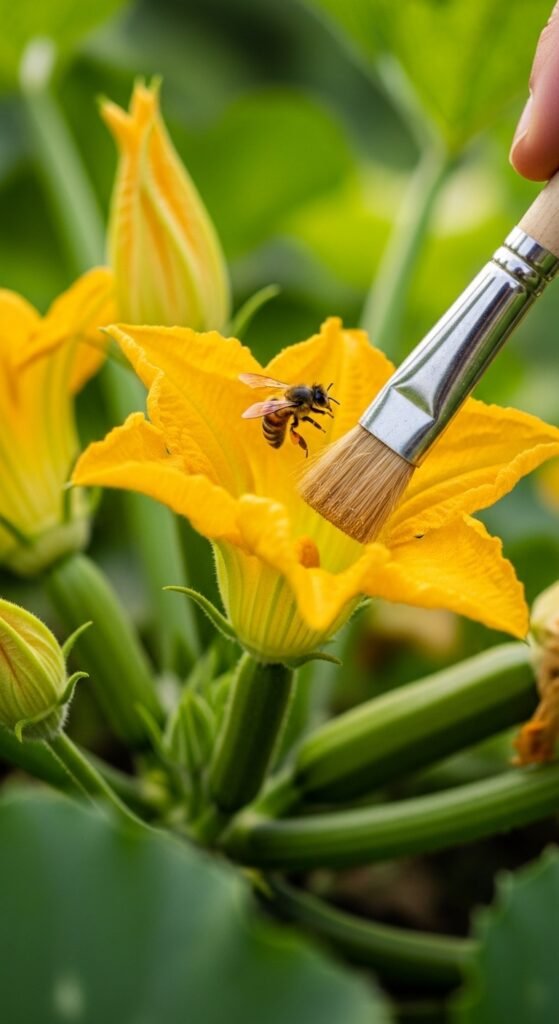
Encourage pollinators by planting flowers nearby. Hand-pollinate if needed by transferring pollen from male to female flowers for better fruit set.
Season Extension Tips
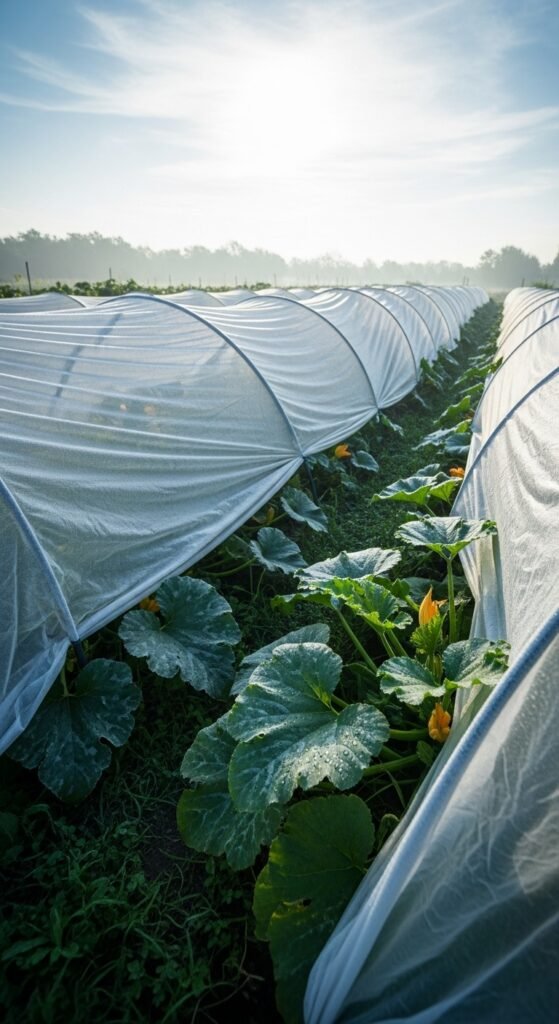
Use row covers for frost protection and succession planting to enjoy harvests from early summer through fall.
Frequently Asked Questions
What’s the difference between zucchini and squash?
Zucchini is a type of summer squash with thin skin and mild flavor, harvested young. Squash encompasses both summer varieties like yellow crookneck and winter types like acorn, which have harder skins and store longer.
How long does it take to grow zucchini and squash?
Most summer zucchini and squash mature in 40-60 days from seed, while winter varieties take 80-100 days. Factors like temperature and care influence timelines.
Can zucchini and squash be grown in containers?
Yes, compact bush varieties thrive in large pots with good drainage and support. Ensure consistent watering and full sun for success.
What common pests affect zucchini and squash?
Squash bugs, vine borers, and aphids are frequent. Use organic methods like neem oil or companion planting to manage them effectively.
How much water do zucchini and squash need?
Aim for 1-2 inches per week, focusing on deep watering to encourage strong roots. Adjust based on weather and soil conditions.