
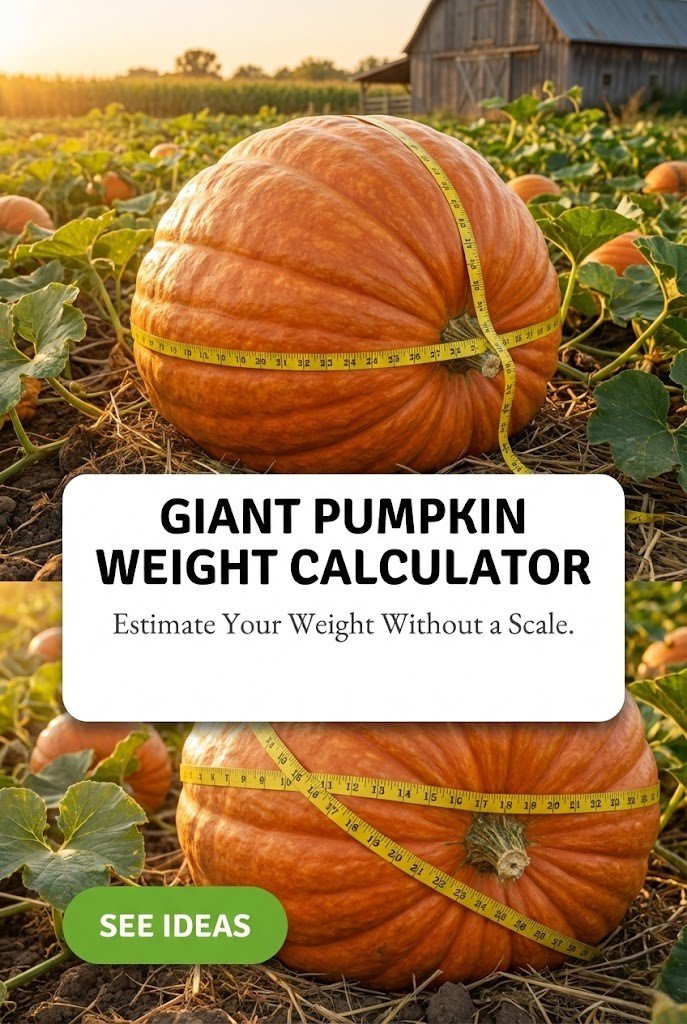
Growing a giant pumpkin is a labor of love, science, and a little bit of magic. But the biggest challenge for competitive growers is knowing exactly how heavy their prize is without risking a hernia (or dropping the pumpkin) to get it on a scale. Fortunately, the “Over-the-Top” (OTT) measurement method is remarkably accurate.
Use our Giant Pumpkin Weight Estimator to calculate the weight of your Atlantic Giant using the three standard measurements recognized by the Great Pumpkin Commonwealth (GPC).
Giant Pumpkin Weight Est
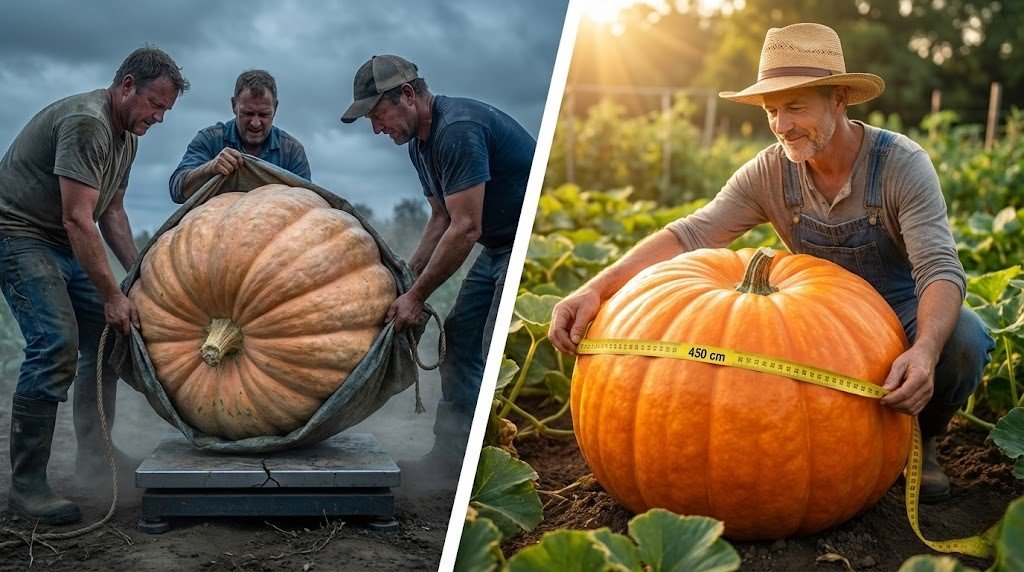
How to Measure Your Giant Pumpkin (OTT Method)
To get an accurate estimate, you need a flexible measuring tape and a friend. Do not pull the tape tight enough to cut the skin!
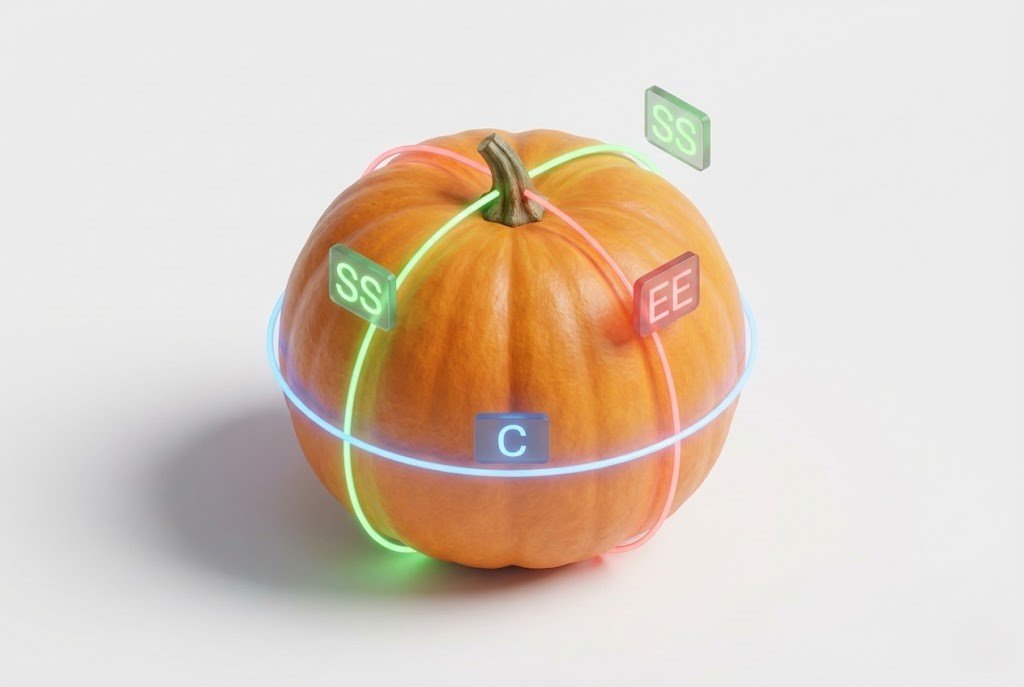
- Circumference: Measure the distance around the widest part of the pumpkin, parallel to the ground.
- Side-to-Side: Place the tape on the ground on one side, run it over the highest part of the pumpkin, and down to the ground on the opposite side.
- End-to-End: Place the tape on the ground at the stem end, run it over the top, and down to the ground at the blossom end.
Why We Built This: The "OTT" Formula
The "Secret Sauce" of our tool is the GPC Estimation Curve. Weight doesn't scale linearly with size; it scales exponentially. A 300-inch OTT pumpkin isn't just 50% heavier than a 200-inch one; it's nearly 400% heavier.
Our calculator uses a power-curve formula derived from thousands of actual weigh-off data points to give you the most realistic estimate possible.
Educational Guide: Increasing Pumpkin Density
Two pumpkins with the same measurements can have different weights. Why? Density.
Heavy vs. Light
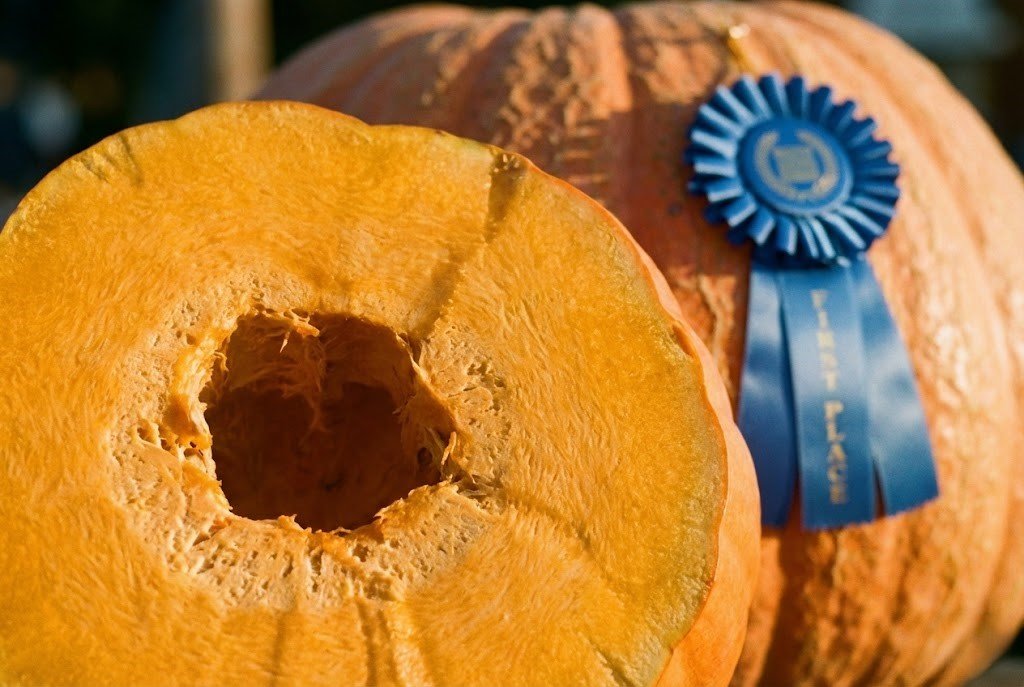
- "Going Heavy": If your pumpkin has thick walls (4-6 inches), it will weigh 5-15% more than the chart predicts. This usually comes from good calcium uptake and cooler nights.
- "Going Light": If the pumpkin grew too fast (high nitrogen, high heat), it may be hollow or thin-walled, weighing less than predicted.
When to Measure
Measure your pumpkin once a week, preferably in the morning before the sun heats it up (which can cause slight expansion/contraction). Tracking weekly OTT gains helps you adjust your watering and fertilizer schedule.
Frequently Asked Questions
Q: How accurate is this calculator?
A: It is generally accurate within +/- 5%. However, genetic factors play a huge role. Some seed lines produce naturally denser fruit ("heavy charts") while others produce lighter ones.
Q: What is the current world record?
A: As of 2023, the world record is 2,749 lbs, grown by Travis Gienger. That is roughly the weight of a Honda Civic!
Q: Why do I measure "Ground to Ground"?
A: Because the pumpkin isn't a perfect sphere. As it gets heavy, it flattens out ("cantaloupes"). Measuring over the top captures this volume spread that a simple circumference measurement would miss.