
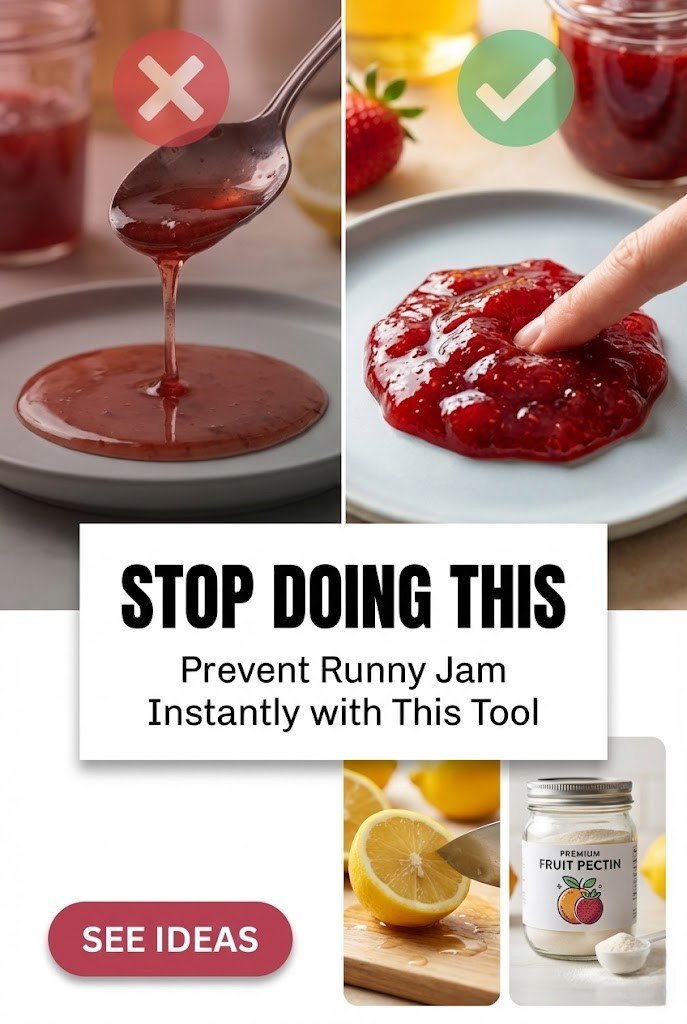
There is nothing quite as disappointing as spending all afternoon picking strawberries and boiling jam, only to open the jar a month later and find… strawberry syrup. The science of “the set” (how jam gels) relies on a precise triangle of three ingredients: Pectin, Sugar, and Acid. If one of these is out of balance, your jam will fail.
Use our Pectin Calculator to generate a safe recipe based on your specific fruit type and quantity. We automatically adjust for natural pectin levels and suggest necessary acid additives to ensure a perfect gel every time.
Jam & Jelly Calculator
How to Use the Pectin Calculator
- Fruit Variety: Select your fruit. This is critical because different fruits have vastly different chemical profiles. Apples set easily; strawberries struggle.
- Quantity: Enter how much fruit you have (in lbs or cups) after washing and chopping.
- Sugar Preference:
- Regular (1:1): The traditional preservation method. Uses equal weights fruit and sugar. Requires standard pectin.
- Low Sugar: Uses less sugar. Requires “Low/No-Sugar Needed” modified pectin (Calcium-activated).
Why We Built This: The “Acid Trap”
The “Secret Sauce” of our tool is the Set Failure Risk Assessment. Many home canners don’t realize that pectin molecules are negatively charged and repel each other. They need Acid (Lemon Juice) to neutralize that charge so they can bond into a gel network.
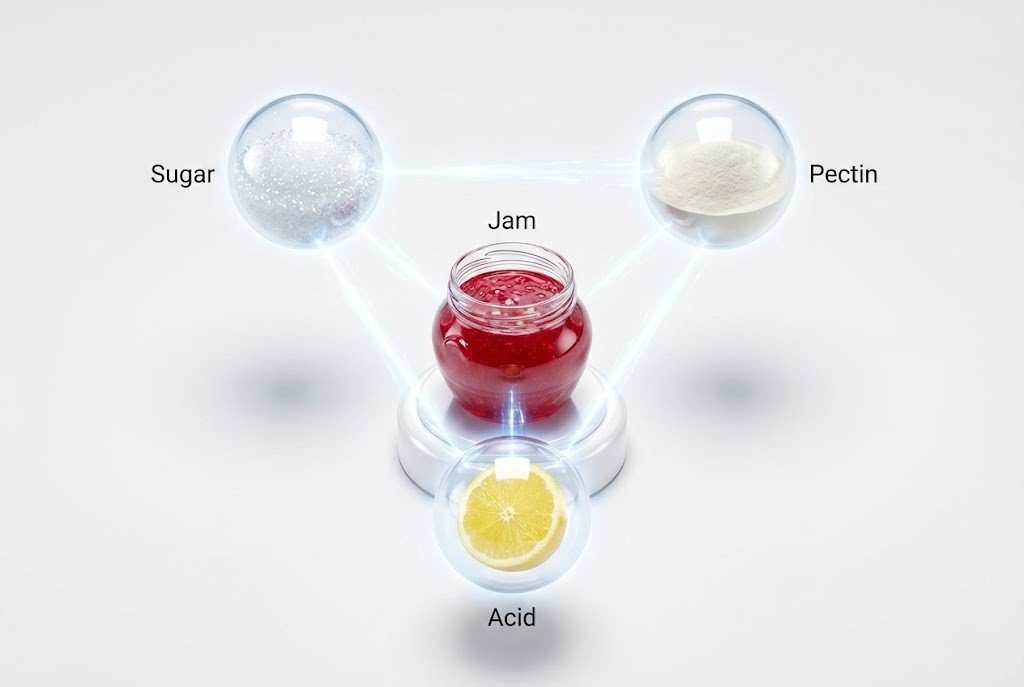
Fruits like peaches and strawberries are notoriously low in acid. Our tool detects this and automatically calculates the exact amount of lemon juice you need to add to prevent a runny disaster.
Educational Guide: The Science of Jam
High vs. Low Pectin Fruits
- High Pectin (The Easy Ones): Tart apples, quince, cranberries, currants, and citrus peels. These often set with very little added pectin.
- Low Pectin (The Tricky Ones): Strawberries, peaches, pears, and cherries. These almost always require commercial powdered pectin or a long boil time with added lemon juice.
The Spoon Test
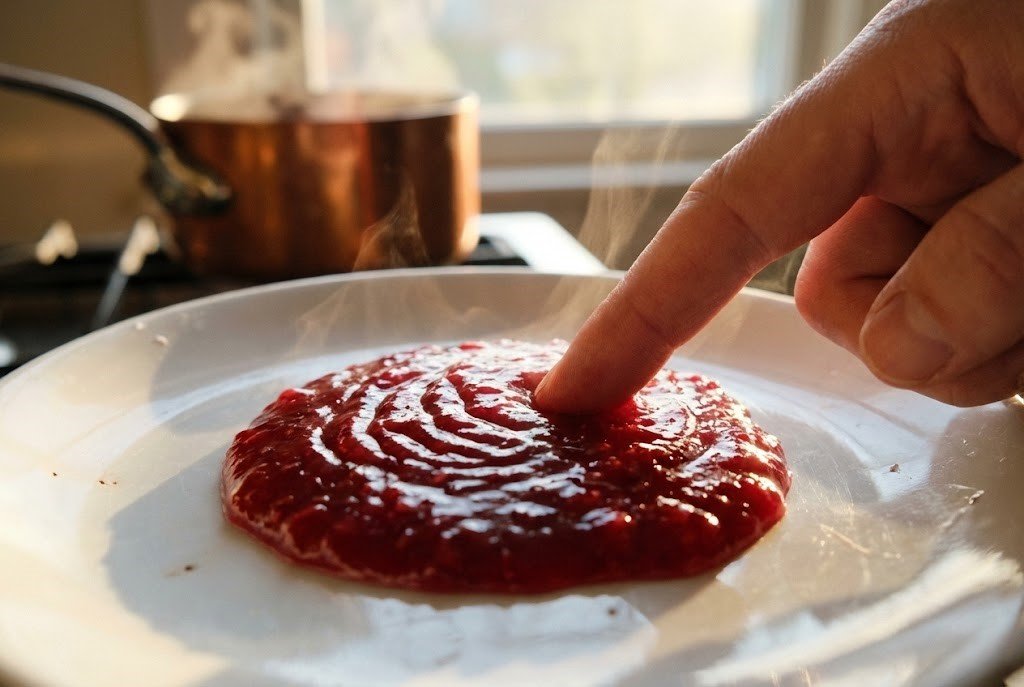
Even with a calculator, always test your jam before canning. Place a small plate in the freezer before you start cooking. Drop a teaspoon of hot jam onto the cold plate. Wait 30 seconds and push it with your finger. If it wrinkles like skin, the set is good. If it stays liquid, boil for another 2 minutes and re-test.
Frequently Asked Questions
Q: Can I reduce the sugar in a standard recipe?
A: No. In standard recipes, sugar isn’t just for sweetness—it bonds with water to force the pectin together. If you lower the sugar, you must use a specific “Low Sugar” pectin, or the jam will not set.
Q: What is the difference between liquid and powdered pectin?
A: They are not interchangeable in recipes. Liquid pectin is added after boiling; powdered pectin is whisked in before boiling. Our calculator assumes standard Powdered Pectin.
Q: Why did my jam turn brown?
A: Oxidation or over-cooking (caramelization). Adding lemon juice not only helps the set but also preserves the bright color of the fruit.