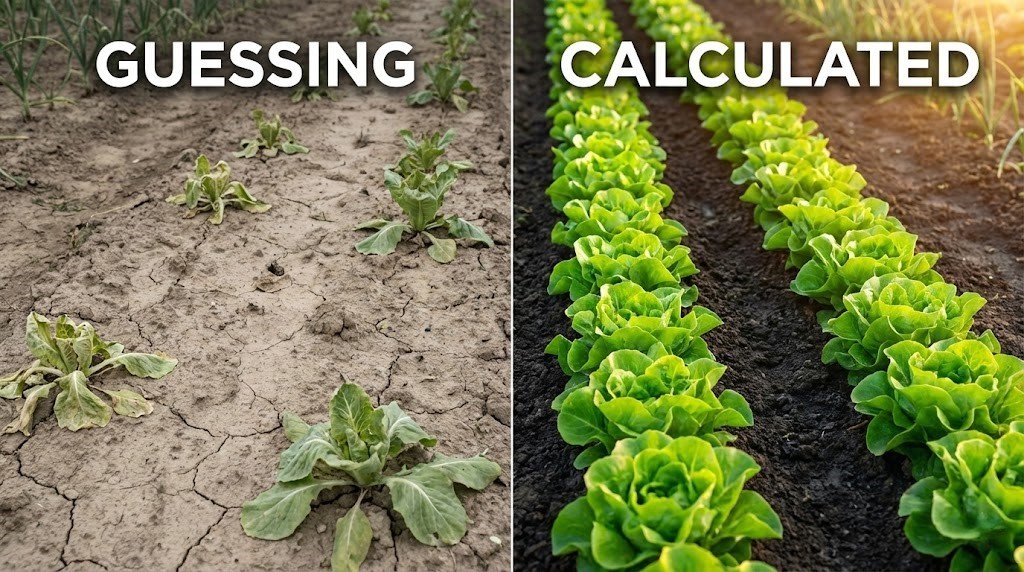
Every spring, gardeners face the same dilemma: You are standing in the seed aisle, holding a packet of beans, wondering, “Is one packet enough for my 20-foot row?” Buy too few, and you have empty space in your garden. Buy too many, and you have wasted money on seeds that will expire by next year.
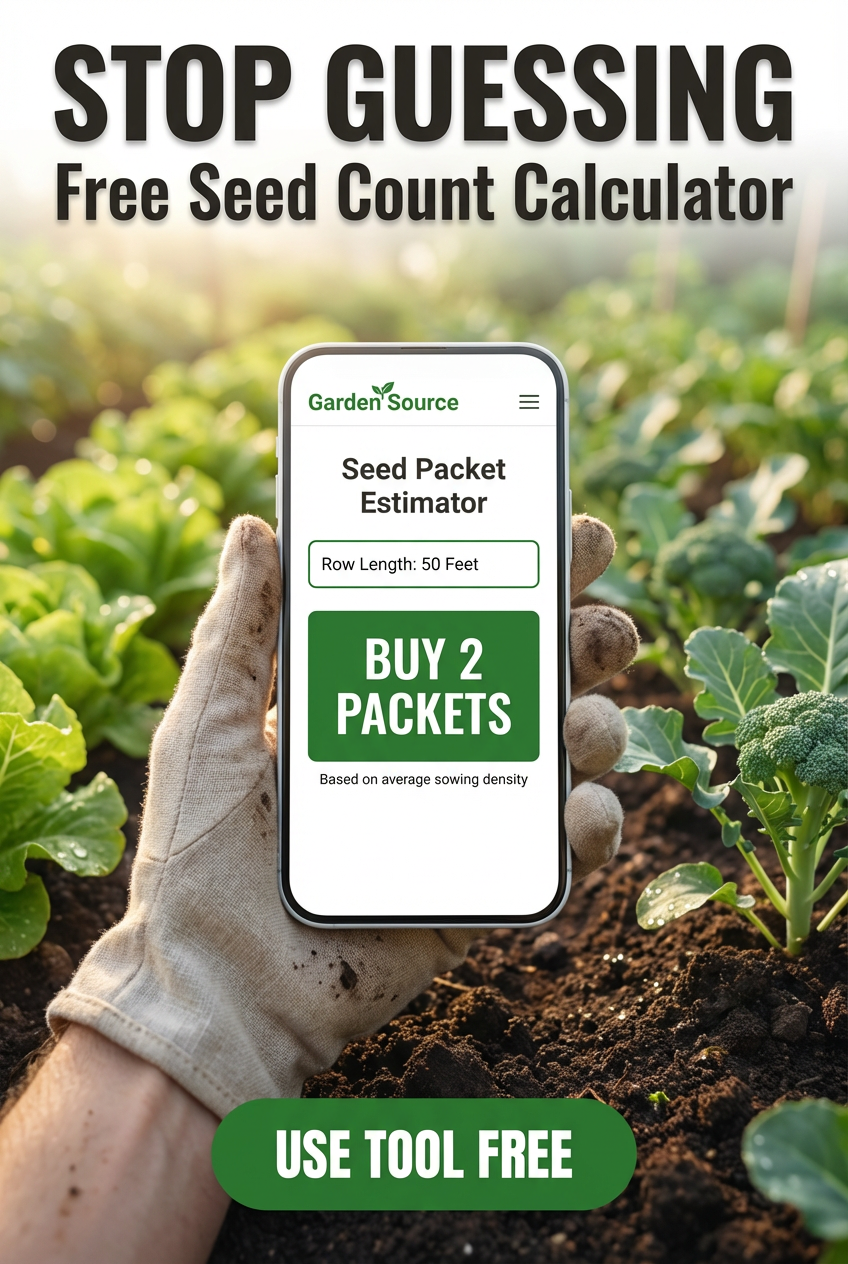
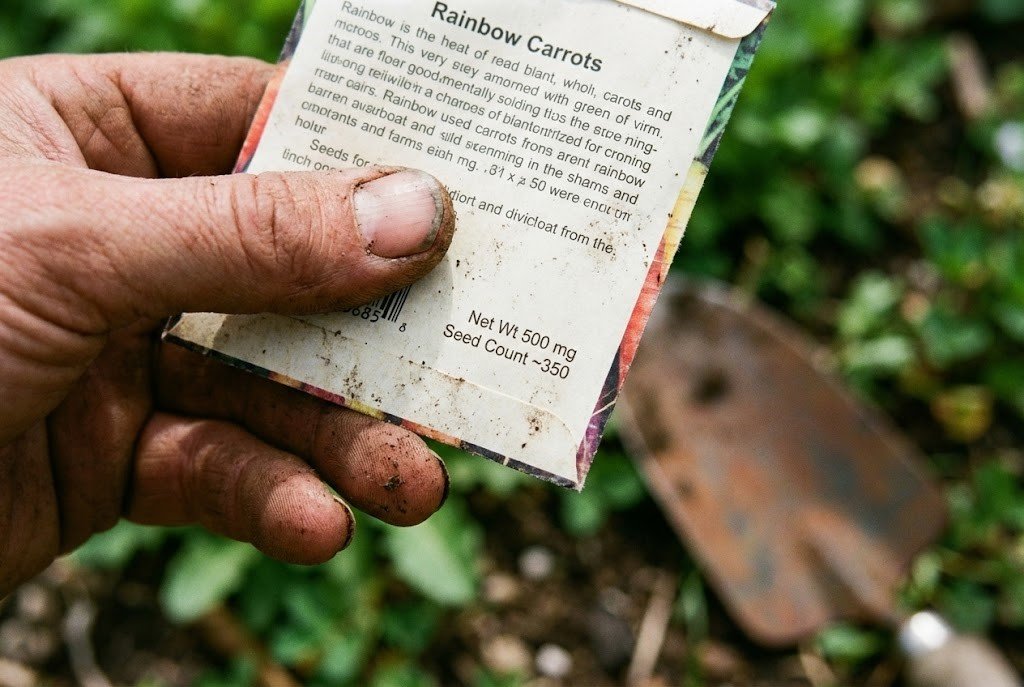
Seed packets are often vague, listing weight (milligrams) rather than seed counts. Stop guessing. Use our Free Seed Packet Estimator below to calculate exactly how many seeds—and how many packets—you need to buy for your specific row length.
📏 Seed Packet Estimator
(Based on ~50 seeds/packet)
How to Use This Tool
Whether you are planting a small raised bed or a large market garden row, getting the math right is simple:
- Enter Row Length: Measure how many feet of row you plan to plant. If you have three 10-foot rows, enter "30".
- Select Spacing: Choose the standard spacing for your vegetable (e.g., Carrots are 3 inches, Tomatoes are 24 inches). If you use intensive spacing, select "Custom".
- Enter Packet Size (Optional): If you know your packet contains roughly 25 or 100 seeds, enter that number. Otherwise, we use a standard average of 50 seeds per packet.
Why We Built This (The "Secret Sauce")
Most calculators assume a "Perfect World Scenario" where every single seed you plant grows into a healthy plant. Experienced gardeners know that never happens.
We added a "Germination Buffer":
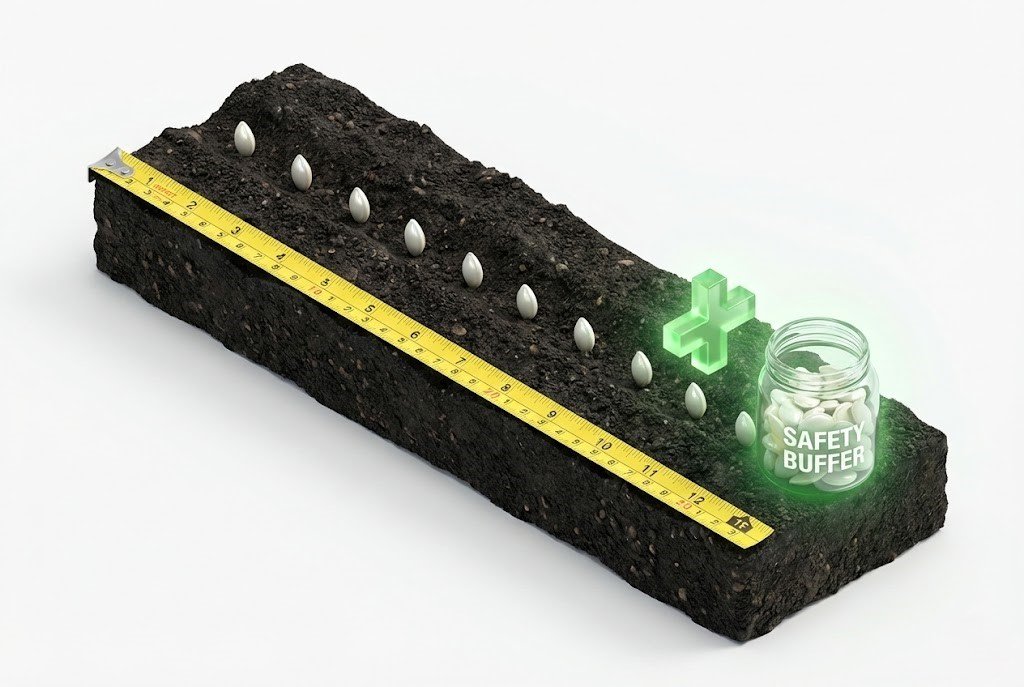
- The +20% Rule: Our tool automatically adds 20% to your total requirement. Why? Because some seeds won't sprout, some will be eaten by birds, and some seedlings will be weak and need to be thinned out.
- Real-World Buying: We don't just tell you "You need 43 seeds." We tell you "Buy 1 Packet," because that is the decision you actually have to make at the store.
Educational Guide: Reading Seed Packets
Understanding the back of a seed packet is a skill. Here are the three numbers that matter most.
1. "Days to Maturity" (DTM)
This tells you how long it takes from planting to harvest. If you are planting in late summer, check our growing calendar to make sure you have enough days left before the first frost.
2. "Sow Depth"
Planting too deep is the #1 reason seeds fail. A general rule is to plant a seed only 2-3 times as deep as it is wide. Tiny lettuce seeds need light to germinate and should barely be covered.
3. "Packed For [Year]"
Always check the year. Seeds lose viability over time. Onion and parsnip seeds are notorious for dying after just one year. Tomatoes and peppers can last 3-4 years if stored correctly. Learn more about starting seeds indoors to get a head start on the season.
Frequently Asked Questions
How many seeds are in a standard packet?
It varies widely by crop. Small seeds like lettuce or carrots often have 200-500 seeds per packet. Larger seeds like beans, corn, or peas usually have only 25-50 seeds per packet. Our calculator defaults to 50 as a safe conservative average for larger vegetable seeds.
Should I plant more seeds than I need?
Yes. This is called "overseeding." It is always better to plant 2-3 seeds per hole and then "thin" (cut off) the weaker ones later. This guarantees that you don't end up with empty gaps in your garden row.
How do I store leftover seeds?
The enemies of seeds are heat and humidity. Store your open packets in a sealed jar or ziplock bag in a cool, dark place. A refrigerator is ideal, but a dark closet works well too. Adding a silica gel packet can help keep them dry.