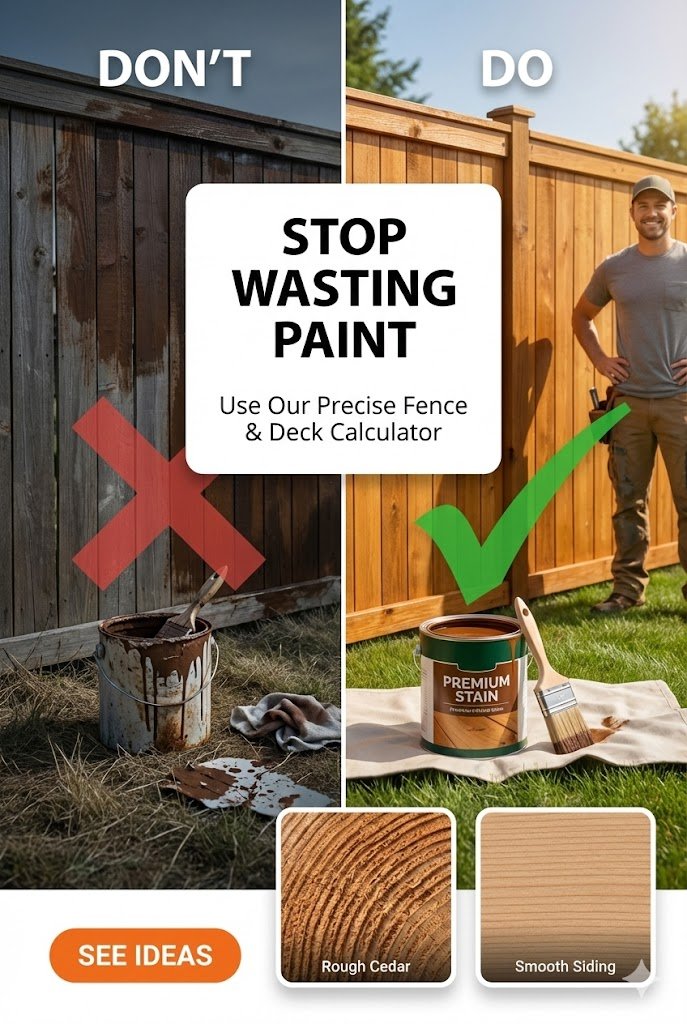
Whether you are staining a newly built cedar fence, refreshing a tired garden shed, or protecting a wooden planter bed, the biggest frustration is being “half a gallon short” on a Sunday afternoon. Ordering too much is a waste of money and shelf space; ordering too little leads to color-matching nightmares.
Our Paint Calculator takes the guesswork out of your gardening projects. It accounts for surface porosity (how much paint the material “drinks”) and automatically builds in a safety margin for future touch-ups.
Paint & Stain Calculator
How to Use the Paint & Stain Calculator
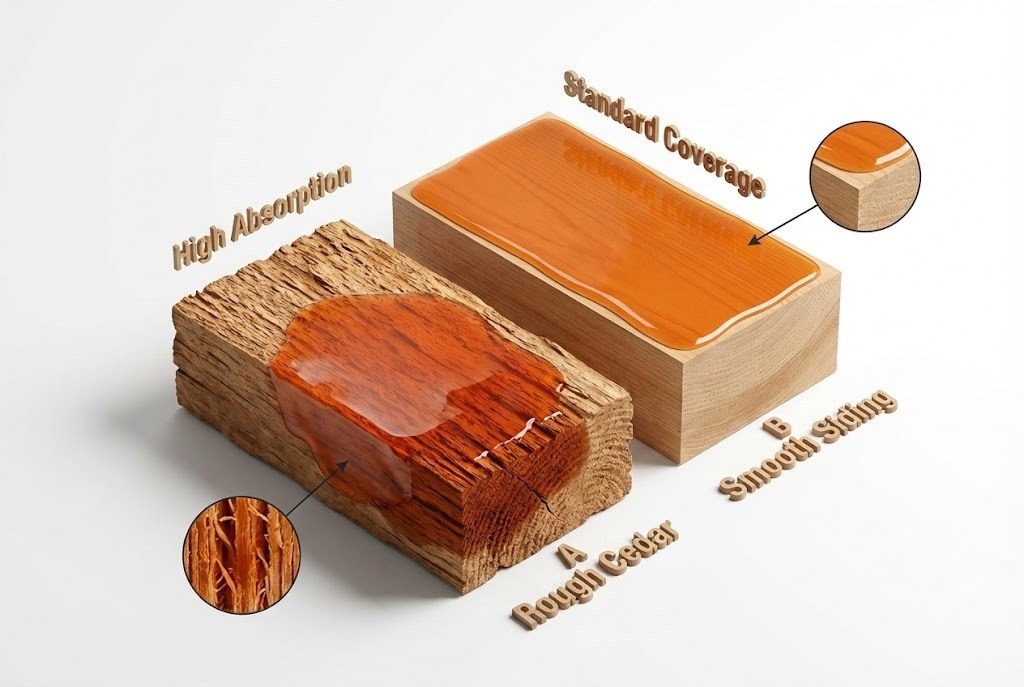
- Surface Type: Select the material you are painting. Rough Cedar absorbs twice as much stain as Smooth Siding.
- Total Area (sq ft): Enter the square footage of the surface. For a fence, remember to multiply length by height (and double it if you're painting both sides!).
- Number of Coats: Most exterior projects require two coats for maximum UV protection.
- Include Primer: Check this if you are painting bare wood or shifting from a dark color to a light one.
Why We Built This: The "Secret Sauce"
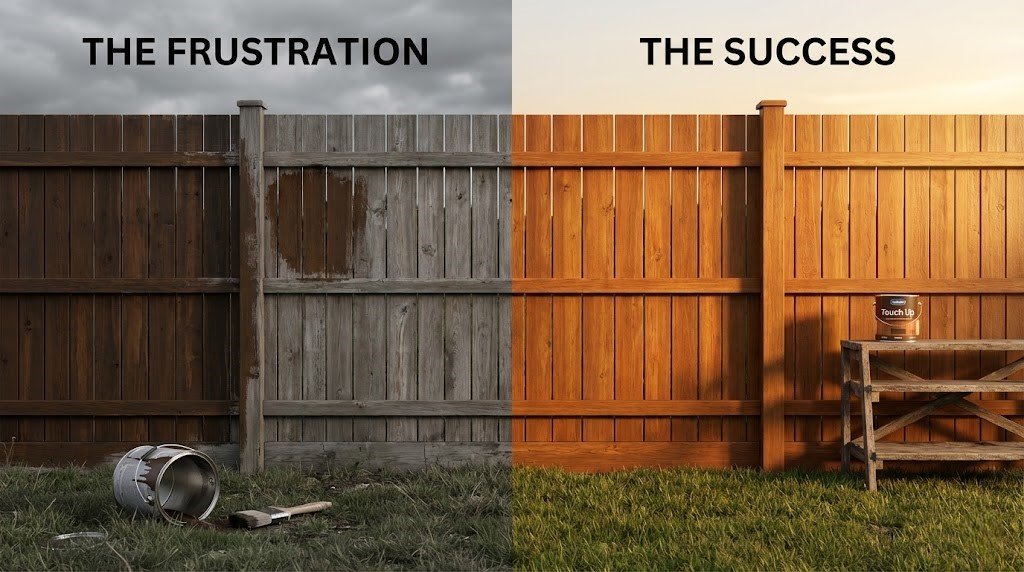
Standard calculators tell you the bare minimum. Our tool is built for homeowners who want their work to last. We include a 10% Touch-Up Margin automatically. Wood expands and contracts, and garden structures are subject to mower dings and weather wear. This ensures you have a quart left over to keep in the shed for minor repairs. We also separate Primer from Finish Paint, as these have different coverage rates and you'll need to purchase them as separate products.
Educational Guide: Exterior Staining vs. Painting
In the garden niche, you often have a choice between paint and stain. Understanding the difference is key to long-term maintenance.
Stain (Best for Fences and Decks)
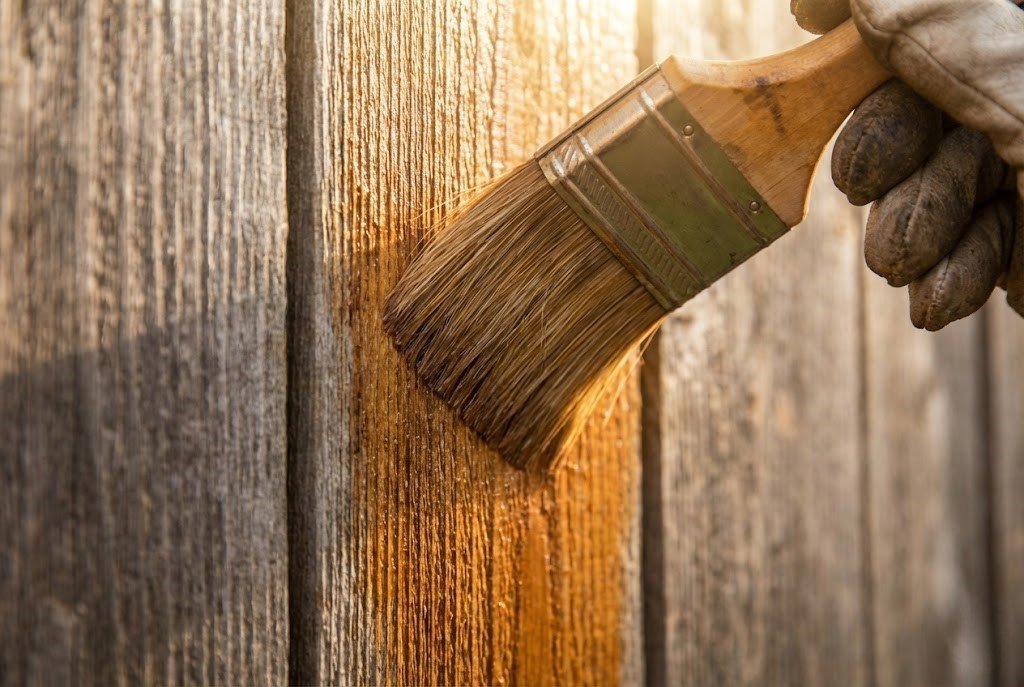
Stain penetrates the wood fibers rather than sitting on top. This is ideal for Rough Cedar and pressure-treated wood because it won't peel or flake. It eventually fades, meaning maintenance just requires a quick wash and a fresh coat.
Paint (Best for Sheds and Furniture)
Paint creates a thick protective film. It offers the best UV protection but can trap moisture inside the wood if not primed correctly. For sheds made of T1-11 or smooth siding, paint provides a vibrant, clean look that can last 10+ years.
Pro Tip: Never paint or stain "Green" (wet) pressure-treated wood. Wait at least 2–4 months for the moisture level to drop below 15% before applying any product, or the finish will bubble and peel within weeks.
Frequently Asked Questions
Q: How many square feet does one gallon of paint cover?
A: On smooth surfaces, a gallon usually covers 350-400 sq ft. On rough or porous surfaces like stucco or rough-sawn cedar, coverage drops to 150-200 sq ft per gallon.
Q: Do I really need two coats of stain on a fence?
A: For solid or semi-transparent stains, yes. The first coat seals the wood, and the second coat provides the uniform color and UV protection needed to prevent graying.
Q: Can I use interior paint on my garden shed?
A: Absolutely not. Interior paint lacks the "mildewcides" and flexible resins required to handle temperature swings and moisture. It will mold and crack within a single season.