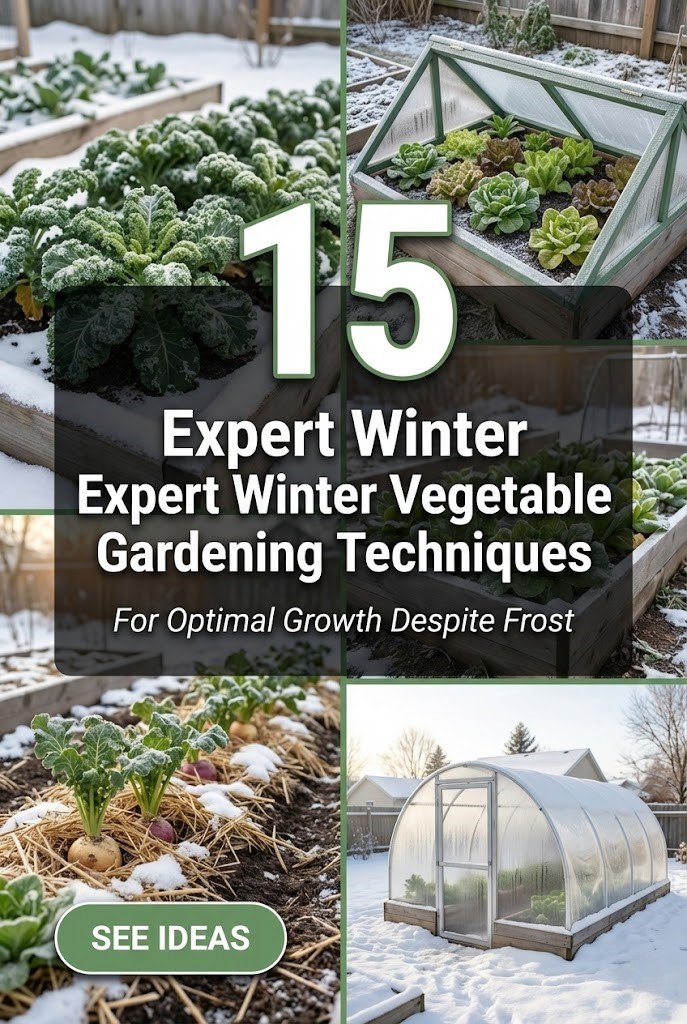
Winter vegetable gardening involves cultivating crops during the colder months to extend your harvest season and maintain a supply of fresh produce. This practice requires selecting resilient plants, employing protective measures, and optimizing soil conditions to counteract low temperatures and reduced sunlight. By engaging in winter vegetable gardening, you can enhance your self-sufficiency, reduce grocery expenses, and enjoy nutrient-rich vegetables even in challenging weather.
The value of winter vegetable gardening lies in its ability to promote year-round gardening, improve soil health through cover crops, and provide psychological benefits from continued outdoor activity. With proper planning, you can transform your garden into a productive space regardless of the season, ensuring a steady yield of vegetables such as kale, carrots, and Brussels sprouts.
1) Select Cold-Hardy Vegetable Varieties
You should begin your winter vegetable gardening efforts by choosing varieties specifically bred for cold tolerance. Hardy winter vegetables such as kale, spinach, and Swiss chard can withstand frost and continue growing in temperatures as low as 20°F. These plants not only survive but often improve in flavor after exposure to cold, offering sweeter and more robust tastes.
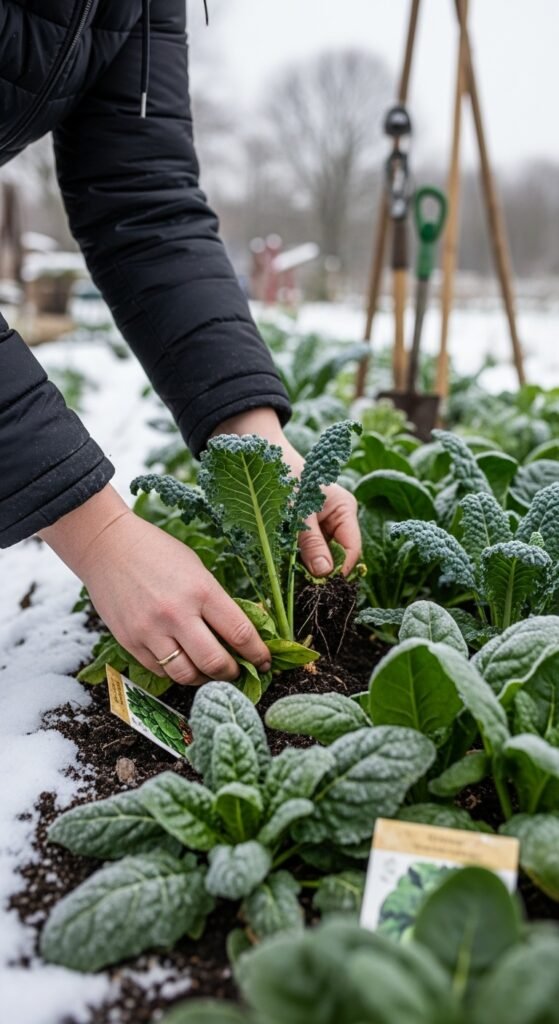
The rationale for this selection is to minimize crop loss and maximize yield during winter. By focusing on resilient species, you ensure consistent production without excessive intervention. To implement this, research seed catalogs for cold-hardy options and plant them in late summer or early fall, allowing establishment before the first frost. For more details on suitable choices, consider exploring hardy winter vegetables that thrive in your climate zone.
2) Utilize Cold Frames for Protection
Incorporating cold frames into your garden setup provides a microclimate that shields vegetables from harsh winter elements. These structures, essentially bottomless boxes with transparent lids, trap solar heat and protect against wind and snow, extending the growing season by several weeks.
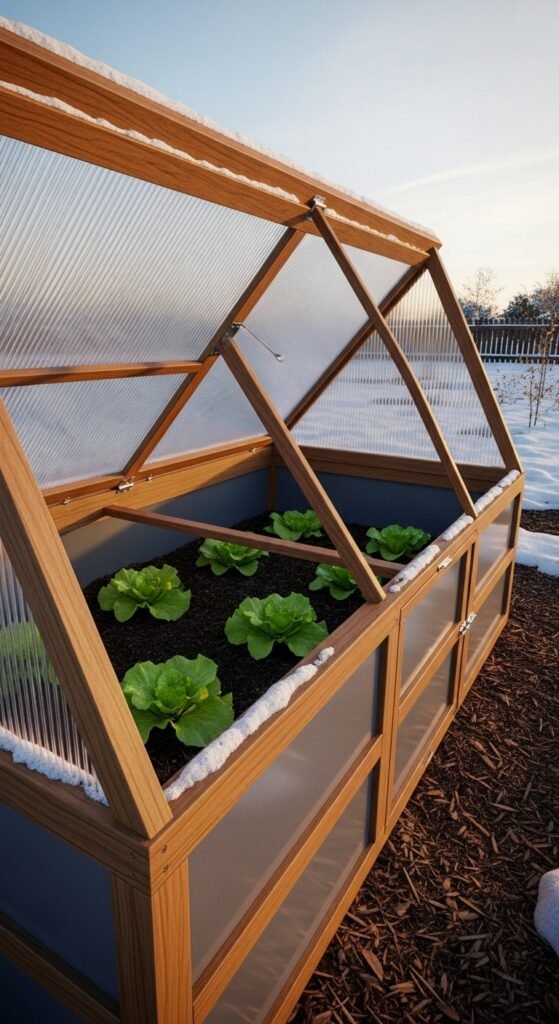
This method is beneficial because it allows you to cultivate tender crops like lettuce and radishes well into winter, increasing diversity in your harvest. The controlled environment also reduces the risk of freeze damage. To apply this idea, construct or purchase a cold frame and position it over planted rows, ensuring the lid can be vented on warmer days to prevent overheating. Additional cold frame ideas can help customize your approach.
3) Implement Row Covers Strategically
Row covers serve as lightweight fabric barriers that insulate plants while permitting light and moisture penetration. You can drape them over hoops or directly on crops to create a protective layer against frost, pests, and debris during winter vegetable gardening.
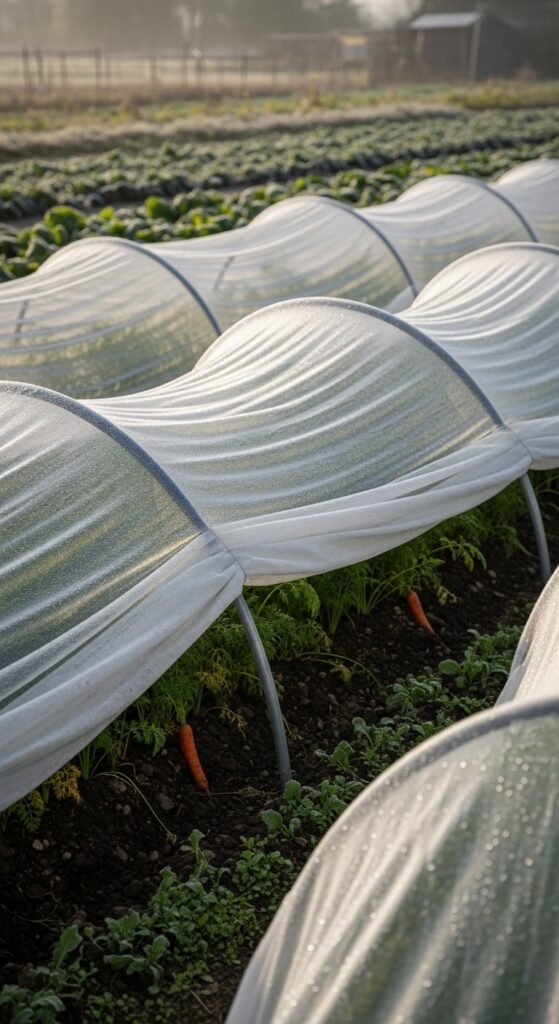
The advantage lies in their versatility and ease of use, offering up to 8°F of frost protection without restricting growth. This enables sustained cultivation of root vegetables and greens. For effective application, secure the covers firmly to prevent wind displacement, and remove them periodically for pollination if needed. Such frost protection for plants enhances overall garden resilience.
4) Apply Heavy Mulching Techniques
Mulching involves covering the soil surface with organic materials like straw or leaves to regulate temperature and retain moisture. In winter, a thick layer insulates roots, suppresses weeds, and prevents soil erosion from heavy rains or snowmelt.
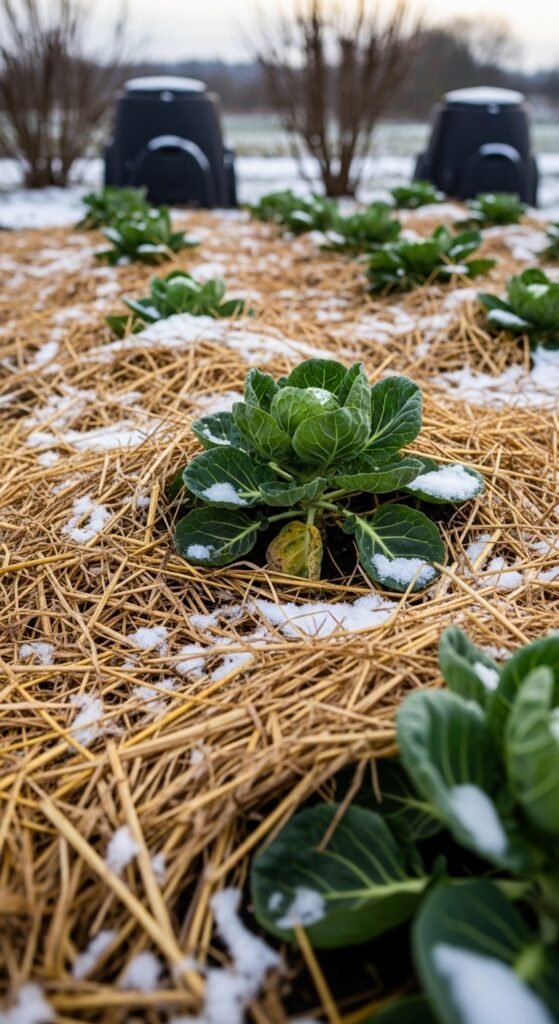
This practice is essential for maintaining soil health and protecting perennial vegetables, as it minimizes temperature fluctuations that could harm root systems. You will notice improved plant survival rates and easier spring transitions. To execute, spread 4-6 inches of mulch after the ground freezes, avoiding direct contact with stems to prevent rot.
5) Opt for Raised Bed Gardening
Raised beds elevate the planting area, improving drainage and soil warming, which is crucial for winter vegetable gardening in regions with heavy clay or poor soil. They allow better control over soil composition and reduce compaction from foot traffic.
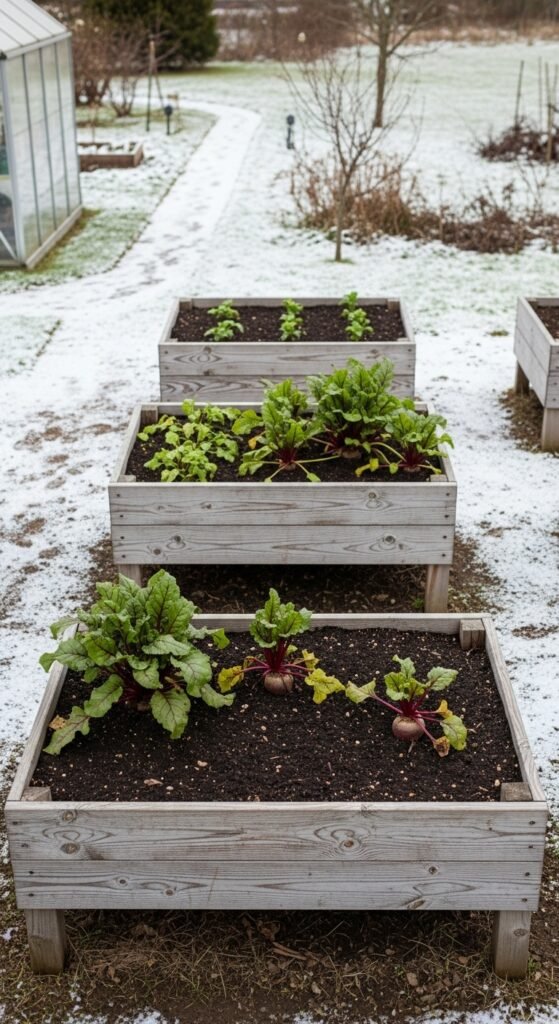
The benefits include earlier planting opportunities and extended harvests, as the soil thaws faster in spring. This setup is particularly effective for root crops like beets and carrots. Construct beds 4-6 feet wide for easy access, fill with a nutrient-rich mix, and consider winterizing them to protect against erosion. Insights on winterizing raised beds can further optimize your setup.
6) Practice Succession Planting
Succession planting entails sowing seeds at intervals to ensure continuous harvests throughout winter. You can stagger plantings of quick-maturing crops like radishes and lettuce every two weeks in late fall for ongoing supply.
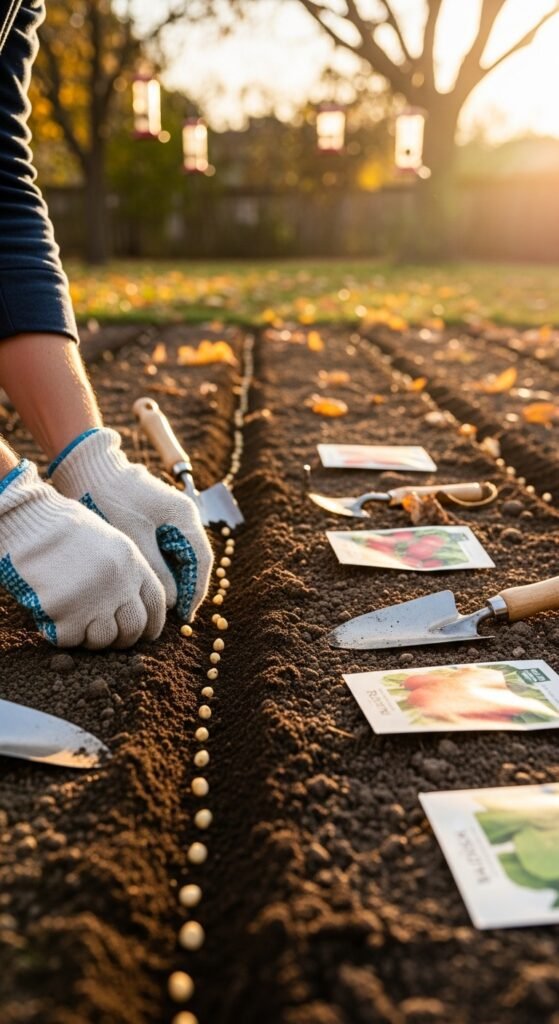
This approach maximizes space efficiency and reduces the risk of total crop failure from unexpected weather events. It promotes a steady flow of fresh produce, enhancing dietary variety. Plan your schedule based on maturity times and local frost dates, adjusting for shorter daylight hours.
7) Overwinter Selected Crops
Overwintering involves leaving certain vegetables in the ground through winter for early spring harvest. Crops like garlic and onions benefit from this, developing stronger roots and bulbs under protective snow cover.
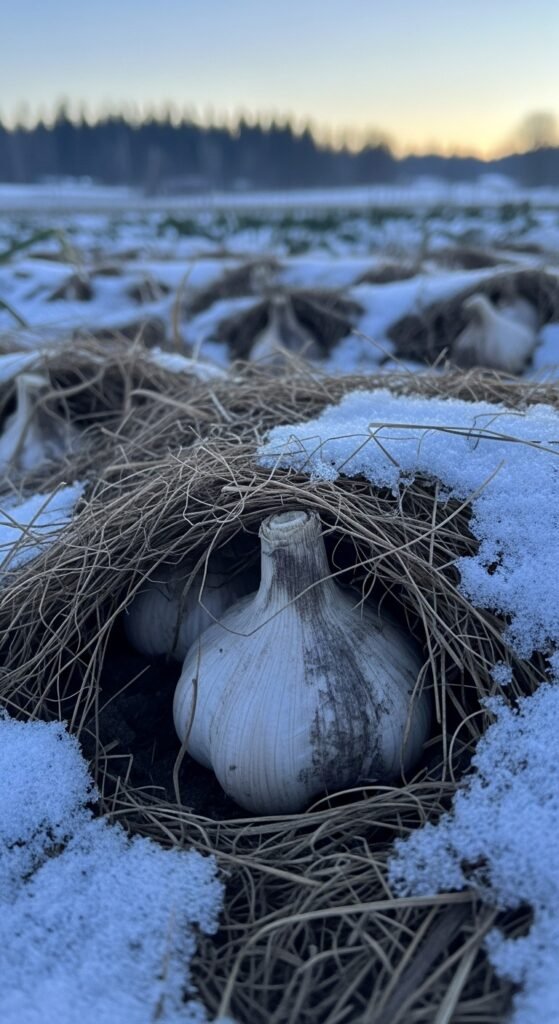
The method saves time and resources, as it eliminates the need for indoor starting. You gain access to fresh produce sooner in the new season. To succeed, plant in fall with adequate spacing and mulch heavily; monitor for signs of heaving in fluctuating temperatures. Techniques for overwintering peppers can be adapted similarly.
8) Incorporate Hoop Houses or Tunnels
Hoop houses, created with PVC or metal arches covered in plastic, offer an affordable greenhouse alternative for winter protection. They trap heat and shield from precipitation, suitable for larger garden areas.
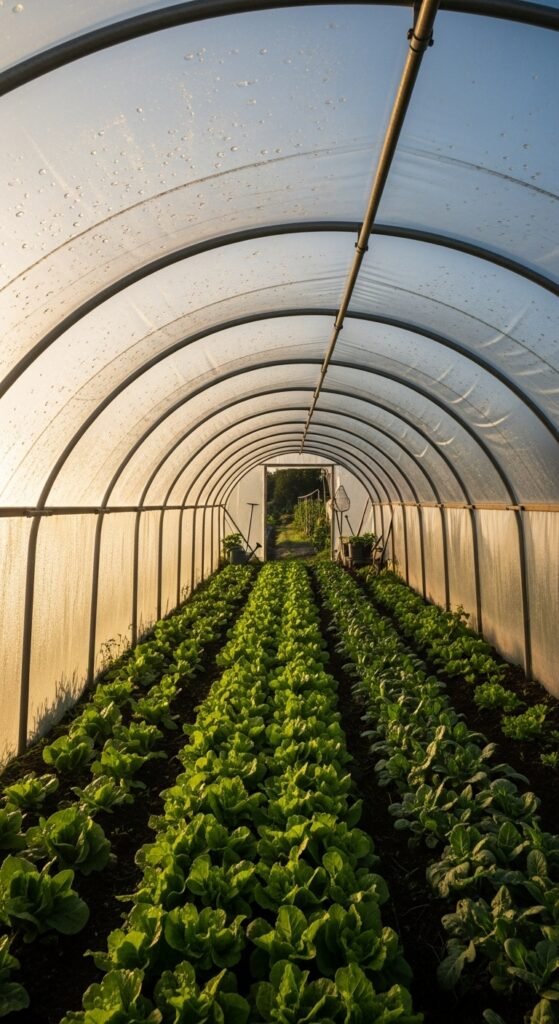
This structure extends the viability of warmth-loving vegetables and allows year-round growth in milder climates. It also facilitates better airflow management. Assemble the frame securely, anchor it against winds, and ventilate to control humidity and prevent disease.
9) Prepare Soil in Advance During Fall
Fall soil preparation sets the foundation for successful winter vegetable gardening by amending with compost and testing pH levels. Incorporating organic matter improves structure and nutrient availability for cold-season crops.
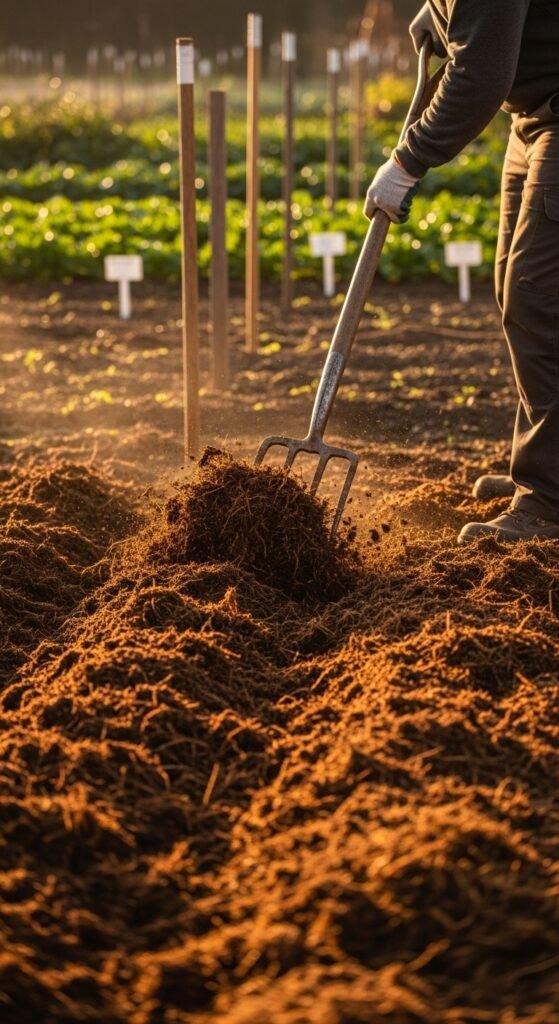
Proper preparation enhances root development and disease resistance, leading to healthier plants. You avoid common pitfalls like nutrient deficiencies. Conduct soil tests, add amendments as needed, and till lightly to integrate without disrupting beneficial organisms. For guidance, review what to plant in fall to align with your preparations.
10) Employ Companion Planting for Mutual Benefits
Companion planting pairs compatible vegetables to enhance growth and deter pests naturally. For winter, combine brassicas with alliums to improve soil health and reduce insect pressures.
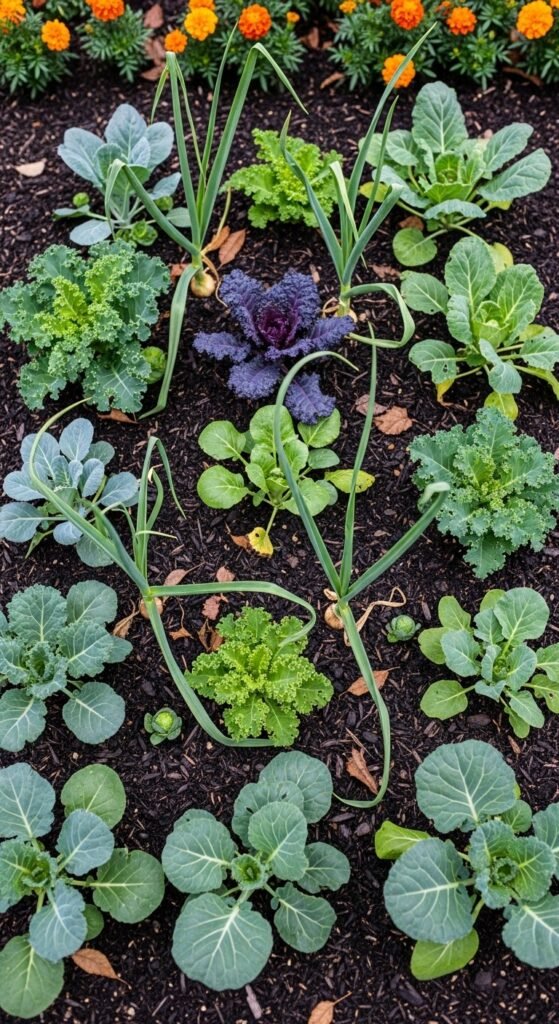
This strategy optimizes space and promotes biodiversity, resulting in more resilient gardens. It minimizes chemical interventions, aligning with sustainable practices. Select companions based on compatibility charts, plant them in proximity, and observe interactions for adjustments.
11) Develop Winter Watering Strategies
Winter watering requires careful monitoring, as frozen soil limits absorption, but dry spells can stress plants. You should water deeply before freezes and use insulated covers to maintain moisture levels.
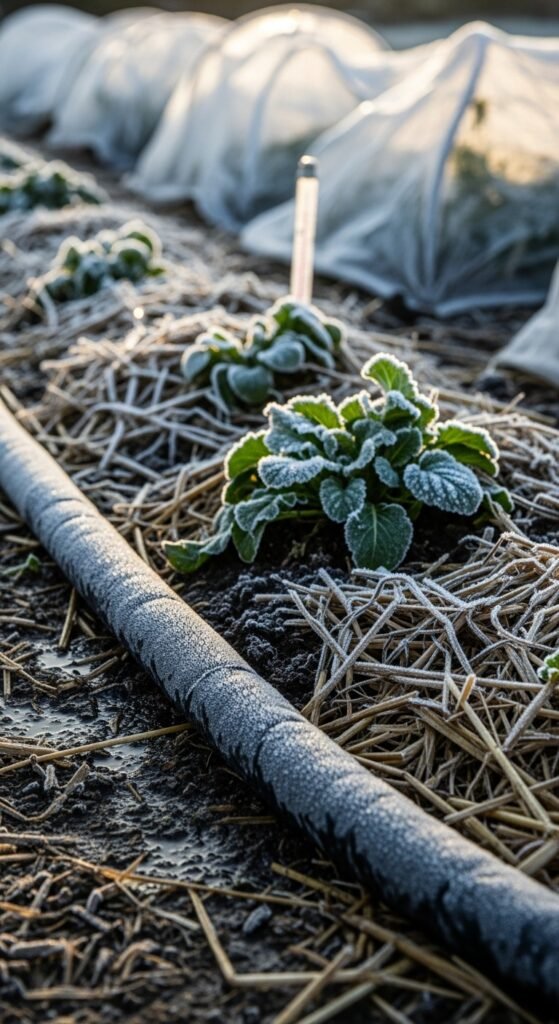
Effective strategies prevent desiccation and support root vitality, ensuring plant survival. Overwatering risks root rot, so balance is key. Check soil moisture regularly, irrigate on warmer days, and mulch to conserve water.
12) Manage Pests in Cold Conditions
Pest management in winter focuses on preventive measures, as cold reduces activity but some threats persist. Inspect plants regularly and use barriers or organic sprays for control.
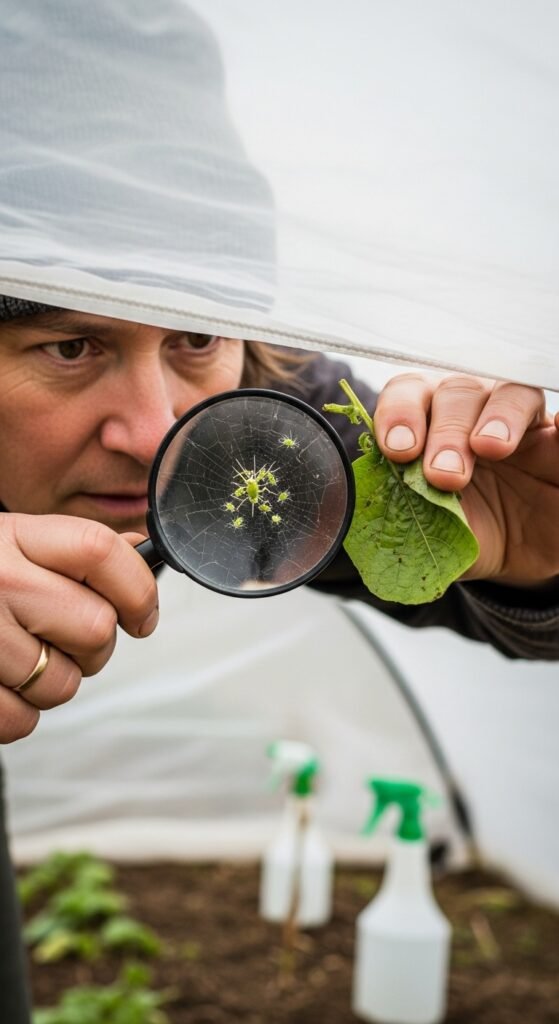
This vigilance protects your investment and maintains crop quality. Proactive approaches yield better results than reactive ones. Encourage beneficial insects, rotate crops, and clean debris to disrupt pest cycles.
13) Adopt Proper Harvesting Techniques
Harvesting in winter demands timing to capture peak flavor, often after light frosts for sweeter greens. You can pick selectively, leaving plants to continue producing where possible.
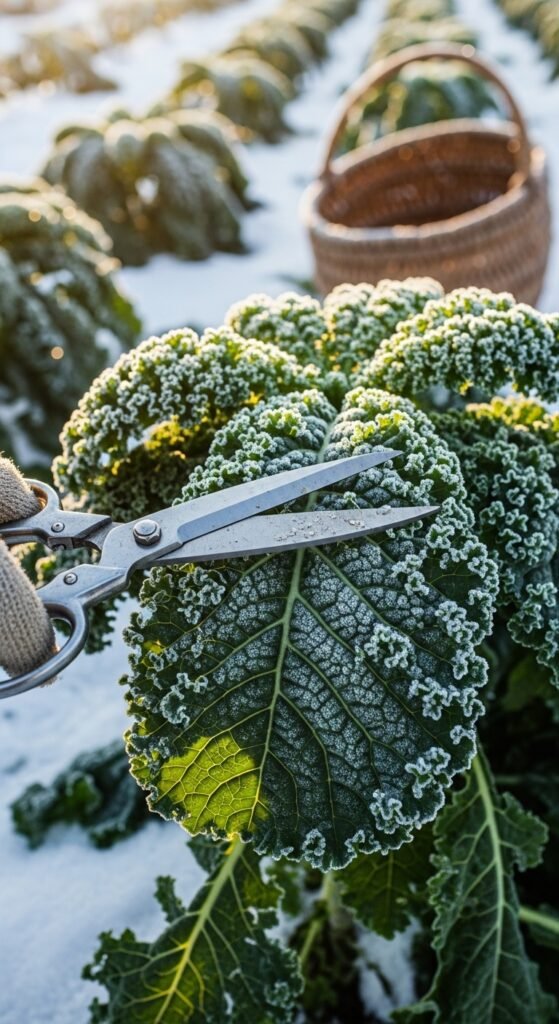
Correct techniques preserve plant health and extend productivity. It also ensures nutritional integrity. Use sharp tools, harvest in the morning, and store promptly to maintain freshness.
14) Focus on Post-Harvest Storage Methods
Effective storage extends the usability of your winter harvest. Root vegetables like potatoes thrive in cool, dark, humid environments to prevent sprouting and decay.
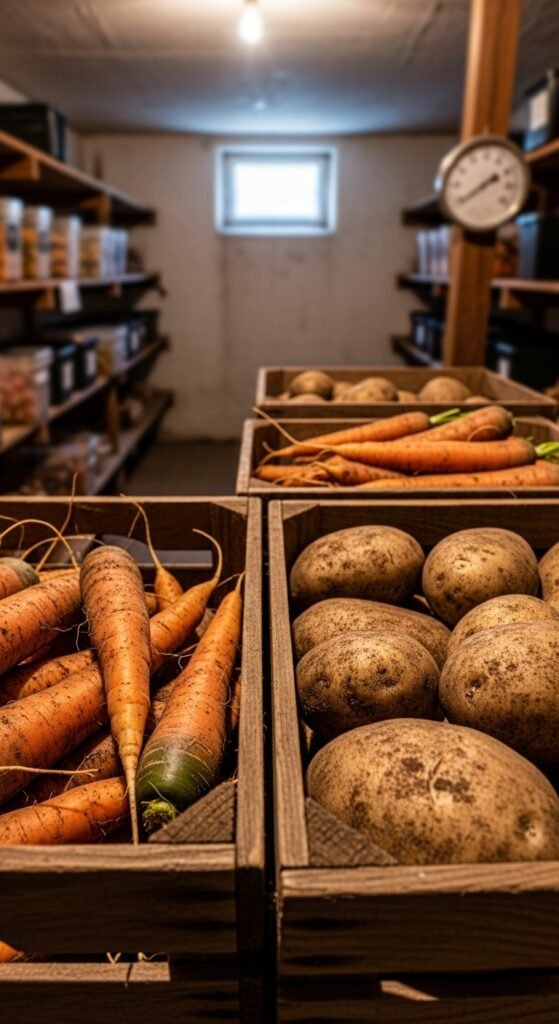
This practice reduces waste and provides ongoing access to homegrown produce. Proper conditions maintain vitamins and flavors. Sort produce, cure if necessary, and monitor storage areas for issues. Explore root cellar ideas for advanced options.
15) Plan for Seamless Spring Transitions
Planning the transition to spring involves gradual removal of protections and soil testing to address winter depletions. You can start seeds indoors while monitoring outdoor conditions.
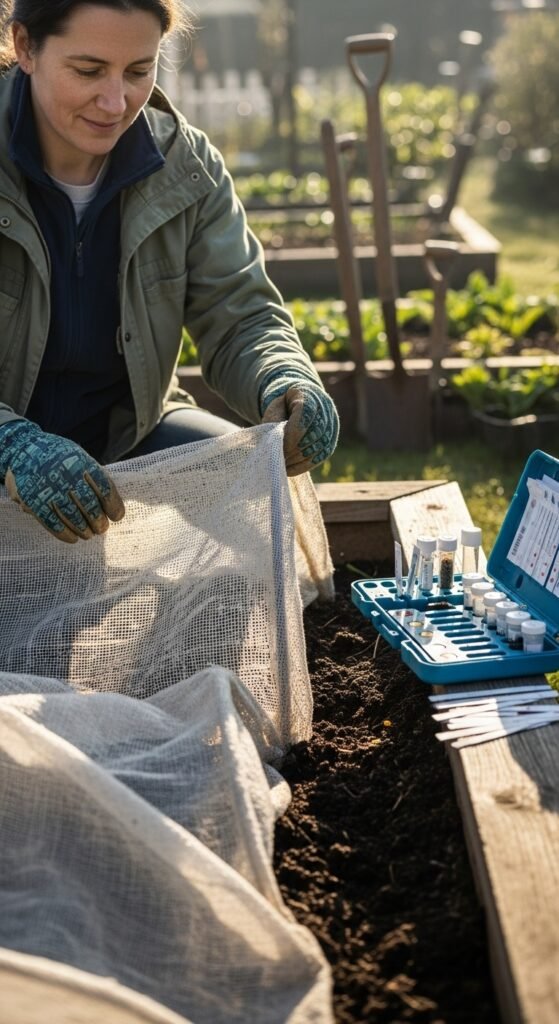
This foresight ensures uninterrupted gardening cycles and robust early growth. It mitigates shocks from sudden changes. Develop a timeline, incorporate cover crops for soil renewal, and adjust based on weather forecasts. Consider integrating winter cover crops to enrich the soil naturally.
Key Principles of Winter Vegetable Gardening
Soil Health Management
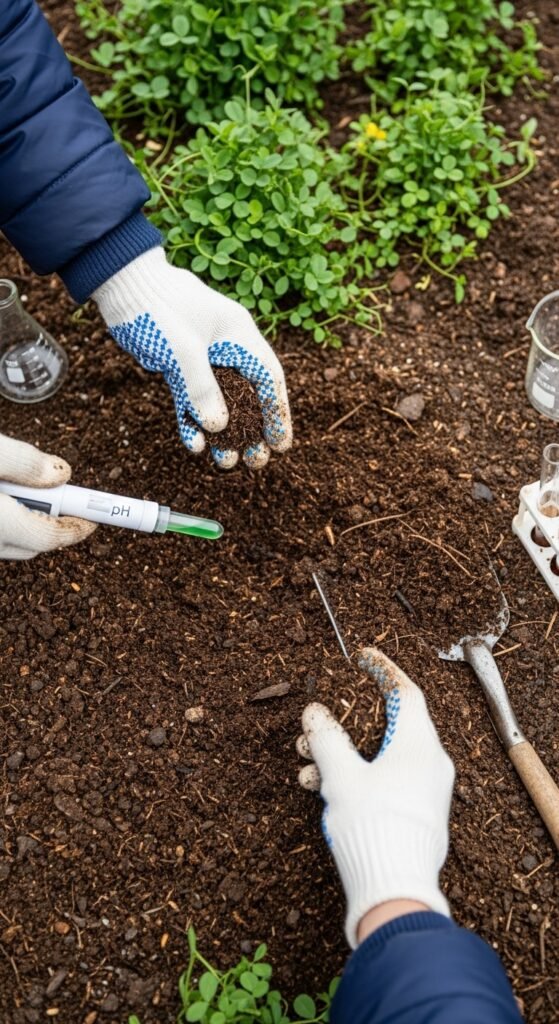
Maintain optimal soil conditions through regular testing and amendments to support winter crops effectively.
Climate Adaptation Techniques
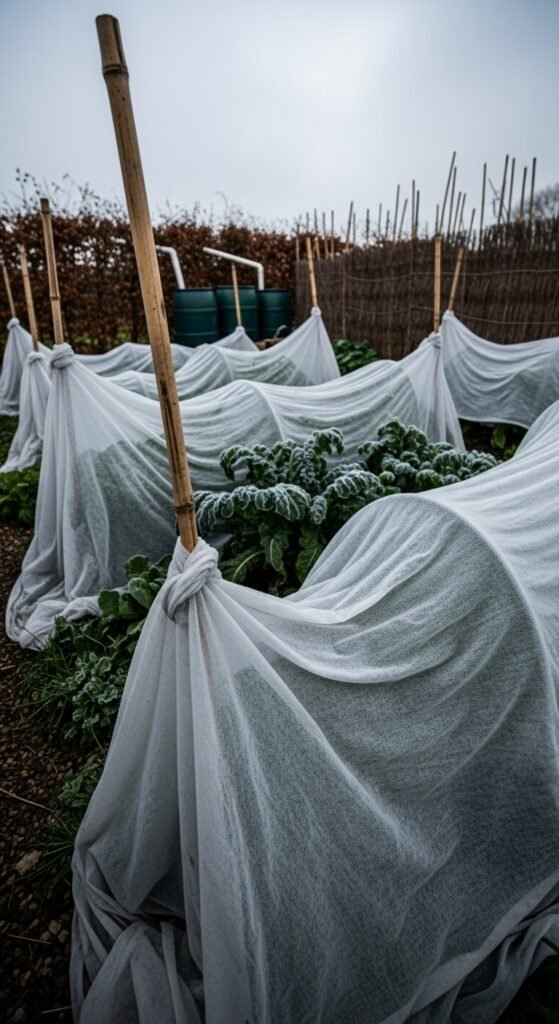
Adapt your methods to local weather patterns, using tools like frost blankets for unpredictable conditions.
Sustainable Practices
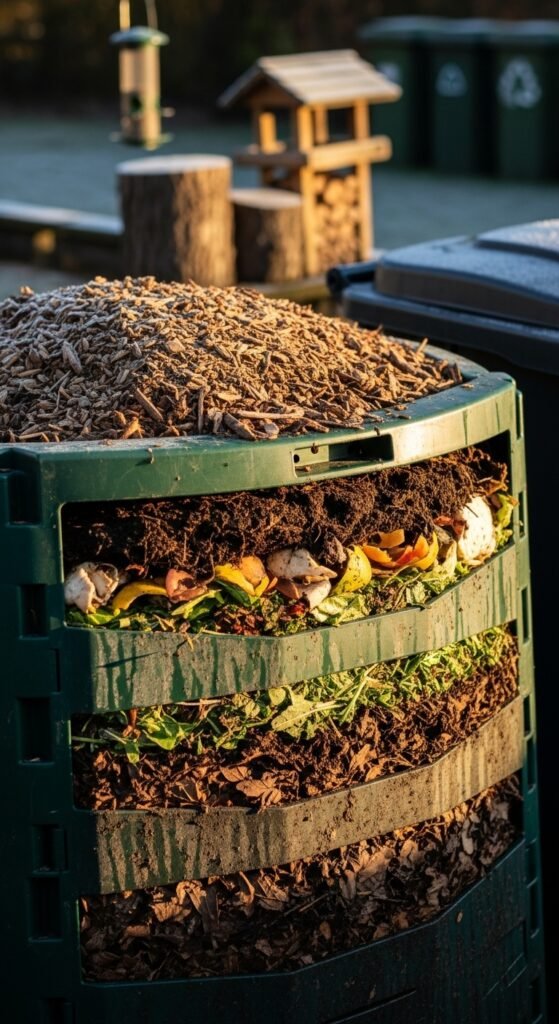
Incorporate eco-friendly habits, such as composting winter waste, to enhance long-term garden viability.
Frequently Asked Questions
What vegetables grow best in winter?
Vegetables such as kale, carrots, Brussels sprouts, and leeks perform well in winter due to their cold tolerance and ability to sweeten with frost exposure.
How do I protect my garden from frost?
Employ row covers, cold frames, or mulch to insulate plants, and water the soil before a freeze to release heat as it solidifies.
Can I start winter gardening as a beginner?
Yes, beginners can succeed by starting small with hardy varieties and basic protections, gradually expanding as experience grows.
When should I plant for winter harvest?
Plant in late summer or early fall, timing based on your region’s first frost date to allow establishment before cold sets in.
Is winter gardening possible in all climates?
While challenging in extreme cold, adaptations like greenhouses enable winter gardening in most areas with proper planning.