
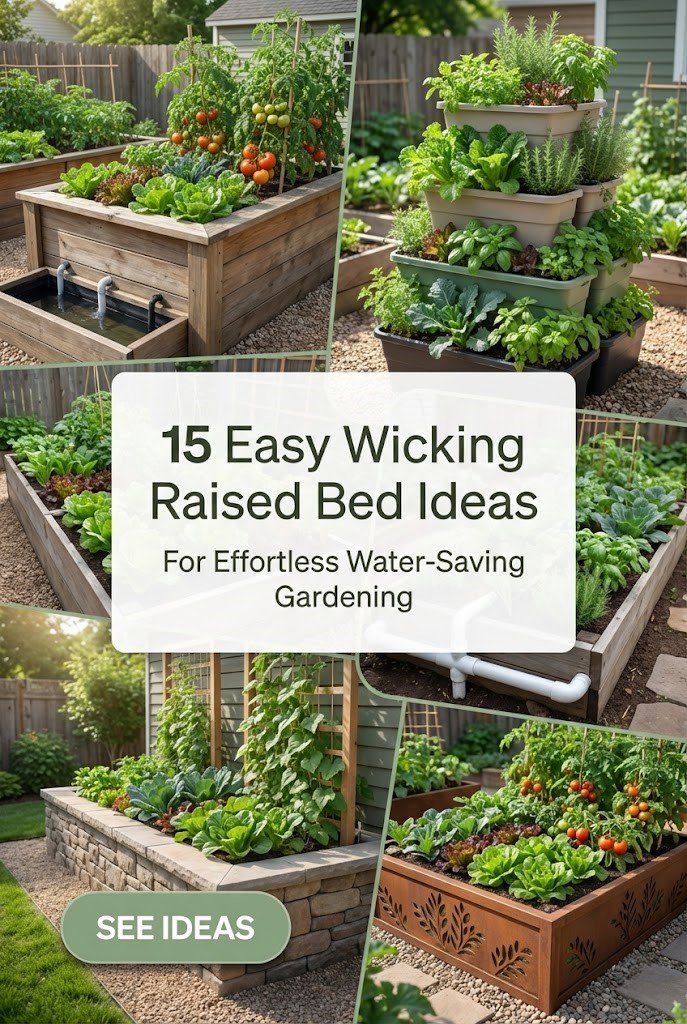
Wicking raised beds represent an efficient watering system that revolutionizes raised bed gardening. These designs incorporate a built-in reservoir at the base, allowing water to wick upward through capillary action to reach plant roots. This self-watering mechanism ensures consistent moisture levels, reduces water waste, and minimizes the need for frequent irrigation.
By adopting a wicking raised bed, you can achieve healthier plants with less effort, particularly in dry climates or during hot summers. The system promotes deep root growth and prevents overwatering issues common in traditional beds. Whether you are a beginner or experienced gardener, these ideas will help you create productive, low-maintenance vegetable or flower gardens.
Explore these 15 practical concepts to incorporate wicking technology into your raised beds, enhancing water efficiency and plant vitality.
1) Classic Reservoir Wicking Bed
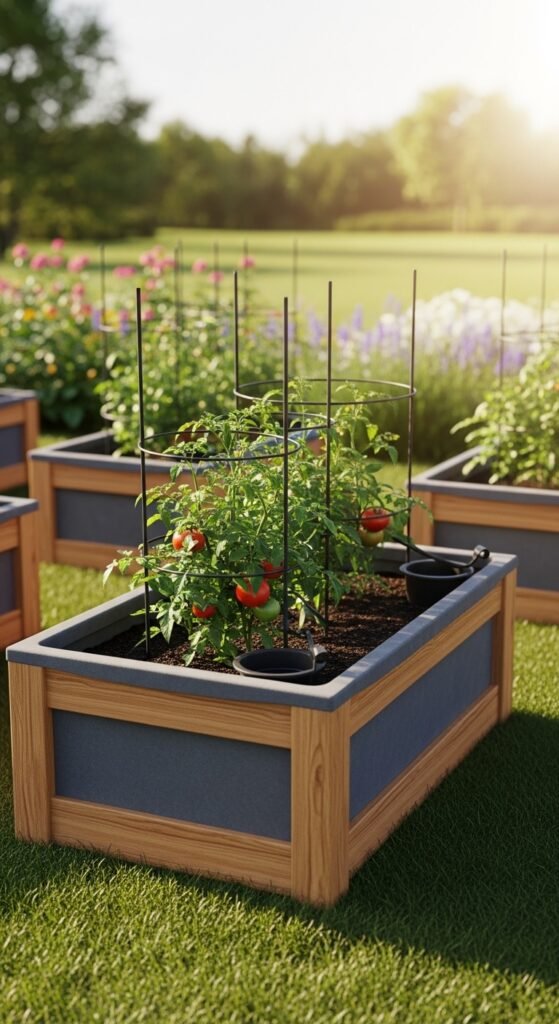
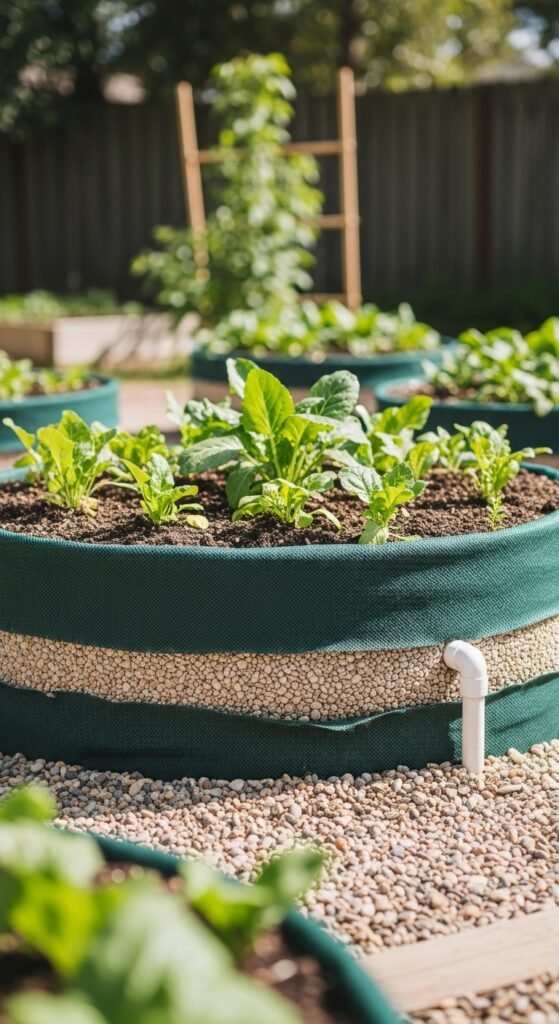
You can construct a classic wicking raised bed by layering a water reservoir at the bottom using gravel or sand, separated by geotextile fabric, and topped with quality soil. This setup allows water to be drawn up as needed, maintaining optimal hydration for your plants.
The primary advantage lies in its simplicity and effectiveness for growing thirsty crops like tomatoes or leafy greens. To implement, fill the reservoir via a dedicated pipe, ensuring even distribution without disturbing the soil surface.
For enhanced performance in hot conditions, refer to our guide on the best time to water in summer to supplement as necessary.
2) PVC Pipe Fill System Integration
Incorporate vertical PVC pipes as fill tubes in your wicking raised bed to easily replenish the reservoir without overflow risks. Drill holes at the base for water dispersal and cap the top for convenience.
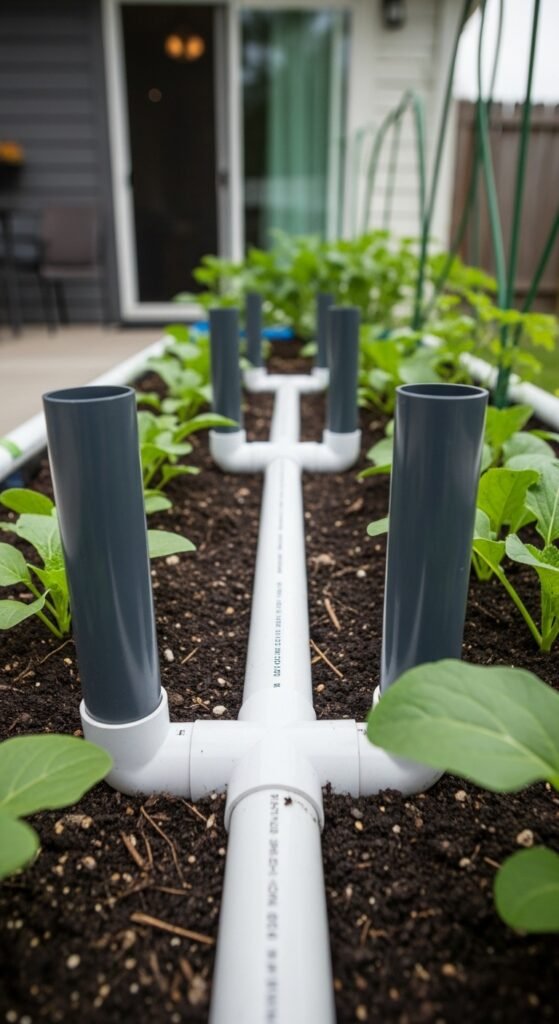
This method prevents soil compaction from direct pouring and allows precise monitoring of water levels. It is ideal for larger beds where even watering is crucial.
Pair this with a tailored summer watering schedule to optimize moisture during peak heat.
3) Recycled Container Wicking Bed
Transform old stock tanks or plastic totes into wicking raised beds by adding a reservoir layer and overflow drain. These durable materials resist weathering and provide ample depth for root development.
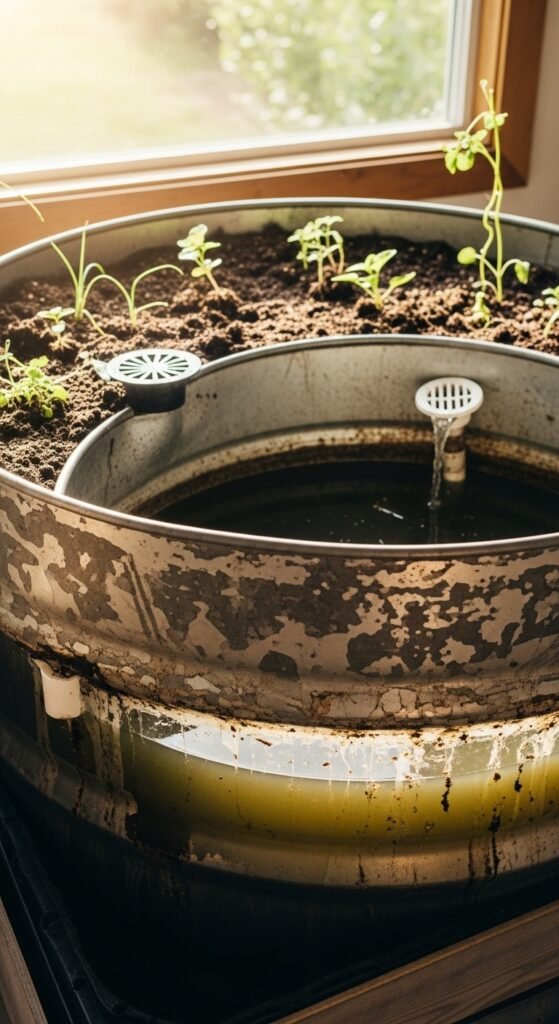
You benefit from portability and cost savings while achieving reliable self-watering. Drill an overflow hole at reservoir height to prevent flooding.
4) Multi-Level Stacked Wicking Design
Build stacked wicking raised beds with interconnected reservoirs for vertical space utilization. Each level wicks independently or via shared piping.
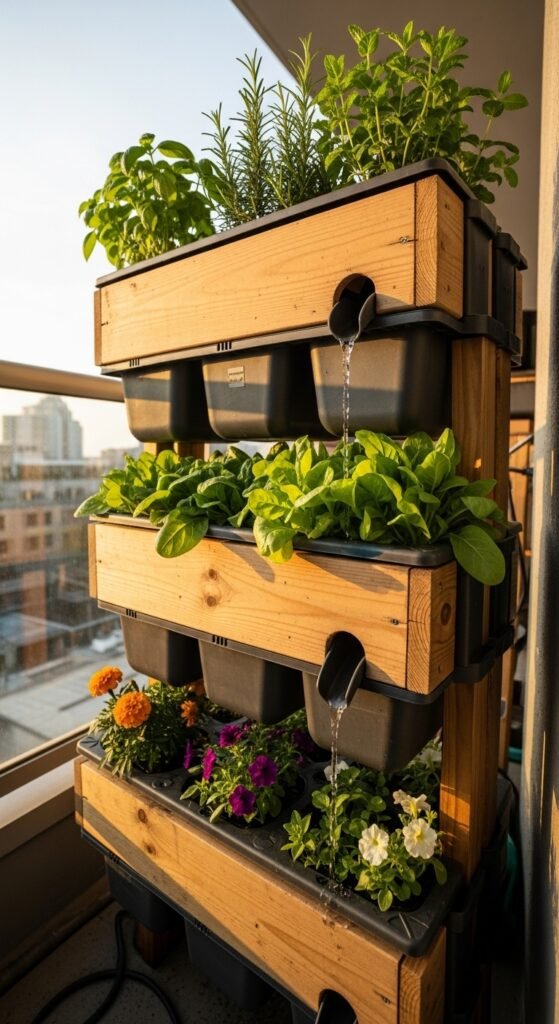
This approach maximizes small areas, such as patios, and supports diverse plantings. Ensure stable construction for safety.
Incorporate ideas from patio plant stand concepts to elevate and organize your setup.
5) Fabric Grow Bag Wicking System
Use large fabric grow bags placed over a reservoir tray to create portable wicking raised beds. The permeable fabric naturally facilitates capillary action.
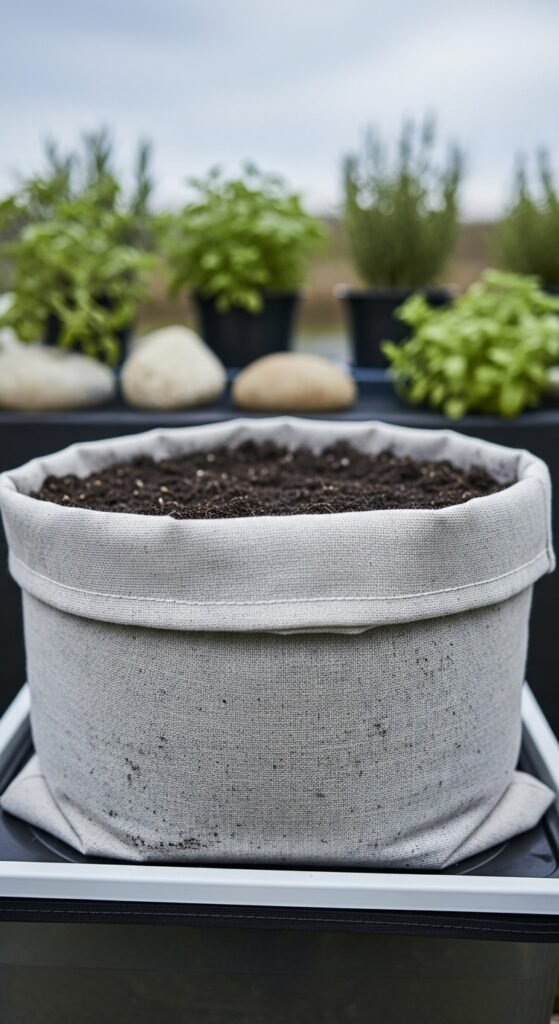
You gain flexibility for relocation and excellent aeration, reducing root rot risks. Fill the tray periodically for sustained moisture.
6) Wooden Frame with Liner Reservoir
Construct a wooden raised bed lined with pond liner to form the waterproof reservoir, filled with scoria or perlite for superior wicking.
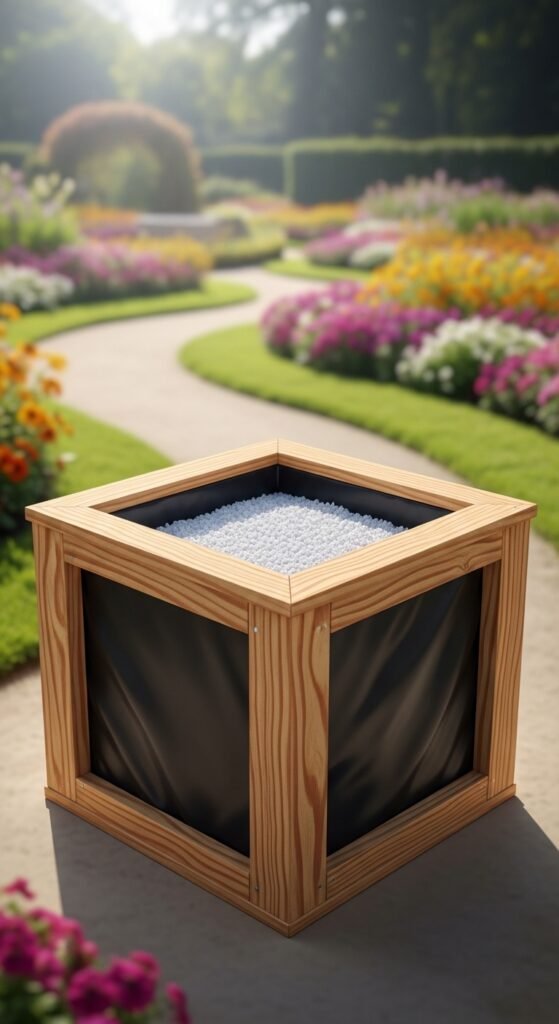
This traditional aesthetic combines with modern efficiency, suitable for ornamental gardens. Seal corners meticulously to avoid leaks.
7) Overflow Drain Enhanced Bed
Install an overflow drain in your wicking raised bed to manage excess rainwater, preventing anaerobic conditions in the reservoir.
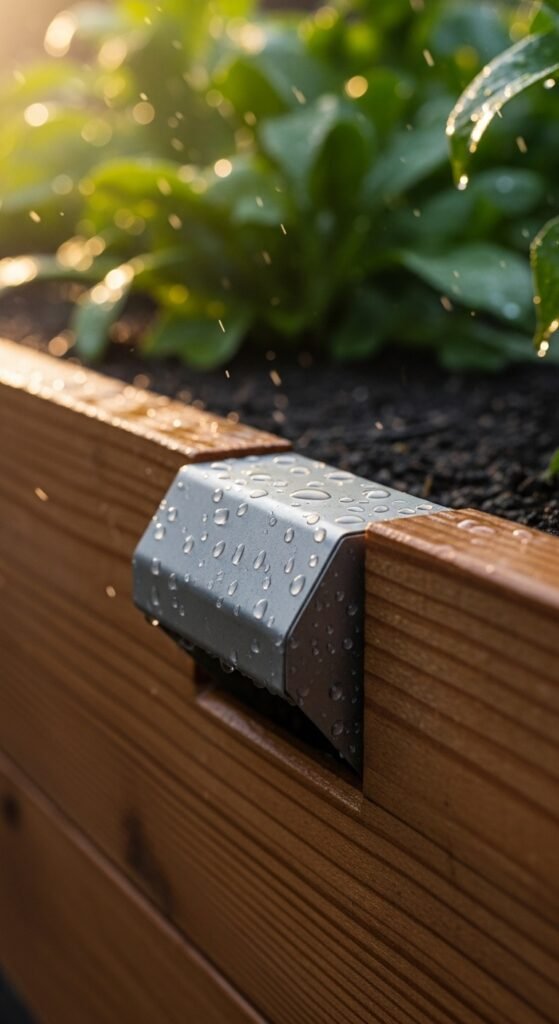
This feature is essential in wetter climates, ensuring root health year-round. Position the drain at the top of the reservoir layer.
8) Trellis-Integrated Wicking Bed
Add built-in trellises to your wicking raised bed for supporting climbing plants like beans or cucumbers, while the wicking system supplies steady water.
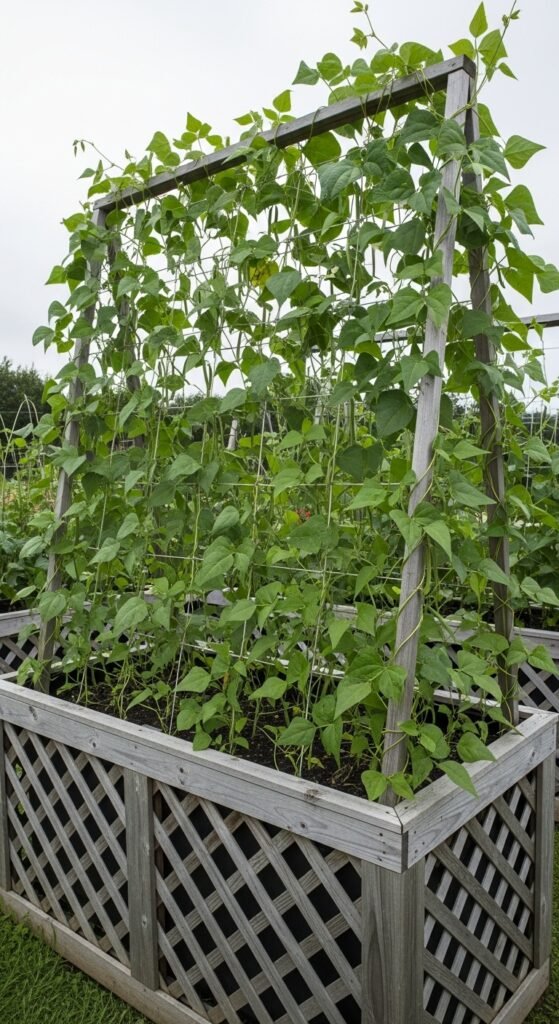
You enhance yield in limited space and promote air circulation. Anchor trellises securely during assembly.
Draw inspiration from garden trellis ideas for sturdy designs.
9) Herb-Focused Shallow Wicking Bed
Design shallower wicking raised beds specifically for herbs, with a reduced reservoir depth suited to their rooting habits.
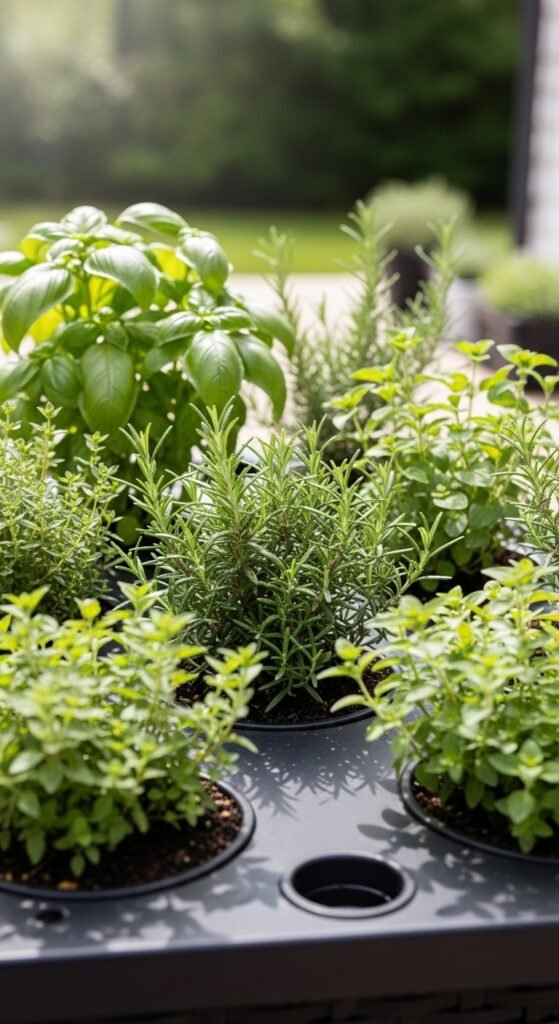
This targeted approach conserves water and materials while providing fresh herbs conveniently. Group compatible varieties for companion benefits.
Explore patio herb garden ideas for layout suggestions.
10) Large-Scale Vegetable Wicking Plot
Scale up to longer wicking raised beds for intensive vegetable production, using multiple fill points for uniform hydration.
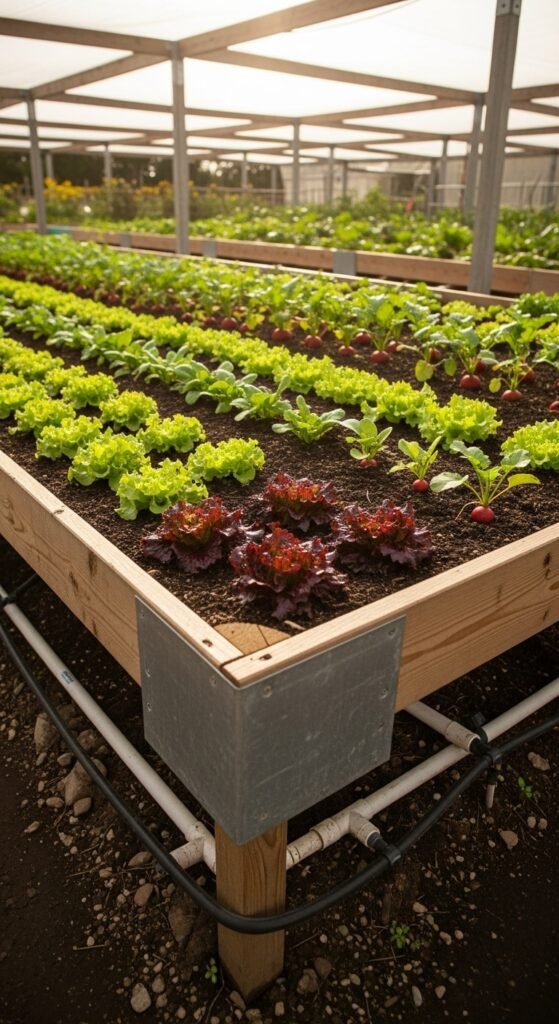
You can grow abundant crops with minimal watering labor, ideal for family gardens. Plan crop rotation to maintain soil fertility.
11) Accessible Height Wicking Bed
Elevate your wicking raised bed to waist height for easier access, incorporating the reservoir without compromising ergonomics.
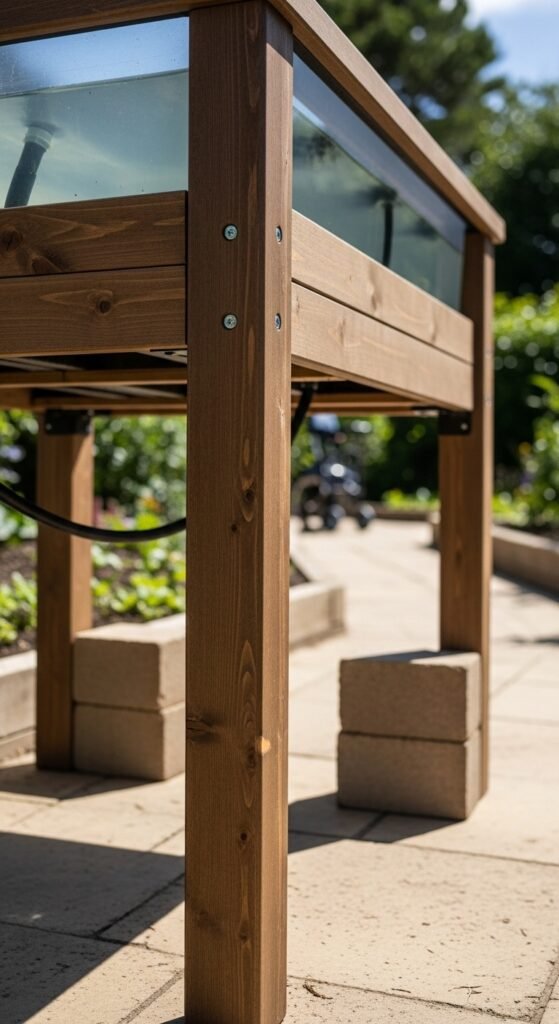
This design benefits those with mobility concerns and reduces bending strain. Use sturdy legs or blocks for support.
12) Mosquito-Resistant Sealed Reservoir
Seal the reservoir access points in your wicking raised bed to deter mosquitoes, combining with plants known for repellent properties.
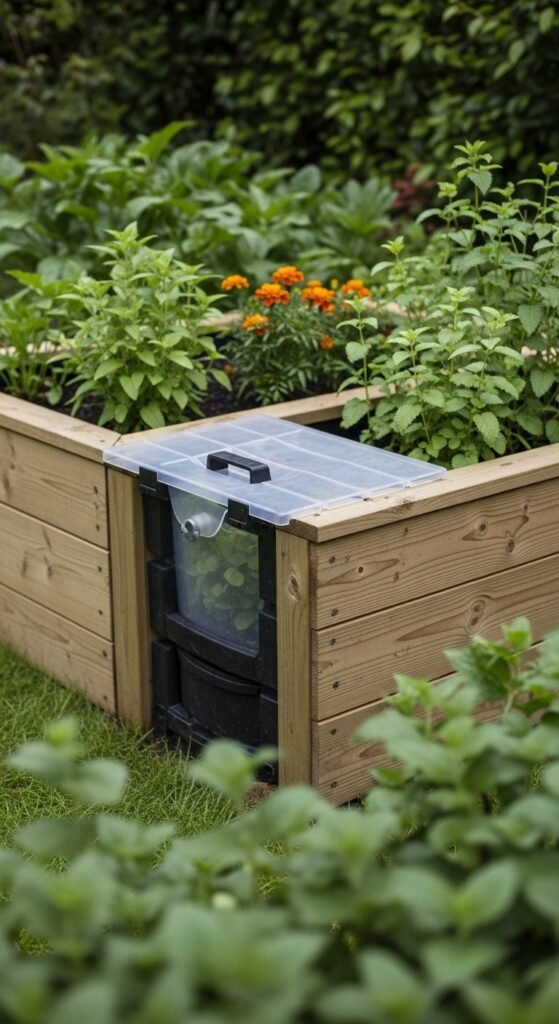
You maintain a healthy garden ecosystem safely. Screen vents if needed for aeration.
Learn more about mosquito-repelling plants to integrate alongside.
13) Winter-Ready Insulated Wicking Bed
Insulate the sides of your wicking raised bed with foam or straw to protect the reservoir from freezing in colder months.
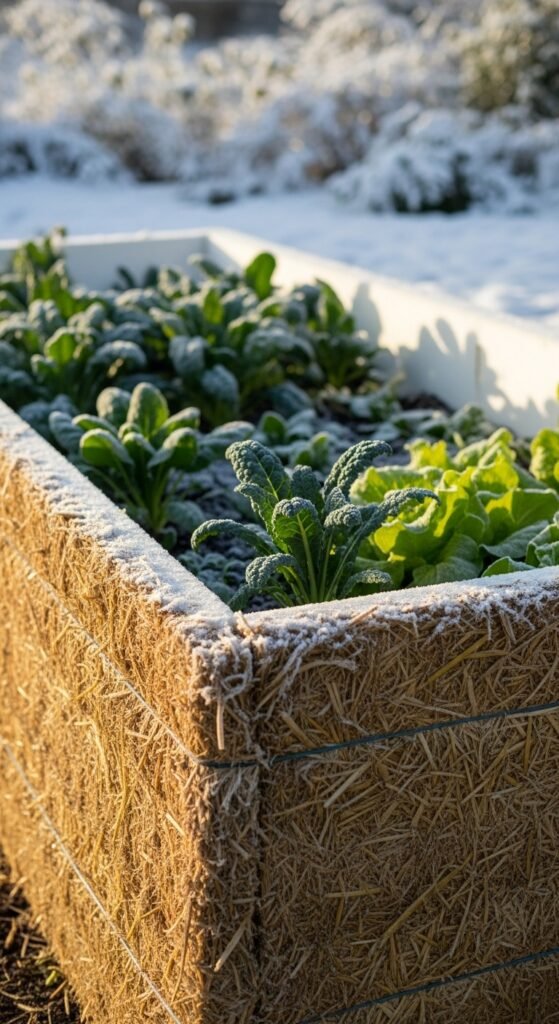
This extends usability for hardy crops. Monitor water levels carefully during dormancy.
Complement with tips on winter watering schedule.
14) Container Combo Wicking System
Combine multiple smaller wicking containers within a larger raised frame for modular flexibility.
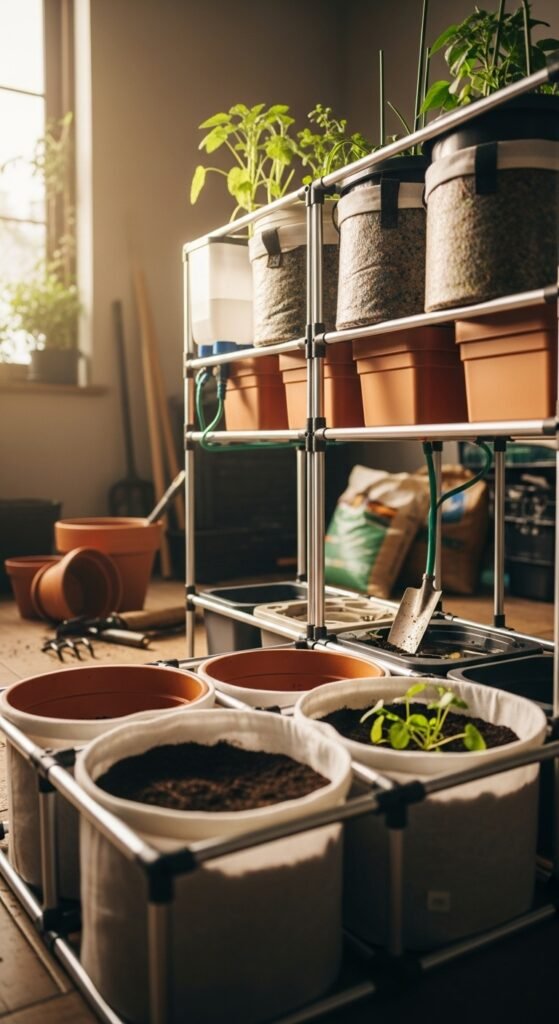
You can rearrange plants seasonally or isolate issues easily. Connect reservoirs if desired for shared watering.
Adapt principles from spring container garden ideas.
15) Decorative Stone-Faced Wicking Bed
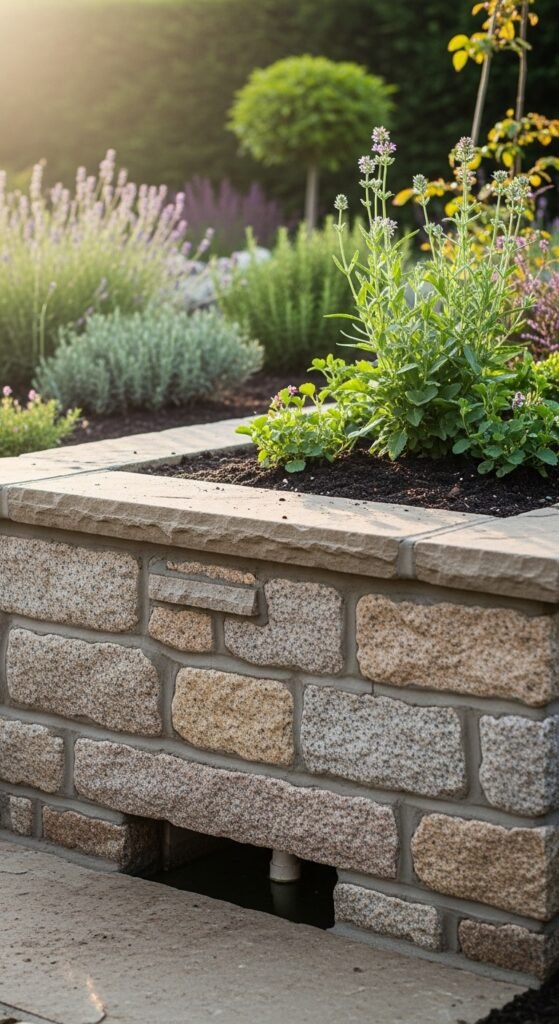
Face your wicking raised bed with decorative stones or bricks for aesthetic appeal, ensuring the internal reservoir remains functional.
This elevates your garden’s visual impact while retaining water-saving benefits. Secure facing materials firmly.
Key Tips for Successful Wicking Raised Beds
Choosing Materials
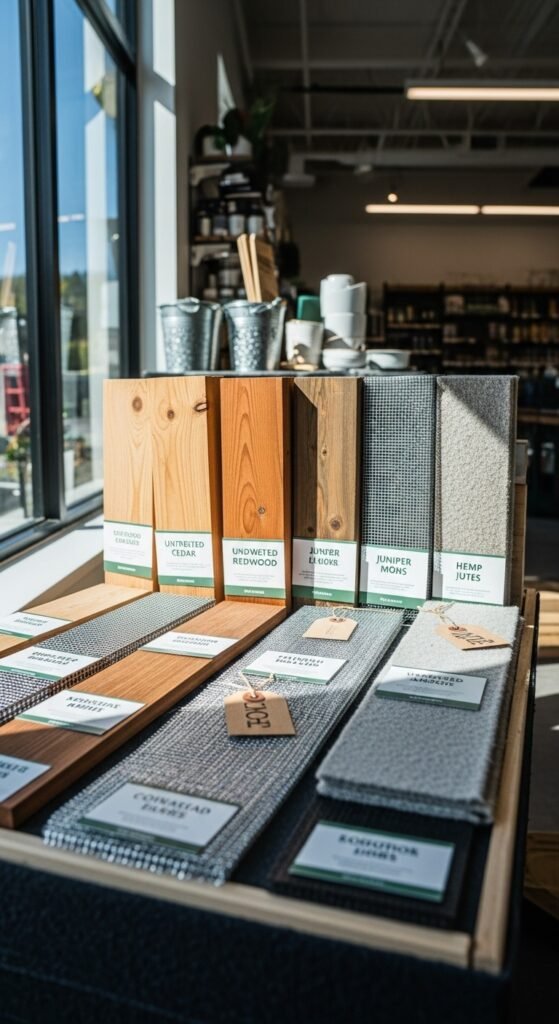
Select food-safe, durable materials for longevity and plant health. Avoid treated woods that may leach chemicals.
Soil Composition

Use a wicking-friendly mix with good capillary properties, such as coir or compost blended with vermiculite.
Maintenance Practices
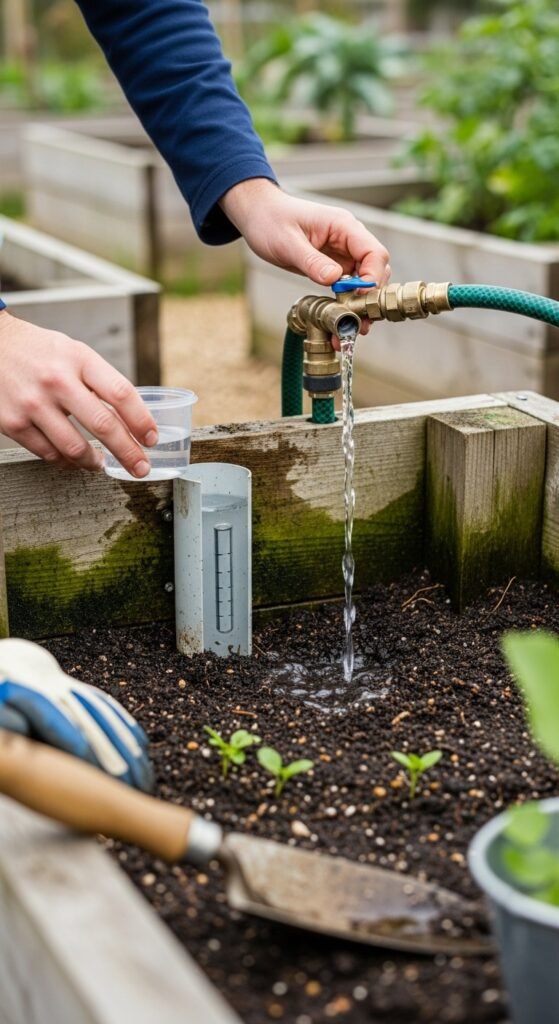
Regularly check reservoir levels and flush occasionally to prevent salt buildup.
Frequently Asked Questions
What is a wicking raised bed?
A wicking raised bed is a gardening structure with a bottom reservoir that supplies water to plant roots through capillary action, reducing the need for top watering.
How often do you need to fill a wicking bed reservoir?
Depending on climate and plant demands, reservoirs may need refilling every 1–4 weeks, significantly less than traditional beds.
Can wicking raised beds work in cold climates?
Yes, with insulation and proper drainage, they can function effectively, though water may freeze in extreme conditions.
Are wicking beds suitable for all plants?
Most vegetables, herbs, and flowers thrive, but very deep-rooted or drought-tolerant plants may require adjustments.
How do you prevent algae in the reservoir?
Use opaque materials or covers to block light, and ensure good overflow management.