Determining when to plant fruit trees is crucial for establishing a healthy, productive orchard that yields abundant harvests year after year. The timing influences root development, resistance to pests and diseases, and overall tree vigor, especially in varying climates where frost, soil conditions, and seasonal shifts play pivotal roles. By aligning planting with optimal windows, you minimize transplant shock and maximize growth potential, leading to stronger trees that adapt better to their environment.
Whether you’re a novice gardener or seasoned horticulturist, understanding these timelines involves considering factors like regional weather patterns, tree varieties, and soil readiness. This approach not only boosts fruit quality but also reduces maintenance efforts long-term. From spring awakenings to fall dormancy periods, strategic planting ensures your fruit trees flourish, providing fresh produce while enhancing your landscape’s aesthetic and ecological value.
Exploring when to plant fruit trees from multiple angles reveals nuances such as microclimates in your yard or unexpected weather anomalies. For instance, urban heat islands might allow earlier planting, while rural areas demand caution against late frosts. These considerations, paired with proper techniques, pave the way for resilient orchards that withstand challenges like drought or heavy rains.
1) Assess Your USDA Hardiness Zone
You start by identifying your USDA hardiness zone, which dictates the average minimum winter temperatures and guides suitable fruit tree varieties and planting times. This zoning system, ranging from 1 to 13, helps predict frost dates, ensuring you plant when soil temperatures rise above 50°F for root establishment. Why is this vital? Planting outside your zone’s window risks cold damage or poor acclimation, leading to stunted growth or tree loss. For example, in zones 5-7, aim for early spring after the last frost, while warmer zones 8-10 allow fall planting for winter root development.
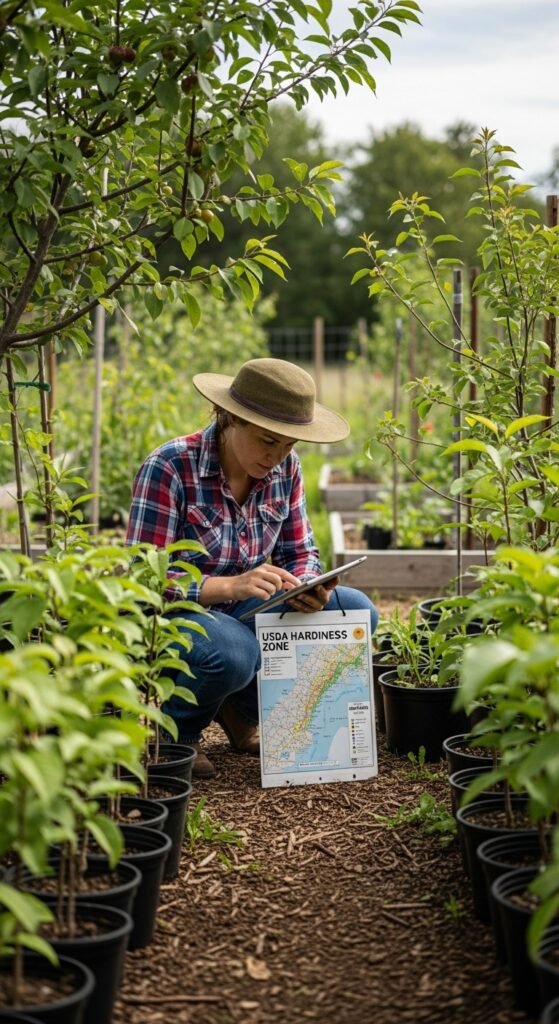
How do you proceed? Use online tools or local extension services to pinpoint your zone, then cross-reference with tree-specific requirements. Consider edge cases like elevation variations creating cooler pockets in your yard. This thorough assessment prevents common pitfalls, fostering a robust orchard. To enhance protection, explore bird netting for fruit trees once established, safeguarding budding fruits from avian threats.
Implications extend to biodiversity; selecting zone-appropriate trees promotes pollinator health and reduces chemical interventions. Nuances include hybrid varieties offering broader tolerance, allowing flexibility in borderline zones.
2) Monitor Soil Temperature Thresholds
You check soil temperatures meticulously, as fruit trees thrive when planted in soil between 55°F and 65°F, promoting active root growth without stress from extremes. This metric, often overlooked, directly impacts nutrient uptake and water absorption, critical for young trees. Why prioritize it? Cold soil below 50°F slows root expansion, increasing vulnerability to rot, while overly warm soil above 70°F can cause dehydration during establishment.
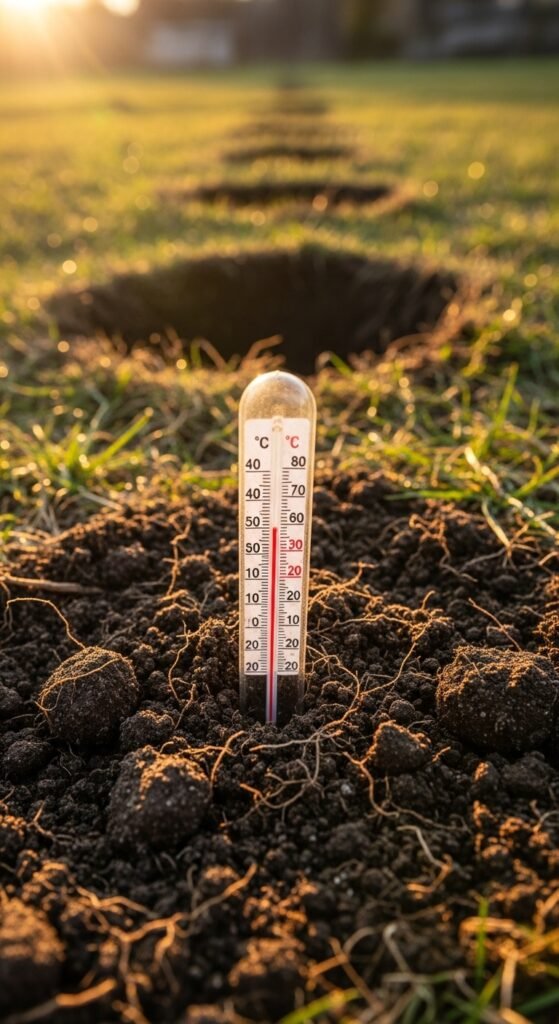
To measure accurately, insert a soil thermometer 4-6 inches deep in multiple spots, averaging readings over a week. In cooler climates, wait until consistent warmth in spring; in milder areas, fall planting leverages residual summer heat. Edge cases involve mulched beds retaining warmth longer, or shaded areas lagging behind sunny ones.
This strategy’s implications include better resistance to pests and diseases post-planting. For related care, consider fruit tree fertilizing schedules to complement optimal soil conditions, ensuring balanced nutrition as roots develop. Nuances like clay vs. sandy soils affect temperature fluctuations, requiring tailored monitoring.
3) Factor in Last Frost Dates
You align planting with your region’s average last frost date, typically planting 2-4 weeks after to avoid tender root damage from unexpected freezes. This date varies by location—earlier in southern areas, later in northern ones—serving as a safeguard for successful establishment. Why is timing here essential? Frost can kill emerging buds or stress new transplants, delaying growth or causing dieback.
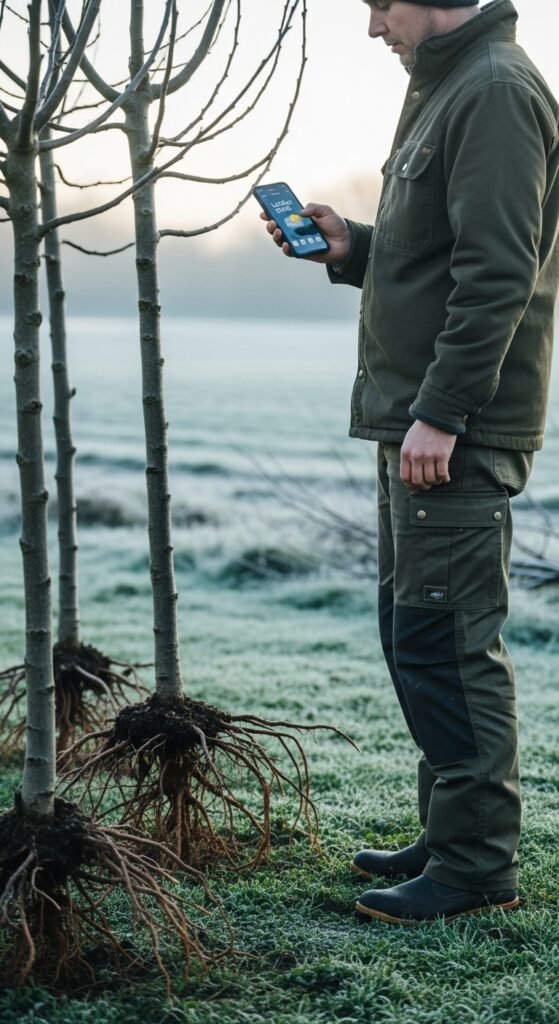
Consult historical data from weather services or apps, adding a buffer for variability. In practice, monitor forecasts closely; if a late frost threatens, use protective covers. Consider microclimates: south-facing slopes warm faster, allowing earlier planting, while low-lying areas trap cold air, necessitating delays.
Long-term implications involve healthier trees producing higher yields. For varieties like peaches, which are frost-sensitive, this is particularly crucial. Explore peach leaf curl prevention methods to address potential post-frost issues, integrating holistic care from the start. Nuances include climate change shifting traditional dates, urging adaptive planning.
4) Consider Bare-Root vs. Container Trees
You choose between bare-root and container-grown trees, with bare-root best planted in dormant seasons like late winter or early spring when they’re leafless and easier to handle. Container trees offer flexibility for year-round planting, but thrive when done in cooler months to reduce stress. Why differentiate? Bare-root establishes quickly in moist soil, cost-effective for large orchards, while containers suit urban gardeners with limited timing windows.
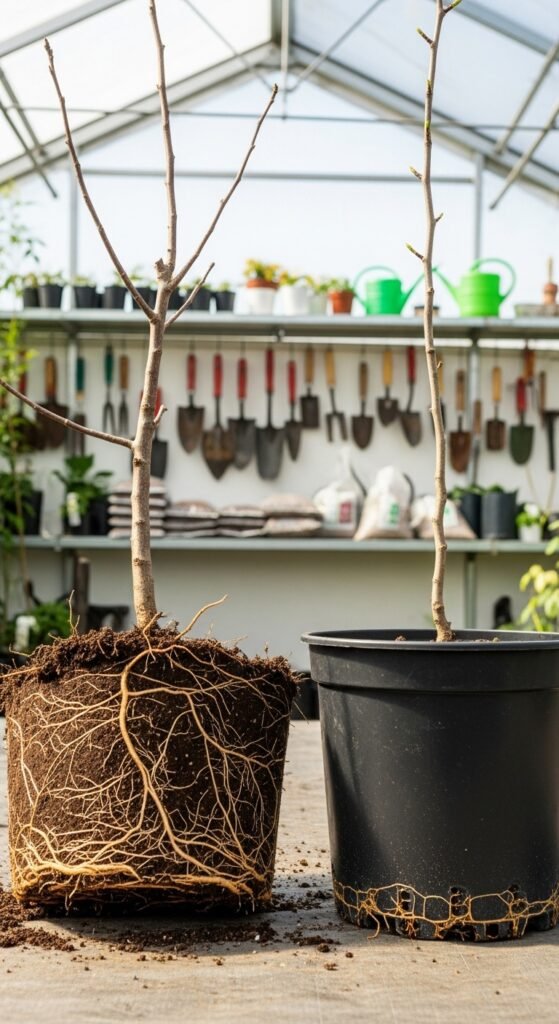
Inspect roots upon arrival; soak bare-root in water before planting, ensuring soil contact. For containers, gently tease roots to encourage outward growth. Edge cases: in arid regions, container trees minimize transplant shock; in wet climates, bare-root avoids root-bound issues.
This decision impacts growth rates and survival. Pair with techniques like thinning fruit trees later for balanced development. Implications foster sustainable practices, reducing replanting needs. Nuances involve supplier quality affecting viability regardless of type.
5) Opt for Spring Planting in Cooler Climates
You plant in early spring for zones 3-6, when soil thaws and temperatures stabilize, allowing roots to establish before summer heat. This window, post-frost but pre-bud break, supports vigorous growth. Why prefer spring? It coincides with natural awakening, providing ample time for adaptation before winter, minimizing cold injury risks.
Prepare sites in advance, amending soil for drainage. Plant on overcast days to lessen evaporation stress. Consider regional variations: northern areas might delay until May, while milder spots start in March. Edge cases include prolonged wet springs causing root rot, mitigated by raised beds.
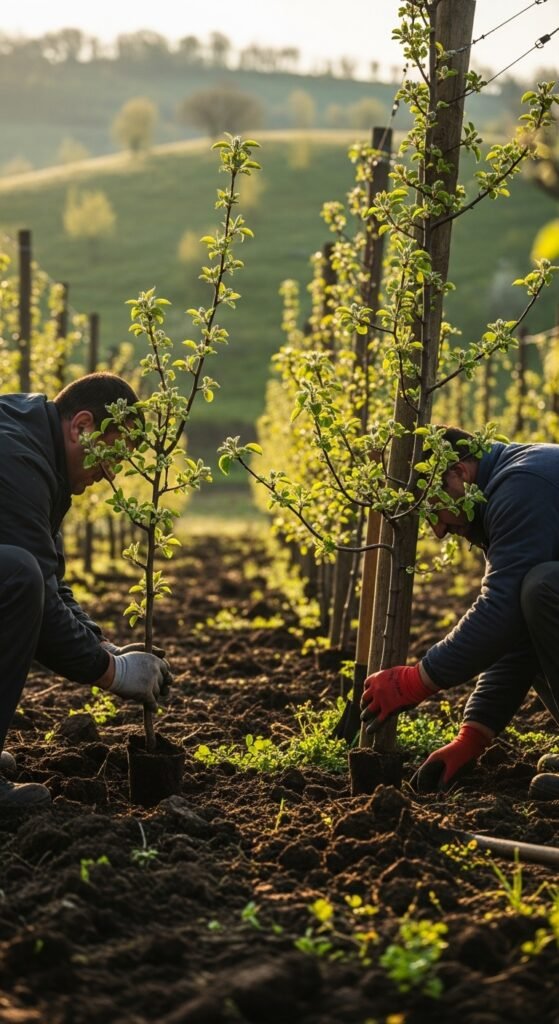
Implications lead to resilient trees with deeper roots. For apples, this timing aligns with pollination needs—link to apple tree pollination strategies for optimal fruit set. Nuances encompass companion planting to enhance soil health during establishment.
6) Embrace Fall Planting in Milder Regions
You select fall for zones 7-9, planting 4-6 weeks before first frost to leverage cooler weather and winter rains for root development without foliage demands. This approach builds strong foundations for spring bursts. Why fall? Reduced heat stress allows energy focus on roots, often resulting in earlier fruiting compared to spring plants.
Choose healthy stock, mulching heavily to retain moisture and insulate. Water deeply initially, then rely on natural precipitation. In coastal areas, fall’s mildness extends the window; inland, watch for early freezes.
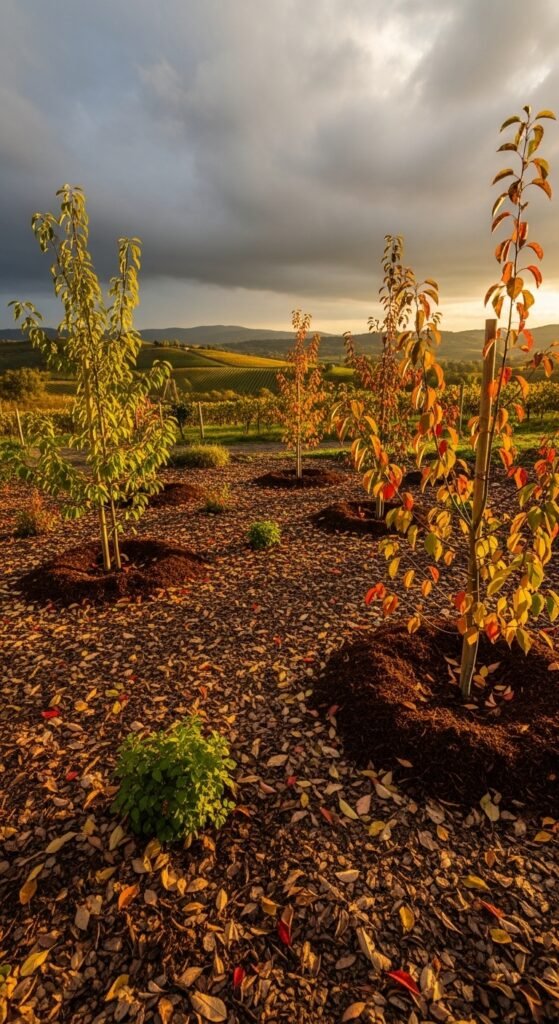
This method’s implications include water conservation and robust trees. For berries, integrate with raspberry pruning in dormant seasons for comprehensive care. Edge cases: drought-prone falls require supplemental irrigation. Nuances involve soil testing pre-planting to address deficiencies early.
7) Evaluate Rainfall and Water Availability
You time planting around periods of reliable rainfall, ideally in moist seasons to support initial watering needs without over-reliance on irrigation. This ensures consistent hydration for root expansion. Why critical? Inadequate water leads to shallow roots and vulnerability; excess can cause fungal issues.
Monitor seasonal patterns; plant post-rainy spells for natural settling. Install drip systems if patterns are erratic. In semi-arid zones, fall planting utilizes winter moisture; humid areas favor spring to avoid saturation.
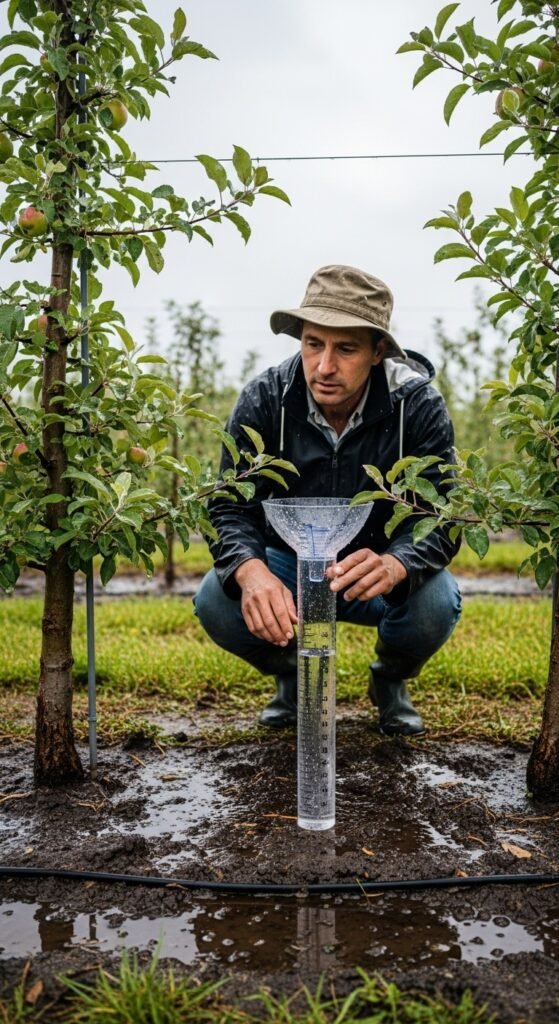
Implications promote eco-friendly gardening, reducing utility costs. Connect to blueberry soil pH adjustments, as water quality affects acidity. Edge cases: El Niño years altering norms require flexible scheduling. Nuances include tree species’ water tolerances varying widely.
8) Account for Tree Dormancy Periods
You plant during dormancy, late fall to early spring, when trees are inactive, minimizing shock and focusing on root growth. This period varies by species—deciduous trees suit winter, evergreens prefer mild dormancy. Why dormant? It allows healing before active seasons, enhancing survival rates.
Select bare-root for this window, pruning lightly post-planting. Monitor for bud swell as a cue to act. In temperate climates, extend to late winter; subtropics limit to cooler months.
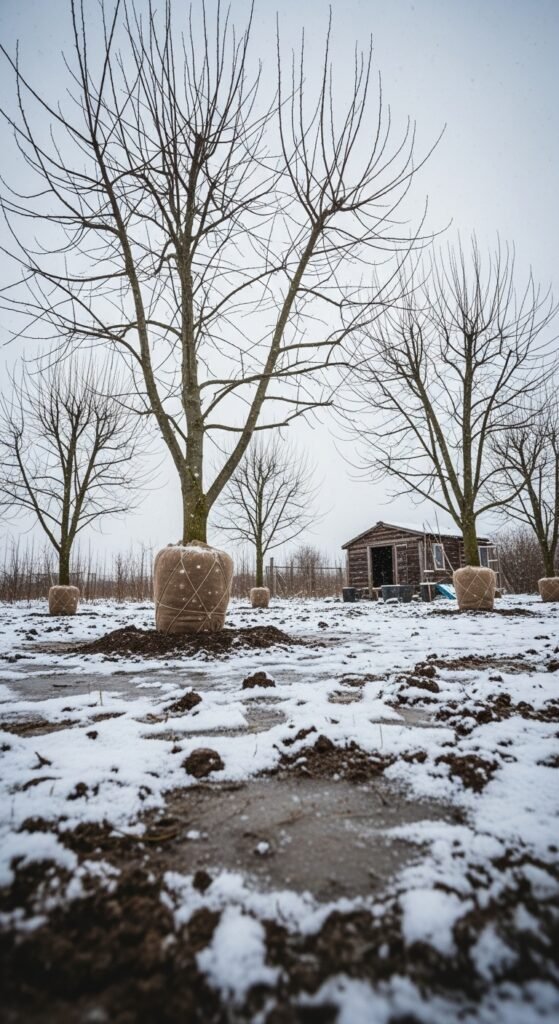
Long-term benefits include faster establishment. For specialized forms, see espalier fruit trees for training during dormancy. Implications foster pruning integration. Edge cases: container trees extend dormancy flexibility. Nuances: climate shifts may shorten traditional windows.
9) Incorporate Regional Weather Variations
You adapt to local weather quirks, like Pacific Northwest’s mild winters allowing year-round planting versus Midwest’s harsh freezes demanding strict spring adherence. This customization optimizes success. Why regional? Generalized advice ignores micro-patterns, leading to failures; tailored approaches account for humidity, wind, and elevation.
Consult local nurseries or apps for hyper-local data. Plant in calm periods to avoid wind damage. Coastal fog extends viable times; mountainous areas shorten them due to altitude chills.
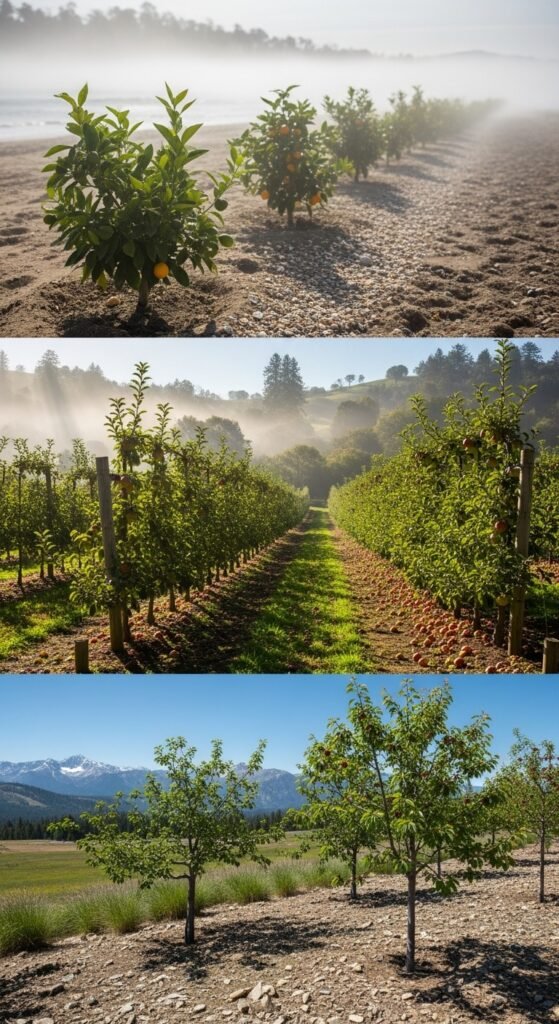
Implications enhance biodiversity adaptation. Link to columnar fruit trees for space-limited regions. Edge cases: urban vs. rural temperature differences. Nuances: ongoing climate monitoring for annual adjustments.
10) Prioritize Pre-Planting Soil Preparation
You prepare soil months ahead, testing and amending for pH (ideally 6.0-7.0) and nutrients, aligning with planting windows for immediate root benefits. This foresight prevents delays. Why prepare early? It allows organic matter integration, improving structure and fertility before roots arrive.
Conduct tests in fall for spring plants, incorporating compost or lime as needed. Rotate amendments based on prior crops. In clay-heavy soils, add gypsum; sandy ones benefit from organics.
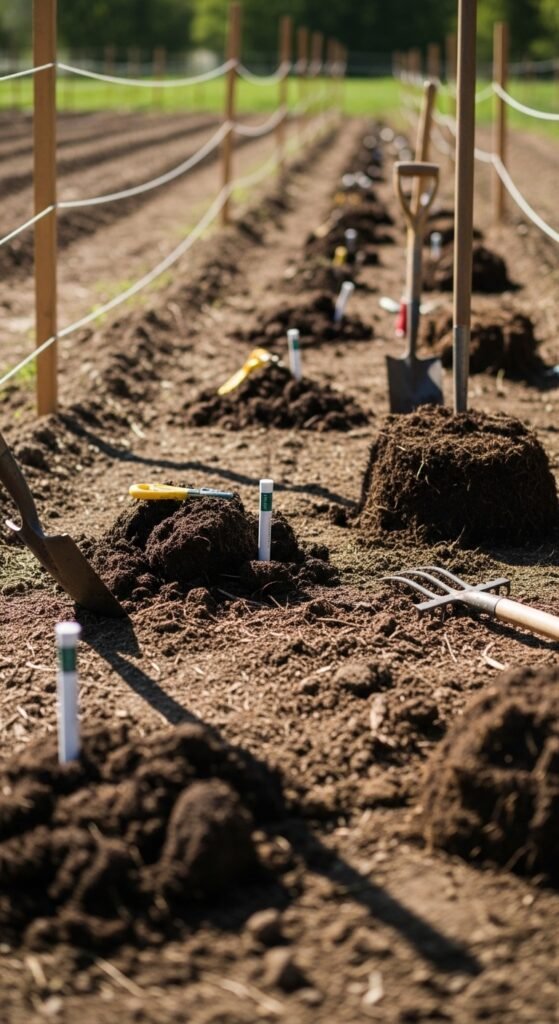
This step’s implications reduce fertilizer needs later. For specific fruits, reference blueberries companion plants to boost soil health. Edge cases: contaminated sites require remediation time. Nuances: seasonal weather affecting amendment breakdown rates.
11) Align with Pollinator Activity Cycles
You plant when pollinators are active, typically spring, to ensure early blooms attract bees for future fruit sets. This synchronization boosts yields. Why pollinators? Many trees require cross-pollination; timing enhances natural processes, reducing hand-pollination needs.
Observe local bee emergence; plant self-fertile varieties if activity is low. Include pollinator-friendly plants nearby. In early springs, delay for alignment; late ones accelerate.
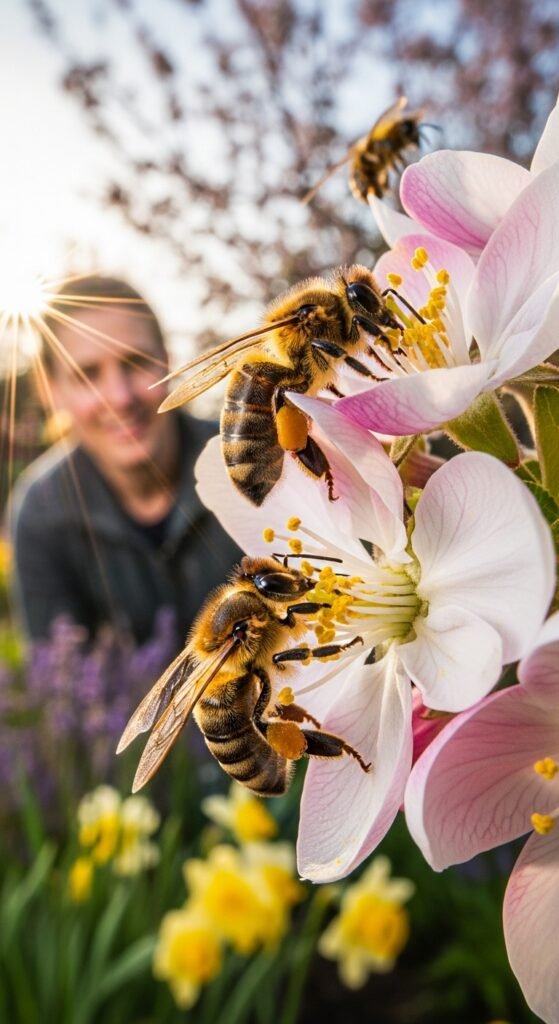
Implications support ecosystem health. Connect to plum pollination chart for variety matching. Edge cases: isolated areas needing hive introductions. Nuances: weather impacting pollinator emergence yearly.
12) Avoid Peak Summer Heat Stress
You steer clear of midsummer planting, opting for cooler shoulders to prevent heat-induced wilting and root desiccation. This protects young trees from evaporation extremes. Why avoid heat? High temperatures increase transpiration, stressing undeveloped roots and potentially causing sunburn on bark.
Shade new plants if unavoidable, using cloths or structures. In hot climates, fall is preferable; temperate ones allow early summer with irrigation.
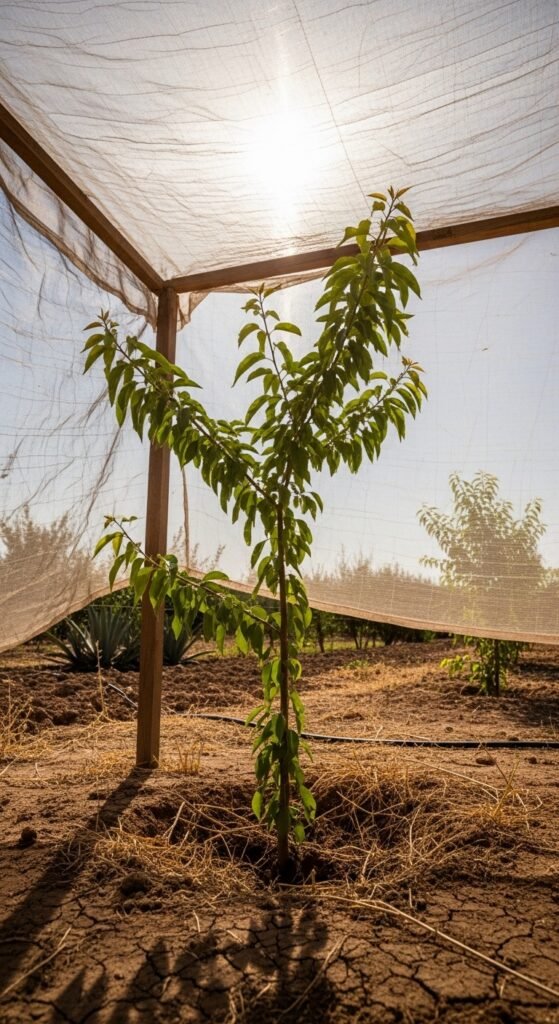
Implications include lower water usage. For maintenance, consider apple pruning guide to manage canopy shade. Edge cases: greenhouse starts for controlled transitions. Nuances: humidity levels modulating heat impacts.
13) Integrate with Companion Planting Schedules
You coordinate with companion plants’ timelines, planting trees alongside beneficial species like herbs that deter pests during establishment. This holistic approach enhances health. Why companions? They improve soil, attract pollinators, and provide natural protections, timed for mutual benefits.
Select fast-establishing companions; plant simultaneously or sequentially. In veggie gardens, align with crop rotations. Consider growth rates to avoid competition.
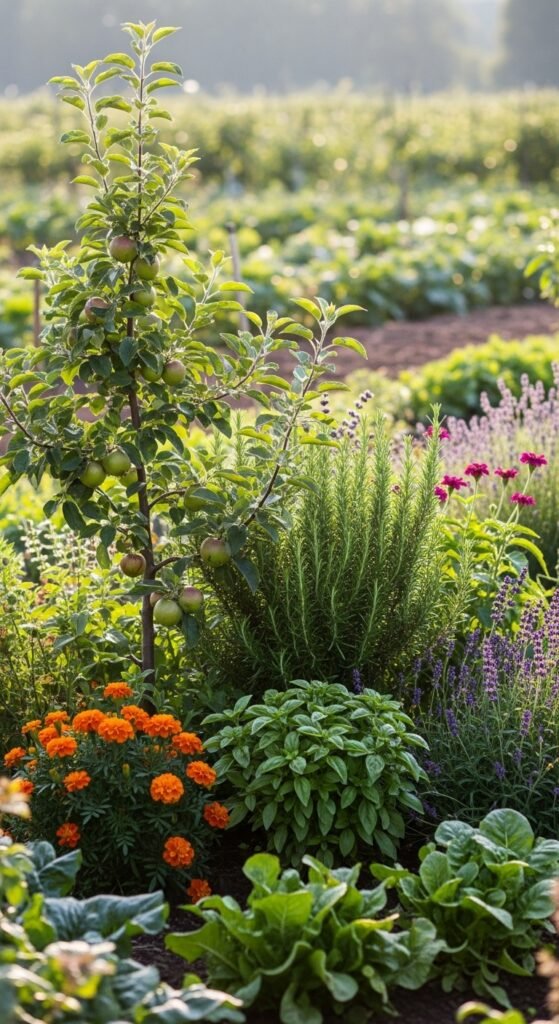
Implications foster organic pest control. Explore currants and gooseberries as understory options. Edge cases: space-limited yards using vertical layers. Nuances: regional companion efficacy variations.
14) Plan Around Expected Harvest Cycles
You factor in maturity timelines, planting early-maturing varieties in shorter seasons to ensure full cycles before frosts. This maximizes productivity. Why cycles? Mismatched timing leads to immature fruits or losses; alignment guarantees bountiful, timely harvests.
Review variety specs; adjust for local day lengths. In extended seasons, stagger plantings for continuous yields. Consider dwarf types for quicker fruition.
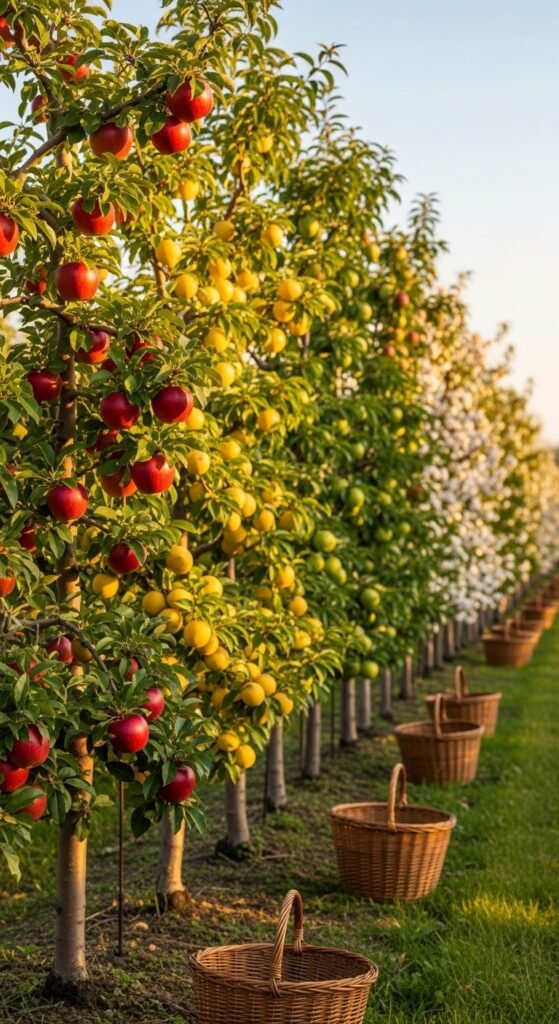
Implications optimize space usage. For protection, use bird netting for fruit trees during ripening. Edge cases: greenhouse extensions for marginal climates. Nuances: hybrid advancements shortening cycles.
15) Adapt to Climate Change Trends
You adjust traditional timelines based on shifting patterns, like earlier springs allowing advanced planting to capitalize on longer growing seasons. This forward-thinking adapts to warming trends. Why adapt? Ignoring changes risks mismatches with frosts or heat waves, compromising tree health and yields.
Track multi-year data; consult updated zone maps. Experiment with resilient varieties. In warming areas, shift to fall; cooling ones reinforce spring caution.

Implications promote sustainability. Integrate with peach leaf curl prevention for emerging disease risks. Edge cases: extreme events requiring contingency plans. Nuances: local vs. global trend divergences.
Key Principles for Successful Fruit Tree Planting
Understanding Tree Variety Needs
Different fruit trees have unique requirements; research chill hours for apples or heat units for citrus to match your climate, ensuring proper dormancy breaks and fruiting.
Site Selection and Preparation
Choose sunny, well-drained spots; prepare by clearing weeds and testing soil, incorporating nuances like wind protection for delicate varieties.
Post-Planting Care Essentials
Water consistently, mulch for moisture retention, and stake if needed; monitor for issues, considering edge cases like transplant shock in older trees.
Frequently Asked Questions
What is the best season to plant fruit trees?
The ideal season depends on your climate: spring for cooler areas and fall for milder ones, focusing on dormant periods for minimal stress.
Can I plant fruit trees in summer?
It’s possible but risky due to heat; provide ample shade and water, though success rates are lower compared to cooler seasons.
How do I know if my soil is ready for planting?
Test for temperature (above 55°F), drainage, and pH; amend as needed to create optimal conditions for root growth.
What if I miss the optimal planting window?
Use container trees for flexibility or wait for the next suitable period; protective measures can help in off-seasons.
Do all fruit trees need the same planting time?
No; stone fruits like peaches prefer early spring, while berries may suit fall, tailored to their specific growth habits and hardiness.