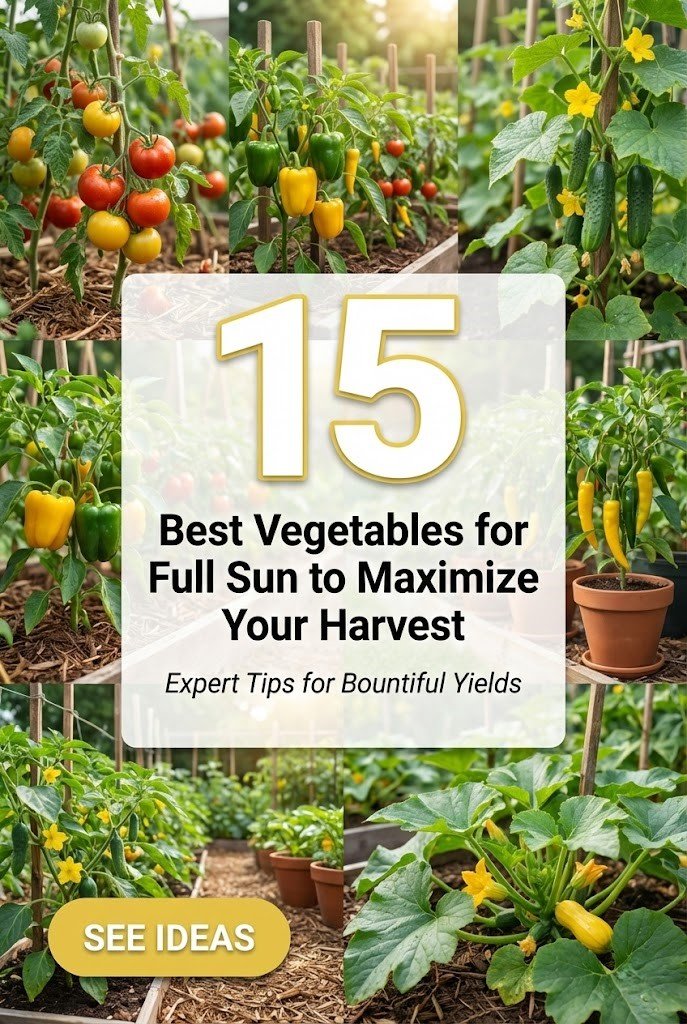
Growing vegetables in full sun means providing them with at least six to eight hours of direct sunlight daily, which is essential for photosynthesis and robust growth. These conditions promote higher yields, better flavor, and stronger plants resistant to diseases. If your garden receives ample sunlight, focusing on vegetables for full sun can transform your space into a productive haven, yielding fresh produce throughout the season.
The value of selecting the right vegetables for full sun lies in their ability to thrive in hot, bright environments where others might struggle.
You’ll enjoy bountiful harvests of nutrient-rich veggies, reducing grocery bills and enhancing your meals with homegrown flavors. Plus, these plants often require less intervention once established, making them ideal for busy gardeners. To get started, consider incorporating a raised bed vegetable garden for better soil control and drainage.
1) Tomatoes
Tomatoes are versatile fruits treated as vegetables, coming in varieties like cherry, beefsteak, and heirloom. They thrive in full sun, needing it to develop sweet, juicy fruits packed with vitamins A and C.
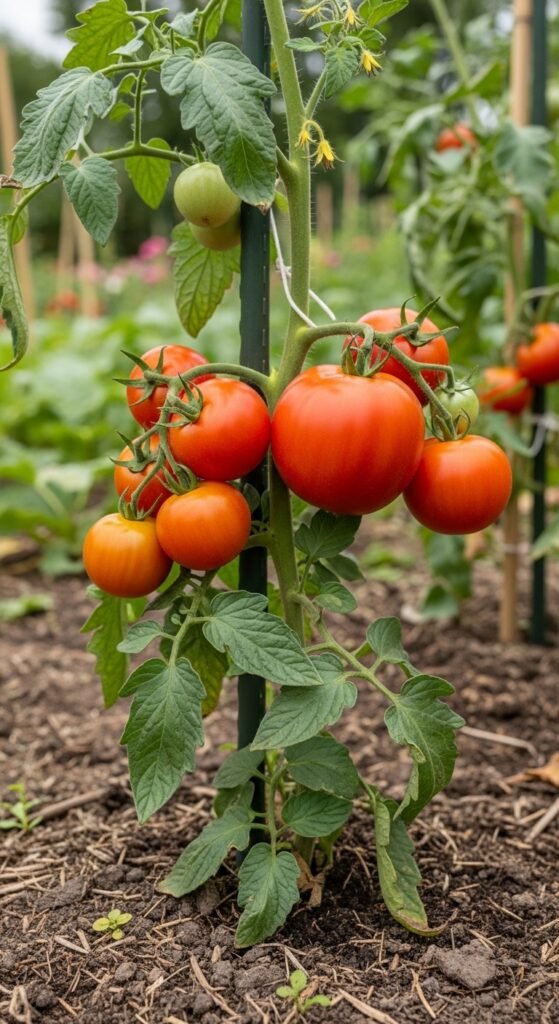
Key benefits include high yields and disease resistance when sun-exposed, leading to healthier plants and tastier produce. Full sun prevents issues like blossom end rot and promotes even ripening. You’ll harvest more tomatoes for salads, sauces, and canning.
To grow them, start seeds indoors 6-8 weeks before the last frost or buy transplants. Plant in well-drained soil enriched with compost, spacing 2-3 feet apart. Water deeply but infrequently, mulch to retain moisture, and stake or cage for support. For more tips, check our tomato growing guide. Harvest when fully colored, enjoying fresh picks from midsummer to fall.
2) Bell Peppers
Bell peppers are colorful veggies ranging from green to red, yellow, and orange, known for their crisp texture and sweet flavor. They require full sun to produce abundant, thick-walled fruits rich in antioxidants.
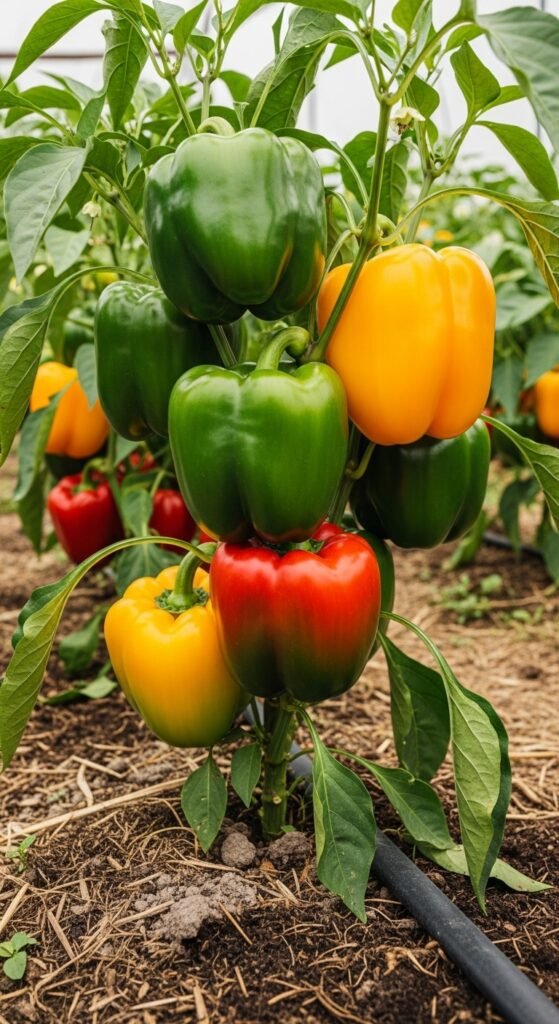
Key benefits of full sun include faster maturation and sweeter taste, as sunlight boosts sugar production. This setup minimizes fungal diseases and ensures sturdy stems. You’ll get versatile peppers for stuffing, salads, or stir-fries.
Begin with seeds indoors 8-10 weeks before transplanting, or use nursery starts. Choose fertile, loamy soil with good drainage, planting 18-24 inches apart after soil warms to 65°F. Provide consistent moisture, fertilize with a balanced mix, and mulch to suppress weeds. If you’re new to this, explore our guide on growing peppers. Pick when firm and full-sized for the best crunch.
3) Hot Peppers
Hot peppers, including jalapeños, habaneros, and cayennes, add spice to dishes with their fiery capsaicin content. They demand full sun to intensify heat levels and yield prolifically.
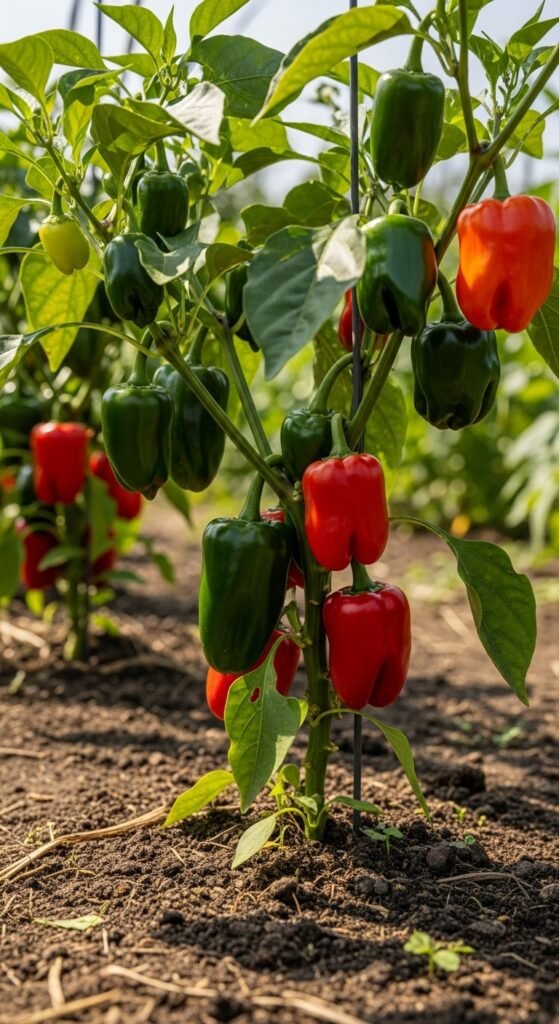
Key benefits encompass enhanced flavor profiles and natural pest deterrence from the heat compounds. Sun exposure strengthens plants against stressors, resulting in more pods per plant. You’ll have plenty for salsas, pickles, or drying.
Sow seeds indoors 8-12 weeks prior to the last frost, hardening off before transplanting. Opt for well-aerated soil amended with organic matter, spacing 12-18 inches. Water regularly but avoid sogginess, and use stakes for heavy bearers. For container options, see our article on peppers in pots. Harvest green for milder taste or ripe for maximum heat.
4) Eggplant
Eggplants are glossy, purple or white fruits used in cuisines worldwide, offering a meaty texture when cooked. Full sun is crucial for their large leaves to photosynthesize effectively.
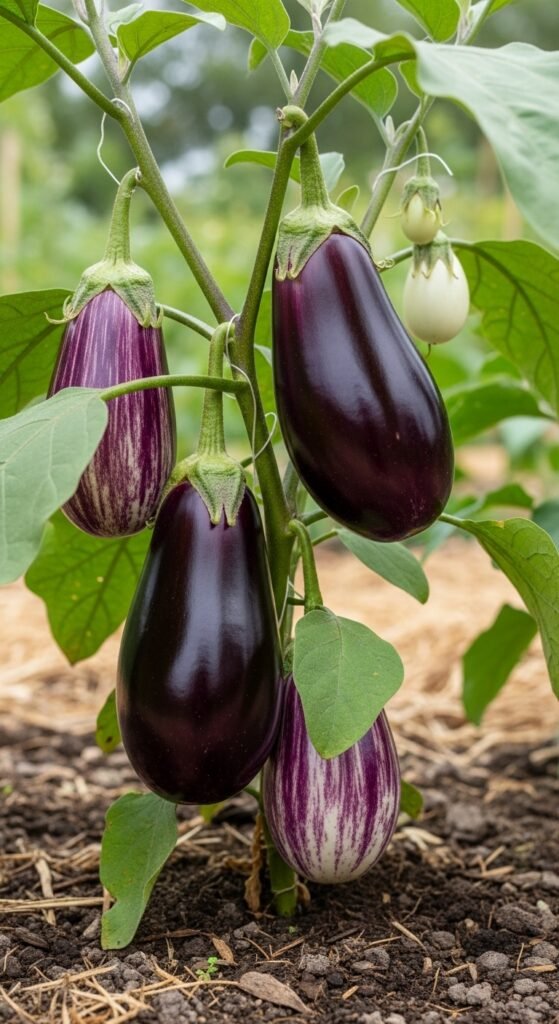
Key benefits involve larger fruits and fewer pests, as heat from sun aids in deterring insects. This leads to bountiful crops for grilling, baking, or ratatouille. You’ll appreciate the nutritional boost from fiber and potassium.
Start seeds indoors 8-10 weeks before planting out, ensuring night temps stay above 55°F. Plant in rich, slightly acidic soil, 24-30 inches apart. Mulch to conserve water, fertilize monthly, and prune suckers for better airflow. If interested in varieties, read about growing eggplant. Pick when skin is shiny and firm to avoid bitterness.
5) Cucumbers
Cucumbers are refreshing vines producing crisp, hydrating fruits ideal for salads and pickling. They flourish in full sun, which encourages vigorous growth and high water content.
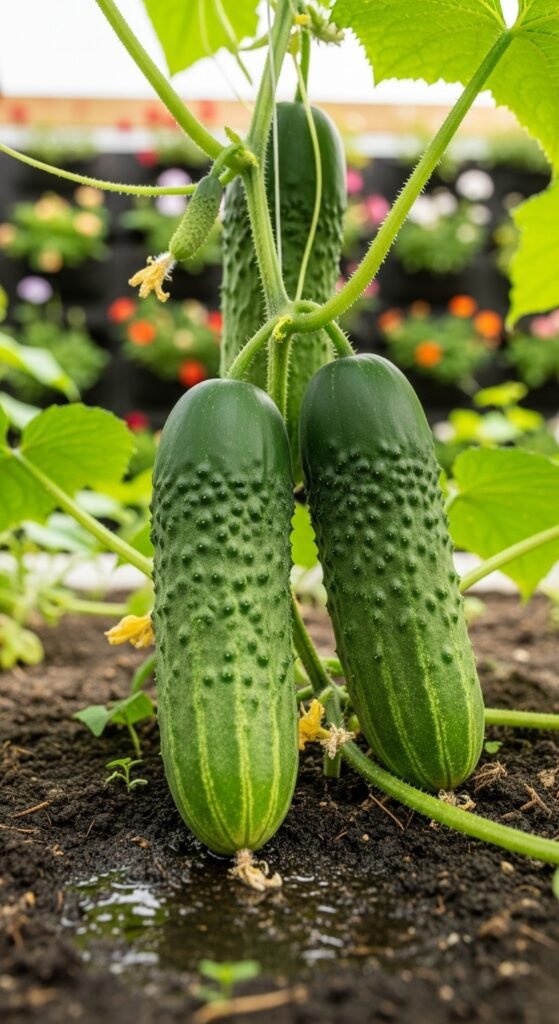
Key benefits feature straighter fruits and resistance to powdery mildew through better air circulation. Sun maximizes yields, providing you with continuous harvests for snacks or recipes.
Direct sow after frost or start indoors for a head start. Use trellises for vertical growth in fertile, moist soil, spacing 12 inches. Water consistently at the base, mulch, and harvest young to promote more production. For space-saving ideas, check cucumbers on trellis. Enjoy them fresh or in homemade pickles.
6) Zucchini
Zucchini are prolific summer squashes with tender skins and mild flavor, perfect for baking or sautéing. Full sun powers their rapid growth, often yielding multiple fruits weekly.
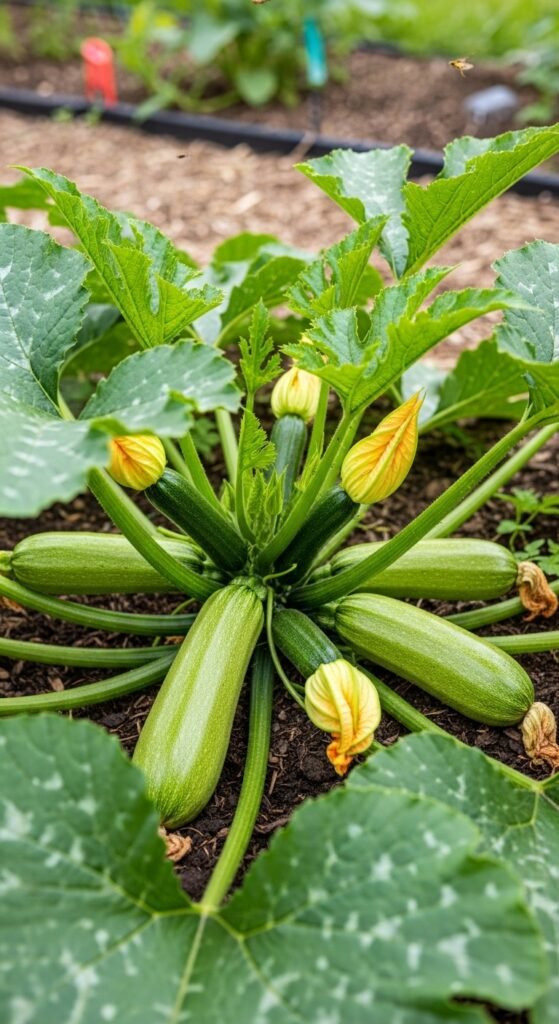
Key benefits include abundant production and nutrient-dense veggies low in calories. Sun helps prevent rot by drying foliage quickly after rains. You’ll have versatile squash for breads, noodles, or grilling.
Plant seeds directly in warm soil, hills of 2-3 seeds 3 feet apart. Enrich with compost, water deeply, and mulch to retain moisture. Pollinate by hand if needed, and harvest at 6-8 inches. For companion ideas, see zucchini and squash. Freeze extras for year-round use.
7) Summer Squash
Summer squash encompasses yellow crooknecks and pattypans, offering buttery taste and quick cooking. They need full sun to fuel their bushy habits and fruit set.
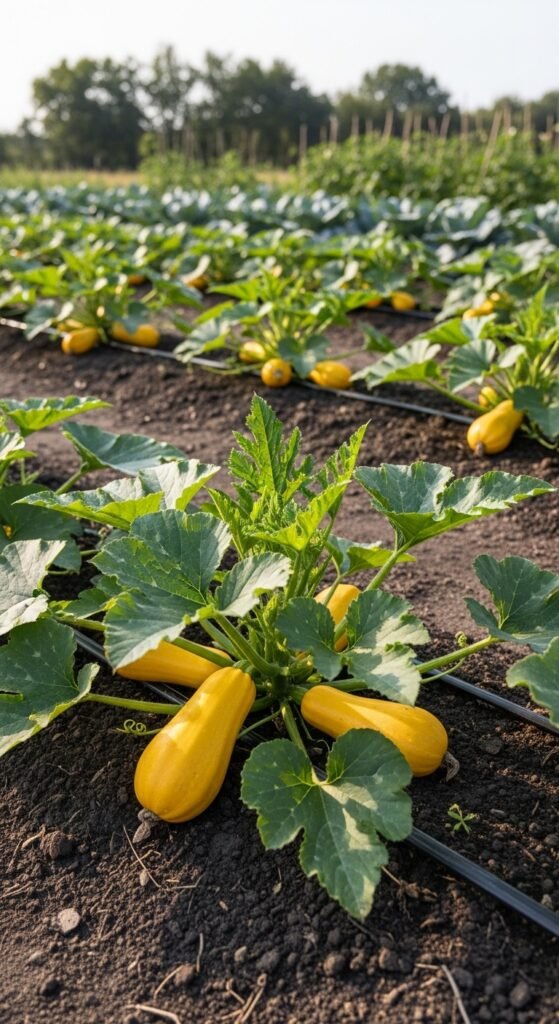
Key benefits are fast maturity and high vitamin content, with sun enhancing sweetness. This reduces disease risks, ensuring healthy plants. You’ll gather tender squashes for various dishes.
Sow seeds in mounds after soil reaches 70°F, spacing 2-3 feet. Use well-drained soil, irrigate evenly, and mulch. Pick frequently to encourage more blooms. If planning layouts, refer to our vegetable garden layout ideas. Sauté or stuff for delicious meals.
8) Corn
Corn is a tall grass producing sweet ears, essential for barbecues and sides. Full sun is vital for stalk strength and kernel development.
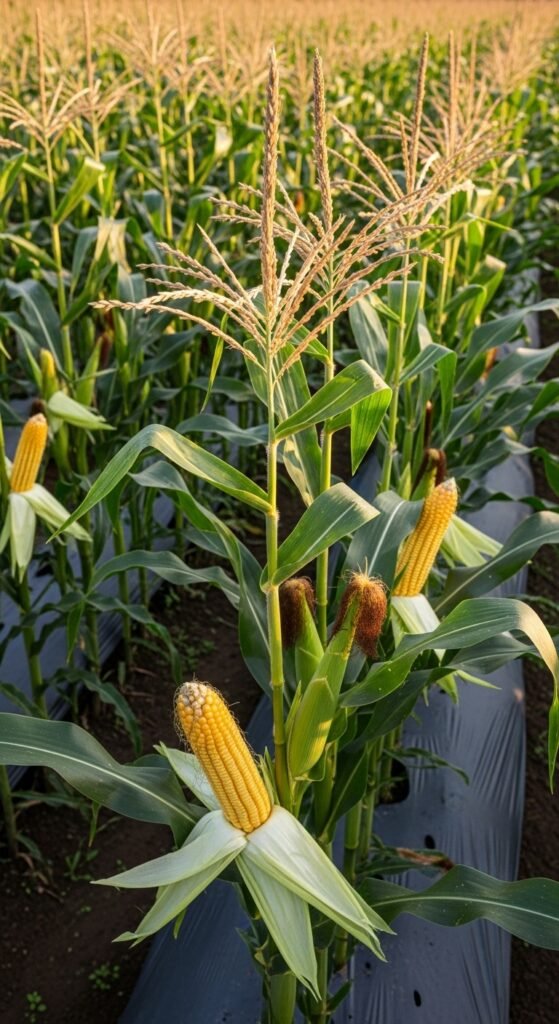
Key benefits include taller plants and fuller cobs, rich in fiber and energy. Sun aids pollination, leading to uniform ears. You’ll enjoy fresh corn on the cob or canned.
Plant in blocks for wind pollination, seeds 1 inch deep, 8-12 inches apart in rows. Amend soil with nitrogen, water during silking, and support with mounds. For beginners, explore how to start a vegetable garden. Harvest when silks brown and kernels milky.
9) Beans
Beans come as bush or pole types, providing protein-packed pods. They love full sun for nitrogen fixation and pod filling.
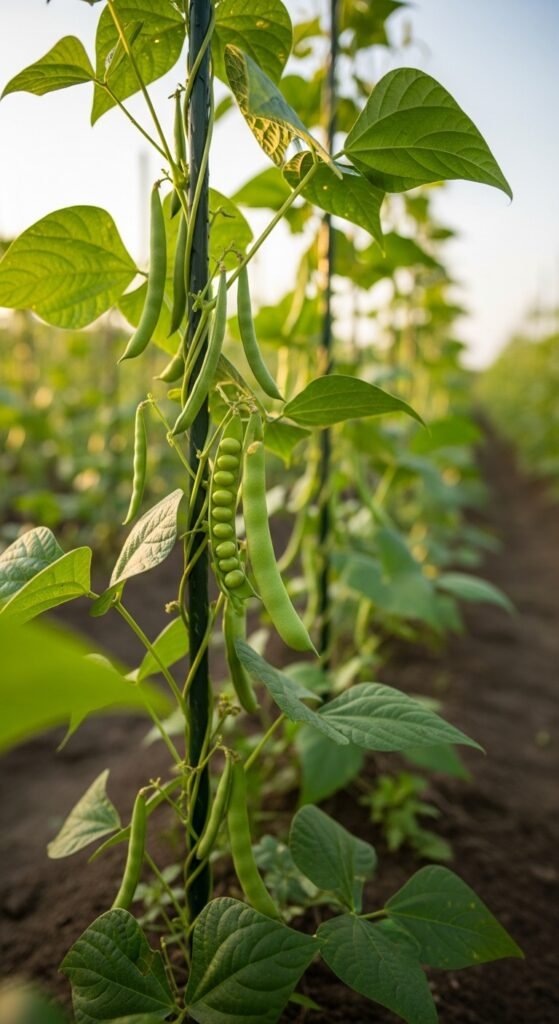
Key benefits encompass soil improvement and easy growth, with sun boosting yields. This makes them low-maintenance for successive plantings. You’ll have fresh beans for salads or freezing.
Direct sow after frost, inoculating seeds for better growth. Space bush 4 inches, poles on trellises 6 inches. Keep soil moist, harvest young. For support ideas, view beans on trellis. Dry some for winter storage.
10) Okra
Okra features sticky pods used in gumbos, thriving in heat. Full sun maximizes its southern heritage for tall, productive plants.
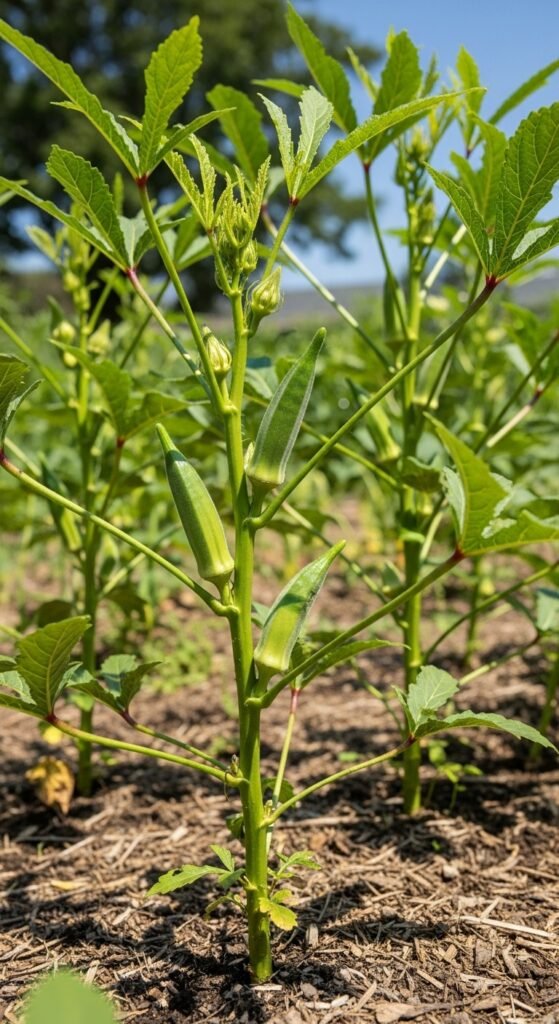
Key benefits are heat tolerance and mucilage for thickening soups, plus fiber. Sun prevents legginess, ensuring robust harvests. You’ll collect pods daily in peak season.
Soak seeds overnight, plant in warm soil 12-18 inches apart. Fertilize lightly, water moderately, and mulch. Harvest at 3-4 inches to avoid toughness. For drought ideas, see drought-tolerant vegetables. Fry or pickle for variety.
11) Watermelon
Watermelons are juicy vines with sweet flesh, requiring full sun for sugar accumulation. They spread widely, ideal for spacious gardens.
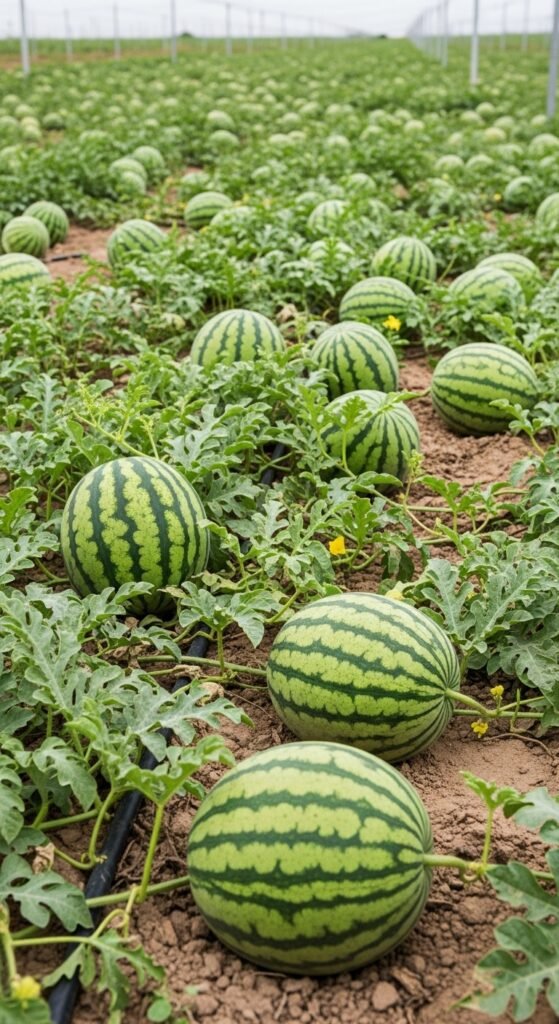
Key benefits include hydration and vitamins, with sun ripening fruits perfectly. This leads to heavier melons without cracking. You’ll savor summer treats from your patch.
Start seeds indoors or direct sow in hills, 6 feet apart. Use sandy loam, water at base, and prune for fewer but larger fruits. For fast growers, check fastest-growing vegetables. Thump for ripeness sound.
12) Cantaloupe
Cantaloupes offer fragrant, orange melons, needing full sun for netting and flavor development. They’re vining plants with high water needs.
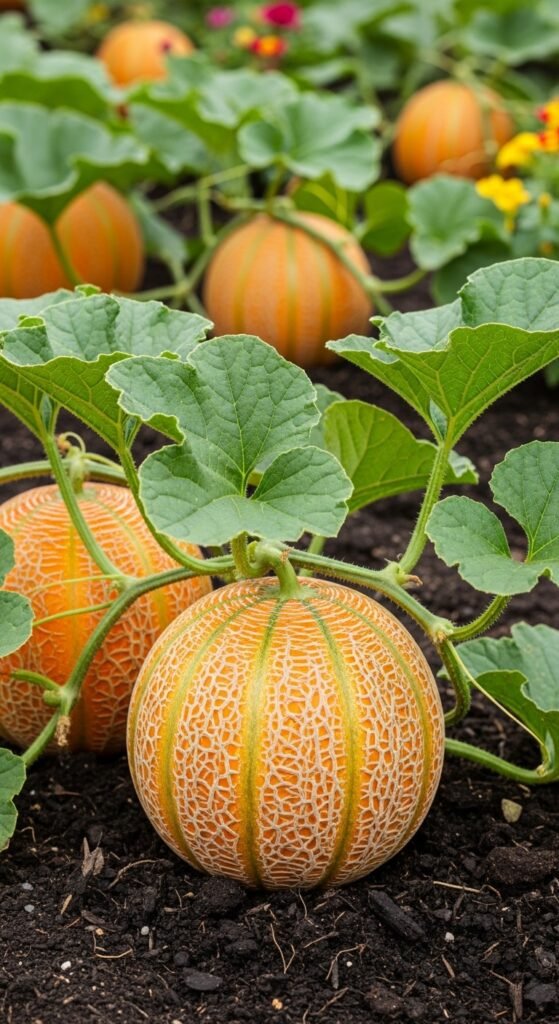
Key benefits feature antioxidant richness and quick vines covering ground. Sun enhances aroma and sweetness. You’ll harvest multiple melons per plant.
Plant in mounds, 3 feet apart, after warming. Enrich soil, irrigate consistently, and use slings for fruit support. Companion with flowers via companion flowers for vegetables. Pick when stem slips easily.
13) Pumpkins
Pumpkins are iconic fall fruits for pies and decor, demanding full sun for large vines and curing.
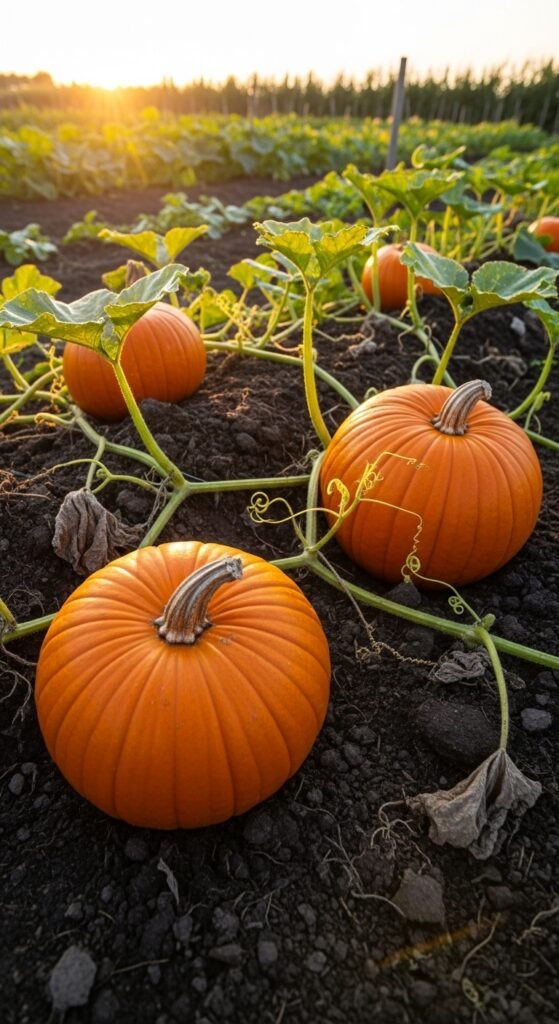
Key benefits are versatility and beta-carotene, with sun hardening rinds for storage. This yields impressive sizes for carving or cooking.
Direct sow in hills, 5 feet apart. Amend with manure, water deeply, and pollinate manually if bees scarce. For container tips, see container vegetable gardening. Cure in sun post-harvest.
14) Beets
Beets provide earthy roots and edible greens, excelling in full sun for bulb formation. They’re dual-purpose for salads and roasting.
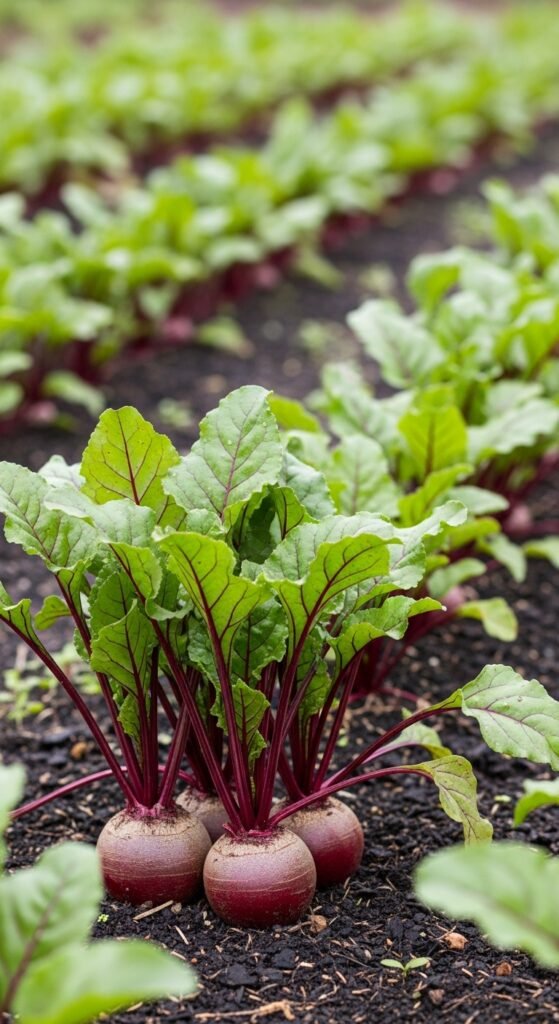
Key benefits include detox properties and quick growth. Sun intensifies color and nutrients. You’ll pull tender beets in 50-70 days.
Sow seeds directly every few weeks for succession. Thin to 3-4 inches in fertile soil. Water evenly to prevent cracking. Learn more in growing beets. Harvest greens young, roots at golf ball size.
15) Carrots
Carrots are crunchy roots in various colors, needing full sun for straight, sweet development. They’re storage champs rich in vision-boosting vitamins.
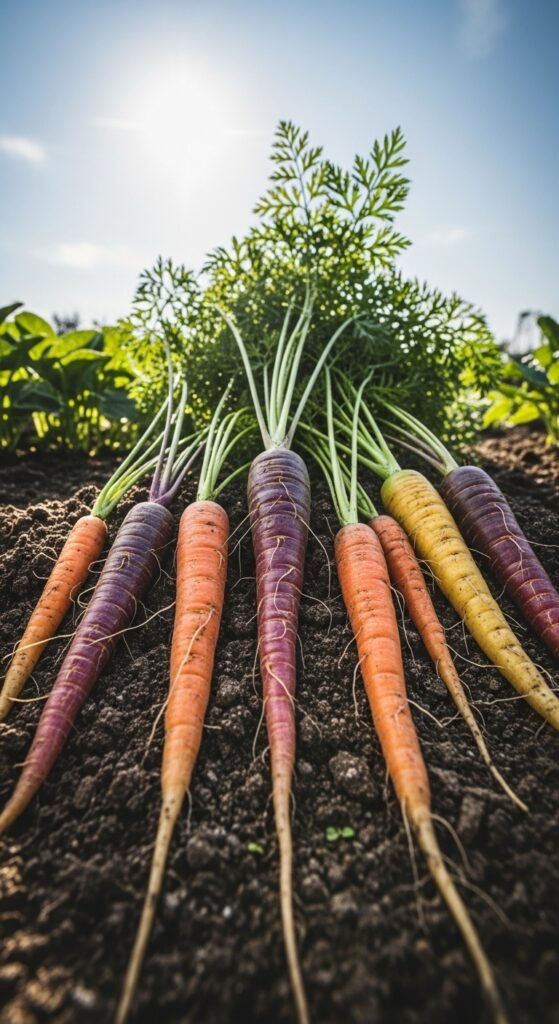
Key benefits encompass soil loosening and pest resistance. Sun promotes foliage for pulling energy to roots. You’ll enjoy fresh carrots for months.
Sow thinly in loose soil, covering lightly. Thin seedlings, mulch, and water gently. For planning, use our vegetable planting calendar. Pull when shoulders show for peak flavor.
Key Tips for Success with Full Sun Vegetables
Soil Preparation
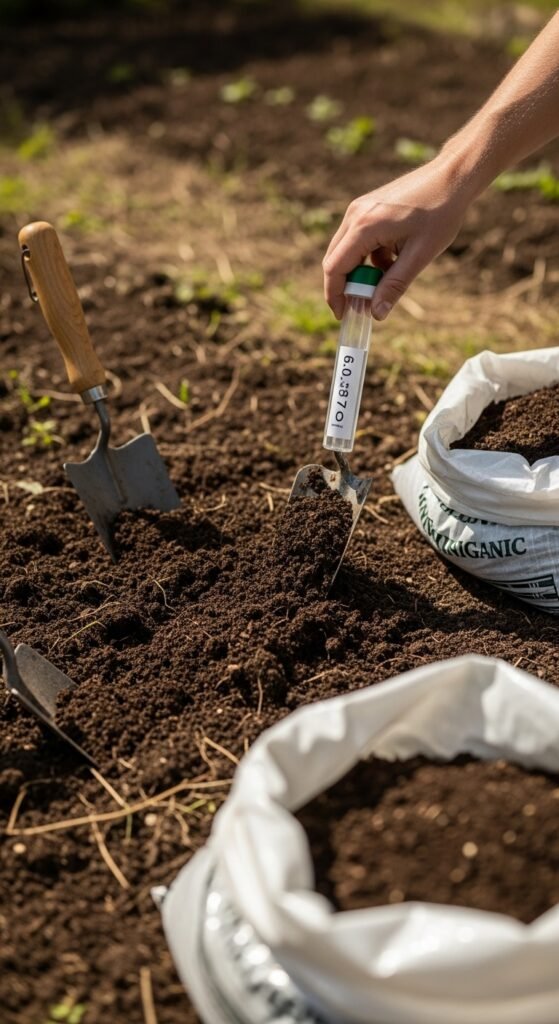
Start with testing your soil pH and amending with organic matter like compost to improve drainage and fertility. Aim for a pH of 6.0-7.0 for most veggies. This foundation ensures roots access nutrients efficiently, leading to healthier growth.
Watering Strategies
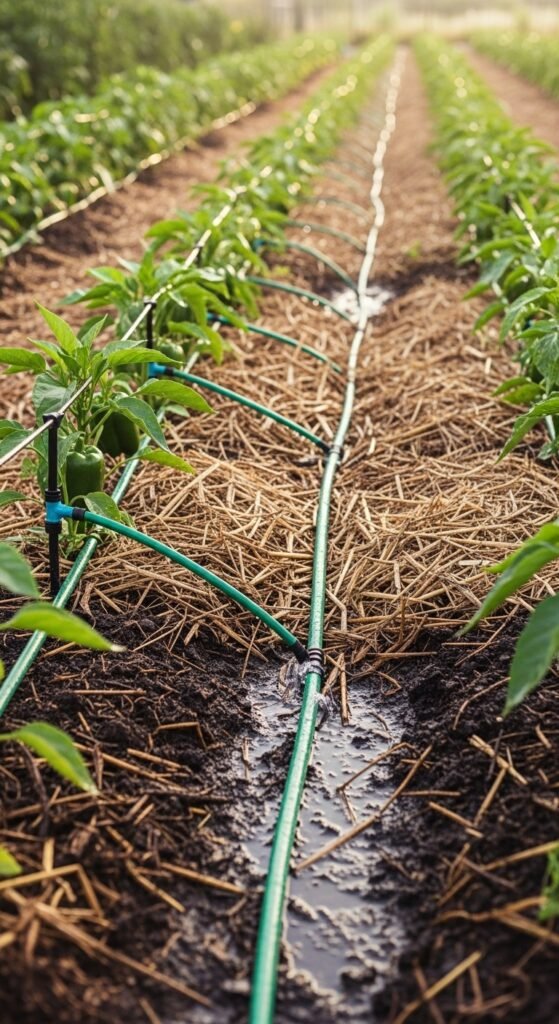
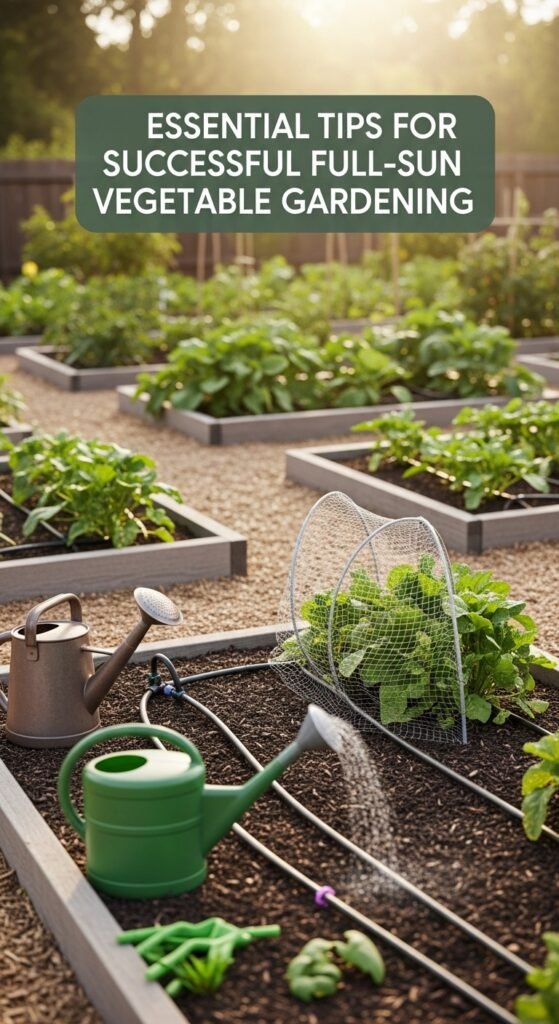
Water deeply in the morning to reduce evaporation and fungal risks. Use drip systems or soaker hoses for even moisture without wetting leaves. Mulching helps retain soil moisture, crucial in sunny spots where drying occurs faster.
Pest Management
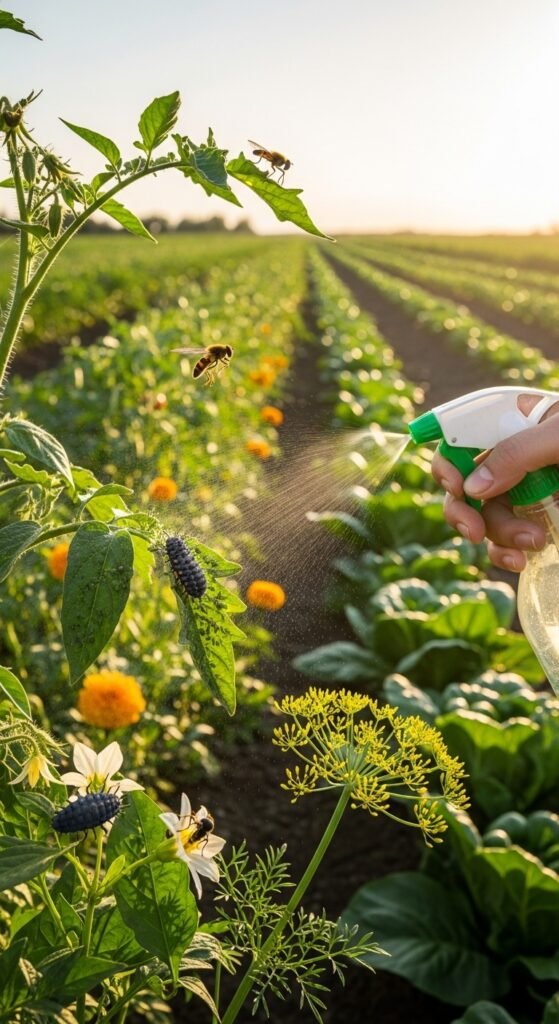
Monitor for common pests like aphids or beetles, using organic methods such as neem oil or companion planting. Encourage beneficial insects by avoiding broad-spectrum pesticides. Regular inspections catch issues early, preserving your sun-loving crops.
Frequently Asked Questions
What does full sun mean for vegetables?
Full sun typically refers to at least 6-8 hours of direct sunlight per day, which is ideal for photosynthesis and fruit production in many vegetables.
Can I grow full sun vegetables in partial shade?
While possible, yields may decrease, and plants could become leggy or susceptible to diseases. Stick to full sun for best results.
How often should I fertilize full sun vegetables?
Fertilize every 4-6 weeks with a balanced, organic product, adjusting based on soil tests to avoid overfeeding.
What if my soil is poor for full sun gardening?
Amend with compost or use raised beds to create optimal conditions, ensuring good drainage and nutrient availability.
Are there vegetables that prefer less sun?
Yes, leafy greens like lettuce and spinach thrive in partial shade, but for maximum harvest, choose sun lovers from this list.