A vegetable planting calendar is your roadmap to a successful garden, guiding you on when to sow seeds, transplant seedlings, and harvest crops based on your local climate and frost dates. By aligning your planting schedule with seasonal changes, you ensure optimal growth conditions, minimize pest issues, and maximize yields. Whether you’re a beginner or seasoned gardener, incorporating a customized calendar helps you avoid common pitfalls like planting too early or missing succession sowing opportunities.
This tool isn’t just about dates; it’s about understanding your garden’s unique needs, from soil preparation to companion planting. With a well-planned vegetable planting calendar, you’ll enjoy fresh produce throughout the seasons, reduce waste, and foster a thriving ecosystem in your backyard. Let’s explore 15 practical ideas to enhance your planting strategy and achieve that bountiful harvest you’ve been dreaming of.
1) Determine Your Hardiness Zone
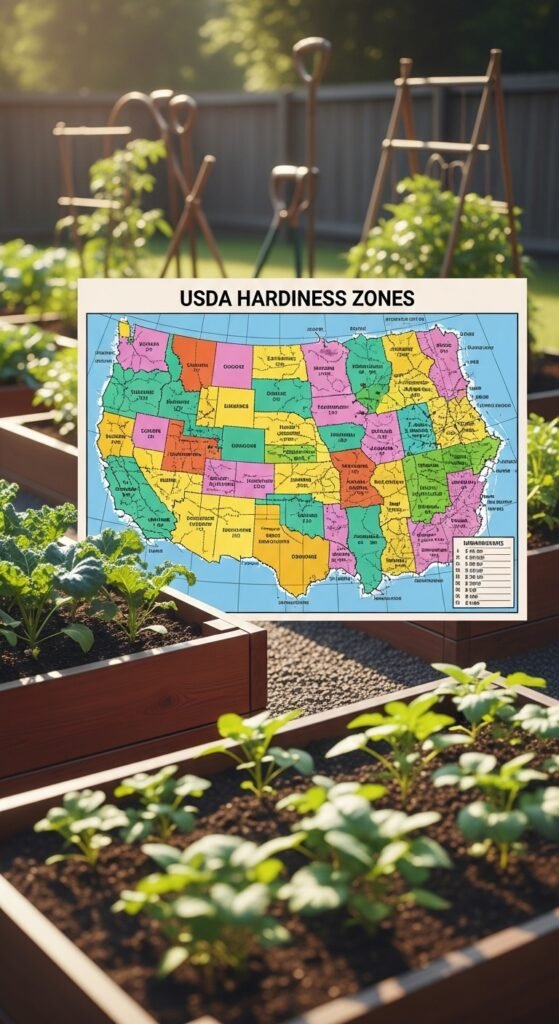
You start by identifying your USDA hardiness zone, which dictates the average minimum winter temperatures in your area and influences what vegetables thrive there. This foundational step ensures you select varieties suited to your climate, preventing frost damage to tender seedlings. For instance, zones 3-5 favor cold-hardy crops like kale, while zones 8-10 support heat-loving tomatoes longer into the year.
Why bother? Knowing your zone optimizes planting times, boosts survival rates, and extends your growing season. It also helps in planning for microclimates in your yard. How to do it: Use online tools or maps to find your zone, then cross-reference with seed packets or apps for specific planting dates. Integrate this with a last frost date calculator for precision, ensuring your calendar is tailored perfectly.
2) Calculate Frost Dates
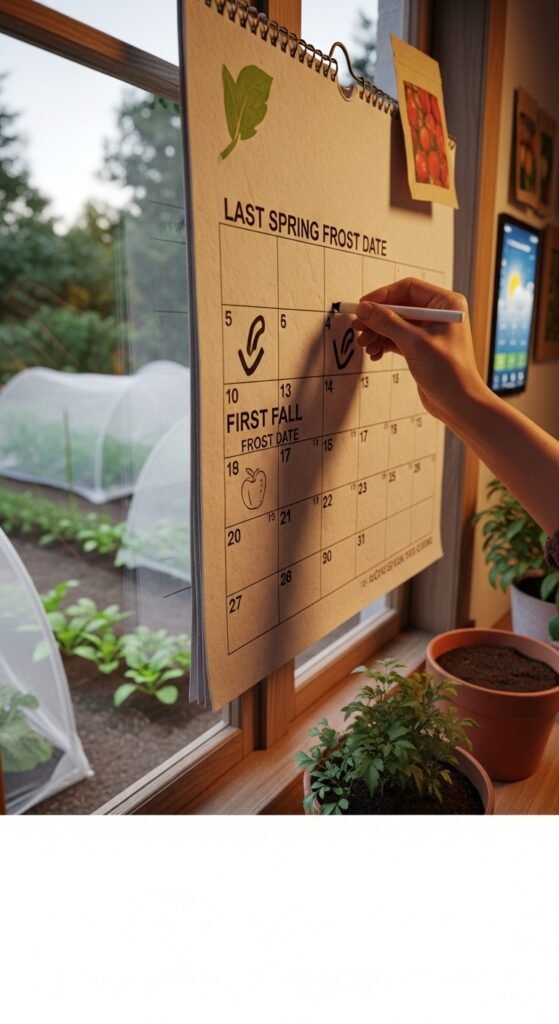
You calculate your last spring frost and first fall frost dates to bookend your growing season safely. These dates vary by location and year, but historical averages provide a reliable guide. Planting heat-sensitive veggies like peppers too early risks frost kill, while delaying cool-season crops like lettuce shortens your harvest window.
The benefit is clear: accurate frost dates prevent crop loss and allow for extended planting periods using protections like row covers. This idea maximizes your garden’s productivity year-round. To implement, consult local extension services or weather apps for data, then mark these on your calendar. Adjust for anomalies by monitoring forecasts, and explore what to plant in spring to fill those early slots effectively.
3) Incorporate Succession Planting
You embrace succession planting by sowing seeds in intervals, such as every two weeks for radishes or lettuce, to ensure continuous harvests rather than a single glut. This method keeps your garden productive and reduces waste from overripe produce piling up at once.
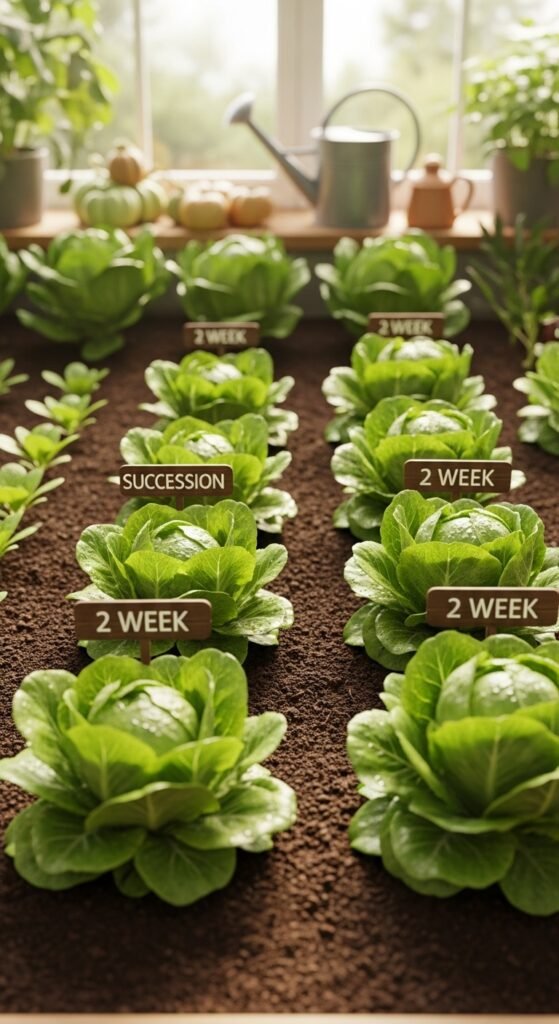
Why it’s essential: It extends your fresh veggie supply, optimizes space, and hedges against weather or pest issues affecting one batch. For calendars, it means staggered entries for quick-maturing crops. How: Note maturation times on your plan, starting with cool-season veggies early and transitioning to warm ones. Pair this with layout strategies from vegetable garden layout ideas to rotate plantings efficiently in limited spaces.
4) Plan for Seasonal Transitions
You plan transitions between seasons by overlapping cool and warm crops, like starting broccoli indoors while tomatoes are still fruiting. This ensures no downtime in your garden, bridging spring to summer or fall to winter seamlessly.
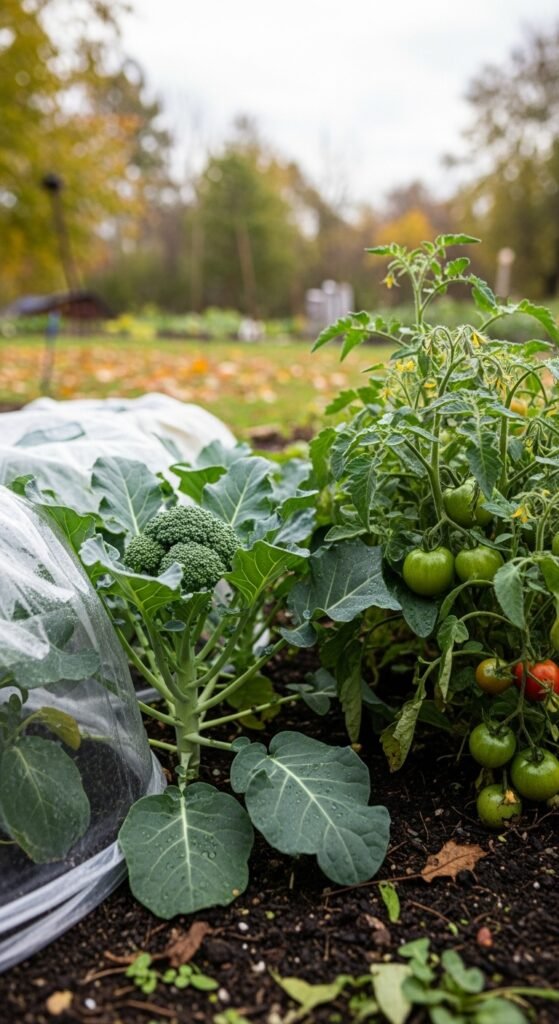
The advantage lies in year-round productivity and soil health maintenance through continuous cover. Calendars become dynamic tools with phased entries. To execute: Mark overlap periods, using protections for tender plants. Draw inspiration from fall vegetable garden setups to extend into cooler months, incorporating hardy options that tolerate light frosts for sustained yields.
5) Integrate Companion Planting
You integrate companion planting by pairing veggies that benefit each other, such as tomatoes with basil to repel pests naturally. This enhances your calendar by grouping compatible plants in sowing schedules, promoting biodiversity.
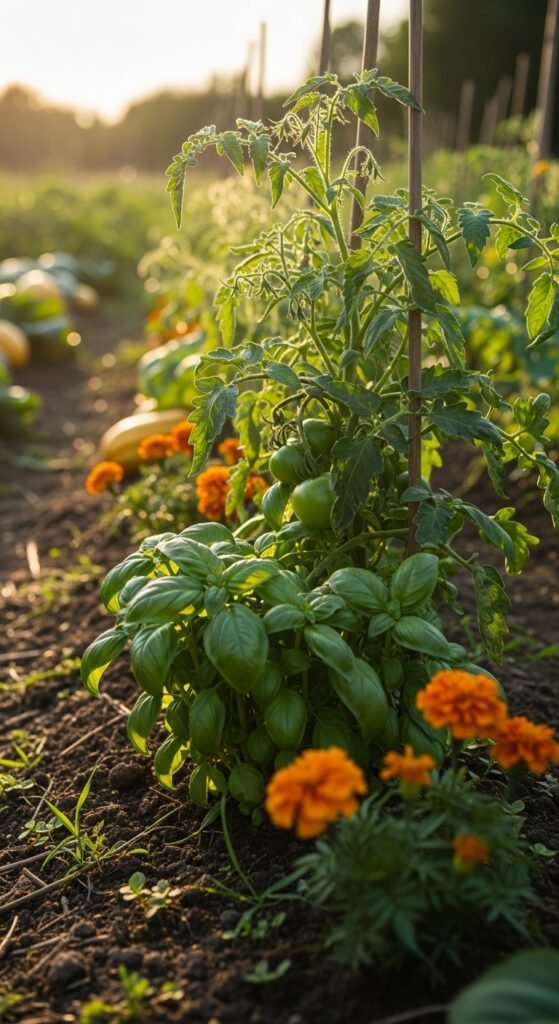
Benefits include natural pest control, improved pollination, and better space use, leading to healthier plants without chemicals. For your calendar, note synergies like marigolds with squash. How: Research pairings, then annotate your plan accordingly. Enhance this with insights from companion planting vegetables, ensuring your garden thrives through mutual support.
6) Account for Microclimates
You account for microclimates in your yard, like sunny walls for heat-loving crops or shaded spots for lettuce, adjusting standard calendar dates accordingly. This fine-tunes planting for site-specific conditions.
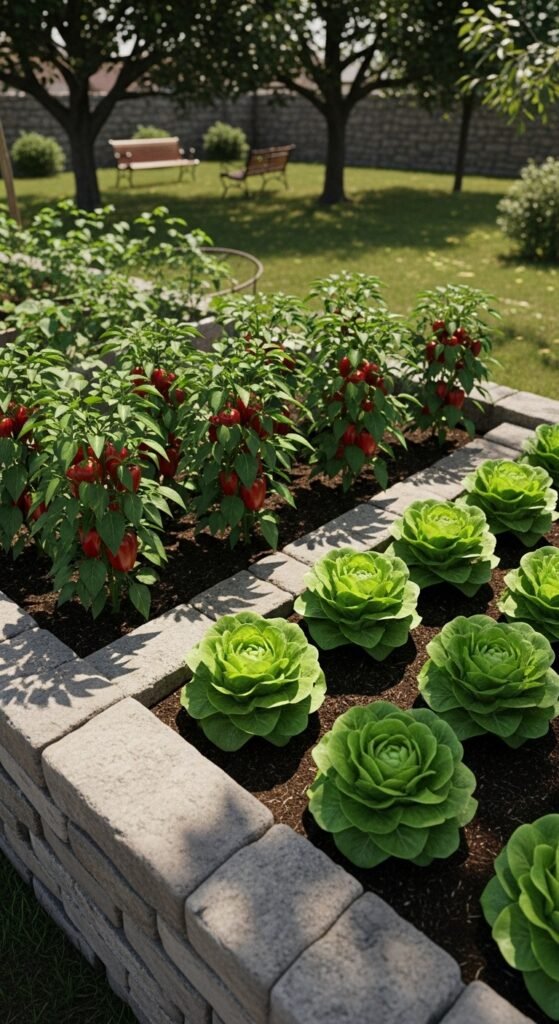
Why? It maximizes yields by exploiting natural variations, preventing issues like bolting in heat-sensitive plants. Calendars gain precision with zone-specific notes. Implementation: Observe your space over seasons, then customize entries. For beginners, combine with how to start a vegetable garden basics to map and plan effectively.
7) Schedule Seed Starting Indoors
You schedule indoor seed starting weeks before outdoor transplanting, giving slow-growers like peppers a head start in controlled environments. This extends your effective season in shorter climates.
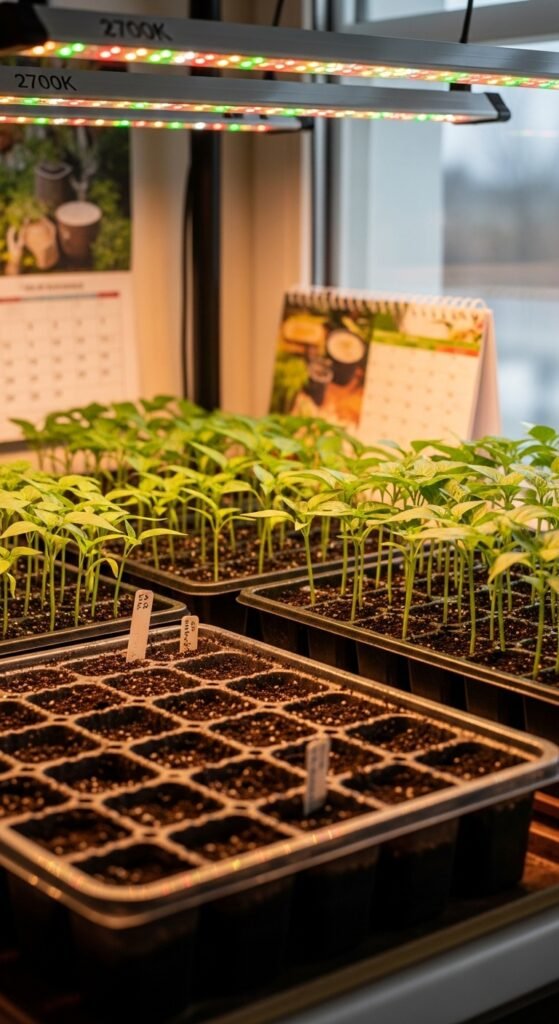
The payoff is stronger seedlings and earlier harvests, crucial for calendars in cooler zones. How: Use grow lights and heat mats, marking start dates based on transplant times. For winter extensions, reference winter vegetable garden ideas to include hardy starts like kale.
8) Include Harvest Windows
You include harvest windows on your calendar, estimating maturity dates to plan for picking at peak ripeness and preparing storage or succession sowings. This keeps your garden cycle smooth.
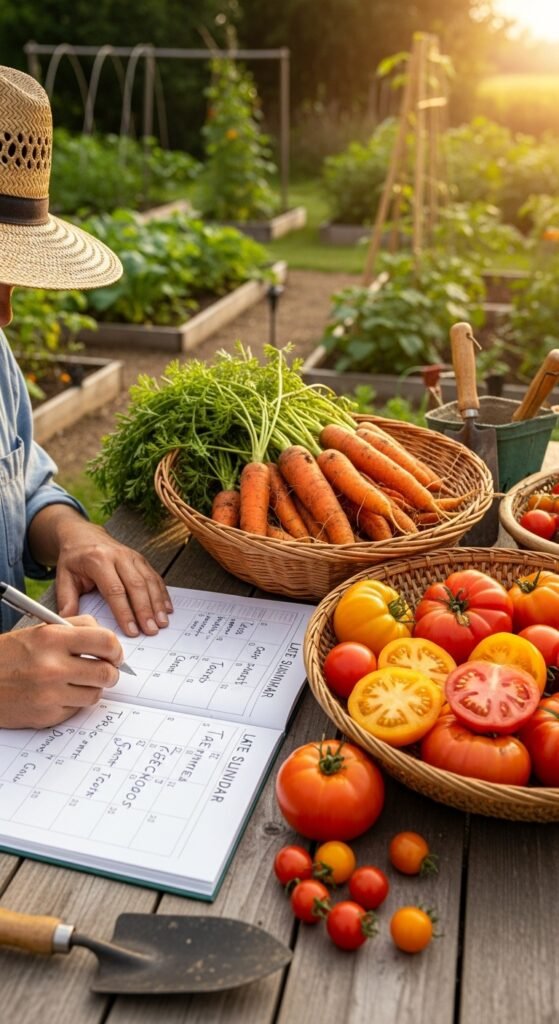
Advantages: Reduces spoilage, informs preservation plans, and ensures continuous production. Calendars become full-cycle tools. To apply: Add ranges from seed info, adjusting for weather. Tie in with spring garden checklist for early-season readiness.
9) Factor in Pest Monitoring Periods
You factor in pest monitoring periods, scheduling checks during vulnerable growth stages like seedling emergence for aphids or fruit set for hornworms. This proactive approach integrates seamlessly into your calendar.
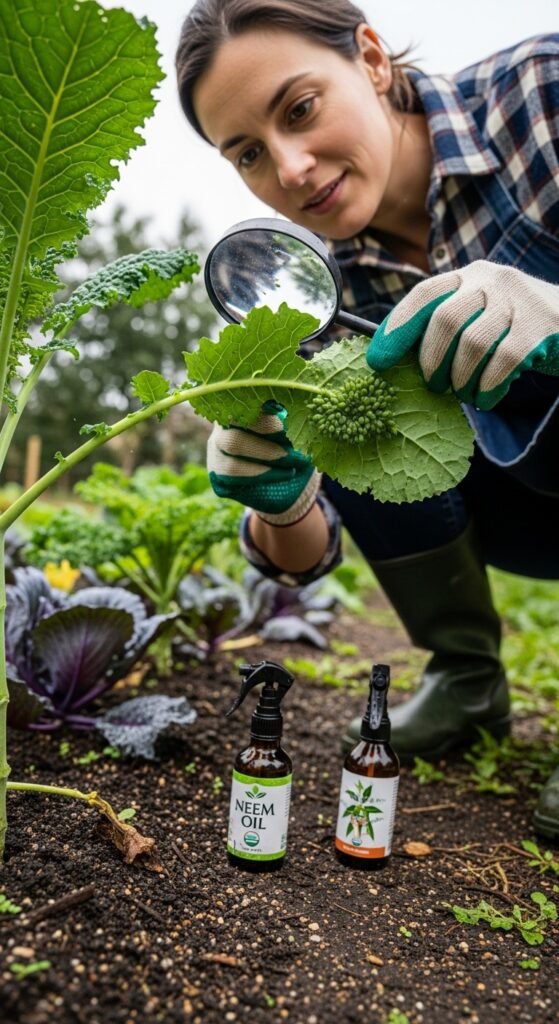
Why crucial: Early detection prevents outbreaks, preserving yields without heavy interventions. How: Note high-risk times, using organic methods. For comprehensive planning, align with hardy winter vegetables that naturally resist common pests.
10) Customize for Container Gardening
You customize your calendar for containers by advancing dates slightly due to warmer soil in pots, ideal for urban or small-space growers with veggies like tomatoes.
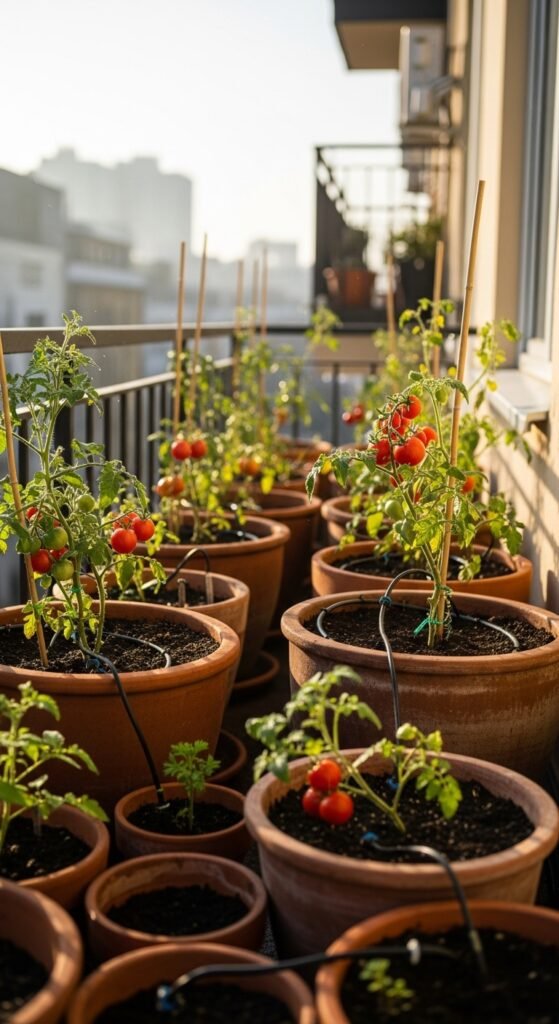
Benefits: Flexibility in placement and easier microclimate control, extending seasons. Calendars adapt with pot-specific notes. Execution: Choose dwarf varieties, monitor moisture closely. Explore container vegetable gardening for tailored tips on portable setups.
11) Plan for Watering and Fertilizing
You plan watering and fertilizing intervals on your calendar, aligning with growth phases like heavier needs during fruiting for crops such as cucumbers.
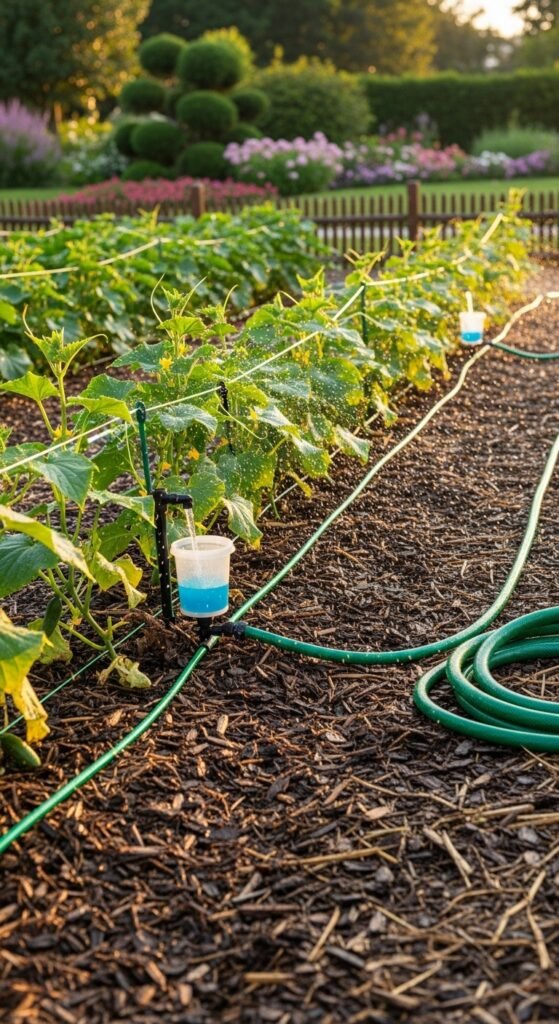
This ensures nutrient balance and prevents stress, boosting overall health. How: Mark bi-weekly feeds, adjusting for rain. For front-yard integrations, consider aesthetics from front yard vegetable garden designs that incorporate efficient systems.
12) Incorporate Crop Rotation
You incorporate crop rotation by noting family groups like nightshades or brassicas, rotating annually to prevent soil depletion and disease buildup.
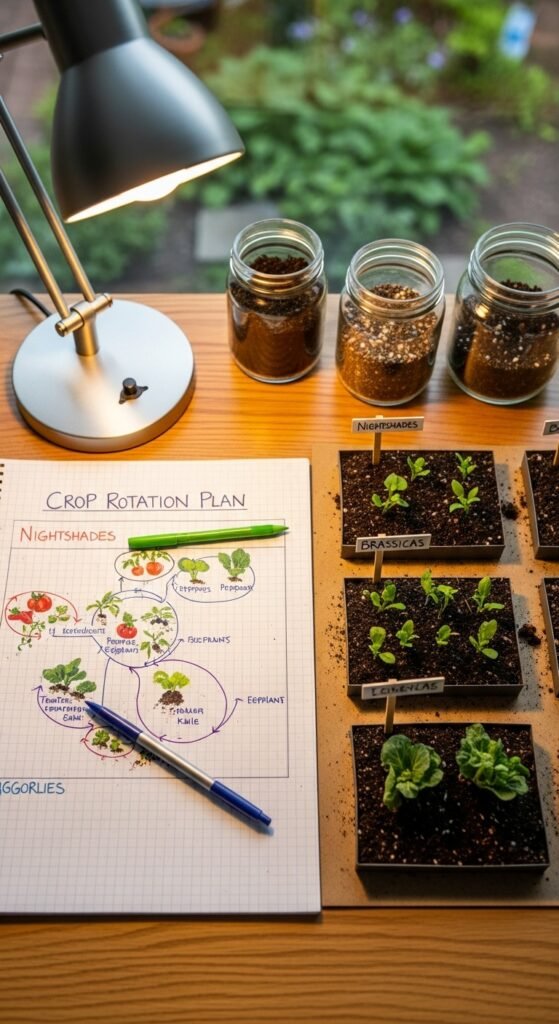
Key benefit: Sustains soil fertility long-term, integrated into multi-year calendars. Implementation: Diagram beds, assign rotations. For small spaces, adapt ideas from small backyard vegetable garden to maximize efficiency.
13) Use Digital Tools for Reminders
You use digital apps to set reminders for sowing, transplanting, and harvesting, syncing with your custom calendar for timely alerts.
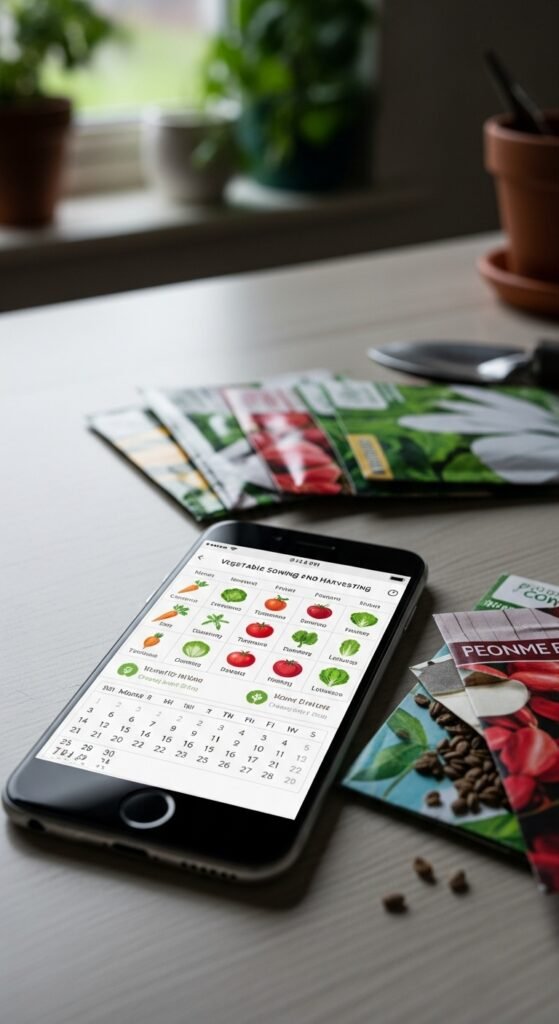
Why? Enhances adherence, especially for busy gardeners, ensuring nothing slips. How: Input dates into garden apps, customizing notifications. This modern twist complements traditional planning, drawing from comprehensive vegetable planting calendar frameworks.
14) Adjust for Climate Change
You adjust for shifting climates by tracking recent weather patterns and flexing dates, like earlier springs for warm-season starts.
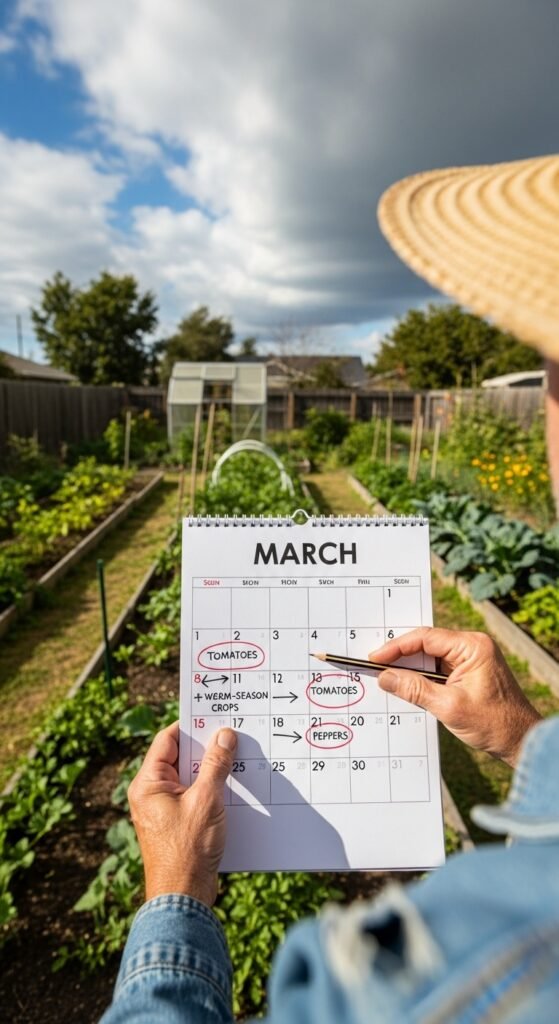
Advantages: Future-proofs your garden against unpredictability. Calendars evolve with annual reviews. To do: Compare historical vs. current data, incorporating resilient varieties. For ongoing adaptation, reference seasonal extensions in fall vegetable garden strategies.
15) Review and Refine Annually
You review your calendar annually, noting successes like bountiful carrots or failures from late frosts, refining for the next season.
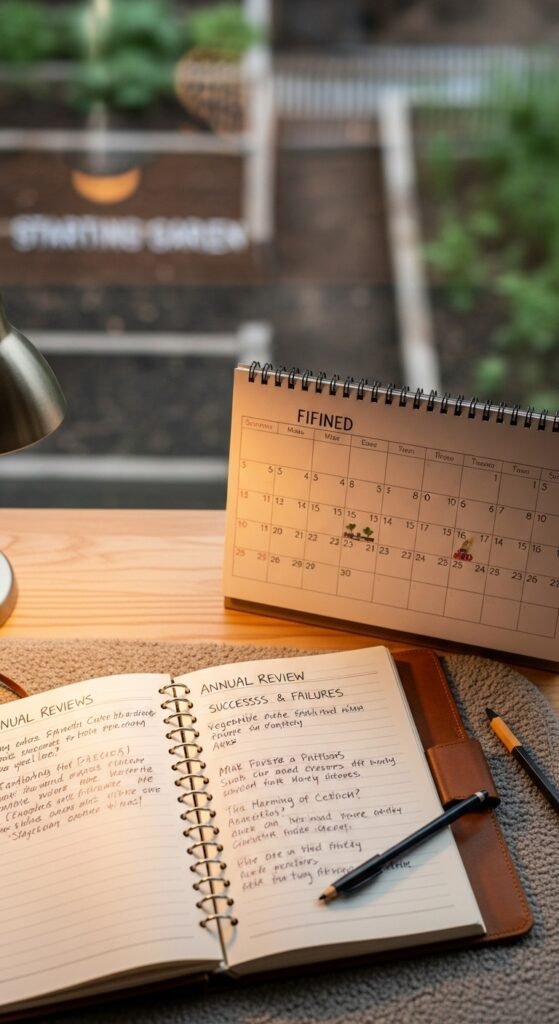
This iterative process builds expertise and improves yields over time. How: Keep a garden journal, updating based on observations. For holistic views, incorporate lessons from how to start a vegetable garden to evolve your approach continually.
Key Principles for Vegetable Planting Success
Soil Preparation Essentials
Prepare your soil by testing pH and amending with compost early in the season. Healthy soil supports robust roots and nutrient uptake, forming the base of any calendar.
Pest and Disease Prevention
Prevent issues through vigilant monitoring and organic barriers, timed with your planting schedule to catch problems early.
Sustainable Practices
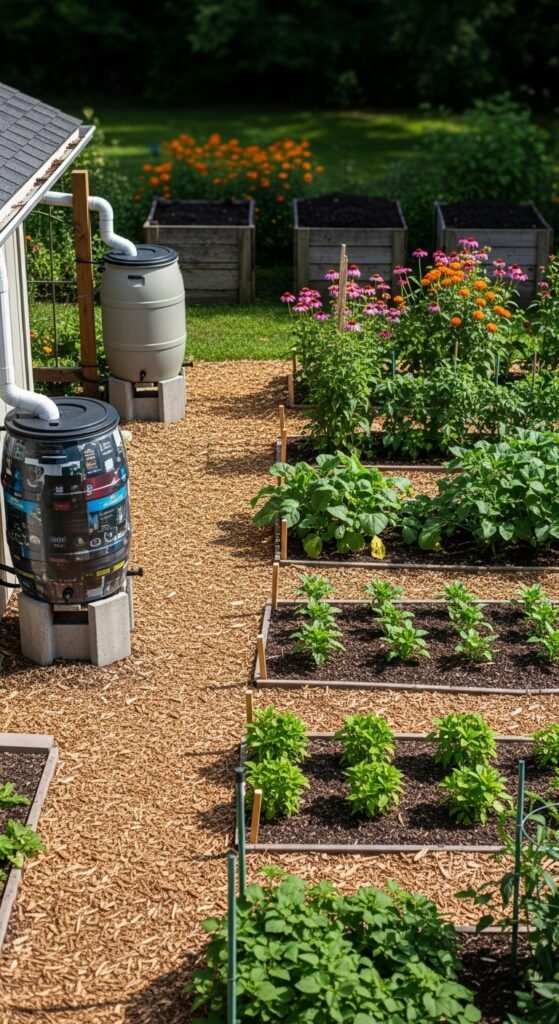
Adopt water conservation and organic methods, aligning with calendar phases for eco-friendly gardening that benefits long-term soil health.
Frequently Asked Questions
What is a vegetable planting calendar?
A vegetable planting calendar is a schedule that outlines the best times to plant, transplant, and harvest various crops based on your local climate and frost dates.
How do I find my last frost date?
Consult local weather services, extension offices, or online calculators using your zip code to determine average last frost dates for accurate planning.
Can I use a planting calendar for container gardens?
Yes, adjust dates slightly for containers as they warm faster, allowing earlier starts, but monitor moisture levels closely.
What if my climate is unpredictable?
Use flexible protections like row covers and monitor forecasts to adapt your calendar dynamically each season.
How often should I update my planting calendar?
Review and refine it annually based on the previous year’s outcomes and any shifts in local weather patterns.