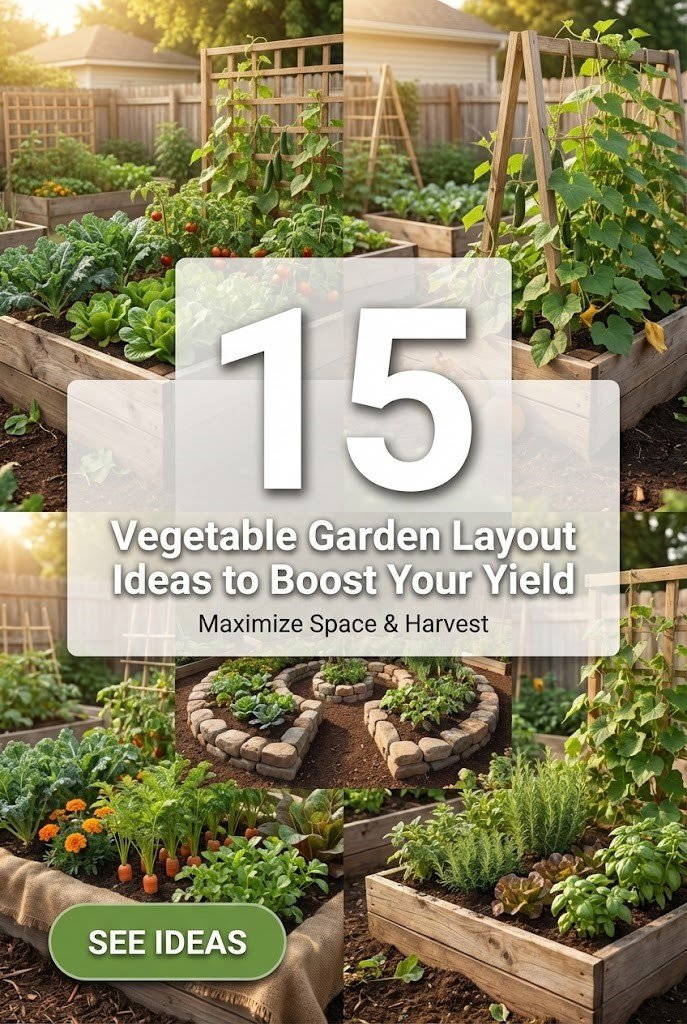
Planning your vegetable garden layout is key to creating a productive and efficient space that suits your needs and environment. Whether you’re working with a small backyard or a larger plot, the right layout can help you maximize space, improve accessibility, and enhance plant health. By considering factors like sunlight, soil quality, and water access, you can design a garden that thrives with minimal effort.
These vegetable garden layout ideas offer inspiration for beginners and seasoned gardeners alike. You’ll discover ways to incorporate sustainable practices, optimize for companion planting, and even integrate vertical elements for space-saving efficiency. With thoughtful planning, you can enjoy a bountiful harvest while reducing maintenance time and resources.
Explore these layouts to find the perfect fit for your gardening goals, and remember to adapt them to your local climate and available materials for the best results.
1) Raised Bed Layout
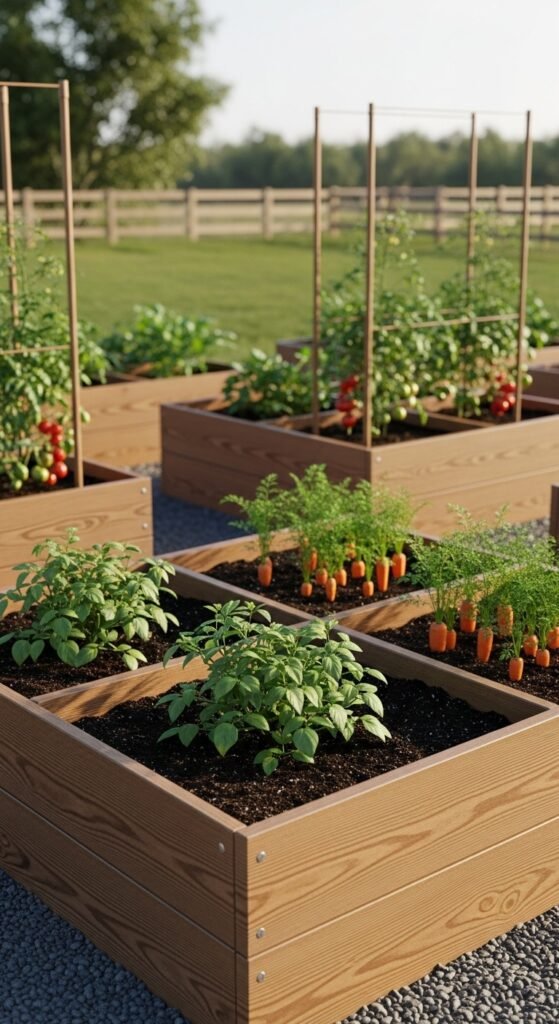
You can start with a raised bed layout to elevate your gardening game, especially if you have poor soil or limited space. This design involves building wooden or stone frames filled with nutrient-rich soil, typically 6-12 inches high. It improves drainage and warms soil faster in spring, leading to earlier planting and healthier roots.
Why choose this? Raised beds reduce weed invasion and make it easier for you to tend plants without bending over much, which is ideal for accessibility. To set it up, select a sunny spot, assemble frames about 4 feet wide for easy reach, and plant in grids or rows. Incorporate compost at home to enrich the soil. With this layout, you’ll notice increased yields from crops like tomatoes and carrots, all while keeping pests at bay.
2) Container Garden Setup
For urban dwellers or those with patios, a container garden layout lets you grow vegetables in pots, barrels, or hanging baskets. This flexible approach allows you to move plants around to catch the best sun or protect from weather. It maximizes small spaces and controls soil quality precisely.
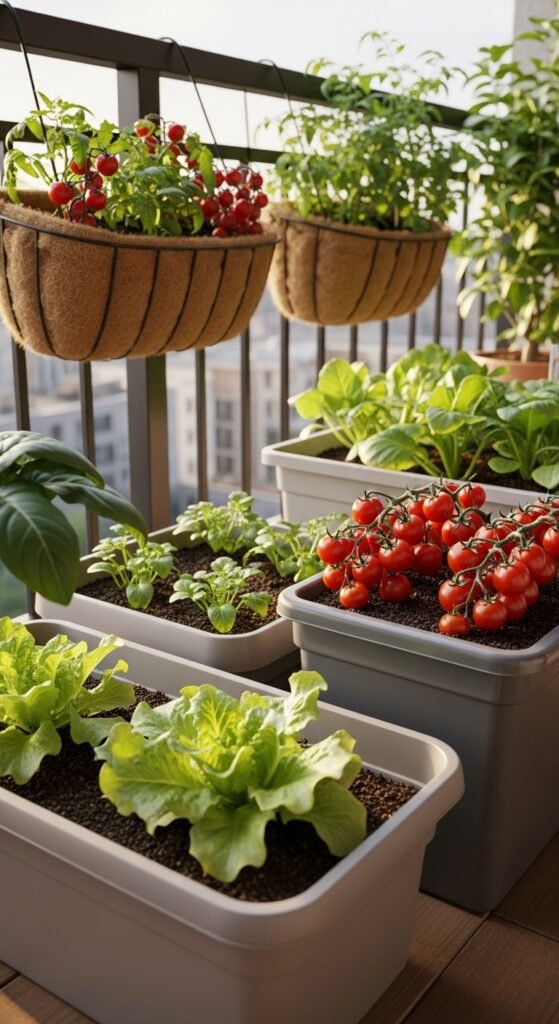
The appeal lies in its simplicity—no digging required—and suitability for renters. Begin by choosing containers with drainage holes, filling them with potting mix, and selecting compact varieties like cherry tomatoes or lettuce. Group them thematically, perhaps mixing herbs with veggies for easy harvesting. Drawing from spring container garden ideas, you can add seasonal flair. This method ensures vibrant, healthy growth with less water waste, perfect for busy lifestyles.
3) Vertical Trellis Design
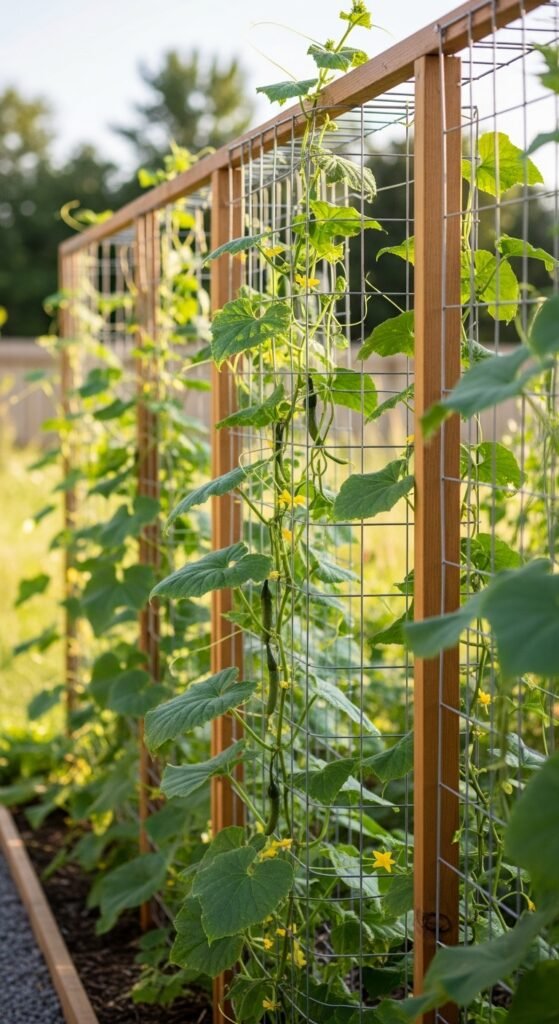
Embrace a vertical trellis layout to grow upwards, saving ground space for more plants. Use structures like arbors, fences, or wire frames to support vining crops such as cucumbers, beans, and peas. This promotes better air circulation and reduces disease risk, while making harvesting straightforward.
It’s particularly beneficial in tight areas, as it creates layers of greenery. Install trellises in a north-south orientation for even sun exposure, securing them firmly. Plant at the base and train vines as they grow. For inspiration, consider garden trellis ideas to customize your setup. You’ll appreciate the space efficiency and aesthetic appeal, turning your garden into a lush, productive wall.
4) Keyhole Garden Arrangement
A keyhole garden layout features a circular bed with a notched access point, resembling a keyhole, often with a central compost bin. This permaculture-inspired design conserves water and nutrients, as compost leaches into the surrounding soil. It enhances soil fertility and supports intensive planting.
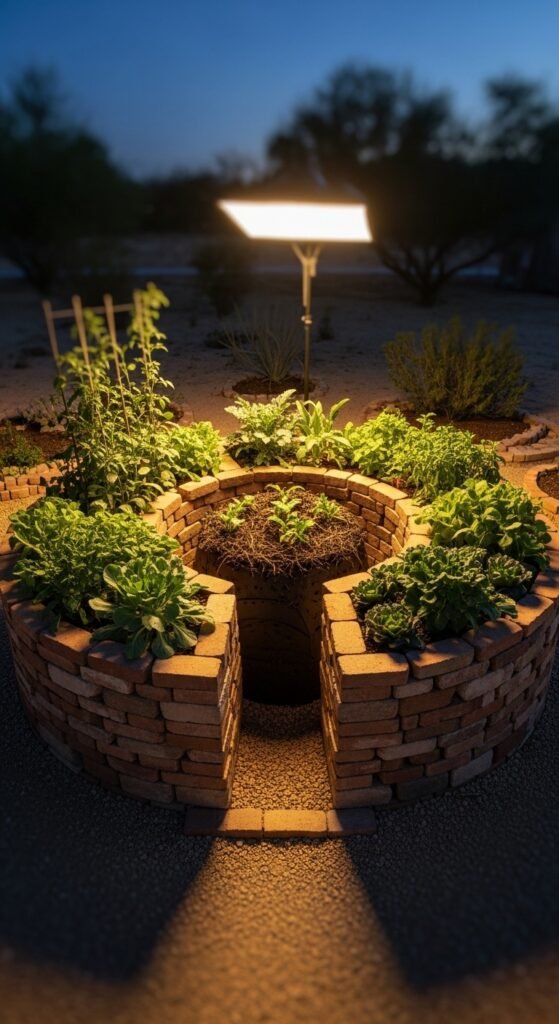
Ideal for arid climates or small yards, it minimizes walking paths. Build it with stones or bricks, layering organic materials inside. Plant densely around the edges, focusing on drought-tolerant veggies. As explored in keyhole garden techniques, this fosters a self-sustaining ecosystem. Experience robust plant growth with less input, making it a smart choice for eco-conscious gardeners.
5) Square Foot Grid
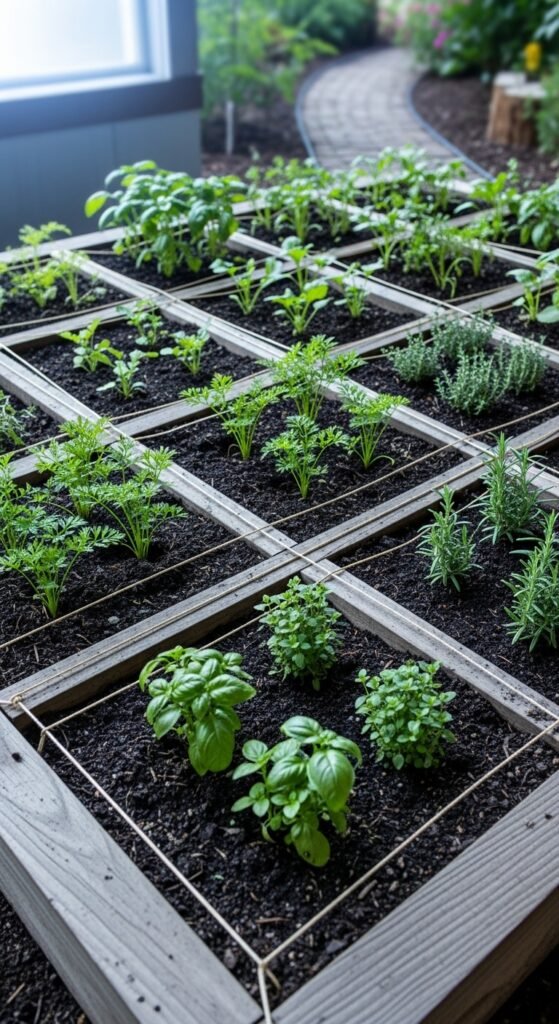
Divide your plot into 1-foot squares with a square foot garden layout, allowing precise planting and efficient use of space. This method, popularized by Mel Bartholomew, avoids rows and reduces weeding. It boosts productivity in compact areas and simplifies crop rotation.
Great for beginners, it helps track what you’ve planted where. Construct a 4×4 foot bed, add grid lines with string or wood, and follow spacing guides—like 16 carrots per square. Integrate ideas from polyculture garden for diversity. You’ll find it easy to maintain, yielding diverse harvests from herbs to root veggies without overwhelming effort.
6) Companion Planting Scheme
In a companion planting layout, you group beneficial plants together to enhance growth and deter pests naturally. For instance, pair tomatoes with basil or marigolds with beans. This improves pollination, soil health, and overall yield without chemicals.
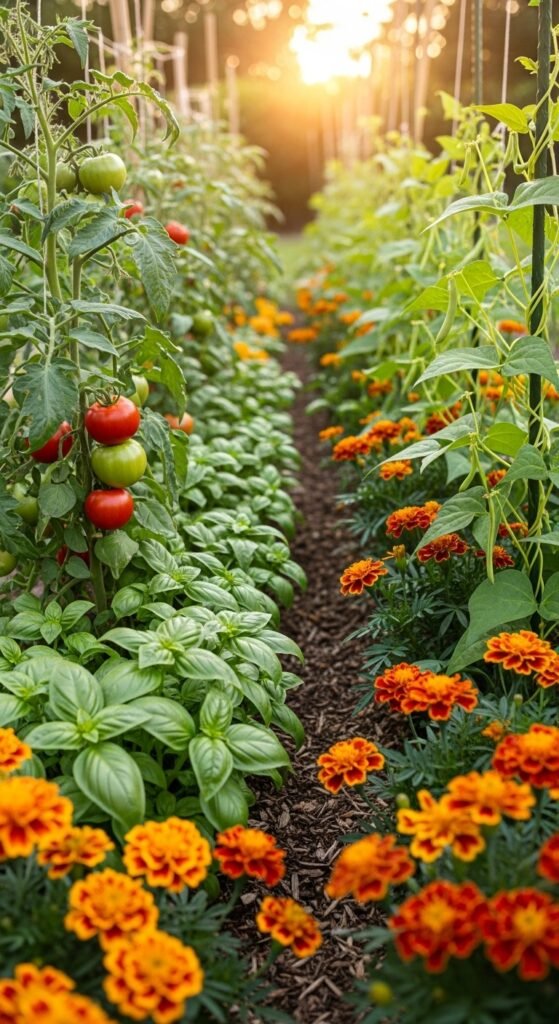
It’s a sustainable way to mimic nature’s synergies. Map out your garden, researching compatible pairs, and plant in beds or rows. Reference permaculture guilds for advanced combinations. Enjoy healthier plants and fewer issues, as this layout turns your vegetable garden into a balanced, thriving community.
7) Row Planting Configuration
Traditional row planting layout organizes vegetables in straight lines, facilitating easy cultivation and machinery use if needed. Space rows 18-36 inches apart based on crop size. It allows for efficient watering and harvesting, especially in larger gardens.
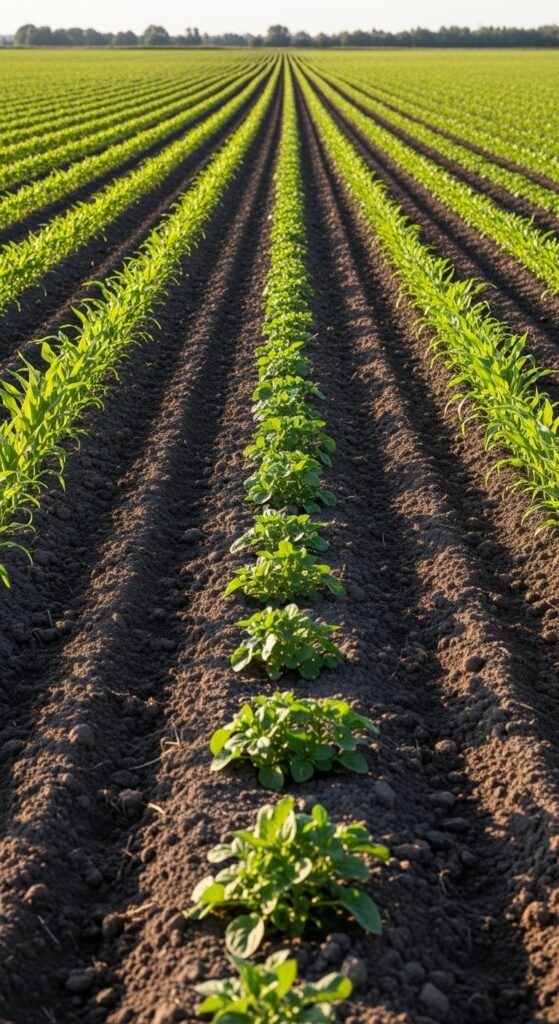
Suited for expansive areas, it supports succession planting. Prepare soil in furrows, sow seeds or transplants, and mulch between rows. For irrigation, consider drip irrigation setup. This straightforward approach yields uniform crops like corn or potatoes, with room for expansion as your skills grow.
8) Hugelkultur Mounds
Build hugelkultur mounds by layering wood debris, compost, and soil into raised heaps that decompose over time. This layout retains moisture and nutrients, reducing watering needs. It creates fertile, self-watering beds ideal for veggies.
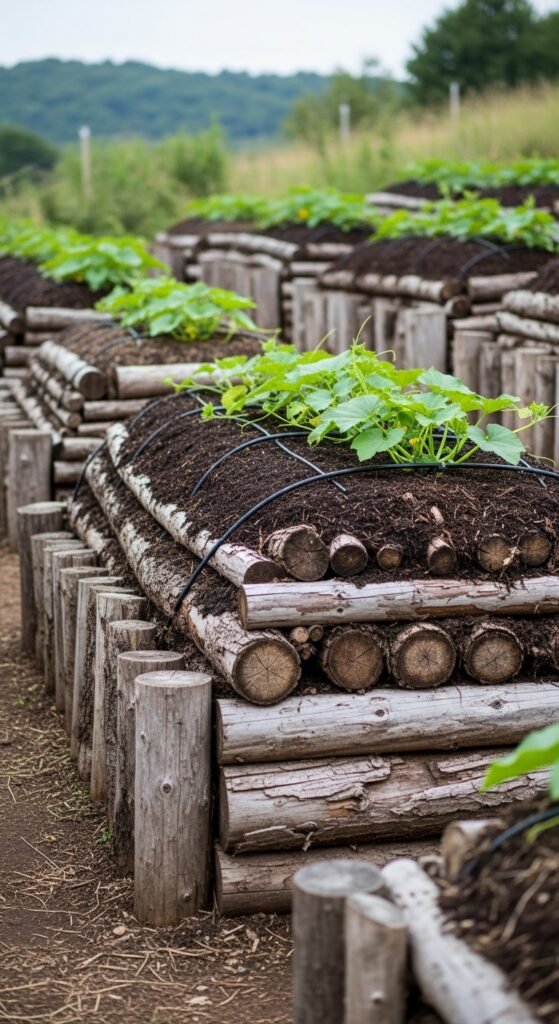
Perfect for sloped or poor-soil sites, it improves over years. Start with logs at the base, add greens, and top with soil. Plant directly on the mound. Inspired by hugelkultur bed principles, you’ll see vigorous growth in crops like squash, with minimal ongoing maintenance.
9) Polyculture Beds
A polyculture bed layout mixes multiple crop types in one area, promoting biodiversity and resilience. Unlike monocultures, it confuses pests and enriches soil. This leads to healthier ecosystems and sustained yields.
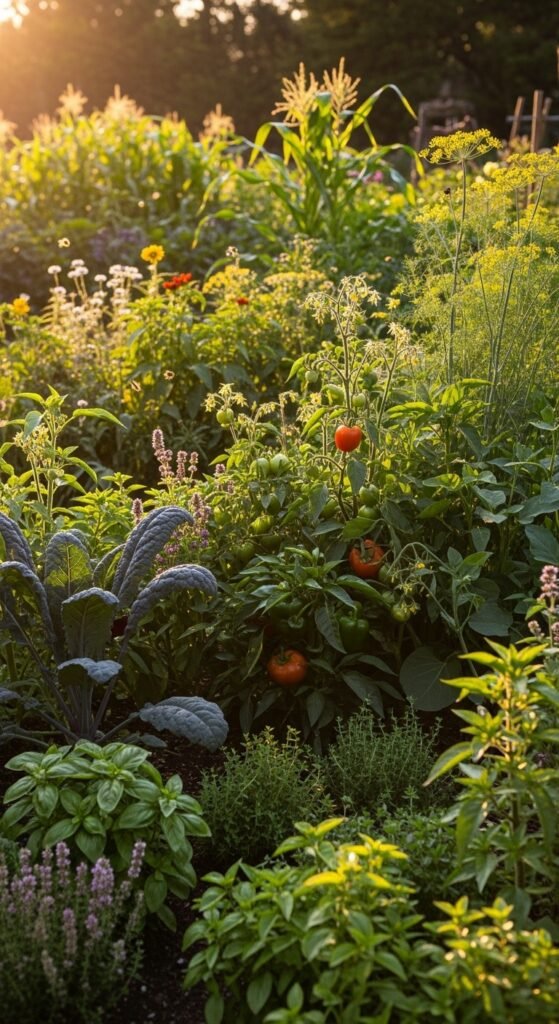
Excellent for organic gardening, it maximizes interactions. Design beds with varying heights and needs, planting in clusters. Draw from polyculture garden strategies. Relish the dynamic, productive space that supports pollinators and reduces disease spread.
10) Food Forest Layering
Create a food forest layout by stacking layers from trees to ground covers, mimicking natural woodlands. Include fruit trees, shrubs, herbs, and veggies. It builds long-term abundance and soil health.
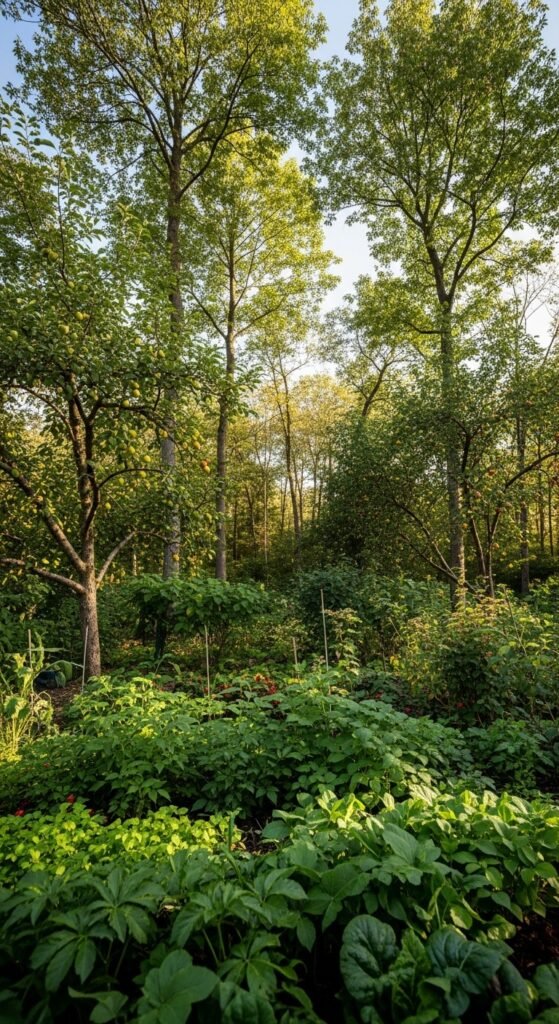
Ideal for permaculture enthusiasts, it evolves into a low-maintenance haven. Plan layers based on height and light, starting with canopy plants. Explore food forest design for guidance. You’ll harvest diversely with minimal intervention, enjoying a sustainable bounty.
11) Mandala Circular Pattern
A mandala garden layout arranges beds in circular or spiral patterns, often with paths radiating from a center. This aesthetic design improves access and water flow. It enhances beauty while optimizing space.
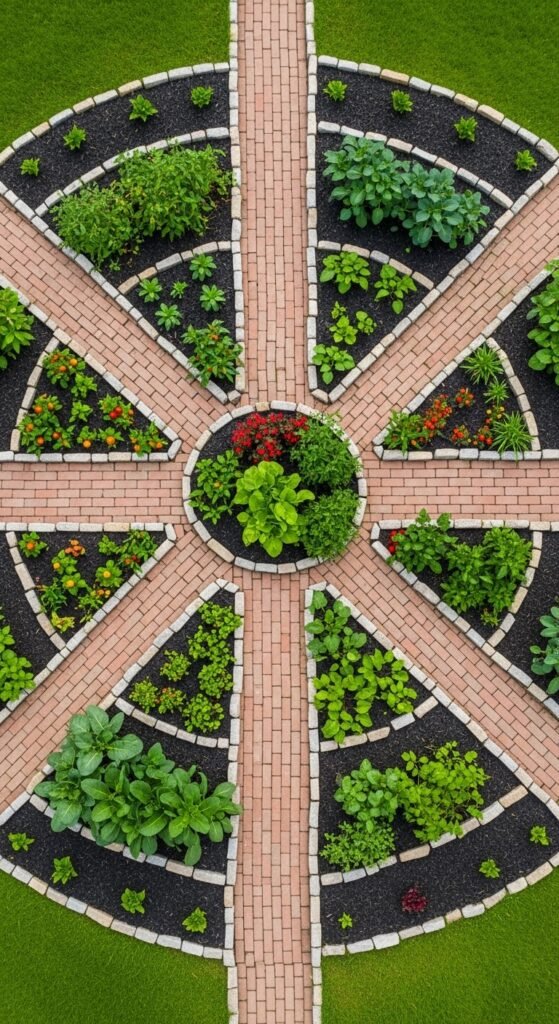
Suitable for creative gardeners, it encourages mindfulness. Use bricks or mulch for paths, planting in pie-shaped sections. Incorporate vertical elements for variety. This setup yields harmonious, efficient growth for mixed vegetables, blending form and function seamlessly.
12) Potager Ornamental Mix
Design a potager layout blending vegetables with flowers and herbs in decorative patterns, like French kitchen gardens. Use borders and symmetry for appeal. It combines productivity with visual charm.
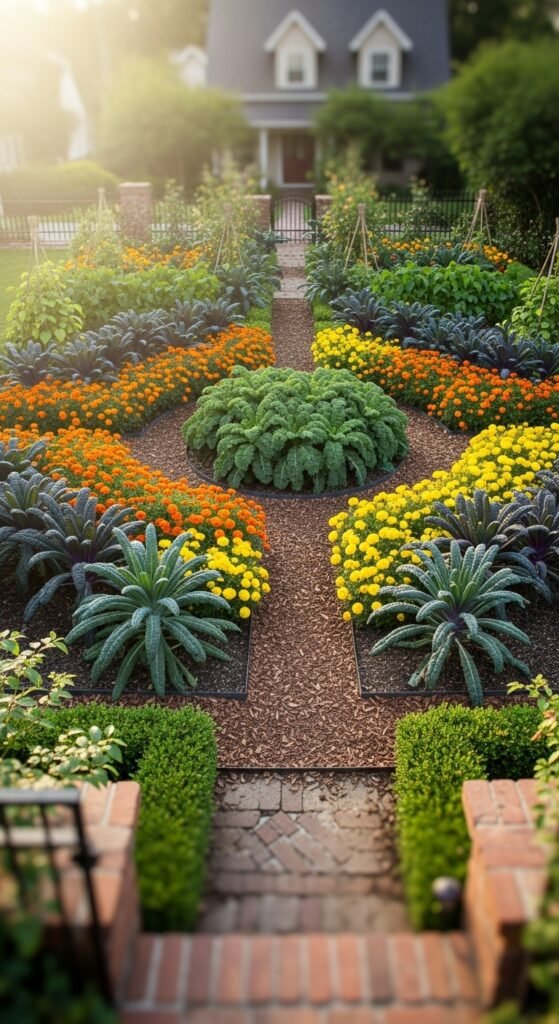
Great for front yards, it attracts beneficial insects. Sketch a formal plan, mixing edibles like kale with marigolds. Add trellises for height. You’ll create an inviting, multifunctional space that delights senses and plates alike.
13) Hydroponic Vertical System
Set up a hydroponic layout using water-based systems, often vertical, to grow without soil. Nutrient solutions feed plants directly. This accelerates growth and conserves water.
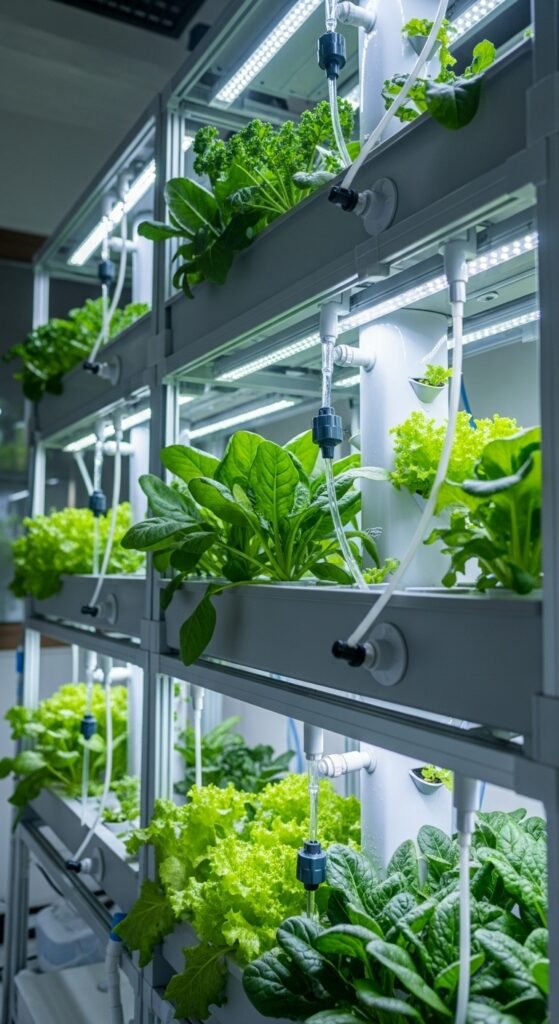
Perfect for indoor or space-limited areas, it’s clean and efficient. Assemble towers or gutters with pumps, choosing leafy greens or herbs. Monitor pH for success. Experience year-round harvests with this modern, soilless approach.
14) Wicking Bed Self-Watering
A wicking bed layout features reservoirs below soil that draw water up via capillary action, keeping roots moist. Build with liners and gravel bases. It minimizes watering and suits dry climates.
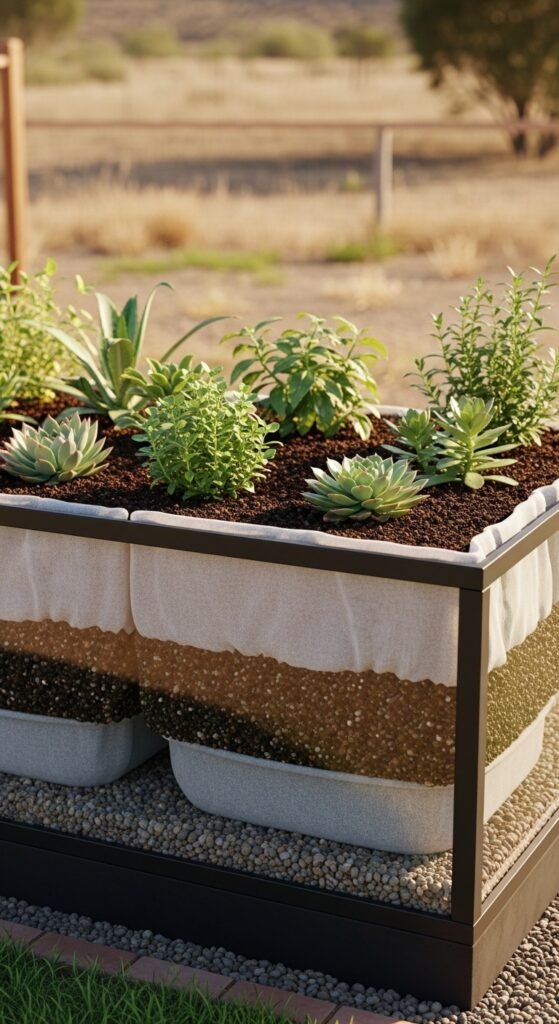
Beneficial for forgetful gardeners, it prevents overwatering. Fill the base, add soil, and plant. Reference wicking bed builds for details. Enjoy consistent moisture leading to thriving vegetables with ease.
15) Archway and Pathway Integration
Incorporate arches and pathways in your layout to define spaces and support climbers. Use metal or wood arches over walks, planting vines like beans. This adds height and creates shaded areas.
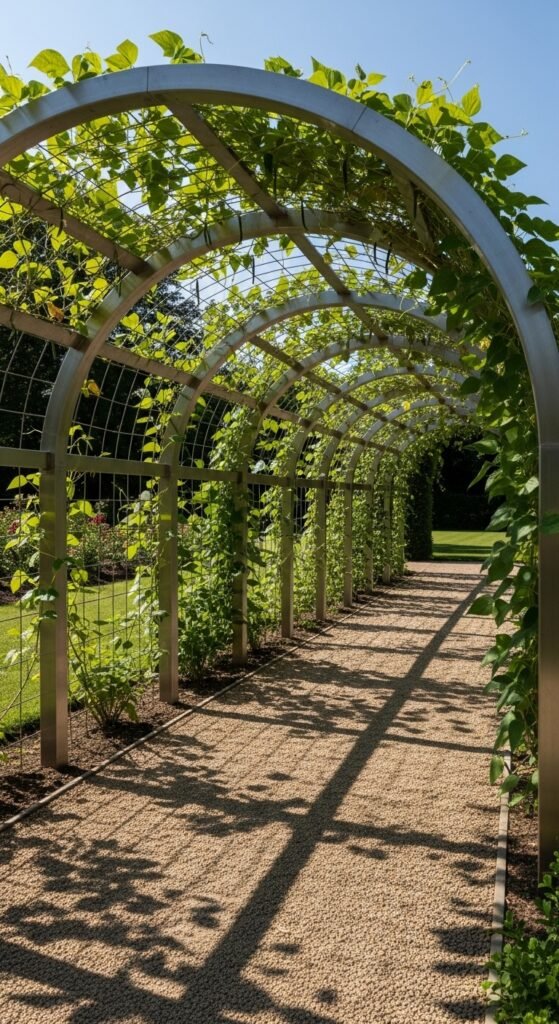
Enhances navigation in larger gardens. Plan paths with gravel, positioning arches strategically. For climbers, see trellis ideas for cucumbers. This design offers scenic, functional beauty, elevating your garden experience.
Key Principles for Successful Vegetable Garden Layouts
Site Selection and Soil Preparation
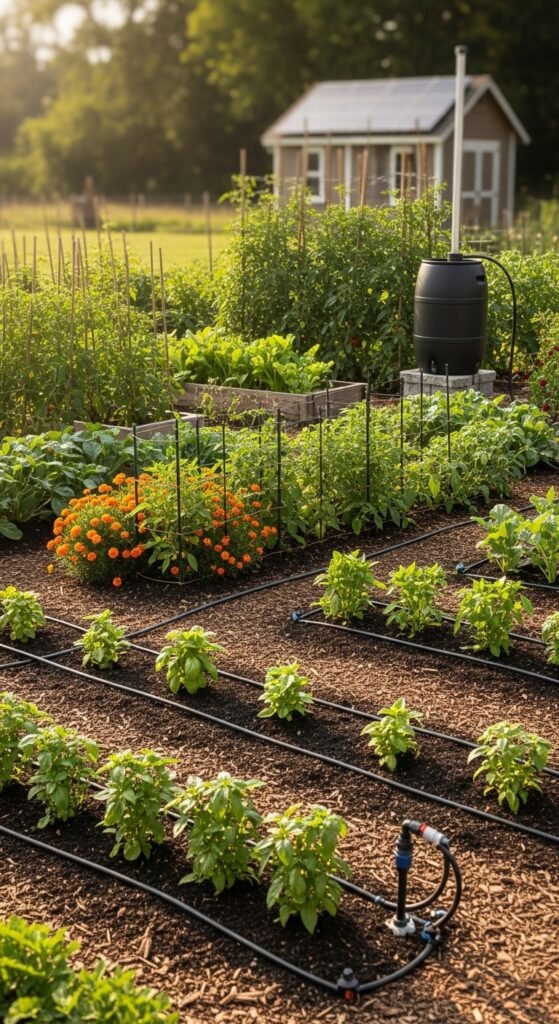
Choose a spot with at least 6-8 hours of sunlight daily, testing soil pH and amending as needed. Good preparation sets the foundation for any layout.
Crop Rotation and Succession Planting
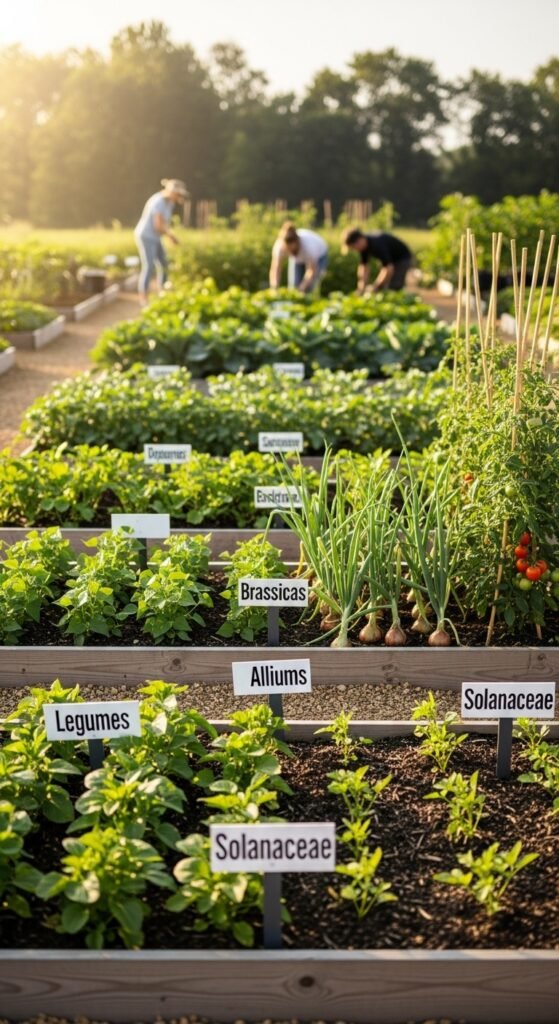
Rotate families yearly to prevent soil depletion, and plant successively for continuous harvests. This keeps your garden productive throughout the season.
Water Management and Sustainability
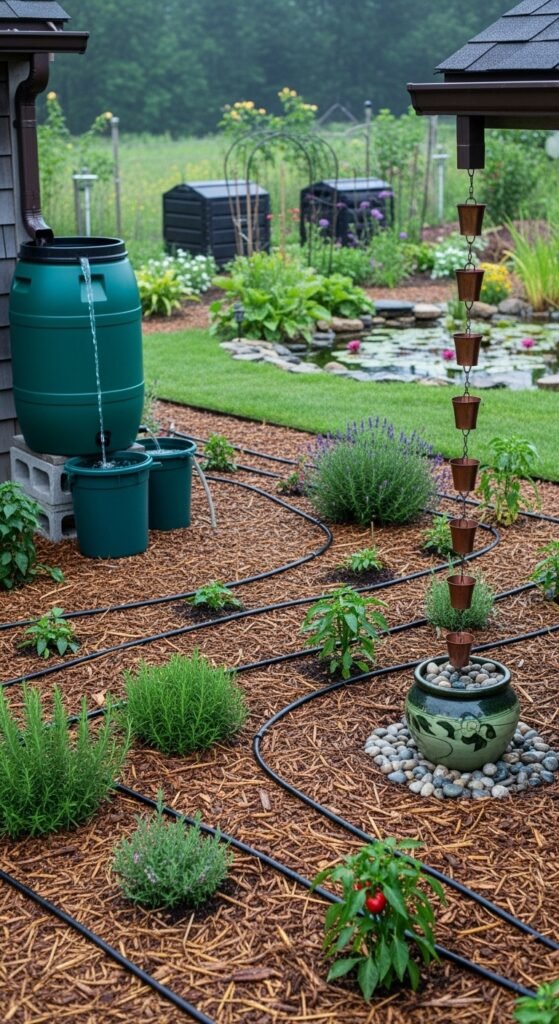
Implement efficient systems like mulch or drip lines to conserve water, incorporating rain collection for eco-friendly practices.
Frequently Asked Questions
What is the best vegetable garden layout for beginners?
For beginners, start with a simple raised bed or square foot layout. These are easy to manage, require less weeding, and allow you to learn spacing and care without overwhelming complexity.
How much space do I need for a vegetable garden?
You can start small with 4×4 feet for basics like herbs and salads, or expand to 100 square feet for a family of four. Adapt to your available area using vertical or container options.
Can I mix flowers in my vegetable garden layout?
Yes, incorporating flowers like marigolds or nasturtiums attracts pollinators and repels pests, enhancing both beauty and productivity in layouts like potagers or companions.
What vegetables grow well together in a layout?
Tomatoes pair with basil, carrots with onions, and beans with corn. Research companion planting to avoid incompatibilities like potatoes near tomatoes.
How do I protect my garden layout from pests?
Use natural barriers, row covers, or beneficial insects. Diverse layouts like polycultures naturally reduce pest issues by confusing them.