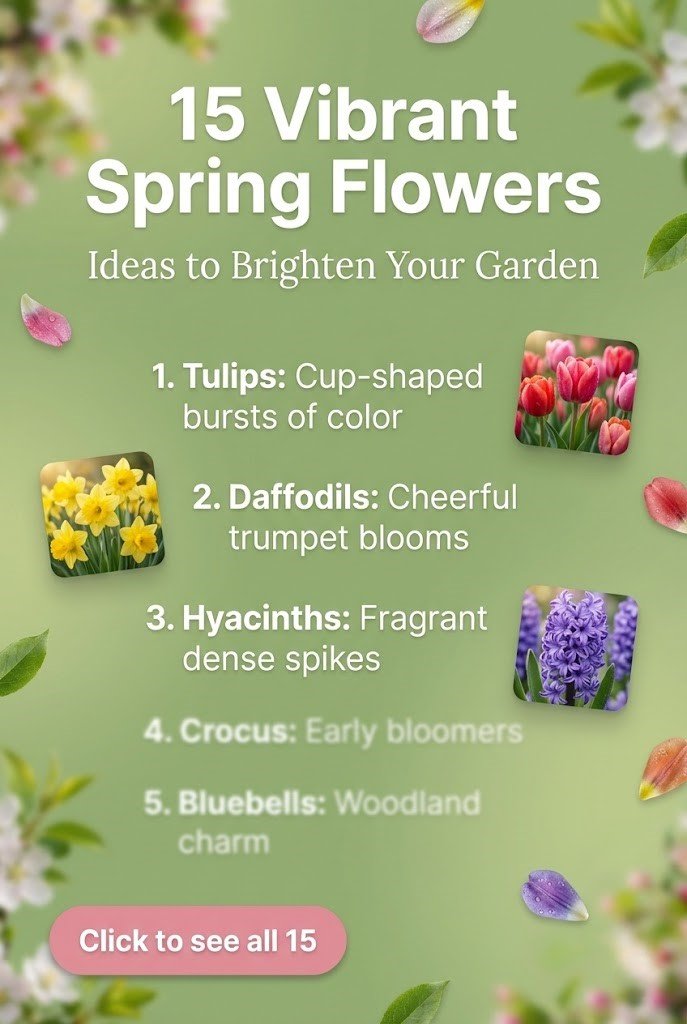

15 Creative Tulip Ideas for a Vibrant Spring Garden
Tulips are the quintessential harbingers of spring, bursting forth with vibrant colors and elegant forms that can transform any garden space. As a gardener, you know the joy of seeing these bulbous beauties emerge after a long winter, offering a splash of color when the landscape is just waking up. Originating from the mountainous regions of Central Asia, tulips have been cultivated for centuries, symbolizing renewal and beauty. Incorporating tulips into your garden not only enhances aesthetic appeal but also attracts pollinators, contributing to a healthier ecosystem.
Whether you’re a novice or seasoned gardener, these tulip ideas will inspire you to create stunning displays. From simple plantings to more elaborate arrangements, each concept focuses on maximizing the impact of tulips while considering soil, sunlight, and companion plants. By planning ahead—typically planting in fall—you ensure a spectacular show come spring. Let’s explore these ideas to help you craft a garden that’s both beautiful and functional.
1) Classic Tulip Border Planting
You can create a stunning border by planting tulips along walkways or garden edges, providing a colorful frame that draws the eye. Start by selecting a mix of early, mid, and late-blooming varieties to extend the flowering period. Dig trenches about 6-8 inches deep in well-drained soil, spacing bulbs 4-6 inches apart for a dense look. This method not only adds visual interest but also defines spaces in your yard, making maintenance easier.
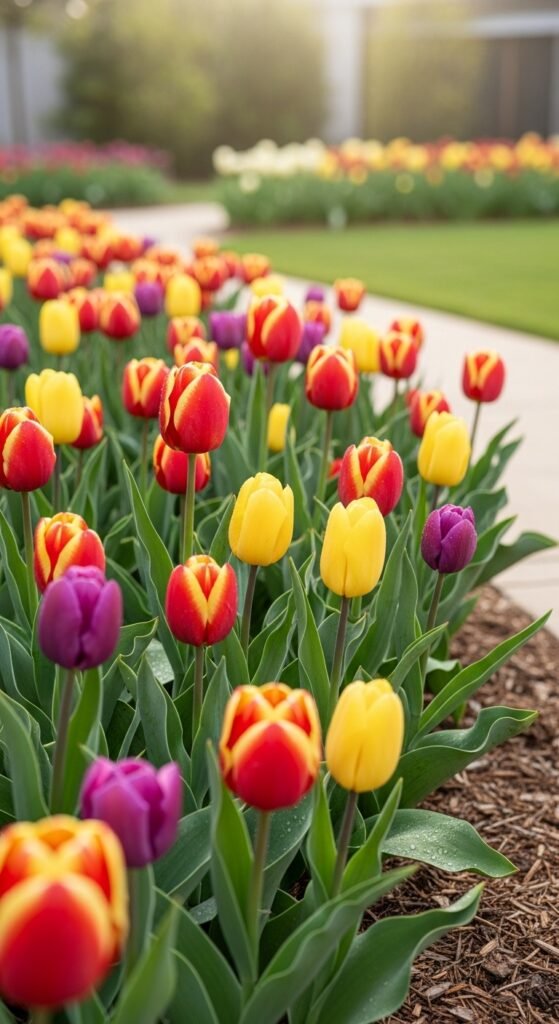
The key benefit is a low-maintenance display that returns year after year if conditions are right. Why does this work? Tulips thrive in full sun and prefer cooler winters, mimicking their natural habitat. For added protection, consider mulching to retain moisture and suppress weeds. If you’re dealing with frost, explore frost protection for plants to safeguard your blooms. Experiment with heights—taller Darwin hybrids at the back, shorter species tulips in front—for depth and dimension.
How to implement: Test your soil pH (aim for 6-7), amend with compost if needed, and plant in groups of at least 10 for impact. Water thoroughly after planting, then let nature take its course until spring.
2) Layered Bulb Planting for Continuous Bloom
Imagine your garden bed erupting in waves of color— that’s the magic of layering tulips with other bulbs like daffodils and hyacinths. You place larger bulbs deeper (8 inches) and smaller ones on top (4 inches), creating a lasagna-like structure in the soil. This technique ensures blooms from early spring through late, maximizing space in smaller gardens.
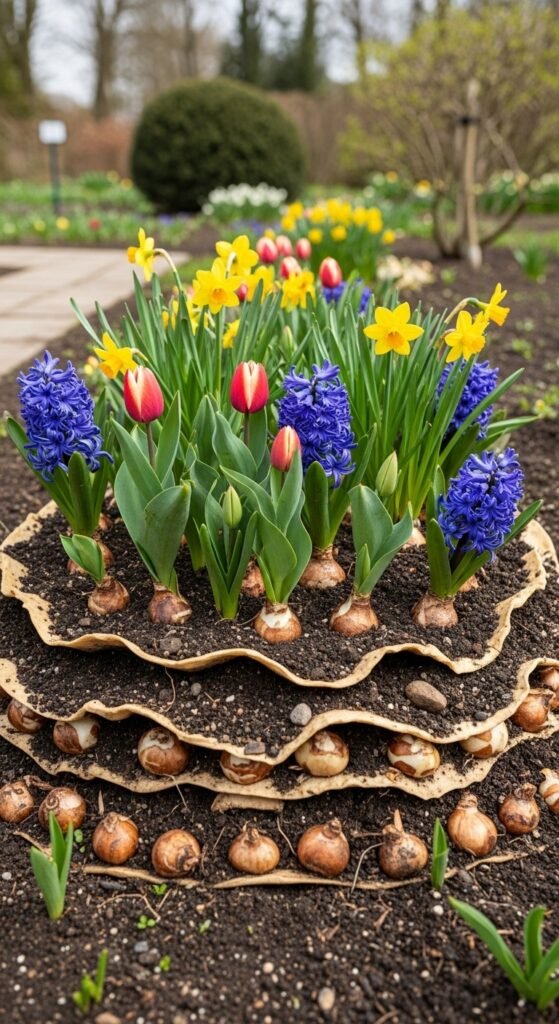
Enjoy extended flowering seasons, reducing the need for successive plantings. Why is this effective? Different bulbs have varying bloom times, so as one fades, another emerges, keeping your garden lively. Consider compatibility—tulips pair well with bulbs that have similar needs for drainage and sun. For similar bulb storage tips, check out saving dahlia tubers to apply to your tulips post-season.
To execute: Choose a sunny spot, dig a 12-inch hole, add bone meal for nutrients, layer bulbs, and cover with soil. Water well and mulch. This approach also deters pests by mixing scents, adding a natural defense layer.
3) Container Tulip Gardens
You don’t need a large yard to enjoy tulips; containers offer flexibility for patios, balconies, or even indoors. Select pots at least 12 inches deep with drainage holes, filling with potting mix enriched with perlite for aeration. Plant bulbs closely for a full display, about 2 inches apart, and choose compact varieties like Greigii tulips.
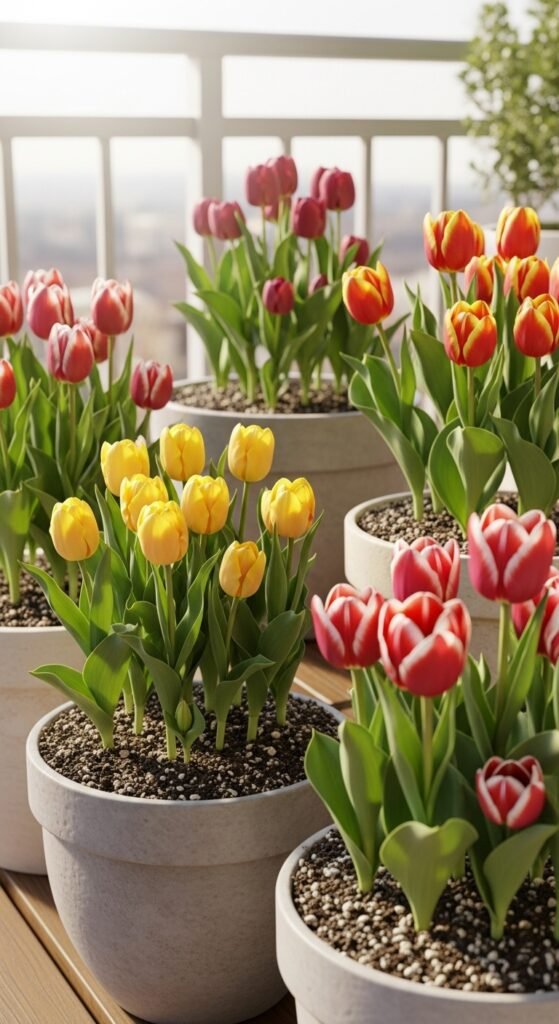
This idea provides portability and pest control, allowing you to move plants to optimal light or shelter. Why choose containers? They’re ideal for urban gardeners or those with poor soil, and you can force earlier blooms by chilling pots. Draw inspiration from spring container garden ideas to enhance your setup.
Implementation steps: Plant in fall, water sparingly until growth appears, then fertilize lightly. Group containers for impact, mixing colors and heights. Consider overwintering by insulating pots in colder climates to prevent freezing.
4) Naturalized Tulip Lawns
Scatter tulip bulbs across your lawn for a wild, meadow-like effect that mimics nature. You simply toss bulbs and plant where they land, at proper depth, allowing them to multiply over time. Opt for species tulips, which perennialize better than hybrids.
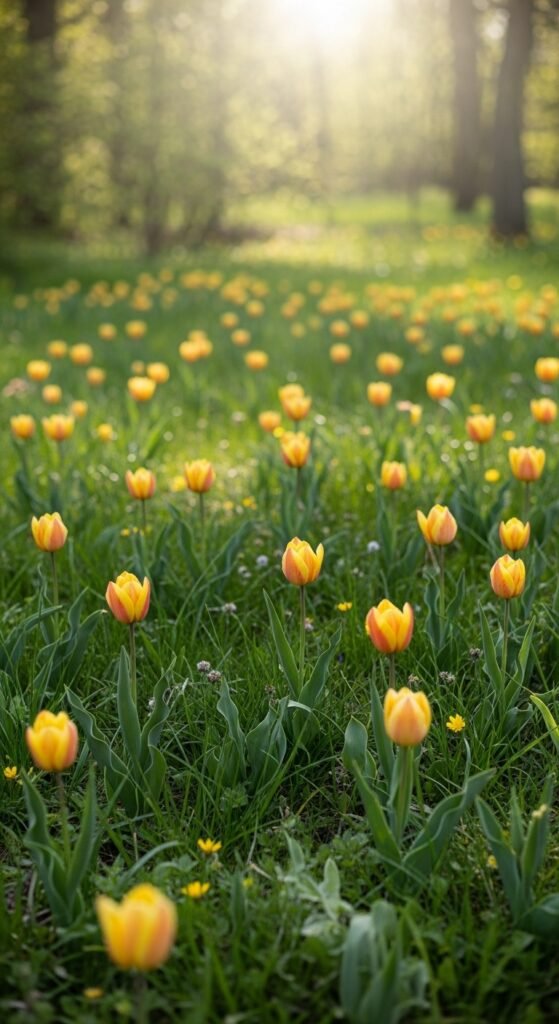
Achieve a low-effort, high-impact landscape that supports biodiversity. Why naturalize? It reduces mowing needs early spring and provides early nectar for bees. Integrate with other natural elements, perhaps drawing from what to plant in spring for complementary species.
How-to: Avoid fertilizing to prevent lush foliage over blooms, mow only after leaves yellow. Start small to test, expanding as bulbs spread. This method suits informal gardens, adding whimsy and ecological value.
5) Color-Themed Tulip Beds
Design beds around color schemes, like monochromatic reds or contrasting purples and yellows, for a cohesive look. You select tulip varieties based on hue, planting in blocks or gradients for visual flow.
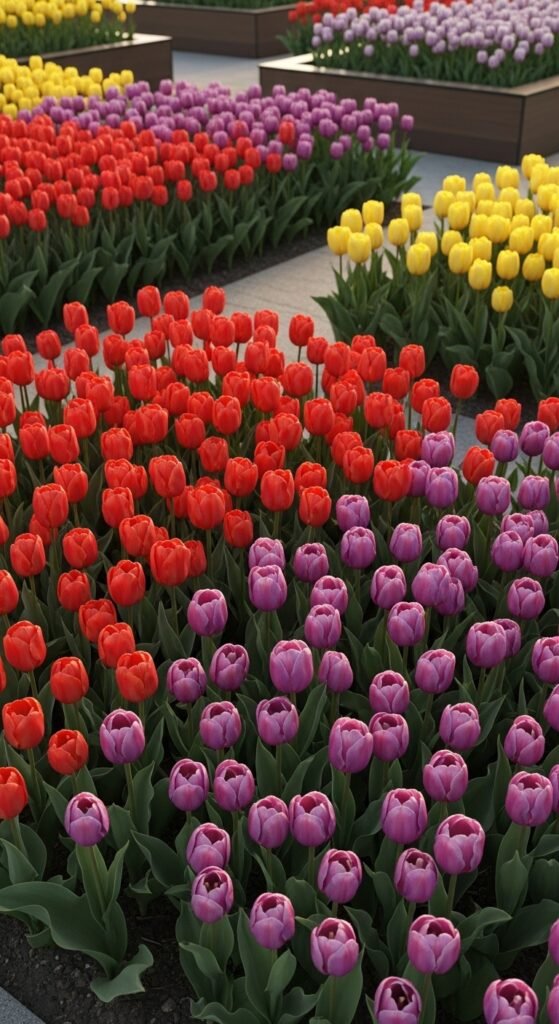
Create artistic focal points that elevate garden design. Why theme by color? It simplifies planning and enhances mood—calming pastels or energizing brights. For spring planning, reference spring gardening tips to align with seasonal trends.
Steps: Sketch your bed, calculate bulb needs, plant in fall. Companion with perennials for summer interest. Consider light effects—colors pop in morning sun.
6) Tulip and Perennial Companions
Pair tulips with perennials like hostas or daylilies that emerge later, hiding fading tulip foliage. You plant tulips among established perennials, ensuring similar cultural needs.
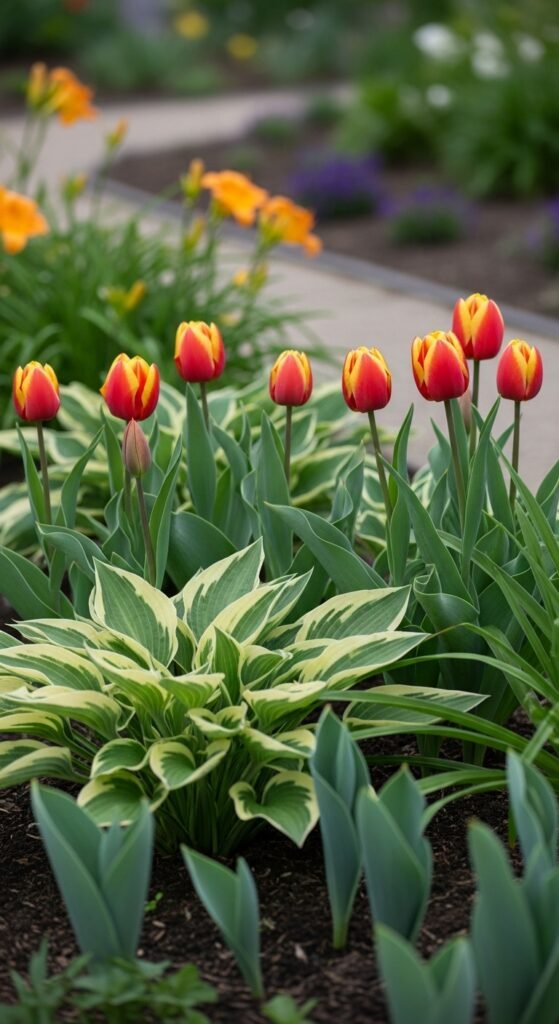
Ensure year-round interest with seamless transitions. Why companion plant? It maximizes space and provides natural mulch. Explore bulb planting parallels in planting garlic in fall for timing insights.
Execution: Choose shade-tolerant tulips if needed, space appropriately. This reduces weeding and supports sustainable gardening.
7) Forced Tulips for Indoor Displays
Bring spring indoors by forcing tulips in pots, chilling bulbs for 12-16 weeks before bringing to warmth. You use shallow containers with gravel for drainage.
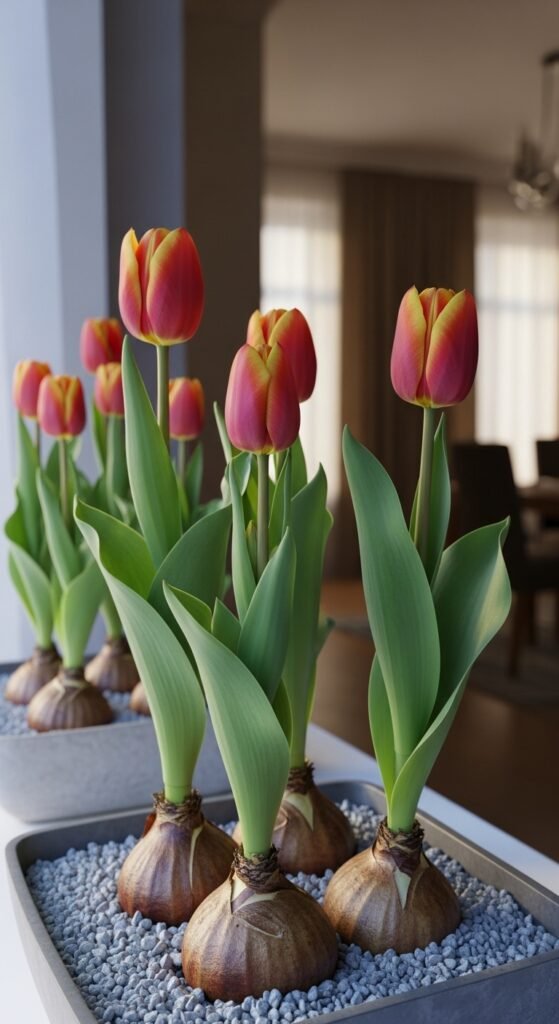
Extend your enjoyment beyond outdoors, brightening homes during winter. Why force? It allows control over bloom time for events. Link to arrangement ideas via tulip arrangements.
How: Select pre-chilled bulbs if short on time, monitor moisture. Rotate for even growth, enjoy cut flowers post-bloom.
8) Tulip Rock Gardens
Incorporate tulips into rockeries for alpine charm, using well-draining gravelly soil. You choose dwarf varieties that thrive in gritty conditions.
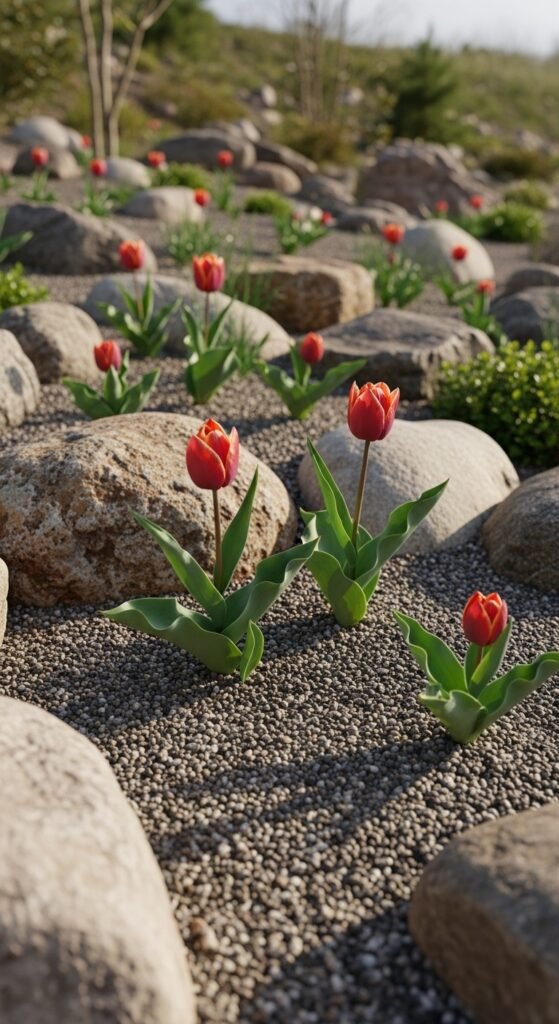
Add texture and elevation to sloped areas. Why rocks? Mimics natural habitats, prevents rot. For more spring ideas, see spring porch planter ideas.
Implement: Position rocks first, plant bulbs in pockets. This low-water setup suits xeriscaping.
9) Vertical Tulip Displays
Use trellises or hanging baskets for vertical interest, planting tulips at base or in pockets. You select trailing or compact types.
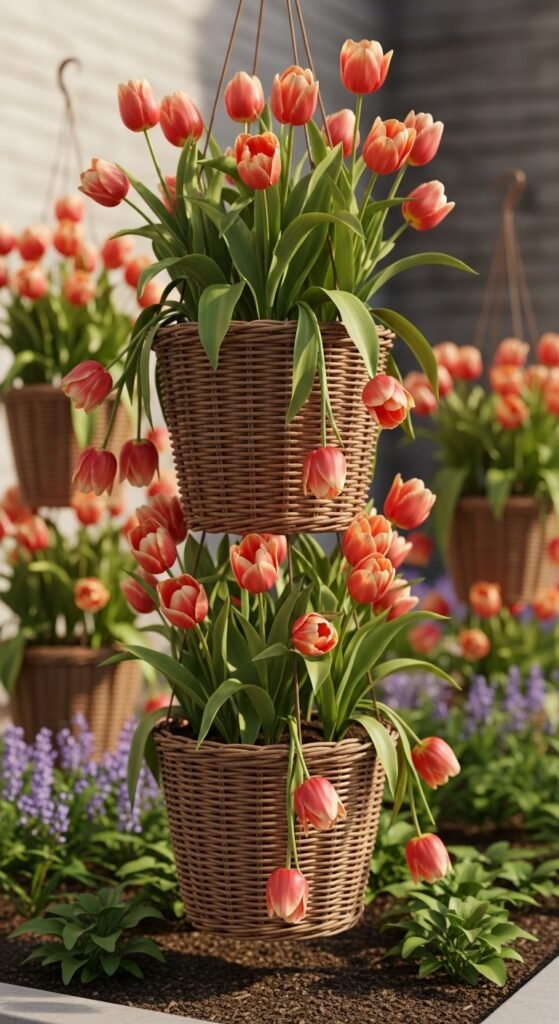
Save space in small gardens while adding height. Why vertical? Maximizes views, deters ground pests.
Steps: Secure structures, ensure sun exposure. Combine with climbers for support.
10) Edible Tulip Petals in Cuisine
Harvest tulip petals for salads or garnishes, ensuring organic growth. You pick fresh blooms, removing pistils.
Blend beauty with utility, surprising guests. Why edible? Adds mild flavor, nutritional boost.

How: Wash gently, use immediately. Start with small amounts to test allergies.
11) Tulip Wreath Creations
Craft wreaths using fresh or faux tulips for doors or tables. You wire stems to a base, adding greenery.
Bring garden charm to decor, extending tulip life. Why DIY? Personalizes spaces economically. Inspired by tulip wreath DIY.
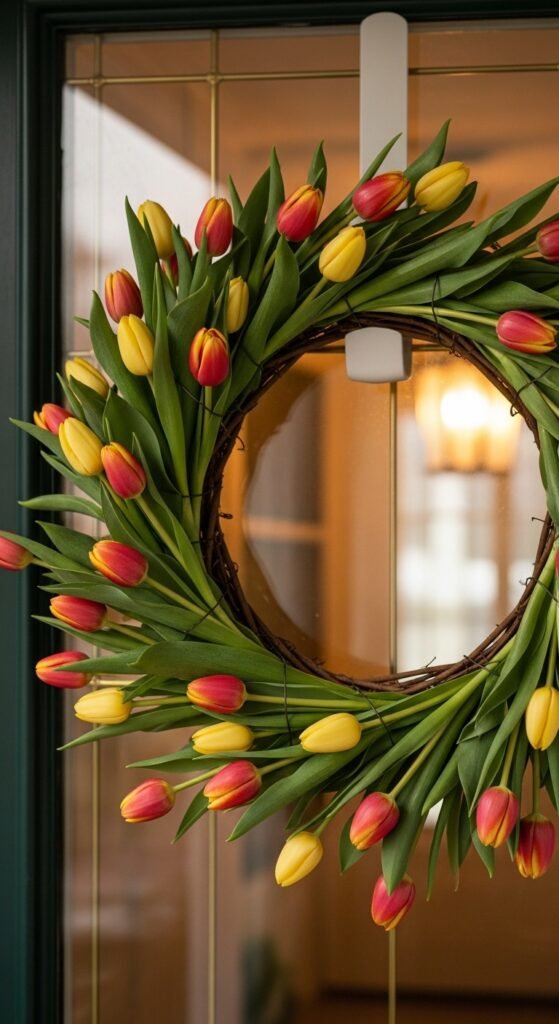
Execution: Choose colors, preserve with spray. Hang in shade to prolong.
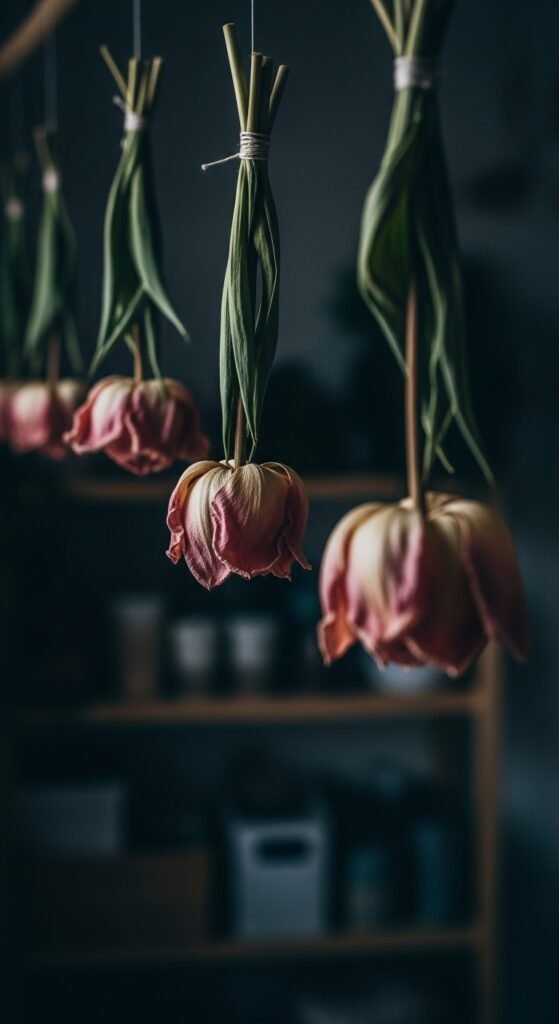
12) Tulip Preservation Techniques
Dry or press tulips for crafts, hanging upside down in dark rooms. You select firm blooms.
Preserve memories year-round in art or potpourri. Why preserve? Reduces waste, creates keepsakes.
Steps: Air dry or use silica, store carefully. Experiment with varieties for best results.
13) Shade-Tolerant Tulip Varieties
Select varieties like fosteriana for partial shade areas. You plant under trees, monitoring moisture.
Utilize underused spaces effectively. Why shade? Expands planting options in wooded yards.
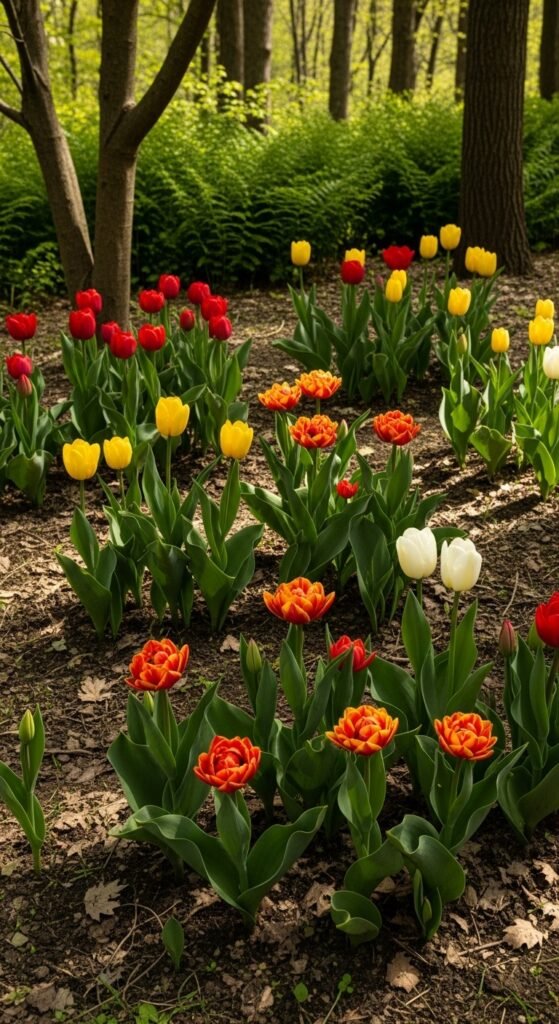
Implementation: Amend soil, space wider. Combine with ferns for texture.
14) Soil Preparation for Optimal Growth
Prepare beds with compost and sand for drainage, testing pH beforehand. You till deeply in fall.
Boost bloom quality and quantity through healthy roots. Why prep? Prevents issues like rot.
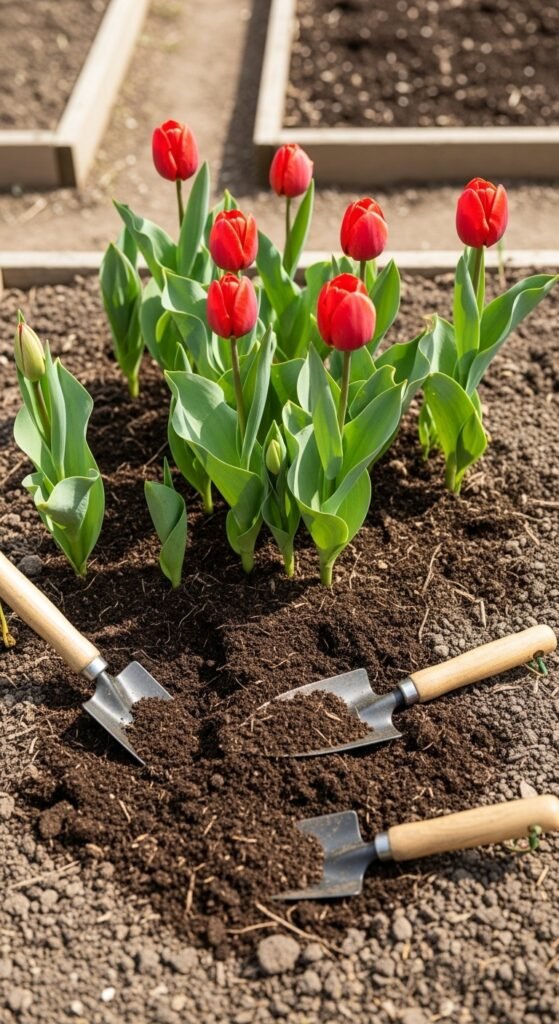
How: Incorporate nutrients, avoid waterlogging. Mulch post-planting.
15) Pest and Disease Management for Tulips
Monitor for aphids or botrytis, using organic sprays or barriers. You promote air circulation.
Protect investments for reliable returns. Why manage? Ensures longevity, reduces losses.
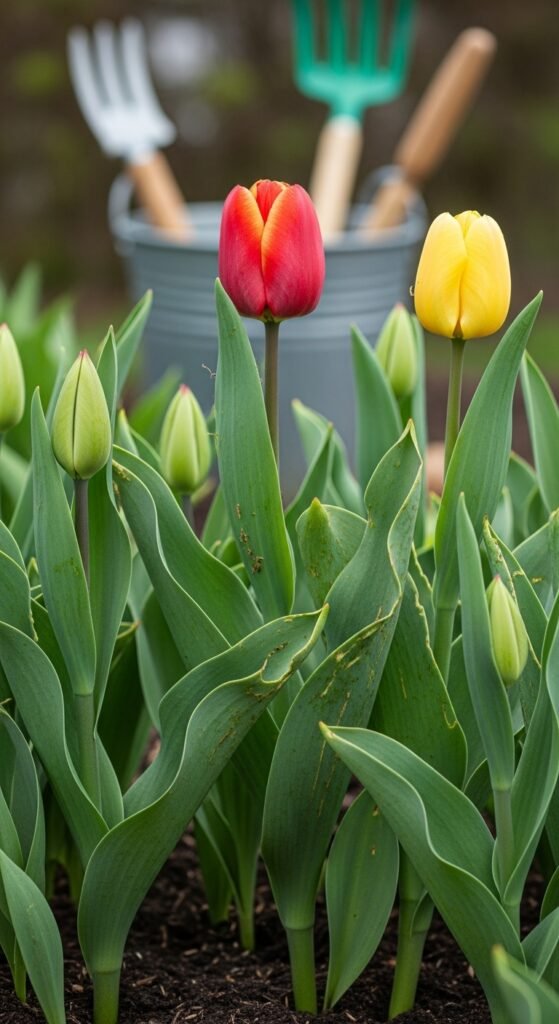
Steps: Inspect regularly, remove debris. Use companion plants as repellents.
Key Principles for Tulip Success
Timing and Planting Depth
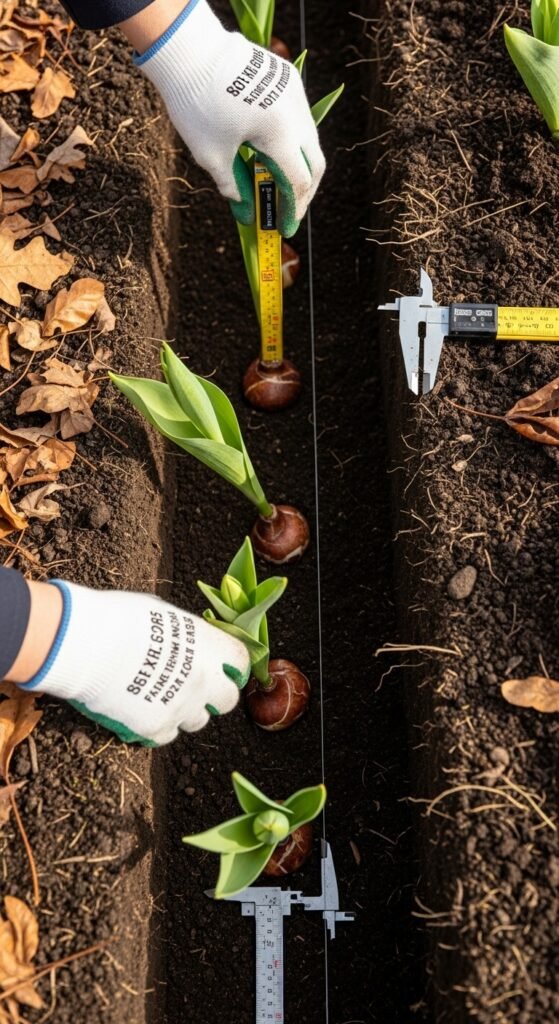
Always plant in fall when soil cools, at three times bulb height. This encourages strong roots before winter.
Watering and Fertilization
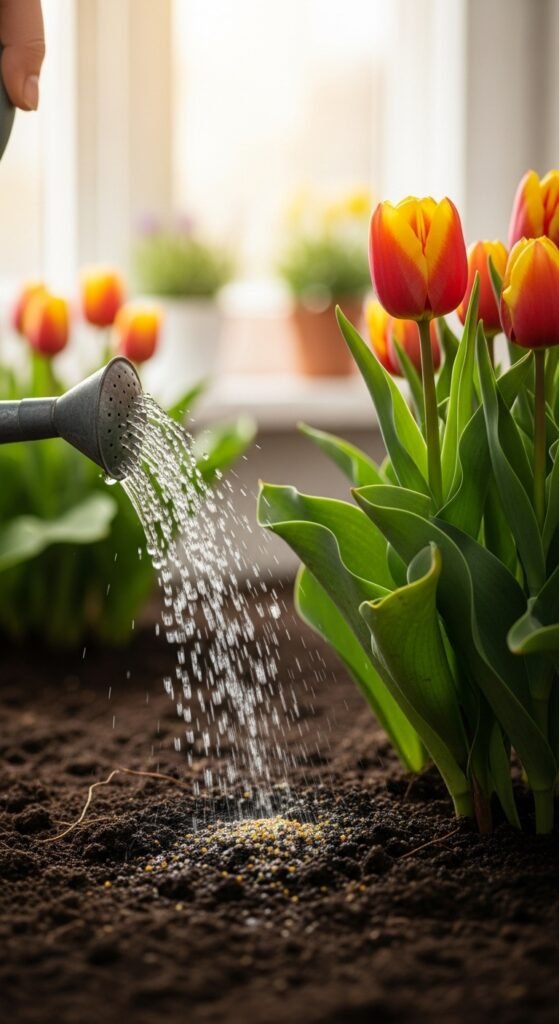
Water moderately post-planting, fertilize sparingly in spring. Overfeeding leads to foliage over flowers.
Post-Bloom Care
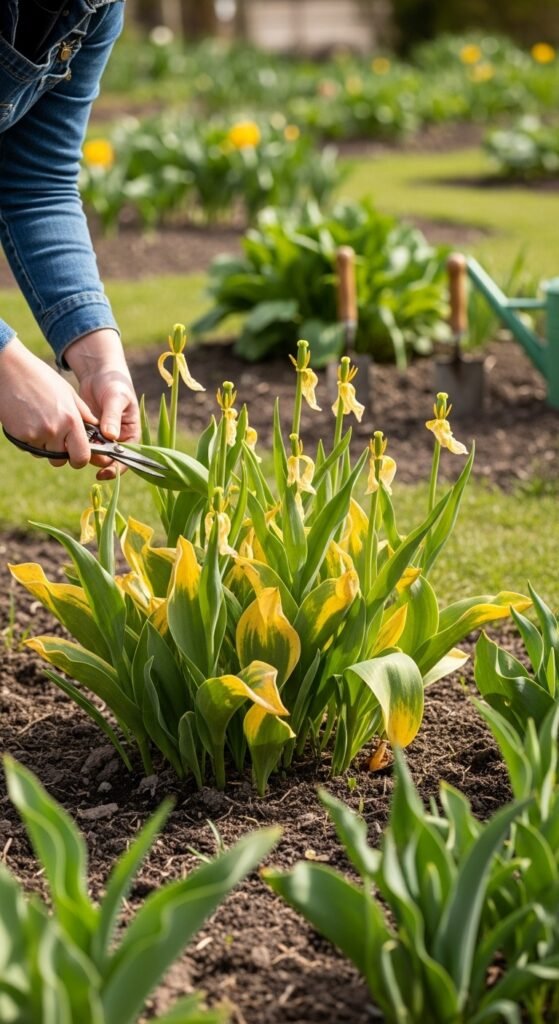
Deadhead spent flowers, let leaves die naturally to nourish bulbs for next year.
Frequently Asked Questions
When should I plant tulip bulbs?
Plant tulip bulbs in the fall, ideally 6-8 weeks before the ground freezes, to allow root establishment.
Do tulips come back every year?
Many tulips perennialize in suitable climates, but hybrids may need replanting after a few years for best performance.
How deep should tulip bulbs be planted?
Plant at 6-8 inches deep to protect from temperature fluctuations and animals.
Can tulips grow in pots?
Yes, tulips thrive in containers with good drainage and can be moved for protection or display.
What colors do tulips come in?
Tulips offer a wide range, from classic reds and yellows to purples, whites, and even bi-colors.