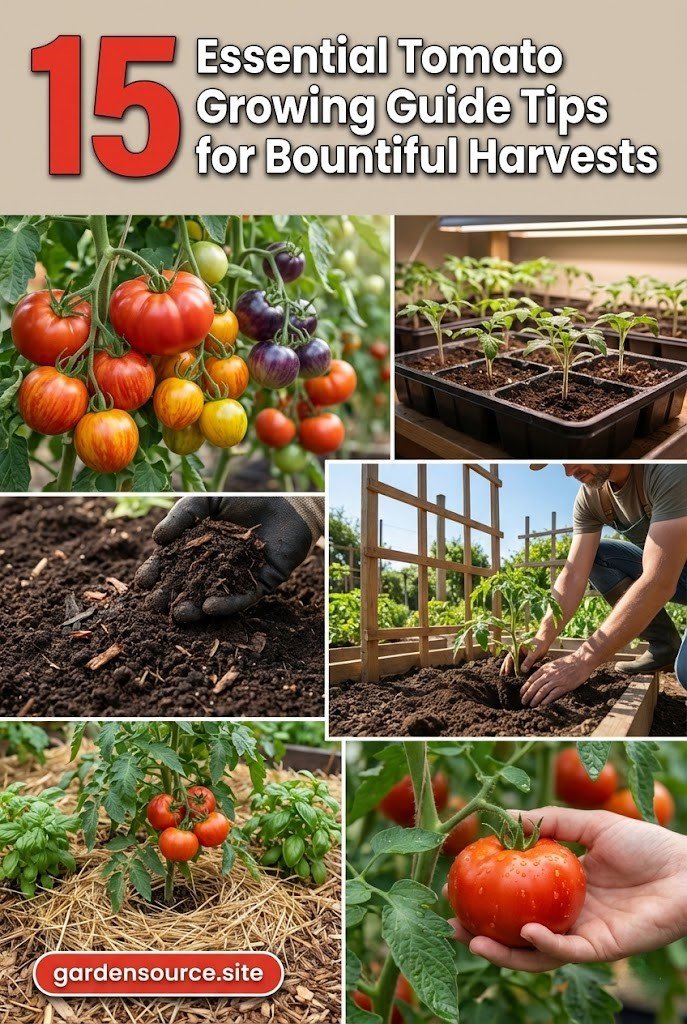
Growing tomatoes successfully requires a comprehensive understanding of their needs, from soil preparation to pest management. This tomato growing guide provides you with practical strategies to cultivate healthy plants that yield abundant, flavorful fruits. By following these steps, you can optimize your garden’s productivity and enjoy the satisfaction of harvesting your own produce.
Tomatoes are versatile crops suitable for various growing conditions, whether in garden beds, containers, or raised plots. Implementing the principles outlined in this guide will help you mitigate common challenges and enhance plant vigor. With careful attention to detail, you will achieve superior results in your gardening endeavors.
Whether you are a novice or experienced gardener, this tomato growing guide emphasizes techniques that promote sustainability and efficiency. Adhering to these recommendations ensures robust growth and minimizes losses due to environmental factors or errors in cultivation.
1) Select Appropriate Tomato Varieties
You should begin by choosing tomato varieties that align with your climate, space, and intended use. Determinate types, which grow to a fixed height and produce fruit in a concentrated period, suit smaller gardens or containers. Indeterminate varieties, continuing to grow and fruit throughout the season, offer extended harvests but require more support.
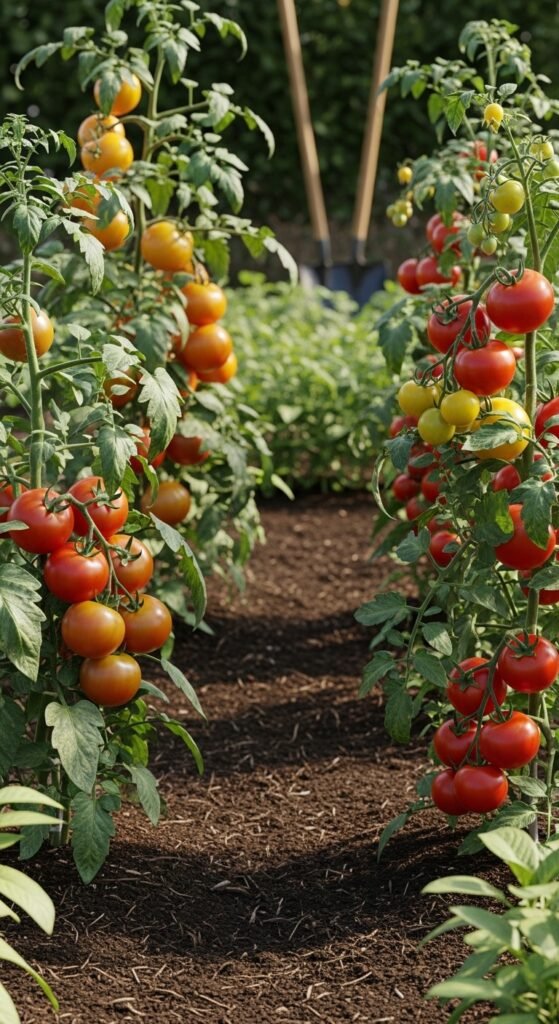
The selection impacts disease resistance and flavor profiles. For instance, heirloom tomatoes provide rich tastes but may be susceptible to certain ailments, while hybrids often exhibit greater resilience. Researching the best tomato varieties for your region ensures optimal performance and yield.
To implement this, consult seed catalogs or local nurseries for recommendations. Plant seeds or seedlings that match your growing zone, considering factors such as days to maturity. This foundational step in your tomato growing guide sets the stage for success, potentially increasing your harvest by selecting varieties adapted to your specific conditions.
2) Start Seeds Indoors for Early Growth
You can gain an advantage by starting tomato seeds indoors six to eight weeks before the last expected frost. This method allows seedlings to develop strong roots and stems in a controlled environment, protecting them from unpredictable outdoor weather.
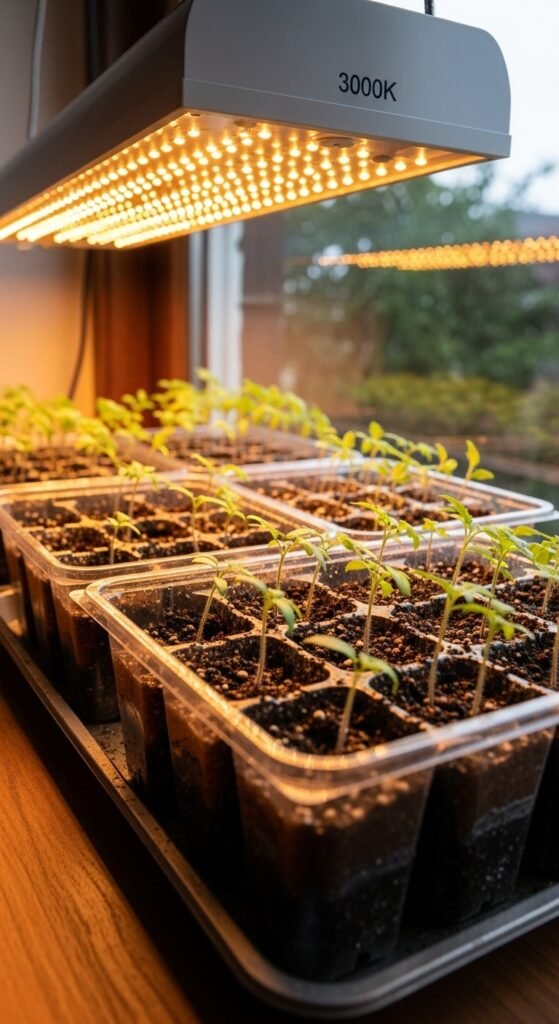
The process involves sowing seeds in sterile seed-starting mix, maintaining consistent moisture and warmth around 70-80°F. Provide ample light using grow lamps if natural sunlight is insufficient, aiming for 14-16 hours daily to prevent leggy growth.
Once seedlings develop true leaves, transplant them into larger pots to encourage robust development. Harden off plants gradually by exposing them to outdoor conditions before final planting. This technique, integral to an effective tomato growing guide, can advance your harvest by several weeks, leading to earlier and more prolific yields.
3) Prepare Nutrient-Rich Soil
You must prioritize soil preparation to create an ideal foundation for tomato plants. Tomatoes thrive in well-drained, loamy soil with a pH between 6.0 and 6.8. Amend heavy clay or sandy soils with organic matter such as compost to improve structure and fertility.
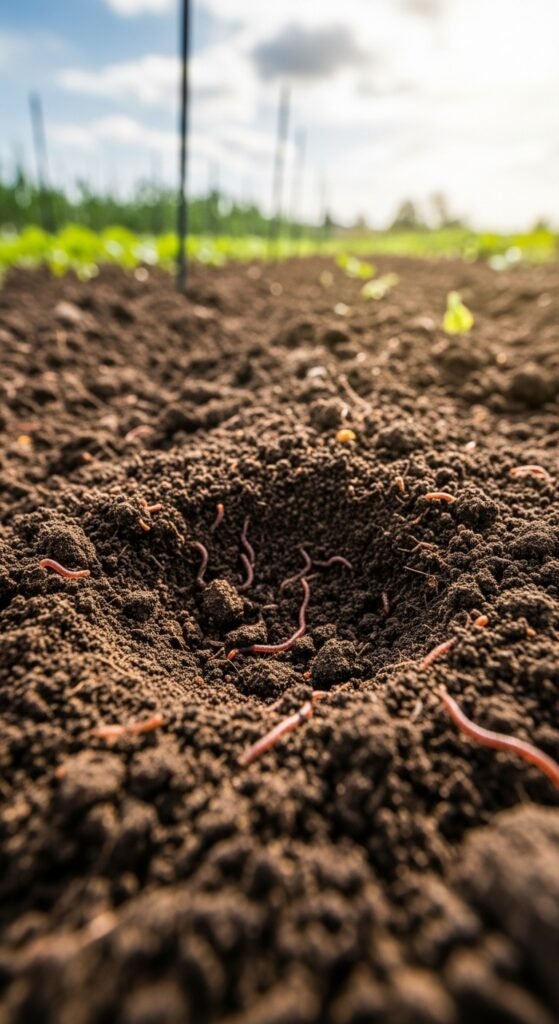
Incorporate balanced fertilizers or aged manure to supply essential nutrients like nitrogen, phosphorus, and potassium. Testing soil beforehand identifies deficiencies, allowing targeted amendments. Avoid over-fertilizing, as excess nitrogen promotes foliage at the expense of fruit.
For raised beds or containers, use a specialized mix to ensure proper drainage and aeration. This preparation step in your tomato growing guide fosters deep root systems and vigorous growth, resulting in healthier plants and superior fruit quality.
4) Plant at Optimal Timing
You should transplant tomato seedlings outdoors only after soil temperatures reach at least 60°F and the risk of frost has passed. Planting too early exposes plants to cold stress, potentially stunting growth or causing blossom drop.
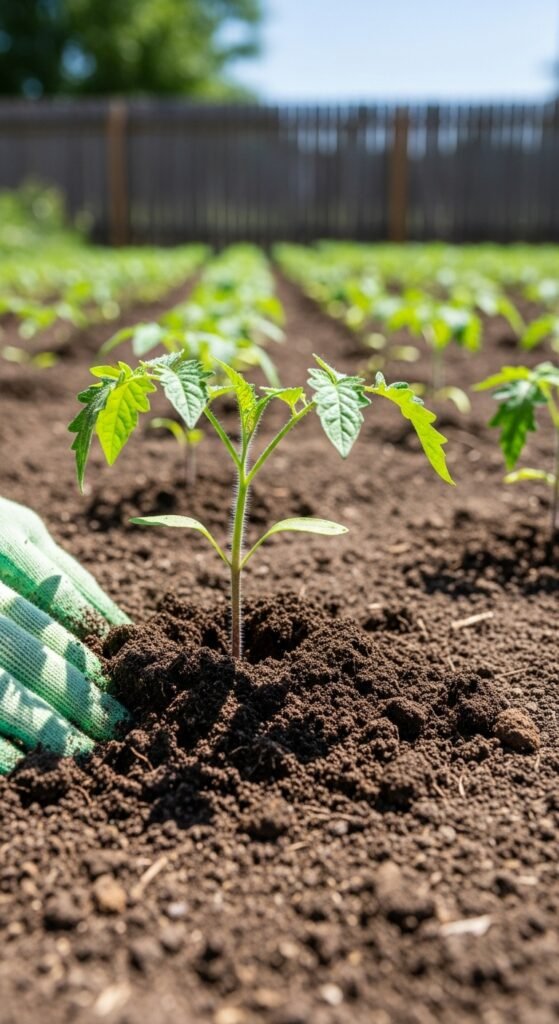
Choose a sunny location with at least six to eight hours of direct sunlight daily. Bury stems deeply, up to the first set of leaves, to encourage additional root formation along the buried portion, enhancing stability and nutrient uptake.
Space plants 18-36 inches apart depending on variety to allow air circulation and reduce disease risk. Following this timing in your tomato growing guide maximizes plant establishment and productivity, yielding abundant, high-quality tomatoes throughout the season.
5) Implement Proper Spacing and Support
You need to space tomato plants adequately to promote airflow and minimize competition for resources. Indeterminate varieties require more room, typically 24-36 inches between plants, while determinates can be closer at 18-24 inches.
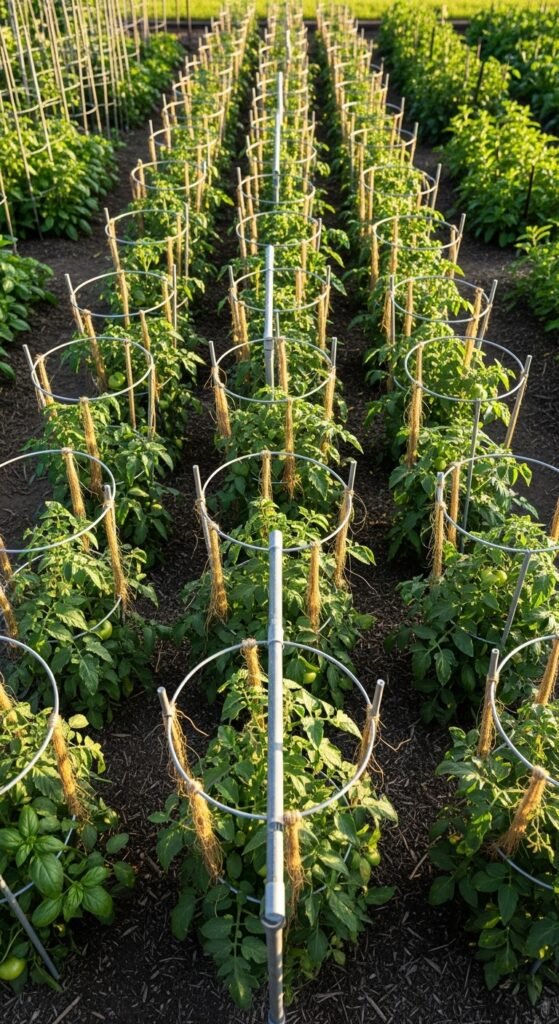
Provide sturdy supports such as stakes, cages, or trellises immediately after planting to guide growth and prevent sprawling. This not only saves space but also keeps fruits off the ground, reducing rot and pest issues.
For vertical setups, consider a vertical tomato trellis to optimize space in smaller gardens. This approach in your tomato growing guide enhances light penetration and ease of harvesting, contributing to healthier vines and increased yields.
6) Establish Consistent Watering Practices
You must maintain even soil moisture for tomatoes, as fluctuations can lead to issues like blossom end rot or cracking. Aim to provide 1-2 inches of water weekly, adjusting for rainfall and temperature.
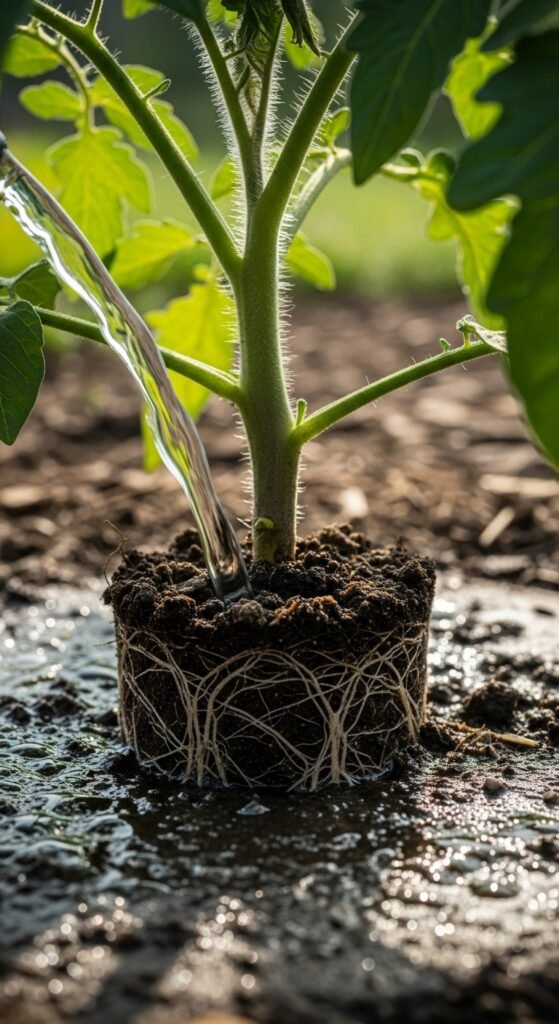
Water deeply at the base to encourage root growth, avoiding overhead methods that wet foliage and promote diseases. Early morning watering allows excess moisture to evaporate, reducing fungal risks.
Monitor soil conditions and refer to a specific watering schedule for tomatoes. This practice in your tomato growing guide ensures steady growth and fruit development, resulting in juicier, more flavorful tomatoes.
7) Apply Mulch for Moisture Retention
You should apply a 2-3 inch layer of organic mulch around tomato plants after the soil warms. Materials like straw, wood chips, or shredded leaves conserve moisture, suppress weeds, and regulate soil temperature.
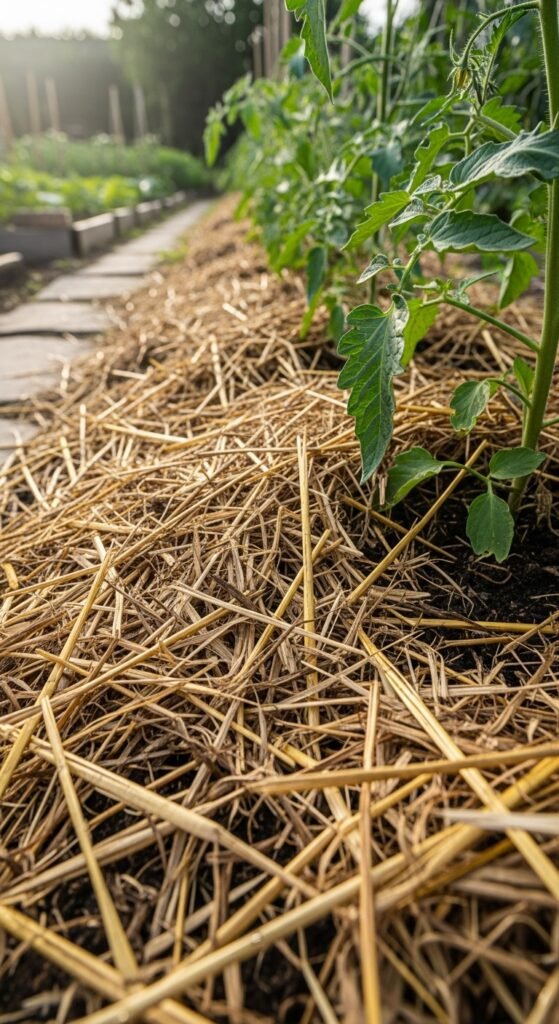
Mulching prevents soil splash onto leaves, reducing the spread of soil-borne diseases. As mulch decomposes, it adds nutrients to the soil, enhancing fertility over time.
Explore techniques for mulching in vegetable gardens to refine your approach. This element of your tomato growing guide promotes efficient water use and plant health, leading to robust growth and bountiful harvests.
8) Prune for Better Airflow and Yield
You can improve tomato plant productivity by pruning suckers, the small shoots that form in leaf axils. For indeterminate varieties, remove these regularly to direct energy toward fruit production rather than excessive foliage.
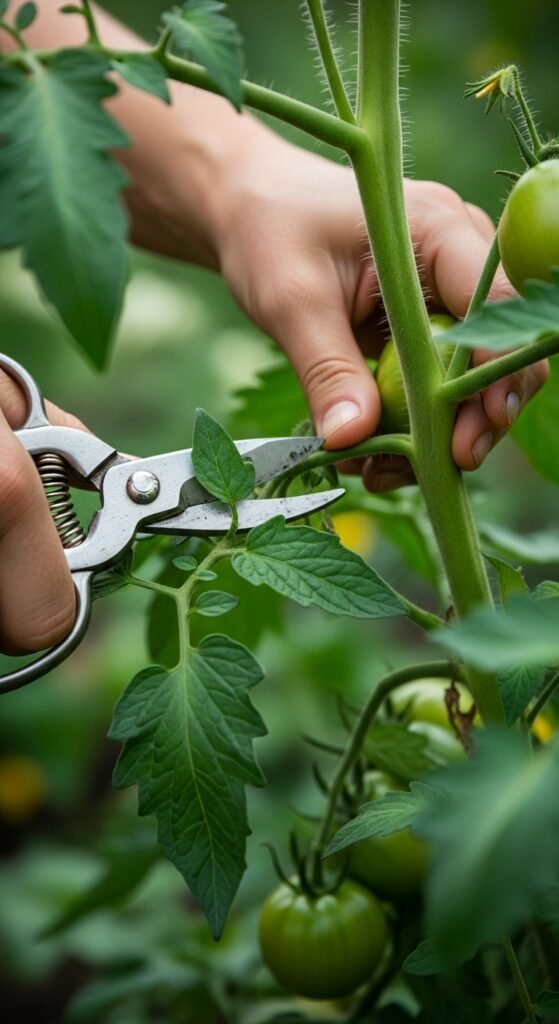
Prune lower leaves touching the soil to minimize disease transmission. Use clean shears to make precise cuts, avoiding damage to the main stem.
Follow guidelines on pruning tomato suckers for best results. This technique in your tomato growing guide enhances airflow, reduces disease incidence, and concentrates resources for larger, higher-quality fruits.
9) Fertilize Strategically Throughout Growth
You need to fertilize tomatoes at key stages to support vegetative growth and fruiting. Start with a balanced formula at planting, then switch to phosphorus-rich options when flowers appear to promote fruit set.
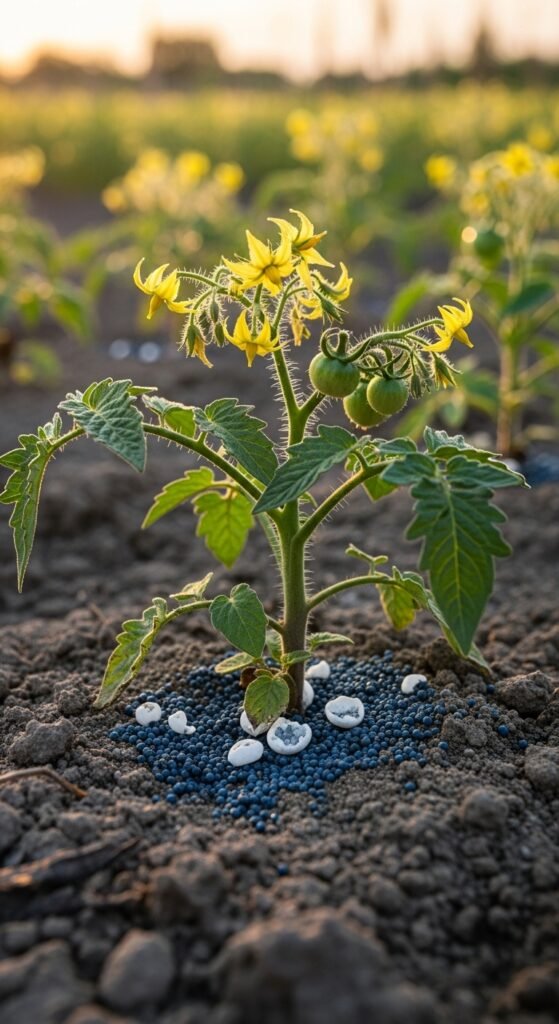
Apply fertilizers every 4-6 weeks, following package instructions to avoid over-application, which can lead to imbalances or burn. Side-dress or use liquid feeds for efficient nutrient delivery.
Incorporate organic amendments for sustained release. This fertilization strategy in your tomato growing guide ensures nutrient availability, fostering vigorous plants and abundant, nutritious tomatoes.
10) Monitor and Manage Pests Proactively
You should regularly inspect tomato plants for common pests such as aphids, hornworms, or spider mites. Early detection allows for timely intervention, preventing widespread damage.
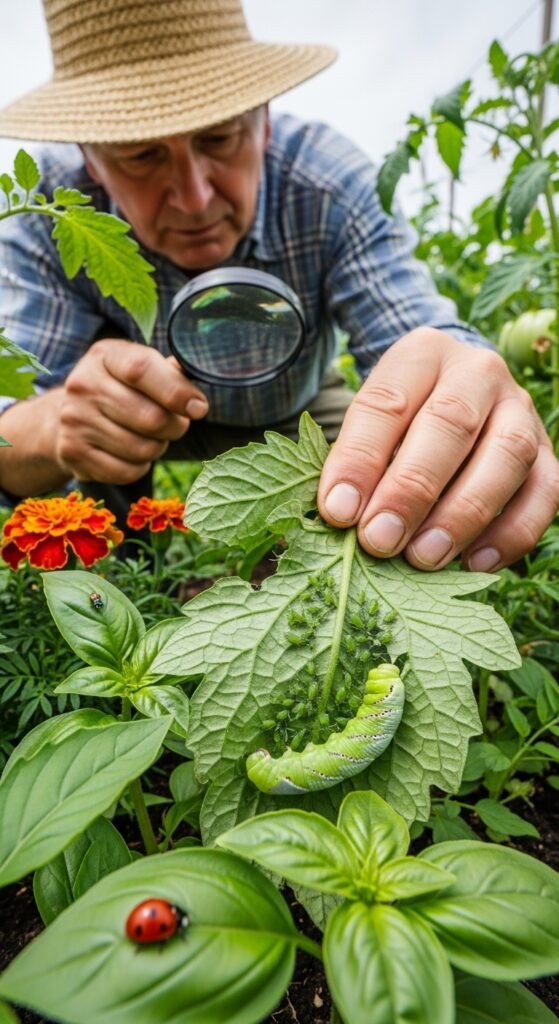
Employ integrated pest management, combining cultural practices like crop rotation with natural predators or organic sprays. Remove affected parts promptly to contain infestations.
Maintain garden hygiene to deter pests. This vigilant approach in your tomato growing guide protects plant health, ensuring uninterrupted growth and maximal yields.
11) Prevent Common Diseases Effectively
You must adopt preventive measures against diseases like blight, wilt, and mosaic virus. Choose resistant varieties and ensure good air circulation through proper spacing and pruning.
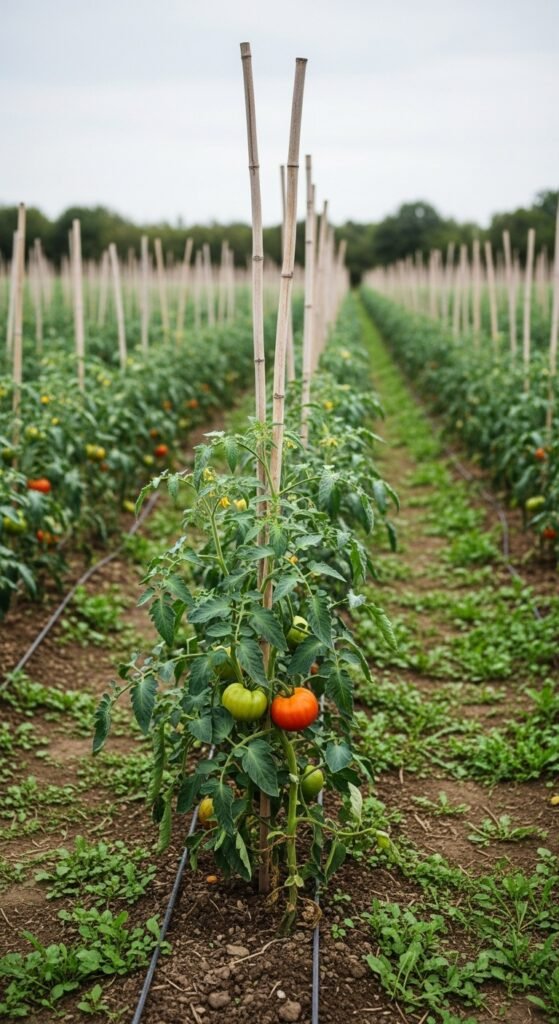
Avoid watering foliage and rotate crops annually to break disease cycles. Apply fungicides judiciously if needed, preferring organic options.
Learn about specific threats such as preventing fusarium wilt in tomatoes. This disease management in your tomato growing guide safeguards your crop, leading to healthy, productive plants.
12) Utilize Companion Planting Benefits
You can enhance tomato growth by planting compatible companions like basil, marigolds, or onions. These deter pests, improve pollination, and optimize space usage.
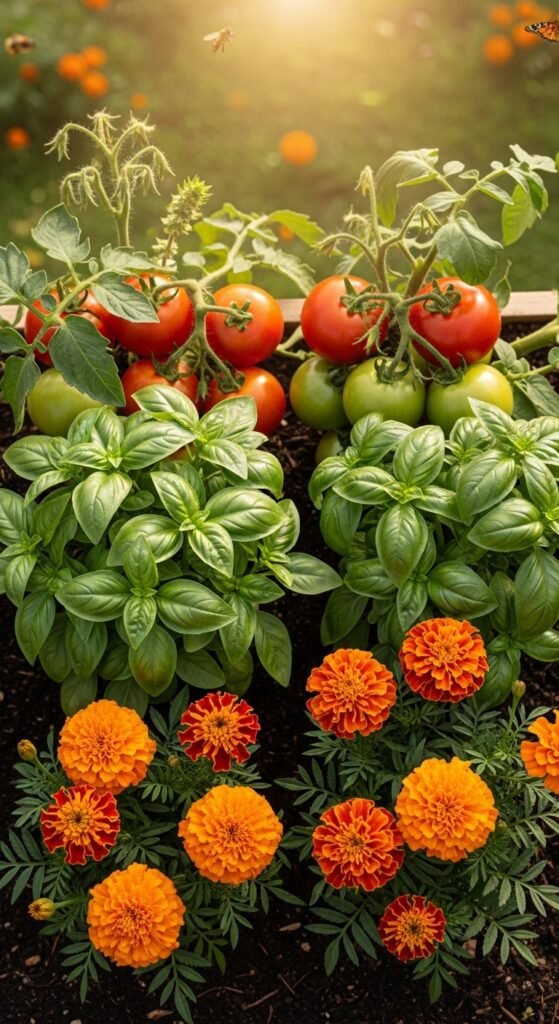
Avoid incompatible plants such as potatoes or fennel, which may compete or attract shared pests. Plan layouts to maximize mutual benefits.
Refer to a companion planting guide for vegetables. This integration in your tomato growing guide fosters a balanced ecosystem, resulting in improved yields and reduced interventions.
13) Harvest at Peak Ripeness
You should harvest tomatoes when they reach full color and slight softness, indicating optimal flavor and nutrition. Pick regularly to encourage continued production.
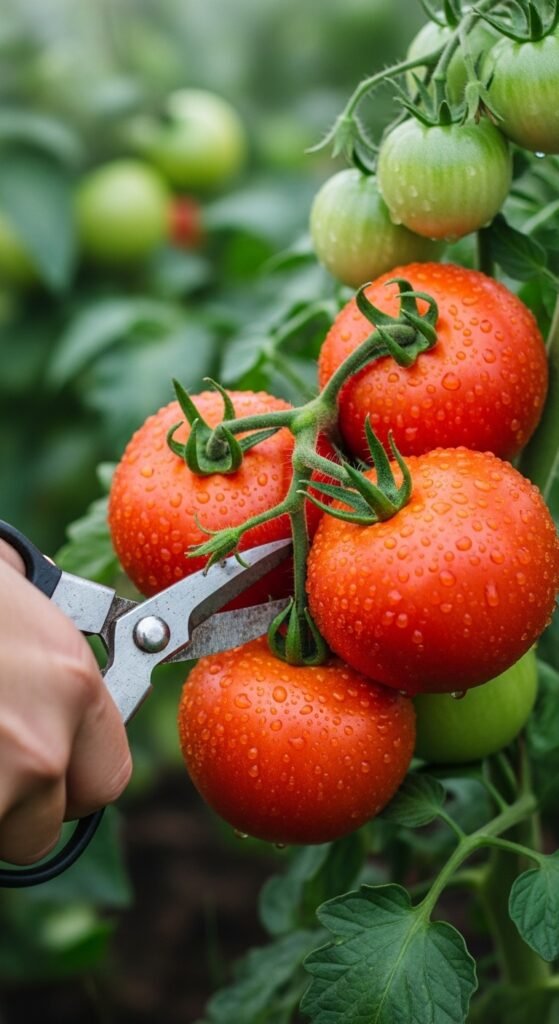
Use shears or twist gently to avoid damaging vines. Harvest in the morning for best quality, storing at room temperature to ripen further if needed.
Monitor for signs of over-ripening. This harvesting practice in your tomato growing guide maximizes taste and extends the productive period, providing superior fruits for consumption.
14) Explore Container Growing Options
You may opt for container cultivation if space is limited, selecting large pots with drainage for healthy root development. Use quality potting mix and position in full sun.
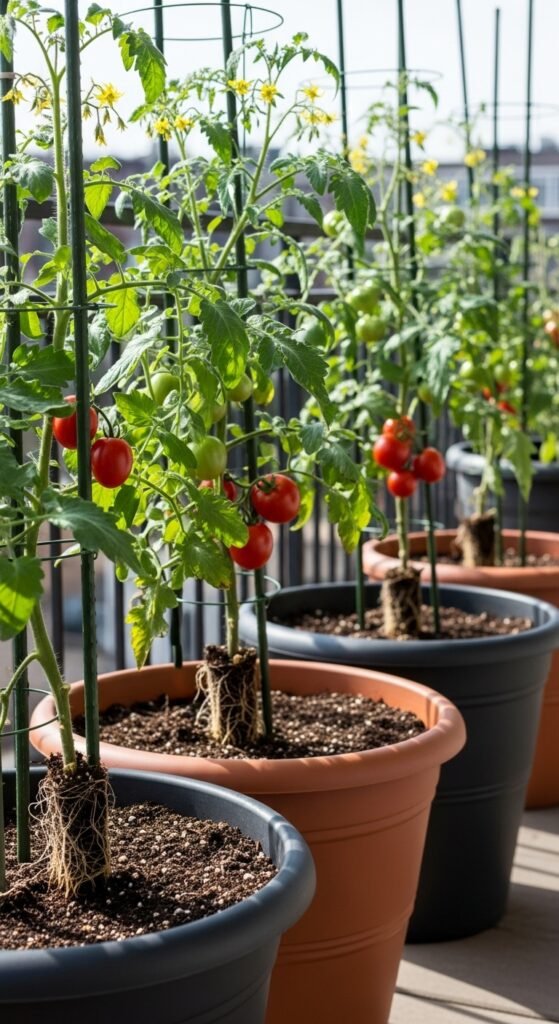
Water and fertilize more frequently due to faster drying. Support taller varieties to prevent toppling.
Consider methods for growing tomatoes in containers. This adaptable approach in your tomato growing guide allows successful cultivation in various settings, yielding fresh produce with minimal space.
15) Preserve Harvest for Extended Use
You can extend your tomato enjoyment by preserving excess harvest through canning, drying, or freezing. Each method retains nutritional value and flavor for off-season use.
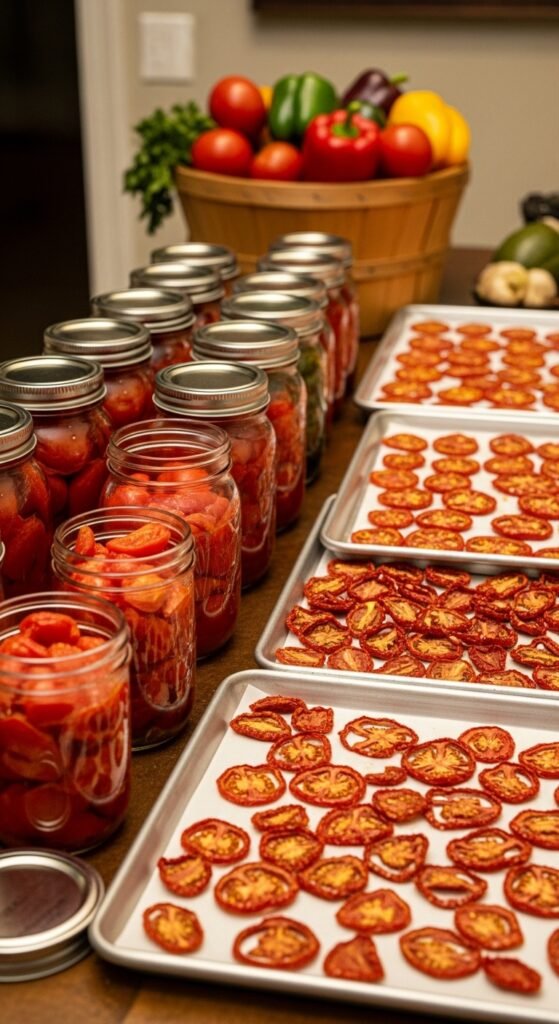
For canning, follow safe procedures to prevent spoilage. Dehydration concentrates flavors, ideal for snacks or seasonings.
Explore techniques like canning tomatoes or dehydrating tomatoes. This preservation step in your tomato growing guide minimizes waste, providing year-round access to home-grown tomatoes.
Key Principles in Tomato Cultivation
Maintain Soil Health
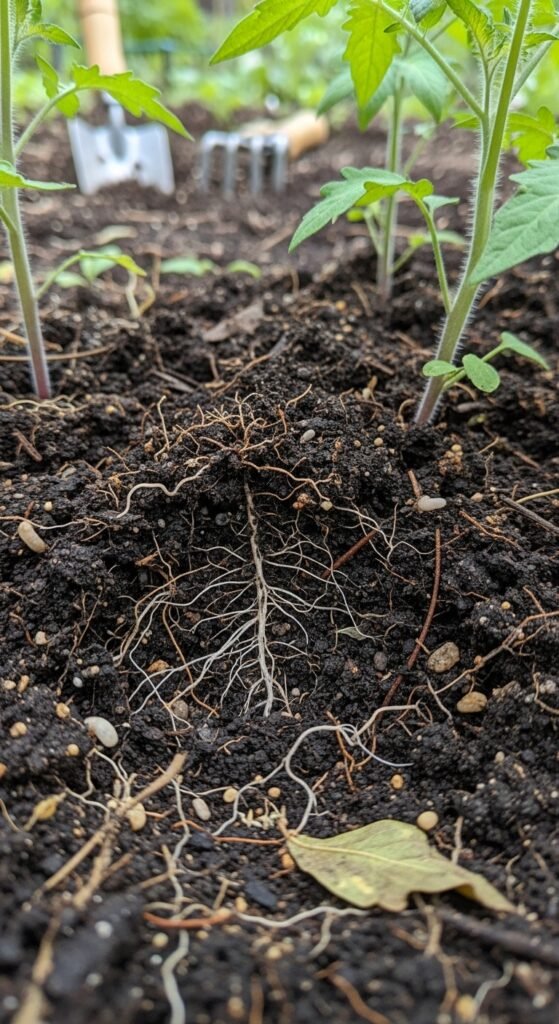
You should regularly amend soil with organic matter to sustain fertility and structure. This supports microbial activity essential for nutrient cycling and plant resilience.
Ensure Proper Pollination
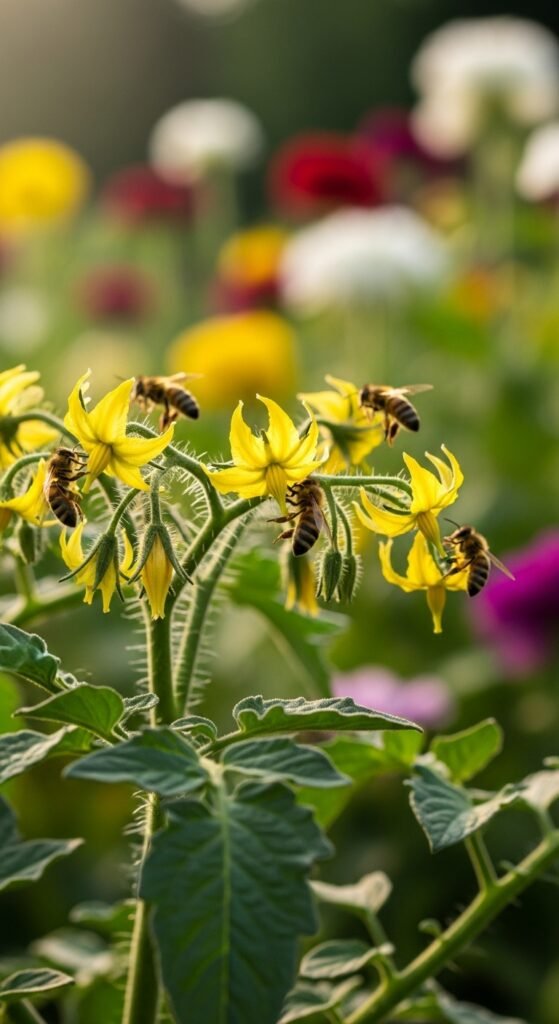
You can aid pollination by gently shaking plants or introducing pollinators. Adequate pollination is crucial for fruit set and development.
Extend the Growing Season
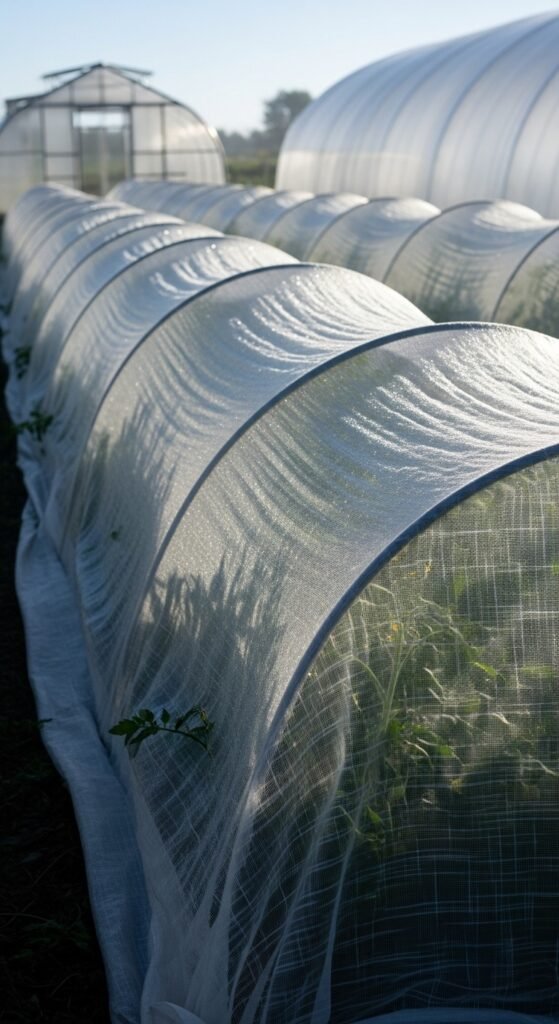
You may use row covers or greenhouses to protect against early frosts, prolonging harvest periods and increasing overall yield.
Frequently Asked Questions
How long does it take for tomatoes to mature?
Tomatoes typically require 50 to 80 days from transplanting to harvest, depending on the variety and growing conditions. Monitor progress and adjust care accordingly.
What are common tomato pests and how to control them?
Common pests include aphids, hornworms, and cutworms. Control involves regular inspections, hand-picking, and applying organic insecticides as needed to maintain plant health.
Why do tomato leaves turn yellow?
Yellowing leaves may result from nutrient deficiencies, overwatering, or diseases. Assess soil moisture and nutrition, then apply appropriate remedies to restore vigor.
Can tomatoes be grown in partial shade?
Tomatoes prefer full sun but can tolerate partial shade with reduced yields. Ensure at least four to six hours of direct sunlight for acceptable production.
How much space do tomato plants need?
Space requirements vary by type: 18-24 inches for determinates and 24-36 inches for indeterminates. Proper spacing promotes airflow and reduces disease risks.