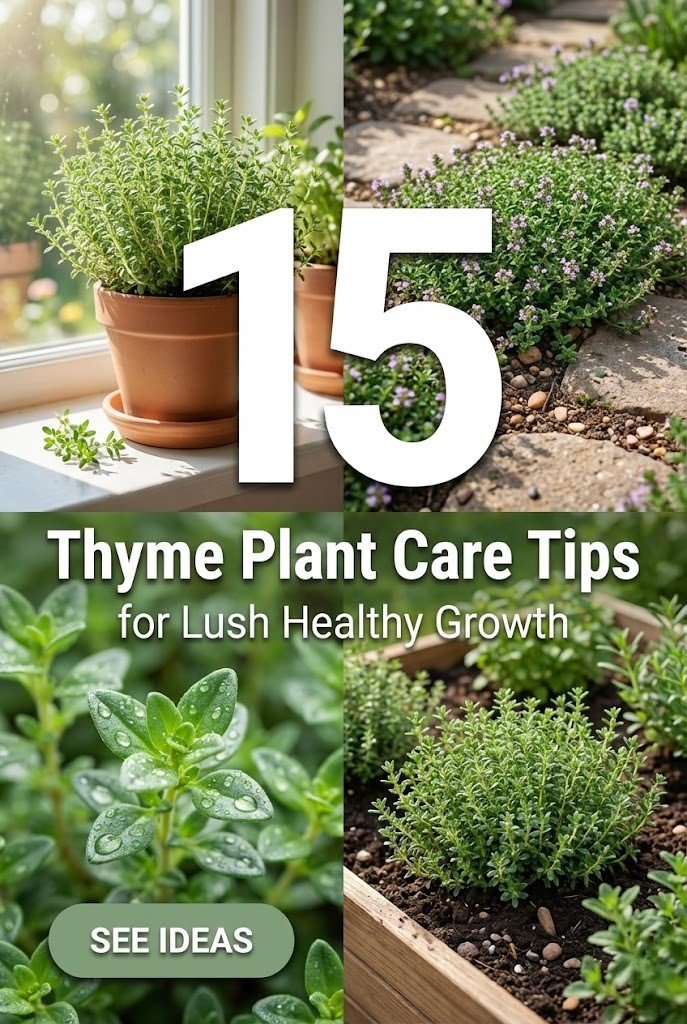
Thyme, a versatile perennial herb from the mint family, thrives in various culinary and medicinal applications. Proper thyme plant care ensures robust growth, abundant foliage, and enhanced flavor profiles. By understanding its preferences for sunny locations and well-drained soil, you can cultivate a healthy plant that contributes to your garden’s biodiversity and utility.
Incorporating thyme into your gardening routine offers numerous benefits, including natural pest deterrence and soil improvement. This guide presents 15 comprehensive ideas to support your efforts in maintaining thriving thyme plants. Each suggestion draws on established horticultural practices to promote longevity and productivity.
Whether you are a seasoned gardener or new to herb cultivation, these strategies will equip you with the knowledge to achieve successful results. Emphasizing sustainable methods, you can enjoy the rewards of fresh thyme throughout the seasons.
1) Selecting Suitable Thyme Varieties
When initiating thyme plant care, begin by choosing varieties that align with your climate and intended use. Common options include common thyme (Thymus vulgaris) for culinary purposes and lemon thyme for its citrus notes. These selections ensure adaptability and vigor in your garden setting.
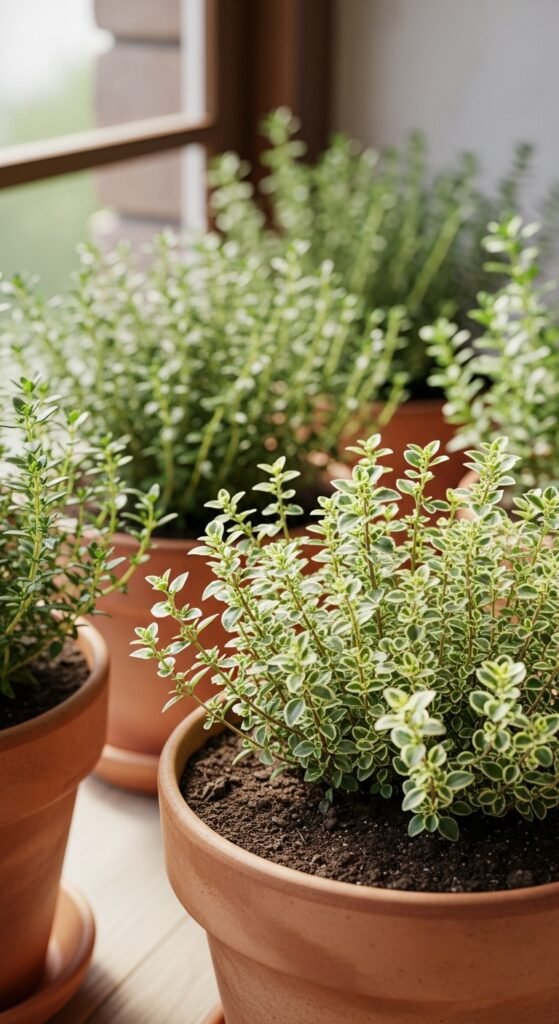
The rationale for variety selection lies in optimizing growth conditions; hardy varieties resist pests and diseases more effectively, leading to healthier plants and higher yields. Assess your local hardiness zone to make informed choices.
To implement this, research varieties through reliable sources and procure seeds or starters from reputable nurseries. Plant them in spring after the last frost, spacing them 12 inches apart to allow for proper air circulation and root development. This foundational step sets the stage for successful cultivation.
2) Determining Optimal Planting Locations
For effective thyme plant care, identify locations that receive at least six hours of direct sunlight daily. Thyme originates from Mediterranean regions, favoring warm, dry environments that mimic its native habitat.
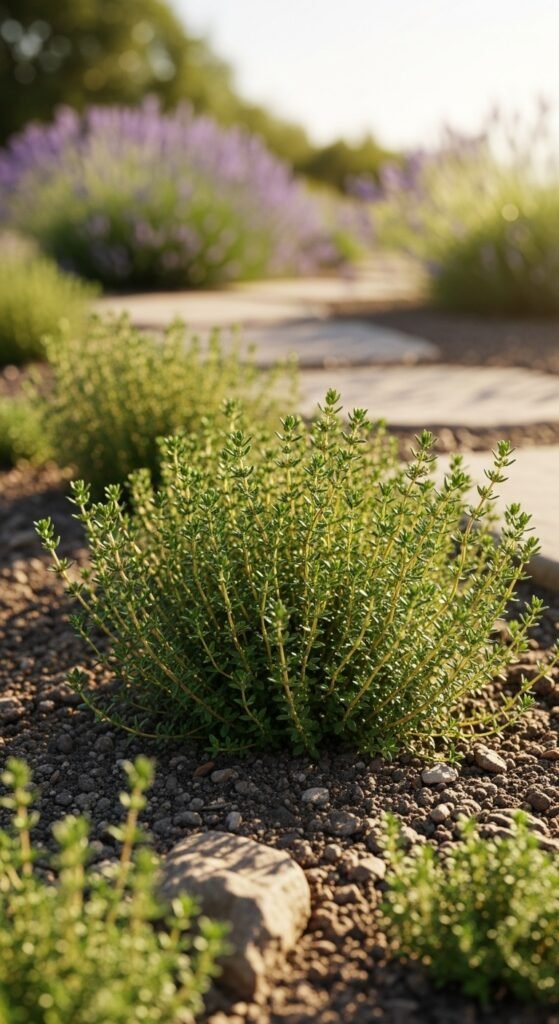
This positioning is crucial because adequate sunlight promotes essential oil production, enhancing flavor and aroma while preventing leggy growth. Insufficient light can lead to weak stems and reduced vitality, compromising overall plant health.
Evaluate your garden space by observing sunlight patterns throughout the day. If growing indoors, position near south-facing windows. Complement this by exploring herbs for shade if full sun is unavailable, ensuring your thyme receives the conditions it requires for thriving.
3) Preparing Well-Drained Soil
Soil preparation is a cornerstone of thyme plant care. Thyme demands sandy, well-drained soil with a pH between 6.0 and 8.0 to prevent root rot and encourage robust root systems.
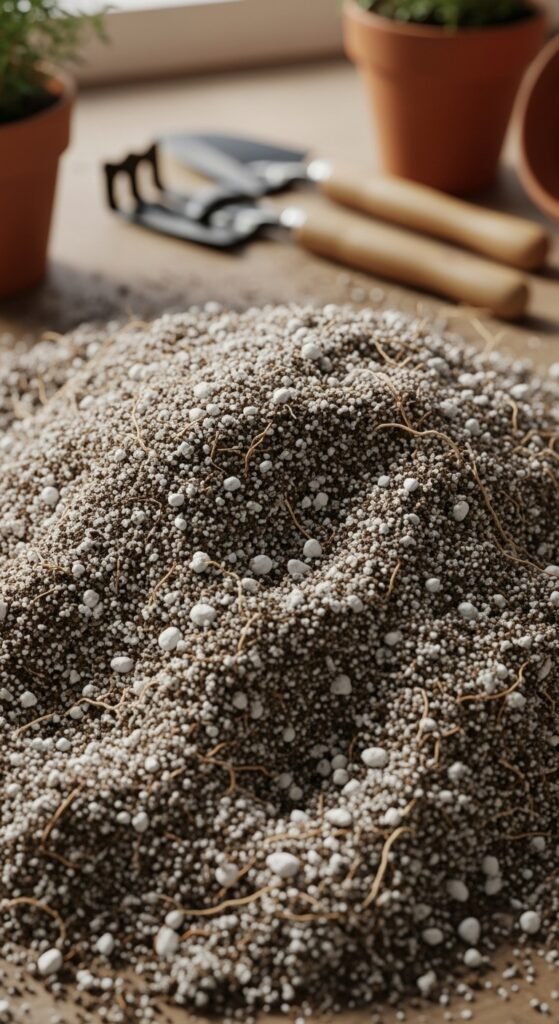
Proper soil composition supports nutrient uptake and water management, yielding vigorous growth and disease resistance. Poor drainage often results in fungal issues, which can be detrimental to plant longevity.
Amend heavy clay soils with sand or perlite to improve aeration. Test soil pH using kits and adjust with lime if necessary. For container options, consider specialized mixes as detailed in resources on soil mix for herbs, tailoring the medium to thyme’s preferences.
4) Implementing Proper Planting Techniques
In thyme plant care, planting techniques influence establishment and future productivity. Sow seeds shallowly or transplant starters, ensuring the root ball is level with the soil surface.
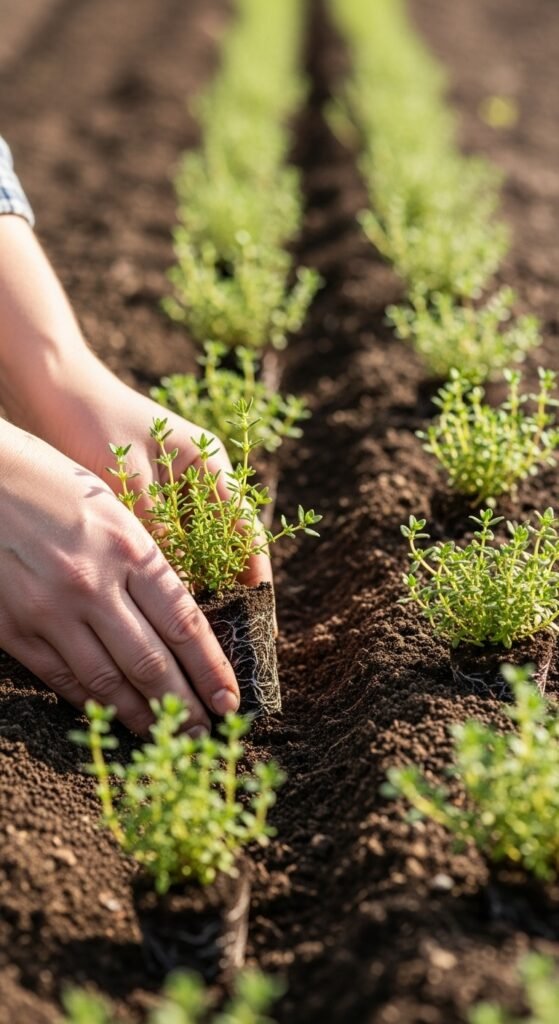
Correct planting depth prevents stem rot and fosters strong root anchorage, contributing to resilient plants capable of withstanding environmental stresses. Overly deep planting can suffocate roots, hindering development.
Space plants 8 to 12 inches apart in rows or clusters. Water gently post-planting to settle the soil. For propagation insights, refer to methods like those for propagating rosemary cuttings, adapting similar approaches for thyme to expand your herb collection efficiently.
5) Establishing Watering Schedules
Watering is pivotal in thyme plant care, requiring moderation to avoid over-saturation. Allow the top inch of soil to dry between waterings, typically every 7 to 10 days depending on climate.
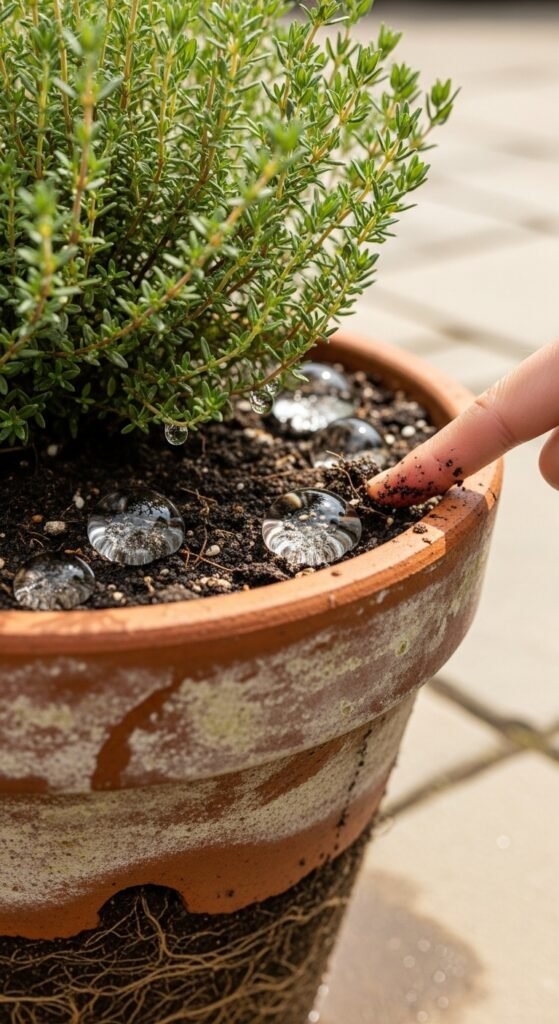
This regimen mimics thyme’s drought-tolerant nature, promoting deep root growth and enhanced flavor concentration in leaves. Excessive moisture invites root diseases, while under-watering stresses the plant unnecessarily.
Monitor soil moisture with a finger test or meter. In hotter periods, increase frequency slightly. For integrated systems, explore self-watering herb planters to maintain consistent hydration without manual intervention.
6) Applying Appropriate Fertilization
Fertilization in thyme plant care should be minimal, as thyme prefers nutrient-poor soils. Use a balanced, slow-release fertilizer sparingly in spring to support growth without excess.
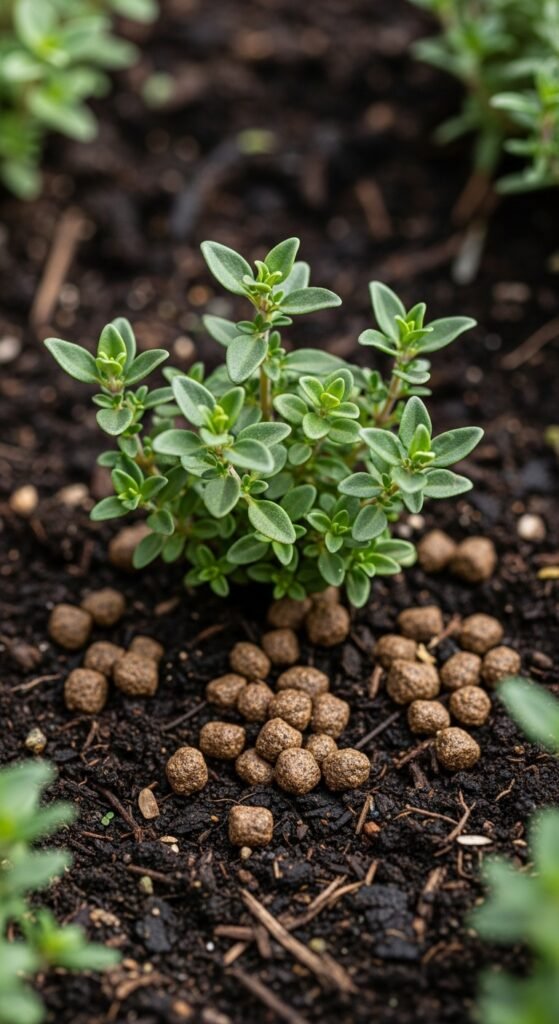
Controlled feeding prevents lush, flavorless foliage, ensuring potent aromatic qualities and compact form. Over-fertilization can lead to weak stems and increased pest susceptibility.
Incorporate compost annually for organic nutrients. Avoid high-nitrogen formulas. For broader herb nutrition, consider practices from basil growing tips, applying judiciously to thyme for balanced development.
7) Conducting Regular Pruning
Pruning is essential for thyme plant care, encouraging bushy growth and preventing woodiness. Trim back one-third of the plant after flowering, using clean shears.
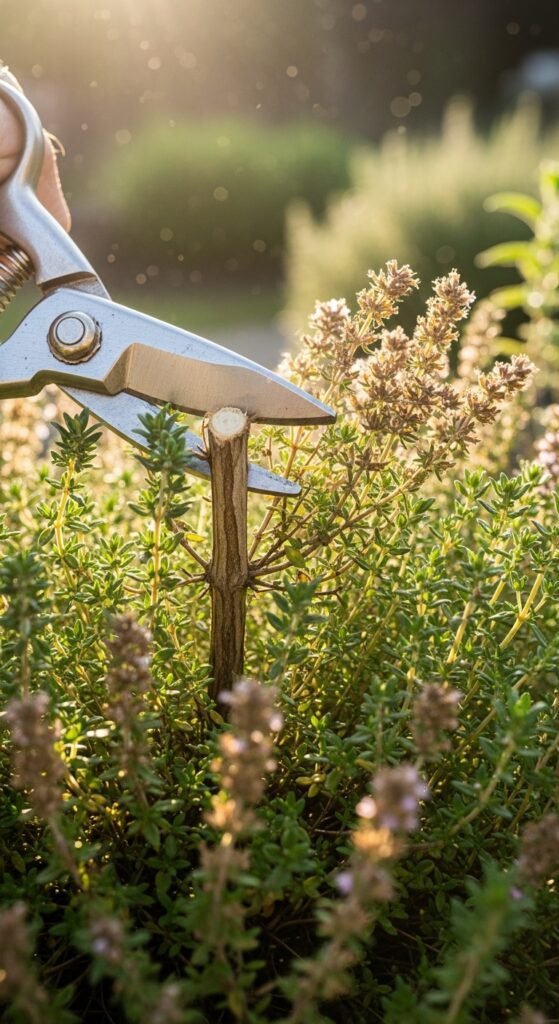
This practice maintains shape and vitality, yielding abundant harvests and prolonged lifespan. Neglected pruning results in sparse foliage and reduced productivity over time.
Harvest tips regularly for culinary use. For similar herbs, review rosemary pruning techniques, adapting to thyme’s needs to optimize health and yield.
8) Managing Pests and Diseases
In thyme plant care, vigilant pest and disease management safeguards plant health. Common issues include aphids and spider mites; inspect leaves regularly for signs.
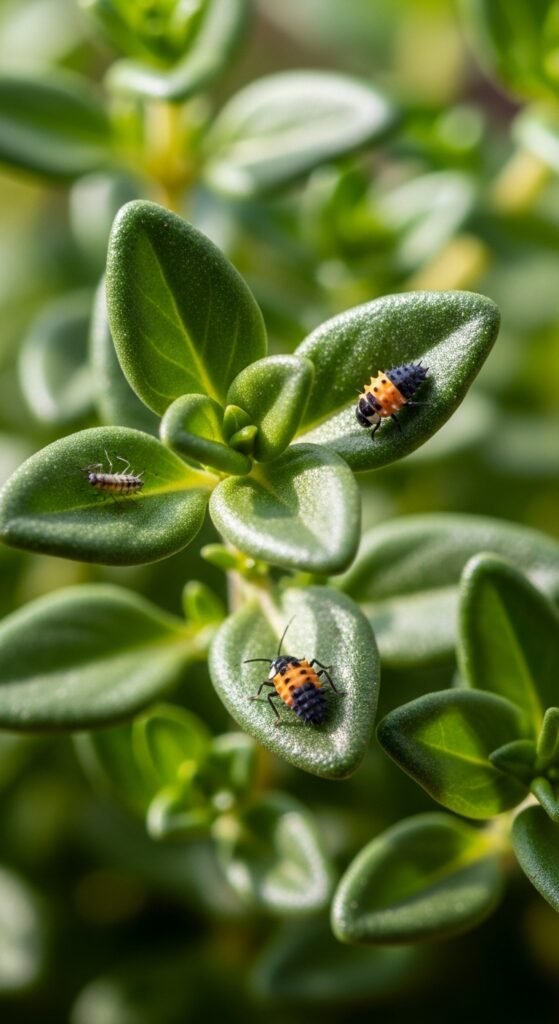
Proactive measures reduce infestations, preserving plant integrity and yield quality. Untreated problems can spread, affecting neighboring plants.
Use neem oil or insecticidal soap for control. Promote air circulation to deter fungal diseases. For comprehensive strategies, consult spring pest control guidelines, integrating them into your routine.
9) Propagating Thyme Effectively
Propagation extends your thyme plant care efforts, allowing expansion without purchase. Take stem cuttings in spring or divide mature plants.
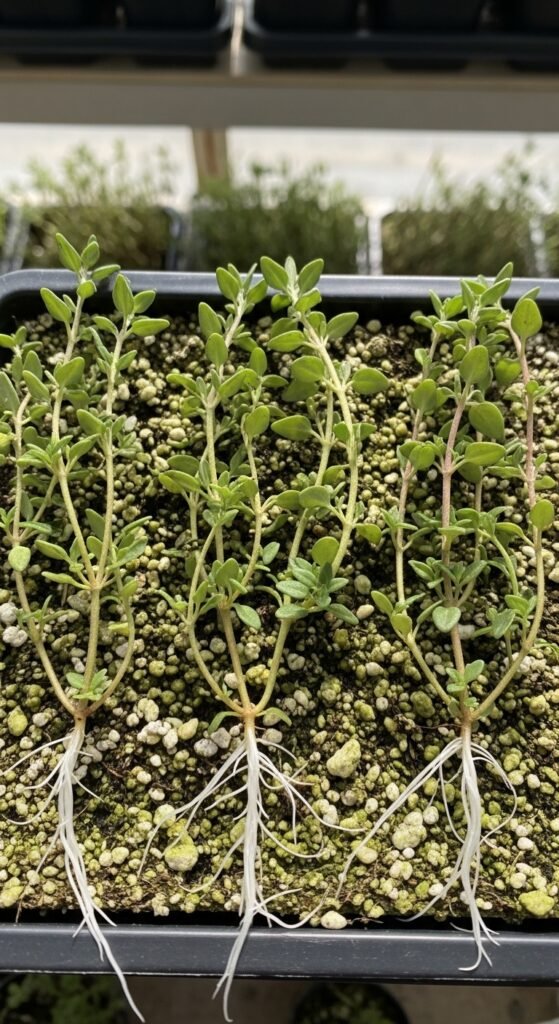
This method ensures genetic consistency and cost-effective garden enhancement. Successful propagation builds a sustainable herb supply.
Root cuttings in moist soil or water. For related techniques, explore herb germination chart for seed-based alternatives, broadening your propagation options.
10) Utilizing Companion Planting
Companion planting in thyme plant care involves pairing with compatible species like cabbage or strawberries to deter pests naturally.
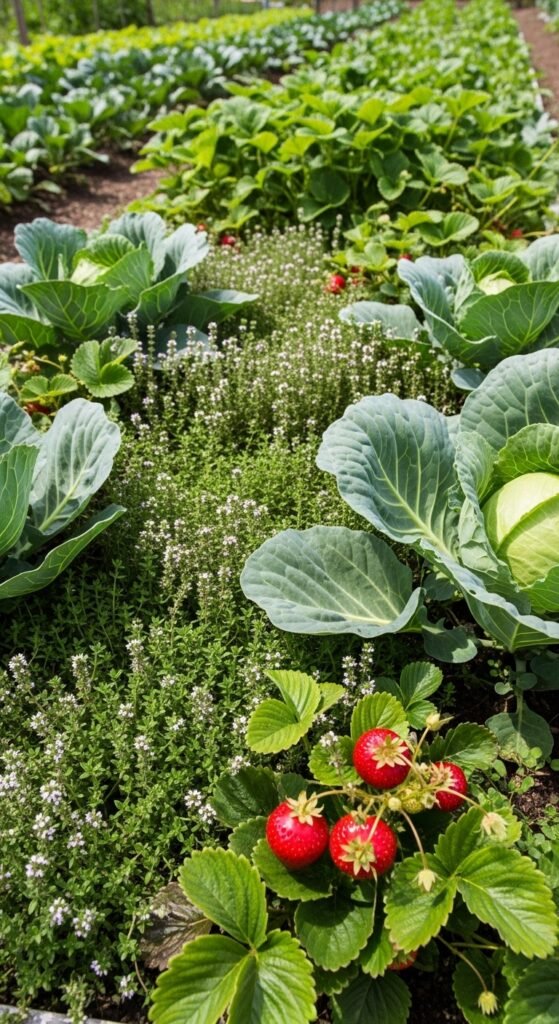
Such synergies improve ecosystem balance, offering pest control and soil health benefits. Incompatible pairings may compete for resources.
Refer to herb companion chart for optimal combinations. Position thyme strategically to maximize mutual advantages in your garden layout.
11) Preparing for Overwintering
Overwintering is key in thyme plant care for perennial success. Mulch around bases in fall to insulate roots from frost.
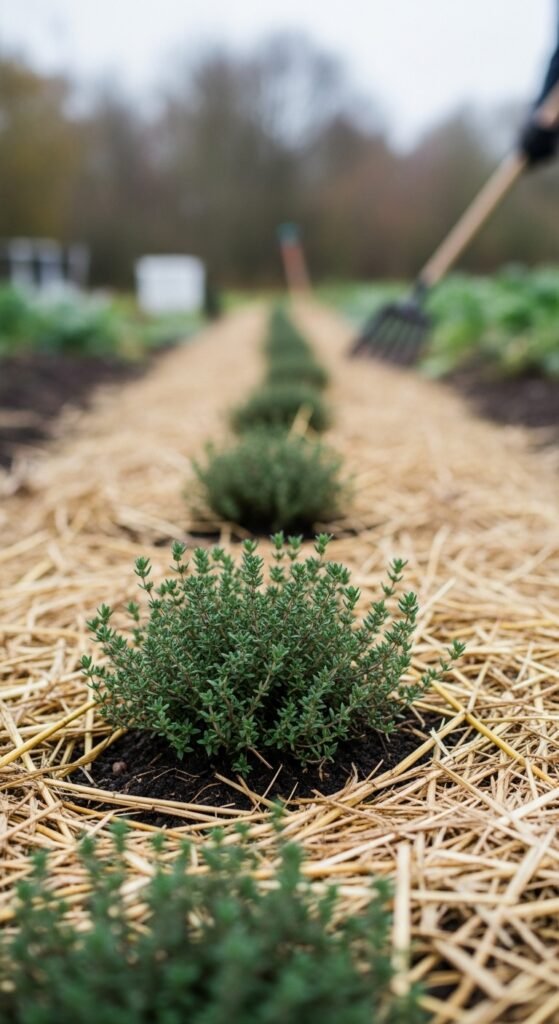
This protection ensures survival through cold periods, leading to vigorous spring regrowth. Inadequate preparation risks plant loss.
In colder zones, consider container relocation indoors. Draw from overwintering peppers strategies, adjusting for thyme’s hardiness.
12) Growing in Containers
Container growing suits thyme plant care in limited spaces. Select pots with drainage holes and fill with gritty soil mix.
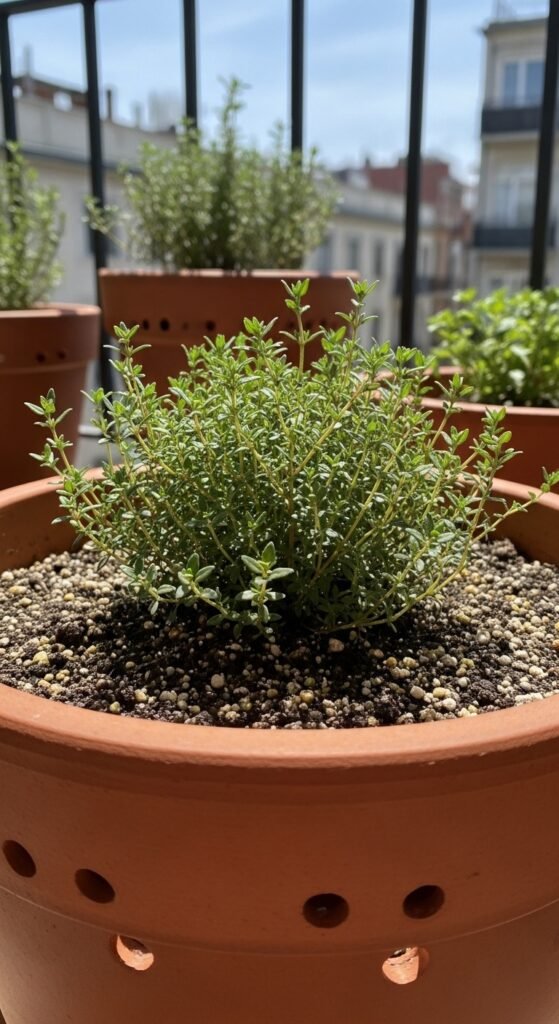
This approach offers mobility and control, yielding healthy plants in urban settings. Poor container choice leads to drainage issues.
Position in sunny spots and rotate periodically. For inspiration, view thyme in containers specifics to refine your technique.
13) Harvesting and Drying Methods
Harvesting in thyme plant care involves cutting stems before flowering for peak flavor. Dry bundles in a shaded, airy location.
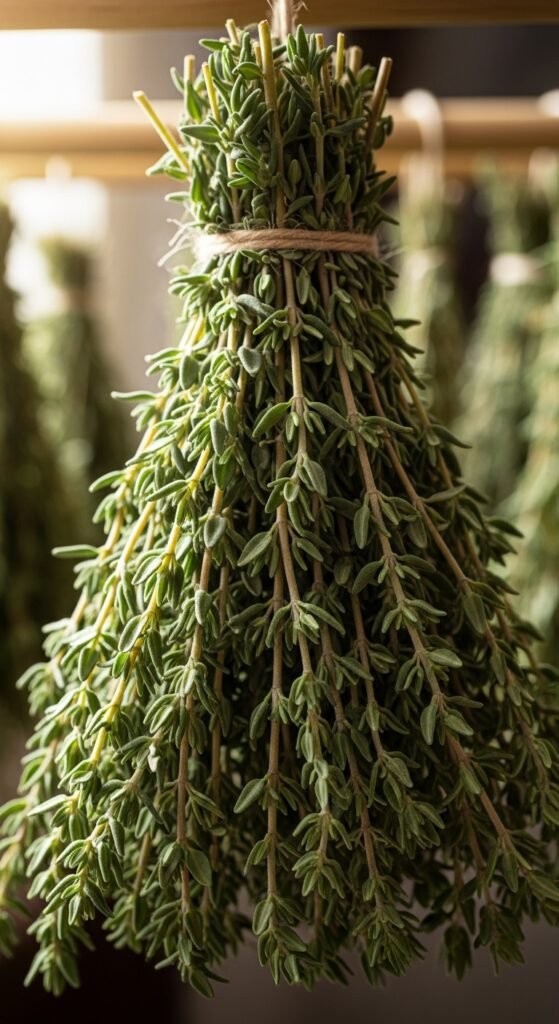
Proper handling preserves potency, providing year-round culinary access. Improper drying diminishes quality.
Store in airtight containers. Explore drying herbs at home for varied methods applicable to thyme.
14) Avoiding Common Cultivation Mistakes
Thyme plant care requires awareness of pitfalls like overwatering or overcrowding. Monitor conditions to prevent these errors.
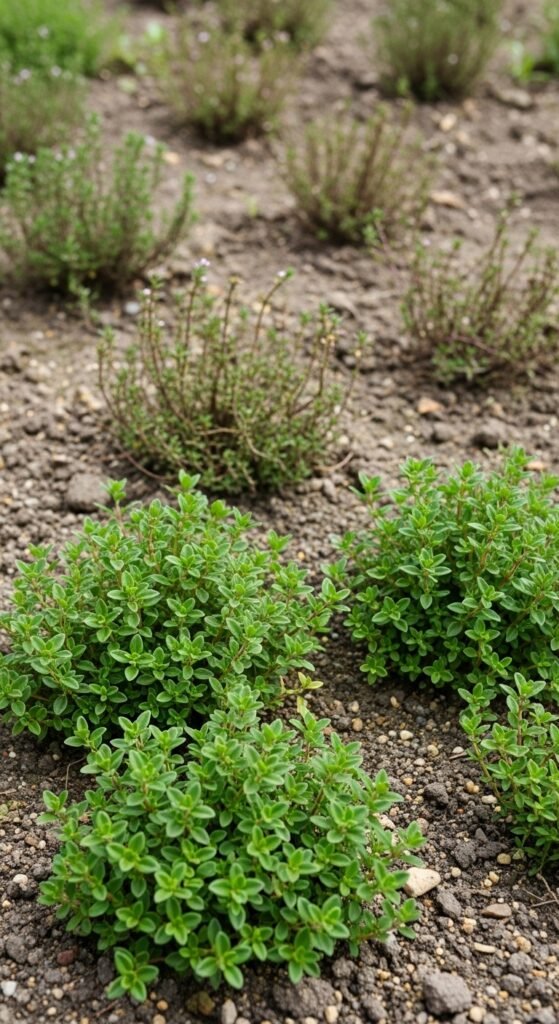
Avoiding mistakes fosters resilience, ensuring consistent growth and minimal interventions. Recognition of issues early averts decline.
Adjust based on observation. For beginner guidance, consult herb gardening for beginners to build foundational knowledge.
15) Integrating into Garden Design
Incorporate thyme into garden design for aesthetic and functional benefits. Use as edging or ground cover in herb beds.
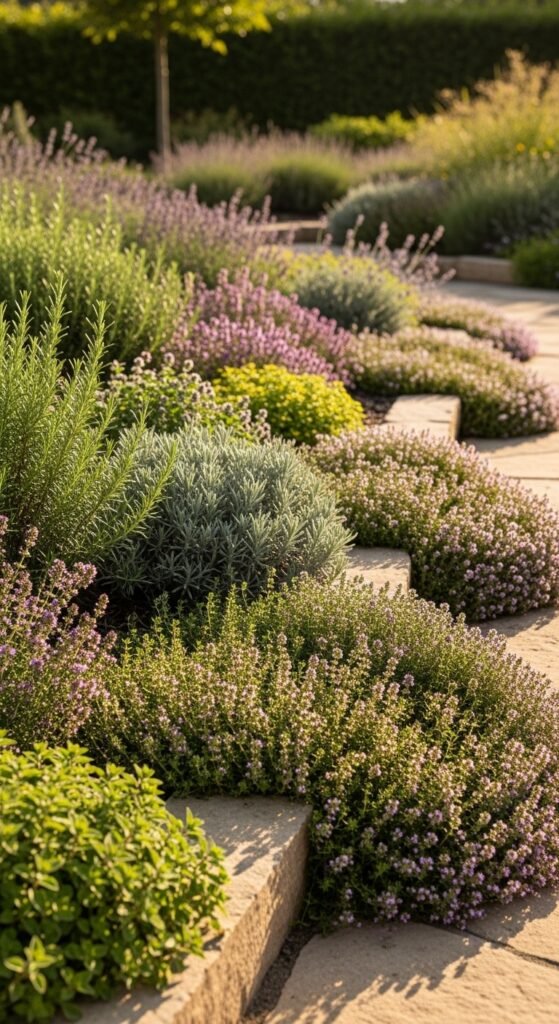
This integration enhances visual appeal and utility, creating harmonious, productive landscapes. Thoughtful placement maximizes space efficiency.
Combine with other perennials. For layout ideas, review herb garden layout ideas to inspire your designs.
Key Principles of Thyme Cultivation
Sustainability Practices
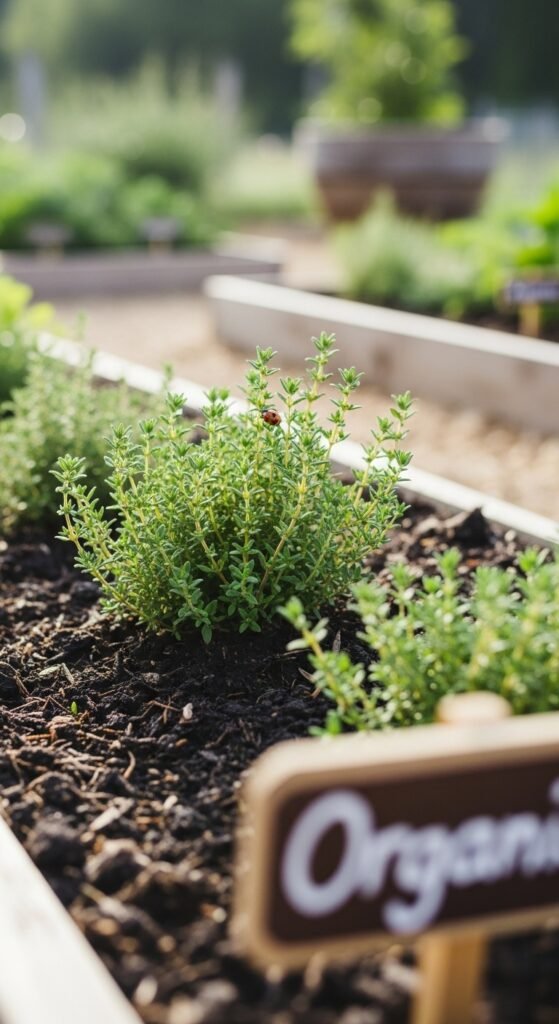
Adopt organic methods in thyme plant care to minimize environmental impact. Use natural pest controls and compost for soil enrichment.
Seasonal Adjustments
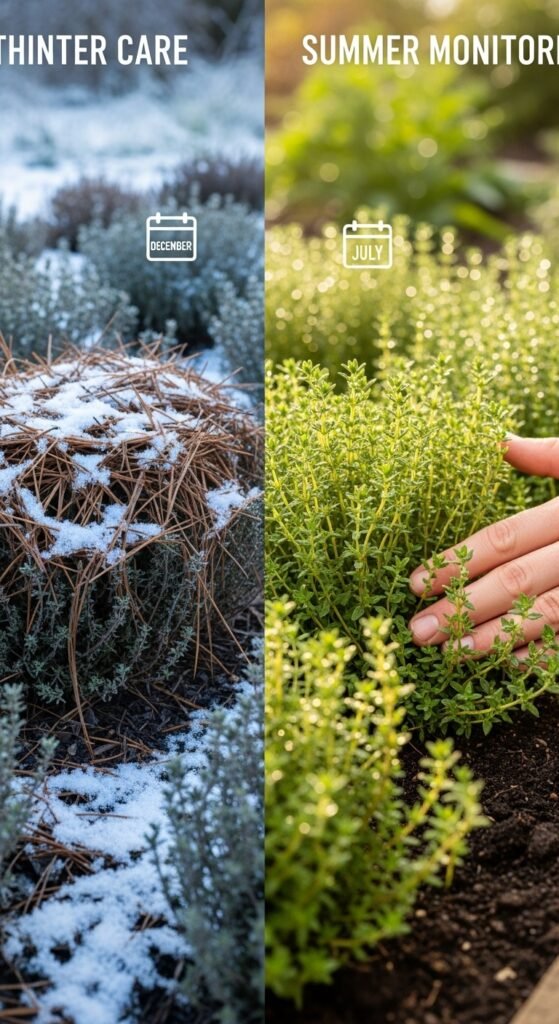
Adapt care routines seasonally, increasing protection in winter and monitoring moisture in summer for sustained health.
Health Monitoring
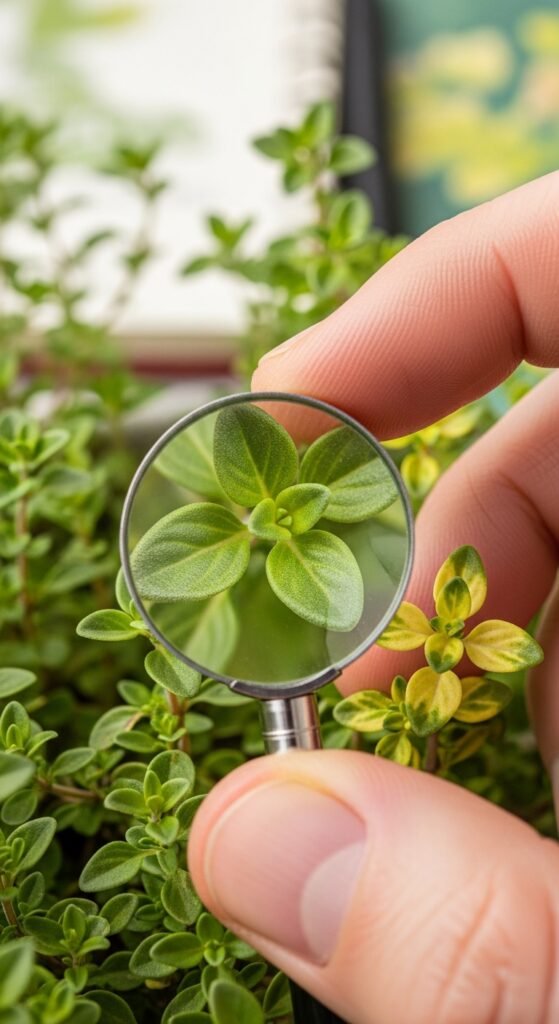
Regularly inspect plants for stress indicators, addressing promptly to maintain vitality and prevent widespread issues.
Frequently Asked Questions
How often should I water my thyme plant?
Water your thyme plant when the top inch of soil feels dry, typically every 7 to 10 days, adjusting based on weather conditions to avoid overwatering.
Can thyme grow in shade?
Thyme prefers full sun but can tolerate partial shade, though growth may be slower and flavor less intense in lower light conditions.
What is the best soil for thyme?
The ideal soil for thyme is well-drained, sandy loam with a neutral to slightly alkaline pH, amended if necessary to prevent waterlogging.
How do I prune thyme effectively?
Prune thyme by trimming back one-third of the plant after flowering, using sharp shears to encourage bushiness and prevent woodiness.
Is thyme suitable for indoor growing?
Yes, thyme can be grown indoors in a sunny window with proper drainage and moderate watering, providing fresh herbs year-round.