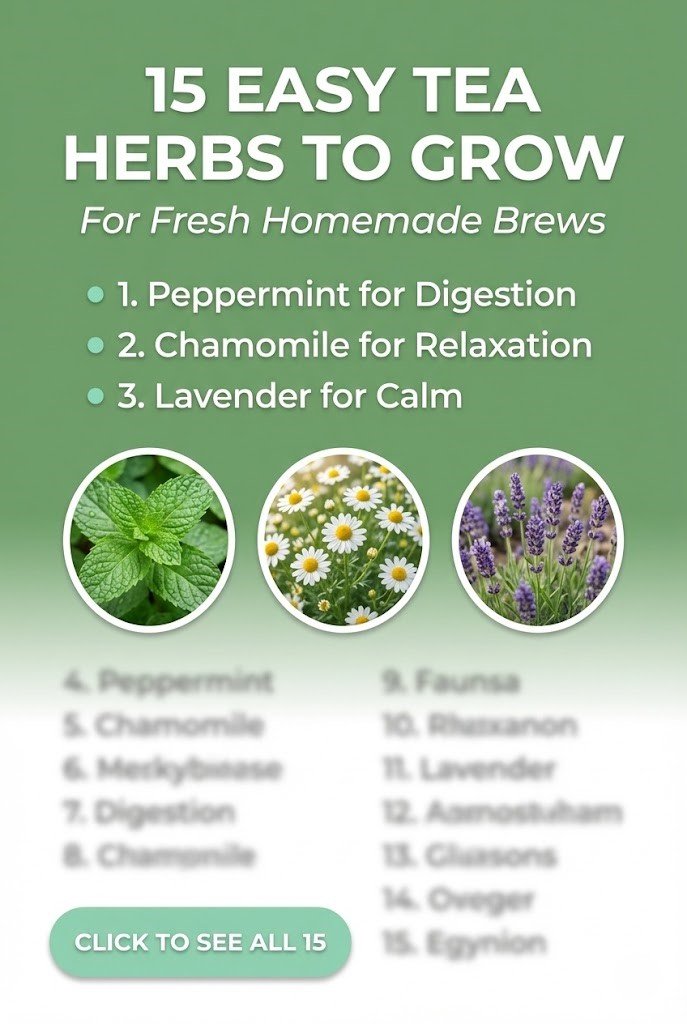
Growing your own tea herbs is a rewarding way to enjoy fresh, flavorful infusions right from your garden. Whether you’re a beginner or seasoned gardener, these plants offer aromatic leaves, flowers, and stems that can be steeped into soothing teas. Tea herbs to grow not only provide health benefits like improved digestion and relaxation but also add beauty and fragrance to your outdoor space.
Starting with tea herbs to grow allows you to customize your blends, ensuring they’re organic and pesticide-free. Many of these herbs thrive in containers or small plots, making them ideal for any size garden. You’ll save money on store-bought teas while experiencing the satisfaction of harvesting your own ingredients. Let’s explore 15 versatile options to get you brewing.
1) Peppermint
You’ll love growing peppermint for its invigorating menthol flavor that makes a refreshing tea perfect for digestion and headaches. This perennial herb spreads quickly, so plant it in a contained area or pot to prevent it from overtaking your garden. Key benefits include its natural cooling effect and ability to soothe upset stomachs. To grow, choose a sunny spot with well-draining soil, watering regularly to keep the soil moist but not waterlogged.
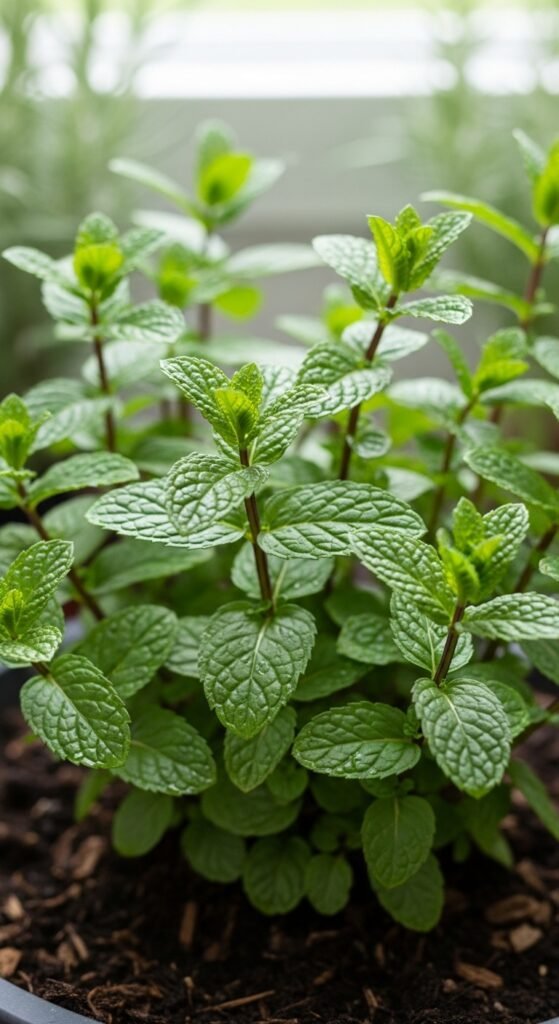
Harvest leaves as needed throughout the season, pinching back stems to encourage bushier growth. Dry them for storage or use fresh for the strongest flavor. If you’re new to herbs, peppermint is forgiving and prolific. For more ideas on containing aggressive growers, check out our guide on best herbs for containers. Enjoy your homegrown peppermint tea hot or iced for year-round delight.
2) Spearmint
Spearmint offers a milder, sweeter taste than peppermint, making it ideal for gentle teas that aid digestion and freshen breath. This herb thrives in partial shade and moist soil, growing rapidly like its cousin. Key benefits encompass its calming properties and use in culinary applications beyond tea. Plant in spring after the last frost, spacing seedlings 18 inches apart to allow for spreading.
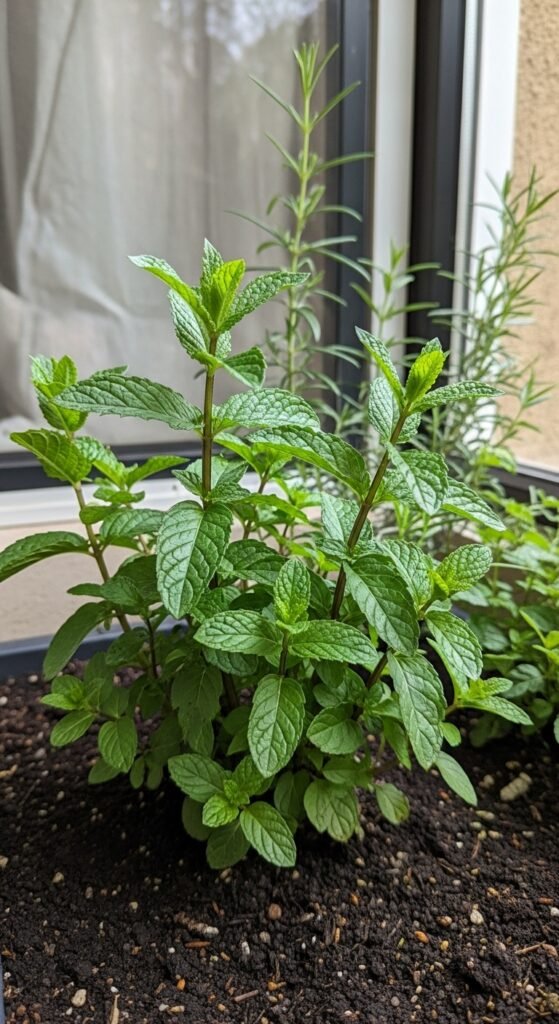
Regular harvesting promotes fuller plants; simply snip tops and use fresh or dried leaves. It’s excellent for beginners due to its resilience. To optimize your setup, explore patio herb garden ideas for small spaces. Brew spearmint alone or blend with other herbs for custom infusions that soothe and refresh.
3) Lemon Balm
Lemon balm brings a bright, citrusy note to teas, known for reducing stress and improving sleep. This hardy perennial self-seeds easily, so deadhead flowers if you want to control spread. Key benefits include its antiviral properties and mild sedative effects. Grow in full sun to partial shade with fertile, moist soil, planting in containers to manage its vigorous habit.
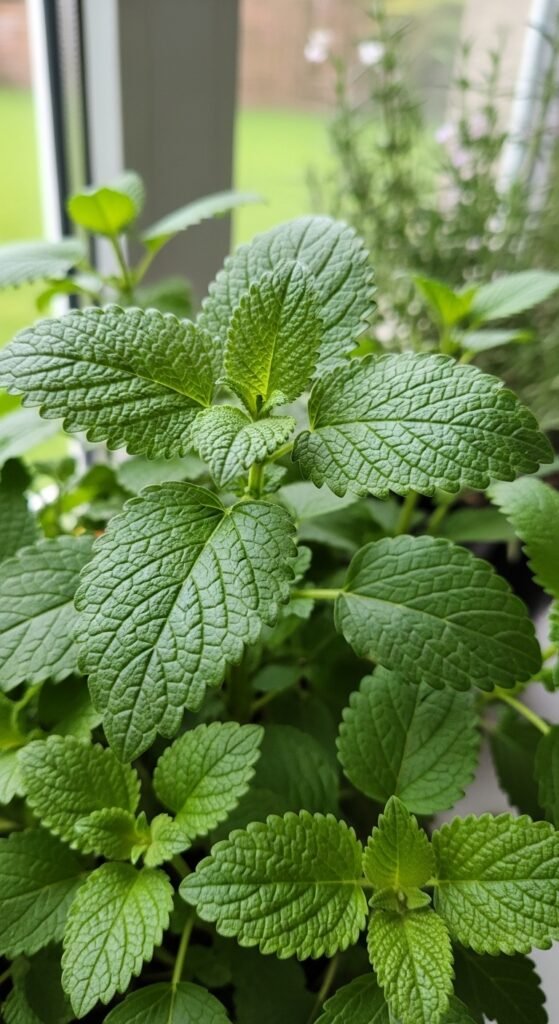
Harvest young leaves for the best flavor, drying them quickly to preserve oils. It’s low-maintenance and attracts pollinators. For companion planting tips, see our article on companion planting herbs. Steep lemon balm for a calming evening tea that tastes like summer in a cup.
4) Chamomile
Chamomile is prized for its apple-like aroma and calming effects, perfect for bedtime teas that promote relaxation. This annual or perennial (depending on variety) prefers full sun and well-drained soil. Key benefits feature anti-inflammatory and sleep-inducing qualities. Sow seeds directly in spring, thinning to 8 inches apart for optimal growth.
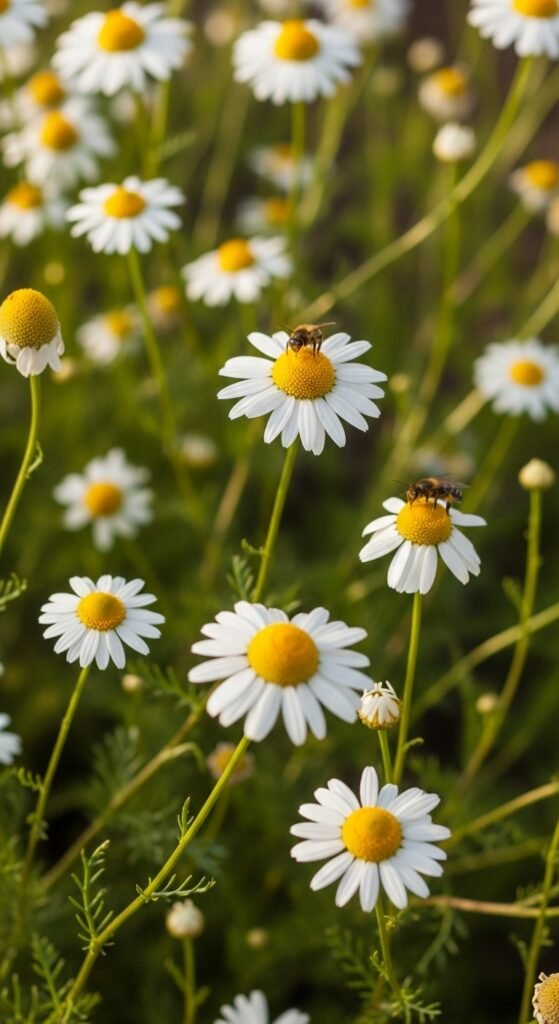
Harvest flower heads when fully open, drying them on screens for storage. It’s easy to grow and self-sows readily. Beginners can learn more from herb gardening for beginners. Enjoy chamomile tea to unwind after a long day, perhaps blended with other soothing herbs.
5) Lavender
Lavender infuses teas with a floral, slightly sweet flavor, renowned for easing anxiety and headaches. This drought-tolerant perennial loves full sun and sandy soil. Key benefits include its aromatic oils that support relaxation and skin health. Plant in spring, spacing 12-18 inches apart, and prune after flowering to maintain shape.
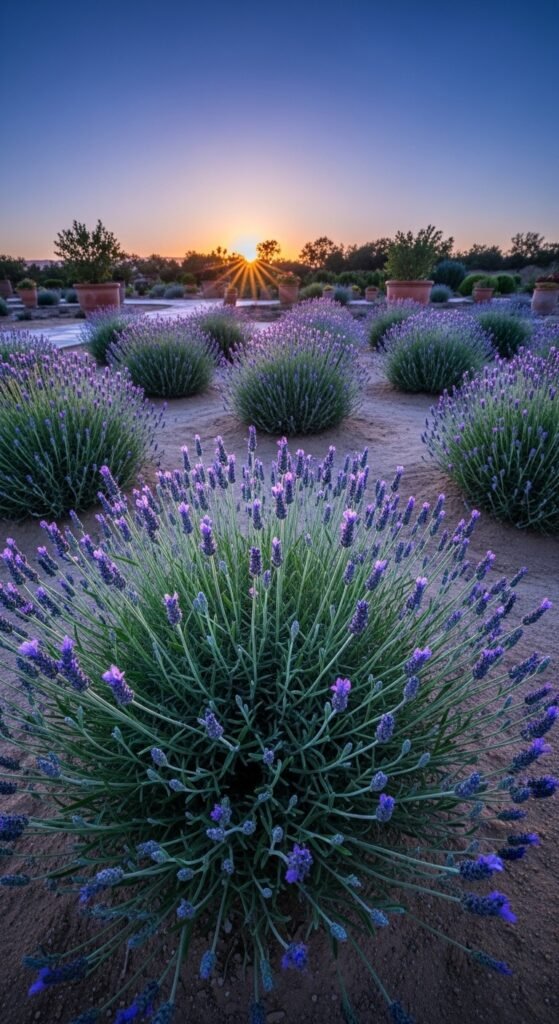
Harvest buds just before they open for peak potency, drying in bundles. It’s versatile for culinary and medicinal uses. For design inspiration, visit herb garden design ideas. Sip lavender tea to experience its tranquil essence in your daily routine.
6) Rosemary
Rosemary adds a piney, earthy depth to teas, beneficial for memory and circulation. This evergreen shrub prefers full sun and well-drained soil, tolerating drought once established. Key benefits encompass antioxidant properties and digestive aid. Grow in pots for easy overwintering indoors in colder climates, as detailed in rosemary in pots.
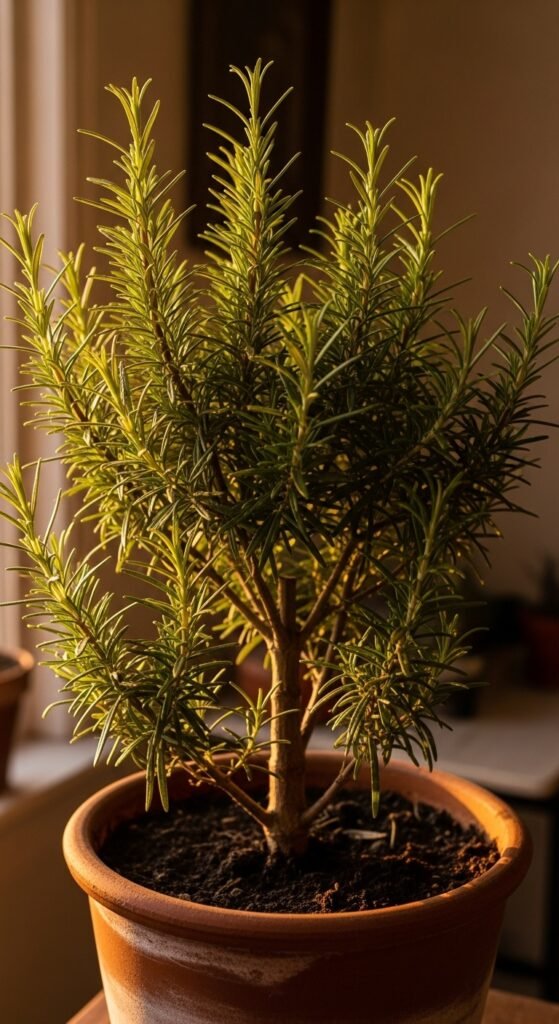
Harvest sprigs year-round, using fresh or dried. Prune regularly to encourage bushiness. It’s a staple for Mediterranean-inspired gardens. Brew rosemary tea for a warming, invigorating drink that sharpens focus.
7) Thyme
Thyme contributes a subtle, savory note to teas, helping with coughs and immunity. This low-growing perennial thrives in full sun and poor soil. Key benefits include antimicrobial effects and respiratory support. Plant in spring, harvesting stems before flowering for best flavor, as outlined in thyme plant care.
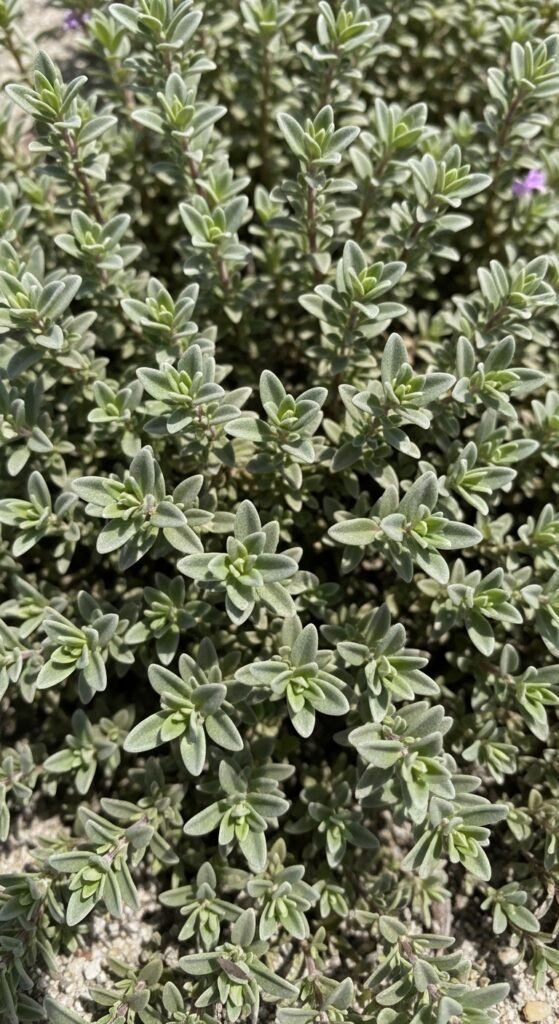
Dry leaves for long-term use or infuse fresh. It’s compact and ornamental. Thyme tea offers comfort during cold seasons, blending well with citrus herbs.
8) Sage
Sage provides an earthy, slightly peppery taste in teas, known for menopausal relief and oral health. This perennial prefers full sun and dry soil. Key benefits feature anti-inflammatory and antioxidant actions. Sow or transplant in spring, pruning after bloom to prevent woodiness.
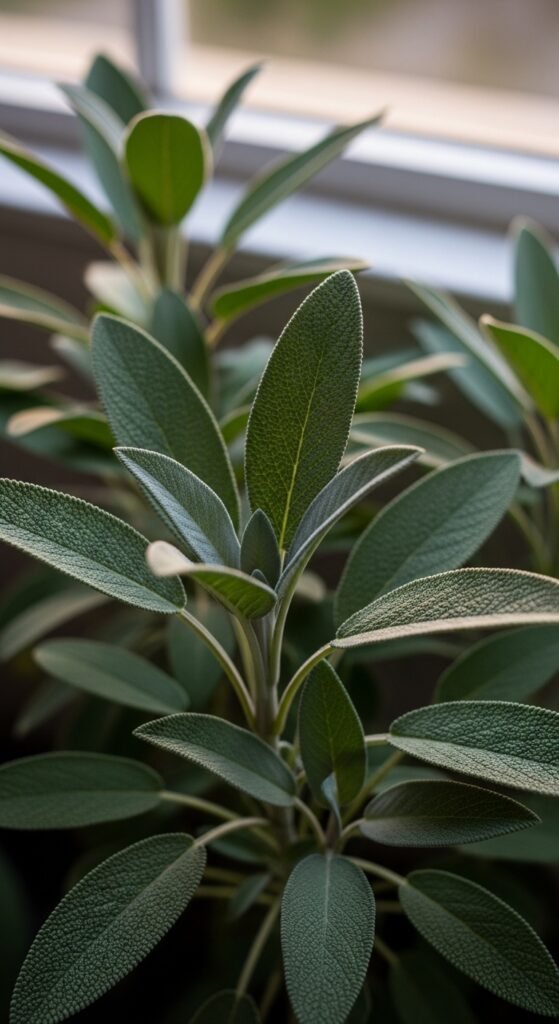
Harvest leaves young, drying flat. It’s hardy and attracts bees. For perennial options, refer to perennial herbs list. Enjoy sage tea for its grounding, healthful properties.
9) Lemon Verbena
Lemon verbena delivers intense citrus flavor to teas, aiding digestion and relaxation. This tender perennial needs full sun and rich soil. Key benefits include its uplifting aroma and mild sedative effects. Grow as an annual in cool climates or overwinter indoors.
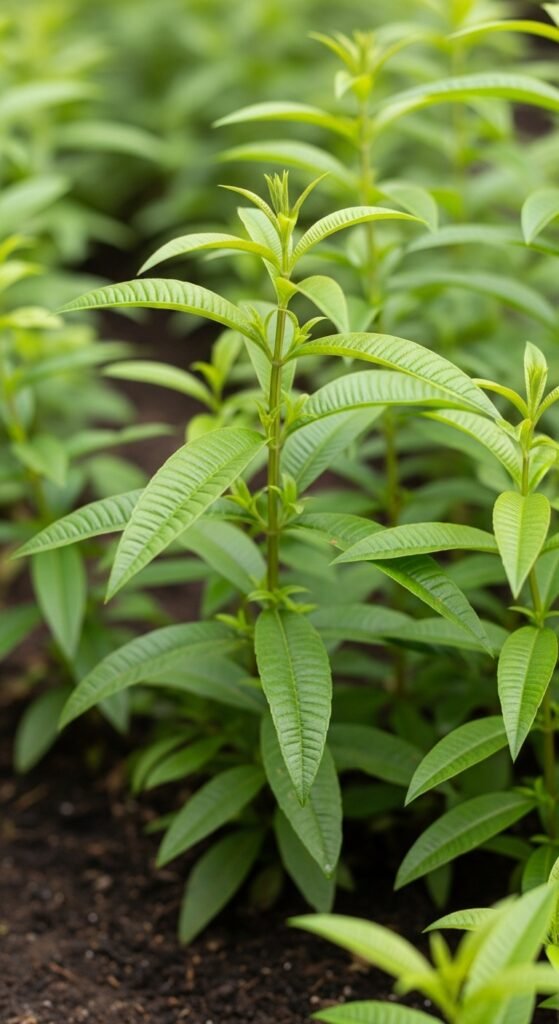
Harvest leaves throughout summer, drying quickly. It’s fragrant and easy once established. Lemon verbena tea shines alone or in blends, evoking fresh lemonade.
10) Fennel
Fennel offers a licorice-like sweetness in teas, excellent for bloating and eye health. This biennial grows tall in full sun and fertile soil. Key benefits encompass digestive and anti-spasmodic properties. Sow seeds directly, harvesting fronds and seeds.
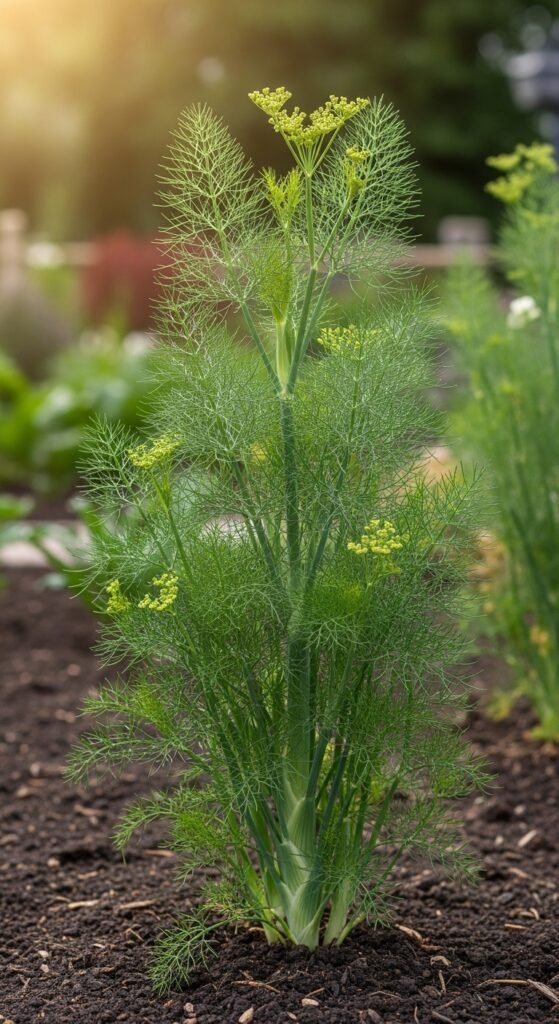
Dry for storage; use both parts for tea. It’s self-seeding and ornamental. Fennel tea provides gentle relief, especially after meals.
11) Lemongrass
Lemongrass imparts a zesty, lemony tang to teas, supporting immunity and detoxification. This tropical grass loves full sun and moist soil. Key benefits include anti-fungal and calming qualities. Plant in pots for mobility, following tips in lemongrass growing.
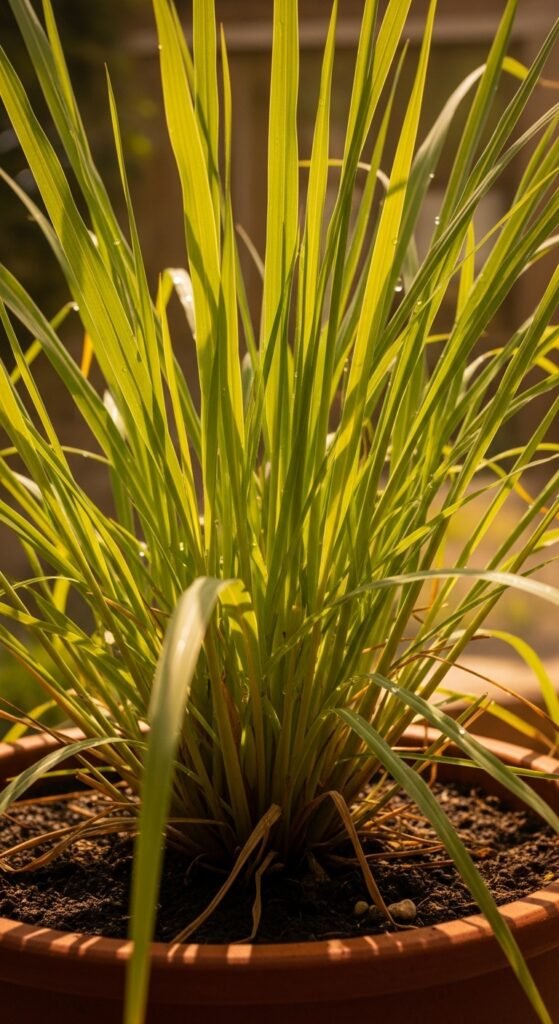
Harvest stalks, chopping for infusion. It’s vigorous in warm areas. Lemongrass tea refreshes and invigorates, ideal for hot days.
12) Catnip
Catnip creates a minty, relaxing tea, beyond its feline appeal, aiding sleep and digestion. This perennial spreads in sun or shade. Key benefits feature mild sedative and antispasmodic effects. Sow seeds or divide, harvesting before bloom.
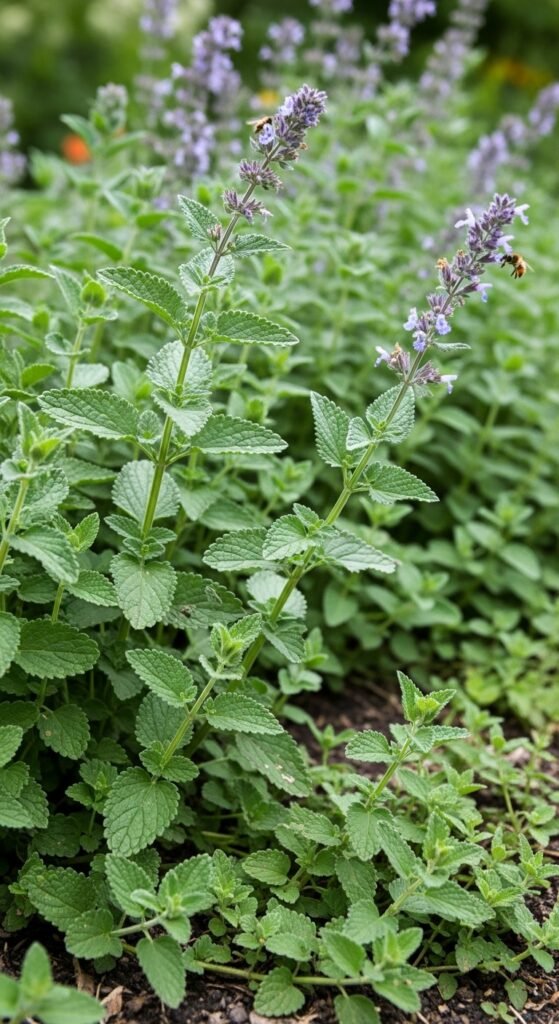
Dry leaves for year-round use. It’s low-care and pollinator-friendly. Catnip tea calms without the cat chaos.
13) Bee Balm
Bee balm brews into a spicy, citrusy tea, boosting immunity and soothing throats. This perennial attracts pollinators in full sun. Key benefits include antimicrobial and digestive support. Plant in moist soil, deadheading to extend blooms.
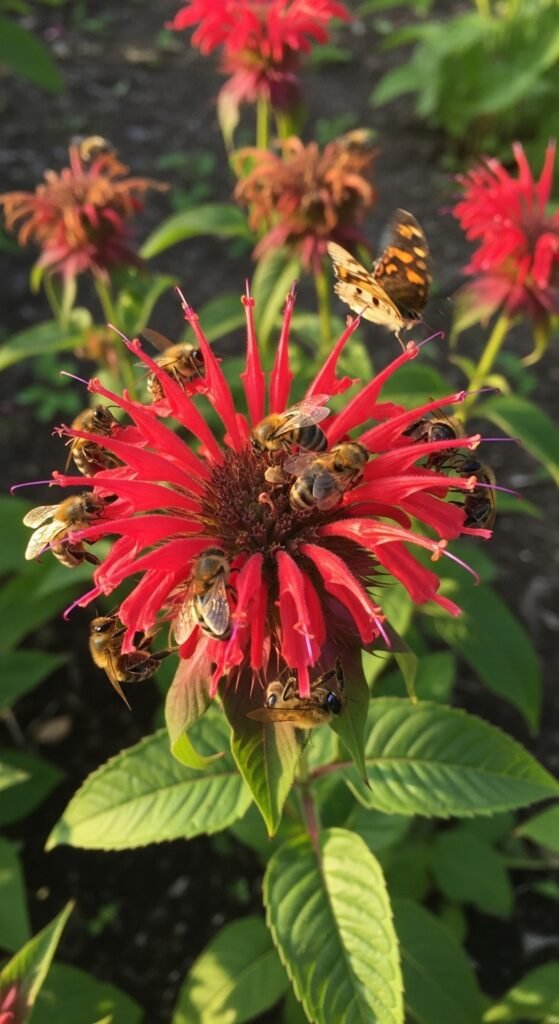
Harvest flowers and leaves, drying thoroughly. It’s colorful and native. Bee balm tea delights with its bergamot-like flavor.
14) Hibiscus
Hibiscus yields tart, cranberry-like tea, rich in vitamin C for heart health. This annual or perennial prefers full sun. Key benefits encompass antioxidant and blood pressure-lowering properties. Grow from seed, harvesting calyces.
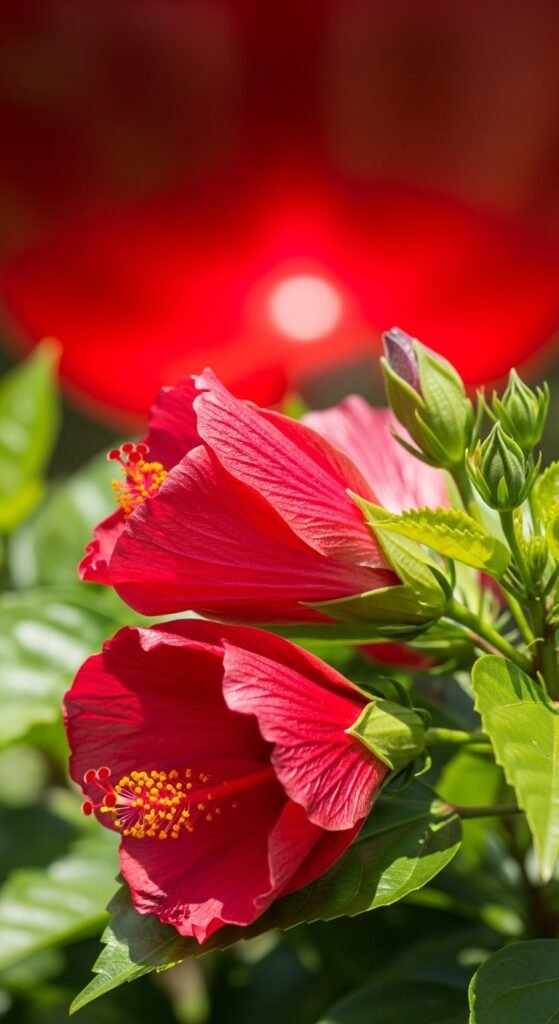
Dry for vibrant red infusions. It’s tropical and showy. Hibiscus tea refreshes iced or hot.
15) Stevia
Stevia sweetens teas naturally without calories, ideal for diabetics. This tender perennial needs sun and well-drained soil. Key benefits include zero-glycemic impact and dental health. Grow indoors in cool areas, per stevia plant care.
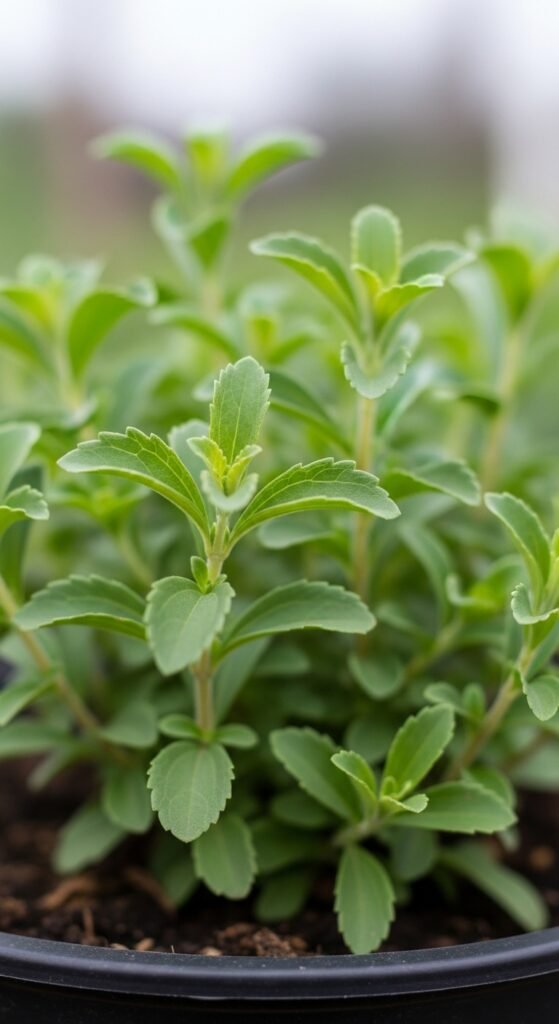
Harvest leaves, drying or using fresh. It’s compact and productive. Add stevia to balance herbal teas sweetly.
Key Tips for Growing Tea Herbs
Soil and Sunlight Essentials
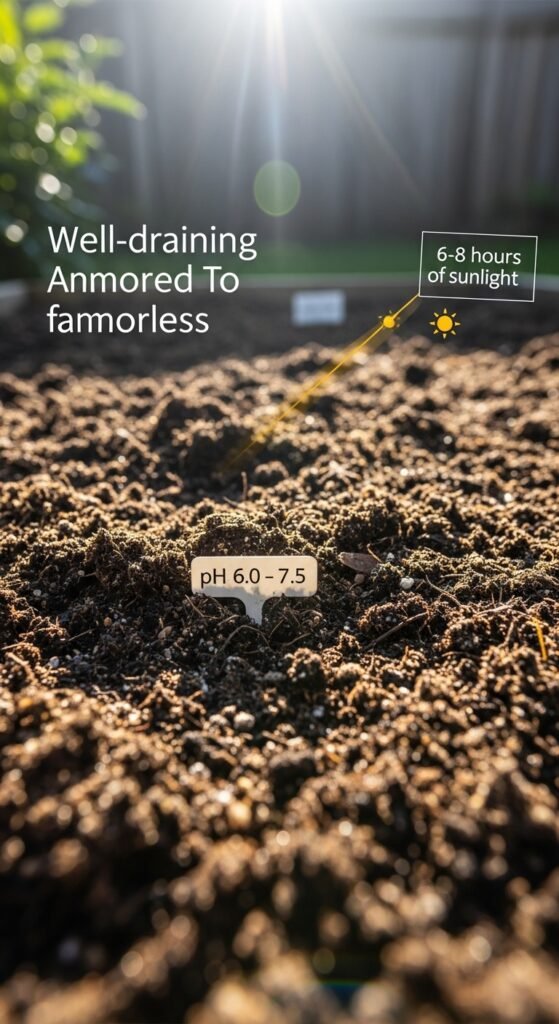
Most tea herbs thrive in well-draining soil with a pH of 6.0-7.5. Amend with compost for nutrients. Provide 6-8 hours of sunlight daily, though some like lemon balm tolerate partial shade.
Watering and Maintenance
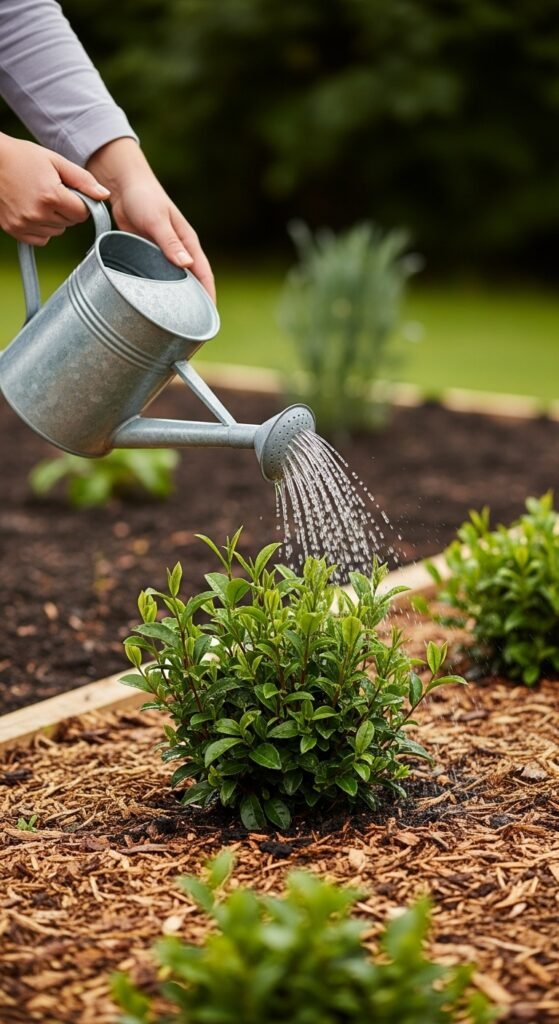
Water consistently to keep soil moist, avoiding sogginess. Mulch to retain moisture and suppress weeds. Prune regularly to encourage growth and prevent flowering in leafy herbs.
Harvesting and Drying Techniques
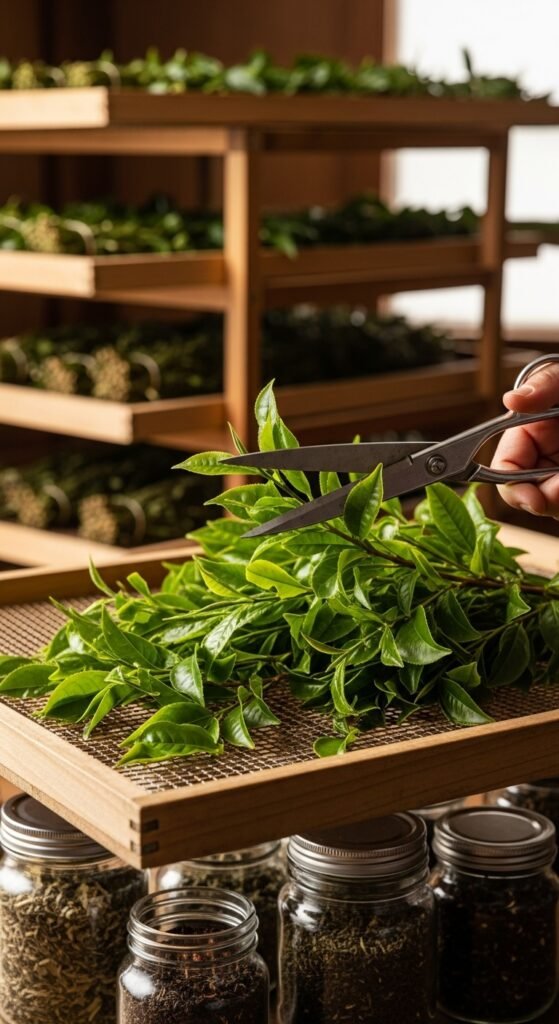
Harvest in the morning for peak oils. Dry herbs in a warm, dark place or use a dehydrator. Store in airtight jars away from light for up to a year.
Frequently Asked Questions
What are the easiest tea herbs for beginners?
Peppermint, chamomile, and lemon balm are forgiving and grow quickly with minimal care.
Can I grow tea herbs indoors?
Yes, many like rosemary and thyme do well in sunny windows or under grow lights.
How do I make tea from fresh herbs?
Steep 1-2 teaspoons of fresh leaves in hot water for 5-10 minutes, strain, and enjoy.
Are all parts of tea herbs safe to use?
Focus on leaves and flowers; avoid roots or seeds unless specified, and consult for allergies.
When is the best time to plant tea herbs?
Spring after the last frost is ideal for most, allowing establishment before summer heat.