As you prepare for the growing season, establishing a spring vegetable garden offers an opportunity to cultivate fresh produce while enhancing your outdoor space. This approach not only promotes self-sufficiency but also contributes to sustainable living practices. By focusing on timely planting and appropriate crop selection, you can optimize yield and minimize potential challenges associated with early-season conditions.
The key to a successful spring vegetable garden lies in understanding soil preparation, climate considerations, and pest management strategies. Incorporating these elements ensures robust plant growth and a bountiful harvest. Whether you are an experienced gardener or new to the endeavor, these ideas provide structured guidance to elevate your gardening efforts.
1) Select Cool-Season Crops
You should begin your spring vegetable garden by choosing crops that thrive in cooler temperatures, such as lettuce, spinach, and radishes. These varieties germinate effectively in soil temperatures ranging from 40 to 60 degrees Fahrenheit, allowing for early planting and quick maturation. This selection maximizes space utilization, as you can harvest them before warmer weather arrives, making room for subsequent plantings.
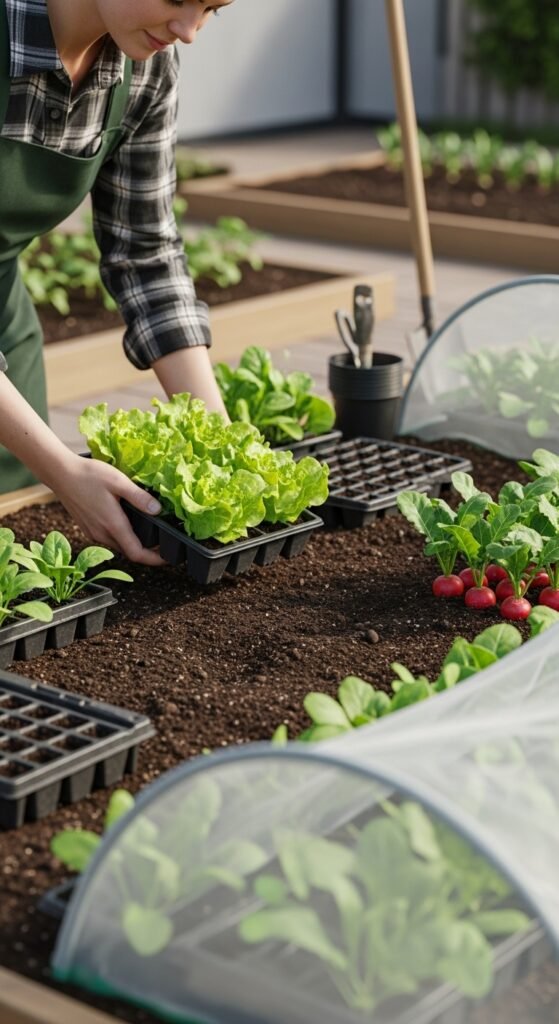
The rationale for prioritizing cool-season crops is their resilience to light frosts, which reduces the risk of crop loss. To implement this, test your soil pH and amend it if necessary to achieve a neutral range of 6.0 to 7.0. Start seeds indoors if needed, then transplant seedlings once the threat of severe frost diminishes. For detailed advice on indoor starting, consider our guide on seed starting indoors.
Monitor weather patterns closely and use row covers for protection during unexpected cold snaps. This method ensures a continuous supply of fresh vegetables throughout the spring.
2) Implement Raised Beds
Incorporating raised beds into your spring vegetable garden enhances soil drainage and warmth, which is particularly beneficial in early spring when ground soil may remain saturated. Construct beds using untreated wood or composite materials, filling them with a mixture of topsoil, compost, and perlite for optimal aeration. This structure promotes healthier root development and facilitates easier weed control.
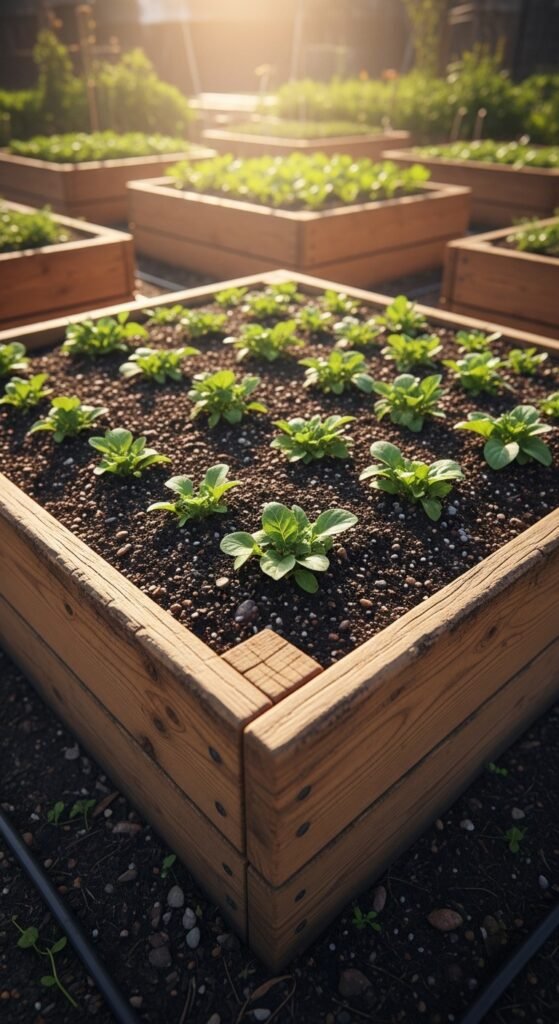
Raised beds warm up faster than in-ground plots, enabling earlier planting. They also allow for better organization of your garden layout. To get started, plan bed dimensions of 4 feet wide for easy access from both sides. For more on construction and benefits, refer to our article on raised bed gardening.
Plant densely but maintain spacing to prevent overcrowding. This approach not only increases yield per square foot but also reduces water usage through targeted irrigation.
3) Practice Companion Planting
You can enhance your spring vegetable garden by employing companion planting, where compatible plants are grown together to mutual benefit. For instance, pair tomatoes with basil to repel pests naturally, or interplant carrots with onions to deter carrot flies. This technique improves biodiversity and can lead to higher overall productivity.
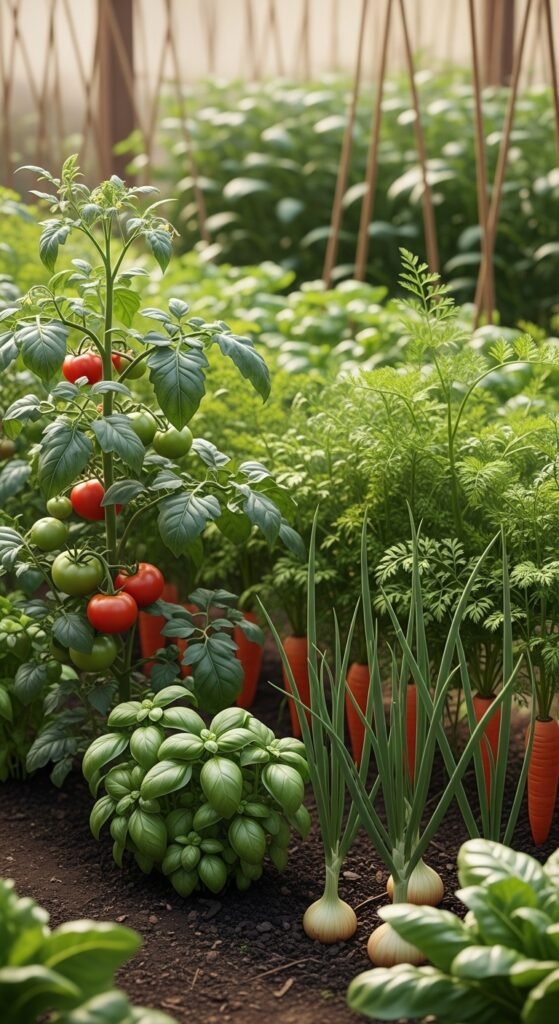
The underlying principle is that certain plants release compounds that aid neighbors, while others provide shade or support. Begin by researching compatible pairs specific to your chosen vegetables. A comprehensive resource is available in our companion planting guide.
Map out your garden layout accordingly, ensuring taller plants do not overshadow shorter ones. Regular observation will help you adjust pairings in future seasons for optimal results.
4) Prepare Soil Thoroughly
Prior to planting, you must prepare the soil in your spring vegetable garden to ensure nutrient availability and proper structure. Conduct a soil test to identify deficiencies, then incorporate organic matter such as compost to improve fertility and texture. Well-prepared soil supports vigorous growth and reduces the need for synthetic fertilizers.
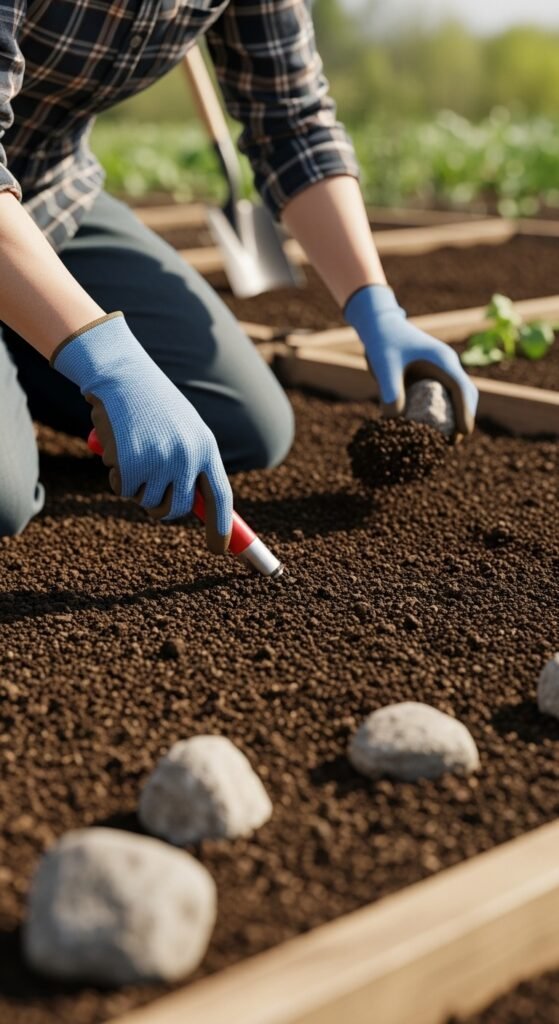
Aim for a loamy consistency that retains moisture without becoming waterlogged. Turn the soil to a depth of 12 inches, removing rocks and debris. For insights on ideal compositions, explore our discussion on best soil for vegetables.
Apply mulch after planting to conserve moisture and suppress weeds. This preparation sets a strong foundation for your garden’s success.
5) Use Succession Planting
To extend your harvest, adopt succession planting in your spring vegetable garden by sowing seeds at intervals of two to three weeks. This applies to quick-maturing crops like radishes and lettuce, ensuring a steady supply rather than a single large yield. Succession planting optimizes space efficiency and minimizes waste from overabundance.
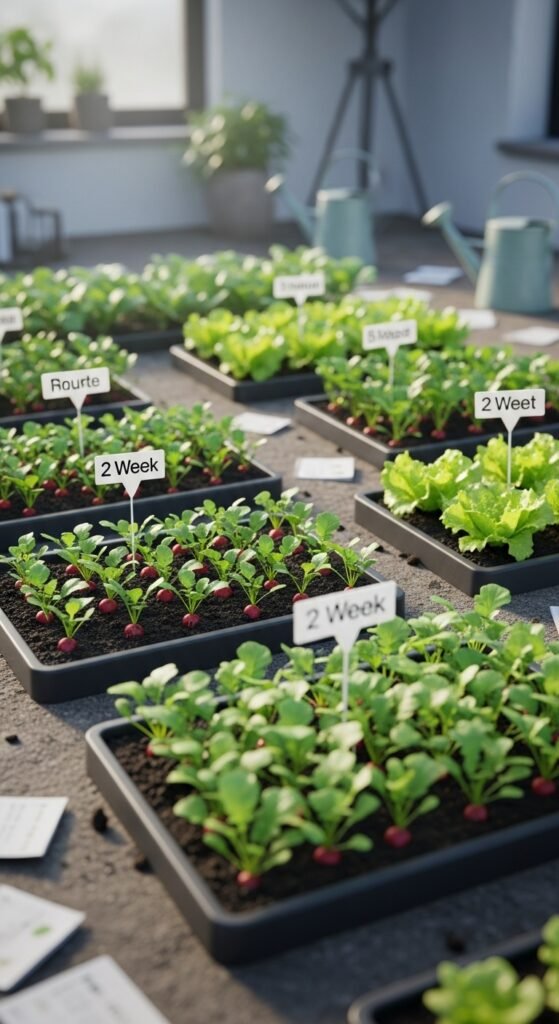
Calculate planting dates based on maturity times listed on seed packets. Keep records of each sowing to track progress. For additional strategies, review our tips in spring gardening tips.
This method requires consistent monitoring of soil moisture and fertility to support multiple cycles.
6) Incorporate Organic Pest Control
Protect your spring vegetable garden using organic pest control methods to avoid chemical residues. Introduce beneficial insects like ladybugs or use neem oil sprays for aphids and other common pests. These natural solutions maintain ecological balance while safeguarding your crops.
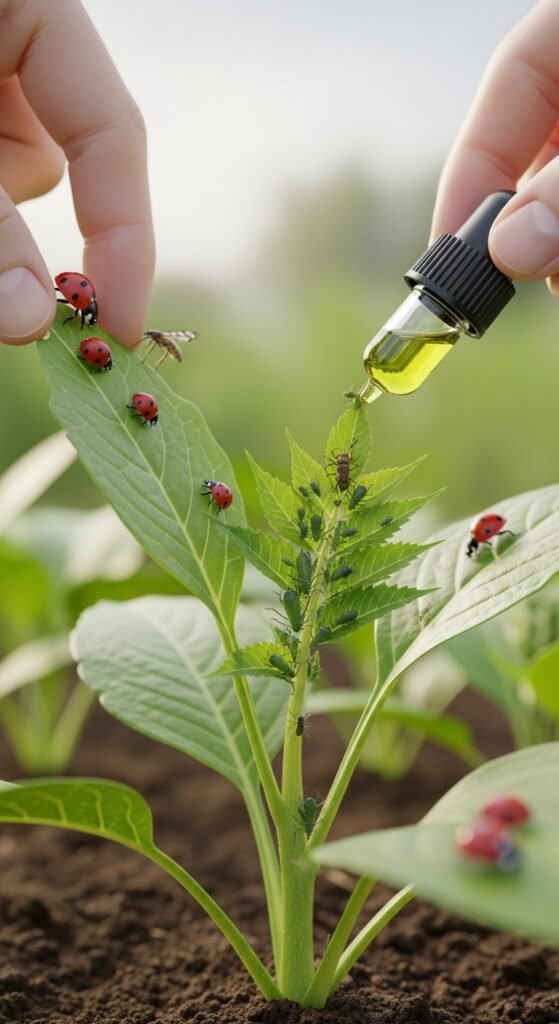
Regularly inspect plants for signs of infestation and remove affected parts promptly. Companion planting can also serve as a preventive measure. Detailed methods are outlined in our guide to organic pest control.
Encourage biodiversity by avoiding monocultures, which reduces pest outbreaks.
7) Optimize Watering Techniques
Efficient watering is crucial for your spring vegetable garden, as inconsistent moisture can lead to issues like blossom end rot. Use drip irrigation systems to deliver water directly to roots, minimizing evaporation and leaf wetness. This targeted approach conserves resources and promotes deeper root systems.
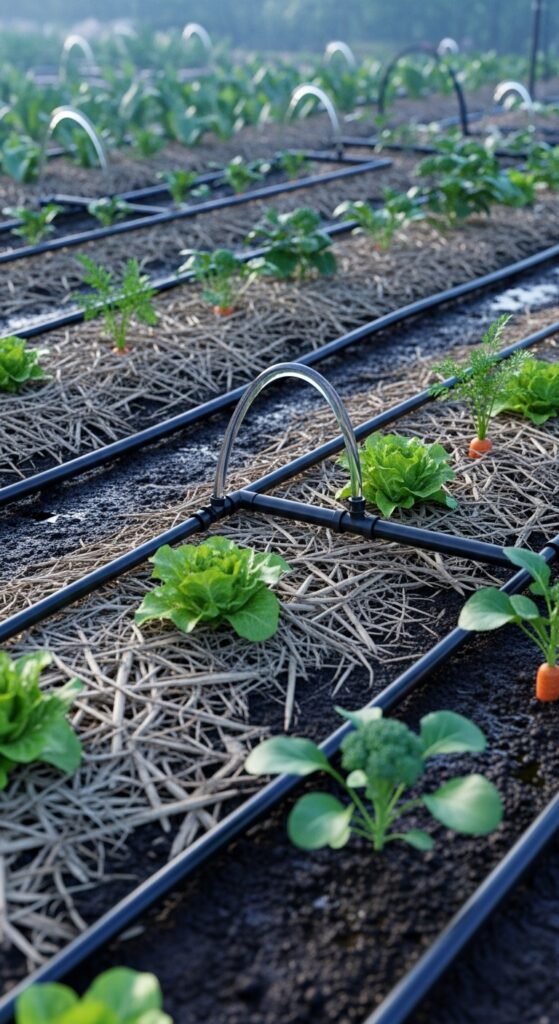
Water early in the morning to allow foliage to dry, reducing fungal risks. Mulching helps retain soil moisture. For best practices, consult our article on watering vegetable gardens.
Adjust frequency based on rainfall and soil type for optimal health.
8) Start Seeds Indoors
For an early advantage, start seeds indoors for your spring vegetable garden, particularly for warm-season crops like peppers and tomatoes. Use seed trays with a sterile starting mix under grow lights to simulate ideal conditions. This extends your growing season and improves germination rates.
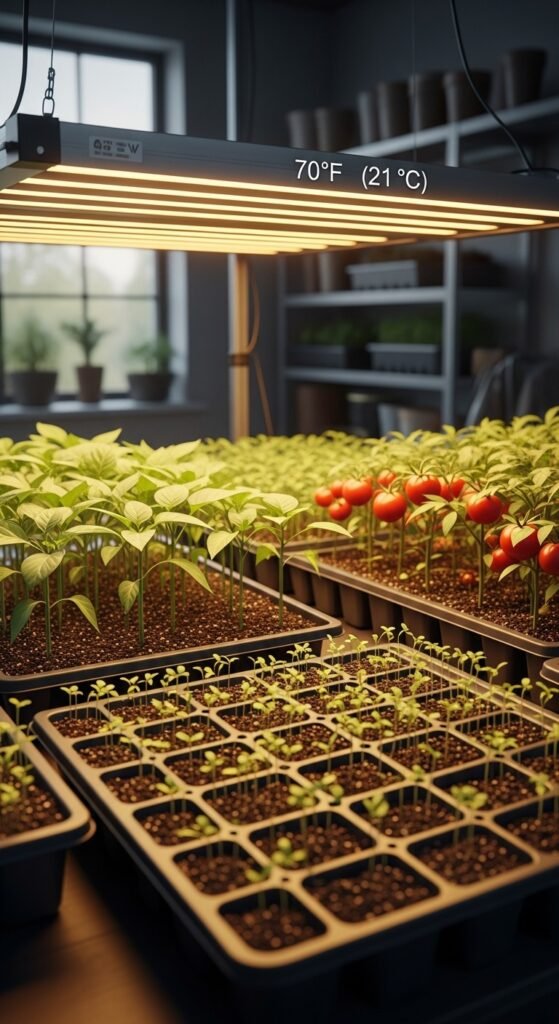
Harden off seedlings gradually before transplanting outdoors. Maintain consistent temperatures around 70 degrees Fahrenheit. Our in-depth coverage is found in seed starting indoors.
This technique allows you to control variables and achieve stronger plants.
9) Plan for Crop Rotation
Implement crop rotation in your spring vegetable garden to prevent soil nutrient depletion and disease buildup. Alternate plant families, such as moving nightshades to a different bed each year. Rotation enhances soil health and disrupts pest life cycles.
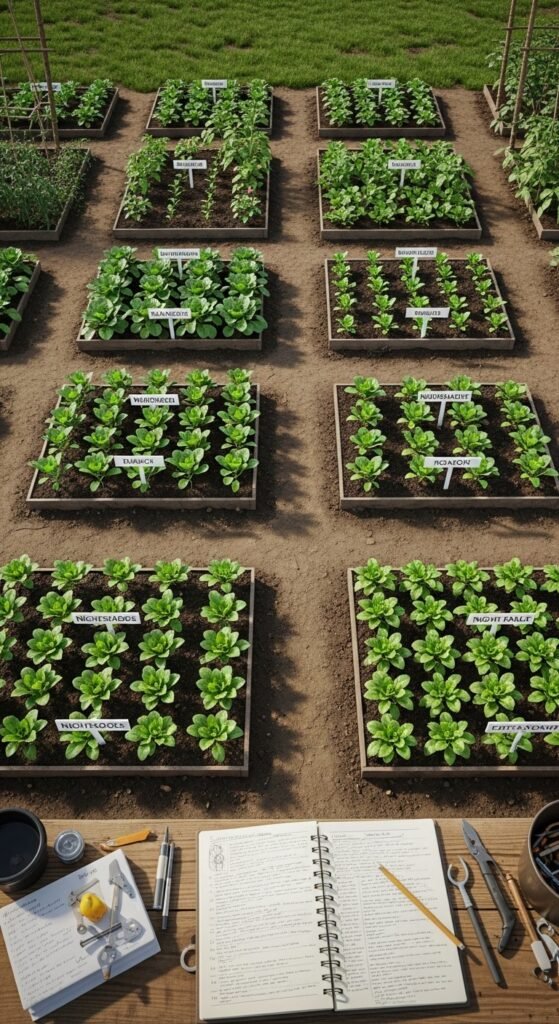
Keep a garden journal to track placements over seasons. Group crops by their needs for efficient planning. Avoid common pitfalls as discussed in common garden mistakes.
This long-term strategy sustains productivity year after year.
10) Choose Disease-Resistant Varieties
Select disease-resistant vegetable varieties for your spring garden to minimize losses from common ailments like powdery mildew. Look for labels indicating resistance, such as VF for verticillium and fusarium wilt in tomatoes. These choices reduce maintenance efforts and ensure reliable yields.
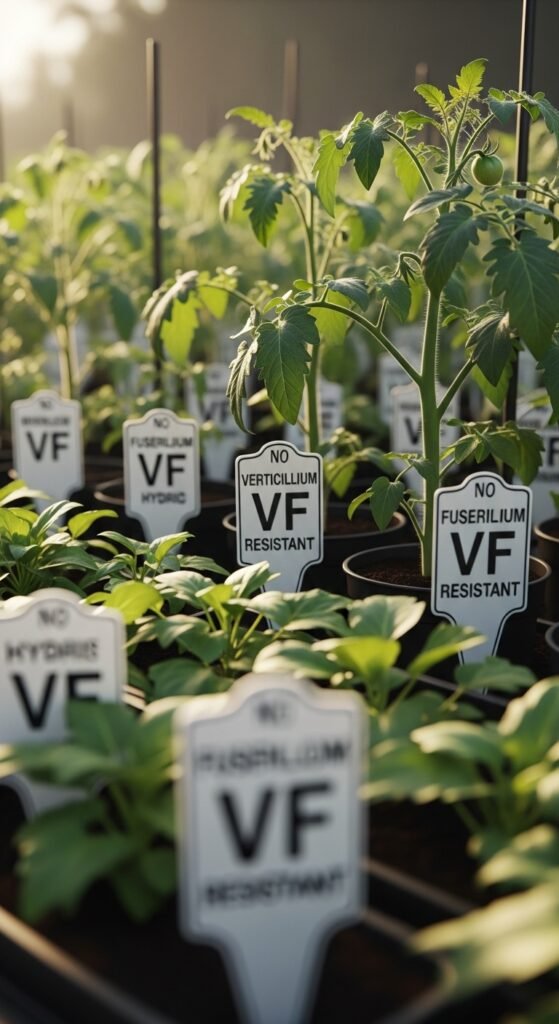
Research hybrid and heirloom options suited to your region. Proper spacing aids air circulation. For tomato-specific recommendations, see how to plant tomatoes.
Combine with good hygiene practices for best results.
11) Utilize Vertical Space
Maximize your spring vegetable garden by growing vining crops like peas and beans vertically on trellises or stakes. This saves ground space and improves air flow, reducing disease incidence. Vertical gardening increases yield per area and eases harvesting.
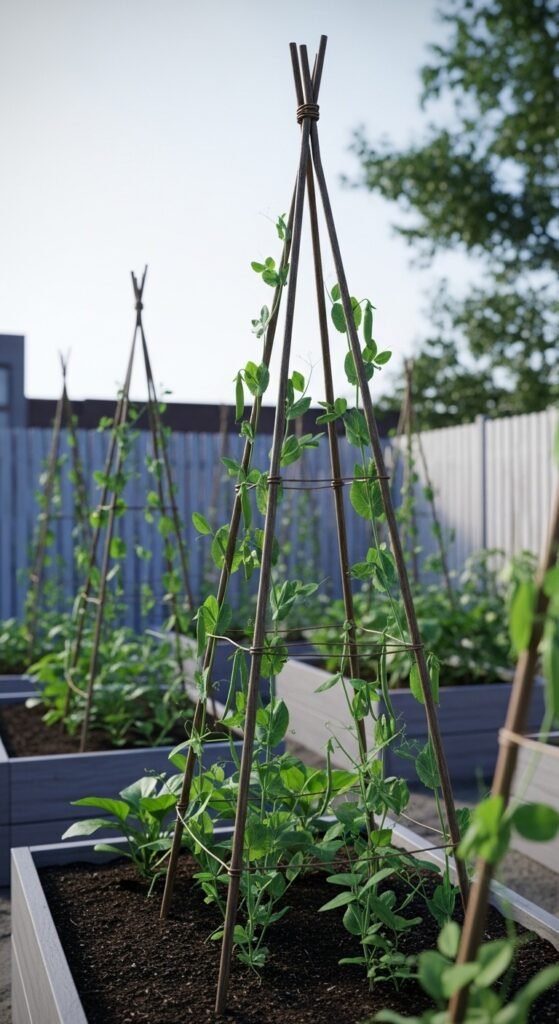
Install supports early to avoid disturbing roots later. Train plants as they grow. Integrate with raised beds for efficiency.
This method is ideal for smaller plots or urban settings.
12) Apply Mulch Strategically
Apply organic mulch around plants in your spring vegetable garden to suppress weeds, retain moisture, and regulate soil temperature. Use materials like straw or shredded leaves, applying a 2-3 inch layer after seedlings emerge. Mulching conserves water and enriches soil as it decomposes.
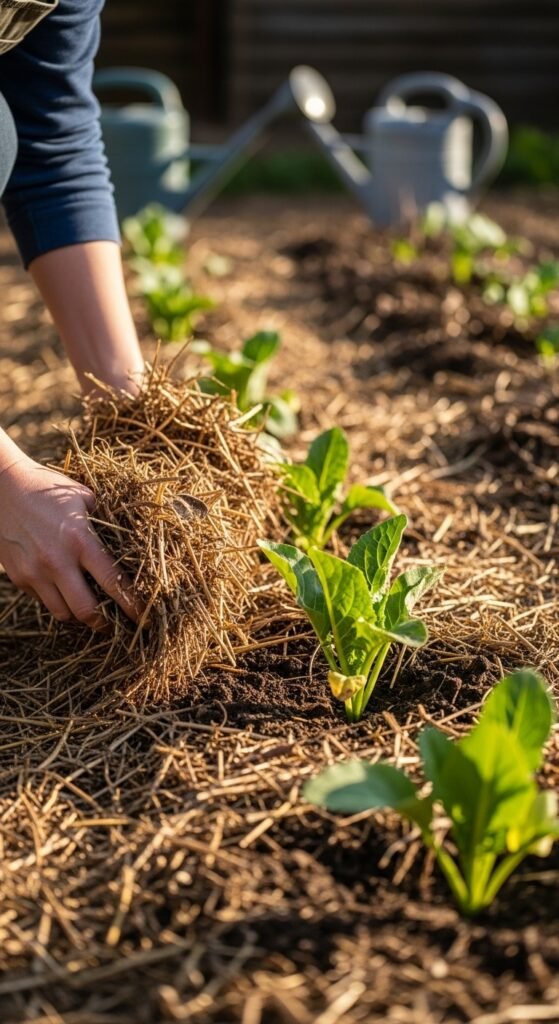
Avoid piling mulch against stems to prevent rot. Replenish as needed throughout the season.
This practice supports sustainable gardening principles.
13) Monitor for Frost Protection
Protect tender plants in your spring vegetable garden from late frosts using cloches, row covers, or cold frames. These barriers trap heat and shield against cold winds. Effective protection extends planting windows and safeguards investments.
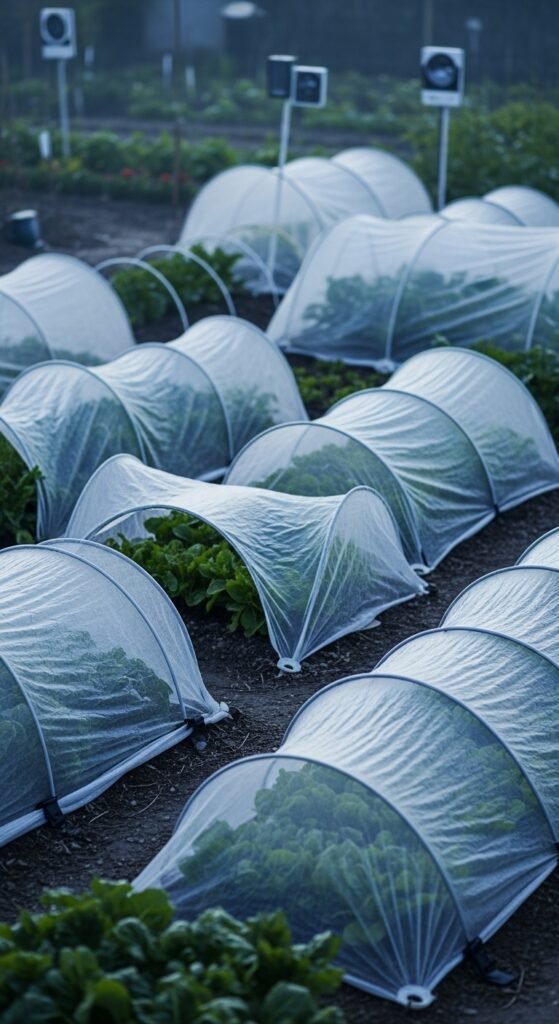
Forecast monitoring is essential; remove covers during warm days to prevent overheating. Adapt based on your local climate.
This proactive measure ensures consistent growth.
14) Harvest Timely
Harvest vegetables promptly in your spring garden to encourage continued production and maintain quality. For example, pick leafy greens young for tenderness. Timely harvesting prevents bolting and optimizes flavor.
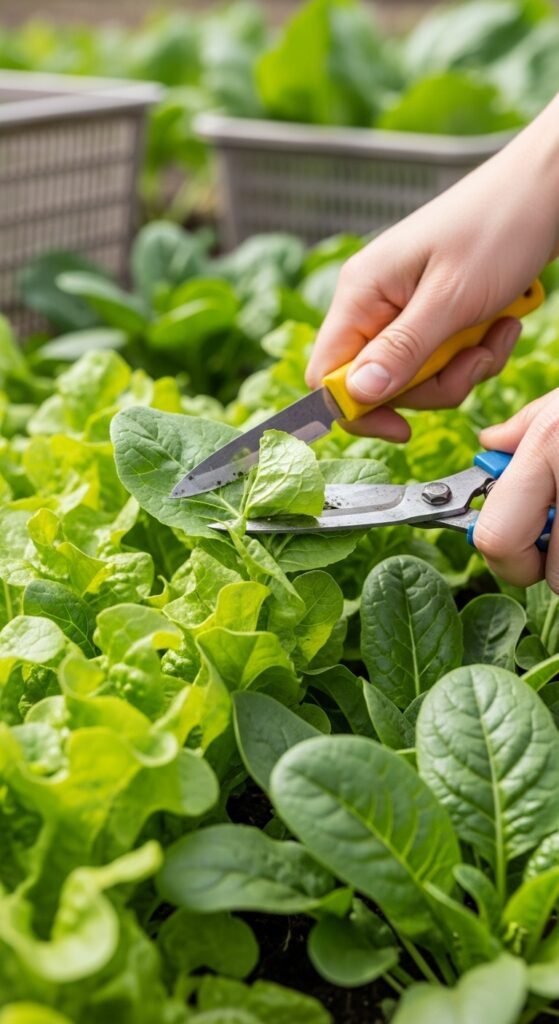
Use sharp tools to avoid damaging plants. Store produce appropriately. Further details on techniques are in harvesting vegetables.
Regular picking sustains plant vigor.
15) Keep Detailed Records
Maintain records of your spring vegetable garden activities, including planting dates, varieties, and observations. This data informs future improvements and tracks successes. Record-keeping refines your approach over time.

Use a notebook or digital app for organization. Note weather impacts and adjustments.
This habit fosters expertise and efficiency.
Key Principles for Spring Vegetable Gardening
Soil Health Management
Regularly amend soil with organic matter to maintain fertility. Test annually for balanced nutrients.
Pest and Disease Prevention
Promote natural predators and rotate crops to minimize issues without chemicals.
Sustainable Practices
Incorporate rainwater collection and composting for eco-friendly operations.
Frequently Asked Questions
What are the best vegetables to plant in spring?
Cool-season vegetables such as lettuce, peas, carrots, and broccoli perform well in spring conditions, offering quick growth and frost tolerance.
How do I know when to start my spring vegetable garden?
Begin when soil temperatures reach 40-50 degrees Fahrenheit and the last frost date approaches, typically 2-4 weeks before for hardy crops.
Can I grow a spring vegetable garden in containers?
Yes, containers are suitable for limited spaces; choose deep pots for root vegetables and ensure adequate drainage and sunlight.
What common mistakes should I avoid in spring gardening?
Avoid planting too early without protection, overwatering, and neglecting soil preparation, which can lead to poor germination and disease.
How much sunlight does a spring vegetable garden need?
Most vegetables require at least 6-8 hours of direct sunlight daily; position your garden accordingly for optimal growth.