Spring bulbs are the harbingers of the new season, bursting forth with color and life after winter’s chill. These underground powerhouses, like tulips and daffodils, are planted in fall and reward you with spectacular blooms when the weather warms. Incorporating spring bulbs into your garden not only adds instant visual appeal but also supports early pollinators, creating a lively ecosystem right in your backyard.
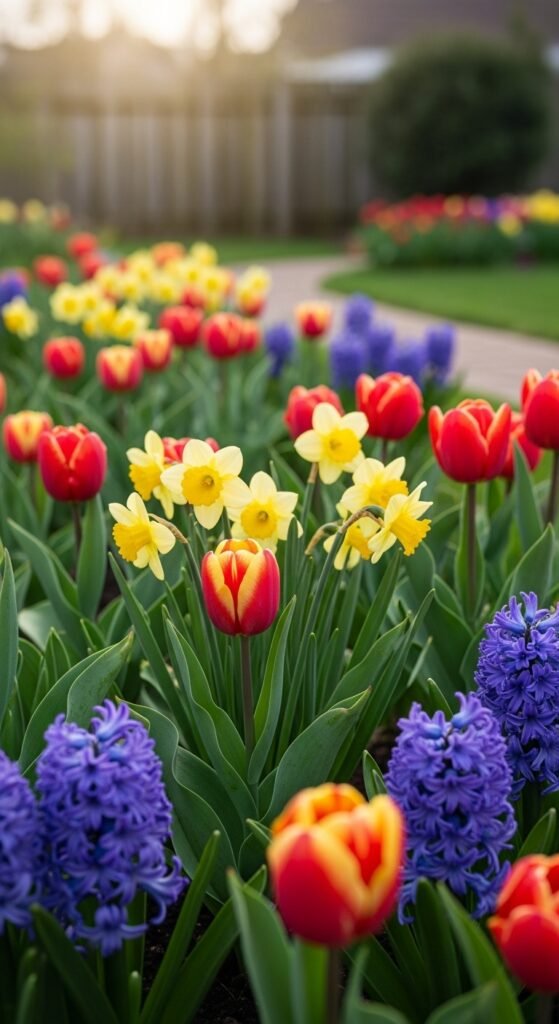
You’ll love how spring bulbs require minimal effort for maximum impact—plant them once, and many naturalize over time, spreading joy year after year. Whether you’re a novice gardener or a seasoned pro, these ideas will inspire you to transform your outdoor space into a colorful oasis. From creative plantings to themed displays, discover how spring bulbs can elevate your garden’s charm and biodiversity.
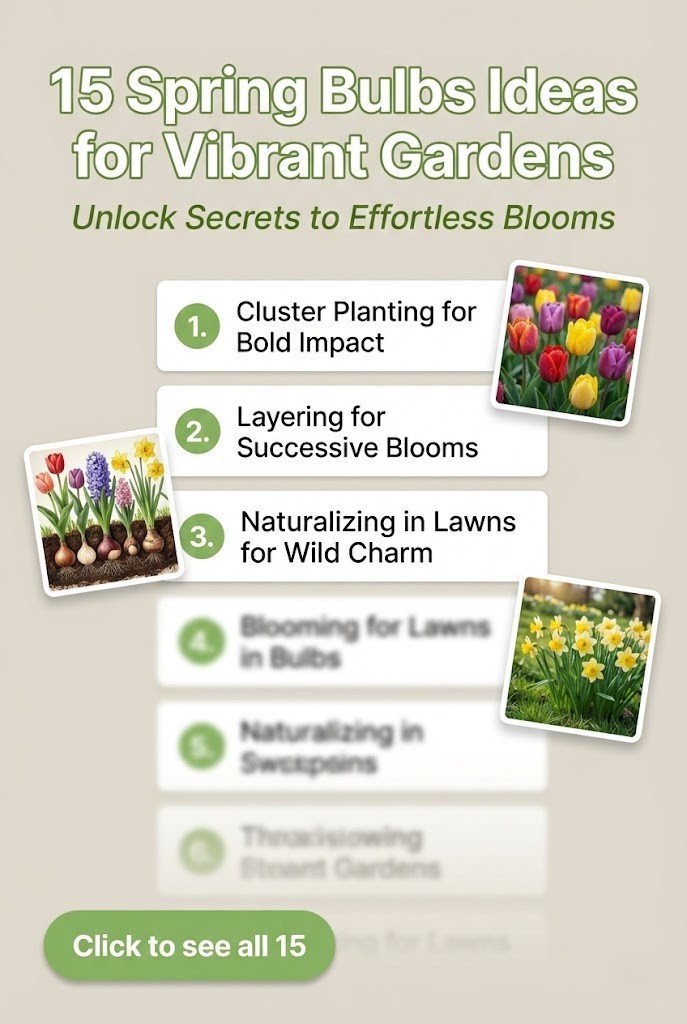
1) Cluster Planting for Bold Impact
You can create eye-catching displays by planting spring bulbs in dense clusters rather than scattered singles. Group 10-20 bulbs of the same variety, such as tulips or daffodils, in a small area for a concentrated burst of color. This method mimics natural growth patterns and maximizes visual punch in flower beds or borders.
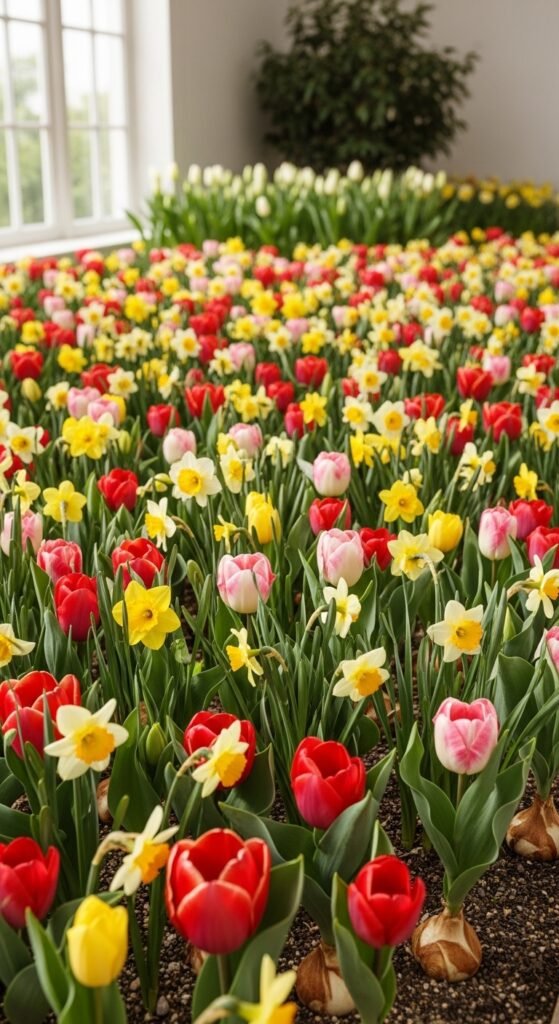
The key benefit is a more dramatic, professional-looking garden that draws attention and feels abundant without overcrowding. It also simplifies maintenance, as the foliage dies back uniformly. To achieve this, dig a wide, shallow hole in well-drained soil during fall, space bulbs 3-6 inches apart, and cover with 6-8 inches of soil. Water thoroughly after planting. For inspiration on specific varieties, explore our guide to daffodils, which thrive in clusters for sunny spots.
2) Layering Bulbs for Successive Blooms
You achieve a prolonged spring show by layering different spring bulbs in the same planting hole, a technique called “lasagna planting.” Start with late-blooming varieties like tulips at the bottom, add mid-season crocuses in the middle, and top with early snowdrops. This ensures continuous flowers from early to late spring.
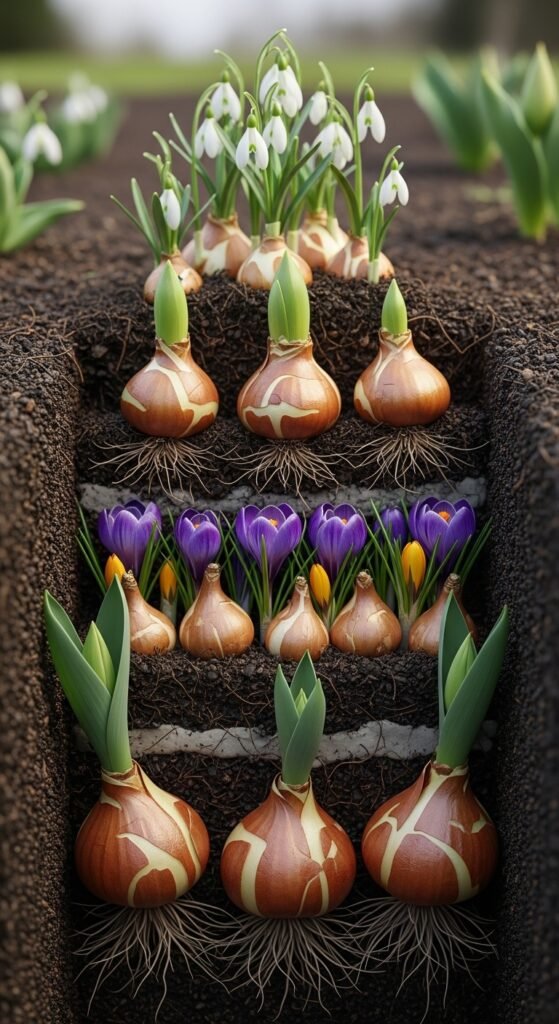
Enjoy extended color and efficient use of space, perfect for small gardens where every inch counts. It also promotes biodiversity by attracting pollinators over a longer period. In fall, prepare a 12-inch deep hole, place bulbs at their recommended depths (deepest first), and refill with soil. Mulch lightly for insulation. Pair this with our tips on spring flowers to enhance your layered designs.
3) Naturalizing in Lawns for Wild Charm
You can transform your lawn into a meadow-like wonder by naturalizing spring bulbs, planting them randomly in grass for a wild, effortless look. Choose hardy options like crocuses or daffodils that multiply over time, creating expanding patches of color each spring.
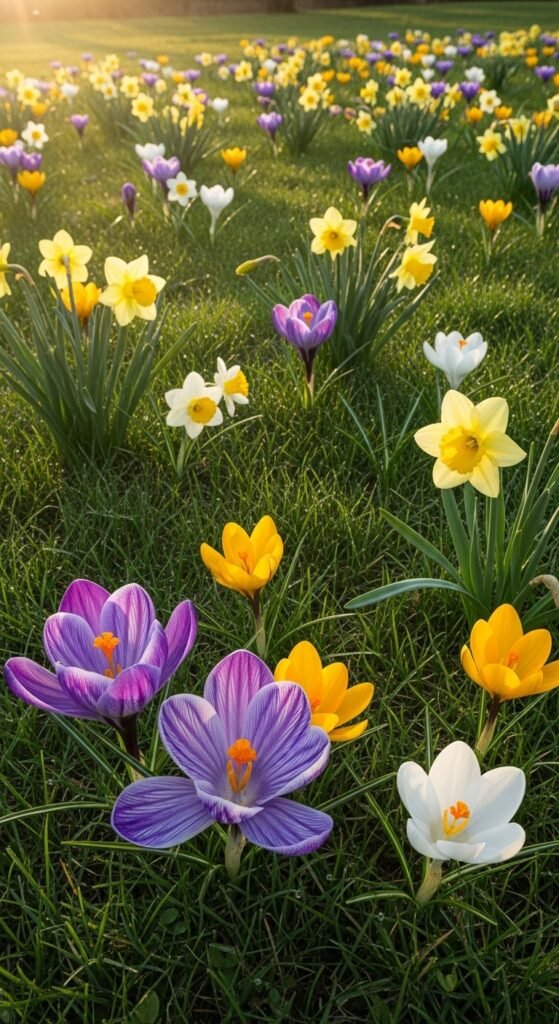
This low-maintenance approach saves time on mowing early in the season and boosts ecological value by providing nectar for bees. It turns ordinary turf into a dynamic feature. In fall, use a bulb planter to insert bulbs 4-6 inches deep in the lawn, avoiding straight lines. Delay mowing until foliage yellows. For more on integrating bulbs, check our spring gardening tips.
4) Container Displays for Flexible Beauty
You bring spring bulbs to patios or balconies with container gardening, potting them in decorative vessels for portable pops of color. Mix varieties like hyacinths and tulips in large pots for layered effects, or use single types for simplicity.
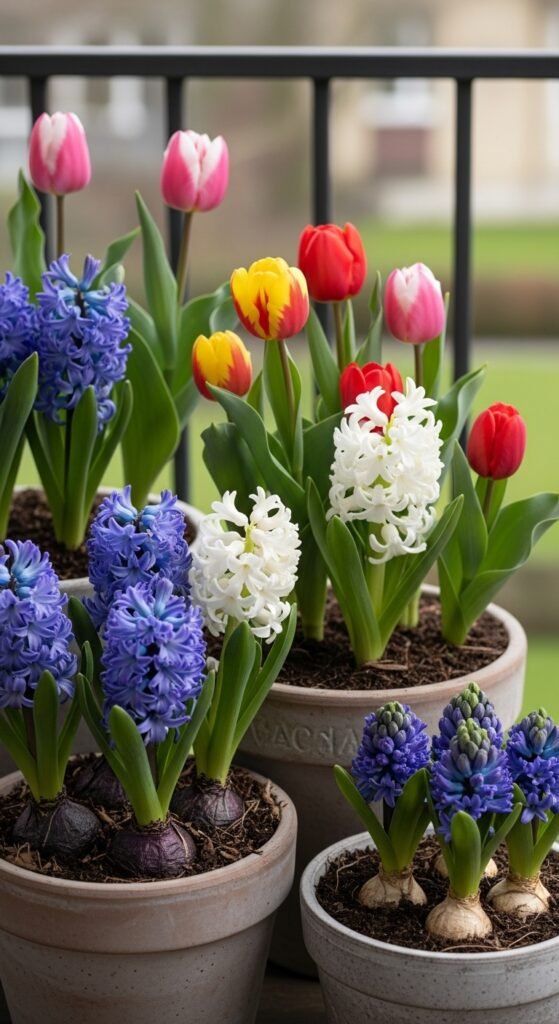
Gain versatility to rearrange as needed, ideal for renters or small spaces, while protecting bulbs from poor soil. Containers also allow for creative theming. Fill pots with well-draining mix in fall, plant bulbs at twice their height deep, and water sparingly. Overwinter in a sheltered spot. Draw from our spring container garden ideas for stunning arrangements.
5) Border Edgings for Defined Elegance
You define garden paths or beds with spring bulbs planted along edges, creating neat borders that bloom vibrantly. Low-growing options like grape hyacinths or mini daffodils work best, framing your space with color.
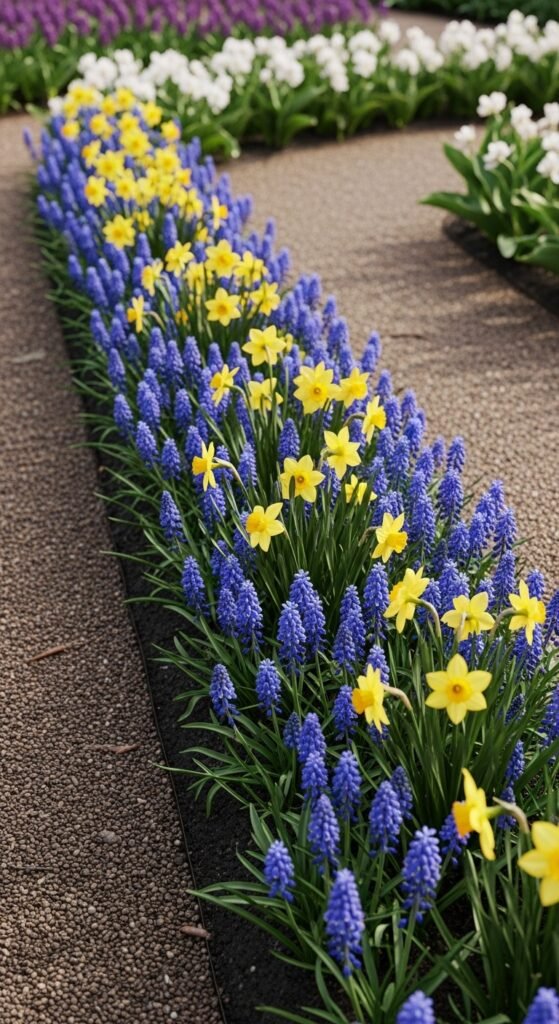
Enhance structure and curb appeal, making your garden look polished and inviting from afar. It’s an easy way to add height variation. Plant in fall in a trench 4-6 inches deep, spacing bulbs closely for a solid line. Backfill and mulch. This pairs well with perennials for year-round interest. See our tulips guide for edging inspirations.
6) Woodland Settings for Natural Harmony
You mimic forest floors by planting spring bulbs under trees or in shaded areas, where they thrive before leaves fully emerge. Ephemerals like snowdrops and bluebells excel here, adding delicate charm to wooded spots.
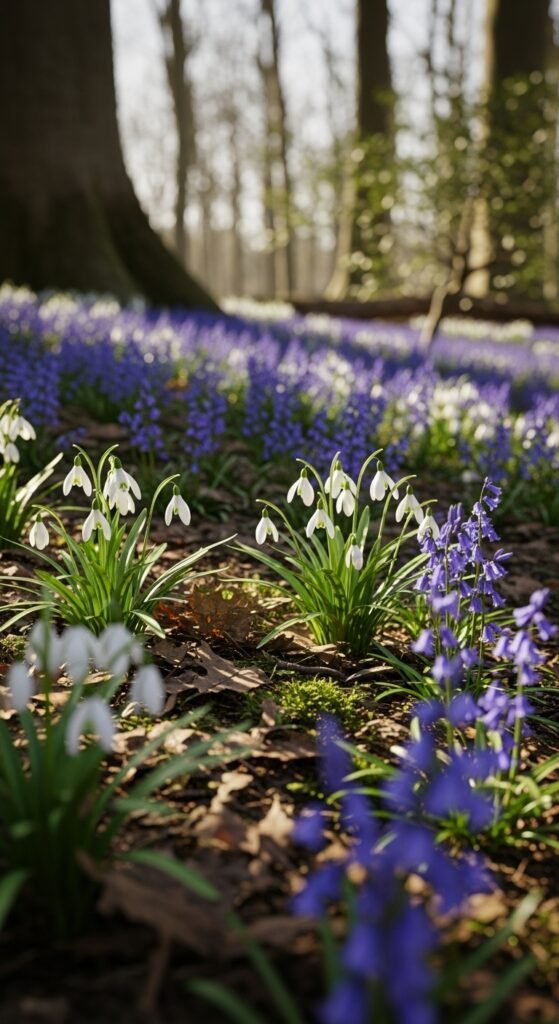
Create a serene, wildlife-friendly habitat that feels organic and timeless. These bulbs often self-seed, expanding coverage naturally. In fall, scatter bulbs in loose soil amended with compost, planting at shallow depths. Minimal watering needed due to natural moisture. For a complete woodland vibe, reference our spring garden checklist.
7) Color-Themed Gardens for Visual Cohesion
You curate a harmonious palette by selecting spring bulbs in complementary colors, such as all-white snowdrops and hyacinths for purity or vibrant reds and yellows for energy. Group them in beds for thematic impact.
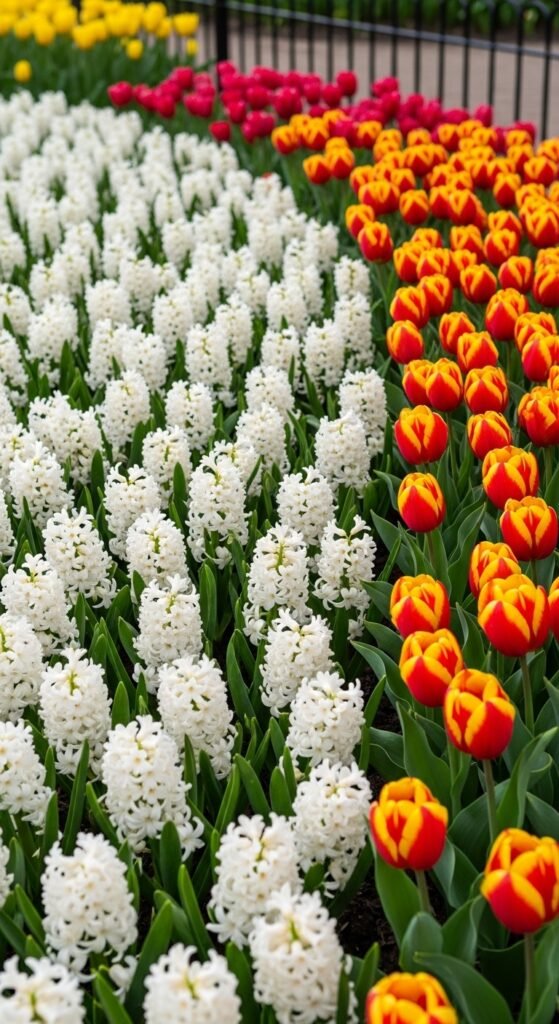
Achieve a designer look with unified aesthetics, making your garden photogenic and calming. It’s great for mood-setting. Plan in fall by choosing varieties, plant in groups at appropriate depths in sunny spots. Fertilize lightly post-bloom. Explore color ideas in our alliums article for bold accents.
8) Companion Planting with Perennials
You intersperse spring bulbs with later-blooming perennials like hostas or daylilies, where the perennials’ foliage hides dying bulb leaves. This ensures seamless transitions through seasons.
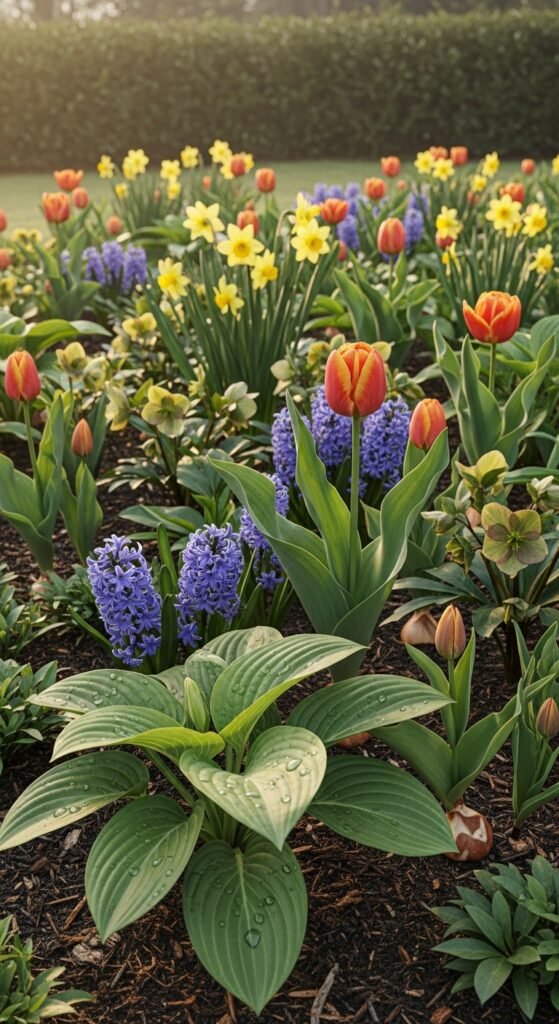
Maximize bed efficiency and hide unsightly dieback, keeping your garden tidy and full year-round. It supports soil health too. Plant bulbs in fall around perennial roots, at 6-8 inches deep. Water jointly. For pairings, our what to plant in spring guide offers suggestions.
9) Rock Garden Integrations for Texture
You enhance rocky landscapes by tucking spring bulbs into crevices or around stones, where dwarf varieties like mini tulips shine against the rugged backdrop. This adds softness to hardscapes.
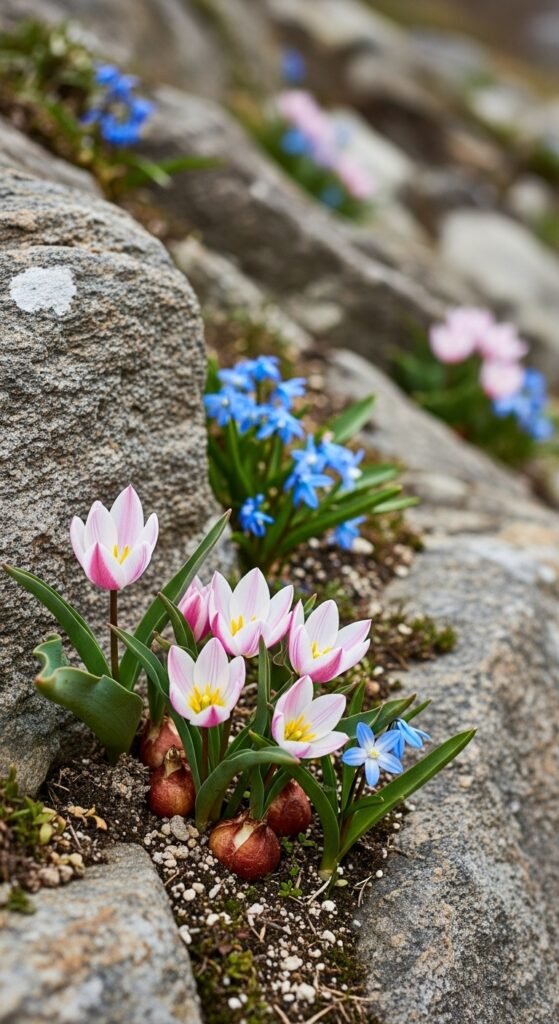
Blend natural elements for a low-water, alpine feel, resilient in poor soils. Ideal for slopes or xeriscapes. In fall, place bulbs in gritty soil pockets, 3-4 inches deep. Minimal care required. Incorporate ideas from our spring porch planter ideas for rock-inspired containers.
10) Forcing Indoors for Early Enjoyment
You enjoy spring bulbs ahead of schedule by forcing them indoors, potting and chilling bulbs like hyacinths for winter blooms. This brings garden freshness inside during cold months.
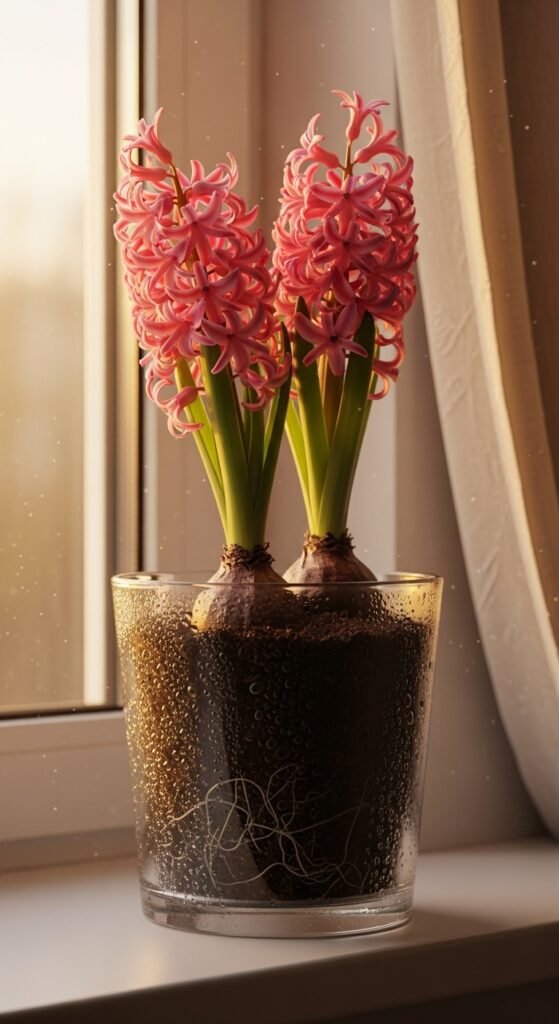
Extend the season and brighten interiors, offering therapeutic winter gardening. Perfect for gifting too. In fall, pot bulbs in moist soil, chill for 12-16 weeks, then bring to warmth. Rotate for even growth. Align with outdoor plans using our spring hydrangea care for complementary forcing.
11) Pollinator-Friendly Selections
You attract bees and butterflies by choosing nectar-rich spring bulbs like crocuses and scillas, planting in sunny, sheltered areas for early foraging sources.
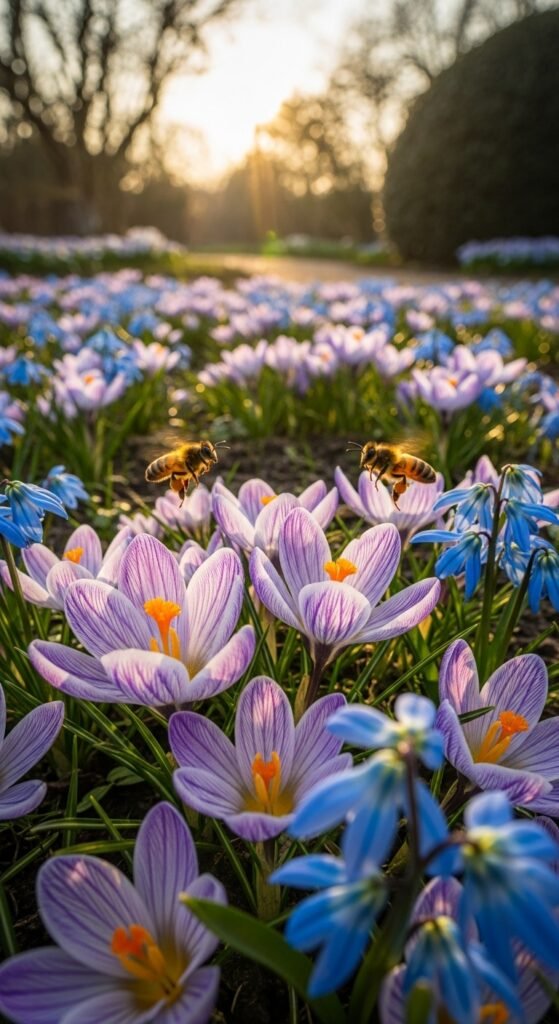
Support local ecosystems and boost pollination, leading to healthier gardens overall. It’s environmentally rewarding. Plant in fall in clusters, 4 inches deep. Avoid pesticides. For more on attracting wildlife, see our spring-focused resources.
12) Low-Maintenance Naturalizers
You opt for self-spreading spring bulbs like daffodils or grape hyacinths that perennialize easily, requiring little intervention beyond initial planting.
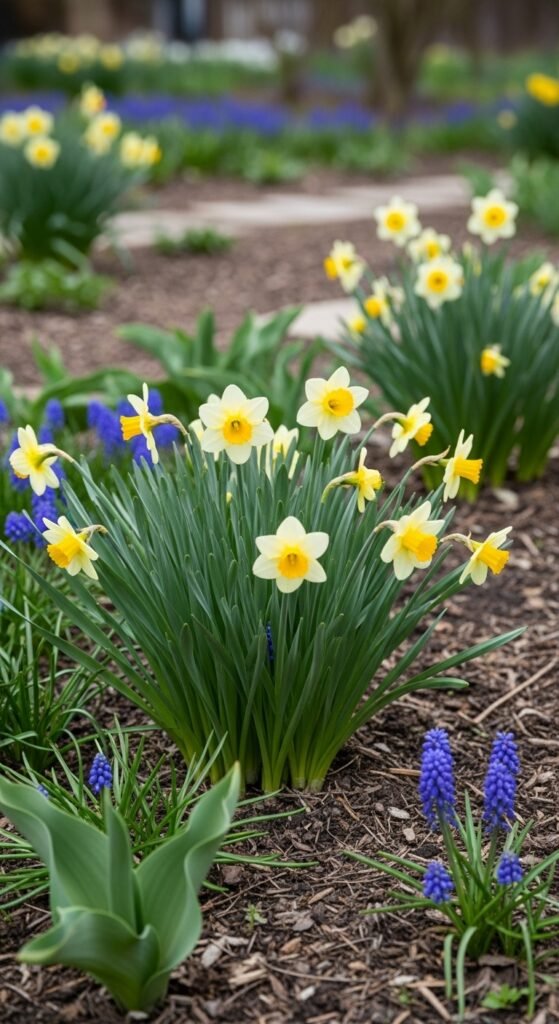
Save time and effort while enjoying expanding displays, ideal for busy gardeners. They thrive in various soils. Scatter in fall, plant at 6 inches deep, and let nature take over. Mulch for weed control.
13) Creative Pathway Linings
You line walkways with spring bulbs for guided bursts of color, using low varieties like dwarf tulips to edge paths without obstruction.
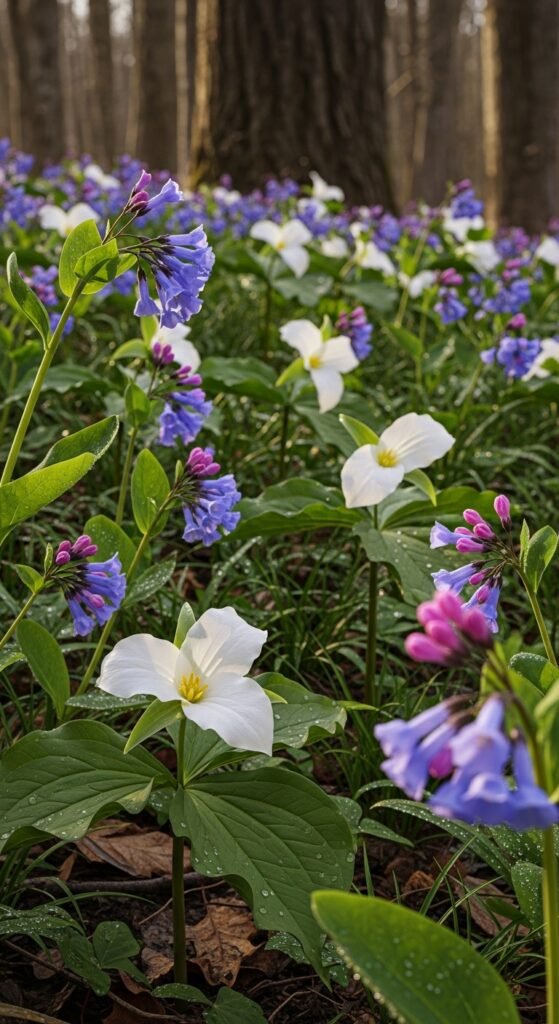
Enhance navigation and add whimsy, making strolls more enjoyable. Durable in traffic areas. Dig trenches in fall, space closely, cover with soil. Combine with gravel for drainage.
14) Themed Historical Gardens
You recreate vintage charm with heirloom spring bulbs like heritage tulips, planting in formal patterns reminiscent of old estates.
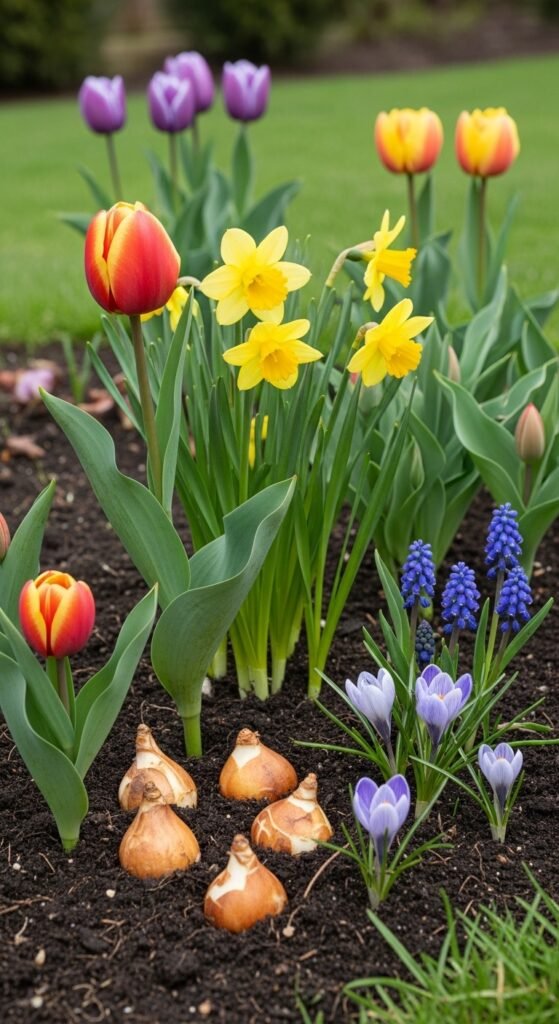
Evoke nostalgia and uniqueness, standing out in modern landscapes. Educational too. Research varieties, plant in fall in enriched soil. Deadhead for reblooming.
15) Eco-Friendly Native Bulbs
You incorporate native spring bulbs like trilliums or Virginia bluebells for region-specific appeal, supporting local flora and requiring adapted care.
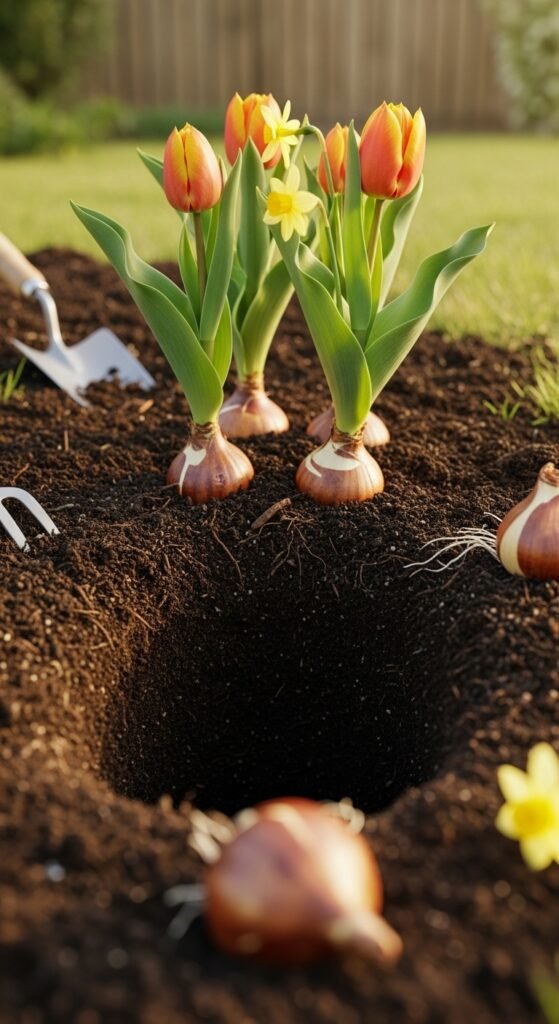
Promote sustainability and resilience, reducing water needs. Boosts biodiversity. Source locally, plant in fall in natural settings. Monitor for invasive threats.
Key Principles for Spring Bulb Success
Soil Preparation and Planting Depth
You ensure thriving bulbs by amending soil with compost for drainage and planting at depths three times the bulb’s height. This prevents rot and encourages strong roots.
Timing and Aftercare
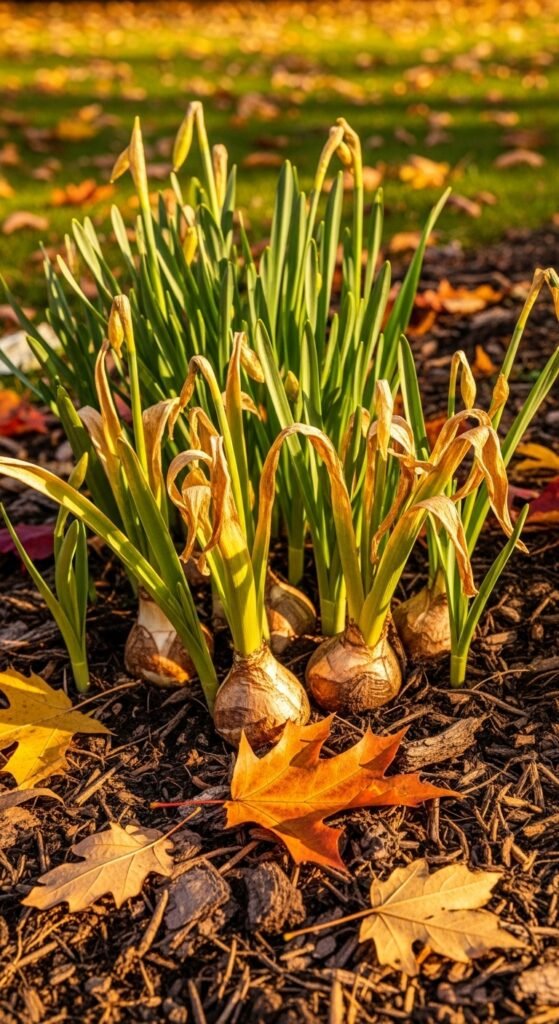
You plant in fall before frost, watering initially, then let nature handle it. Post-bloom, allow foliage to yellow for energy storage, fertilizing sparingly.
Design Integration Tips
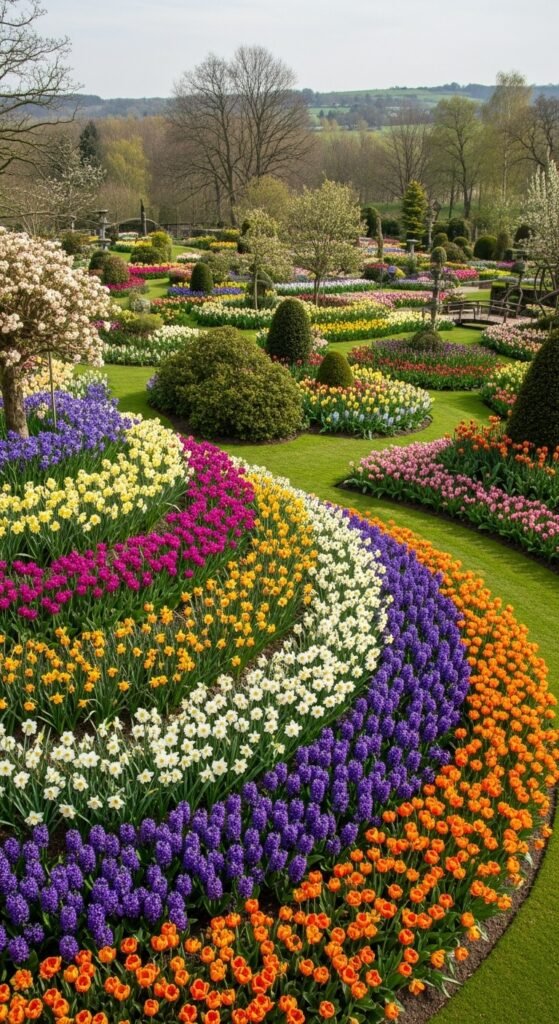
You blend bulbs with existing landscapes by considering height, color, and bloom time for balanced, year-round interest.
Frequently Asked Questions
When should I plant spring bulbs?
Plant spring bulbs in the fall, ideally 6-8 weeks before the ground freezes, to allow root establishment before winter.
What are some common spring bulbs?
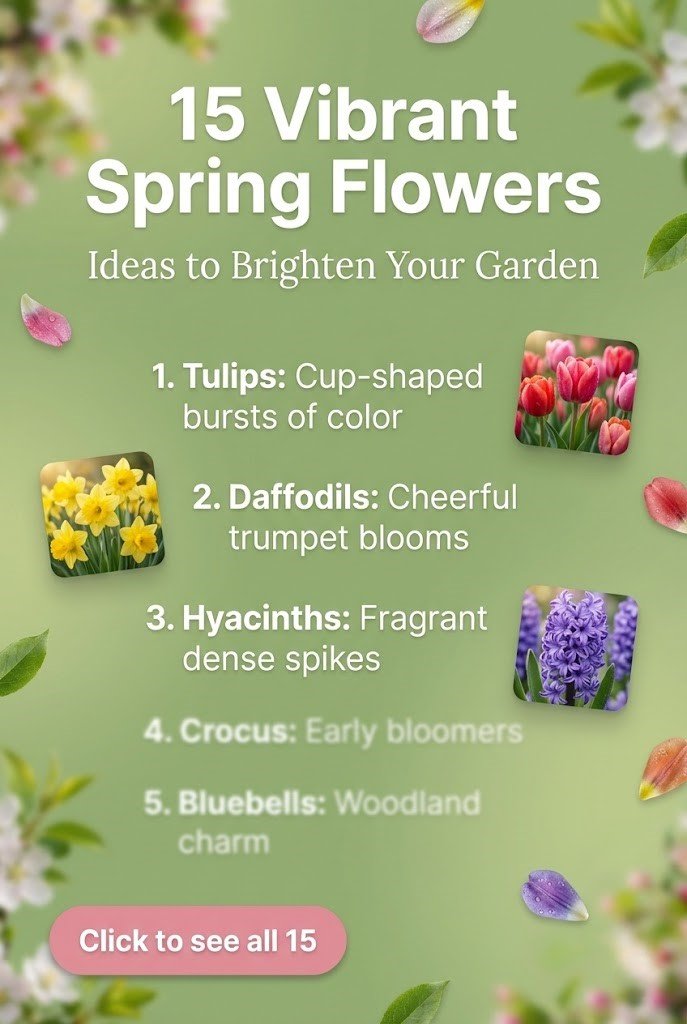
Popular spring bulbs include tulips, daffodils, hyacinths, crocuses, and snowdrops, each offering unique colors and forms.
How do I care for spring bulbs after blooming?
After blooming, let the foliage die back naturally to nourish the bulbs for next year, then remove it once yellowed.
Can spring bulbs grow in shade?
Many spring bulbs tolerate partial shade, especially under deciduous trees, but most prefer full sun for optimal blooming.
Why didn’t my spring bulbs bloom?
Common reasons include planting too shallow, poor drainage, overcrowding, or insufficient chilling period for the bulbs.