

You know that feeling when your rose bushes burst into a riot of color, filling your garden with fragrance and beauty? That’s the magic of proper rose pruning. As a gardener, mastering rose pruning isn’t just about snipping away—it’s about encouraging vigorous growth, preventing diseases, and maximizing those stunning blooms. Whether you’re dealing with hybrid teas, climbers, or shrub roses, the right techniques can transform your plants from scraggly to spectacular.
Rose pruning promotes air circulation, removes dead or diseased wood, and shapes the plant for optimal sunlight exposure. Done correctly, it stimulates new growth and more flowers, while poor pruning can lead to weak stems or fewer buds. Timing is key—most roses benefit from pruning in late winter or early spring, but understanding your specific variety ensures success. With these ideas, you’ll gain the confidence to prune like a pro, enhancing your garden’s appeal.
1) Timing Your Prunes for Optimal Growth
You should prune your roses when they’re dormant, typically in late winter or early spring before new growth emerges. This timing allows the plant to focus energy on fresh shoots rather than healing old cuts during active seasons. Why does it matter? Pruning too early risks frost damage, while late pruning can remove budding growth, reducing blooms. How to do it: Check for swelling buds as a signal—prune just above them at a 45-degree angle. For regions with mild winters, aim for February; in colder areas, wait until March or April. This approach ensures stronger stems and abundant flowers, making your garden thrive.
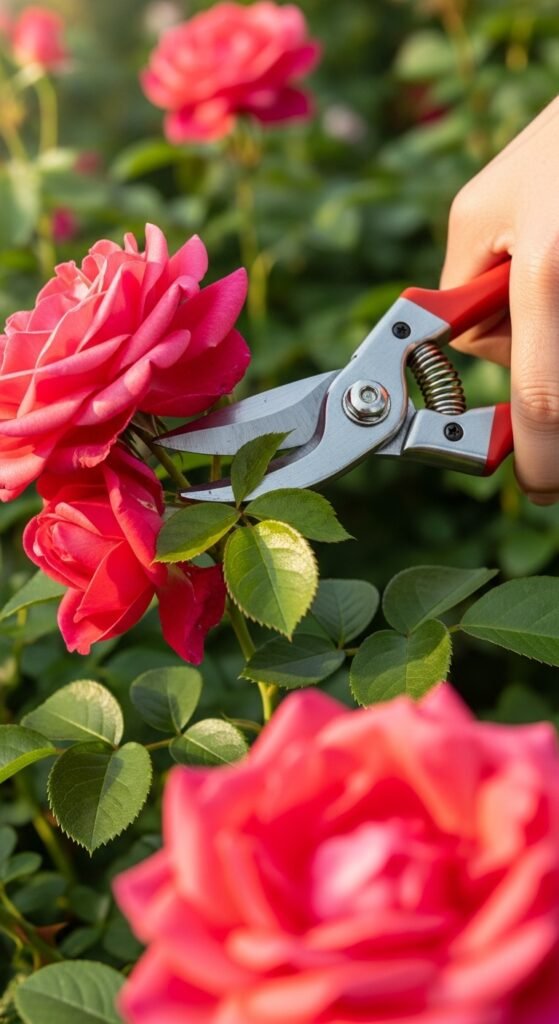
Consider your rose type: Hybrid teas need heavier pruning, while climbers require lighter touches. Always use sharp tools to avoid tearing bark, which invites disease. By aligning with the plant’s natural cycle, you’ll see healthier foliage and more vibrant colors come summer.
2) Removing Dead and Diseased Wood
You start by identifying and cutting out any dead, damaged, or diseased canes—these are often brown, shriveled, or spotted with black lesions. Why bother? Dead wood harbors pests and fungi, spreading issues like black spot that weaken the entire bush. How: Use clean, sharp pruners to cut back to healthy, green tissue, making sure to disinfect tools between cuts with alcohol to prevent contamination.
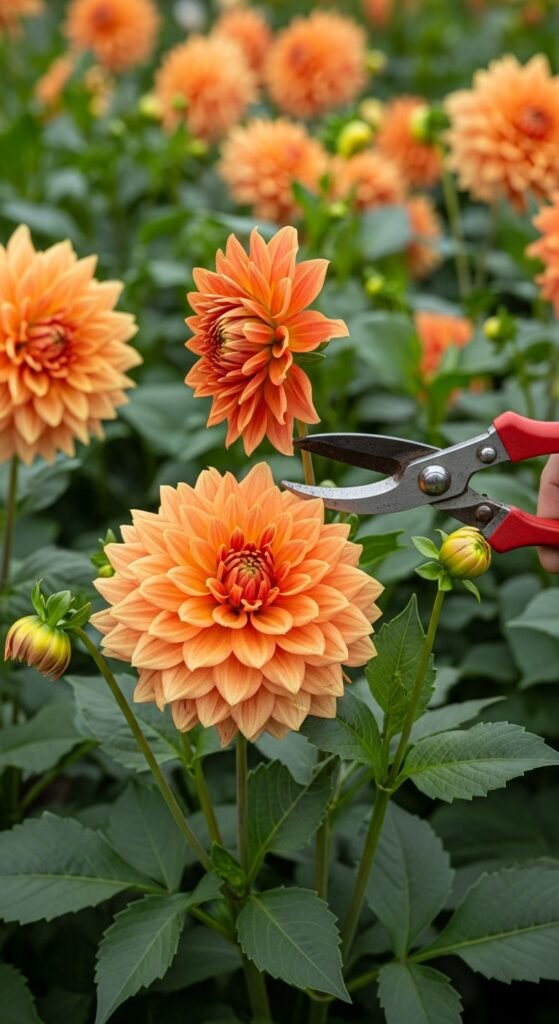
This step improves air flow, reducing humidity that fosters diseases. For example, if you spot canes crossed and rubbing, remove the weaker one to prevent wounds. The result? Robust plants with fewer problems, leading to lusher blooms. Pair this with proper watering to keep your roses resilient.
3) Shaping for Symmetry and Strength
You aim for an open, vase-like shape by pruning outer canes shorter than inner ones, creating balance. Why? Symmetrical bushes receive even sunlight, promoting uniform growth and preventing leggy stems. How: Select 4-6 strong canes, cutting them to 18-24 inches, angled outward. Remove inward-growing branches to open the center.
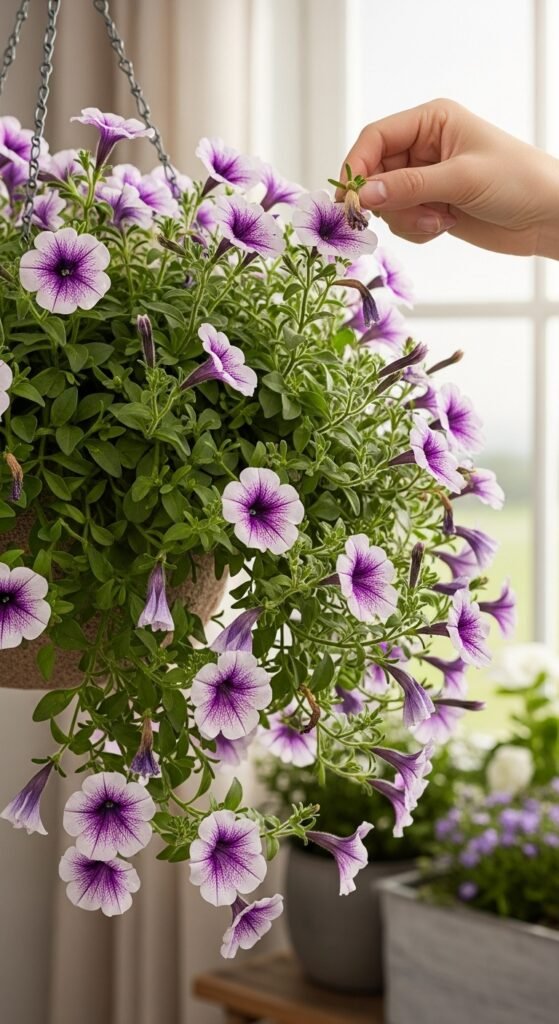
This technique strengthens the structure, supporting heavy blooms without breakage. In windy areas, it’s especially useful for stability. You’ll notice more balanced foliage and prolific flowering as a reward. For inspiration on rose varieties that respond well, explore our guide on general rose gardening.
4) Deadheading Spent Blooms Regularly
You snip off faded flowers just above the first set of five leaflets to encourage reblooming. Why deadhead? It redirects energy from seed production to new buds, extending the flowering season. How: Use bypass pruners for clean cuts, doing this weekly during peak bloom to keep bushes tidy and vigorous.
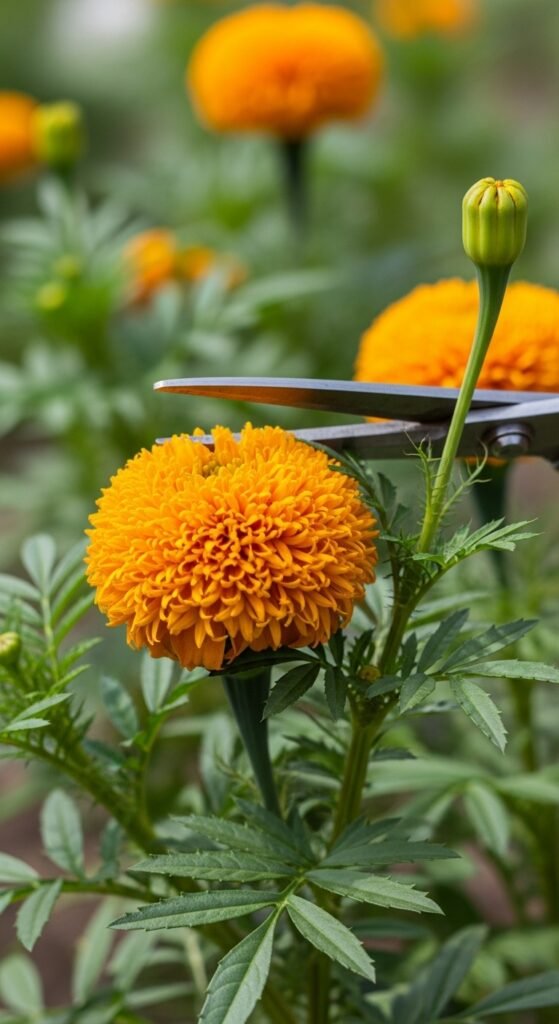
Regular deadheading prevents disease buildup from decaying petals and enhances aesthetics. For repeat-blooming varieties, this can double flower output. Enjoy continuous color throughout summer with this simple habit. Learn more about maintaining bloom health in our article on rose deadheading.
5) Thinning Crowded Canes for Airflow
You thin by removing thin, spindly canes and those crossing in the center, aiming for space between branches. Why? Better airflow reduces fungal risks like powdery mildew, common in humid conditions. How: Cut at the base, leaving the thickest canes spaced 6-8 inches apart for optimal circulation.
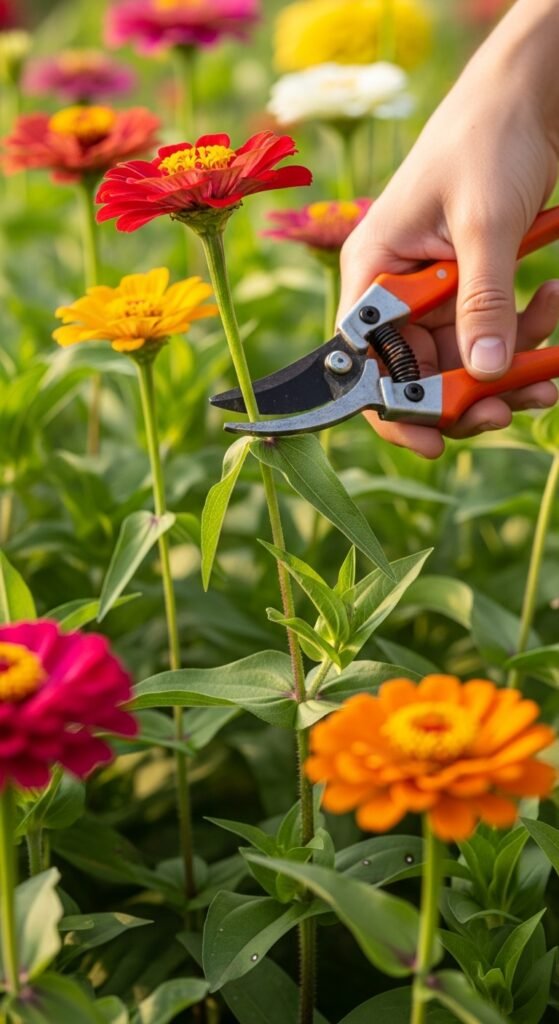
This pruning boosts light penetration, fostering healthier leaves and buds. In dense plantings, it’s crucial for disease prevention. You’ll achieve denser, disease-resistant foliage. For related tips on combating common issues, check our post on black spot on roses.
6) Pruning Climbing Roses for Support
You train climbers by pruning side shoots to 3-4 buds and securing main canes horizontally. Why? Horizontal growth spurs more laterals, increasing bloom coverage on trellises. How: After flowering, remove old wood and tie new canes, cutting at an angle above outward buds.
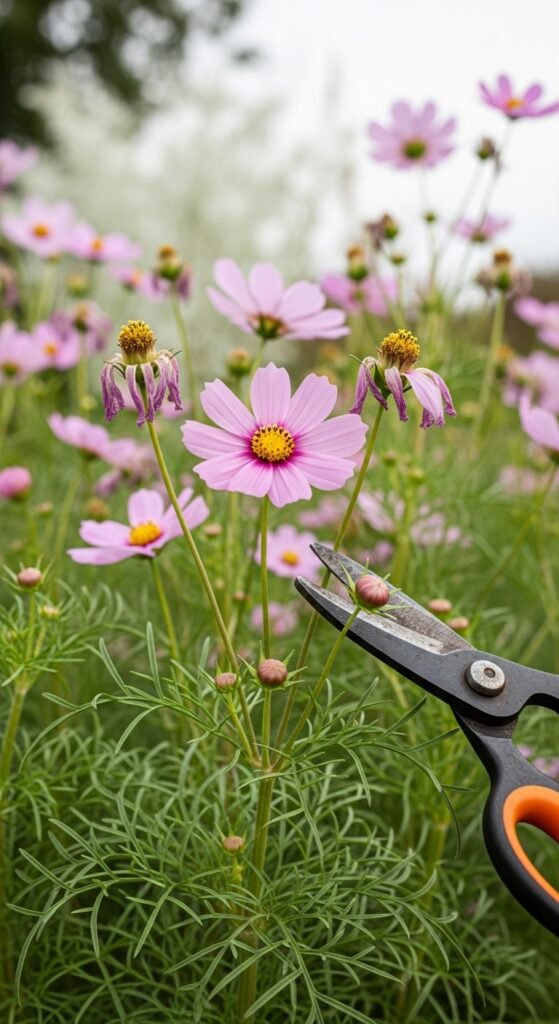
This method maximizes vertical space and structural integrity. For established climbers, annual pruning prevents tangles. Experience wall-to-wall blooms with proper support. Dive deeper into setups with our ideas on climbing rose trellis.
7) Using Sharp Tools for Clean Cuts
You always opt for bypass pruners or loppers sharpened regularly to make precise incisions. Why? Dull tools crush stems, inviting infections and slowing healing. How: Sharpen blades with a whetstone, testing on paper for sharpness, and oil hinges for smooth operation.
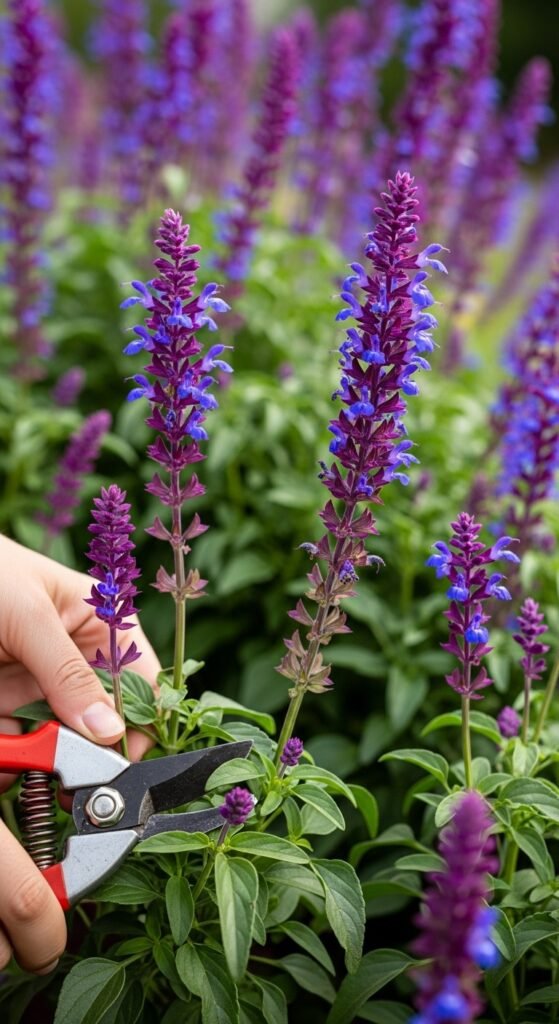
Clean cuts heal faster, minimizing stress on the plant. This is vital for all pruning tasks. Gain professional results with minimal effort. For tool maintenance advice, see our guide on sharpening pruners.
8) Fertilizing After Pruning Sessions
You apply a balanced fertilizer post-pruning to fuel regrowth, using organic options like compost tea. Why? Pruning removes nutrients, so replenishing supports new shoots and roots. How: Spread granular feed around the base, watering in deeply, ideally in early spring.
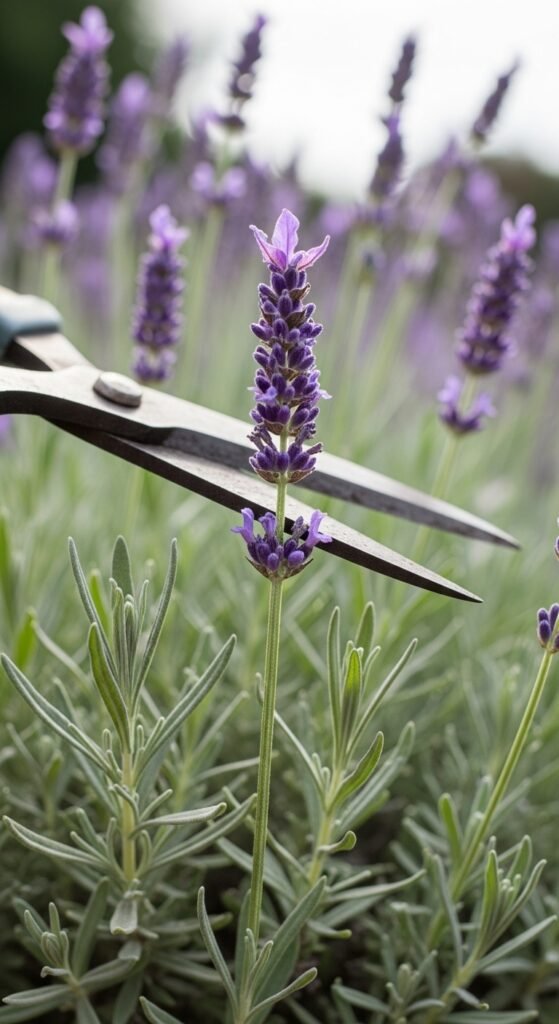
This boosts recovery and bloom quality. Avoid over-fertilizing to prevent burn. You’ll see vigorous, nutrient-rich growth. Complement with summer care tips from our summer rose maintenance article.
9) Protecting Cuts with Sealants
You seal large cuts with pruning paint to ward off pests and rot in wet climates. Why? Exposed wood is vulnerable to borers and fungi. How: Apply a thin layer immediately after cutting, focusing on canes over 1/2 inch thick.
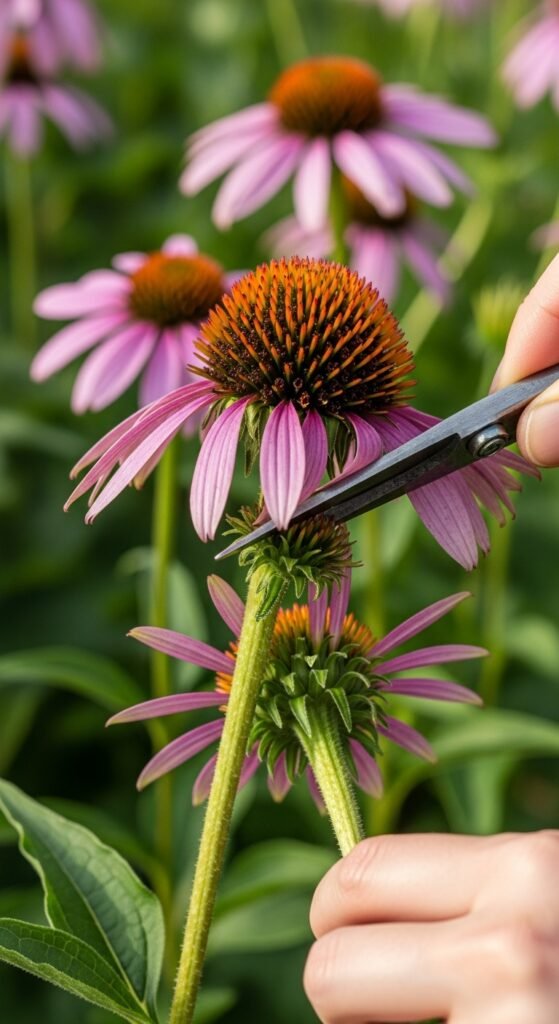
This barrier aids natural healing while preventing entry points for issues. Not always necessary in dry areas, but useful for vulnerable varieties. Achieve longer-lasting plant health. For disease-prone roses, reference our insights on rust on roses.
10) Pruning Shrub Roses Lightly
You lightly shear shrub roses, removing about one-third of growth for a natural shape. Why? They thrive with minimal intervention, maintaining their bushy habit. How: Cut back leggy stems in spring, focusing on rejuvenating older wood every few years.
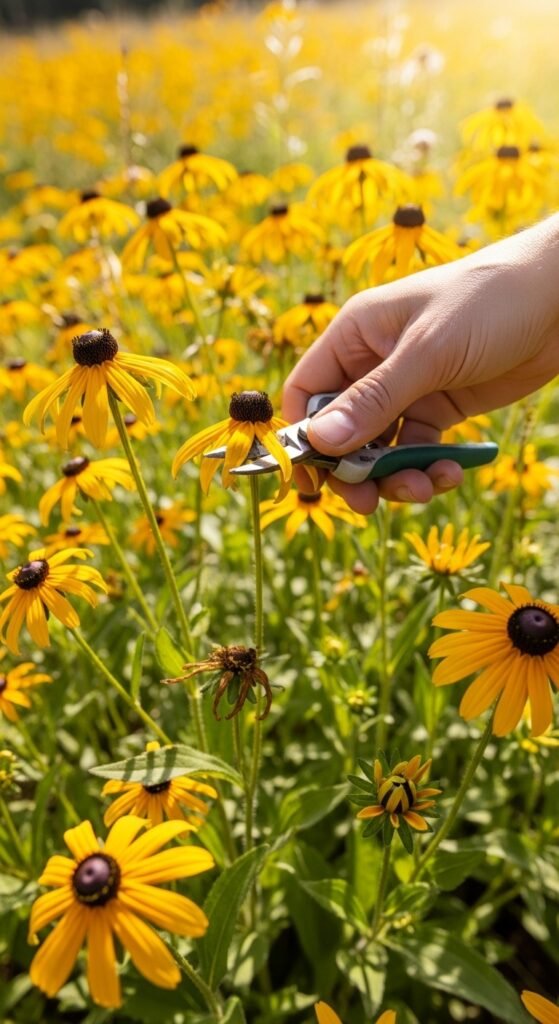
This encourages dense foliage and repeat blooms without over-thinning. Ideal for low-maintenance gardens. Enjoy abundant, carefree flowers. Explore similar techniques in our general pruning methods.
11) Handling Knock Out Roses
You prune Knock Out roses by cutting back to 12-18 inches in late winter for rejuvenation. Why? They respond well to hard pruning, producing fresh, disease-resistant growth. How: Remove crossed branches, shaping into a rounded form for even blooming.
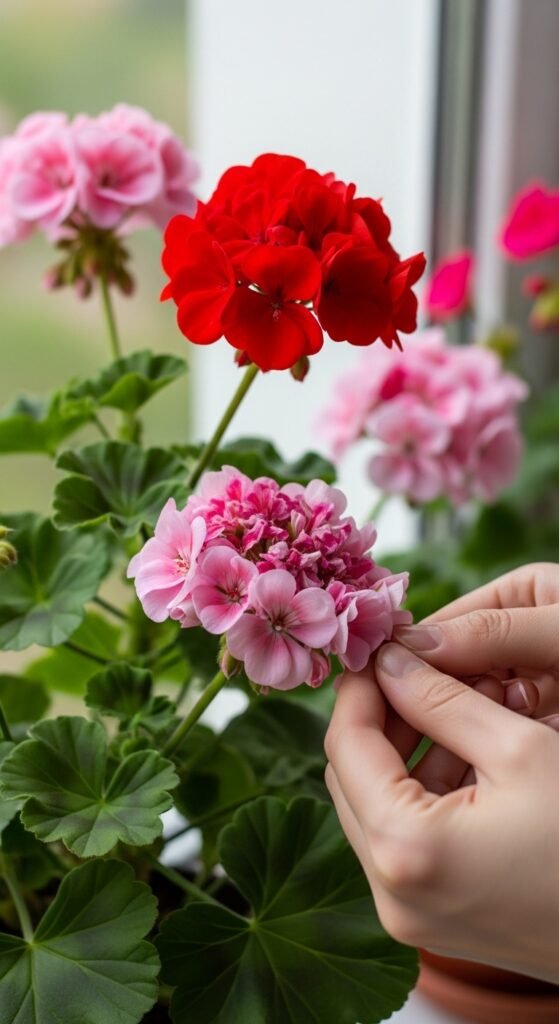
This variety’s toughness makes it forgiving for beginners. Result: Non-stop color from spring to frost. For propagation ideas, check our piece on rose propagation from cuttings.
12) Addressing Overgrown Bushes
You rejuvenate overgrown roses by pruning severely, cutting canes to 6-12 inches. Why? It removes unproductive wood, stimulating basal shoots for renewal. How: Do this every 3-5 years in dormancy, followed by heavy feeding.
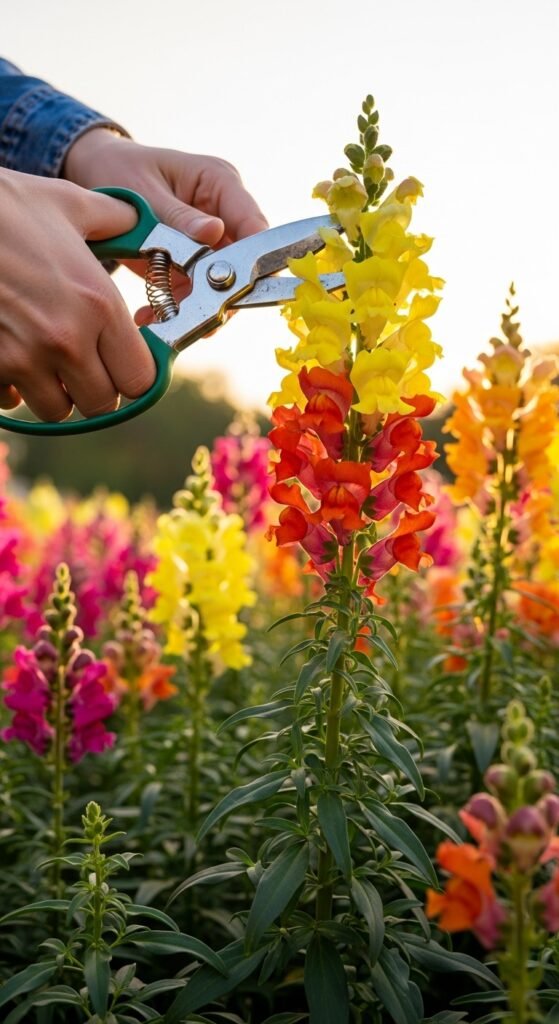
This drastic measure revives neglected plants effectively. Patience is key as recovery takes a season. Witness revitalized vigor and blooms. Align with care routines in our comprehensive rose guide.
13) Pruning for Disease Prevention
You prune to enhance ventilation, cutting out congested areas prone to fungal buildup. Why? Good airflow dries foliage quickly, deterring spots and mildew. How: Thin selectively, ensuring no branches touch, and rake up debris below.
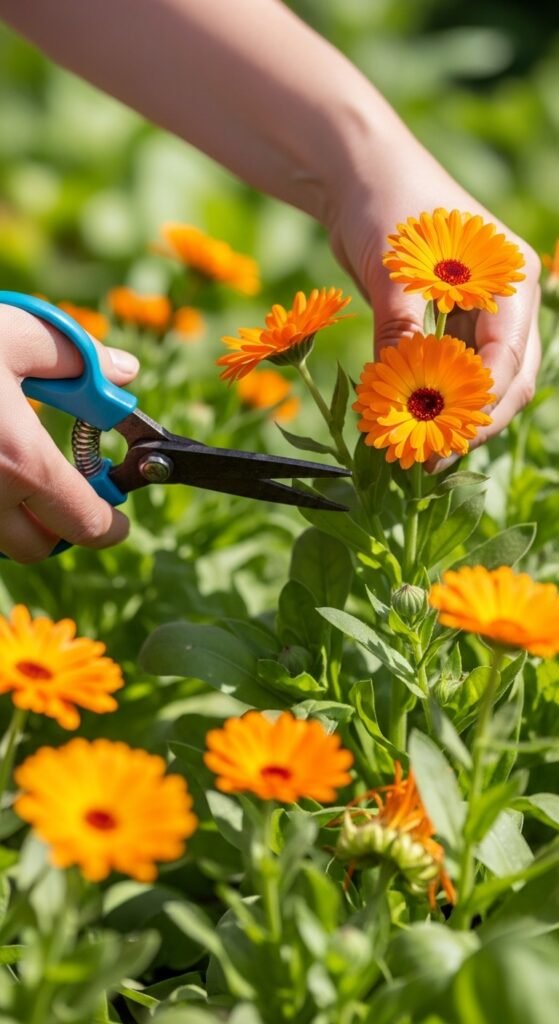
Combine with resistant varieties for best results. This proactive step means fewer sprays and healthier plants. For specific threats, read our tips on how to prune roses.
14) Encouraging Basal Breaks
You prune to outward buds to promote basal shoots from the base for renewal. Why? These strong canes replace old ones, ensuring longevity. How: Angle cuts to direct growth away from the center, fertilizing to support.
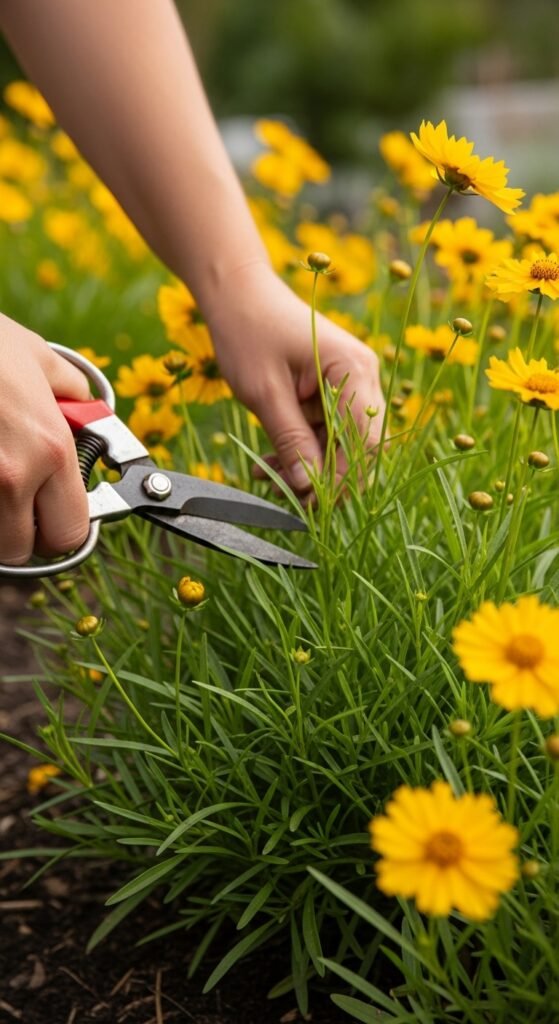
This builds a sustainable structure over time. Essential for aging bushes. Reap renewed energy and flower power. Similar to techniques for other shrubs like hydrangeas.
15) Post-Prune Watering and Mulching
You water deeply after pruning and apply mulch to retain moisture and suppress weeds. Why? Pruning stresses roots, so hydration aids recovery. How: Use 2-3 inches of organic mulch, keeping it away from stems to avoid rot.
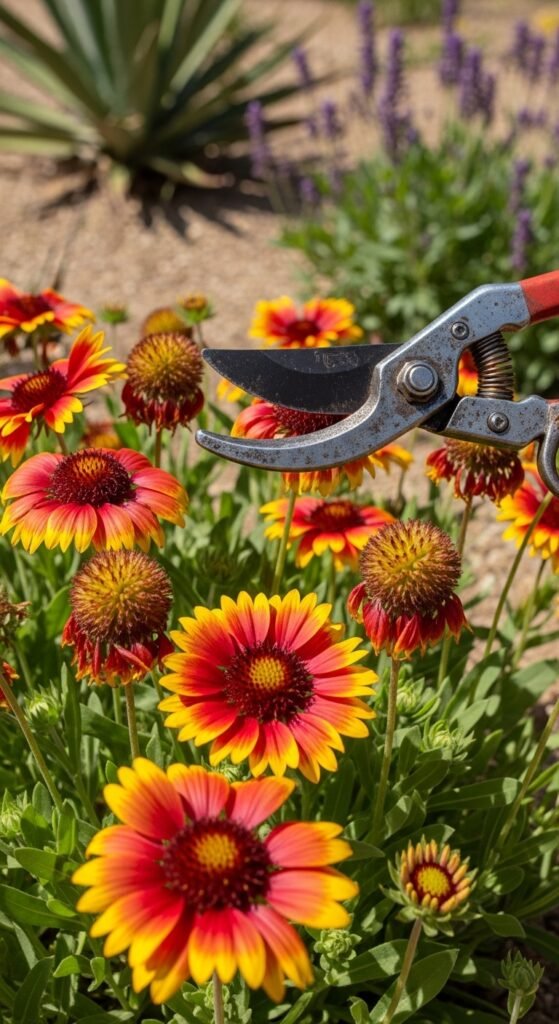
This conserves water and adds nutrients as it decomposes. Your roses will show quicker regrowth and resilience. Integrate with seasonal care for peak performance.
Key Principles of Rose Pruning
Understanding Rose Types
You classify roses as hybrid tea, floribunda, grandiflora, or climbers, each needing tailored pruning. Hybrid teas get heavy cuts for large blooms, while floribundas need lighter shaping for clusters.
Tool Maintenance Essentials
You keep pruners sharp and clean to prevent disease transmission. Regular sharpening and disinfection ensure precise, healthy cuts every time.
Seasonal Pruning Adjustments
You adjust based on climate—prune earlier in warm zones, later in cold. This aligns with dormancy for minimal stress.
Frequently Asked Questions
When is the best time to prune roses?
The ideal time is late winter or early spring, before new growth starts, to avoid frost damage and promote healthy blooms.
How much should I prune my rose bushes?
Remove about one-third to half the growth, depending on the variety, focusing on dead wood and shaping for openness.
Can I prune roses in summer?
Light pruning or deadheading in summer is fine, but avoid heavy cuts to prevent stressing the plant during heat.
What if I prune too much?
Roses are forgiving; over-pruning may delay blooms but stimulates fresh growth—feed and water well for recovery.
Do all roses need pruning?
Most benefit from annual pruning, but wild or once-blooming types need minimal intervention after flowering.