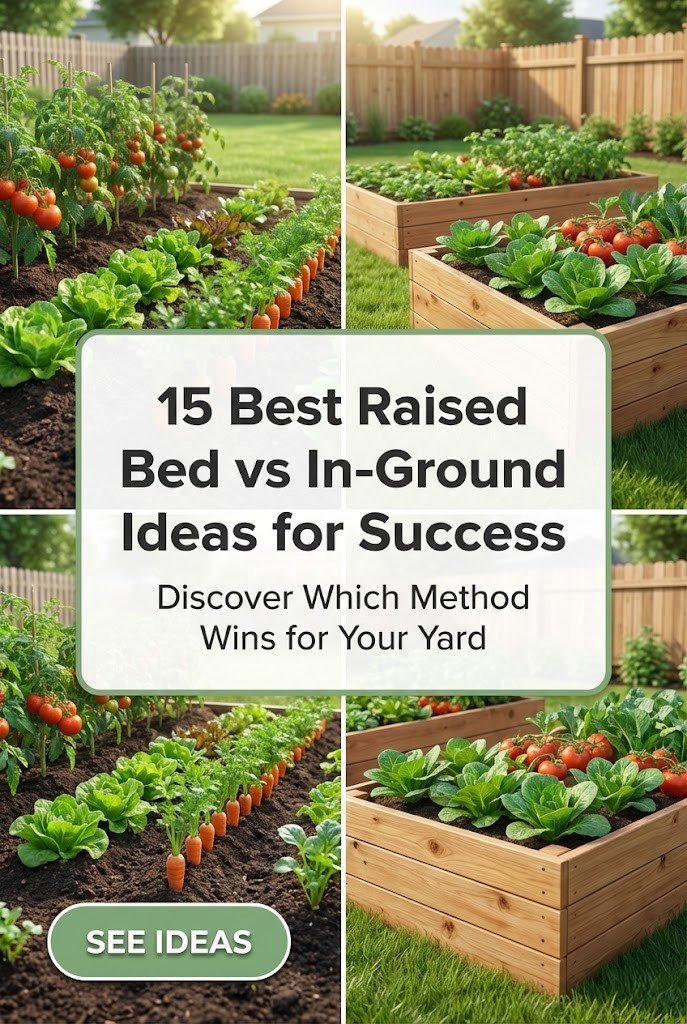
When deciding between raised beds and in-ground gardening, you face a choice that impacts everything from soil quality to ease of maintenance. Raised beds offer controlled conditions above ground, while in-ground planting allows plants to access natural soil nutrients directly. Understanding the key differences helps you select the approach that best suits your space, climate, and gardening goals.
Raised beds excel in poor or compacted soil, providing excellent drainage and warmer soil temperatures for earlier planting. In-ground gardens, on the other hand, require less initial investment and allow for larger-scale planting. Many gardeners combine both methods to maximize productivity and aesthetic appeal.
This guide explores 15 practical ideas comparing raised bed vs in-ground gardening, helping you determine which system delivers superior results for vegetables, herbs, flowers, and more.
1) Superior Soil Control with Raised Beds
One of the greatest advantages of raised beds lies in your ability to customize the soil mix precisely. You fill them with high-quality topsoil, compost, and amendments, creating an ideal growing medium regardless of your native soil. This approach eliminates struggles with heavy clay or sandy conditions common in in-ground gardens.
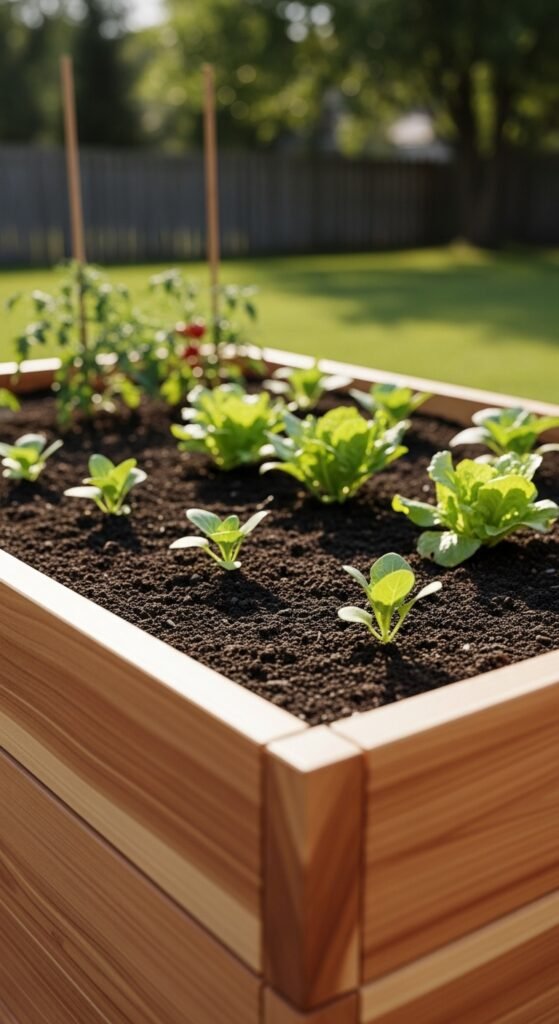
In contrast, in-ground gardening often requires extensive soil testing and amendment to achieve similar fertility. By using raised beds, you ensure consistent nutrient levels and pH balance, resulting in healthier plants and higher yields. For vegetable gardens, this control proves especially valuable when growing crops sensitive to soil conditions.
Explore best soil mix for raised beds to create the perfect blend for maximum productivity.
2) Improved Drainage and Reduced Waterlogging
Raised beds naturally promote superior drainage, preventing root rot that often plagues in-ground gardens during heavy rains. The elevated structure allows excess water to flow away quickly, keeping roots healthy and oxygen-rich. This benefit becomes particularly noticeable in regions with clay-heavy or poorly draining soil.
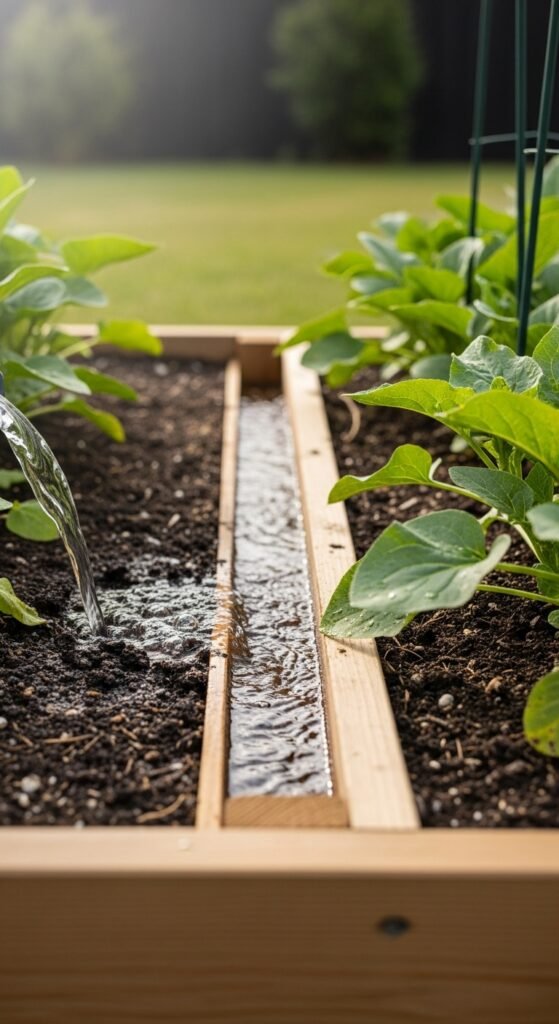
In-ground planting can lead to water pooling around roots, especially in low-lying areas. Raised beds solve this issue while maintaining consistent moisture levels through targeted irrigation. You spend less time dealing with soggy conditions and more time enjoying your garden.
Learn about wicking beds for even better moisture management in raised systems.
3) Earlier Spring Planting Opportunities
Raised beds warm up faster than in-ground soil in spring, allowing you to plant weeks earlier. The elevated soil receives more sun exposure and retains heat, extending your growing season. This advantage proves invaluable for cool-season crops like lettuce and spinach.
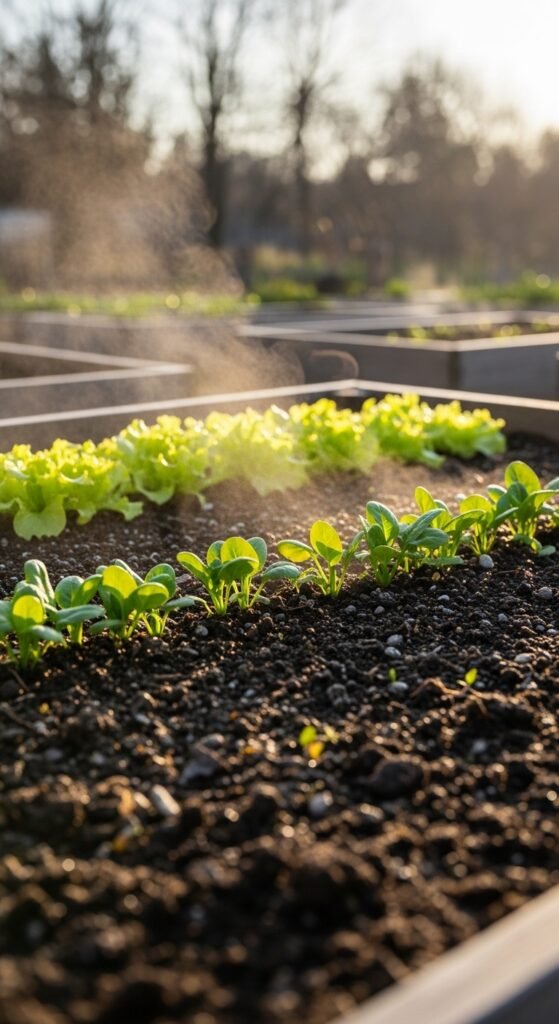
In-ground gardens remain colder longer, delaying planting and potentially reducing overall harvest. With raised beds, you gain a head start that translates into more produce throughout the year. Combine this with season extenders for even greater benefits.
4) Easier Weed Management in Raised Beds
Weeds struggle to compete in raised beds due to the clean, controlled soil mix you provide. Fewer weed seeds blow in, and any that appear are easier to spot and remove. This reduces the time you spend weeding compared to in-ground gardens.
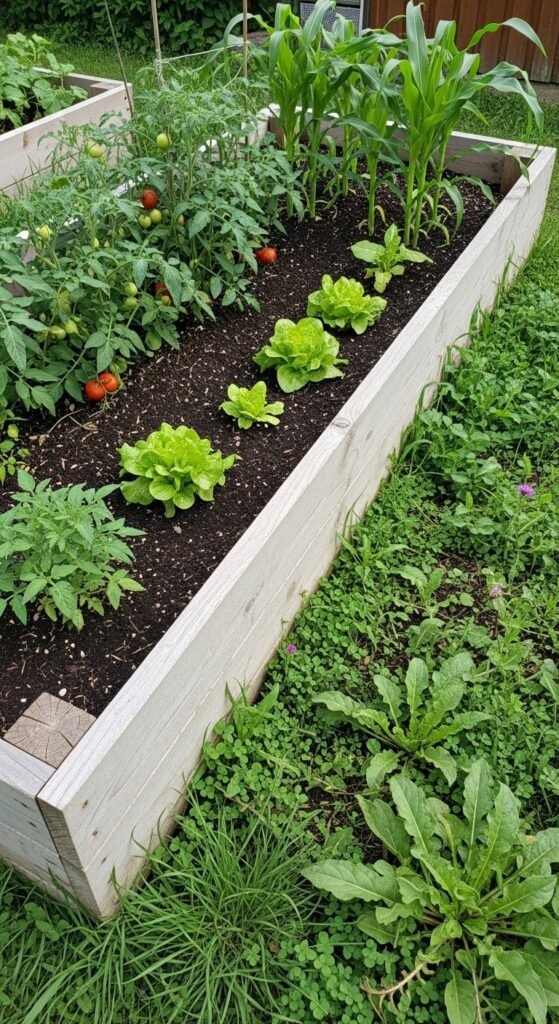
In-ground planting often requires constant vigilance against persistent weeds that thrive in native soil. Raised beds create a barrier that limits weed invasion, allowing you to focus on plant care instead. Mulching further enhances this advantage.
Discover mulching vegetable garden techniques that work perfectly in both systems.
5) Reduced Bending and Back Strain
Raised beds bring plants closer to waist height, significantly reducing bending and kneeling. This ergonomic design proves especially helpful for gardeners with mobility limitations or those who prefer less physical strain. You harvest and maintain plants more comfortably.
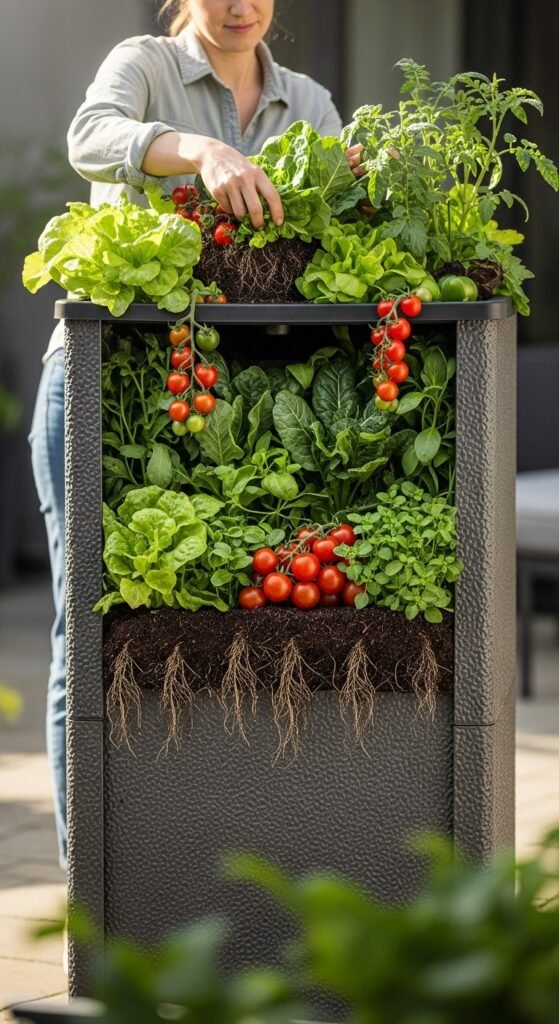
In-ground gardening requires more ground-level work, which can become tiring over time. Elevated beds make tasks like planting, weeding, and harvesting more accessible. Many gardeners report less fatigue and greater enjoyment when using raised beds.
6) Better Pest and Rodent Control
Elevated raised beds create a physical barrier that deters many ground-dwelling pests and rodents. Rabbits and voles find it harder to access plants, while you can easily add hardware cloth bottoms for complete protection. This natural defense saves crops without harsh chemicals.
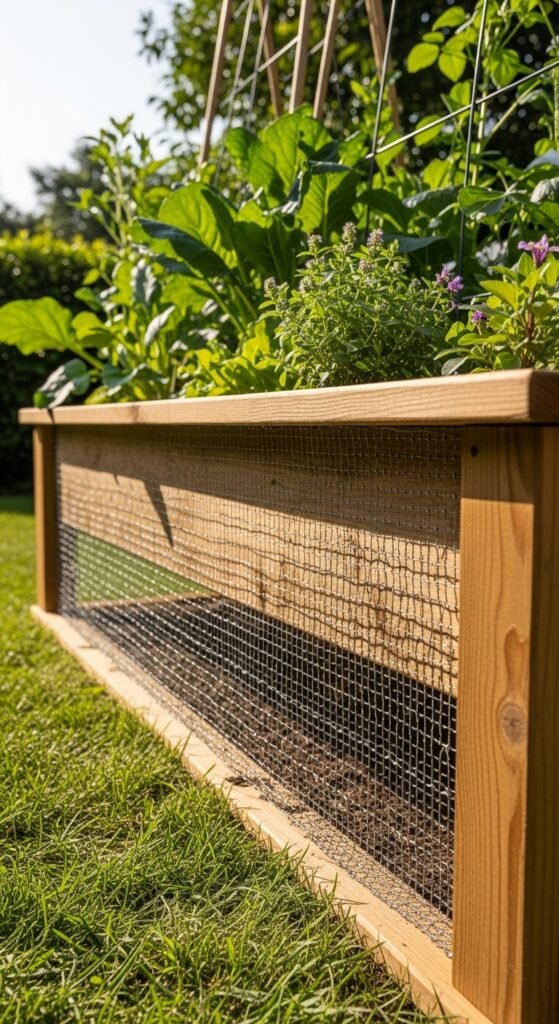
In-ground gardens expose plants directly to soil pests, often requiring more interventions. Raised beds allow you to focus on beneficial insects rather than constant pest battles. Companion planting within the bed further enhances natural protection.
Read about companion planting vegetables to boost pest resistance naturally.
7) Ideal for Poor or Contaminated Soil Areas
If your yard has heavy clay, rocky soil, or potential contamination, raised beds allow you to garden successfully without extensive remediation. You build above the problem, providing pristine conditions for roots. This solution proves invaluable in urban or previously developed lots.
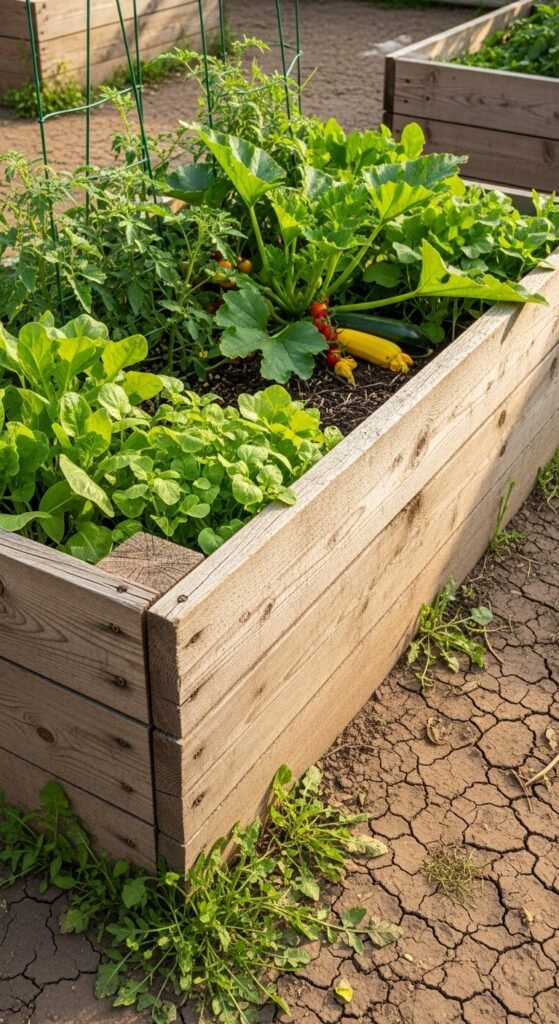
In-ground gardening in poor soil demands significant time and effort to improve conditions. Raised beds bypass these challenges entirely, delivering immediate results. Many gardeners transition from in-ground to raised beds for this reason alone.
8) Enhanced Aesthetic Appeal with Defined Borders
Raised beds create clean, organized garden spaces that enhance your yard’s visual appeal. They serve as attractive focal points and divide areas neatly. You achieve a polished look that elevates the entire landscape.
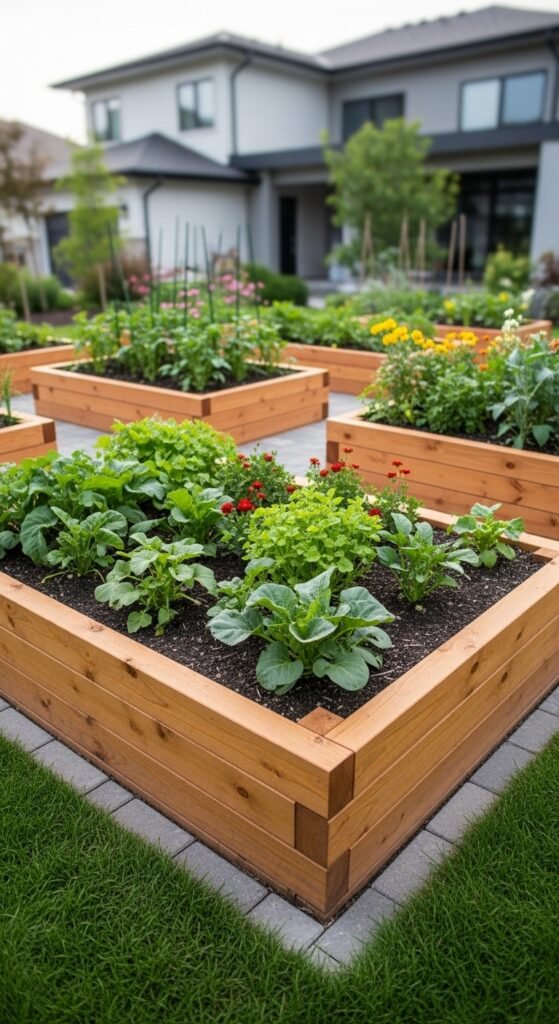
In-ground gardens can appear more natural but sometimes lack structure. Raised beds offer architectural interest while maintaining a beautiful, intentional design. They work especially well in modern or formal garden layouts.
Explore raised bed vegetable garden designs for inspiration.
9) Greater Flexibility in Small Spaces
Raised beds fit perfectly in compact yards, patios, or balconies where in-ground planting is impossible. You create productive gardens in areas with limited soil access. This versatility makes gardening accessible to more people.
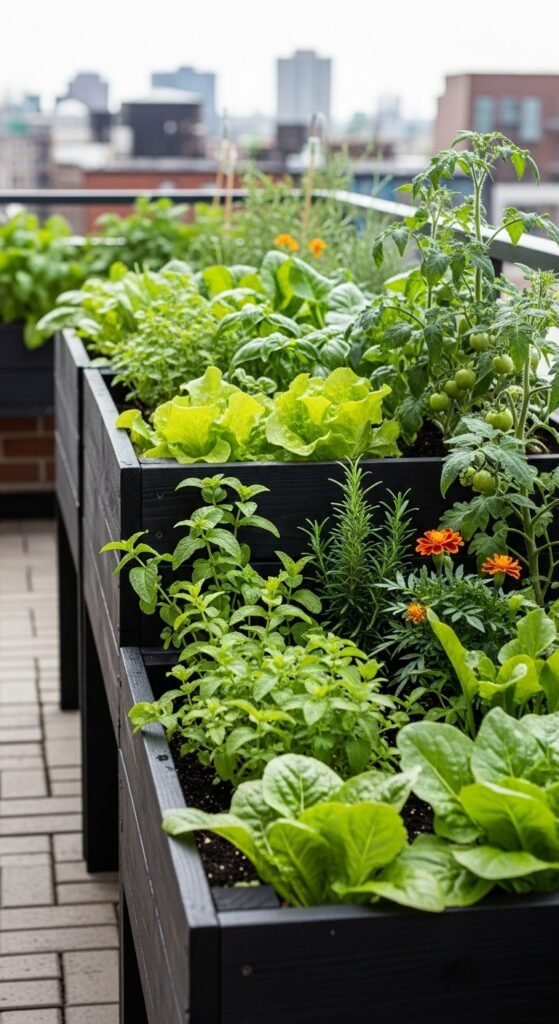
In-ground options require sufficient open ground, limiting possibilities in urban settings. Raised beds maximize every square foot, allowing you to grow abundantly even in tight spaces. Vertical extensions further increase capacity.
10) Warmer Soil for Heat-Loving Crops
Raised beds heat up quickly in summer, benefiting heat-loving vegetables like tomatoes, peppers, and eggplants. The elevated soil absorbs more solar energy, promoting faster growth and earlier fruiting. This advantage extends your harvest window.
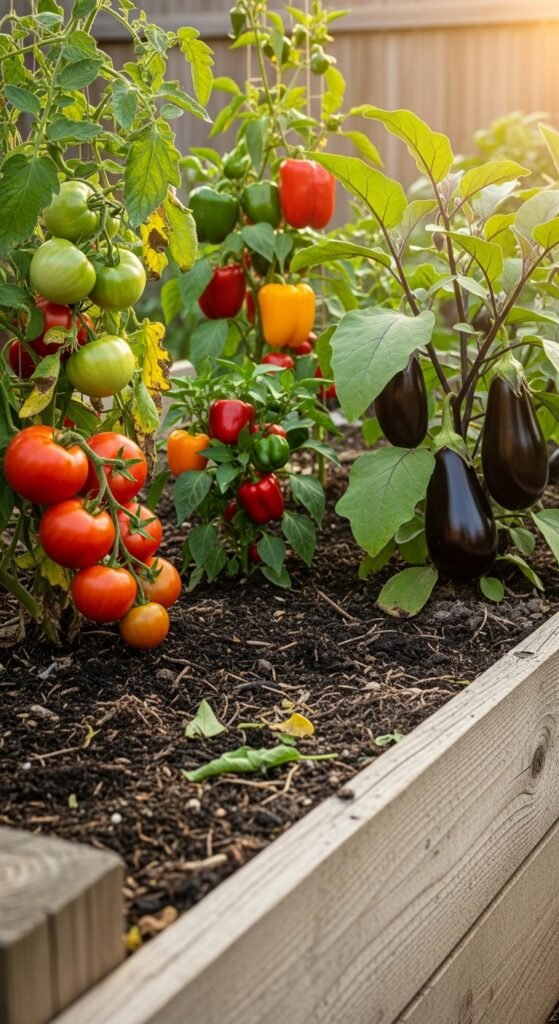
In-ground soil remains cooler, sometimes delaying maturity. Raised beds provide the warmth many crops crave, leading to higher yields. Strategic placement near south-facing walls amplifies this effect.
11) Simpler Crop Rotation and Succession Planting
With distinct raised beds, you easily rotate crops and practice succession planting. Each bed becomes a dedicated zone, simplifying planning and preventing soil depletion. You maintain fertility year after year.
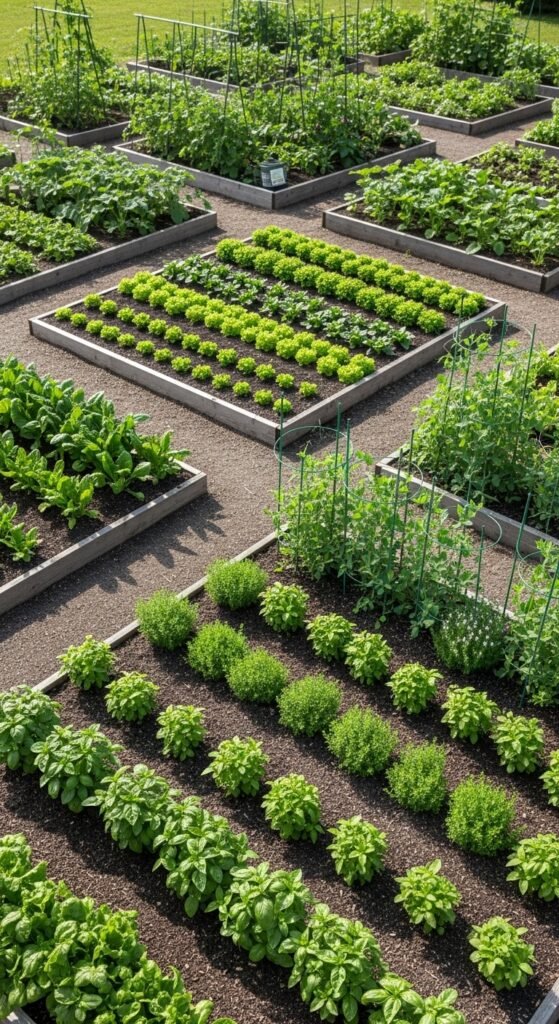
In-ground gardens require more careful mapping for rotation. Raised beds make organization intuitive, ensuring balanced nutrient use. This system promotes sustainable gardening practices.
12) Reduced Soil Compaction from Foot Traffic
Raised beds prevent soil compaction since you never walk on the growing area. Roots develop freely in loose, aerated soil, leading to stronger plants. This advantage proves especially important for root vegetables.
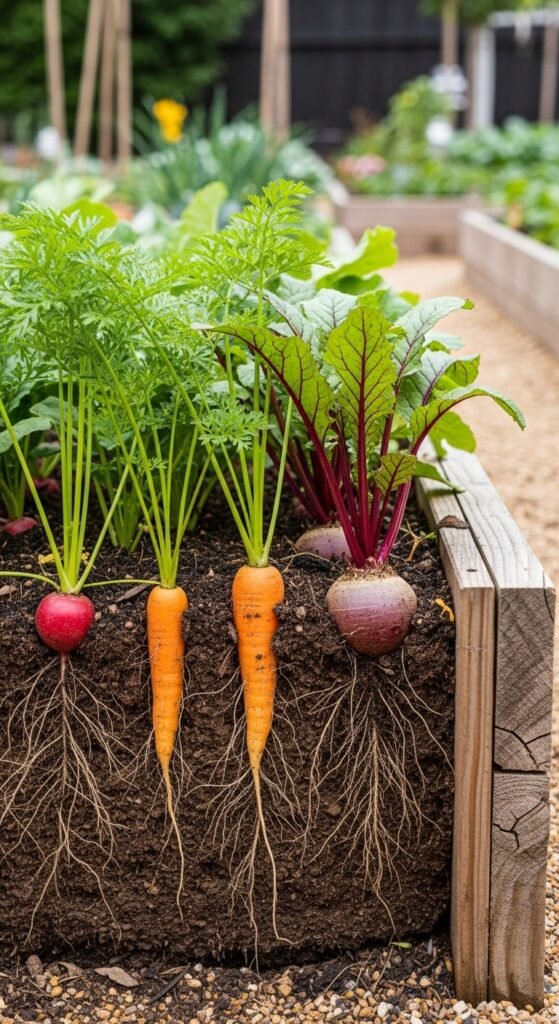
In-ground paths can compact soil over time, restricting root growth. Raised beds maintain optimal structure throughout the season. You notice healthier plants and better yields as a result.
13) Easier Access for Intensive Planting
Raised beds support intensive planting methods like square-foot gardening or close spacing. You maximize production in limited space while maintaining good airflow. This approach increases harvests significantly.
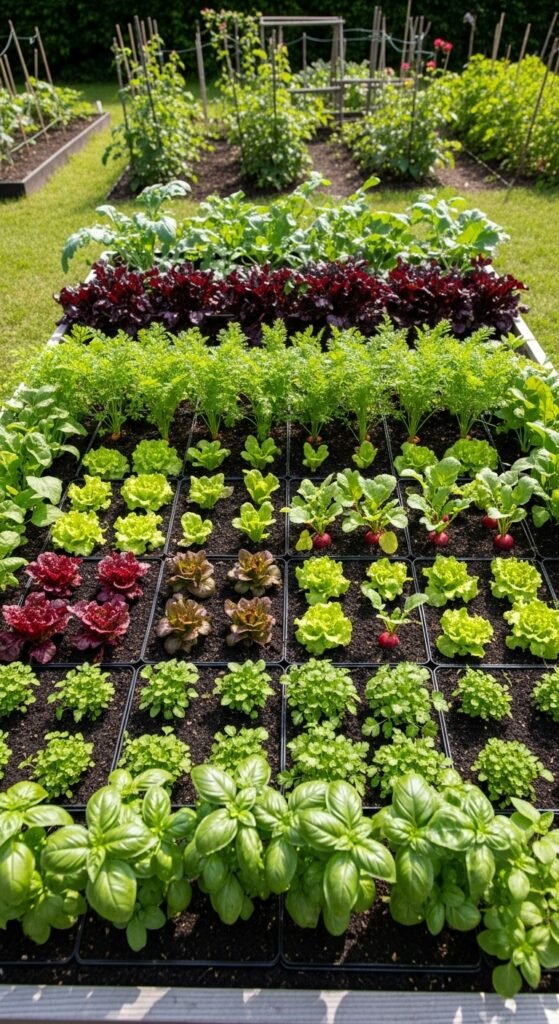
In-ground gardens often require wider spacing for access. Raised beds allow denser planting without sacrificing plant health. You grow more food in the same area.
See square foot garden bed layouts for efficient designs.
14) Better Root Zone Temperature Regulation
Raised beds moderate soil temperatures more effectively than in-ground planting. They stay cooler in summer and warmer in winter, creating stable conditions for roots. This balance reduces plant stress.
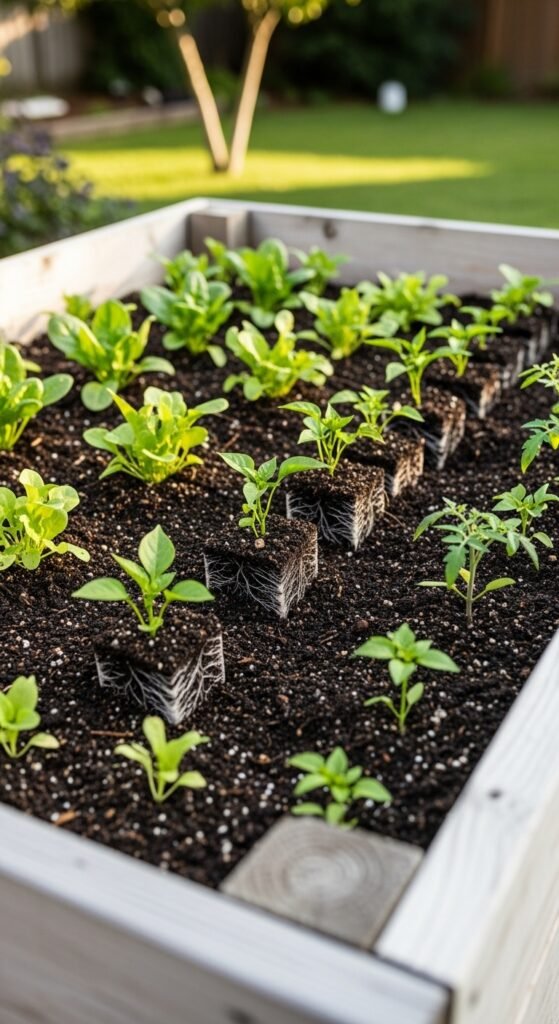
In-ground soil fluctuates more dramatically with weather changes. Raised beds provide a more consistent environment, supporting steady growth. Many gardeners prefer this stability for sensitive crops.
15) Long-Term Cost Savings Through Durability
While raised beds require initial investment, they last for years with proper materials. Cedar or composite beds resist rot, and the controlled environment reduces replacement needs. Over time, they prove economical.
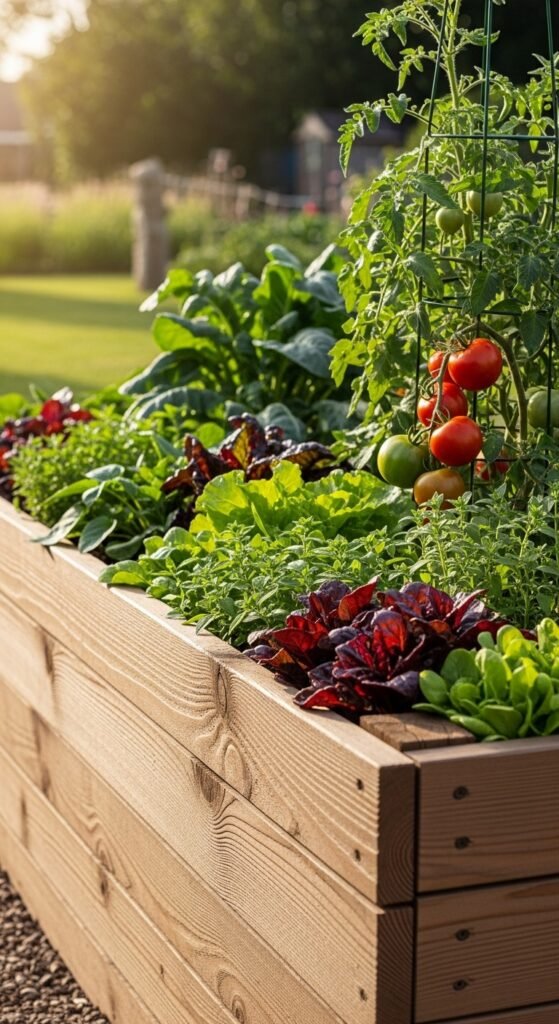
In-ground gardening has lower upfront costs but may require ongoing soil improvement. Raised beds deliver lasting value through increased productivity and reduced maintenance. Many gardeners find the investment worthwhile.
Key Principles for Choosing Between Raised Beds and In-Ground Gardening
Assess Your Soil Quality First
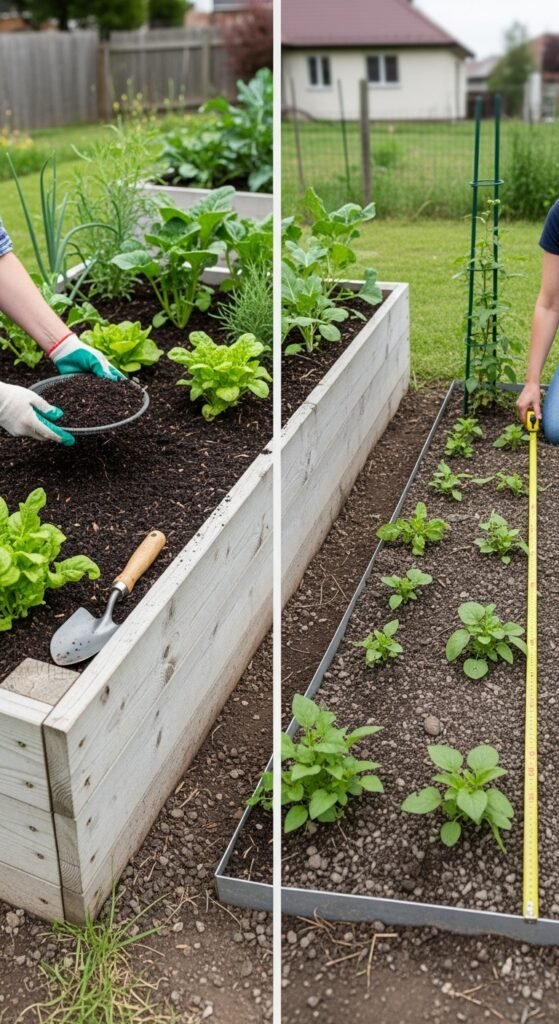
Conduct a soil test to determine if your native ground needs extensive amendment. If results show poor structure or nutrients, raised beds offer the quickest solution.
Consider Your Physical Needs
Evaluate how much bending and kneeling you can comfortably do. Raised beds provide ergonomic benefits that make gardening more enjoyable long-term.
Evaluate Your Space and Budget
Measure available area and budget for materials. Raised beds work well in small or constrained spaces, while in-ground planting suits larger yards with good soil.
Frequently Asked Questions
Which method produces higher vegetable yields: raised beds or in-ground?
Raised beds often yield more due to superior soil quality, better drainage, and extended growing seasons. However, results depend on proper management in either system.
Are raised beds more expensive than in-ground gardening?
Initial construction costs more for raised beds, but long-term savings come from reduced amendments, fewer pests, and higher productivity.
Can I grow the same crops in both systems?
Yes, nearly all vegetables, herbs, and flowers thrive in either method. Raised beds provide advantages for root crops and heat-loving plants.
How deep should raised beds be compared to in-ground planting?
Raised beds perform best at 12-18 inches deep, while in-ground gardens benefit from 12 inches of loosened soil. Deeper beds support larger root systems.
Do raised beds require less watering than in-ground gardens?
Raised beds often need more frequent watering due to faster drainage, but targeted systems like drip irrigation make them efficient.