A raised bed vegetable garden elevates your gardening game by creating dedicated spaces above ground level, filled with nutrient-rich soil. This approach allows you to control soil quality, improve drainage, and extend your growing season, making it ideal for both beginners and seasoned gardeners. By building frames from wood, stone, or metal, you can customize the size and height to suit your space and needs.
The value of a raised bed vegetable garden lies in its efficiency and productivity. You’ll experience fewer weeds, better pest management, and easier access for planting and harvesting. It’s perfect for urban yards, poor native soil conditions, or even patios. With thoughtful planning, your raised bed can yield bountiful harvests of fresh produce, promoting healthier eating and a deeper connection to nature.
Whether you’re aiming for a compact setup or an expansive plot, these ideas will inspire you to optimize your raised bed vegetable garden for sustainability and abundance.
1) Tiered Raised Beds for Sloped Yards
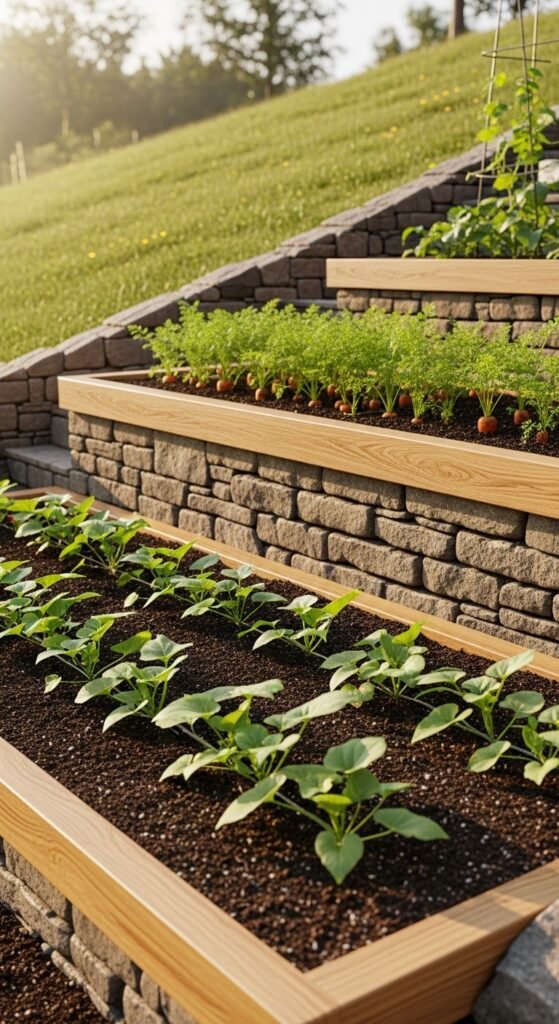
In a tiered raised bed vegetable garden, you construct multiple levels stepping down a slope, creating flat planting areas. This design prevents soil erosion and maximizes usable space on uneven terrain. The key benefit is improved water retention on each level, reducing runoff and ensuring even moisture distribution.
Why opt for this? It transforms challenging landscapes into productive gardens, allowing you to grow a variety of vegetables without extensive grading. You’ll enjoy easier maintenance, as each tier is accessible without straining your back.
To implement, start by measuring your slope and planning 2-4 tiers, each 4-6 feet wide. Use treated lumber or stone for retaining walls, filling with a mix of topsoil and compost. Plant root vegetables like carrots on upper tiers and vining crops below. For seasonal variety, consider incorporating fall planting options to keep your beds active year-round.
2) Companion Planting Layouts
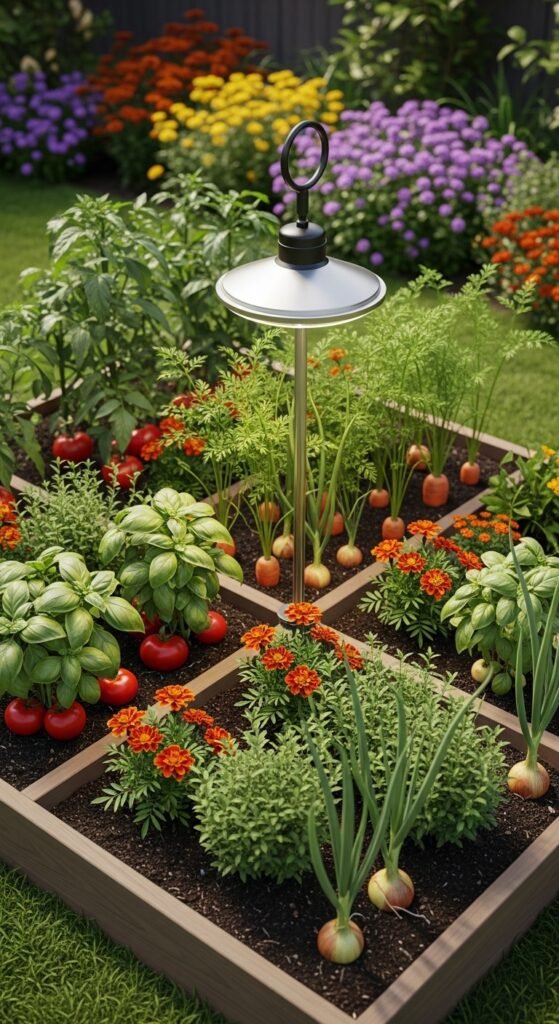
Companion planting in your raised bed vegetable garden involves strategically pairing plants that benefit each other, such as tomatoes with basil or carrots with onions. This method enhances growth, deters pests, and optimizes space. You’ll see increased yields and healthier plants without relying on chemicals.
The why is simple: Certain combinations improve soil nutrients, provide shade, or attract beneficial insects. For instance, marigolds repel nematodes, protecting root crops. This approach fosters biodiversity, making your garden more resilient to diseases.
How to do it? Sketch a grid for your bed, placing tall plants like corn in the center for windbreaks. Intersperse herbs and flowers throughout. Rotate crops annually to maintain soil health. If you’re planning for cooler months, explore cold-tolerant varieties that pair well in companions.
3) Vertical Trellis Integration
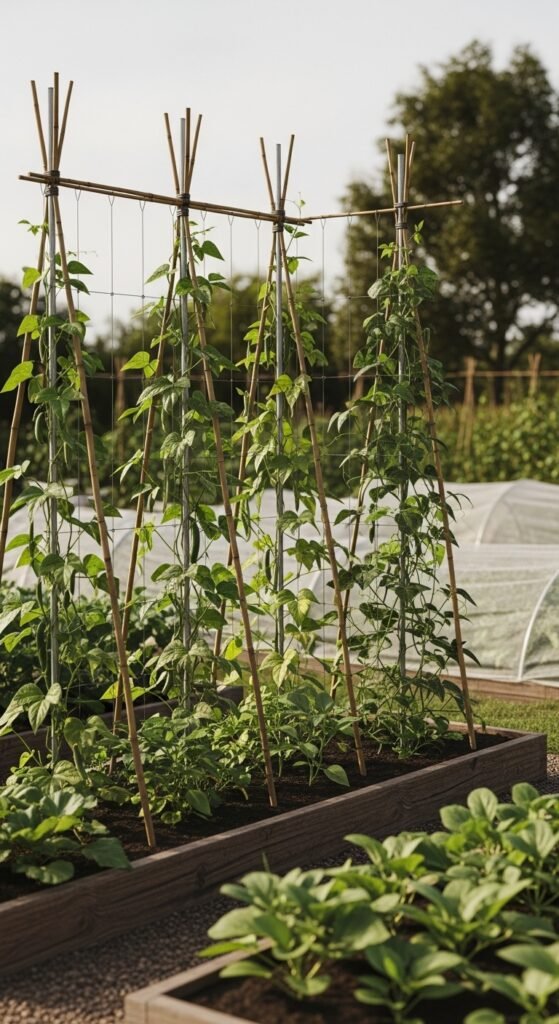
Incorporate vertical trellises into your raised bed vegetable garden to support climbing plants like beans, peas, and cucumbers. Attach structures like arches or A-frames to the bed’s edges, allowing vines to grow upward. This maximizes vertical space, improving air circulation and reducing disease risk.
Why choose this? It frees up ground space for more crops, eases harvesting at eye level, and adds aesthetic appeal with lush green walls. You’ll harvest more from a smaller footprint, ideal for compact gardens.
To set up, install sturdy trellises using bamboo or metal stakes. Plant seeds at the base, training vines as they grow. Mulch around roots to retain moisture. For extended seasons, use trellises with protective covers, drawing from frost safeguarding techniques.
4) Herb-Vegetable Intermixing
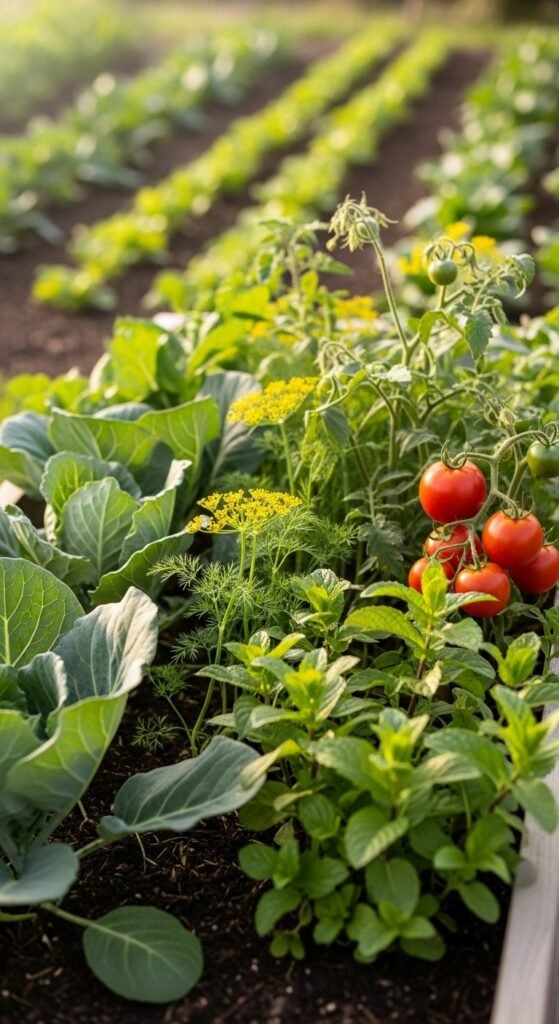
Blend herbs and vegetables in your raised bed vegetable garden by planting dill near cabbage or mint beside tomatoes. This creates a symbiotic environment where herbs enhance flavors and repel pests. The benefit? A more aromatic, pest-resistant garden with diverse harvests.
Why it works: Herbs like rosemary deter aphids, while attracting pollinators for better fruit set. You’ll save space and time, as everything grows together harmoniously.
Implementation starts with dividing your bed into sections. Sow herb seeds or transplants among veggies, ensuring sun-loving pairs are grouped. Water consistently and harvest regularly to encourage bushiness. For overwintering options, consider hardy herbs that complement perennial fruits like strawberries.
5) Square Foot Gardening Method
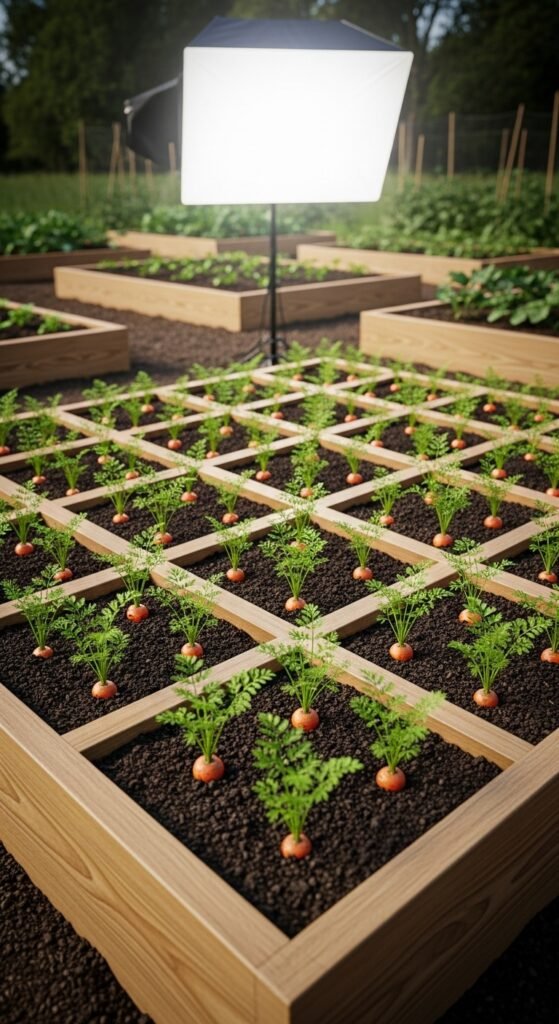
Apply the square foot gardening technique to your raised bed vegetable garden by dividing the area into 1×1 foot squares with grids. Plant intensively, following spacing guidelines like 16 carrots per square. This boosts efficiency, minimizing waste and maximizing output in limited spaces.
Why embrace it? It simplifies planning, reduces weeding, and conserves water. You’ll grow more varieties, perfect for families wanting fresh produce without overwhelm.
To begin, build or mark a grid using string or wood. Refer to plant charts for quantities per square. Succession plant for continuous harvests. Integrate cover crops in off-seasons, inspired by soil-protecting strategies.
6) Succession Planting Schedules
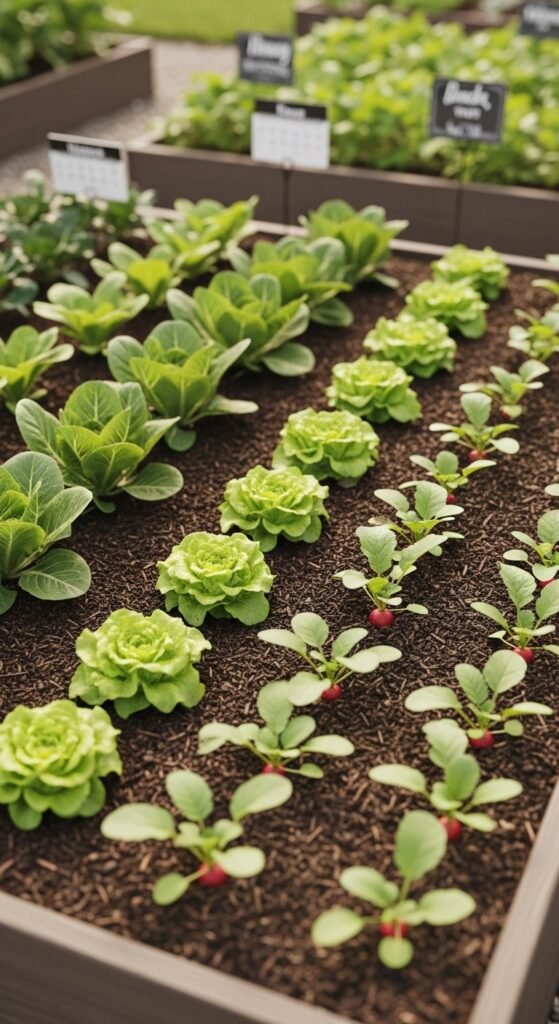
Succession planting in a raised bed vegetable garden means staggering sowings every 2-3 weeks for crops like lettuce or radishes. This ensures a steady supply rather than all-at-once harvests. You’ll enjoy prolonged fresh produce and better bed utilization.
The rationale: It prevents gaps in production and adapts to weather changes, extending your growing window. Ideal for maintaining nutrition from home-grown veggies.
How? Plan your calendar based on maturity times, replanting harvested squares immediately. Use quick-growers between slower ones. For fall transitions, align with autumn bulb planting for seamless rotations.
7) Integrated Pest Management Beds
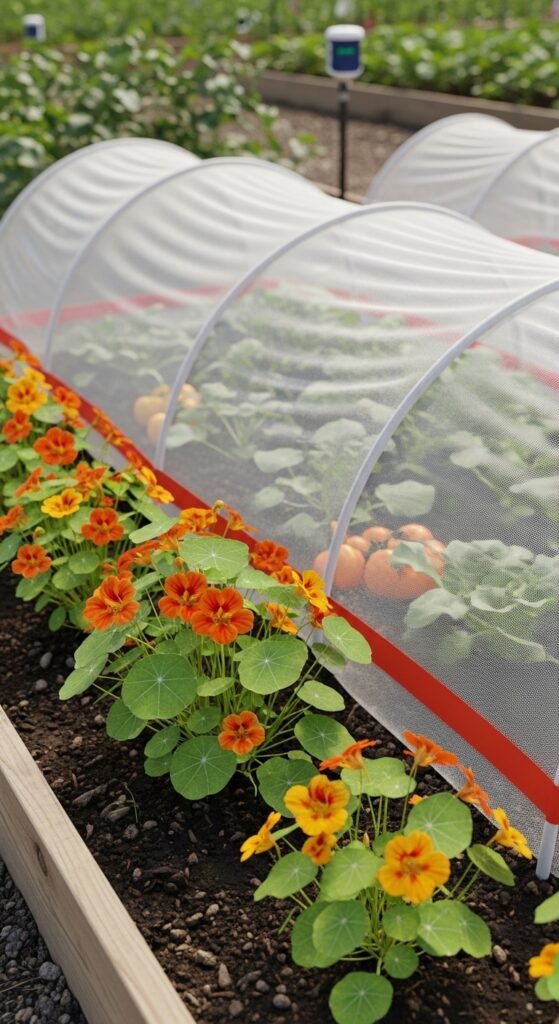
Design your raised bed vegetable garden with integrated pest management by incorporating trap crops, beneficial insects, and barriers. Plant nasturtiums to lure aphids away from veggies. This reduces chemical use, promoting a balanced ecosystem and healthier yields.
Why? It targets pests naturally, saving money and protecting pollinators. Your garden becomes self-sustaining, with fewer interventions needed.
Start by identifying common pests, then add companion flowers. Use row covers for protection. Monitor weekly and adjust. For winter prep, apply methods from preserving sensitive plants.
8) Themed Crop Zones
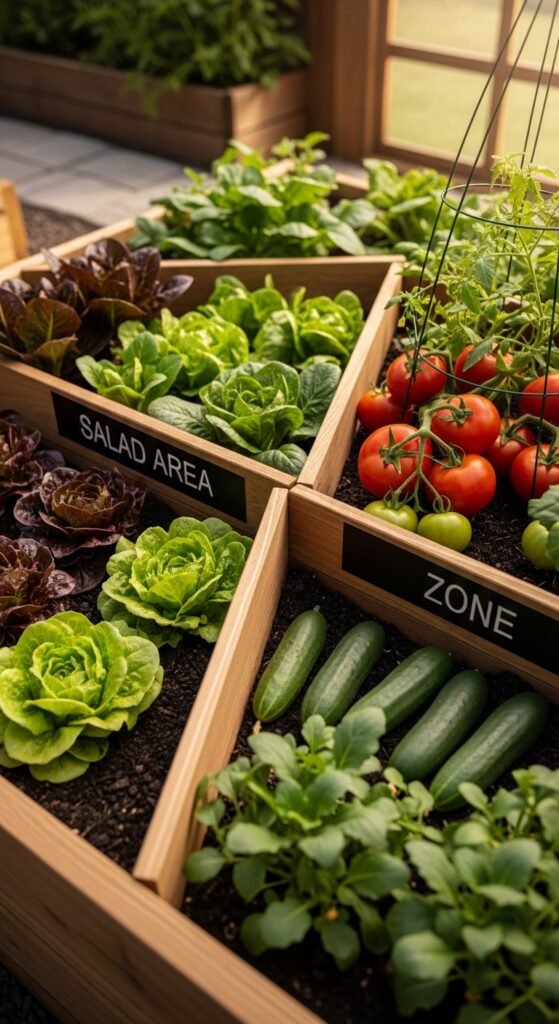
Create themed zones in your raised bed vegetable garden, such as a salad bed with lettuces, tomatoes, and cucumbers, or a root vegetable area. Group by needs for easier care. Enhances organization, simplifies rotation, and boosts thematic harvests.
Benefits include tailored watering and fertilizing, reducing errors. You’ll feel more accomplished with specialized bounties.
Divide your bed visually, labeling zones. Choose compatible plants per theme. Rotate themes yearly. Incorporate seasonal themes using cool-weather inspirations.
9) Drip Irrigation Systems
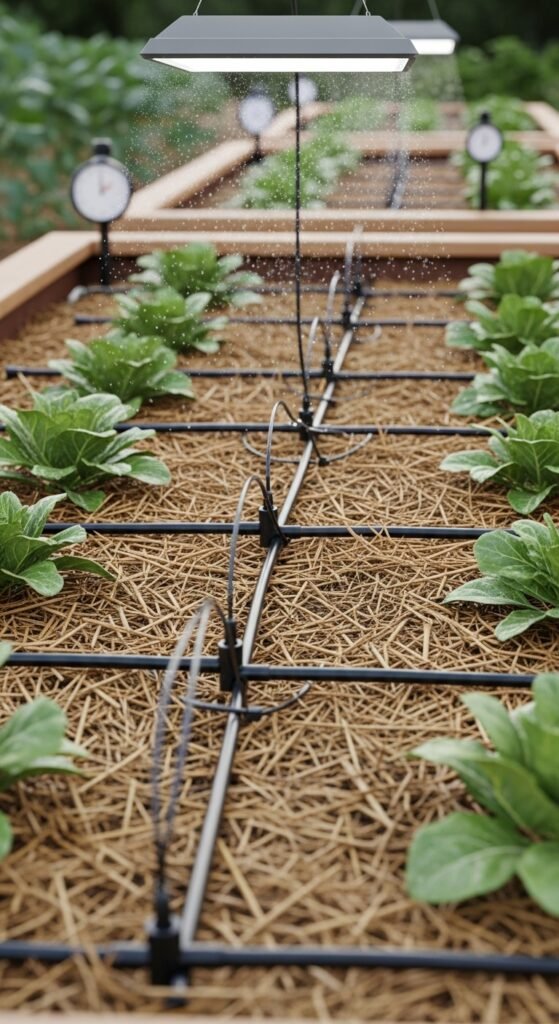
Install drip irrigation in your raised bed vegetable garden to deliver water directly to roots via tubes and emitters. This conserves water and maintains consistent moisture. Prevents overwatering, reduces disease, and saves time on manual watering.
Why invest? It targets delivery, minimizing evaporation and weed growth. Your plants thrive with less effort, especially in dry climates.
Assemble a kit with timers for automation. Lay lines along rows, mulching over them. Adjust flow based on plant needs. Pair with winter strategies for year-round efficiency.
10) Pollinator-Friendly Borders
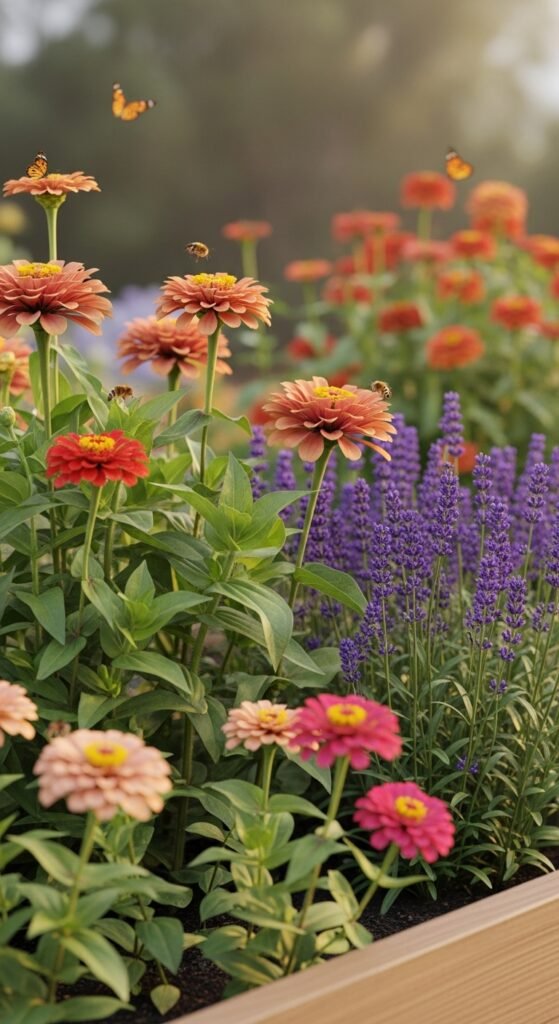
Add pollinator-friendly borders to your raised bed vegetable garden by planting flowers like zinnias or lavender around the edges. This attracts bees and butterflies for better pollination. Increases fruit set, enhances biodiversity, and adds color.
The advantage: Higher yields from improved pollination, plus natural pest control from beneficial insects. Your garden becomes a vibrant habitat.
Select native flowers, sowing seeds or transplants. Keep borders 6-12 inches wide. Maintain by deadheading. Extend appeal into cooler months with hardy blooms.
11) Soil Amendment Layers
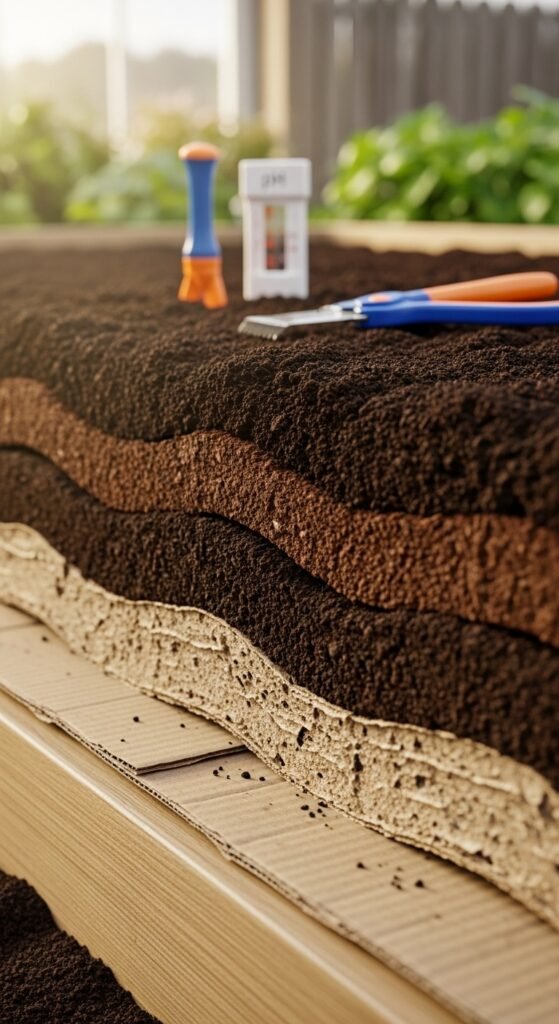
Build your raised bed vegetable garden with layered soil amendments, starting with cardboard for weed suppression, then compost, topsoil, and mulch. This creates fertile, loose soil. Improves drainage, nutrient availability, and root growth for robust plants.
Why? It mimics natural soil building, enriching poor bases without digging. You’ll see quicker establishment and fewer deficiencies.
Layer materials in fall for spring readiness. Test pH and adjust. Replenish annually. For cover, draw from seasonal soil enhancers.
12) Hoop House Extensions
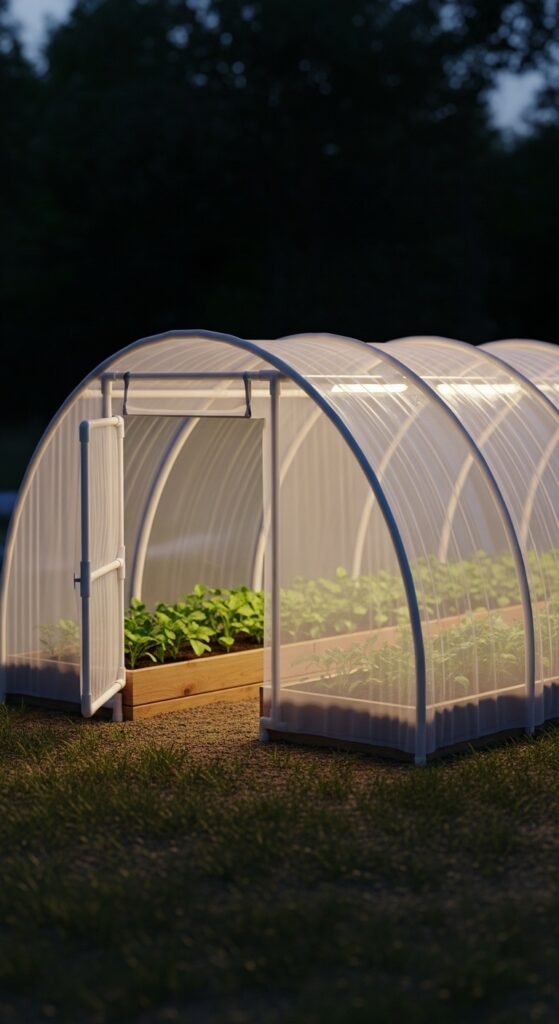
Extend your raised bed vegetable garden season with hoop houses made from PVC pipes and plastic sheeting. This creates a mini-greenhouse effect. Protects from frost, allowing earlier starts and later harvests.
Benefits: More growing time means extra crops. Cost-effective for home growers seeking self-sufficiency.
Bend pipes into arches, securing to bed sides. Cover with film, venting on warm days. Remove in summer. Align with protective practices for optimal use.
13) Accessible Height Designs
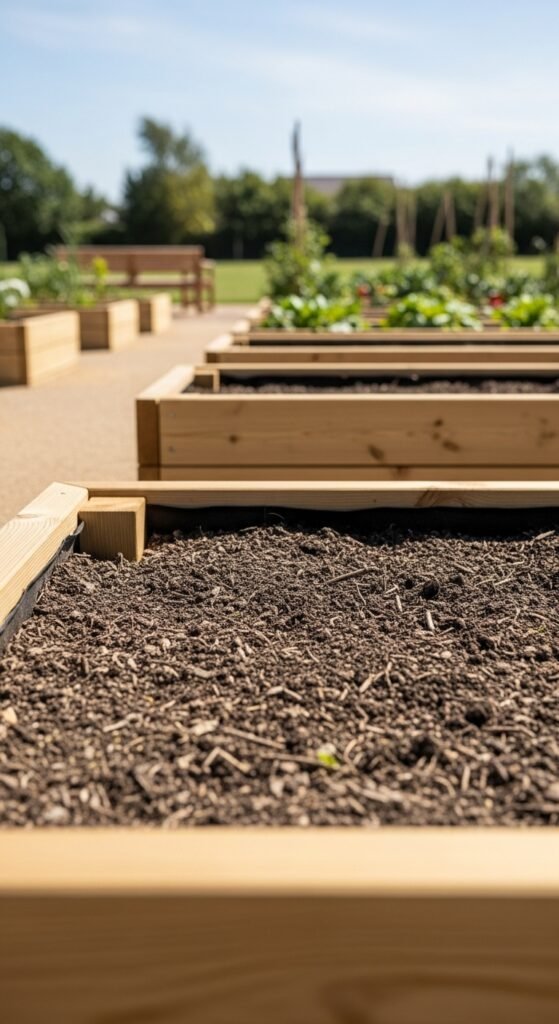
Design your raised bed vegetable garden at waist height using taller frames or tables. This makes gardening wheelchair-friendly or easier on joints. Promotes inclusivity, reduces bending, and encourages daily engagement.
Why? It opens gardening to all ages and abilities, fostering wellness. Maintenance becomes effortless, increasing enjoyment.
Build beds 2-3 feet high with wide paths. Use lightweight soil mixes. Add seating edges. Customize for personal needs, ensuring year-round accessibility.
14) Organic Mulching Techniques
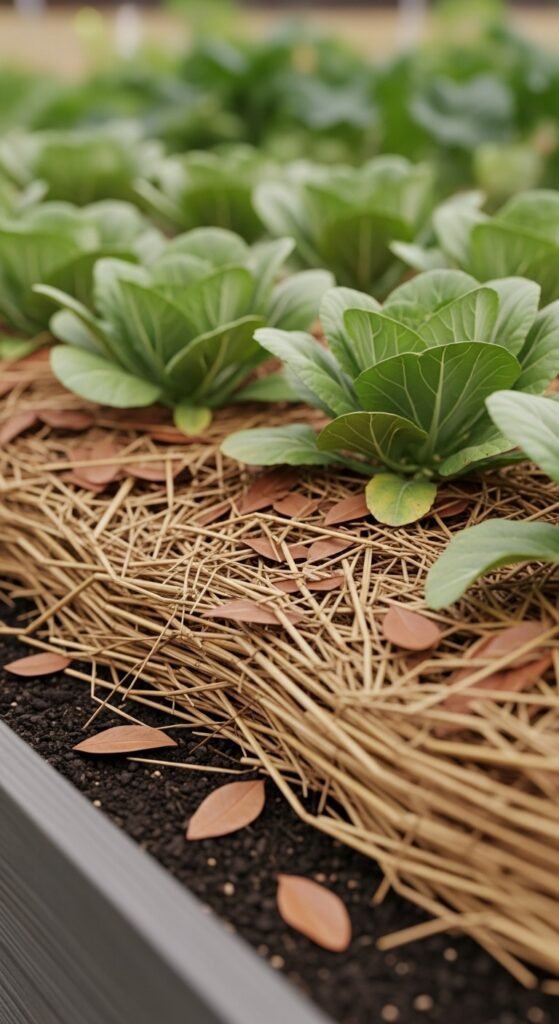
Apply organic mulches like straw or leaves in your raised bed vegetable garden to cover soil surfaces. This suppresses weeds and retains moisture. Enriches soil as it decomposes, regulates temperature, and prevents erosion.
Rationale: Natural materials build humus, supporting microbial life. You’ll water less and harvest cleaner produce.
Spread 2-4 inches after planting, replenishing as needed. Avoid piling against stems. Use fall leaves for winter prep, enhancing soil for spring.
15) Crop Rotation Plans
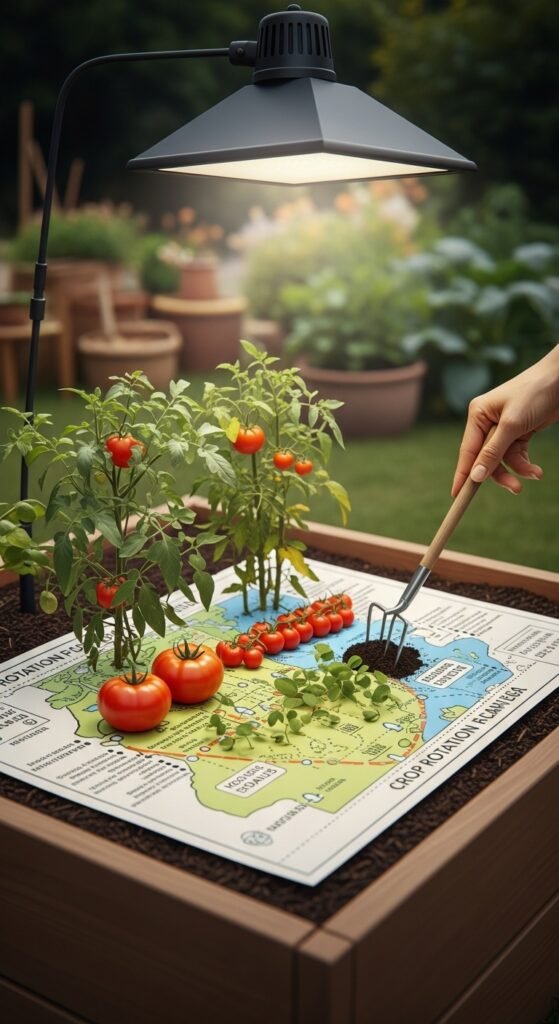
Implement crop rotation in your raised bed vegetable garden by alternating plant families each season, like following tomatoes with legumes. This prevents soil depletion and disease buildup. Maintains fertility, breaks pest cycles, and sustains long-term productivity.
Why crucial? It balances nutrients naturally, reducing fertilizer needs. Your beds remain viable for years.
Map a 3-4 year cycle, tracking plantings. Amend as per rotation. Incorporate rest periods with covers for rejuvenation.
Key Principles for Successful Raised Bed Gardening
Soil Quality Management
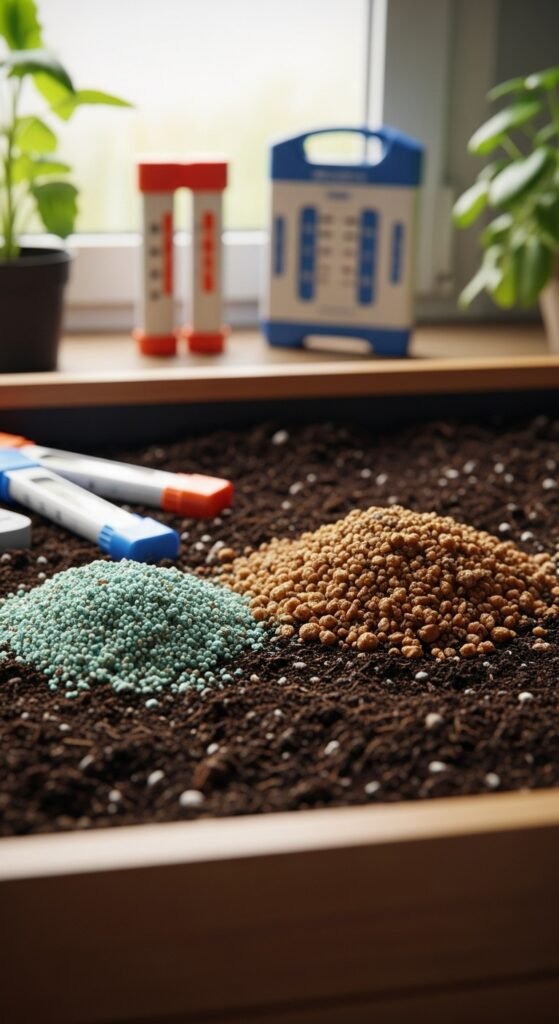
Prioritize high-quality soil in your raised bed vegetable garden by mixing equal parts compost, peat, and vermiculite. Test annually and amend to keep pH balanced. This foundation ensures vigorous growth and nutrient uptake.
Sunlight and Location Optimization
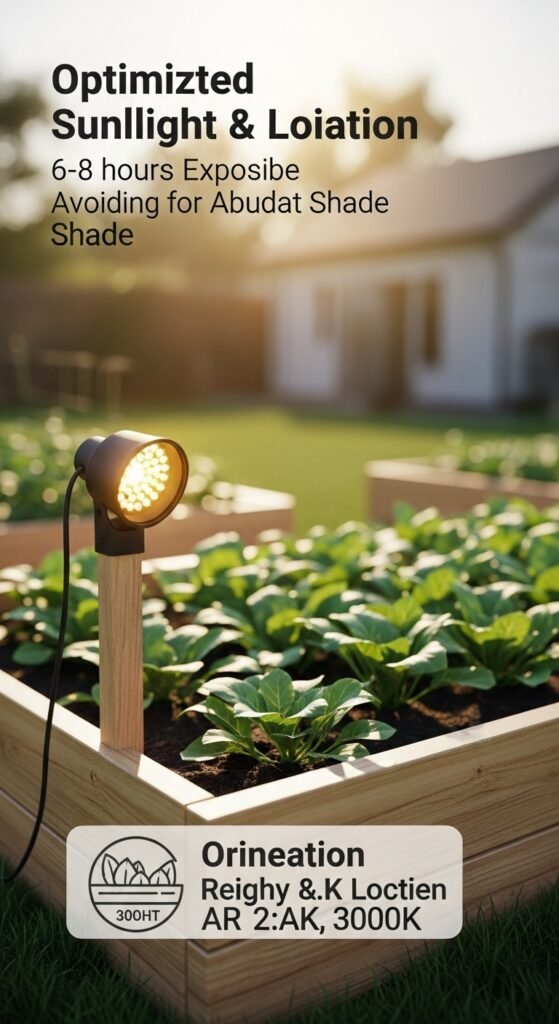
Position your beds for 6-8 hours of daily sun, avoiding shady spots. South-facing orientations maximize exposure. Proper siting prevents leggy plants and boosts photosynthesis for abundant yields.
Watering and Maintenance Routines
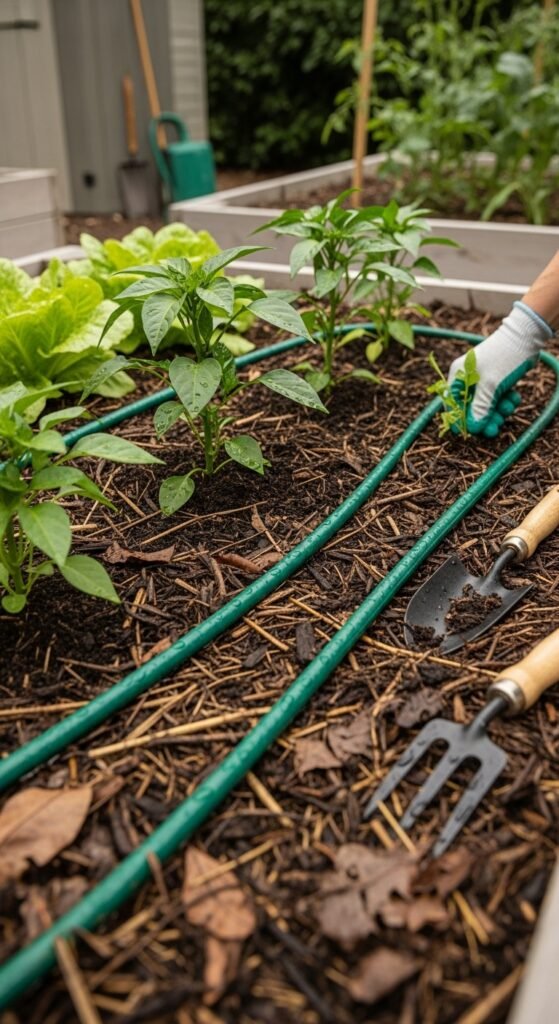
Establish consistent watering with soaker hoses, aiming for deep, infrequent sessions. Mulch to conserve moisture. Regular weeding and monitoring keep issues at bay, sustaining a thriving garden.
Frequently Asked Questions
What materials are best for building a raised bed?
Cedar or redwood are excellent choices due to their natural rot resistance. Avoid treated lumber to prevent chemical leaching into soil. Metal or stone options offer durability for long-term use.
How deep should a raised bed be for vegetables?
Aim for 12-18 inches deep to accommodate most root systems. Deeper beds, up to 24 inches, benefit crops like potatoes or carrots, providing ample room for growth.
Can I start a raised bed garden in poor soil?
Absolutely, since raised beds allow you to import fresh soil, bypassing native ground issues. This makes them ideal for clay-heavy or rocky yards.
What vegetables grow best in raised beds?
Tomatoes, peppers, leafy greens, and root vegetables thrive. Their controlled environment suits intensive planting and easy care.
How do I prevent weeds in my raised bed?
Use landscape fabric at the base, top with mulch, and plant densely. Hand-pull any intruders promptly to maintain a clean bed.