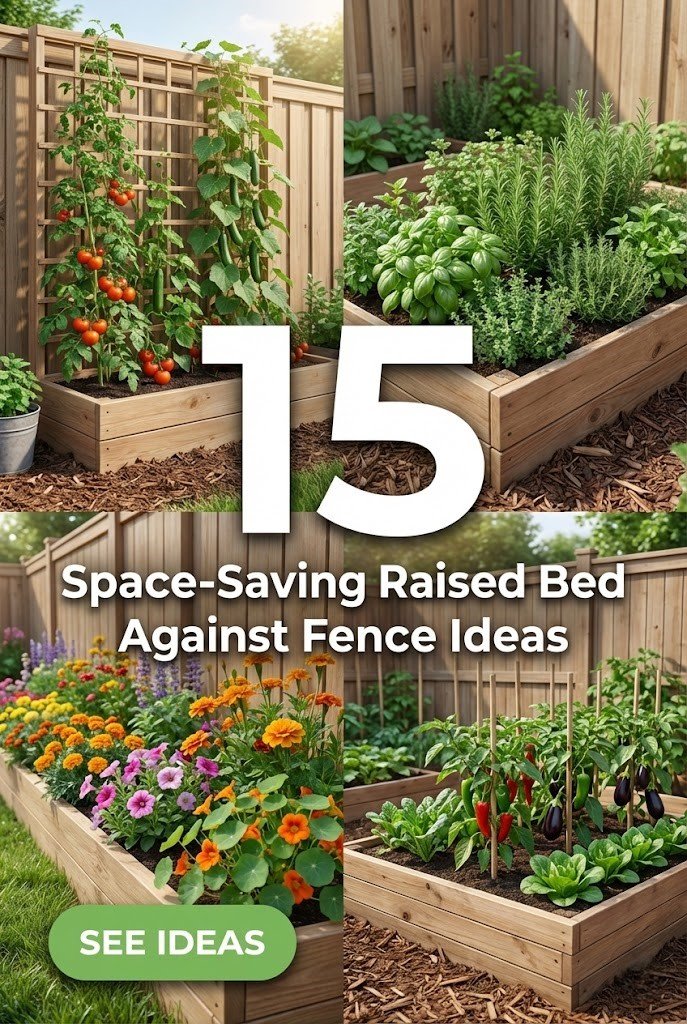
Placing a raised bed against a fence offers an efficient way to utilize vertical space in your garden while creating a functional and aesthetically pleasing feature. This approach transforms underused areas into productive zones, ideal for growing vegetables, herbs, or flowers. By positioning the raised bed adjacent to the fence, you benefit from added support for climbing plants and enhanced privacy, all while optimizing sunlight exposure and soil conditions tailored to your needs.
The value of a raised bed against a fence lies in its ability to improve drainage, reduce weed intrusion, and provide easier access for maintenance. You can customize the design to suit your garden’s style, whether modern, rustic, or traditional, ensuring it complements your overall landscape. This setup not only boosts your garden’s productivity but also adds visual interest, making your outdoor space more inviting and organized.
Explore these 15 ideas to inspire your next gardening project, each offering unique ways to integrate a raised bed against a fence for maximum impact.
1) Vertical Trellis Integration
You can create a vertical trellis integrated raised bed against a fence by attaching a sturdy trellis directly to the fence above the bed. This design allows climbing plants like beans or cucumbers to grow upward, saving ground space and adding height to your garden.
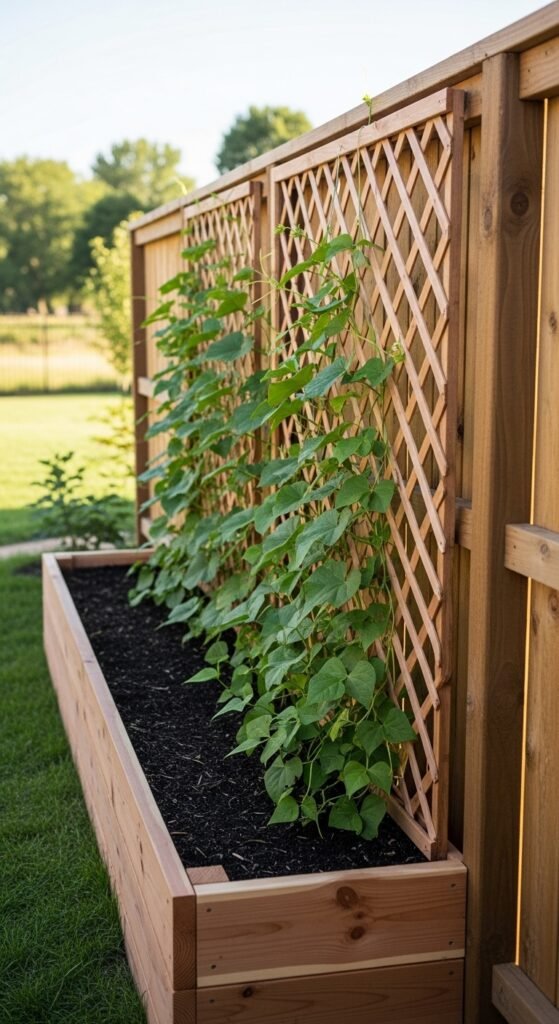
Key benefits include maximized space utilization and improved air circulation, which reduces disease risk. It also provides a natural privacy screen as vines fill in. Why choose this? It transforms a plain fence into a living wall, enhancing both functionality and beauty.
To implement, select rot-resistant wood for the bed frame, fill with quality soil, and install a diy raised bed trellis using hooks or brackets. Plant seeds at the base, training vines as they grow. Maintain by pruning regularly and watering consistently for optimal results.
2) Herb Garden Haven
Design a herb-focused raised bed against a fence to cultivate aromatic plants like basil, rosemary, and thyme in a compact area. Position the bed to receive ample sunlight, using the fence as a backdrop for hanging herb pots or labels.
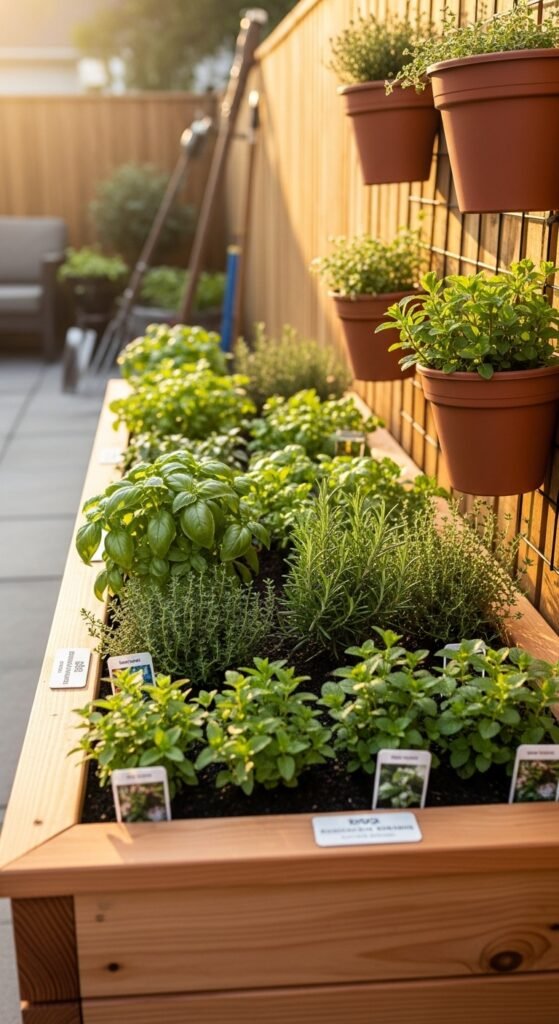
Key benefits encompass easy access for cooking and natural pest repulsion from herbs’ scents. Why opt for this? It promotes fresh, organic ingredients at your fingertips while adding fragrant appeal to your garden.
Build the bed with cedar planks for durability, incorporating a raised bed herb garden layout. Amend soil with compost for nutrient-rich growth. Plant herbs in rows, labeling each for identification. Harvest leaves regularly to encourage bushier plants, ensuring a continuous supply throughout the season.
3) Flower Border Beauty
Construct a flower-filled raised bed against a fence to create a vibrant border that enhances your yard’s perimeter. Choose perennials and annuals for continuous color, planting taller varieties near the fence for layered depth.
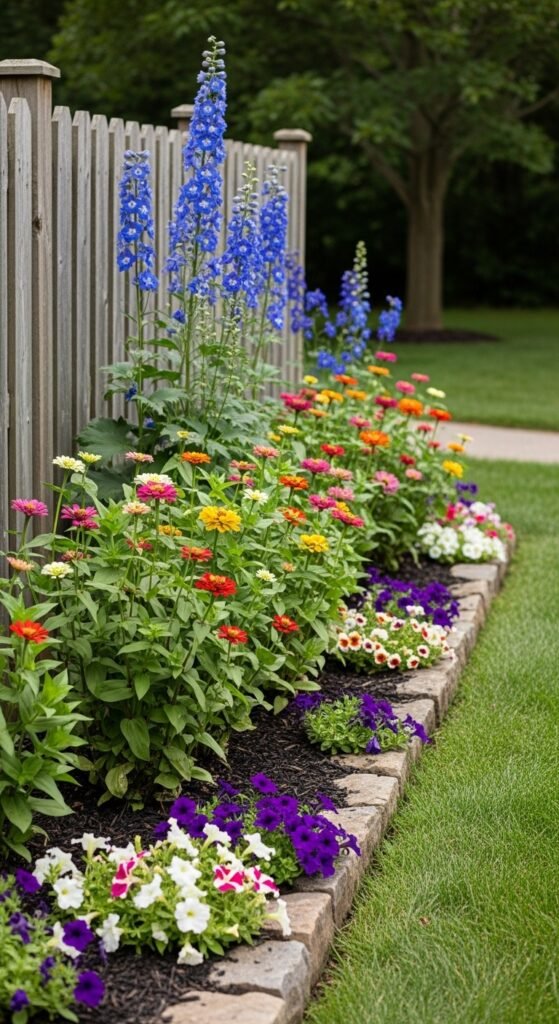
Key benefits include attracting pollinators and providing cut flowers for indoor arrangements. Why select this? It softens the fence line, turning a functional barrier into a decorative focal point.
Use bricks or stones for the bed edges to add texture, filling with well-draining soil. Arrange plants by height, incorporating mulch to retain moisture. Water deeply but infrequently, and deadhead spent blooms to prolong flowering. This setup requires minimal upkeep while delivering lasting visual charm.
4) Vegetable Patch Practicality
Set up a vegetable-oriented raised bed against a fence for efficient crop production in limited space. Grow items like tomatoes, peppers, and lettuce, utilizing the fence for staking taller plants.
Key benefits feature higher yields and easier harvesting without bending. Why pursue this? It supports homegrown produce, reducing grocery costs and ensuring freshness.
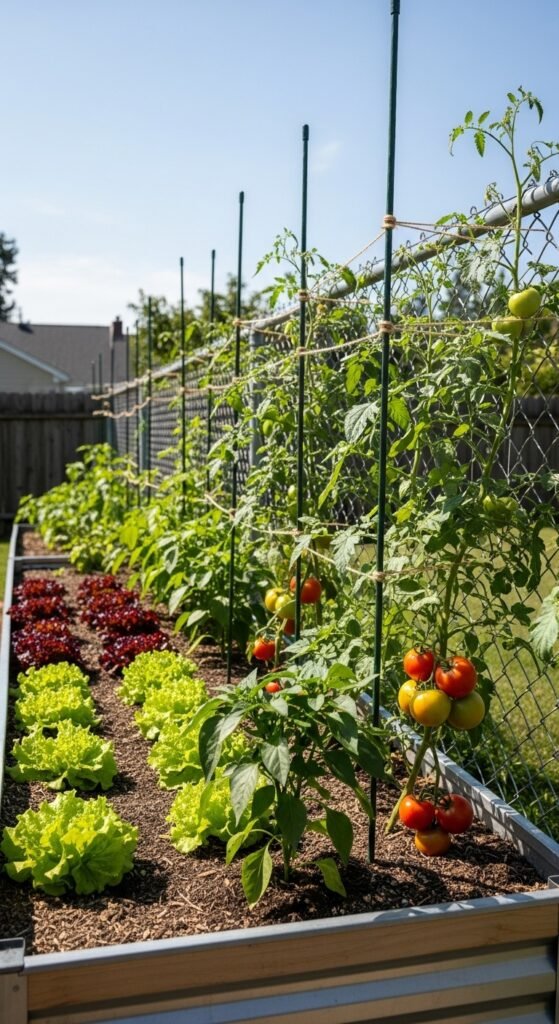
Assemble the bed using affordable materials like cinder block raised beds, enriching soil with organic matter. Plant in succession for ongoing harvests, rotating crops to prevent soil depletion. Monitor for pests and apply natural controls as needed, fostering a sustainable vegetable source right in your backyard.
5) Succulent Display Showcase
Craft a succulent-themed raised bed against a fence to display drought-tolerant plants in an artistic arrangement. Select varieties like sedums and echeverias for varied textures and colors, complementing the fence’s structure.
Key benefits involve low water needs and resilience in various climates. Why choose this? It creates a modern, low-maintenance display that thrives with minimal intervention.
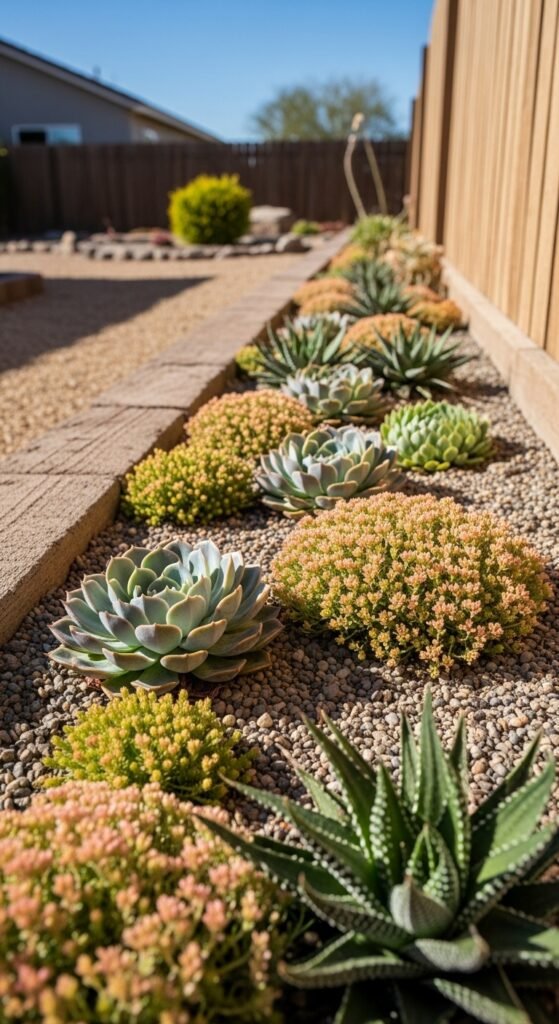
Build with shallow depth since succulents have short roots, using sandy soil for drainage. Position in full sun, spacing plants to allow growth. Water sparingly, allowing soil to dry between sessions. This design offers year-round interest with little effort.
6) Privacy Screen Planter
Develop a raised bed against a fence as a privacy screen by planting dense shrubs or tall grasses. This setup blocks views while integrating greenery seamlessly into your space.
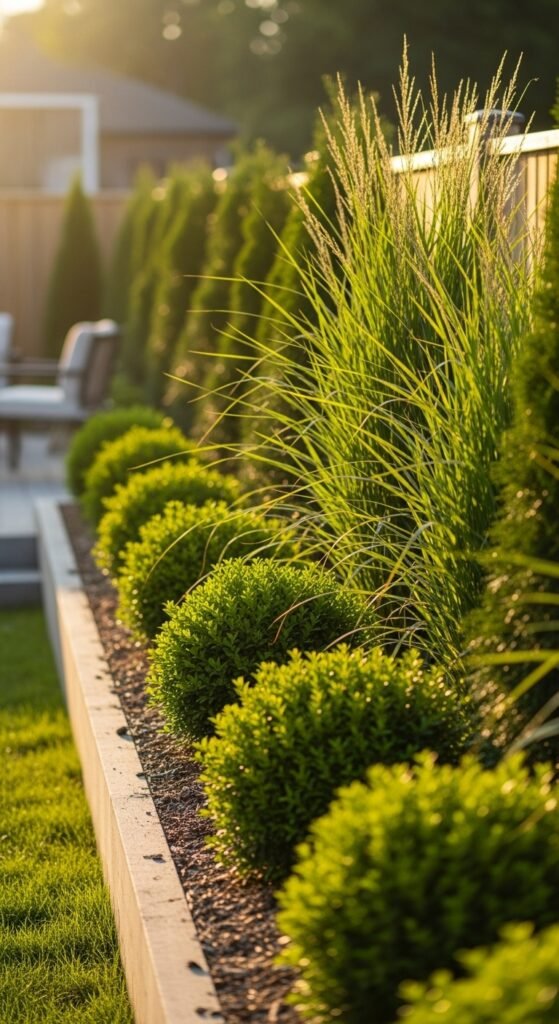
Key benefits include enhanced seclusion and noise reduction. Why implement this? It combines utility with natural beauty, improving your outdoor living experience.
Choose fast-growing species, planting in enriched soil. Incorporate privacy landscaping ideas like layered planting. Prune annually to maintain shape, ensuring the bed remains a functional barrier throughout the year.
7) Cascading Water Feature Combo
Combine a raised bed against a fence with a cascading water feature for a soothing garden element. Plant moisture-loving species around a small fountain attached to the fence.
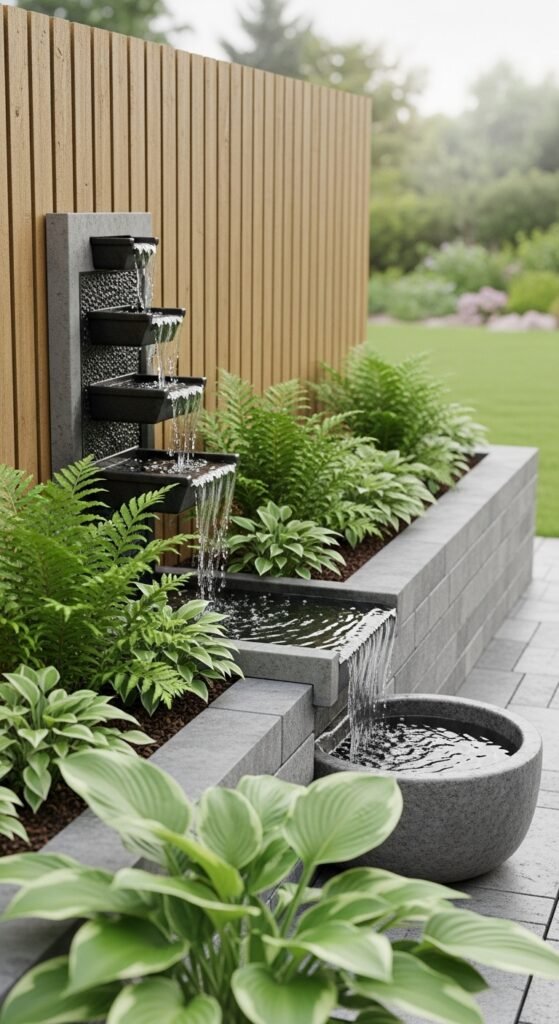
Key benefits encompass ambient sound masking and humidity for plants. Why select this? It adds auditory and visual tranquility to your garden retreat.
Install a recirculating pump system, surrounding with ferns or hostas. Use waterproof liners in the bed to prevent leaks. Maintain by cleaning the feature regularly, creating a serene oasis in your yard.
8) Pollinator Paradise Setup
Establish a pollinator-friendly raised bed against a fence by selecting nectar-rich flowers and herbs. This attracts bees, butterflies, and birds, boosting biodiversity.
Key benefits include improved pollination for nearby crops and ecological support. Why opt for this? It contributes to environmental health while enlivening your garden.
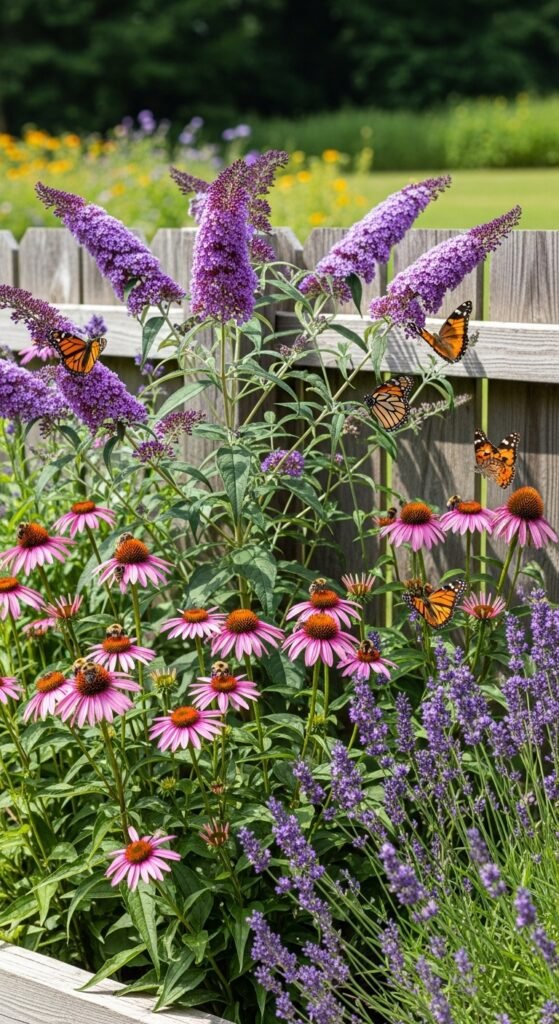
Fill with organic soil, planting a mix of blooms. Avoid pesticides, allowing natural balance. Observe wildlife activity, enhancing your connection to nature through this purposeful design.
9) Shade-Tolerant Arrangement
Design a shade-tolerant raised bed against a fence for areas with limited sunlight. Choose plants like impatiens or ferns that thrive in low light.
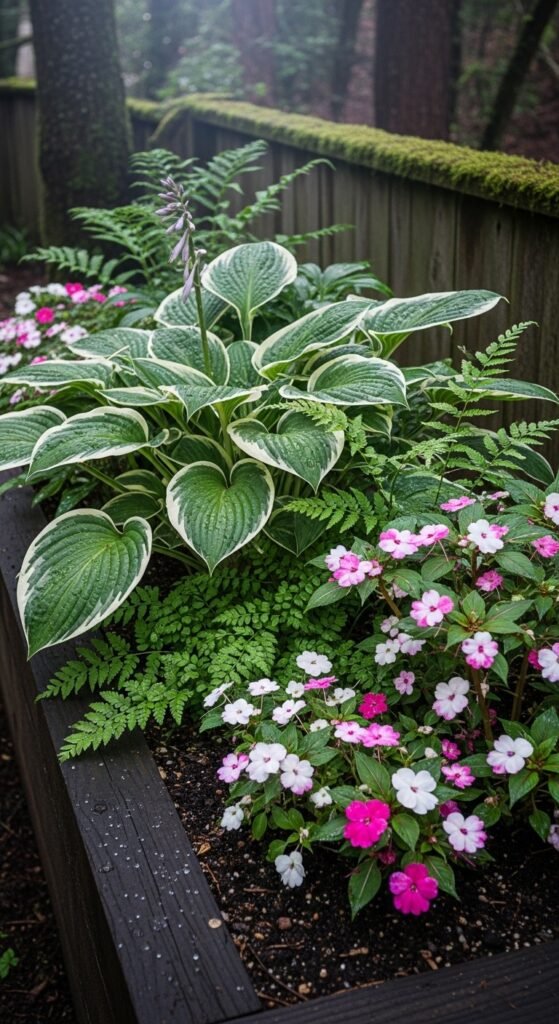
Key benefits feature utilization of challenging spaces and lush foliage coverage. Why pursue this? It maximizes every inch of your garden effectively.
Build with moisture-retaining soil amendments. Plant densely for fullness, watering consistently. This approach turns shaded spots into verdant highlights.
10) Eco-Friendly Hugelkultur Method
Adopt an eco-friendly hugelkultur raised bed against a fence by layering wood debris beneath soil. This technique decomposes naturally, enriching the bed over time.
Key benefits involve water retention and nutrient release without fertilizers. Why choose this? It promotes sustainable gardening practices with long-term soil health.
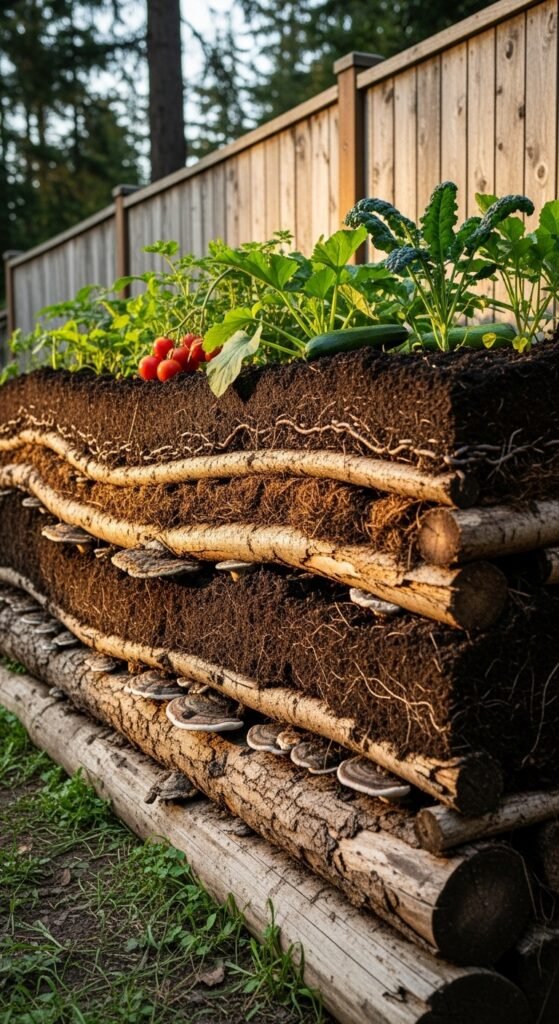
Layer logs, branches, and compost, topping with soil. Plant directly, benefiting from the hugelkultur raised bed system’s efficiency. Monitor decomposition, enjoying reduced maintenance and robust growth.
11) Self-Watering System Design
Incorporate a self-watering raised bed against a fence for consistent moisture delivery. Use reservoirs or wicking systems to draw water as needed.
Key benefits include reduced watering frequency and healthier roots. Why implement this? It suits busy gardeners seeking reliable plant care.
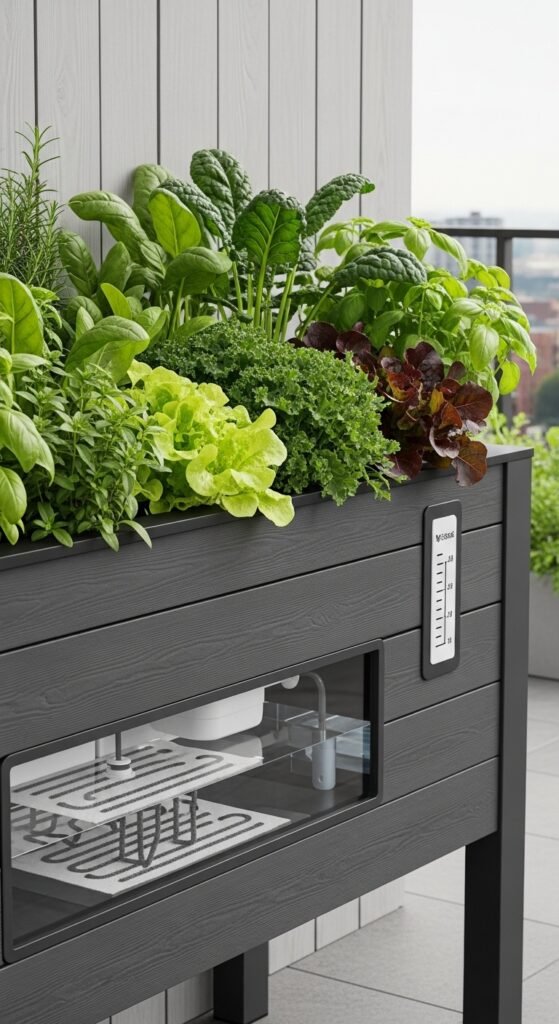
Construct with built-in reservoirs, filling periodically. Pair with self watering raised bed components for automation. This ensures thriving plants with minimal daily involvement.
12) Decorative Stone Edging
Enhance a raised bed against a fence with decorative stone edging for a polished look. Arrange stones along the perimeter, blending with the fence’s base.
Key benefits encompass durability and weed suppression. Why select this? It elevates aesthetic appeal while providing structural integrity.
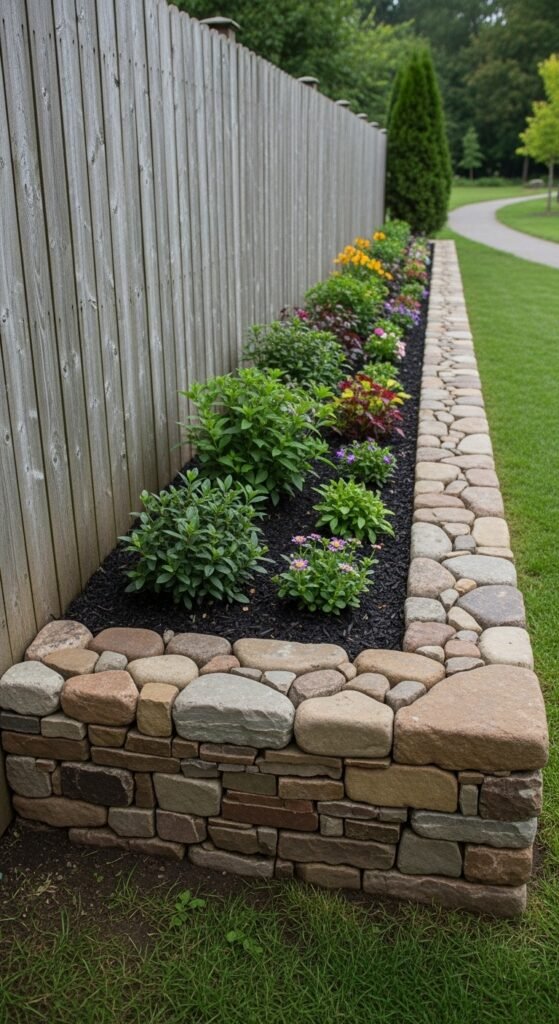
Select natural stones, embedding them securely. Fill the bed with soil, planting ornamentals or edibles. Maintain by occasional repositioning, achieving a timeless garden feature.
13) Multi-Tiered Layered Bed
Create a multi-tiered raised bed against a fence for varied planting levels. Build ascending layers, allowing diverse plant heights and types.
Key benefits feature increased planting area and improved drainage. Why opt for this? It adds dimension and accessibility to your garden.
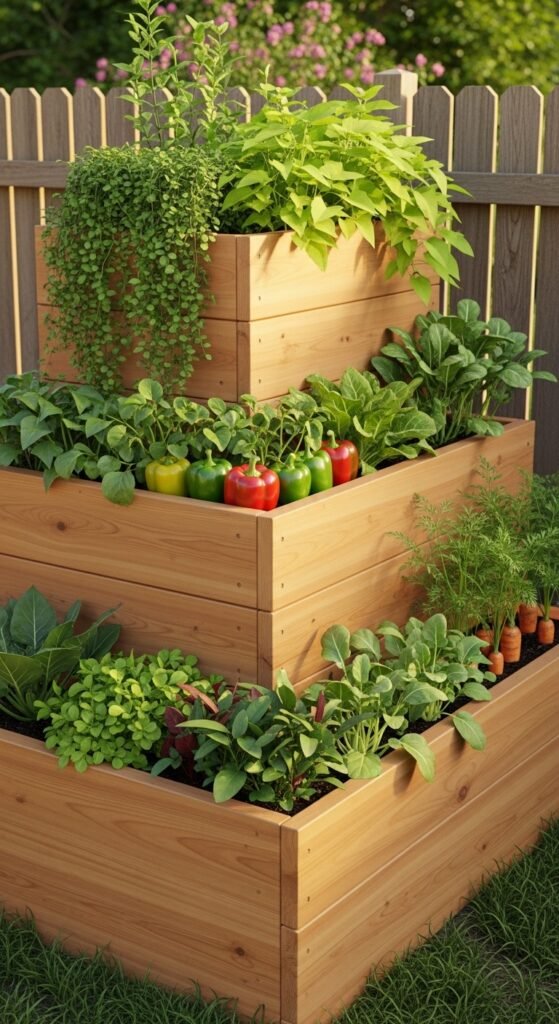
Use stepped framing, ensuring stability. Plant cascading varieties on upper tiers. Water from top to bottom, fostering a dynamic, space-efficient setup.
14) Companion Planting Corner
Develop a companion planting raised bed against a fence to pair beneficial plants. Combine vegetables with herbs for mutual growth advantages.
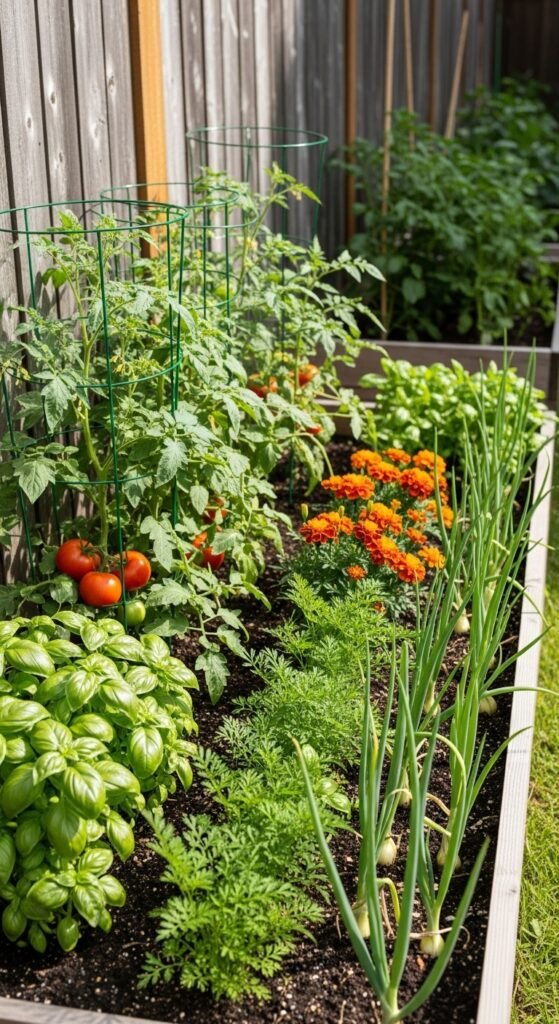
Key benefits include natural pest control and enhanced yields. Why pursue this? It optimizes space and promotes healthier ecosystems.
Plan pairings like tomatoes with basil, using enriched soil. Monitor interactions, adjusting as needed for harmonious development in this integrated approach.
15) Seasonal Swap-Out Strategy
Implement a seasonal swap-out raised bed against a fence by rotating plants throughout the year. Transition from spring bulbs to summer veggies and fall foliage.
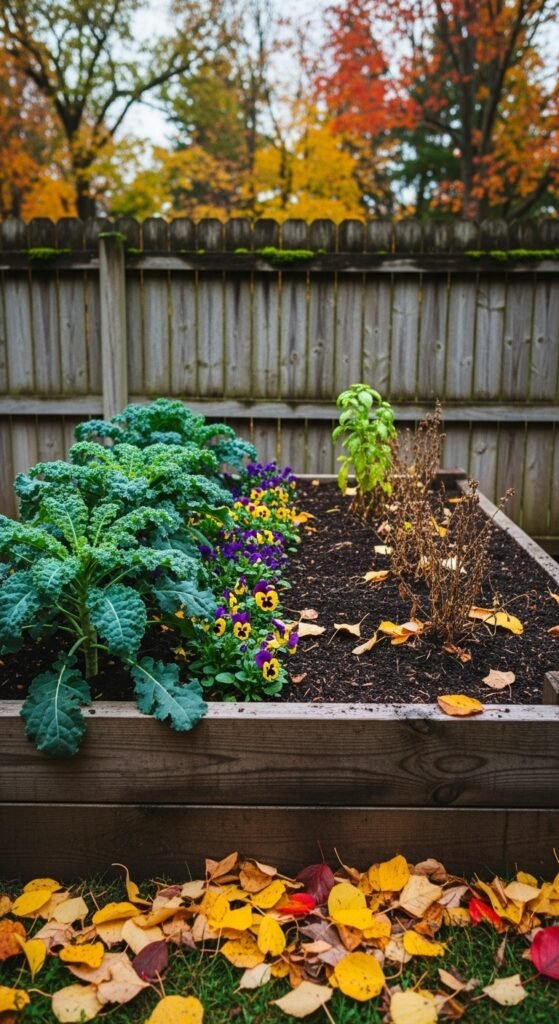
Key benefits involve continuous productivity and soil rejuvenation. Why choose this? It keeps your garden fresh and adaptable to changing conditions.
Prepare with versatile soil, planning crop rotations. Amend between seasons, ensuring year-round vibrancy and utility in your space.
Key Principles for Successful Raised Beds Against Fences
Site Selection and Preparation
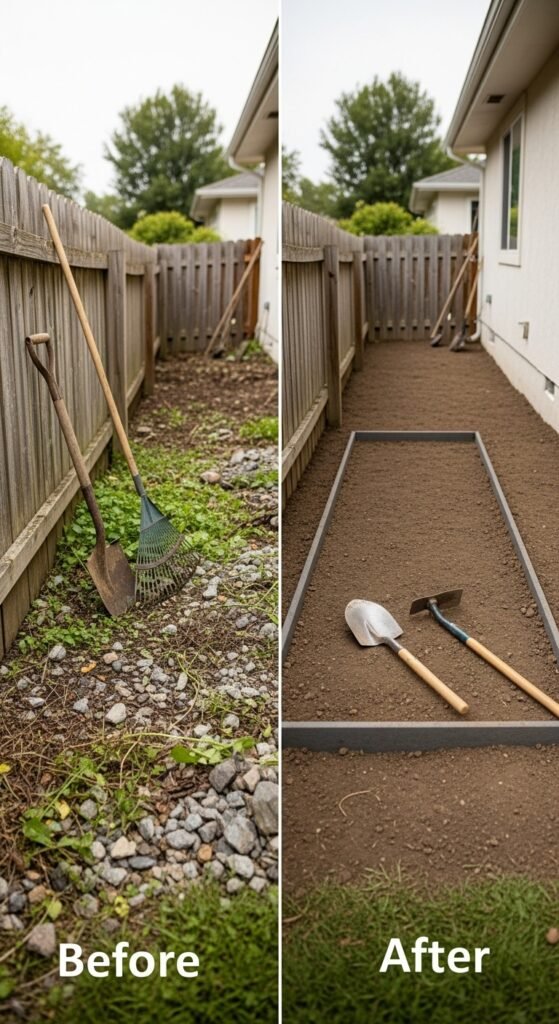
Assess sunlight, soil quality, and fence stability before installation. Clear debris and level the ground to ensure a solid foundation, preventing future issues.
Material Choices and Durability
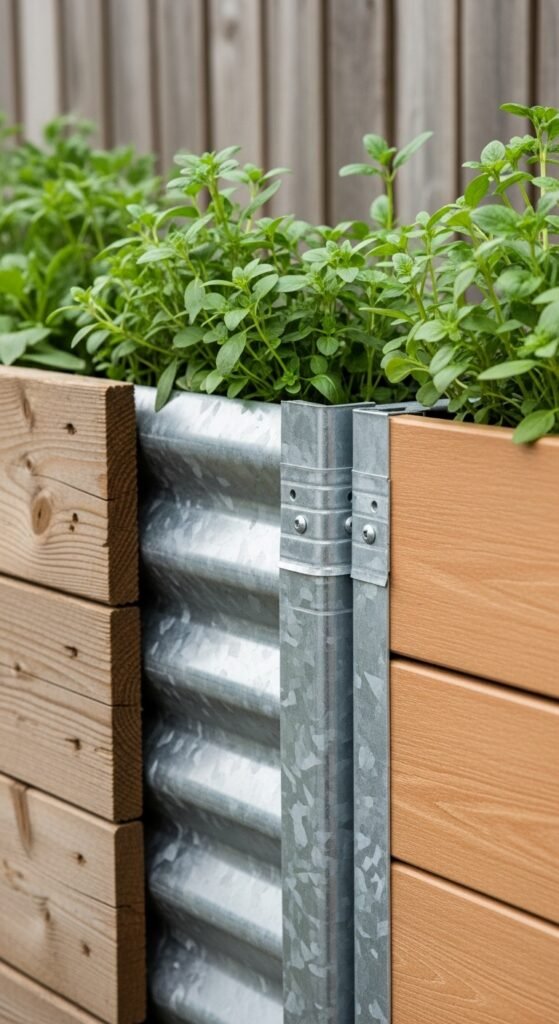
Select weather-resistant materials like cedar or composite for longevity. Consider best soil mix for raised beds to support healthy plant growth over time.
Maintenance Tips
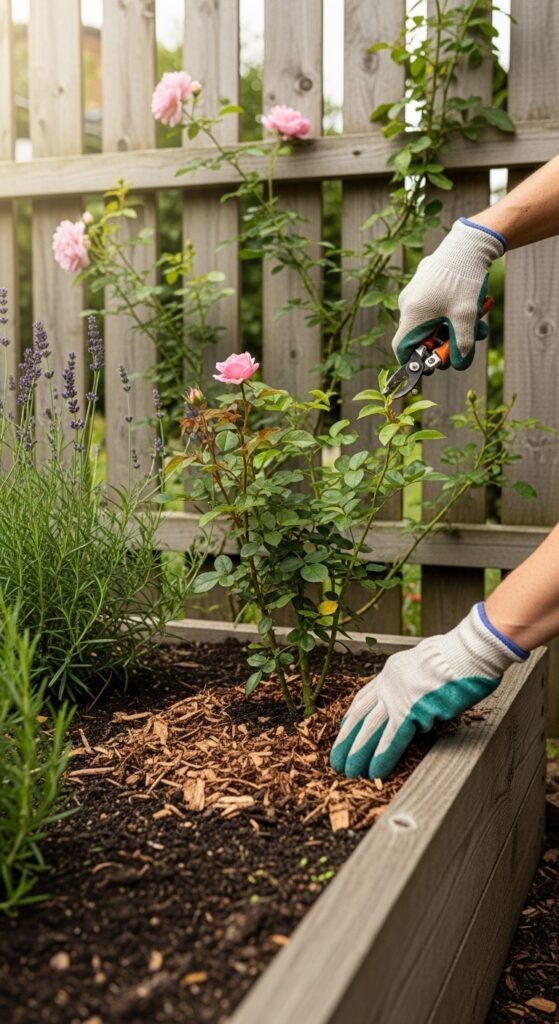
Regularly check for pests, water appropriately, and mulch to retain moisture. Prune climbing plants to avoid fence damage, maintaining both structure and vitality.
Frequently Asked Questions
What materials are best for building a raised bed against a fence?
Opt for durable, rot-resistant woods like cedar or redwood, or use metal and stone for longevity. Ensure materials are non-toxic to avoid leaching into soil.
How deep should a raised bed against a fence be?
A depth of 12 to 18 inches is typically sufficient for most plants, allowing adequate root development while keeping construction manageable.
Can I attach the raised bed directly to the fence?
It’s advisable to leave a small gap for air circulation and maintenance access, preventing moisture buildup that could damage the fence.
What plants grow best in a raised bed against a fence?
Climbing vines, herbs, and vegetables thrive, benefiting from the support and microclimate provided by the fence structure.
How do I prevent weeds in a raised bed against a fence?
Use landscape fabric at the base, apply mulch on top, and regularly inspect and remove any emerging weeds to maintain a clean growing area.