Growing plum trees in your garden can be incredibly rewarding, but successful fruit production often hinges on proper pollination. A plum pollination chart helps you understand which varieties cross-pollinate effectively, ensuring your trees set abundant fruit. Whether you’re dealing with European or Japanese plums, knowing compatible partners prevents poor yields and maximizes your orchard’s potential.
Many plum trees require cross-pollination from a different variety with overlapping bloom times. Self-fertile options exist, but even they produce better with a companion. Using a reliable plum pollination chart, you can plan pairings that align bloom periods and genetic compatibility, leading to heavier crops of juicy plums.
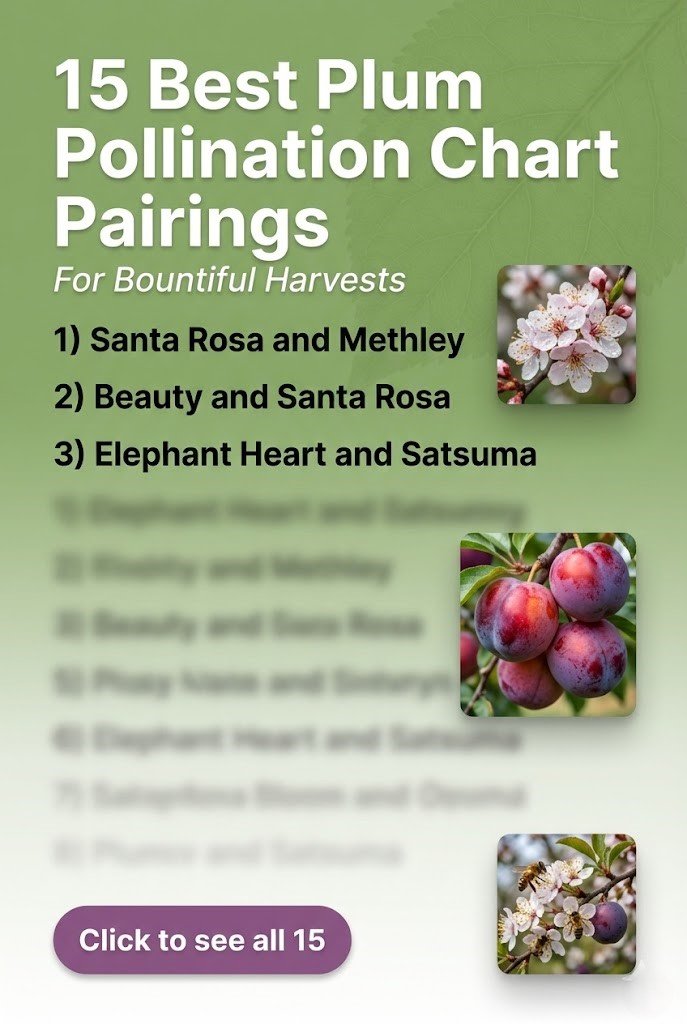
In this guide, you’ll discover 15 proven pollination pairings that gardeners rely on for consistent results. These combinations account for type differences—Japanese and European plums generally don’t cross-pollinate—and focus on reliable overlaps for healthier trees and bigger harvests.
1) Santa Rosa and Methley
Santa Rosa is a popular Japanese plum known for its large, reddish-purple fruit and early bloom. It is partially self-fertile but thrives with cross-pollination.
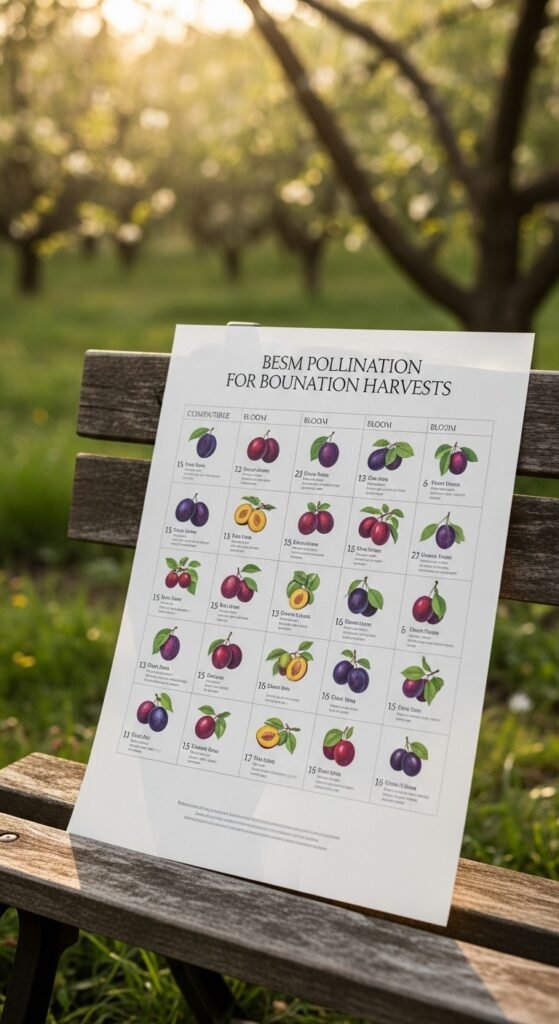
Pairing it with Methley, another early-blooming Japanese variety with sweet red plums, ensures excellent overlap. Methley acts as a strong pollinator, boosting Santa Rosa’s yield significantly.
To make this work in your garden, plant these trees within 100 feet of each other. You’ll enjoy extended harvest times and more reliable fruit set, even in variable spring weather.
2) Beauty and Santa Rosa
Beauty plum offers amber-fleshed, red-skinned fruit with a sweet-tart flavor and blooms early in the season.
It pairs perfectly with Santa Rosa, as both are Japanese types with compatible bloom periods. Beauty enhances pollination for Santa Rosa while benefiting from the reverse.
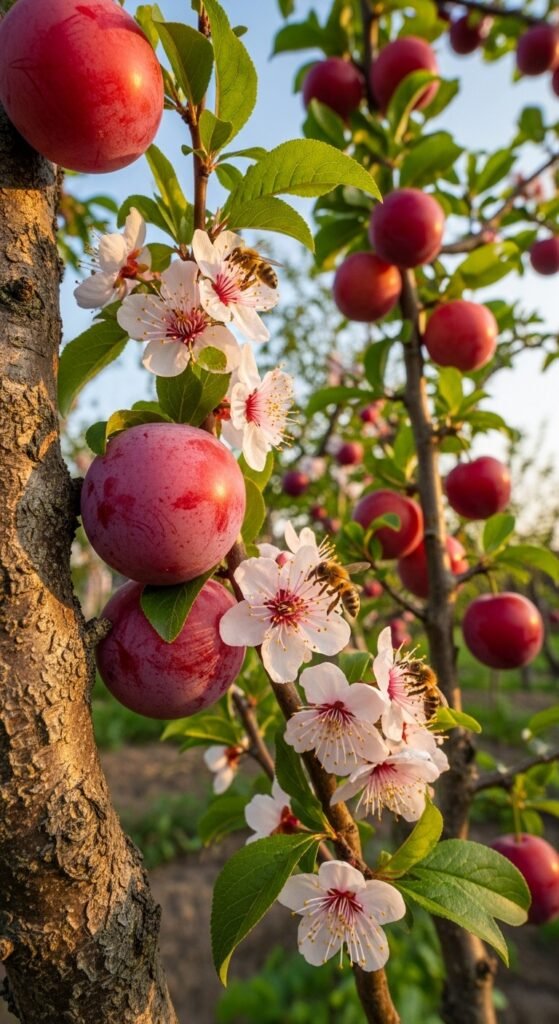
This duo is ideal for warmer climates. You can expect vigorous growth and heavy crops when bees transfer pollen between them during overlapping flowers.
3) Elephant Heart and Satsuma
Elephant Heart is a large, heart-shaped Japanese plum with deep red flesh and late bloom time.
Satsuma, known for its dark red, mottled fruit, provides reliable cross-pollination due to matching bloom schedules.
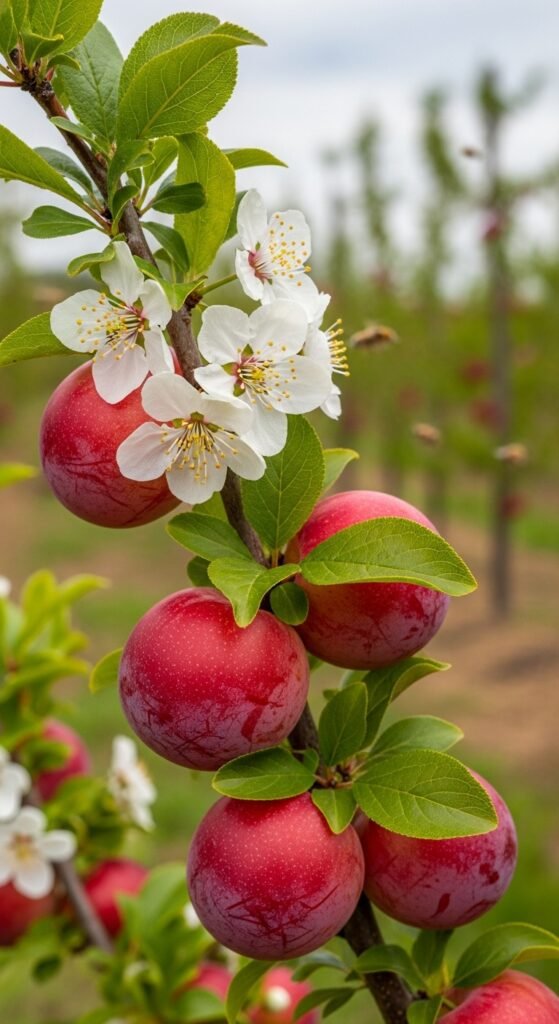
By planting these together, you avoid common issues like sparse fruiting. This pairing delivers flavorful plums over a longer season.
4) Shiro and Methley
Shiro produces yellow, juicy Japanese plums and is partially self-fertile but needs a partner for optimal production.
Methley serves as an excellent early pollinator, with its vigorous bloom ensuring good overlap.
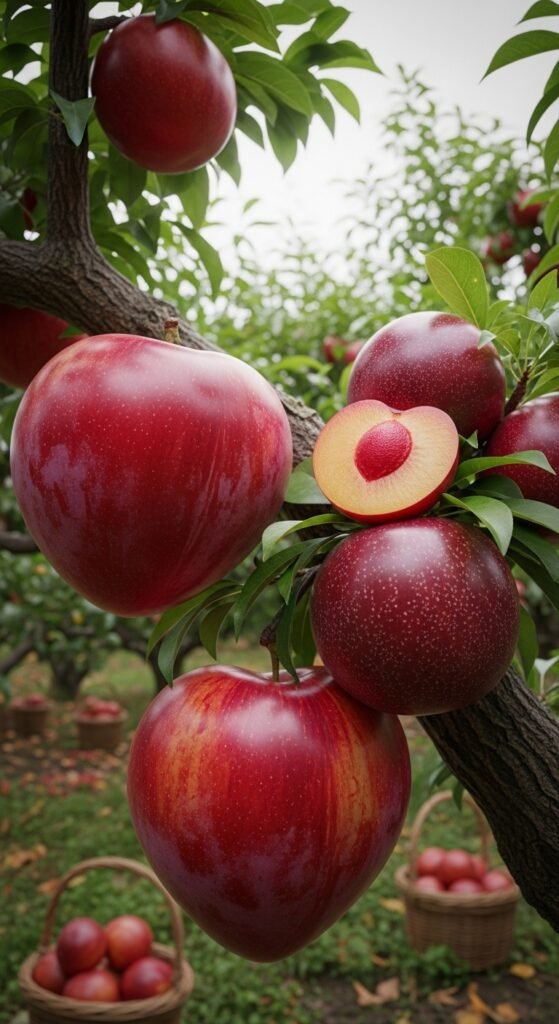
You’ll see improved fruit size and quantity. This combination is great for home orchards seeking bright, sweet plums.
5) Toka and Superior
Toka, often called the “bubblegum plum” for its fragrance, is a hybrid that’s an outstanding universal pollinator for many Japanese varieties.
Pair it with Superior for reliable cross-pollination and enhanced yields on both trees.
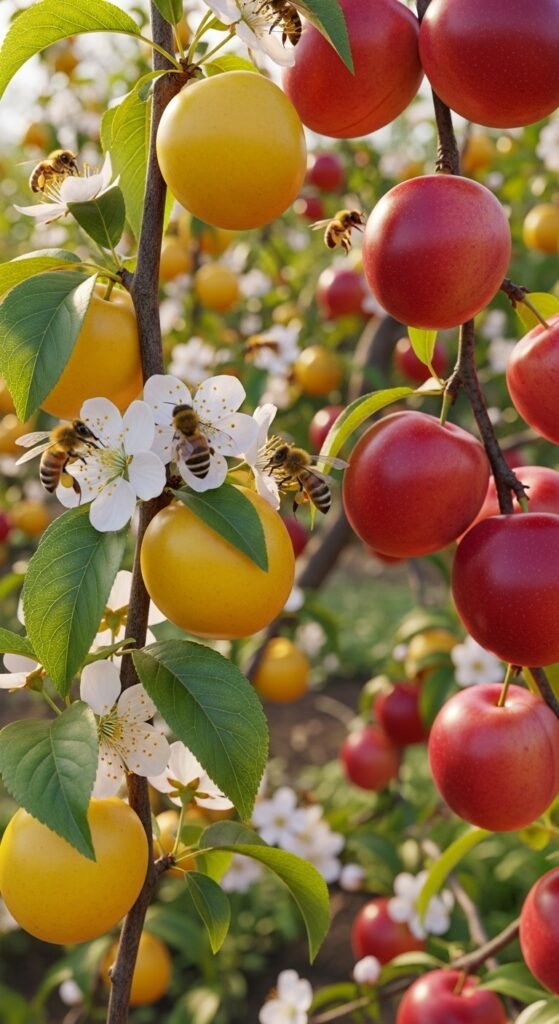
This setup guarantees better fruit set, especially in regions with unpredictable springs. You benefit from Toka’s hardiness and pollination prowess.
6) Stanley and Mount Royal
Stanley is a classic European prune plum that’s partially self-fertile with blue skin and sweet flesh.
Mount Royal, another European variety, boosts its production through cross-pollination while being cold-hardy.
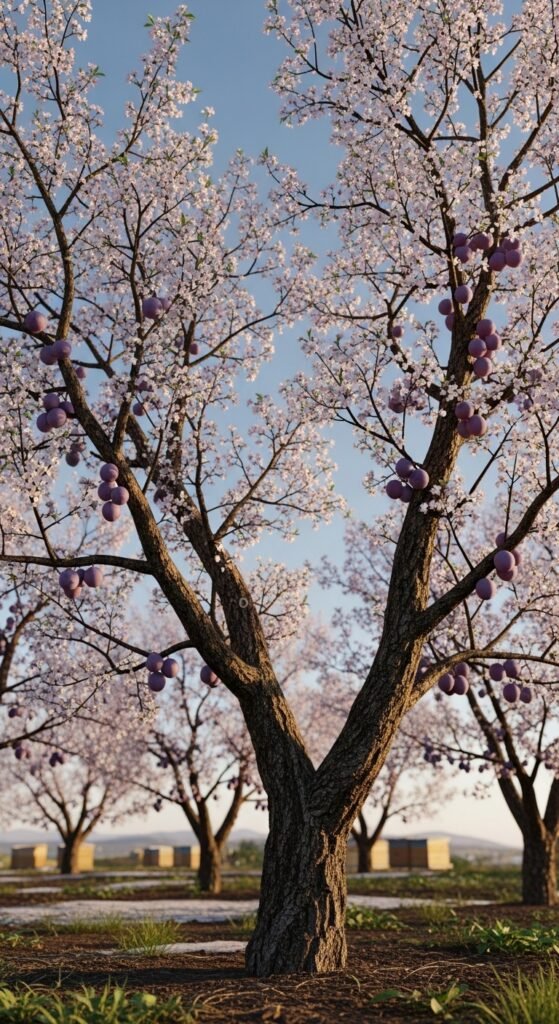
Planting these ensures consistent crops of drying plums. European types like these freely inter-pollinate, making this a low-risk choice.
7) Victoria and Green Gage
Victoria is the quintessential self-fertile European plum, producing oval red fruit abundantly.
Adding Green Gage (Reine Claude) enhances flavor diversity and provides mutual pollination support.
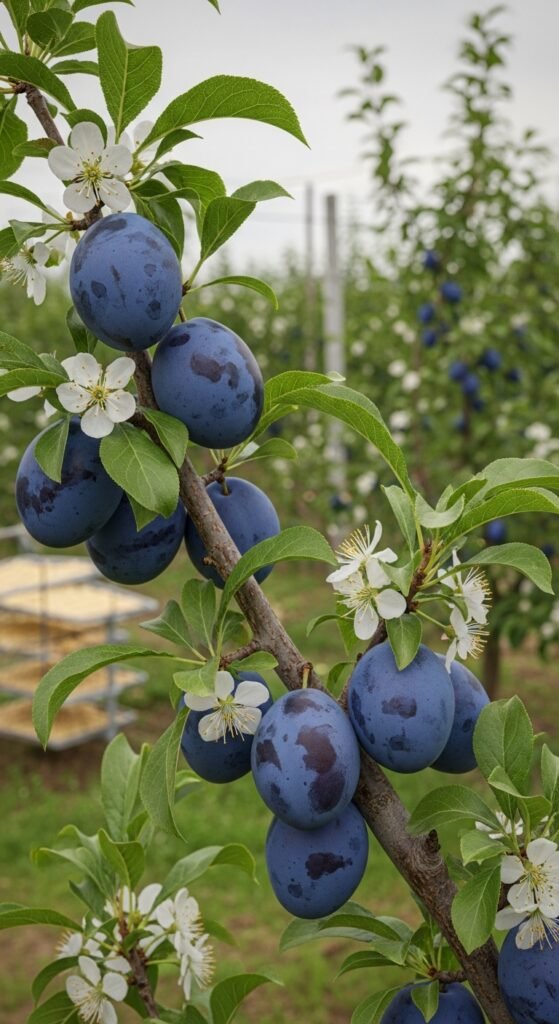
You get reliable harvests even alone, but together they yield more. This pairing suits cooler climates perfectly.
8) Ozark Premier and Burbank
Ozark Premier offers large Japanese-American hybrid plums needing a compatible partner.
Burbank, with its red flesh and early-mid bloom, provides ideal cross-pollination.
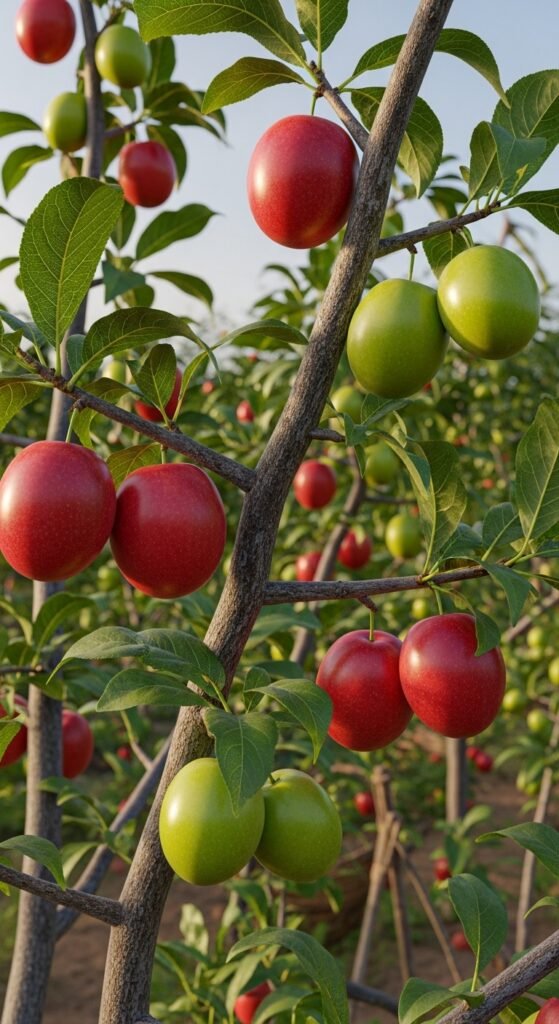
This combination leads to heavier sets and disease-resistant trees. You’ll harvest juicy plums for fresh eating.
9) Damson and Bluefre
Damson plums are tart European types great for preserves, often requiring pollination.
Bluefre or similar early European varieties ensure bloom overlap for better fruiting.
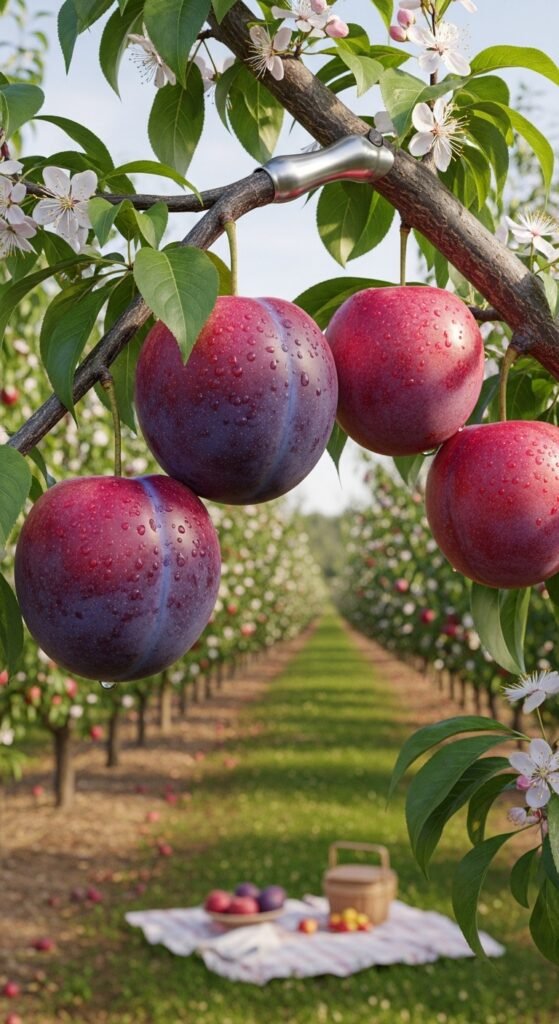
By choosing this pair, you secure tart plums reliably. It’s excellent for hedging or culinary uses.
10) Italian Prune and Valor
Italian Prune is a freestone European plum that’s partially self-fertile.
Valor adds cross-pollination for increased yields and larger fruit.
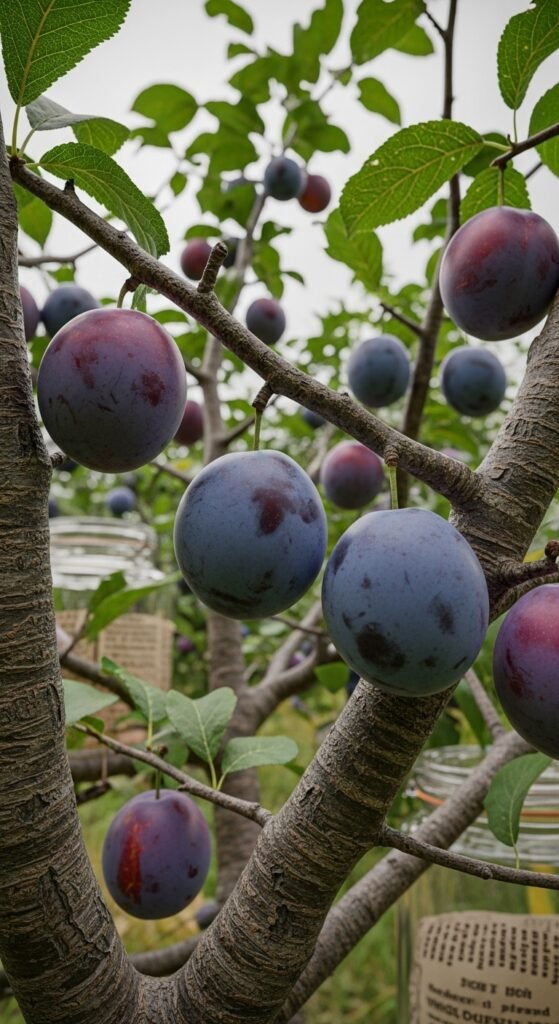
This duo thrives in various soils. You enjoy late-season prunes ideal for drying or cooking.
11) Brookgold and Waneta
Brookgold is an early Japanese plum needing partners.
Waneta hybrid provides timely pollination for abundant small fruits.
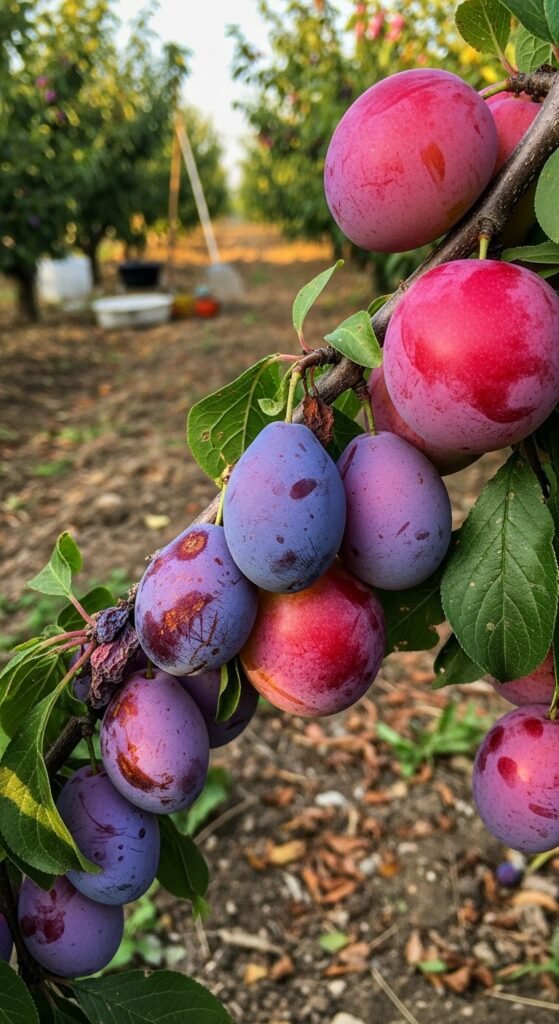
This pairing suits colder zones. You’ll get hardy trees with consistent production.
12) Satsuma and Elephant Heart
Satsuma’s deep flavor pairs well with Elephant Heart’s size for mutual benefit.
Both late-blooming Japanese types ensure strong cross-pollination.
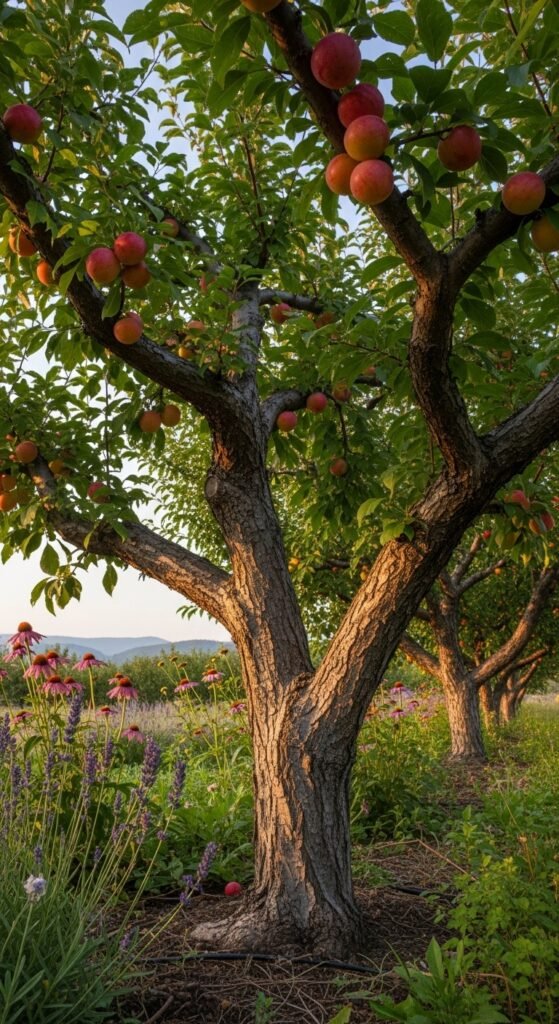
You avoid drop issues common in solitary plantings. Expect rich, mottled plums.
13) Methley and Shiro
Methley’s early vigor pollinates Shiro effectively.
This reverse of an earlier pair maximizes yellow plum harvests.
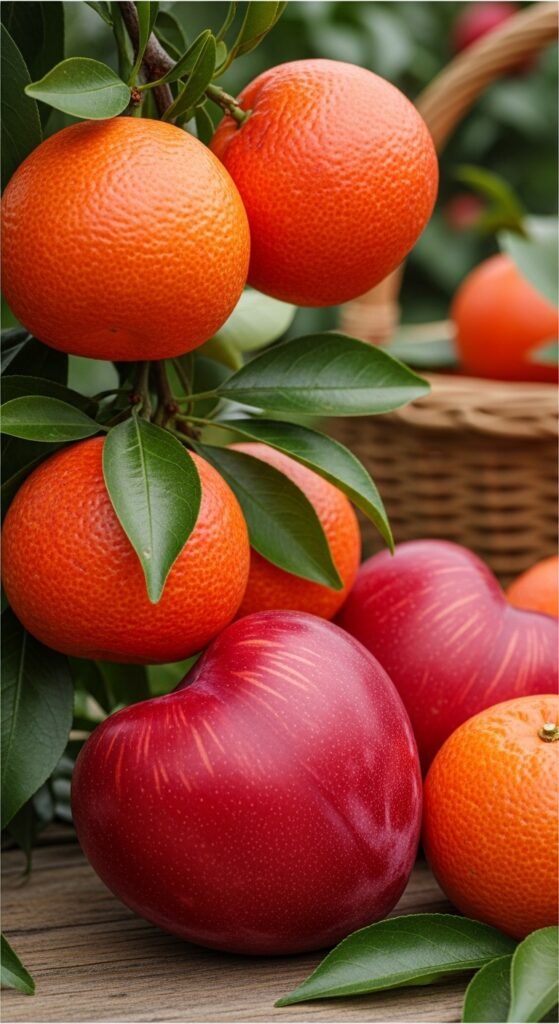
Plant for diversity. You gain sweet, juicy fruit over weeks.
14) Mount Royal and Stanley
Mount Royal’s cold tolerance complements Stanley’s productivity.
European compatibility guarantees excellent inter-pollination.
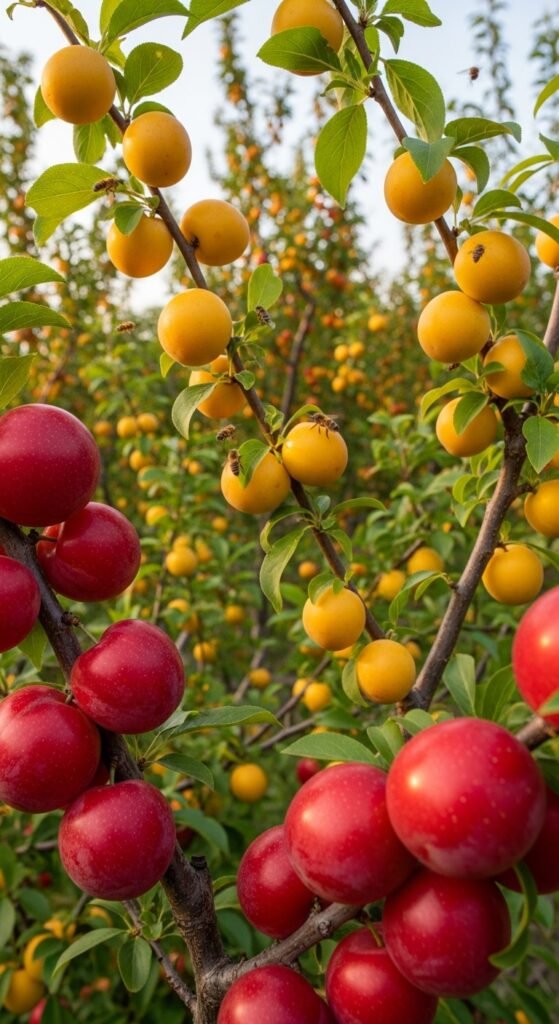
This is perfect for northern gardens. You’ll harvest blue plums reliably.
15) Beauty and Toka
Beauty’s early bloom aligns with Toka’s pollinating strength.
This hybrid-Japanese mix boosts overall orchard performance.
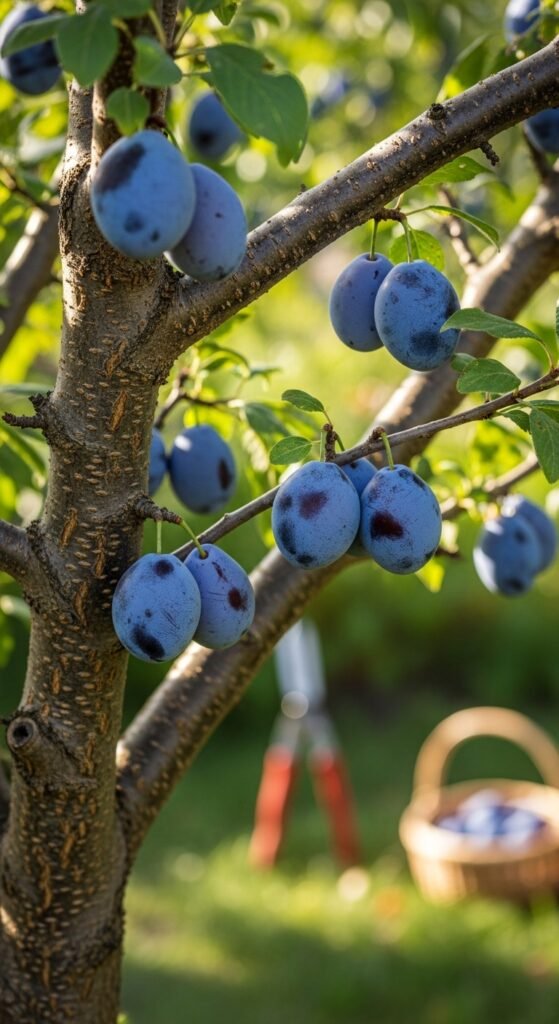
You achieve larger crops across varieties. It’s a versatile, high-yield option.
Key Pollination Tips for Plum Trees
Understanding Plum Types
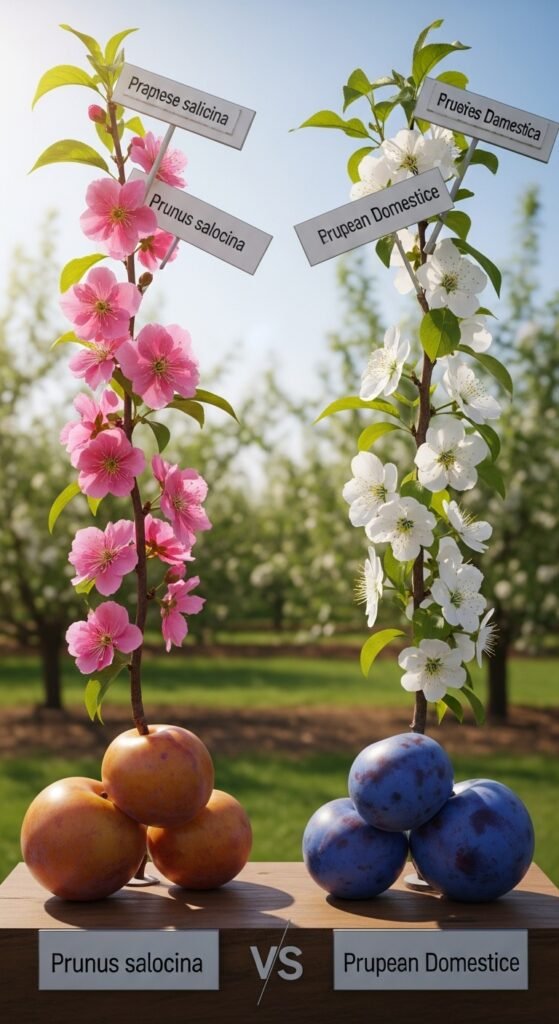
Japanese plums (Prunus salicina) need another Japanese or hybrid for pollination, while European (Prunus domestica) inter-pollinate freely and many are partially self-fertile.
Bloom Time Overlap
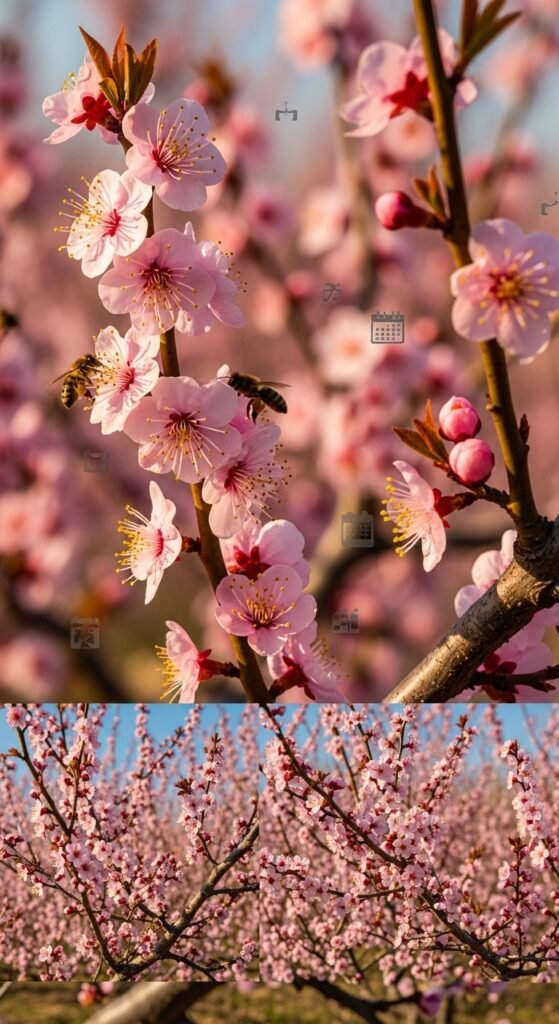
Always match varieties with similar bloom periods—early, mid, or late—to ensure bees can transfer pollen effectively.
Planting Distance and Bees
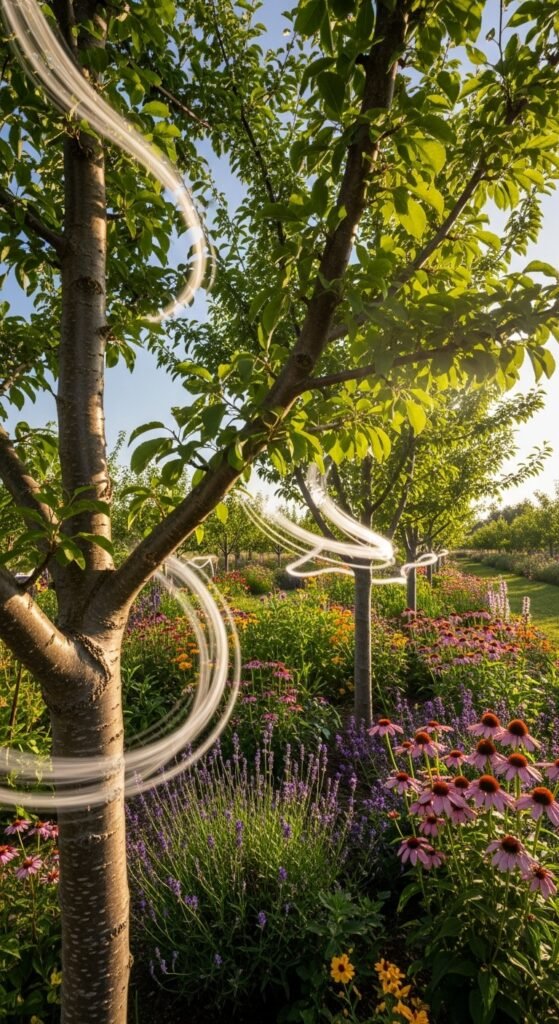
Keep trees within 100 feet and attract pollinators with diverse flowers nearby for the best results.
Frequently Asked Questions
Do all plum trees need a pollinator?
No, some European varieties like Victoria and Stanley are partially or fully self-fertile, but cross-pollination almost always improves yield and fruit quality.
Can Japanese and European plums cross-pollinate?
No, they are generally incompatible. Stick to the same type for reliable results.
How far apart can pollinator plum trees be?
Ideally within 100 feet to allow bees easy access during bloom time.
Are there fully self-pollinating plum trees?
Yes, varieties like Methley, Santa Rosa, and Beauty are partially self-fertile and can produce alone, though a partner enhances crops.
What if my plum tree doesn’t fruit?
Check for frost damage during bloom, lack of pollinator, or incompatible variety—consult a pollination chart to add a suitable companion.