Pink flowers bring a soft, romantic charm to any garden, evoking feelings of joy and serenity. Whether you’re aiming for a cottage-style haven or a modern minimalist landscape, incorporating these blooms can transform your outdoor space into a vibrant oasis. From delicate petals to bold clusters, pink flowers offer versatility in color shades, ranging from pale blush to deep magenta, allowing you to create layered visual interest throughout the seasons.
The appeal of pink flowers lies not only in their aesthetic beauty but also in their symbolic meanings of grace, admiration, and happiness. They attract pollinators like bees and butterflies, supporting biodiversity while requiring varying levels of care to suit beginner and experienced gardeners alike. By selecting the right varieties, you can enjoy continuous blooms from spring through fall, enhancing curb appeal and providing cut flowers for indoor arrangements. Let’s explore 15 inspiring pink flower ideas that will elevate your gardening experience.
1) Classic Pink Roses
You’ll love the timeless elegance of classic pink roses, which add a touch of romance to borders and trellises. These thorny perennials feature layered petals in shades from soft pastel to vibrant fuchsia, blooming repeatedly from late spring to frost. What makes them special is their intoxicating fragrance and ability to symbolize love and gratitude, making them ideal for sentimental gardens.
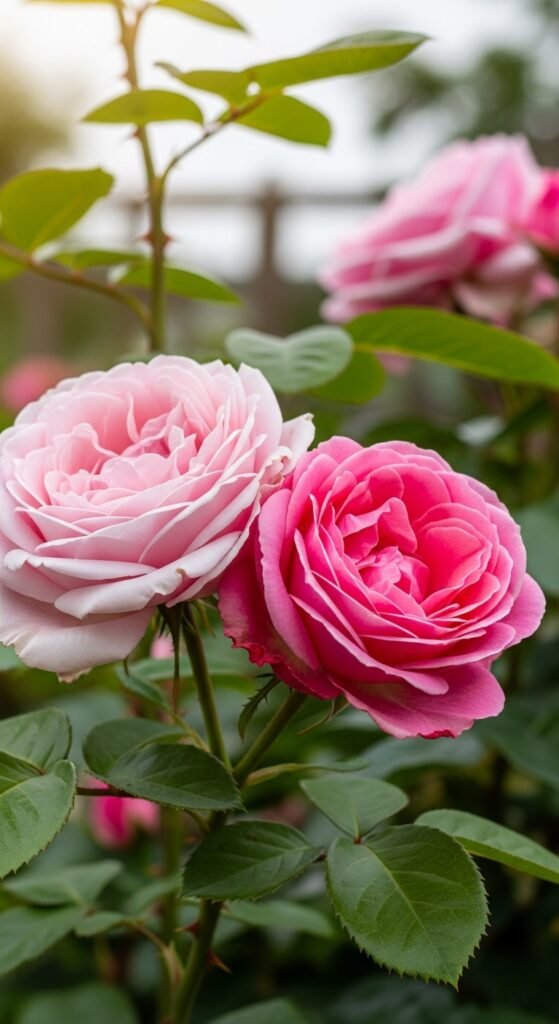
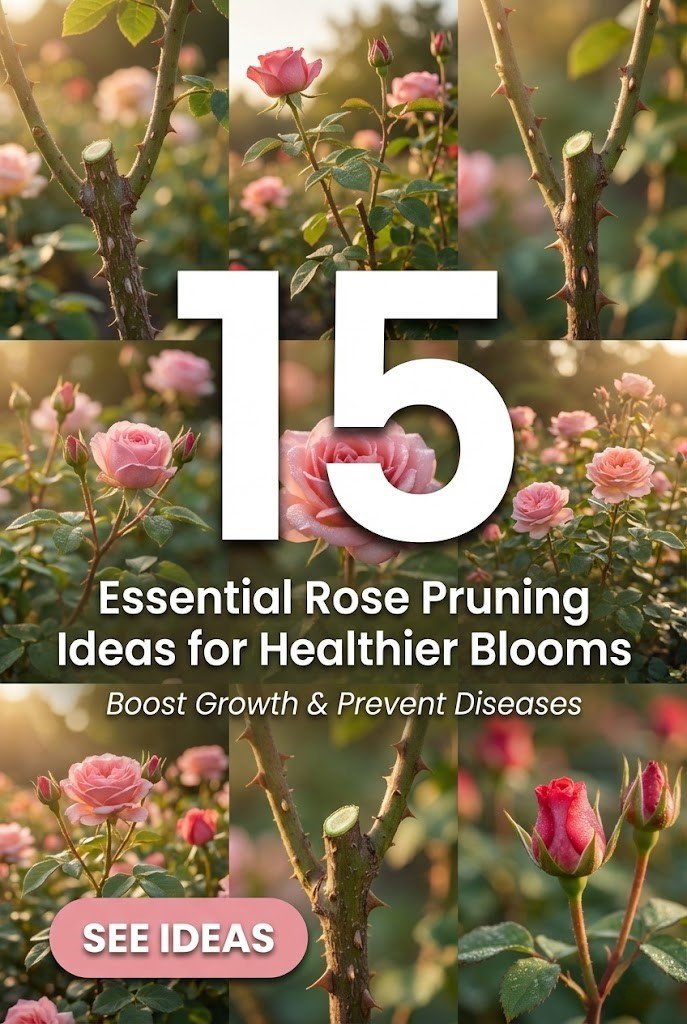
Why choose pink roses? They thrive in full sun with well-drained soil, offering resilience against common pests when properly maintained. Their versatility allows training as climbers or shrubs, providing structure and height. For optimal growth, plant in early spring or fall, ensuring at least six hours of sunlight daily. Prune annually to encourage bushier growth and more blooms—check out our guide on pruning roses in spring for expert tips. Water deeply but infrequently, and fertilize with rose-specific nutrients for stunning results that last seasons.
2) Lush Pink Peonies
Imagine your garden bursting with lush pink peonies, their ruffled, voluminous blooms creating a showstopping focal point in late spring. These herbaceous perennials boast large, fragrant flowers in hues like coral pink or bubblegum, supported by sturdy stems and glossy green foliage that persists through summer.
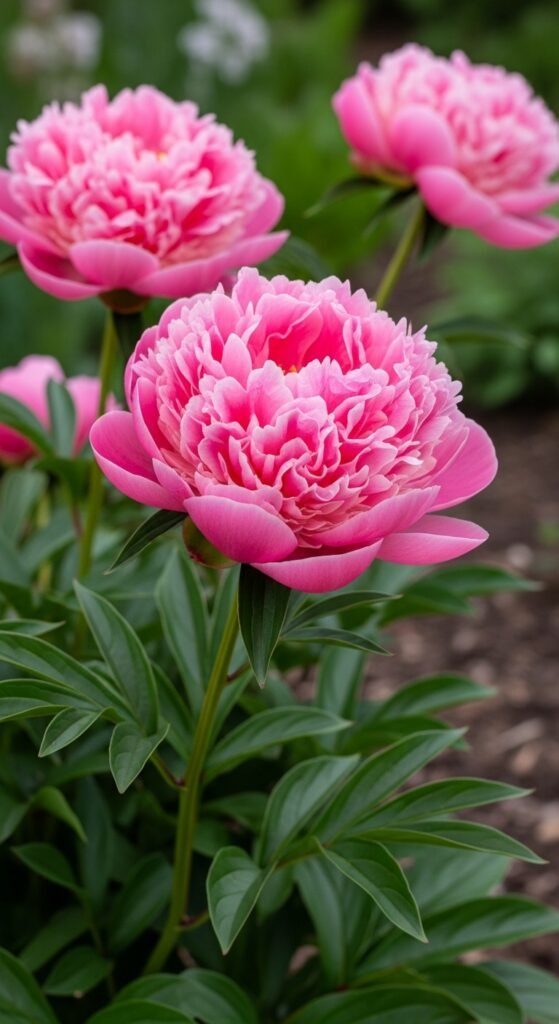
The allure of pink peonies stems from their opulent appearance and low-maintenance nature once established. They symbolize prosperity and good fortune, perfect for cutting gardens or mixed borders. Plant tubers in fall for best root development, choosing a sunny spot with rich, loamy soil. Space them 3 feet apart to prevent overcrowding, and avoid deep planting to ensure flowering. Mulch to retain moisture, and stake taller varieties to support heavy heads. With proper care, they’ll return year after year, adding luxurious texture—pair them with edibles for a multifunctional space, as explored in our spring edible flowers article.
3) Vibrant Pink Tulips
You can create a colorful spring spectacle with vibrant pink tulips, their cup-shaped blooms rising on slender stems above strap-like leaves. Available in varieties like triumph or Darwin hybrids, they offer shades from candy pink to hot magenta, ideal for mass plantings or containers.
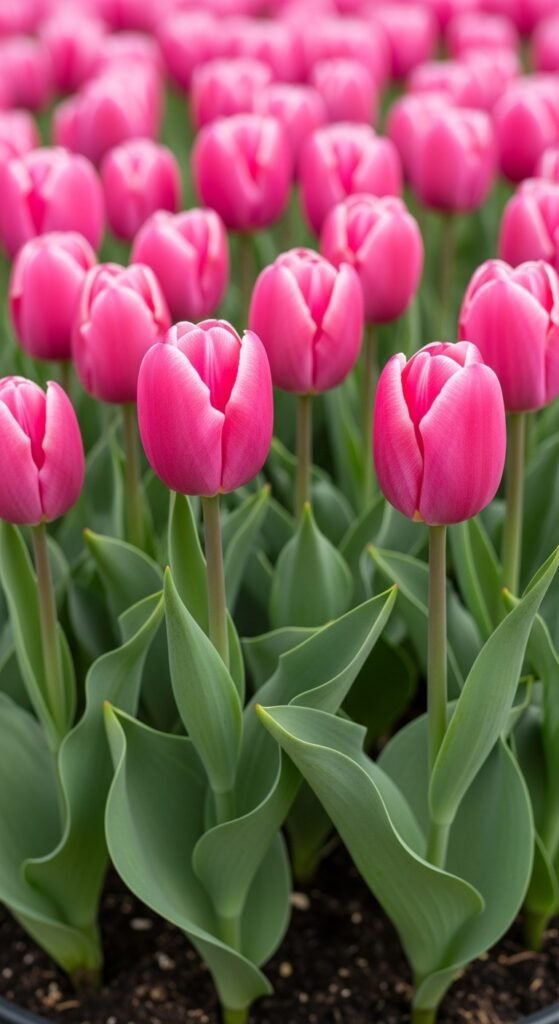
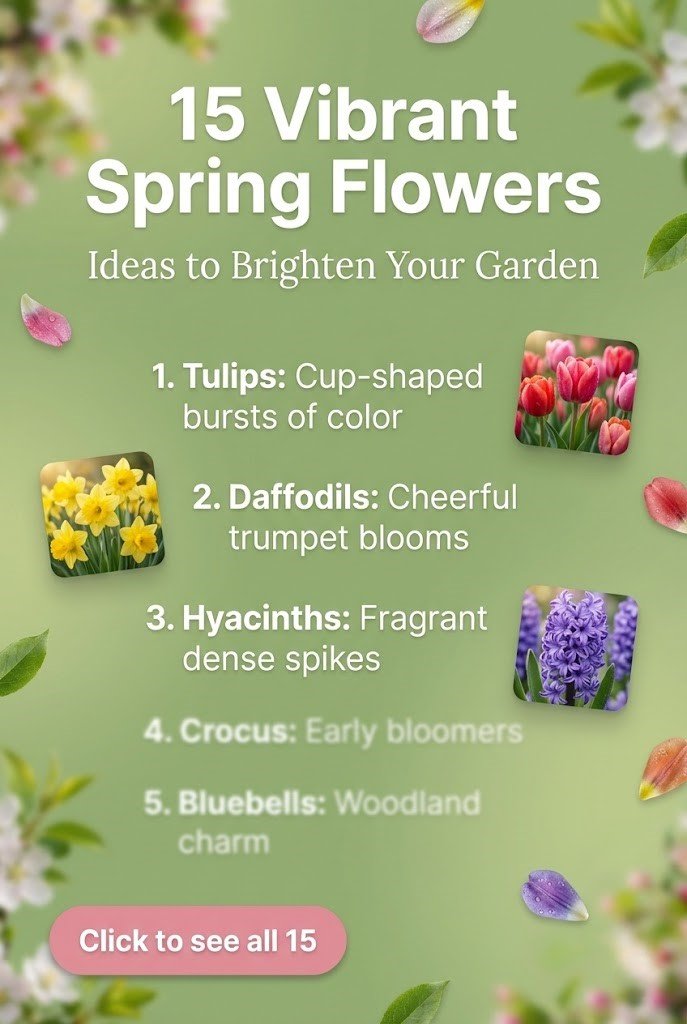
Pink tulips shine for their early-season cheer and ease of forcing indoors. They represent perfect love and happiness, making them great gifts or garden accents. Bulbs should be planted in autumn, 6-8 inches deep in well-drained soil with full sun exposure. For perennial performance, select species tulips and fertilize after blooming. Deadhead spent flowers to redirect energy, but leave foliage until yellowed. These beauties naturalize well in zones 3-8, providing reliable returns—enhance arrangements with creative ideas from our tulip arrangements post.
4) Elegant Pink Hydrangeas
Elevate your shade garden with elegant pink hydrangeas, their mophead or lacecap clusters delivering abundant color from midsummer onward. These deciduous shrubs feature broad leaves and flowers that shift tones based on soil pH—acidic for blue, alkaline for pink.
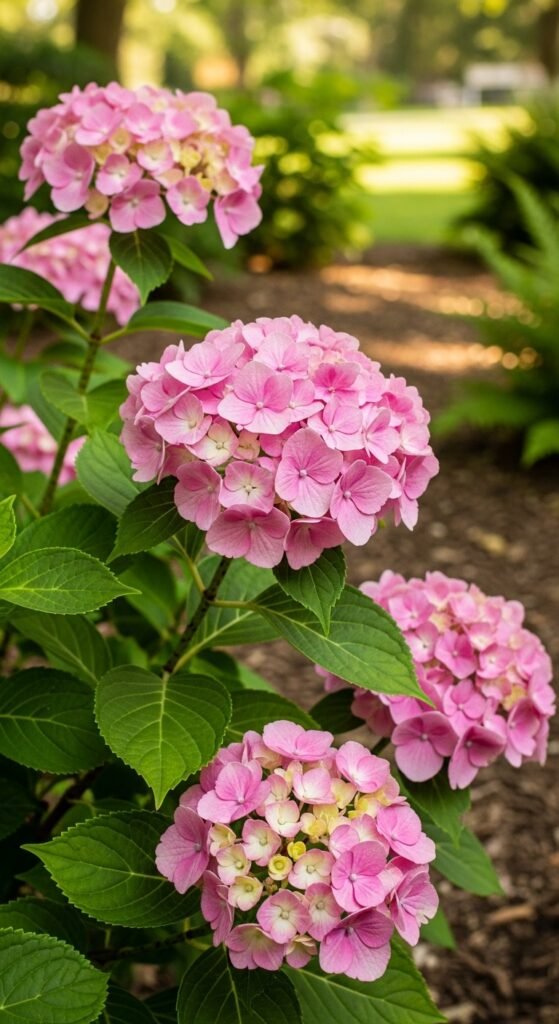
Why opt for pink hydrangeas? Their long-lasting blooms and adaptability to partial shade make them forgiving for novice gardeners. Symbolizing heartfelt emotions, they’re superb for hedges or foundation plantings. Plant in spring or fall in moist, fertile soil, amending with lime to maintain pink hues. Prune bigleaf types after flowering, and protect from harsh winters with mulch. Regular watering during dry spells ensures prolific flowering, turning your yard into a serene retreat—discover more in our spring hydrangea care tips.
5) Bold Pink Dahlias
You’ll be captivated by bold pink dahlias, with their intricate petal formations ranging from dinner-plate sized to pom-pom styles. These tuberous perennials explode in color from midsummer to frost, adding dramatic flair to cutting gardens or borders.
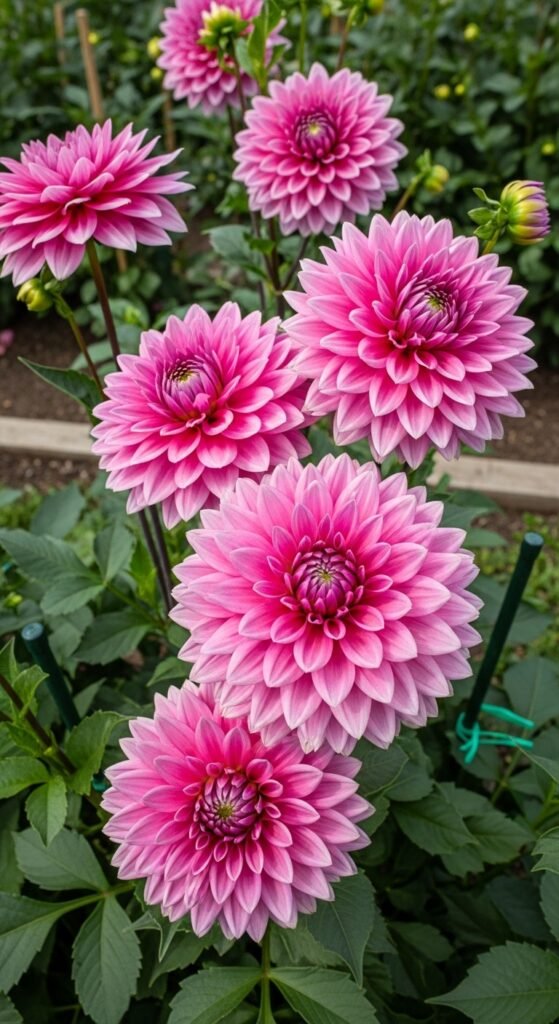
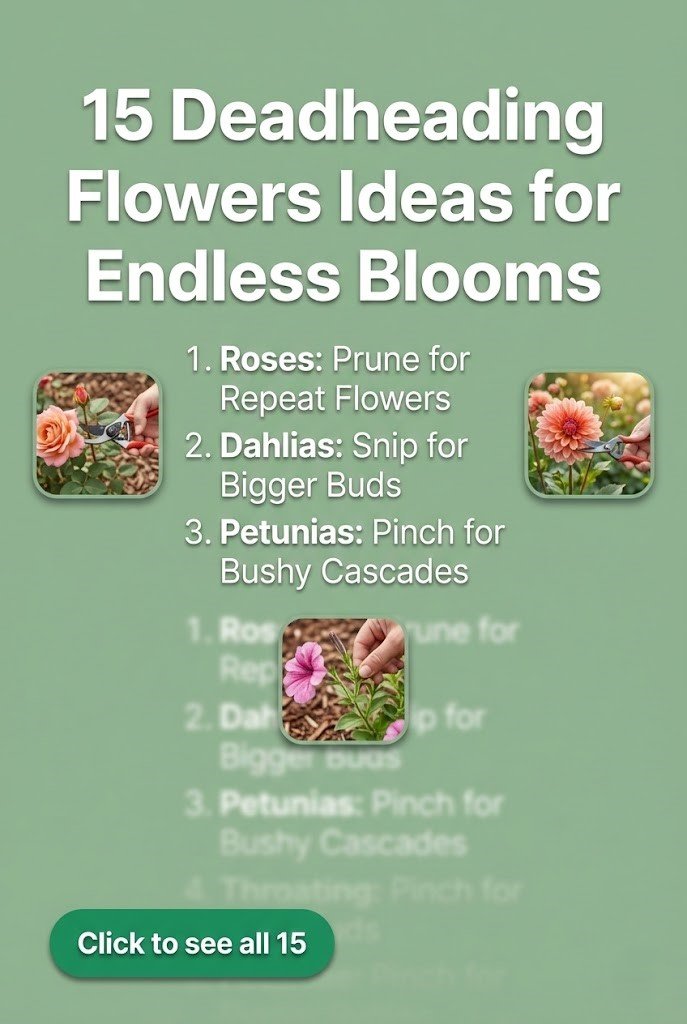
Pink dahlias are prized for their diversity and high yield of blooms, perfect for arrangements and attracting butterflies. They embody dignity and commitment, thriving in full sun with stakes for support. Dig and store tubers in fall in colder zones to overwinter successfully—learn how in our save dahlia tubers guide. Plant after last frost, spacing 2 feet apart in enriched soil. Pinch tips for bushier plants, and deadhead regularly for continuous production, yielding armfuls of stunning flowers.
6) Delicate Pink Lilies
Introduce height and fragrance with delicate pink lilies, their trumpet or Turk’s cap blooms perched on tall stems amid lance-shaped leaves. Oriental or Asiatic types offer speckled or solid pink petals, flowering in summer.
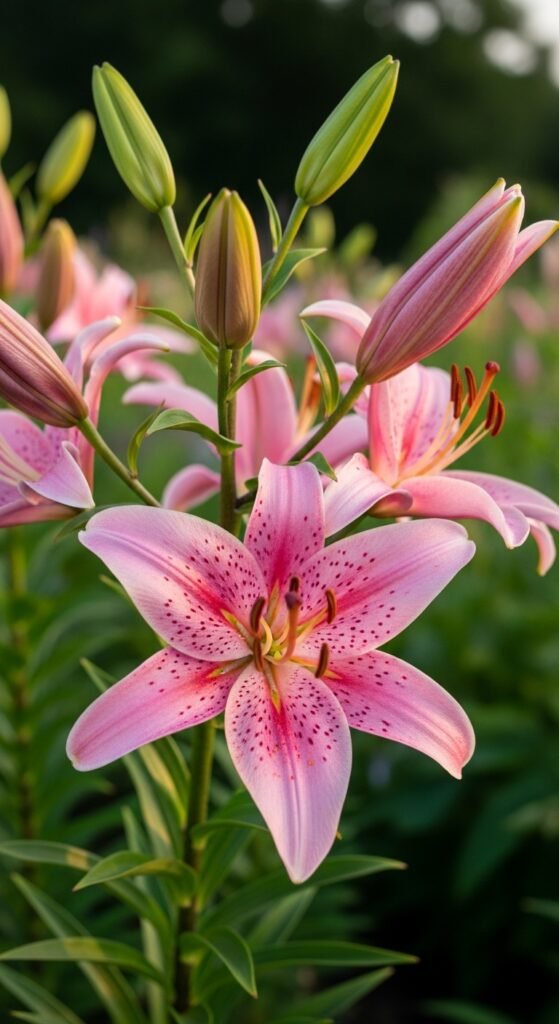
The charm of pink lilies lies in their exotic look and potent scent, ideal for pollinator gardens or pots. Representing purity and devotion, they require minimal care once established. Bulbs go in during spring or fall, 6 inches deep in well-drained, sunny spots. Mulch to keep roots cool, and fertilize sparingly. In containers, they add vertical interest—explore options in our spring container garden ideas. Divide every few years for propagation, ensuring a fragrant display that enchants visitors.
7) Charming Pink Carnations
Charming pink carnations bring ruffled, spicy-scented blooms to your garden, with grass-like foliage forming compact mounds. These perennials or annuals in colder areas provide long-lasting cut flowers in shades from light pink to deep rose.
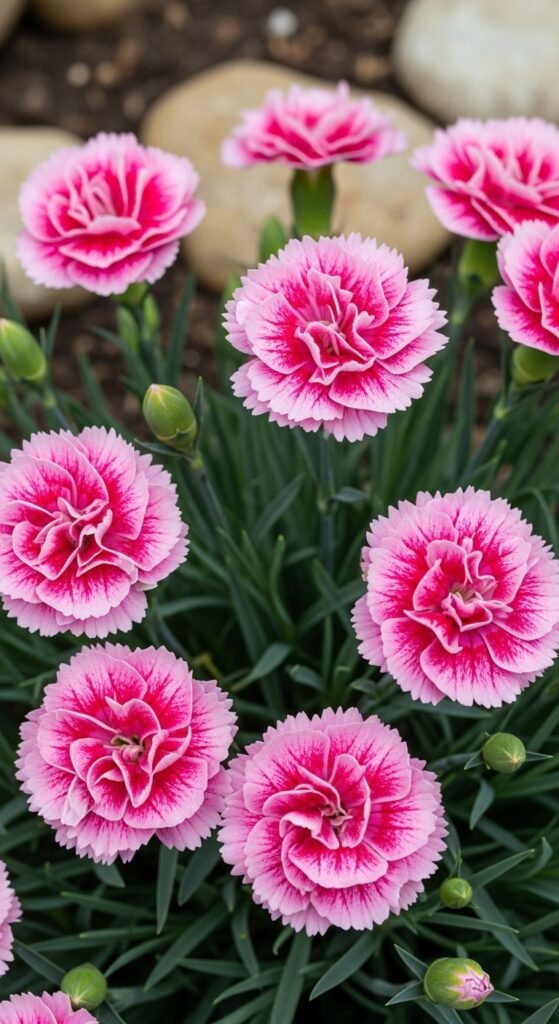
Why select pink carnations? Their durability and continuous blooming make them excellent for borders or rock gardens. Symbolizing fascination and distinction, they’re drought-tolerant once rooted. Sow seeds indoors or direct-plant in spring, preferring full sun and alkaline soil. Space 12 inches apart, and pinch for branching. Water moderately, avoiding overhead to prevent fungal issues. With deadheading, they’ll flower profusely, adding whimsy to arrangements and landscapes alike.
8) Cheerful Pink Asters
Brighten late-season gardens with cheerful pink asters, their daisy-like flowers clustering on branched stems above dark green leaves. These perennials offer a burst of color in fall, attracting late pollinators.
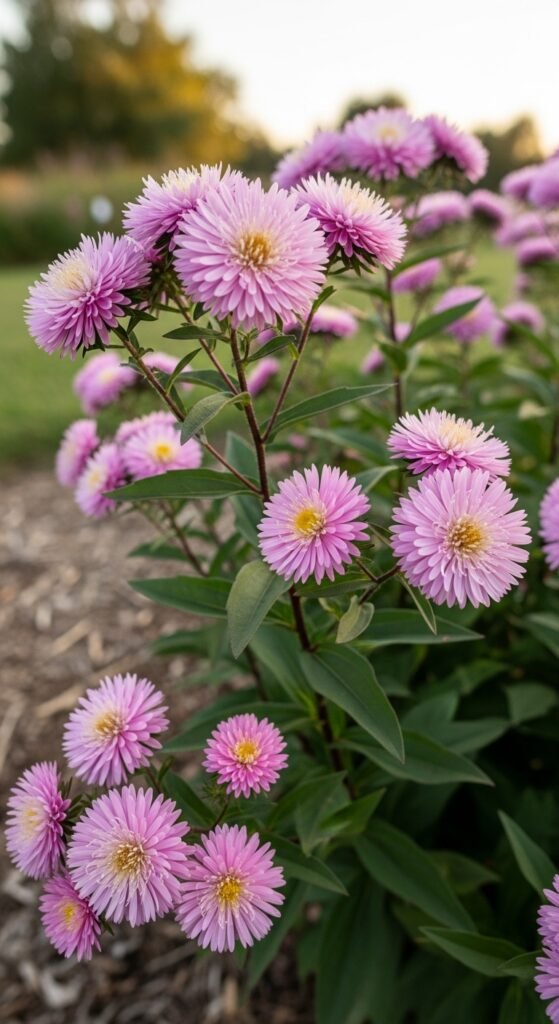
Pink asters excel in providing autumn interest and resilience to deer. They signify patience and elegance, suitable for wildflower meadows or mixed beds. Plant divisions in spring, in sunny, well-drained locations. Pinch back in early summer for compact growth and more blooms. Mulch to suppress weeds, and divide every 3 years. Their hardiness in zones 3-8 ensures reliable performance, extending your garden’s vibrancy.
9) Airy Pink Cosmos
You can achieve a meadow-like feel with airy pink cosmos, their feathery foliage supporting saucer-shaped blooms on wiry stems. These annuals self-seed readily, providing effortless pink accents from summer to frost.
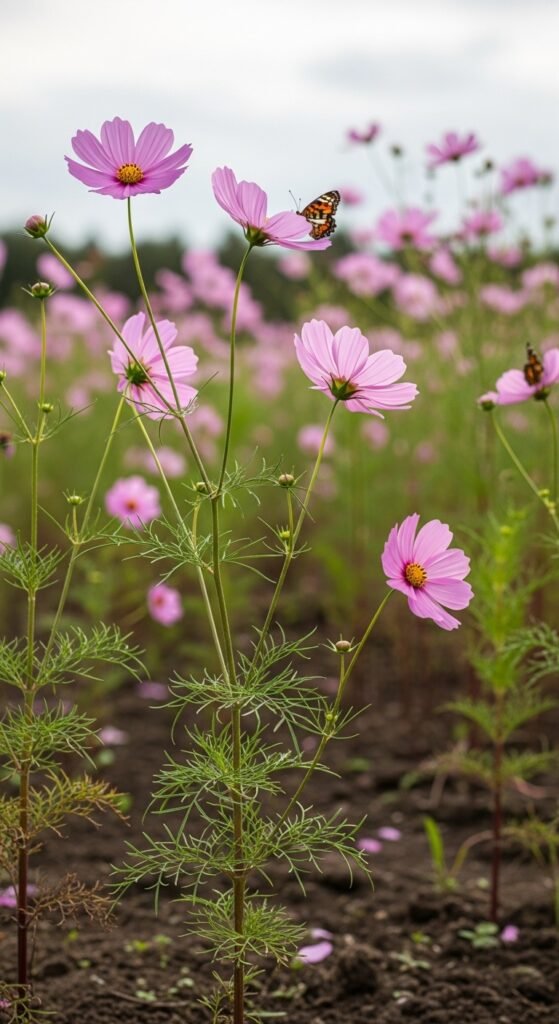
The appeal of pink cosmos is their low-fuss growth and butterfly attraction. Representing order and harmony, they’re perfect for cutting or cottage gardens. Sow seeds directly after frost in poor to average soil with full sun. Thin seedlings to 12 inches, and deadhead for prolonged flowering. Tolerant of heat and drought, they add movement and lightness—consider incorporating them into seasonal displays like our fall container garden ideas.
10) Sunny Pink Zinnias
Sunny pink zinnias deliver bold, pom-pom or single blooms on sturdy stems, with oval leaves forming bushy plants. These annuals thrive in heat, offering quick color for borders or veggie patches.
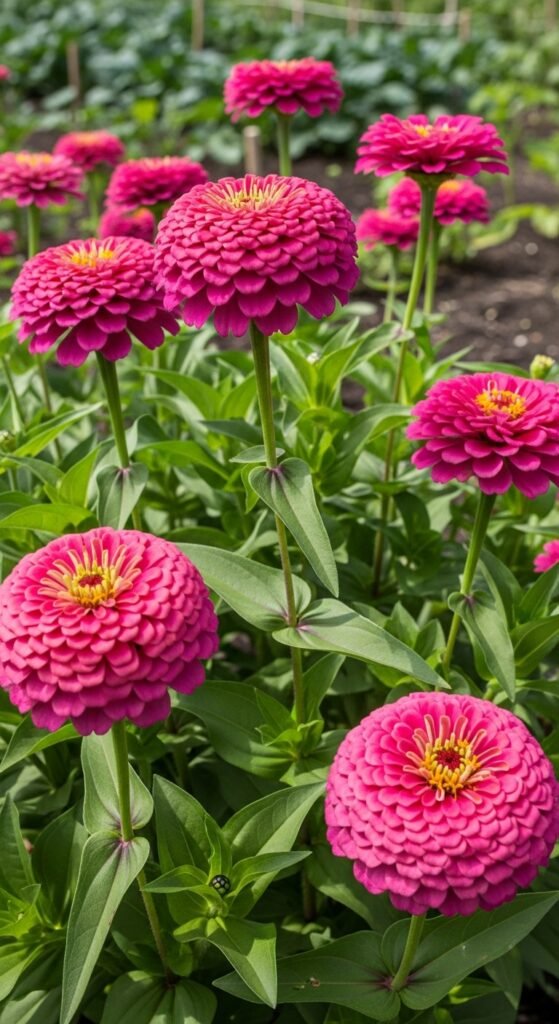
Why grow pink zinnias? Their disease resistance and prolific flowering make them beginner-friendly. Symbolizing enduring affection, they draw hummingbirds and bees. Direct-sow after last frost in fertile, sunny soil, spacing 6-12 inches. Water at base to avoid mildew, and fertilize lightly. Pinch young plants for fuller growth, yielding vibrant bouquets throughout summer.
11) Trailing Pink Geraniums
Enhance baskets and window boxes with trailing pink geraniums, their ivy-like leaves cascading below rounded flower clusters. These tender perennials act as annuals in cool climates, blooming nonstop.
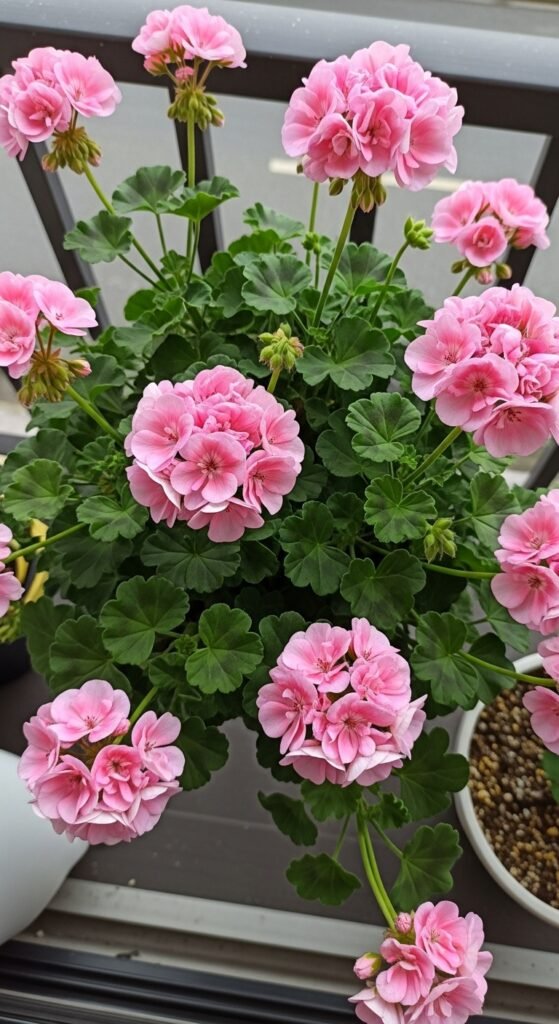
Pink geraniums are valued for their versatility and pest-repelling scent. They convey comfort and good health, ideal for patios or indoors. Plant in spring in well-draining mix with partial sun. Pinch tips for bushiness, and overwinter cuttings. Regular feeding promotes lush growth—try them in creative setups from our summer hanging basket ideas.
12) Shade-Loving Pink Impatiens
Illuminate shady spots with shade-loving pink impatiens, their flat-faced blooms covering mounded foliage in continuous color. These annuals prefer moist conditions, perfect for woodland edges or containers.
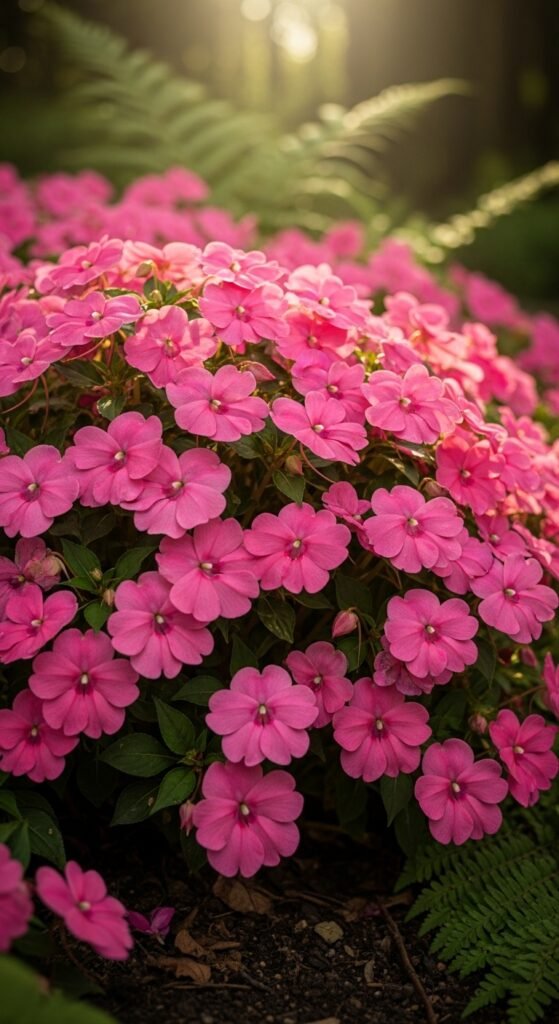
The strength of pink impatiens is their shade tolerance and low upkeep. Symbolizing motherly love, they’re great for mass plantings. Set out after frost in enriched, shaded soil, keeping evenly moist. Space 10 inches apart, and pinch for density. Resistant to downy mildew in newer varieties, they provide reliable cheer in dim areas.
13) Waxy Pink Begonias
Waxy pink begonias offer glossy leaves and clustered blooms, thriving as annuals or houseplants. Tuberous or fibrous types provide options for beds or pots, with pendulous flowers in vivid pinks.
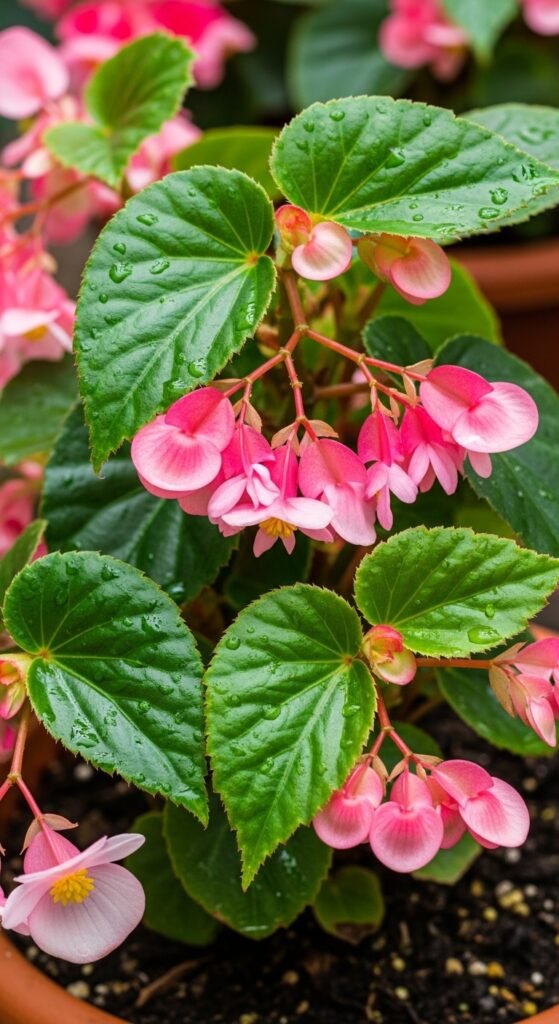
Pink begonias stand out for their textural interest and adaptability. They represent caution and gratitude, suiting humid environments. Plant tubers indoors early, transplanting to partial shade outdoors. Use rich, draining soil and water when dry. Overwinter indoors in cold zones, ensuring year-round enjoyment with minimal effort.
14) Evergreen Pink Azaleas
You’ll appreciate evergreen pink azaleas for their spring profusion of funnel-shaped blooms against leathery leaves. These shrubs maintain year-round greenery, adding structure to acidic soil gardens.
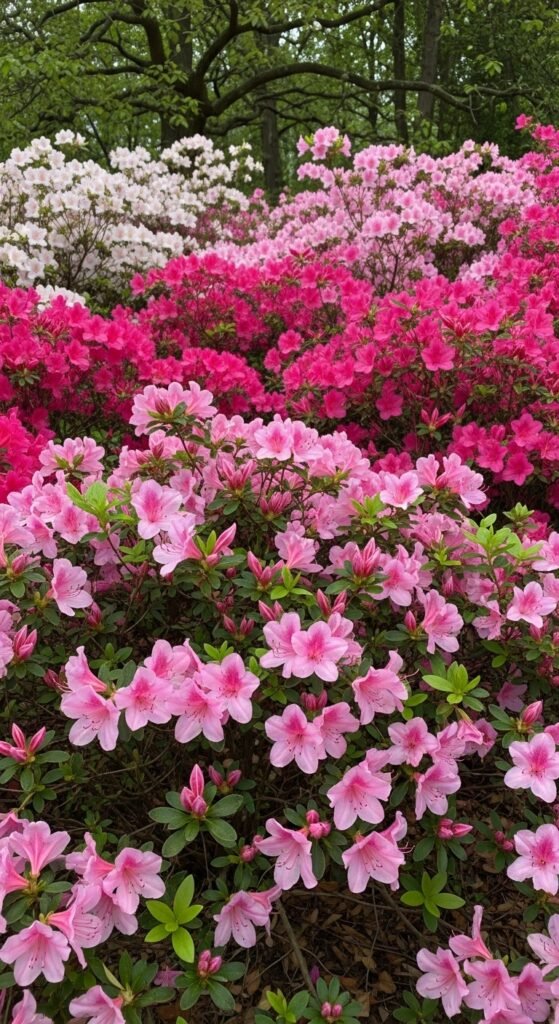
Why pink azaleas? Their mass flowering and wildlife attraction make them landscape staples. Symbolizing femininity and passion, plant in fall or spring in dappled shade. Amend with peat for acidity, and mulch to retain moisture. Prune post-bloom, and fertilize with acid-loving formulas—maintain health with seasonal advice like our rose care summer strategies, adaptable to similar plants.
15) Ethereal Pink Cherry Blossoms
Crown your garden with ethereal pink cherry blossoms, their delicate petals fluttering from ornamental trees in early spring. These deciduous trees offer seasonal spectacle, followed by foliage and potential fruit.
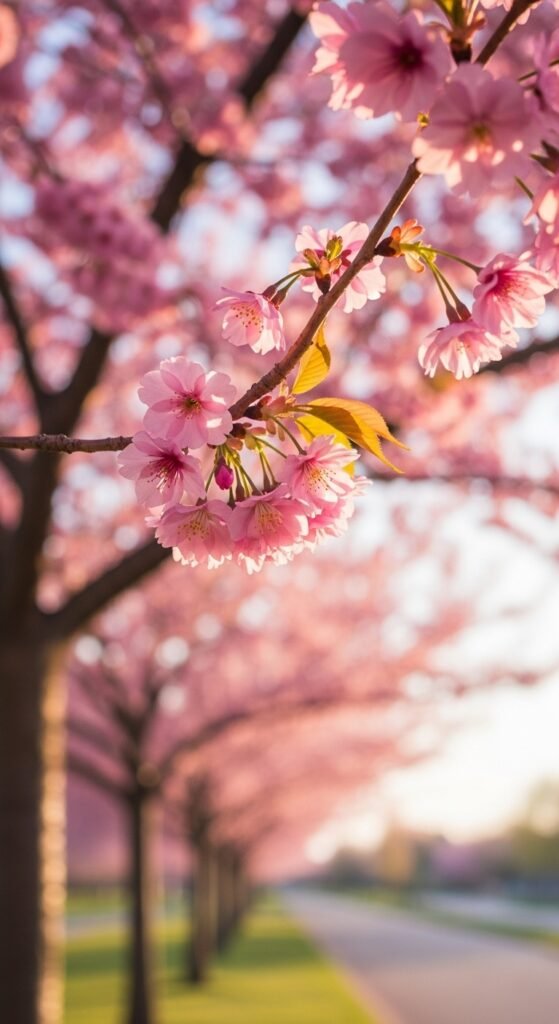
Pink cherry blossoms captivate with their fleeting beauty and cultural significance of renewal. Ideal for lawns or avenues, plant in well-drained, sunny sites. Space according to variety, and prune lightly after flowering. Mulch and water young trees, fostering growth for annual displays—integrate into whimsical spaces inspired by our summer fairy garden ideas.
Key Tips for Growing Pink Flowers
Soil Preparation and Planting
Start with testing your soil pH, as many pink flowers prefer slightly acidic to neutral conditions. Amend with compost for nutrition and drainage, planting at the right depth to avoid rot.
Maintenance and Pruning
Regular watering, mulching, and fertilizing keep plants healthy. Prune perennials after blooming to shape and encourage reblooms, removing dead material to prevent disease.
Pest and Disease Management
Monitor for aphids or mildew, using organic sprays as needed. Promote air circulation and avoid overhead watering to minimize issues, ensuring vibrant pink displays.
Frequently Asked Questions
What are the best pink flowers for beginners?
Zinnias and impatiens are excellent starters due to their forgiving nature and quick growth from seed or transplants.
How can I make my pink flowers bloom longer?
Deadhead regularly, provide consistent moisture, and fertilize with balanced nutrients to extend flowering periods.
Are pink flowers suitable for shady gardens?
Yes, varieties like impatiens, begonias, and some hydrangeas thrive in partial to full shade, adding color where sun-loving plants can’t.
Can I grow pink flowers in containers?
Absolutely—tulips, geraniums, and petunias adapt well to pots, allowing flexibility for patios or small spaces.
What pink flowers attract pollinators?
Cosmos, asters, and zinnias draw bees and butterflies, supporting ecosystem health while enhancing garden beauty.