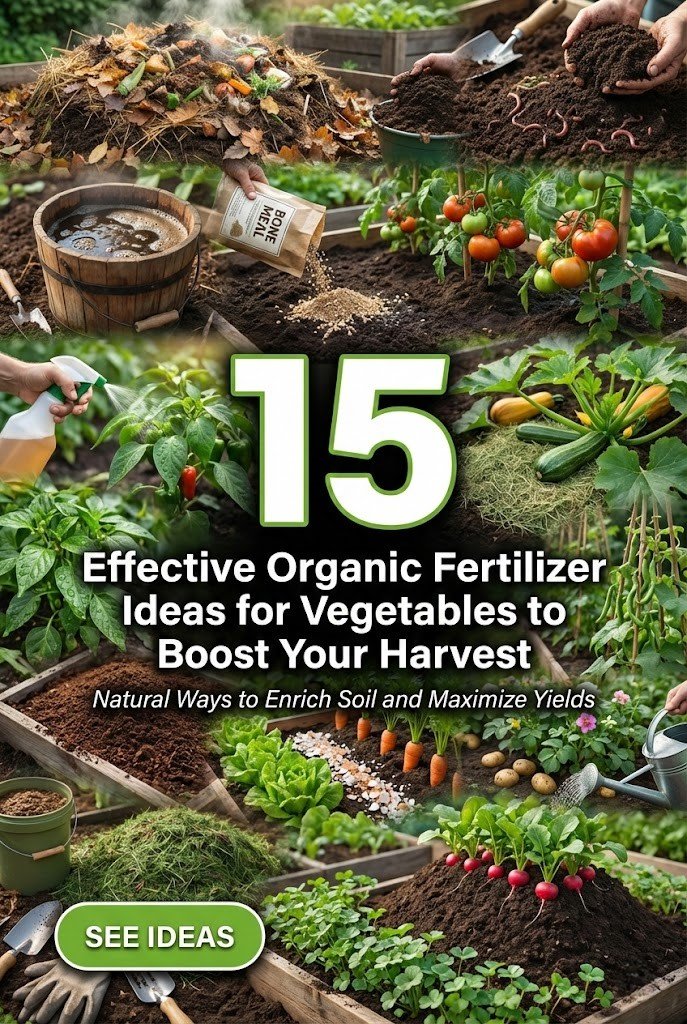
When you’re growing vegetables in your garden, choosing the right organic fertilizer can make all the difference in achieving healthy plants and abundant yields. Organic fertilizers nourish the soil naturally, improving its structure while providing essential nutrients without harsh chemicals. They promote beneficial microbial activity, enhance water retention, and reduce the risk of nutrient burn, making them ideal for sustainable gardening.
You’ll find that using organic options not only supports plant growth but also benefits the environment by minimizing runoff and fostering biodiversity.
Whether you’re tending a small backyard plot or a larger vegetable patch, incorporating these fertilizers helps create a thriving ecosystem. From homemade compost to animal-based amendments, these ideas offer versatile ways to feed your veggies effectively. Exploring these organic fertilizer strategies allows you to tailor your approach to your garden’s specific needs, ensuring robust tomatoes, crisp lettuce, and vibrant peppers. Let’s dive into 15 practical ideas that can transform your vegetable garden.
1) Homemade Compost
You can create a nutrient-rich organic fertilizer by composting kitchen scraps, yard waste, and other organic materials right at home. This method recycles waste into valuable soil amendment, packed with nitrogen, phosphorus, and potassium essential for vegetable growth. Compost improves soil texture, increases moisture retention, and encourages earthworm activity, leading to healthier roots and better yields.
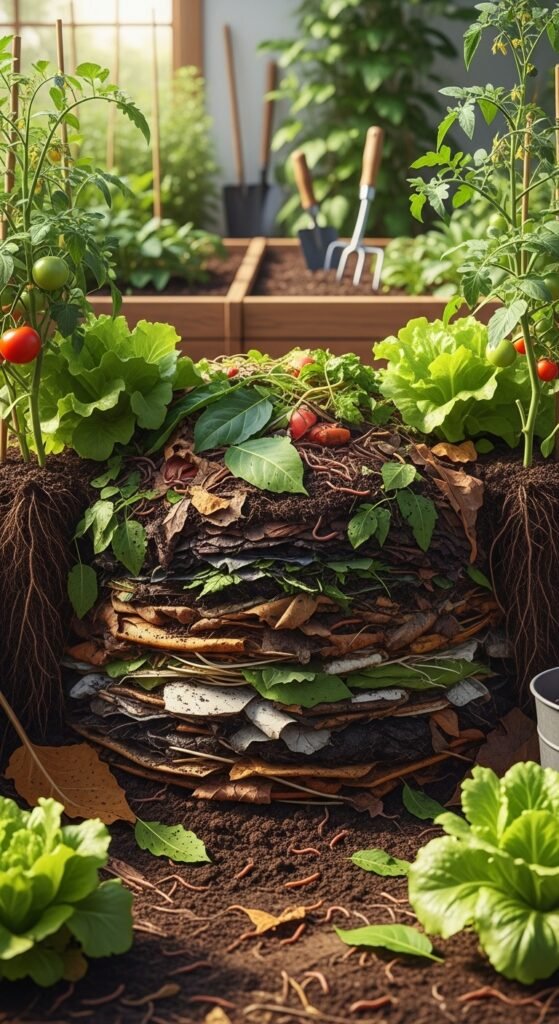
The benefits are numerous: it reduces landfill waste, cuts down on chemical fertilizer use, and promotes sustainable gardening practices. Your vegetables will absorb nutrients slowly, preventing over-fertilization issues common with synthetic products.
To make it, layer green materials like vegetable peels with browns such as dried leaves in a bin or pile. Turn it regularly for aeration, keep it moist, and wait 3-6 months for decomposition. Apply 2-3 inches around your plants, mixing into the top soil layer for optimal results. For more on effective composting techniques, check out our guide on composting for beginners.
2) Worm Castings
You harvest worm castings from vermicomposting bins where red worms break down organic matter into a fine, odorless fertilizer. This powerhouse contains high levels of beneficial microbes, enzymes, and plant-available nutrients like nitrogen and calcium, perfect for vegetables needing steady nourishment.
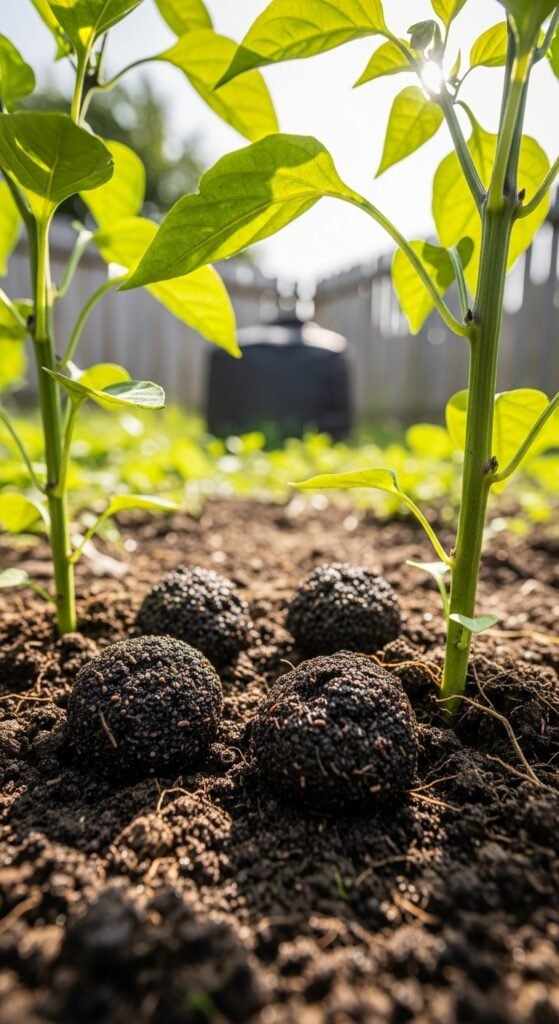
Why it works: Worm castings enhance soil aeration, improve drainage, and boost disease resistance in plants. They release nutrients gradually, ensuring your veggies get what they need without leaching into groundwater.
Set up a worm bin with shredded newspaper, add food scraps, and let worms do the work. Collect the castings every few months and mix them into your planting holes or as a top dressing. A handful per plant goes a long way. If you’re interested in selecting the right worms, explore our tips on best worms for composting.
3) Manure Tea
You brew manure tea by steeping well-aged animal manure in water, creating a liquid fertilizer that’s easy to apply directly to vegetable roots. It’s rich in nitrogen for leafy growth and trace minerals for overall plant health.
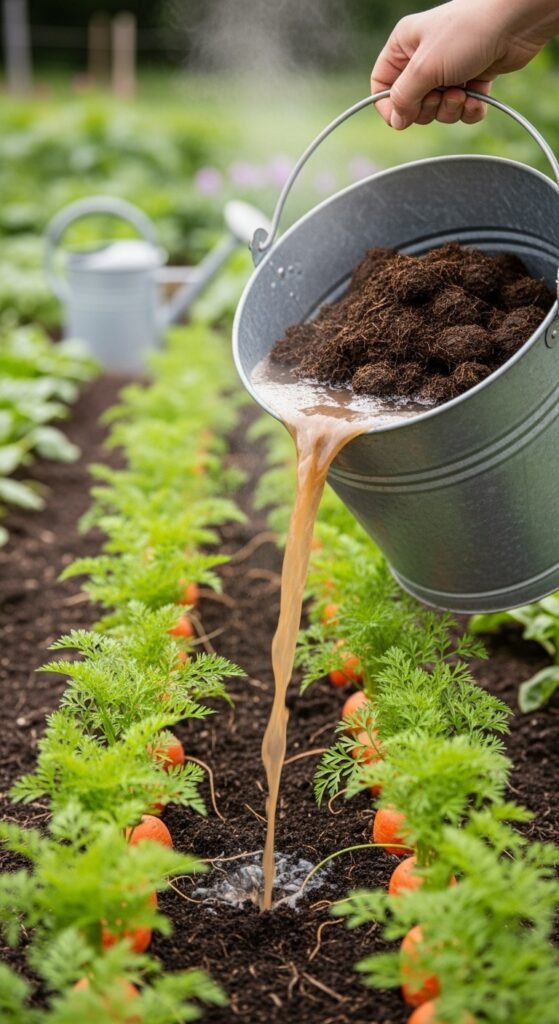
The advantage lies in its quick absorption, providing an immediate nutrient boost while avoiding the burn risks of fresh manure. It also helps suppress soil-borne diseases through microbial activity.
Use composted cow, horse, or chicken manure in a bucket with water (1:5 ratio), let it sit for a week, stirring daily. Strain and dilute further before watering your plants every two weeks during the growing season. This method keeps your garden thriving naturally.
4) Bone Meal
You incorporate bone meal, made from ground animal bones, into your soil for a slow-release source of phosphorus and calcium, crucial for strong root development and fruit production in vegetables like tomatoes and peppers.
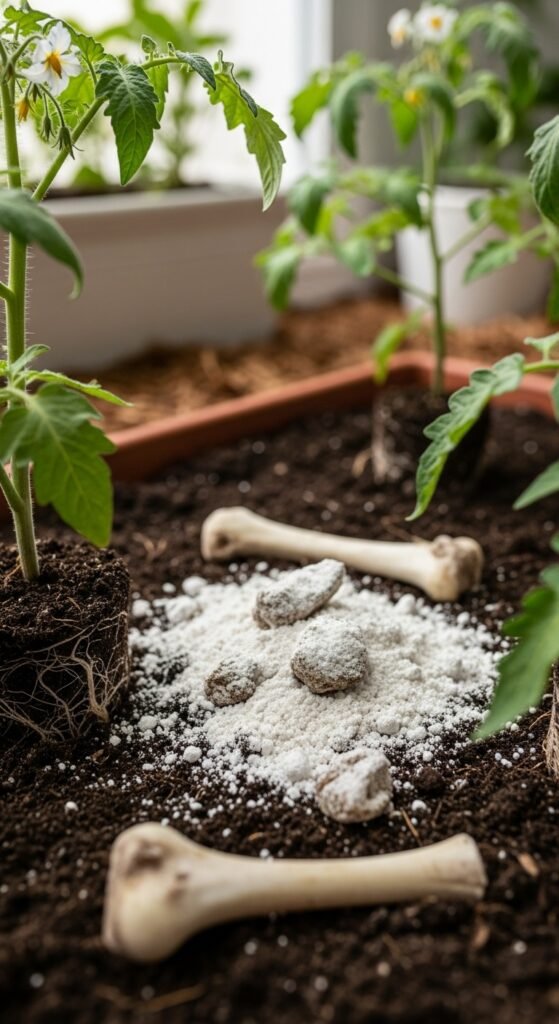
Key benefits include promoting flowering and preventing blossom end rot, a common issue in calcium-deficient soils. It’s organic and won’t harm beneficial insects or soil life.
Mix 1-2 tablespoons per planting hole or broadcast over beds at 5-10 pounds per 100 square feet before planting. Water well to activate. Reapply mid-season if needed, but test soil first to avoid excess phosphorus buildup.
5) Fish Emulsion
You dilute fish emulsion, derived from fermented fish parts, to create a fast-acting liquid fertilizer high in nitrogen for vigorous vegetable foliage and growth.
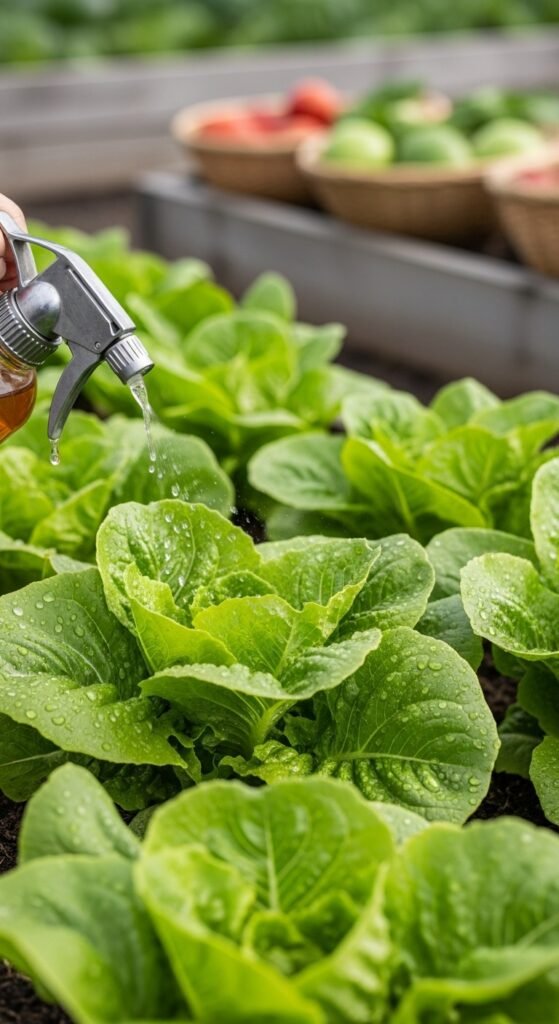
Why choose it? It supplies a balanced nutrient profile, including micronutrients, and improves soil fertility over time. The organic breakdown supports microbial health, leading to resilient plants.
Mix according to package instructions (usually 1 tablespoon per gallon of water) and apply as a foliar spray or soil drench every 2-4 weeks. Avoid over-application to prevent odor or nutrient imbalance. For complementary soil enhancements, see our article on biochar for soil.
6) Alfalfa Meal
You scatter alfalfa meal, ground from alfalfa plants, as a gentle organic fertilizer offering nitrogen, potassium, and growth hormones like triacontanol to stimulate vegetable root and shoot development.
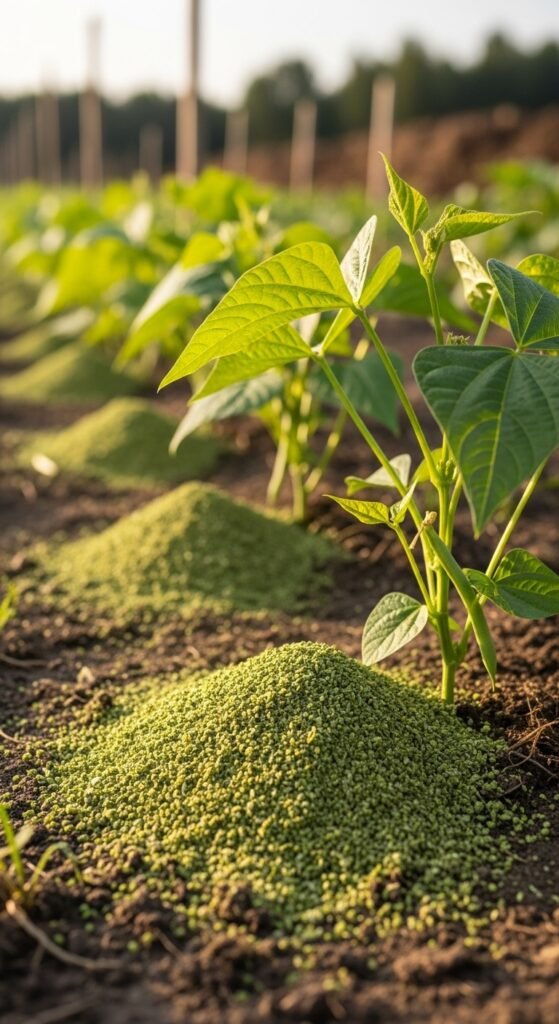
Its strength is in building soil organic matter, enhancing water retention, and feeding beneficial fungi for better nutrient uptake.
Apply 2-3 pounds per 100 square feet, working it into the top few inches of soil before planting or as a side dressing. Water thoroughly. It’s especially great for leafy greens and can be used in compost teas for added potency.
7) Seaweed Extract
You use seaweed extract, harvested from ocean kelp, as a foliar spray or soil additive packed with trace minerals, hormones, and vitamins to boost vegetable immunity and growth.
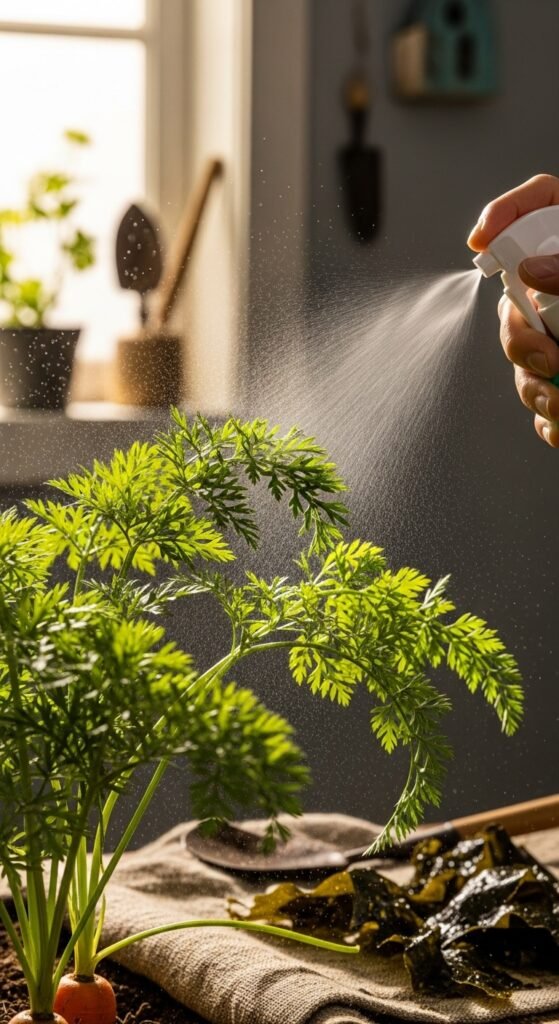
Benefits abound: It improves stress tolerance, encourages deeper roots, and enhances flavor in crops like carrots and beans.
Dilute powdered or liquid forms as directed and apply every 2-3 weeks. Soak seeds in it for better germination. This eco-friendly option recycles marine resources effectively.
8) Coffee Grounds
You repurpose used coffee grounds as an acidic amendment rich in nitrogen, ideal for acid-loving vegetables like potatoes and radishes.
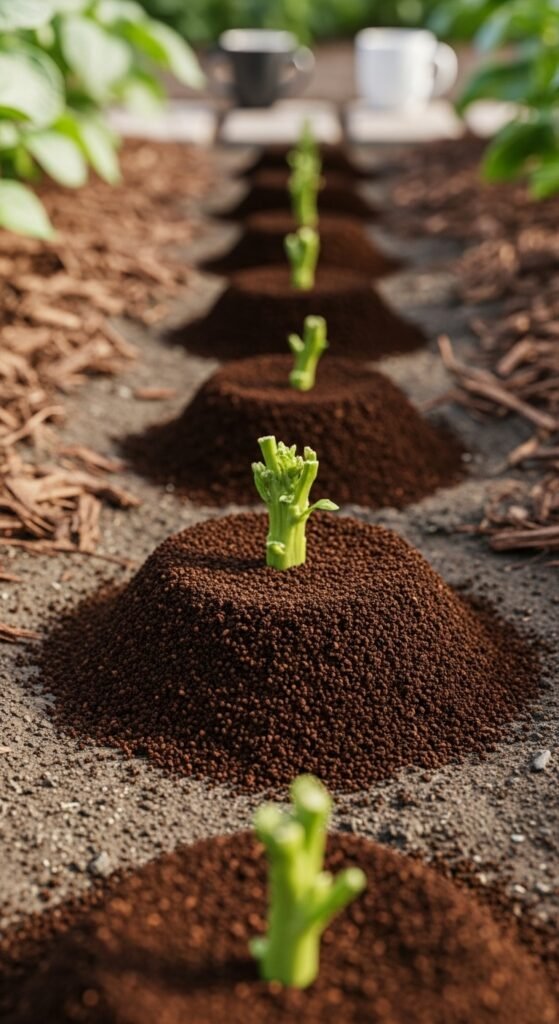
Why it excels: Grounds improve soil structure, attract earthworms, and deter slugs while slowly releasing nutrients.
Sprinkle a thin layer around plants or mix into compost. Use sparingly to avoid acidity buildup—about 1 cup per plant monthly. For more ways to utilize household waste, read our post on coffee grounds in garden.
9) Eggshell Powder
You grind clean eggshells into powder for a calcium boost, preventing deficiencies in vegetables prone to rot, such as squash and cucumbers.
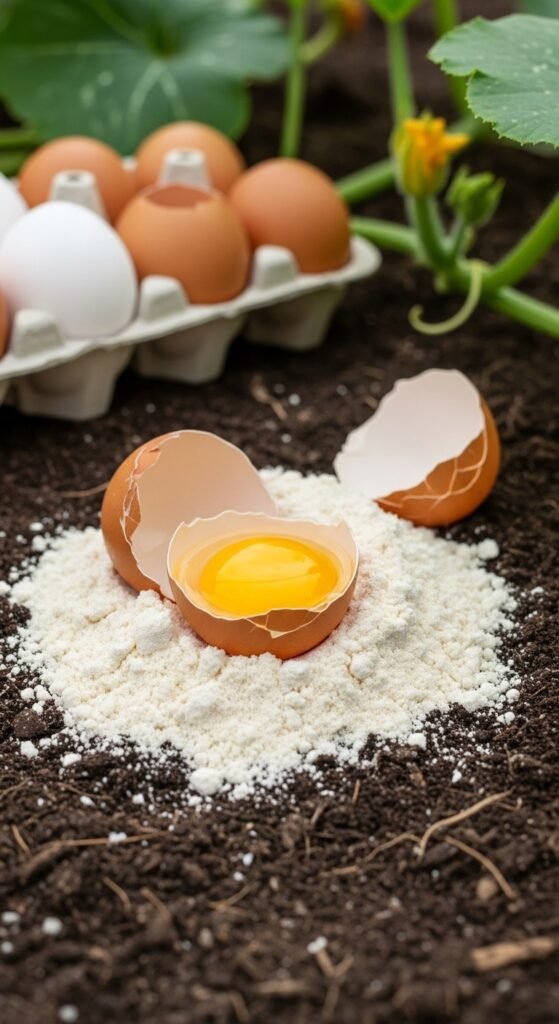
Essential for strong cell walls and disease resistance, it also adjusts soil pH slightly toward alkaline.
Bake shells at low heat, crush finely, and mix into soil at planting or sprinkle as needed. Combine with compost for balanced nutrition. Learn more about incorporating them in our guide to eggshells in compost.
10) Grass Clippings
You layer fresh or dried grass clippings as mulch or compost additive, providing nitrogen and acting as a natural weed barrier for your vegetable beds.
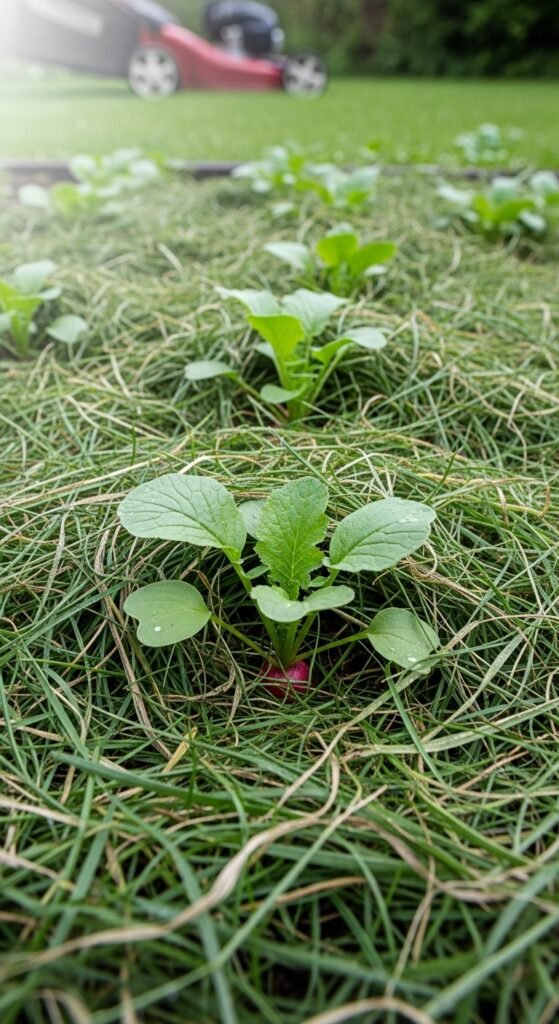
Advantages include moisture conservation, temperature regulation, and gradual nutrient release as they decompose.
Apply 2-3 inches thick around plants, avoiding direct stem contact. Ensure clippings are pesticide-free. Refresh as needed throughout the season. Check our tips on grass clippings compost for best practices.
11) Leaf Mold
You create leaf mold by piling fallen leaves to decompose into a humus-rich fertilizer, excellent for improving soil tilth and nutrient holding in vegetable gardens.
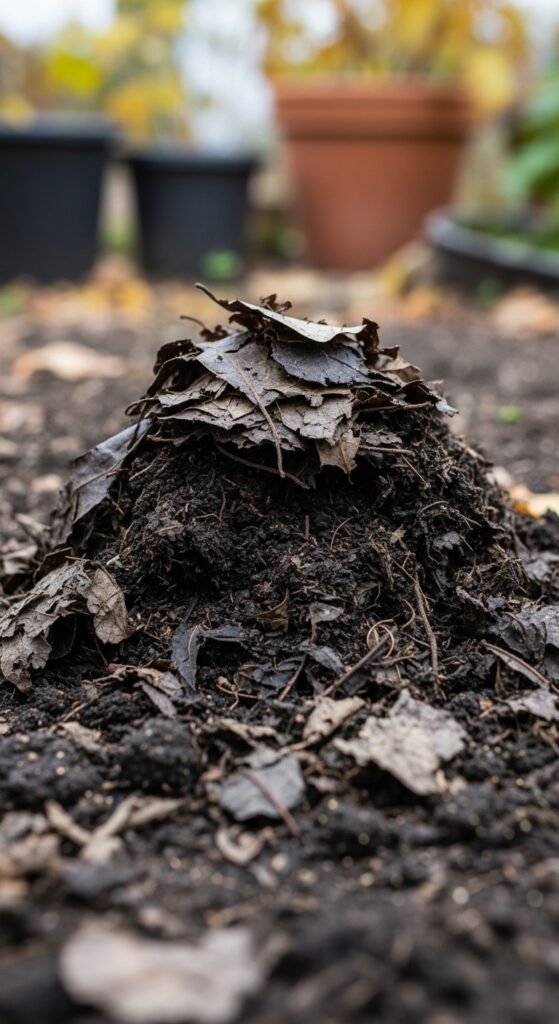
Why it’s valuable: It fosters fungal activity, retains water, and supplies slow-release nutrients without nitrogen drawdown.
Shred leaves, moisten, and let sit for 1-2 years. Mix into beds or use as mulch. It’s free and abundant in fall. For detailed creation methods, see our article on leaf mold.
12) Bokashi Ferment
You ferment kitchen waste using bokashi bran to produce a pre-compost fertilizer full of microbes and nutrients for quick vegetable assimilation.
Its appeal: Anaerobic process handles meats and dairy, reducing odors and speeding up breakdown when buried in soil.
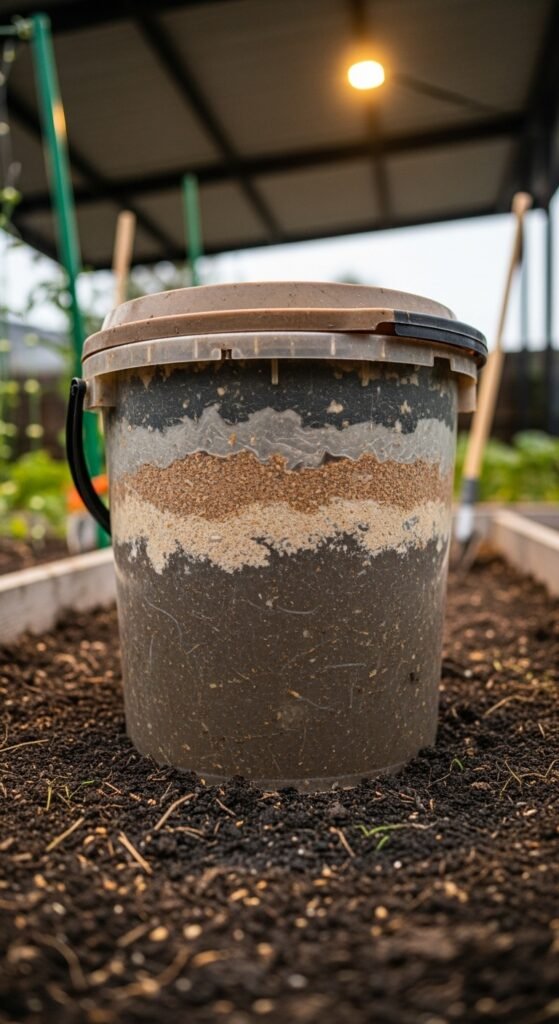
Layer waste with bran in a bucket, drain liquid for dilution as fertilizer, then bury solids. Use the tea weekly. This urban-friendly method is detailed in our bokashi composting guide.
13) Compost Tea
You steep mature compost in water to make aerated tea, delivering live microbes and soluble nutrients directly to vegetable foliage and roots.
Powerful for disease suppression, growth stimulation, and soil vitality enhancement.
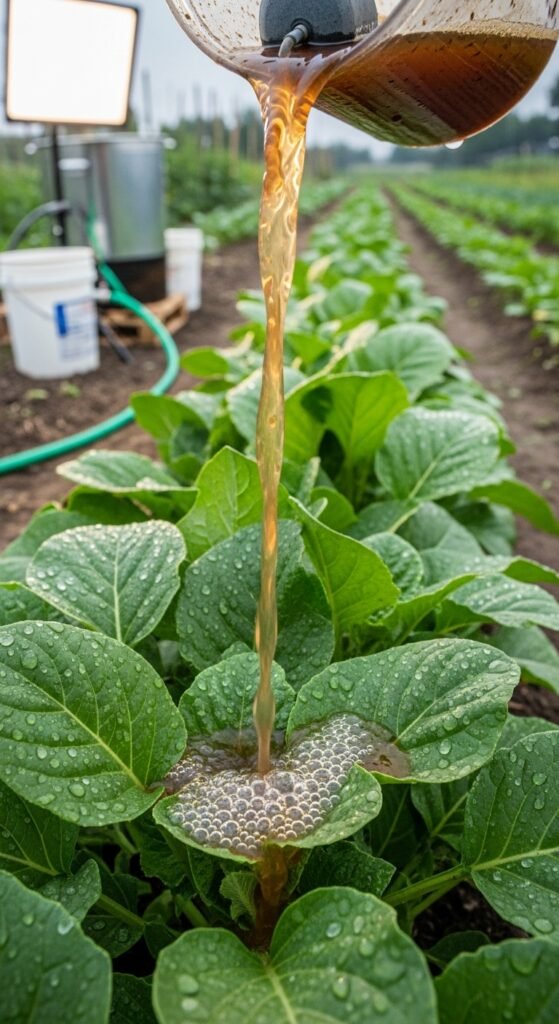
Bubble compost in water with molasses for 24-48 hours, then strain and apply undiluted. Use fresh for best results. Dive deeper with our compost tea tutorial.
14) Green Manure Crops
You plant cover crops like clover or vetch, then till them under to add organic matter and nitrogen to your vegetable soil.
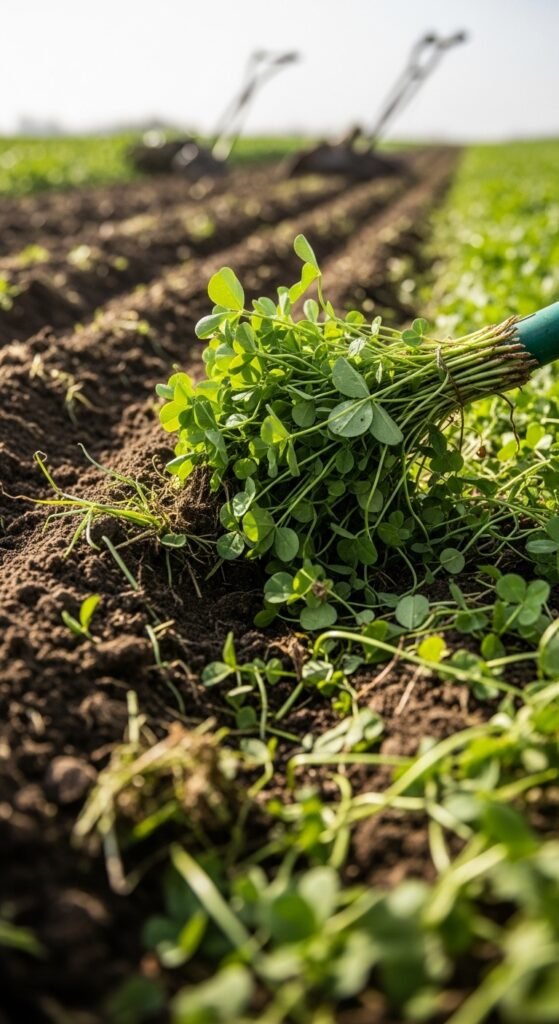
Why effective: They prevent erosion, suppress weeds, and fix atmospheric nitrogen for subsequent crops.
Sow in off-seasons, mow before seeding, and incorporate 2-3 weeks before planting. Rotate varieties for balanced benefits.
15) Hugelkultur Mounds
You build raised mounds with wood debris, topped with soil and compost, creating self-fertilizing beds for vegetables that retain moisture and nutrients.
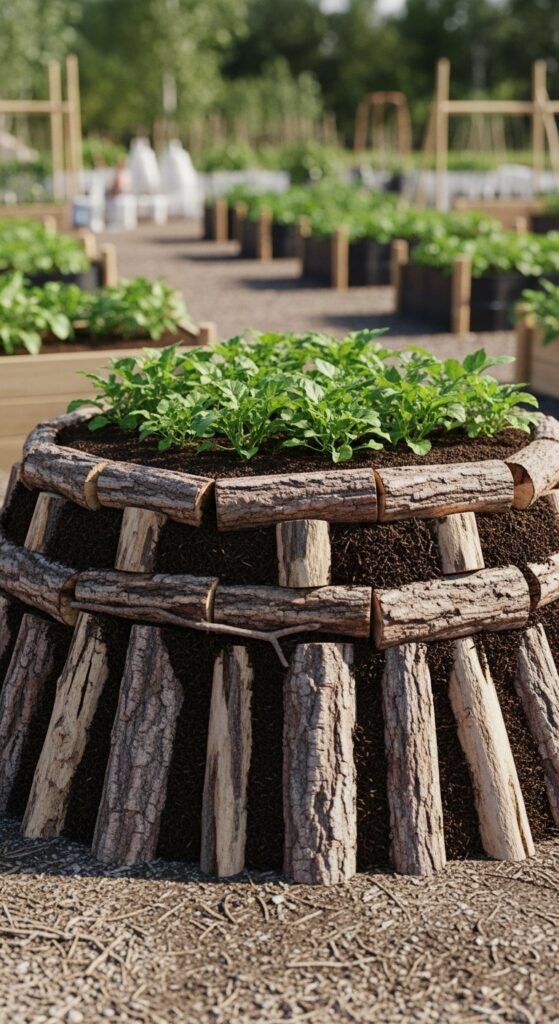
Long-term perks: Decomposing wood feeds plants for years, reduces watering needs, and builds fertile soil.
Layer logs, branches, and greens, cover with soil. Plant directly into the mound. It’s low-maintenance and sustainable. For construction details, visit our hugelkultur bed page.
Key Principles for Using Organic Fertilizers
Soil Testing Basics
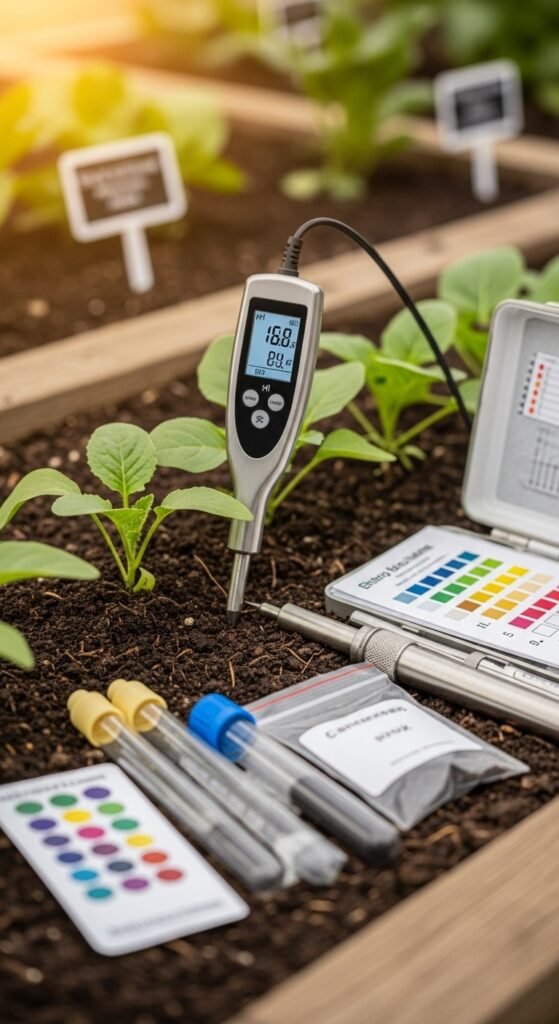
You start by testing your soil’s pH and nutrient levels to avoid over-application and ensure balanced fertilization for optimal vegetable health.
Application Timing
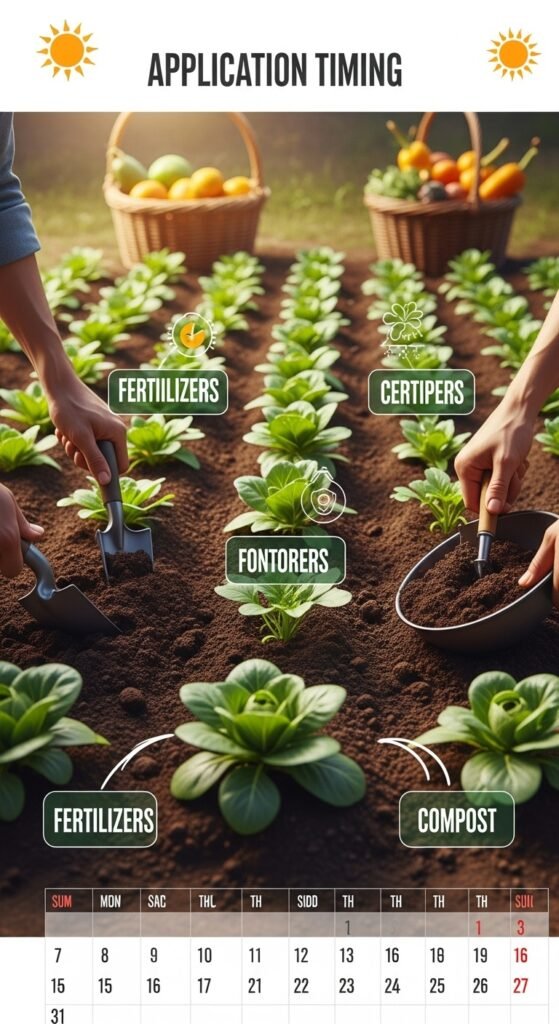
You apply fertilizers at planting, mid-growth, and before harvest, aligning with your veggies’ needs for maximum uptake and minimal waste.
Sustainable Practices
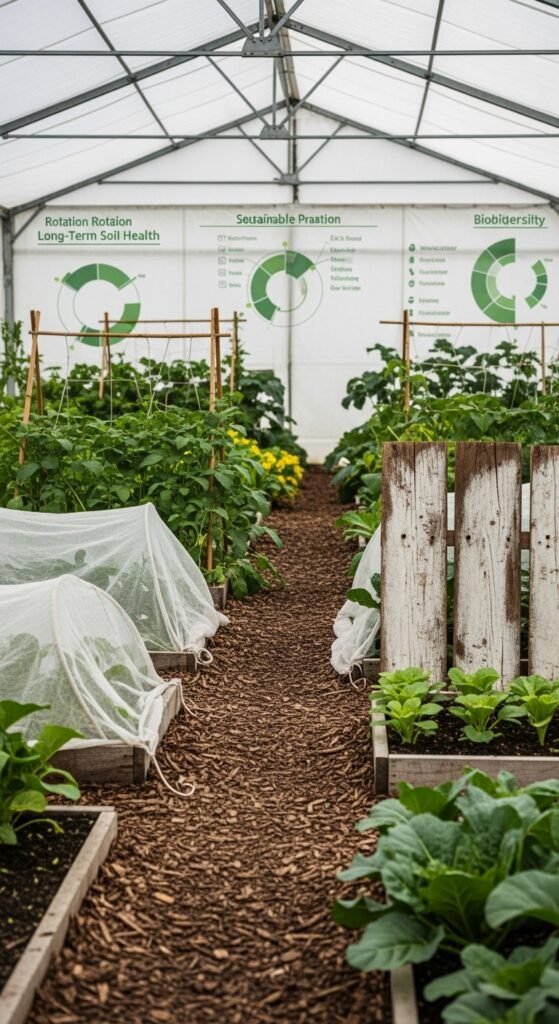
You rotate fertilizers, combine methods, and monitor plant response to maintain soil fertility long-term without environmental harm.
Frequently Asked Questions
What is the best organic fertilizer for vegetables?
Compost is often considered the best all-around organic fertilizer, providing a balanced mix of nutrients and improving soil structure.
How often should I apply organic fertilizer to my vegetable garden?
Apply at planting and every 4-6 weeks during the growing season, adjusting based on plant needs and soil tests.
Can I make organic fertilizer at home?
Yes, using kitchen scraps, yard waste, and methods like composting or teas, you can create effective homemade fertilizers easily.
Is organic fertilizer better than synthetic for vegetables?
Organic options build soil health long-term and are environmentally friendly, though they release nutrients more slowly than synthetics.
What organic fertilizer is high in nitrogen for leafy vegetables?
Options like worm castings, manure tea, or alfalfa meal provide high nitrogen for promoting lush foliage in greens.