
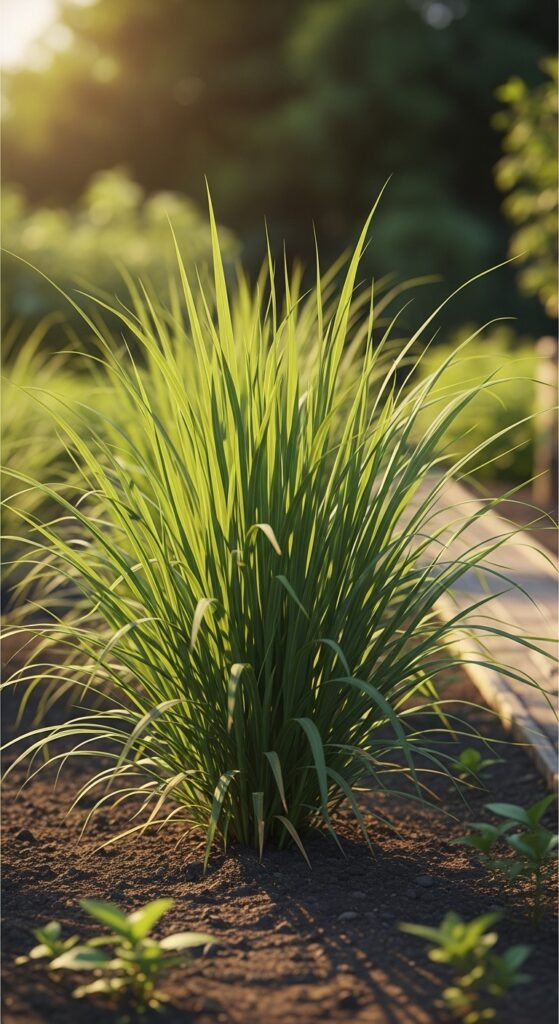
Lemongrass growing offers a rewarding way to cultivate a versatile herb that enhances your culinary creations and provides natural pest repellent benefits. Native to tropical regions, lemongrass thrives in warm climates but can be adapted to various settings with proper care. You will appreciate its citrusy aroma and flavor, which elevate teas, soups, and stir-fries while adding ornamental value to your garden.
By focusing on lemongrass growing, you gain access to fresh, organic produce right at home, reducing reliance on store-bought options. This herb also supports sustainable gardening practices, as it requires minimal inputs once established.
Whether you’re a novice or experienced gardener, these ideas will guide you toward successful cultivation, ensuring bountiful harvests and healthy plants.
1) Selecting the Ideal Variety
You should begin your lemongrass growing journey by choosing a variety suited to your climate and intended use. Common options include Cymbopogon citratus for culinary purposes and Cymbopogon flexuosus for essential oil production. Consider factors like growth height, which can reach up to six feet, and resistance to local pests.
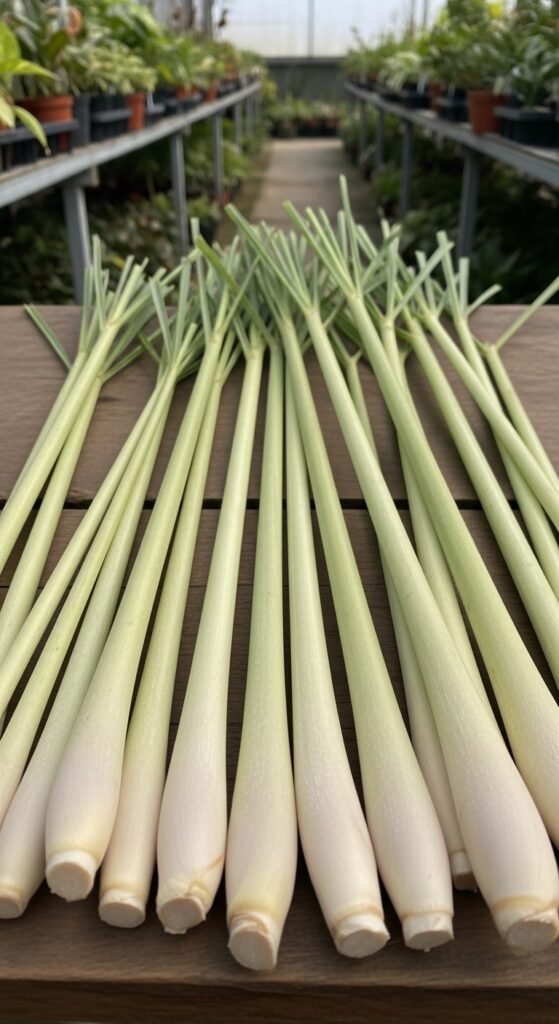
The key benefit lies in matching the variety to your environment, ensuring robust growth and higher yields. For instance, if you live in a cooler area, opt for a hardy strain that tolerates slight temperature drops.
To implement this, research local nurseries or online suppliers for seeds or stalks. Plant in well-drained soil with full sun exposure, spacing them 24 inches apart. This foundational step sets the stage for thriving plants, allowing you to enjoy fresh lemongrass throughout the season.
2) Starting from Stalks for Quick Results
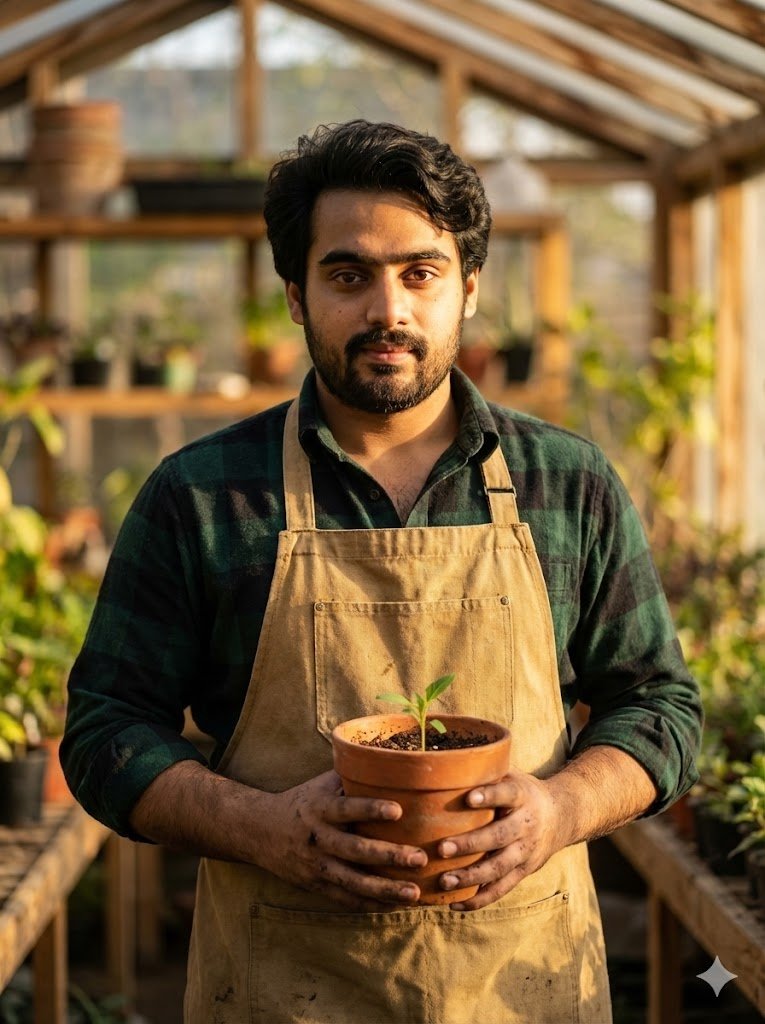
One effective lemongrass growing idea involves propagating from store-bought stalks rather than seeds, as this method accelerates establishment. Select fresh stalks with intact roots or bulbs, and place them in water to encourage root development before transplanting.
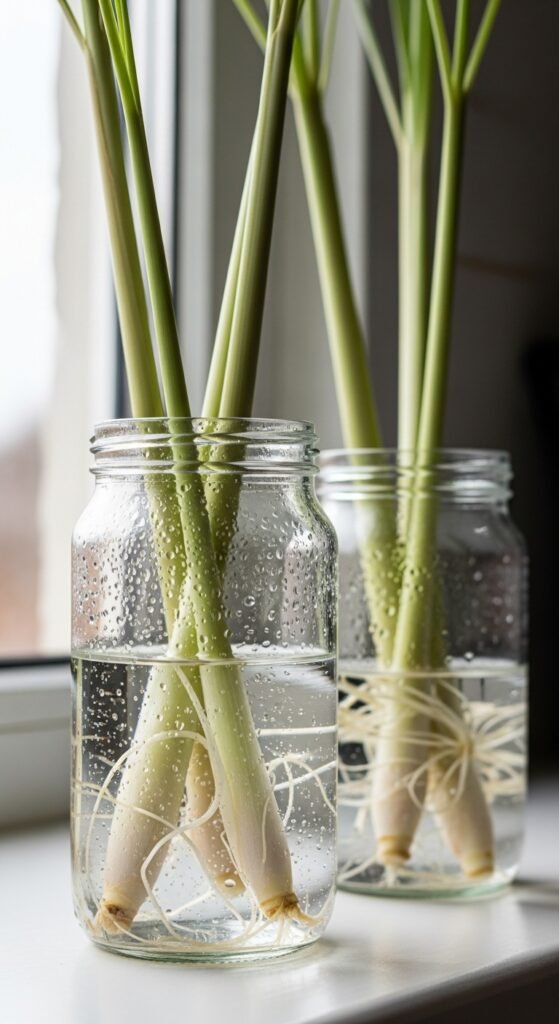
This approach offers the advantage of faster maturation, often yielding harvestable leaves within months, compared to the longer wait with seeds. It also ensures genetic consistency with the parent plant.
Begin by trimming the stalks and submerging the base in a glass of water, changing it every few days. Once roots form, transfer to soil. For enhanced success, incorporate techniques from herb gardening for beginners to maintain optimal moisture and light conditions during this phase.
3) Preparing Nutrient-Rich Soil
For successful lemongrass growing, focus on soil that is loose, well-draining, and rich in organic matter. Amend heavy clay soils with compost or sand to prevent waterlogging, which can lead to root rot.
The primary benefit is promoting vigorous root growth, enabling the plant to absorb essential nutrients efficiently. Ideal pH ranges from 6.0 to 7.5, supporting healthy foliage development.
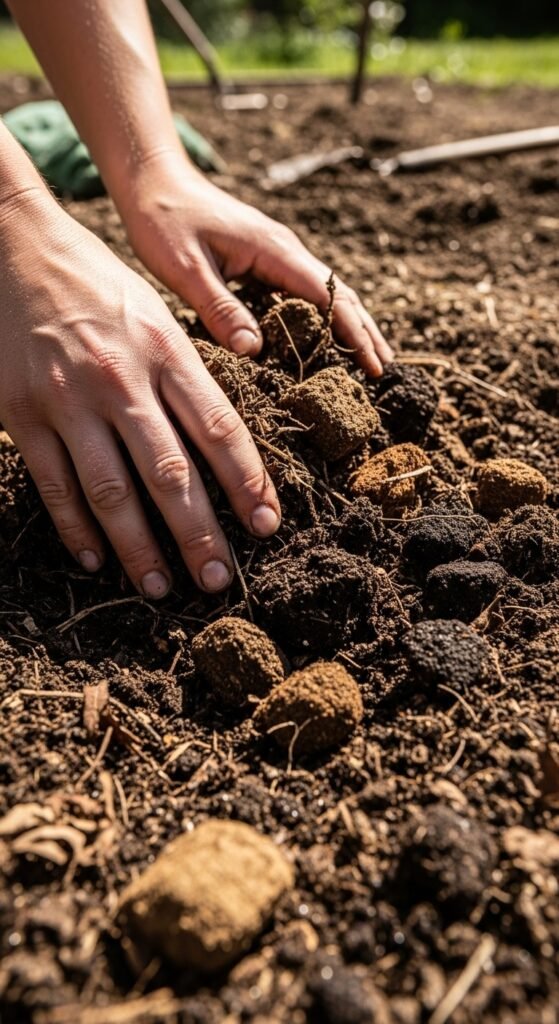
Test your soil and mix in aged manure or a balanced fertilizer before planting. If you’re using containers, draw inspiration from a soil mix for herbs to create a custom blend that retains moisture without sogginess, ensuring your lemongrass flourishes.
4) Ensuring Ample Sunlight Exposure
Lemongrass growing demands at least six to eight hours of direct sunlight daily to fuel its rapid growth and enhance oil content in the leaves. Position plants in south-facing locations for maximum light.
This exposure provides the crucial energy for photosynthesis, resulting in taller, more flavorful stalks. Inadequate light leads to leggy, weak plants prone to disease.
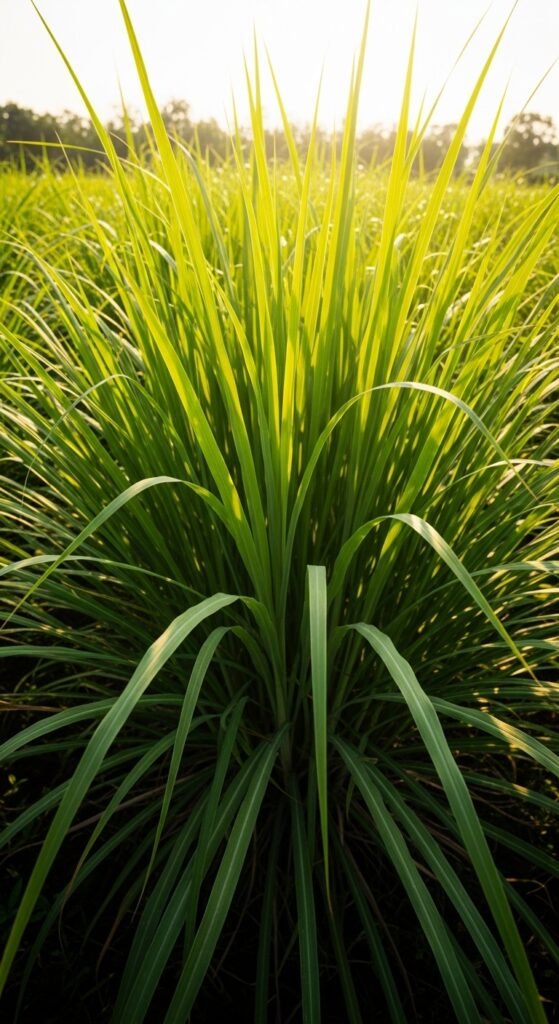
If natural light is limited, supplement with grow lights during shorter days. Monitor for signs of stress and adjust placement accordingly, integrating this with overall garden planning for optimal results.
5) Implementing Consistent Watering Practices
You need to maintain even soil moisture for lemongrass growing, watering deeply but infrequently to encourage deep roots. Aim for one inch per week, adjusting based on rainfall and temperature.
Proper watering yields lush, resilient plants that resist drought stress, improving overall health and productivity. Overwatering, however, invites fungal issues.
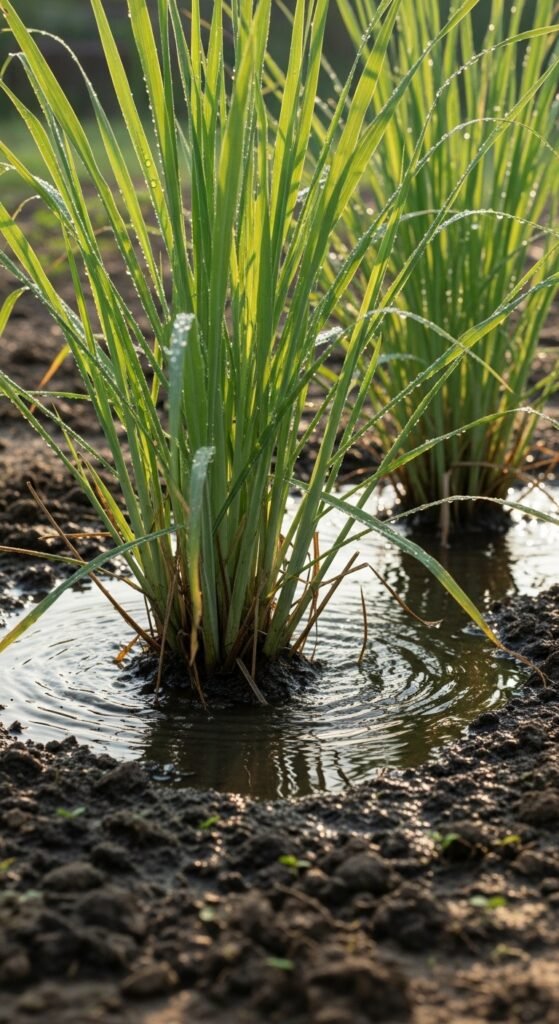
Use mulch to retain moisture and check soil depth before watering. For container setups, consider self-watering herb planters to automate the process and prevent inconsistencies.
6) Growing in Containers for Flexibility
Container lemongrass growing allows mobility and suits limited spaces like patios or balconies. Choose pots at least 12 inches deep with drainage holes to accommodate the root system.
The versatility enables you to move plants indoors during cold snaps, extending the growing season in temperate areas.
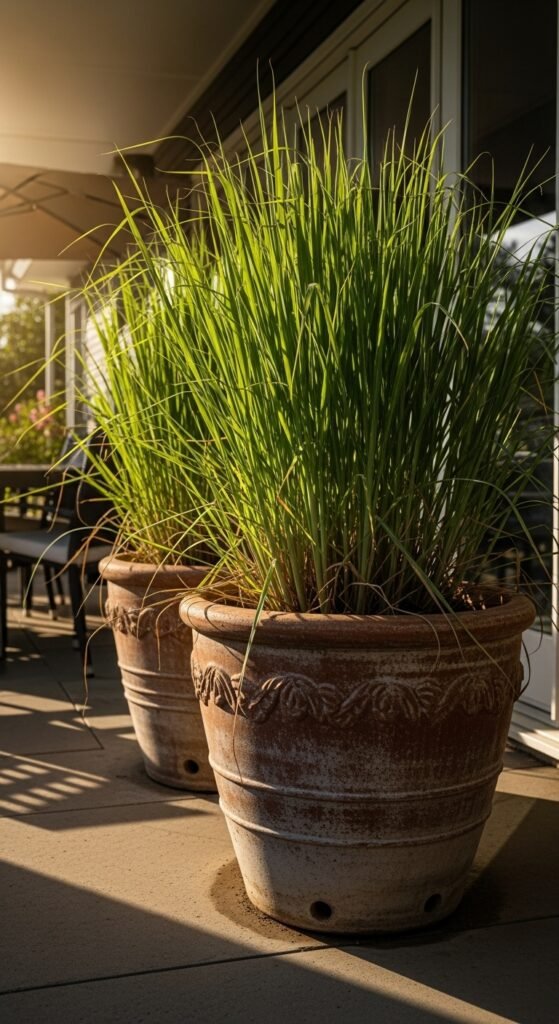
Fill with a lightweight potting mix and position in sunny spots. This method aligns well with best herbs for containers, offering easy access for harvesting and maintenance.
7) Incorporating Companion Planting
Enhance lemongrass growing by pairing it with compatible plants like basil or cilantro, which deter pests and improve soil health. Avoid crowding to prevent competition for resources.
This strategy provides natural pest control and biodiversity, fostering a balanced ecosystem in your garden.
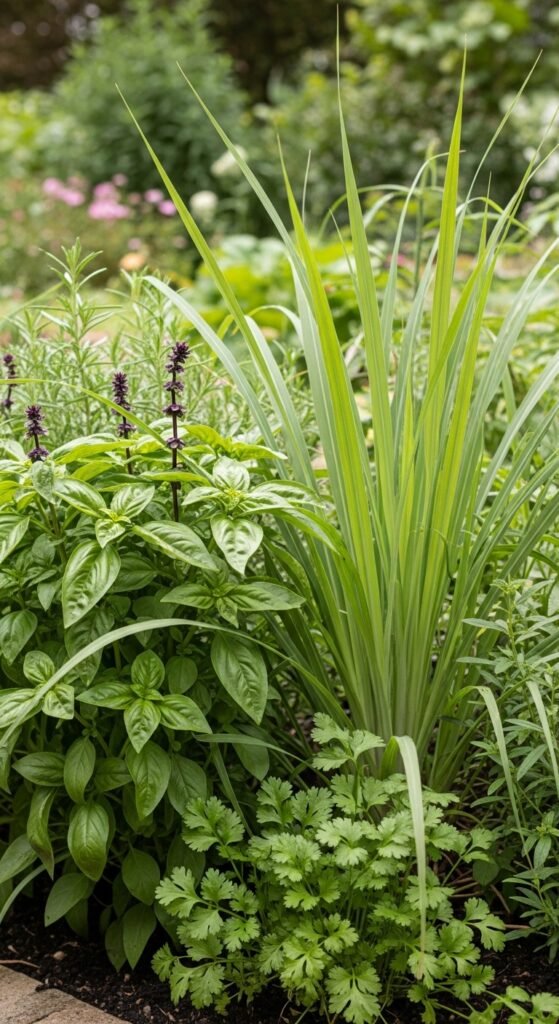
Plan layouts using a herb companion chart to select synergistic pairings, planting lemongrass as a border to maximize its repellent properties.
8) Regular Pruning for Bushier Growth
Prune lemongrass regularly to promote denser foliage and prevent legginess. Remove dead or yellowing leaves and trim back by one-third periodically.
The benefit of increased yield comes from stimulating new growth, keeping plants productive throughout the season.
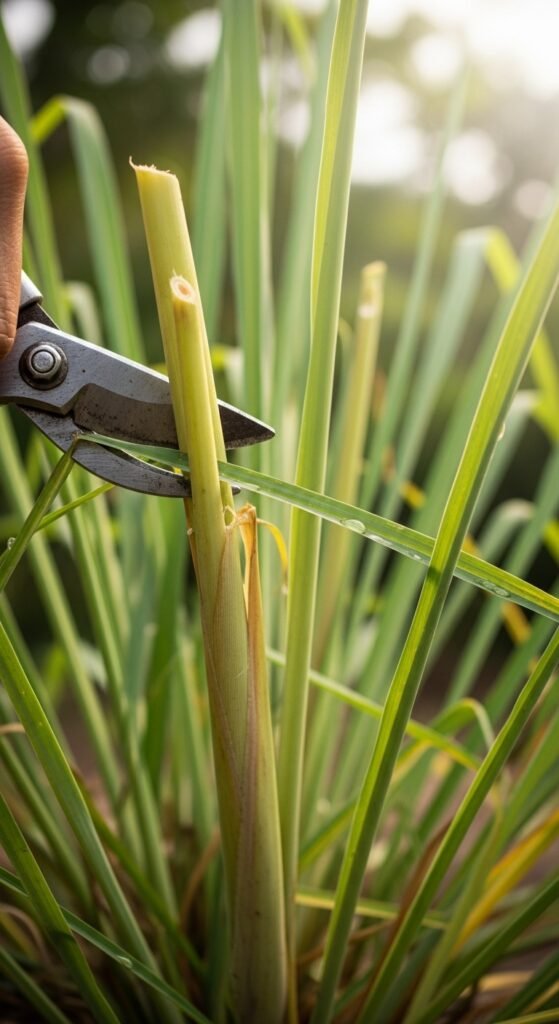
Use sharp shears for clean cuts, focusing on outer stalks. This practice also aids in airflow, reducing disease risk in humid conditions.
9) Applying Balanced Fertilization
For lemongrass growing, use a nitrogen-rich fertilizer every four to six weeks during the active season to support leafy expansion. Organic options like fish emulsion work well.
This nourishes the plant, leading to robust stems and intense flavor, essential for culinary uses.
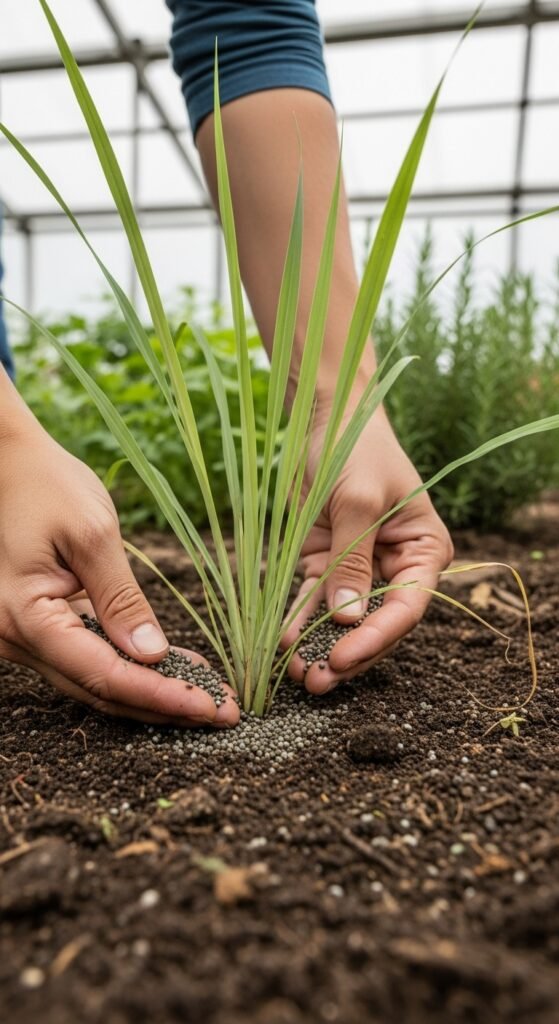
Dilute as directed and apply to moist soil. Monitor for over-fertilization signs, adjusting based on plant response.
10) Managing Pests Naturally
Combat pests in lemongrass growing with neem oil or insecticidal soap, targeting aphids and spider mites common to this herb.
Natural methods ensure safe, chemical-free produce, preserving beneficial insects in your garden.
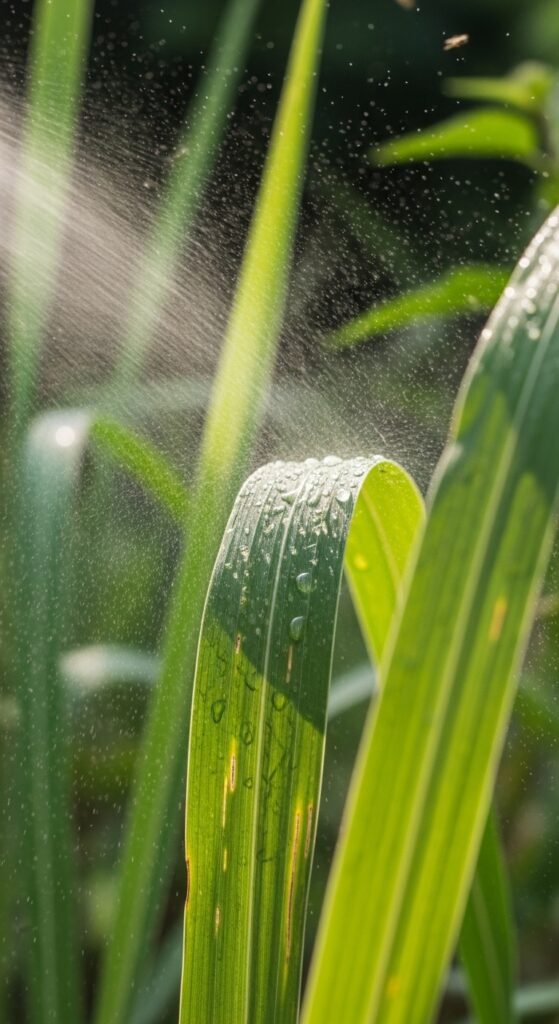
Inspect leaves weekly and apply treatments at first sighting. Encourage predators like ladybugs for long-term control.
11) Harvesting at Peak Flavor
Harvest lemongrass when stalks reach 12 inches, cutting at the base to encourage regrowth. Time for morning when oils are concentrated.
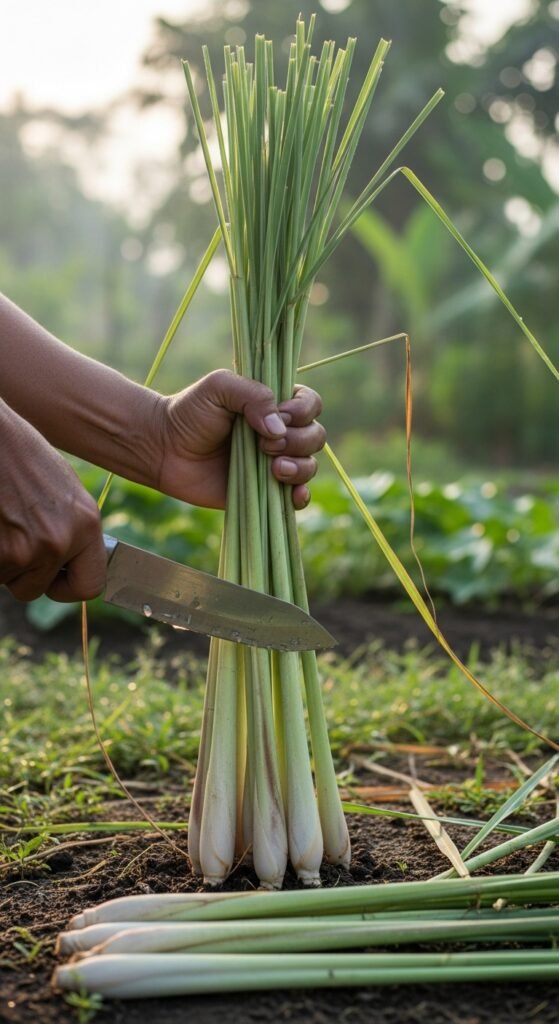
This yields maximum aromatic potency, ideal for fresh use or preservation.
Store cut stalks in water or freeze for later. Refer to harvesting herbs techniques to refine your approach and extend usability.
12) Overwintering in Cooler Climates
In non-tropical areas, overwinter lemongrass by digging up clumps and potting indoors before frost arrives.
The extension of lifespan allows perennial growth, saving costs on replanting annually.
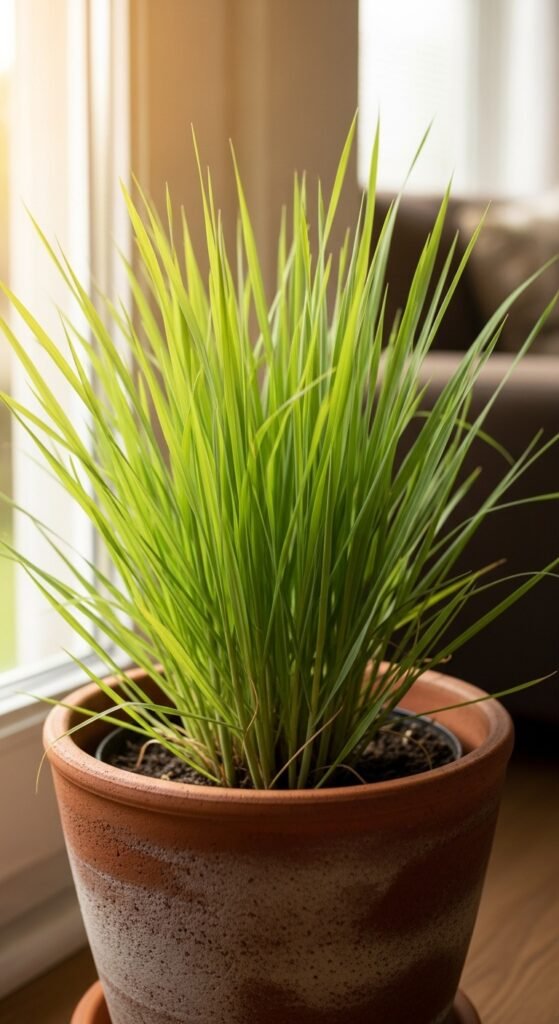
Place in bright windows and reduce watering. This adapts well to indoor setups, maintaining supply year-round.
13) Propagating for Expansion
Expand your lemongrass growing by dividing mature clumps in spring, replanting sections with roots intact.
This cost-effective method provides multiple plants from one, increasing your herb garden efficiently.
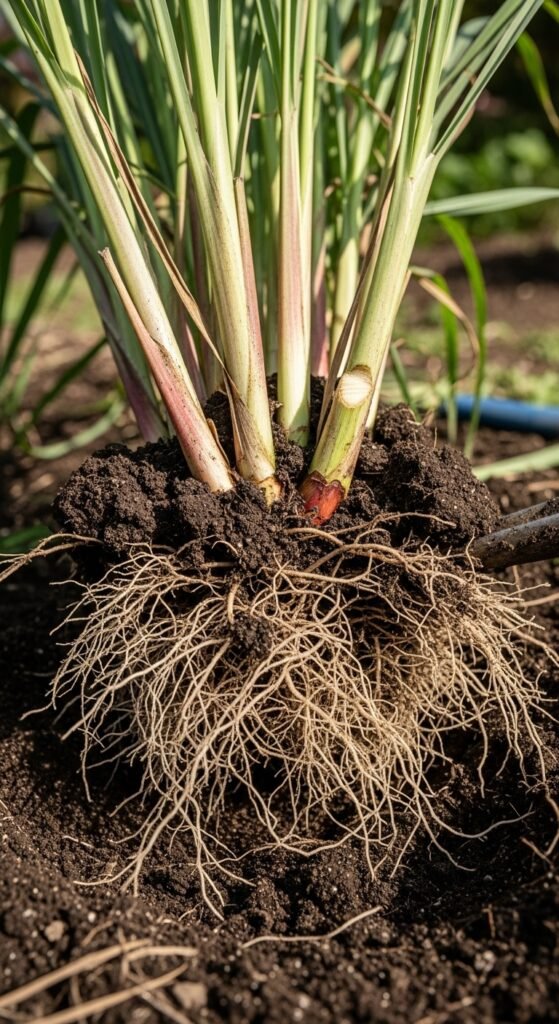
Ensure divisions have several stalks and plant immediately in prepared soil for quick establishment.
14) Utilizing Mulch for Moisture Retention
Apply organic mulch around lemongrass to conserve soil moisture and suppress weeds, using materials like straw or bark.
The reduced maintenance frees time while improving plant health through consistent conditions.
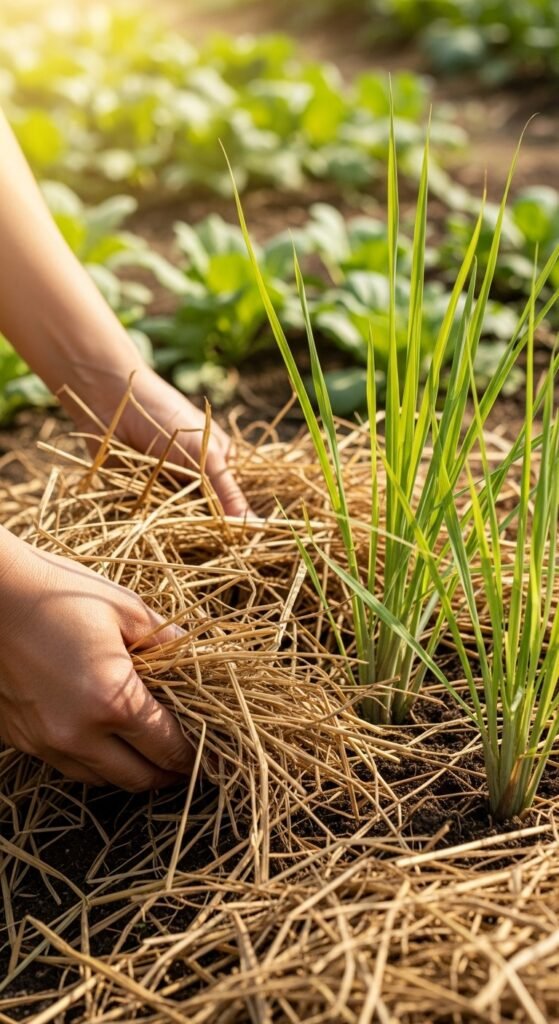
Layer two to three inches thick, avoiding direct contact with stalks to prevent rot.
15) Monitoring for Common Issues
Regularly check for yellowing or wilting in lemongrass growing, addressing issues like nutrient deficiencies or overwatering promptly.
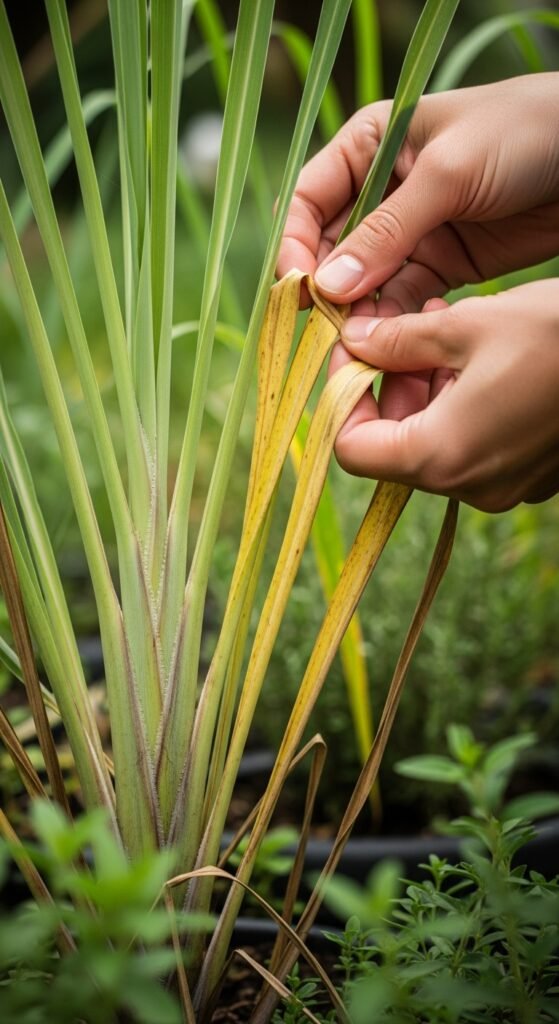
Early intervention ensures long-term vitality, preventing minor problems from escalating.
Adjust care based on observations, consulting resources for specific remedies to keep your plants thriving.
Key Principles for Successful Lemongrass Cultivation
Understanding Climate Adaptations
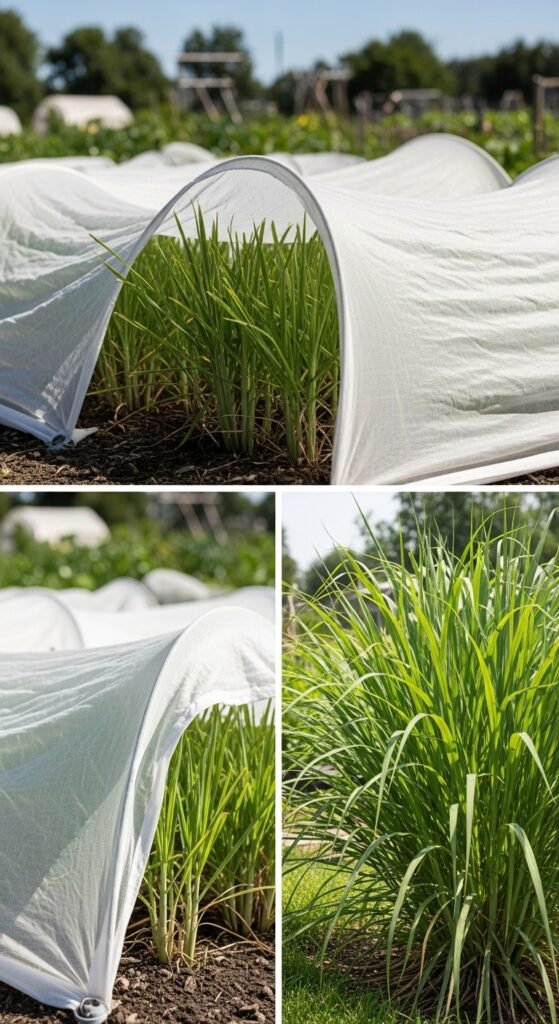
You can adapt lemongrass growing to various climates by using protective measures like row covers in cooler regions or shade cloth in intense heat, ensuring year-round viability.
Soil and Nutrient Management
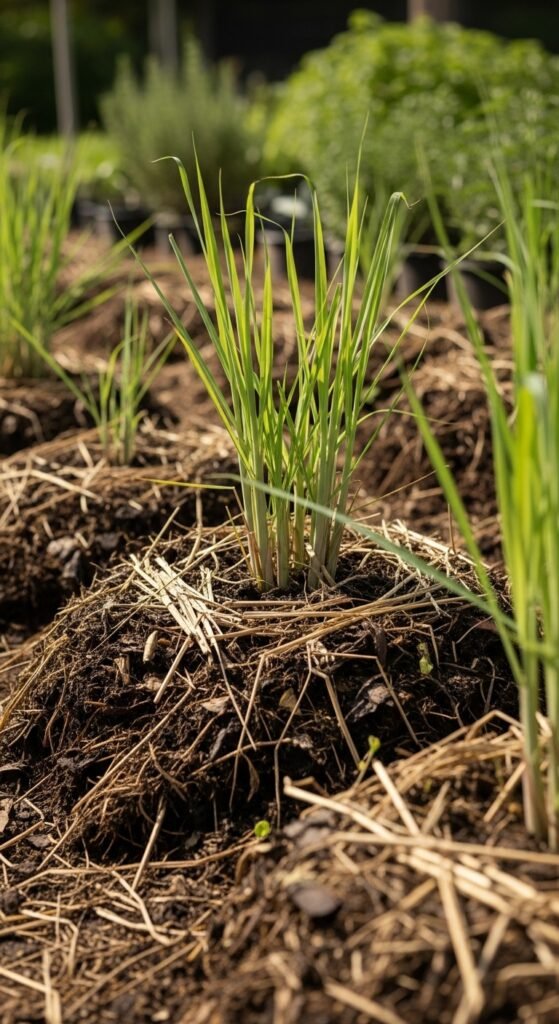
Maintain fertile soil through regular composting and pH testing, as outlined in a soil mix for herbs, to support sustained growth and flavor development.
Pest and Disease Prevention
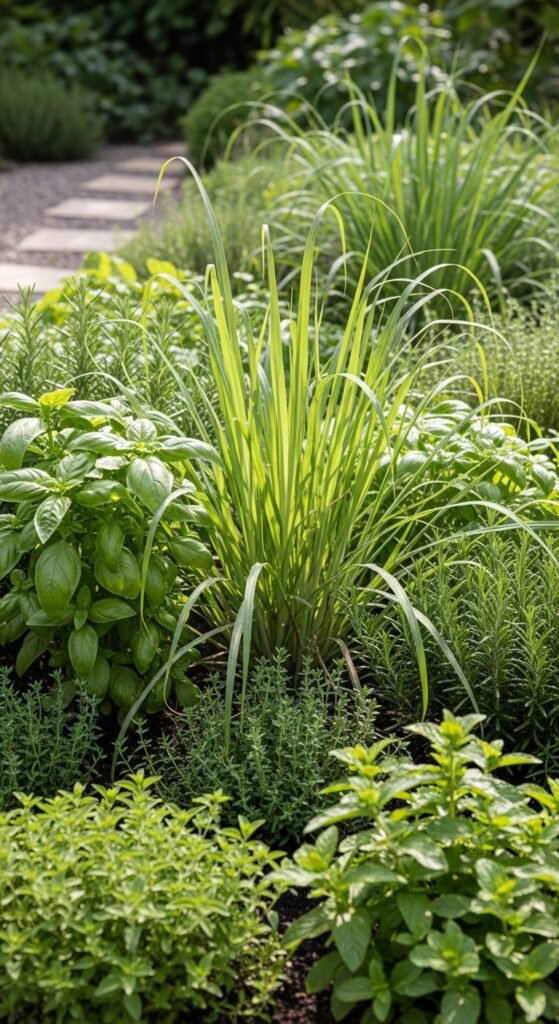
Implement integrated pest management, rotating crops and using companion plants from a companion planting herbs guide, to minimize chemical interventions and promote ecological balance.
Frequently Asked Questions
How long does it take for lemongrass to mature?
Lemongrass typically matures in 75 to 100 days from planting, depending on conditions and starting method. You can begin harvesting outer stalks once they reach sufficient thickness.
Can lemongrass be grown indoors year-round?
Yes, lemongrass adapts well to indoor growing with ample light and warmth. Provide at least six hours of sunlight or use grow lights to mimic outdoor conditions.
What is the best way to store harvested lemongrass?
Store fresh lemongrass in the refrigerator wrapped in damp paper towels for up to two weeks, or freeze chopped stalks for longer preservation.
Does lemongrass repel mosquitoes effectively?
Lemongrass contains citronella, which naturally repels mosquitoes when planted in gardens or used in essential oils, making it a practical addition to outdoor spaces.
How often should lemongrass be fertilized?
Fertilize lemongrass every four to six weeks during the growing season with a balanced, organic product to maintain nutrient levels without overfeeding.