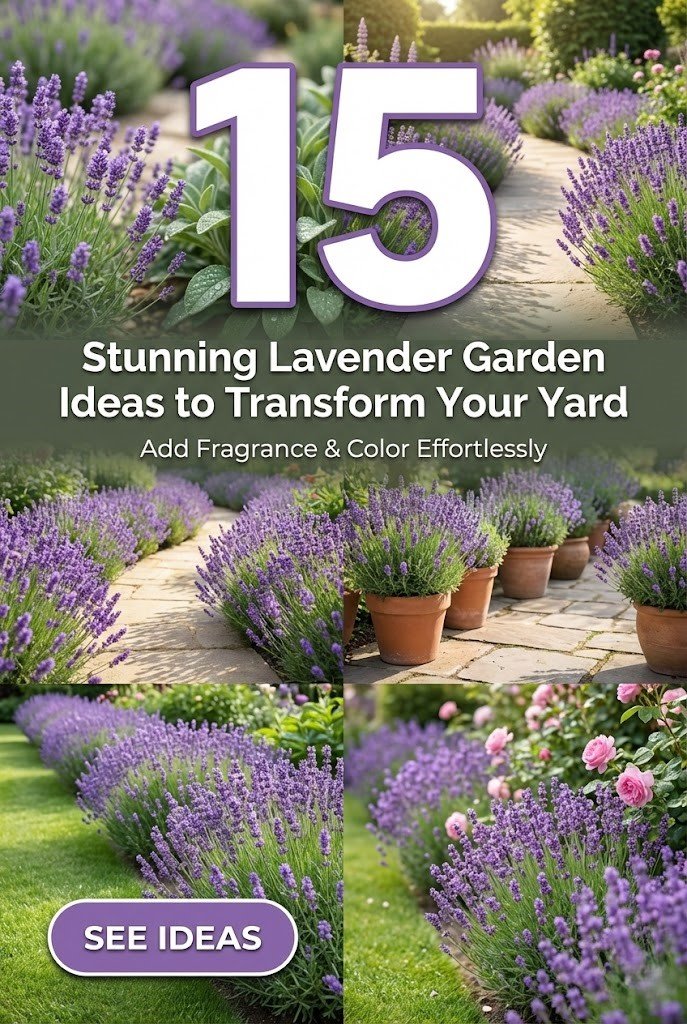
Lavender is a versatile and beloved herb that brings fragrance, color, and functionality to any garden space. Known for its soothing purple blooms and aromatic foliage, lavender thrives in sunny, well-drained conditions, making it ideal for both novice and experienced gardeners. You can use it not just for beauty but also for practical purposes like repelling pests or attracting pollinators.
Beyond its aesthetic appeal, lavender offers numerous benefits, including stress relief through its scent and culinary uses in teas or baked goods. Incorporating lavender into your landscape can elevate your outdoor area, creating a serene environment that delights the senses. Whether you’re planning a small balcony setup or a sprawling yard, these ideas will inspire you to integrate this timeless plant effectively.
1) Lavender Border Edging
You can create a stunning border by planting lavender along the edges of your garden beds or pathways. This idea involves selecting compact varieties like English lavender, spacing them about 12-18 inches apart in full sun. The what: A low-growing hedge that defines spaces while releasing a calming aroma with every brush past.
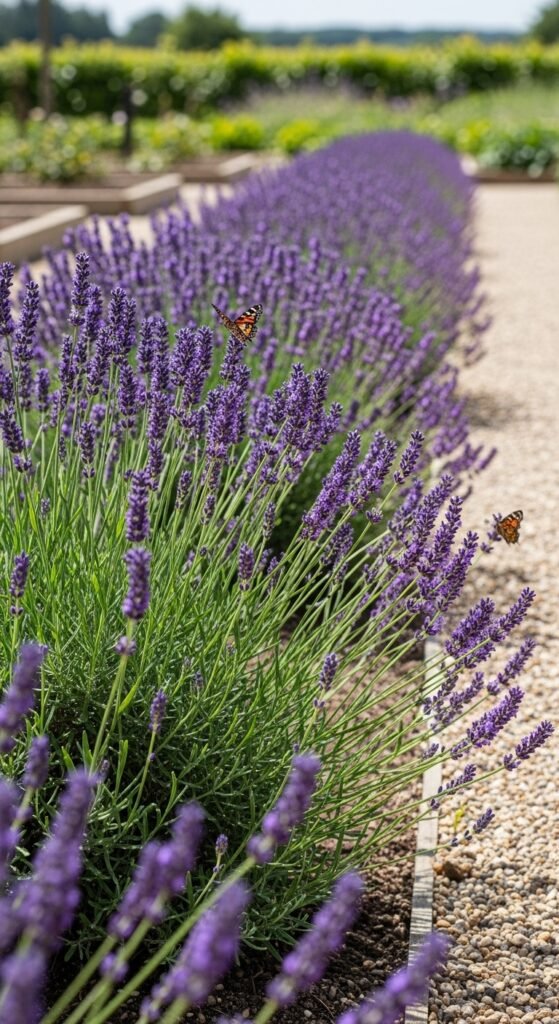
Why it works: Lavender’s drought-tolerant nature means less watering once established, and it naturally deters deer and rabbits. Plus, the purple flowers add a pop of color from late spring to summer. How to do it: Prepare soil with good drainage by mixing in gravel if needed, plant in early spring, and prune lightly after flowering to maintain shape. For more on shaping your plants, check out our guide on lavender pruning techniques.
Over time, you’ll enjoy a fragrant perimeter that enhances your garden’s structure, inviting beneficial insects and providing cuttings for indoor use. Aim for 120-150 words total per item to ensure depth without overwhelming the reader.
2) Container Lavender Displays
Bring lavender to patios or balconies by growing it in pots, perfect for limited spaces. Choose terracotta containers for better breathability, filling them with a sandy soil mix to mimic its Mediterranean origins. The what: Portable accents that can be moved to catch optimal sunlight.
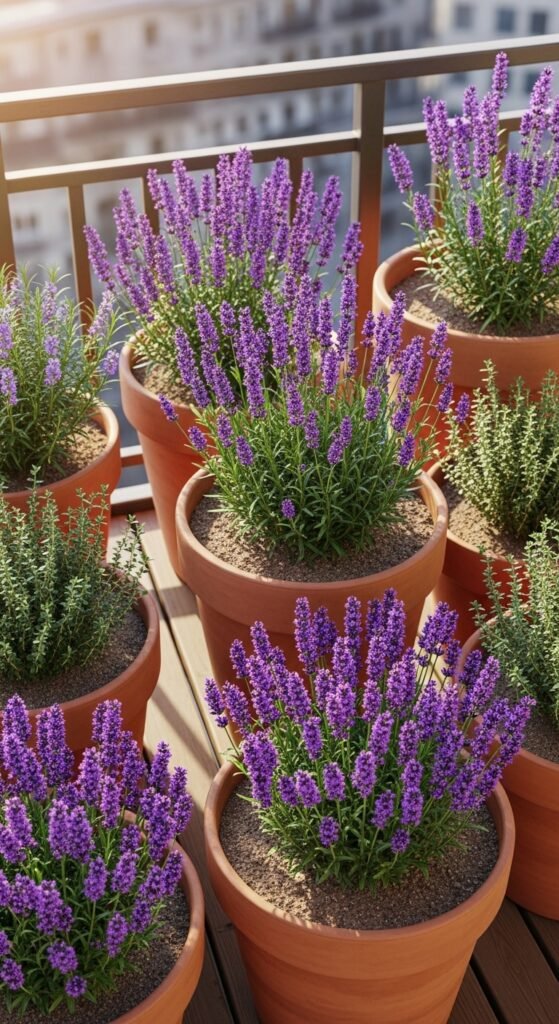
Why choose this: It’s ideal for urban gardeners, allowing year-round enjoyment and easy overwintering indoors in colder climates. The blooms attract butterflies, adding life to your setup. How: Select pots at least 12 inches deep, water sparingly to avoid root rot, and fertilize lightly in spring. Explore more with our tips on growing lavender in containers for success.
This approach lets you experiment with groupings, combining lavender with complementary herbs for a mini sensory garden right at your doorstep.
3) Lavender Hedge Creation
Transform your yard with a lavender hedge, planting rows for privacy or division. Opt for taller varieties like French lavender, spacing 18-24 inches apart in a sunny spot. The what: A living fence that blooms profusely and fills the air with scent.
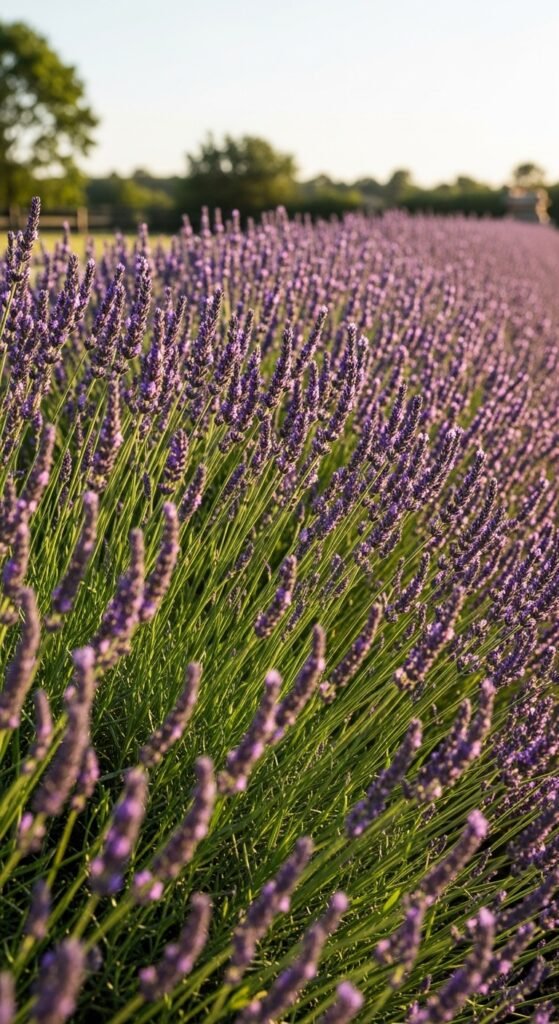
Why it’s beneficial: It provides a natural barrier against wind and noise while supporting local wildlife. Low maintenance once established, it saves on fencing costs. How to implement: Dig a trench, amend soil for drainage, and mulch to retain moisture. For similar herb-focused designs, see our patio herb garden ideas.
You’ll appreciate the evergreen foliage in winter and the summer spectacle, making your outdoor space feel like a tranquil retreat.
4) Companion Planting with Roses
Pair lavender with roses for a classic combination that boosts health and beauty. Plant lavender at the base of rose bushes in shared beds. The what: Symbiotic growth where lavender repels aphids from roses.
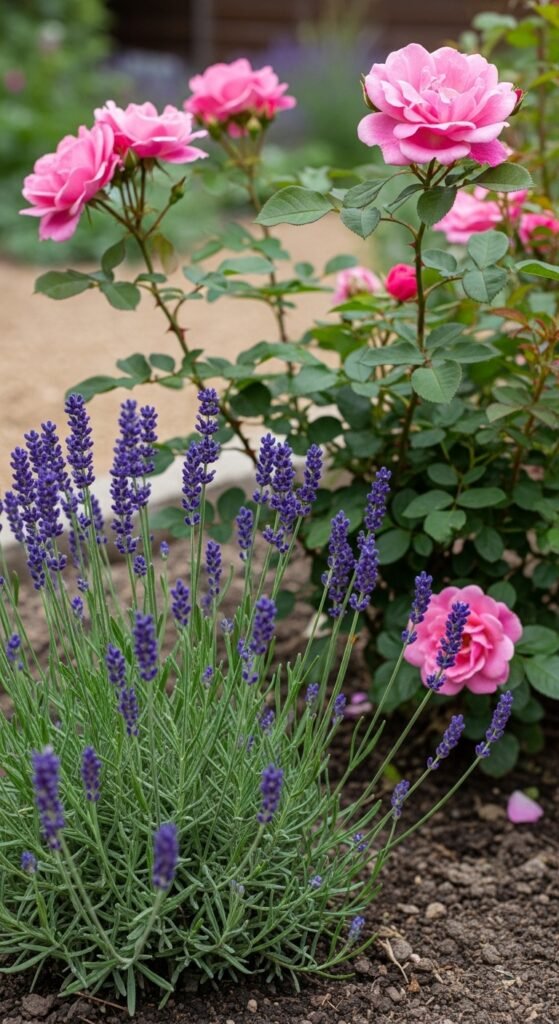
Why effective: Lavender’s oils deter pests naturally, reducing chemical needs, while both enjoy similar sunny, dry conditions. The contrasting textures create visual interest. How: Space lavender 12 inches from rose stems, prune both post-bloom, and ensure good air circulation. If you’re into floral companions, our spring rose pruning guide complements this perfectly.
This duo will thrive, offering you bountiful bouquets and a pest-resistant garden that’s both practical and picturesque.
5) Dried Lavender Crafts
Harvest and dry your lavender for creative projects like sachets or wreaths. Cut stems just as flowers open, bundling them upside down in a dark, dry place. The what: Turning garden bounty into home decor or gifts.
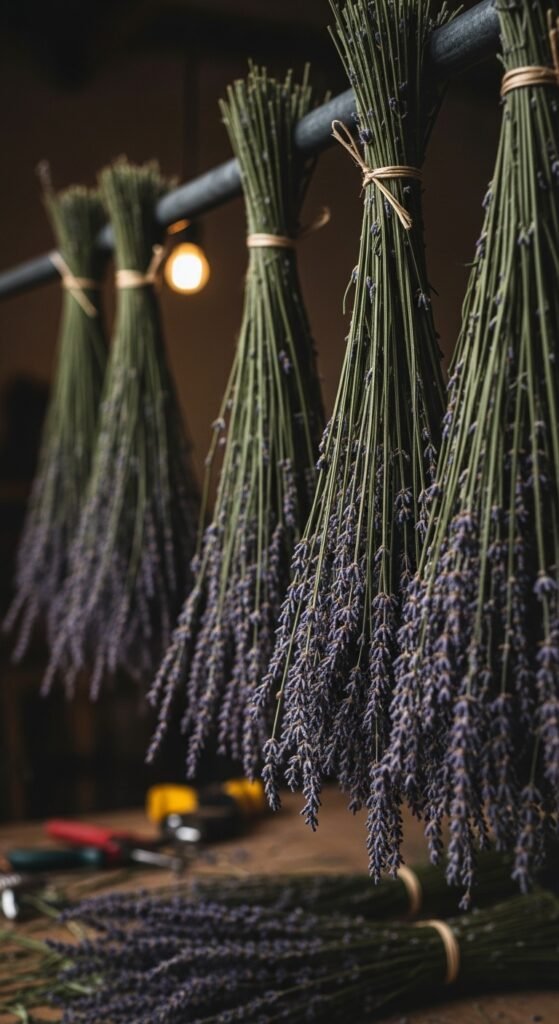
Why worthwhile: It extends lavender’s use beyond the season, providing aromatherapy benefits and eco-friendly crafts. How: After drying, strip flowers for potpourri or weave stems into shapes. For inspiration, try our lavender wreath tutorial.
You’ll love the satisfaction of handmade items that carry your garden’s essence indoors, perfect for relaxation or gifting.
6) Lavender Essential Oil Extraction
Make your own essential oil from homegrown lavender for personal use. Steam distill fresh buds or infuse in carrier oil. The what: Homemade aromatics for baths, massages, or diffusers.

Why pursue it: It’s cost-effective and ensures purity, harnessing lavender’s calming properties. How: Gather a large batch, use a simple still setup, and store in dark bottles. Related to herbal crafts? Check our lavender soap recipe.
This process connects you deeper with your plants, yielding versatile oil for wellness routines.
7) Culinary Lavender Applications
Incorporate lavender into cooking for unique flavors in teas, cookies, or salads. Use culinary varieties like English lavender, drying flowers for year-round use. The what: Edible enhancements that surprise the palate.
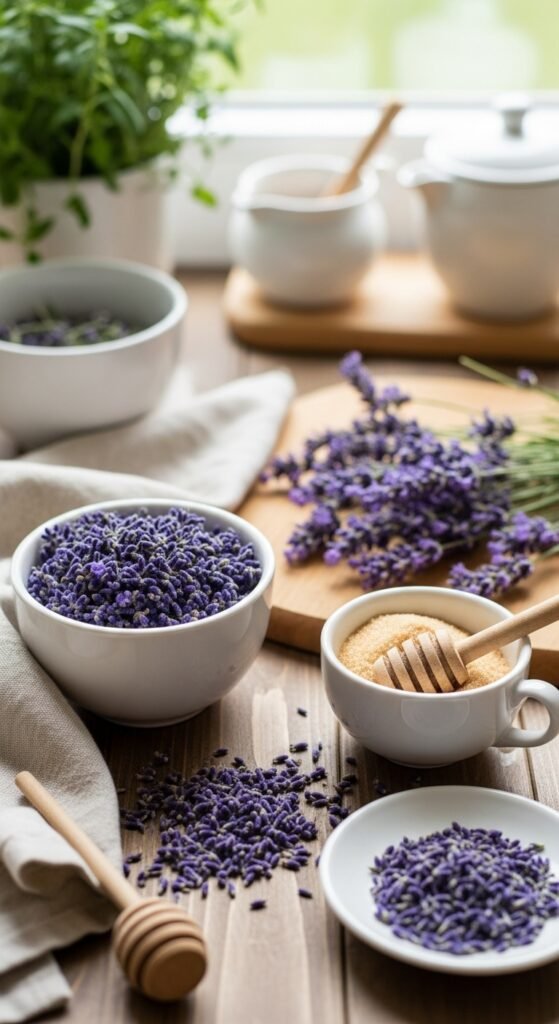
Why try it: Adds subtle floral notes to dishes, plus health perks like digestion aid. How: Start small, infusing sugar or honey, and experiment in recipes. For more edible ideas, see spring edible flowers.
You’ll elevate everyday meals, impressing guests with garden-fresh innovations.
8) Lavender Sachet Making
Craft sachets filled with dried lavender to freshen drawers or closets. Sew simple fabric pouches and stuff with buds. The what: Natural deodorizers with moth-repelling qualities.
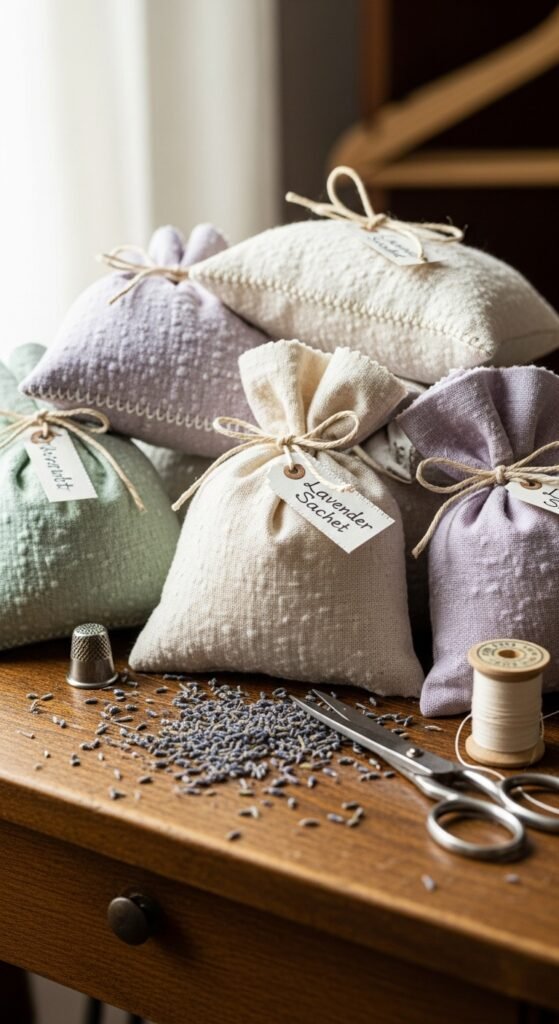
Why useful: Eco-friendly alternative to chemical fresheners, promoting relaxation. How: Harvest at peak bloom, dry thoroughly, and refresh annually. Tie in with our herb wreath ideas for more crafts.
These little packets will infuse your home with serenity, extending your garden’s reach.
9) Pollinator-Friendly Lavender Garden
Design a section dedicated to lavender to attract bees and butterflies. Plant in clusters amid other nectar-rich flowers. The what: A buzzing haven that supports ecosystem health.
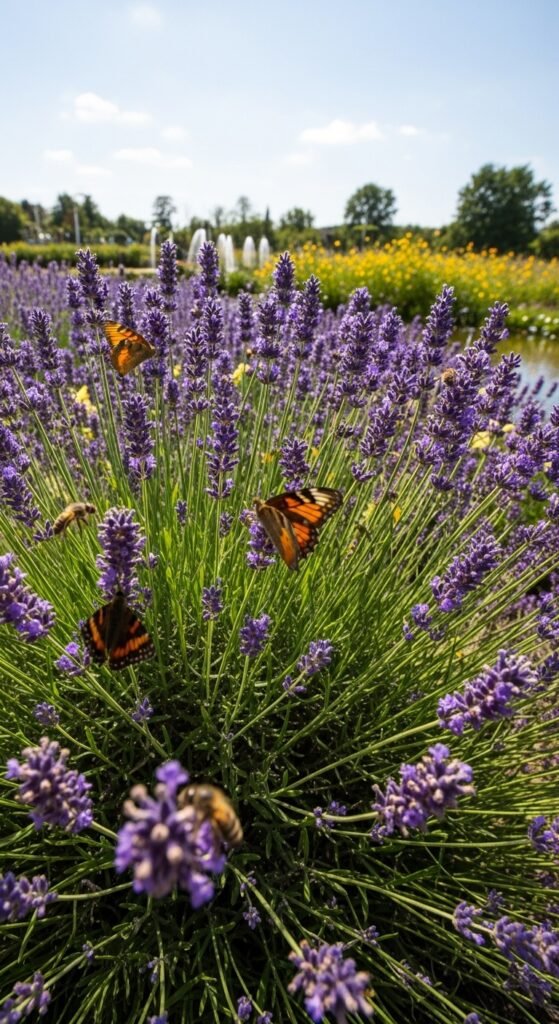
Why important: Boosts pollination for your entire garden, increasing yields. How: Choose sunny spots, avoid pesticides, and add water sources. Enhance with our bee-friendly plants list.
You’ll witness vibrant wildlife, contributing to biodiversity while enjoying the view.
10) Lavender Pathway Lining
Line walkways with lavender for a sensory stroll through your garden. Plant along edges in well-drained soil. The what: Fragrant paths that guide and delight.
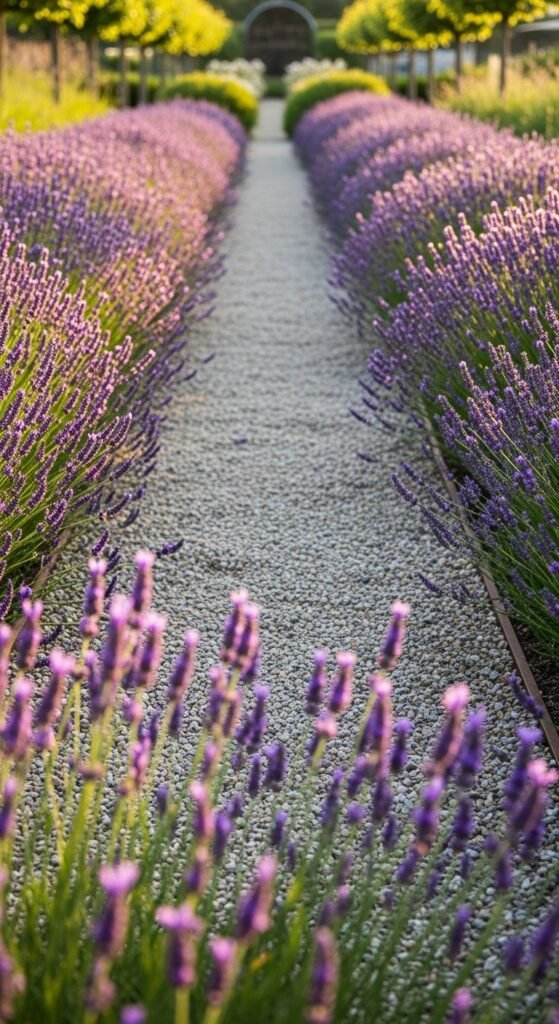
Why appealing: Releases scent with each step, enhancing ambiance. How: Space plants evenly, mulch for weed control, and trim for neatness. For pest control, pair with mosquito-repelling plants.
This setup turns routine walks into therapeutic experiences.
11) Indoor Lavender Cultivation
Grow lavender inside for year-round access, using south-facing windows. Pot in gritty mix and rotate for even growth. The what: Houseplant version of this outdoor favorite.
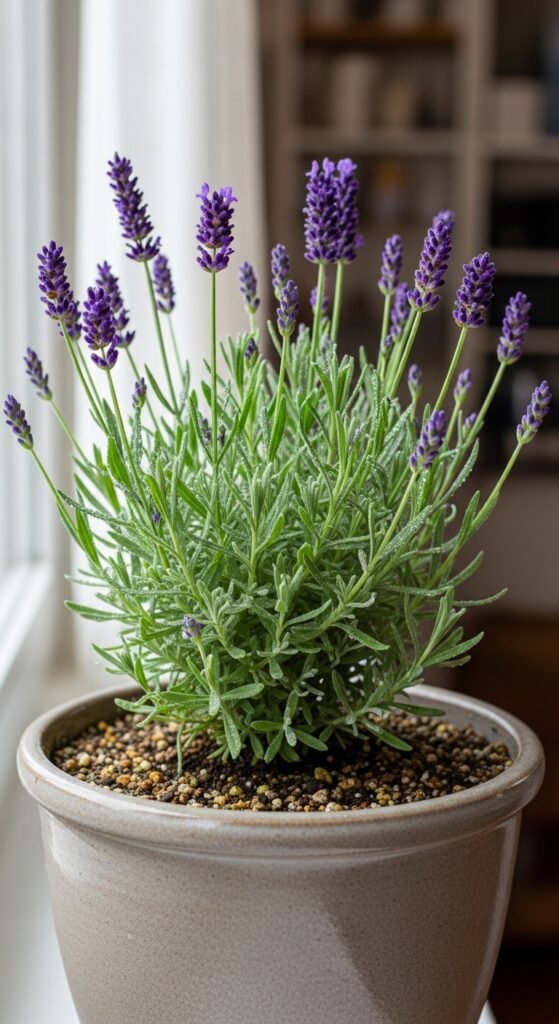
Why viable: Brings nature indoors, purifying air and reducing stress. How: Water minimally, provide grow lights if needed, and repot annually. Similar to growing rosemary indoors.
You’ll have fresh sprigs at hand for cooking or decor.
12) Lavender Rock Garden Integration
Incorporate lavender into rock gardens for a rugged, low-maintenance look. Nestle among stones in sunny, dry areas. The what: Textural contrast with hardy perennials.
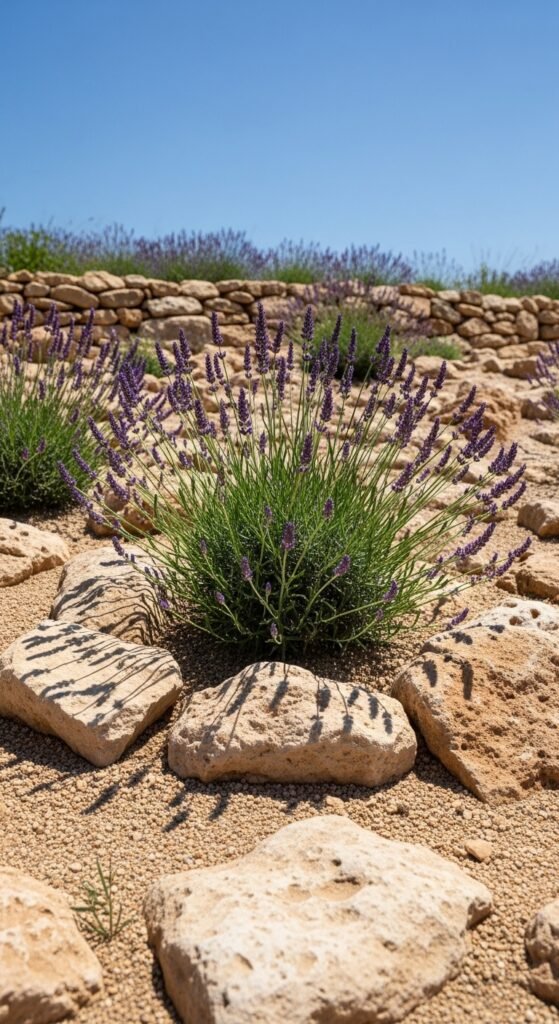
Why suits: Mimics natural habitat, requiring little care. How: Amend with sand, plant shallowly, and let spread. Combine with herb planter box ideas for variety.
This creates a durable, beautiful feature in your landscape.
13) Lavender Variety Exploration
Experiment with different lavender types like Spanish or Lavandin for diverse effects. Plant a mix in dedicated beds. The what: A collection showcasing colors and scents.
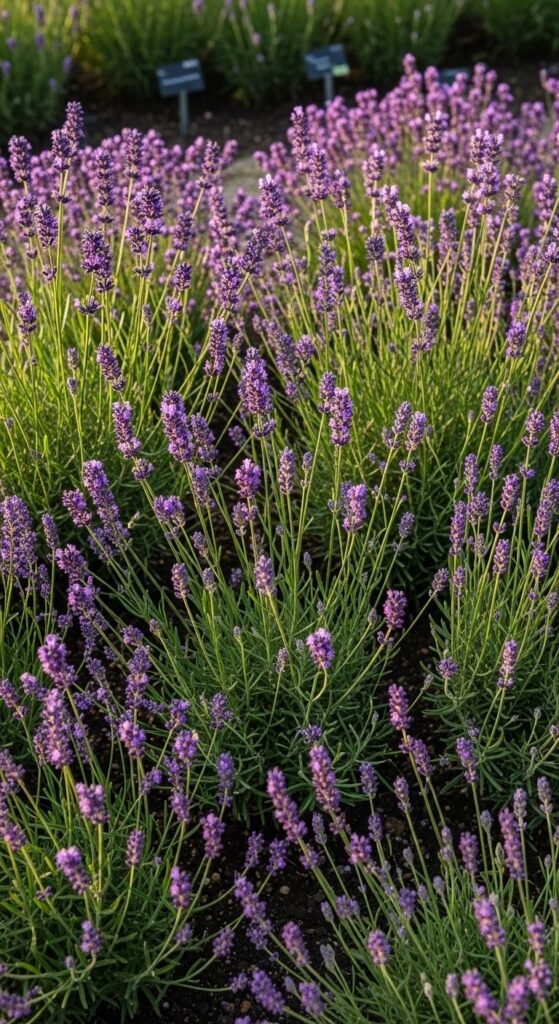
Why enriching: Offers varied bloom times and uses. How: Research hardiness zones, space accordingly, and label for reference. Dive deeper into lavender varieties and care.
You’ll discover favorites, tailoring your garden perfectly.
14) Lavender Overwintering Strategies
Protect lavender through winter with mulching and covering in cold zones. Prepare by pruning lightly in fall. The what: Ensuring survival for next season’s growth.
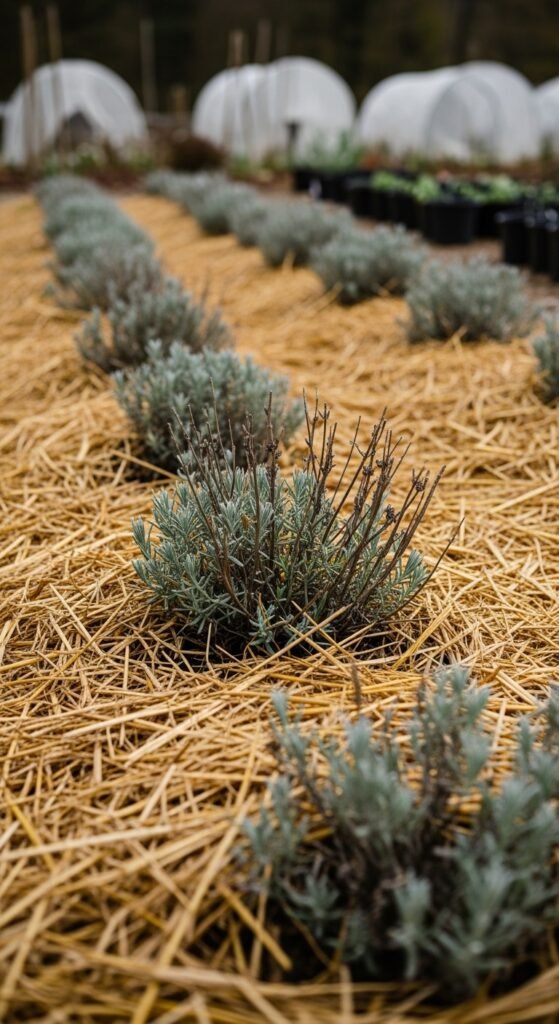
Why necessary: Prevents root damage from freezes. How: Use straw mulch, avoid overwatering, and shelter pots indoors. Similar to frost protection for plants.
This prep guarantees robust returns come spring.
15) Lavender Aromatherapy Garden
Create a dedicated aromatherapy spot with mass lavender plantings. Include seating amid the beds. The what: A relaxation zone harnessing scent therapy.
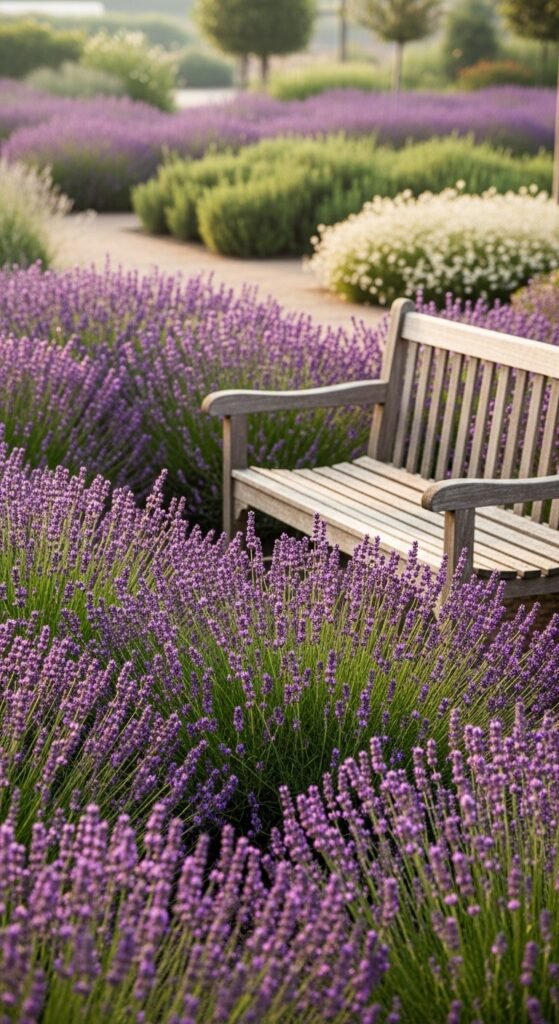
Why therapeutic: Promotes mental well-being through natural fragrances. How: Plant densely, add paths, and harvest regularly. For more herbal setups, explore pallet vertical herb gardens.
You’ll have a personal sanctuary for unwinding.
Key Principles for Lavender Success
Soil and Sunlight Essentials
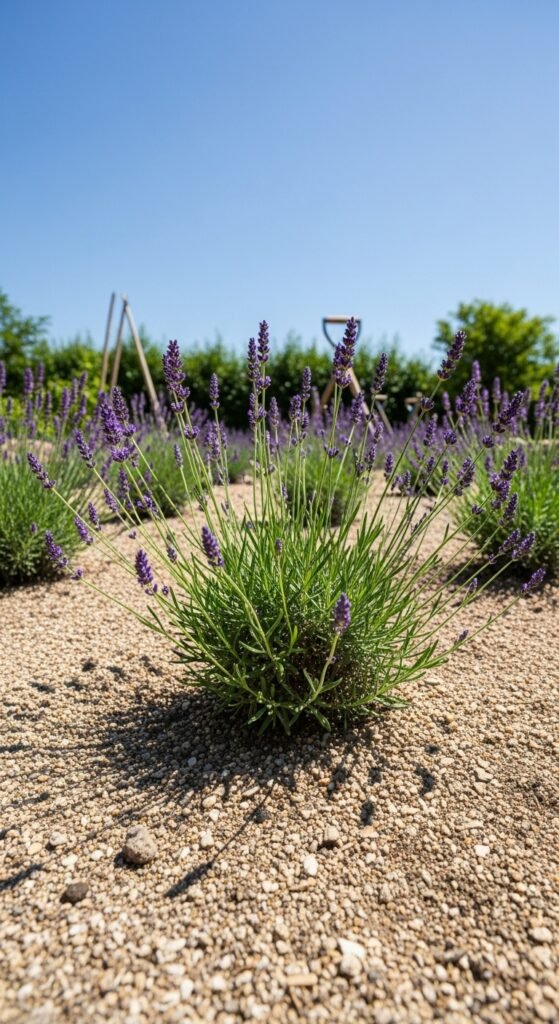
Always prioritize well-drained, alkaline soil and at least six hours of direct sun daily to mimic lavender’s native conditions.
Watering and Maintenance Tips
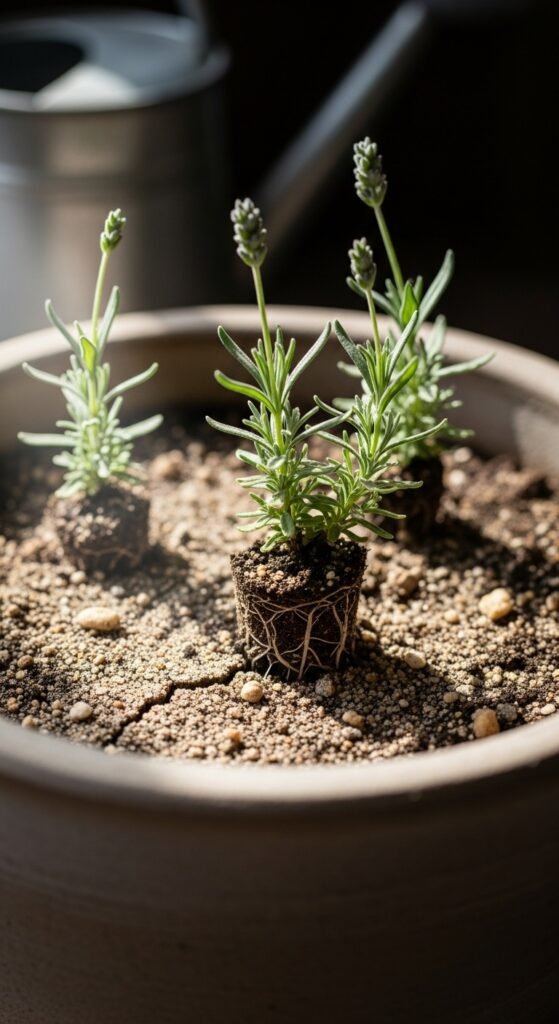
Water young plants regularly but allow soil to dry between sessions; established lavender prefers drought-like care to prevent rot.
Pest and Disease Prevention
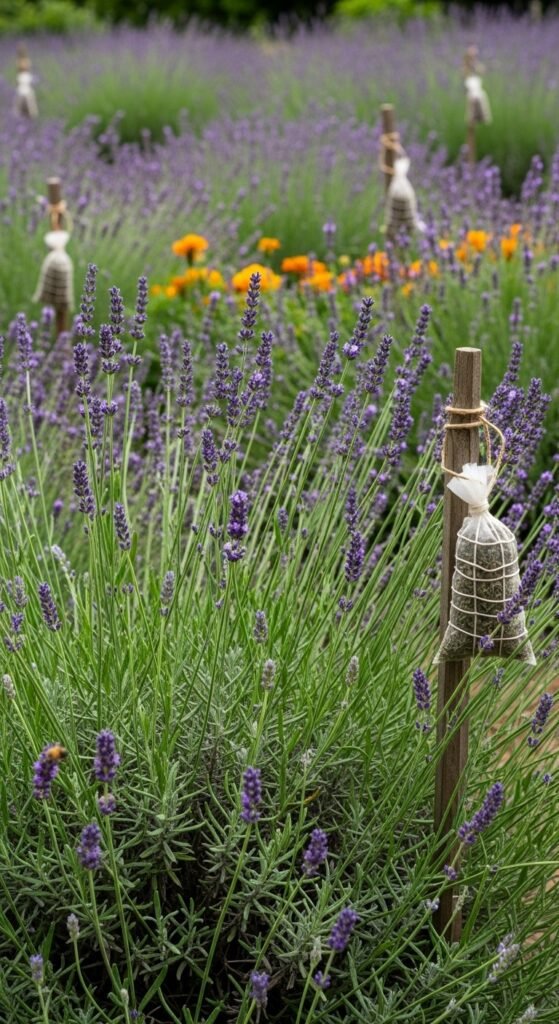
Encourage air flow and use natural repellents to keep issues at bay, ensuring healthy, vibrant growth.
Frequently Asked Questions
Is lavender easy to grow for beginners?
Yes, lavender is forgiving if you provide sunny, dry conditions and avoid overwatering, making it a great starter plant.
How often should I prune lavender?
Prune annually after flowering to maintain shape and encourage bushiness, typically in late summer or early fall.
Can lavender grow in shade?
No, lavender requires full sun to thrive and produce abundant blooms; partial shade may lead to leggy growth.
What are common uses for harvested lavender?
Harvested lavender can be used for cooking, crafts, essential oils, or simply as dried bouquets for home fragrance.
Does lavender attract bees?
Absolutely, its nectar-rich flowers draw bees and other pollinators, supporting garden biodiversity.