
Hydrangea pruning is a crucial aspect of maintaining these stunning shrubs, ensuring they produce abundant, colorful flowers year after year. By understanding the specific needs of your hydrangeas, you can avoid common pitfalls that lead to sparse blooms or weakened plants. Whether you’re dealing with bigleaf varieties or panicle types, proper pruning techniques promote healthy growth, better airflow, and disease resistance.
Mastering hydrangea pruning not only enhances the aesthetic appeal of your garden but also extends the lifespan of your plants. You’ll learn to identify the right timing, tools, and methods tailored to different species. This guide offers practical ideas to transform your pruning routine into an art form, resulting in lush, vibrant displays that become the envy of your neighborhood.
1) Identify Your Hydrangea Variety First
Before grabbing your shears, you must determine the type of hydrangea you’re working with, as pruning requirements vary significantly. Common varieties include bigleaf (macrophylla), panicle (paniculata), and smooth (arborescens). Each blooms on different wood—old or new—which dictates when and how you prune.
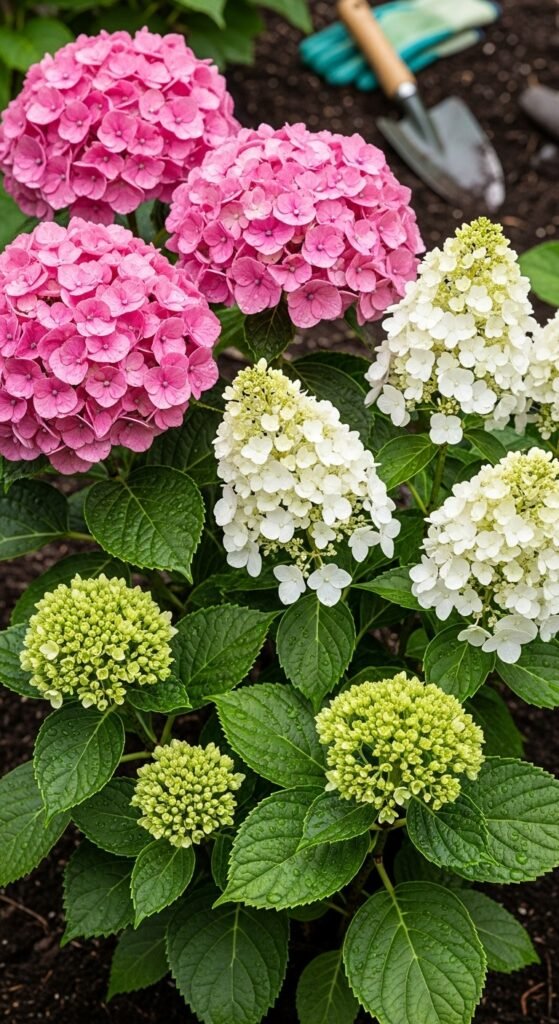
Why is this important? Pruning the wrong type at the incorrect time can eliminate next season’s flower buds, leading to disappointment. For instance, bigleaf hydrangeas bloom on old wood, so aggressive cuts in spring could mean no summer flowers. By identifying your plant, you ensure targeted care that maximizes bloom potential.
How do you do it? Examine leaf size, flower shape, and growth habit. Consult resources or apps for confirmation. Once identified, you can apply specific strategies, like those for hydrangea macrophylla pruning, to achieve optimal results. This foundational step sets the stage for successful gardening.
2) Time Your Pruning Seasonally
Timing is everything in hydrangea pruning, aligning your efforts with the plant’s natural cycle for best outcomes. For old-wood bloomers like bigleaf, prune right after flowering in late summer. New-wood types, such as panicle, respond well to late winter or early spring cuts when dormant.
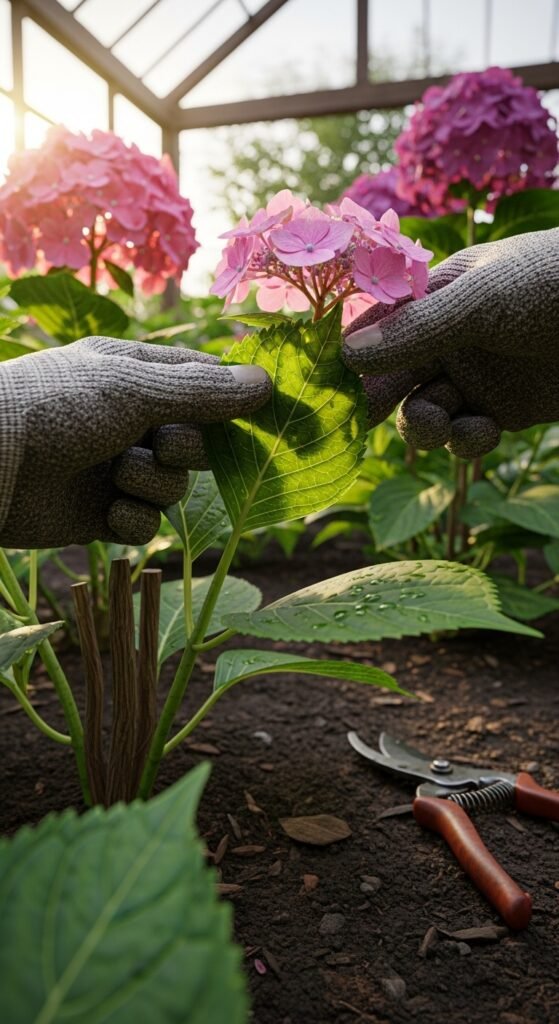
This approach matters because it preserves flower buds while encouraging fresh growth. Pruning too early or late can stress the plant, reducing vigor and bloom count. Proper timing also minimizes disease risk by avoiding cuts during active growth periods when wounds heal slowly.
To execute, mark your calendar based on variety—check local frost dates for safety. Observe weather patterns; mild winters allow earlier intervention. For detailed guidance on when to prune hydrangeas, integrate this with your overall garden schedule for seamless maintenance.
3) Use Sharp, Clean Tools
Invest in quality pruning shears, loppers, and saws that are sharp and sanitized to make clean cuts. Dull blades tear stems, inviting pests and diseases, while dirty tools spread pathogens across your garden.
The reason behind this is straightforward: Clean cuts heal faster, reducing vulnerability to infections like fungal issues common in humid climates. Sharp tools also require less effort, preventing hand fatigue during extended sessions and ensuring precision for aesthetic shaping.

Start by sharpening blades regularly with a file or stone. Before each use, sanitize your garden tools with alcohol or bleach solution. For thicker branches, opt for loppers to avoid damage. This practice not only protects your hydrangeas but elevates your entire pruning experience.
4) Remove Dead or Damaged Wood
Begin every pruning session by eliminating dead, diseased, or damaged stems, cutting back to healthy tissue. Look for brown, brittle wood or signs of rot, which can harbor problems if left unchecked.
This step is vital as it improves airflow and light penetration, reducing mold and mildew risks. Removing weak parts redirects energy to vigorous growth, leading to stronger stems and more prolific blooming. Neglecting this can weaken the overall structure, making plants susceptible to wind damage.
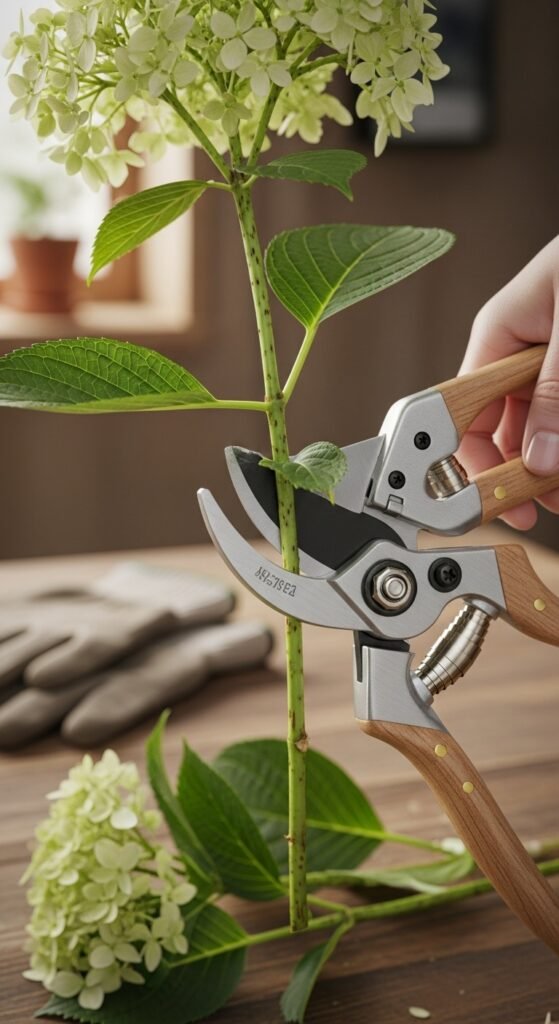
How-to: Use bypass pruners for clean snips at a 45-degree angle above a bud. Dispose of debris properly to prevent reinfection. Combine this with routine inspections during spring hydrangea care for proactive health management.
5) Encourage Bushier Growth
To foster a fuller, more compact shape, pinch or prune back new growth tips in early summer. This stimulates lateral branching, creating a denser canopy with more flower sites.
Why bother? Bushier plants offer better visual impact and wind resistance, while increased branching multiplies bloom potential. Without this, hydrangeas may become leggy, with flowers concentrated at the top, diminishing lower appeal.
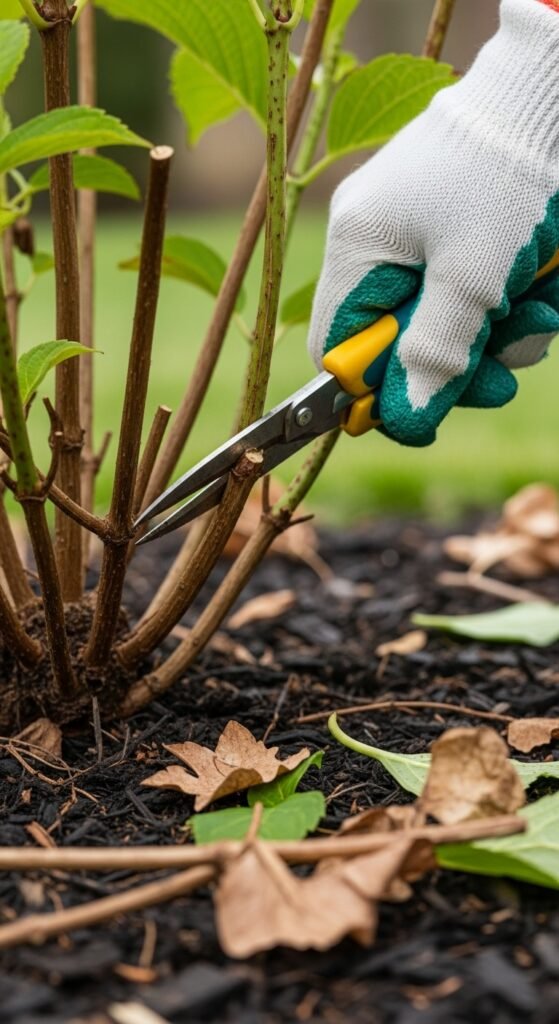
Implement by selecting young shoots and cutting just above a leaf node. Repeat every few weeks during active growth. For varieties like panicle, align with hydrangea paniculata pruning guidelines to balance size and density effectively.
6) Deadhead Spent Blooms
Regularly remove faded flowers by snipping them off just above the next set of leaves. This tidies the plant and can prompt a second flush of blooms in some varieties.
The benefit lies in energy conservation; instead of seed production, the plant focuses on root and foliage development. Deadheading also prevents self-seeding overload and maintains an attractive appearance throughout the season.
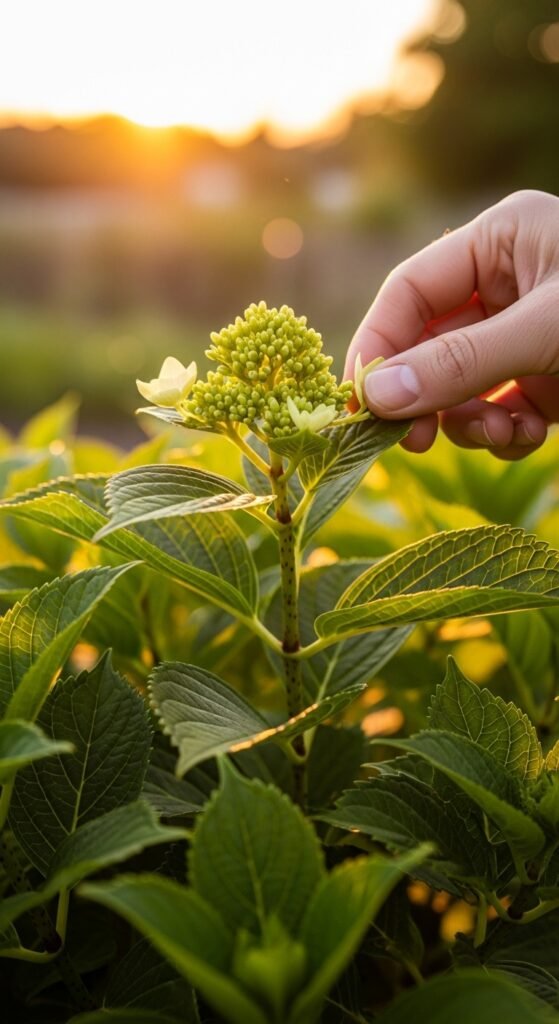
Do this gently with hand pruners as flowers wilt. For larger displays, incorporate into weekly garden walks. Pair with companion planting ideas from hydrangea companions to enhance overall garden harmony.
7) Perform Rejuvenation Pruning
For overgrown or underperforming hydrangeas, consider drastic rejuvenation by cutting back to 6-12 inches from the ground in late winter. This is ideal for new-wood bloomers like smooth hydrangeas.
This technique revitalizes aging plants, removing old wood to spur vigorous new stems. It addresses legginess and poor flowering, restoring youthfulness and bloom abundance after a season’s skip.
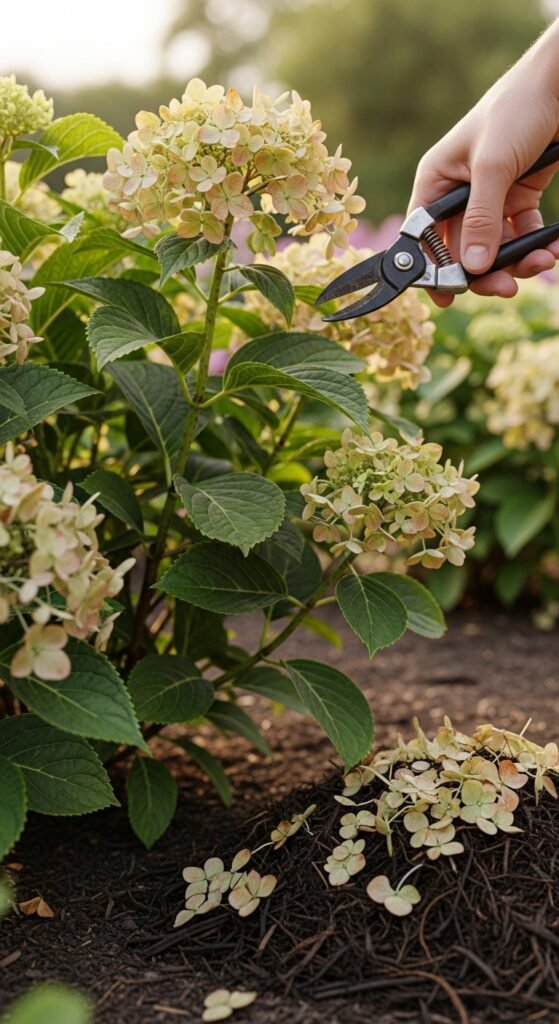
Approach cautiously: Confirm variety suitability first. Water well post-prune and mulch for protection. Explore general care in hydrangeas resources to support recovery.
8) Shape for Aesthetic Appeal
Prune selectively to sculpt your hydrangea into a desired form, whether rounded, tiered, or natural. Focus on symmetry and balance, removing crossing branches that rub.
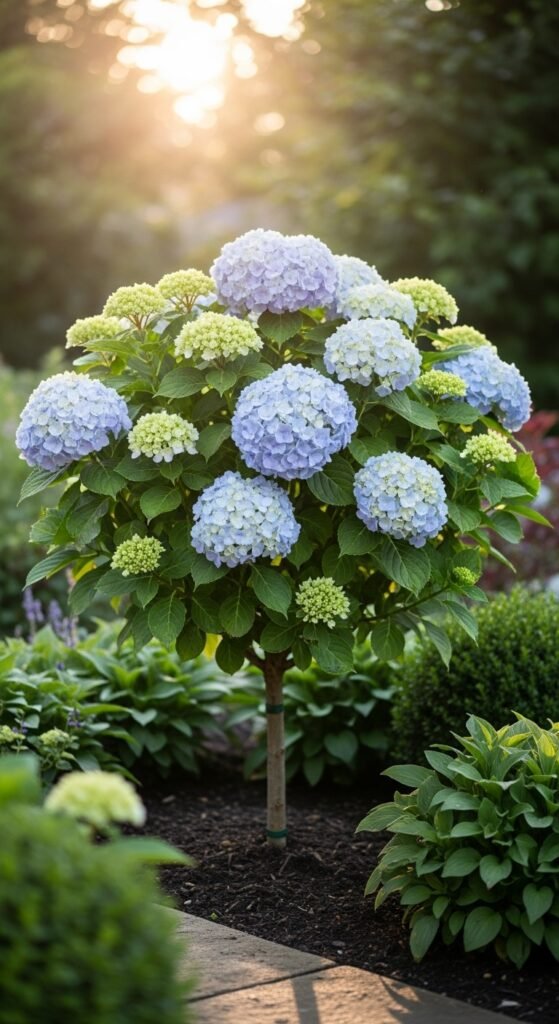
Aesthetically pleasing shapes elevate garden design, creating focal points or borders. Proper shaping also improves health by preventing dense centers that trap moisture and foster disease.
Visualize the end goal, then prune incrementally. Step back frequently to assess. Integrate with landscaping concepts like hydrangea front yard ideas for cohesive outdoor spaces.
9) Avoid Over-Pruning
Resist the urge to cut more than one-third of the plant at once, as excessive pruning shocks the system and delays recovery. Stick to light, targeted removals.
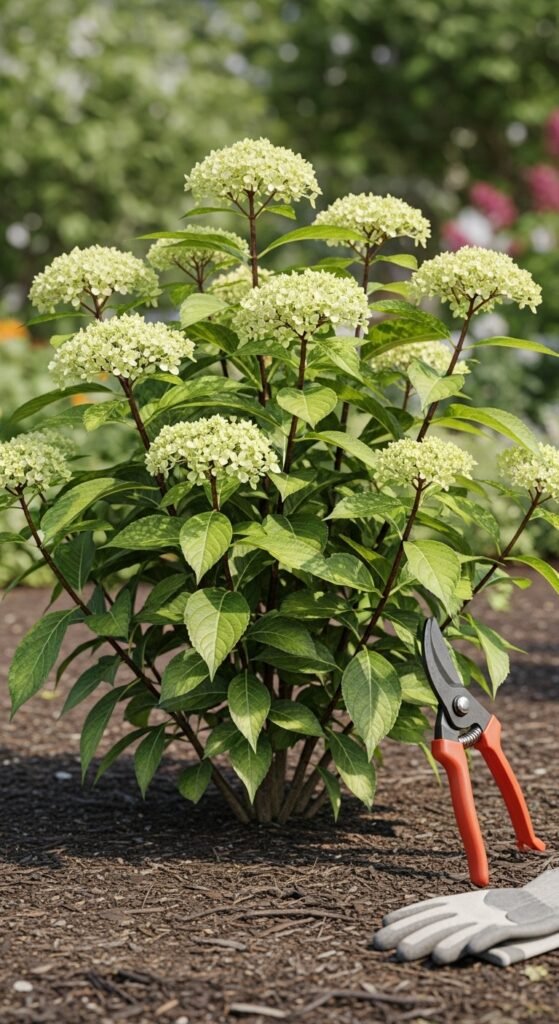
Over-pruning depletes reserves, leading to stunted growth and fewer flowers. It can also expose inner wood to sunscald or pests, compromising long-term vitality.
Measure progress: Prune in stages over seasons if needed. Monitor response and adjust. For propagation alternatives, try propagating hydrangea cuttings from trimmings instead of discarding.
10) Prune for Larger Flowers
To cultivate bigger blooms, thin out weaker stems, concentrating energy on fewer, stronger ones. This is particularly effective for bigleaf varieties.
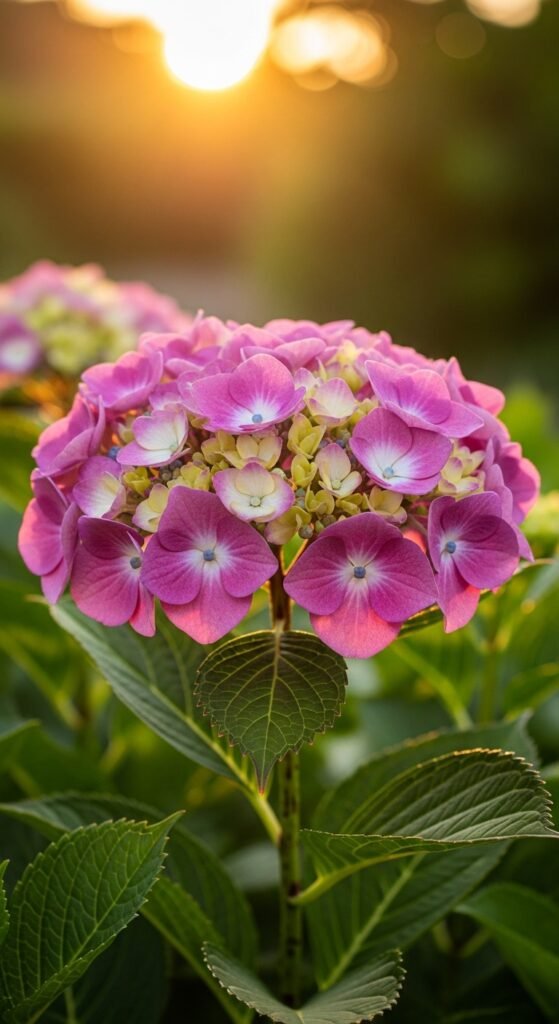
Larger flowers result from optimized resource allocation, making your display more impressive. Thinning also enhances air circulation, curbing foliar diseases that mar petals.
Selectively remove thin or inward-growing branches. Combine with proper watering from watering hydrangeas tips to boost size and color intensity.
11) Handle Climbing Hydrangeas Differently
Climbing hydrangeas require minimal pruning, focusing on training vines and removing errant growth after blooming. Avoid heavy cuts to preserve their slow-establishing nature.
This method respects their unique habit, promoting coverage on structures without sacrificing flowers. Over-pruning can set back maturity by years.
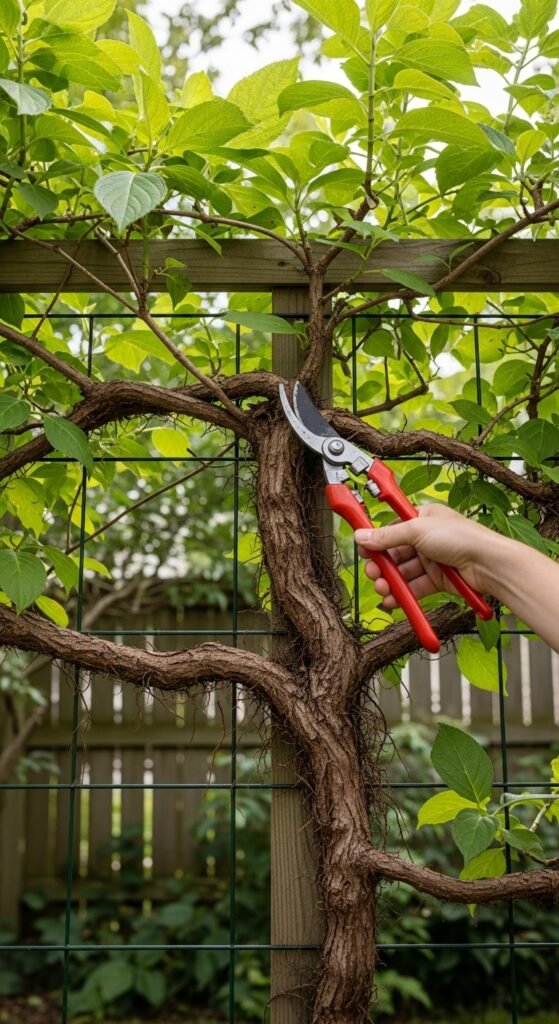
Guide vines with ties, prune sparingly post-flower. For inspiration, consider integrating into garden designs akin to wreath crafts in hydrangea wreath ideas.
12) Protect Cuts in Winter
After late-fall pruning, apply mulch around the base and consider protective wraps for exposed stems in harsh climates. This shields against freeze-thaw cycles.
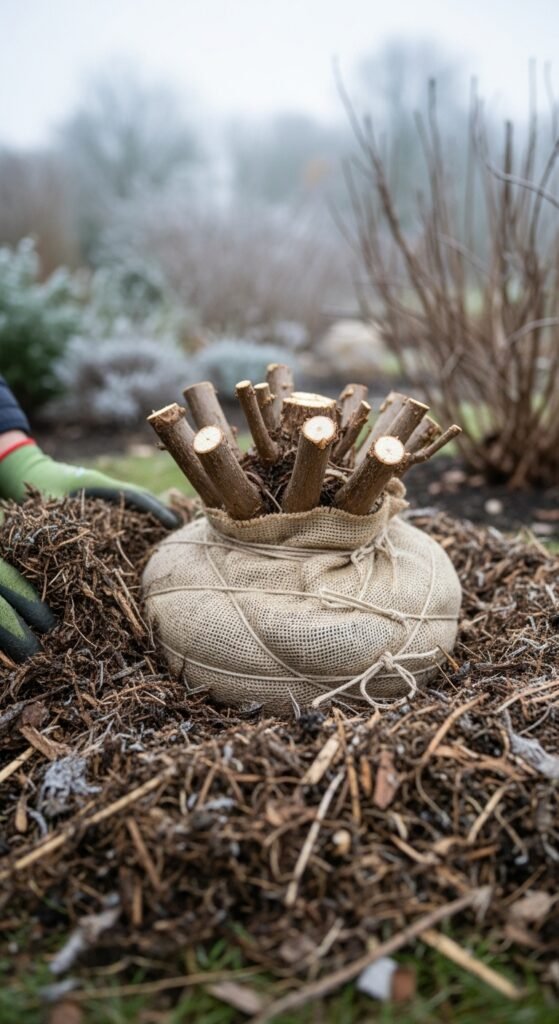
Protection prevents dieback and bark splitting, ensuring spring regrowth. Unprotected cuts are entry points for winter damage, reducing next year’s performance.
Layer organic mulch 2-4 inches deep. For additional care, reference seasonal strategies in related pruning guides.
13) Prune Young Plants Lightly
For newly planted hydrangeas, limit pruning to shaping and deadwood removal in the first few years to establish strong roots and framework.
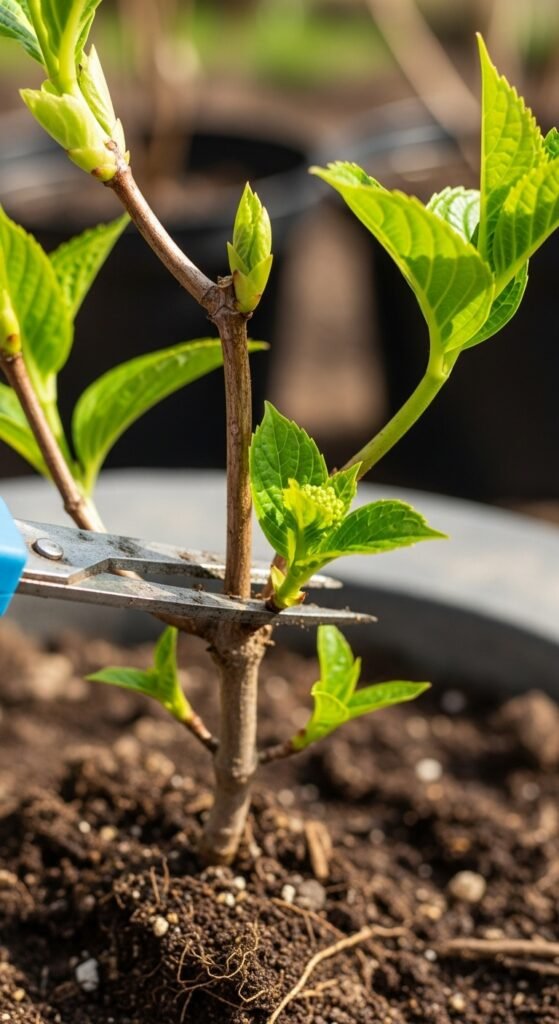
Light pruning builds a solid base without diverting energy from establishment. Heavy cuts can hinder adaptation and delay blooming maturity.
Focus on formative cuts, encouraging outward growth. Monitor for issues like leaf spot, addressing promptly.
14) Incorporate Disease Prevention
During pruning, inspect for signs of disease like leaf spots or powdery mildew, removing affected parts immediately to halt spread.
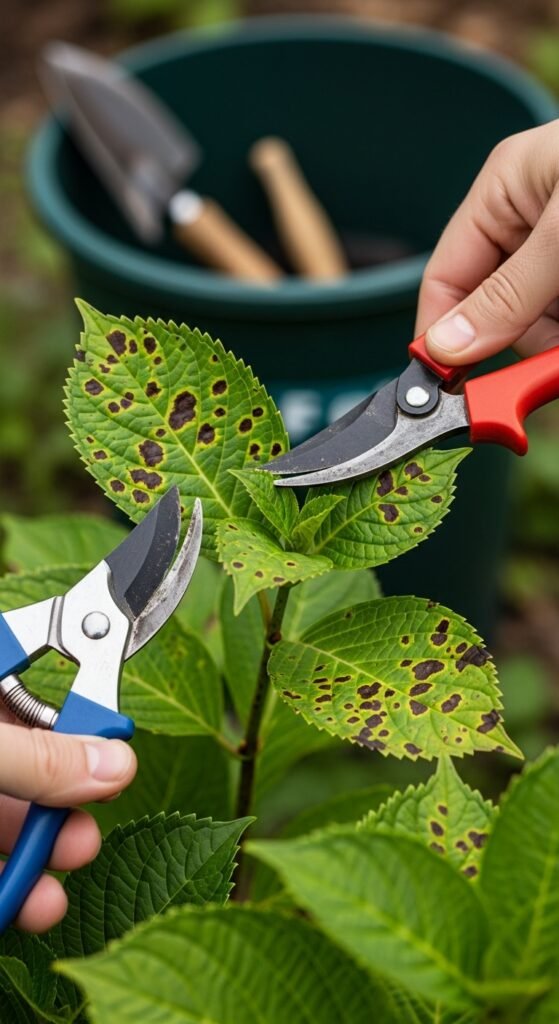
Preventive pruning maintains plant health, averting widespread issues that require chemical interventions. Healthy plants rebound faster and bloom more reliably.
Cut well below symptoms, sterilize tools between snips. For specific ailments, draw from insights on leaf spot on hydrangea.
15) Provide Post-Pruning Care
After pruning, fertilize lightly, water deeply, and monitor for stress signs to support recovery and new growth.
This aftercare accelerates healing, fortifying against pests and environmental stressors. Neglect can lead to setbacks, undermining your efforts.
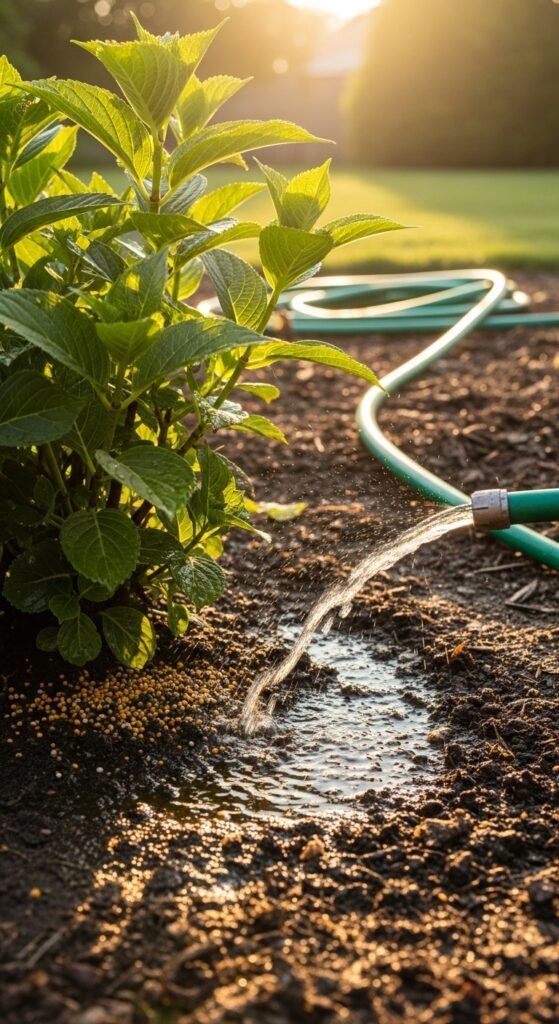
Apply balanced fertilizer, mulch to retain moisture. Align with broader care routines for sustained vibrancy.
Key Principles of Hydrangea Pruning
Understanding Bloom Wood Types
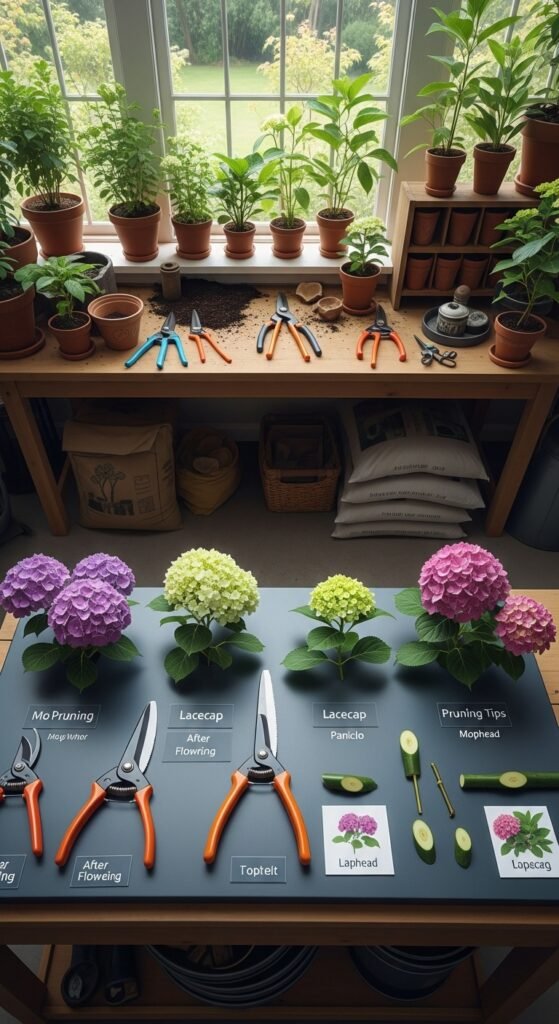
Distinguish between old-wood and new-wood bloomers to time cuts correctly, preserving buds for maximum flowers.
Tool Maintenance Essentials
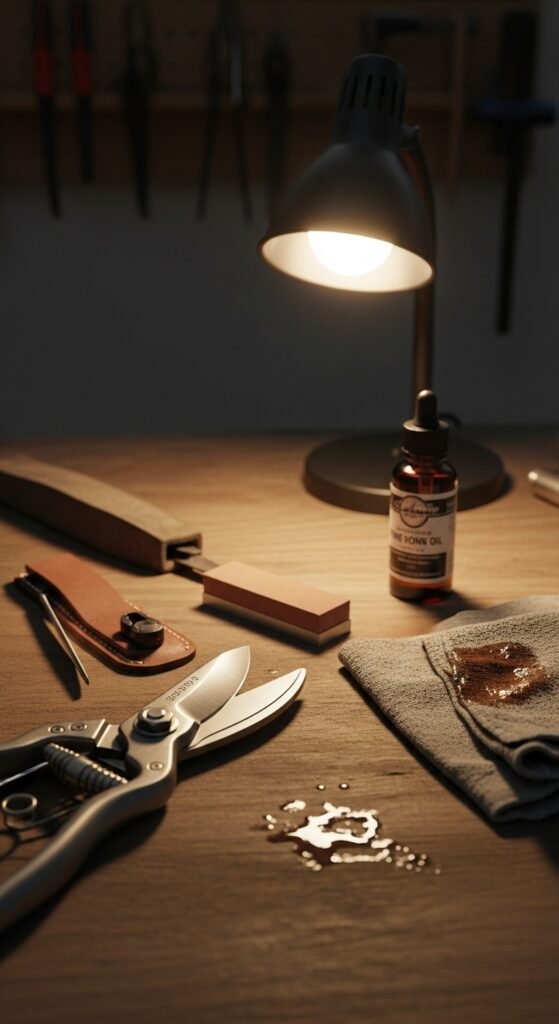
Regular sharpening and cleaning prevent damage and disease, ensuring every cut benefits the plant.
Seasonal Adaptation Tips
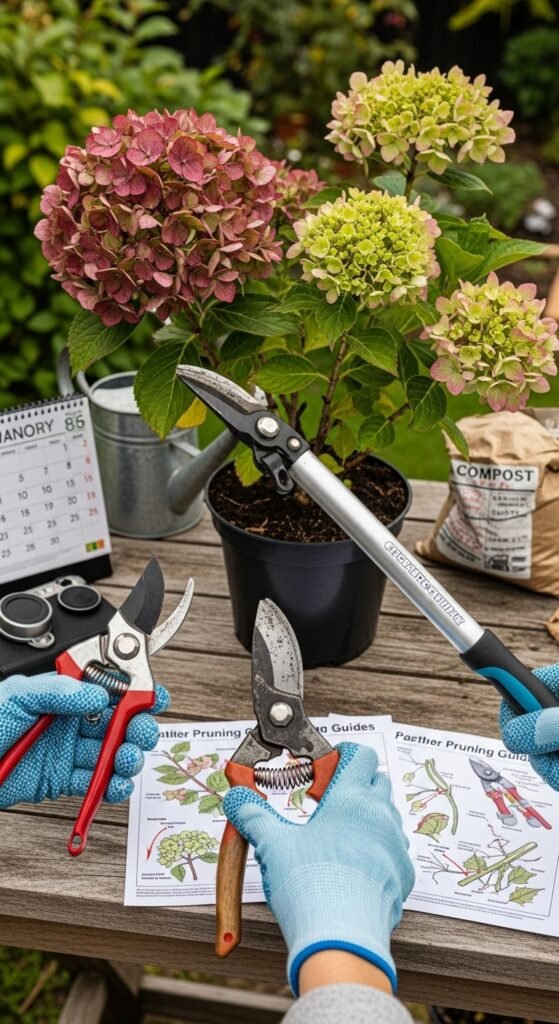
Adjust techniques based on climate and variety for resilient, thriving hydrangeas year-round.
Frequently Asked Questions
When is the best time to prune hydrangeas?
The ideal time depends on the variety: prune old-wood types after blooming in summer, and new-wood types in late winter or early spring.
Can I prune hydrangeas in fall?
For most varieties, light fall pruning is acceptable for shaping, but avoid heavy cuts to prevent winter damage.
Why didn’t my hydrangea bloom after pruning?
This often happens if you pruned an old-wood bloomer too late, removing next year’s buds. Identify your type and adjust timing accordingly.
How much should I prune off?
Generally, remove no more than one-third of the plant to avoid stress. Focus on dead or crossing branches for balanced growth.
Do all hydrangeas need pruning?
While not mandatory, regular pruning improves shape, health, and bloom quality. Neglected plants may become overgrown and less productive.