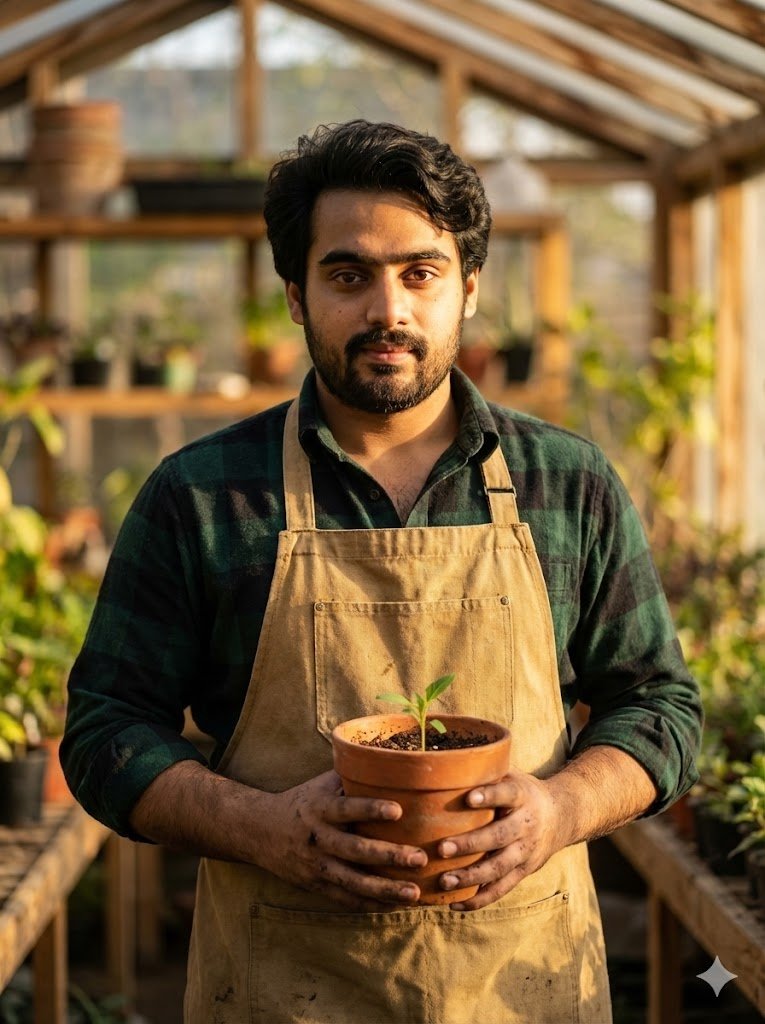
Starting a vegetable garden is an exciting journey that connects you with nature while providing fresh, homegrown produce. Whether you have a spacious backyard or a small balcony, understanding the basics of how to start a vegetable garden can lead to rewarding results. You’ll save money on groceries, enjoy healthier meals, and experience the satisfaction of nurturing plants from seed to table.
This process involves careful planning, from selecting the right location to maintaining your crops. By following these steps, you can avoid common pitfalls and create a thriving garden. Embrace sustainable practices to enhance soil health and reduce environmental impact, turning your space into a productive oasis.
Ready to dig in? These 15 ideas will guide you through every stage, ensuring your vegetable garden flourishes.
1) Evaluate Your Available Space
You begin by assessing the area where you want to grow vegetables. Consider factors like size, accessibility, and proximity to water sources. A small plot of 4×4 feet can yield plenty for beginners, while larger yards allow for expansion. Think about whether you’ll use raised beds, containers, or in-ground planting based on your soil quality and drainage.
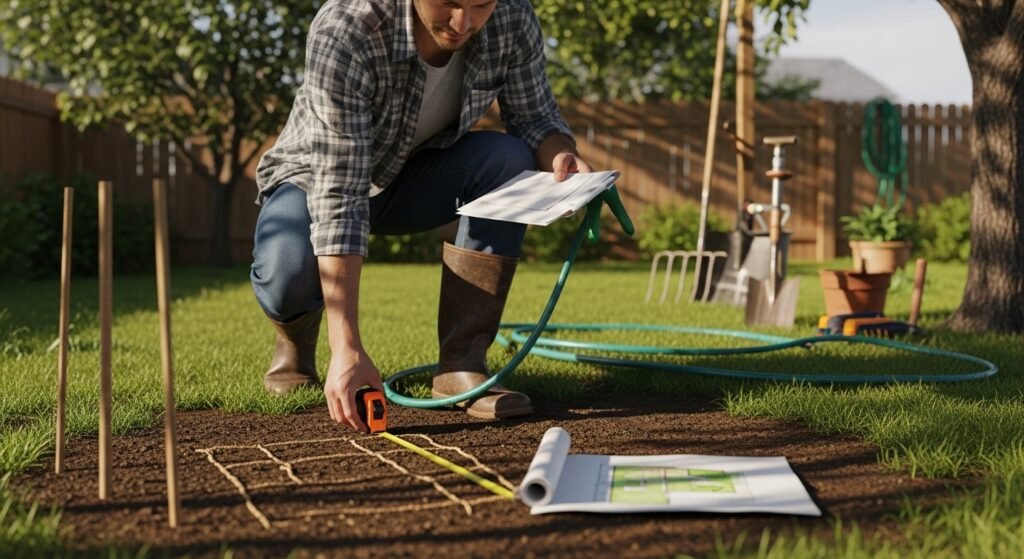
Why is this crucial? Proper space evaluation prevents overcrowding, which can lead to poor air circulation and disease. It also helps you maximize sunlight exposure, essential for most vegetables needing at least 6-8 hours daily. How do you do it? Measure your area, note shade patterns throughout the day, and sketch a rough layout. This foundational step sets the tone for a successful garden.
For inspiration on efficient layouts, explore spring garden design ideas that adapt to various spaces.
2) Test and Amend Your Soil
Soil is the backbone of your vegetable garden, so testing it is non-negotiable. Use a home kit or send samples to a local extension service to check pH, nutrients, and texture. Ideal soil for vegetables is loamy, with a pH between 6.0 and 7.0, rich in organic matter.
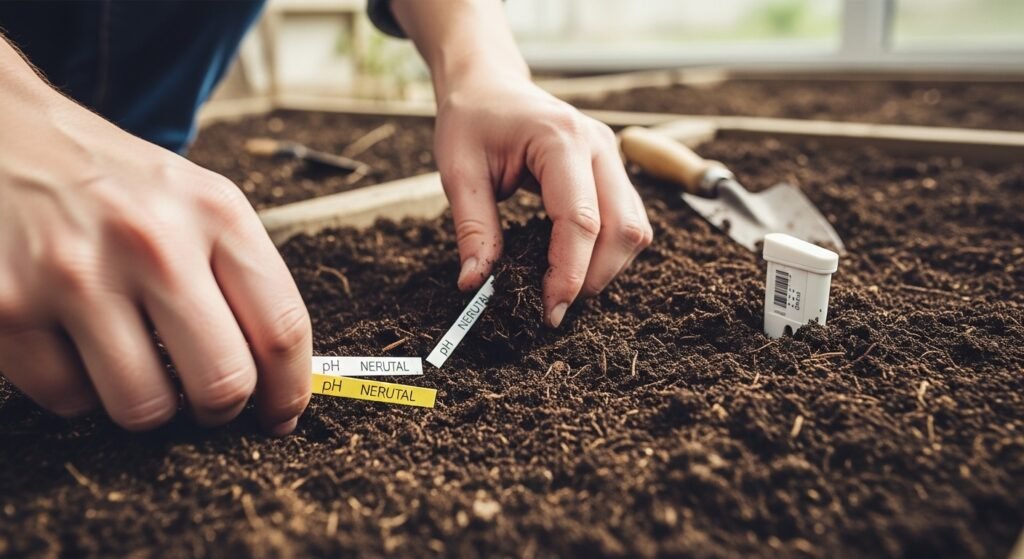
The reason? Nutrient-deficient or compacted soil stunts growth and invites problems like root rot. Amending with compost improves fertility and structure. To proceed, till the top 8-12 inches, mix in 2-3 inches of compost, and retest if needed. Avoid chemical fertilizers initially; focus on natural enhancements for long-term health.
Incorporate compost at home techniques to create your own amendments economically.
3) Select Suitable Vegetables for Beginners
Choose easy-to-grow veggies like tomatoes, lettuce, radishes, and zucchini to build confidence. Factor in your climate, growing season, and family preferences. Start with a mix of quick-harvest crops and those that produce over time for continuous supply.
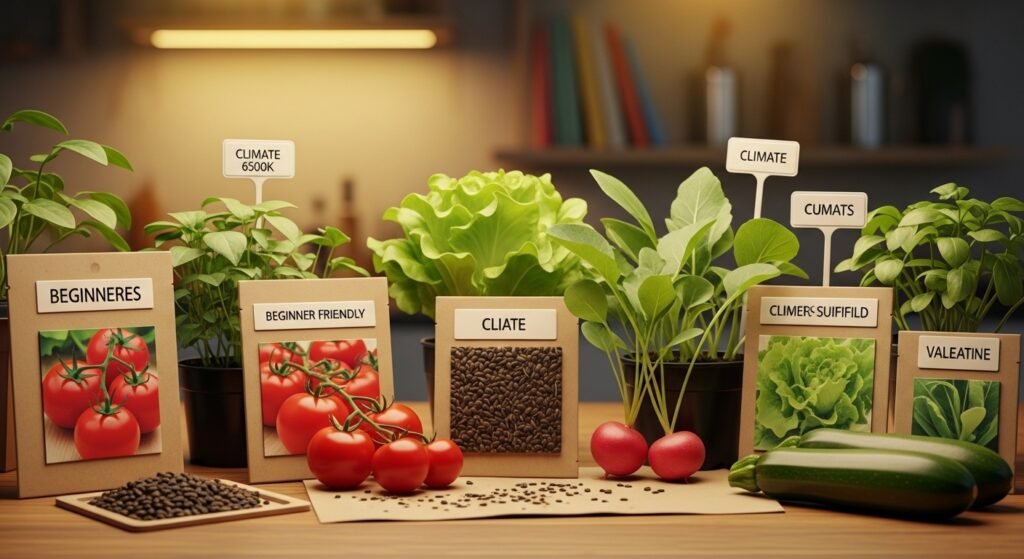
This selection matters because it matches your skill level, reducing frustration from failures. Beginners succeed with resilient plants that forgive minor errors. Research planting times and spacing; for instance, sow radishes directly in soil for harvests in 3-4 weeks. Gradually add variety as you gain experience.
Check out what to plant in spring for seasonal starters that thrive early on.
4) Plan Your Garden Layout
Design a layout that optimizes space and sunlight. Use rows, squares, or intensive planting methods like square foot gardening. Group plants by height—tall ones like corn in the back—to avoid shading shorter crops.
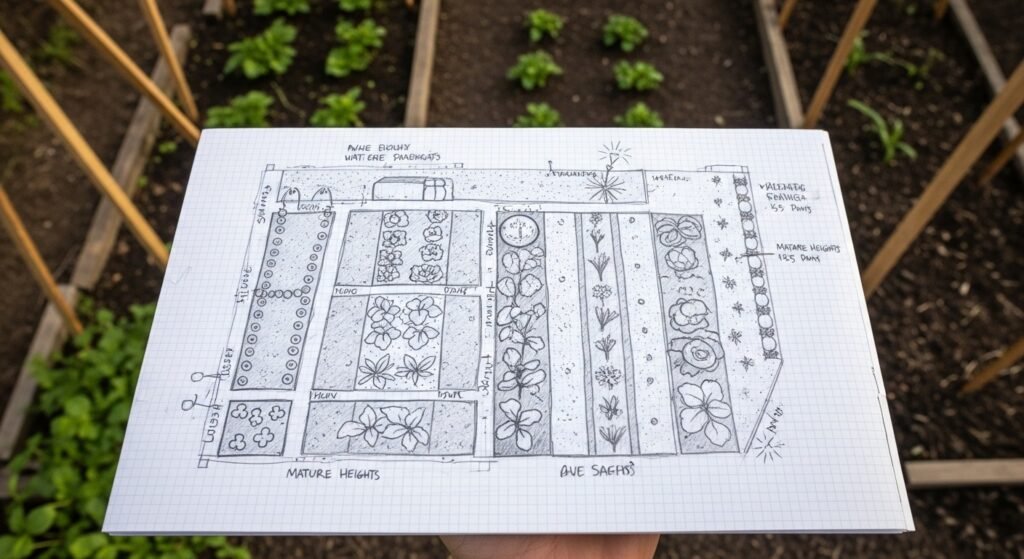
Effective planning prevents competition for resources and eases maintenance. It also promotes better pollination and pest management. Draw a map, marking paths for access without compacting soil. Consider crop rotation to maintain fertility year after year.
For vertical options, incorporate garden trellis ideas to support climbers like beans and cucumbers.
5) Start Seeds Indoors
Give your garden a head start by germinating seeds indoors 4-6 weeks before the last frost. Use trays, peat pots, and seed-starting mix under grow lights or a sunny window. Keep soil moist and at 65-75°F for optimal sprouting.
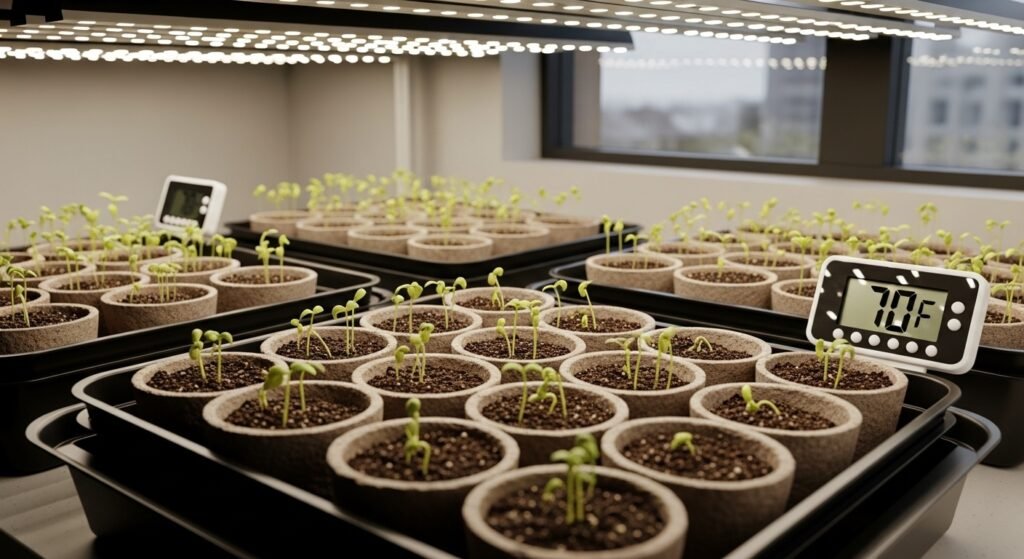
Why bother? It extends your growing season and protects delicate seedlings from weather. This method yields stronger plants ready for transplant. Label trays, thin seedlings, and harden them off by gradually exposing to outdoors. Success here means earlier harvests and cost savings over buying transplants.
6) Prepare Beds or Containers
Decide between in-ground beds, raised beds, or containers based on your space. Raised beds warm faster and offer better drainage, ideal for poor native soil. Fill with a mix of topsoil, compost, and perlite.
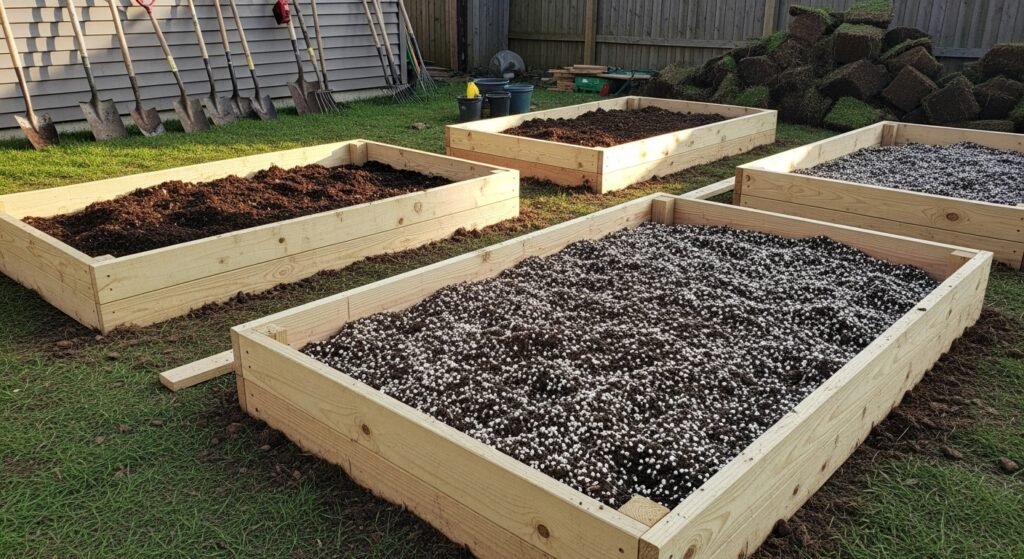
This preparation is key for root development and water retention. Well-prepared beds reduce weeds and improve yields. Dig or build frames, remove sod, and level the surface. For containers, ensure drainage holes to prevent waterlogging.
Enhance sustainability with keyhole garden designs that incorporate composting directly.
7) Transplant Seedlings Properly
Once danger of frost passes, move seedlings outdoors. Dig holes twice the root ball size, space according to plant needs, and water deeply after planting. Bury tomatoes deeper to encourage extra roots.
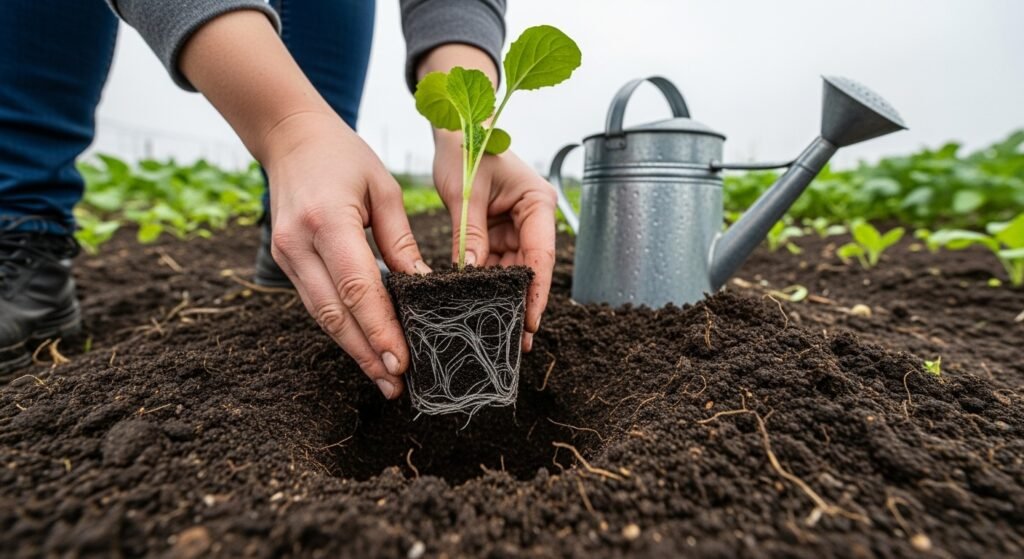
Proper transplanting minimizes shock, ensuring quick establishment. It leads to healthier plants resistant to stress. Acclimate them over a week, plant on cloudy days, and mulch around bases to retain moisture.
8) Set Up Watering Systems
Install efficient watering like soaker hoses or drip lines to deliver moisture directly to roots. Avoid overhead sprinkling, which wastes water and promotes fungal diseases.
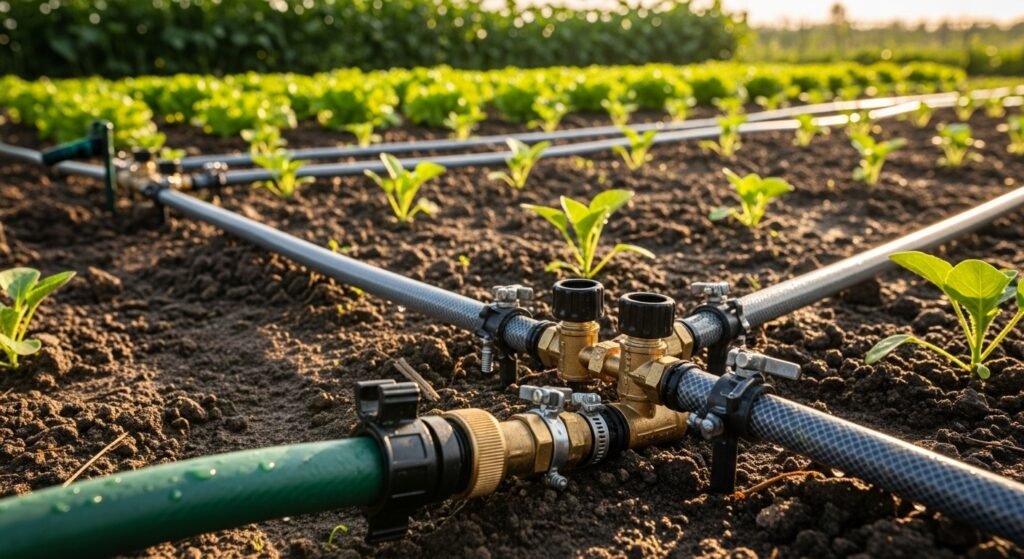
Consistent watering prevents issues like blossom end rot in tomatoes. Deep, infrequent sessions encourage strong roots. Monitor soil moisture with your finger; aim for 1 inch per week, adjusting for rain.
Consider drip irrigation setup for automated, water-saving efficiency.
9) Apply Mulch for Moisture Control
Spread 2-3 inches of organic mulch like straw or wood chips around plants after soil warms. This suppresses weeds, retains soil moisture, and moderates temperature.
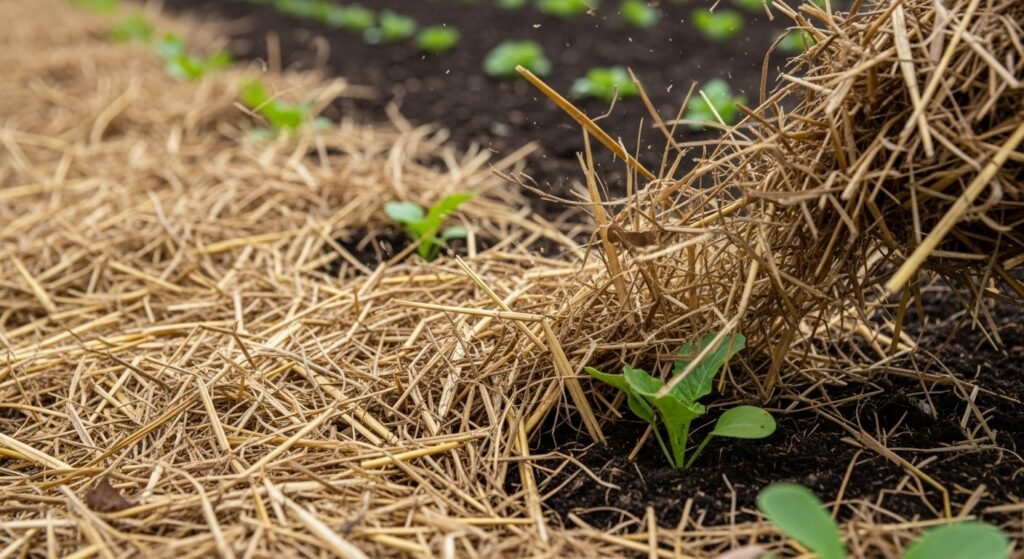
Mulching is vital for reducing evaporation and adding nutrients as it decomposes. It saves time on weeding and watering. Pull weeds first, then apply, keeping mulch away from stems to avoid rot.
10) Implement Companion Planting
Pair compatible plants, such as basil with tomatoes, to enhance growth and deter pests. Marigolds repel nematodes, while beans fix nitrogen for heavy feeders.
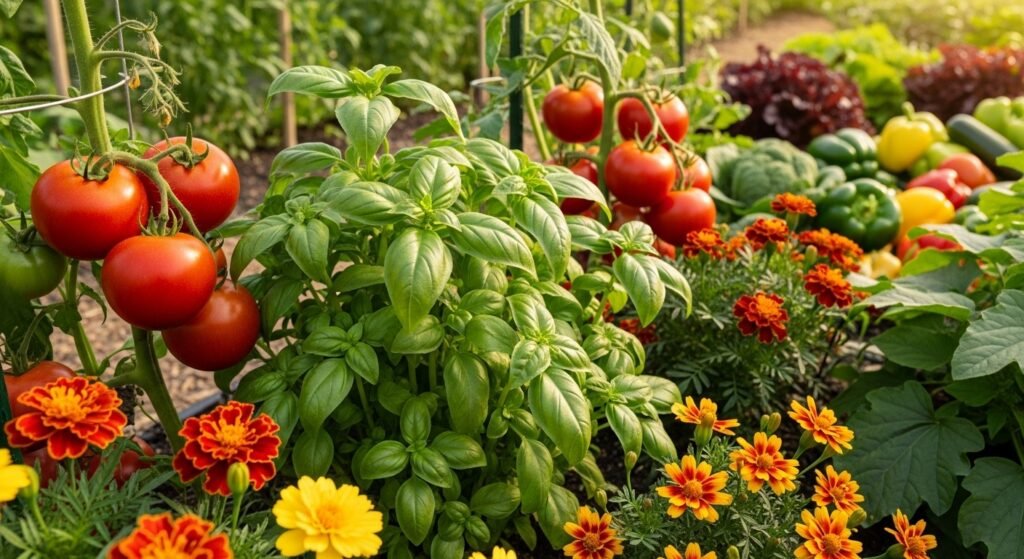
This natural strategy boosts biodiversity and yield without chemicals. It creates a balanced ecosystem in your garden. Research combinations, plant strategically, and observe interactions for ongoing improvements.
Include mosquito-repelling plants like citronella for added benefits.
11) Monitor and Control Pests
Regularly inspect plants for signs of insects or diseases. Use organic methods like neem oil, hand-picking, or introducing beneficial insects.
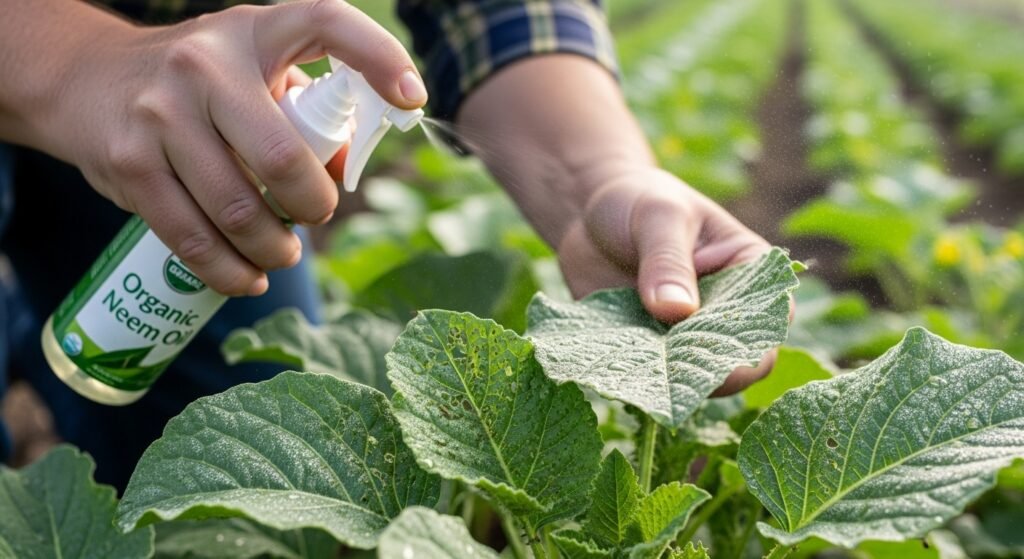
Early detection prevents widespread damage, preserving your harvest. Healthy plants are more resistant, so focus on prevention. Set traps, rotate crops, and clean up debris to disrupt pest cycles.
Learn about common threats in spring pest control guides.
12) Fertilize Appropriately
Feed your garden with balanced, organic fertilizers after planting. Side-dress with compost tea or fish emulsion every 4-6 weeks during growth.
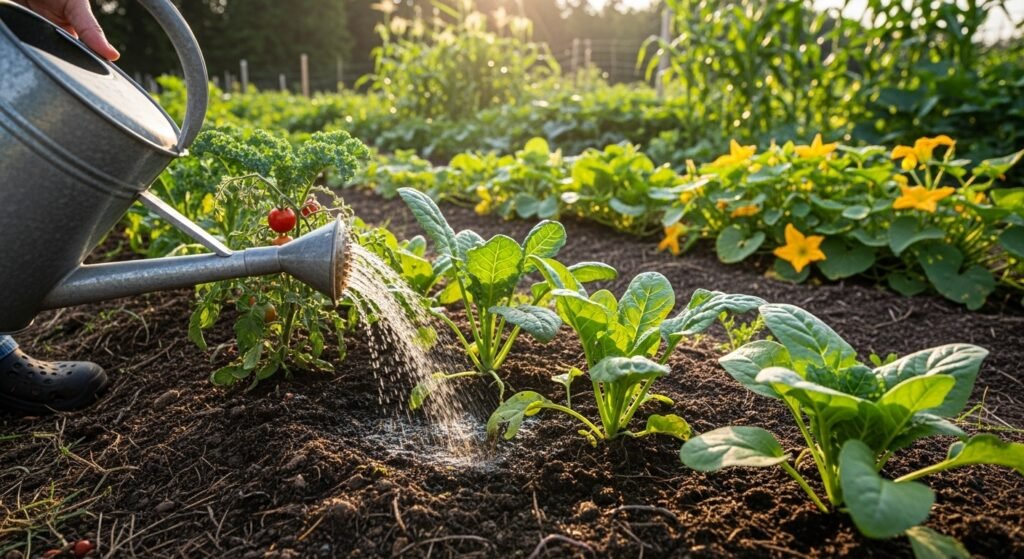
Proper nutrition supports vigorous plants and abundant produce. Over-fertilizing burns roots, so test soil first. Use slow-release options for steady supply without excess runoff.
13) Establish a Weeding Routine
Weed regularly to eliminate competition for nutrients and water. Hoe shallowly or pull by hand when soil is moist for easier removal.
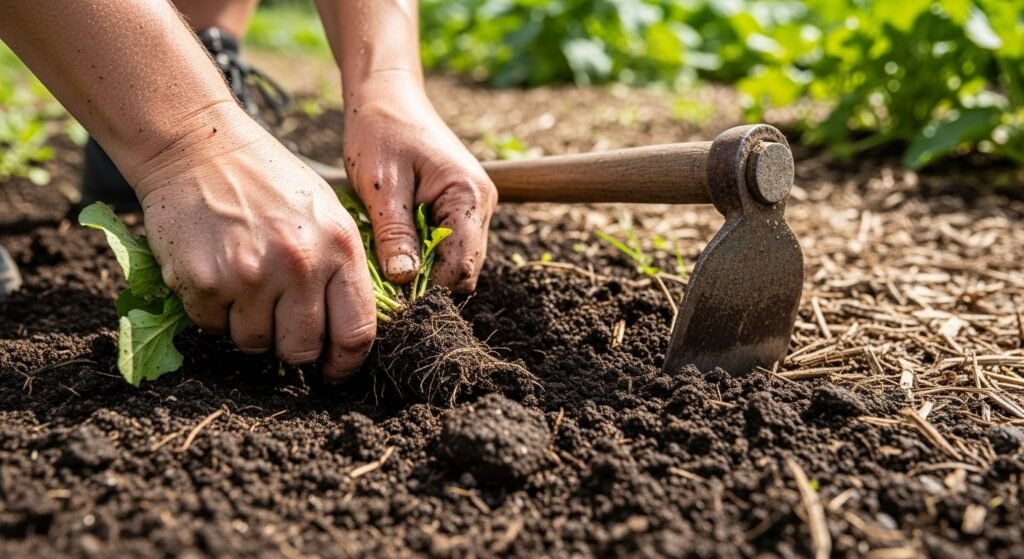
Consistent weeding keeps your garden tidy and productive. Weeds harbor pests and diseases if left unchecked. Mulch helps, but vigilance ensures your veggies thrive unchallenged.
14) Harvest at Peak Ripeness
Pick vegetables frequently to encourage more production. Check daily for readiness—lettuce when leaves are tender, tomatoes when fully colored.
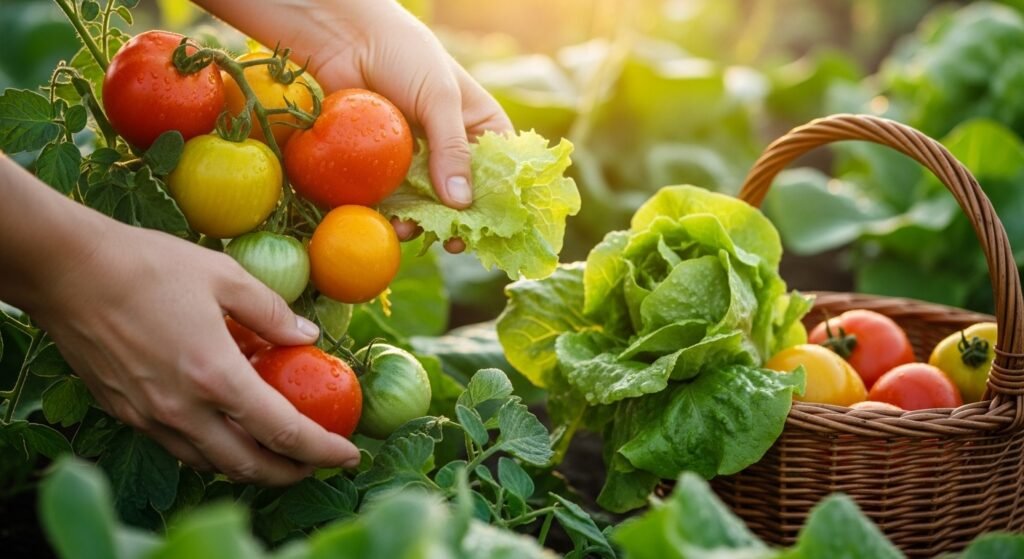
Timely harvesting maintains flavor and nutrition. It prevents overripening, which attracts pests. Use sharp tools, handle gently, and store properly to extend freshness.
For storage ideas, see root cellar ideas for preserving your bounty.
15) Plan for Succession Planting
Sow new seeds every 2-3 weeks for continuous harvest. Replace spent crops with fall varieties like kale or carrots.
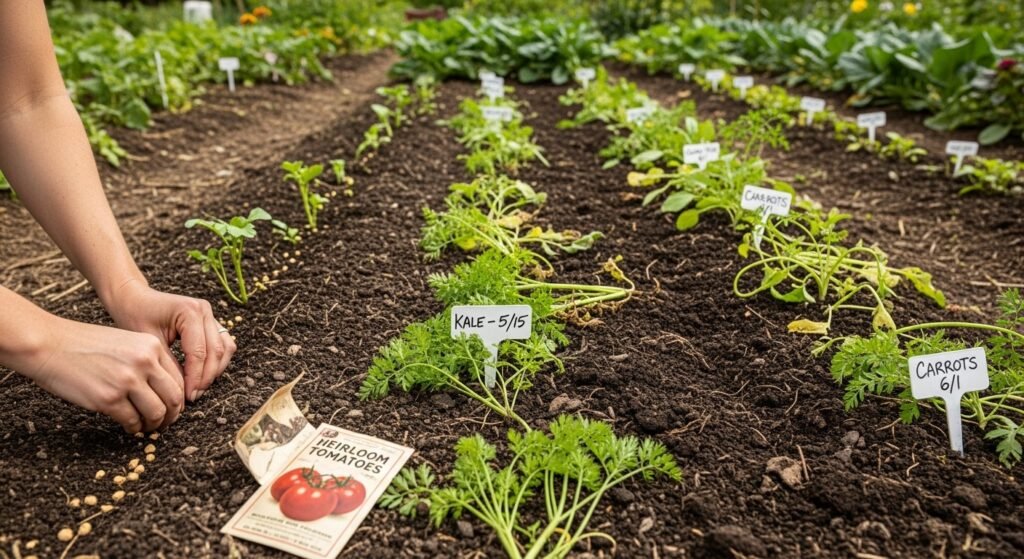
This maximizes space and extends your season. It ensures a steady supply rather than all-at-once gluts. Track planting dates and rotate to maintain soil health.
Explore perennial vegetable garden options for low-maintenance longevity.
Key Principles for Vegetable Garden Success
Sustainability Practices
Adopt eco-friendly habits like rainwater collection and natural pest control to minimize impact. These build resilient gardens over time.
Seasonal Maintenance Tips
Adjust care routines with weather changes—more water in heat, protection in cold. Regular observation catches issues early.
Scaling Up Your Garden
Once established, expand gradually. Add features like trellises or compost bins to increase efficiency and yield.
Frequently Asked Questions
What is the best time to start a vegetable garden?
The ideal time depends on your climate, but generally after the last frost in spring. This gives plants warm soil and ample growing days.
How much sunlight do vegetables need?
Most require 6-8 hours of direct sun daily. Leafy greens tolerate partial shade, while fruits like tomatoes need full exposure.
Can I start a vegetable garden without much space?
Absolutely—use containers, vertical planters, or windowsills. Focus on compact varieties for balconies or small yards.
What common mistakes should beginners avoid?
Overwatering, poor soil preparation, and overcrowding are frequent errors. Start small and learn from each season.
How do I know when to water my garden?
Check soil moisture 1-2 inches deep; water if dry. Morning is best to reduce evaporation and fungal risks.