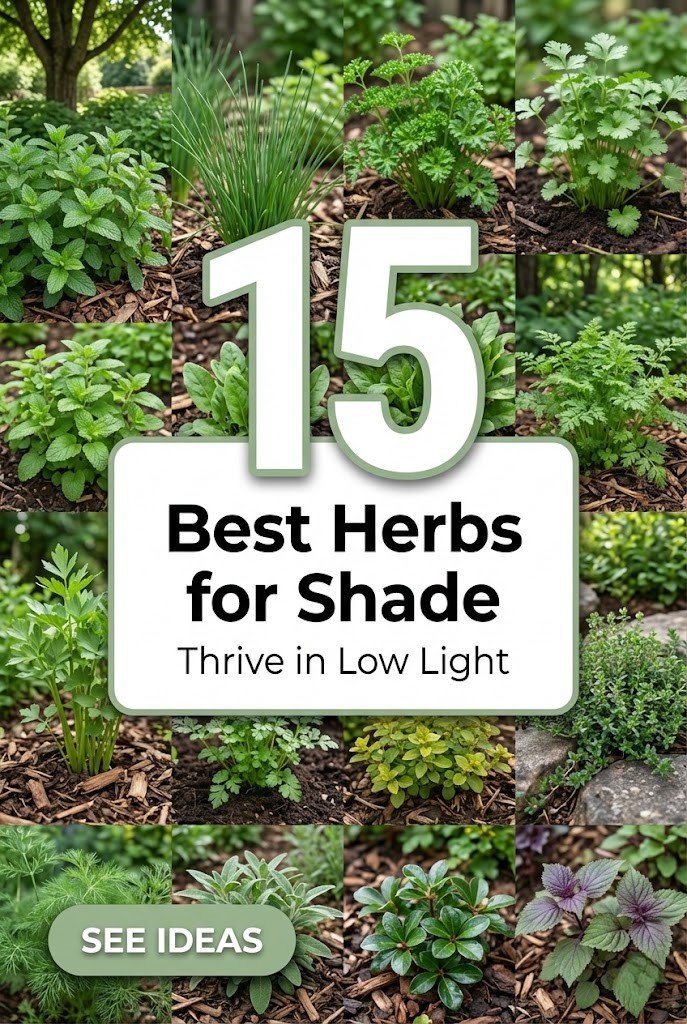
If you have a garden area that receives limited sunlight, selecting the right plants can still yield a bountiful harvest. Herbs for shade offer an excellent solution, allowing you to cultivate flavorful and aromatic additions to your culinary repertoire even in dimmer spots. These resilient plants thrive with as little as two to four hours of direct light daily, making them ideal for north-facing plots, under tree canopies, or beside tall structures.
By incorporating herbs for shade into your landscape, you benefit from enhanced biodiversity and efficient use of space.
These herbs not only provide fresh ingredients for your kitchen but also contribute to soil health and pest control. With proper care, you can enjoy a thriving herb garden that maximizes every corner of your property, turning challenging areas into productive havens.
1) Mint: The Invigorating Shade Thriver
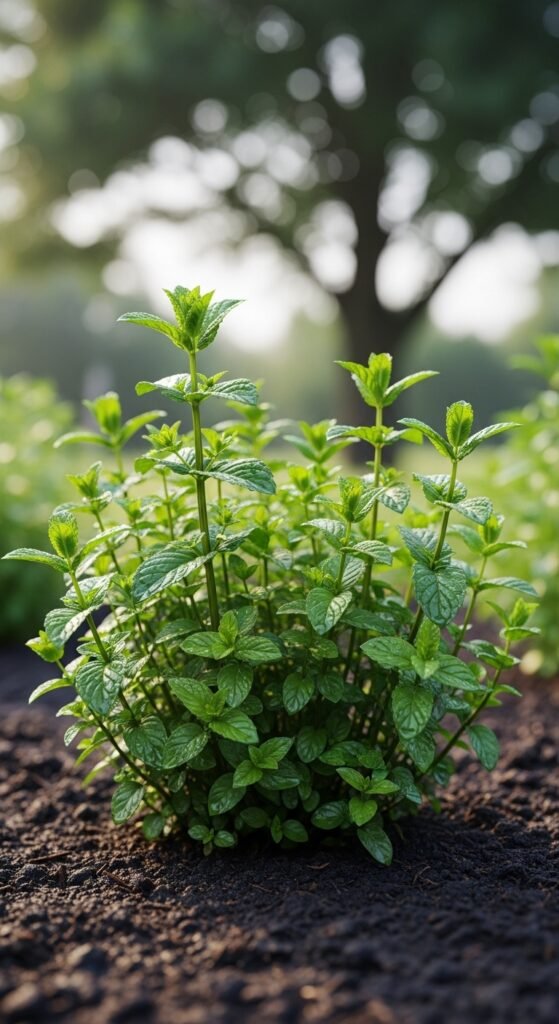
Mint stands out as one of the most adaptable herbs for shade, belonging to the Mentha genus with varieties like peppermint and spearmint. This perennial herb features square stems and aromatic leaves that release a refreshing scent when crushed. You will appreciate its rapid growth habit, which fills in shaded patches quickly.
The primary advantage of growing mint in shade lies in its robust flavor retention and vigorous spread, even without full sun. It deters pests naturally and serves as a versatile ingredient in teas, salads, and desserts. Moreover, its low-maintenance nature makes it suitable for beginners, requiring minimal intervention to flourish.
To cultivate mint successfully, plant it in moist, well-drained soil enriched with organic matter. Space divisions 18 inches apart in partial shade, ensuring consistent watering to prevent dryness. Harvest leaves regularly to encourage bushiness, and contain its roots with barriers if invasiveness concerns you. For complementary ideas, consider exploring vertical herb garden setups to optimize your shaded space efficiently.
2) Chives: The Mild Onion-Flavored Companion
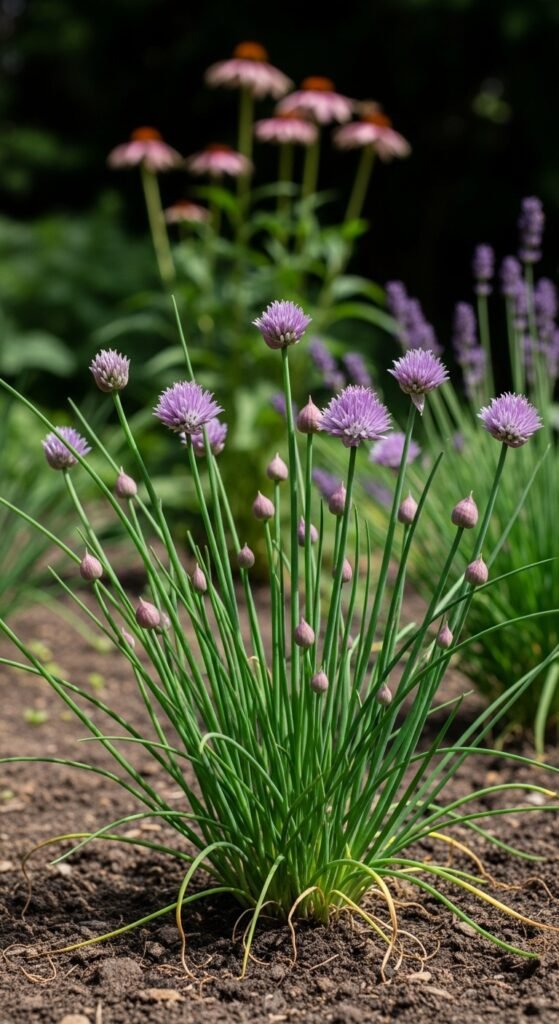
Chives, from the Allium schoenoprasum species, present slender, grass-like leaves with a subtle onion taste. This herb produces attractive purple flowers in spring, adding visual appeal to your shaded garden beds.
You benefit from chives in shade due to their edible flowers and stems, which enhance garnishes and dishes with fresh flavor. They also attract pollinators while repelling certain insects, promoting a balanced ecosystem. Their compact size fits well in small areas, yielding continuous harvests throughout the season.
Plant chives in fertile, loamy soil with good drainage, positioning them in dappled shade. Sow seeds or divide clumps in early spring, spacing 8 inches apart. Water moderately and fertilize lightly with a balanced formula monthly. Snip leaves from the base for use, allowing regrowth. If you are interested in container options, review herbs in containers for practical arrangements in low-light zones.
3) Parsley: The Nutrient-Packed Leafy Essential
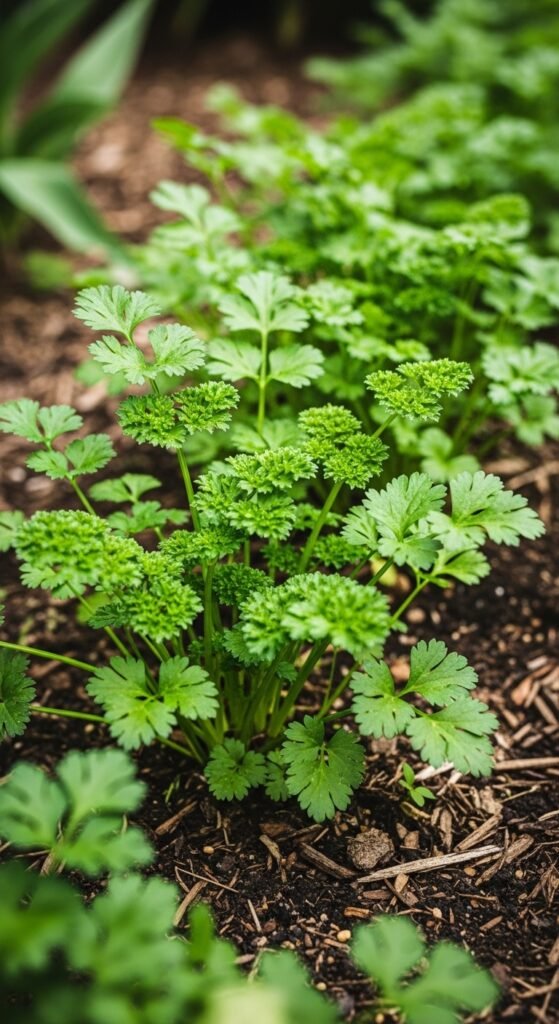
Parsley, scientifically Petroselinum crispum, comes in curly and flat-leaf forms, both excelling in shaded conditions. Its bright green foliage provides a crisp texture and mild, earthy flavor to various recipes.
Growing parsley in shade offers high vitamin content and culinary versatility, enriching soups, sauces, and salads. It supports digestive health and acts as a natural breath freshener. As a biennial, it delivers foliage in the first year and seeds in the second, extending its utility.
Start parsley from seeds indoors or directly in enriched soil with partial shade exposure. Maintain soil moisture without waterlogging, and apply mulch to retain humidity. Harvest outer leaves frequently to promote denser growth. For those with indoor extensions, indoor herb garden ideas can integrate parsley seamlessly into your home environment.
4) Cilantro: The Zesty Cool-Season Herb
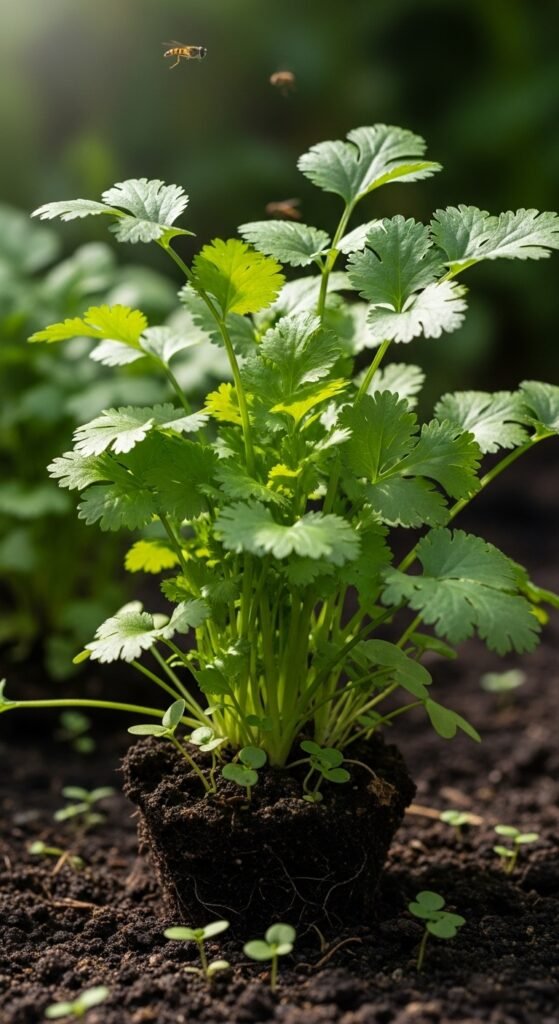
Cilantro, or Coriandrum sativum, yields fresh leaves with a citrusy punch, transitioning to coriander seeds later in its cycle. It prefers cooler temperatures, making shade an ideal setting to prevent bolting.
The appeal of cilantro in shade includes its dual-purpose harvest of leaves and seeds, perfect for ethnic cuisines and spice blends. It attracts beneficial insects and can self-seed for ongoing crops. Its quick maturation allows multiple plantings per season.
Sow cilantro seeds every few weeks in well-drained, fertile soil under filtered light. Keep the topsoil consistently moist, especially during germination. Pinch back flowers to prolong leaf production if seeds are not desired. To enhance your setup, consider balcony herb garden ideas that accommodate cilantro in shaded urban spaces.
5) Lemon Balm: The Citrus-Scented Calmer
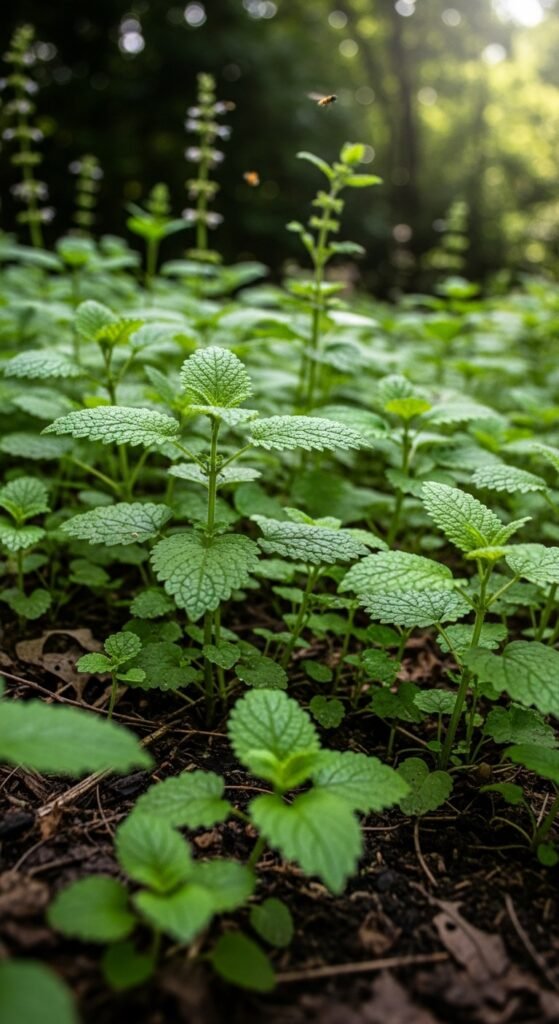
Lemon balm, Melissa officinalis, is a lemon-scented perennial with heart-shaped leaves, belonging to the mint family. It spreads readily, filling shaded areas with its invigorating aroma.
You gain from lemon balm in shade through its soothing properties in teas and infusions, aiding relaxation and digestion. It repels mosquitoes naturally and attracts bees, boosting pollination. Its resilience in low light ensures steady growth without much fuss.
Plant lemon balm in rich, moist soil with partial to full shade, spacing 24 inches apart to allow expansion. Water regularly and prune back after flowering to maintain shape. Harvest leaves as needed for fresh use or drying. For related low-light plants, explore best low light houseplants to diversify your collection.
6) Sorrel: The Tangy Perennial Green
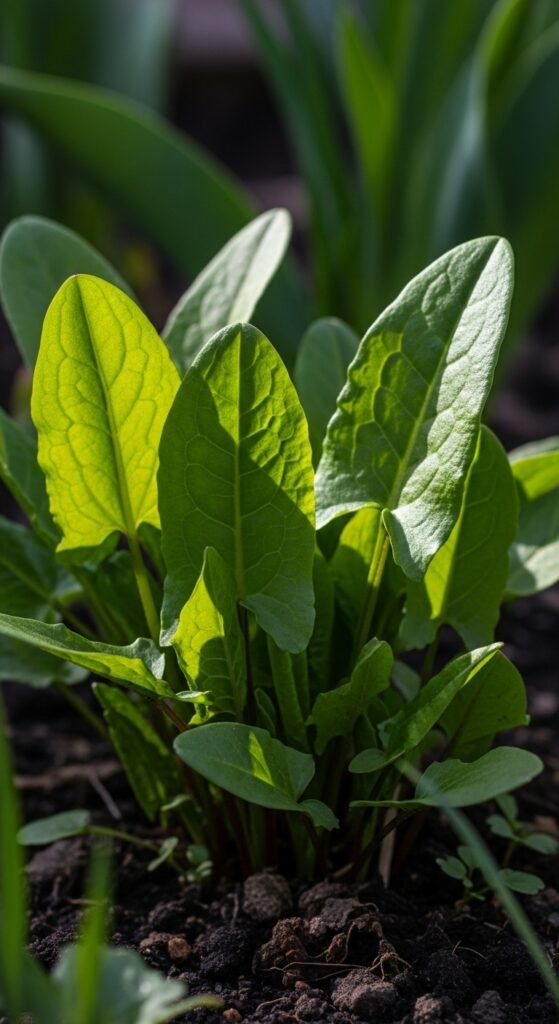
Sorrel, Rumex acetosa, features arrow-shaped leaves with a sharp, lemony tang, making it a unique addition to shaded herb gardens. This perennial returns yearly with minimal effort.
Growing sorrel in shade provides early spring greens and vitamin-rich foliage, ideal for salads, soups, and sauces. It tolerates poor soils and offers medicinal benefits for skin and digestion. Its deep roots improve soil structure over time.
Direct-sow sorrel seeds in acidic, well-drained soil under dappled shade. Thin seedlings to 12 inches apart and water consistently. Harvest young leaves to avoid bitterness, dividing clumps every few years for vigor. If combining with other crops, look into vegetables for shade for compatible companions.
7) Chervil: The Delicate Anise-Flavored Herb
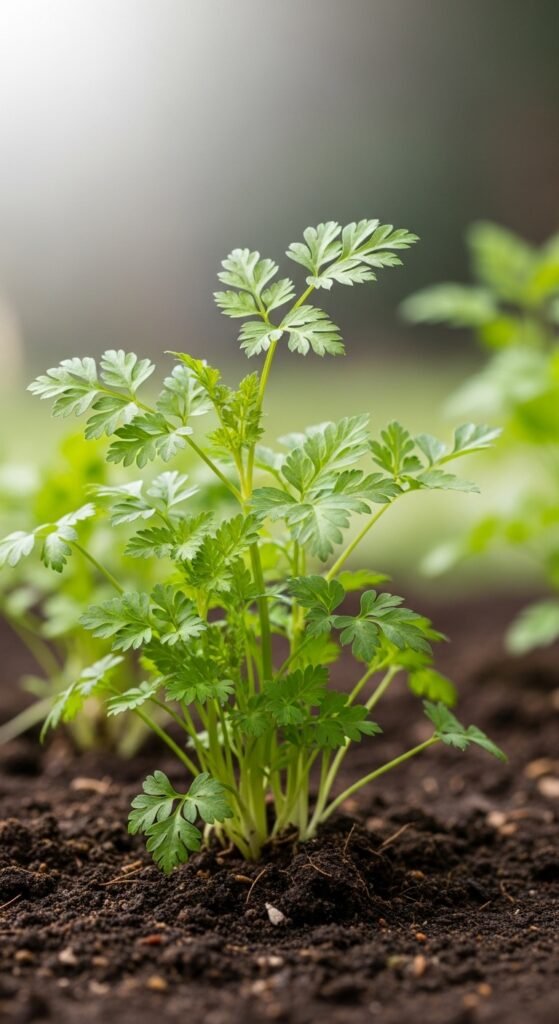
Chervil, Anthriscus cerefolium, resembles parsley but with a subtle anise flavor and lacy leaves. As an annual, it thrives in cool, shaded environments.
The benefits of chervil in shade encompass its fine herb status in French cuisine, enhancing eggs, fish, and dressings. It supports blood health with its nutrient profile and bolts less in low light. Its feathery texture adds elegance to garden designs.
Sow chervil seeds shallowly in fertile, moist soil with full shade protection from heat. Succession plant every three weeks for continuous supply. Keep soil damp and harvest entire plants young. For indoor cultivation tips, consult best herbs to grow indoors to extend your season.
8) Lovage: The Robust Celery Substitute
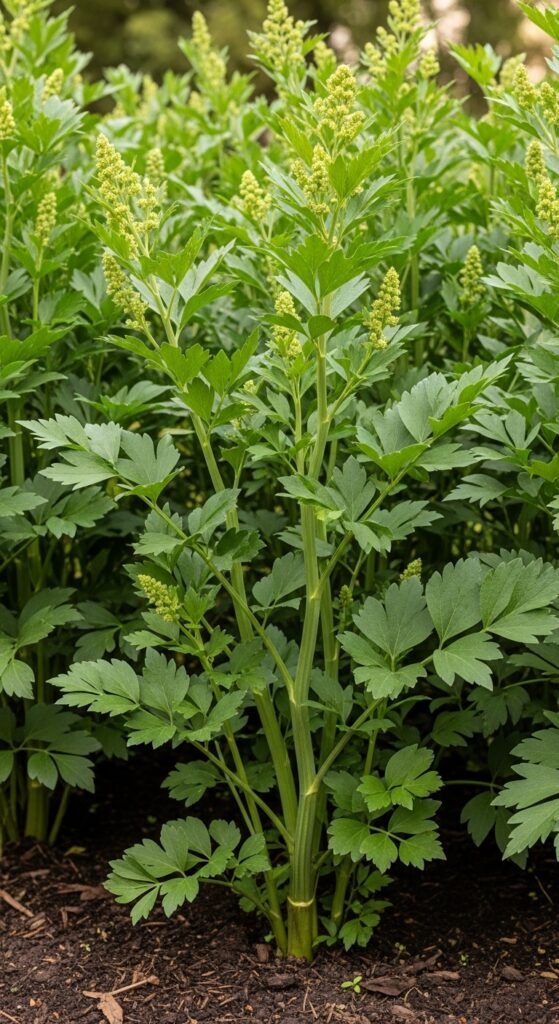
Lovage, Levisticum officinale, grows tall with compound leaves tasting like intense celery. This perennial herb dominates shaded borders with its stature.
You value lovage in shade for its multi-part usability—leaves, stems, and seeds—in stocks, salads, and seasonings. It aids digestion and provides a bold flavor with less quantity. Its height offers structure in layered plantings.
Plant lovage in deep, rich soil with partial shade, allowing 3 feet of space. Water deeply during dry spells and stake if needed. Harvest sparingly in the first year, then regularly thereafter. To manage light levels, consider shade cloth for gardens for adjustable protection.
9) Sweet Cicely: The Sweet Licorice Herb
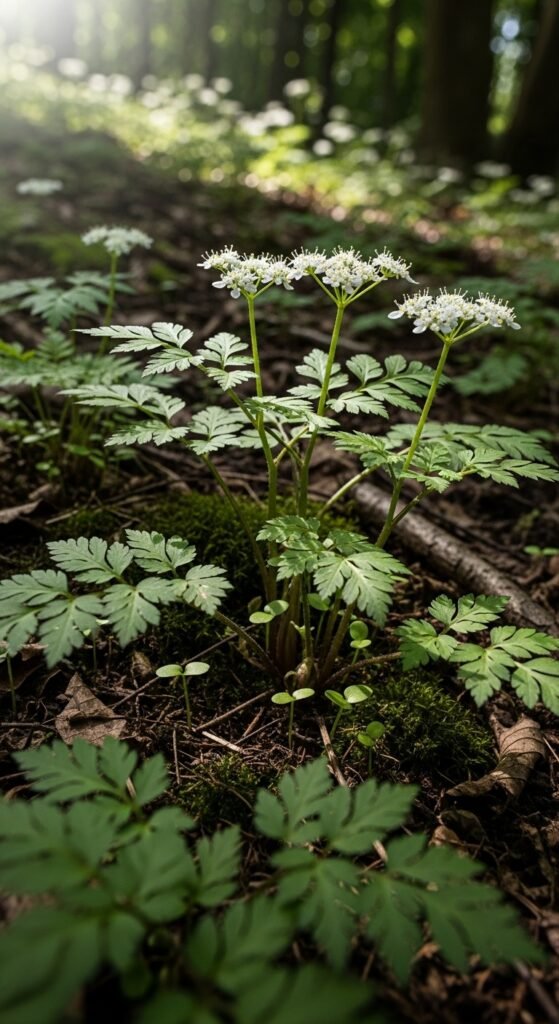
Sweet cicely, Myrrhis odorata, bears fern-like leaves and white flowers, with a natural sweetness and anise undertone. It naturalizes well in shaded woodlands.
Growing sweet cicely in shade yields sugar-reducing properties in cooking, perfect for fruit dishes and teas. It attracts beneficial insects and self-seeds for expansion. Its cold tolerance ensures early harvests.
Stratify seeds before sowing in humus-rich soil under dappled light. Space plants 2 feet apart and mulch for moisture retention. Cut back after seeding to encourage foliage. For similar low-light options, review low light succulents to complement your herb selection.
10) Golden Oregano: The Ornamental Flavor Booster
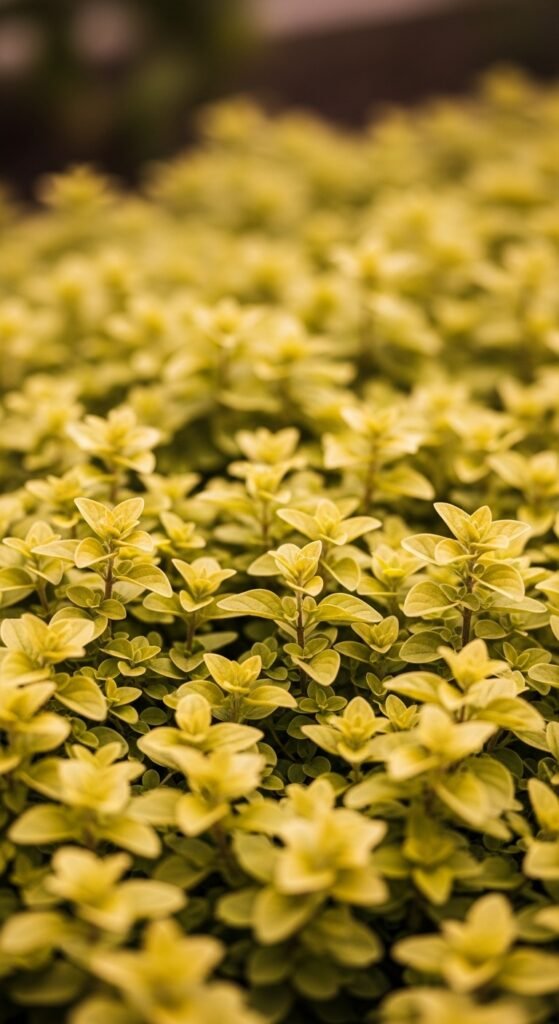
Golden oregano, Origanum vulgare ‘Aureum’, displays golden-yellow leaves with a milder oregano taste, adding color to shaded spots.
The advantages include its decorative foliage and pest-repelling aroma, enhancing pizzas, meats, and oils. It spreads as ground cover, suppressing weeds in low-light areas. Its drought tolerance once established reduces maintenance.
Plant golden oregano in well-drained, alkaline soil with partial shade to prevent leaf scorch. Propagate by division and trim regularly for bushiness. Harvest leaves before flowering for peak flavor. If planning outdoor extensions, explore patio shade ideas for integrated herb spaces.
11) Thyme: The Aromatic Creeping Herb
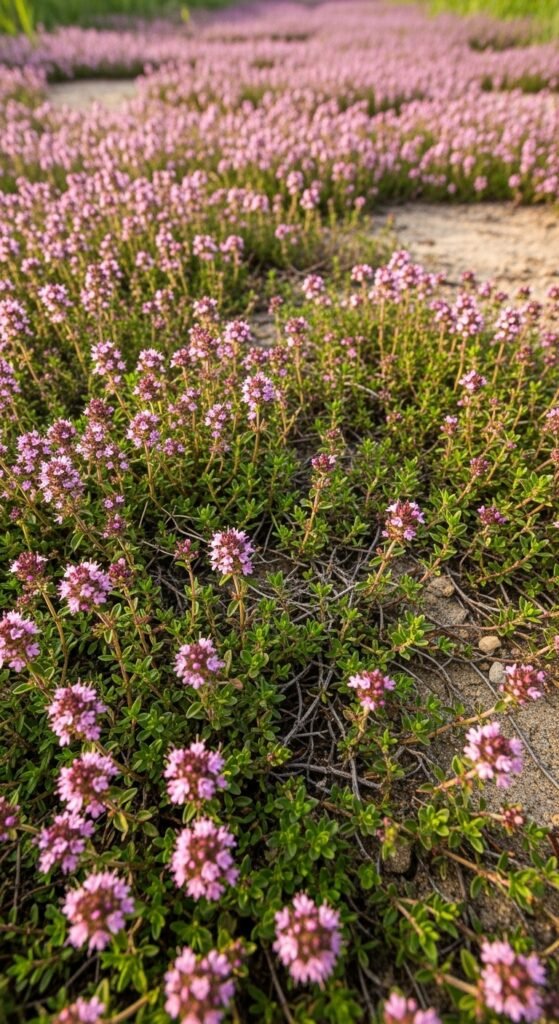
Thyme, Thymus vulgaris, forms low mats with tiny leaves and woody stems, releasing a savory scent. Varieties like lemon thyme adapt well to shade.
You benefit from thyme in shade through its medicinal antiseptic qualities and culinary depth in roasts and stews. It attracts pollinators with pink flowers and withstands foot traffic in paths.
Set thyme in sandy, well-drained soil under filtered light, spacing 12 inches apart. Water sparingly and prune after bloom to maintain compactness. Harvest sprigs as required. For container adaptations, consider relevant strategies from associated resources.
12) Dill: The Feathery Pickling Staple
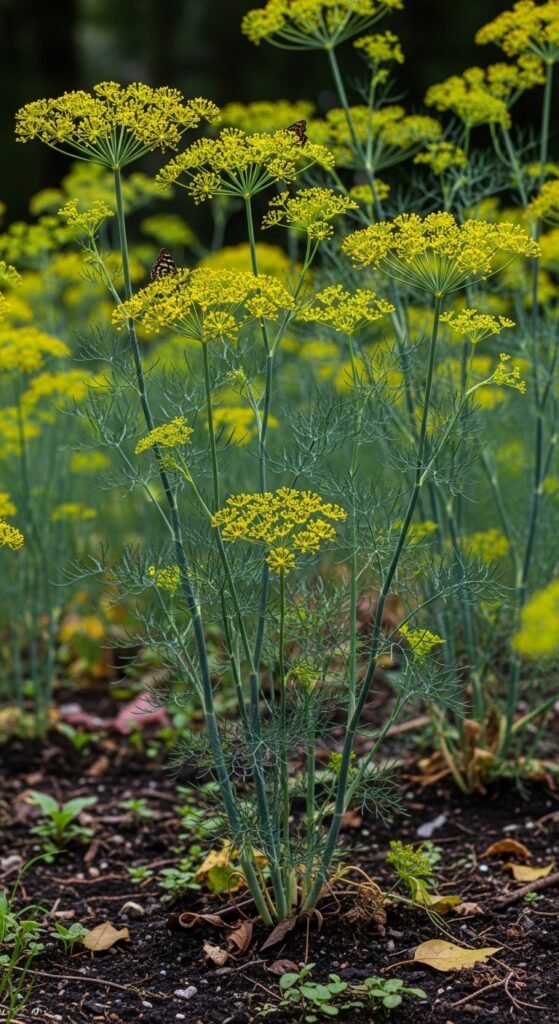
Dill, Anethum graveolens, grows tall with thread-like leaves and yellow umbels, imparting a caraway-like flavor essential for pickles and fish.
Growing dill in shade offers host plant status for butterflies and versatile seeds for spices. It self-sows readily, ensuring future crops. Its height provides vertical interest in shaded beds.
Sow dill seeds directly in fertile soil with partial shade, thinning to 18 inches. Keep moist during growth and support stalks if windy. Harvest leaves young and seeds when brown. Manage succession planting for steady supply.
13) Sage: The Velvety Medicinal Herb
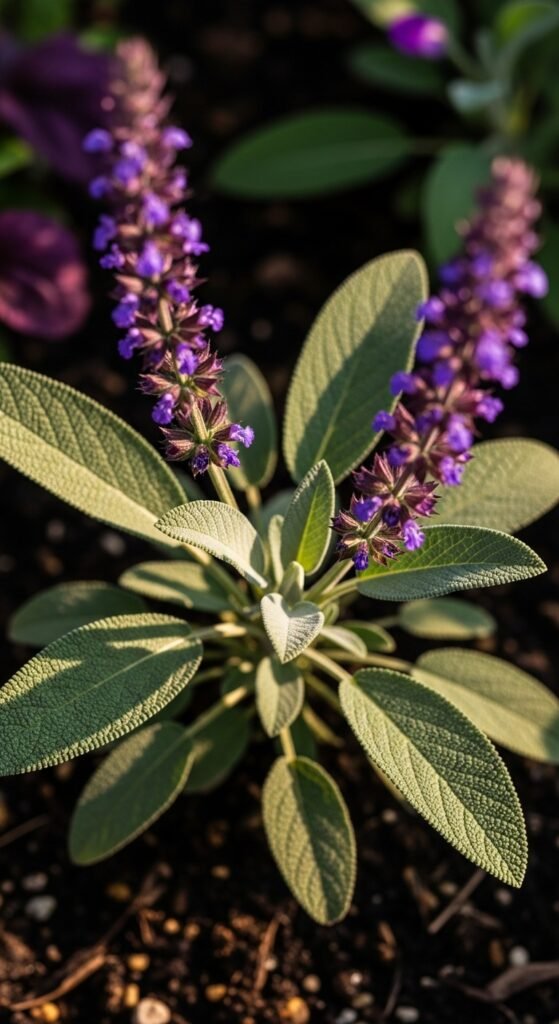
Sage, Salvia officinalis, features gray-green leaves with a pungent, earthy taste, and purple spikes in bloom. It endures shade better than many assume.
The key benefits encompass its antioxidant-rich leaves for health teas and stuffing enhancements. It deters pests and improves nearby plant growth as a companion.
Plant sage in well-drained, neutral soil under dappled shade. Propagate from cuttings and prune annually for renewal. Water moderately, avoiding sogginess. Harvest before flowering for optimal potency.
14) Wintergreen: The Minty Ground Cover
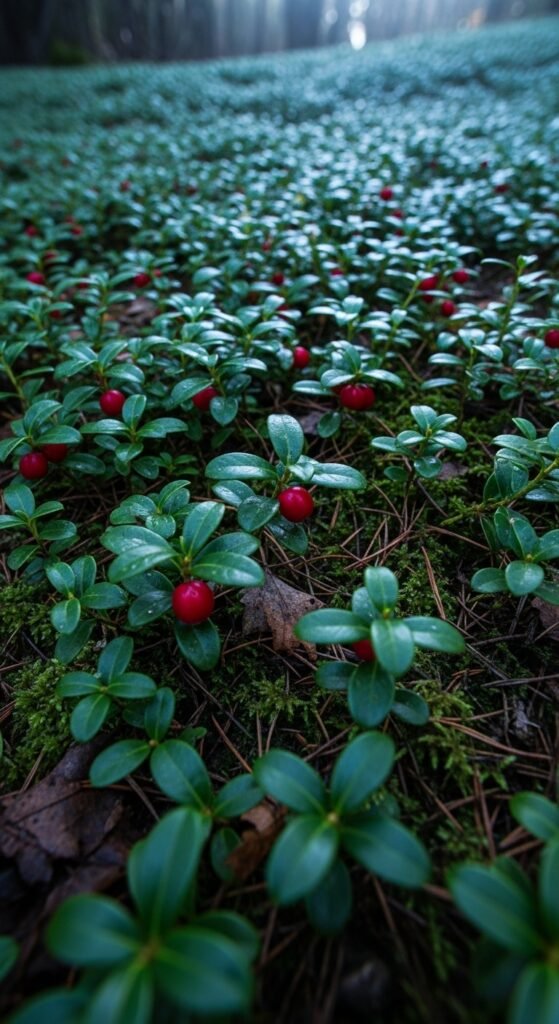
Wintergreen, Gaultheria procumbens, is a low-growing evergreen with glossy leaves and red berries, exuding a strong mint flavor.
You appreciate wintergreen in shade for its edible berries and oil extraction, used in confections and remedies. It forms dense mats, preventing erosion in wooded areas.
Establish wintergreen in acidic, organic soil with full shade. Space 12 inches apart and mulch heavily. Water consistently and protect from deer. Harvest leaves year-round for infusions.
15) Perilla: The Bold Asian Herb
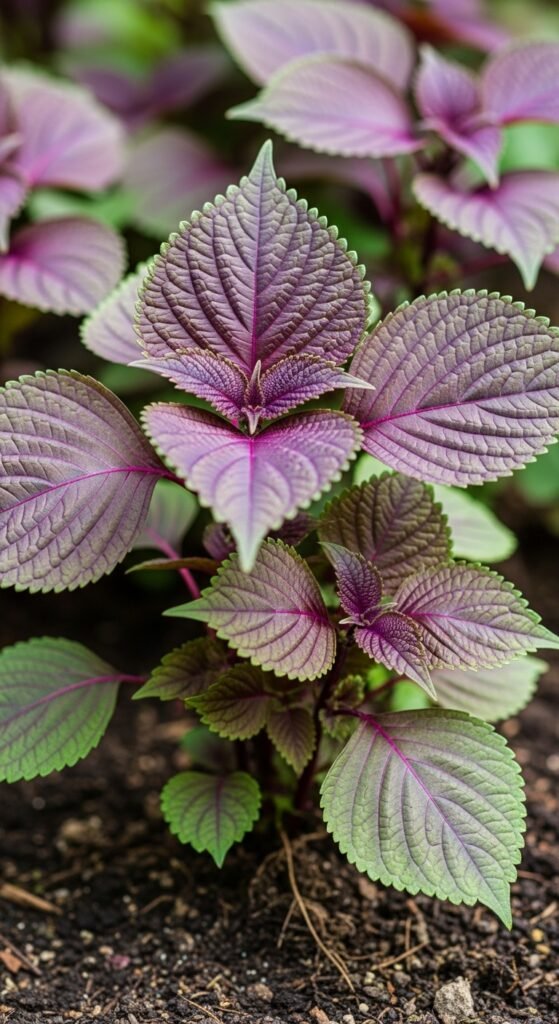
Perilla, Perilla frutescens, also known as shiso, has broad leaves with a cinnamon-basil flavor, available in green or purple hues.
Growing perilla in shade provides anti-inflammatory benefits and unique taste in sushi and salads. It self-seeds and adds color contrast to dim gardens.
Sow perilla seeds in rich, moist soil under partial shade after frost. Thin to 12 inches and pinch tips for bushiness. Harvest leaves progressively. Monitor for bolting in heat.
Essential Tips for Success with Shade Herbs
Soil Preparation and Amendments
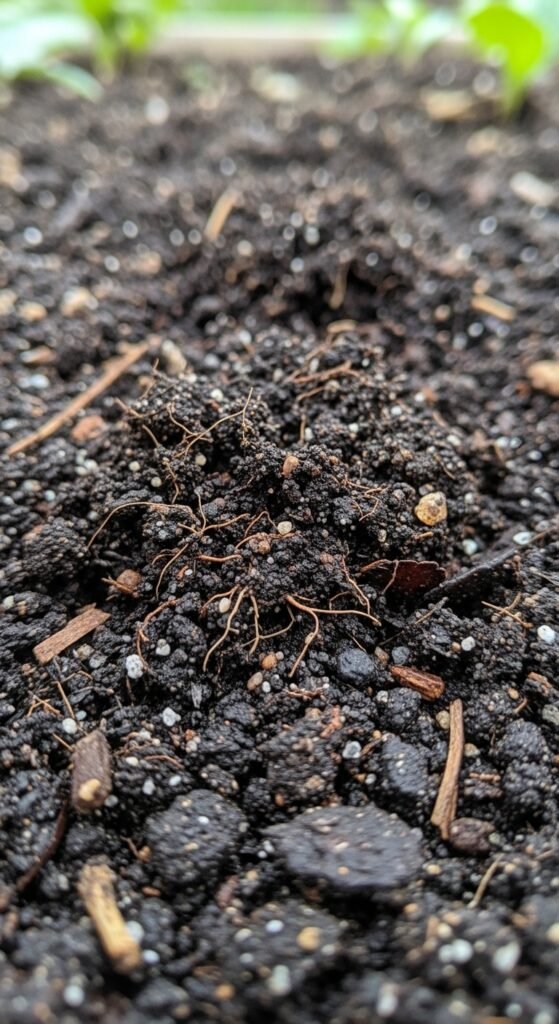
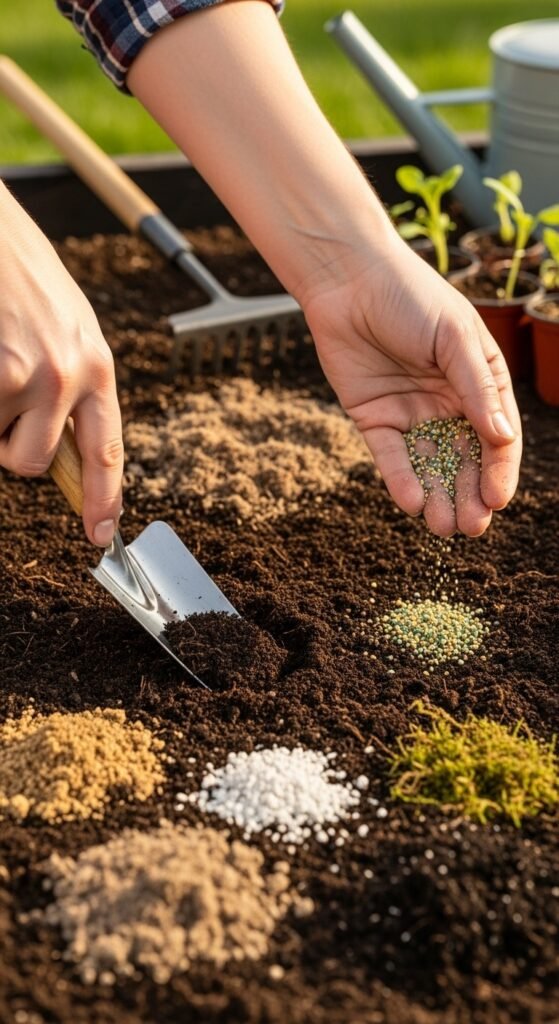
Prepare your shaded garden soil by incorporating compost to improve drainage and nutrient availability. Test pH levels, aiming for 6.0 to 7.0 for most herbs. Avoid heavy clay; amend with sand if necessary to prevent root rot.
Watering and Maintenance Practices
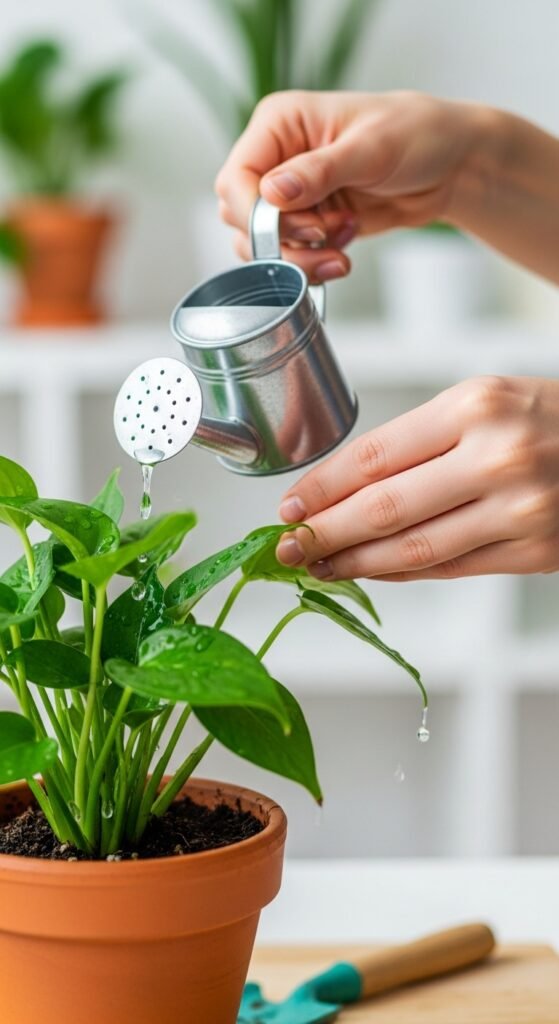
Maintain even moisture without overwatering, as shade reduces evaporation. Use drip irrigation for efficiency and mulch with organic materials to conserve humidity. Prune regularly to enhance air circulation and deter diseases.
Companion Planting Strategies
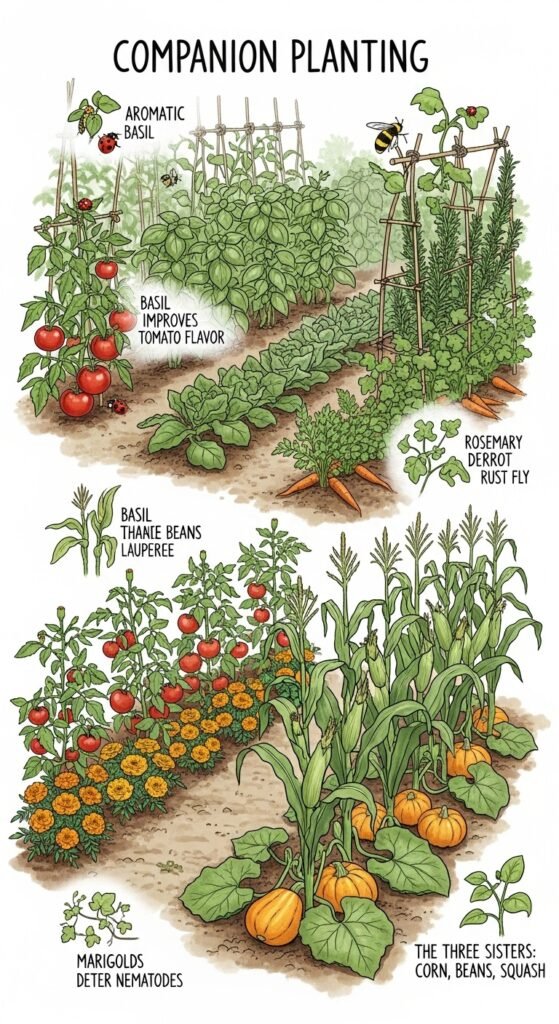
Pair shade herbs with compatible plants like ferns or hostas for aesthetic harmony. Incorporate pollinator attractors to boost yields. Rotate annuals to maintain soil vitality and minimize pest buildup.
Frequently Asked Questions
Can herbs truly thrive in full shade?
While most herbs prefer some light, several varieties adapt well to full shade, receiving less than two hours of direct sun daily. Focus on leafy types like mint and chervil, which prioritize foliage over flowers or fruits.
How much shade is too much for herbs?
Herbs generally tolerate partial shade with four to six hours of indirect light. Excessive shade may lead to leggy growth or reduced flavor intensity, so observe your plants and adjust positioning if needed.
Do shade herbs require special fertilizers?
Use a balanced, slow-release fertilizer sparingly, as shade herbs grow slower and need fewer nutrients. Organic options like compost tea support healthy development without risking burn.
Can I grow shade herbs indoors?
Yes, many shade herbs transition well indoors near north-facing windows. Ensure adequate humidity and supplemental grow lights if natural light is insufficient for robust growth.
What pests commonly affect shade herbs?
Shade environments may attract slugs, snails, and aphids. Employ natural controls like barriers or neem oil, and encourage beneficial predators to maintain balance.