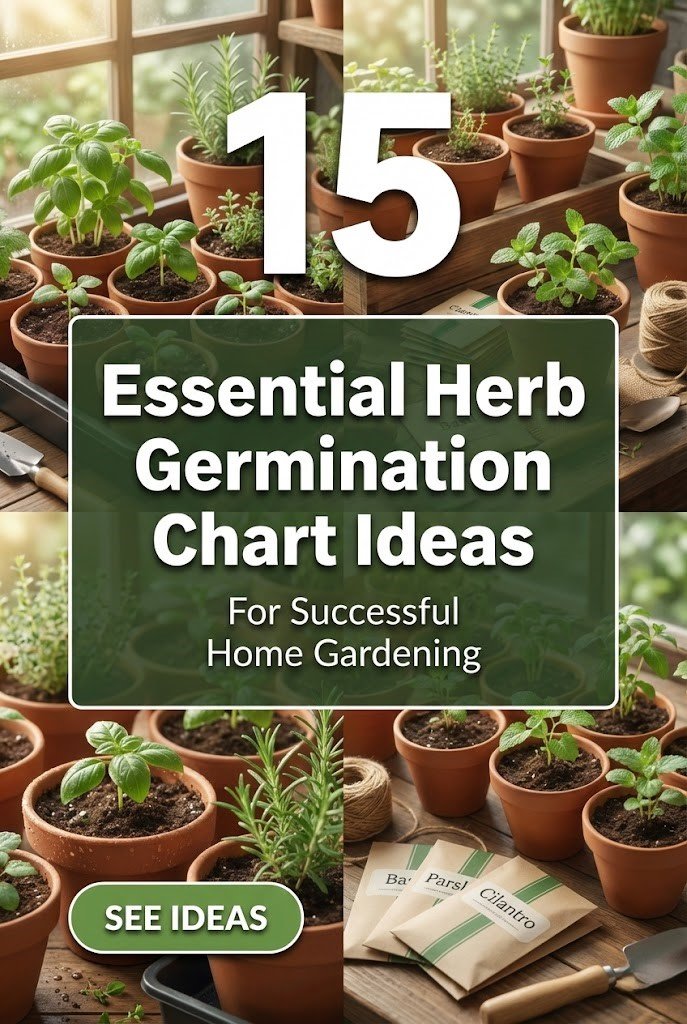
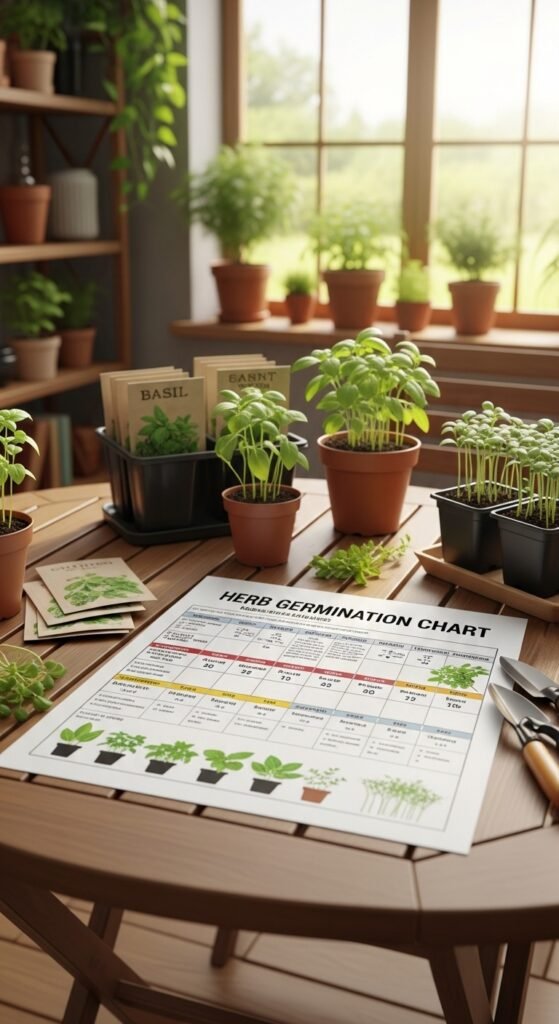
If you’re eager to cultivate your own fresh herbs, understanding a herb germination chart is your key to success. This guide breaks down the essentials for starting 15 popular herbs from seed, including optimal temperatures, germination times, and planting methods. By following these tailored ideas, you’ll maximize your chances of healthy sprouts and bountiful harvests, saving time and reducing frustration in your gardening journey.
A well-structured herb germination chart helps you align your planting with each herb’s unique needs, such as soil warmth and light exposure. Whether you’re a beginner or seasoned gardener, these insights ensure stronger plants and flavorful yields. Plus, starting from seeds is cost-effective and rewarding, allowing you to enjoy organic herbs right from your windowsill or backyard.
Dive into these 15 herb germination chart ideas to transform your space into a thriving herb haven. You’ll discover practical tips that integrate seamlessly with your routine, leading to vibrant growth and endless culinary possibilities.
1) Basil Germination Essentials
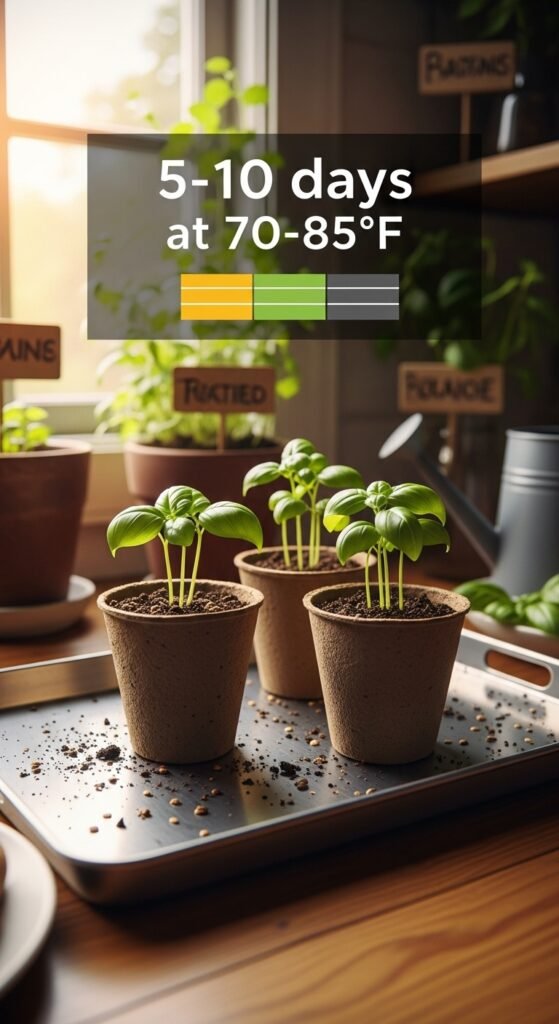
Basil thrives with warm conditions, germinating in 5–10 days at soil temperatures of 70–85°F. Use a light seeding method, either direct or transplant, in full sun. The seeds need consistent moisture but not waterlogging, with spacing of 4–8 inches for healthy growth.
Why focus on basil? It’s a versatile herb that enhances dishes like pesto and salads, while its rapid growth boosts your confidence as a gardener. Successful germination leads to abundant leaves, providing fresh flavor year-round if you maintain warmth indoors during cooler months.
To germinate basil, start by sowing seeds indoors 6–8 weeks before the last frost—check a last frost date calculator for accuracy. Use seed-starting mix, cover lightly, and keep soil moist under grow lights. Once sprouted, transplant to your patio setup, perhaps incorporating ideas from a patio herb garden. Monitor for pests early to ensure robust plants.
2) Cilantro Germination Guide
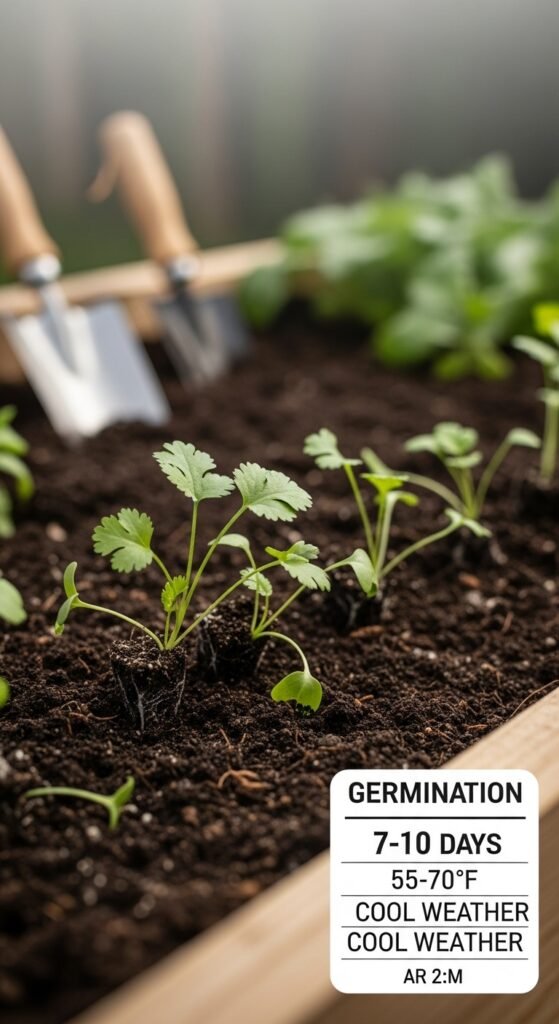
Cilantro, also known as coriander, germinates in 7–10 days at 55–70°F. Direct sow in full sun, spacing seeds ¼–½ inch apart. It prefers cool weather, making it ideal for successive plantings to avoid bolting in heat.
This herb is essential for global cuisines, adding zest to salsas and curries. Its quick cycle means multiple harvests, promoting continuous supply and encouraging experimentation in your kitchen garden.
Begin by preparing well-drained soil enriched with compost—learn more about composting at home. Sow seeds shallowly outdoors after frost risk passes, or start indoors for earlier yields. Water gently to maintain even moisture, and thin seedlings for airflow. For best results in spring, align with what to plant in spring guidelines to integrate cilantro seamlessly into your veggie patch.
3) Parsley Germination Strategies
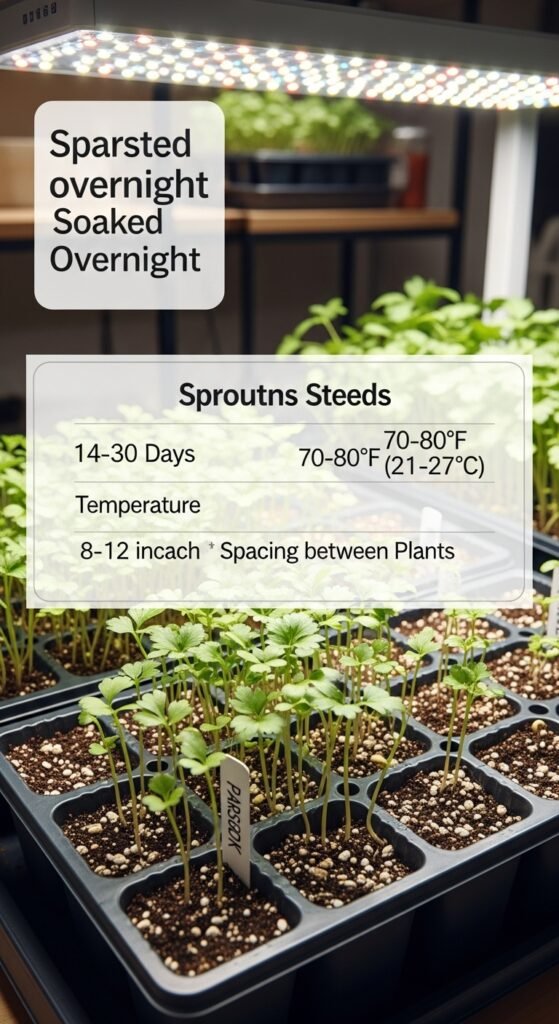
Parsley takes 14–30 days to germinate at 70–80°F. Use direct or transplant methods in full sun, with 8–12 inch spacing. Soaking seeds overnight can speed up the process, as they have a tough coat.
Rich in vitamins, parsley elevates soups and garnishes while attracting beneficial insects. Its biennial nature offers extended harvests, making it a staple for sustainable gardening.
To start, mix seeds into moist soil and cover lightly. Indoor starting under lights helps in colder climates; transplant once established. Incorporate spring gardening tips for optimal timing. Use drip systems for consistent watering—explore drip irrigation setup options. Watch for even germination and protect young plants from slugs.
4) Dill Germination Tips
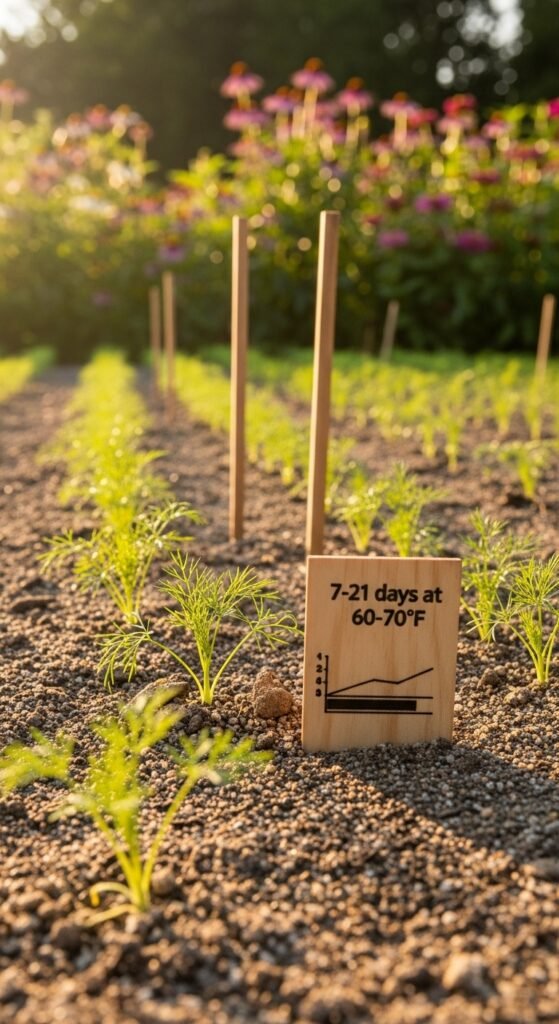
Dill germinates in 7–21 days at 60–70°F, best direct sown in full sun with ¼–½ inch spacing. It dislikes transplanting, so plan your garden layout accordingly.
Perfect for pickling and fish dishes, dill supports pollinators and deters pests. Its feathery foliage adds aesthetic appeal, enhancing both flavor and biodiversity in your plot.
Sow seeds in successive batches every few weeks for continuous supply. Prepare soil with good drainage and minimal disturbance. For frost-prone areas, consider frost protection for plants. If starting early, use containers inspired by spring container garden ideas. Harvest leaves young to encourage bushier growth.
5) Chives Germination Blueprint
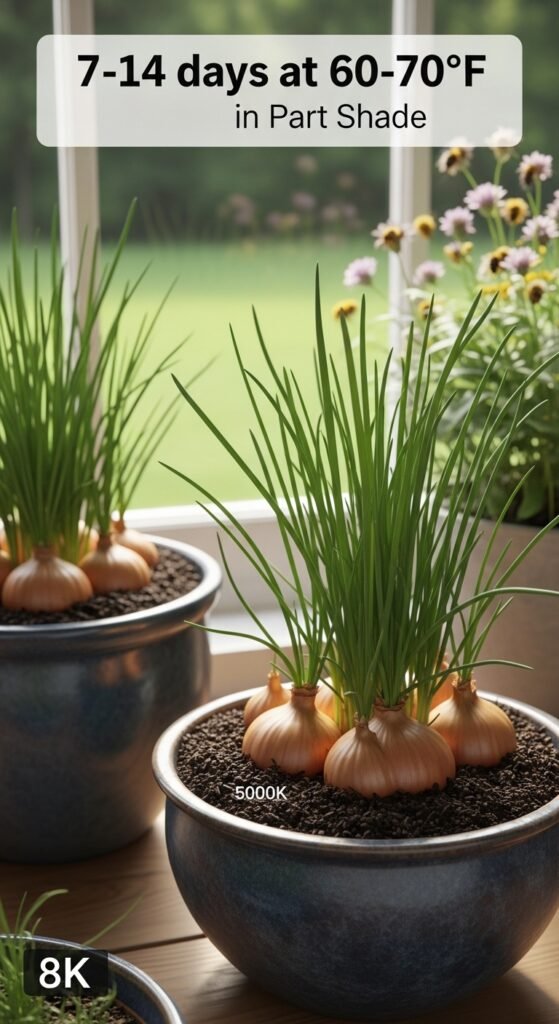
Chives sprout in 7–14 days at 60–70°F, suitable for direct sowing in sun or part shade, spaced 2–8 inches. They’re hardy perennials, returning yearly.
Onion-flavored chives jazz up eggs and potatoes, while their flowers attract bees. Low-maintenance and compact, they’re ideal for small spaces or borders.
Scatter seeds on surface soil and press in gently. Start indoors for quicker results in short seasons. Align with spring watering schedule to avoid over-saturation. For pest issues, refer to spring pest control methods. Divide clumps every few years for vitality.
6) Mint Germination Approach
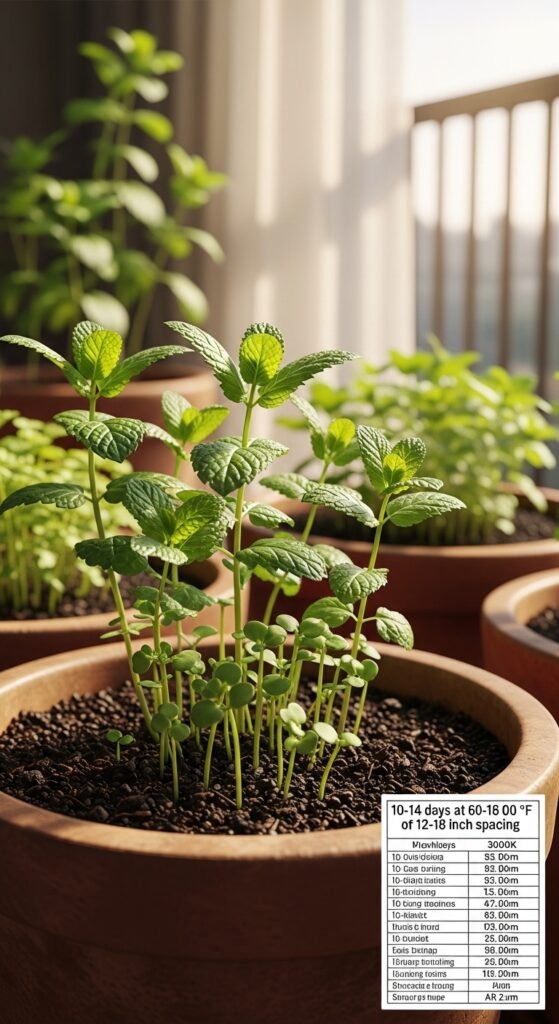
Mint germinates in 10–14 days at 60–70°F, transplant method preferred in sun or part shade, with 12–18 inch spacing. Contain it to prevent spreading.
Refreshing in teas and desserts, mint soothes digestion and repels insects. Its vigorous growth ensures plentiful supply, perfect for herbal remedies.
Use pots for control, sowing indoors under humidity domes. Transplant to garden beds after hardening off. Enhance with mosquito-repelling plants for a functional space. Maintain moisture via soaker hose layout. Prune regularly to promote fullness.
7) Thyme Germination Plan
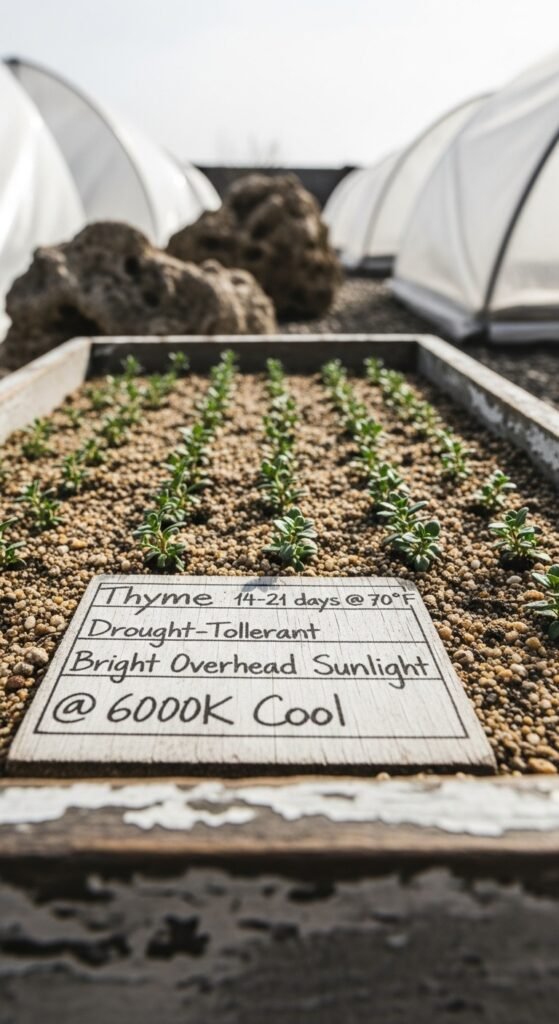
Thyme takes 14–21 days at 70°F, transplant in full sun with 12 inch spacing. It’s drought-tolerant once established.
Aromatic thyme flavors meats and soups, with medicinal antiseptic properties. Perennial reliability means long-term savings, ideal for rock gardens.
Surface sow seeds indoors, as they need light to germinate. Use sandy mix for drainage. Time with winter sowing seeds techniques for early starts. Protect seedlings with milk jug greenhouse covers. Harvest sparingly in the first year.
8) Rosemary Germination Insights
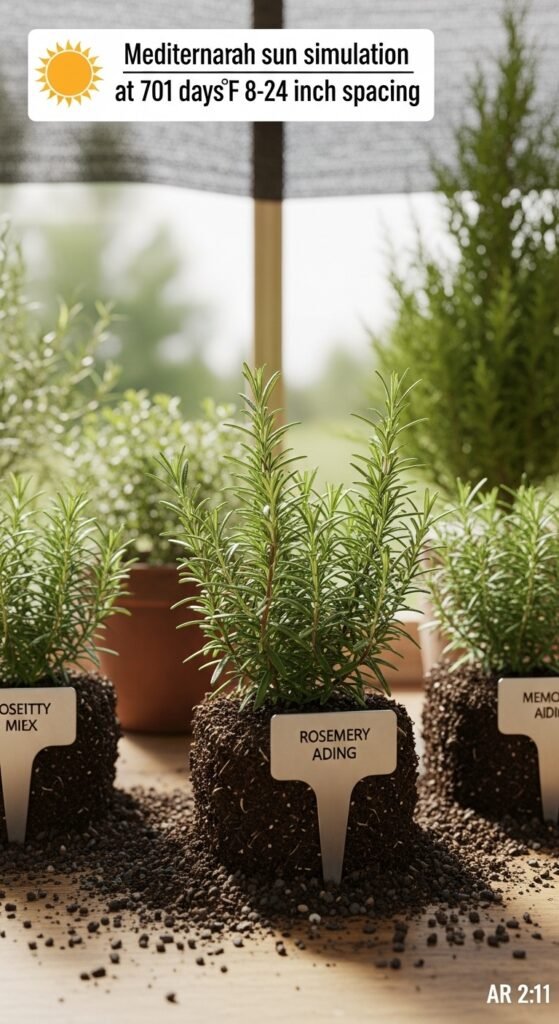
Rosemary germinates in 14–21 days at 70–80°F, transplant in full sun with 8–24 inch spacing. It prefers well-drained, alkaline soil.
Enhancing roasts and breads, rosemary aids memory and circulation. Its evergreen foliage provides year-round interest, suiting Mediterranean-style gardens.
Stratify seeds if needed, sowing indoors with bottom heat. Transplant after frost, incorporating shade cloth for gardens in hot summers. For watering, follow summer watering schedule. Prune to shape for bushier plants.
9) Sage Germination Framework
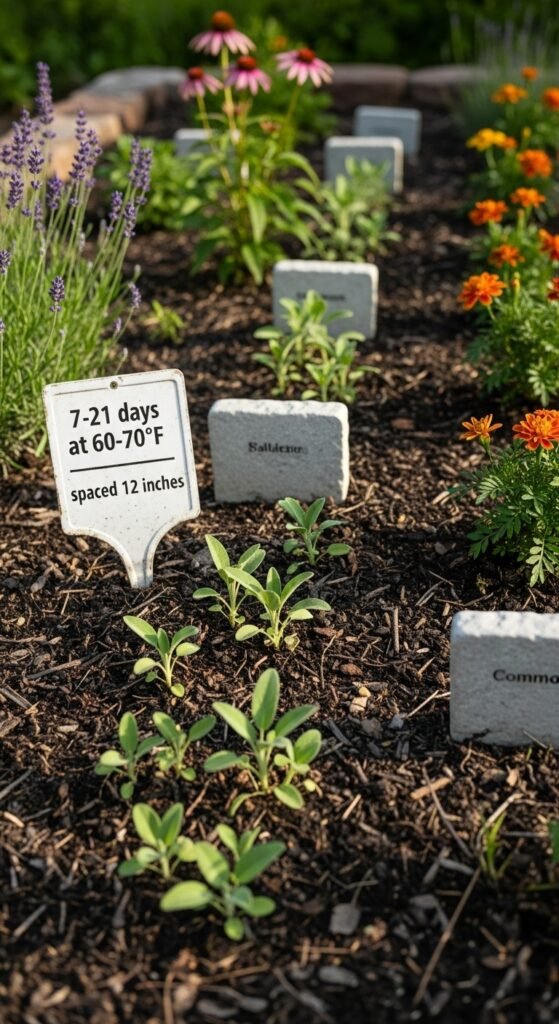
Sage sprouts in 7–21 days at 60–70°F, direct or transplant in sun or part shade, spaced 12 inches. It’s woody perennial.
Sage seasons stuffing and teas, with anti-inflammatory benefits. Attracts pollinators while deterring deer, adding ecological value.
Sow shallowly in trays, keeping moist until emergence. Outdoor planting post-frost works well. Use winter cover crops nearby for soil health. Combat pests with winter pest control strategies. Replace every 3–4 years for productivity.
10) Oregano Germination Tactics
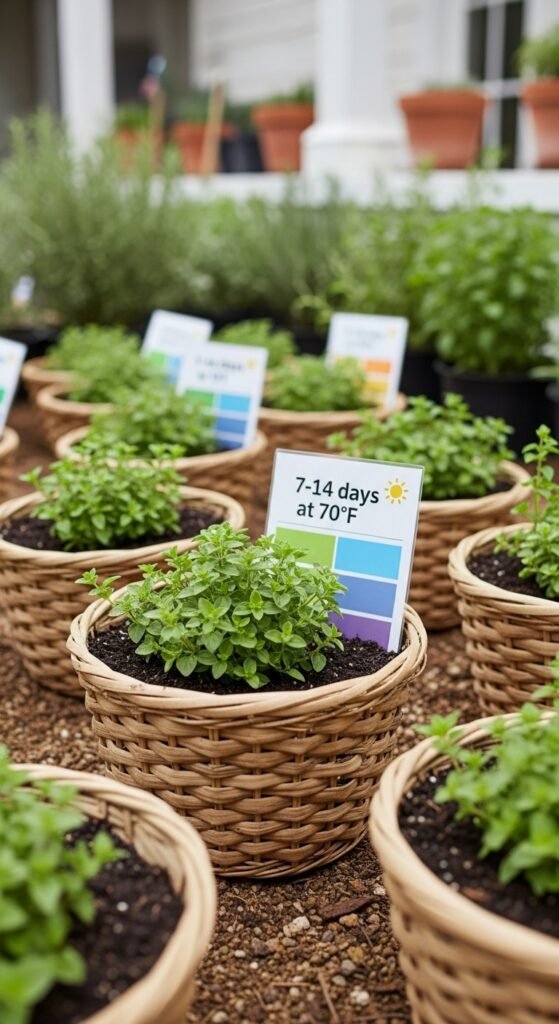
Oregano germinates in 7–14 days at 70°F, transplant in sun or part shade with 12 inch spacing. Greek varieties are pungent.
Key in Italian dishes, oregano boosts immunity. Ground cover potential suppresses weeds, making it multifunctional.
Start indoors with light coverage, misting regularly. Transplant to borders or pots. Integrate into spring porch planter ideas. For hydration, try cycle and soak watering. Harvest before flowering for peak flavor.
11) Lavender Germination Methods
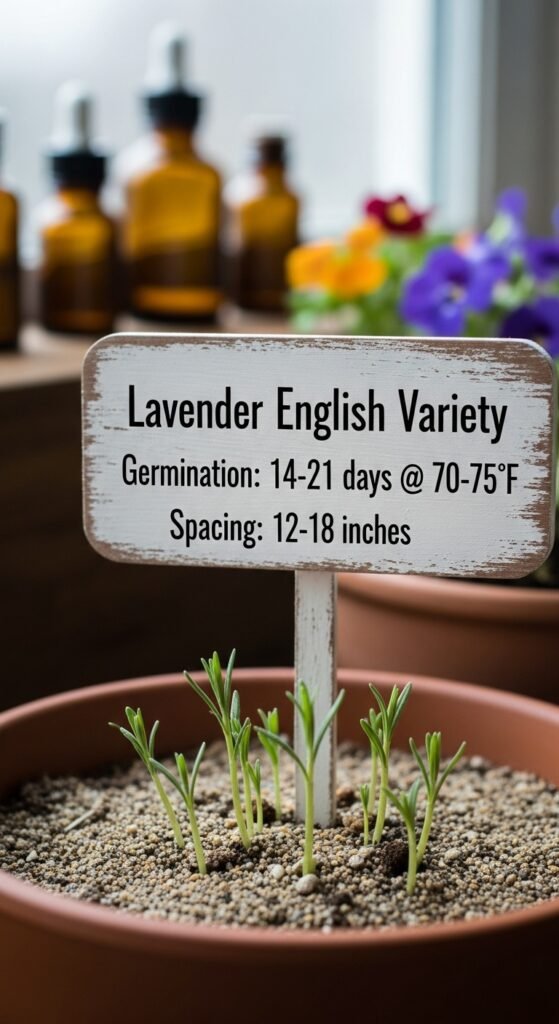
Lavender takes 14–21 days at 70–75°F, transplant in full sun with 12–18 inch spacing. English types are hardy.
Fragrant lavender relaxes and repels moths. Its blooms enhance crafts and oils, offering versatile uses.
Cold stratify seeds for better rates, sowing indoors. Use gritty mix to mimic native soils. Align with spring garden checklist. Protect from overwatering with spring lawn care tips adapted for herbs. Prune annually for compactness.
12) Chamomile Germination Outline
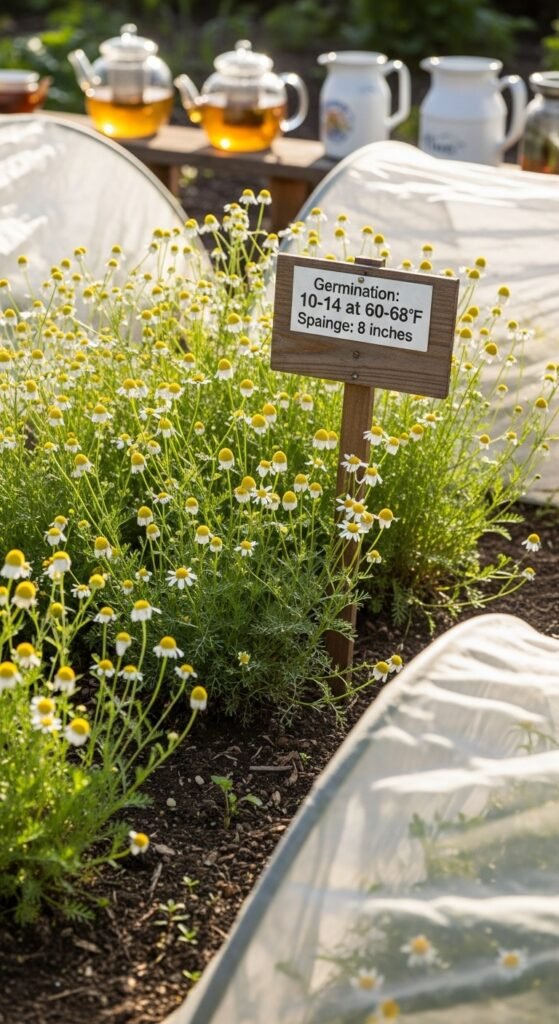
Chamomile germinates in 10–14 days at 60–68°F, transplant in full sun with 8 inch spacing. German is annual.
Soothing in teas, chamomile aids sleep. Lawn alternative reduces mowing, eco-friendly choice.
Press seeds into soil surface for light exposure. Start early indoors. For cool starts, explore winter sowing milk jugs. Use low tunnel gardening for protection. Dry flowers for infusions.
13) Fennel Germination Protocol
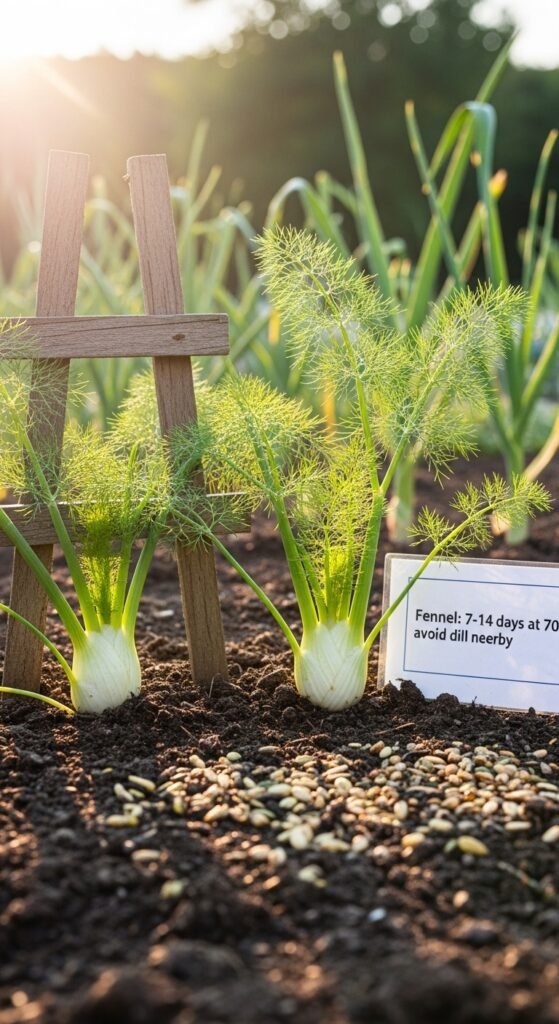
Fennel sprouts in 7–14 days at 70°F, direct sow in full sun with ¼–½ inch spacing. Avoid near dill to prevent cross-pollination.
Licorice-flavored fennel digests well and attracts swallowtails. Bulb varieties yield vegetables too, dual-purpose plant.
Sow in deep soil for root development. Outdoor after warmth sets in. Incorporate plant garlic in fall as companions. For irrigation, use best time to water in summer. Harvest seeds for spices.
14) Marjoram Germination Scheme
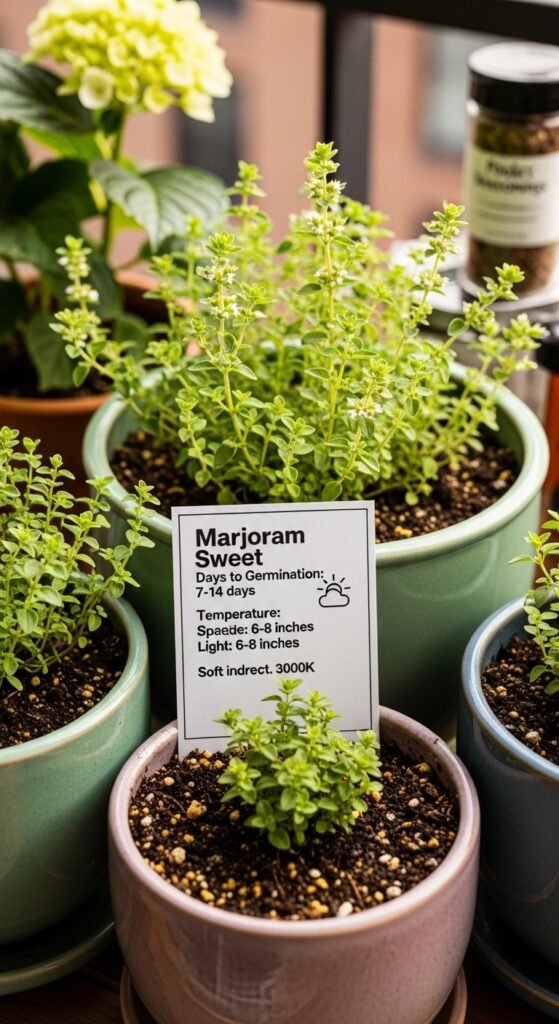
Marjoram germinates in 7–14 days at 60–70°F, transplant in full sun with 6–8 inch spacing. Sweet type is tender.
Mild oregano cousin, marjoram seasons poultry. Container-friendly for balconies, accessible for urban gardeners.
Indoor start with humidity helps. Transplant carefully. Draw from spring edible flowers for mixed beds. Maintain via spring hydrangea care principles adapted. Pinch tips for bushiness.
15) Lemon Balm Germination Design
Lemon balm takes 7–14 days at 70°F, transplant in full sun with 12 inch spacing. It’s mint family, spreads readily.
Citrus-scented for teas, lemon balm calms nerves. Bees love its flowers, supporting pollination.
Surface sow indoors, as light aids germination. Contain in pots to control. Use citronella plant care tips for synergy. Water per winter watering schedule in off-seasons. Dry leaves for storage.
Key Principles for Herb Germination Success
Soil Preparation Fundamentals
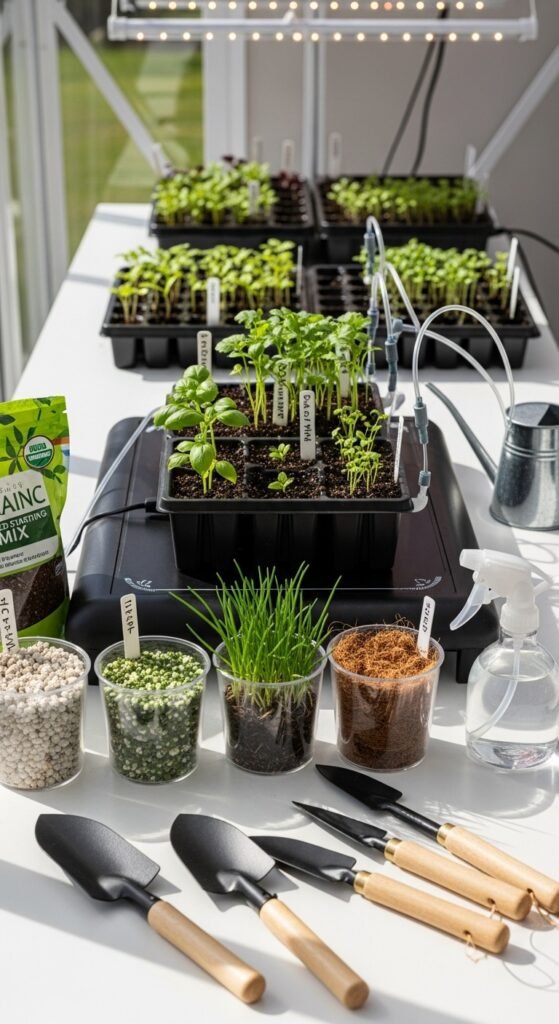
Start with sterile seed-starting mix to prevent damping-off. Amend with perlite for drainage and vermiculite for moisture retention. Test pH—most herbs prefer 6.0–7.0 for nutrient uptake.
Temperature and Light Management
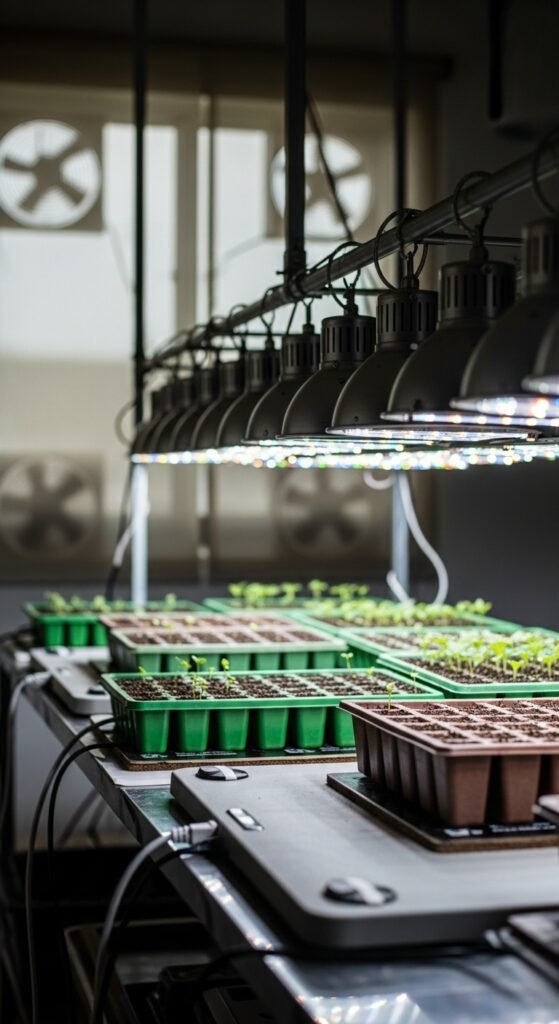
Maintain consistent warmth using heat mats, aiming for 70°F average. Provide 14–16 hours of light via fluorescents or LEDs once sprouted to prevent legginess.
Watering and Humidity Best Practices
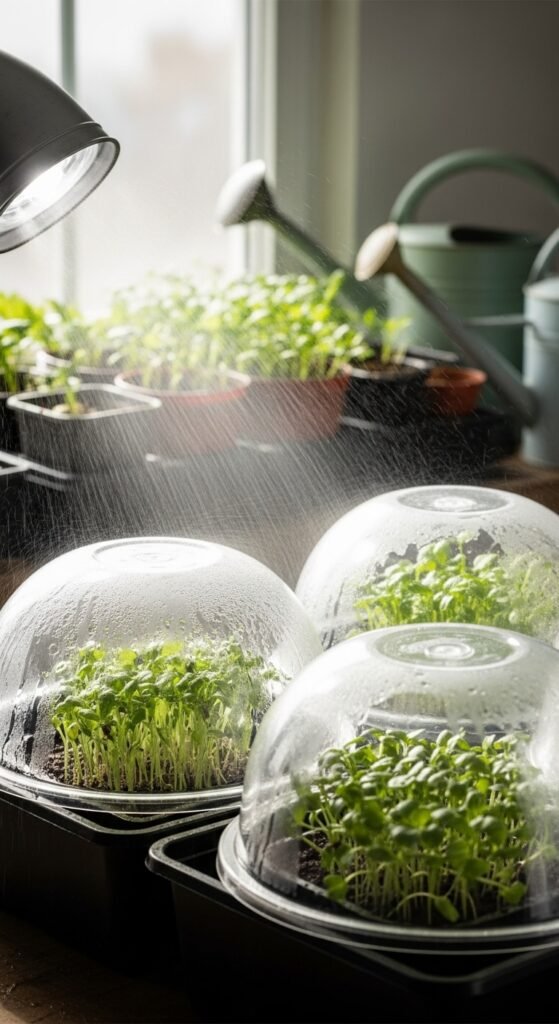
Bottom water trays to avoid disturbing seeds. Use domes for humidity until germination, then ventilate to reduce mold risk. Gradually harden off seedlings before transplanting.
Frequently Asked Questions
What is the ideal soil temperature for most herb seeds?
Most herbs germinate best at soil temperatures between 60–80°F, depending on the variety. Warmer soils speed up the process, but avoid extremes to prevent poor sprouting rates.
How long do herb seeds typically take to germinate?
Germination times vary from 5–30 days. Fast ones like basil emerge quickly, while slower seeds like parsley benefit from pre-soaking to hasten the timeline.
Can I germinate herbs indoors year-round?
Yes, with proper lighting and temperature control, you can start herbs indoors anytime. This extends your growing season and protects from outdoor weather fluctuations.
What if my herb seeds don’t germinate?
Check for viable seeds, adequate moisture, and correct temperatures. Old seeds may have low viability; fresh ones and consistent conditions usually resolve issues.
Do all herbs need light to germinate?
Not all—some like thyme require light, so surface sow them. Others, like cilantro, can be covered lightly but still need warmth and moisture.