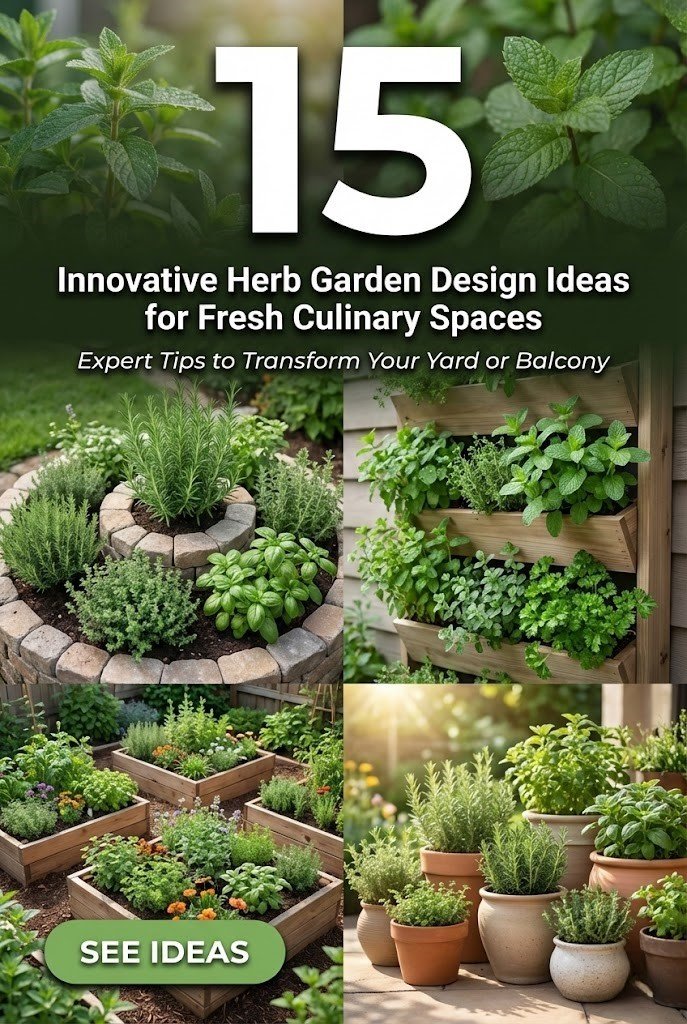
Designing an herb garden offers you a practical and aesthetically pleasing way to incorporate fresh flavors into your daily cooking while adding greenery to your outdoor or indoor areas. Herb garden design ideas focus on maximizing space, ensuring accessibility, and promoting healthy growth through thoughtful placement and companion planting. Whether you have a sprawling backyard or a compact balcony, these designs allow you to cultivate a variety of herbs like basil, rosemary, and mint with minimal effort.
The value of an herb garden lies in its ability to provide fresh, organic ingredients at your fingertips, reducing grocery costs and enhancing meal quality. Beyond functionality, well-planned herb garden design ideas can transform ordinary spaces into vibrant, aromatic havens that attract pollinators and improve air quality. By selecting designs that suit your environment, you ensure sustainability and year-round productivity, making gardening an enjoyable and rewarding pursuit.
1) Spiral Herb Garden Layout
You can create a spiral herb garden by arranging stones or bricks in a ascending coil shape, starting from a central point and winding outward to form tiers. This design elevates herbs at varying heights, allowing for better drainage and sun exposure. Plant drought-tolerant herbs like rosemary and thyme at the top, where soil dries faster, and moisture-loving ones such as basil at the base.
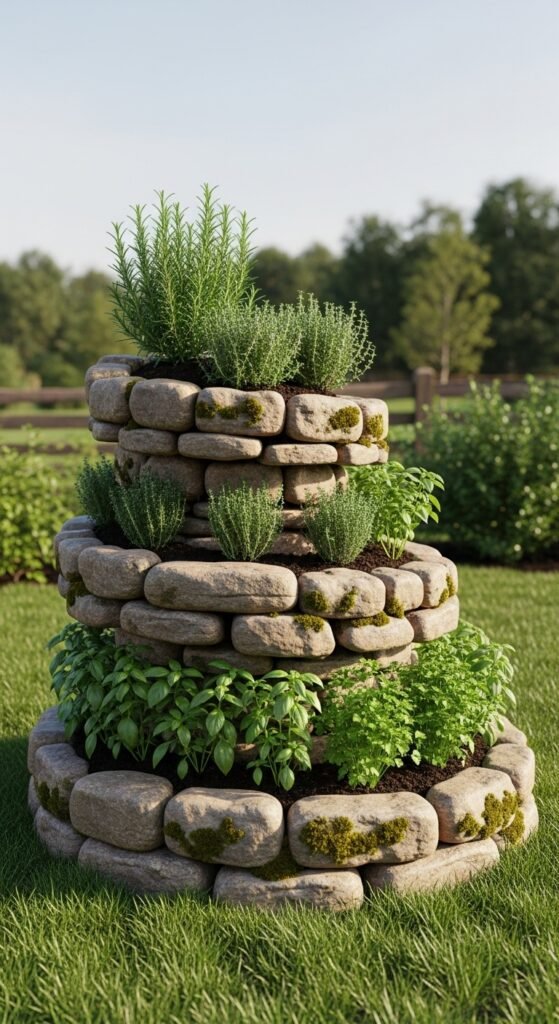
The spiral maximizes vertical space in small yards, promotes efficient water use through natural runoff, and adds a sculptural element to your landscape. It encourages biodiversity by accommodating diverse microclimates within one structure. To implement this, mark a 6-8 foot diameter circle, build the spiral to about 3 feet high using natural materials, and fill with well-draining soil amended with compost. Water sparingly at first to establish roots, and harvest regularly to maintain shape. This approach yields fresh herbs while creating an eye-catching focal point.
2) Vertical Herb Wall System
Construct a vertical herb wall by mounting planters, pockets, or repurposed pallets on a sunny wall or fence. Arrange herbs like oregano and sage in upper tiers for easy reach, with trailing varieties such as thyme cascading down. Use drip irrigation to ensure even moisture without waste.
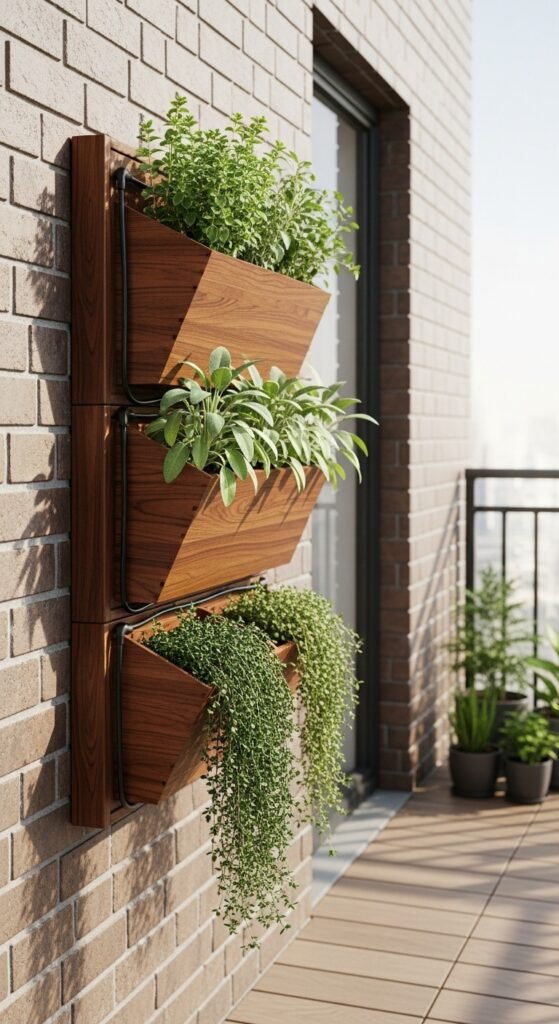
This design saves ground space, ideal for urban settings, and improves air circulation to reduce pest issues. It also enhances privacy and aesthetics, turning blank walls into living art. Begin by securing a sturdy frame, filling containers with lightweight potting mix, and planting seedlings. Maintain by rotating herbs for uniform growth and pruning to prevent overcrowding. Vertical herb garden setups like this provide abundant yields in minimal footprints, perfect for apartment dwellers seeking fresh produce.
3) Raised Bed Herb Arrangement
Build raised beds from cedar or composite lumber, filling them with a mix of topsoil, compost, and perlite for optimal drainage. Divide the bed into sections for grouping herbs by water needs—place lavender and sage together, separate from cilantro and parsley.
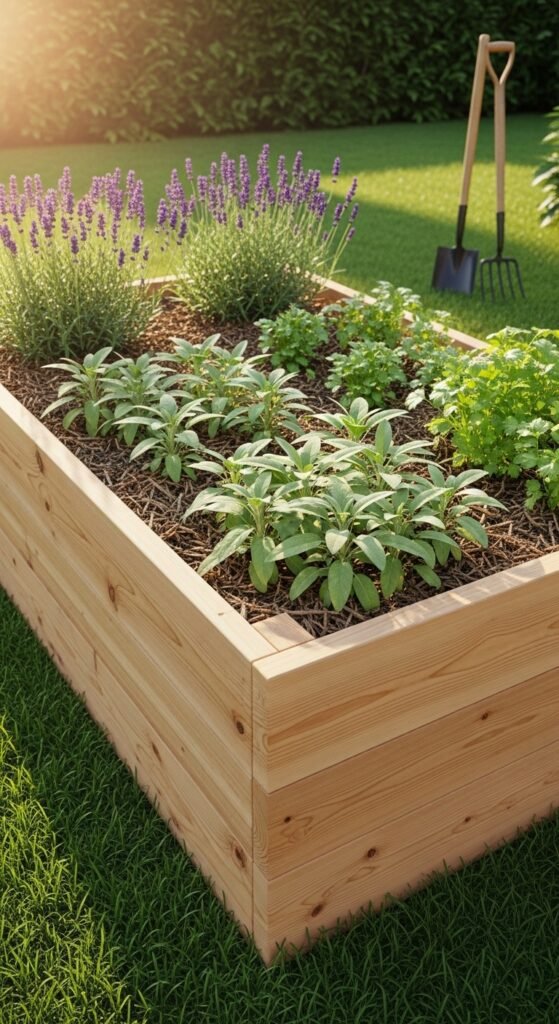
Raised beds warm soil faster in spring, deter weeds, and make harvesting easier on your back. They allow precise soil customization for healthier plants. Assemble frames 4-6 feet long, 2 feet high, position in full sun, and plant densely to maximize output. Mulch with straw to retain moisture and suppress weeds. This method supports intensive planting, yielding more herbs per square foot while simplifying maintenance for busy gardeners.
4) Container Herb Cluster
Group terracotta or ceramic pots of varying sizes on a patio or windowsill, planting single herbs per container for mobility. Choose pots with drainage holes, using herbs like mint in isolation to prevent spreading.
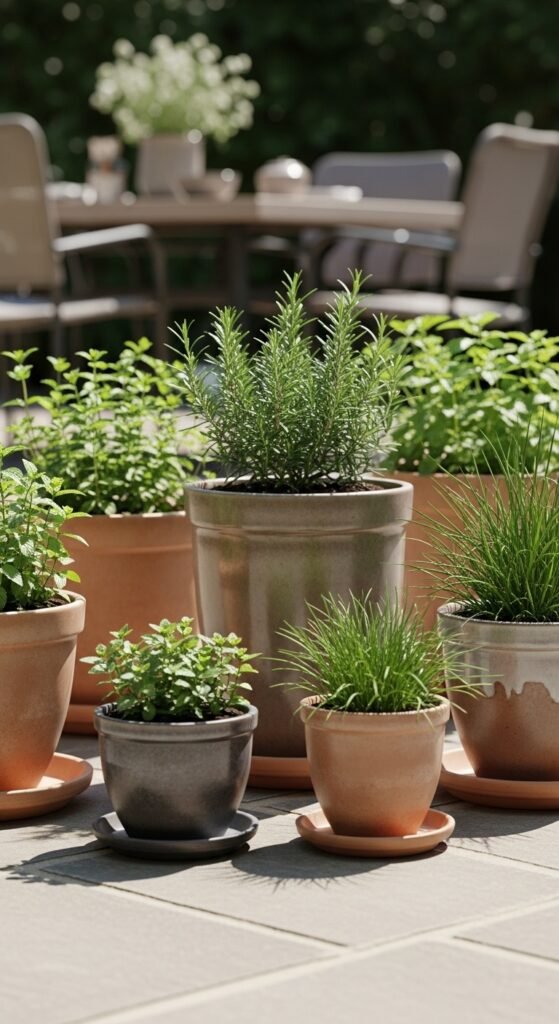
Containers offer flexibility to move plants for optimal light or protection from weather, making them suitable for renters or seasonal adjustments. They prevent soil-borne diseases through isolation. Select frost-resistant pots, fill with herb-specific soil, and arrange for visual appeal—tall rosemary in back, low chives in front. Water when topsoil dries, fertilize monthly. Herbs in containers provide convenience, allowing you to enjoy fresh flavors without committing to in-ground planting.
5) Window Box Herb Display
Install window boxes outside kitchen windows, lining them with coco coir for moisture retention. Plant compact herbs like chives and parsley for easy snipping during meal prep.
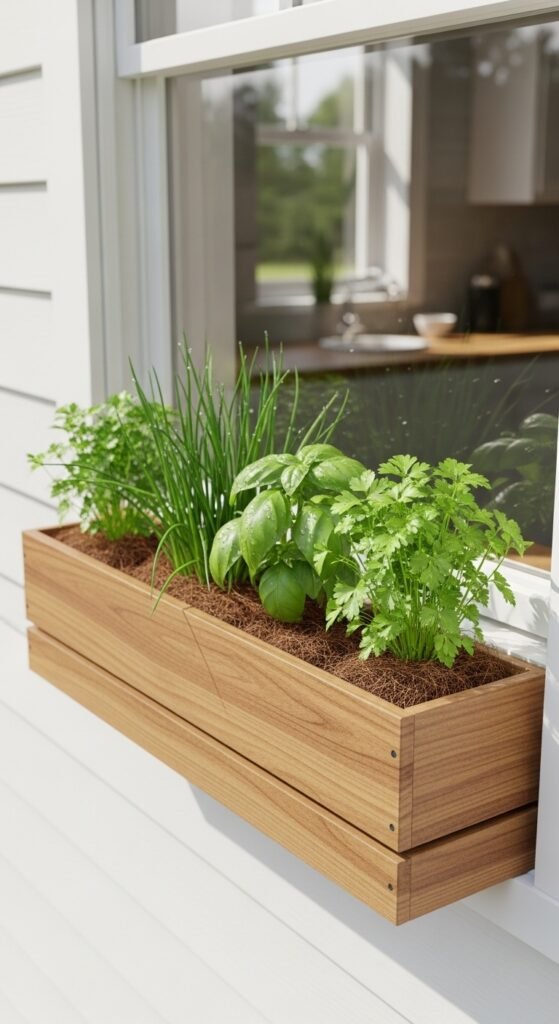
This design integrates gardening with daily life, providing instant access and beautifying home exteriors. It utilizes underused space efficiently. Secure boxes with brackets, fill with nutrient-rich soil, and sow seeds or transplants. Thin seedlings for airflow, harvest frequently to encourage bushiness. Window boxes turn mundane views into productive, fragrant displays, enhancing both your cooking and curb appeal.
6) Herb Wheel Garden Pattern
Form a wheel shape using bricks or stones as spokes, dividing into pie slices for different herbs. Center with a focal plant like a bay tree, radiating outward with basil, dill, and others.
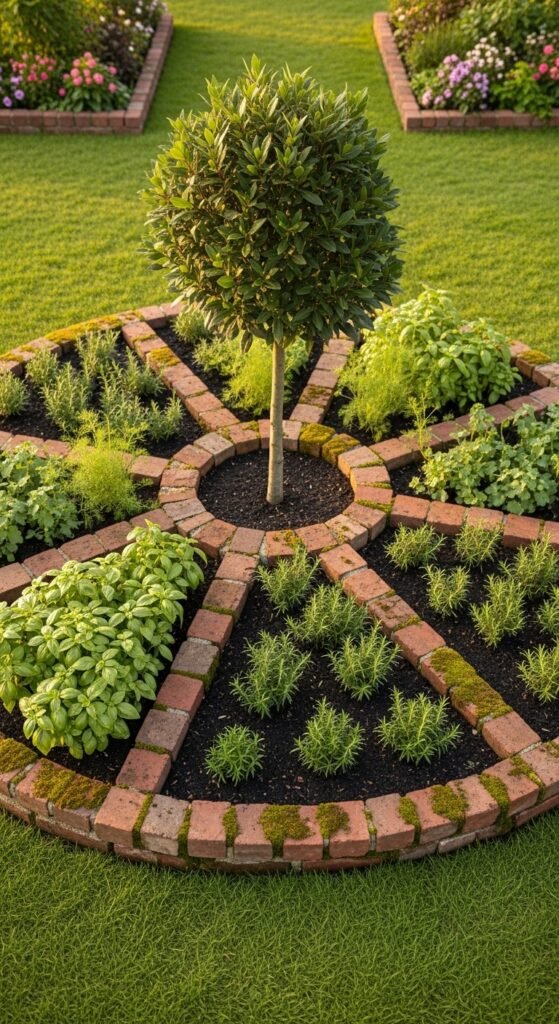
The wheel optimizes accessibility, allowing you to reach all areas without stepping on soil, and creates defined zones for companion planting. It adds geometric interest to flat yards. Outline a 4-6 foot circle, lay spokes, fill segments with amended soil, and plant accordingly. Rotate crops annually to maintain soil health. This timeless design boosts productivity while serving as a conversation piece in your garden.
7) Hanging Herb Basket Collection
Suspend macramé or wire baskets from eaves or pergolas, planting trailing herbs like oregano and peppermint. Use lightweight soil to reduce weight, incorporating slow-release fertilizer.
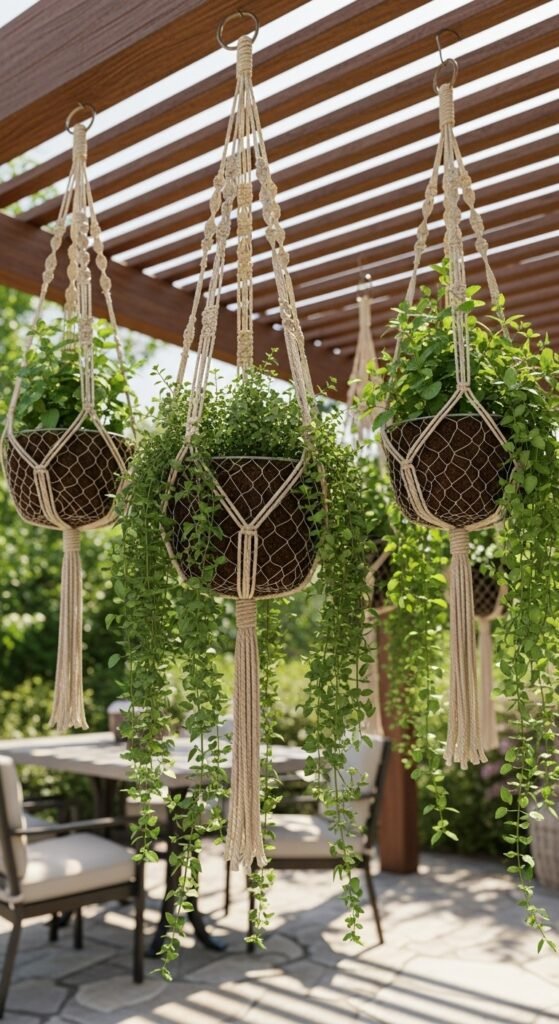
Hanging baskets elevate herbs above pests, free up ground space, and create vertical interest. They allow for creative arrangements in shaded spots. Choose sturdy hooks, fill baskets halfway with mix, add plants, and hang in partial sun. Water daily in heat, pinching tips for fullness. Herb tower planter variations extend this concept, offering cascading freshness right at eye level.
8) Pallet Herb Planter Upcycle
Repurpose a wooden pallet by standing it upright, lining slats with landscape fabric, and filling with soil. Plant herbs in pockets, such as rosemary in top slots for drainage.
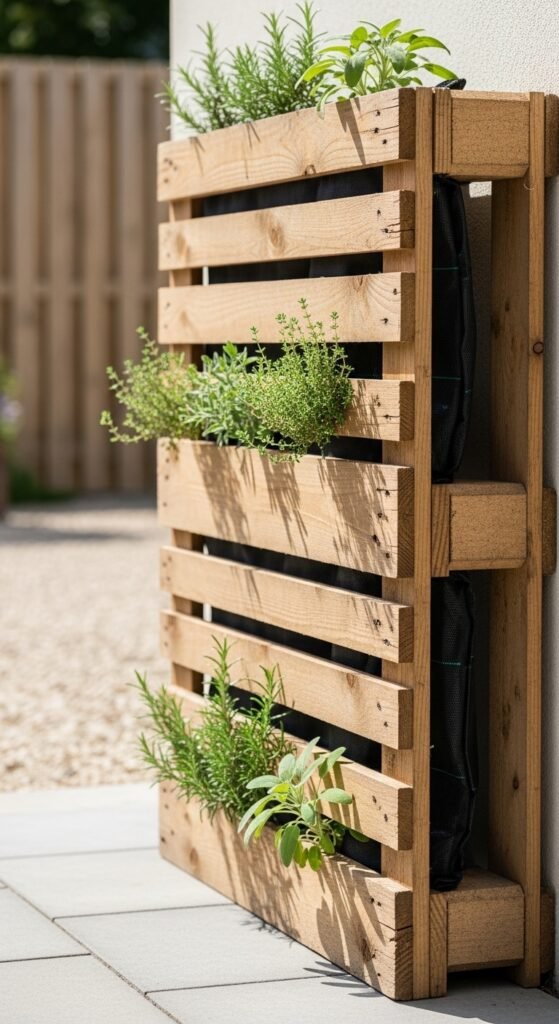
This eco-friendly design recycles materials, provides vertical growing, and fits narrow spaces. It promotes sustainability while being budget-friendly. Sand and seal the pallet, staple fabric, add soil, and insert seedlings. Position against a wall for stability, watering from top to bottom. Pallet planters transform waste into functional art, yielding herbs with minimal investment.
9) Kitchen Proximity Herb Plot
Position a small herb bed or pots directly outside your kitchen door for quick access. Include essentials like basil, thyme, and cilantro, grouped by culinary use.
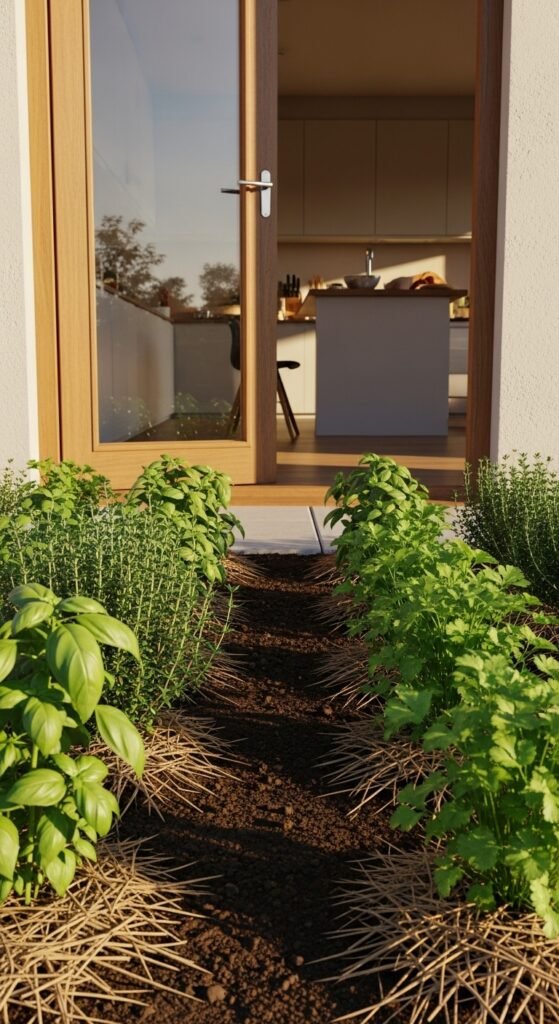
Proximity encourages frequent harvesting, ensuring fresher meals and reducing waste. It integrates gardening seamlessly into routines. Clear a 3×3 foot area, enrich soil, and plant in rows. Label for easy identification, mulch to conserve water. This practical setup minimizes steps between garden and stove, enhancing your cooking efficiency.
10) Medicinal Herb Garden Zone
Dedicate a section to healing herbs like echinacea, chamomile, and lemon balm, arranging in a circular bed for harmony. Use signage to note uses.
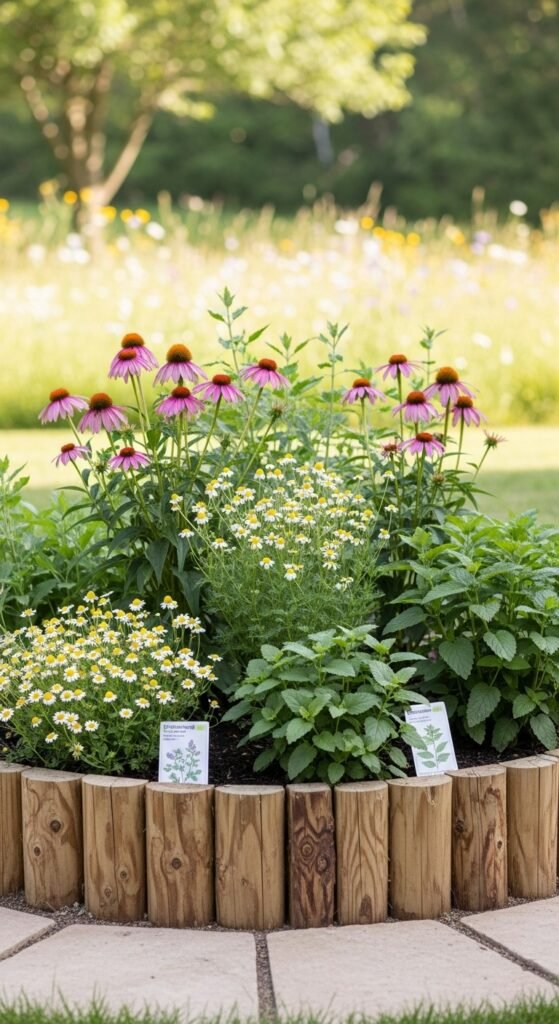
This specialized design supports wellness, providing natural remedies and educational value. It attracts beneficial insects too. Prepare soil with organic matter, plant perennials centrally, annuals around edges. Harvest at peak potency, drying for storage. Herb gardening for beginners often starts here, fostering a deeper connection to plant-based health.
11) Aromatic Herb Pathway Border
Line garden paths with low-growing aromatic herbs like thyme and lavender, planting densely for a sensory experience. Crush-resistant varieties release scents when brushed.
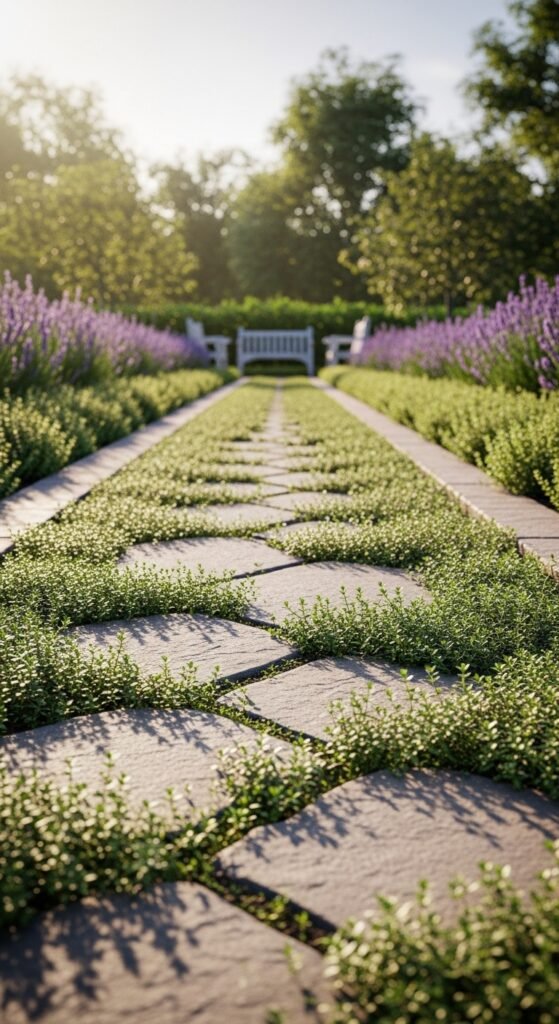
Borders define spaces, deter weeds, and create immersive walks. They enhance relaxation through aromatherapy. Edge paths with stones, plant 6-8 inches apart in full sun. Trim after flowering to maintain neatness. This design turns utilitarian paths into fragrant journeys, elevating everyday garden navigation.
12) Companion Planting Herb Integration
Incorporate herbs among vegetables, such as basil with tomatoes or dill with cucumbers, to boost growth and repel pests naturally.
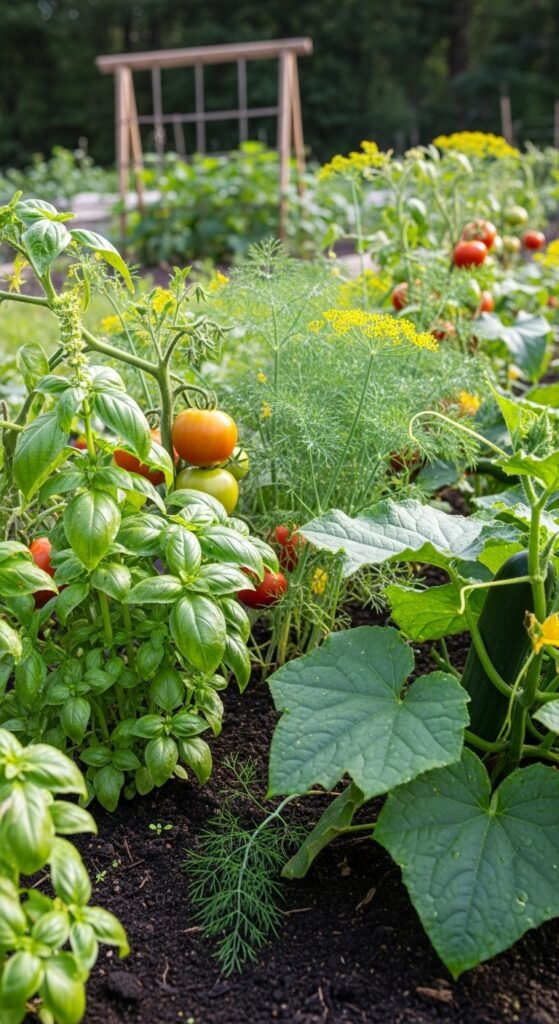
Companion planting improves yields, reduces chemical needs, and promotes biodiversity. It creates balanced ecosystems. Plan layouts based on synergies, interspersing herbs evenly. Monitor for compatibility, rotating yearly. Companion planting herbs maximizes garden health, yielding robust harvests with ecological benefits.
13) Balcony Herb Garden Setup
Utilize railing planters and shelves on balconies for herbs like mint and parsley. Opt for compact varieties to suit limited space.
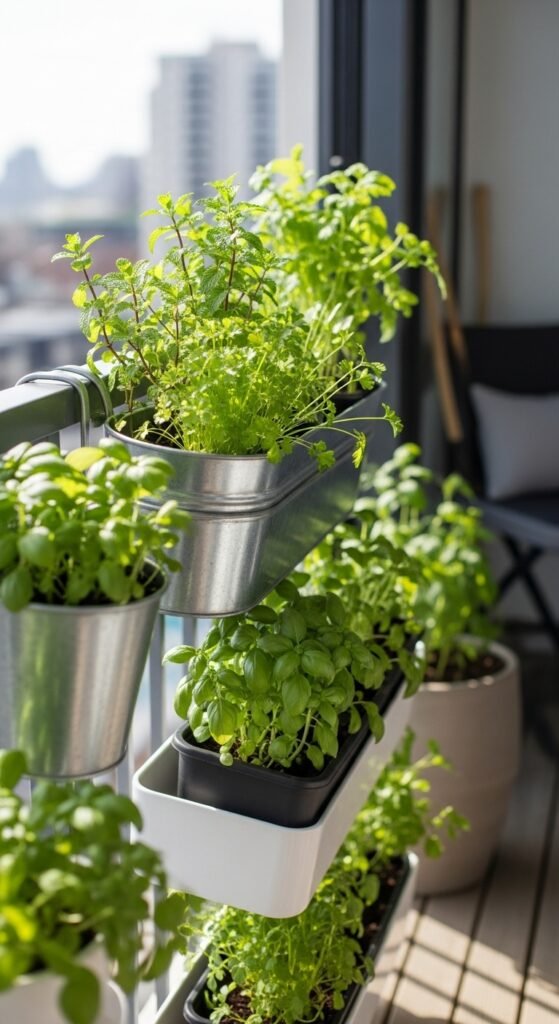
This urban solution brings greenery to apartments, providing fresh herbs without yard access. It improves air quality in confined areas. Secure containers, use self-watering pots, and position for 4-6 hours of sun. Rotate for even growth, harvesting often. Balcony designs prove that small spaces can support abundant, convenient herb production.
14) Hydroponic Herb Growing System
Set up a hydroponic unit with nutrient-rich water circulating through channels, growing herbs like basil and cilantro without soil.
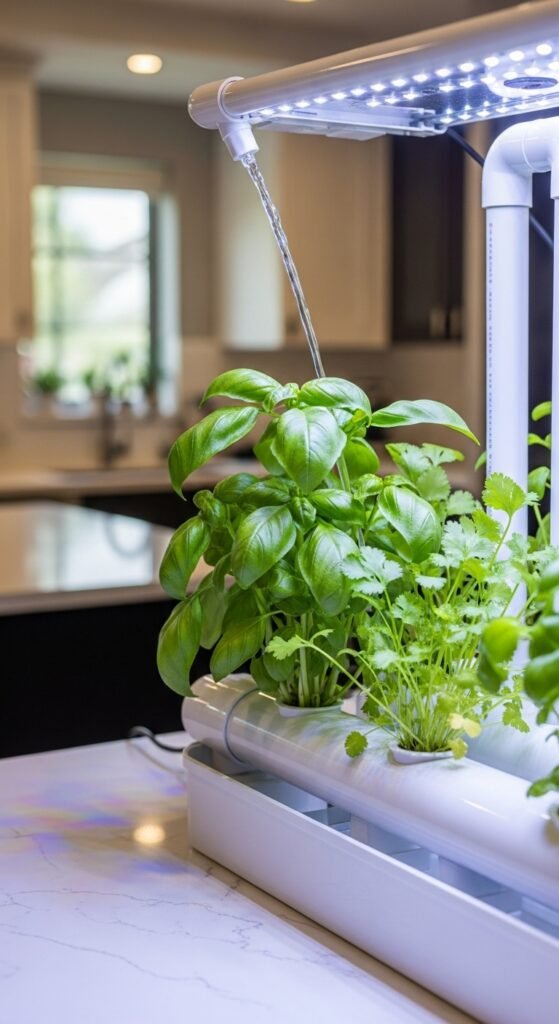
Hydroponics accelerates growth, conserves water, and eliminates soil pests. It’s ideal for indoor or controlled environments. Assemble a kit or DIY with PVC pipes, add grow lights if needed, and monitor pH levels. Change solution biweekly. This modern approach delivers year-round herbs efficiently, even in non-traditional spaces.
15) Themed Herb Garden Collection
Curate themes like a tea garden with mint, chamomile, and lemon verbena, or a culinary one with oregano and sage, in dedicated beds or pots.
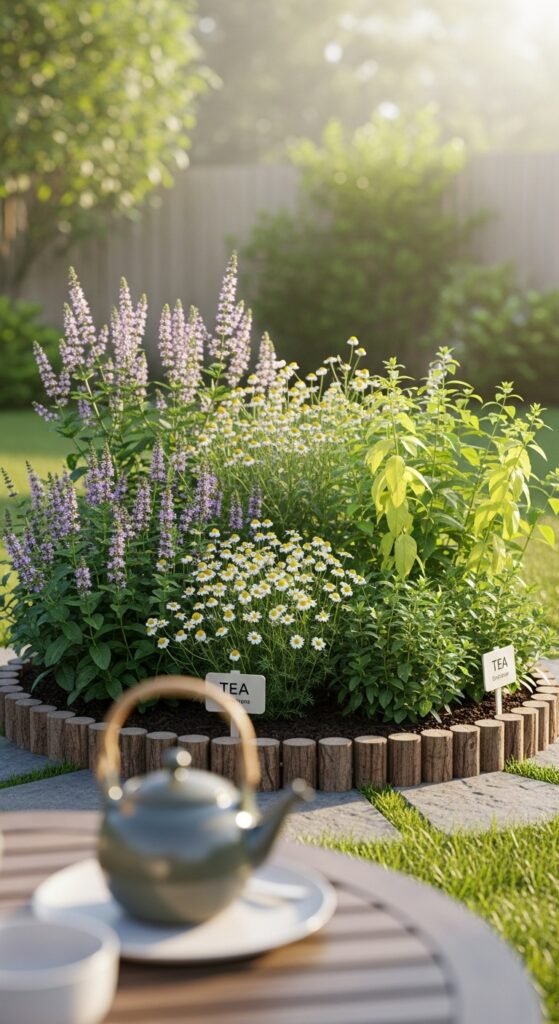
Theming adds purpose and organization, tailoring to your interests while simplifying selection. It enhances enjoyment through focused harvesting. Designate areas, label themes, and plant complementary herbs. Maintain by grouping similar care needs. Tea herbs to grow exemplify this, creating specialized, inspiring gardens that align with your lifestyle.
Key Principles for Successful Herb Garden Design
Location and Sunlight Considerations
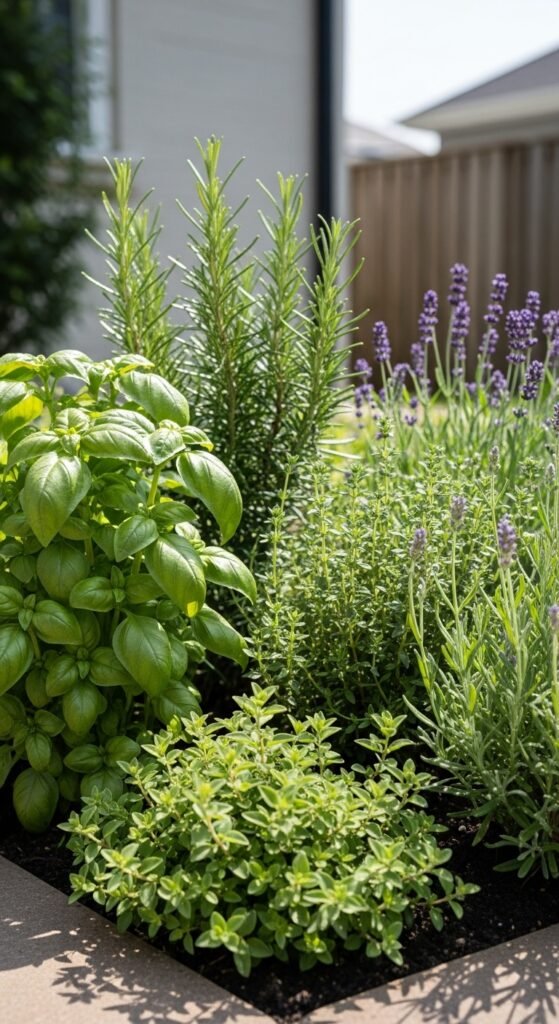
Select sites with 6-8 hours of daily sun, as most herbs thrive in bright conditions. South-facing spots are ideal; assess your space to avoid shadows from structures.
Soil and Drainage Essentials
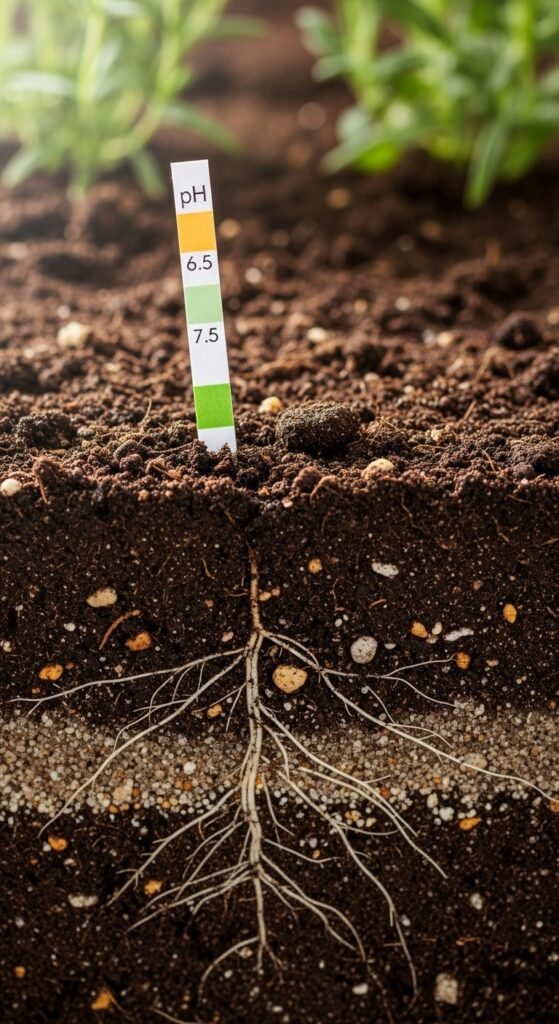
Use well-draining, loamy soil with pH 6-7. Amend clay or sandy soils with compost to prevent root rot and support nutrient uptake.
Maintenance and Harvesting Tips
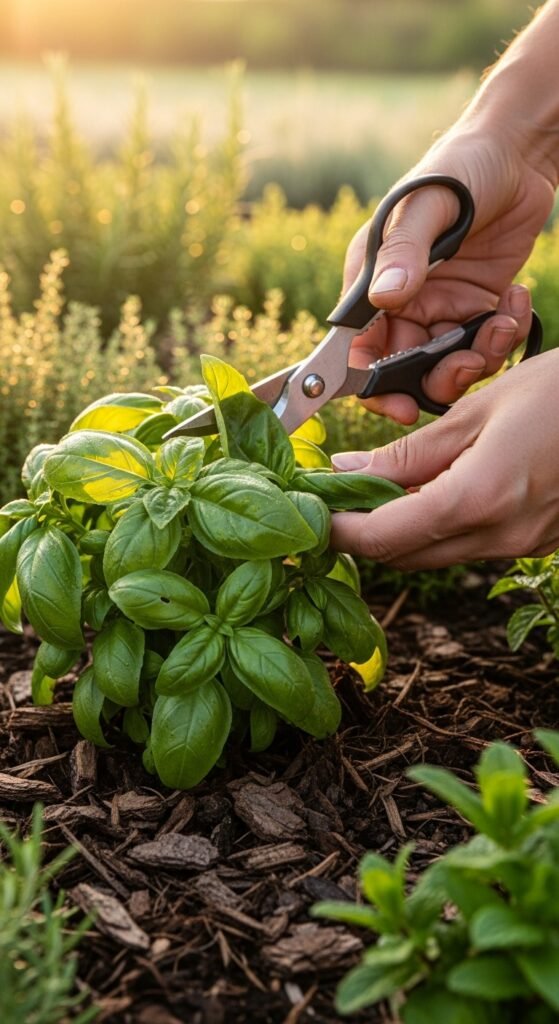
Water consistently but avoid sogginess; mulch to retain moisture. Prune regularly to promote bushiness and harvest in mornings for peak flavor.
Frequently Asked Questions
What are the best herbs for a beginner’s garden?
Start with hardy options like basil, mint, and rosemary, which grow quickly and tolerate minor care lapses while providing versatile uses.
How much space do I need for an herb garden?
A small 4×4 foot area or a few pots suffice for basics; scale up based on variety, ensuring each plant has 12-18 inches of space.
Can herbs grow indoors successfully?
Yes, with sufficient light from south-facing windows or grow lamps, proper pots, and consistent watering to mimic outdoor conditions.
When is the best time to plant herbs?
Spring after last frost is optimal for most; start seeds indoors earlier for transplants, ensuring soil warms to 60°F.
How do I prevent pests in my herb garden?
Encourage beneficial insects, use neem oil sprays, and maintain airflow; avoid overwatering to deter common issues like aphids.