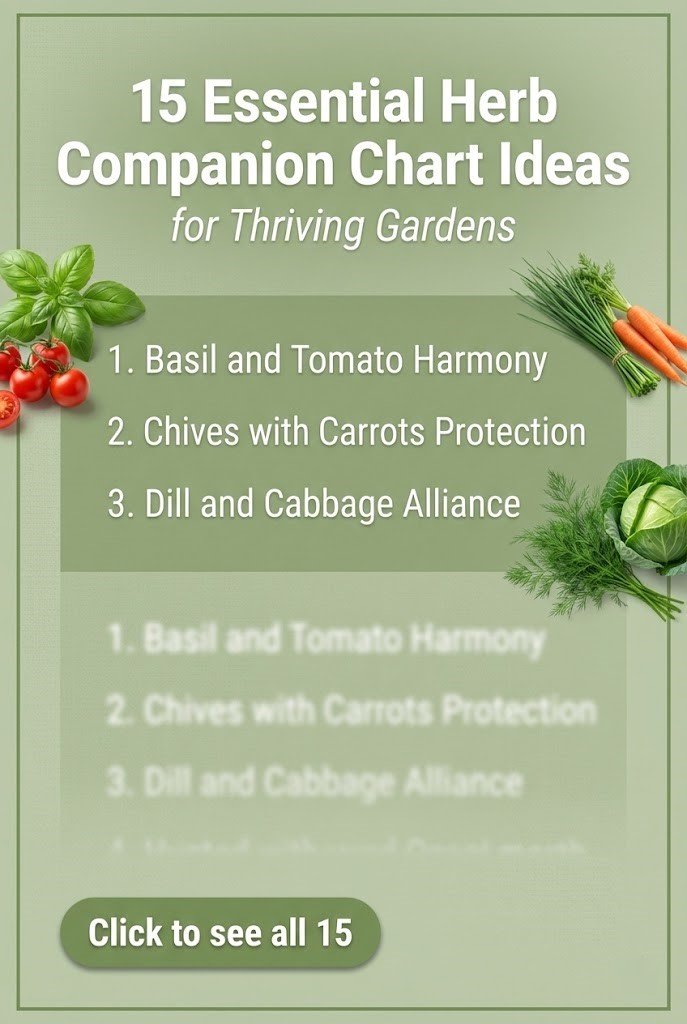
Unlocking the secrets of a successful herb garden often lies in understanding the herb companion chart. This invaluable tool guides you in pairing herbs that support each other’s growth, deter pests, and enhance flavors naturally. By strategically planting compatible herbs together, you create a harmonious ecosystem that boosts productivity and reduces the need for chemical interventions.
Whether you’re a novice gardener or a seasoned pro, incorporating these herb companion chart ideas can transform your space into a bountiful haven. You’ll enjoy healthier plants, improved soil quality, and even better-tasting harvests. Dive into these pairings to optimize your garden’s potential and make the most of every square inch.
From classic combinations to innovative groupings, these ideas draw from time-tested practices. For inspiration on arranging these pairs, explore our herb garden layout ideas to visualize your setup.
1) Basil and Tomato Harmony
You’ll love planting basil alongside tomatoes as a classic from any herb companion chart. This duo thrives because basil repels pests like aphids and hornworms that target tomatoes, while tomatoes provide shade for basil’s tender leaves. The result? Vigorous growth and enhanced flavor in both.
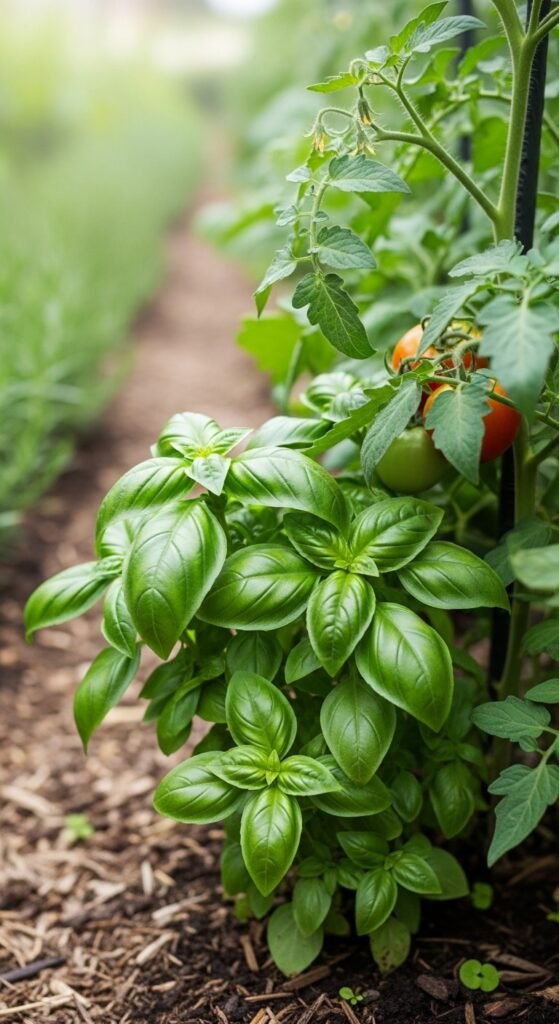
To implement this, space basil plants about 12 inches from tomato stems in well-drained soil with full sun. Water consistently but avoid overhead sprinkling to prevent fungal issues. As basil grows, pinch tops to encourage bushiness, creating a natural barrier. This pairing not only maximizes space but also attracts pollinators, boosting your overall yield.
For small spaces, consider container versions. Check out our herbs in containers guide for tips on potting this combo effectively. Expect healthier tomatoes with fewer interventions, making your garden more sustainable and enjoyable.
2) Chives with Carrots Protection
In your herb companion chart, pair chives with carrots for mutual benefits. Chives deter carrot flies with their strong onion-like scent, while carrots’ deep roots loosen soil for chives’ shallow system. This leads to reduced pest damage and improved soil aeration.
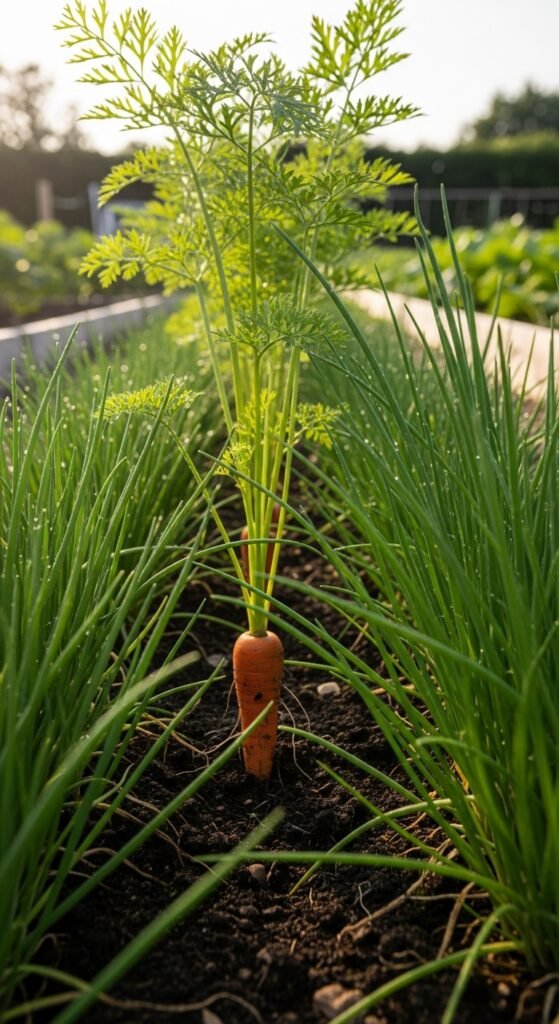
Plant chives around carrot rows, spacing 6-8 inches apart in sunny, fertile soil. Harvest chives regularly to promote new growth, which intensifies their protective aroma. This setup is ideal for raised beds, where you can easily monitor progress.
For elevated setups, our raised bed herb garden suggestions can help integrate this pair seamlessly. You’ll notice fewer infestations and sweeter carrots, turning potential problems into productive partnerships.
3) Dill and Cabbage Alliance
Dill shines in the herb companion chart when planted near cabbage. It attracts beneficial wasps that prey on cabbage worms, while cabbage’s structure supports dill’s tall stems. Enjoy natural pest control and sturdier herb growth.
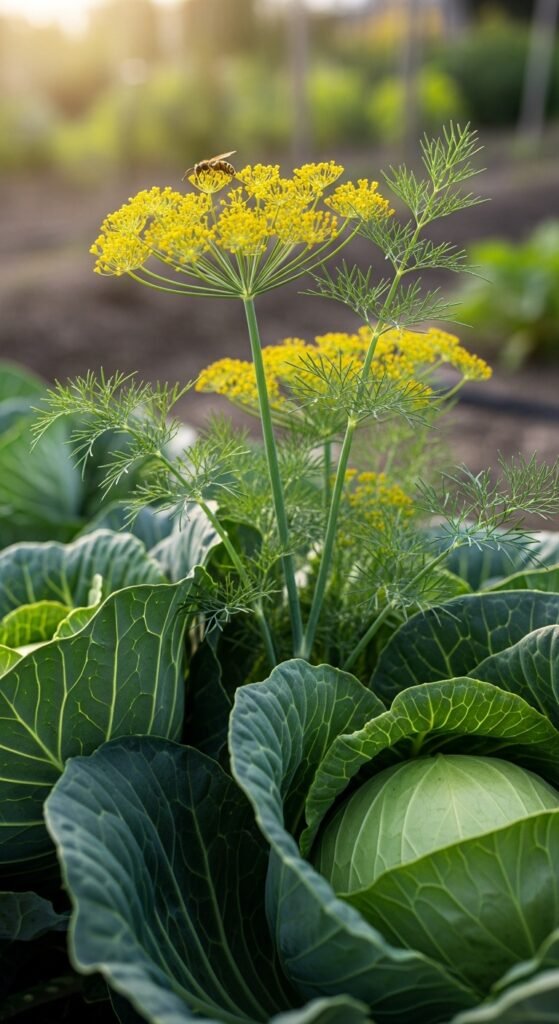
Sow dill seeds directly around cabbage transplants, ensuring 18 inches between plants for airflow. Both prefer cool weather and moist soil, so mulch to retain moisture. Harvest dill fronds before flowering to maintain vigor.
This combination works wonderfully in spiral designs; see our spiral herb garden for creative layouts. Your cabbage heads will be plumper and worm-free, enhancing your harvest quality.
4) Mint with Peas Refreshment
Your herb companion chart recommends mint beside peas for invigorating results. Mint repels aphids that plague peas, and peas’ nitrogen-fixing enriches soil for mint. Reap pest deterrence and nutrient boost.
Contain mint in pots to prevent invasiveness, placing them near pea vines in partial shade. Water deeply but infrequently, allowing soil to dry slightly. This prevents root rot while supporting pea pod development.
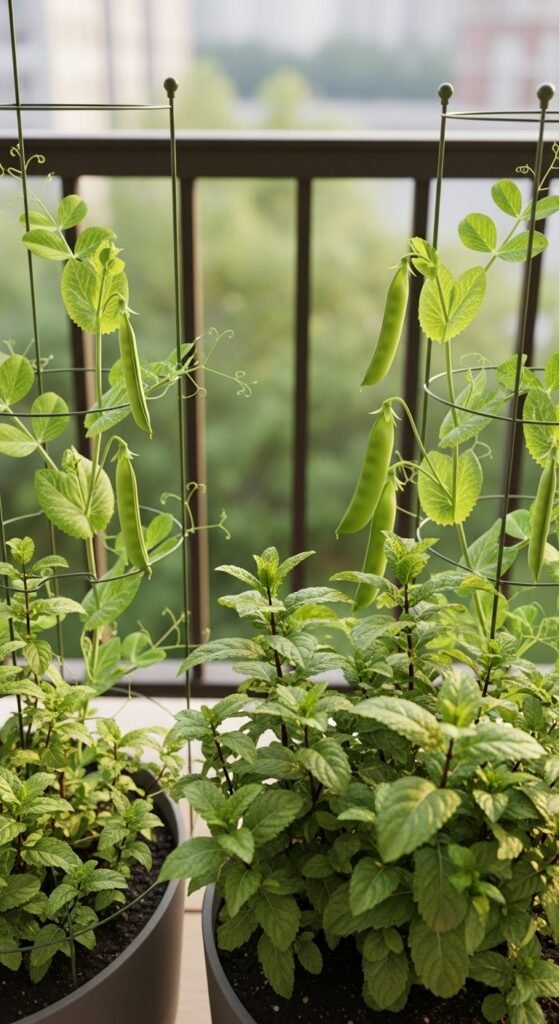
For balcony adaptations, our balcony herb garden offers space-saving tips. You’ll harvest more flavorful peas and abundant mint leaves for teas and cuisines.
5) Oregano and Peppers Synergy
Oregano pairs excellently with peppers in the herb companion chart. Its antimicrobial properties help prevent pepper diseases, while peppers’ height shades oregano from intense sun. Achieve disease resistance and balanced growth.
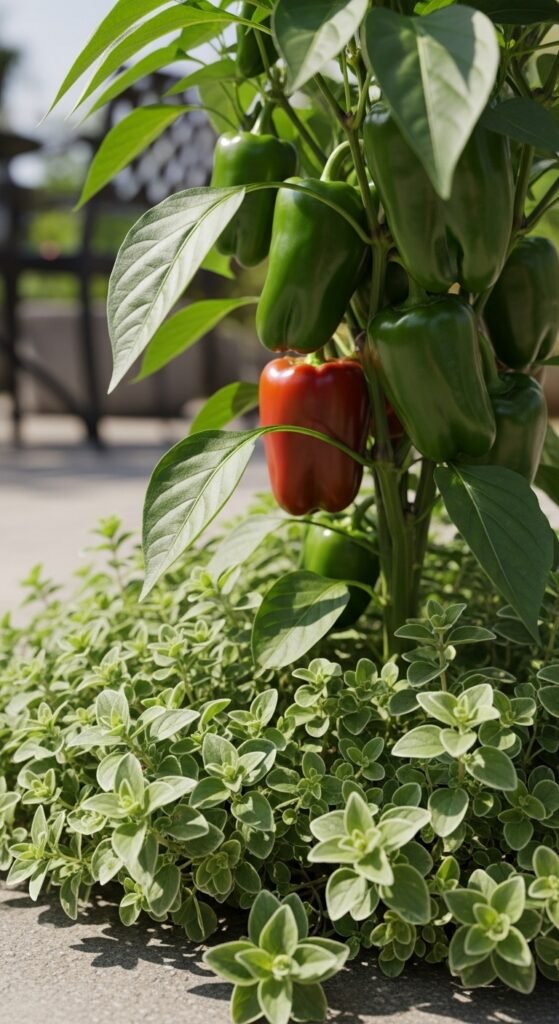
Plant oregano at pepper bases, 12 inches apart in sunny, well-drained areas. Prune oregano regularly to encourage density, creating ground cover that suppresses weeds. Both thrive with moderate watering.
Incorporate this into patio setups using ideas from patio herb garden ideas. Expect spicier peppers and robust oregano for your culinary needs.
6) Parsley and Asparagus Support
Include parsley with asparagus in your herb companion chart for enduring benefits. Parsley attracts hoverflies that control asparagus beetles, and asparagus’ longevity provides structure. Gain long-term pest management and soil health.
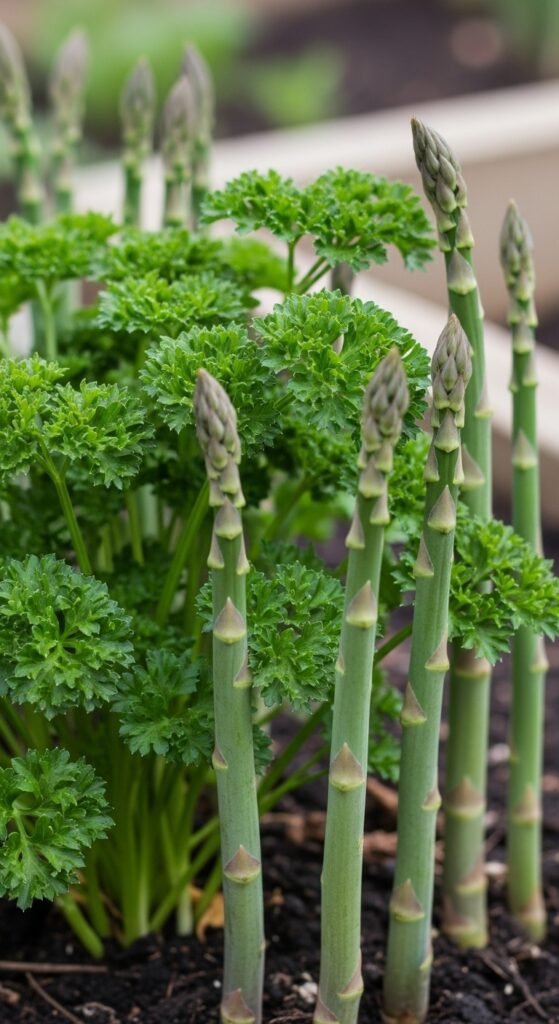
Interplant parsley among asparagus ferns, spacing 10 inches in rich, moist soil. Harvest parsley leaves throughout the season, allowing asparagus spears to emerge undisturbed. This perennial pairing builds over years.
For design inspiration, browse herb garden design ideas. Your asparagus yields will increase, paired with fresh parsley for garnishes.
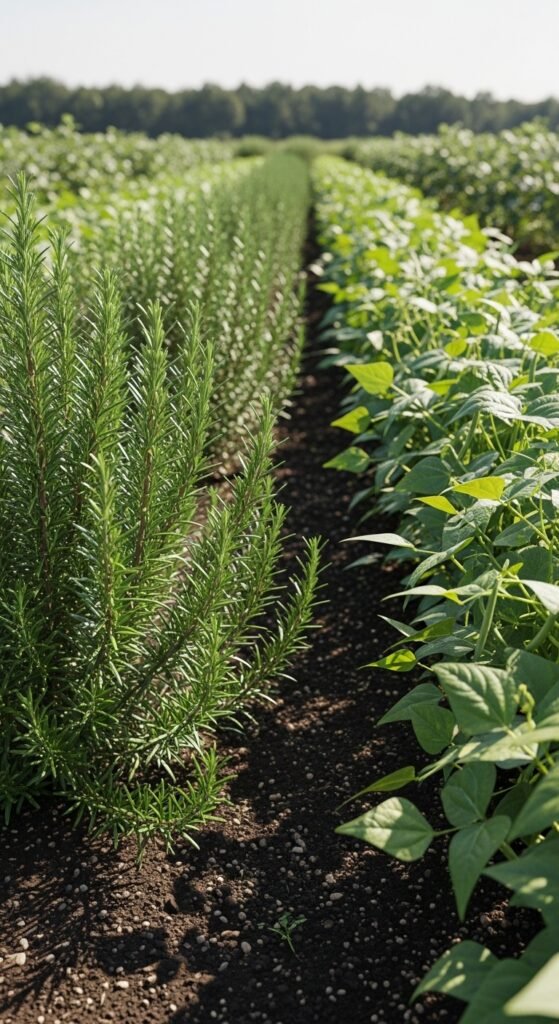
7) Rosemary and Beans Resilience
Rosemary enhances beans in the herb companion chart by repelling bean beetles. Beans fix nitrogen, benefiting rosemary’s nutrient needs. Secure insect protection and soil enrichment.
Position rosemary bushes near bean rows, 24 inches apart in full sun. Water at the base to avoid foliage diseases, and mulch for moisture retention. This woody herb adds evergreen interest.
Adapt for small areas with companion planting herbs strategies. Harvest bountiful beans and aromatic rosemary sprigs.
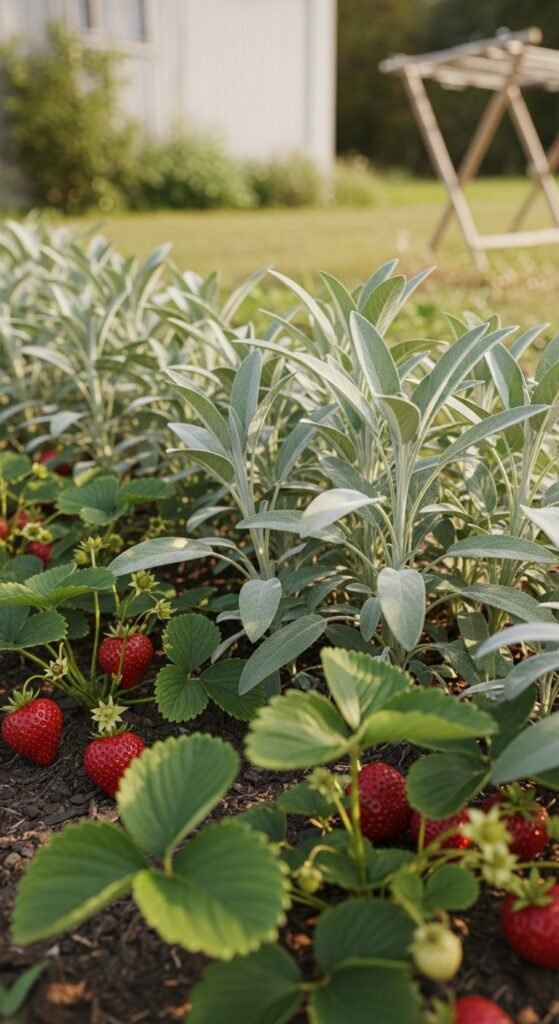
8) Sage and Strawberries Balance
Sage is a stellar companion for strawberries in your chart, deterring slugs and fungal issues. Strawberries’ ground cover keeps soil cool for sage roots. Attain fungal prevention and moisture conservation.
Plant sage around strawberry patches, spacing 18 inches in sunny, dry soil. Trim sage after flowering to maintain shape and vigor. This combo excels in borders or containers.
Explore drying methods post-harvest via drying herbs at home. Enjoy sweeter strawberries and versatile sage for seasonings.
9) Thyme and Eggplant Defense
Thyme protects eggplant in the herb companion chart by repelling flea beetles. Eggplant’s shade benefits thyme’s low growth. Obtain pest repulsion and microclimate improvement.
Scatter thyme plants beneath eggplants, 8 inches apart in warm, well-drained spots. Harvest thyme stems regularly to promote bushiness. Both appreciate consistent moisture without sogginess.
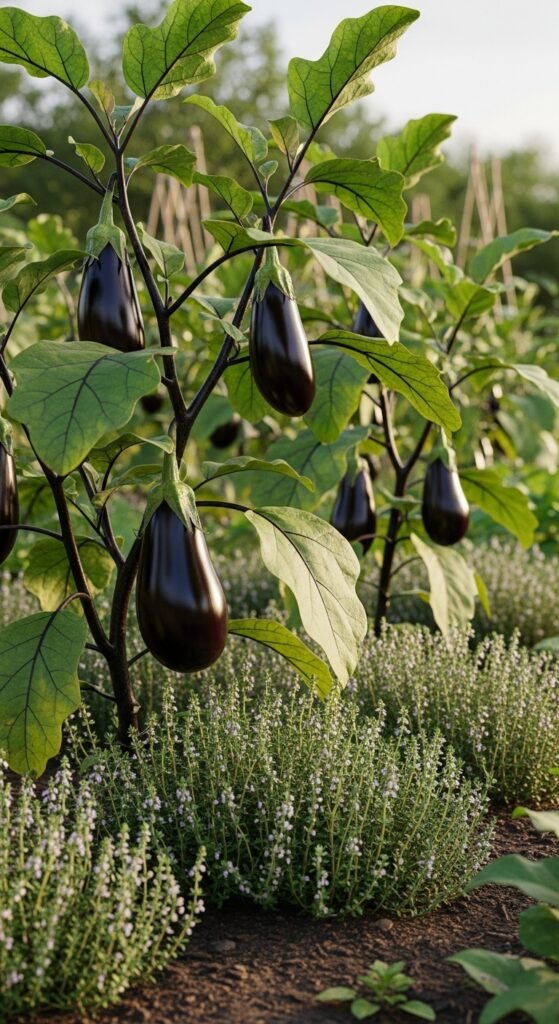
For guild-inspired arrangements, reference permaculture guilds. Your eggplants will be blemish-free, with thyme adding culinary depth.
10) Cilantro and Spinach Cooling
Cilantro pairs with spinach in the chart to provide shade, preventing bolting. Spinach’s leaves mulch soil for cilantro. Realize extended harvest and weed suppression.
Sow cilantro seeds around spinach, thinning to 6 inches in cool, partial shade. Succession plant for continuous supply, watering evenly. This quick-growing duo suits spring gardens.
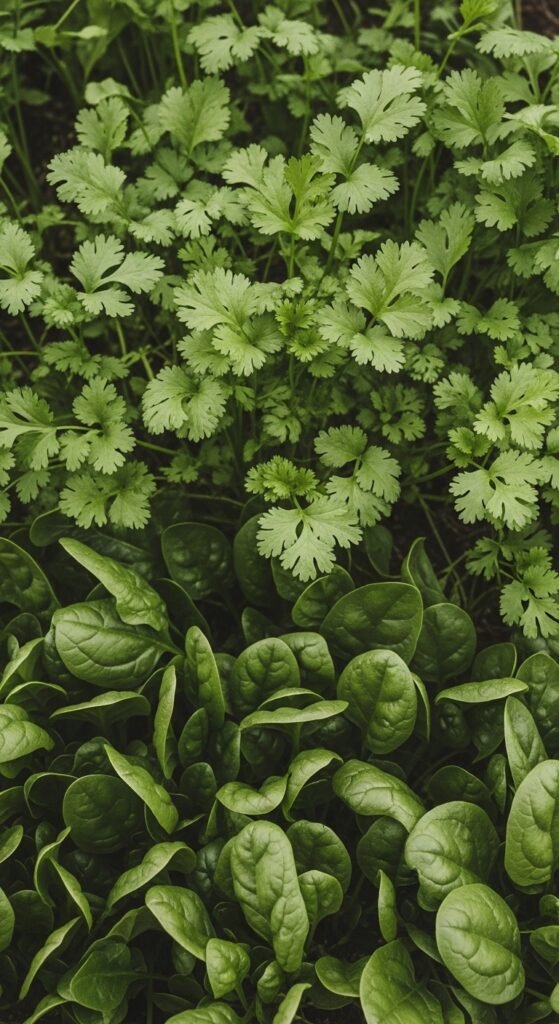
Your salads will feature fresh greens and zesty cilantro, optimizing cool-season productivity.
11) Lavender and Roses Elegance
Lavender complements roses in your herb companion chart, repelling aphids and enhancing fragrance. Roses offer structural support for lavender. Acquire aromatic enhancement and pest deterrence.
Plant lavender at rose bases, 12 inches apart in sunny, alkaline soil. Prune both post-bloom for health. This ornamental pairing elevates garden aesthetics.
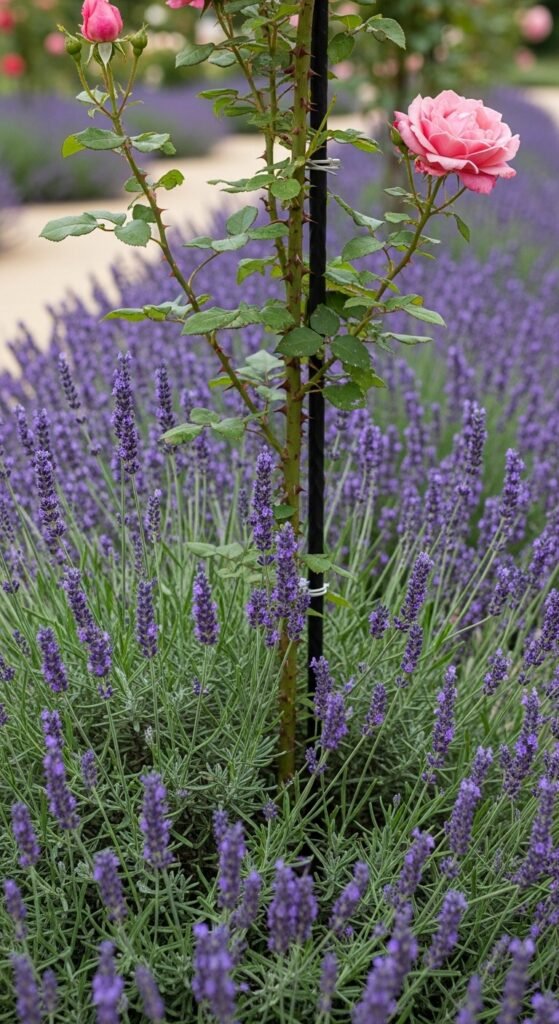
Harvest lavender for sachets, with roses blooming profusely and pest-free.
12) Fennel and Beneficial Insects Draw
Fennel stands out in the herb companion chart for attracting predatory wasps. Plant it peripherally to draw beneficials without inhibiting others. Benefit from ecosystem balance and pollination boost.
Isolate fennel in dedicated spots, allowing self-seeding in full sun. Harvest bulbs and seeds, observing insect activity. This herb supports overall garden health.
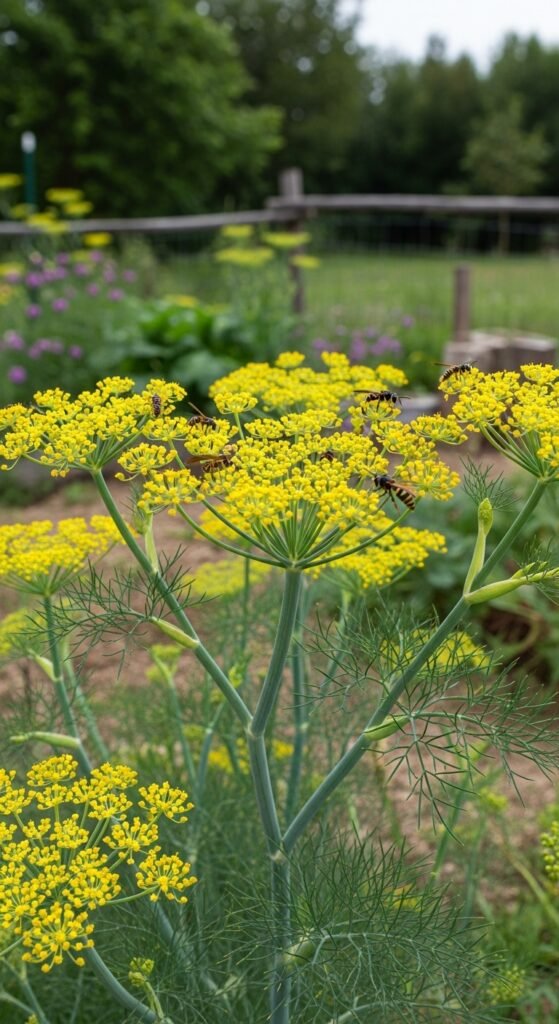
Your entire plot will thrive with increased biodiversity and natural pest control.
13) Tarragon and Eggplant Flavor Boost
Tarragon enhances eggplant in the chart by improving flavor and deterring pests. Eggplant’s warmth suits tarragon’s needs. Secure taste elevation and growth synergy.
Place tarragon near eggplants, spacing 15 inches in protected areas. Divide tarragon every few years for vitality. Both prefer moderate watering.
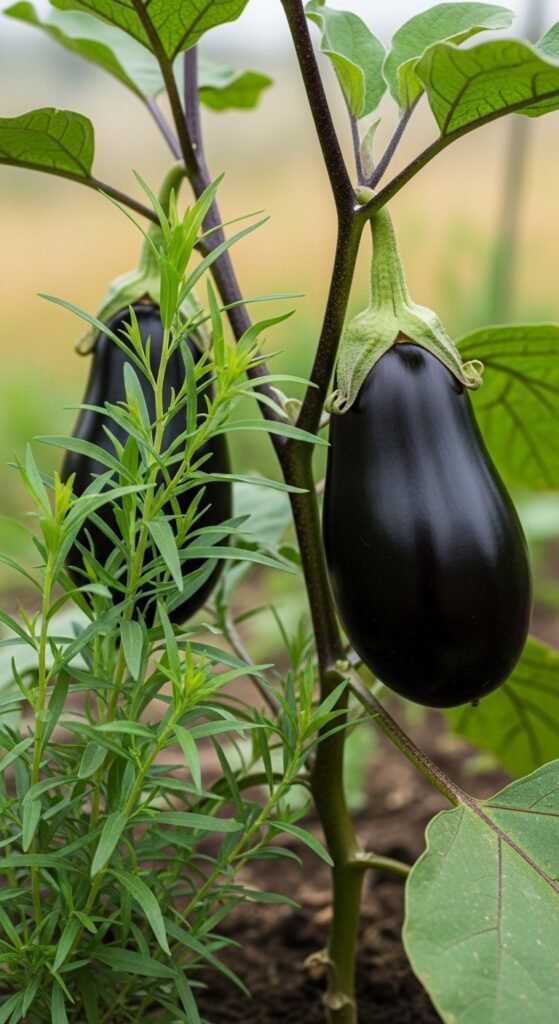
Harvest tender tarragon leaves to complement your eggplant dishes beautifully.
14) Borage and Tomatoes Vitality
Borage invigorates tomatoes in your herb companion chart, attracting pollinators and improving soil. Tomatoes benefit from increased fruit set. Gain pollination enhancement and soil conditioning.
Interspersed borage among tomatoes, 18 inches apart in sunny beds. Allow borage to flower for bee attraction. This edible flower adds garden charm.
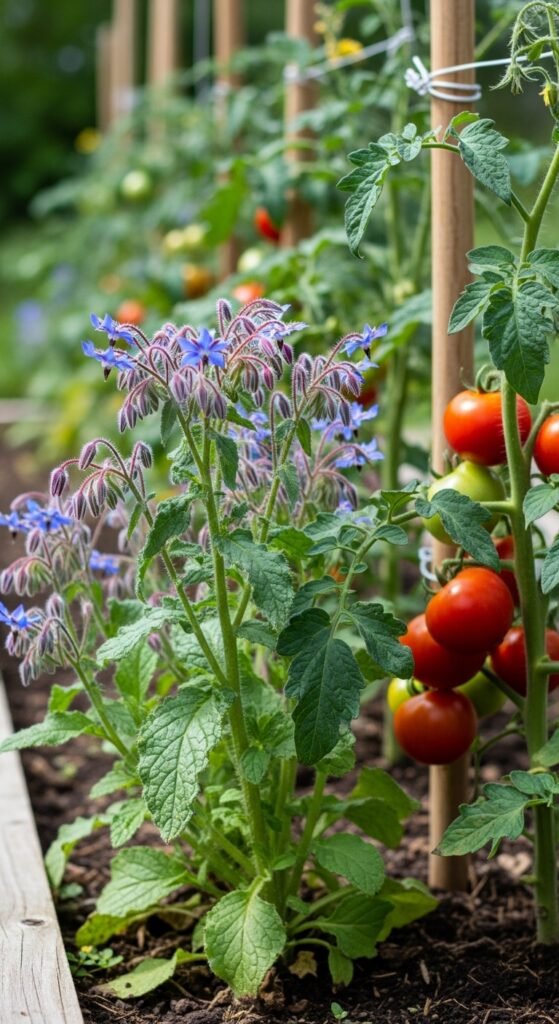
Expect juicier tomatoes and versatile borage for salads and teas.
15) Marjoram and Peppers Warmth
Marjoram warms peppers in the chart, sharing similar needs and deterring insects. Peppers’ spice complements marjoram’s sweetness. Achieve companion comfort and flavor harmony.
Plant marjoram alongside peppers, 10 inches apart in heat-retaining soil. Shear marjoram for compactness. This Mediterranean pair thrives together.
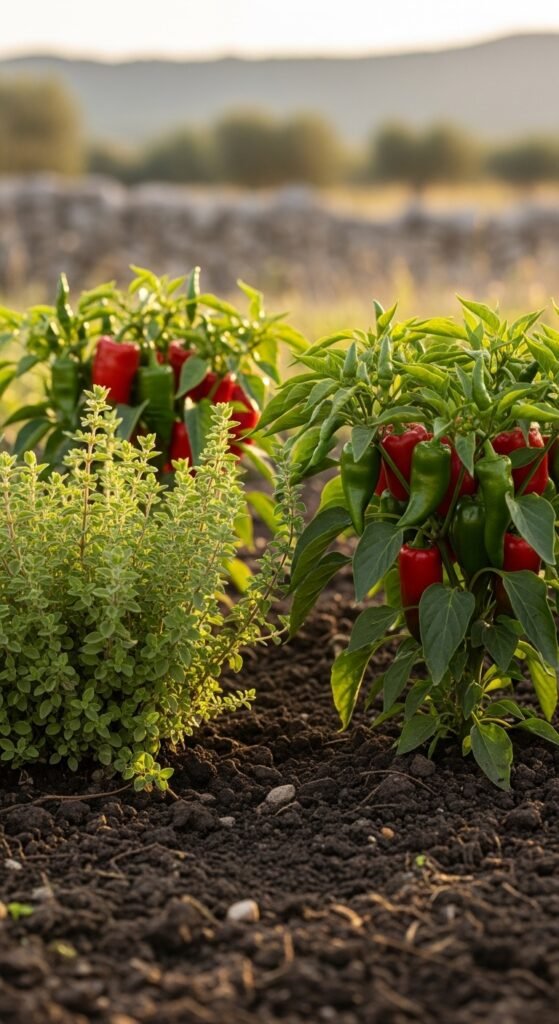
Your peppers will be robust, with marjoram elevating culinary creations.
Key Principles of Herb Companion Planting
Pest Repellent Strategies
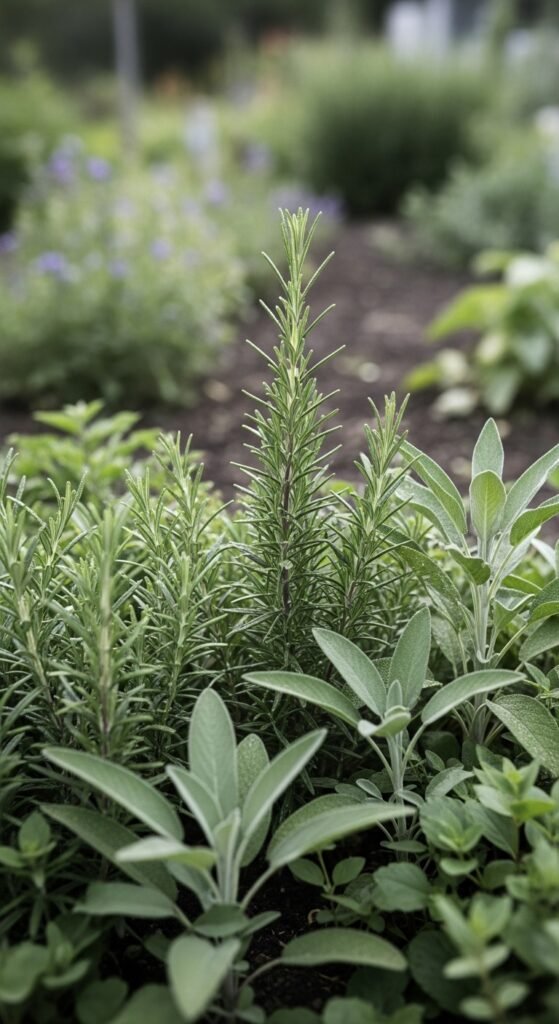
You can leverage aromatic herbs like rosemary and sage to naturally ward off insects, creating a protective barrier for vulnerable plants.
Nutrient Sharing Dynamics
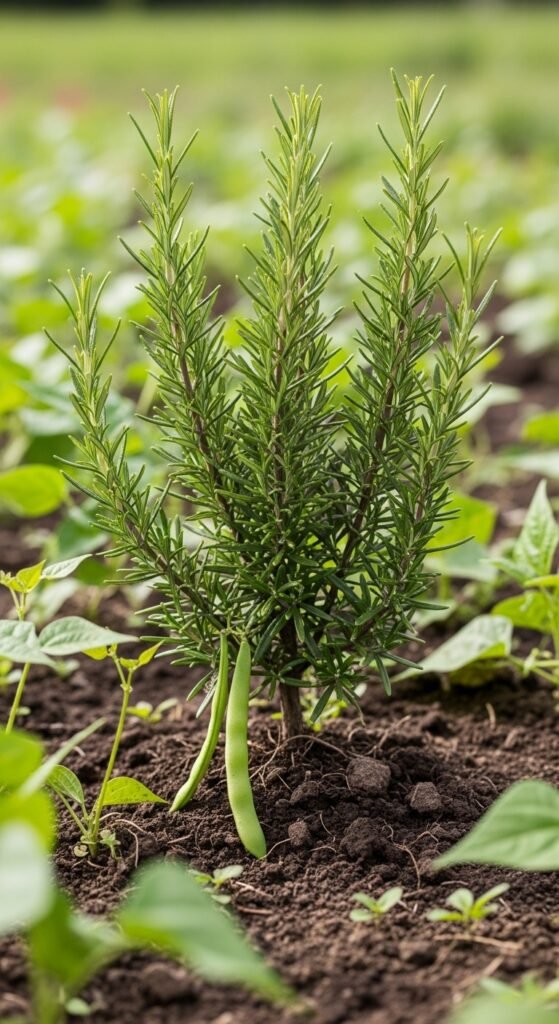
Pair nitrogen-fixers such as beans with heavy feeders like rosemary to maintain soil fertility without additional fertilizers.
Space Optimization Techniques
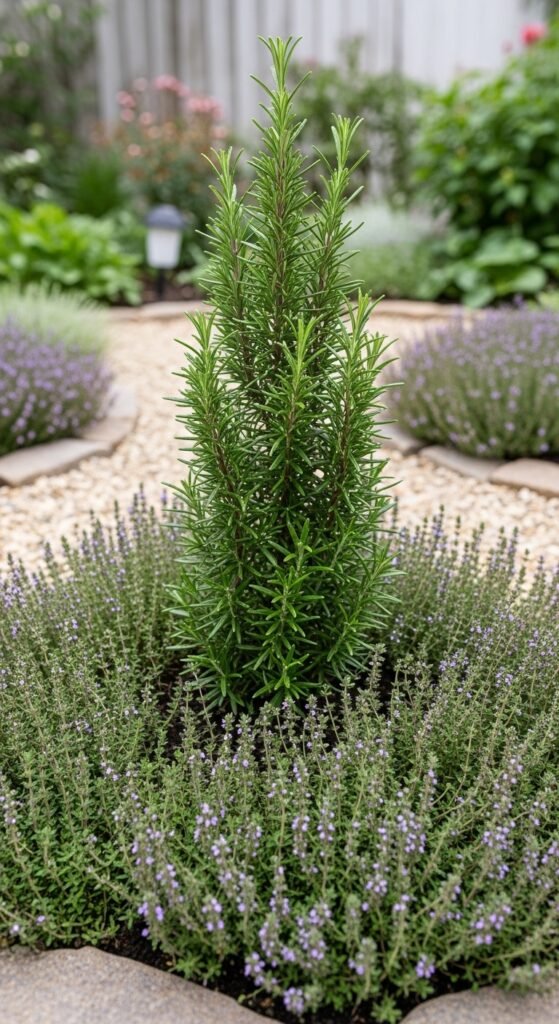
Utilize vertical and ground-cover herbs to maximize garden real estate, ensuring efficient use of sunlight and resources.
Frequently Asked Questions
What is a herb companion chart?
A herb companion chart is a guide that outlines which herbs grow well together, highlighting beneficial pairings for optimal garden health and productivity.
Can all herbs be planted together?
Not all herbs are compatible; some like mint can be invasive and should be contained, while others thrive in specific combinations for best results.
How does companion planting benefit herbs?
Companion planting improves pest control, enhances flavors, and promotes healthier growth by creating symbiotic relationships among plants.
When should I start planning my herb companions?
Plan your herb companions before planting season, considering your garden’s layout, soil, and sunlight to ensure successful integration.
Are there herbs that should never be planted together?
Yes, avoid planting fennel near most herbs as it can inhibit growth; similarly, keep mint isolated to prevent it from overtaking others.