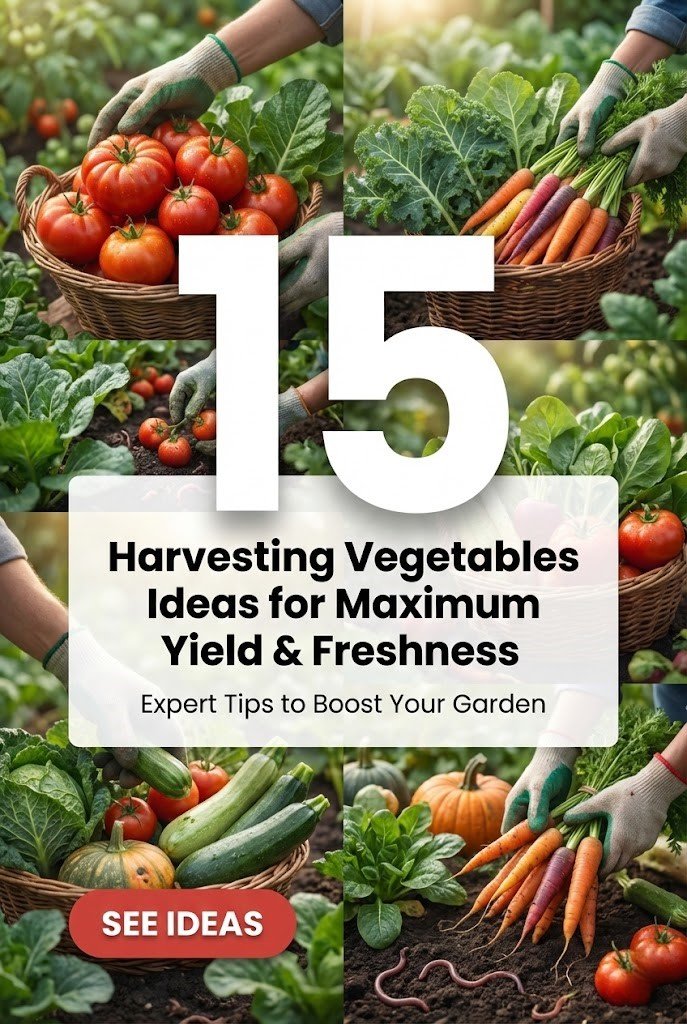
Harvesting vegetables at the optimal time ensures you enjoy the peak flavor and nutritional value from your garden. This process involves observing signs of ripeness, using appropriate techniques, and handling produce carefully to avoid damage. By mastering harvesting vegetables, you can extend the productivity of your plants and reduce waste, leading to a more bountiful and sustainable gardening experience.
The value of proper harvesting extends beyond immediate consumption; it influences storage life and future crop health. When you harvest thoughtfully, plants often continue producing, maximizing your garden’s output. Incorporating these harvesting vegetables ideas will help you achieve professional-level results, whether you manage a small plot or an extensive vegetable patch.
Below, explore 15 practical ideas to refine your approach, each focusing on specific aspects of the harvesting process.
1) Observe Ripeness Cues
You must learn to identify visual and tactile indicators of vegetable maturity to ensure optimal harvesting. For instance, tomatoes should yield slightly to gentle pressure and display vibrant color, while carrots reach readiness when their shoulders emerge from the soil. This idea emphasizes understanding each vegetable’s unique signals, preventing premature picking that results in bland flavors or overripe produce that spoils quickly.
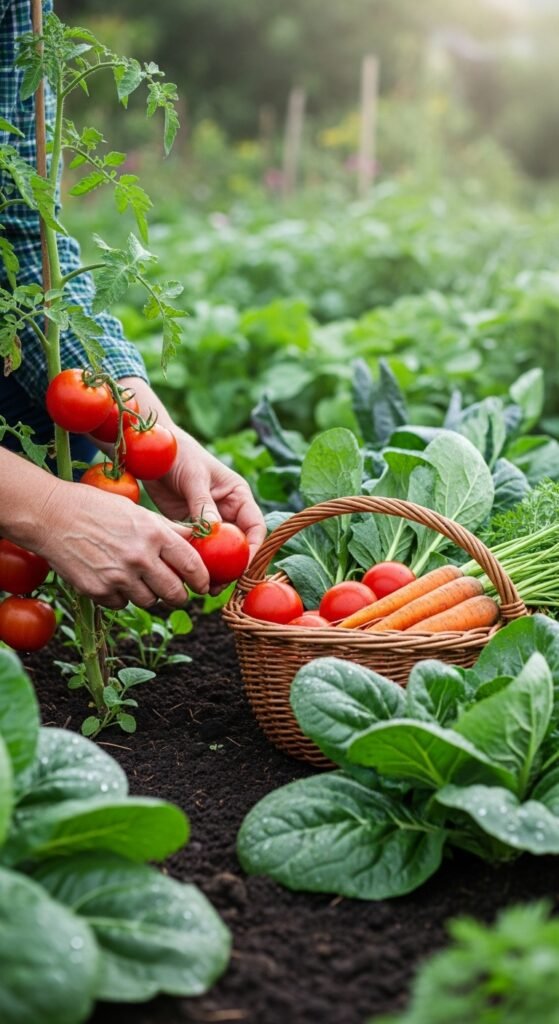
Key benefits include enhanced taste and prolonged shelf life. To implement, inspect your garden daily during peak seasons, noting changes in size, color, and texture. This proactive monitoring allows you to harvest at the precise moment, boosting overall yield. For root vegetables like sweet potatoes, consider techniques outlined in resources on harvesting sweet potatoes to avoid bruising.
Why this matters: Harvesting too early limits nutrient accumulation, while delays invite pests or decay. By honing this skill, you cultivate a more efficient garden cycle.
2) Harvest in the Early Morning
You should aim to gather vegetables during the cooler morning hours when moisture content is highest, preserving crispness and extending freshness. This timing minimizes stress on plants and reduces evaporation, ensuring harvested items remain hydrated and flavorful.
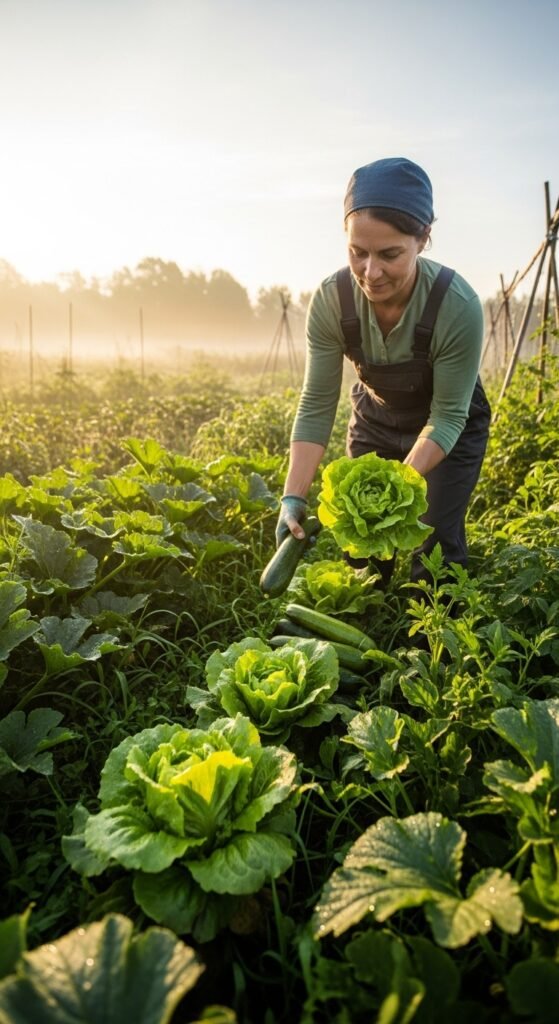
Key benefits encompass reduced wilting and improved storage potential. Approach by planning your routine around dawn, using gentle methods to pluck or cut produce. For leafy greens, this prevents heat-induced limpness, maintaining quality from garden to table.
Why adopt this: Afternoon heat accelerates dehydration, compromising texture and nutrition. Integrating morning harvests aligns with natural plant cycles, promoting sustained production. Explore related strategies in guides on fall vegetable gardens, where timing proves crucial for seasonal transitions.
3) Employ Sharp Cutting Tools
You need to utilize clean, sharp shears or knives to make precise cuts, minimizing plant trauma and disease risk. Dull tools can crush stems, inviting infections and reducing future yields.
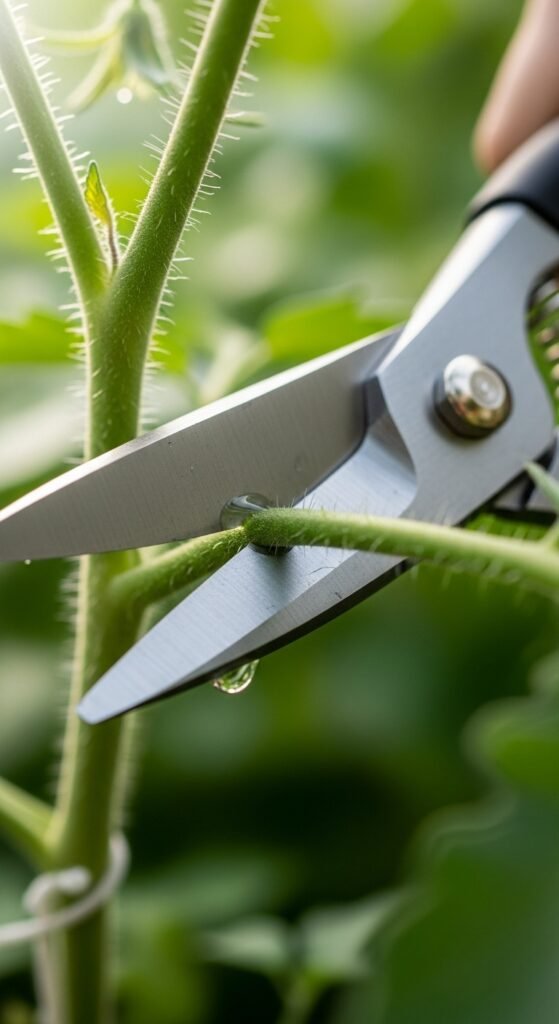
Key benefits include healthier plants and cleaner harvests. Sanitize tools before use and cut at a slight angle for quick healing. This technique is essential for vine crops, where improper severing can harm remaining fruits.
Why it is effective: Sharp tools ensure smooth separations, preserving plant vigor. Regular maintenance of equipment supports long-term garden health. For specific applications, such as squash, refer to advice on curing winter squash post-harvest.
4) Handle Produce Gently
You ought to treat vegetables with care during collection to prevent bruising, which accelerates spoilage and diminishes quality. Use both hands for larger items and avoid stacking heavily in baskets.
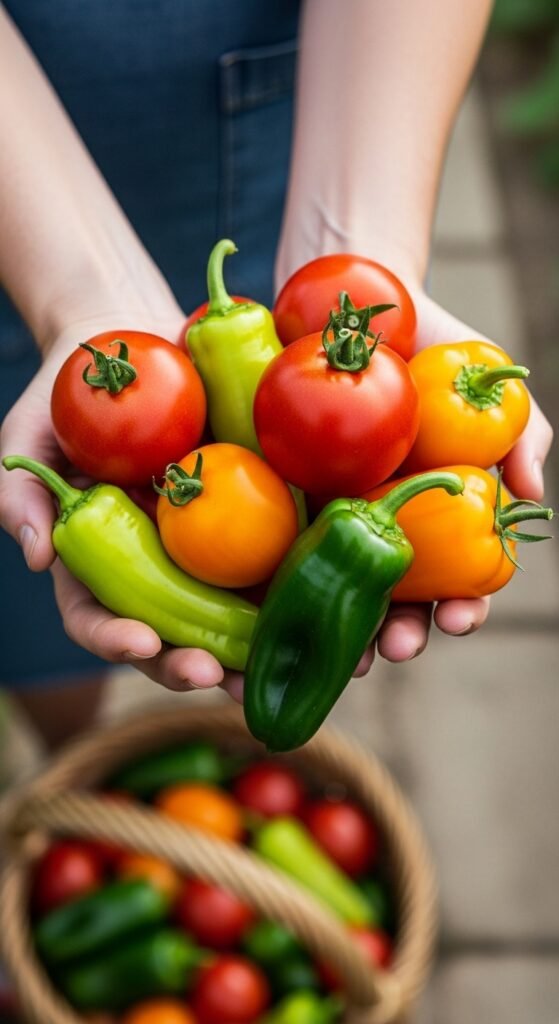
Key benefits feature extended edibility and aesthetic appeal. Place harvested goods in shallow containers, sorting by type to minimize pressure. This careful handling is vital for delicate items like tomatoes, ensuring they reach consumption in prime condition.
Why prioritize gentleness: Rough treatment creates entry points for pathogens, shortening shelf life. Adopting soft-touch methods enhances overall harvest success. Consider linking this to preservation, as in canning tomatoes for long-term storage.
5) Harvest Frequently for Continuous Yield
You can encourage ongoing production by picking ripe vegetables regularly, signaling plants to generate more fruits or leaves. This prevents energy diversion to overripe produce.
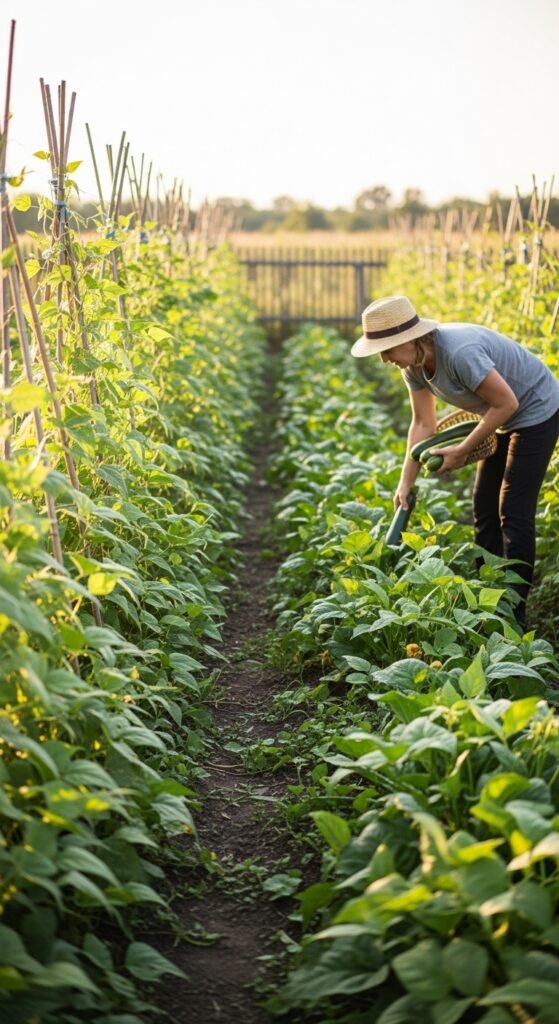
Key benefits involve increased total harvest and prolonged season. Check plants every few days, removing ready items promptly. Ideal for beans and zucchini, this practice maximizes output from limited space.
Why this sustains growth: Leaving mature vegetables depletes resources, halting new development. Frequent harvesting optimizes plant performance. For root crops, align with tips on storing carrots in sand to manage abundance.
6) Loosen Soil for Root Vegetables
You should gently aerate soil around root crops before pulling to ease extraction and avoid breakage. Use a fork to lift without damaging the produce.
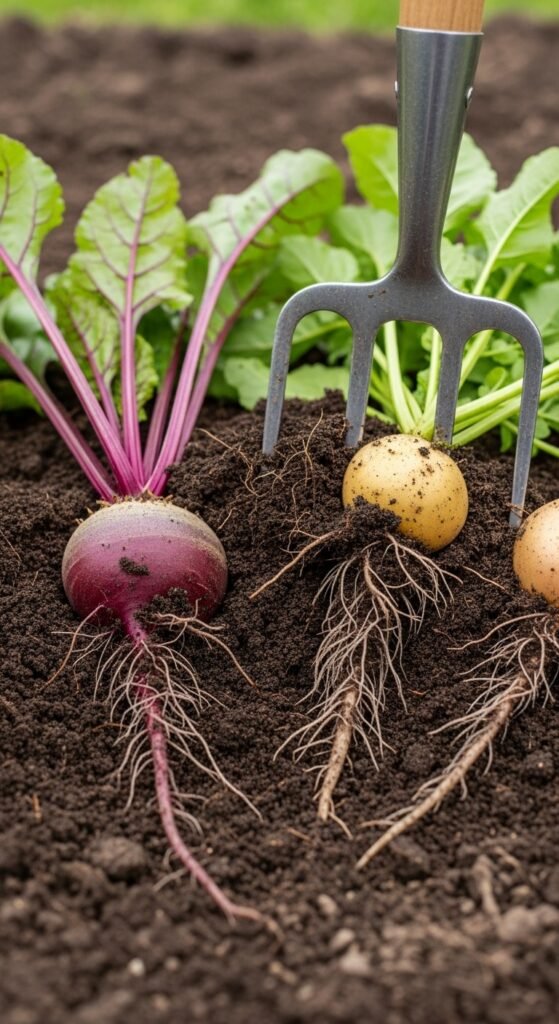
Key benefits include intact harvests and reduced waste. Water lightly beforehand if soil is dry, then fork around the base. This method preserves shape and quality for items like beets and potatoes.
Why it prevents harm: Forcing pulls can snap roots, rendering them unusable. Proper loosening ensures complete retrieval. Extend this to curing, as detailed in curing potatoes for storage.
7) Twist and Pull for Vine Fruits
You can detach tomatoes and similar vines by twisting gently until they release, minimizing stem damage. Support the fruit while turning to prevent falls.
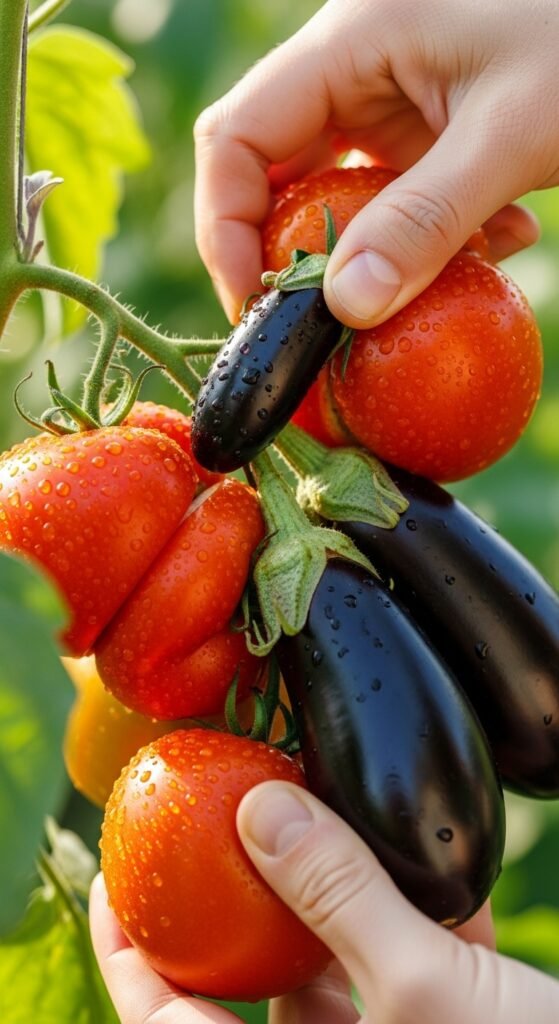
Key benefits encompass clean separations and plant health. This technique avoids tearing, which could invite diseases. Suitable for peppers and eggplants, it maintains vine integrity for further production.
Why effective: Pulling without twist risks vine injury. This controlled method supports sustained yields. For preservation options, explore pickled green beans as a post-harvest idea.
8) Cut Outer Leaves First
You ought to harvest leafy greens by removing outer leaves, allowing inner growth to continue. Use shears for clean cuts near the base.
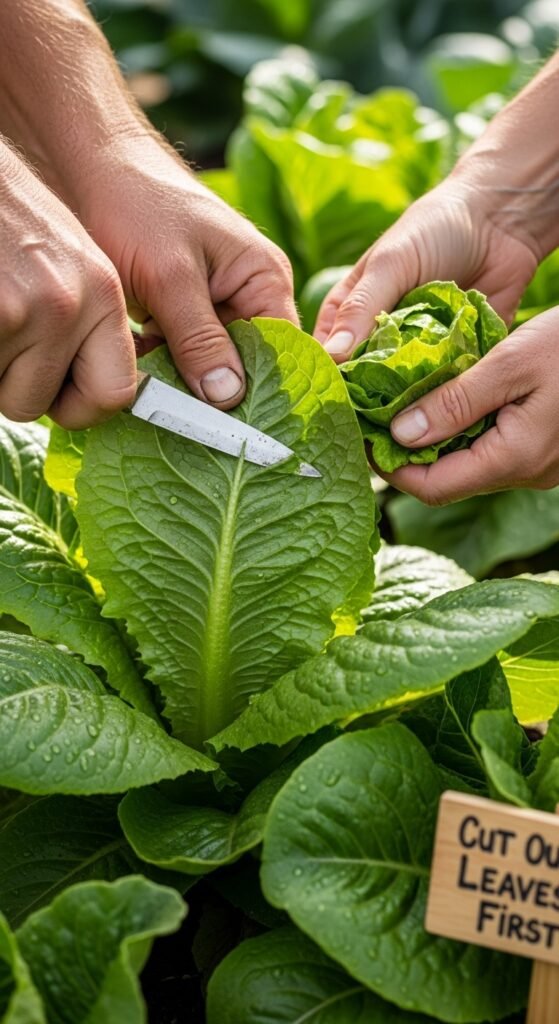
Key benefits feature extended harvesting periods and fresher produce. This selective approach keeps plants productive over weeks. Ideal for lettuce and kale, it optimizes space efficiency.
Why it prolongs seasons: Whole-plant removal ends production prematurely. Outer-leaf harvesting encourages regeneration. Pair with winter strategies from winter vegetable garden ideas.
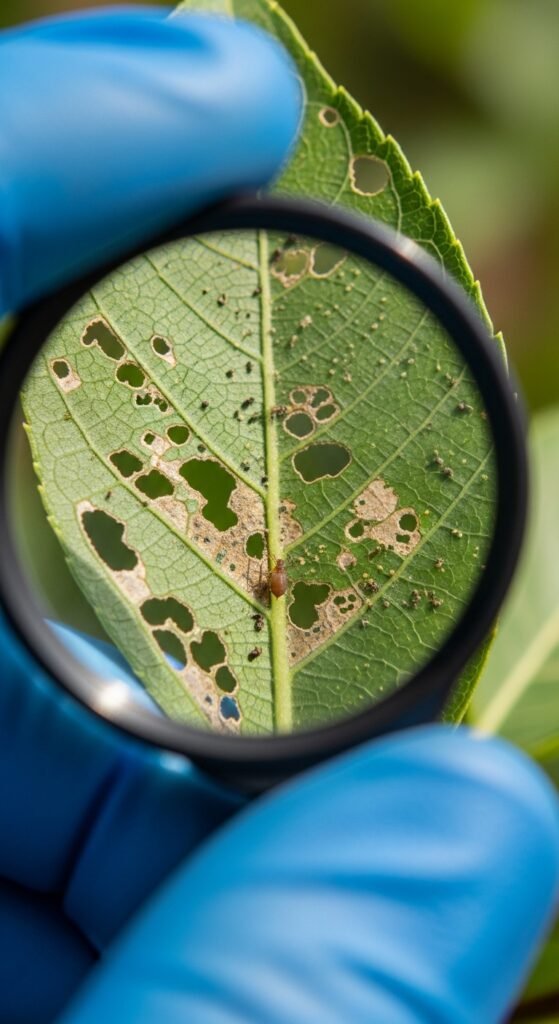
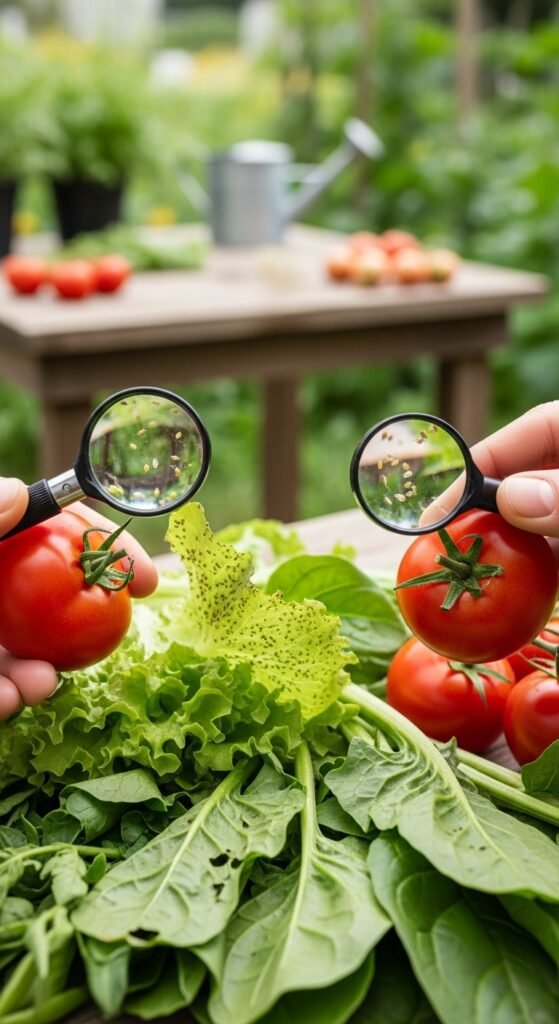
9) Check for Pest Damage
You must inspect vegetables for insects or disease during harvest, discarding affected items to prevent spread. This vigilance protects stored produce.
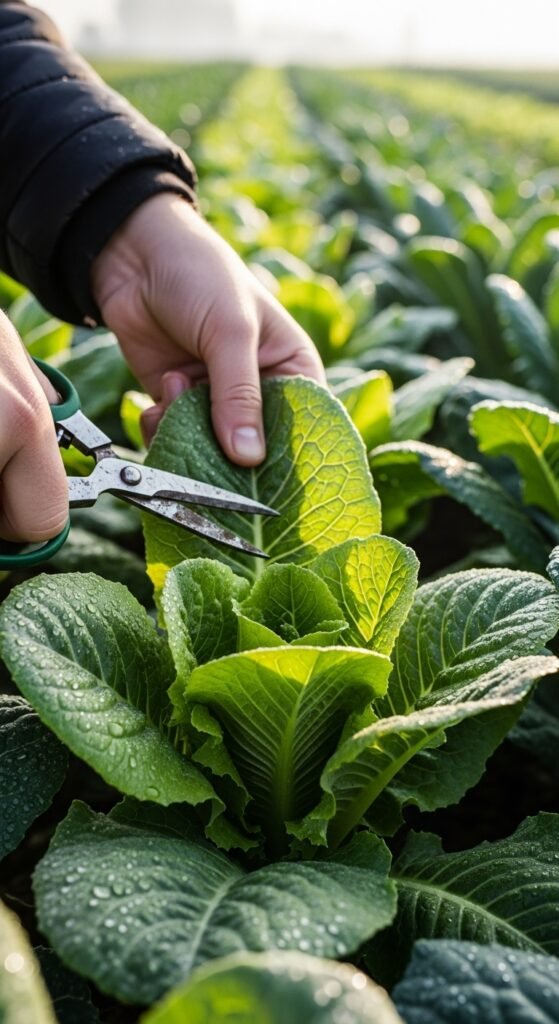
Key benefits include healthier stockpiles and reduced losses. Examine undersides and stems closely, isolating suspects. Essential for all types, this step maintains quality control.
Why crucial: Infested items can contaminate others. Routine checks safeguard your efforts. For related pest management, consider winter pest control techniques.
10) Cure Bulb Crops Properly
You need to allow onions and garlic to dry in a shaded, ventilated area post-harvest to enhance storage life. Spread them out singly.
Key benefits involve prolonged usability and flavor retention. Cure for several weeks until skins papery. This process is key for bulb vegetables, preventing rot.
Why necessary: Immediate storage invites moisture issues. Curing seals exteriors effectively. Similar to approaches in how to harvest pumpkins.
11) Use Baskets for Collection
You should employ ventilated baskets for gathering to promote airflow and prevent sweating. Avoid plastic bags that trap moisture.
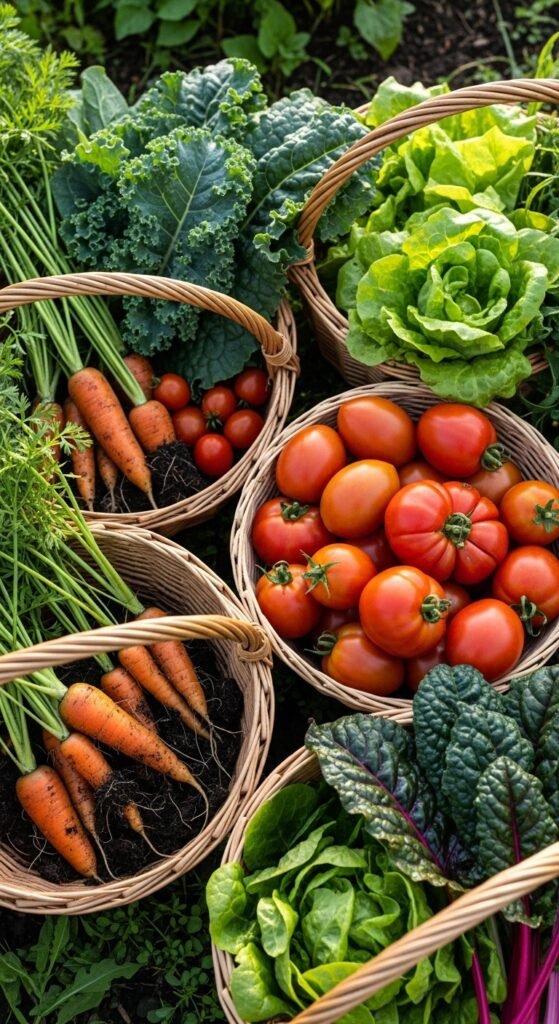
Key benefits encompass maintained freshness and ease of transport. Choose shallow designs to limit layering. Versatile for various vegetables, this aids in efficient fieldwork.
Why superior: Proper containers reduce bruising and spoilage. This simple tool enhances harvesting logistics. Align with seasonal planning from fall raspberry care.
12) Avoid Harvesting in Wet Conditions
You ought to wait for dry weather to harvest, as wet foliage spreads diseases. Postpone if rain is recent.
Key benefits feature disease prevention and better storage. Time activities for midday dryness if needed. Critical for leafy and fruiting vegetables, this protects crop health.
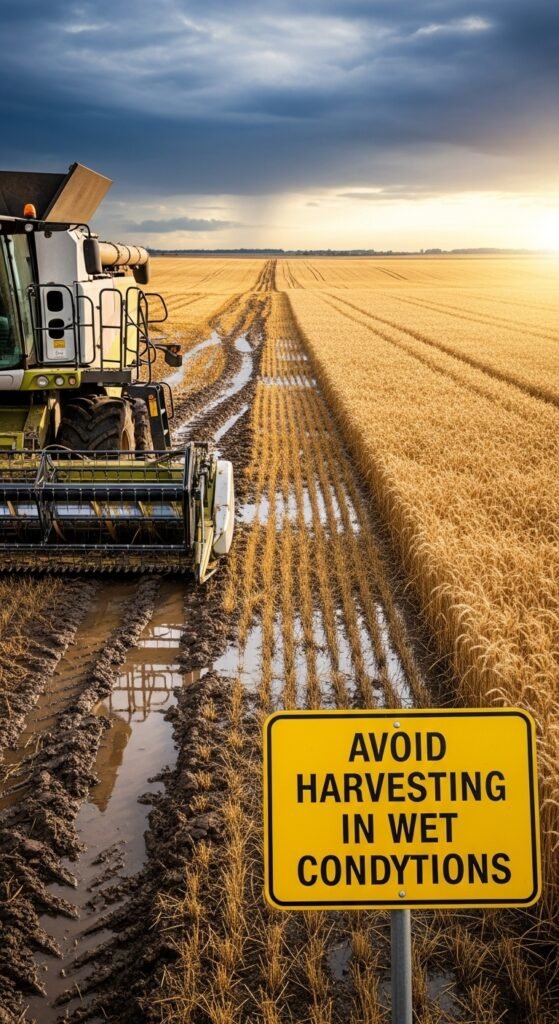
Why advisable: Moisture facilitates pathogen transfer. Dry conditions minimize risks. Consider integrating with fermented pickles for wet-season alternatives.
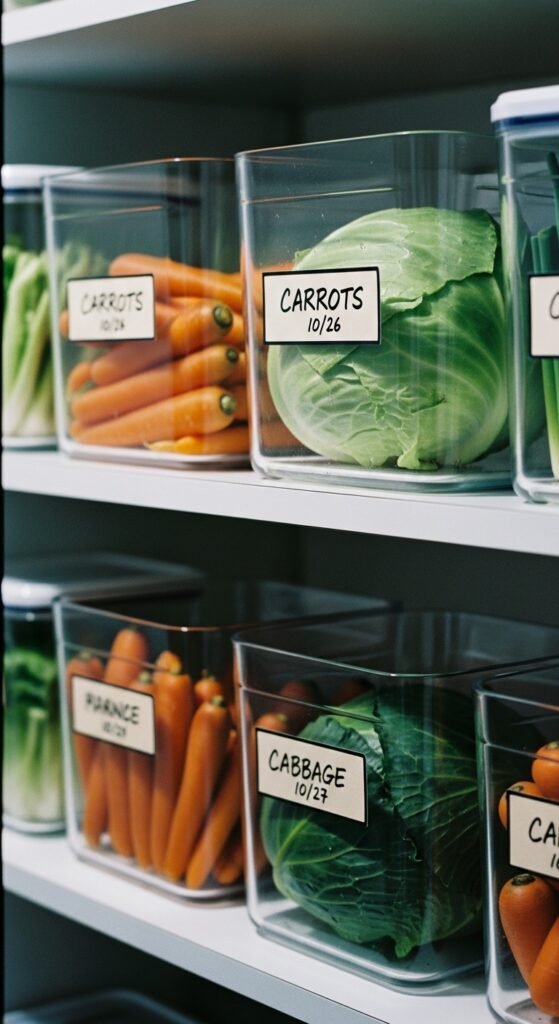
13) Label and Date Harvests
You can organize produce by labeling containers with harvest dates, aiding rotation and tracking. Use simple tags or markers.
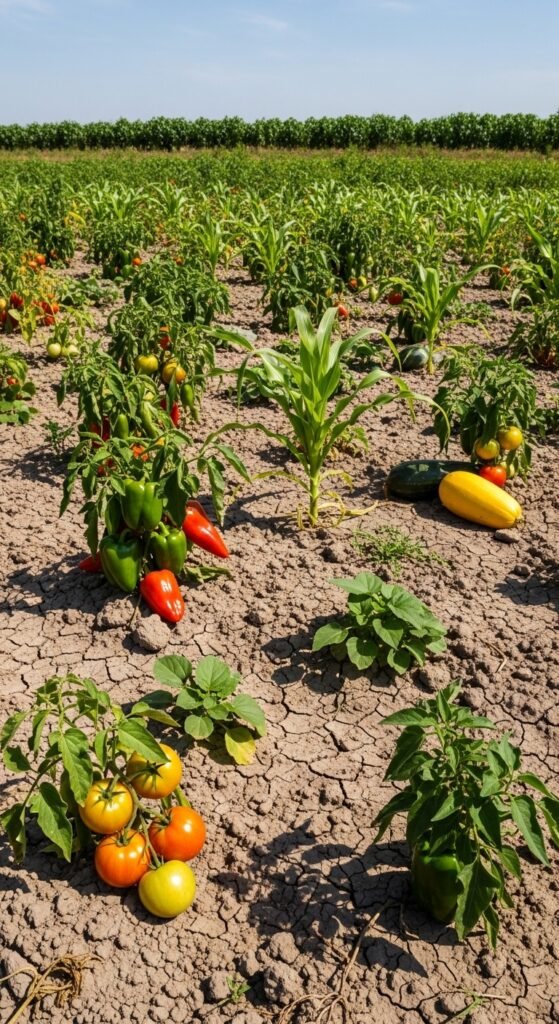
Key benefits include efficient use and waste reduction. This system ensures oldest items are consumed first. Useful for diverse vegetable assortments, it streamlines kitchen planning.
Why organized: Without dates, spoilage surprises arise. Labeling promotes mindful consumption. Extend to storage methods like cabbage storage.
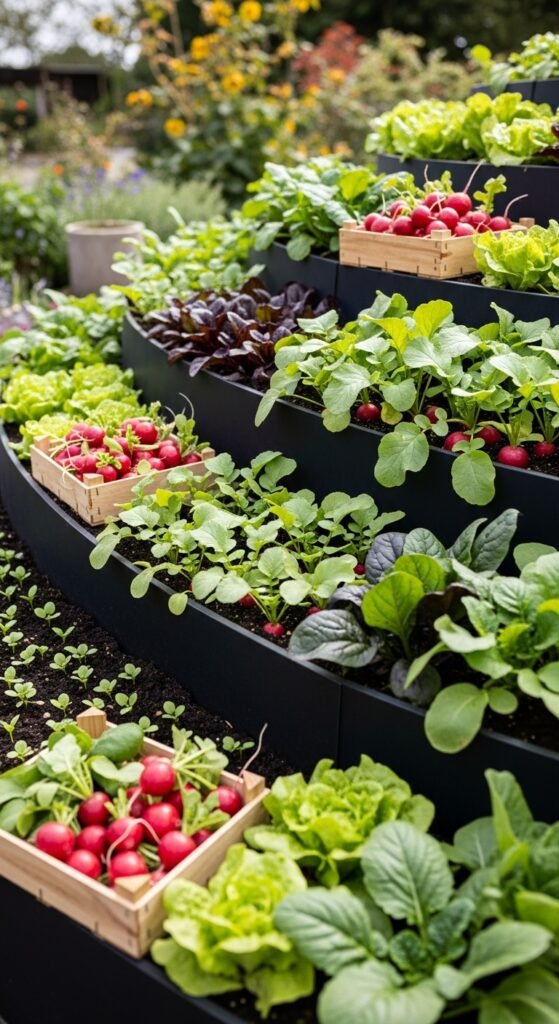
14) Incorporate Succession Harvesting
You should stagger plantings to enable continuous harvesting, avoiding overwhelming gluts. Plan intervals based on maturity times.
Key benefits involve steady supply and manageable volumes. This extends seasons effectively. Applicable to quick-maturing vegetables like radishes, it balances production.
Why strategic: Bulk harvests strain processing. Succession smooths output. For fall extensions, reference what to plant in fall.
15) Educate on Vegetable-Specific Needs
You must research tailored harvesting methods for each crop to optimize results. Resources provide detailed guidance per type.
Key benefits encompass customized care and superior quality. Adapt techniques accordingly, refining through experience. This comprehensive approach elevates your gardening expertise.
Why specialized: Uniform methods overlook nuances. Vegetable-specific knowledge ensures precision. For hardy varieties, explore hardy winter vegetables.
Key Principles of Vegetable Harvesting
Timing Mastery
Mastering harvest timing involves balancing ripeness with weather and plant health, ensuring peak quality.
Technique Precision
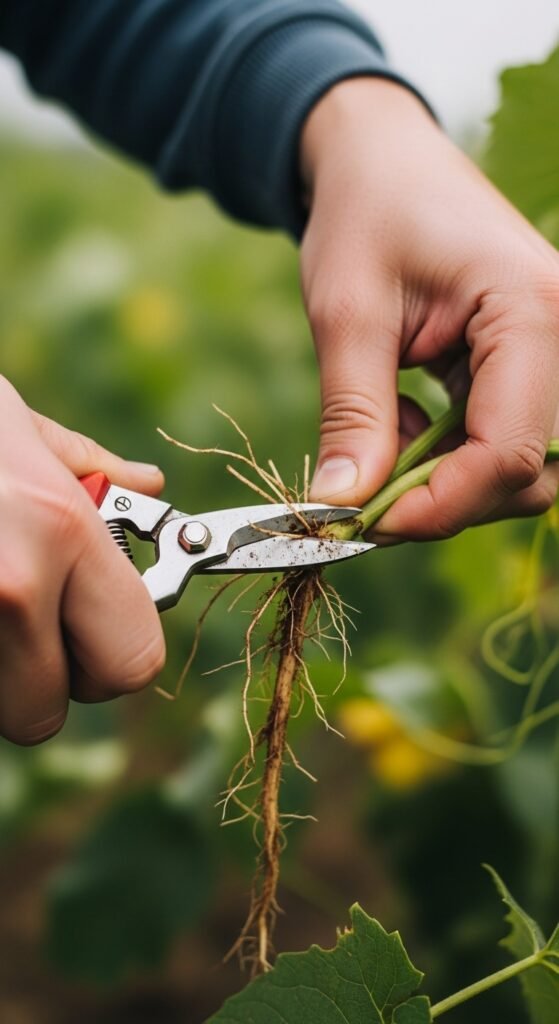
Precise techniques, from cutting to pulling, preserve plant vitality and produce integrity.
Immediate Storage Strategies
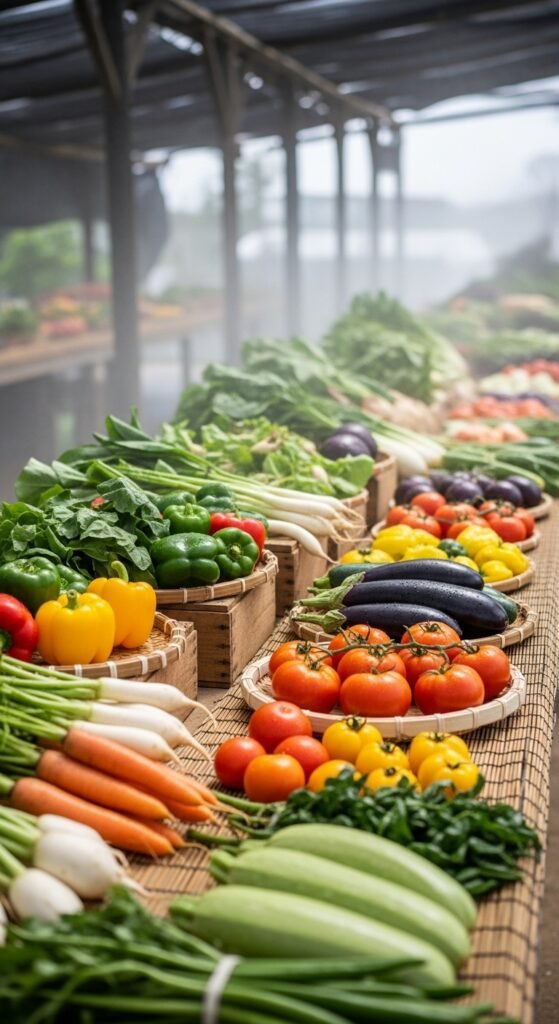
Implement cooling or curing immediately after harvest to lock in freshness and extend usability.
Frequently Asked Questions
When is the best time of day to harvest vegetables?
The optimal time is early morning, when vegetables are hydrated and temperatures are cooler, preserving their crispness and nutritional value.
How can I tell if a vegetable is ready to harvest?
Look for specific ripeness indicators such as color changes, size attainment, and slight yielding to touch, varying by vegetable type.
What tools are essential for harvesting vegetables?
Sharp shears, knives, and ventilated baskets are fundamental, ensuring clean cuts and gentle handling to maintain quality.
Why should I avoid harvesting wet vegetables?
Wet conditions promote disease spread; waiting for dryness helps prevent infections and improves storage life.
How does frequent harvesting benefit my garden?
Regular picking encourages continued production, leading to higher overall yields and healthier plants throughout the season.