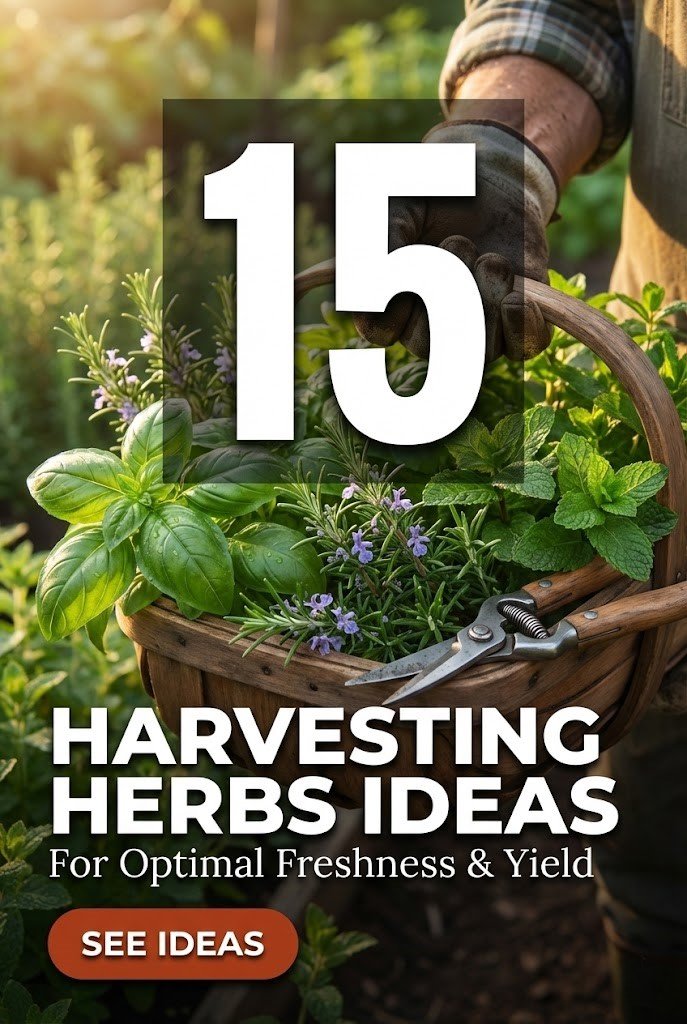
Harvesting herbs is a crucial step in gardening that ensures you enjoy the full flavor and benefits of your plants. When done correctly, it promotes continued growth and prevents waste, allowing you to maximize your garden’s productivity. Understanding the right techniques for harvesting herbs can transform your culinary and medicinal uses, providing fresh ingredients throughout the season.
Whether you cultivate basil, rosemary, or mint, mastering these methods will enhance the quality of your harvest. By focusing on timing, tools, and post-harvest care, you can preserve the essential oils and nutrients that make herbs valuable. This guide presents practical ideas to refine your approach, drawing from established gardening principles to support sustainable practices.
1) Timing Your Morning Harvest
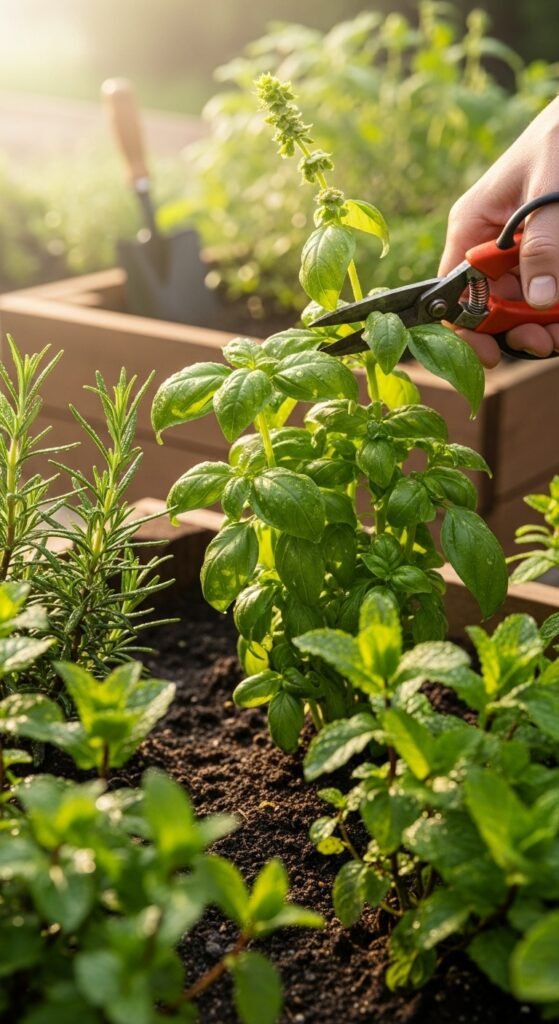
You should aim to harvest herbs in the early morning after the dew has dried but before the sun intensifies. This timing captures the peak concentration of essential oils, ensuring maximum flavor and aroma. Why does this matter? Midday heat can cause oils to evaporate, reducing potency. To implement this, inspect your plants daily and use sharp shears for clean cuts. For instance, with leafy herbs like basil, snip the tops to encourage bushier growth. This technique not only boosts yield but also maintains plant health over the season. Consider integrating this with overall garden planning, such as in a dedicated herb garden design for efficient access.
2) Selective Pinching for Continuous Production
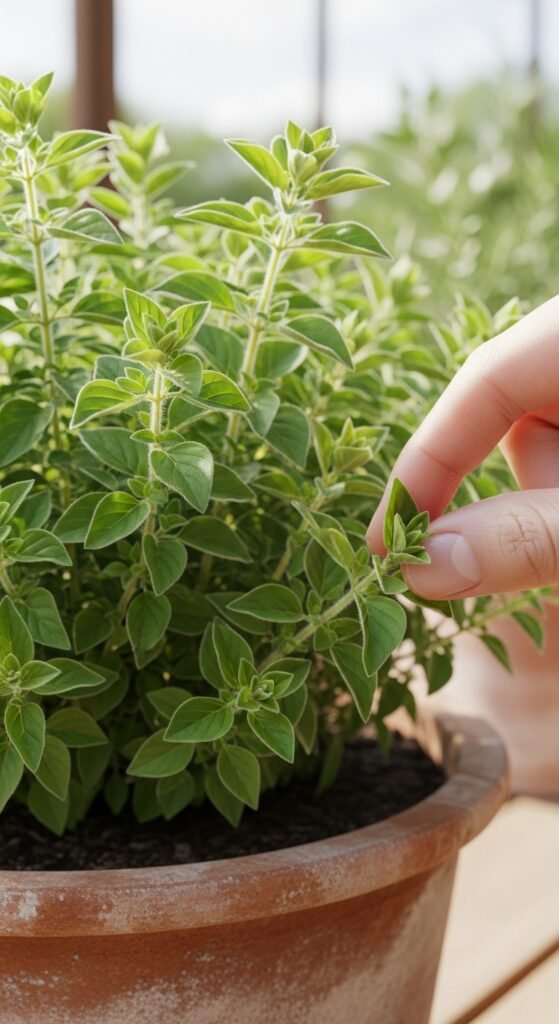
You can promote ongoing harvests by pinching back the tips of herbs rather than removing entire stems. This method stimulates lateral growth, resulting in fuller plants and more foliage over time. The benefit lies in extending the productive life of your herbs without depleting the plant’s energy. Begin by identifying growth nodes and using your fingers or small scissors to remove just above them. For herbs like oregano or thyme, this prevents woody stems and keeps flavors vibrant. Apply this regularly, every few weeks, to maintain balance. It aligns well with companion planting strategies to optimize space and health in your garden.
3) Harvesting Woody Stems with Precision
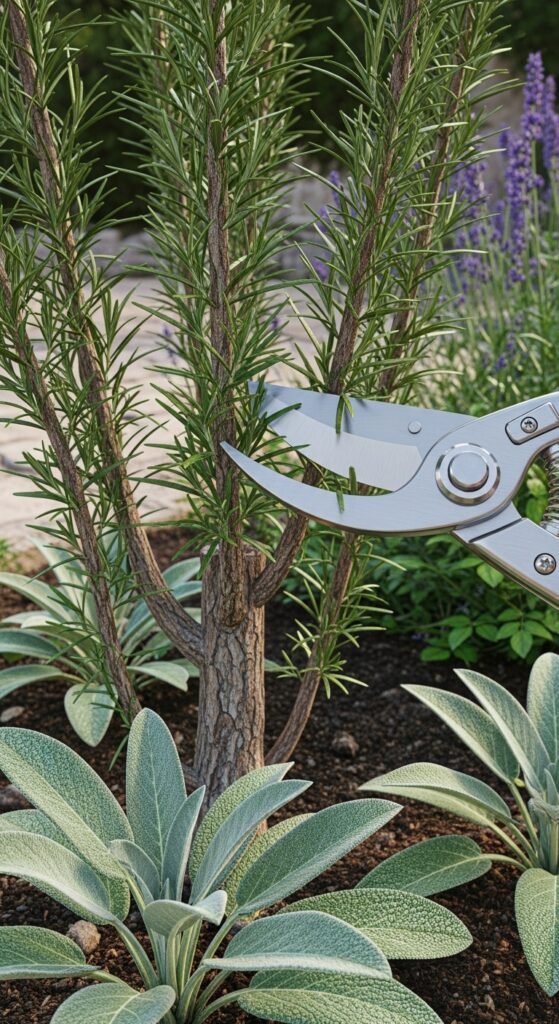
For woody herbs such as rosemary or sage, you need to focus on cutting mature stems without damaging the main structure. This preserves the plant’s form and encourages new shoots from the base. The key advantage is sustaining perennial growth for multiple seasons. Use clean, sharp pruners to make angled cuts, removing no more than one-third of the plant at once. After harvesting, strip leaves from the lower stem if needed for immediate use. This approach is particularly effective in container setups, where space is limited, ensuring longevity and robust flavor profiles.
4) Bunch Harvesting for Drying Preparation
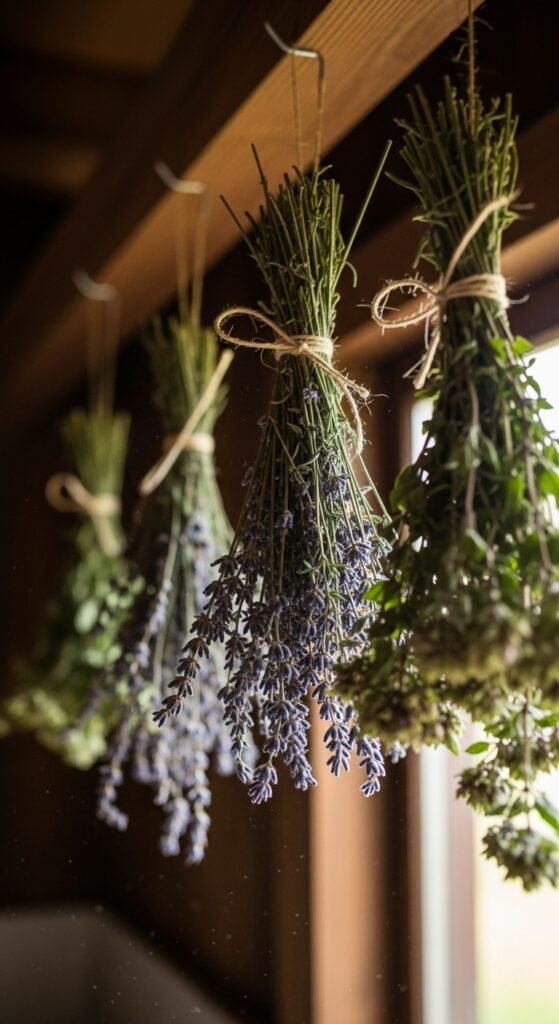
You may gather herbs in small bunches for air drying, which concentrates flavors for long-term storage. This idea is ideal for preserving surplus during peak growth periods. It prevents spoilage and provides a ready supply for culinary needs. Tie stems loosely with twine and hang them upside down in a shaded, ventilated area. Herbs like lavender benefit greatly, retaining aromatic qualities. Monitor for dryness over one to two weeks, then store in airtight containers. This method complements techniques for drying herbs at home, enhancing your preservation options.
5) Leaf-by-Leaf Collection for Fresh Use
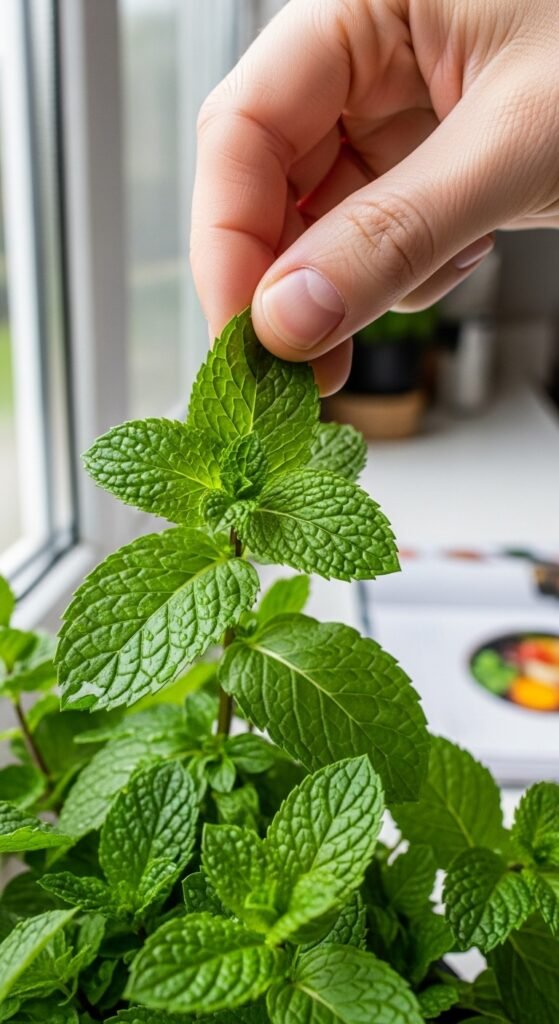
Opt for picking individual leaves when you require small quantities for immediate cooking or teas. This minimizes stress on the plant and allows precise selection of the healthiest parts. The primary benefit is maintaining plant vigor while enjoying peak freshness. Gently pluck leaves from the outer edges, avoiding the central growth point. For mint or cilantro, this encourages denser foliage. Incorporate this into your routine checks to catch issues early, supporting overall garden sustainability and yield consistency.
6) End-of-Season Full Harvest
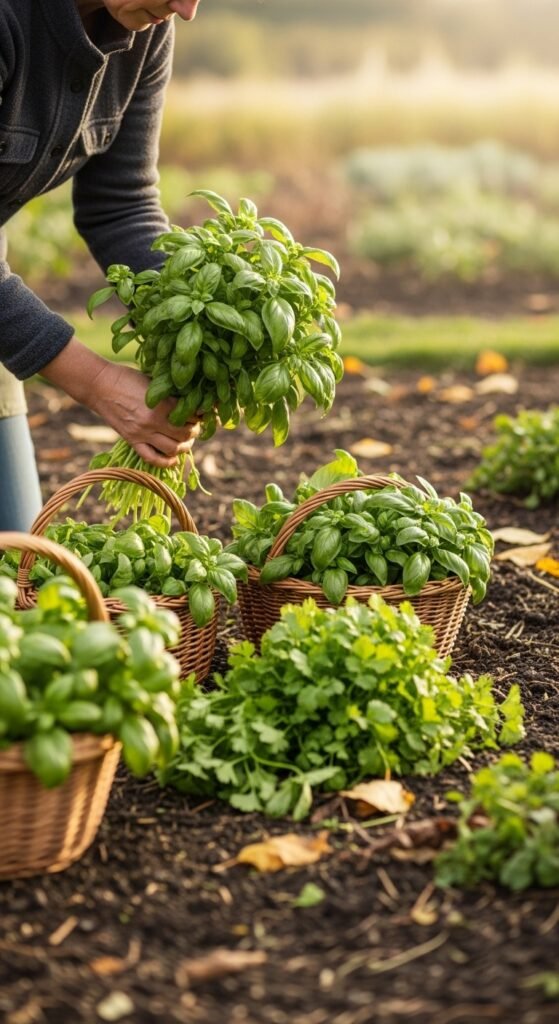
Towards the end of the growing season, you should perform a complete harvest to salvage remaining foliage before frost. This maximizes output and prepares plants for dormancy or overwintering. It reduces waste and provides material for preservation. Cut stems close to the base for annuals or selectively for perennials. Process quickly by freezing or drying to retain nutrients. This strategy is essential for climates with short seasons, ensuring you capitalize on your efforts throughout the year.
7) Using Scissors for Clean Cuts
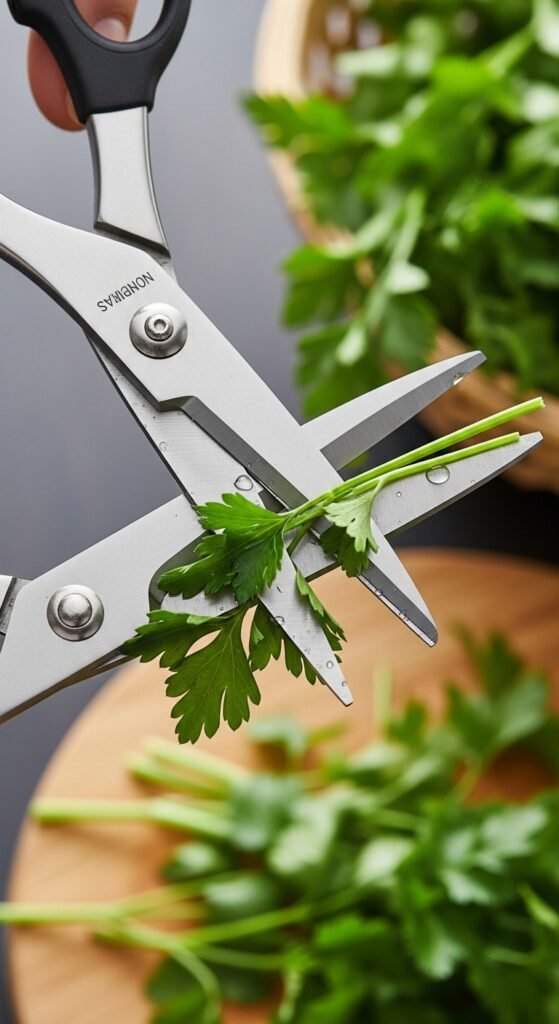
Employ dedicated herb scissors to make precise, clean cuts that minimize plant trauma. This tool choice prevents tearing, which can invite disease. The result is healthier regrowth and sustained productivity. Sanitize blades between uses to avoid cross-contamination. For delicate herbs like parsley, multiple blades speed up the process. This idea integrates seamlessly with soil management practices, such as using a specialized soil mix for herbs, to foster robust plants.
8) Harvesting Flowers for Enhanced Flavor
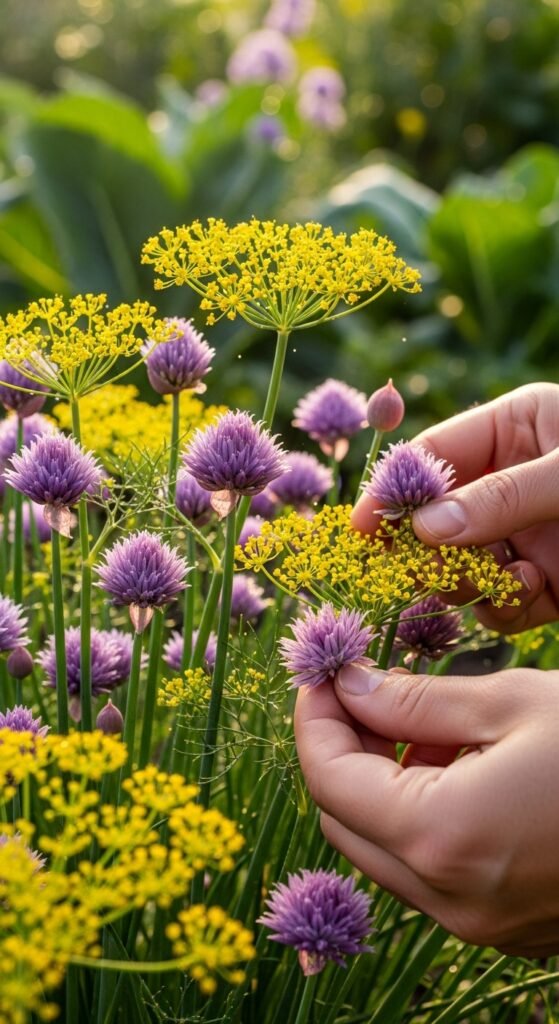
You can harvest herb flowers, such as those from chives or dill, to add unique flavors to dishes while controlling seed production. This prevents bolting and extends vegetative growth. Flowers offer culinary versatility, from garnishes to infusions. Pick them young and fresh, just as they open. Dry or use immediately for best results. This technique supports biodiversity in your garden, attracting pollinators and complementing companion planting.
9) Layered Harvesting in Vertical Gardens
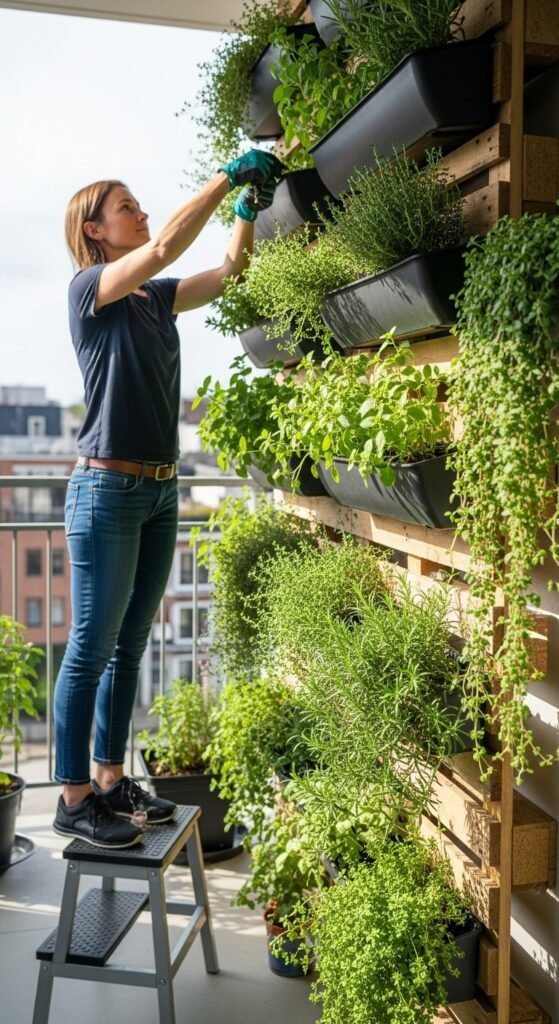
In vertical setups, harvest from the top down to maintain structure and light exposure. This ensures lower leaves receive adequate sun, promoting even growth. It’s efficient for space-constrained areas, increasing overall yield. Use a step stool for access and snip selectively. Herbs like thyme thrive in such systems, providing easy reach for frequent picking. This method enhances urban gardening efficiency.
10) Post-Rain Harvest Avoidance
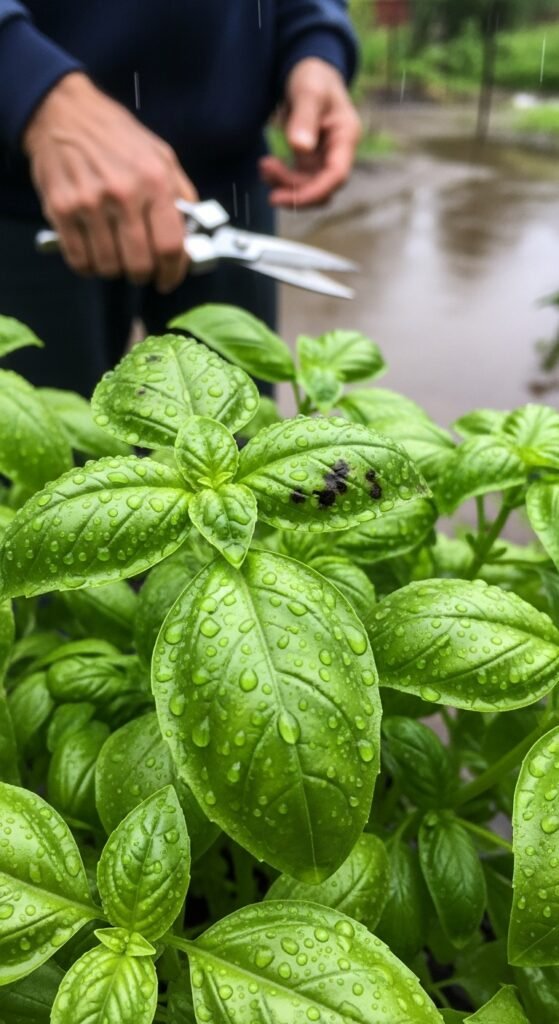
Avoid harvesting immediately after rain to prevent spreading fungal issues and diluting flavors. Wet foliage can harbor pathogens, compromising plant health. Waiting allows natural drying, preserving quality. Schedule checks accordingly, opting for dry periods. For basil, this is critical to avoid black spot. It ties into broader pest management for long-term success.
11) Seed Head Collection for Propagation
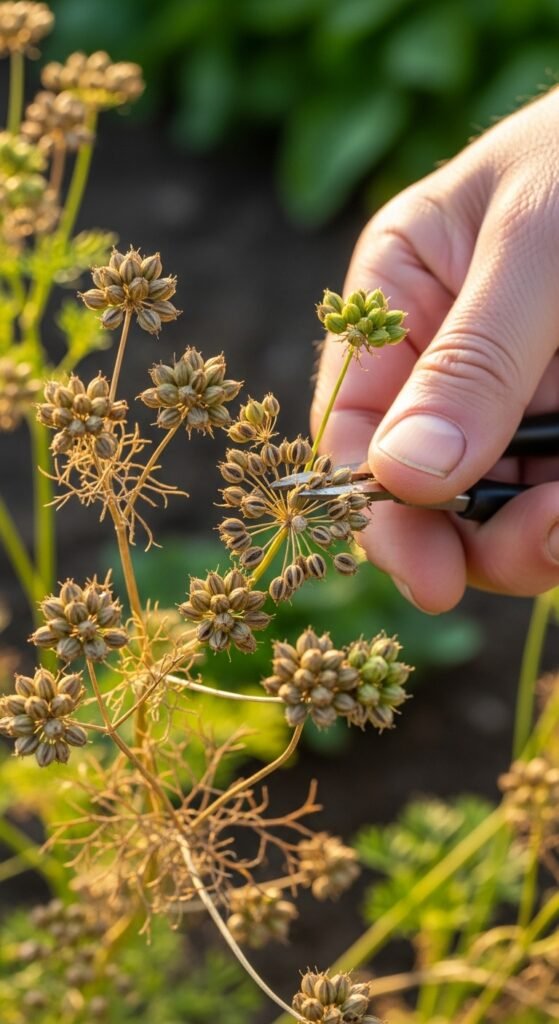
Harvest mature seed heads from herbs like coriander to save for future planting or spice use. This sustains your garden cycle economically. Seeds retain viability when stored properly, offering self-sufficiency. Cut heads when brown and dry them indoors. This idea aligns with lists of perennial herbs, aiding in variety selection.
12) Gentle Handling to Preserve Oils
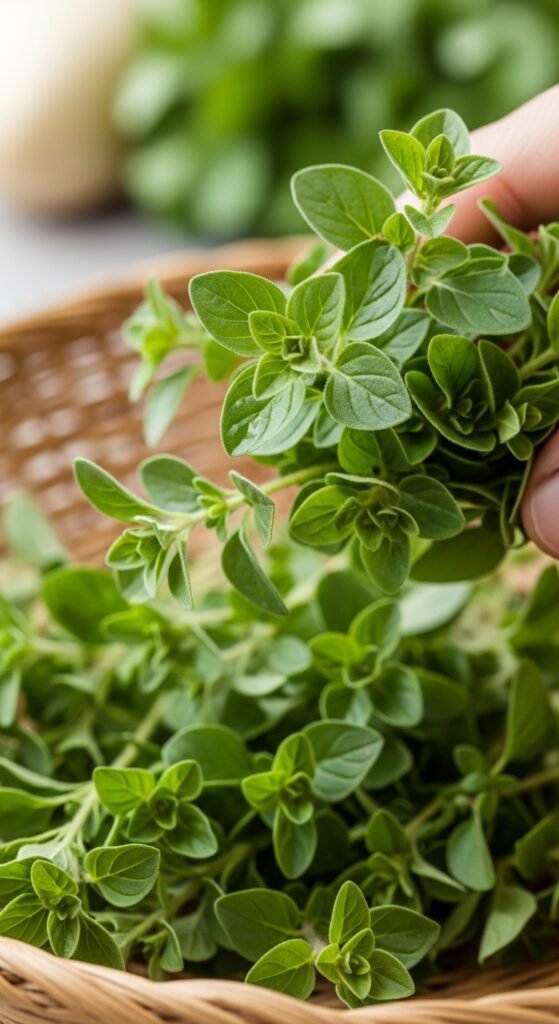
Handle harvested herbs gently to avoid bruising, which releases oils prematurely. This maintains potency for cooking or remedies. Use baskets or soft cloths for transport. For oregano, minimal disturbance ensures strong aroma. This practice supports immediate use or quick processing, optimizing freshness.
13) Frequent Small Harvests
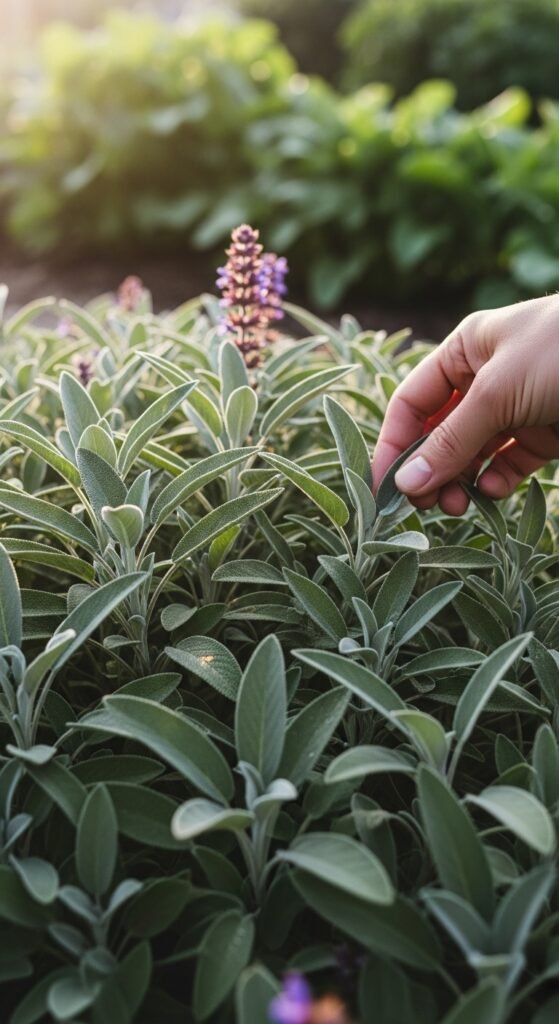
Conduct small, frequent harvests to encourage continuous production rather than large ones. This keeps plants productive and flavors at their best. It prevents over-maturity and bitterness in leaves. Monitor growth weekly and adjust based on needs. For sage, this yields tender foliage ideal for seasoning.
14) Companion-Based Harvest Timing
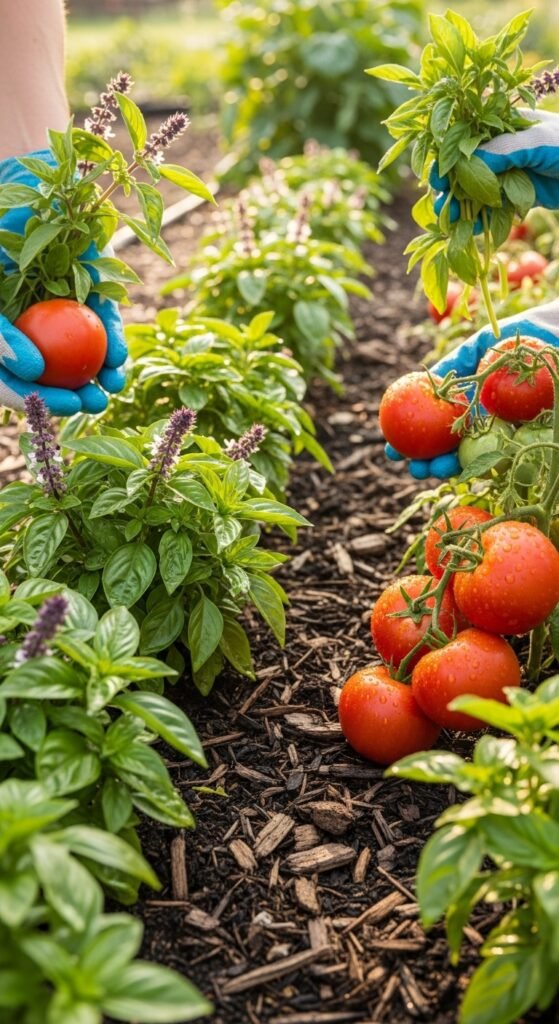
Coordinate harvests with companion plants to enhance mutual benefits, such as pest control. This holistic approach improves garden ecology. Refer to charts for synergies, like basil with tomatoes. Harvest accordingly to maintain balance. This integrates with herb companion charts for strategic planning.
15) Overwinter Preparation Harvest
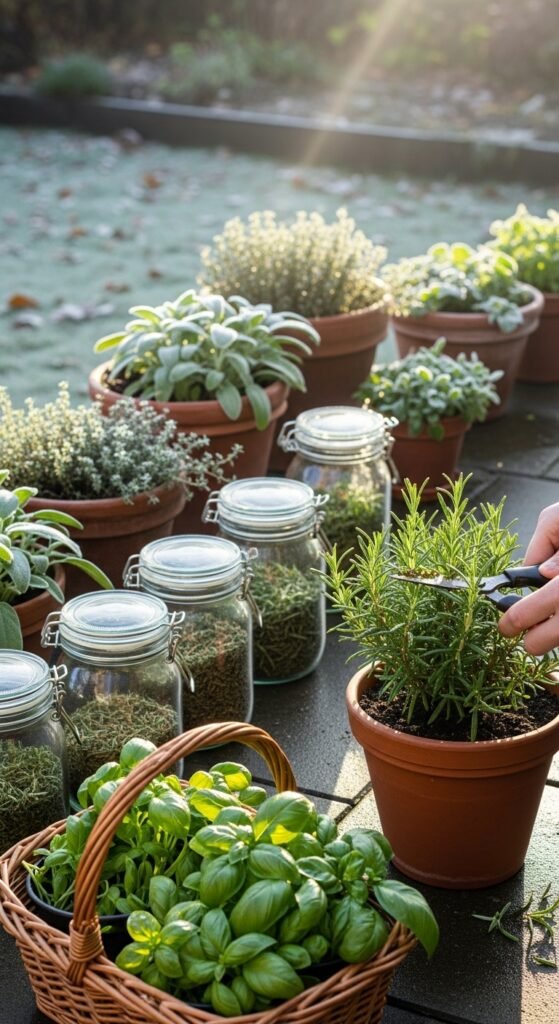
Before winter, harvest tender herbs fully and preserve them, while trimming perennials lightly. This protects against cold and sets up for spring regrowth. Freezing or drying extends usability. For rosemary, this ensures survival in pots. It concludes the season productively, readying for renewal.
Key Principles of Herb Harvesting
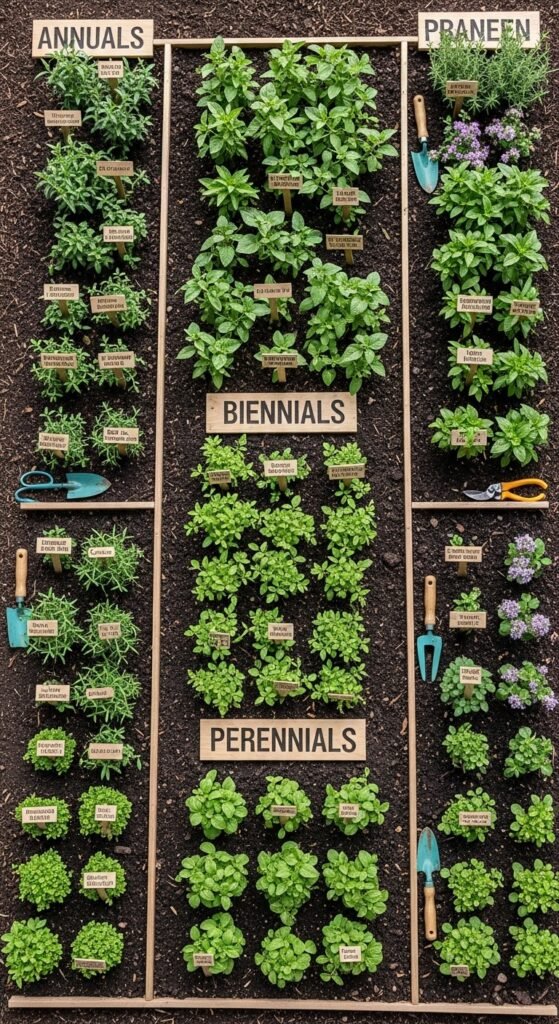
Understanding Plant Life Cycles
You must recognize whether your herbs are annual, biennial, or perennial to tailor harvesting. Annuals like basil require full utilization before frost, while perennials benefit from conservative cuts.
Maintaining Tool Hygiene
Always clean tools to prevent disease transmission, using alcohol or bleach solutions. This safeguards your entire garden investment.
Monitoring Environmental Factors
Track weather and plant signals to time harvests optimally, avoiding stress periods for better quality and yield.
Frequently Asked Questions
When is the best time to harvest herbs?
The optimal time is early morning after dew evaporates, capturing peak essential oils before heat diminishes them.
How much of the herb plant should I harvest at once?
Remove no more than one-third to allow regrowth, ensuring the plant remains healthy and productive.
Can I harvest herbs after they flower?
Yes, but flavors may be milder; harvest flowers for separate uses to prevent seed setting if desired.
What tools are essential for harvesting herbs?
Sharp scissors or pruners are key, along with baskets for collection to minimize damage.
How do I store freshly harvested herbs?
Refrigerate in damp paper towels for short-term use, or dry/freeze for longer preservation.