

Growing eggplant can be a rewarding endeavor in your garden, offering glossy, flavorful fruits that enhance countless dishes from ratatouille to eggplant parmesan. As a warm-season vegetable in the nightshade family, eggplant thrives in sunny, fertile conditions, much like its relatives tomatoes and peppers. By mastering the basics of growing eggplant, you unlock the potential for high yields and healthier plants, reducing the need for store-bought produce while enjoying the satisfaction of homegrown freshness.
The key to successful growing eggplant lies in understanding its needs for heat, consistent moisture, and nutrient-rich soil. Whether you’re a beginner or seasoned gardener, these ideas will guide you through optimizing your setup for robust growth and abundant harvests. Incorporating proven techniques ensures your eggplants resist pests and diseases, leading to superior flavor and texture in every bite.
1) Select Heat-Tolerant Varieties
You’ll want to start your growing eggplant journey by choosing varieties suited to your climate. Options like ‘Black Beauty’ or ‘Ichiban’ perform well in hot summers, producing elongated or round fruits with minimal bitterness. These selections ensure reliable yields even in fluctuating weather, as they resist common stresses better than heirloom types.
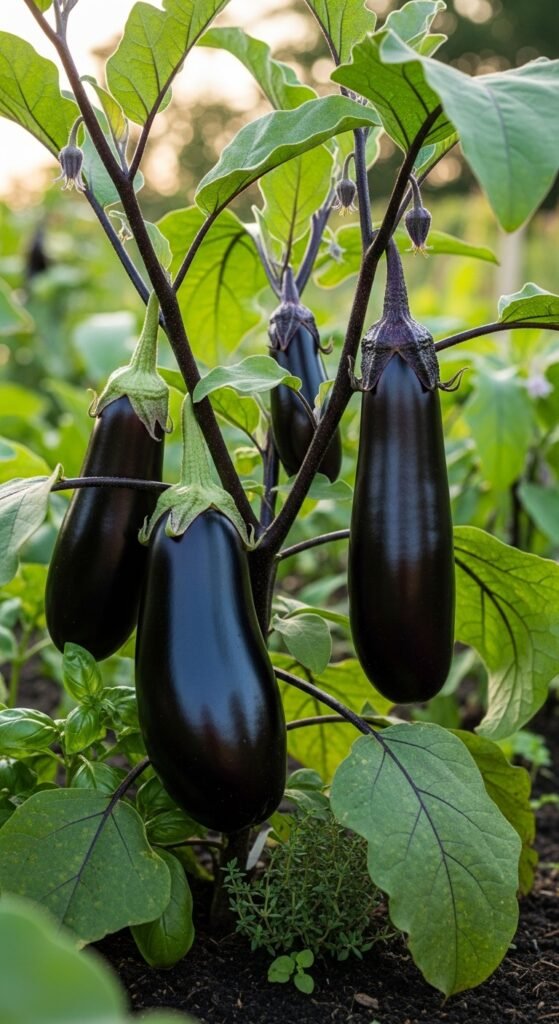
Why focus on heat tolerance? Eggplants require temperatures above 70°F for optimal fruit set, and sensitive varieties may drop blossoms in cooler spells. By picking resilient strains, you avoid disappointing harvests and enjoy continuous production throughout the season.
How to implement this: Research local nurseries or seed catalogs for recommended cultivars. Plant seeds indoors 8-10 weeks before the last frost, using a seed-starting mix. Once sprouted, harden off seedlings before transplanting. For more on similar crops, check out our guide on growing peppers, which shares many cultivation tips.
2) Start Seeds Indoors Early
To give your eggplants a head start, begin seeds indoors under grow lights or in a sunny window. This method allows you to control temperature and moisture, promoting strong seedling development before outdoor planting. Use biodegradable pots to minimize root disturbance during transplant.
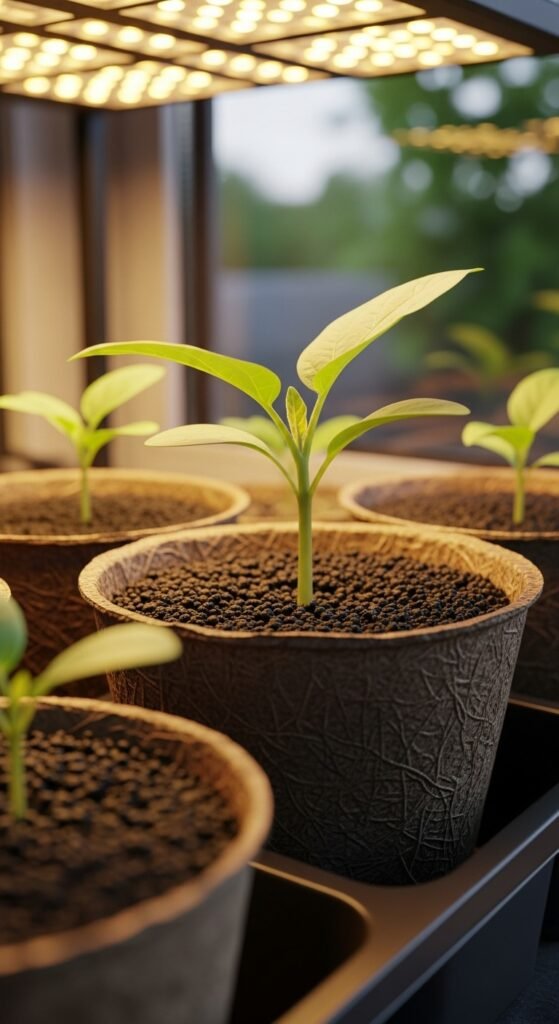
The advantage here is extending your growing season, especially in shorter climates, leading to earlier and larger harvests. Eggplants need 100-150 days to mature, so indoor starting can add crucial weeks.
Execute by sowing seeds 1/4 inch deep in moist soil at 80-90°F. Keep soil damp but not soggy, and provide 14-16 hours of light daily. Transplant when soil outdoors reaches 60°F. If you’re planning a full vegetable patch, our vegetable planting calendar can help time everything perfectly.
3) Prepare Nutrient-Rich Soil
Before planting, amend your garden bed with compost to create fertile, well-draining soil. Eggplants prefer a pH of 5.5-7.0, so test and adjust with lime if needed. This preparation fosters deep root systems and vigorous growth, essential for heavy fruiting.
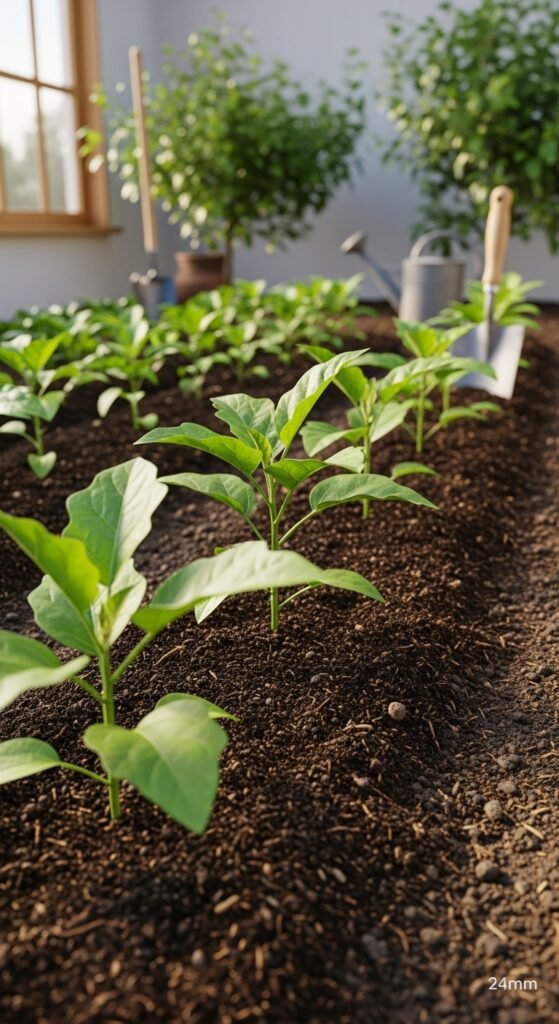
Rich soil prevents nutrient deficiencies that cause yellow leaves or poor fruit set. It also improves water retention, reducing stress during dry periods.
Mix in aged manure or best compost for vegetables at a rate of 2-3 inches deep. Till to 12 inches and rake smooth. For raised beds, this is particularly effective, as detailed in our article on raised bed vegetable gardens.
4) Ensure Full Sun Exposure
Position your eggplants in a spot receiving at least 6-8 hours of direct sunlight daily. This exposure is crucial for photosynthesis, leading to lush foliage and plentiful fruits. Avoid shaded areas where plants may become leggy and unproductive.
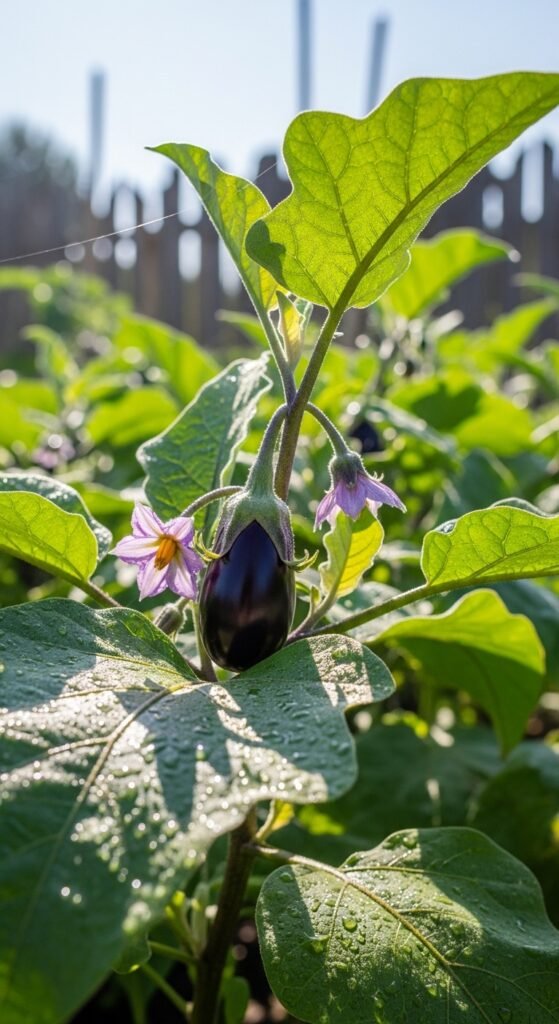
Sunlight drives flower production and fruit ripening, preventing issues like blossom drop in low-light conditions. It’s the foundation for healthy, disease-resistant plants.
Map your garden’s sun patterns and plant accordingly. In hotter regions, afternoon shade can prevent scorching. For vegetables that thrive similarly, explore our tomato growing guide for complementary advice.
5) Implement Consistent Watering
Maintain even soil moisture by watering deeply once or twice a week, aiming for 1-2 inches. This practice supports steady growth and prevents cracking fruits. Use mulch to retain moisture and suppress weeds.
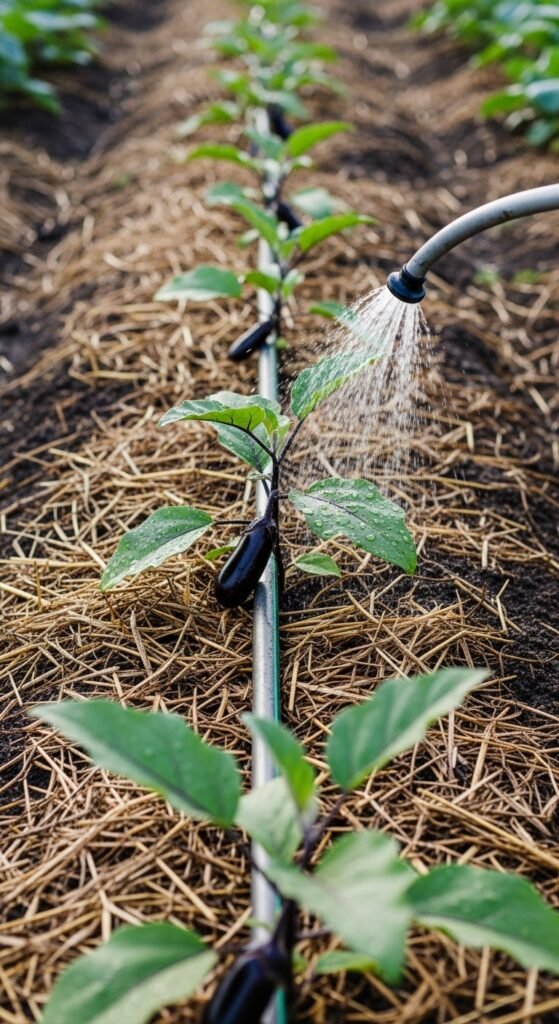
Consistent watering avoids stress that leads to bitter fruits or dropped buds. Eggplants are thirsty plants, especially during flowering.
Install a soaker hose for efficient delivery, checking soil depth with your finger. Adjust based on rainfall. Our tips on watering vegetable gardens provide more in-depth strategies to optimize hydration.
6) Apply Balanced Fertilizer
Feed your eggplants with a balanced 10-10-10 fertilizer every 4-6 weeks after transplanting. This supplies essential nutrients for robust stems and abundant yields. Opt for organic options to enhance soil health long-term.
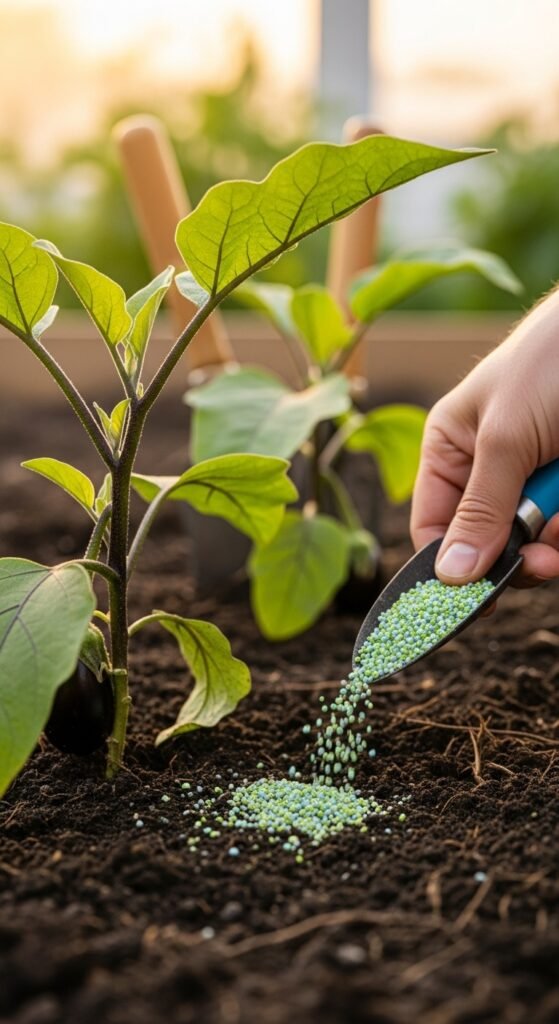
Proper feeding counters soil depletion, promoting larger, tastier fruits without excess foliage.
Incorporate fertilizer into the soil or use foliar sprays. Monitor for signs of over-fertilization like leaf burn. For organic alternatives, see our recommendations on organic fertilizer for vegetables.
7) Use Mulch for Moisture Control
Apply 2-3 inches of organic mulch around plants to conserve water and regulate soil temperature. This technique yields healthier roots and fewer weeds, allowing you to focus on harvesting.
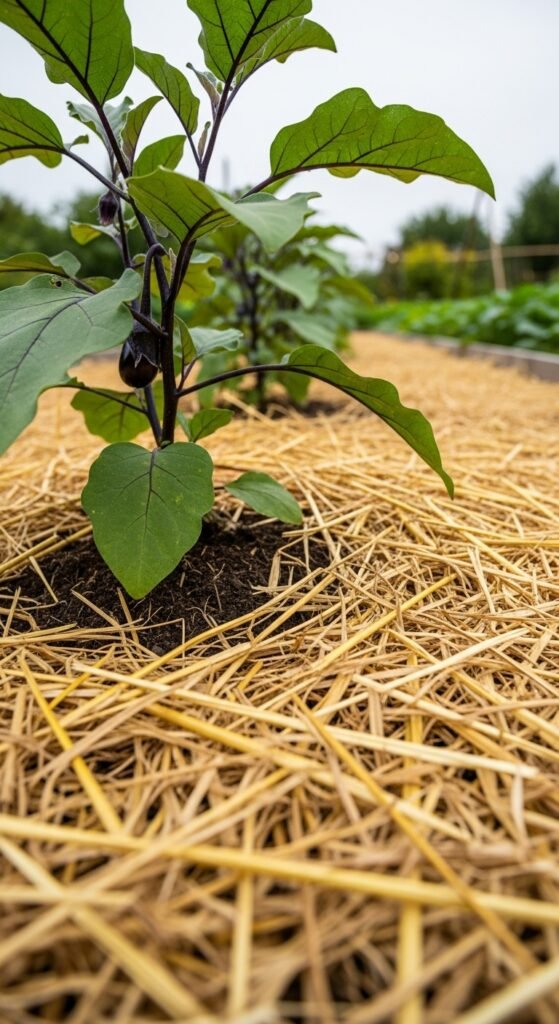
Mulch prevents evaporation and erosion, maintaining ideal conditions for eggplant growth.
Spread straw or wood chips after planting, keeping it away from stems. Refresh as needed. This pairs well with our advice on mulching vegetable gardens.
8) Provide Sturdy Supports
Stake or cage your eggplants to support heavy fruits and prevent stem breakage. This ensures upright growth and easier access for picking. Use tomato cages or bamboo stakes for stability.
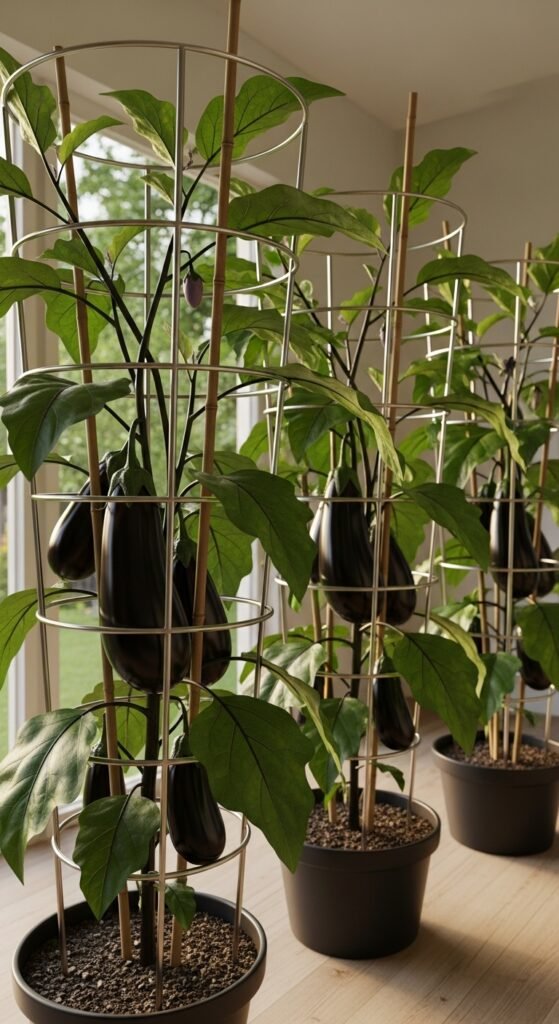
Supports improve air circulation, reducing disease risk in humid climates.
Tie plants loosely as they grow, adjusting for height. For container setups, this is vital, as explored in container vegetable gardening.
9) Practice Companion Planting
Pair eggplants with basil or marigolds to deter pests and enhance flavor. This natural method promotes biodiversity and pest resistance in your garden.
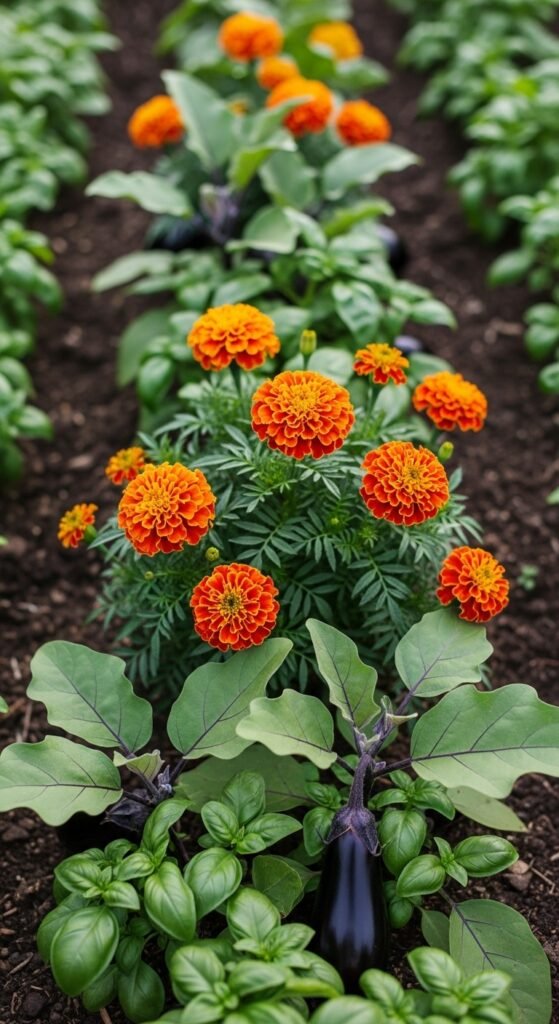
Companions like herbs repel aphids, while flowers attract pollinators for better fruit set.
Plant interspersed in rows or beds. For detailed pairings, refer to our companion planting for vegetables guide.
10) Monitor for Common Pests
Inspect leaves regularly for aphids or flea beetles, treating with neem oil if spotted. Vigilance leads to minimal damage and higher quality produce.

Early detection prevents infestations that can decimate crops.
Use row covers for protection. If issues persist, our article on powdery mildew control offers related organic solutions.
11) Prevent Fungal Diseases
Space plants 18-24 inches apart for good airflow, reducing humidity that fosters fungi. This spacing yields healthier foliage and longer productive life.
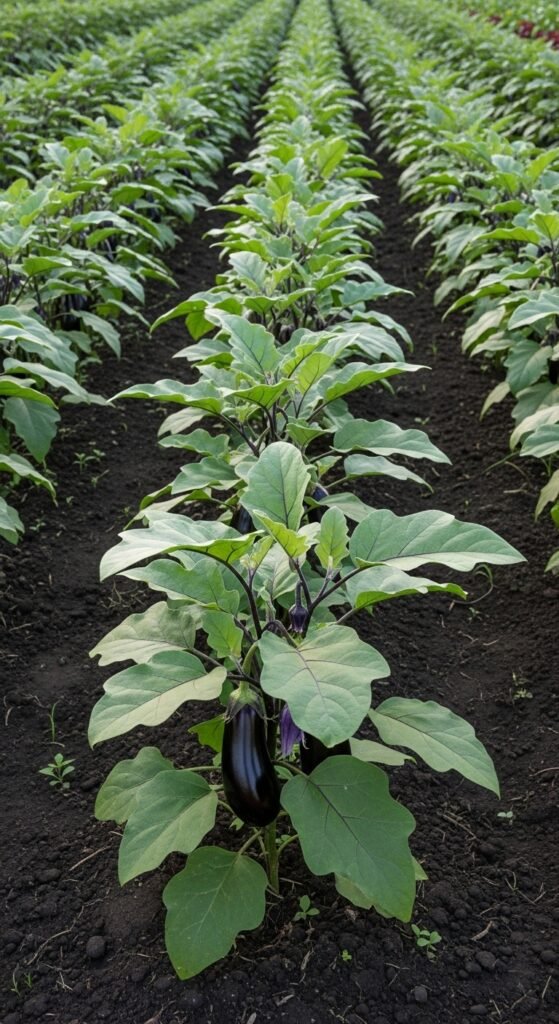
Proper ventilation minimizes risks like verticillium wilt.
Avoid overhead watering to keep leaves dry. Integrate with disease-resistant varieties for best results.
12) Prune for Better Airflow
Remove lower leaves and suckers to improve circulation and focus energy on fruits. Pruning results in larger eggplants and reduced disease.

It prevents overcrowding, allowing sunlight penetration.
Use clean shears, cutting at nodes. Do this mid-season for optimal effect.
13) Harvest at Peak Ripeness
Pick eggplants when glossy and firm, about 4-6 inches long. Regular harvesting encourages continuous production throughout the season.
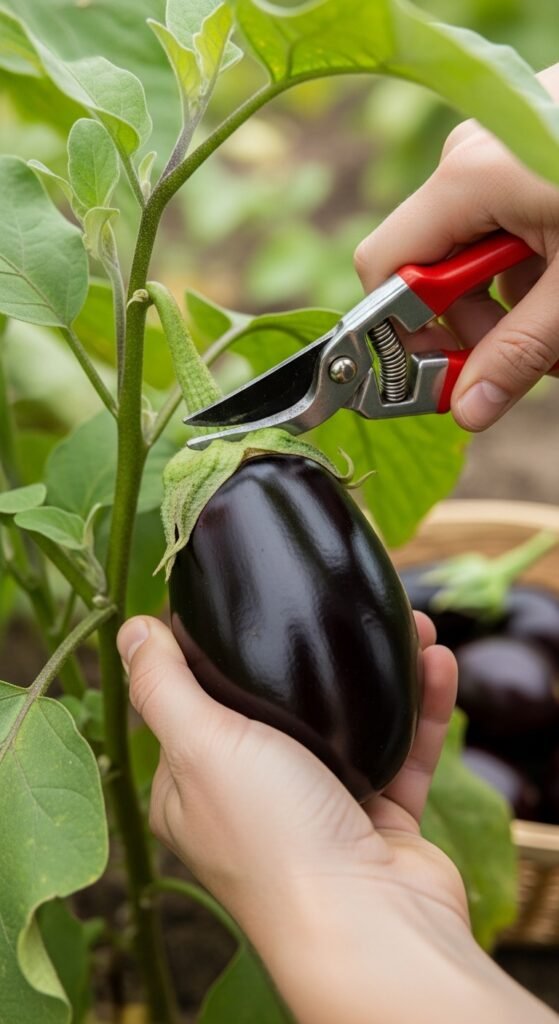
Overripe fruits become seedy and bitter, so timing is key.
Use pruners to cut stems, leaving a short stub. Store in cool conditions post-harvest.
14) Extend the Season with Covers
Use frost cloths or cloches in fall to protect from early chills, prolonging your harvest. This extends fresh supply into cooler months.

Covers maintain warmth, preventing cold damage.
Deploy when temperatures drop below 50°F, removing during warm days.
15) Grow in Containers for Flexibility
Opt for large pots with good drainage for balcony or patio growing. Containers offer mobility to chase sun or shelter from weather.
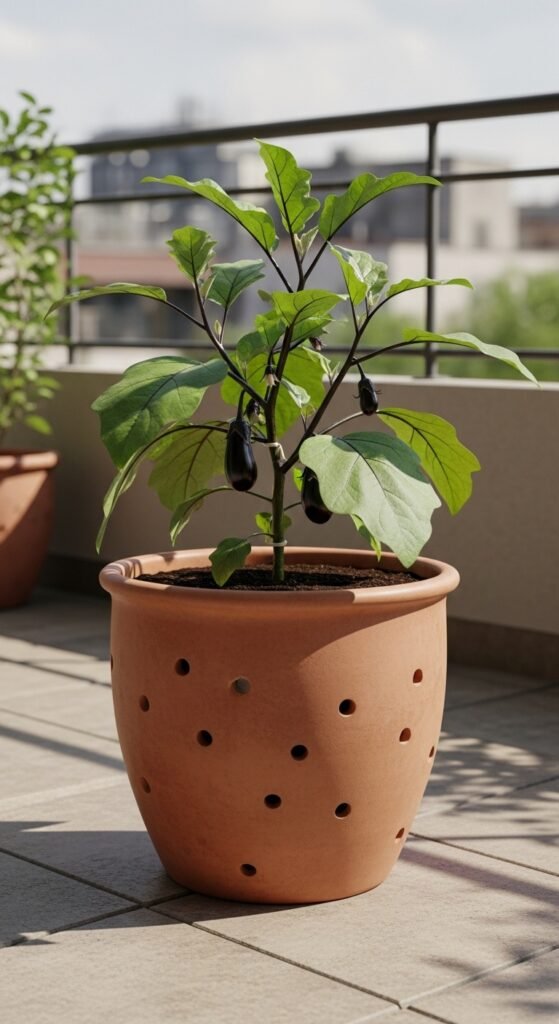
Ideal for small spaces, they allow precise soil control.
Fill with potting mix, water frequently, and fertilize regularly. This approach aligns with our insights on versatile setups.
Key Principles for Growing Eggplant
Understanding Climate Needs
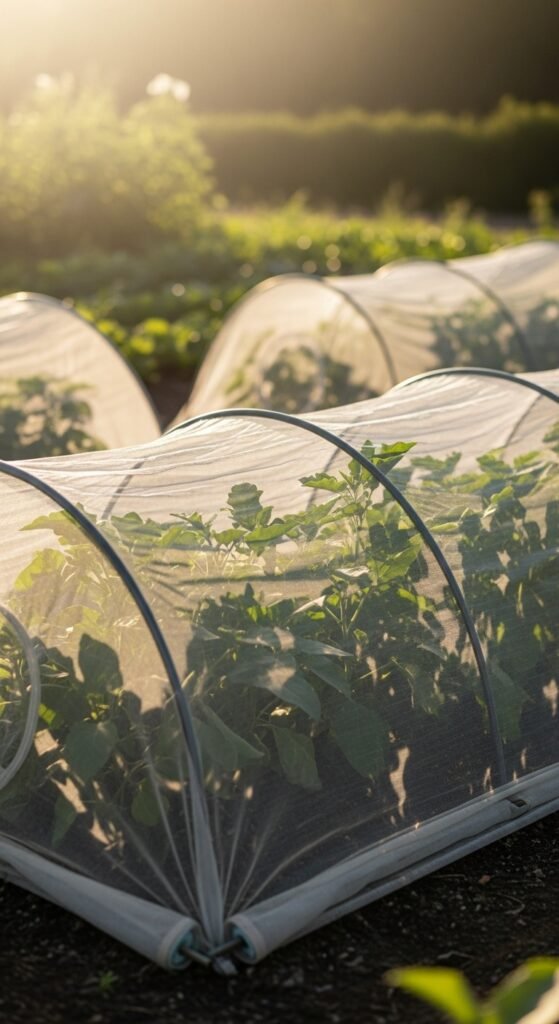
Eggplants demand warm conditions, so monitor forecasts and use season extenders as needed. This principle ensures consistent growth without setbacks.
Soil and Nutrient Management
Regular testing and amendments keep soil balanced, supporting vigorous plants. Focus on organic matter for sustainable fertility.
Pest and Disease Vigilance
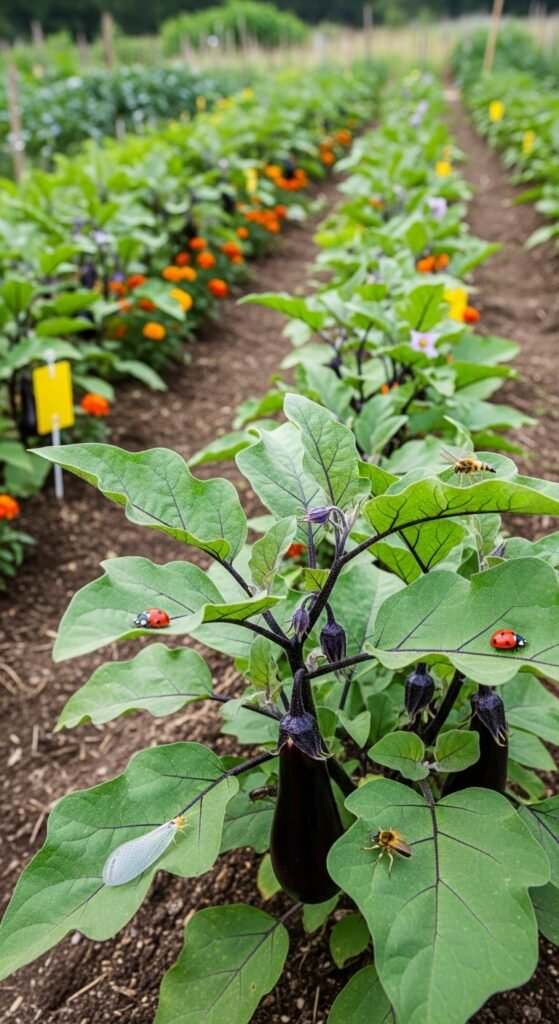
Integrated management, including beneficial insects, maintains garden health. Rotate crops annually to break cycles.
Frequently Asked Questions
How long does it take for eggplants to mature?
Eggplants typically mature in 60-80 days from transplant, depending on variety and conditions. Start harvesting when fruits are glossy and yield slightly to pressure.
Can eggplants grow in partial shade?
While they prefer full sun, eggplants can tolerate light shade but may produce fewer fruits. Aim for at least 6 hours of direct light for best results.
What causes eggplant flowers to drop?
Flower drop often results from temperature extremes, inconsistent watering, or nutrient imbalances. Maintain steady care to minimize this issue.
Are eggplants perennial plants?
In most climates, eggplants are grown as annuals, but in tropical areas, they can perennialize. Overwinter indoors if desired for multiple seasons.
How much space do eggplant plants need?
Space plants 18-24 inches apart in rows 30-36 inches wide to allow for growth and airflow, preventing overcrowding and disease.