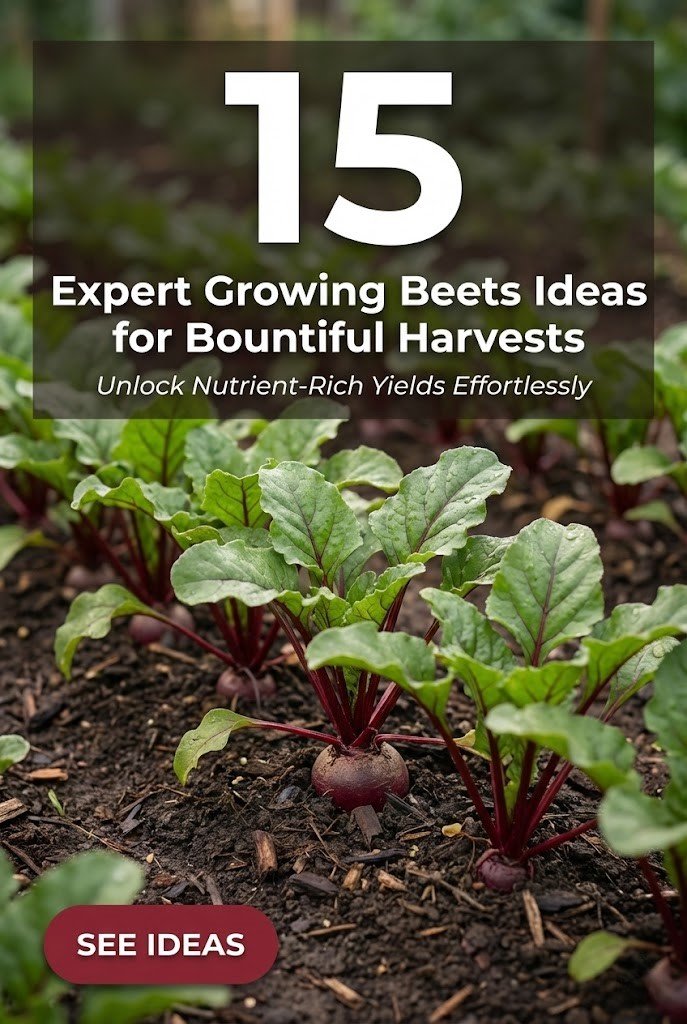
Growing beets is a rewarding endeavor that brings vibrant, nutritious roots to your table. These versatile vegetables thrive in cooler climates and offer a quick harvest, making them ideal for both novice and experienced gardeners. With their earthy flavor and health benefits like high fiber and vitamins, beets can enhance salads, soups, and even desserts. By focusing on proper techniques, you can maximize your yield and enjoy fresh produce throughout the season.
The key to successful beet cultivation lies in understanding soil needs, planting schedules, and maintenance practices. Whether you’re working with a spacious garden or limited containers, these ideas will guide you to cultivate healthy plants. Incorporating strategies like companion planting and mulching not only boosts growth but also minimizes pests. Dive into these tips to transform your gardening experience and reap the rewards of homegrown beets.
Starting with the basics ensures a strong foundation for your beet crop. From selecting varieties to harvesting, each step contributes to a thriving garden. Let’s explore these essential ideas to help you achieve a bountiful harvest.
1) Select the Right Beet Varieties
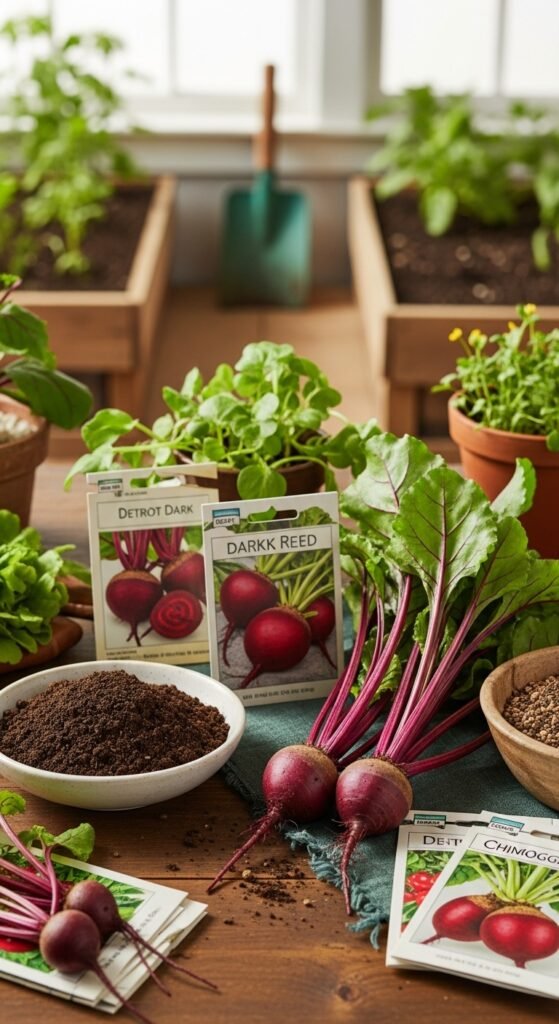
When growing beets, choosing the appropriate varieties sets the stage for success. Options like Detroit Dark Red offer classic flavor and reliability, while Chioggia provides striking striped roots perfect for visual appeal. Consider your climate and soil type; some varieties resist bolting in warmer weather, ensuring consistent growth.
Key benefits include higher yields and disease resistance, leading to healthier plants and less maintenance. You’ll enjoy a diverse harvest that suits your culinary needs, from sweet baby beets to robust storage types.
To implement this, research local recommendations and start with seeds from reputable sources. Plant a mix to extend your harvest period. For more on starting your garden, check out our guide on how to start a vegetable garden. Experiment with heirlooms for unique tastes, and note maturity times—most beets are ready in 50-70 days. This approach allows you to tailor your crop to your preferences and growing conditions.
2) Prepare Nutrient-Rich Soil
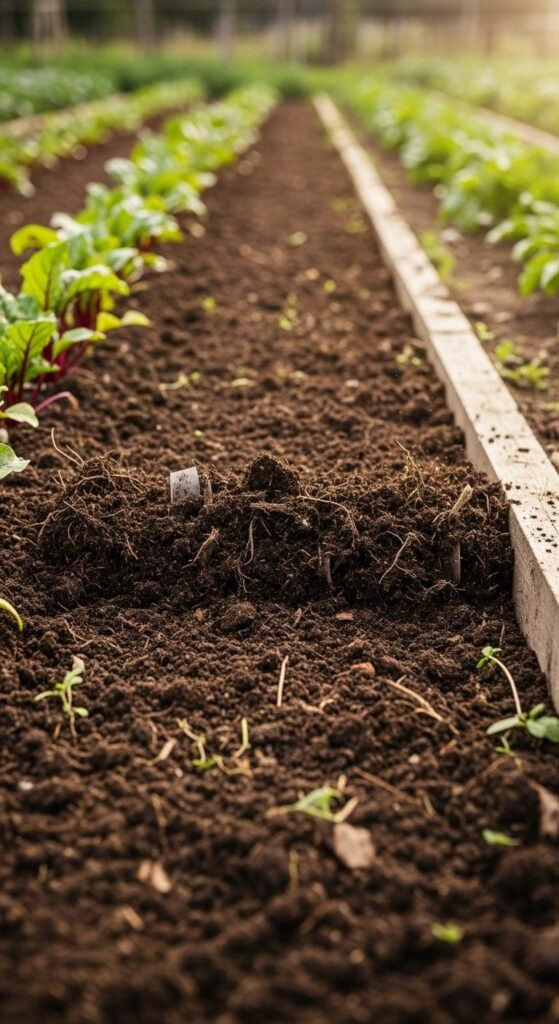
Beets crave loose, well-drained soil rich in organic matter to develop their roots properly. Amend your garden bed with compost to improve texture and fertility, aiming for a pH between 6.0 and 7.5. Avoid compacted or rocky soil, as it hinders root expansion and leads to misshapen beets.
Key benefits encompass robust growth and sweeter flavors, as nutrient availability directly impacts quality. You’ll reduce the risk of rot and other issues, promoting overall plant vigor.
Begin by testing your soil and incorporating aged manure or best compost for vegetables. Till to a depth of 8-10 inches, removing debris. This preparation ensures beets absorb essential elements like boron, preventing deficiencies. In raised beds, layer materials for optimal drainage. Regular soil checks will maintain fertility, supporting continuous production throughout the season.
3) Time Your Planting Perfectly
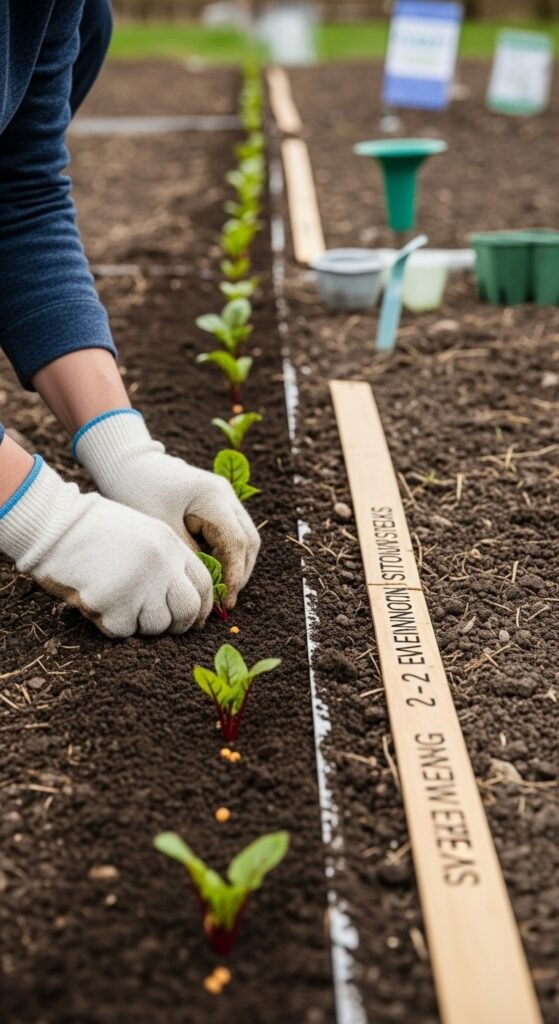
Plant beets when soil temperatures reach 50°F, typically 2-4 weeks before the last frost in spring or mid-summer for fall crops. This timing leverages cool weather, preventing bolting and ensuring tender roots. Succession planting every 2-3 weeks extends your harvest.
Key benefits include a prolonged supply of fresh beets and avoidance of heat stress, which can toughen textures. You’ll maximize garden space efficiency and enjoy peak flavors.
Use a vegetable planting calendar to determine ideal dates for your zone. Sow seeds directly ½ inch deep in rows. Cover lightly and keep moist until germination, which occurs in 5-10 days. This method aligns with beets’ preference for cooler conditions, yielding multiple harvests from the same plot.
4) Space and Thin Seedlings Properly
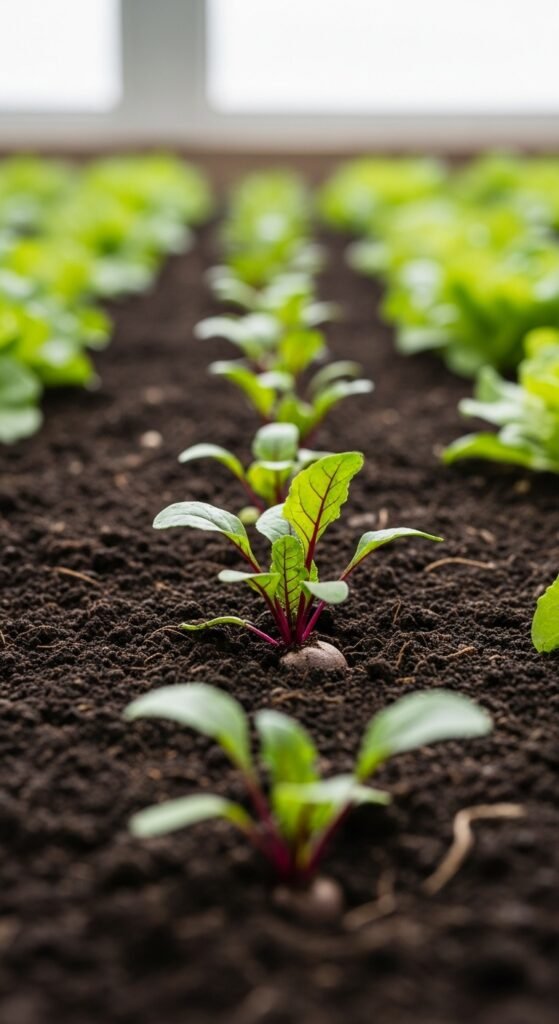
Space beet seeds 1-2 inches apart in rows 12-18 inches wide to allow ample room for root development. Thin seedlings to 3-4 inches when they reach 2 inches tall, using the thinnings in salads for no waste.
Key benefits feature larger, uniform beets and reduced competition for nutrients, leading to healthier plants. You’ll prevent overcrowding-related diseases and improve air circulation.
After planting, monitor growth and thin gently to avoid disturbing roots. In containers or raised beds, adjust spacing accordingly. This practice, combined with consistent care, ensures a productive crop. For layout inspiration, explore vegetable garden layout ideas to optimize your space effectively.
5) Implement Consistent Watering
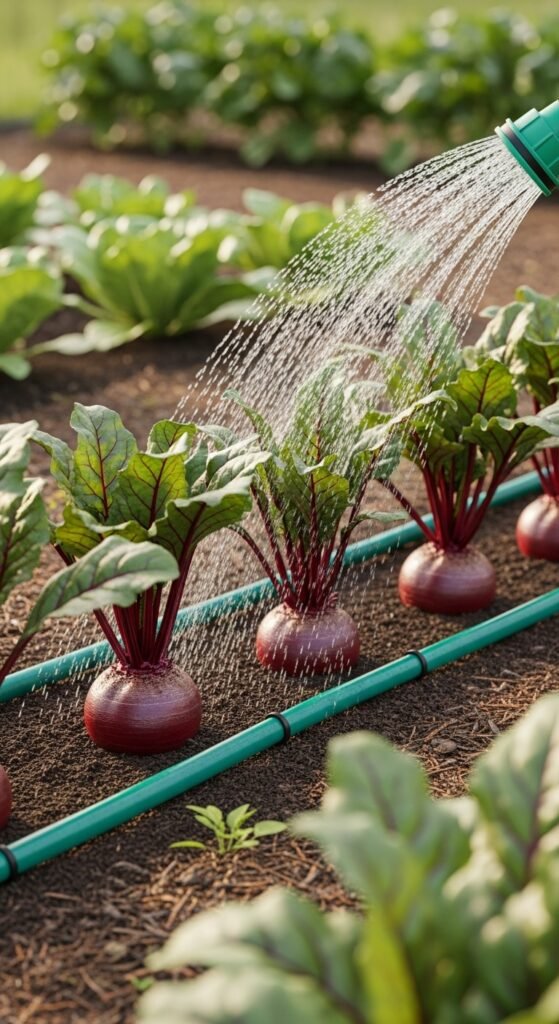
Beets require even moisture to prevent cracking and woody textures, aiming for 1 inch of water weekly. Use soaker hoses to deliver water directly to roots, minimizing leaf wetness and disease risk.
Key benefits involve smooth, tender roots and steady growth, as inconsistent watering causes stress. You’ll enhance flavor and yield while conserving water.
Check soil moisture regularly and adjust based on weather. Mulch to retain moisture. For comprehensive tips, refer to our article on watering vegetable garden. This routine keeps plants hydrated without overwatering, fostering optimal development from seed to harvest.
6) Fertilize for Optimal Nutrition
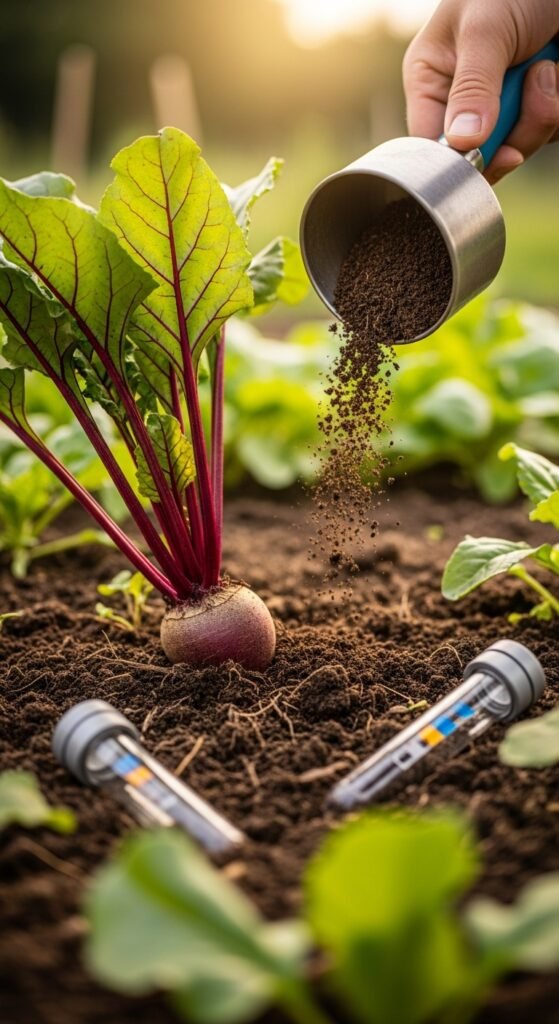
Apply a balanced fertilizer like 10-10-10 at planting, then side-dress with nitrogen-rich options midway through growth. Beets benefit from boron; a deficiency causes black heart disease.
Key benefits include vigorous foliage and substantial roots, boosting overall productivity. You’ll achieve nutrient-dense beets with improved taste and storage life.
Mix fertilizer into soil before sowing, avoiding excess nitrogen to prevent leafy overgrowth. Use organic alternatives for sustainable practices. Learn more in our guide to organic fertilizer for vegetables. Regular feeding tailored to soil tests ensures beets receive precisely what they need for thriving.
7) Use Companion Planting Strategically
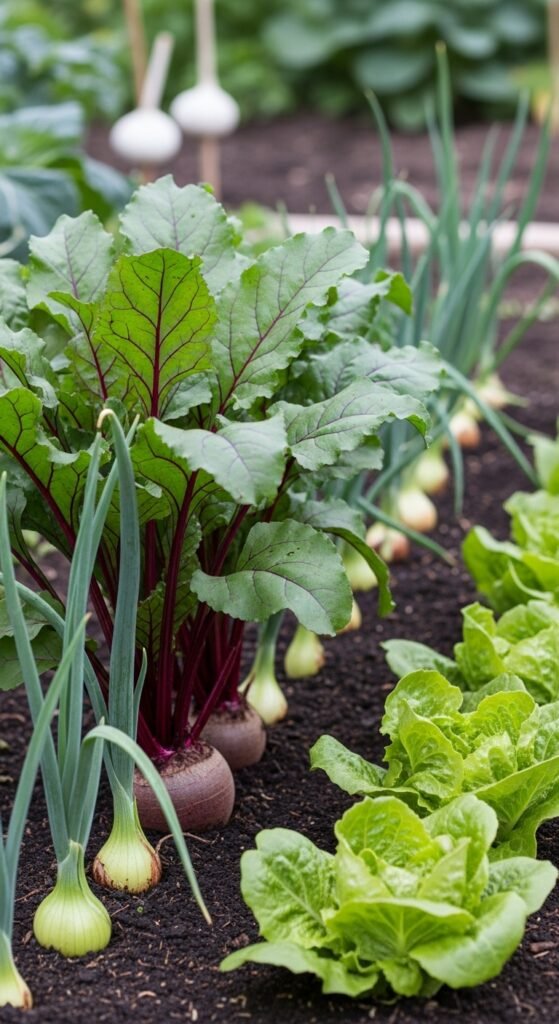
Pair beets with companions like onions, lettuce, or brassicas to deter pests and enhance growth. Avoid planting near pole beans, as they compete for resources.
Key benefits encompass natural pest control and space optimization, leading to healthier crops without chemicals. You’ll foster biodiversity and soil health.
Interplant strategically in rows or beds. For example, garlic repels aphids. Dive deeper with our companion planting vegetables insights. This method creates a balanced ecosystem, reducing maintenance while increasing yields.
8) Apply Mulch for Moisture and Weed Control
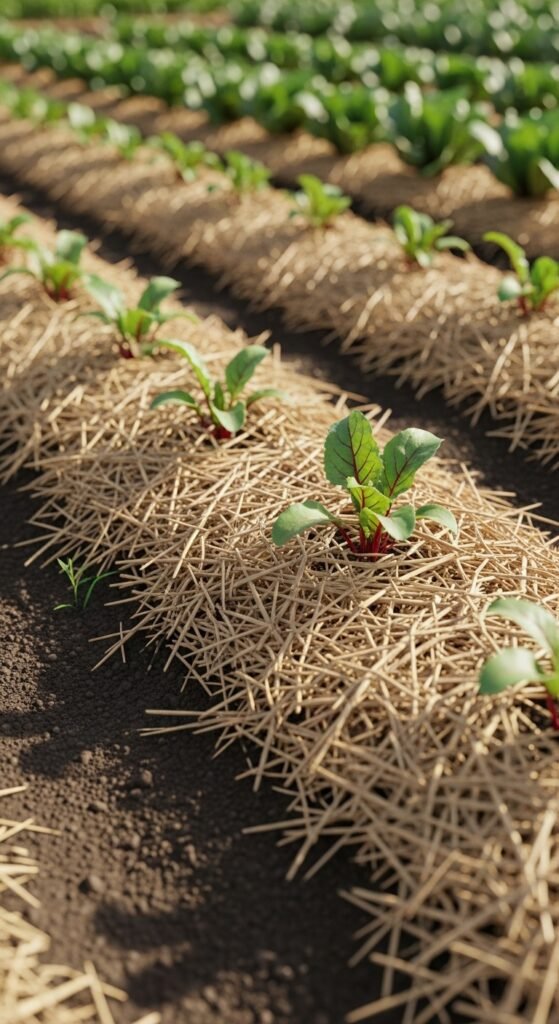
Cover soil around beets with organic mulch like straw or leaves to suppress weeds and retain moisture. Apply 2-3 inches after seedlings emerge.
Key benefits include reduced watering needs and fewer weeds, allowing beets to focus energy on root development. You’ll maintain even soil temperatures for better growth.
Spread mulch evenly, keeping it away from stems to prevent rot. Replenish as needed. For vegetable-specific advice, see mulching vegetable garden. This simple step significantly enhances garden efficiency and beet quality.
9) Monitor and Control Pests
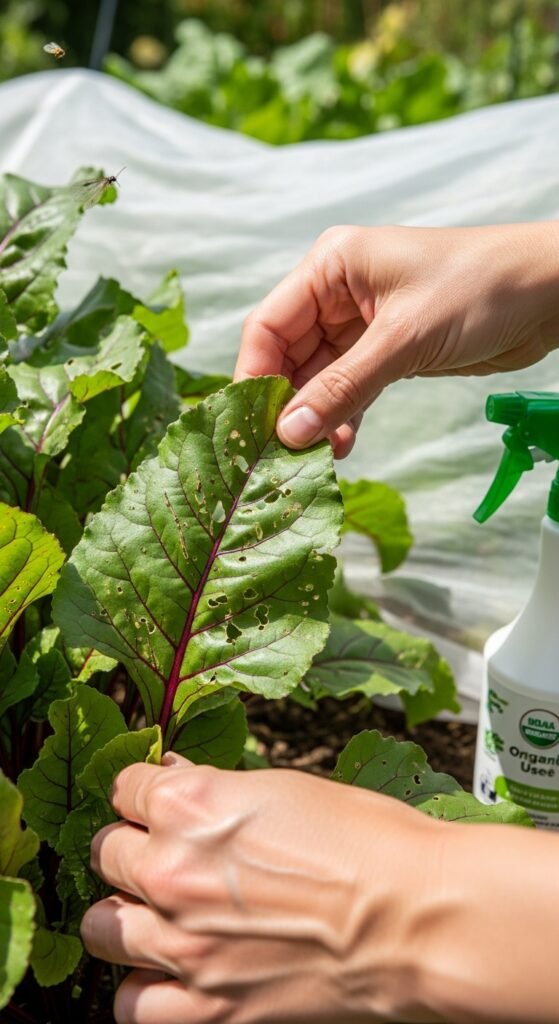
Watch for common pests like leaf miners and flea beetles, using row covers for protection. Hand-pick or use organic sprays as needed.
Key benefits feature undamaged foliage and roots, ensuring full harvests. You’ll avoid chemical residues for safer consumption.
Inspect plants weekly and act promptly. Encourage beneficial insects. This vigilant approach keeps your beet crop thriving without major setbacks.
10) Prevent Common Diseases
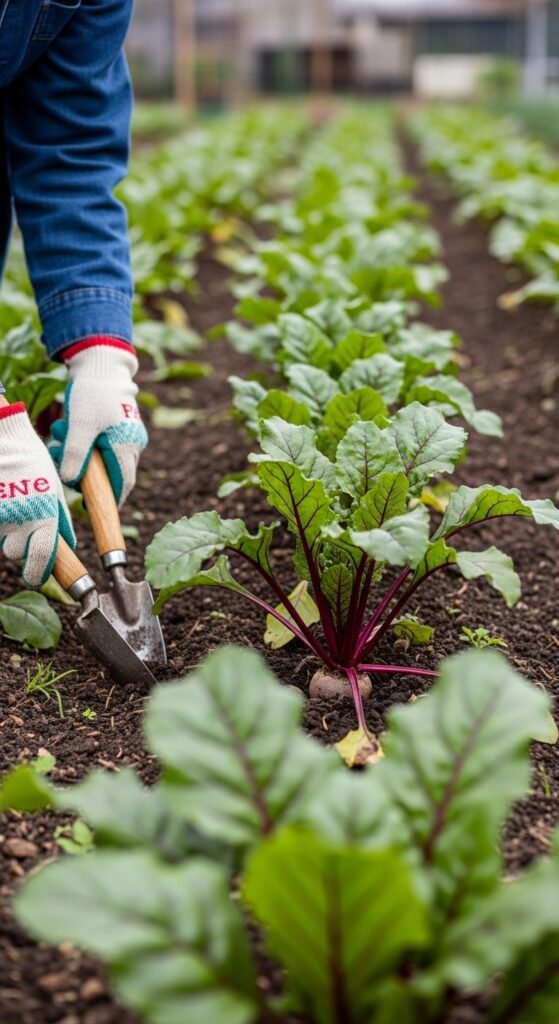
Rotate crops and ensure good air circulation to avoid issues like cercospora leaf spot. Use disease-resistant varieties where possible.
Key benefits involve sustained plant health and productivity, minimizing losses. You’ll cultivate resilient beets season after season.
Clean tools and remove debris. Proper spacing aids prevention. Consistent practices safeguard your garden investment effectively.
11) Harvest at the Right Time
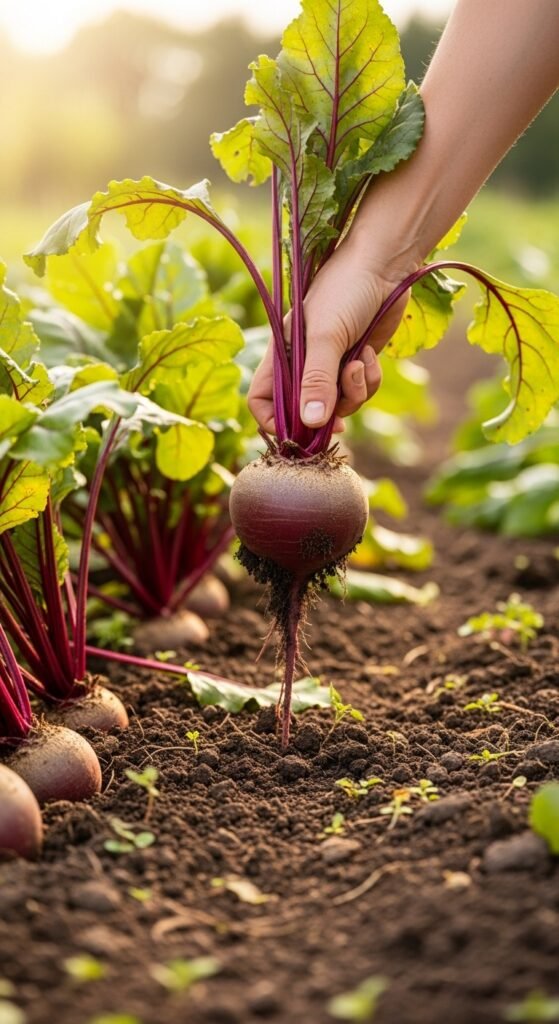
Pull beets when roots reach 1-3 inches in diameter for optimal tenderness. Harvest greens anytime for salads.
Key benefits include peak flavor and nutrition, with the option for multiple uses from one plant. You’ll enjoy fresh produce at its best.
Gently loosen soil and lift beets. Store properly for longevity. Timely harvesting encourages continuous production in succession plantings.
12) Practice Succession Planting
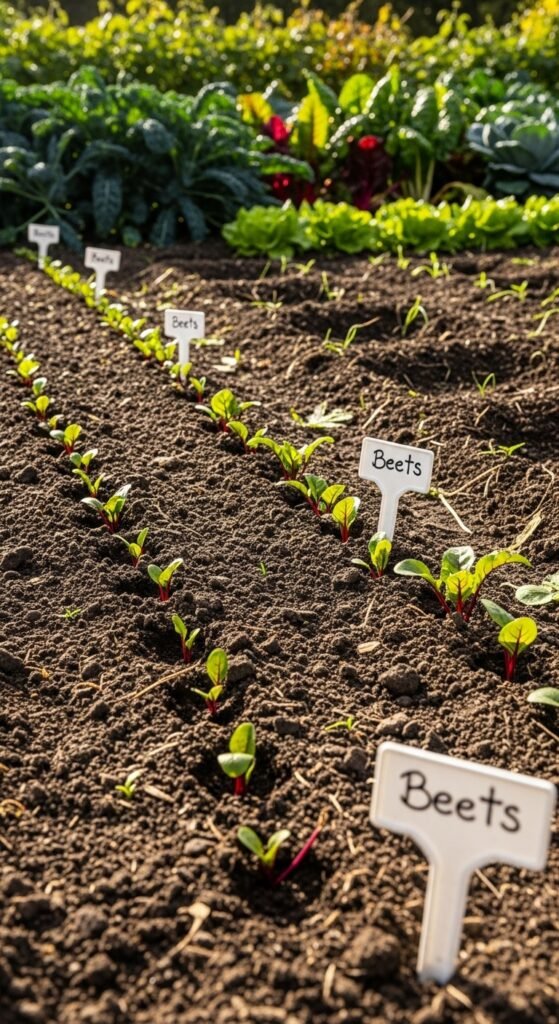
Sow new seeds every 2-3 weeks for a steady supply. This extends your beet season from spring through fall.
Key benefits encompass fresh beets over months, reducing preservation needs. You’ll optimize garden space and output.
Plan based on maturity dates. In cooler climates, focus on fall crops. For seasonal ideas, explore fall vegetable garden. This technique keeps your table stocked with homegrown goodness.
13) Grow Beets in Containers
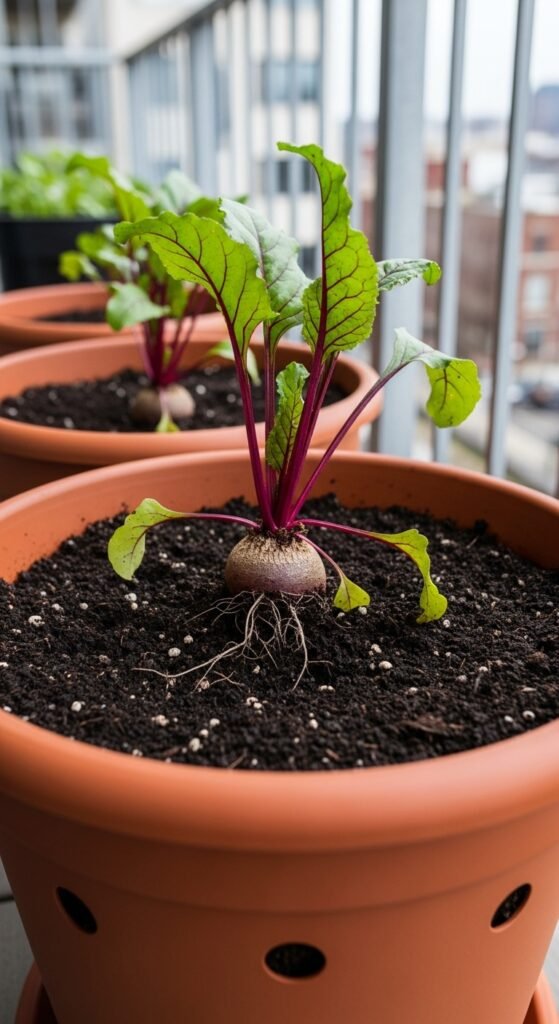
Use deep pots with good drainage for container-grown beets, ideal for small spaces. Choose compact varieties for best results.
Key benefits include accessibility and mobility, allowing urban gardeners to succeed. You’ll control soil quality precisely.
Fill with potting mix and water regularly. Position in full sun. Discover more in container vegetable gardening. This flexible method brings beets to balconies and patios effortlessly.
14) Utilize Raised Beds for Beets
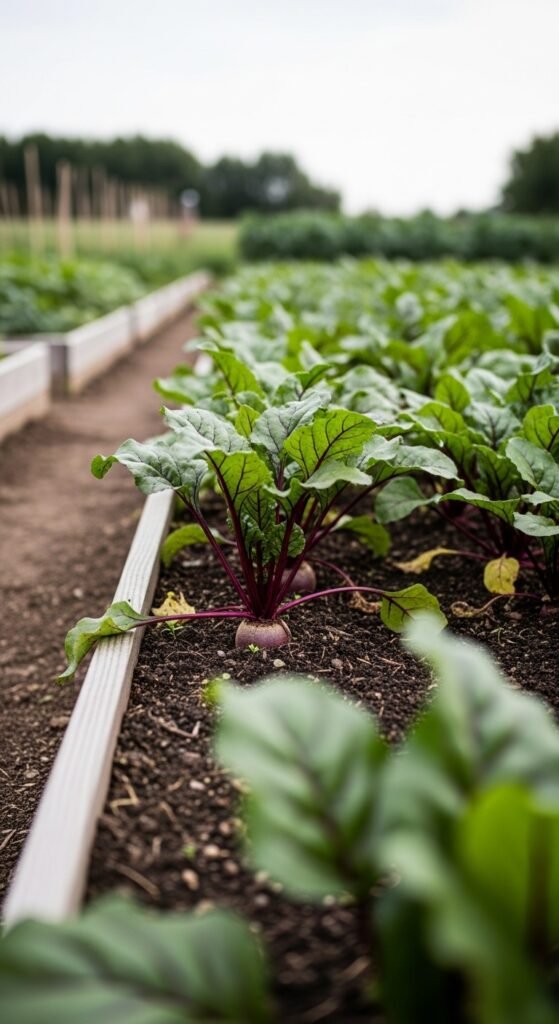
Raised beds provide excellent drainage and soil control for beets, preventing root issues in heavy clays.
Key benefits feature easier access and warmer soil for earlier planting. You’ll achieve higher yields in managed environments.
Build or buy beds, filling with amended soil. Plant densely for efficiency. For details, visit raised bed vegetable garden. This elevated approach simplifies cultivation and enhances results.
15) Store and Preserve Your Harvest
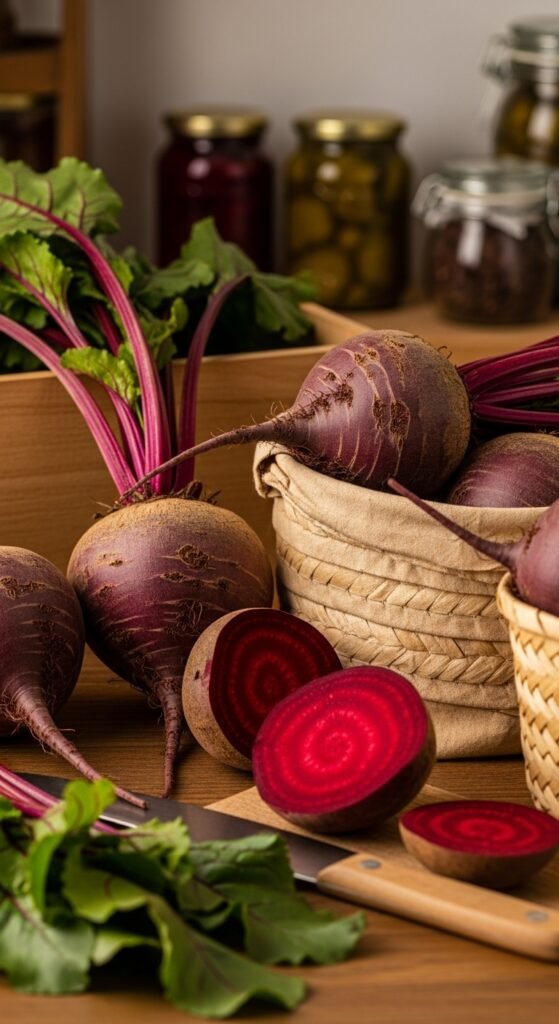
Store fresh beets in cool, humid conditions for months. Can or pickle for longer preservation.
Key benefits include year-round enjoyment and reduced waste. You’ll savor your efforts beyond the growing season.
Clean and trim before storage. Use root cellars or refrigerators. Experiment with recipes to diversify your pantry.
Key Principles for Growing Beets
Soil Management Essentials
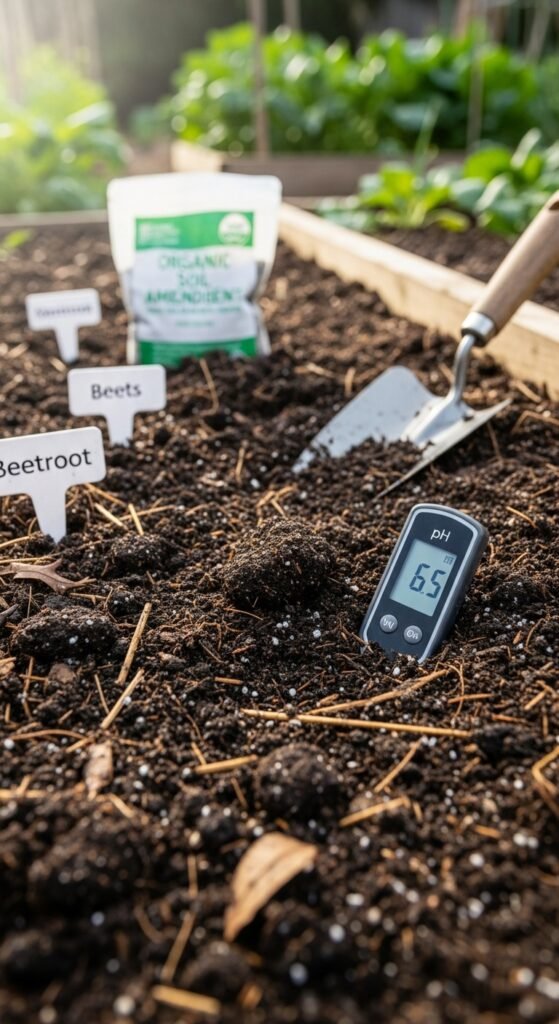
Maintain loose, fertile soil to support root growth. Regular amendments and pH monitoring are crucial for success.
Pest and Disease Vigilance
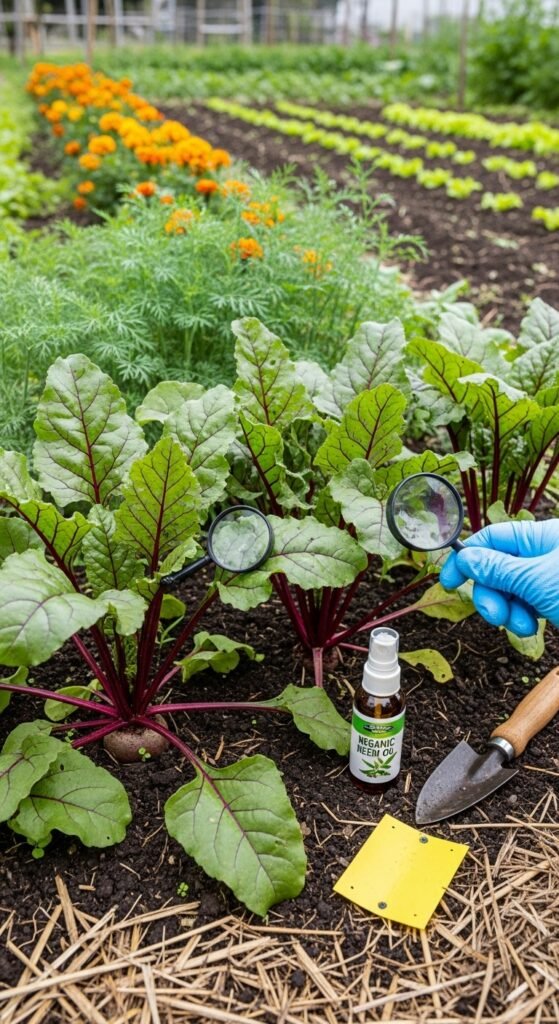
Early detection and organic controls keep problems at bay. Rotation prevents buildup of issues over time.
Harvesting and Storage Tips
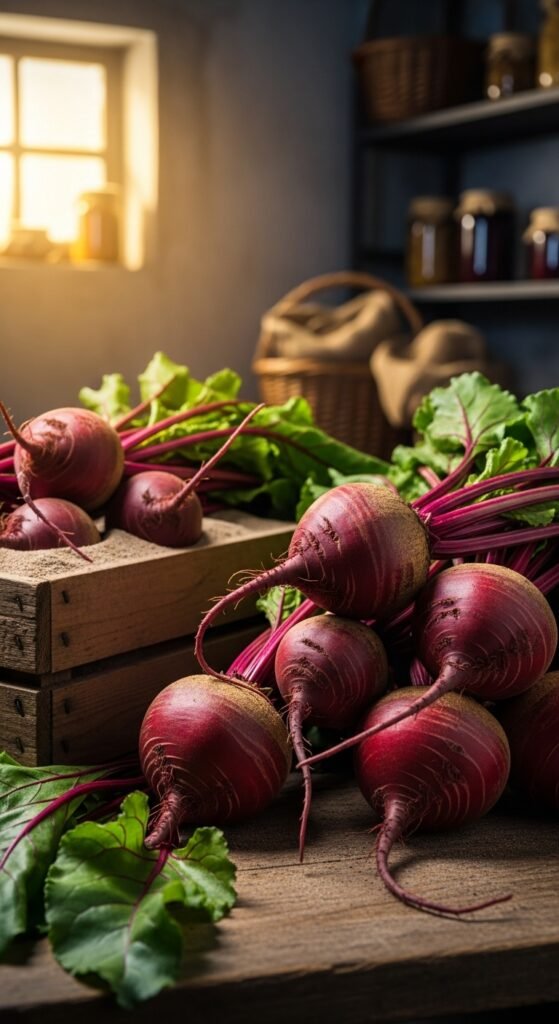
Timely picking and proper storage maximize your beet bounty. Use greens promptly for added nutrition.
Frequently Asked Questions
How long do beets take to grow?
Most beet varieties mature in 50-70 days from seed, depending on conditions and type. Baby beets can be harvested earlier for tender roots.
Can beets be grown in shade?
Beets prefer full sun but tolerate partial shade, though yields may decrease. Aim for at least 6 hours of direct sunlight daily.
What causes beets to bolt?
Heat stress or inconsistent watering can trigger bolting. Plant in cool seasons and maintain even moisture to prevent this.
Are beets easy for beginners?
Yes, beets are forgiving and quick-growing, making them suitable for new gardeners. Follow basic care for reliable results.
How do I know when beets are ready?
Check root size by gently brushing soil away. Harvest when 1-3 inches for best flavor and texture.