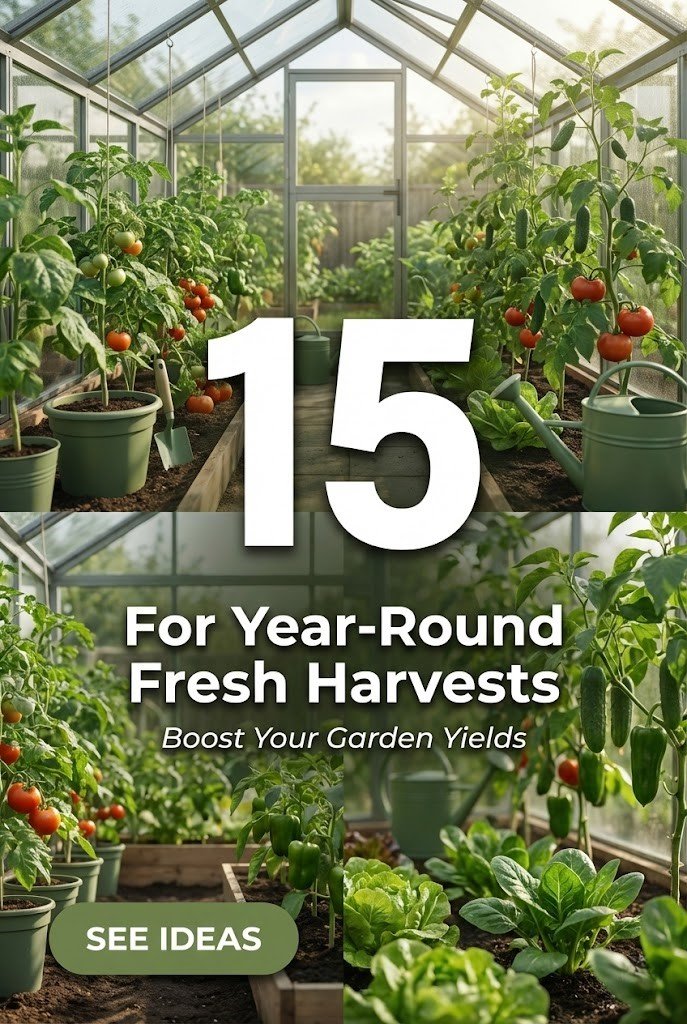
Growing greenhouse vegetables allows you to enjoy fresh, homegrown produce regardless of the season. By controlling the environment inside your greenhouse, you can optimize temperature, humidity, and light to suit a variety of crops. This approach not only extends your growing period but also protects plants from pests and harsh weather, leading to healthier yields.
Whether you’re a beginner or seasoned gardener, selecting the right greenhouse vegetables is key to success. You’ll benefit from higher productivity and nutrient-rich foods straight from your setup. From leafy greens to fruiting plants, these options thrive in controlled conditions, making your gardening efforts rewarding and sustainable.
Explore these top picks to transform your greenhouse into a bountiful vegetable haven. Remember, proper planning and maintenance, such as using automatic greenhouse ventilation, can enhance growth significantly.
1) Tomatoes
Tomatoes are a staple among greenhouse vegetables, offering juicy fruits in various sizes and colors. You can choose from cherry varieties for snacking or beefsteak types for slicing. They require support as vines grow tall, producing abundant harvests when conditions are right.
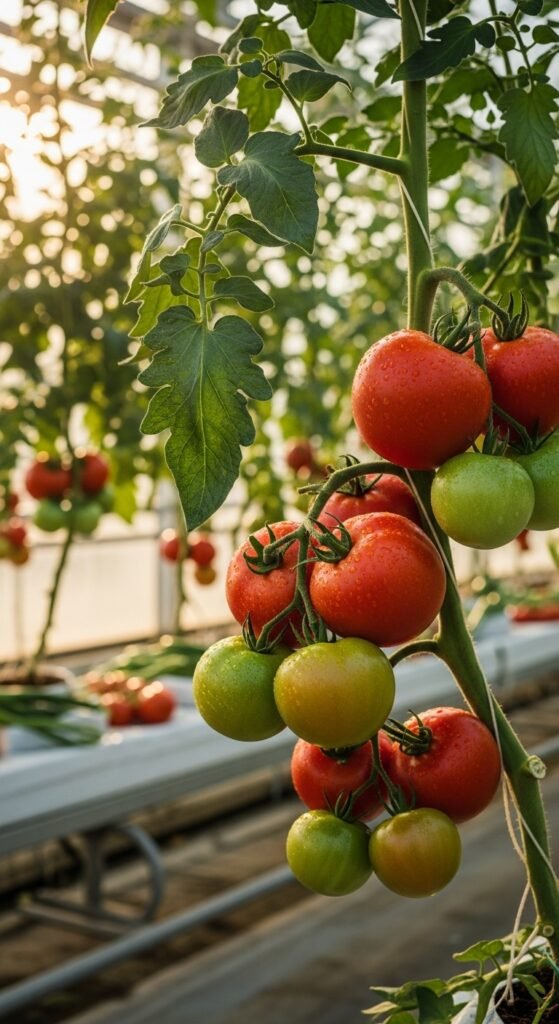
Key benefits include high vitamin C content and versatility in cooking. In a greenhouse, you shield them from outdoor diseases, ensuring consistent ripening. Why choose tomatoes? They yield prolifically, often giving you pounds of fruit per plant with minimal space.
To grow them, start seeds indoors and transplant into well-draining soil. Maintain temperatures around 70-80°F daytime, water evenly to prevent cracking, and prune suckers for better airflow. For detailed guidance, check our tomato growing guide. Fertilize with organic options every two weeks for robust plants.
2) Cucumbers
Cucumbers flourish as greenhouse vegetables, providing crisp, refreshing fruits ideal for salads and pickling. Opt for vining types that climb trellises, saving floor space while maximizing vertical growth. They come in slicing or pickling varieties to suit your needs.
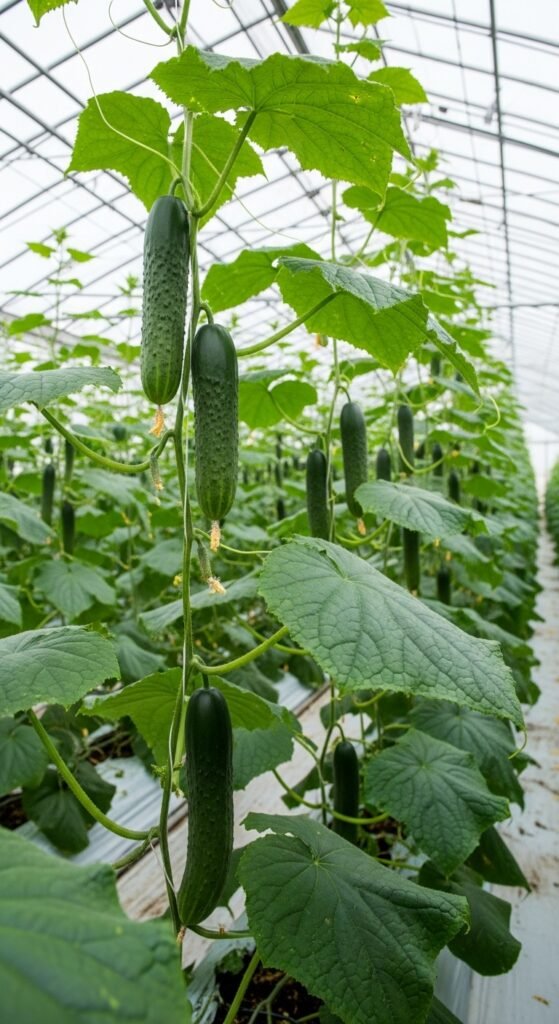
Key benefits encompass hydration properties and low-calorie nutrition. The controlled greenhouse environment prevents bitterness from stress, yielding sweeter crops. Why grow cucumbers? They mature quickly, often ready in 50-70 days, offering repeated harvests.
Plant seeds in warm soil, ensuring full sun exposure. Use a trellis for support and pollinate flowers manually if bees are absent. Water deeply but infrequently to avoid root rot, and incorporate a balanced fertilizer. If preserving your bounty, explore pickled cucumbers techniques for long-term enjoyment.
3) Bell Peppers
Bell peppers are colorful greenhouse vegetables that add vibrancy to your garden and meals. From green to red, yellow, or orange, they start mild and sweeten as they ripen. Compact bushes fit well in limited spaces.
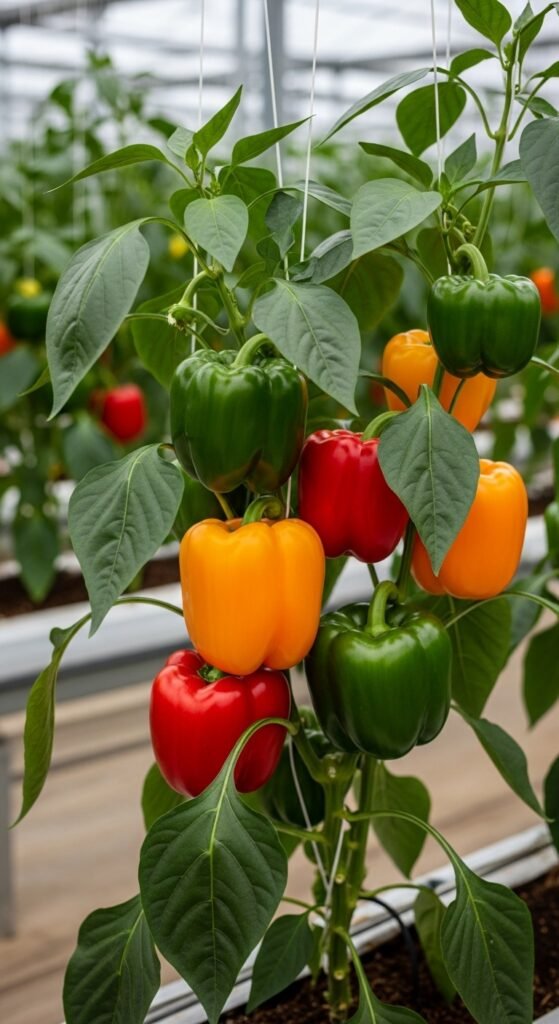
Key benefits feature antioxidants and versatility in stir-fries or stuffing. Greenhouses protect against frost, allowing year-round production. Why select bell peppers? They provide multiple fruits per plant, enhancing your harvest diversity.
Sow seeds under lights, transplanting when soil warms. Maintain 65-75°F nights, stake plants for support, and harvest at desired color. Consistent moisture prevents blossom end rot. For advanced tips, refer to our article on growing peppers.
4) Lettuce
Lettuce is a fast-growing leafy green among greenhouse vegetables, perfect for continuous salads. Choose loose-leaf, romaine, or butterhead for varied textures. It thrives in cooler conditions, making it ideal for shoulder seasons.
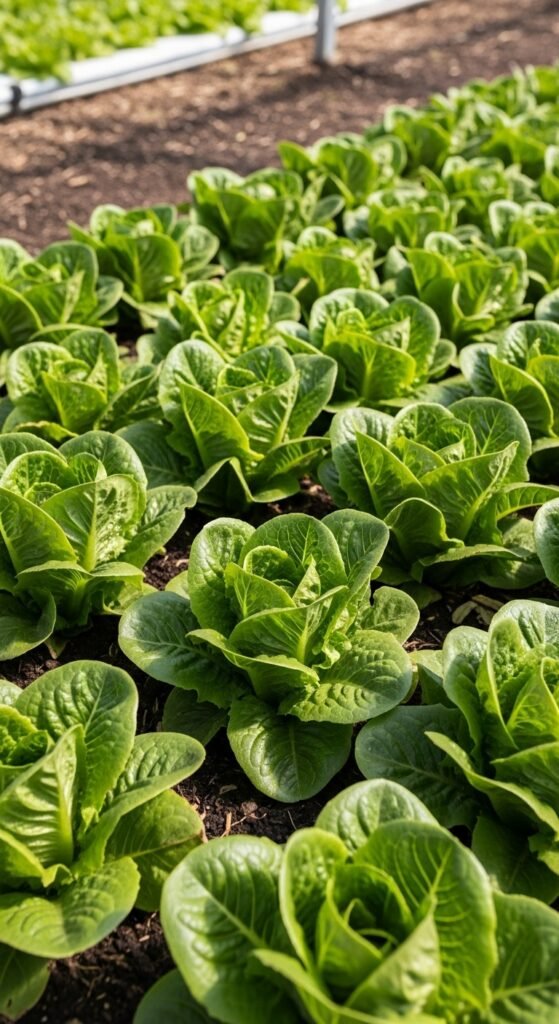
Key benefits include low maintenance and high folate levels. In a greenhouse, you avoid bolting from heat, ensuring tender leaves. Why grow lettuce? Harvest outer leaves repeatedly for ongoing supply without replanting.
Direct sow seeds in shallow rows, thinning to 6-8 inches apart. Keep soil moist and provide shade during hot spells. Use organic mulch to retain moisture. If expanding to other greens, consider integrating hardy winter vegetables.
5) Spinach
Spinach stands out as a nutrient-packed greenhouse vegetable, with dark green leaves rich in iron. Opt for savoy or smooth varieties for different uses in salads or cooking. It’s cold-tolerant, extending your growing window.
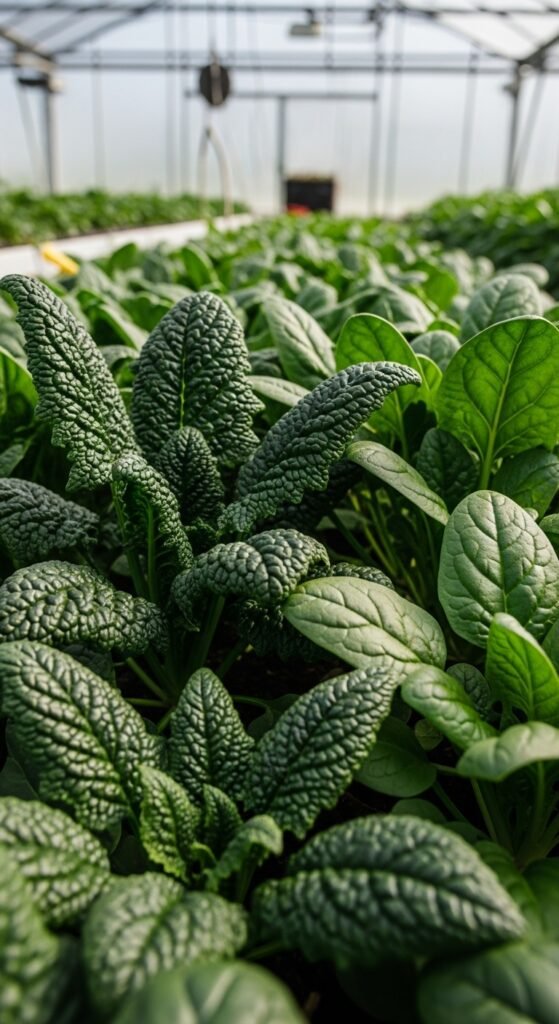
Key benefits involve boosting immunity and ease of incorporation into dishes. Greenhouses shield from pests, promoting cleaner growth. Why choose spinach? It regrows after cutting, offering multiple harvests from one planting.
Plant seeds in fertile soil, spacing 4-6 inches. Water regularly and fertilize lightly. Harvest young for tenderness. For pest issues, our greenhouse pest control guide can help maintain healthy plants.
6) Basil
Basil is an aromatic herb classified among greenhouse vegetables, enhancing flavors in pesto and sauces. Sweet Italian or Thai varieties offer diverse tastes. It loves warmth, thriving in protected settings.
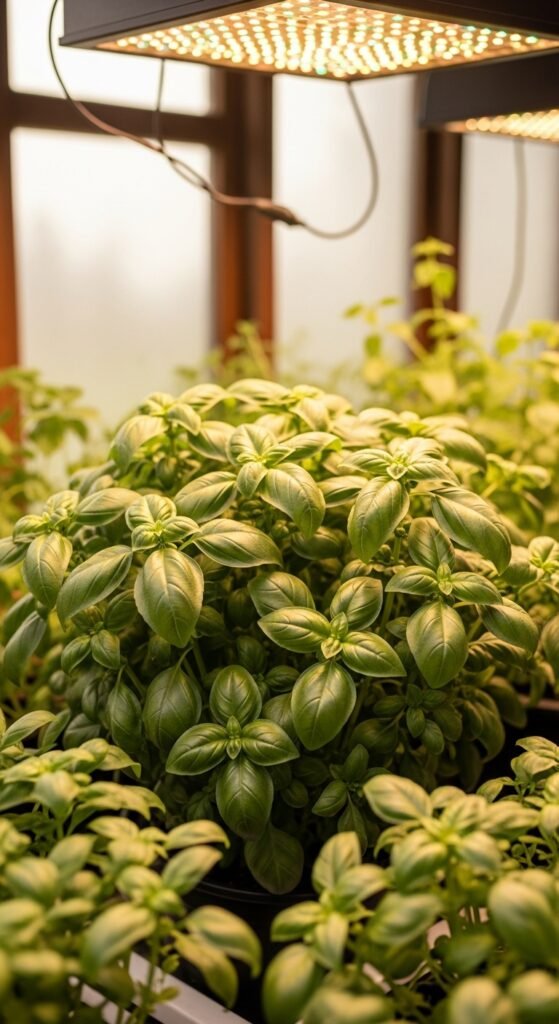
Key benefits feature anti-inflammatory properties and culinary versatility. In greenhouses, you prevent cold snaps that stunt growth. Why grow basil? Pinch tops for bushier plants and continuous leaf production.
Start from seeds or cuttings in pots, ensuring good drainage. Provide 6-8 hours of light and prune flowers to focus energy on leaves. For hydroponic options, explore hydroponic herb garden setups.
7) Radishes
Radishes are quick-maturing root greenhouse vegetables, ready in as little as 25 days. Globe or long types provide spicy bites for salads. They’re compact, fitting between larger plants.
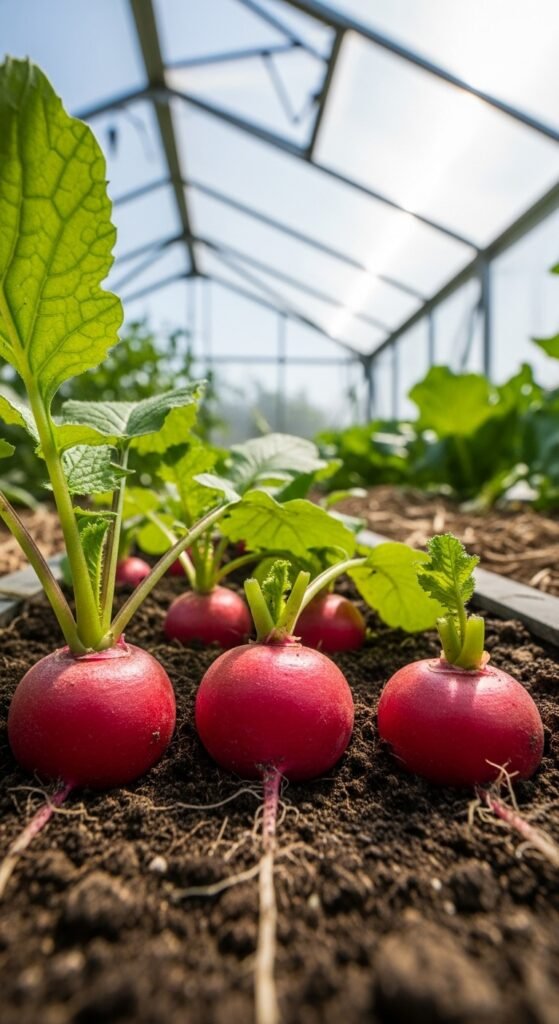
Key benefits include detoxification aids and minimal space needs. Greenhouses accelerate growth without weather delays. Why select radishes? They serve as companion plants, deterring pests from others.
Sow seeds directly, thinning to 2 inches apart. Keep soil consistently moist for mild flavor. Pull when roots swell. If starting early, use a seed starting greenhouse.
8) Carrots
Carrots are sweet root greenhouse vegetables, available in orange, purple, or white hues. Shorter varieties suit containers. They develop best in loose soil for straight growth.
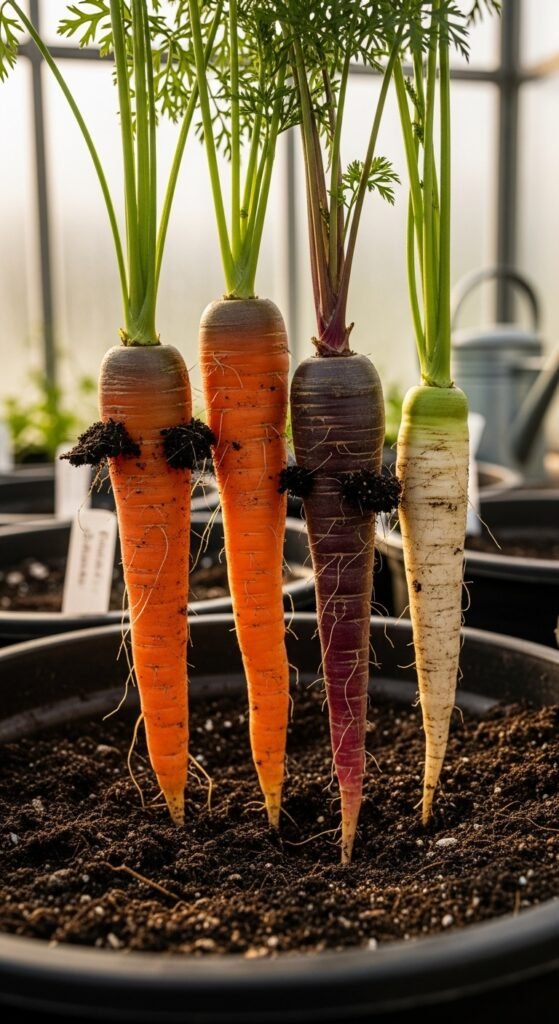
Key benefits encompass vision support and crunchy texture. In greenhouses, you control soil quality for optimal yields. Why grow carrots? Store well, providing fresh veggies through winter.
Plant seeds in deep pots, covering lightly. Thin seedlings and water gently. Harvest when tops are robust. For container ideas, see carrots in containers.
9) Green Beans
Green beans are productive greenhouse vegetables, with bush or pole types for different spaces. They fix nitrogen, improving soil for neighbors. Harvest pods young for tenderness.
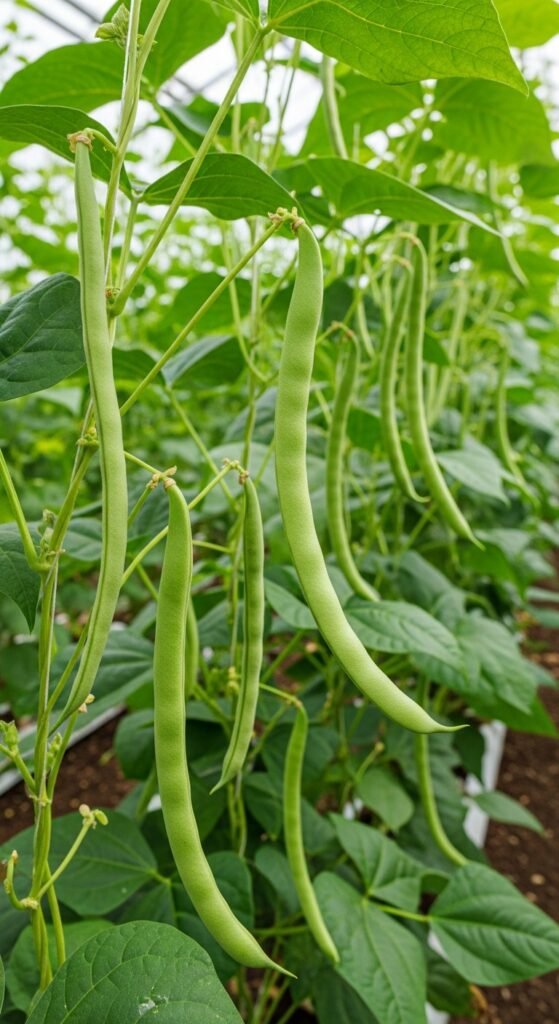
Key benefits include protein content and ease of freezing. Greenhouses extend seasons for successive plantings. Why choose green beans? High yields from vertical growth save room.
Sow after frost risk, using trellises for poles. Pick every few days to encourage more. Fertilize sparingly.
10) Eggplant
Eggplant is a heat-loving greenhouse vegetable, producing glossy fruits for grilling or baking. Compact or standard varieties fit various setups. They need staking as fruits develop.
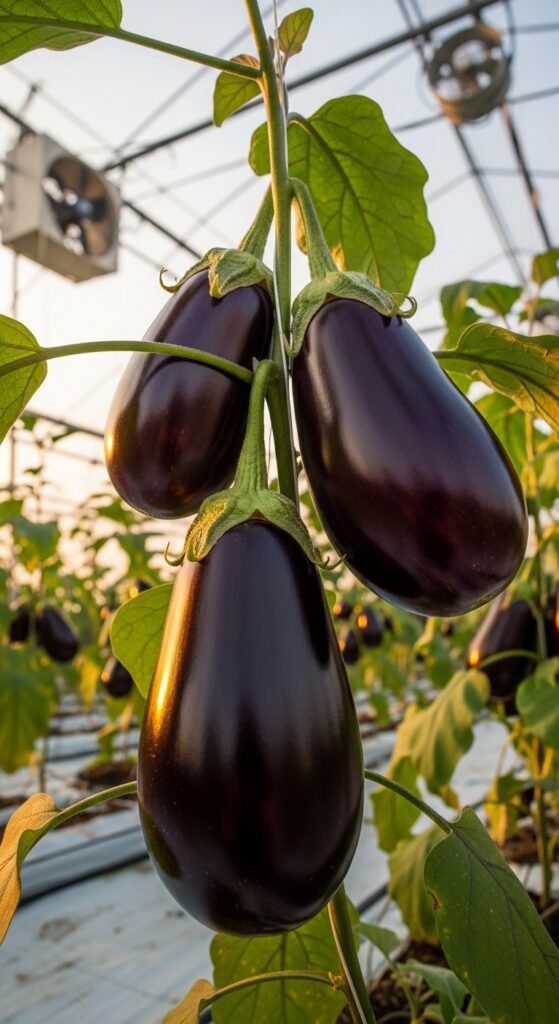
Key benefits feature fiber richness and meaty texture for vegetarian dishes. Greenhouses provide consistent warmth for better fruit set. Why grow eggplant? Fewer pests indoors lead to cleaner produce.
Transplant seedlings in rich soil, maintaining 70°F minimum. Prune lower leaves for airflow. For more, read our growing eggplant tips.
11) Kale
Kale is a hardy leafy greenhouse vegetable, packed with vitamins. Curly or lacinato types offer robust flavors. It tolerates cooler temps, ideal for winter growing.
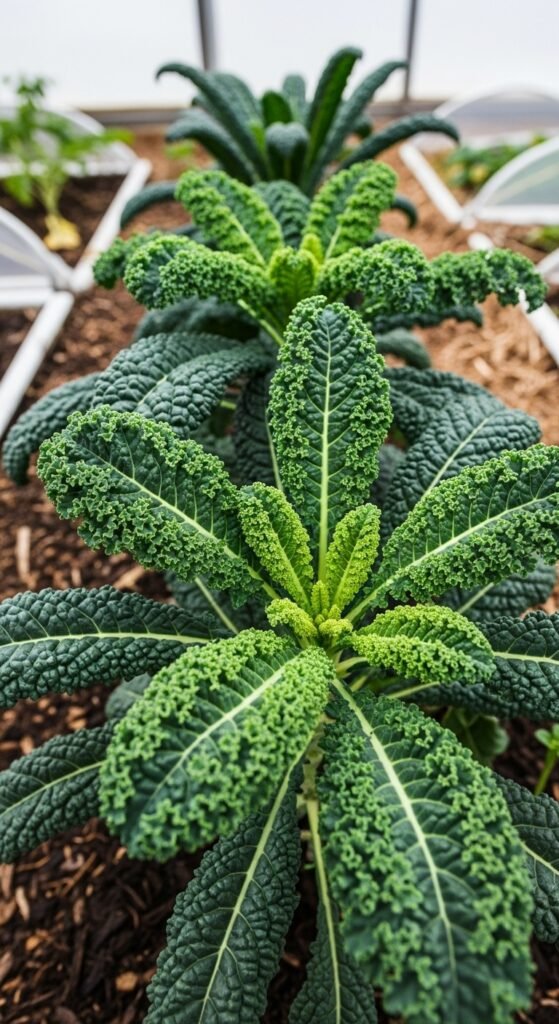
Key benefits involve antioxidant power and smoothie additions. In greenhouses, extend harvests beyond outdoor limits. Why select kale? Cold improves sweetness, enhancing taste.
Plant in fertile beds, spacing 12 inches. Harvest outer leaves continuously. Mulch for moisture retention.
12) Swiss Chard
Swiss chard shines as a colorful greenhouse vegetable, with vibrant stems and greens. It’s versatile for sautéing or salads. Grows quickly and regrows after cutting.
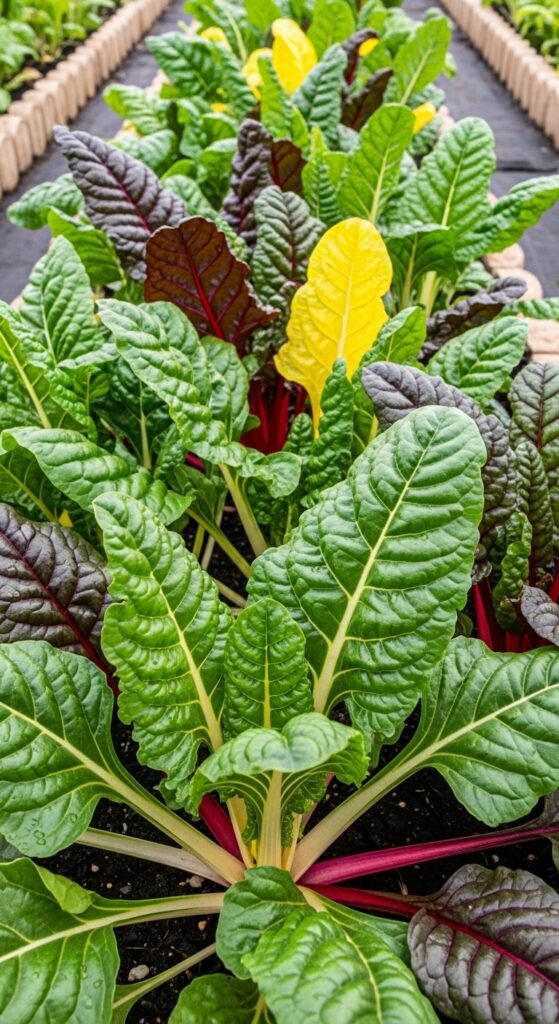
Key benefits include mineral richness and ornamental appeal. Greenhouses protect from bolting in heat. Why grow Swiss chard? Dual use as edible and decorative plant.
Sow seeds shallowly, thinning as needed. Provide even watering and partial shade if hot.
13) Broccoli
Broccoli is a nutritious head-forming greenhouse vegetable, with side shoots for extended harvest. Compact varieties suit small spaces. It prefers cooler conditions.
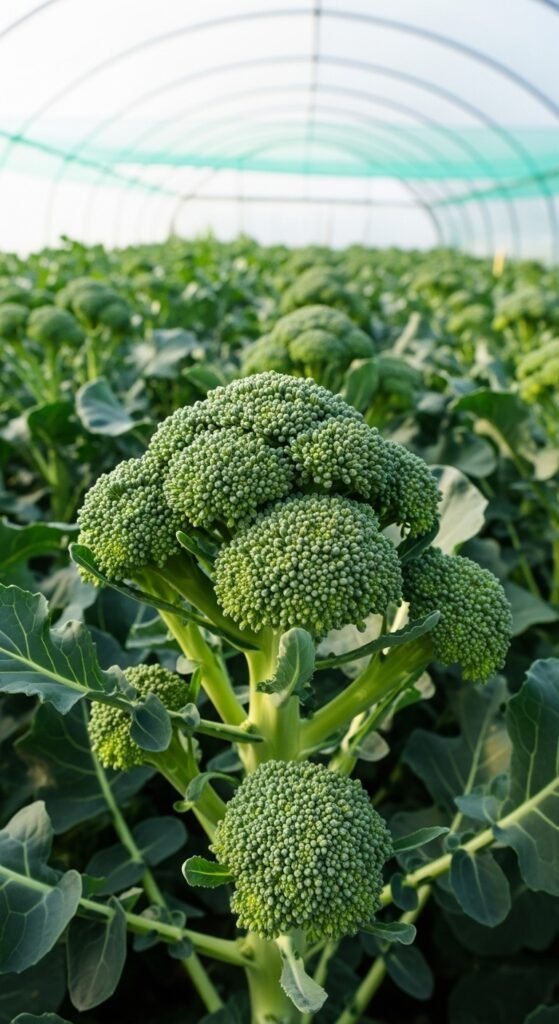
Key benefits encompass cancer-fighting compounds and high fiber. Greenhouses control temps for steady growth. Why choose broccoli? One plant yields multiple cuttings.
Start indoors, transplanting firmly. Water at base to prevent rot. Harvest central head first.
14) Zucchini
Zucchini is a prolific squash greenhouse vegetable, producing elongated fruits rapidly. Bush types are space-efficient. Harvest small for best flavor.
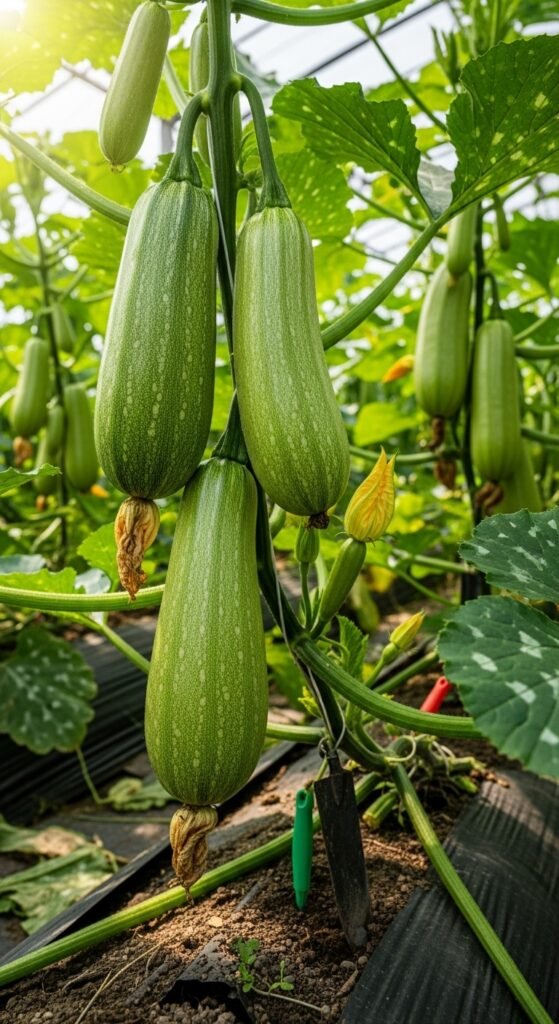
Key benefits feature low calories and baking versatility. In greenhouses, avoid powdery mildew with airflow. Why grow zucchini? Abundant output from few plants.
Plant in mounds, pollinating by hand. Water soil, not leaves. For containers, try zucchini in containers.
15) Beets
Beets are dual-purpose greenhouse vegetables, offering roots and edible greens. Red or golden varieties add color. They mature in 50-60 days.
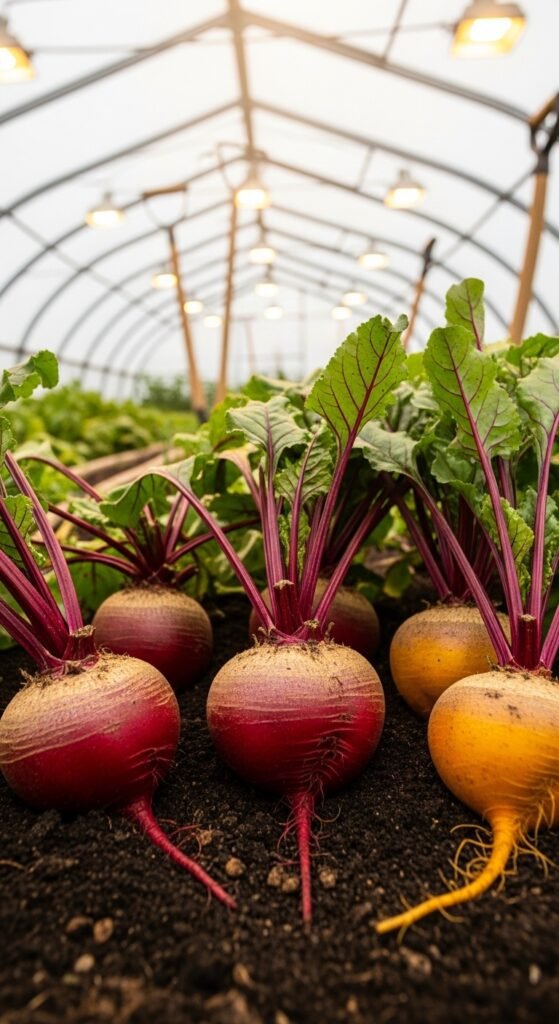
Key benefits include blood pressure support and earthy taste. Greenhouses ensure even growth without weather stress. Why select beets? Use whole plant for minimal waste.
Sow directly, thinning to 4 inches. Keep soil moist for sweet roots. Pull when golf ball-sized.
Key Tips for Successful Greenhouse Vegetable Gardening
Ventilation and Temperature Control
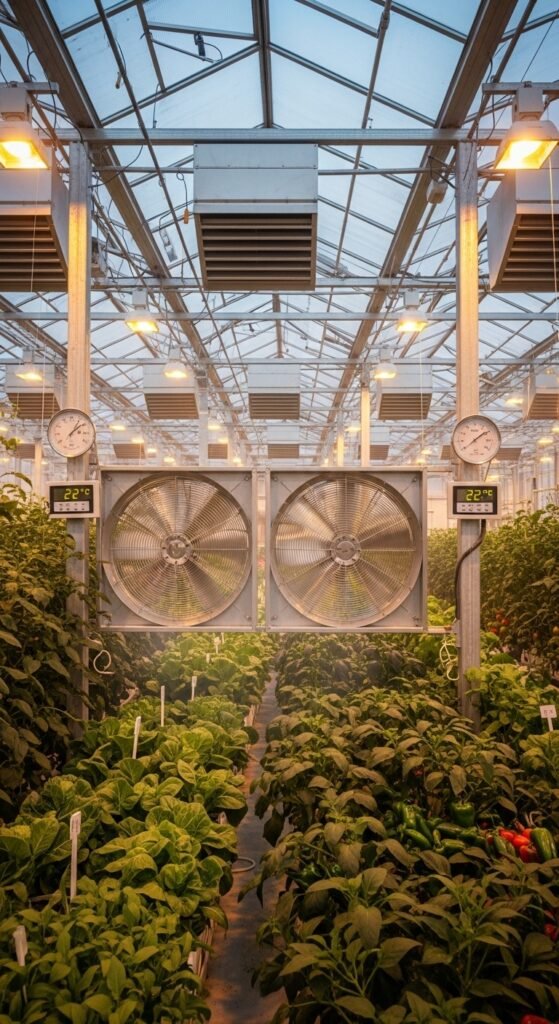
Maintain optimal airflow to prevent fungal issues. Use fans and vents, especially in humid conditions. Monitor temperatures to keep them steady for your chosen crops.
Soil and Fertilization
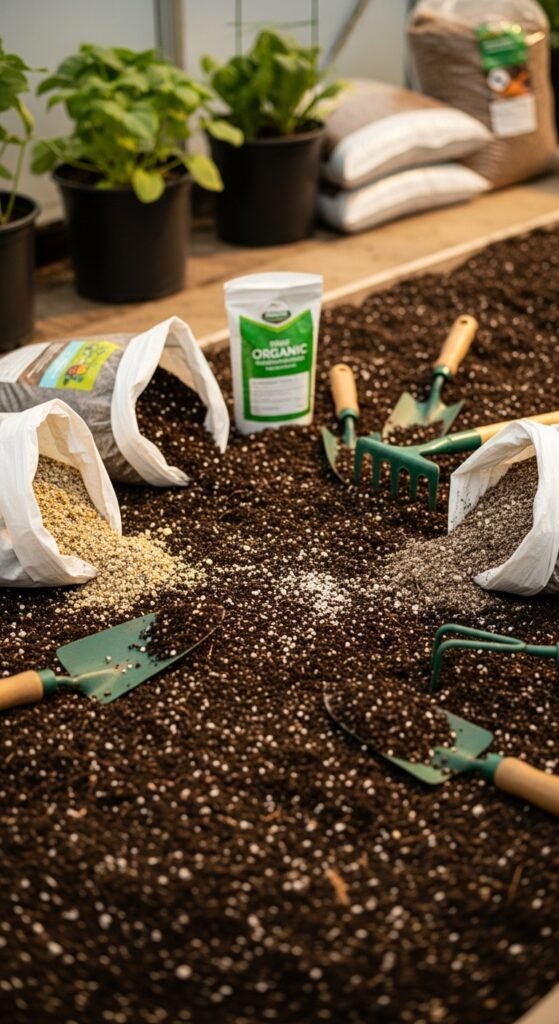
Opt for well-draining soil mixes tailored to vegetables. Incorporate organic fertilizer for vegetables to nourish plants without chemicals.
Pest Management
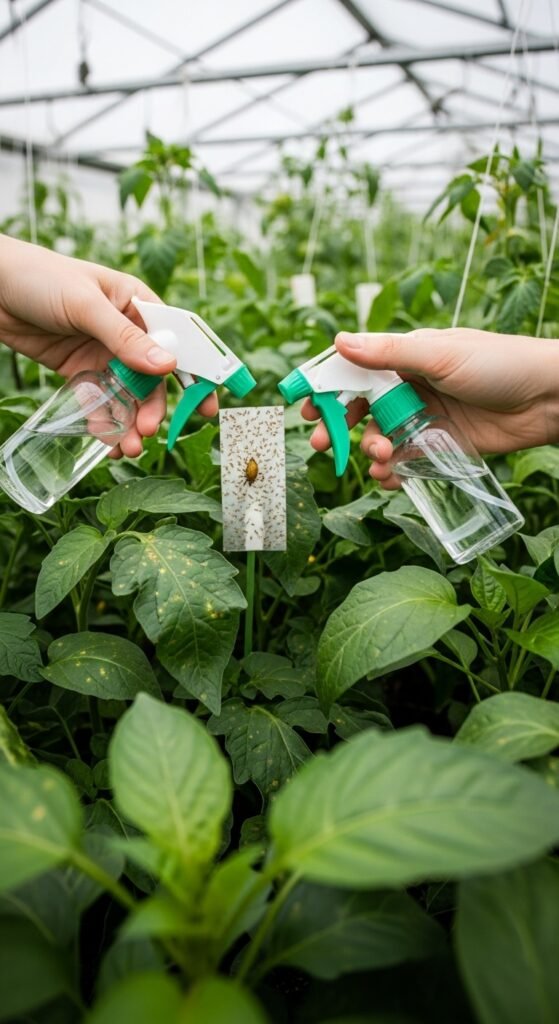
Regular inspections catch issues early. Employ natural remedies and barriers to keep your greenhouse thriving.
Frequently Asked Questions
What are the easiest greenhouse vegetables for beginners?
Start with lettuce, radishes, and tomatoes. These are forgiving and provide quick results, building your confidence as you learn greenhouse management.
How much space do I need for greenhouse vegetables?
It depends on your setup, but many vegetables like herbs and greens can thrive in small areas using vertical space or containers. Plan for at least 6-8 square feet per large plant.
Can I grow greenhouse vegetables without supplemental lighting?
Yes, in regions with sufficient sunlight, but during shorter winter days, LED grow lights can boost production for light-loving crops like peppers and cucumbers.
What common mistakes should I avoid with greenhouse vegetables?
Overwatering leads to root problems, so check soil moisture. Also, ensure proper pollination and avoid overcrowding to maintain healthy airflow.
How do I extend the growing season for greenhouse vegetables?
Use heaters for cold snaps and shade cloths for heat. Succession planting keeps a steady supply, maximizing your greenhouse’s potential year-round.