Imagine stepping into your garden and being greeted by a symphony of scents that uplift your spirits and create a serene oasis. Fragrant flowers are more than just visual delights; they engage your senses, attract pollinators, and can even promote relaxation through aromatherapy. Whether you’re designing a new flower bed or enhancing an existing one, incorporating these blooms will transform your outdoor space into a perfumed paradise.
Choosing the right fragrant flowers depends on your climate, soil, and sunlight conditions. Many thrive in full sun, while others prefer partial shade. You’ll discover that these plants not only add aroma but also color and texture to your landscape. With proper care, you can enjoy their scents from spring through fall, making your garden a year-round sensory experience.
Ready to infuse your yard with captivating fragrances? Explore these 15 ideas, each offering unique scents and growing tips to help you succeed.
1) Lavender Elegance
Lavender is a classic fragrant flower known for its soothing purple spikes and calming aroma. This perennial herb releases a fresh, herbal scent that’s perfect for borders or containers. What makes it special is its versatility—you can use the dried blooms in sachets or teas.
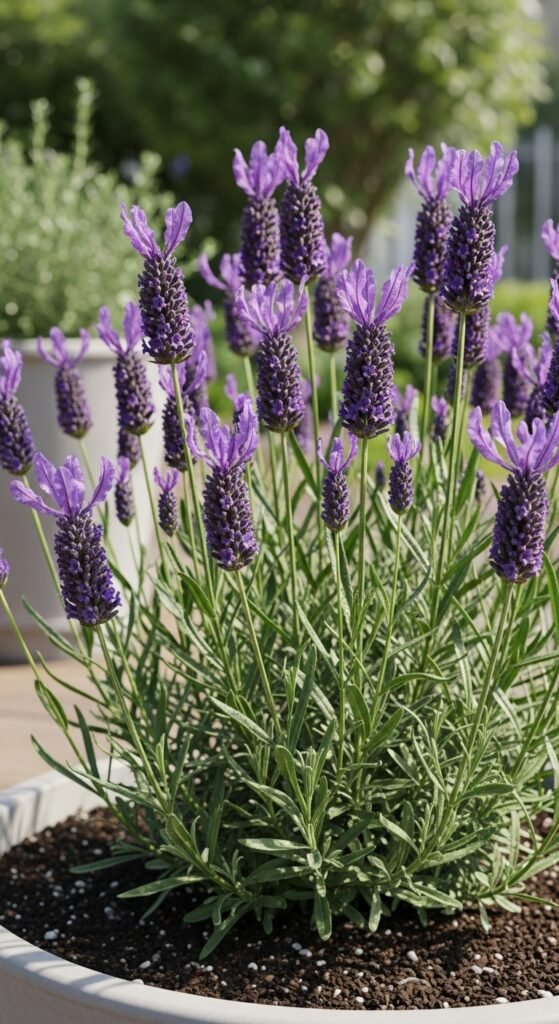
Why choose lavender? It attracts bees and butterflies while deterring pests like deer. The strong, relaxing fragrance can reduce stress, making it ideal for a peaceful garden retreat. In sunny spots with well-drained soil, it thrives with minimal water once established.
How to grow it: Plant in spring after the last frost, spacing 12-18 inches apart. Prune annually to maintain shape—check our guide on lavender pruning for best results. Harvest stems when buds form for the strongest scent. With proper care, you’ll enjoy bountiful blooms year after year.
2) Rose Romance
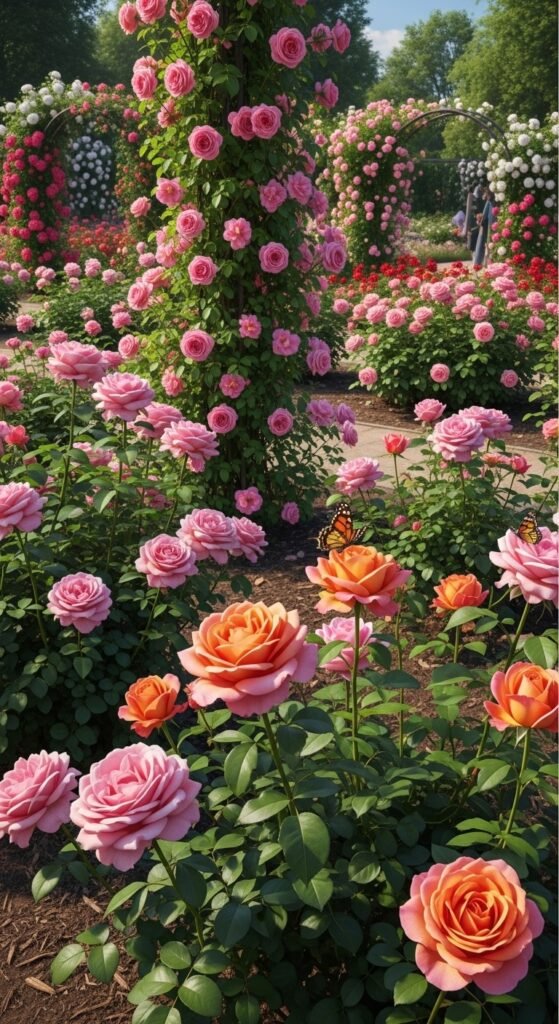
Roses are timeless fragrant flowers, offering a range of scents from sweet and fruity to spicy and musky. These shrubs come in countless varieties, including climbers and hybrids, adding elegance to any garden.
Why incorporate roses? Their intoxicating perfumes create a romantic atmosphere, and they symbolize love and beauty. Rich, layered fragrances draw in pollinators and provide cut flowers for indoors. They prefer full sun and fertile soil, rewarding you with continuous blooms.
How to cultivate them: Select a site with good air circulation to prevent diseases. Plant bare-root roses in early spring, mulching to retain moisture. Regular deadheading encourages more flowers—refer to our tips on rose pruning. With fertilizer and pest monitoring, your roses will flourish, filling the air with delightful aromas.
3) Jasmine Allure
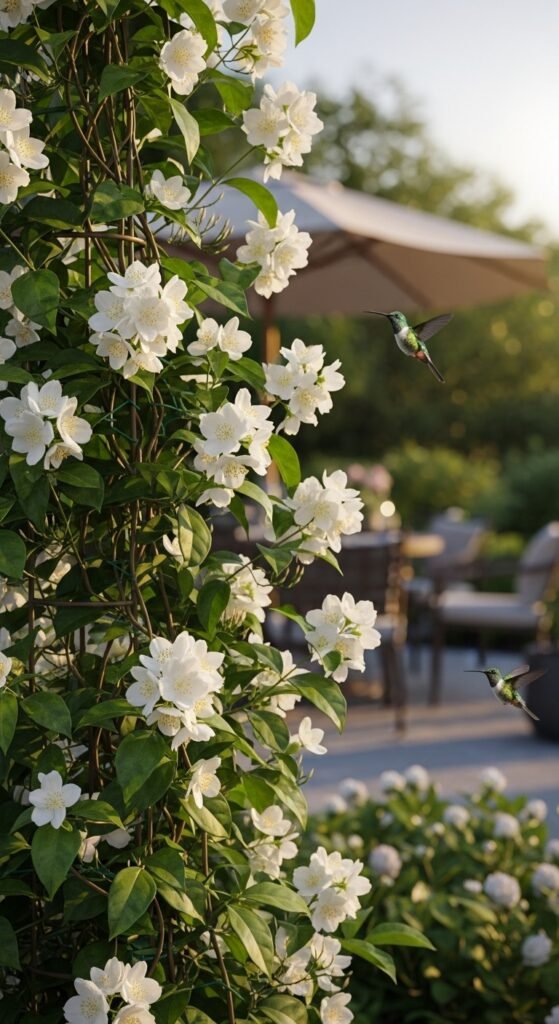
Jasmine vines produce clusters of white or yellow flowers with an exotic, sweet fragrance that’s especially potent at night. This climber is perfect for trellises or arbors, creating vertical interest.
Why select jasmine? Its heady scent evokes tropical vibes and can perfume an entire patio. Intense, floral notes attract hummingbirds and provide natural air freshening. It grows best in warm climates with partial shade and moist soil.
How to nurture it: Train vines on supports like a sturdy trellis—explore our jasmine trellis ideas for inspiration. Plant in spring, watering regularly during dry spells. Prune after flowering to control growth. In cooler zones, grow indoors or in pots for overwintering, ensuring year-round enjoyment of its captivating smell.
4) Lilac Splendor
Lilacs are deciduous shrubs bursting with panicles of purple, white, or pink flowers in spring, emitting a strong, sweet fragrance that’s nostalgic and invigorating.
Why grow lilacs? Their powerful scent signals the arrival of warmer weather and creates privacy screens. Classic, perfumed blooms support wildlife and offer long-lasting cut arrangements. They thrive in full sun with alkaline soil, needing cold winters for best flowering.
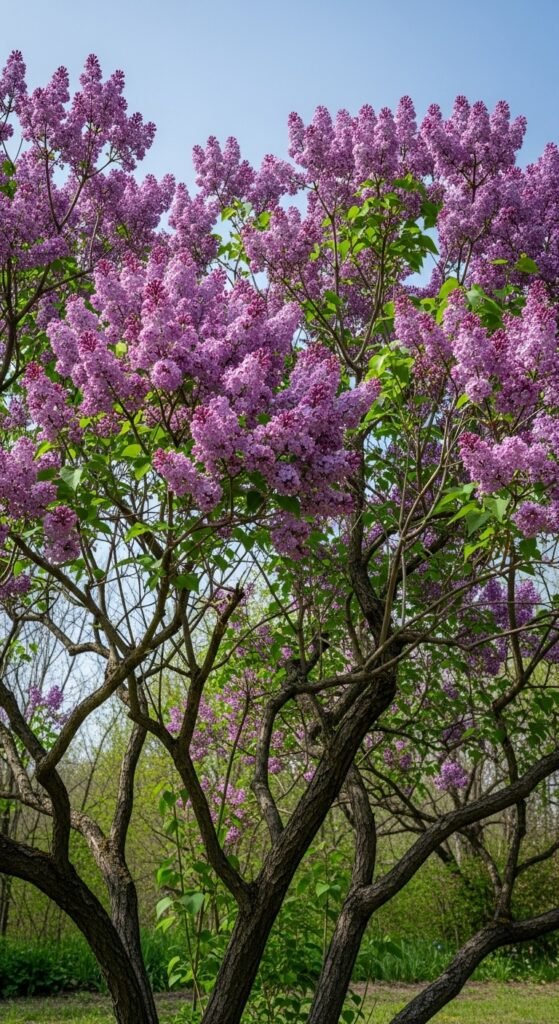
How to maintain them: Plant in fall for root establishment, spacing 10-15 feet apart. Annual pruning removes spent blooms—see our advice on pruning lilacs. Fertilize sparingly to avoid excessive foliage. With good drainage and occasional deep watering, your lilacs will reward you with abundant, fragrant displays each season.
5) Hyacinth Charm
Hyacinths are bulbous perennials with dense spikes of colorful flowers, releasing a rich, sweet aroma that’s intensely floral and slightly spicy.
Why plant hyacinths? They provide early spring color and fragrance, perfect for forcing indoors during winter. Potent, heady scents enhance borders or containers, attracting early pollinators. They prefer well-drained soil and partial sun.
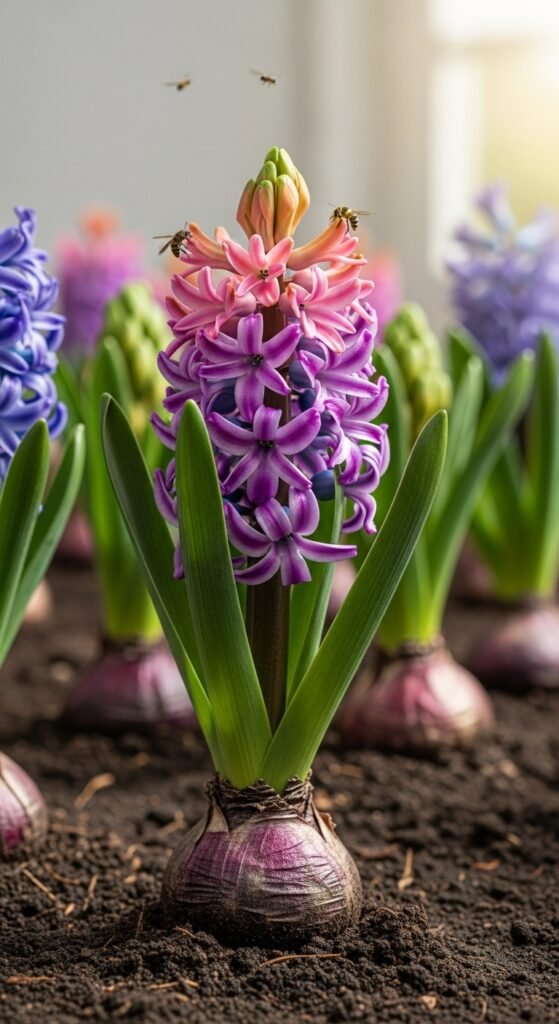
How to cultivate: Plant bulbs in fall, 4-6 inches deep, in groups for impact. Water moderately and mulch for protection. After blooming, allow foliage to die back naturally. For variety, combine with other spring bulbs. You’ll love how their perfume wafts through the air, signaling renewal in your garden.
6) Gardenia Grace
Gardenias are evergreen shrubs with glossy leaves and creamy white flowers, exuding a luxurious, jasmine-like fragrance that’s creamy and intoxicating.
Why choose gardenias? Their sophisticated scent elevates formal gardens or patios. Exquisite, velvety aromas make them stars in bouquets and provide evergreen structure. They need acidic soil, humidity, and partial shade to thrive.
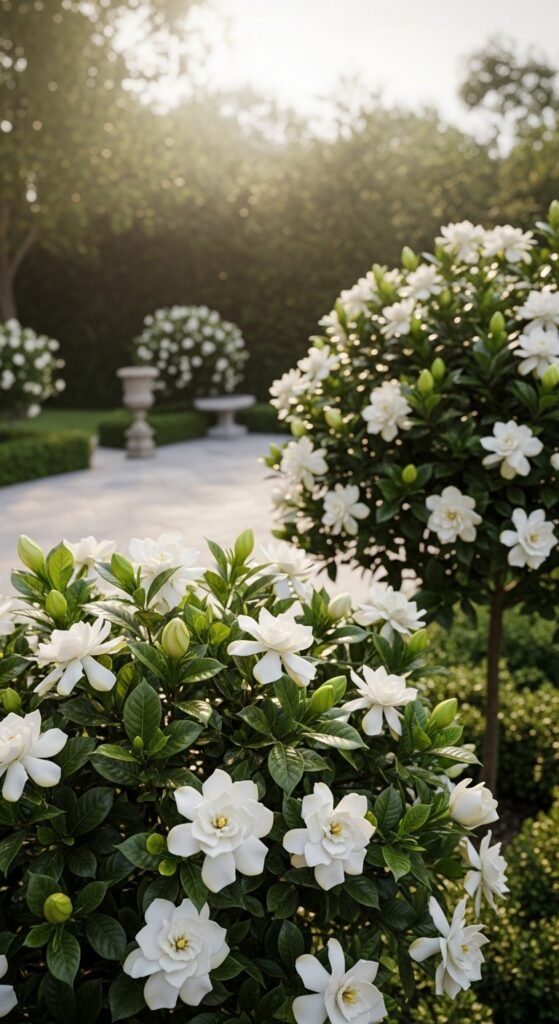
How to grow: Plant in spring in protected spots, maintaining consistent moisture without sogginess. Feed with acid-loving fertilizer. Prune lightly after flowering. In colder areas, grow in containers for indoor overwintering. With attention to humidity, you’ll bask in their divine fragrance throughout the blooming period.
7) Sweet Pea Delight
Sweet peas are annual vines with ruffled flowers in pastel shades, offering a delicate, honey-sweet fragrance that’s fresh and floral.
Why incorporate sweet peas? They add vertical height and charm to fences or obelisks. Enchanting, nostalgic scents attract butterflies and make excellent cut flowers. They prefer cool weather, full sun, and rich soil.
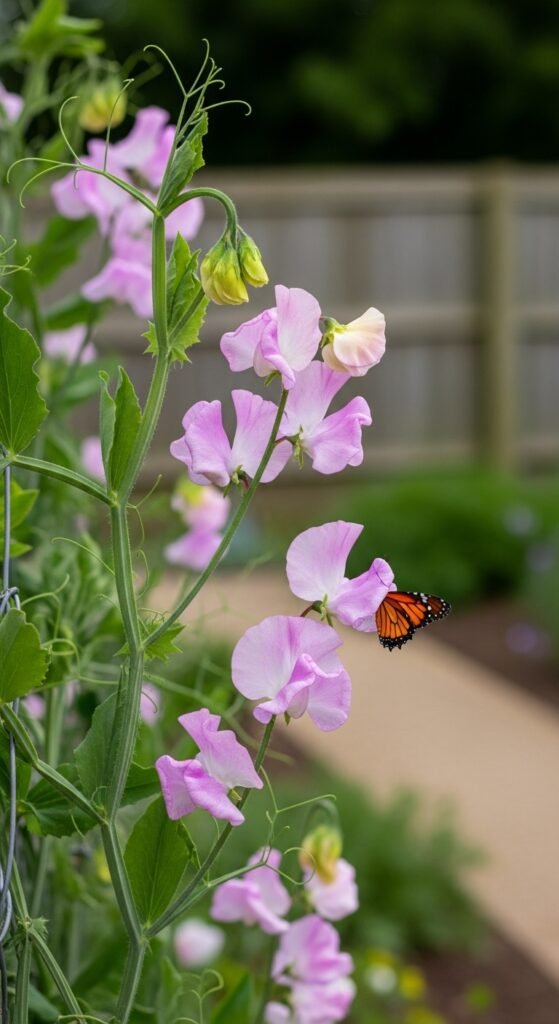
How to nurture: Sow seeds in early spring or fall, providing supports for climbing. Pinch tips for bushier growth. Water regularly and pick blooms to encourage more. For ideas, check our post on sweet peas. Their prolific flowering will fill your space with gentle, pervasive perfume.
8) Honeysuckle Harmony
Honeysuckle vines feature tubular flowers in yellows and pinks, releasing a sweet, spicy scent that’s particularly strong in evenings.
Why select honeysuckle? It covers unsightly structures and provides nectar for wildlife. Warm, inviting fragrances create a welcoming garden atmosphere. Plant in full sun to partial shade with moist, well-drained soil.
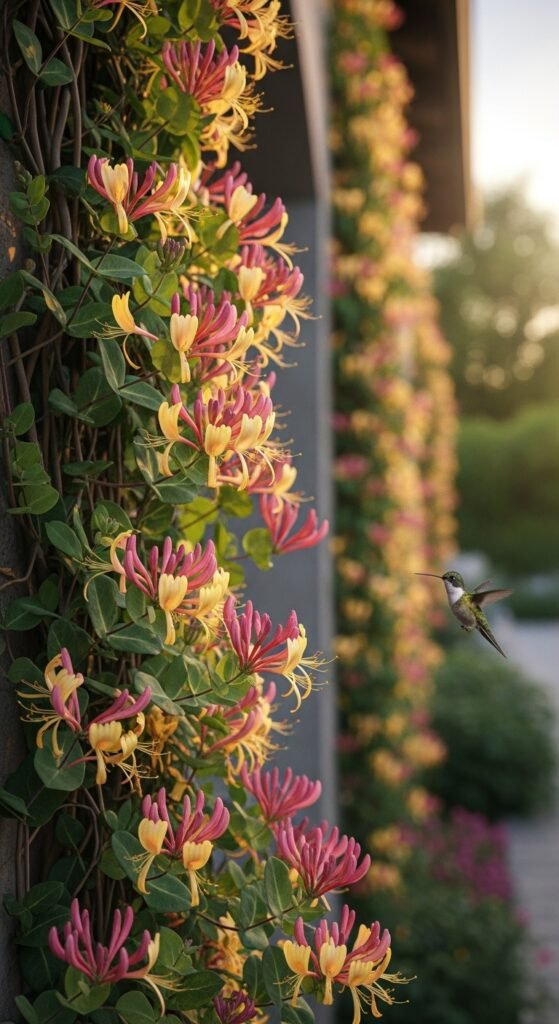
How to cultivate: Train on trellises or walls, pruning after flowering to maintain shape. Mulch to retain moisture. Non-invasive varieties are best for gardens. You’ll appreciate how the scent lingers, drawing in hummingbirds and enhancing twilight strolls.
9) Freesia Fantasy
Freesias are corm-based plants with wiry stems and funnel-shaped flowers, emitting a fresh, citrusy fragrance that’s light and fruity.
Why grow freesias? They offer vibrant colors and long-lasting blooms for arrangements. Refreshing, zesty aromas brighten borders or pots. They thrive in full sun with sandy soil and good drainage.
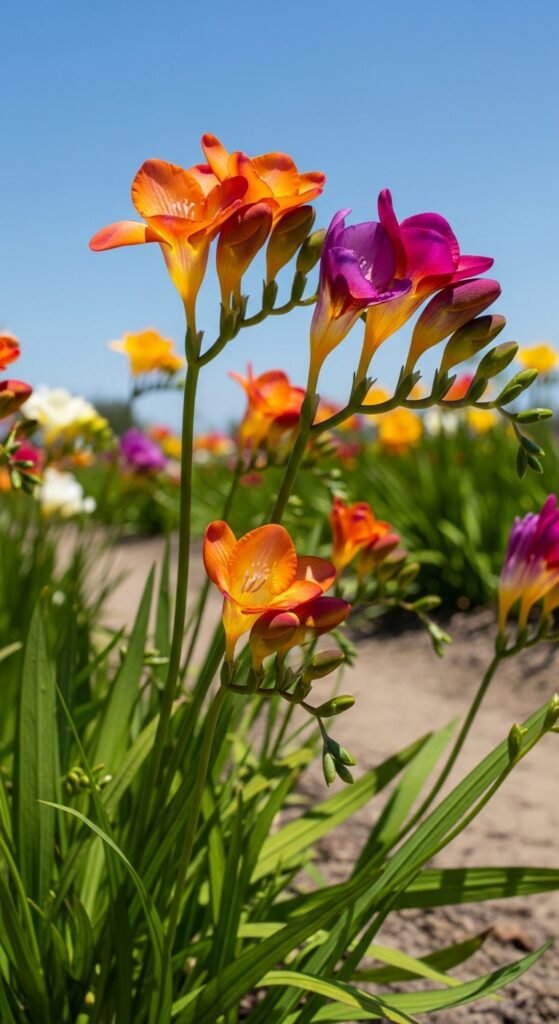
How to maintain: Plant corms in spring, 2 inches deep. Water sparingly until growth appears, then regularly. Stake if needed. In mild climates, they perennialize; elsewhere, lift for storage. Their cheerful scent will uplift your garden’s ambiance.
10) Peony Poetry
Peonies are herbaceous perennials with large, ruffled blooms, some varieties offering a rose-like, sweet fragrance that’s soft and romantic.
Why choose peonies? Their showy flowers create focal points in beds. Subtle, elegant scents complement their beauty, attracting admirers. Plant in full sun with rich, well-drained soil for best results.
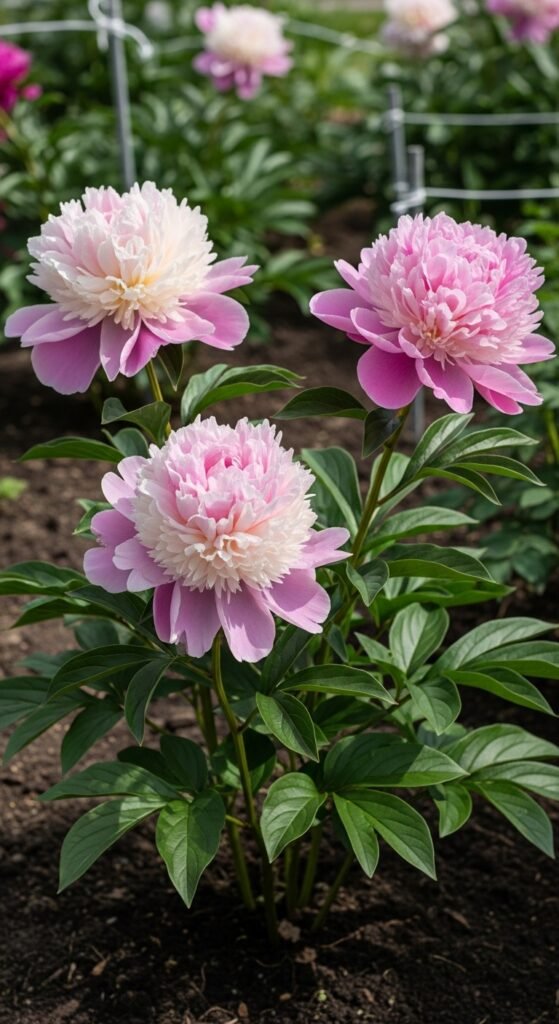
How to nurture: Set tubers in fall, eyes up, 2 inches deep. Support heavy blooms with stakes. Cut back in fall. With patience, established plants produce abundant, fragrant displays each spring.
11) Lily Luminescence
Lilies are bulbous plants with trumpet-shaped flowers, many exuding a strong, exotic fragrance that’s spicy and sweet.
Why plant lilies? They add height and drama to mixed borders. Bold, pervasive aromas fill the air, especially Oriental varieties. They prefer full sun to partial shade and fertile soil.
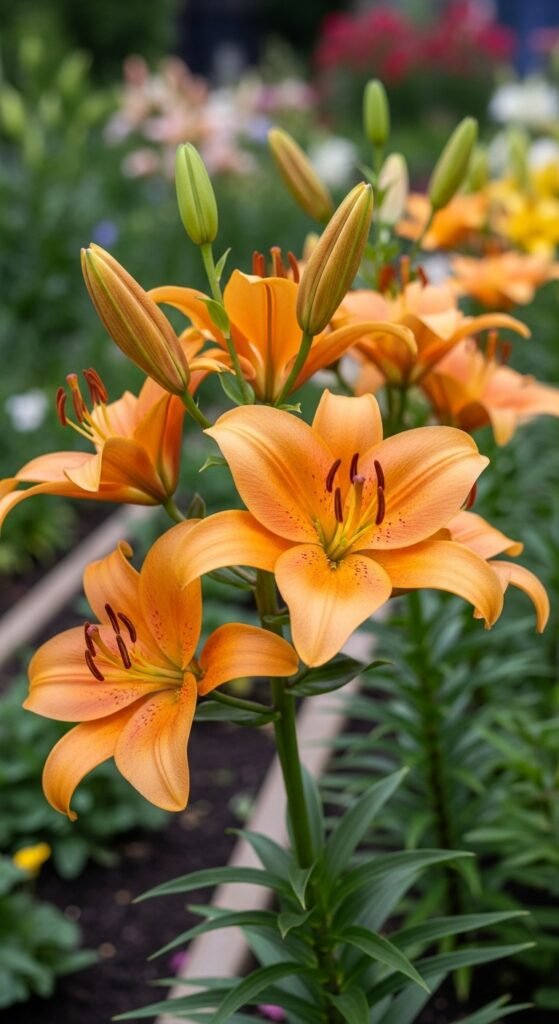
How to cultivate: Plant bulbs in spring or fall, 6-8 inches deep. Mulch for winter protection. Divide clumps every few years. Their commanding presence and scent will make your garden unforgettable.
12) Mock Orange Majesty
Mock orange is a deciduous shrub with white, citrus-scented flowers that mimic orange blossoms in fragrance and appearance.
Why incorporate mock orange? It provides structure and privacy with its dense growth. Citrusy, clean scents evoke summer freshness. Grow in full sun to partial shade with average soil.
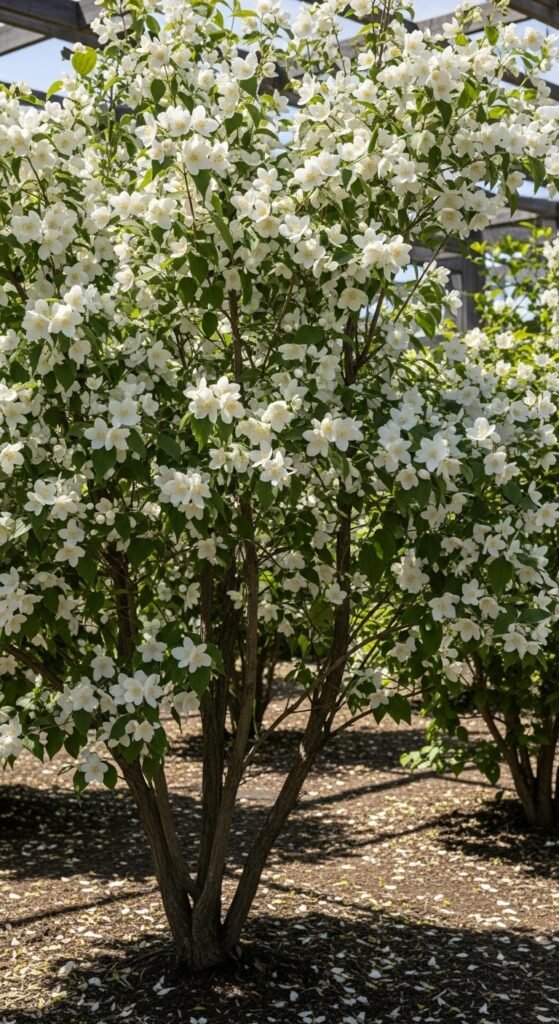
How to grow: Plant in spring, pruning after blooming to shape. Water during dry periods. It’s low-maintenance, rewarding you with profuse, fragrant blooms annually.
13) Daphne Dream
Daphne shrubs bear clusters of pink or white flowers with an intense, sweet fragrance that’s fruity and floral.
Why select daphne? Compact size suits small gardens or containers. Powerful, alluring aromas perfume walkways. They need partial shade, acidic soil, and protection from winds.
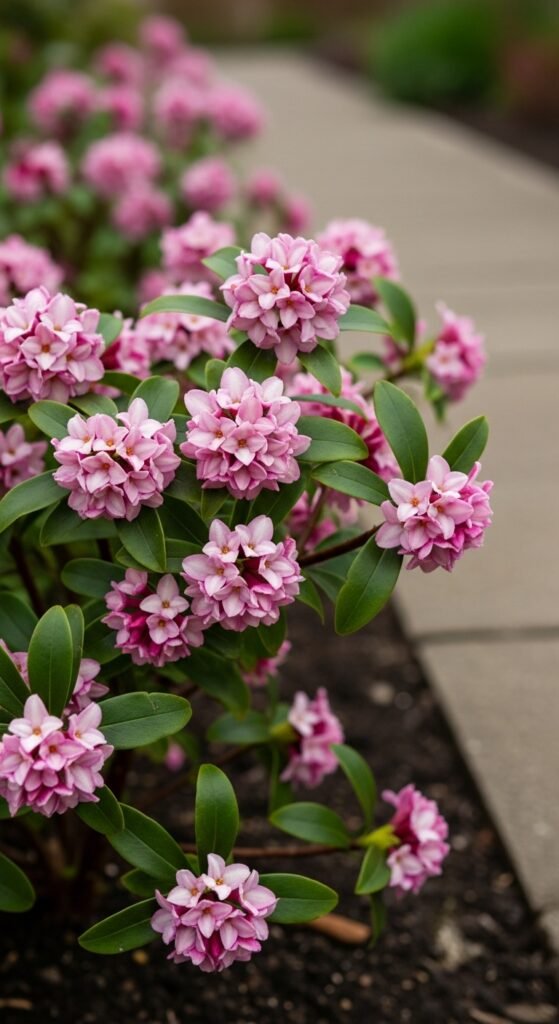
How to nurture: Plant in well-drained spots, mulching to keep roots cool. Prune sparingly. Evergreen types offer year-round interest. Their early blooms and scent herald spring’s arrival.
14) Heliotrope Heaven
Heliotrope is an annual with vanilla-scented, purple flower clusters that follow the sun, adding movement to beds.
Why grow heliotrope? Its cherry-pie-like fragrance is unique and comforting. Sweet, bakery-inspired notes attract butterflies. Plant in full sun with moist, fertile soil.
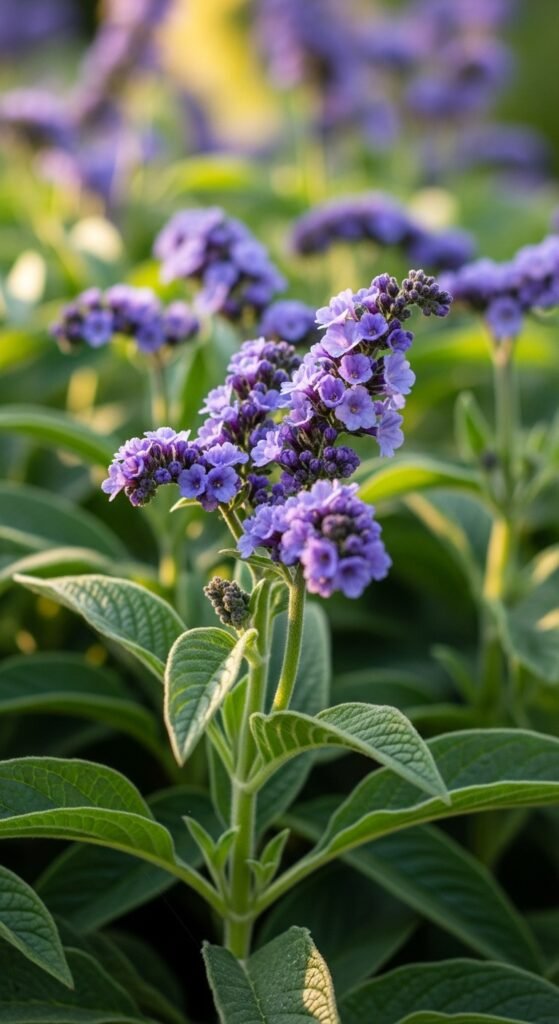
How to maintain: Start from seeds indoors, pinching for bushiness. Deadhead to prolong blooming. In pots, it’s mobile for scent placement. Enjoy the nostalgic aroma all season.
15) Nicotiana Nocturne
Nicotiana, or flowering tobacco, features tubular flowers that open at dusk, releasing a jasmine-like, sweet fragrance.
Why choose nicotiana? It extends garden enjoyment into evenings. Mysterious, night-blooming scents lure moths and add intrigue. Grow as annuals in full sun with average soil.
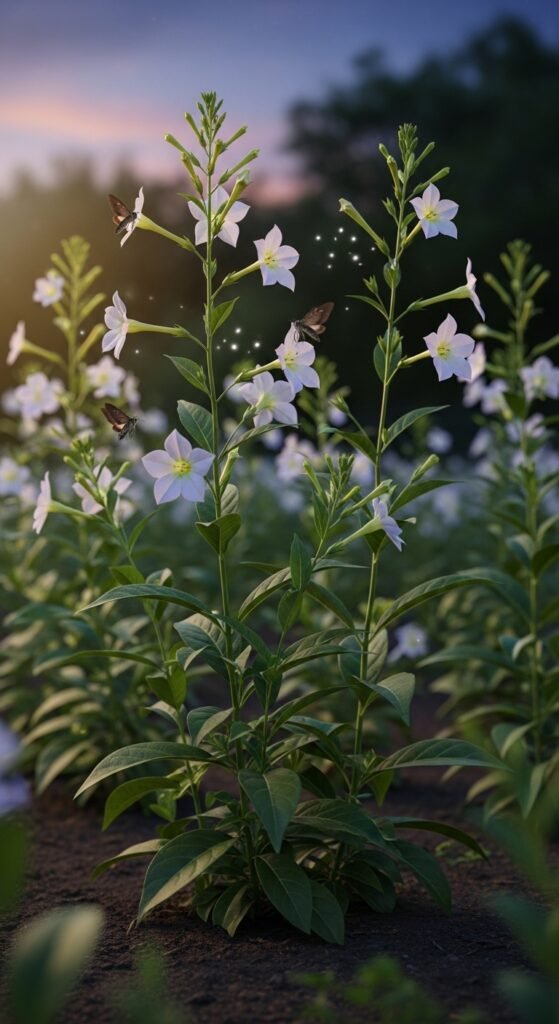
How to cultivate: Sow seeds after frost, thinning seedlings. Water consistently. Tall varieties may need staking. Their ethereal perfume creates a magical nighttime garden experience.
Key Principles for Fragrant Flower Success
Soil and Site Selection
Match your fragrant flowers to the right conditions. Test soil pH and amend as needed—lavender loves alkaline, while gardenias prefer acidic. Choose sunny spots for most, ensuring good drainage to prevent root rot.
Maintenance Essentials
Regular watering, especially for new plants, is crucial. Mulch to conserve moisture and suppress weeds. Fertilize sparingly with organic options to boost blooms without excess foliage.
Pollinator Support
Fragrant flowers naturally attract bees and butterflies. Plant in clusters for impact and include nectar-rich varieties. Avoid pesticides to protect these vital garden visitors.
Frequently Asked Questions
What are the best fragrant flowers for beginners?
Lavender and roses are excellent starters due to their hardiness and forgiving nature. They offer strong scents with basic care like sun and pruning.
How can I extend the blooming period of fragrant flowers?
Deadhead spent blooms regularly and provide consistent water and nutrients. Choose a mix of early, mid, and late-season varieties for continuous fragrance.
Are fragrant flowers suitable for small spaces?
Yes, many like jasmine or heliotrope thrive in containers or vertical setups, allowing you to enjoy their scents on balconies or patios.
Do fragrant flowers attract pests?
Some may draw aphids or beetles, but companion planting with herbs like lavender can deter them naturally. Monitor and use organic controls if needed.
Can I grow fragrant flowers indoors?
Certain types like gardenias or hyacinths can be forced indoors. Provide bright light, humidity, and proper ventilation for success.