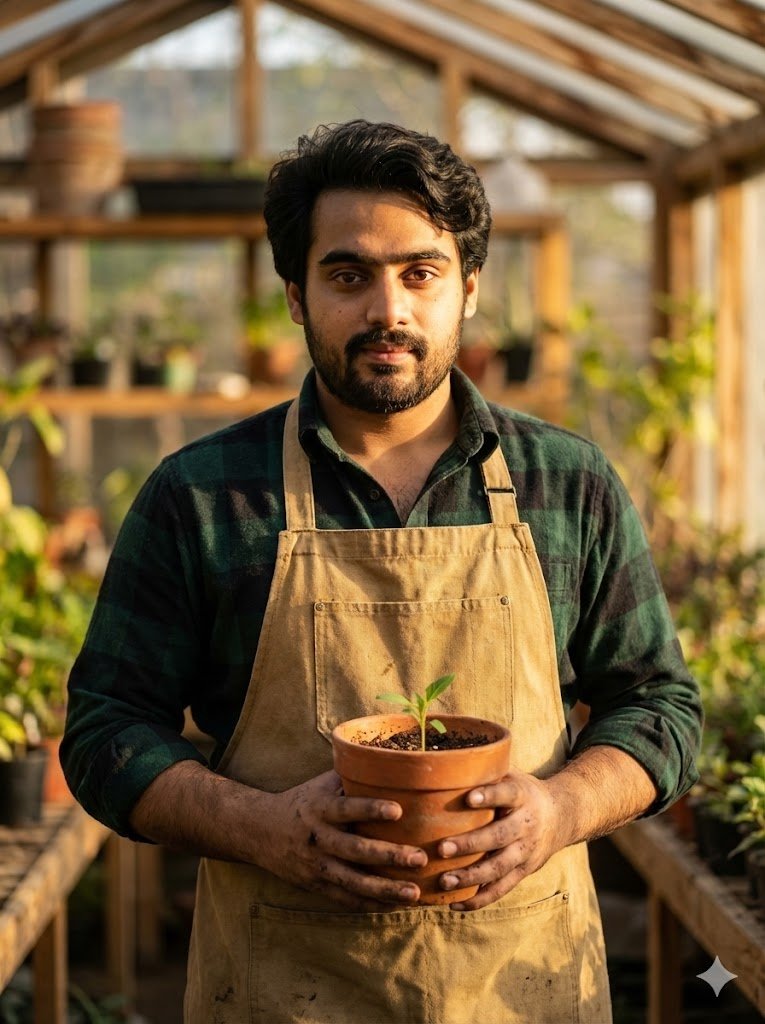
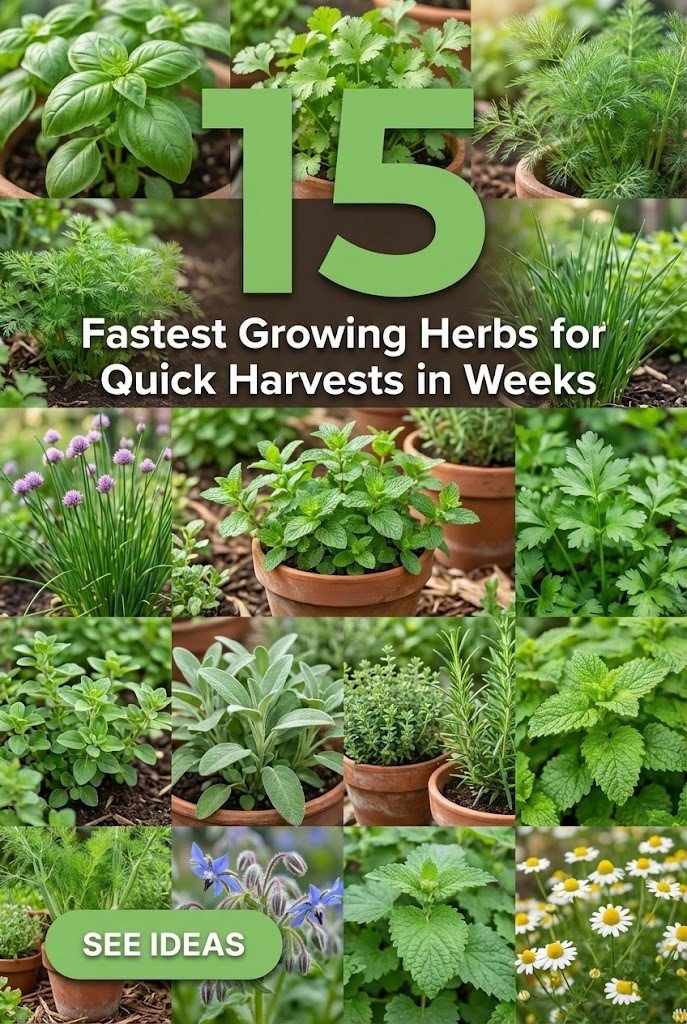
If you are seeking to enhance your garden with plants that provide rapid results, the fastest growing herbs offer an excellent starting point. These versatile plants germinate quickly and mature in a matter of weeks, allowing you to enjoy fresh flavors in your culinary endeavors without extended waiting periods. By selecting herbs known for their swift development, you ensure a steady supply of aromatic additions to your meals while contributing to a vibrant, productive garden space.
The value of incorporating these herbs lies in their efficiency and adaptability. You can cultivate them in various settings, from spacious outdoor plots to compact indoor containers, making them ideal for gardeners of all experience levels. Moreover, their quick growth cycle enables multiple harvests within a single season, maximizing your yield and minimizing effort. As you explore these options, consider how they align with your climate and soil conditions to achieve optimal results.
With proper care, including adequate sunlight and consistent moisture, you will witness remarkable progress in your herb garden. This approach not only accelerates your harvesting timeline but also promotes sustainable practices by reducing reliance on store-bought produce.
1) Basil
Basil stands out as one of the fastest growing herbs, with seeds germinating in as little as five to ten days and reaching harvest readiness within four to six weeks. This annual herb thrives in warm conditions, making it a staple for Mediterranean-inspired dishes. You will appreciate its lush, aromatic leaves that enhance pesto, salads, and sauces, providing a fresh burst of flavor directly from your garden.
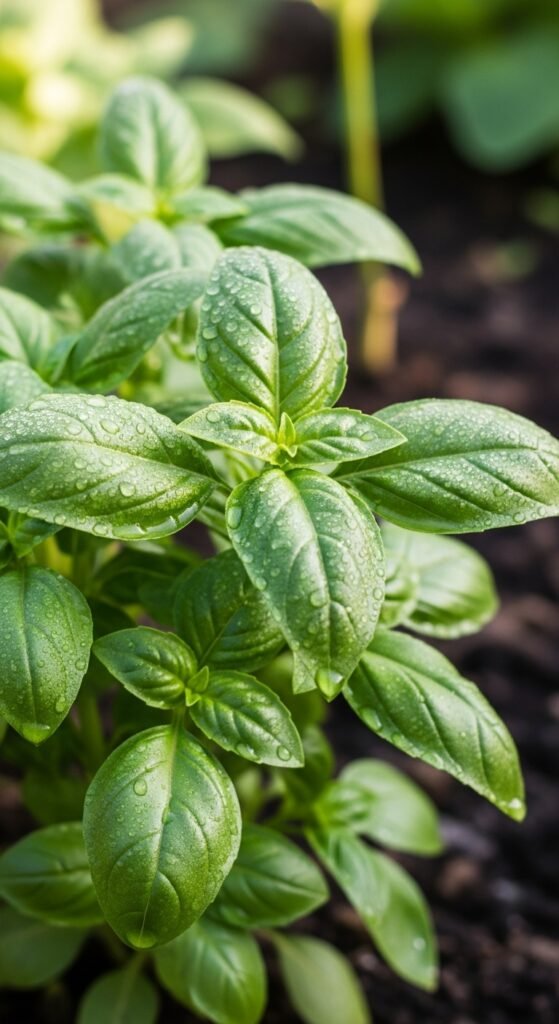
The primary benefit of growing basil is its rapid production cycle, allowing you to enjoy multiple cuttings throughout the summer. It also acts as a natural pest repellent, deterring insects like mosquitoes and flies from nearby plants. To cultivate basil successfully, plant seeds in well-drained soil enriched with organic matter, ensuring at least six hours of direct sunlight daily. Water consistently to keep the soil moist but not waterlogged, and pinch back the tops regularly to encourage bushier growth and prevent flowering, which can make the leaves bitter.
For those new to herb cultivation, basil serves as an accessible entry point. You can explore basil growing tips to refine your technique and maximize yields. With minimal maintenance, you will soon have an abundant supply ready for your kitchen needs.
2) Cilantro
Cilantro, also known as coriander, is renowned for its swift growth, with leaves harvestable in three to four weeks after sowing. This cool-season herb prefers moderate temperatures and partial shade in hotter climates, making it versatile for various garden setups. You will find its bright, citrusy leaves indispensable in salsas, curries, and garnishes, adding a distinctive zest to your meals.
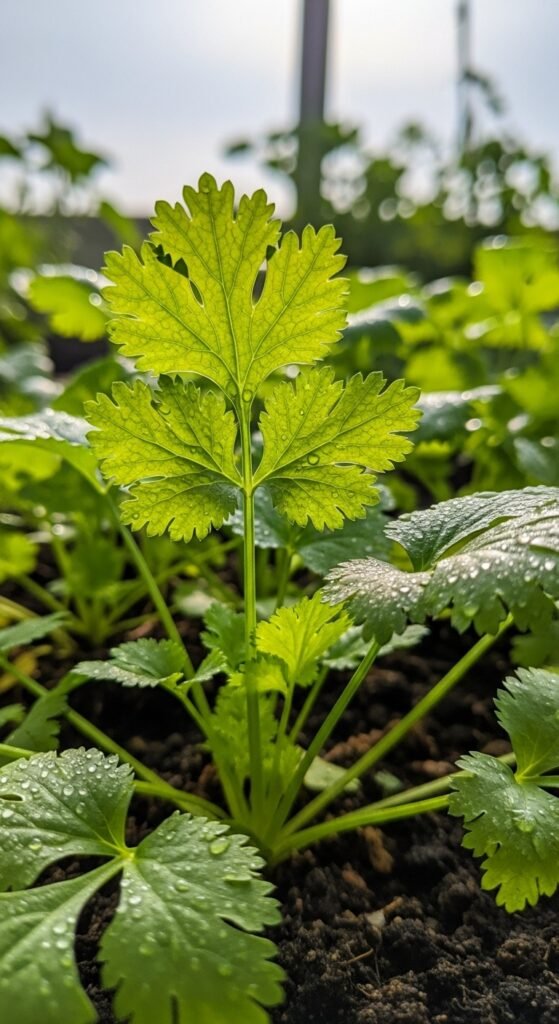
One key advantage is its dual-purpose nature, as both leaves and seeds (coriander) can be utilized, extending its utility beyond initial harvests. It also attracts beneficial insects, supporting pollination in your garden. To grow cilantro effectively, sow seeds directly in fertile, well-draining soil, spacing them about six inches apart. Maintain consistent moisture to prevent bolting, and succession plant every two weeks for a continuous supply. Harvest by cutting outer leaves, allowing the center to continue developing.
As you integrate cilantro into your routine, consider companion planting to enhance its performance. This herb pairs well with tomatoes and peppers, fostering a balanced ecosystem in your vegetable patch.
3) Dill
Dill emerges as a top contender among fast-growing herbs, germinating in seven to ten days and ready for harvest in four to six weeks. This tall, feathery annual thrives in full sun and well-drained soil, often self-seeding for future seasons. You will value its anise-like flavor in pickles, fish dishes, and salads, bringing a refreshing tang to your culinary creations.
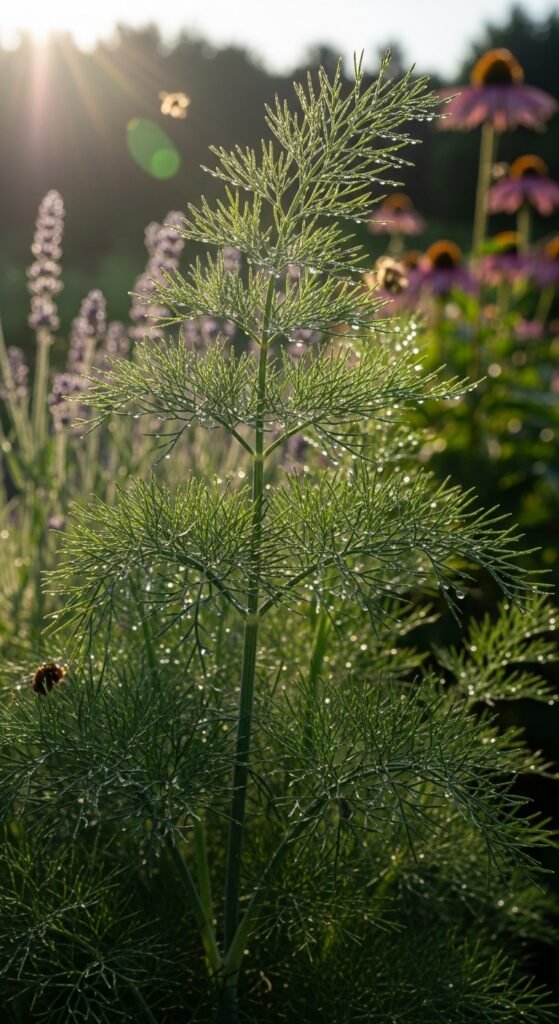
A significant benefit lies in its attraction to pollinators, such as butterflies and bees, which can boost the overall health of your garden. It also repels certain pests like aphids. For optimal growth, plant seeds shallowly in a sunny location, watering lightly until established. Thin seedlings to twelve inches apart to prevent overcrowding, and harvest fronds as needed, or allow some to flower for seed production. Regular trimming encourages denser foliage.
To expand your herb preservation skills, you might dry dill for long-term storage. This approach ensures you maintain access to its unique taste year-round.
4) Chives
Chives are perennial herbs that grow rapidly, with sprouts appearing in ten to fourteen days and edible leaves available in about six weeks. They prefer full sun to partial shade and moist, fertile soil, forming clumps that return annually. You will enjoy their mild onion flavor in soups, eggs, and dips, offering a subtle enhancement to many recipes.
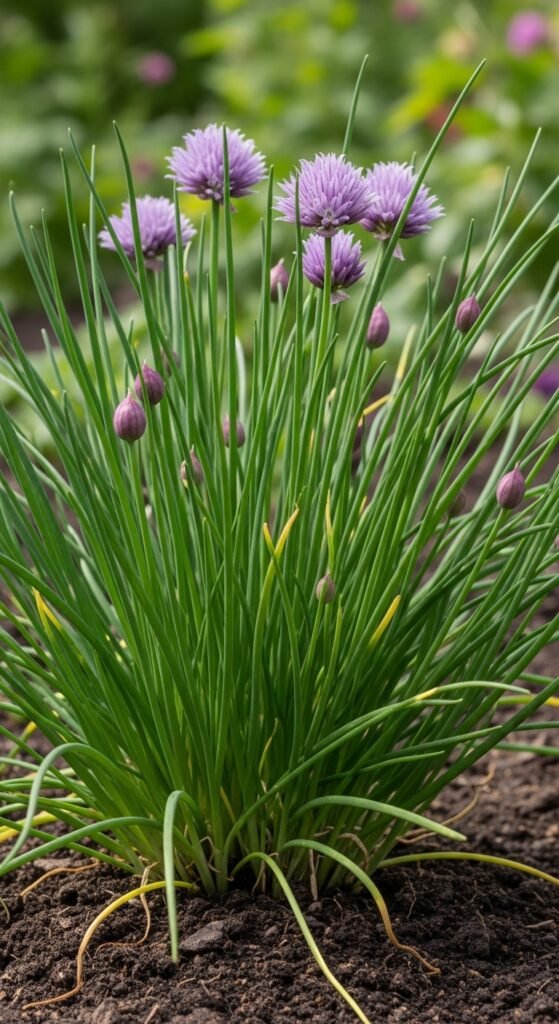
Their low-maintenance profile makes them ideal for busy gardeners, as they require minimal intervention once established. Additionally, their purple flowers attract beneficial insects while deterring rabbits and deer. To cultivate chives, sow seeds indoors or directly outdoors, spacing divisions every twelve inches. Water regularly during dry spells, and harvest by snipping leaves from the base, promoting regrowth. Divide clumps every few years to maintain vigor.
For container enthusiasts, chives adapt well to pots. Explore chives in containers for space-efficient options that fit balconies or windowsills seamlessly.
5) Mint
Mint is celebrated for its vigorous growth, rooting quickly from cuttings or seeds and spreading rapidly within weeks. This perennial herb favors partial shade and rich, moist soil, often requiring containment to prevent invasiveness. You will relish its refreshing aroma in teas, cocktails, and desserts, providing a cooling sensation to your palate.
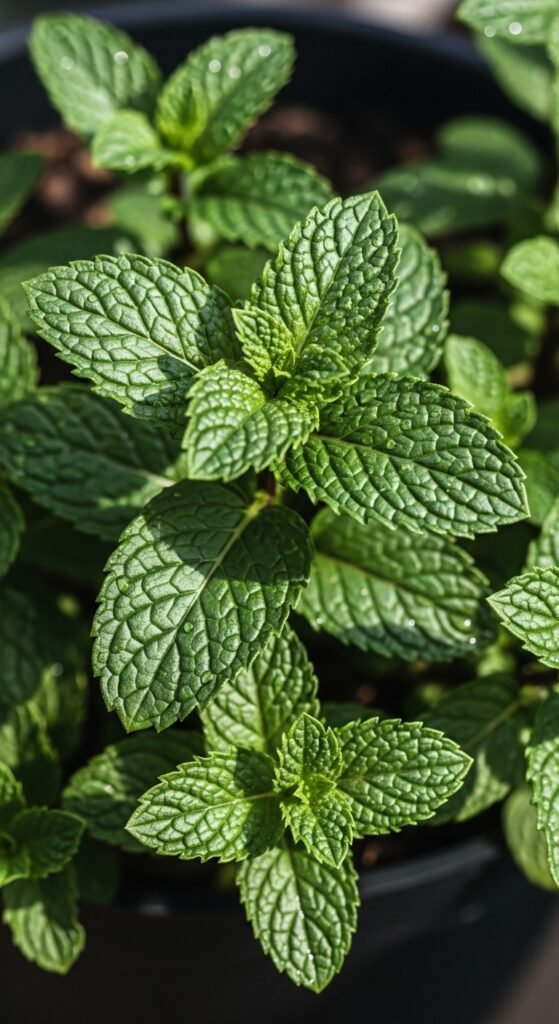
A standout feature is its natural pest-repelling properties, warding off ants and mosquitoes effectively. It also improves soil health through its root system. To grow mint successfully, plant in containers or bordered areas to control spread, ensuring ample water and occasional fertilization. Harvest leaves frequently to encourage bushiness, cutting stems just above leaf nodes.
As you manage mint’s expansion, consider its compatibility with other plants. This herb thrives alongside cabbage and tomatoes, enhancing garden biodiversity without overwhelming neighboring species.
6) Parsley
Parsley grows swiftly, with germination in ten to twenty-five days and harvestable leaves in six to eight weeks. Available in curly or flat-leaf varieties, it prefers full sun to partial shade and well-drained soil. You will incorporate its fresh, earthy taste into soups, salads, and garnishes, elevating the nutritional profile of your dishes.
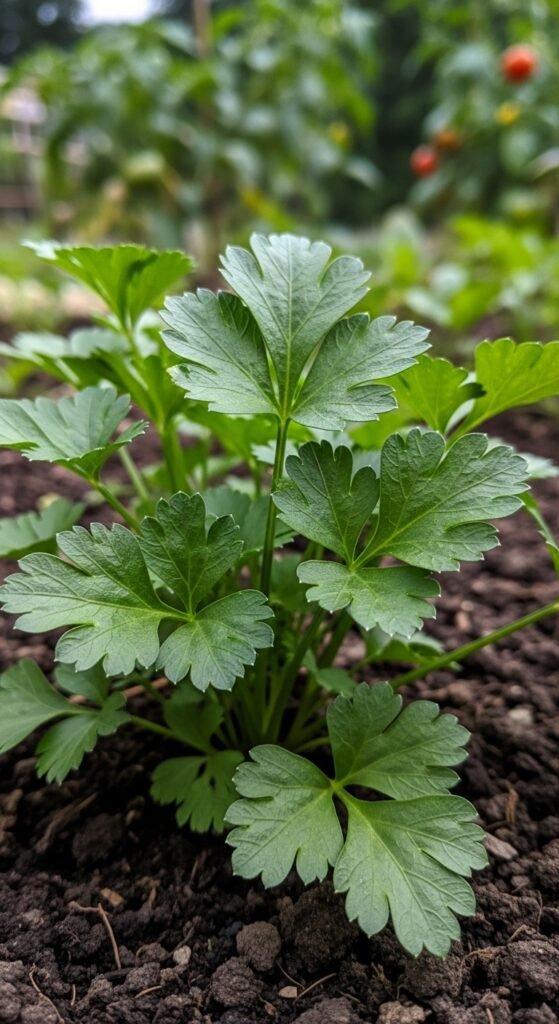
Its high vitamin content offers health benefits, including antioxidants that support immune function. Parsley also attracts swallowtail butterflies, adding ecological value. For best results, soak seeds before planting to hasten sprouting, then thin seedlings to eight inches apart. Keep soil consistently moist, and harvest outer leaves first to sustain production throughout the season.
To broaden your herb selection, pair parsley with compatible companions. This strategy optimizes space and deters common pests naturally.
7) Oregano
Oregano is a fast-spreading perennial herb, establishing quickly from seeds or cuttings and ready for use in four to six weeks. It thrives in full sun and dry, well-drained soil, exhibiting drought tolerance once mature. You will savor its pungent, earthy flavor in Italian and Greek cuisines, enhancing pizzas, sauces, and meats.
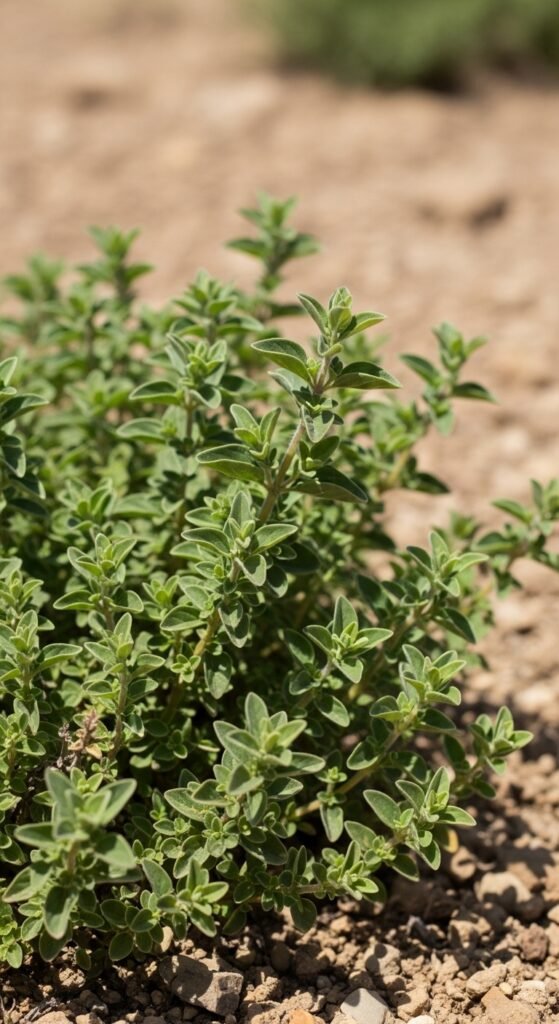
The herb’s antimicrobial properties contribute to natural preservation in cooking, while its flowers support pollinators. To cultivate oregano, plant in a sunny spot with minimal watering after establishment. Prune regularly to promote dense growth, harvesting sprigs as needed without removing more than one-third of the plant at once.
For those designing themed gardens, oregano integrates well into Mediterranean layouts. Explore herb garden design ideas to create harmonious arrangements that maximize aesthetic and functional appeal.
8) Sage
Sage grows rapidly as a perennial, with seeds sprouting in ten to twenty-one days and leaves harvestable in eight weeks. It prefers full sun and sandy, well-drained soil, resisting drought effectively. You will utilize its savory, slightly peppery taste in stuffings, roasts, and teas, imparting depth to your recipes.
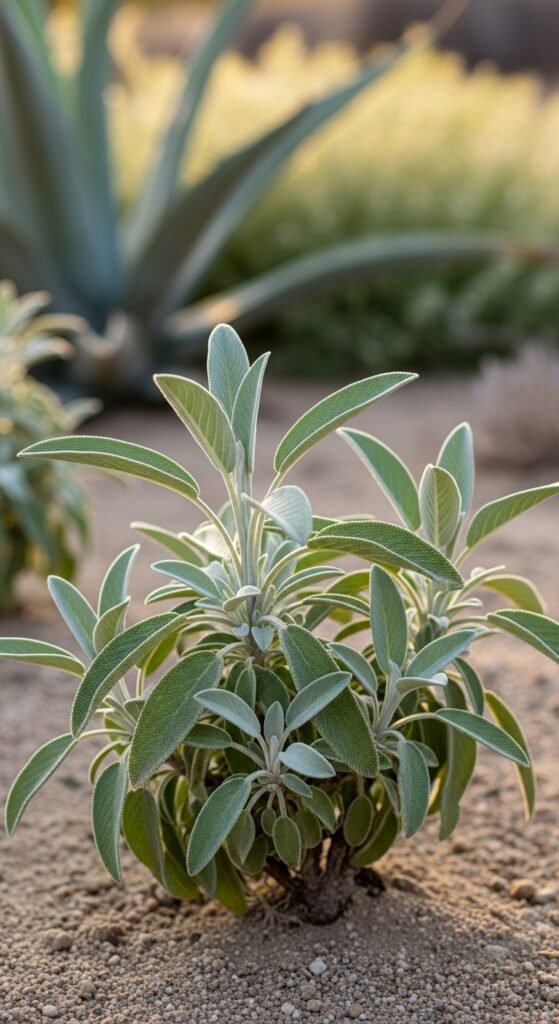
A key benefit is its medicinal qualities, often used for soothing sore throats and aiding digestion. Sage also deters cabbage moths and carrot flies. To grow it, space plants eighteen inches apart, watering sparingly to avoid root rot. Harvest leaves before flowering for peak flavor, drying excess for winter use.
As you harvest, consider preserving techniques to extend usability. This ensures a reliable supply beyond the growing season.
9) Thyme
Thyme is a quick-establishing perennial, germinating in seven to fourteen days and ready for harvest in six to eight weeks. It favors full sun and well-drained, alkaline soil, making it suitable for rock gardens or borders. You will appreciate its aromatic, earthy notes in soups, stews, and marinades, complementing a wide array of dishes.
Its compact growth habit allows for easy integration into small spaces, while attracting bees for pollination support. To cultivate thyme, sow seeds shallowly or propagate from cuttings, ensuring good air circulation. Water moderately, and trim after flowering to maintain shape and encourage new growth.
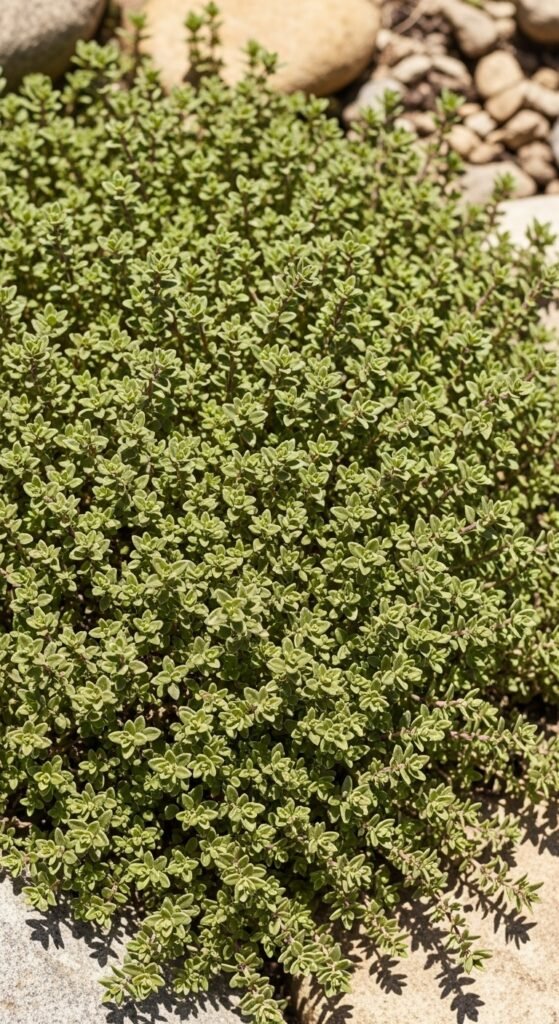
For detailed maintenance, refer to thyme plant care guidelines, which outline strategies for robust development and longevity in your garden.
10) Rosemary
Rosemary develops swiftly as a woody perennial, rooting from cuttings in two to four weeks and maturing for harvest soon after. It requires full sun and well-drained soil, tolerating dry conditions well. You will enhance roasted meats, breads, and oils with its pine-like fragrance, adding a Mediterranean flair to your cooking.
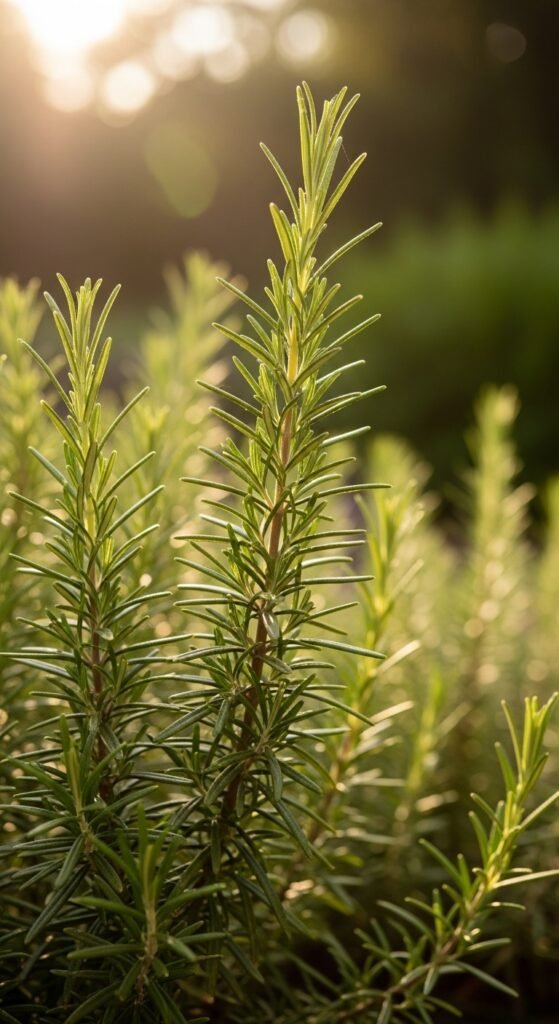
The herb offers antioxidant benefits, potentially improving memory and circulation. It also repels certain insects like bean beetles. To grow rosemary, plant in a sunny, sheltered location, watering deeply but infrequently. Prune annually to shape and prevent woodiness, harvesting tips for fresh use.
Container cultivation suits rosemary perfectly for mobility. Consider rosemary in pots to protect it during colder months and maintain accessibility.
11) Lemon Balm
Lemon balm is a fast-spreading perennial, germinating in seven to fourteen days and harvestable in six weeks. It grows best in partial shade and moist, fertile soil, often self-seeding prolifically. You will infuse teas, salads, and desserts with its citrusy, minty flavor, creating soothing and aromatic preparations.
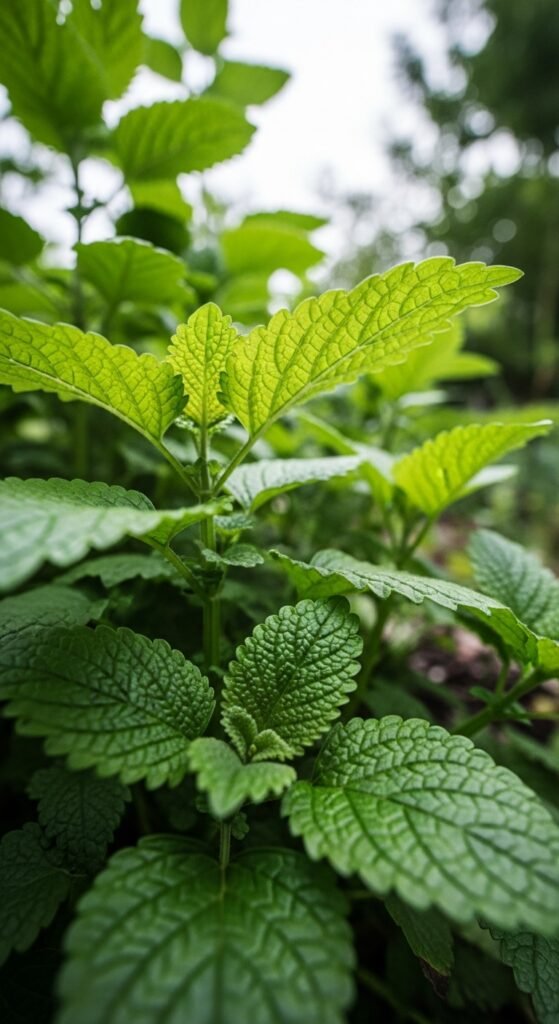
A notable advantage is its calming effects, used in herbal remedies for stress relief. It attracts bees while repelling mosquitoes. To manage its vigor, plant in containers or bordered areas, watering consistently. Harvest leaves regularly to control size and promote tenderness.
Incorporate lemon balm into wellness routines for added benefits. This herb aligns well with holistic gardening practices.
12) Fennel
Fennel grows rapidly as an annual or perennial, with seeds sprouting in seven to fourteen days and bulbs forming in eight to ten weeks. It prefers full sun and rich, well-drained soil, producing feathery fronds and edible bulbs. You will enjoy its licorice-like taste in salads, soups, and fish dishes, versatile across courses.
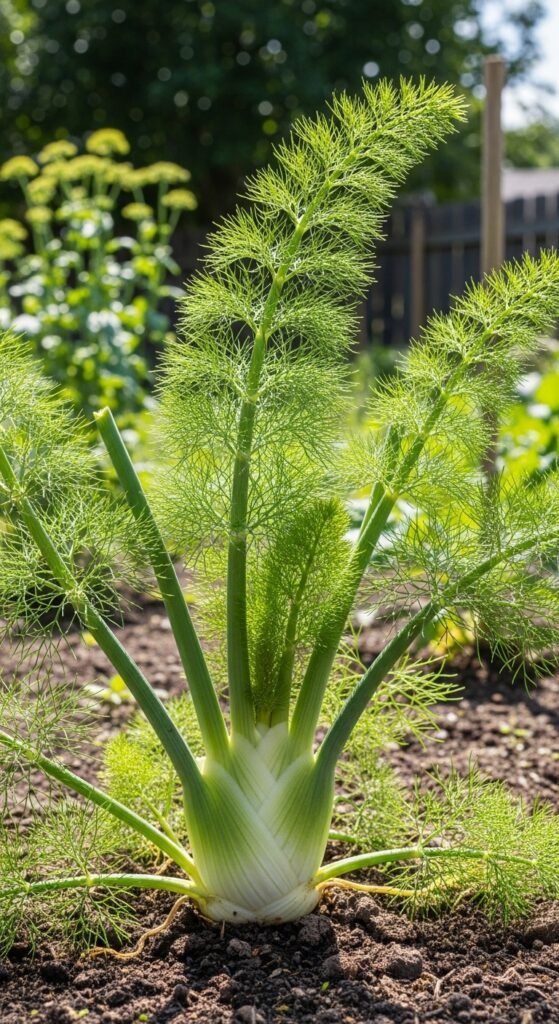
Its digestive aid properties make it valuable for health-conscious cooks, while hosting beneficial insects like ladybugs. To cultivate fennel, sow directly after frost risk, thinning to twelve inches apart. Water evenly, and harvest bulbs when swollen, leaving some for seed if desired.
For beginners, fennel’s straightforward care builds confidence. Explore herb gardening for beginners to establish foundational skills applicable here.
13) Borage
Borage is an annual herb that germinates in five to ten days and flowers in six to eight weeks, with edible parts available shortly after. It thrives in full sun and average soil, self-seeding readily. You will garnish drinks and salads with its cucumber-flavored leaves and blue flowers, adding a unique twist.
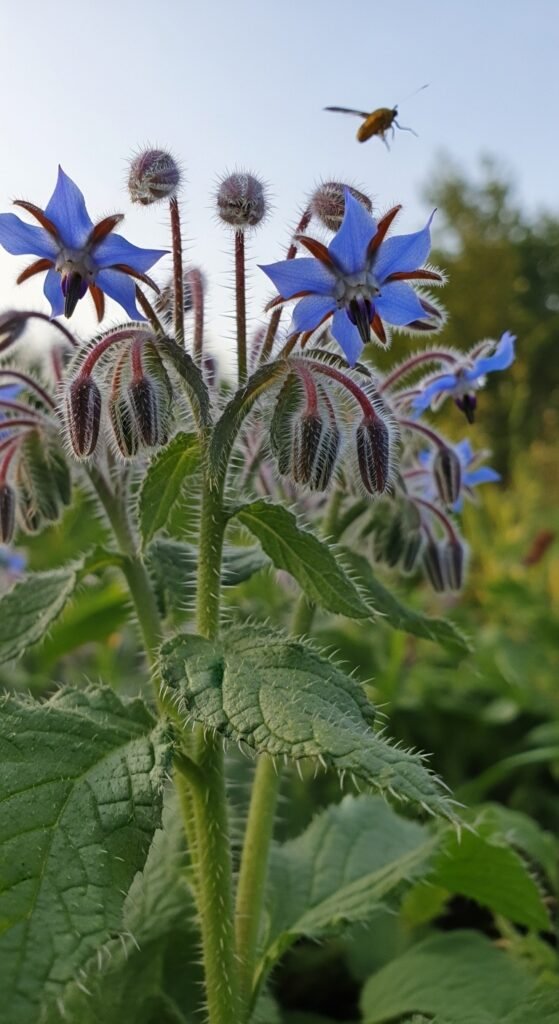
The plant’s pollinator attraction enhances garden biodiversity, drawing bees and butterflies abundantly. It also improves companion plant growth. To grow borage, scatter seeds in a sunny spot, watering lightly until established. Harvest young leaves and flowers, avoiding older foliage for better taste.
Borage’s ornamental value complements functional uses. This makes it a multifaceted addition to any herb collection.
14) Catnip
Catnip, a perennial mint relative, sprouts in seven to ten days and matures for harvest in six weeks. It prefers full sun to partial shade and well-drained soil, growing robustly. You will brew teas or use its leaves for feline enrichment, offering both human and pet benefits.
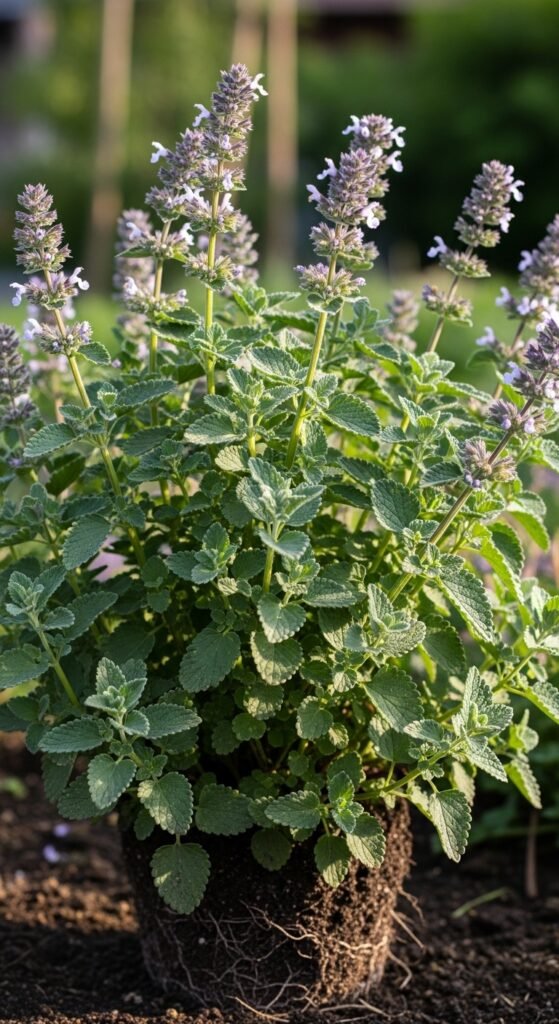
Its relaxing effects in herbal infusions promote restful sleep, while repelling rats and mosquitoes. To cultivate catnip, plant seeds or divisions, spacing eighteen inches apart. Pinch tips for bushier plants, and harvest before flowering for potency.
Consider catnip for wildlife-friendly spaces. It integrates seamlessly with other perennials for sustained interest.
15) Chamomile
Chamomile grows quickly as an annual, germinating in seven to fourteen days and flowering in six to eight weeks for harvest. It favors full sun and sandy soil, often reseeding itself. You will steep its daisy-like flowers in teas for a soothing, apple-scented beverage, ideal for relaxation.
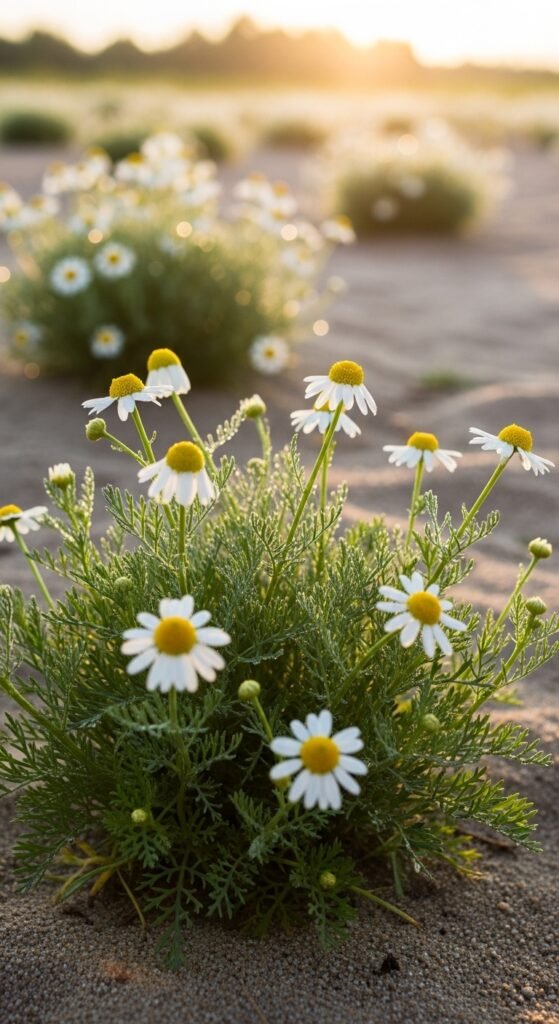
A primary benefit is its anti-inflammatory properties, aiding in natural remedies for various ailments. It also attracts hoverflies for pest control. To grow chamomile, sow seeds on the surface, pressing lightly into soil. Water gently, and harvest flowers at peak bloom, drying for storage.
Chamomile’s gentle nature suits therapeutic gardens. This herb encourages mindful cultivation and utilization.
Key Tips for Growing Fast-Growing Herbs
Soil Preparation and Planting
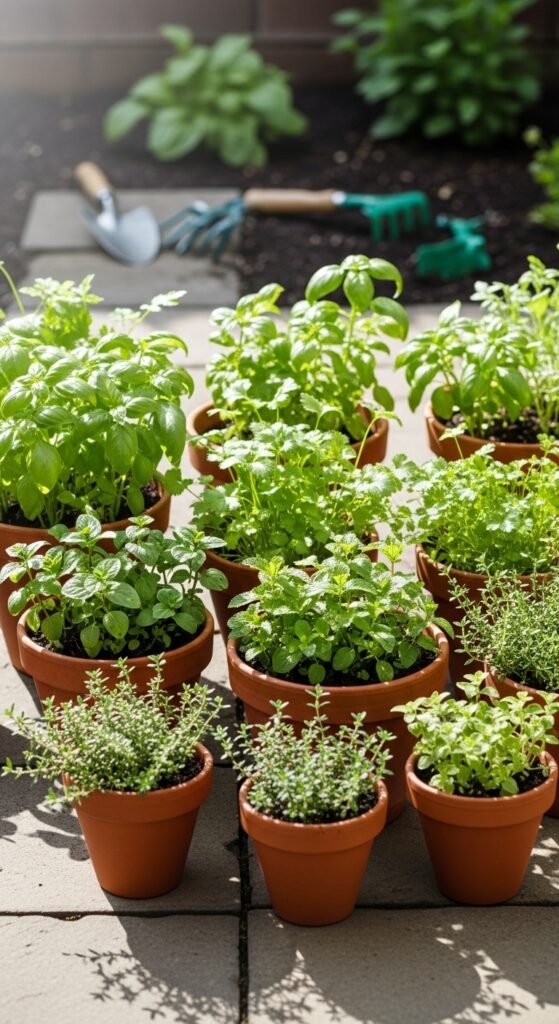
Begin with well-drained, nutrient-rich soil to support rapid root development. You should amend with compost for fertility, ensuring a pH between 6.0 and 7.0. Plant seeds or starters at the recommended depth, spacing adequately to avoid competition.
Watering and Maintenance
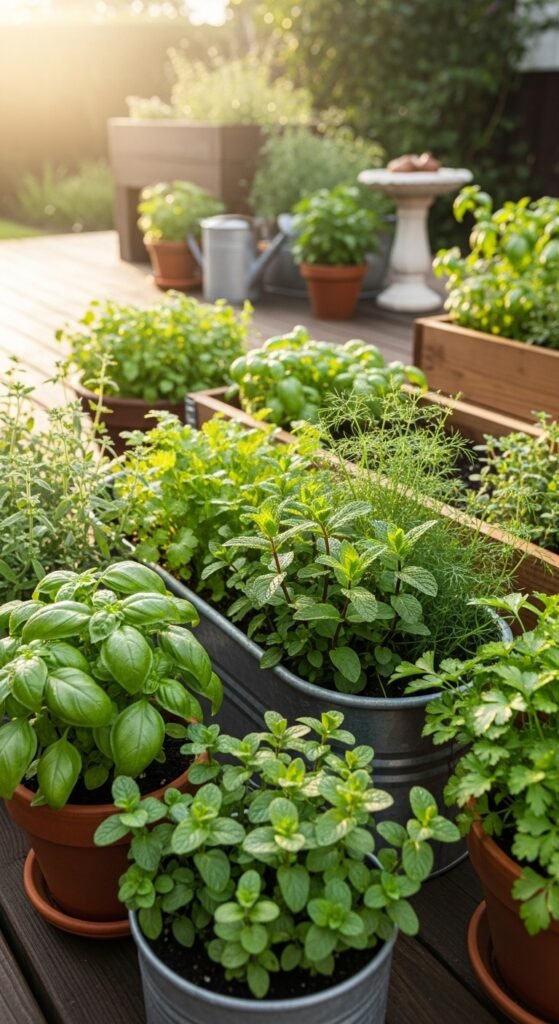
Maintain consistent moisture without overwatering to prevent root issues. You can mulch around plants to retain soil humidity and suppress weeds. Regular pruning encourages fuller growth and extends harvest periods.
Pest Management and Harvesting
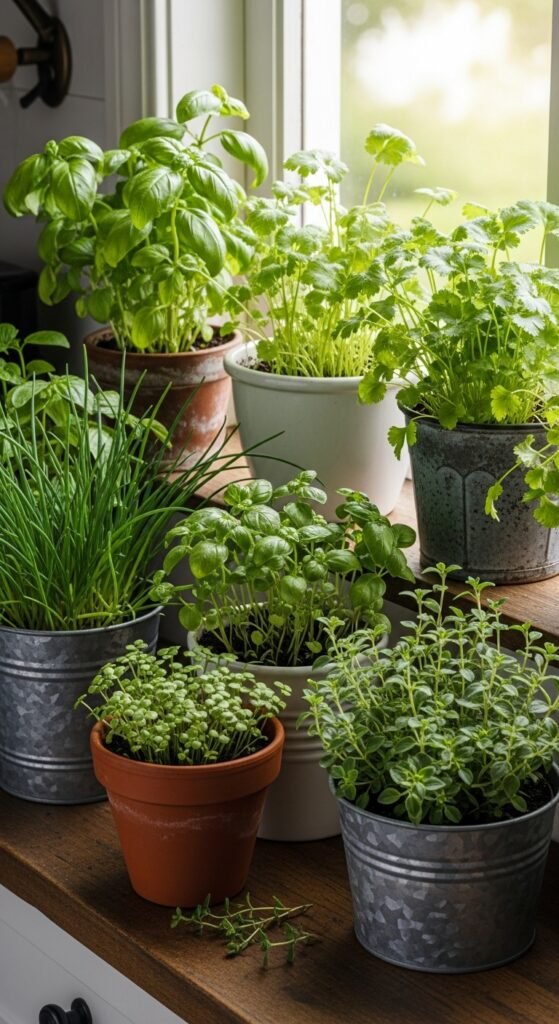
Monitor for common pests and use organic methods like neem oil for control. Harvest frequently in the morning for optimal flavor, storing excess properly to preserve quality.
Frequently Asked Questions
What makes an herb fast-growing?
An herb is considered fast-growing if it germinates quickly and reaches maturity for harvest within four to eight weeks, depending on conditions like temperature and light.
Can I grow these herbs indoors?
Yes, many fast-growing herbs adapt well to indoor environments with sufficient sunlight or grow lights, provided you use appropriate containers and soil mixes.
How often should I fertilize fast-growing herbs?
Fertilize every four to six weeks with a balanced, organic product during the active growing season to support their rapid development without causing nutrient burn.
Are these herbs suitable for beginners?
Absolutely, their quick growth and forgiving nature make them excellent choices for novice gardeners seeking early successes and learning opportunities.
What is the best season to plant fast-growing herbs?
Spring after the last frost is ideal for most, though some cool-season varieties can be sown in fall for overwintering in milder climates.