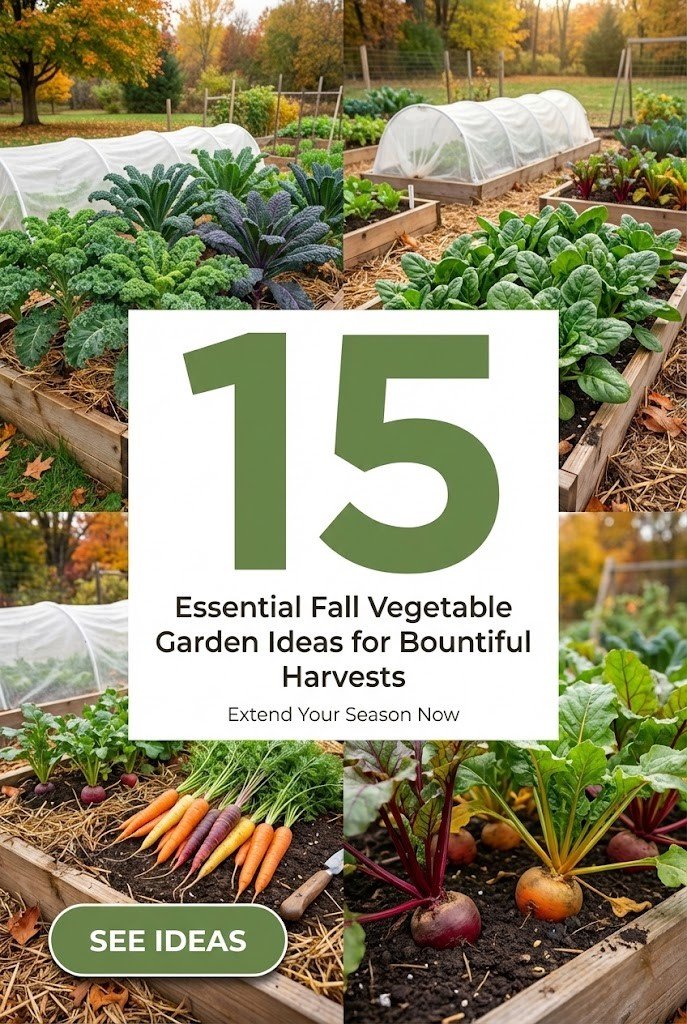
As the summer heat fades, you have a prime opportunity to extend your gardening season with a fall vegetable garden. This approach not only maximizes your plot’s productivity but also provides fresh, homegrown produce well into the cooler months. By planting cool-season crops, you can enjoy nutrient-rich vegetables like leafy greens and root veggies that thrive in milder temperatures, reducing your grocery bills and enhancing your meals with superior flavor.
Starting a fall vegetable garden requires planning around your local frost dates and soil conditions. You’ll focus on quick-maturing varieties to beat the winter chill, incorporating techniques like succession planting and protective covers.
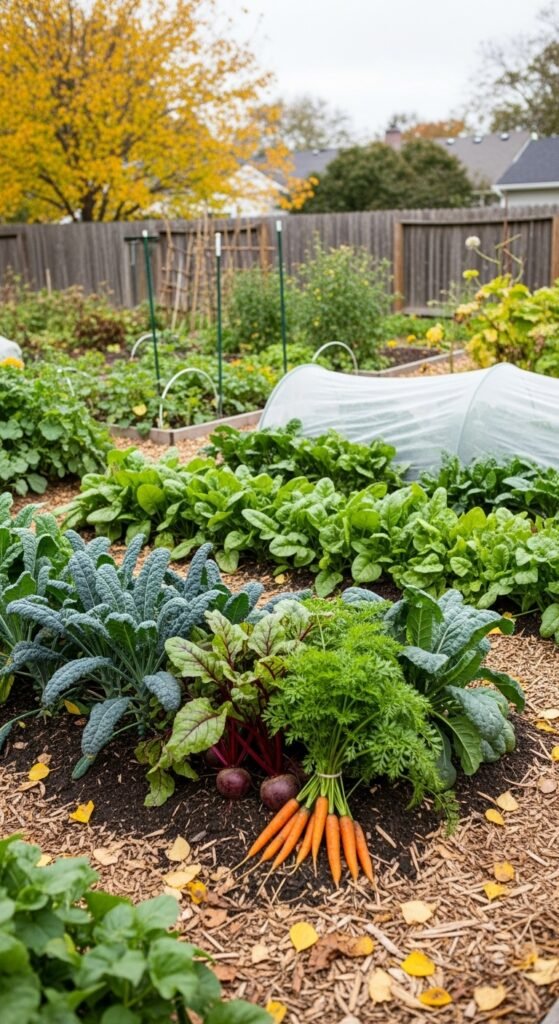
This guide offers practical ideas to help you create a thriving setup, whether you’re a beginner or seasoned gardener, ensuring a rewarding yield.
1) Calculate Your Planting Timeline
You need to determine your region’s first frost date to time your fall vegetable garden perfectly. Check local resources or apps for accurate predictions, then count backward from that date based on each crop’s maturity period. For instance, if frost hits mid-October, plant broccoli seeds in late July for a 60-day cycle.
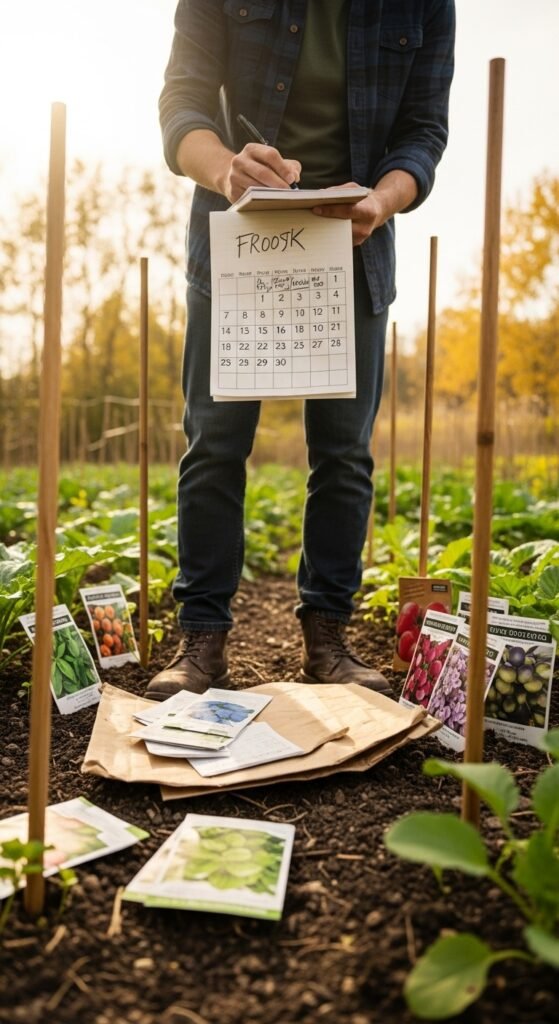
This strategy ensures your plants reach harvest before cold snaps damage them. It prevents wasted effort and maximizes space for successive crops. To enhance soil readiness, consider our guide on preparing soil for vegetable gardens, which details testing pH and adding amendments for optimal growth.
Implement by marking your calendar with sowing dates, and monitor weather forecasts closely. Adjust with row covers if needed, turning potential setbacks into abundant yields.
2) Select Cool-Season Vegetables
Choose varieties that love cooler weather for your fall vegetable garden, such as kale, spinach, carrots, and beets. These hardy plants tolerate light frosts and often sweeten in flavor after exposure to chill, providing superior taste and nutrition.
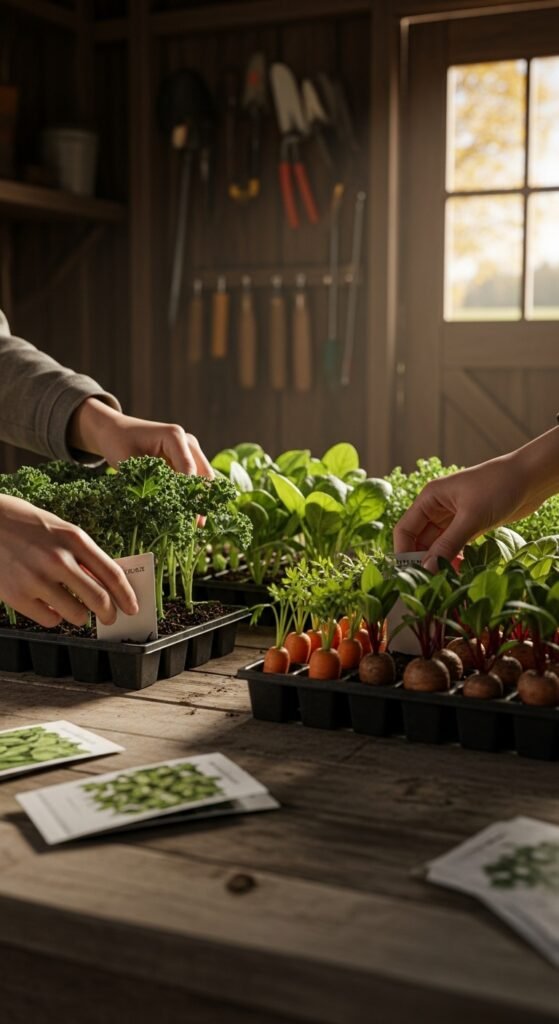
The benefit lies in their resilience, allowing you to garden longer without intensive maintenance. Start seeds indoors if summers linger hot, then transplant outdoors. For pest issues that might arise, explore effective pest control in vegetable gardens to safeguard your crops naturally.
How-to: Amend soil with compost, space plants per packet instructions, and mulch to retain moisture. Harvest young leaves for salads or let roots mature for hearty meals.
3) Implement Succession Planting
Succession planting keeps your fall vegetable garden productive by sowing seeds in intervals. Plant lettuce every two weeks, ensuring a continuous supply rather than a single overwhelming harvest.
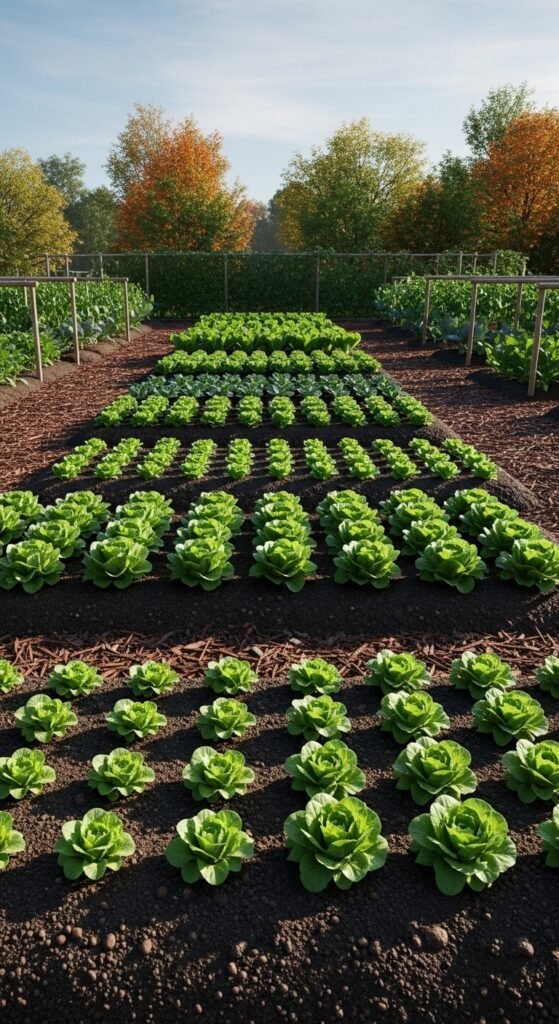
This method optimizes space and reduces waste, as you pick just what you need. It’s ideal for quick-growers like radishes. Pair with companion planting strategies to boost yields and deter pests.
Track plantings in a journal, rotating spots to prevent soil depletion. Water consistently and fertilize lightly for sustained vigor, enjoying fresh veggies throughout the season.
4) Use Raised Beds for Better Control
Raised beds elevate your fall vegetable garden, improving drainage and soil warmth for root crops. Fill with a mix of topsoil and compost for nutrient-rich growing.
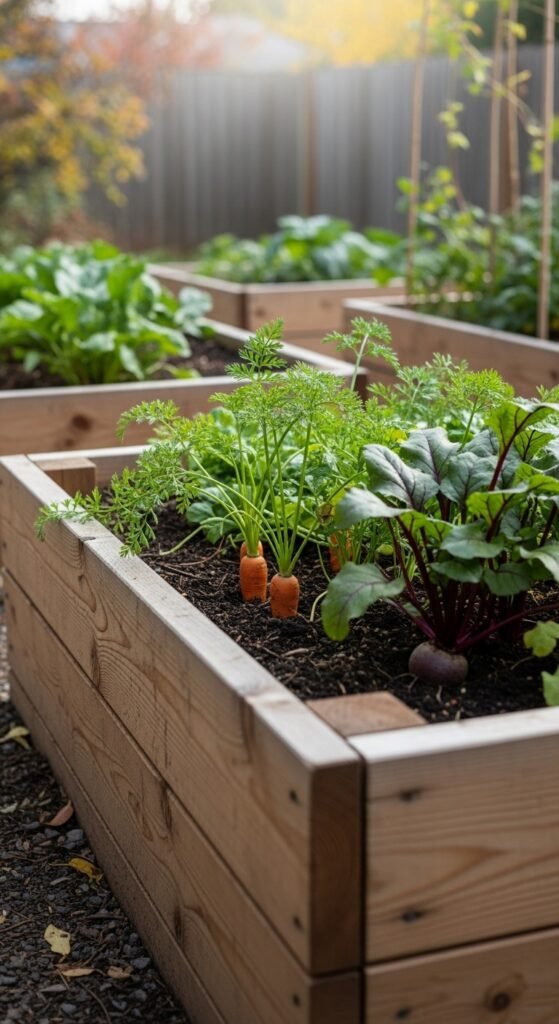
They offer easier access and weed control, perfect for small spaces or poor native soil. Learn more from our raised bed gardening tips for construction and maintenance.
Build frames from untreated wood, position in full sun, and plant densely. This setup extends your season by warming up faster in spring-like fall days.
5) Incorporate Mulching Techniques
Mulch your fall vegetable garden with organic materials like straw or leaves to suppress weeds and conserve moisture. Apply a 2-3 inch layer around plants after watering.
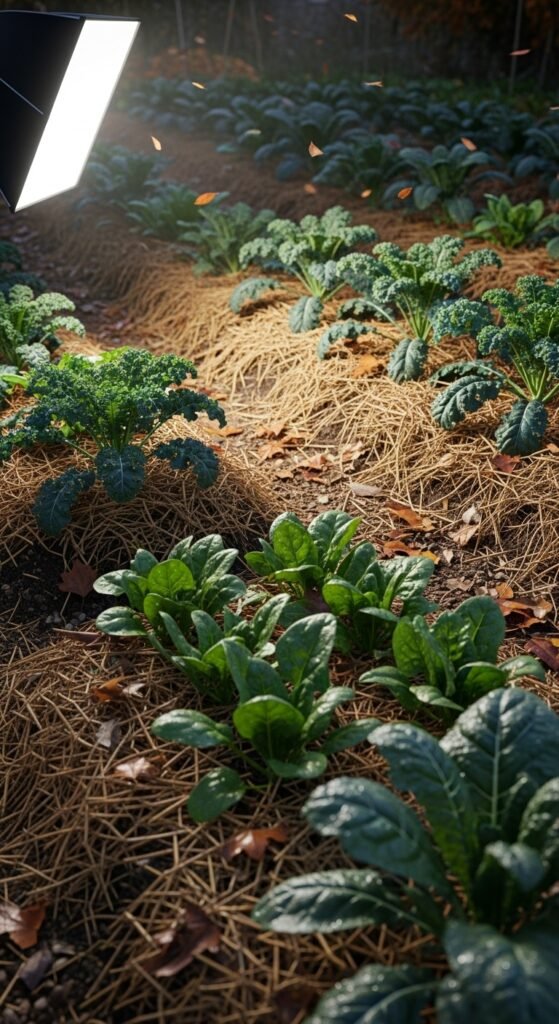
This practice regulates soil temperature, protecting roots from early frosts. It also adds nutrients as it decomposes. For watering efficiency, check advanced watering techniques for gardens.
Renew mulch as needed, avoiding direct stem contact to prevent rot. Your garden will thrive with less effort, yielding healthier produce.
6) Protect with Row Covers
Deploy floating row covers over your fall vegetable garden to shield from pests and light frosts. These lightweight fabrics allow sun and rain through while creating a microclimate.
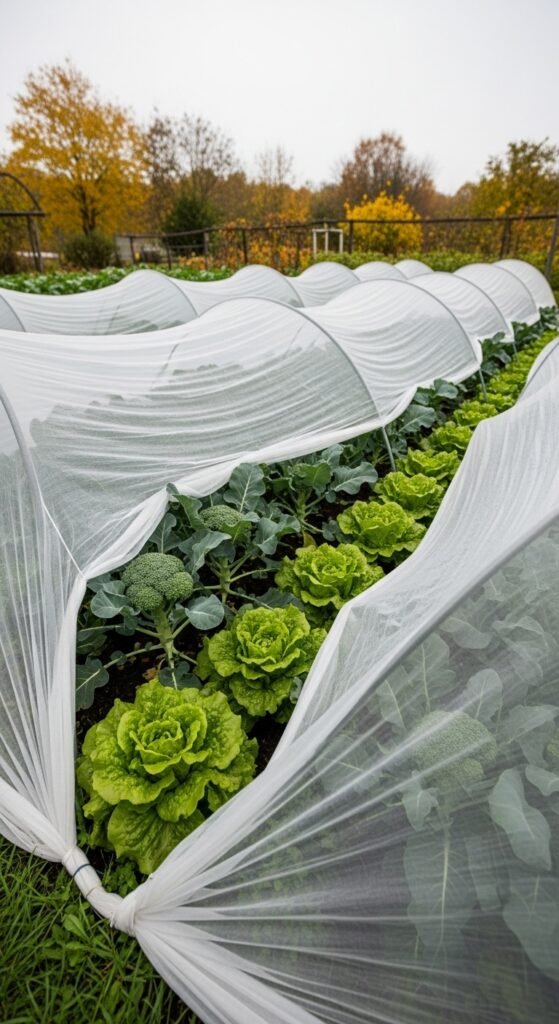
They extend your harvest by weeks, enabling late-season growth. Easy to install and remove for harvesting. To avoid common pitfalls, read about common gardening mistakes.
Secure edges with stakes or rocks, ventilate on warm days to prevent overheating. This simple tool boosts success rates significantly.
7) Focus on Soil Health
Test and amend soil in your fall vegetable garden for balanced nutrients. Add organic matter to improve structure and fertility before planting.
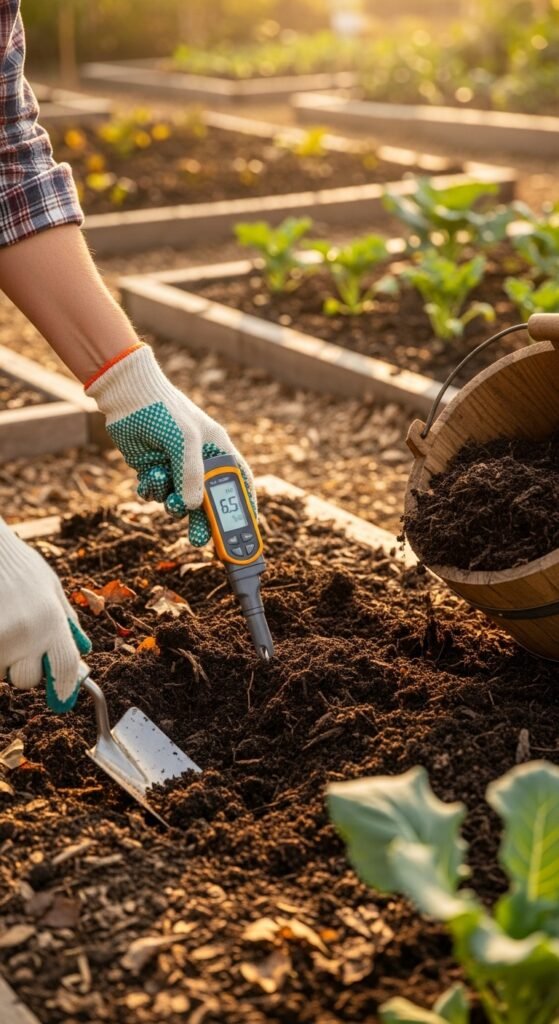
Healthy soil supports robust roots and disease resistance, leading to bigger, better harvests. Use organic fertilizers for vegetables for eco-friendly boosting.
Rotate crops annually, incorporate cover crops like clover in off-seasons. Regular care ensures long-term productivity.
8) Harvest Strategically
Harvest your fall vegetable garden regularly to encourage more production. Pick outer leaves of greens, allowing centers to continue growing.
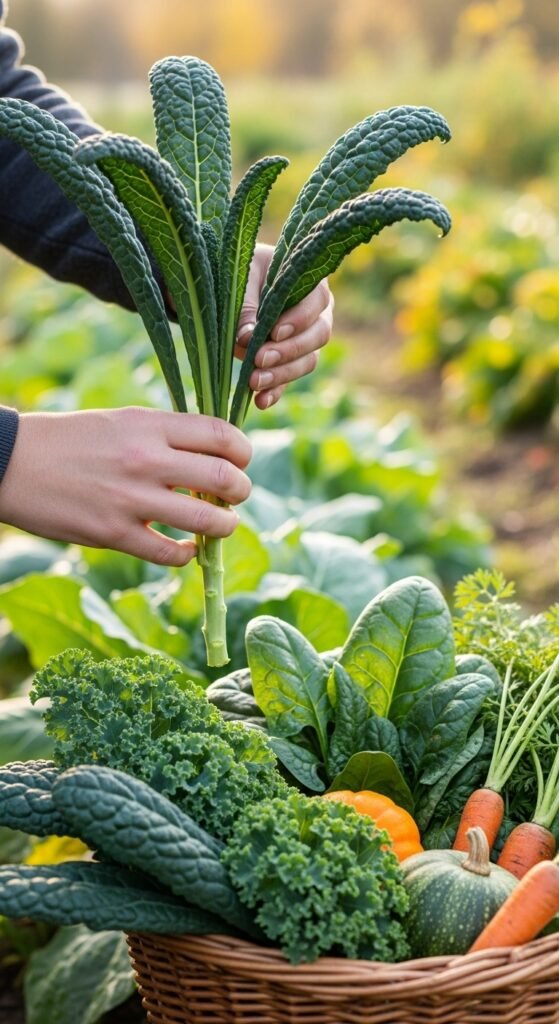
This prolongs the season and maintains plant health. Know maturity signs for each crop. For tips on timing, see harvesting fall crops.
Use clean tools, store properly to preserve freshness. Enjoy the satisfaction of homegrown meals.
9) Extend with Cold Frames
Build or buy cold frames for your fall vegetable garden to trap solar heat, protecting tender plants from cold.
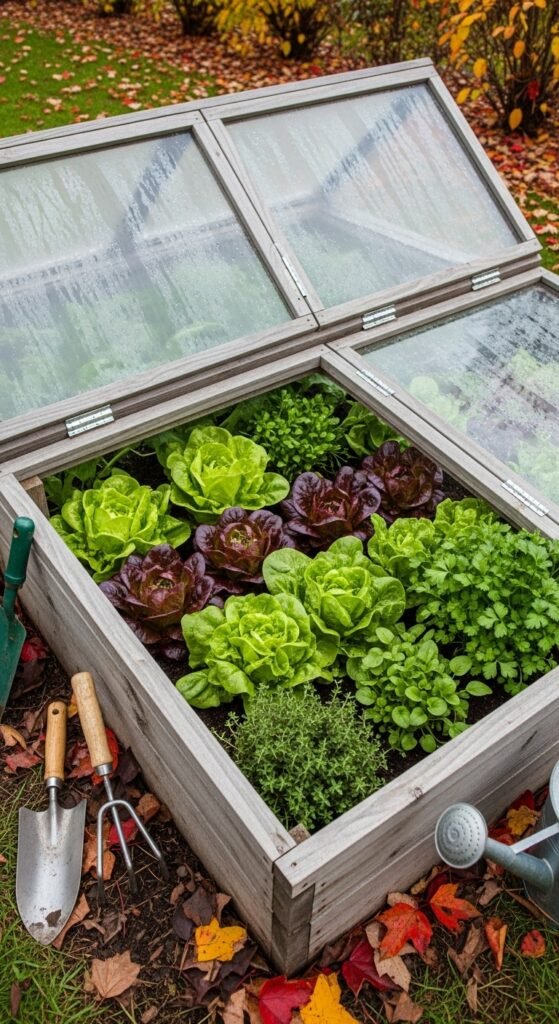
They act like mini-greenhouses, extending growth into winter. Ideal for salads and herbs. Combine with methods for extending the growing season.
Position south-facing, vent on sunny days. Affordable and effective for year-round gardening.
10) Companion Plant for Benefits
Pair compatible plants in your fall vegetable garden, like marigolds with tomatoes to repel nematodes.
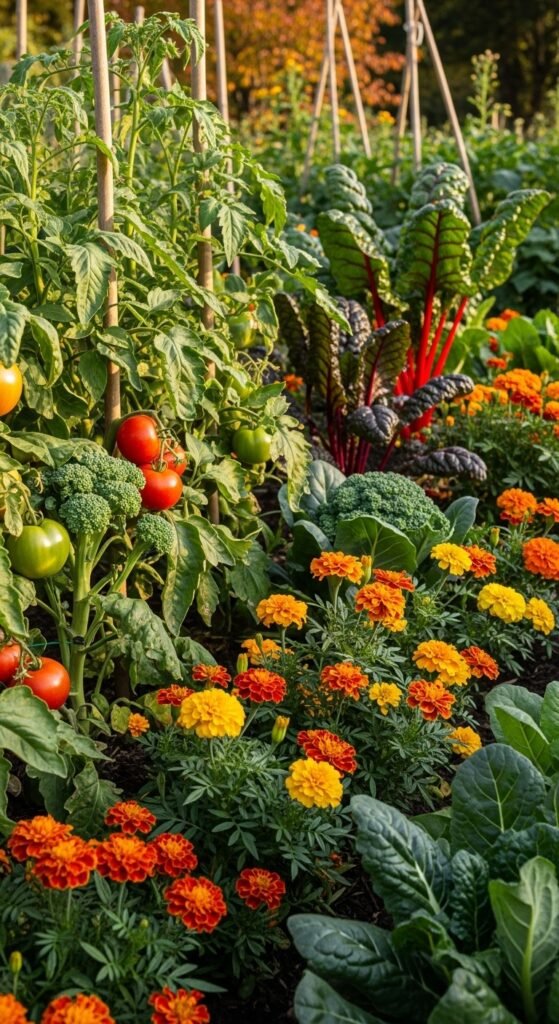
This natural method enhances growth and reduces chemical needs. Diverse plantings attract pollinators too.
Select based on needs: shade providers or nutrient fixers. Experiment and observe results for best combinations.
11) Monitor for Pests Naturally
Inspect your fall vegetable garden weekly for pests, using organic sprays or beneficial insects for control.
Early detection prevents outbreaks, preserving your harvest. Healthy plants resist better.
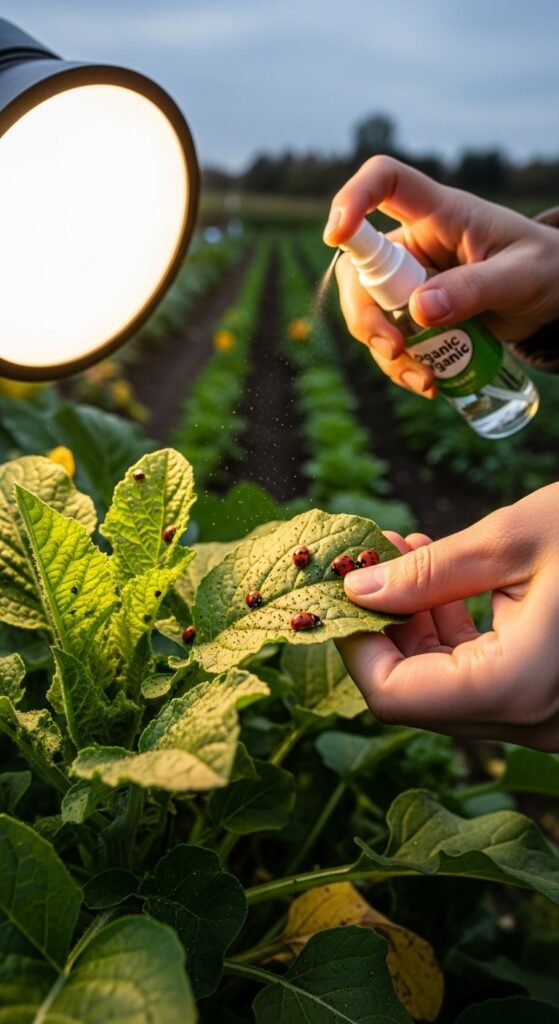
Encourage birds and ladybugs as allies. Rotate treatments to avoid resistance.
12) Water Wisely in Cooler Weather
Adjust watering in your fall vegetable garden as temperatures drop, providing deep but infrequent soaks.
This promotes strong roots and prevents fungal issues. Mulch helps retain moisture.
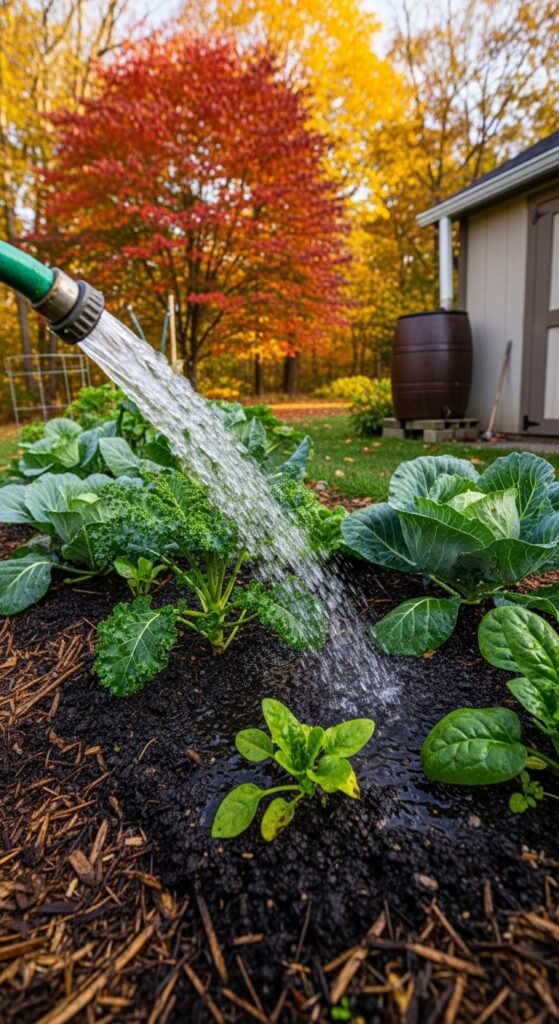
Use rain barrels for sustainable supply. Monitor soil dryness with finger tests.
13) Fertilize Appropriately
Apply balanced, slow-release fertilizers to your fall vegetable garden, focusing on phosphorus for roots.
Avoid excess nitrogen to prevent lush foliage over produce. Organic options build soil over time.
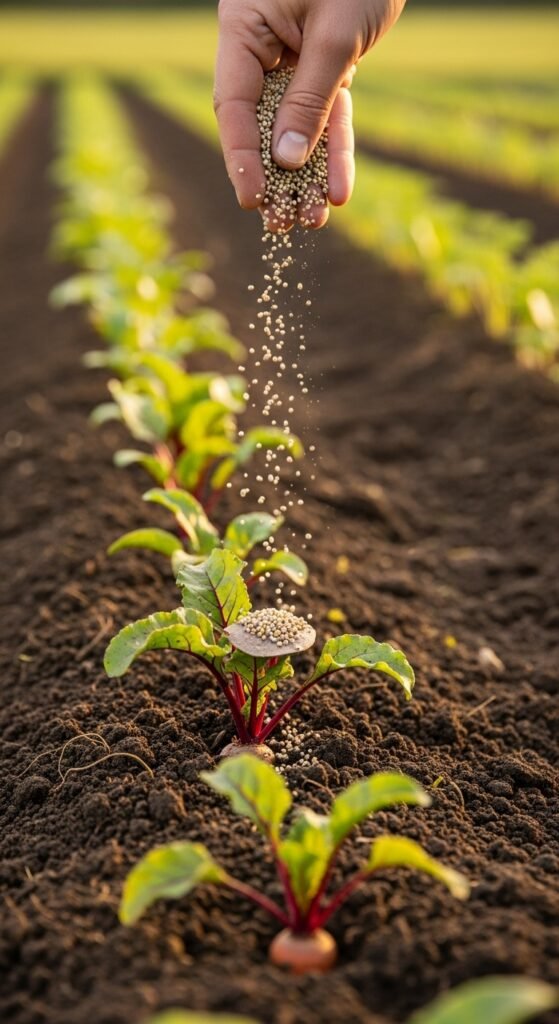
Test soil first, follow rates carefully for optimal results.
14) Plan for Overwintering
Select hardy varieties for overwintering in your fall vegetable garden, mulching heavily for insulation.
This allows early spring harvests. Garlic and onions excel here.
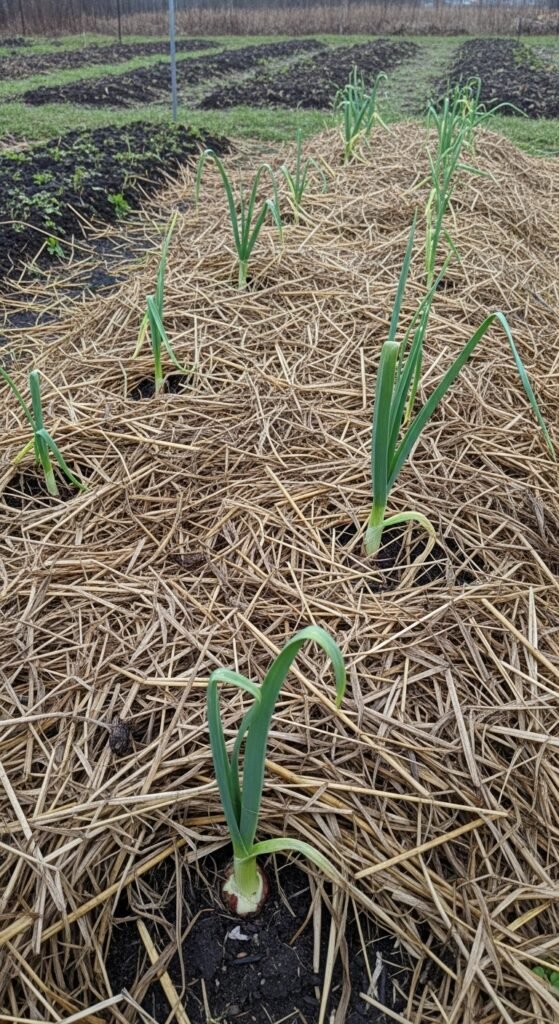
Protect with cloches if needed. Rewards come with minimal winter effort.
15) Keep a Garden Journal
Record observations in a journal for your fall vegetable garden, noting successes and challenges.
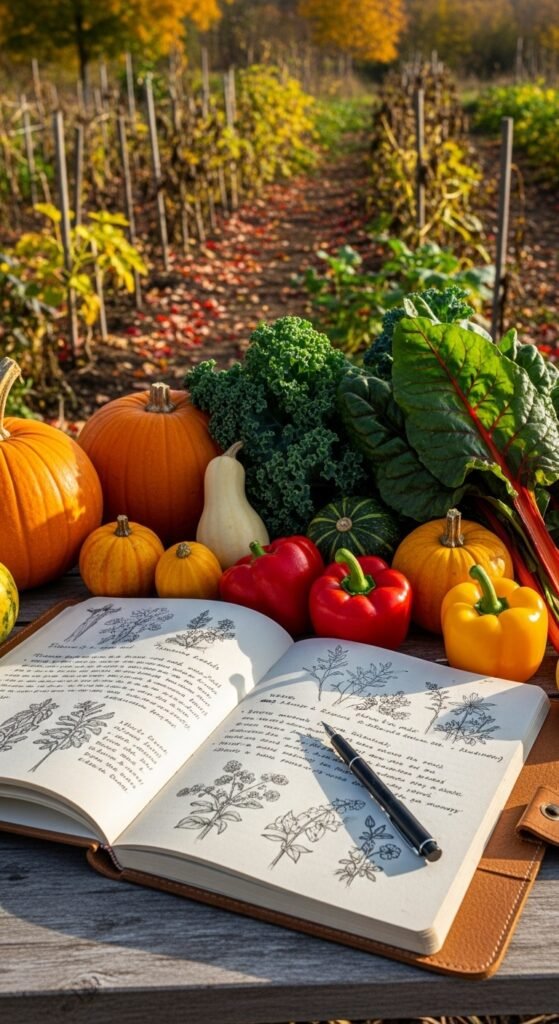
This informs future seasons, improving techniques. Track weather, plant performance. Review annually to refine your approach, becoming a more skilled gardener.
Key Principles for Fall Vegetable Gardening Success
Understanding Frost Tolerance
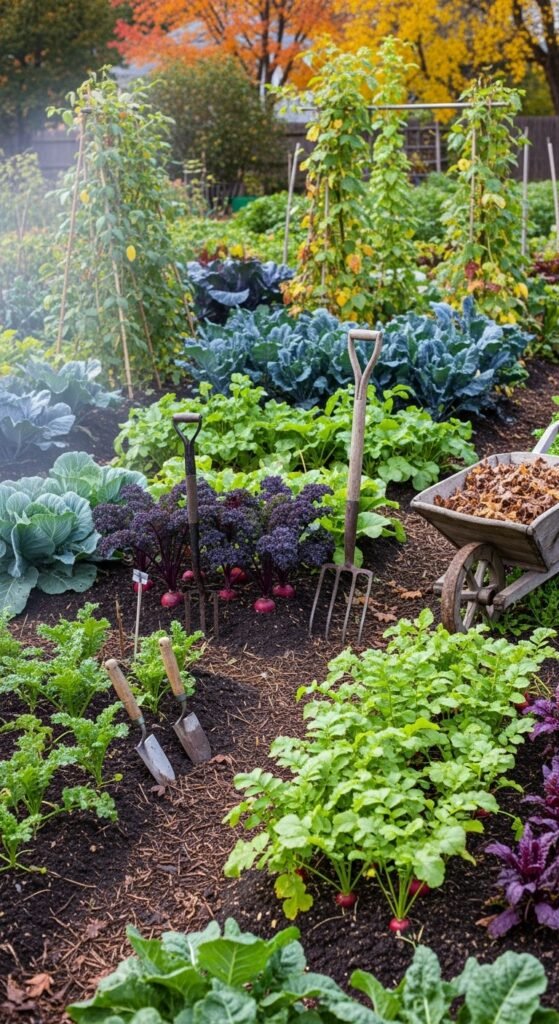
Know which crops withstand frosts: semi-hardy like beets survive 28°F, hardy like kale down to 20°F. This guides protection needs.
Soil Temperature Management
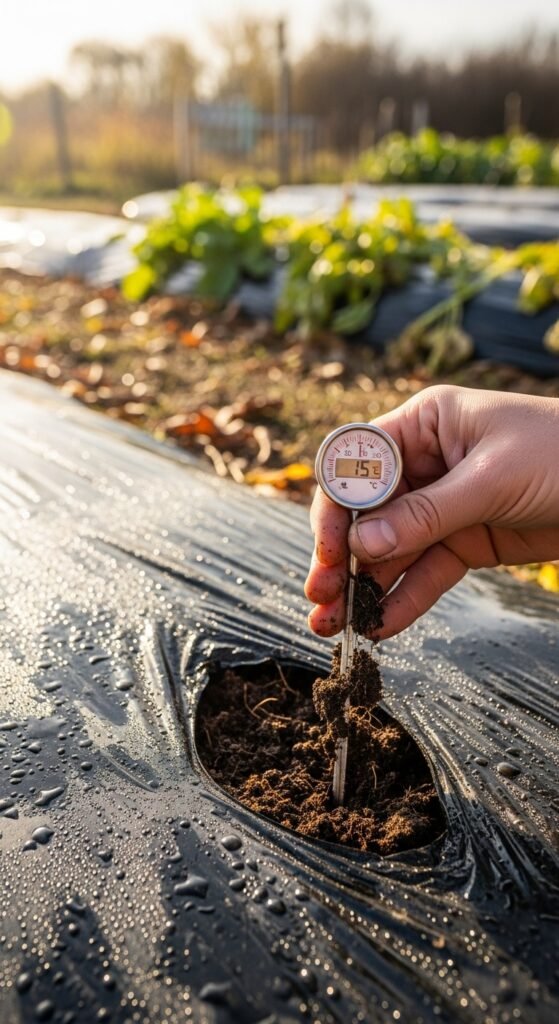
Monitor soil temps for germination; most fall veggies prefer 50-70°F. Use black plastic to warm if cool.
Sustainable Practices
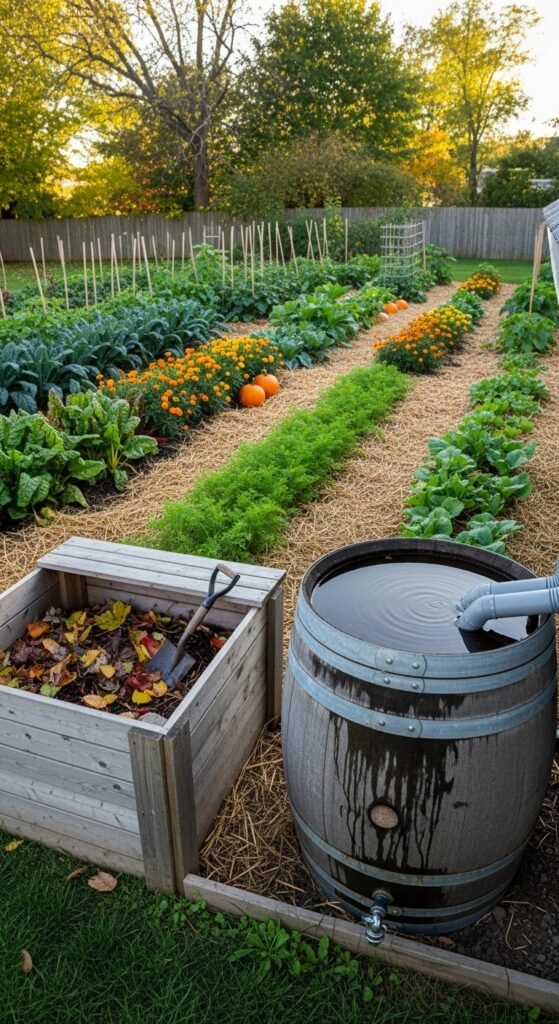
Incorporate composting and rainwater harvesting for an eco-friendly fall vegetable garden, reducing impact while boosting health.
Frequently Asked Questions
What vegetables grow best in fall?
Leafy greens like spinach and kale, root vegetables such as carrots and radishes, and brassicas including broccoli thrive in cooler fall conditions.
When should I start planting for fall?
Begin 6-12 weeks before your first frost date, depending on crop maturity times, to allow full development.
Do I need to fertilize differently in fall?
Yes, use lower nitrogen formulas to encourage root and fruit development over leafy growth.
Can I plant in containers for fall?
Absolutely; containers offer mobility to protect from early frosts and work well for small spaces.
How do I deal with shorter days?
Choose quick-maturing varieties and maximize sunlight exposure to compensate for reduced daylight hours.