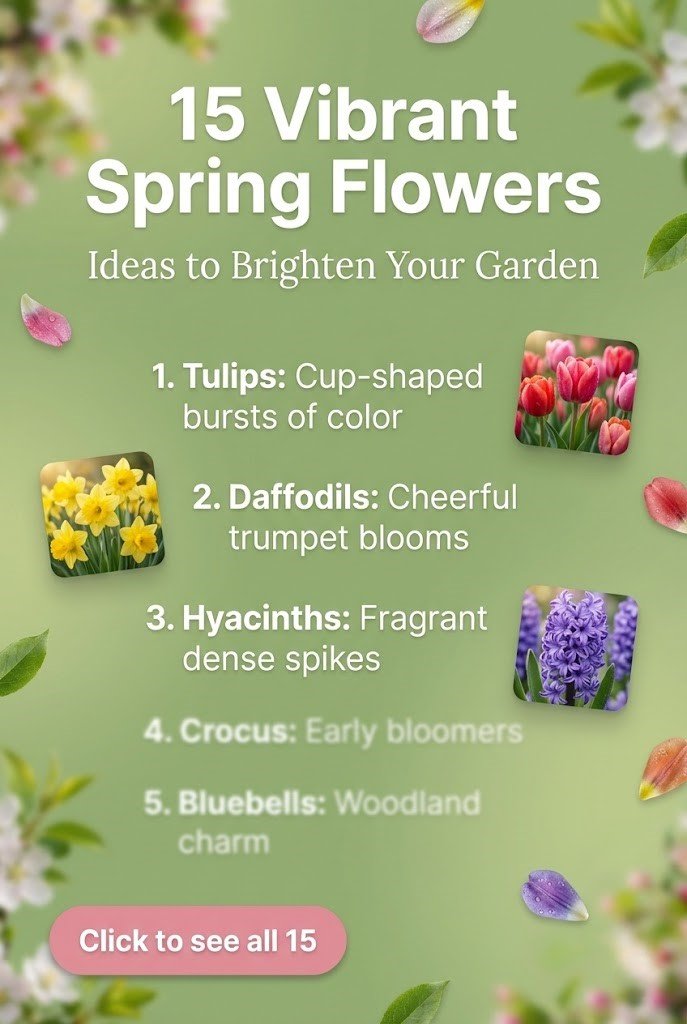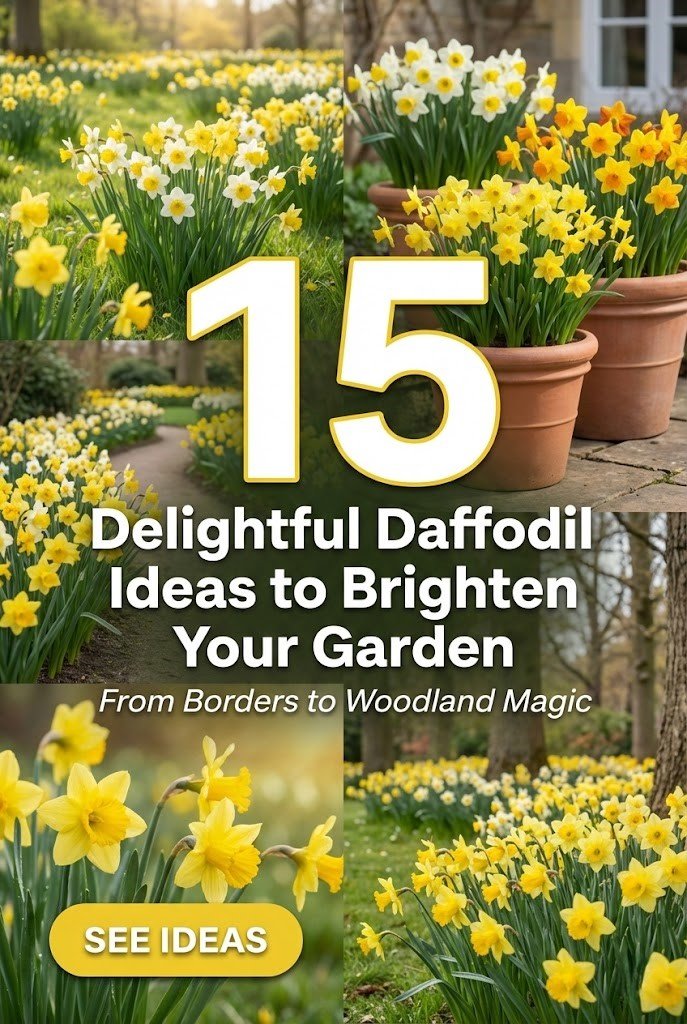
As the summer heat fades and cooler weather sets in, you can keep your garden alive with color by incorporating fall flowers. These blooms thrive in the crisp autumn air, offering a stunning transition from warm-season plants to winter dormancy. Fall flowers not only add visual appeal but also support late-season pollinators, ensuring your outdoor space remains vibrant and ecologically beneficial.
Choosing the right fall flowers means selecting varieties that withstand light frosts and provide long-lasting displays. You’ll enjoy bursts of reds, oranges, yellows, and purples that complement the changing leaves. Whether you’re refreshing containers or borders, these ideas will help you create a welcoming autumn oasis that extends your gardening season.
1) Chrysanthemums for Bold Color
Chrysanthemums, or mums, are quintessential fall flowers with dense, rounded blooms in shades from fiery orange to deep purple. These perennials or annuals depending on your zone offer a classic look that signals autumn’s arrival. You can plant them in beds or pots for instant impact, as they bloom profusely from late summer through fall.
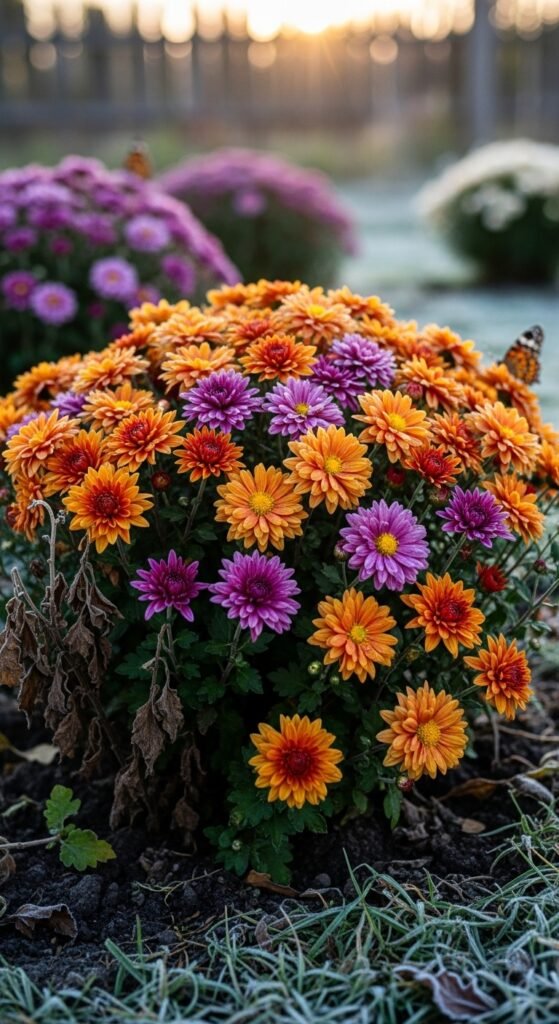
Key benefits include their frost tolerance and ability to attract butterflies, extending your garden’s wildlife appeal. Mums are low-maintenance, requiring minimal care once established. To incorporate them, prepare well-drained soil enriched with compost. Plant in full sun, spacing 18-24 inches apart, and water regularly until rooted. Pinch back tips in early summer for bushier growth. For creative displays, try mixing varieties in fall porch planters to enhance your entryway.
2) Asters for Starry Blooms
Asters feature daisy-like flowers in vibrant purples, pinks, and blues, creating a starry effect in your garden. These native perennials bloom from late summer into fall, providing nectar for migrating butterflies and bees. You can use them in borders or wildflower meadows for a natural, untamed vibe.
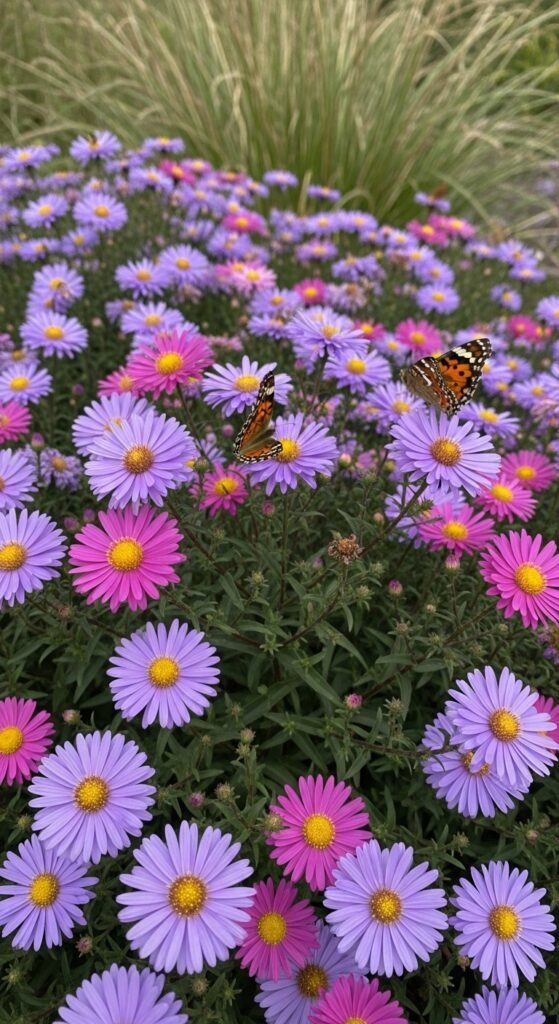
Key benefits are their drought resistance and deer deterrence, making them ideal for low-water landscapes. Asters grow 1-6 feet tall, suiting various spaces. Plant in spring or fall in sunny spots with average soil. Divide clumps every few years to maintain vigor. For best results, mulch around bases to retain moisture. Consider pairing with grasses in fall garden designs for textural contrast.
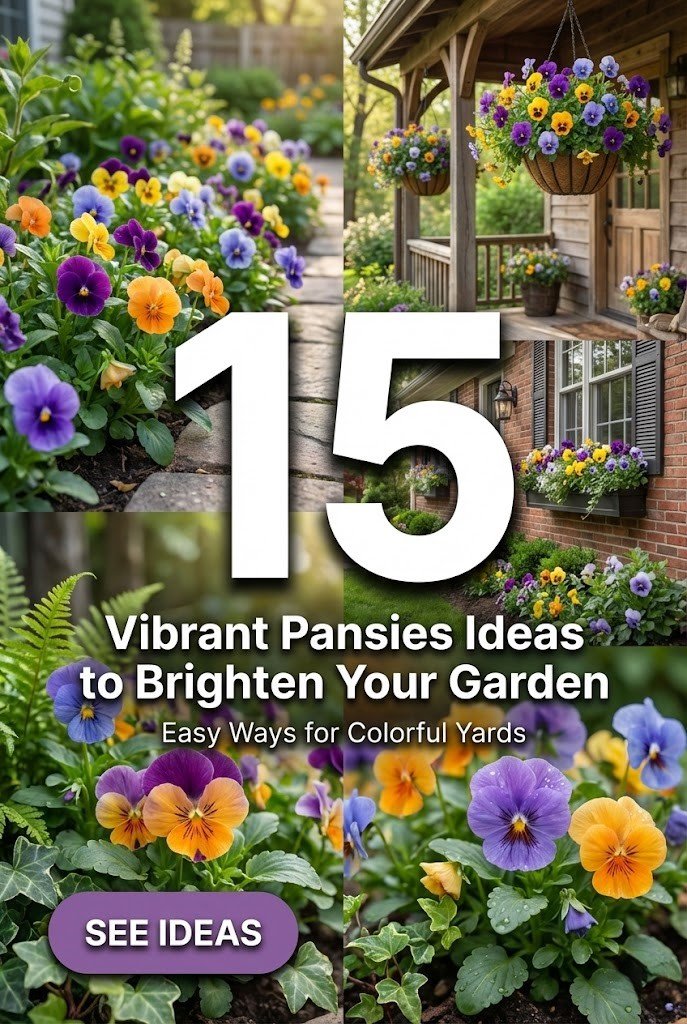
3) Pansies for Cool-Weather Charm
Pansies boast cheerful, face-like blooms in a rainbow of colors, including bi-tones and solids. These cool-season annuals thrive in fall, often surviving light frosts and even blooming through mild winters in some areas. You can plant them in window boxes, hanging baskets, or ground covers for versatile appeal.
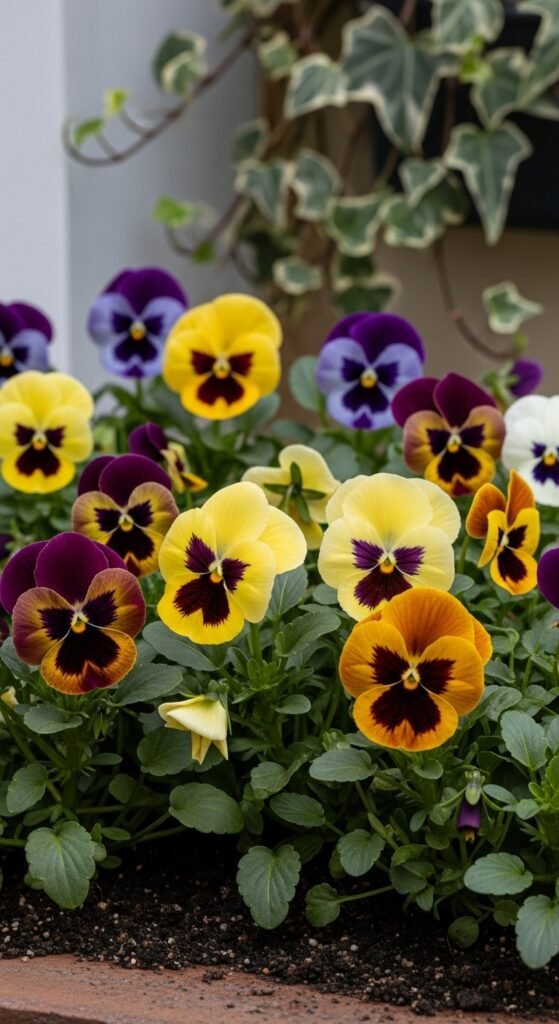
Key benefits include their edible petals for culinary uses and compact size for small spaces. Pansies prefer rich, moist soil and partial shade in warmer falls. Deadhead spent flowers to encourage continuous blooming. Fertilize lightly every few weeks. To maximize impact, layer them in fall container gardens with trailing ivy.
4) Ornamental Kale for Textural Interest
Ornamental kale displays ruffled, colorful foliage in purples, whites, and greens, mimicking oversized flowers. Though not true blooms, these hardy annuals provide fall color as temperatures drop, with leaves intensifying in hue. You can use them as accents in beds or pots for architectural flair.
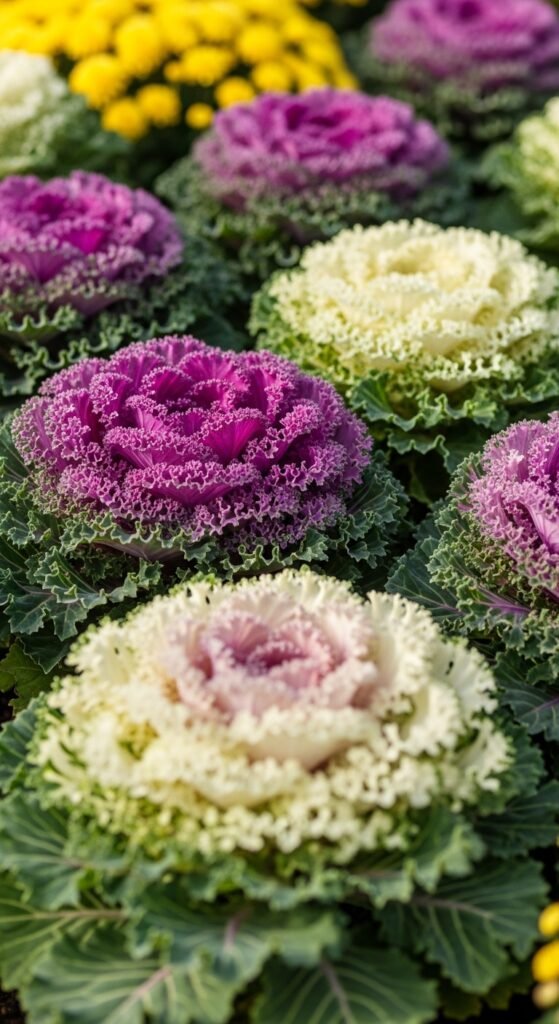
Key benefits are their cold hardiness down to 5°F and pest resistance. Plant in full sun to partial shade in fertile soil. Space 12-18 inches apart. Water consistently but avoid sogginess. For dynamic arrangements, combine with mums in autumn container setups.
5) Sedum for Succulent Appeal
Sedum, or stonecrop, offers star-shaped flower clusters in pinks and reds atop fleshy leaves. These drought-tolerant perennials bloom late in the season, attracting pollinators while requiring little care. You can incorporate them in rock gardens or borders for year-round interest, as foliage persists through winter.
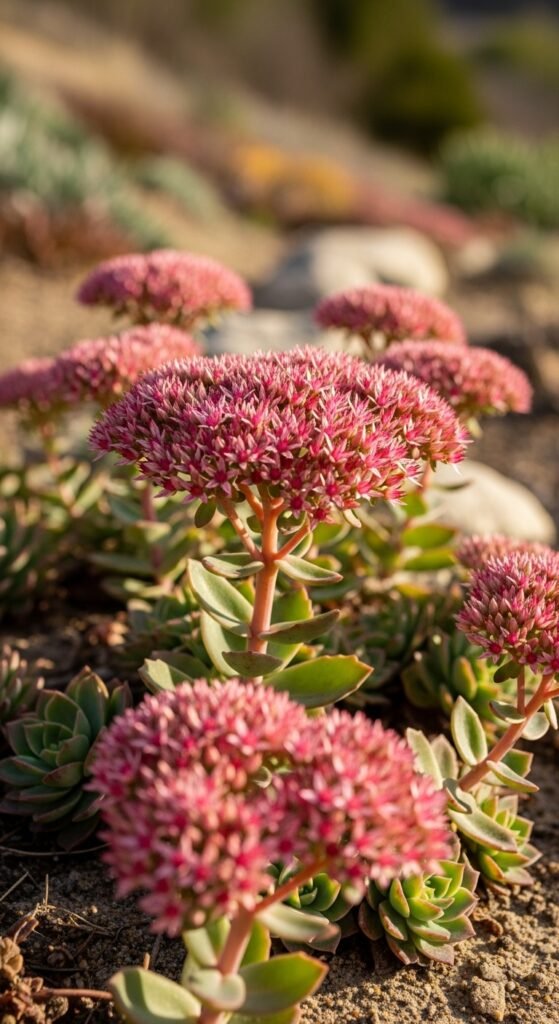
Key benefits include low water needs and soil erosion control on slopes. Plant in well-drained, sandy soil under full sun. Divide in spring if overcrowded. Prune back in early summer for compact form. Enhance your space by adding to fall planting plans for enduring structure.
6) Goldenrod for Native Vibrancy
Goldenrod bursts with yellow plume-like flowers, adding sunny cheer to fall landscapes. This native perennial supports wildlife without causing allergies, contrary to myth. You can plant it in meadows or back borders for height and movement in the breeze.
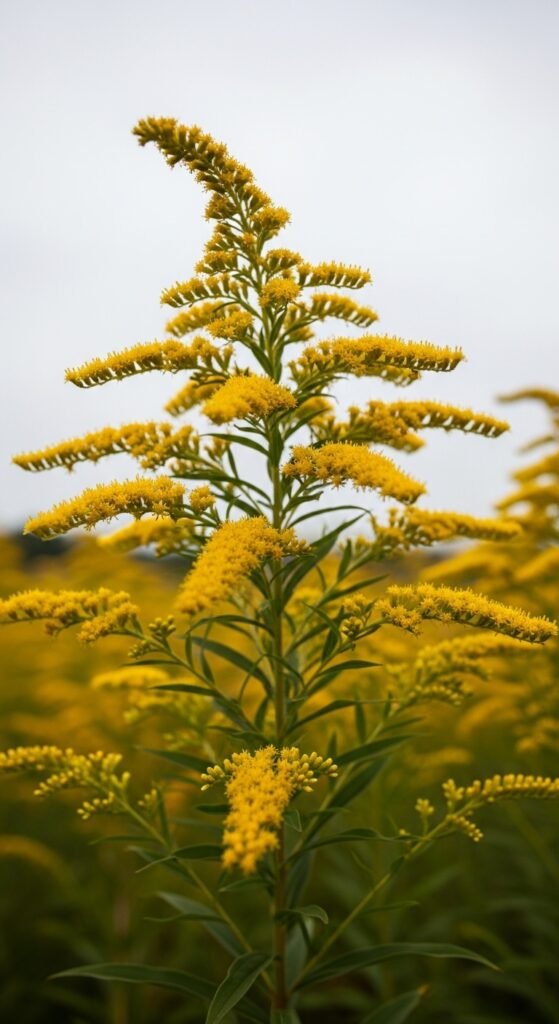
Key benefits are its pollinator attraction and adaptability to poor soils. Goldenrod thrives in full sun with average moisture. Cut back after blooming to prevent self-seeding. For eco-friendly gardens, integrate into wild areas. Pair with asters for complementary colors in autumn displays.
7) Helianthus for Late Sunflowers
Helianthus, or perennial sunflowers, produce bright yellow daisy blooms on tall stems through fall. These robust plants add vertical interest and cut flower potential. You can stake taller varieties or let them naturalize in sunny spots.
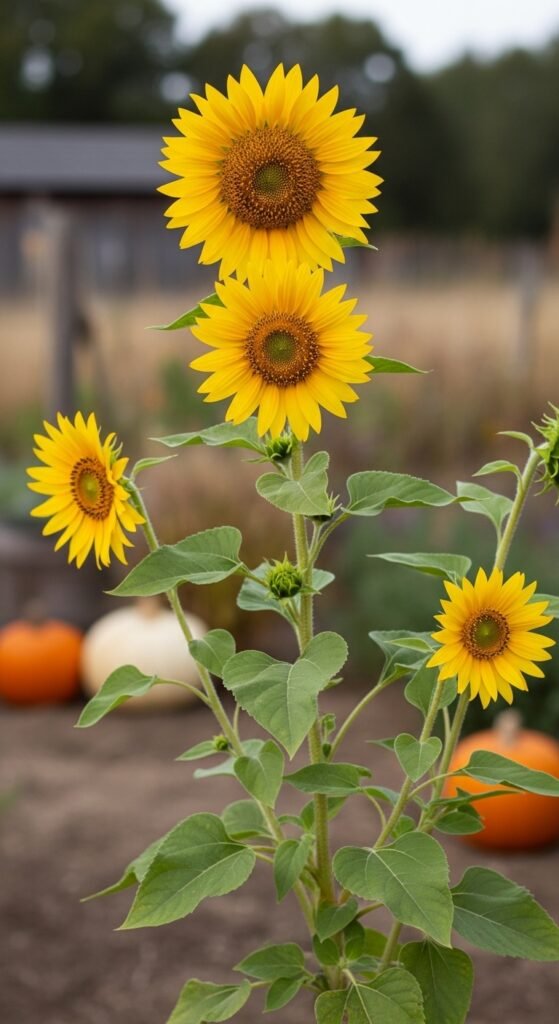
Key benefits include bird seed production from heads and easy division for propagation. Plant in fertile, well-drained soil with full sun. Water during dry spells. Deadhead to prolong flowering. For rustic charm, use in fall front porch vignettes with pumpkins.
8) Rudbeckia for Daisy-Like Durability
Rudbeckia, known as black-eyed Susans, features golden petals around dark centers, blooming prolifically into fall. These tough perennials resist heat and drought once established. You can mass them in beds for bold statements or mix with grasses.
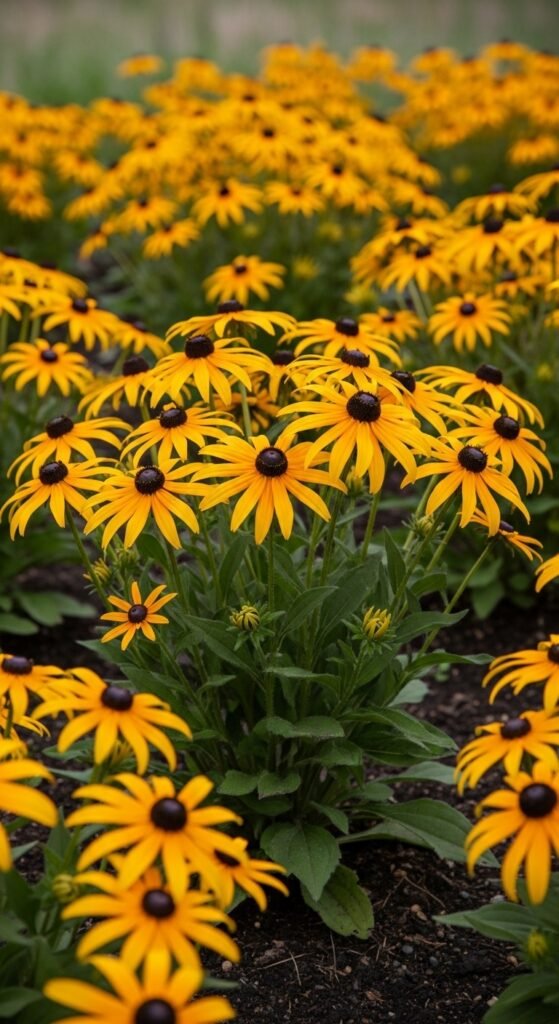
Key benefits are long bloom times and low maintenance. Plant in full sun with moderate soil. Divide every 3-4 years. Attracts butterflies abundantly. To protect from early frosts, consider techniques from frost protection guides.
9) Helenium for Fiery Hues
Helenium displays warm-toned daisy flowers in reds, oranges, and yellows, evoking autumn leaves. These perennials grow 2-5 feet, suiting mid-border positions. You can use them to bridge summer and fall color gaps effectively.
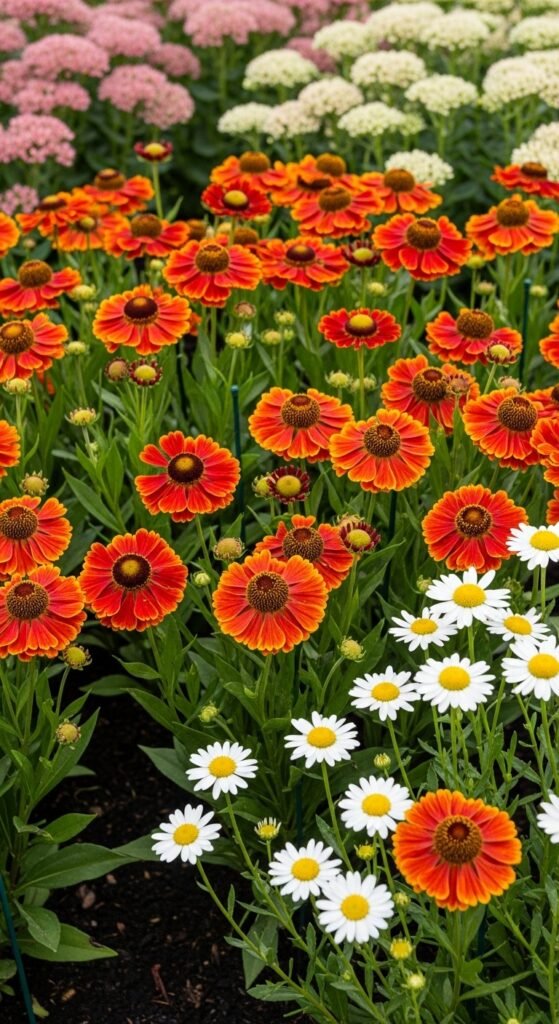
Key benefits include deer resistance and late-season nectar. Plant in moist, well-drained soil under sun. Pinch tips for branching. Stake if needed. For vibrant combos, blend with sedums in seasonal arrangements.
10) Japanese Anemone for Elegant Stems
Japanese anemones bear delicate pink or white flowers on wiry stems, swaying gracefully in fall breezes. These shade-tolerant perennials spread gently, filling woodland edges. You can plant them under trees for dappled light effects.
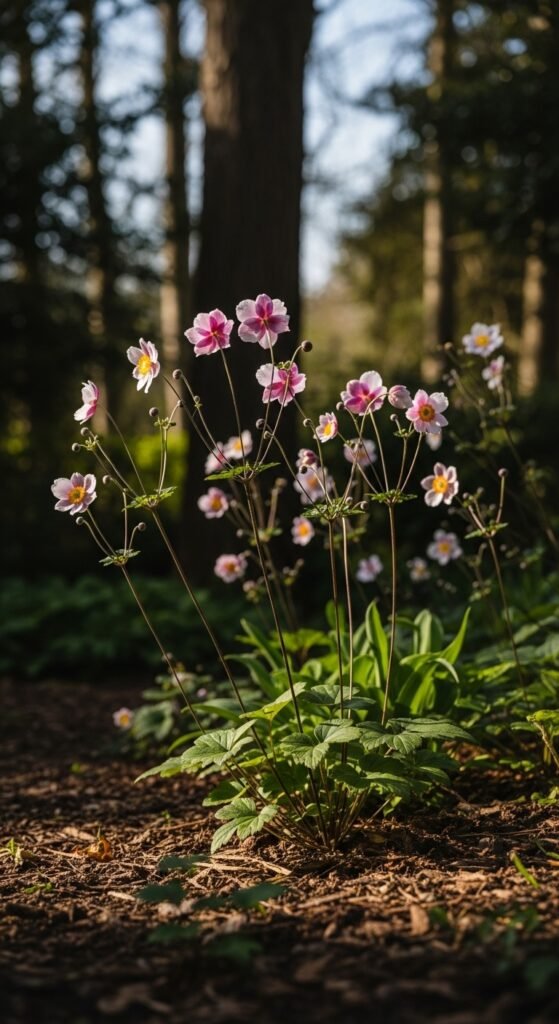
Key benefits are extended blooms and minimal care. Amend soil with organic matter. Water regularly in dry periods. Mulch for winter protection. Ideal for adding whimsy to shaded fall gardens.
11) Toad Lily for Exotic Spots
Toad lilies showcase orchid-like spotted flowers in purples and whites, thriving in shady fall conditions. These unique perennials add intrigue to moist areas. You can tuck them into borders or containers for close-up viewing.
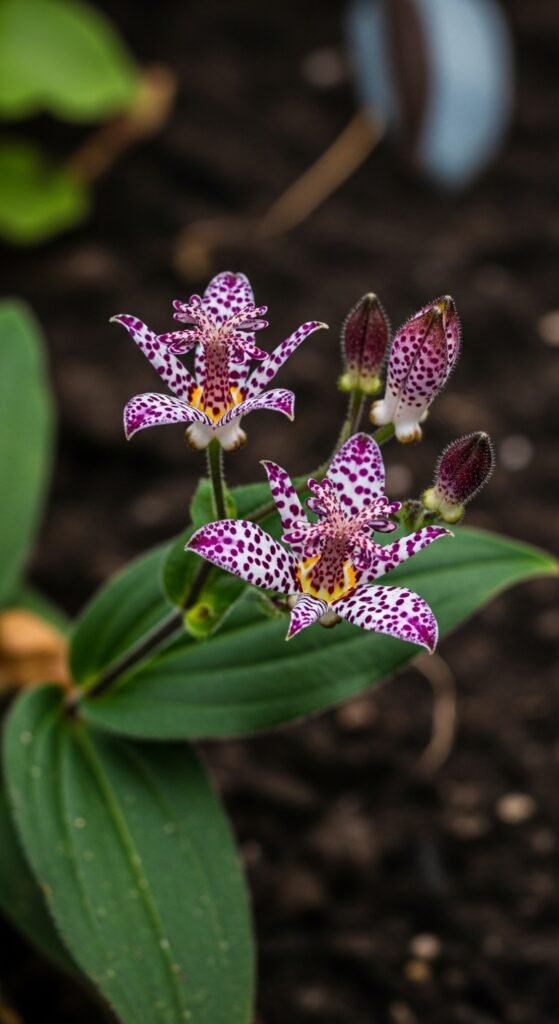
Key benefits include shade tolerance and late blooming. Plant in rich, humid soil. Divide sparingly. Protect from slugs. Enhance mystery in fall fairy garden concepts.
12) Autumn Crocus for Bulb Surprises
Autumn crocus emerges with lavender goblet blooms directly from bulbs in fall, sans foliage. These corms provide unexpected color after summer fades. You can naturalize them in lawns or beds for magical pops.
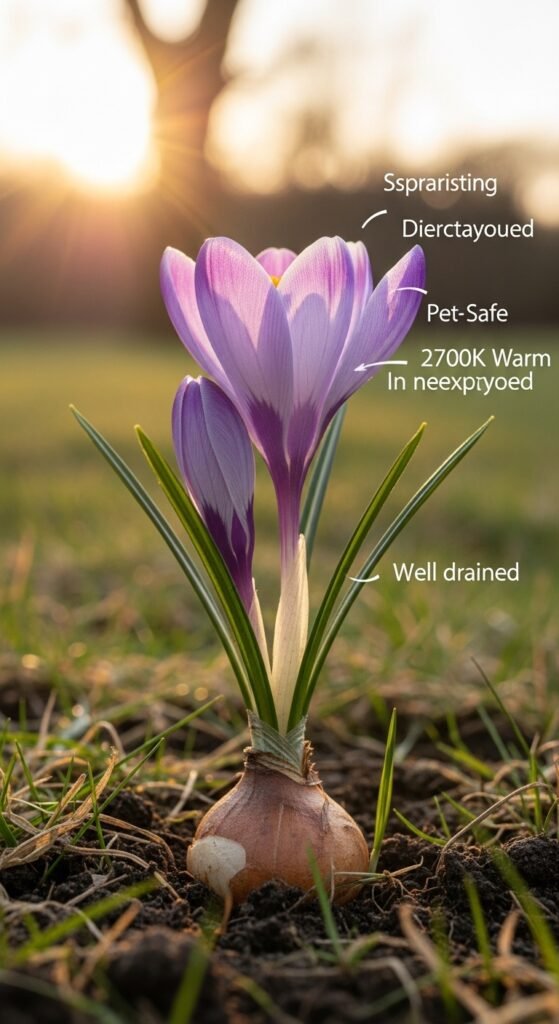
Key benefits are low height and pollinator support. Plant bulbs 3-4 inches deep in sun or part shade. Well-drained soil prevents rot. Note toxicity to pets. Perfect for signaling seasonal shifts.
13) Cyclamen for Woodland Charm
Cyclamen offers upswept petals in pinks and whites above marbled leaves, suited to cool fall understories. These tubers persist in mild climates. You can pot them for patios or plant in shaded gardens.
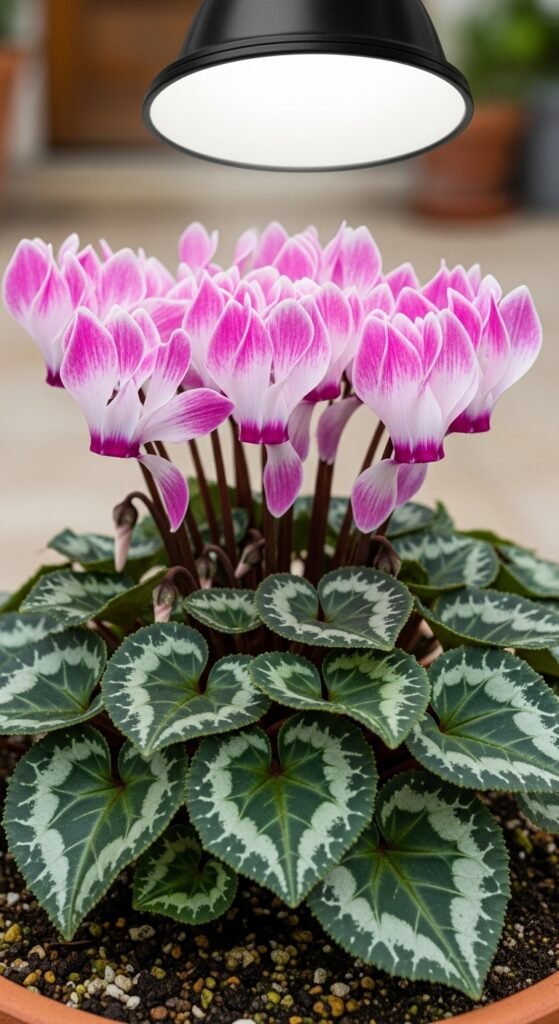
Key benefits include drought tolerance once dormant and elegant form. Use gritty soil mix. Allow summer rest. For indoor-outdoor transitions, explore similar care in seasonal guides.
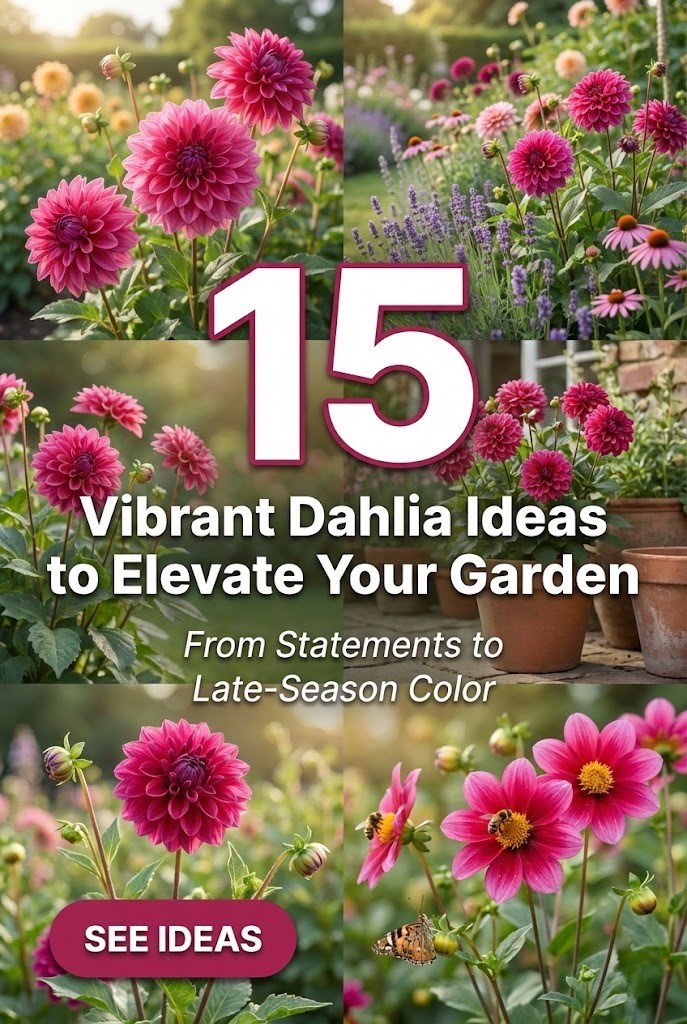
14) Dahlias for Dramatic Displays
Dahlias explode with varied flower forms and colors, lasting until first frost in fall. These tubers allow customization through pinching. You can stake large varieties or grow dwarfs in pots.
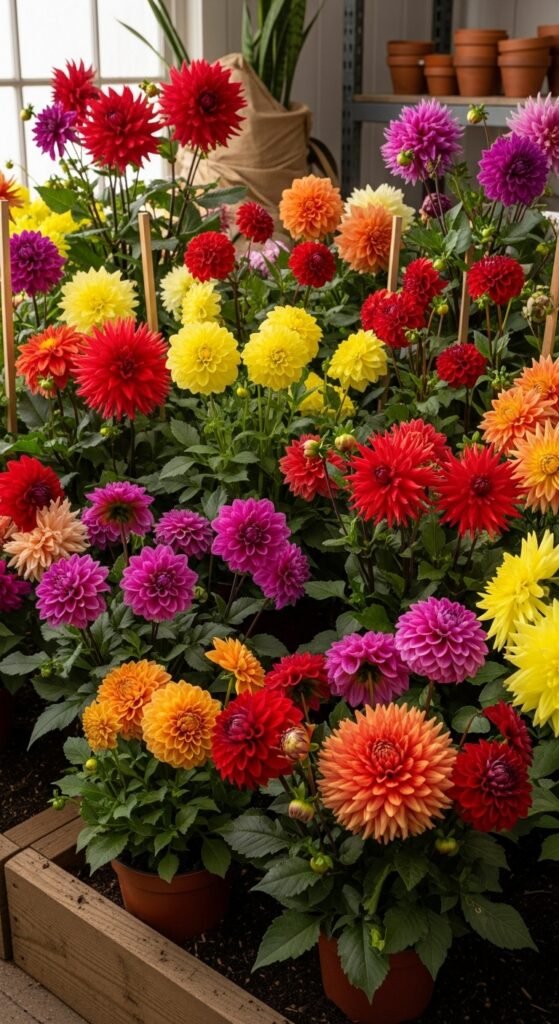
Key benefits are cut flower excellence and tuber storage for reuse. Plant after soil warms, in sun with rich earth. Dig and store in cool, dry places over winter. Lift tubers before frost using frost date tools.
15) Marigolds for Persistent Pops
Marigolds provide orange and yellow pom-pom blooms, repelling pests while brightening fall beds. These annuals self-seed readily. You can edge paths or interplant with veggies for protection.
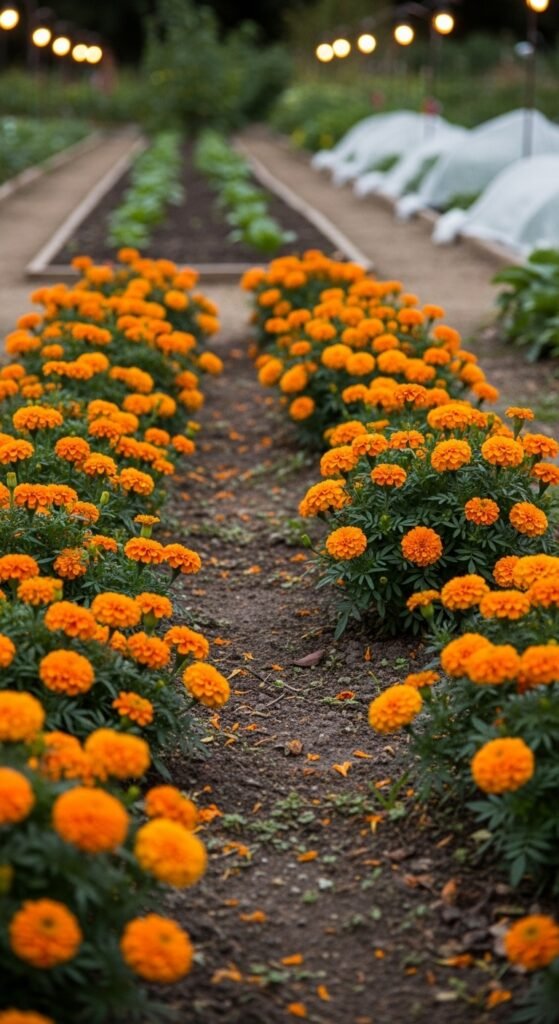
Key benefits are nematode control and easy growth from seed. Sow directly in sun with average soil. Thin seedlings. Extend season by covering during light frosts.
Key Principles for Fall Flower Success
Soil Preparation Tips
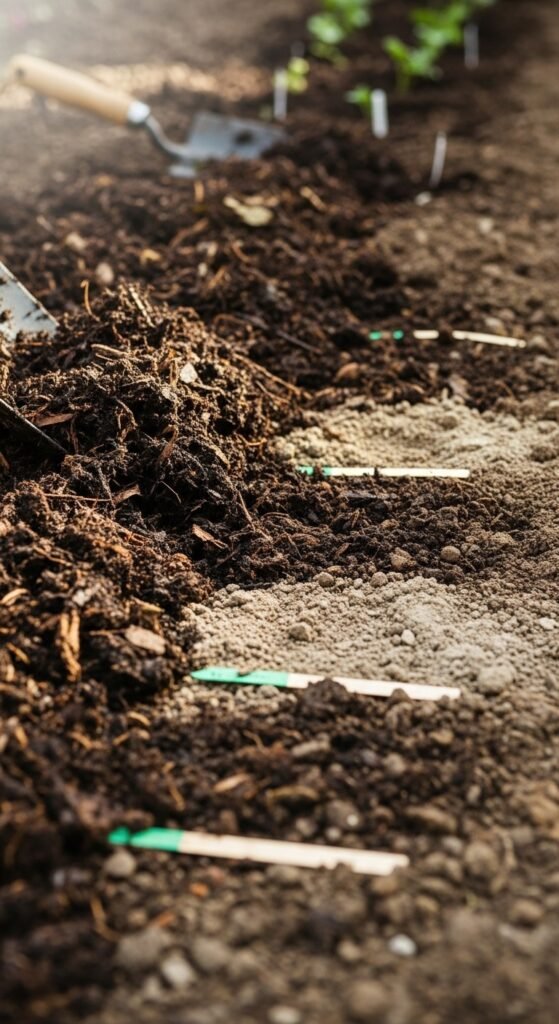
Amend your soil with compost to improve drainage and nutrients, essential for fall flowers facing cooler, wetter conditions. Test pH levels to ensure optimality for specific varieties like acid-loving asters.
Planting Timing Strategies
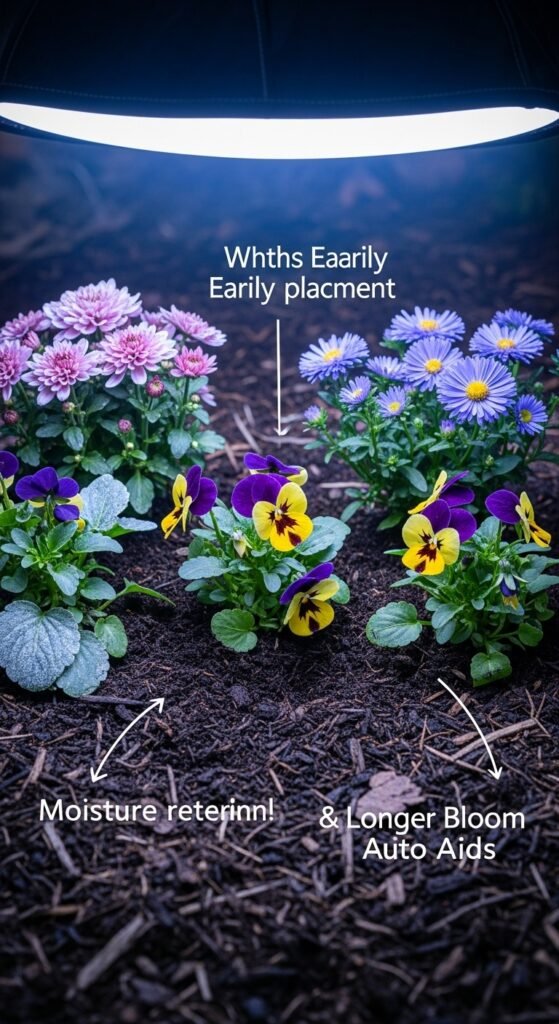
Plant early in fall for root establishment before freezes. Use mulch to insulate and retain moisture, helping blooms last longer into the season.
Maintenance Essentials
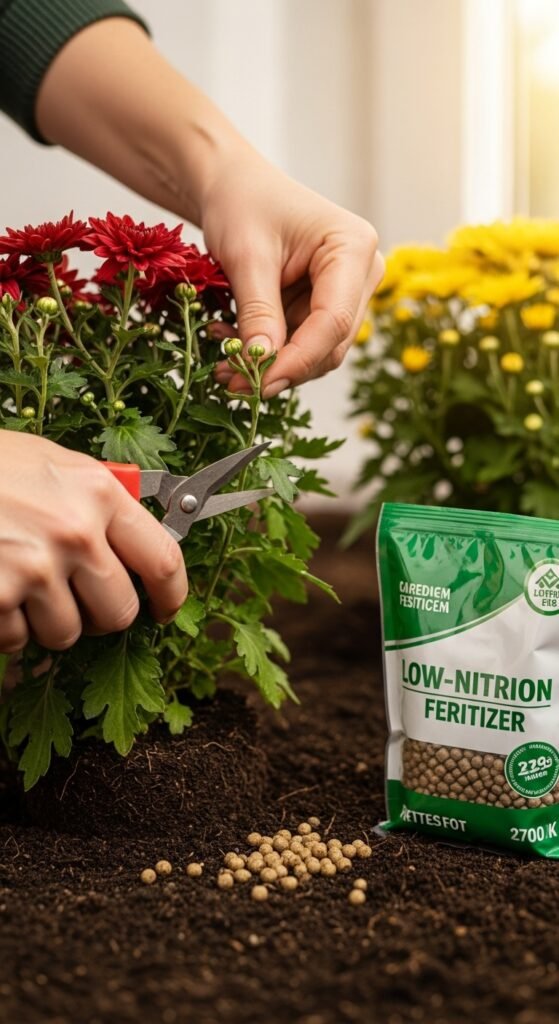
Deadhead regularly to promote reblooming and fertilize sparingly with low-nitrogen formulas to avoid lush growth vulnerable to frost.
Frequently Asked Questions
What are the best fall flowers for beginners?
Mums and pansies are excellent starters due to their hardiness and wide availability at nurseries during autumn.
Can fall flowers survive frost?
Many like asters and kale tolerate light frosts, but protect tender ones with covers during unexpected cold snaps.
How do I extend the blooming period?
Choose late-blooming varieties, provide consistent water, and mulch to moderate soil temperatures.
Are fall flowers good for pollinators?
Yes, they offer crucial nectar sources for bees and butterflies preparing for winter or migration.
What soil type do most fall flowers prefer?
Well-drained, fertile soil works for most, but always check specific needs for optimal growth.