Edible flowers bring a vibrant splash of color and unique flavors to your dishes, transforming everyday meals into gourmet experiences. These natural beauties aren’t just for decoration; they offer subtle tastes ranging from sweet to peppery, enhancing salads, desserts, and beverages. Incorporating edible flowers into your garden allows you to harvest fresh, organic ingredients right at home, promoting sustainability and adding a touch of elegance to your cooking.
You’ll discover that many common flowers are safe and tasty to eat, provided they’re grown without pesticides. From the peppery kick of nasturtiums to the soothing notes of chamomile, these blooms provide nutritional benefits like antioxidants and vitamins. Starting with edible flowers can be simple, whether you’re a novice gardener or a seasoned chef, making your meals more visually appealing and flavorful.
Exploring these ideas will inspire you to experiment in the kitchen and garden, creating dishes that delight the senses. Remember to identify flowers correctly and introduce them gradually to ensure they’re enjoyable and safe for everyone at your table.
1) Nasturtium Blossoms
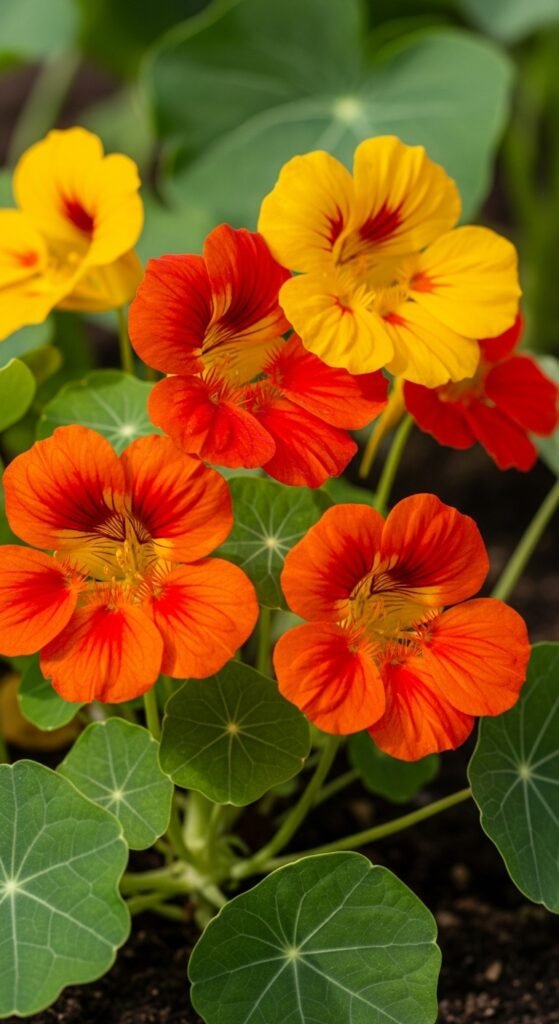
You’ll love nasturtium blossoms for their bold, peppery flavor that adds a spicy zing to salads and sandwiches. These vibrant orange, yellow, and red flowers are not only eye-catching but also packed with vitamin C and antioxidants, supporting your immune system and overall health. The leaves and seeds are edible too, offering versatility in your culinary adventures.
Growing nasturtiums is straightforward, making them ideal for beginners. Plant seeds directly in well-drained soil after the last frost, in a sunny spot. They thrive in poor soil, which encourages more blooms over foliage. Water moderately to keep the soil moist but not soggy, and you’ll have a bountiful harvest in about 8-10 weeks.
Incorporate them into your meals by stuffing flowers with cream cheese or sprinkling petals over soups. For a creative twist, pickle the seed pods as a caper substitute. Their ease of growth and bold taste make nasturtiums a must-try, enhancing both your garden’s beauty and your plate’s appeal. Check out our guide on spring edible flowers for more seasonal inspiration.
2) Pansy Petals
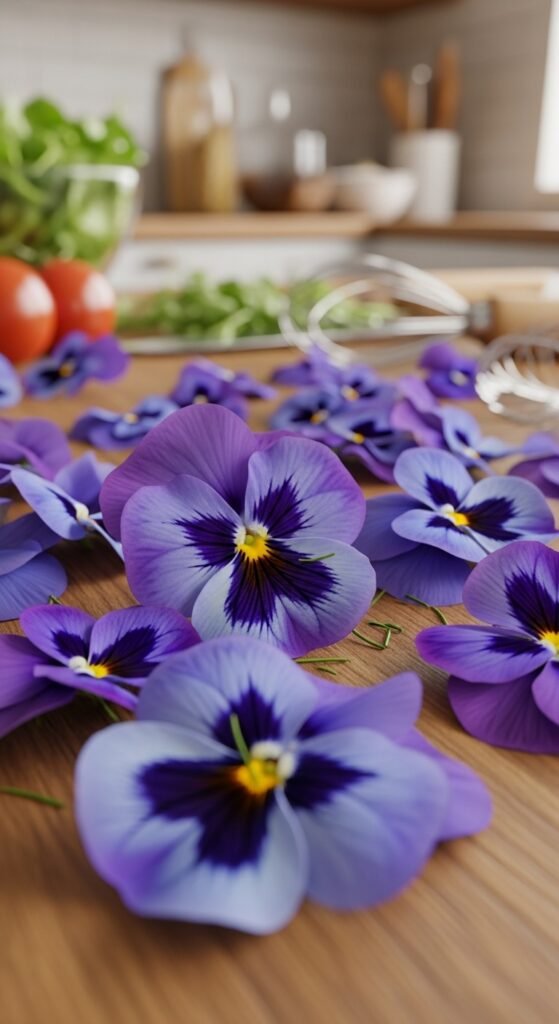
Pansies offer a mild, grassy flavor with a hint of wintergreen, perfect for garnishing desserts or adding to fresh salads. Their cheerful faces in shades of purple, yellow, and blue bring whimsy to any dish, while providing anti-inflammatory properties and vitamins A and C. You can enjoy them fresh or candied for a sweet treat.
To grow pansies, sow seeds indoors 6-8 weeks before the last frost or plant transplants in cool weather. They prefer rich, moist soil and partial shade, blooming profusely in spring and fall. Pinch back spent flowers to encourage continuous blooming, and fertilize lightly for best results.
Use pansy petals to decorate cakes or float them in beverages for an elegant touch. Crystallize them with egg white and sugar for edible decorations that last. Their versatility and charm make pansies a delightful addition to your edible garden, blending beauty with subtle flavor enhancement.
3) Viola Blooms
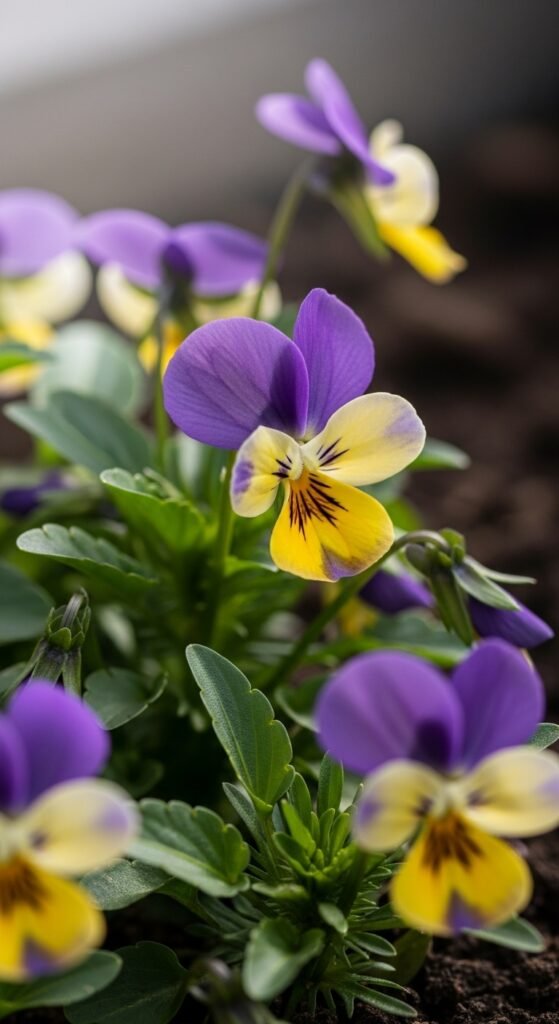
Violas, close relatives of pansies, deliver a sweet, floral taste that’s ideal for teas, syrups, and fruit salads. Their petite size and vibrant colors like violet and gold make them perfect for intricate garnishes, offering antioxidants and soothing effects for respiratory health.
Plant violas in fertile, well-drained soil with full sun to partial shade. They’re hardy in cooler temperatures, often surviving light frosts. Sow seeds directly or start indoors, spacing plants 6 inches apart for a dense display of blooms from spring through fall.
Harvest flowers in the morning for peak freshness, using them to infuse vinegars or top cheeses. Their delicate nature suits micro-herb mixes or frozen in ice cubes for cocktails. Violas add a touch of elegance to your dishes, making everyday meals feel special. Explore more in our edible flowers overview.
4) Calendula Flowers
Calendula, or pot marigold, imparts a tangy, saffron-like flavor to soups, rice, and baked goods. Its bright orange petals are renowned for skin-healing properties and anti-fungal benefits, making it a staple in herbal remedies as well as cuisine.
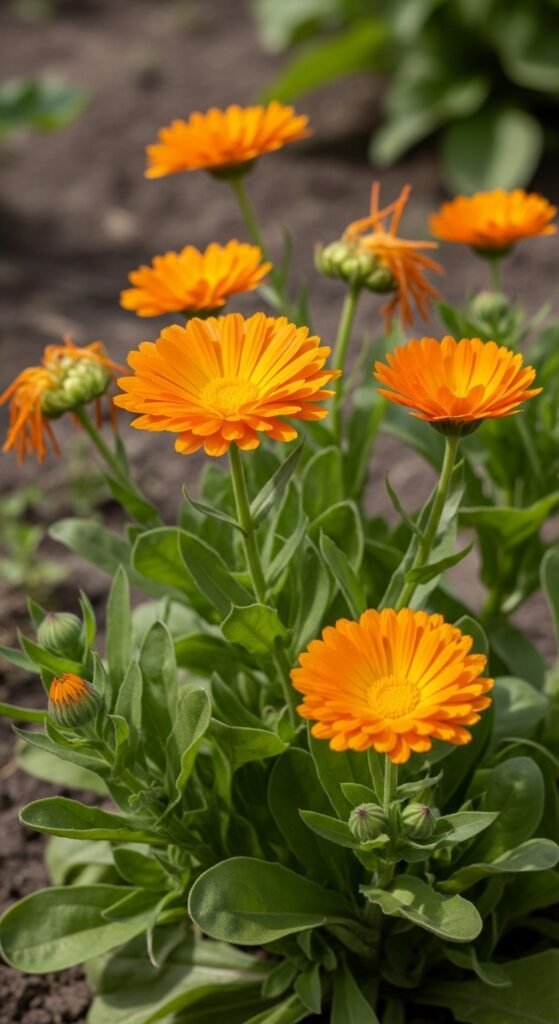
Grow calendula in sunny locations with average soil, sowing seeds directly after frost danger passes. They self-seed readily, providing ongoing blooms from summer to frost. Deadhead regularly to prolong flowering and prevent overcrowding.
Sprinkle petals into omelets or brew them into teas for a golden hue. Dry them for year-round use in infusions or as a natural food coloring. Calendula’s robustness and medicinal value make it an excellent choice for both novice and experienced gardeners seeking functional beauty.
5) Borage Blossoms
Borage flowers taste like fresh cucumber, adding a refreshing note to salads, cocktails, and yogurts. Their star-shaped blue blooms are attractive to pollinators and offer anti-inflammatory omega-6 fatty acids for joint health.
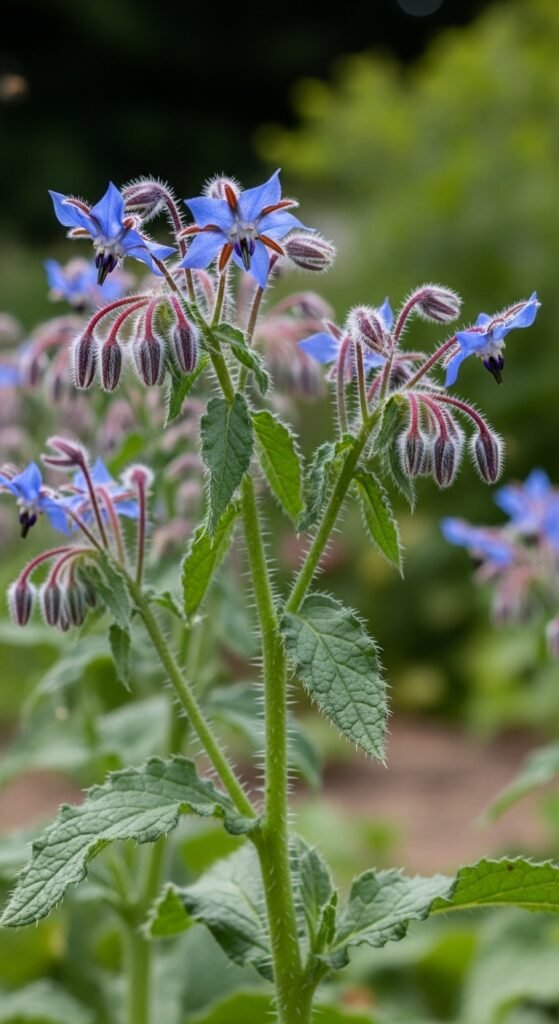
Plant borage in full sun with well-drained soil, sowing seeds shallowly in spring. It grows quickly to 2-3 feet, self-seeding for future seasons. Water consistently but avoid over-fertilizing to prevent legginess.
Float flowers in drinks or candy them for desserts. The young leaves can be used in pesto for a mild flavor. Borage’s ease and bee-friendly nature make it a valuable addition to your garden, enhancing biodiversity while providing culinary delights.
6) Lavender Buds
Lavender offers a sweet, floral aroma with hints of mint, perfect for baking, teas, and savory rubs. Known for its calming effects and digestive aid, it soothes both body and mind when incorporated into meals.
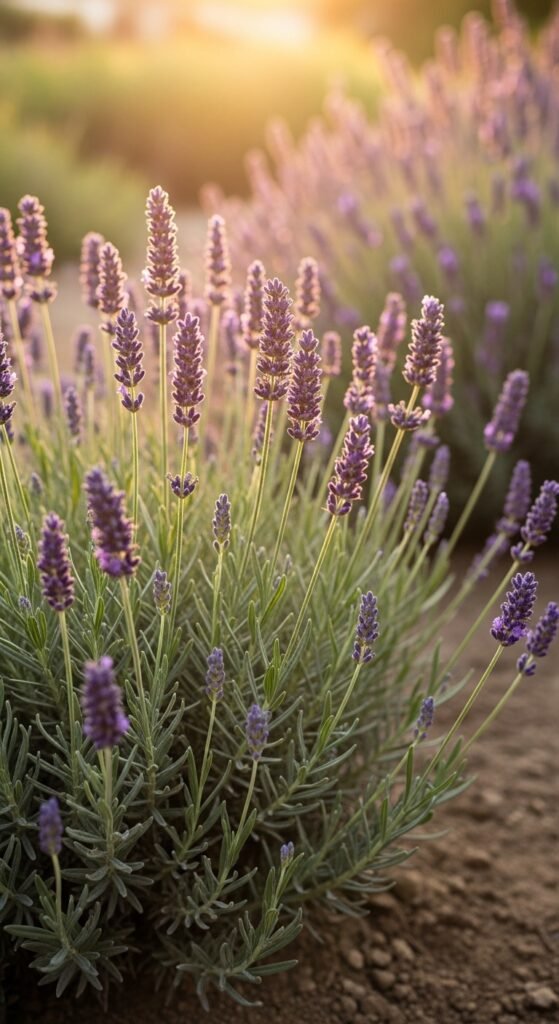
Grow lavender in sunny, dry spots with alkaline soil and good drainage to mimic its Mediterranean origins. Prune annually after flowering to maintain shape and encourage bushiness. Harvest buds just before they open for maximum flavor.
Infuse sugar with lavender for cookies or add to herb blends for meats. Its versatility extends to syrups for cocktails. Lavender’s drought tolerance and fragrance make it a garden favorite, blending culinary use with aromatic appeal. For detailed care, see our lavender guide.
7) Rose Petals
Rose petals provide a perfumed, fruity flavor to jams, teas, and desserts. Rich in vitamins and antioxidants, they support skin health and immune function, adding romance to your recipes.
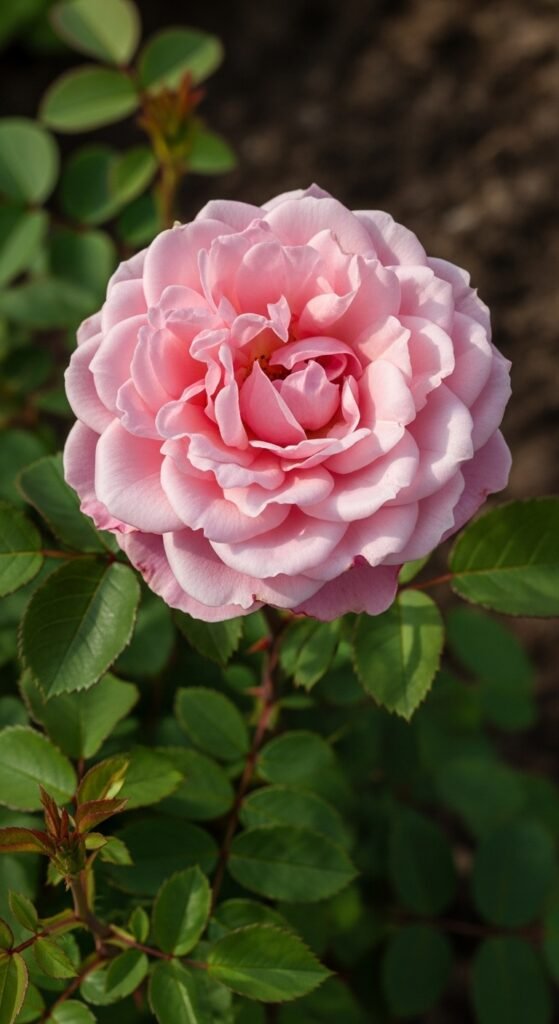
Cultivate roses in full sun with rich, well-drained soil, watering deeply but infrequently. Choose fragrant varieties like damask or rugosa for best edible quality. Prune in late winter to promote vigorous growth and abundant blooms.
Use petals in salads or crystallize for confections. Brew them into syrups for sodas or cocktails. Roses’ timeless beauty and edibility make them a staple in ornamental and culinary gardens alike, offering endless creative possibilities.
8) Chamomile Flowers
Chamomile blooms have a gentle apple-like taste, ideal for soothing teas and baked goods. Famous for their relaxing properties and digestive benefits, they promote better sleep and calm upset stomachs.
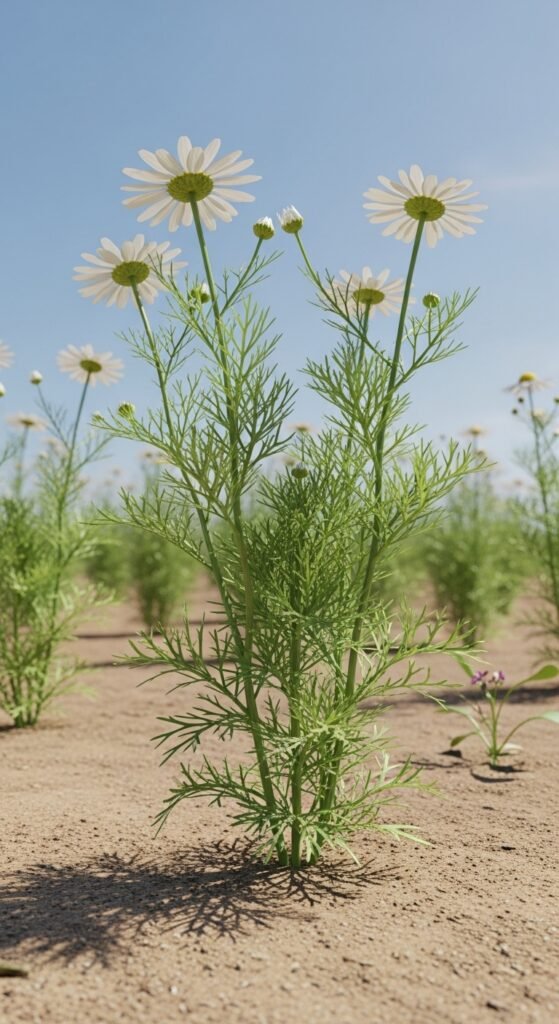
Plant chamomile in light, sandy soil with full sun, sowing seeds directly in spring. It grows as an annual or perennial, self-seeding freely. Harvest flowers when fully open, drying them for storage.
Steep in hot water for tea or add to smoothies for a mild flavor. Incorporate into biscuits or custards for subtle sweetness. Chamomile’s low-maintenance growth and therapeutic value make it essential for herbal enthusiasts.
9) Dandelion Blossoms
Dandelions offer a honey-like sweetness with bitter notes, suitable for wines, jellies, and fritters. They’re loaded with vitamins A, C, and K, plus minerals for detoxification and bone health.
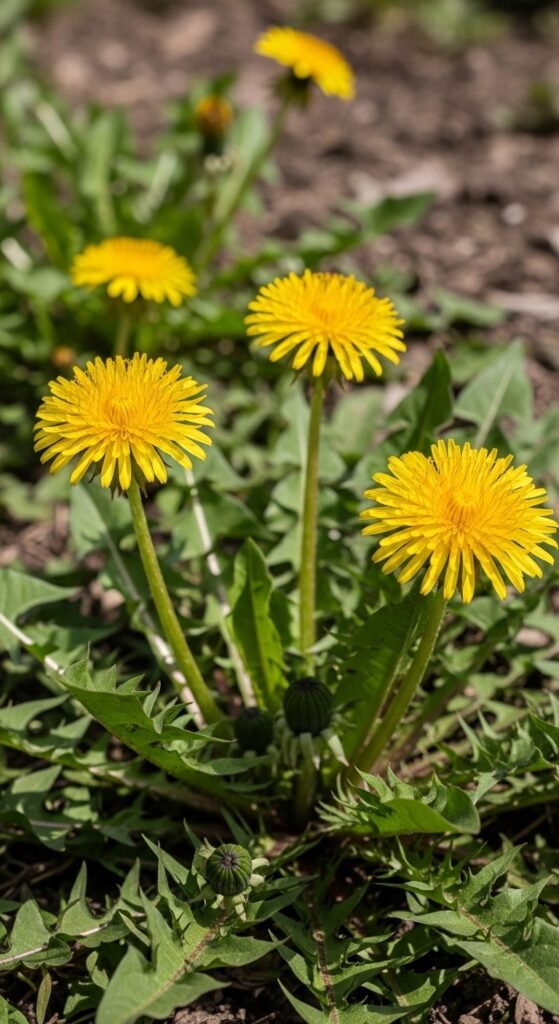
These hardy weeds thrive almost anywhere, but cultivate them in sunny spots with loose soil for easier harvesting. Pick young flowers from unsprayed areas, avoiding roadside plants.
Batter and fry blossoms for a unique appetizer or brew into tea. Their ubiquity and nutritional punch make dandelions a forager’s delight, turning a common lawn nuisance into a valuable edible resource. Learn more about integrating them in edible landscaping ideas.
10) Squash Blossoms
Squash blossoms have a mild, vegetal flavor, perfect stuffed and fried or in quesadillas. They provide fiber and vitamins for digestive health, adding a gourmet touch to summer dishes.
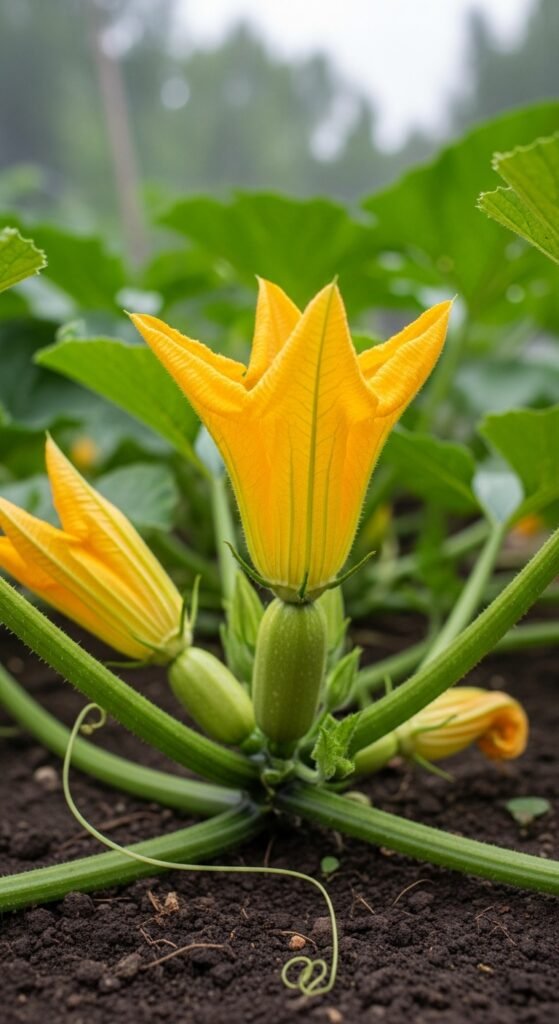
Grow squash in fertile soil with full sun, planting after frost. Harvest male flowers (without fruit base) in the morning when open. Pollinate females by hand if needed for fruit production.
Stuff with cheese and herbs, then batter and fry for crispy treats. Add to soups or pizzas for texture. Squash blossoms’ seasonal availability and delicacy make them a cherished ingredient in vegetable gardens.
11) Hibiscus Petals
Hibiscus flowers deliver a tart, cranberry-like tang to teas, jams, and cocktails. Rich in antioxidants and vitamin C, they support heart health and immune function with a vibrant red hue.
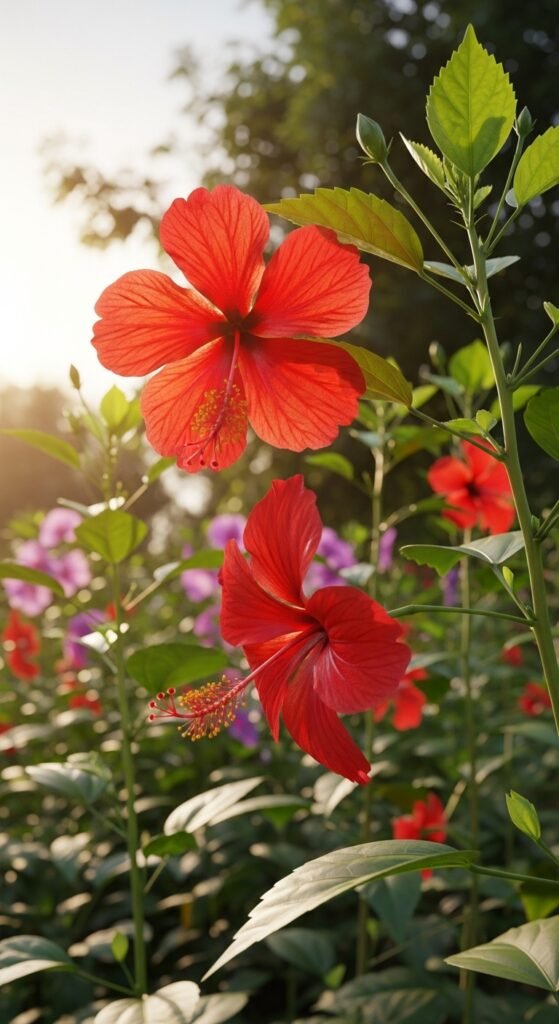
Plant hibiscus in warm, sunny locations with moist soil. Tropical varieties need protection from cold, while hardy types endure winters. Harvest calyces after petals fall for drying.
Brew into refreshing iced tea or use in syrups for sodas. Their bold color and flavor enhance desserts and beverages, making hibiscus a tropical flair in temperate gardens.
12) Marigold Petals
Marigolds offer a citrusy, spicy taste for rice, eggs, and herbal teas. They boast anti-microbial properties and lutein for eye health, serving as a natural pest deterrent in gardens.
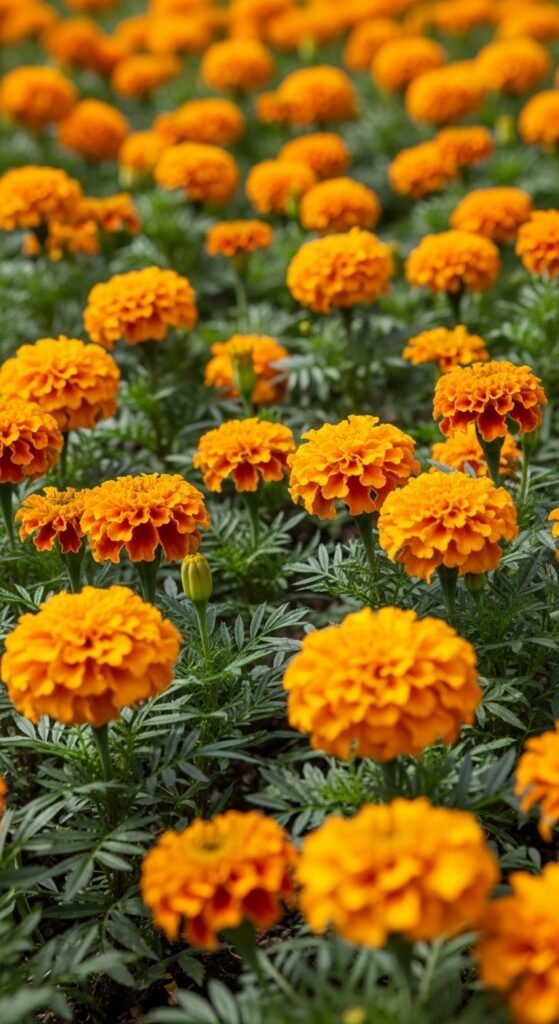
Sow marigold seeds in full sun with average soil, deadheading to extend blooming. They’re easy annuals that repel nematodes, benefiting companion plants.
Sprinkle petals over dishes for color or infuse in oils. Marigolds’ brightness and utility make them indispensable for both aesthetics and edibility in your plot.
13) Chrysanthemum Blooms
Chrysanthemum flowers have a slightly bitter, herbal flavor for teas and stir-fries. Known for anti-inflammatory and detoxifying effects, they aid in reducing stress and improving vision.
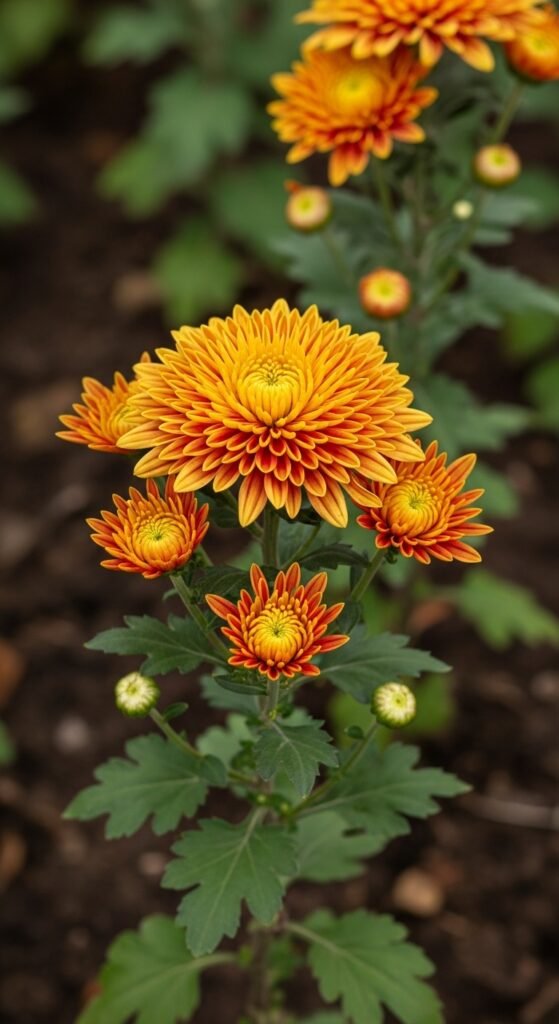
Grow mums in sunny spots with well-drained soil, pinching tips for bushier plants. They bloom in fall, providing late-season color. Harvest petals from edible varieties only.
Steep in hot water for tea or add to salads. Their cultural significance and health benefits make chrysanthemums a thoughtful addition to autumn harvests.
14) Daylily Buds
Daylilies provide a crisp, sweet taste similar to green beans when cooked. They’re source of protein and vitamins, with buds and tubers also edible for versatile use.
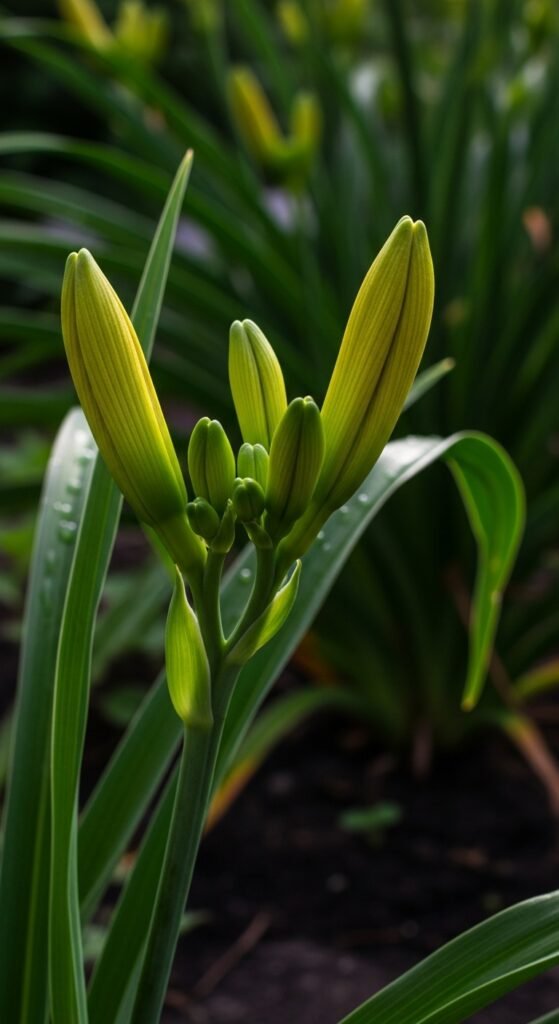
Plant daylilies in full sun to partial shade with moist soil. They’re perennials that multiply, requiring division every few years. Ensure varieties are not toxic hybrids.
Saute buds or use in soups for texture. Daylilies’ abundance and hardiness offer reliable forage, blending ornamental value with culinary potential.
15) Elderflower Heads
Elderflowers impart a floral, lemony essence to cordials, wines, and fritters. They offer antiviral and anti-allergy benefits, helping with colds and hay fever.
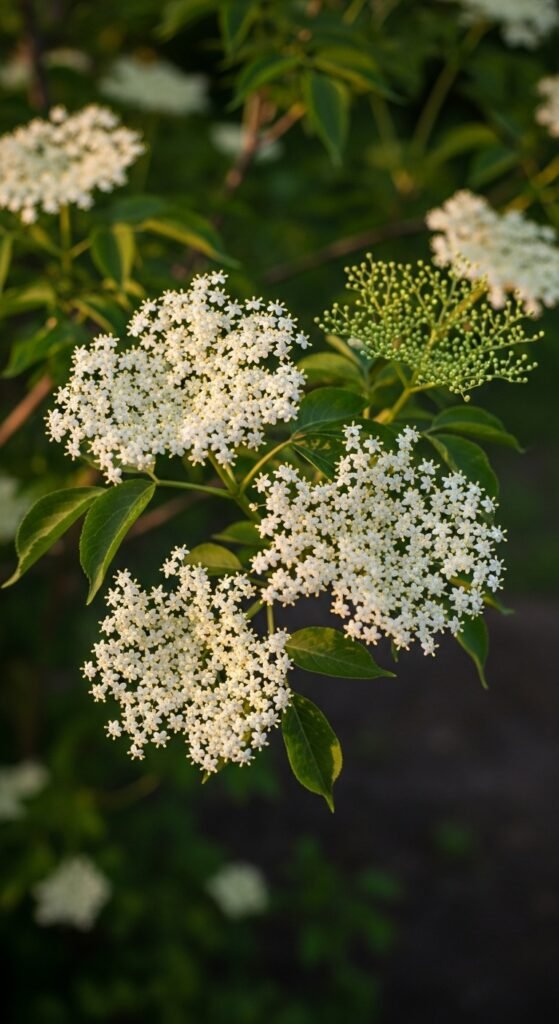
Grow elderberry bushes in moist, fertile soil with partial shade. Harvest clusters in late spring, avoiding unripe berries which are toxic. Prune for shape after flowering.
Make syrup for beverages or batter and fry for desserts. Elderflower’s wild charm and medicinal prowess make it a forager’s favorite, enhancing seasonal recipes with elegance. For more on pollinators, visit our pollinator garden ideas.
Key Tips for Growing Edible Flowers
Soil and Planting Essentials
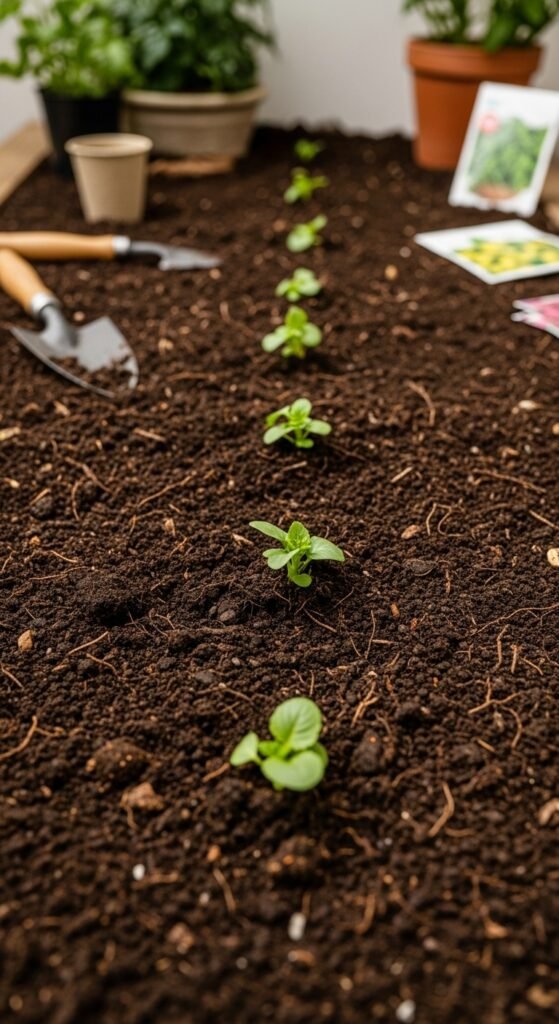
You need well-drained, organic-rich soil for most edible flowers to thrive. Test pH levels, aiming for 6.0-7.0, and amend with compost. Start seeds indoors or direct sow based on your climate, spacing appropriately to avoid overcrowding.
Maintenance and Harvesting
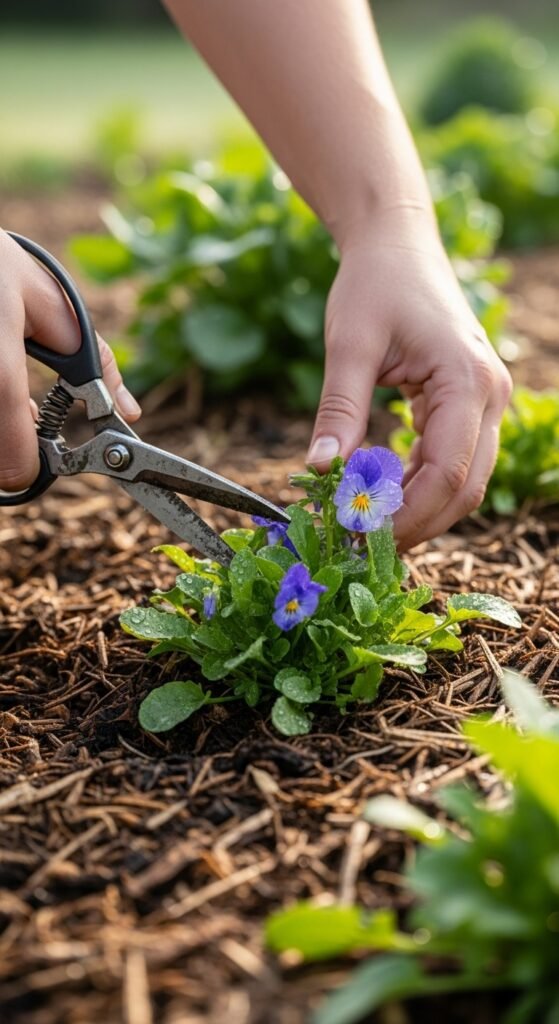
Water consistently but avoid wetting foliage to prevent diseases. Mulch to retain moisture and suppress weeds. Harvest in the cool of morning, using clean shears, and consume soon after picking for optimal flavor and nutrition.
Safety and Best Practices
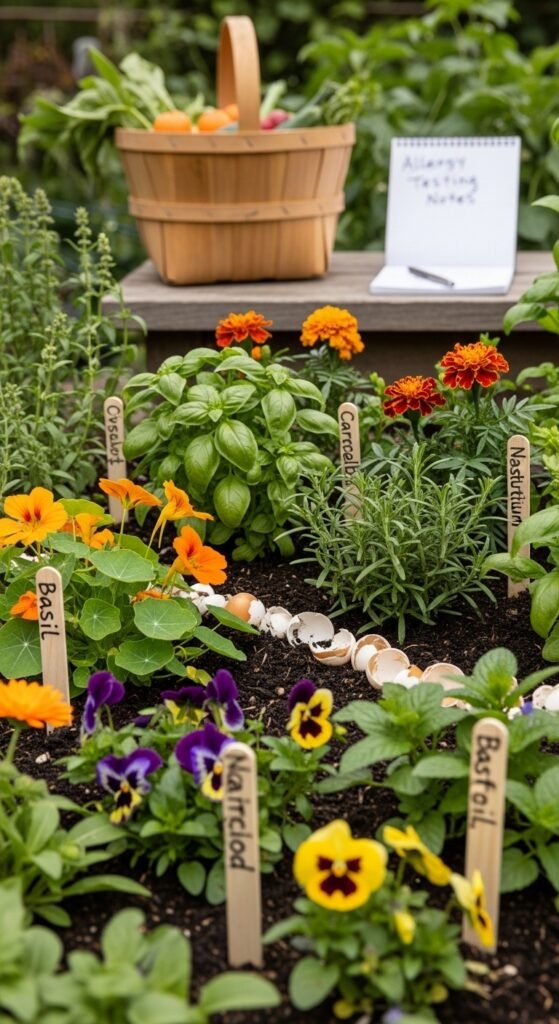
Always confirm edibility and grow without chemicals. Introduce new flowers gradually to check for allergies. Companion planting with herbs can deter pests naturally, ensuring a healthy, bountiful harvest.
Frequently Asked Questions
Are all flowers edible?
No, not all flowers are safe to eat. Only consume those specifically identified as edible, and ensure they’ve been grown organically without pesticides or herbicides.
How do I know if a flower is safe to eat?
Research reliable sources or consult experts. Start with common varieties like nasturtiums or pansies, and always harvest from your own garden or trusted suppliers to avoid contamination.
Can I eat flowers from the store?
Flowers from florists or nurseries are often treated with chemicals, making them unsafe. Opt for those labeled as edible or grow your own for peace of mind.
What if I have allergies?
If you have pollen allergies, edible flowers might trigger reactions. Test small amounts first and consult a healthcare professional if unsure.
How should I store edible flowers?
Store fresh flowers in the refrigerator, wrapped in damp paper towels inside a container, for up to a week. For longer preservation, dry or freeze them depending on the variety.