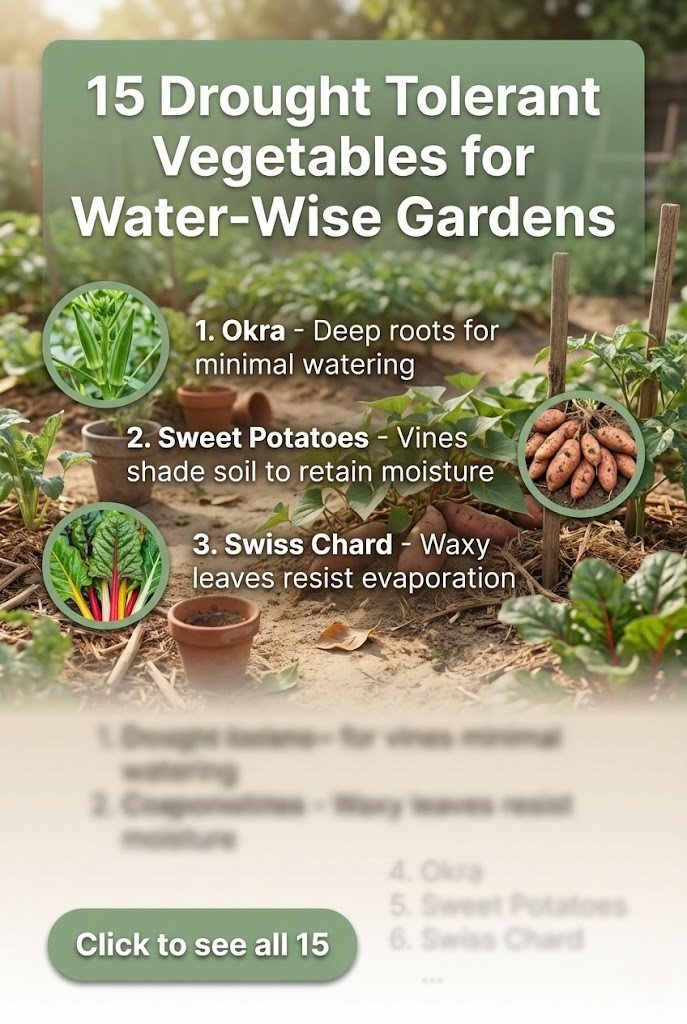
In an era of increasing water scarcity and unpredictable weather patterns, choosing drought tolerant vegetables for your garden is a smart, sustainable decision. These hardy plants have adapted to thrive with minimal moisture, making them ideal for regions with low rainfall or gardeners looking to conserve water. By incorporating drought tolerant vegetables into your plot, you’ll not only reduce your water bill but also create a more resilient garden that can withstand dry spells without sacrificing yield or flavor.
What makes these vegetables special is their ability to develop deep root systems, efficient water usage, or natural adaptations like waxy leaves that reduce evaporation. Whether you’re a beginner or seasoned grower, starting with drought tolerant vegetables allows you to maintain a productive harvest even in challenging conditions. Plus, many of these options are versatile in the kitchen, adding nutritional value to your meals while promoting eco-friendly practices.
To maximize success, focus on soil preparation, mulching, and efficient irrigation methods. Consider using drip irrigation for gardens to deliver water directly to roots, minimizing waste. With the right approach, your garden can flourish with less effort and resources.
1) Okra
Okra, a warm-season vegetable known for its edible pods, originates from hot, dry regions of Africa, making it naturally suited to drought conditions. Its deep taproot system allows it to access moisture far below the surface, reducing the need for frequent watering once established. This resilience makes okra a top choice for water-wise gardeners, as it can produce abundantly even in arid climates.
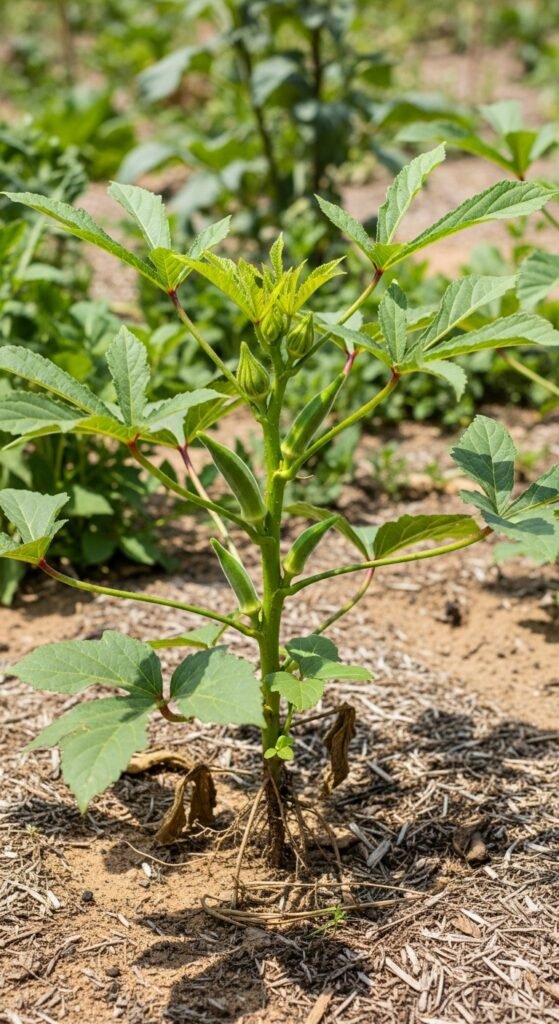
Why it’s drought tolerant: Okra’s fuzzy leaves and stems help retain moisture, while its heat-loving nature means it thrives in temperatures that would stress other plants. You’ll enjoy a steady harvest of pods for gumbos, frying, or pickling, all while conserving water.
To grow okra successfully, plant seeds directly in well-drained soil after the last frost, spacing them 12-18 inches apart in full sun. Mulch around the base to suppress weeds and retain soil moisture—check out mulching vegetable garden tips for best results. Water deeply but infrequently to encourage root growth, and harvest pods when they’re 2-4 inches long for optimal tenderness. With minimal care, you’ll have a bountiful crop throughout summer.
2) Sweet Potatoes
Sweet potatoes are vining tubers that excel in dry conditions due to their extensive root network and ability to store water efficiently. Native to tropical regions, they adapt well to low-water environments, producing nutrient-rich roots that are staples in many cuisines.
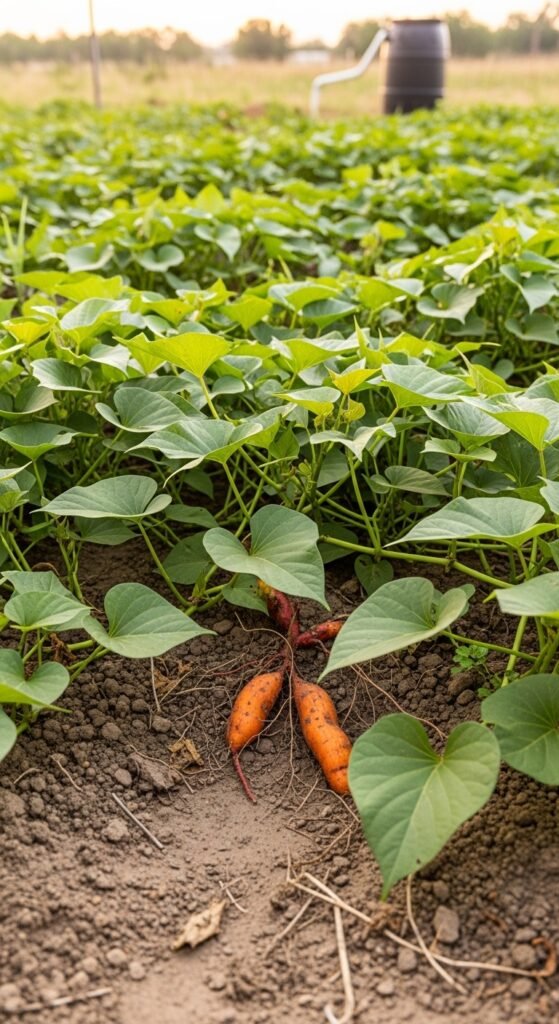
Why it’s drought tolerant: The plant’s thick vines and leaves create natural ground cover, shading the soil to reduce evaporation. This means less watering for you, while still yielding sweet, vitamin-packed tubers perfect for baking, mashing, or frying.
Start sweet potatoes from slips in loose, sandy soil with full sun exposure. Plant them 12 inches apart in rows, and use organic mulch to conserve moisture. For added efficiency, incorporate a rain barrel setup to collect water for irrigation. Water moderately until vines establish, then taper off. Harvest after 90-120 days when leaves yellow, digging carefully to avoid damaging the roots. This low-maintenance veggie will reward you with a hearty yield in even the driest gardens.
3) Swiss Chard
Swiss chard, a leafy green related to beets, offers colorful stems and nutritious leaves that grow well with limited water. Its deep roots and waxy foliage help it endure dry spells, making it a reliable choice for sustainable gardening.
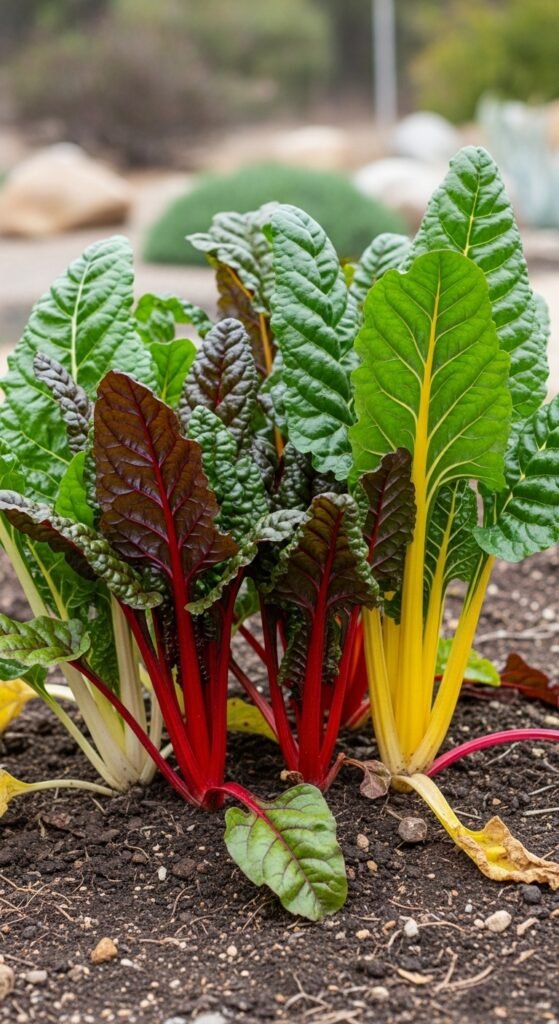
Why it’s drought tolerant: Chard can bolt in extreme heat but recovers quickly with minimal moisture, providing continuous harvests of greens for salads, sautés, or soups. It’s packed with vitamins A, C, and K, adding health benefits to your water-saving efforts.
Sow seeds directly in fertile, well-drained soil in partial shade to full sun, thinning seedlings to 6-12 inches apart. Apply a layer of mulch to lock in soil moisture and prevent weeds. If you’re in a low-rainfall area, explore drought tolerant yard ideas for complementary landscaping. Water deeply once a week, harvesting outer leaves regularly to encourage new growth. This versatile plant thrives from spring to fall, offering multiple cuttings per season with little fuss.
4) Black-Eyed Peas
Black-eyed peas, also known as cowpeas, are legumes that fix nitrogen in the soil while tolerating drought exceptionally well. Originating from Africa, they’re heat-loving and produce protein-rich pods used in soups, salads, or as a side dish.
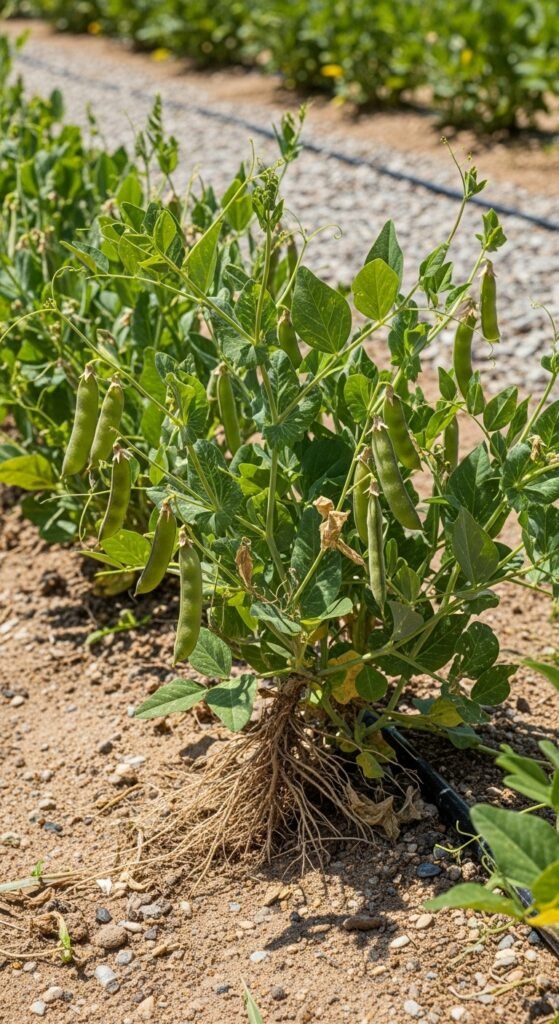
Why it’s drought tolerant: Their extensive root system reaches deep water sources, and they can enter a semi-dormant state during dry periods, resuming growth when moisture returns. This makes them ideal for regions with erratic rainfall.
Plant seeds in warm soil after frost danger, spacing 4-6 inches apart in rows. They prefer full sun and sandy loam. Enhance water conservation by using low maintenance garden ideas like gravel mulching. Water sparingly after germination, focusing on deep soaks. Harvest pods when dry for storage or green for fresh eating. With their soil-improving qualities, black-eyed peas are a smart, low-water addition to any vegetable garden rotation.
5) Amaranth
Amaranth is an ancient grain-like vegetable grown for its edible leaves and seeds, thriving in hot, dry climates similar to its South American origins. It’s versatile, with greens used like spinach and seeds as a gluten-free grain.
Why it’s drought tolerant: Thick stems and leaves minimize water loss, allowing it to produce even in poor, dry soils. High in protein and minerals, it’s a nutritious powerhouse for water-conscious gardeners.
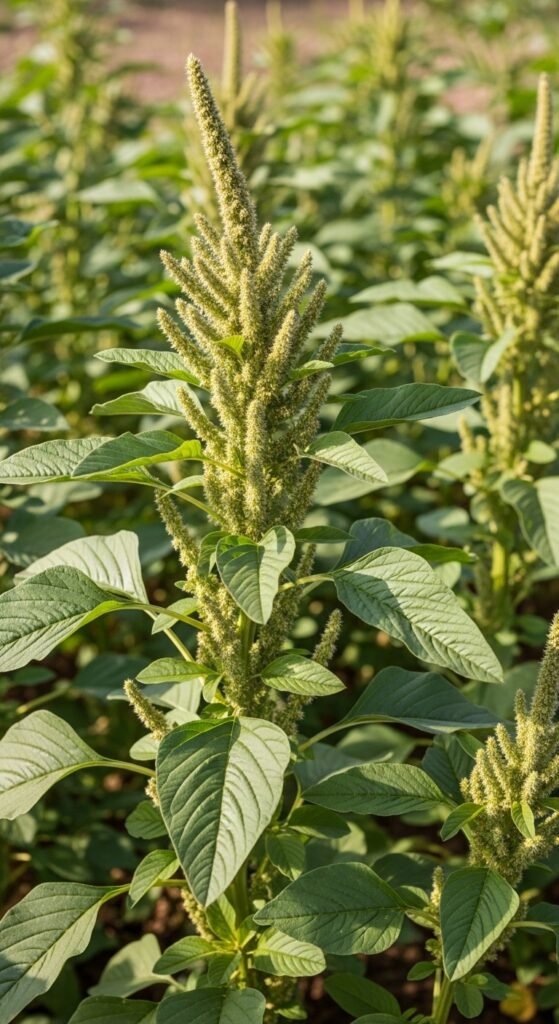
Sow seeds shallowly in full sun, thinning to 12-18 inches apart. It tolerates various soils but benefits from occasional deep watering. Pair it with xeriscape ideas for a cohesive dry garden design. Harvest young leaves for salads or let seeds mature for harvesting. This resilient plant self-seeds easily, providing ongoing yields with minimal intervention in drought-prone areas.
6) Eggplant
Eggplant, a nightshade family member, produces glossy fruits in various shapes and colors, adapted to warm, dry Mediterranean climates. Its deep roots and leathery leaves help it conserve water effectively.
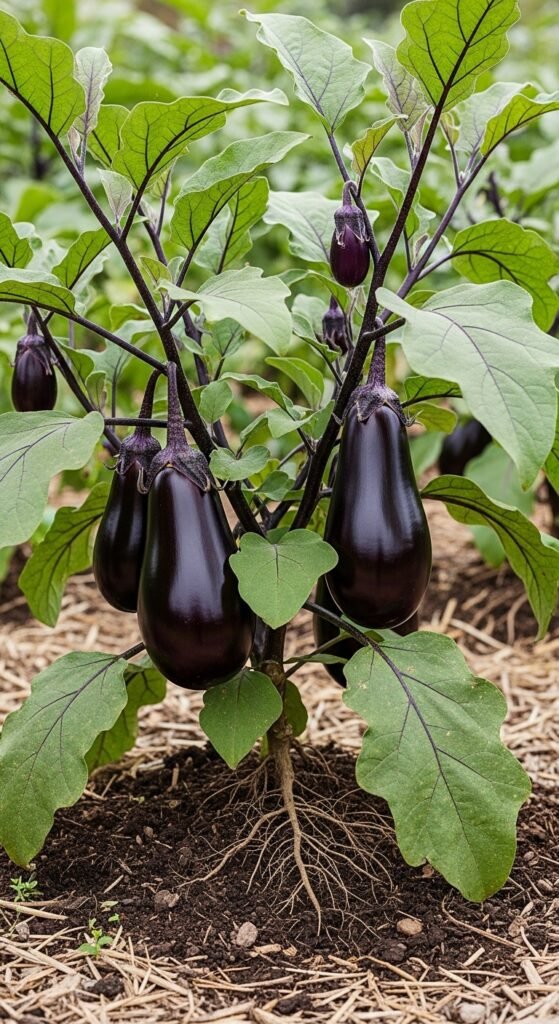
Why it’s drought tolerant: Once established, eggplant requires less frequent watering than many veggies, yielding fruits perfect for grilling, roasting, or eggplant parmesan. It’s rich in antioxidants and fiber.
Start seeds indoors or transplant in full sun, spacing 18-24 inches apart in rich soil. Mulch heavily to retain moisture—see mulching vegetable garden for techniques. Water deeply but allow soil to dry between sessions. Support plants with stakes as fruits develop. Harvest when skins are shiny, avoiding overripe ones. This heat-lover will boost your garden’s productivity without high water demands.
7) Peppers
Peppers, ranging from sweet bells to hot chilies, are drought-resilient due to their origins in arid Central American regions. Their compact root systems efficiently use available moisture.
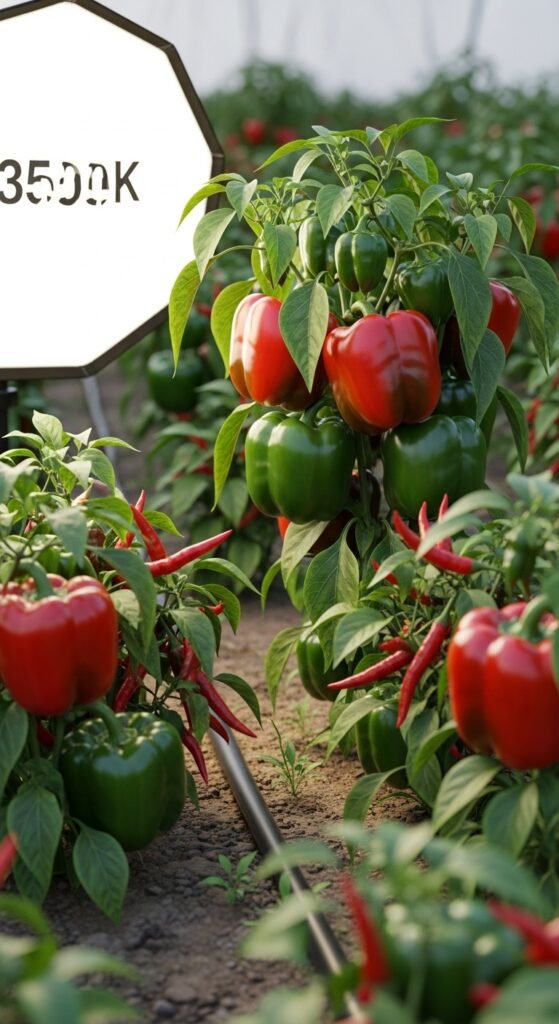
Why it’s drought tolerant: Peppers develop thicker skins in dry conditions, enhancing flavor concentration. They’re vitamin C-rich and versatile in salsas, stir-fries, or stuffed dishes.
Transplant seedlings in full sun after soil warms, spacing 18 inches apart. Use drip systems for targeted watering; learn more from drip irrigation for gardens. Mulch to conserve water and control weeds. Harvest regularly to promote more fruits. With proper care, peppers provide a colorful, spicy harvest in low-water gardens.
8) Cherry Tomatoes
Cherry tomatoes are small-fruited varieties that handle drought better than larger tomatoes, with deep roots accessing subsurface water. They’re prolific and sweet, ideal for snacking or salads.
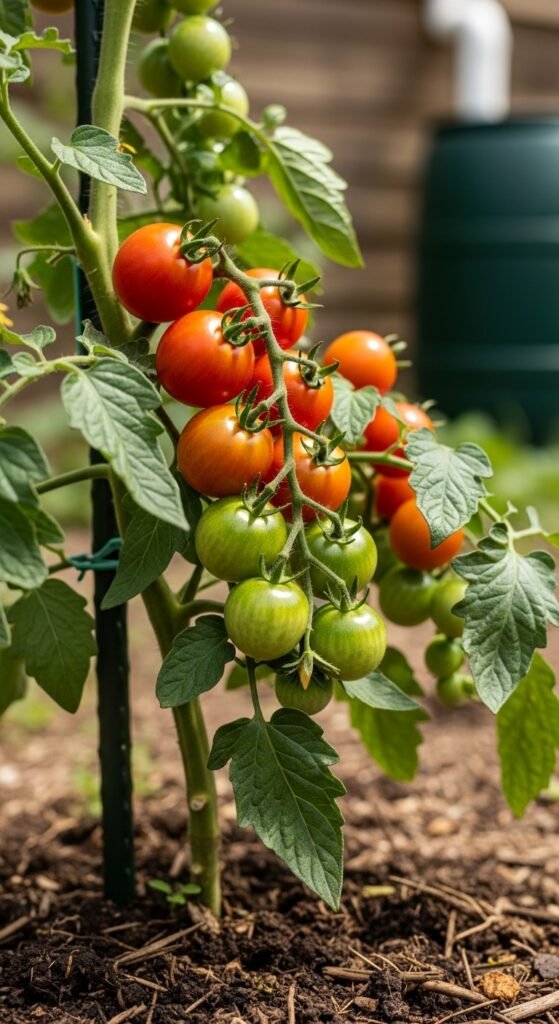
Why it’s drought tolerant: Their quick maturation and indeterminate growth allow continuous production even with irregular watering. Packed with lycopene, they’re a healthy choice for sustainable gardening.
Plant in full sun, staking or caging for support, spaced 24 inches apart. Incorporate compost and mulch for moisture retention. For water-saving tips, refer to rain barrel setup. Water at the base to prevent disease. Pick ripe fruits daily to encourage more. These vigorous vines thrive in dry conditions, offering bountiful yields.
9) Zucchini
Zucchini, a summer squash, grows rapidly with large leaves that shade the soil, reducing evaporation. Its bushy habit suits dry climates well.
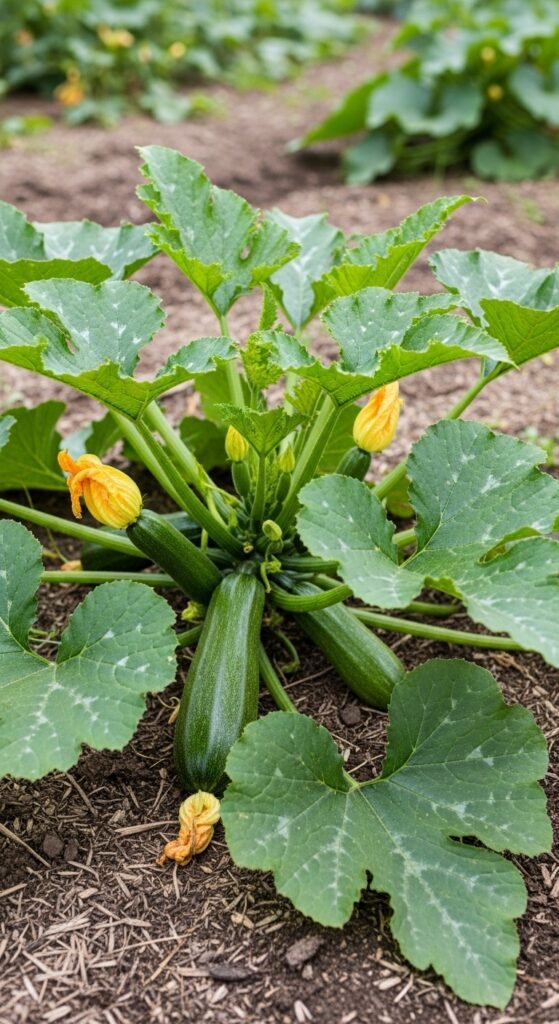
Why it’s drought tolerant: Deep roots and efficient water use mean it produces tender fruits with less moisture. Versatile for baking, grilling, or raw eating, it’s low-calorie and hydrating.
Sow seeds in mounds in full sun, thinning to 36 inches apart. Mulch generously—explore low maintenance garden ideas for more. Water deeply weekly. Harvest young for best flavor. This prolific plant will keep your kitchen stocked in water-scarce seasons.
10) Butternut Squash
Butternut squash is a winter variety with vining growth and hard skins that store well, adapted to dry fall harvests.
Why it’s drought tolerant: Its long vines cover ground, conserving soil moisture, and it matures with minimal late-season water. Rich in beta-carotene, it’s great for soups or roasting.
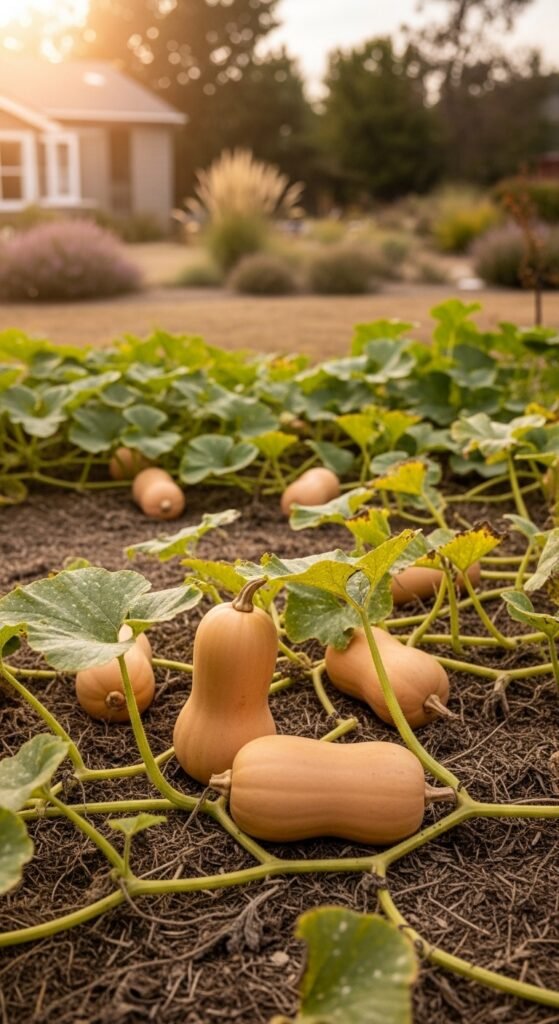
Plant in full sun, spacing vines 4-6 feet apart. Use organic mulch and consider drought tolerant yard ideas for integration. Water until established, then sparingly. Cure fruits post-harvest for storage. This hardy squash ensures winter sustenance from a low-water garden.
11) Corn
Corn, especially drought-resistant varieties, has deep roots that tap into lower soil moisture, originating from semi-arid regions.
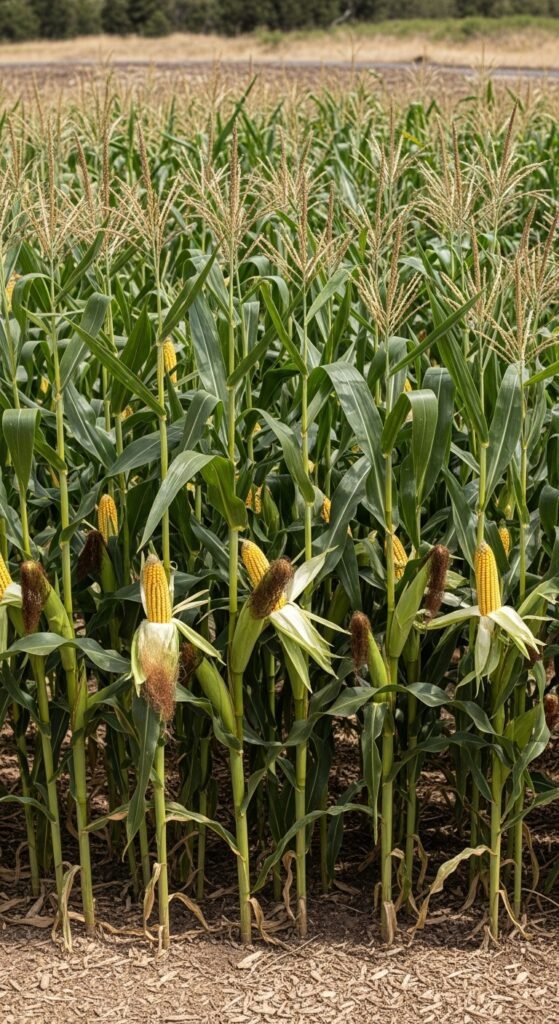
Why it’s drought tolerant: It can withstand dry spells during vegetative growth, producing sweet kernels for fresh eating or preserving.
Plant in blocks for pollination in full sun, spacing 12 inches apart. Mulch rows and use xeriscape ideas around. Water consistently early, reducing later. Harvest when silks brown. This staple crop adapts well to water-wise methods.
12) Asparagus
Asparagus is a perennial with fern-like foliage that establishes deep roots over time, becoming highly drought resistant.
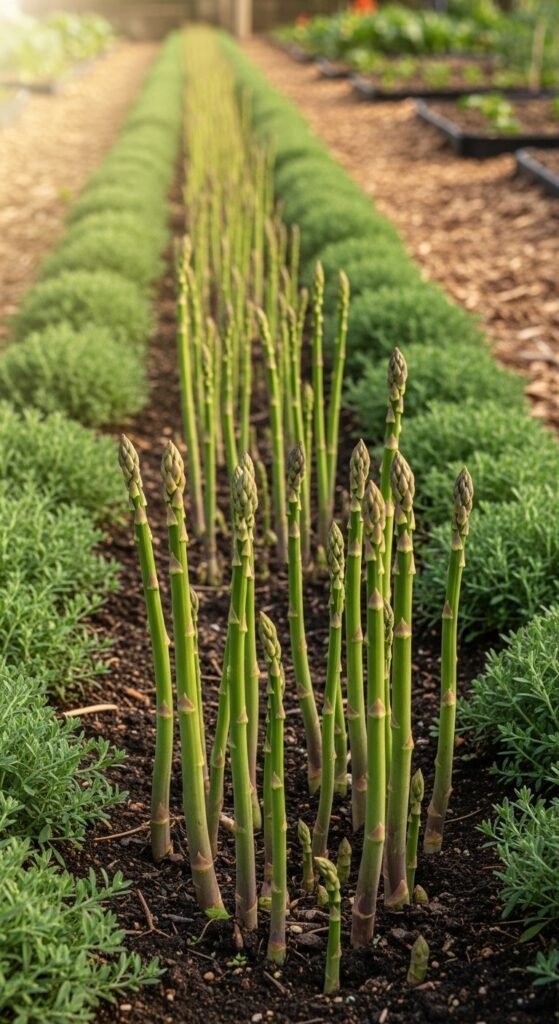
Why it’s drought tolerant: Once mature, it requires little water, providing spring spears rich in folate and fiber.
Plant crowns in trenches in full sun, spacing 18 inches. Mulch deeply; see mulching vegetable garden. Water new beds, then minimally. Harvest spears in year three. This long-term investment pays off in low-maintenance harvests.
13) Artichokes
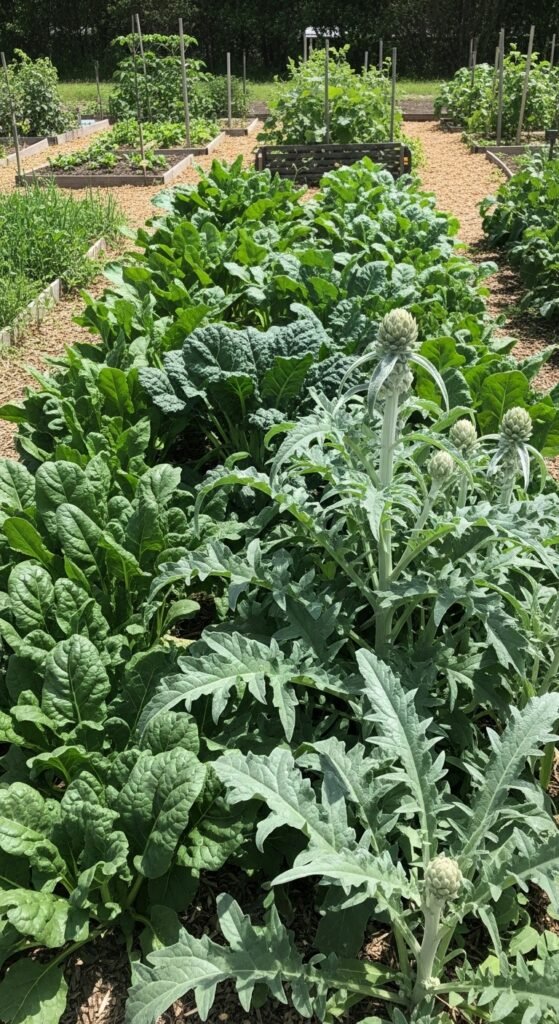
Artichokes, thistle-like perennials, have silver foliage that reflects heat, aiding drought tolerance in Mediterranean climates.
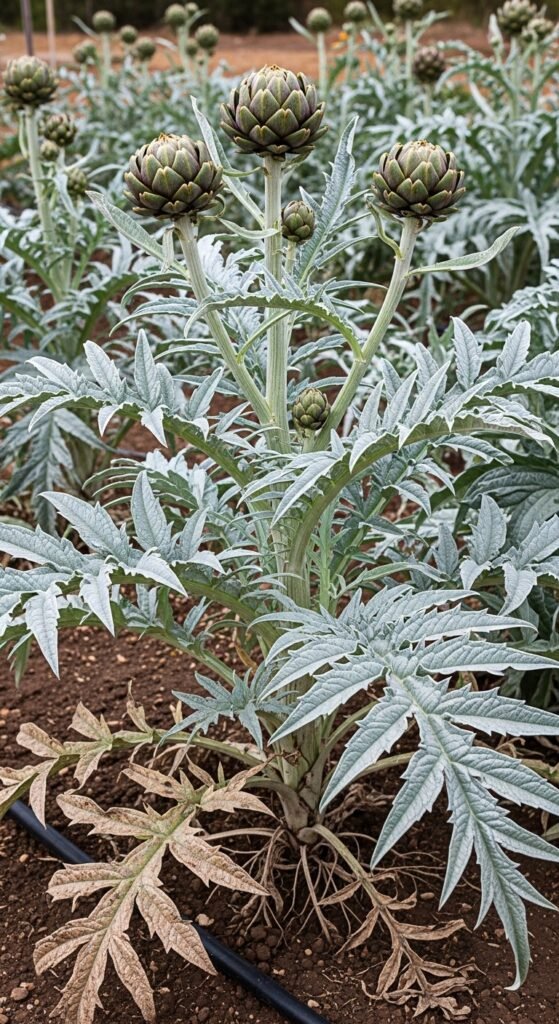
Why it’s drought tolerant: Deep roots and low water needs post-establishment yield edible buds high in antioxidants.
Plant in full sun, spacing 4 feet apart. Use drip lines—check drip irrigation for gardens. Mulch to retain moisture. Harvest buds before blooming. This ornamental edible thrives with conservation in mind.
14) Garlic
Garlic, a bulb crop, grows with minimal water after fall planting, hardening off in dry springs.
Why it’s drought tolerant: It stores energy in bulbs, resisting dry conditions while flavoring dishes with allicin benefits.
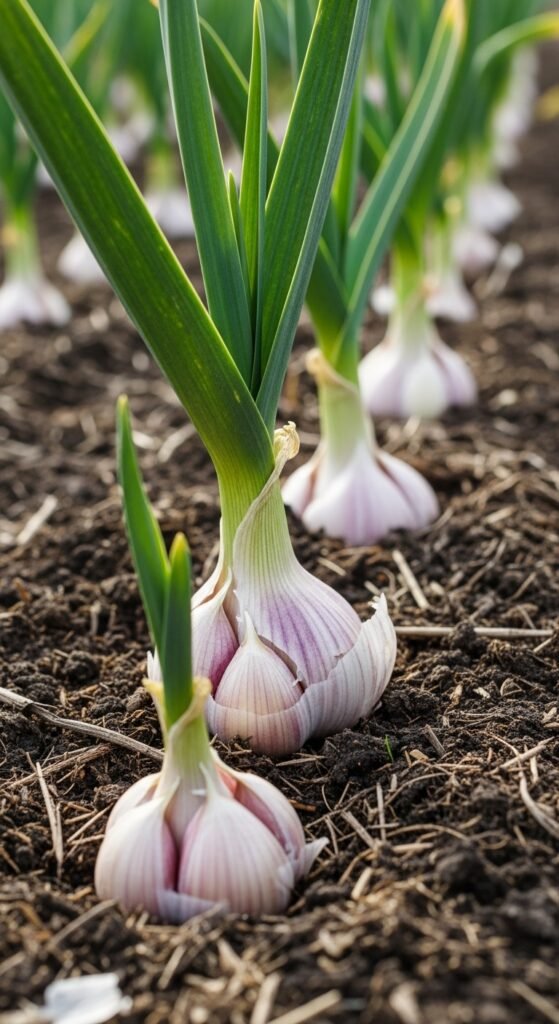
Plant cloves in fall in full sun, spacing 6 inches. Mulch for winter protection. Water sparingly in spring. Harvest when tops yellow. Pair with low maintenance garden ideas. This easy crop excels in water-limited setups.
15) Onions
Onions develop bulbs with shallow roots but tolerate drought by entering dormancy, suited to various climates.
Why it’s drought tolerant: They require water early but dry out for curing, providing versatile, antioxidant-rich layers.
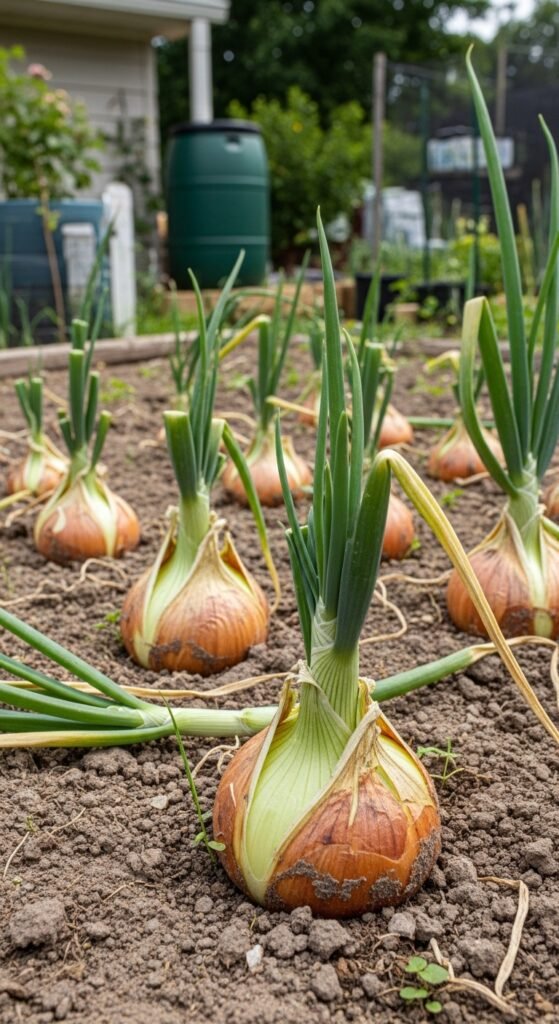
Plant sets or seeds in full sun, spacing 4 inches. Use mulch and rain barrel setup for efficiency. Water moderately until bulbing. Harvest when tops fall. This staple adds flavor without high water use.
Key Principles for Growing Drought Tolerant Vegetables
Soil Preparation and Mulching
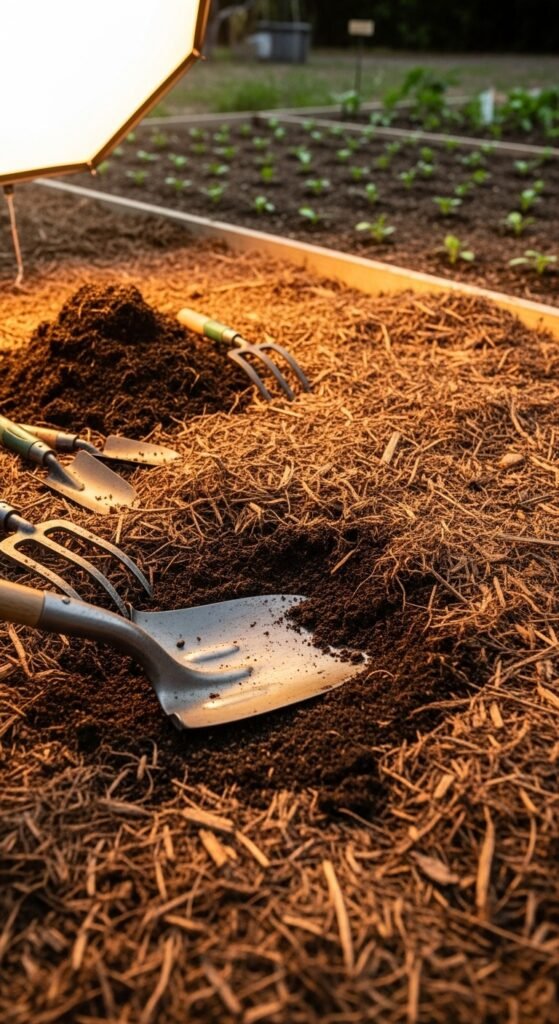
Enhance soil with organic matter to improve water retention. Apply 2-4 inches of mulch to reduce evaporation and weeds.
Efficient Watering Techniques
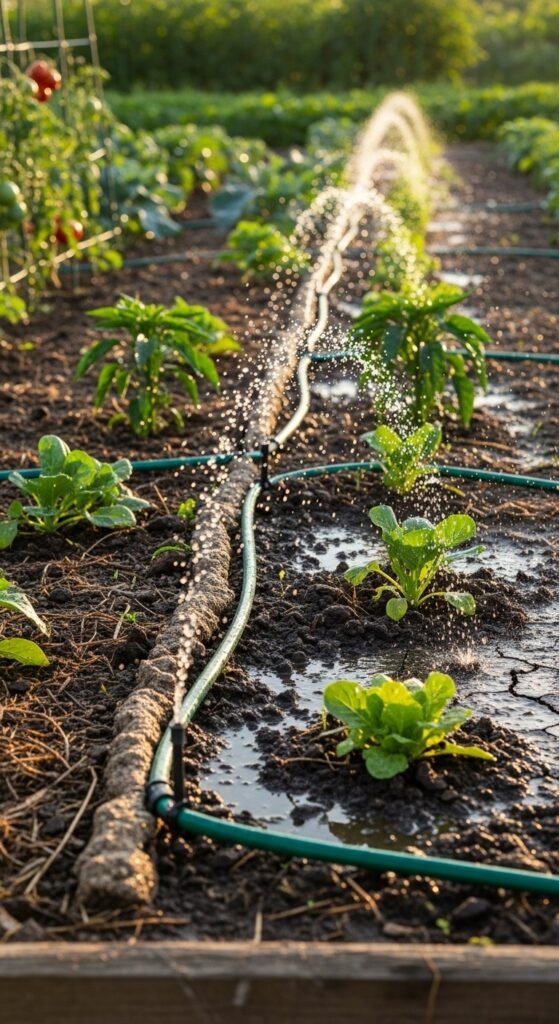
Use deep, infrequent watering to promote root growth. Implement soaker hoses or drip systems for targeted delivery.
Plant Selection and Spacing
Choose varieties bred for drought resistance. Space plants appropriately to minimize competition for moisture.
Frequently Asked Questions
What makes a vegetable drought tolerant?
Drought tolerant vegetables have adaptations like deep roots, waxy leaves, or efficient water storage that allow them to survive with less moisture.
How often should I water drought tolerant vegetables?
Water deeply once a week or when the top inch of soil is dry, adjusting based on weather and plant establishment.
Can drought tolerant vegetables grow in any climate?
While adaptable, they perform best in warm, dry regions but can succeed elsewhere with proper soil and care.
Do drought tolerant vegetables need fertilizer?
Yes, but use balanced, slow-release options sparingly to avoid lush growth that requires more water.
Are there companion plants for drought tolerant vegetables?
Pair with herbs like rosemary or flowers like marigolds that share similar low-water needs for mutual benefits.