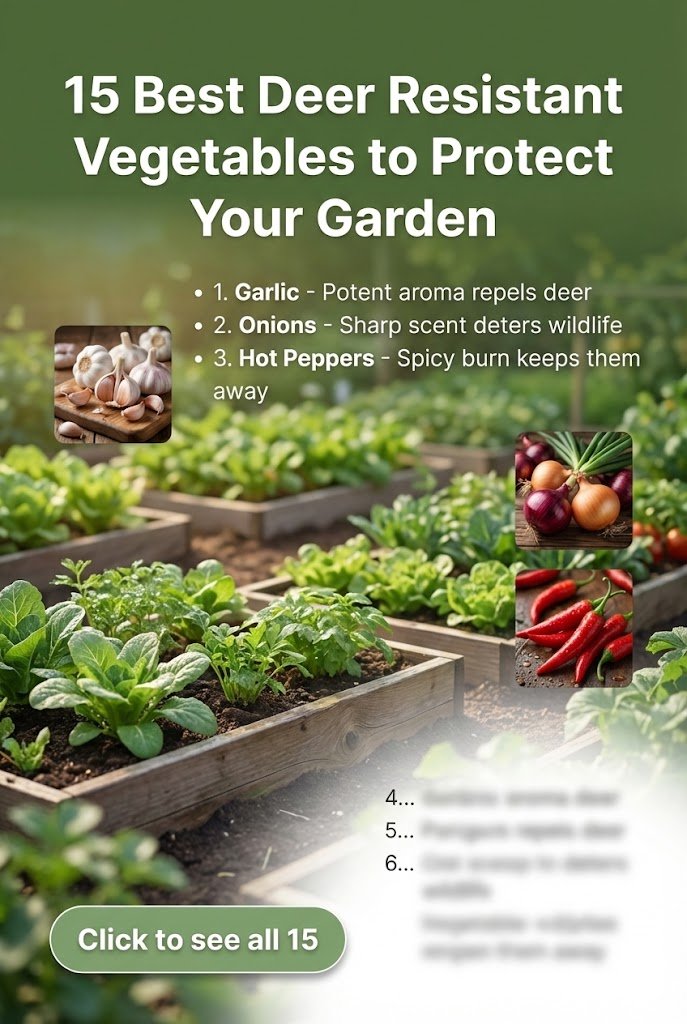
If you’re tired of deer treating your vegetable garden like an all-you-can-eat buffet, focusing on deer resistant vegetables can make a world of difference. These plants often have strong scents, bitter tastes, or textures that deter deer from munching on them. By incorporating such varieties, you can enjoy a bountiful harvest without constant worry about wildlife damage.
Deer resistant vegetables typically include root crops that require digging, prickly or hairy-leaved options, and those with pungent aromas. This approach not only protects your crops but also promotes biodiversity in your garden. Pairing these with companion flowers for vegetables can enhance deterrence while attracting beneficial pollinators.
Whether you’re a beginner or seasoned gardener, starting with these ideas will help you build a resilient plot. Explore our list below for practical tips on what to plant, why it works, and how to grow them successfully.
1) Garlic
Garlic is a powerhouse among deer resistant vegetables, thanks to its potent sulfur compounds that create a strong, off-putting aroma for deer. This bulbous plant not only repels wildlife but also adds flavor to your kitchen staples. You can plant it in fall for a spring harvest, making it ideal for extending your gardening season.
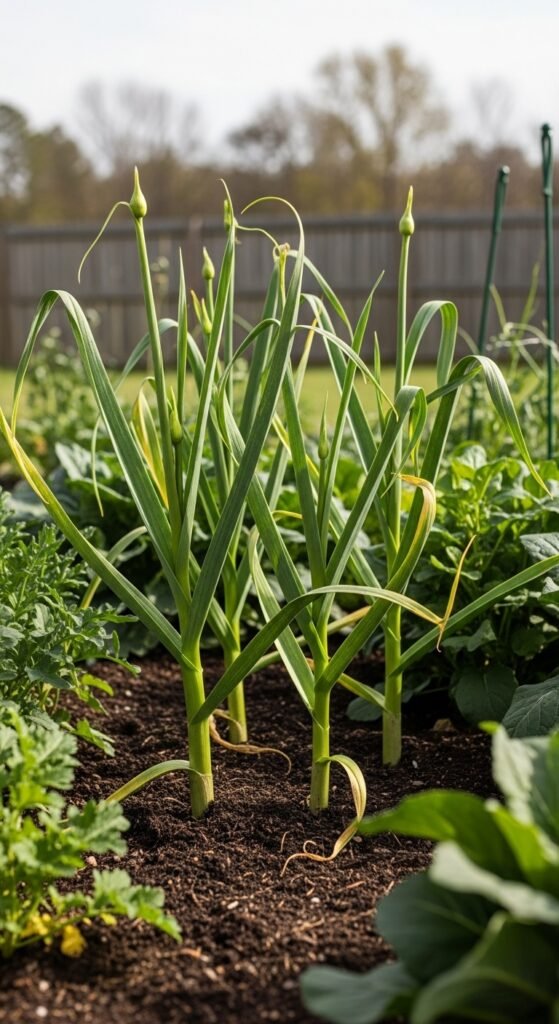
Why choose garlic? Deer rarely touch it due to its intense smell and taste, which can even deter other pests. In your raised bed vegetable garden, it thrives in well-drained soil with full sun, requiring minimal maintenance once established.
To grow garlic successfully, select large cloves from organic bulbs and plant them 2 inches deep, spaced 6 inches apart. Water moderately and mulch to retain moisture. Harvest when leaves yellow, curing the bulbs in a dry spot for storage. With proper care, you’ll have a reliable crop that keeps deer at bay while enhancing your culinary adventures.
2) Onions
Onions stand out as excellent deer resistant vegetables because of their sharp, pungent flavor and scent that deer find unappealing. These versatile bulbs come in various types, from sweet to red, allowing you to experiment in your garden. They’re also great for companion planting with vegetables like carrots to ward off additional pests.
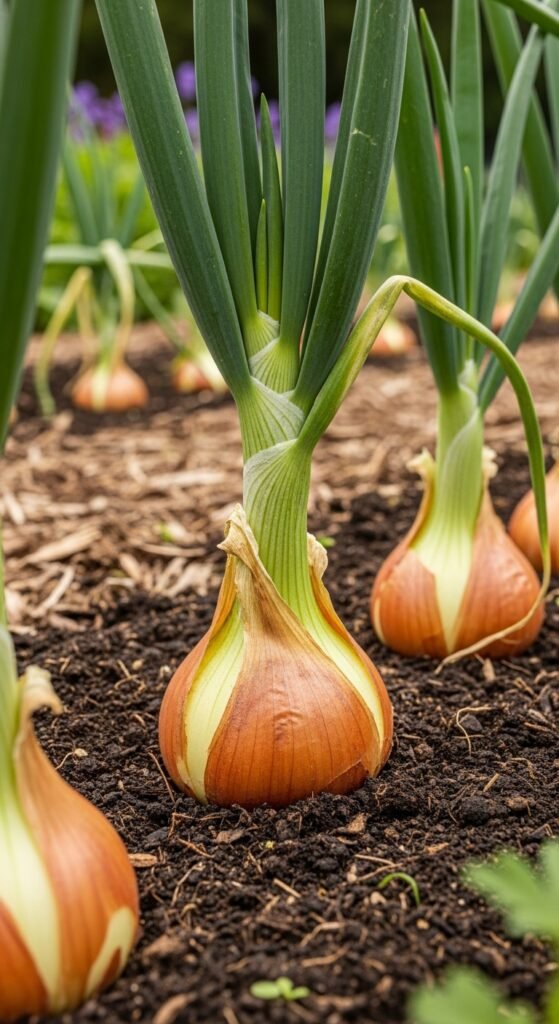
The reason onions work so well is their strong odor, which masks more tempting plants nearby. You benefit from a dual-purpose crop that’s both protective and productive, yielding layers of flavor for soups, salads, and more.
Plant onions in early spring using sets or seeds in fertile, loose soil with good drainage. Space them 4-6 inches apart in rows, ensuring full sun exposure. Keep the soil moist but not waterlogged, and harvest when tops brown and fall over. Drying them properly ensures long-term storage, making onions a staple in any deer-proof garden plan.
3) Leeks
Leeks offer a milder onion-like flavor while serving as effective deer resistant vegetables. Their tall, slender stalks and aromatic leaves make them less attractive to deer, who prefer sweeter greens. Incorporating leeks into your plot adds elegance and utility, perfect for soups and stews.
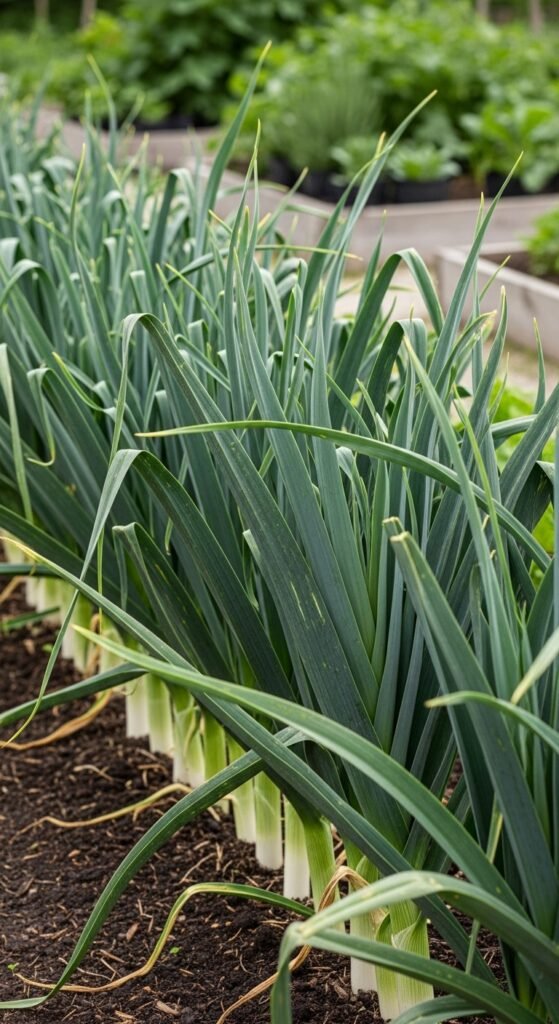
Deer avoidance stems from the allium family’s signature scent, which naturally repels them. This makes leeks a smart choice for gardeners in deer-prone areas, especially when planning your vegetable garden layout ideas.
Grow leeks by starting seeds indoors 8-10 weeks before the last frost, then transplant to rich, moist soil in full sun. Hill soil around the stems to blanch them white. Water consistently and mulch to suppress weeds. Harvest young for tenderness or mature for fuller flavor. With patience, leeks provide a rewarding, low-maintenance addition to your protected garden.
4) Hot Peppers
Hot peppers are top-tier deer resistant vegetables due to capsaicin, the compound that gives them heat and deters deer with its spicy burn. Varieties like jalapenos or habaneros pack a punch that keeps wildlife away while spicing up your meals.
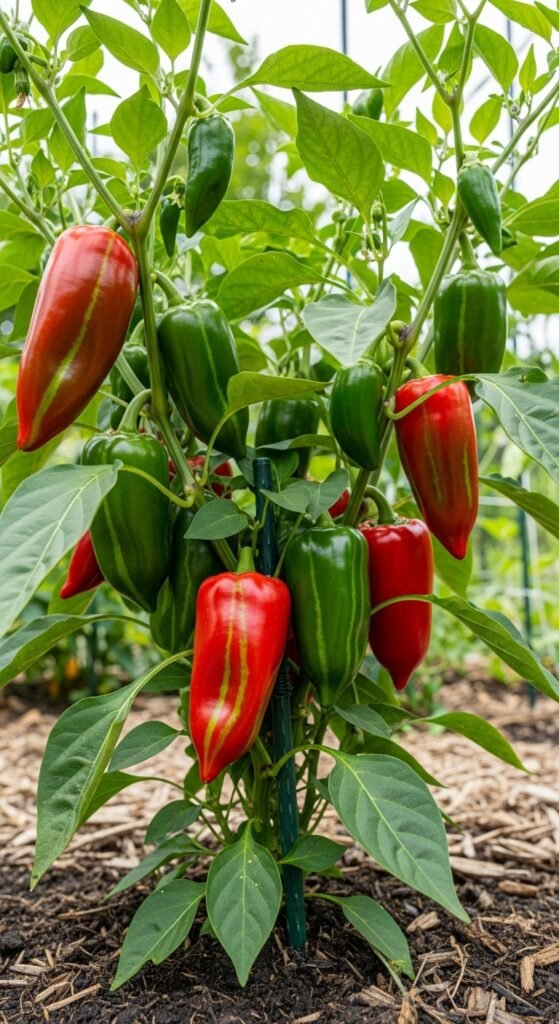
Why are they effective? Deer quickly learn to avoid the fiery sensation, protecting not just the peppers but surrounding plants. They’re also prolific producers, ideal for those exploring fastest growing vegetables.
Start hot peppers from seeds indoors, transplanting after frost danger passes into sunny, well-drained soil. Space plants 18-24 inches apart and stake taller varieties. Water deeply but infrequently, and fertilize lightly. Harvest when fruits reach desired heat level. Drying or pickling preserves them, ensuring your garden remains both productive and deer-free.
5) Asparagus
Asparagus emerges as a perennial favorite among deer resistant vegetables, with its fern-like foliage and tough spears that deer seldom bother. Once established, it provides years of early spring harvests, making it a long-term investment for your garden.
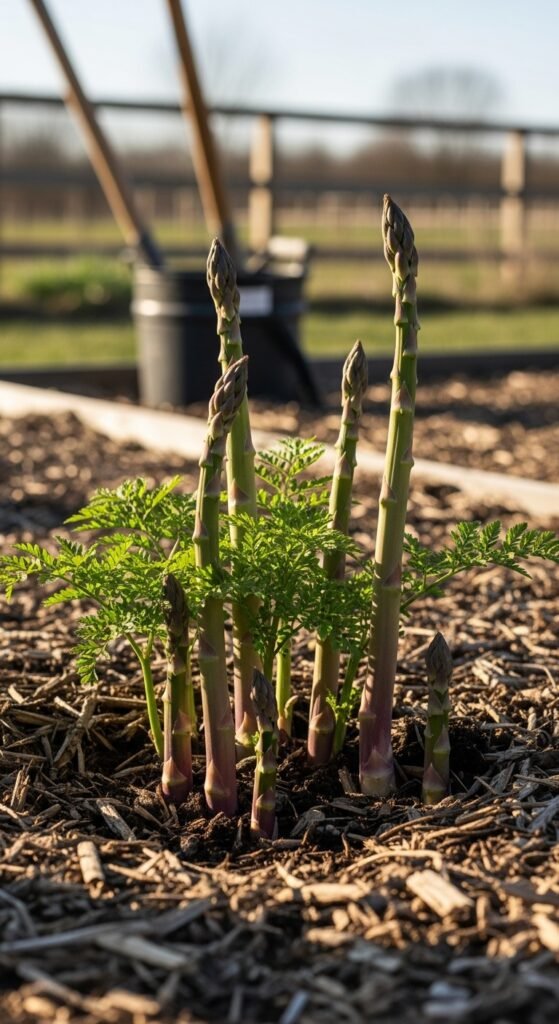
The plant’s resilience comes from its unpalatable texture and taste to deer, allowing you to enjoy tender shoots without competition. It’s particularly suited for those learning how to start a vegetable garden.
Plant asparagus crowns in deep, fertile trenches in full sun, spacing 12-18 inches apart. Mulch heavily and water regularly during the first year. Avoid harvesting the first season to build strength. In subsequent years, cut spears when 6-8 inches tall. With proper care, your asparagus bed will thrive, offering reliable protection against deer incursions.
6) Rhubarb
Rhubarb’s tart stalks and toxic leaves make it one of the most reliable deer resistant vegetables. Deer avoid it due to oxalic acid, which can be harmful if ingested in large quantities. You get vibrant, pie-worthy harvests without worry.
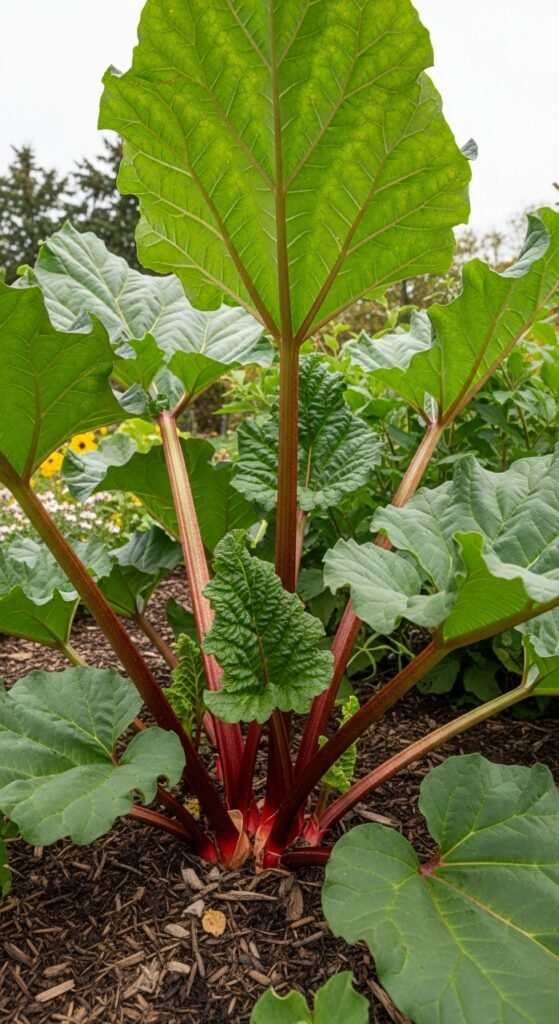
This perennial’s deterrence factor lies in its natural defenses, making it a sturdy guardian for more vulnerable crops. It’s especially useful in fall vegetable gardens for late-season interest.
Plant rhubarb crowns in spring in rich, well-drained soil with partial to full sun. Space 3-4 feet apart and mulch to retain moisture. Harvest stalks by pulling, leaving at least half for plant health. Divide every 4-5 years. Rhubarb’s bold presence not only repels deer but adds architectural flair to your protected plot.
7) Eggplant
Eggplant shines as a deer resistant vegetable with its bitter skin and fuzzy leaves that discourage browsing. Varieties from classic black to striped offer visual appeal alongside protection for your garden.
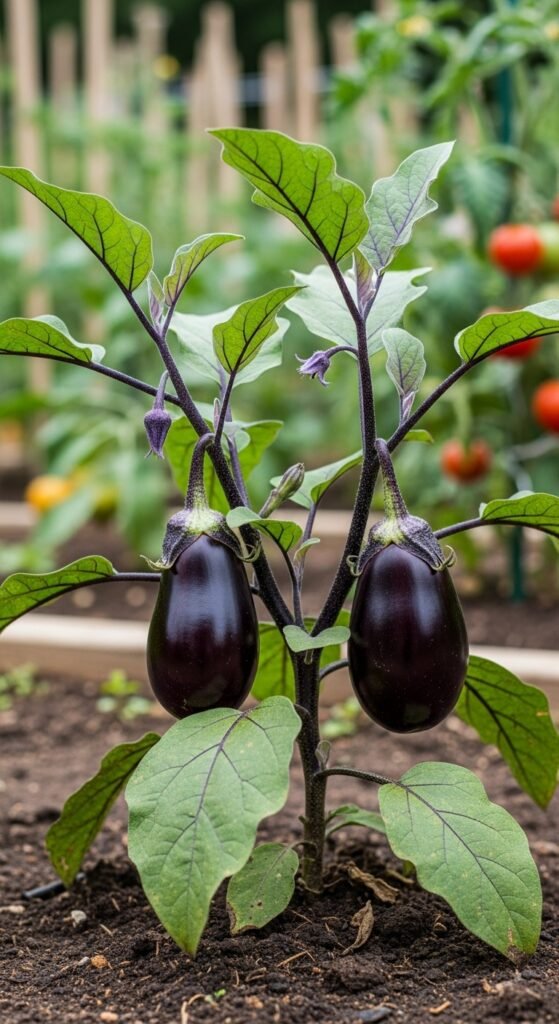
Deer steer clear due to the plant’s solanine content, which imparts an unpleasant taste. This makes eggplant a strategic choice when considering what to plant in spring for summer yields.
Grow eggplant from transplants in warm, fertile soil after all frost risk. Space 24-36 inches apart in full sun, staking as needed. Water consistently and mulch to conserve moisture. Harvest when glossy and firm. With heat-loving care, eggplant provides bountiful fruits while maintaining your garden’s deer-resistant integrity.
8) Potatoes
Potatoes qualify as underground deer resistant vegetables since their tubers are buried, out of easy reach for deer. The foliage’s mild toxicity further deters nibbling, ensuring your spuds stay safe.
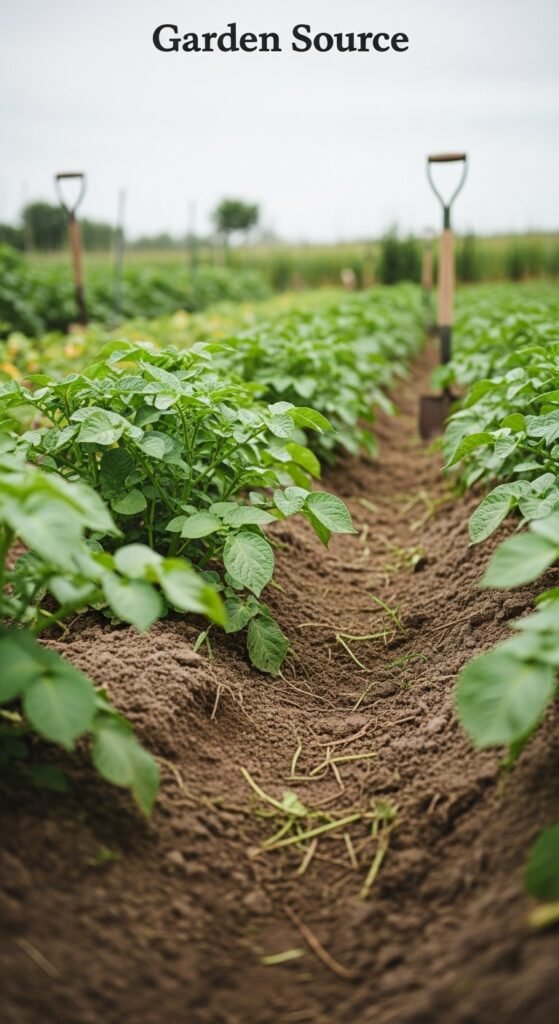
The buried harvest means deer can’t access the prize without effort they’re unwilling to expend. Potatoes fit well into diverse deer resistant plants strategies.
Plant seed potatoes in loose, acidic soil in full sun, hilling as vines grow. Space 12 inches apart in rows. Water evenly, especially during tuber formation. Harvest after foliage dies back. Varieties like Yukon Gold offer versatility, making potatoes a staple for deer-proof gardening success.
9) Tomatoes
While not always foolproof, many tomato varieties serve as deer resistant vegetables due to their fuzzy stems and strong scent. Indeterminate types can be trained high, out of deer’s reach.
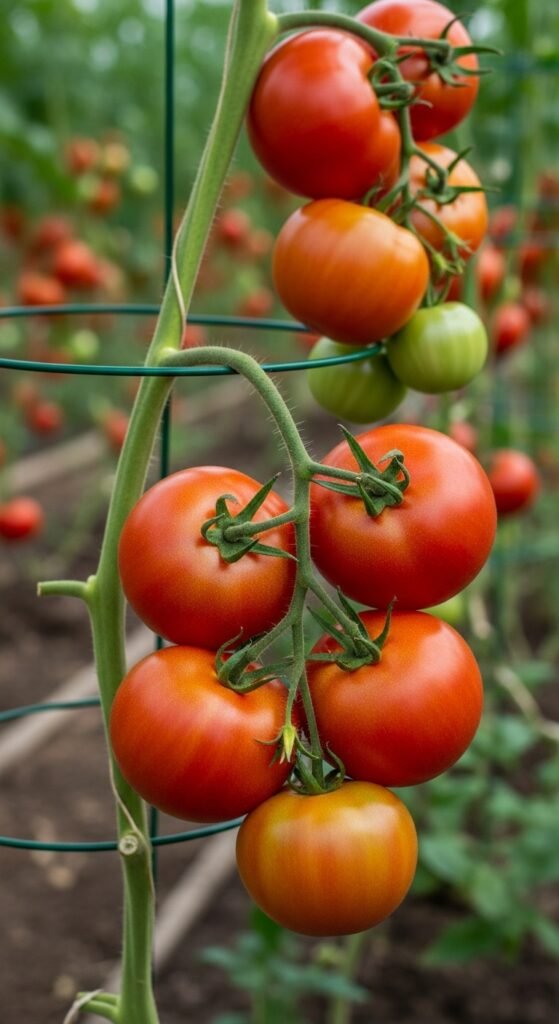
Deer often bypass tomatoes for sweeter options, especially if you employ additional deterrents. They’re essential for anyone exploring companion planting vegetables.
Start tomatoes indoors, transplanting to sunny, well-drained spots. Space 24-36 inches apart, caging or staking for support. Prune suckers for better airflow. Harvest ripe fruits promptly. With vigilant care, tomatoes yield abundantly in a deer-resistant setup.
10) Squash
Squash’s hairy vines and leaves make it a solid choice for deer resistant vegetables. Both summer and winter types offer prickly protection against browsing.
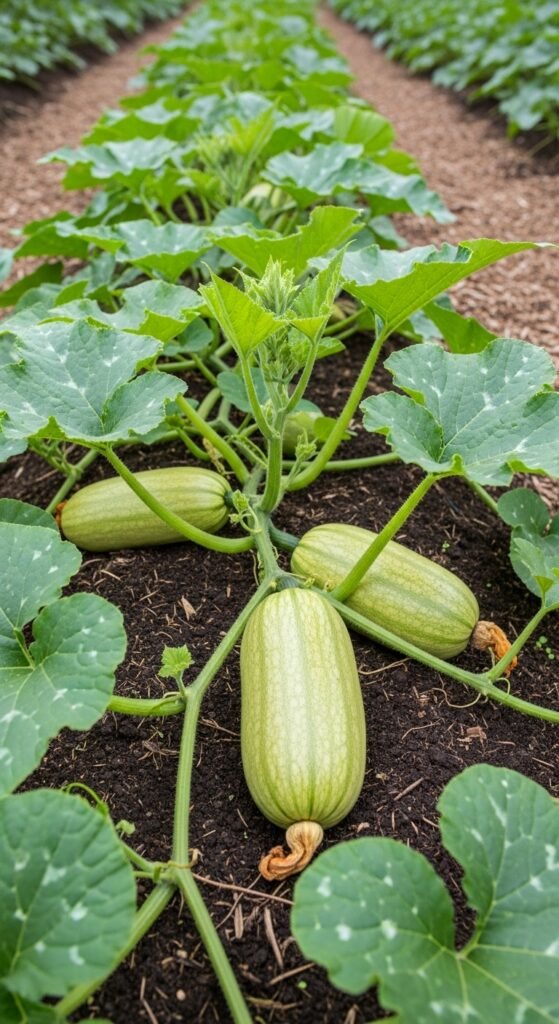
The coarse texture discourages deer, allowing you to grow prolific vines safely. Squash integrates well with vegetable garden layout ideas for space efficiency.
Direct sow squash seeds in warm soil mounds in full sun. Space 3-4 feet apart. Water at the base to prevent mildew. Harvest summer squash young; cure winter types. Squash’s versatility ensures it earns its place in your protected garden.
11) Cucumbers
Cucumbers deter deer with their prickly vines and bitter skin, qualifying as effective deer resistant vegetables. Trellising them adds extra height for protection.
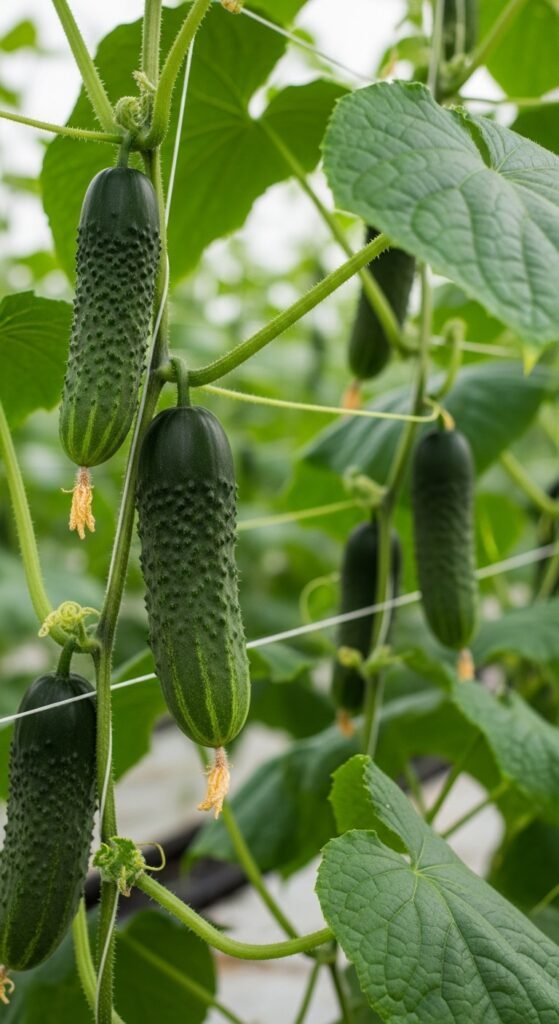
Deer dislike the fuzzy texture and cucumber’s natural compounds. This makes them suitable for fastest growing vegetables lists.
Plant cucumber seeds or transplants in fertile, warm soil with full sun. Provide trellises for vertical growth. Water consistently and mulch. Harvest frequently to encourage production. Cucumbers bring crisp freshness to your deer-secure harvest.
12) Beets
Beets, as root deer resistant vegetables, stay hidden underground, with greens that deer often ignore due to their earthy taste. Dual-purpose for roots and leaves.
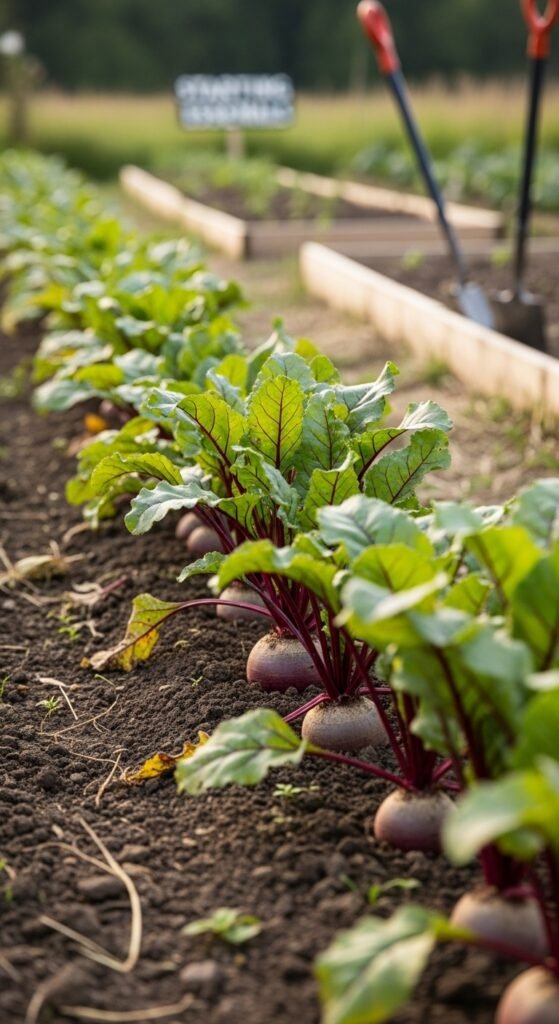
The buried nature protects the crop, fitting into how to start a vegetable garden basics.
Sow beet seeds directly in loose soil in full to partial sun. Thin seedlings to 3-4 inches apart. Water evenly for sweet roots. Harvest at golf ball size for tenderness. Beets offer reliable yields in deer-challenged areas.
13) Carrots
Carrots excel as deer resistant vegetables since their sweet roots are underground, and feathery tops aren’t deer’s first choice. Rainbow varieties add color.
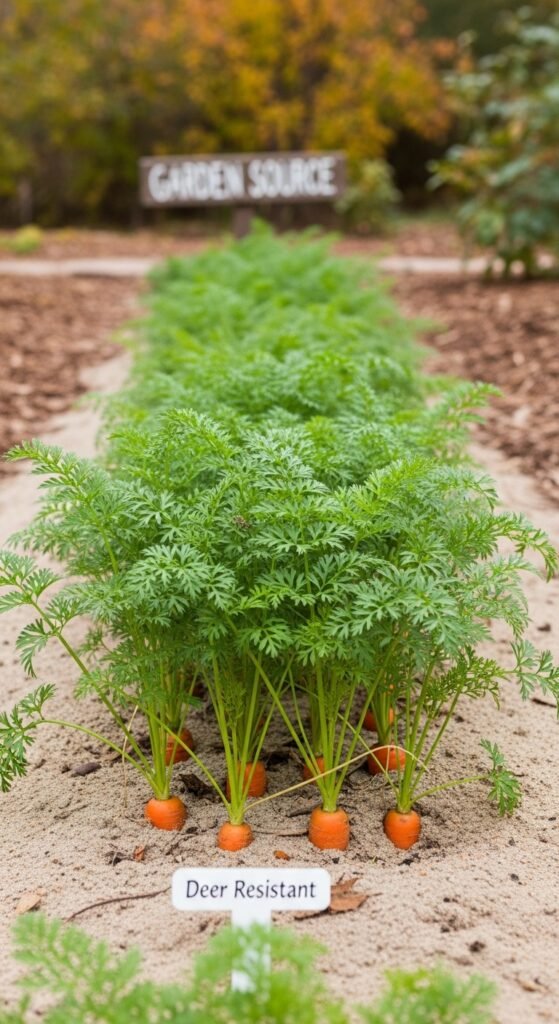
Digging required deters deer, making carrots a safe bet for fall vegetable gardens.
Direct sow in deep, sandy soil in full sun. Thin to 2-3 inches apart. Keep moist for germination. Harvest when shoulders show. Carrots provide crunchy satisfaction from your protected plot.
14) Radishes
Radishes are quick-growing deer resistant vegetables with peppery roots and leaves that deer avoid. Perfect for interplanting.
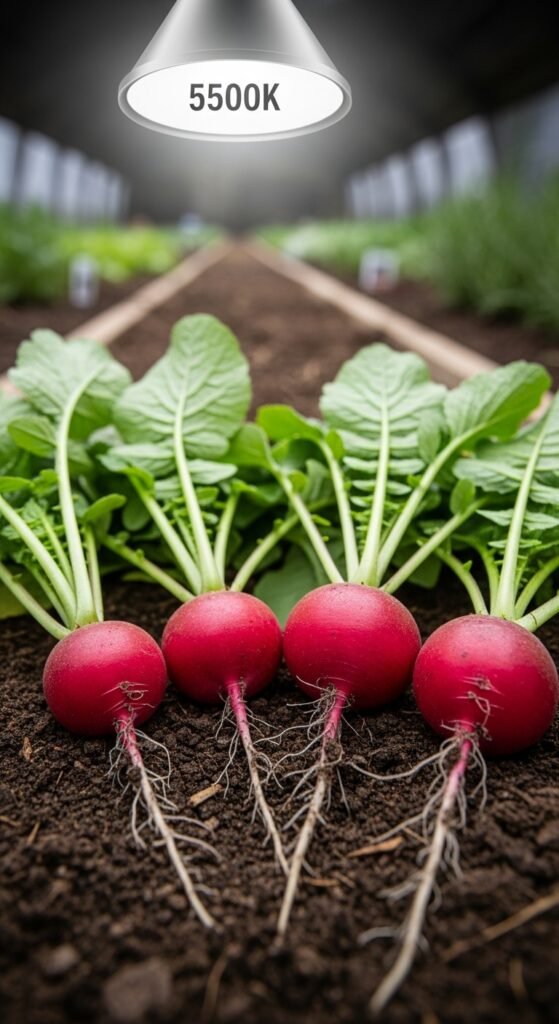
Their spicy flavor repels wildlife, aligning with what to plant in spring options.
Sow radish seeds shallowly in loose soil in full sun. Thin to 2 inches apart. Water regularly for mild flavor. Harvest in 3-4 weeks. Radishes offer fast gratification in deer-resistant gardening.
15) Okra
Okra’s prickly pods and stems make it a formidable deer resistant vegetable. Heat-loving for southern gardens.
The fuzzy texture deters deer effectively, suitable for diverse raised bed vegetable gardens.
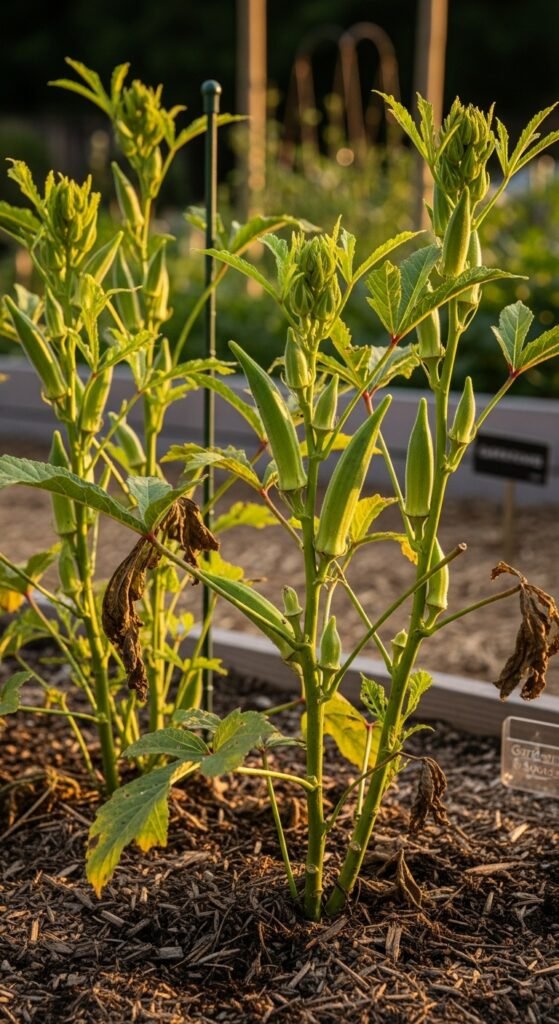
Plant okra seeds in warm soil in full sun after frost. Space 12-18 inches apart. Water moderately. Harvest pods young. Okra brings southern flair to your deer-proof harvest.
Key Tips for Deer-Proofing Your Vegetable Garden
Implementing Physical Barriers
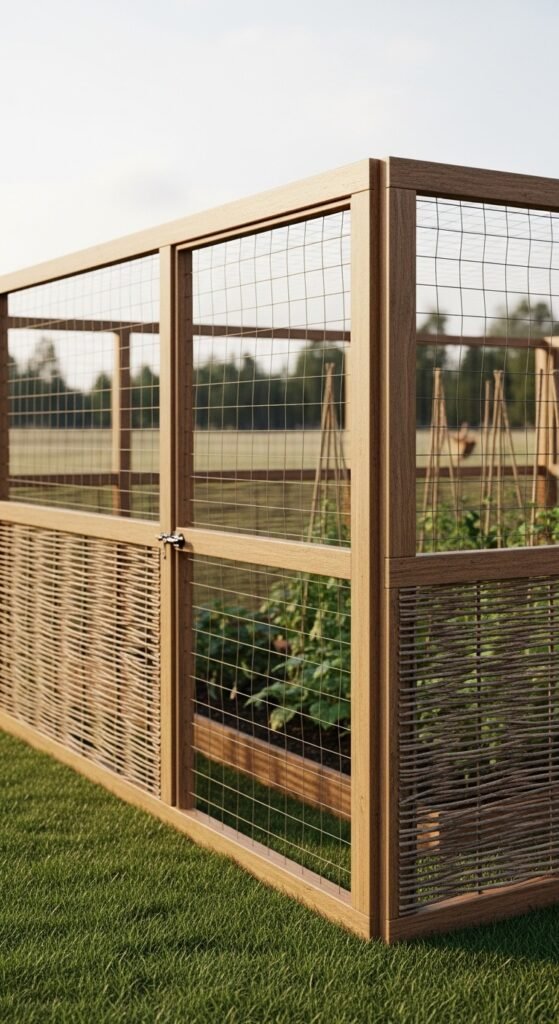
Install tall fencing or netting around your garden to physically block deer access. Electric fences can provide an extra deterrent without harming the animals.
Using Natural Repellents
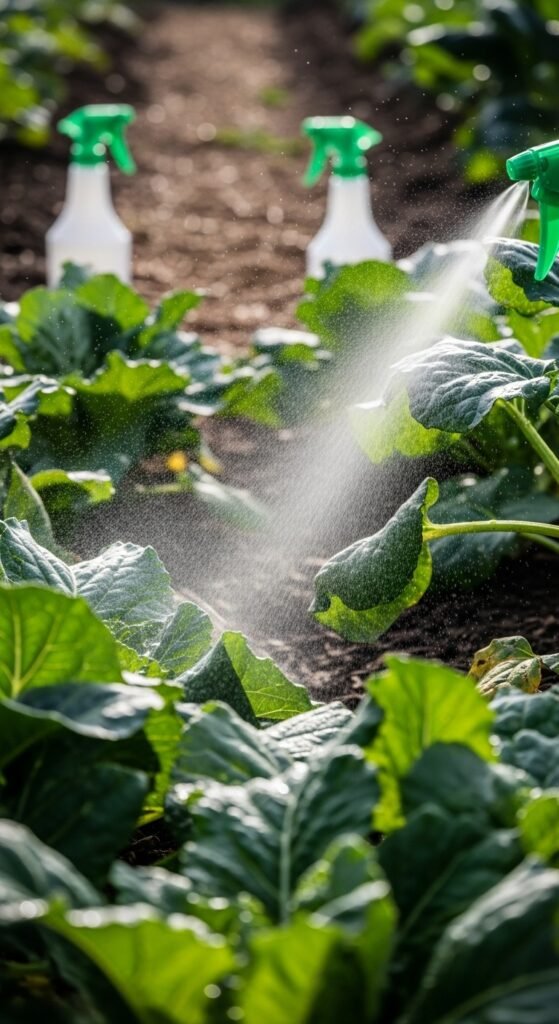
Apply homemade sprays with garlic or hot pepper to plants. Rotate repellents to prevent deer from adapting, ensuring ongoing protection.
Strategic Plant Placement
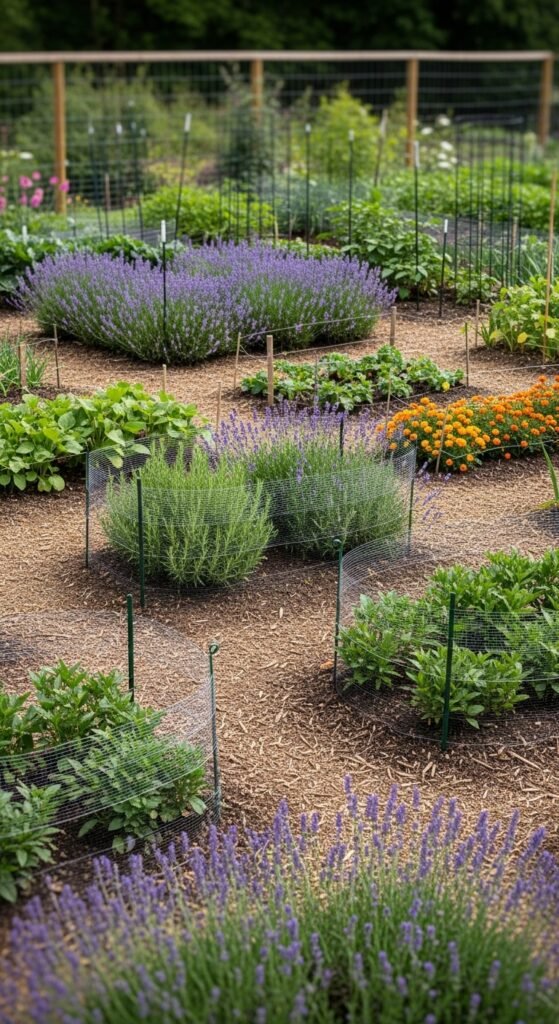
Group deer resistant vegetables together and place more attractive plants centrally. This layout minimizes damage while maximizing your garden’s productivity.
Frequently Asked Questions
Are there any vegetables deer absolutely won’t eat?
While no vegetable is 100% deer-proof, alliums like garlic and onions are rarely touched due to their strong scents. Root crops buried underground also tend to be safe.
How can I make my garden more deer-resistant overall?
Combine deer resistant vegetables with fencing, repellents, and motion-activated devices. Maintaining a clean garden free of fallen produce helps too.
Do deer resistant vegetables require special care?
Most grow like standard vegetables but benefit from full sun and well-drained soil. Regular watering and mulching support healthy, resilient plants.
Can I grow deer resistant vegetables in containers?
Yes, many like hot peppers and herbs thrive in pots, which can be moved to protected areas if needed.
What if deer still eat my resistant vegetables?
Increase deterrents or consider deer-friendly alternatives like planting extra for wildlife. Persistence and variety in methods usually resolve issues.