Deadheading flowers is a simple yet powerful gardening technique that involves removing spent blooms from your plants. By snipping off faded flowers, you encourage your plants to redirect energy from seed production back into growth and new blossoms. This practice not only keeps your garden looking tidy but also promotes healthier plants and extended blooming periods throughout the season.
You’ll notice a significant difference in your garden’s performance when you incorporate deadheading into your routine. It prevents diseases, deters pests, and stimulates bushier growth. Whether you’re tending to annuals or perennials, mastering deadheading can transform a lackluster flower bed into a colorful paradise. Plus, it’s an easy task that requires minimal tools—just sharp pruners or even your fingers for softer stems.
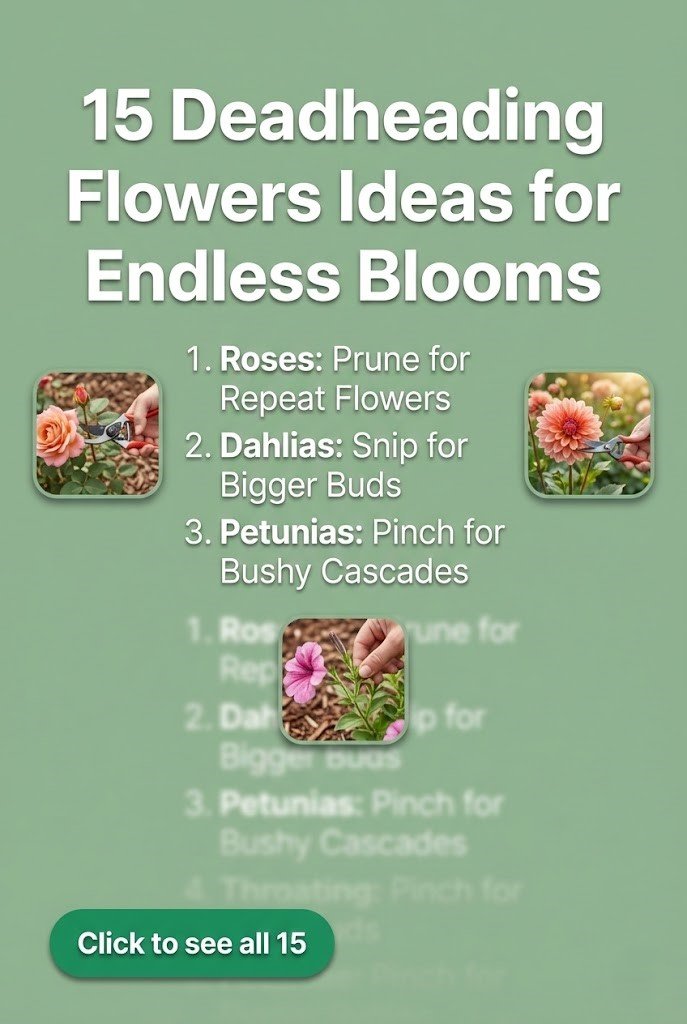
Ready to dive in? Below, explore 15 essential deadheading ideas tailored to popular flowers. Each one includes practical advice on what to do, why it matters, and how to execute it perfectly for optimal results.
1) Roses: Prune for Endless Summer Blooms
Roses are classic garden favorites, known for their fragrant, layered petals in a rainbow of colors. Deadheading them is crucial because it prevents the formation of rose hips, allowing the plant to focus on producing more flowers instead of seeds. This technique can extend your rose blooming season by several weeks, giving you a continuous display of vibrant blooms.
Why bother? Without deadheading, your roses may become leggy and produce fewer flowers, diminishing their overall appeal. It also improves air circulation, reducing the risk of fungal diseases like black spot. For best results, incorporate deadheading into your summer rose care routine to keep plants vigorous.
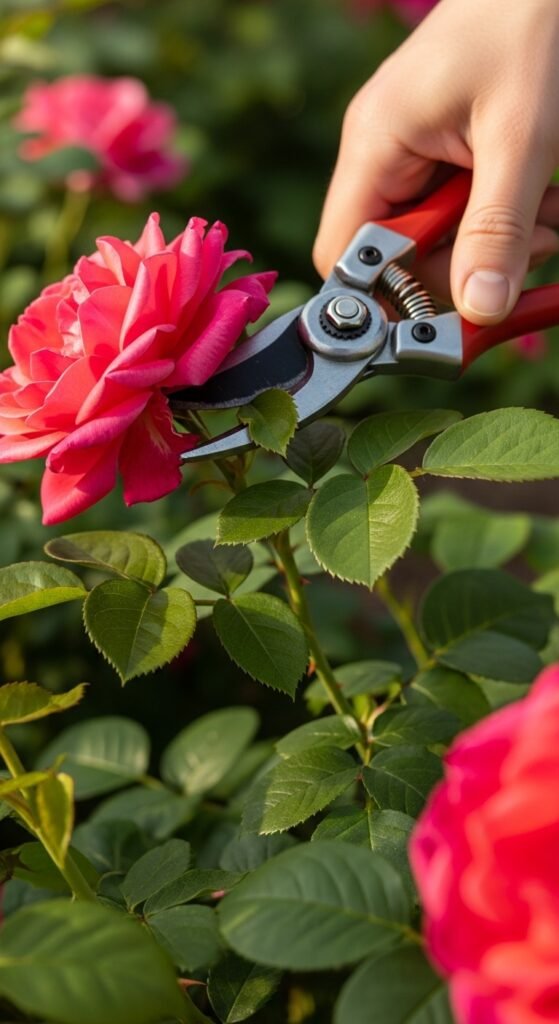
How to do it: Use clean, sharp pruners to cut back to the first set of five leaflets below the spent bloom, at a 45-degree angle. Do this every few days during peak season, and always remove any diseased foliage. With consistent effort, you’ll enjoy a lush rose garden that thrives all summer long.
2) Dahlias: Snip for Bigger, Bolder Flowers
Dahlias boast dinner-plate-sized blooms in striking shapes and hues, making them stars in any cutting garden. Deadheading encourages side shoots, leading to more stems and flowers rather than seed pods. You’ll see an increase in flower production by up to 50%, turning your dahlia patch into a prolific bouquet factory.
The why is simple: Spent blooms drain energy, stunting growth and reducing bloom quality. Regular deadheading keeps plants compact and healthy, warding off powdery mildew. As fall approaches, combine this with proper tuber storage—check out tips on saving dahlia tubers for next year’s success.
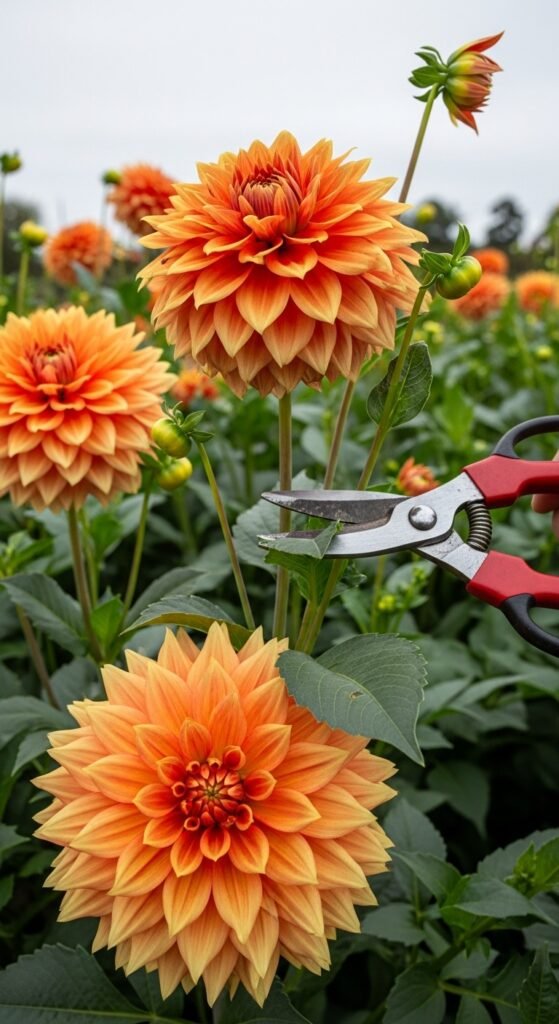
To deadhead, pinch or cut the faded flower just above a leaf node or bud. Do it weekly, focusing on central blooms first. This method not only boosts quantity but enhances flower size and vibrancy, ensuring your dahlias steal the show in arrangements and borders.
3) Petunias: Pinch for Bushy, Abundant Cascades
Petunias are beloved for their trailing habits and trumpet-shaped flowers in vivid shades, perfect for hanging baskets. Deadheading stops seed formation, redirecting nutrients to new growth and blooms. This results in denser foliage and prolonged flowering, keeping your containers overflowing with color well into fall.
Without it, petunias can become sparse and stringy, losing their lush appeal. It also minimizes legginess and promotes better branching. For overall plant health, pair deadheading with seasonal tips from spring gardening tips to start strong.
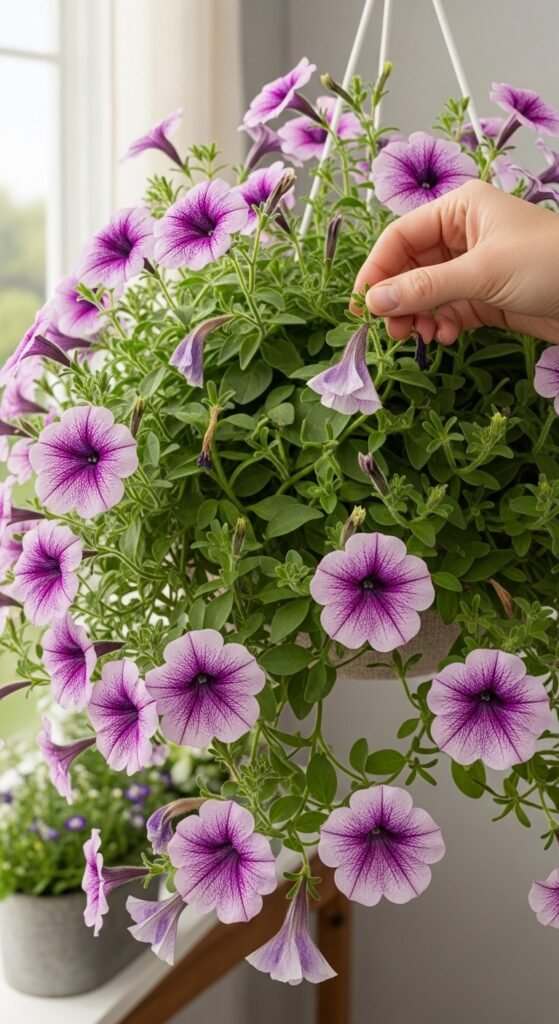
How: Simply pinch off spent flowers with your fingers, removing the seed pod at the base. Check plants every other day during hot weather. This easy habit will reward you with a fuller, more vibrant display that enhances patios and window boxes effortlessly.
4) Marigolds: Trim for Pest-Repelling Power
Marigolds offer cheerful, pom-pom blooms in warm oranges and yellows, often used as companion plants. Deadheading maintains their compact shape and encourages continuous blooming. You’ll benefit from extended pest deterrence, as fresh flowers release stronger scents that repel nematodes and aphids.
Why it’s essential: Faded blooms can harbor pests and diseases, compromising your vegetable garden. Regular removal keeps energy flowing to new buds. Integrate this with spring pest control strategies for a healthier ecosystem.
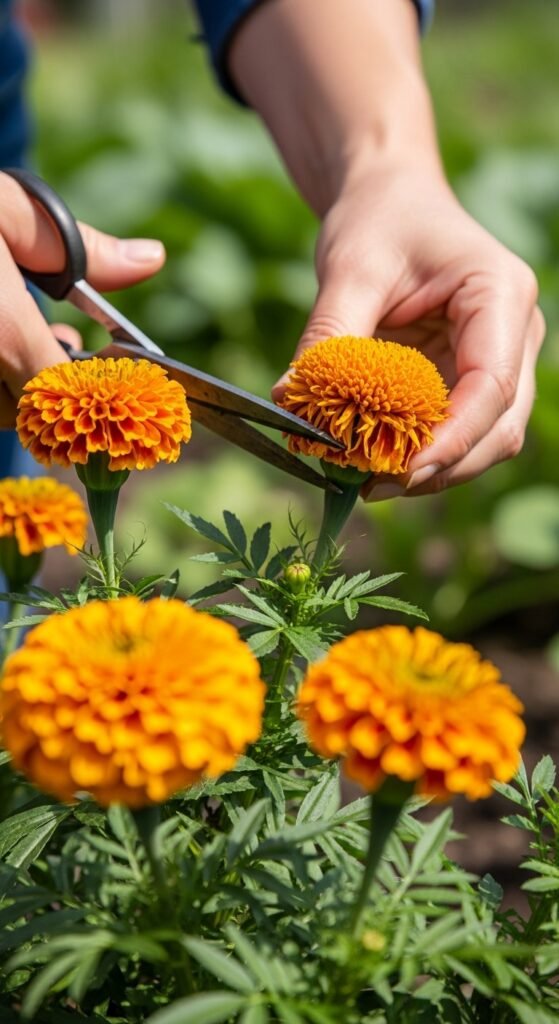
Method: Snip the entire flower head back to the nearest leaf set using scissors. Perform this bi-weekly, and mulch around bases for moisture retention. Your marigolds will thrive, providing both beauty and natural protection for neighboring plants.
5) Zinnias: Cut for Cut-Flower Excellence
Zinnias shine with daisy-like flowers in bold, mixed colors, ideal for pollinator gardens. Deadheading prompts branching, yielding more stems for bouquets. This can double your harvest of long-lasting cuts, making them a must for flower enthusiasts.
The reason: Untended plants shift to seeds, shortening the bloom cycle. It also prevents mildew in humid conditions. For planting inspiration, explore what to plant in spring to include zinnias early.
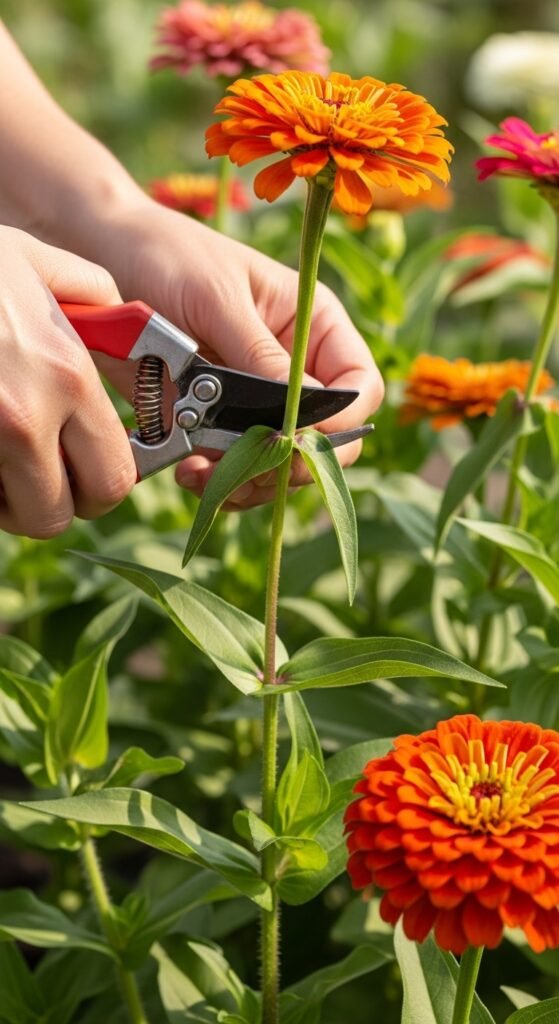
To execute: Cut stems just above a leaf pair with pruners, harvesting in the morning. Repeat every few days. This practice ensures a steady supply of vibrant, bee-attracting blooms throughout the season.
6) Cosmos: Shear for Airy, Prolific Displays
Cosmos feature delicate, ferny foliage and saucer-shaped flowers in pastels, adding whimsy to borders. Deadheading sustains their light, airy look by fostering new buds. You’ll achieve a fuller, more floriferous stand, enhancing your garden’s cottage charm.
Why do it? Overlooked spent flowers lead to self-seeding chaos and reduced vigor. It promotes better airflow, curbing fungal issues. Complement with spring edible flowers for a multi-purpose plot.
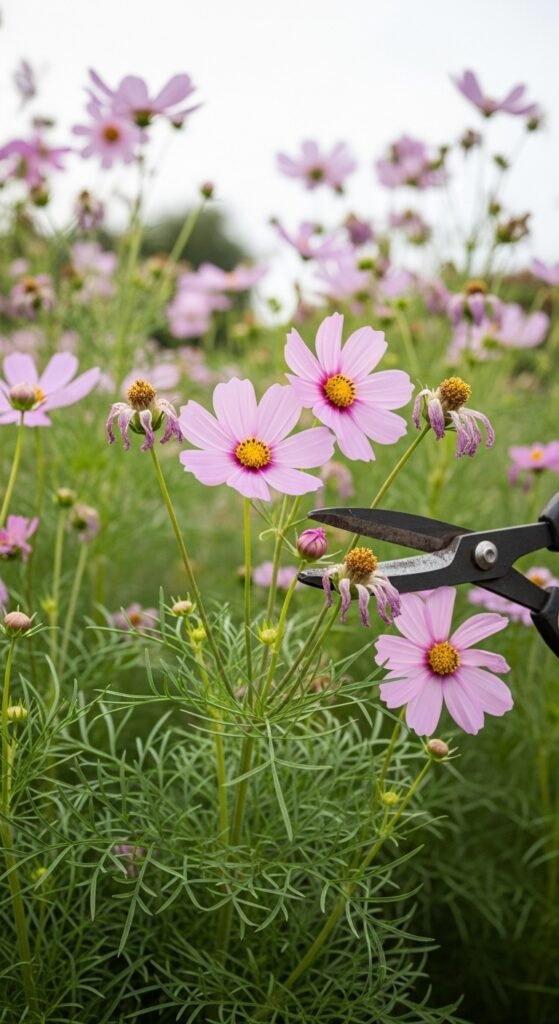
How: Use shears to trim back clusters of faded blooms to a bud. Check weekly, especially after rain. This simple step will keep your cosmos dancing in the breeze with endless grace.
7) Salvia: Clip for Hummingbird Haven
Salvia’s spiky blooms in blues and reds attract pollinators like hummingbirds. Deadheading extends their nectar-rich spikes, supporting wildlife. This boosts biodiversity and prolongs color, creating a dynamic garden ecosystem.
Neglecting it causes sparse growth and fewer visitors. It also tidies plants, preventing flop. For related care, see citronella plant care for more pollinator-friendly options.
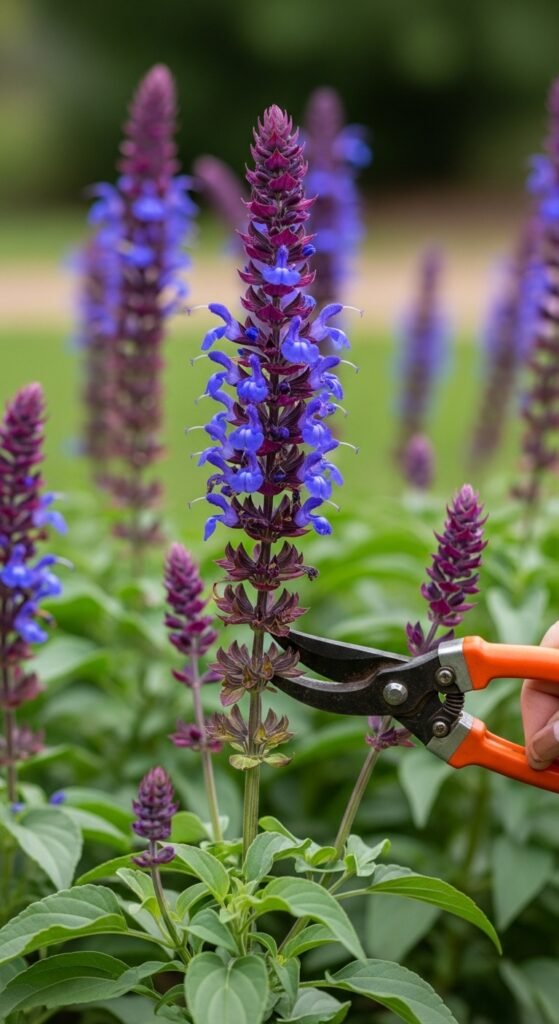
Technique: Snip spikes back to basal foliage after flowering. Do it mid-season for rebloom. Your efforts will reward you with a buzzing, vibrant space full of life.
8) Lavender: Harvest for Fragrant Bundles
Lavender’s aromatic spikes in purple hues are drought-tolerant delights. Deadheading after first flush encourages a second bloom. You’ll harvest more for sachets and oils, maximizing its sensory benefits.
Why: It maintains shape and prevents woodiness. Improves longevity in perennial beds. Pair with spring hydrangea care for aromatic companions.
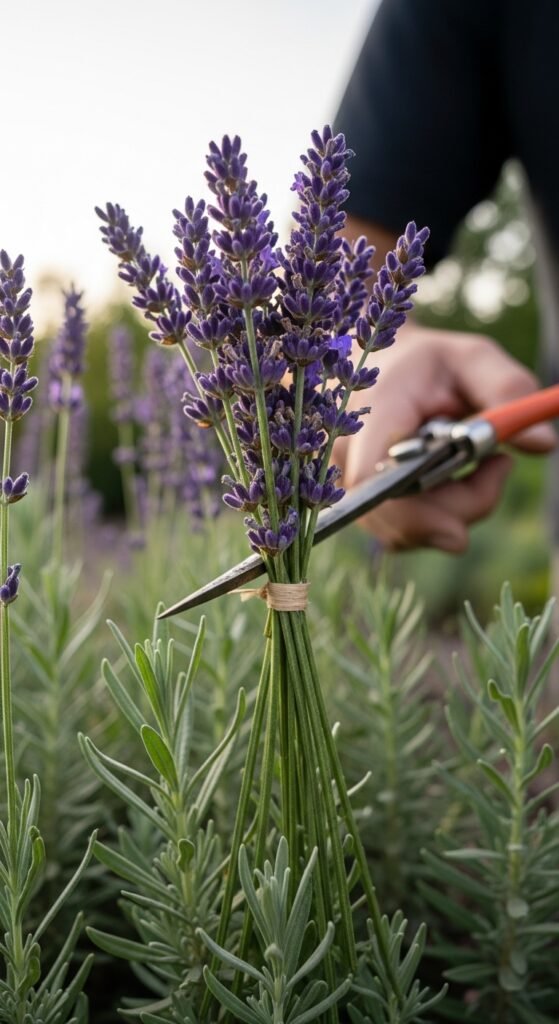
Method: Cut stems just above leaves when half the flowers open. Repeat post-bloom. This ensures robust, fragrant plants year after year.
9) Coneflowers: Remove for Sturdy Stems
Coneflowers, or echinacea, have daisy petals around cone centers, great for natives. Deadheading strengthens stems and extends bloom time. This enhances winter interest with seed heads, if left later.
Without, plants weaken and spread excessively. Promotes root development. For fall prep, consider fall raspberry care alongside.
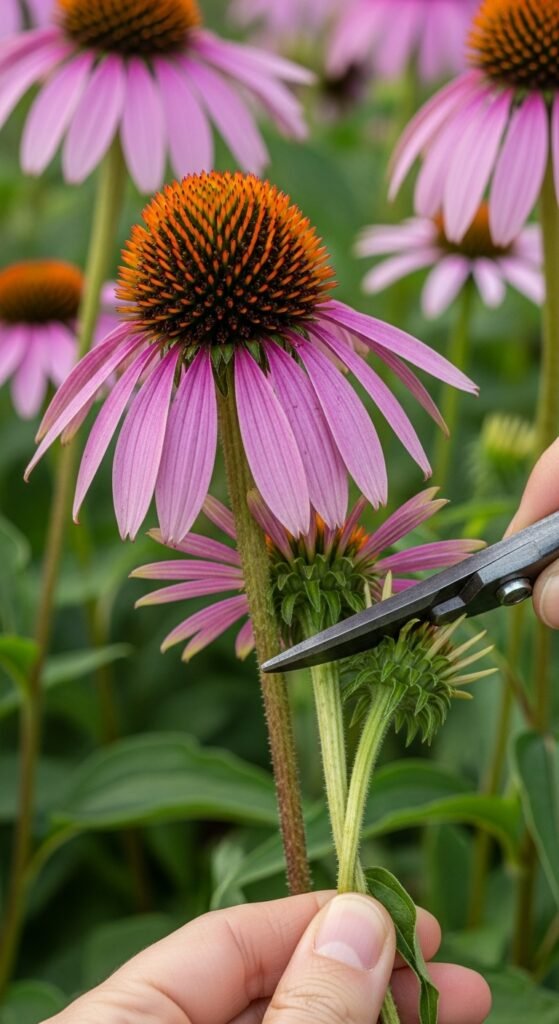
How: Cut to a lower bud or leaf. Mid-summer checks suffice. Enjoy resilient, pollinator-pleasing perennials.
10) Black-Eyed Susans: Deadhead for Golden Waves
These rudbeckias sport yellow petals with dark centers, thriving in sun. Deadheading fuels successive waves of gold. You’ll cover more ground with cheerful color, brightening meadows.
Reason: Prevents self-seeding overload and maintains vigor. Drought-resistant boost. Link to general pruning roses in spring for similar techniques.
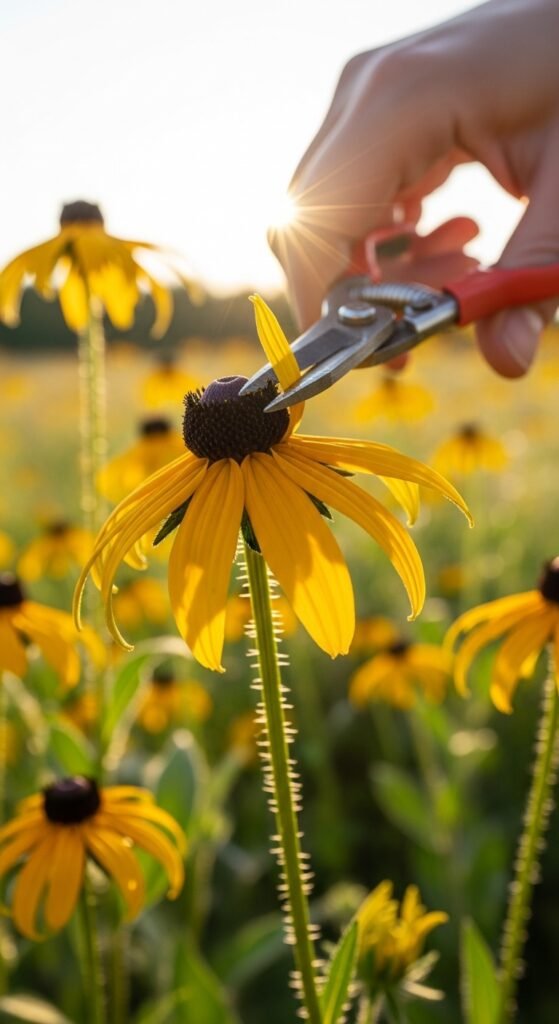
Snip spent heads weekly. This keeps your susans waving happily all season.
11) Geraniums: Pinch for Compact Color
Geraniums offer rounded clusters in reds and pinks, suiting pots. Deadheading curbs legginess, promoting fullness. This yields non-stop balcony blooms, ideal for small spaces.
Why: Energy redirection prevents decline. Enhances scent release. For containers, see spring planters.
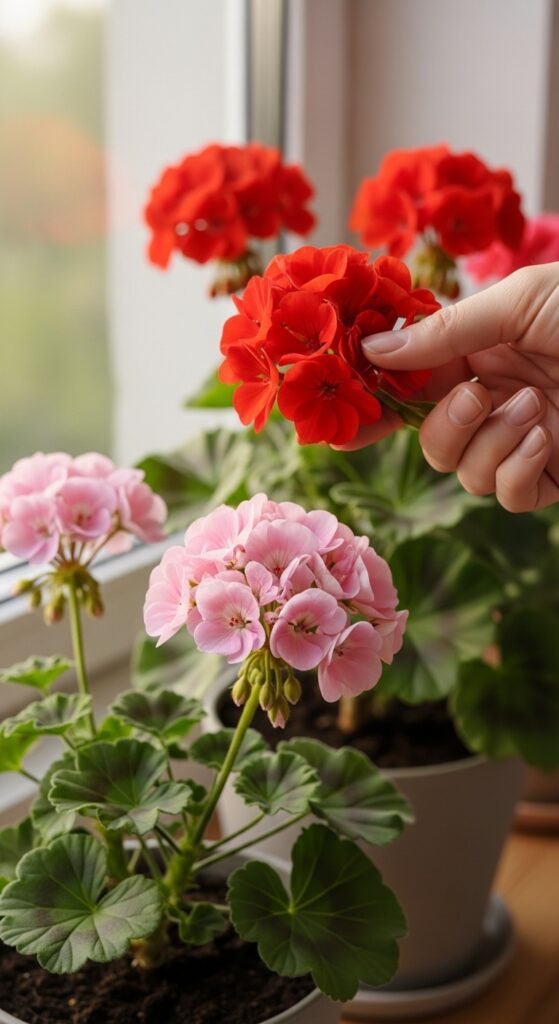
Finger-pinch clusters regularly. Simple for lush, scented displays.
12) Snapdragons: Trim for Tall Spires
Snapdragons’ vertical spikes snap open, in mixed tones. Deadheading spurs side shoots for more spires. You’ll get taller, denser stands, perfect for borders.
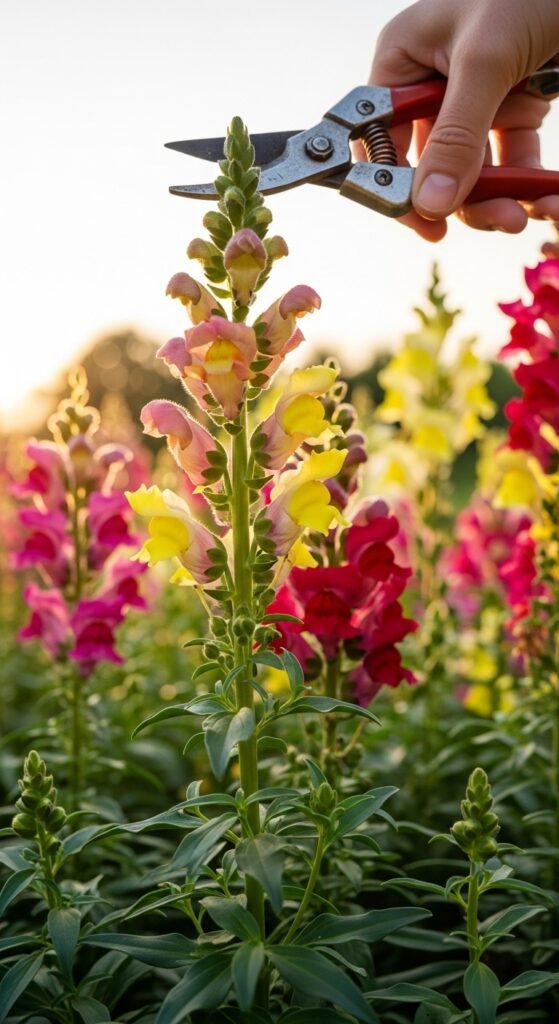
Untended, they finish early. Improves cold tolerance. Weekly trims work wonders.
13) Calendula: Harvest for Healing Petals
Calendula’s sunny daisies are edible and medicinal. Deadheading maximizes petal yield. This supports skin salves and teas, adding utility.
Why: Continuous production, pest resistance. For edibles, link to spring flowers.
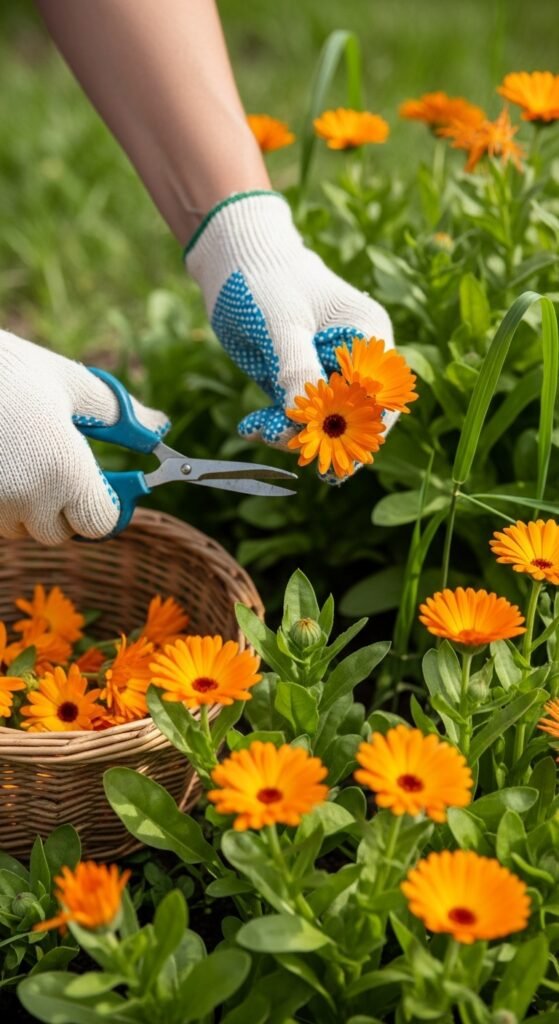
Cut regularly for bountiful, beneficial harvests.
14) Coreopsis: Shear for Threadleaf Texture
Coreopsis has fine foliage and yellow blooms. Deadheading renews the flush. You’ll maintain a tidy, perennial patch, low-maintenance joy.
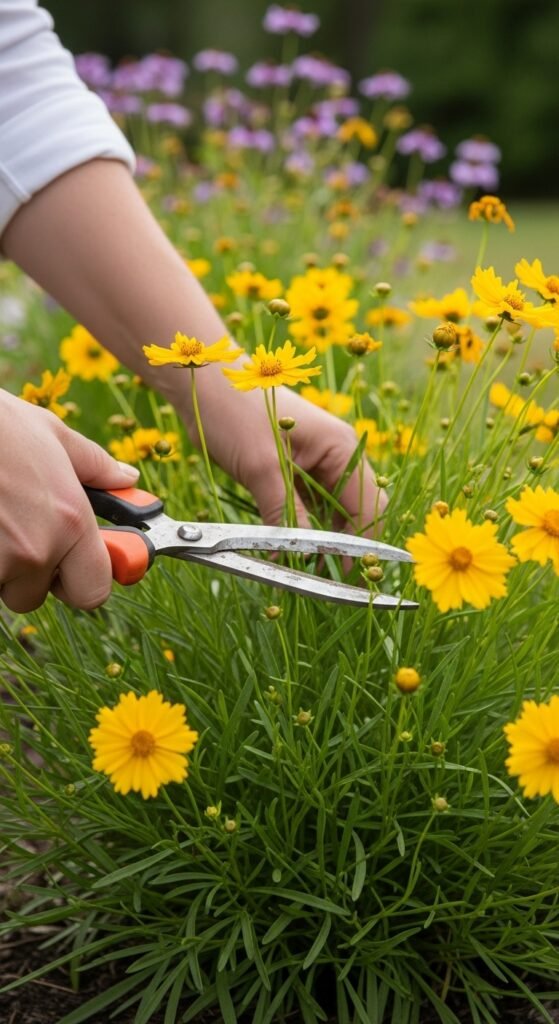
Prevents sparsity. Shear groups mid-season.
15) Gaillardia: Clip for Blanket Flowers
Gaillardias mimic blankets with red-yellow petals. Deadheading sustains the cover. This ensures drought-proof color, for xeric gardens.
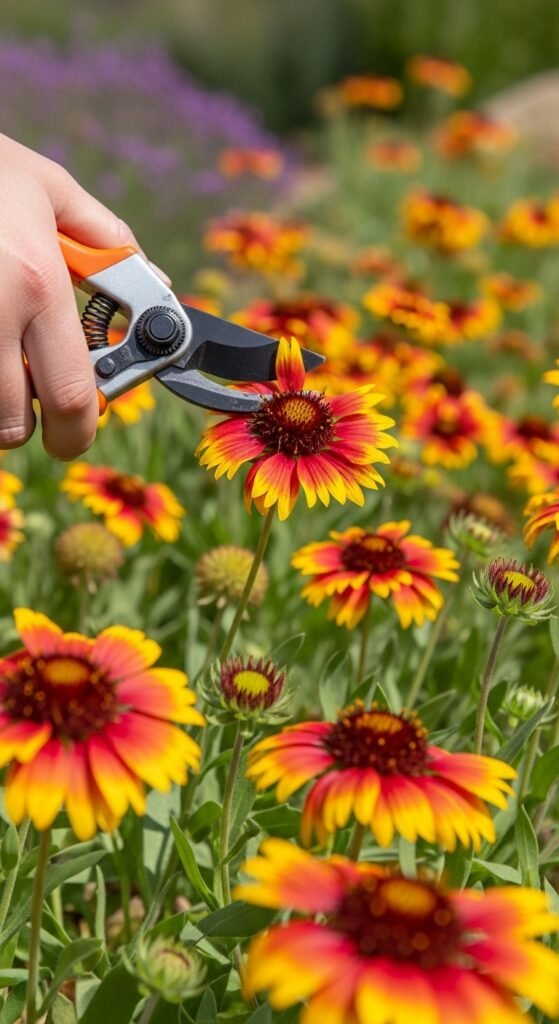
Why: Longevity in tough spots. Clip as needed.
Key Principles of Deadheading
Timing and Tools
Deadhead in the morning when plants are hydrated, using sharp, sterilized pruners to avoid disease spread. Focus on wilted blooms before seeds form for maximum impact.
Plant-Specific Techniques
Adapt methods—pinch annuals, cut perennials. Observe growth habits to deadhead effectively without damaging new buds.
Common Mistakes to Avoid
Don’t over-prune; leave enough foliage for photosynthesis. Avoid wet weather to prevent fungal issues.
Frequently Asked Questions
What is deadheading and why should I do it?
Deadheading is removing faded flowers to encourage more blooms and healthier plants. It redirects energy from seeds to growth, extending your garden’s flowering period.
When is the best time to deadhead flowers?
Deadhead as soon as blooms fade, typically every few days during peak season. Early morning or late afternoon is ideal to minimize plant stress.
Do all flowers need deadheading?
Not all; self-cleaning varieties like impatiens drop blooms naturally. However, most benefit from it for tidiness and prolonged display.
Can deadheading harm my plants?
If done correctly, no. Use clean tools and cut above nodes to promote healing and new growth without injury.
How do I know if a flower is ready to deadhead?
Look for wilted, discolored petals or forming seed pods. Remove them promptly to keep energy flowing to fresh buds.