
Companion planting herbs involves strategically positioning various herbs alongside vegetables, flowers, or other herbs to foster mutual benefits in your garden. This practice draws on natural synergies where certain plants deter pests, attract pollinators, or improve soil quality, ultimately leading to healthier growth and higher yields. By incorporating companion planting herbs, you create a balanced ecosystem that minimizes the need for chemical interventions, promoting sustainable gardening.
The value of companion planting herbs lies in its ability to optimize space and resources. For instance, aromatic herbs can mask the scents of vulnerable crops, confusing pests and reducing infestations. Additionally, some herbs enrich the soil with nutrients or improve drainage, supporting robust plant development. As you explore these ideas, you’ll discover practical ways to implement them, transforming your garden into a thriving, harmonious space.
1) Basil with Tomatoes for Pest Deterrence
You can pair basil with tomatoes to leverage basil’s strong aroma, which repels common pests like aphids and tomato hornworms. This combination is a classic in companion planting, where basil acts as a natural shield, allowing your tomatoes to flourish without heavy reliance on pesticides. The key benefit is enhanced tomato flavor, as basil’s proximity is believed to improve taste through subtle interactions.
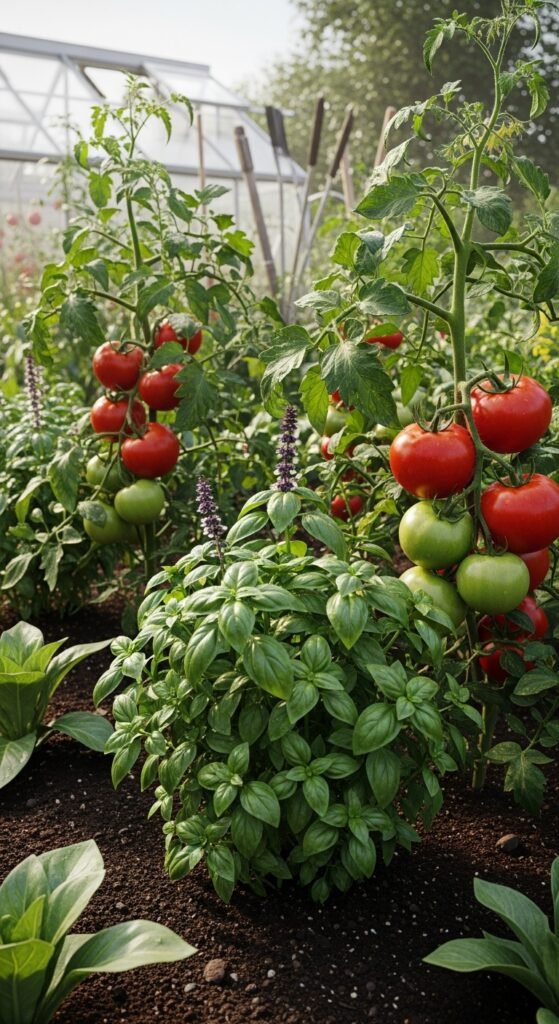
Why does this work? Basil’s essential oils confuse insects, while its flowers attract beneficial pollinators like bees, boosting overall garden productivity. To implement this, plant basil seedlings around tomato plants in full sun, spacing them about 12 inches apart for adequate airflow. Ensure well-drained soil and regular watering to prevent issues. For more on designing such setups, consider exploring herb garden design ideas to integrate these companions seamlessly.
How you maintain this pairing involves pinching basil tops to encourage bushiness and harvesting leaves regularly. This not only keeps the herb productive but also prevents it from overshadowing tomatoes. With consistent care, you’ll notice fewer pest problems and vibrant growth throughout the season.
2) Mint with Cabbage for Insect Repulsion
You should consider planting mint near cabbage to take advantage of mint’s potent scent, which deters cabbage moths and aphids effectively. This herb’s invasive nature requires containment, but when managed, it provides strong protective benefits to brassicas like cabbage, reducing damage from common garden foes.
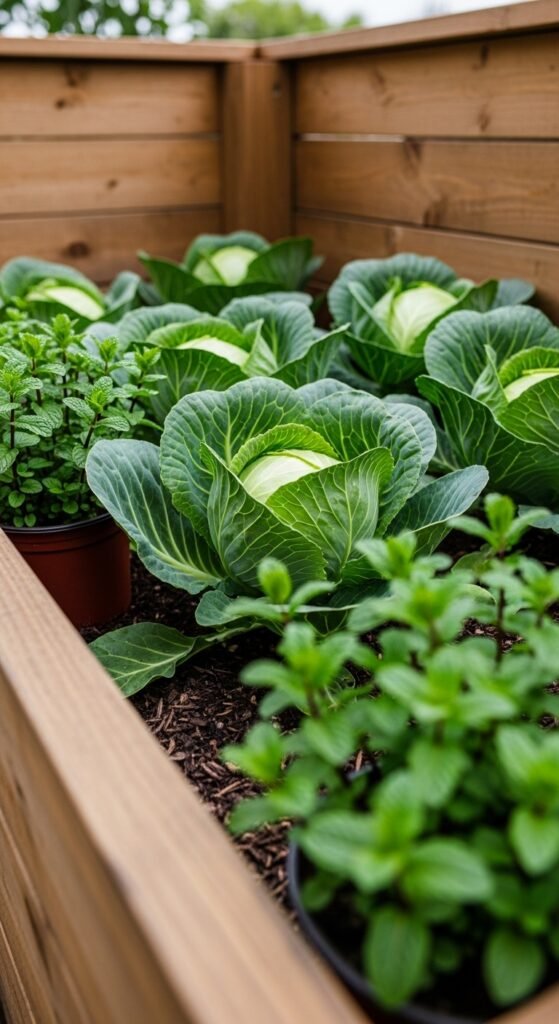
The reason this pairing succeeds is mint’s ability to mask cabbage’s odor, making it less appealing to pests. Additionally, mint attracts predatory insects that feed on harmful larvae. Start by planting mint in pots sunk into the ground to control spread, positioning them around cabbage rows in partial shade with moist soil.
For optimal results, harvest mint frequently to maintain vigor. This approach not only safeguards your cabbage but also adds fresh herbs to your kitchen. If you’re interested in vertical arrangements, check out vertical herb garden options for space-efficient planting.
3) Dill with Cucumbers for Pollination Boost
You can enhance your cucumber yield by companion planting dill, which attracts beneficial insects like ladybugs and wasps that prey on cucumber beetles. Dill’s umbrella-shaped flowers serve as landing pads for pollinators, ensuring better fruit set in your cucumber vines.
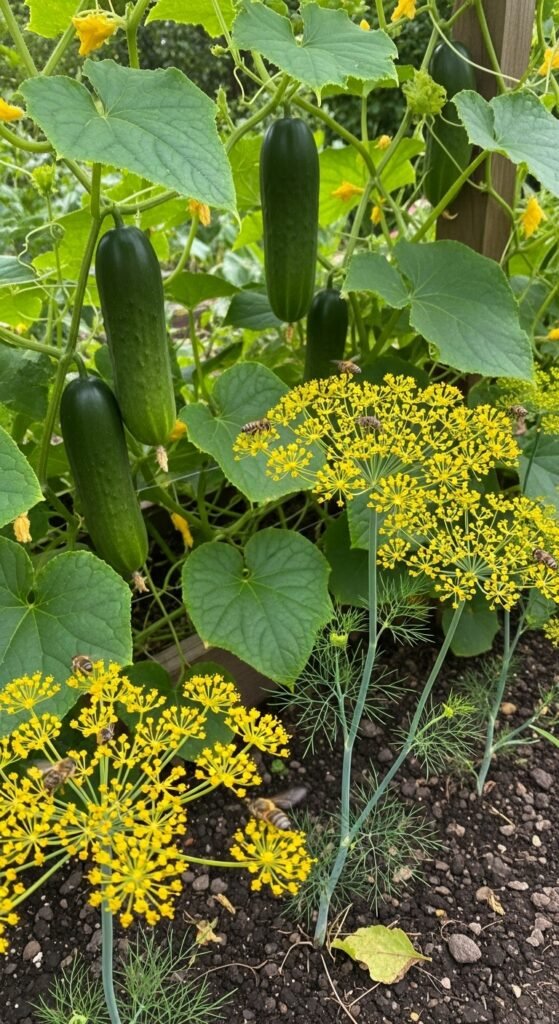
Why is this effective? Dill improves biodiversity, drawing in predators that control pests naturally, while its light shade can protect young cucumbers from intense sun. Plant dill seeds directly near cucumber hills in sunny spots with fertile, well-drained soil, spacing them 18 inches apart to avoid competition.
Maintain this duo by thinning dill seedlings and supporting cucumber vines with trellises. Regular monitoring for pests will help you appreciate the symbiotic relationship. For related strategies, refer to companion planting vegetables for broader garden applications.
4) Chives with Carrots for Root Protection
You’ll find chives an excellent companion for carrots, as their onion-like scent repels carrot flies and aphids. This pairing promotes healthier root development by minimizing pest interference, leading to straighter, more abundant carrots.
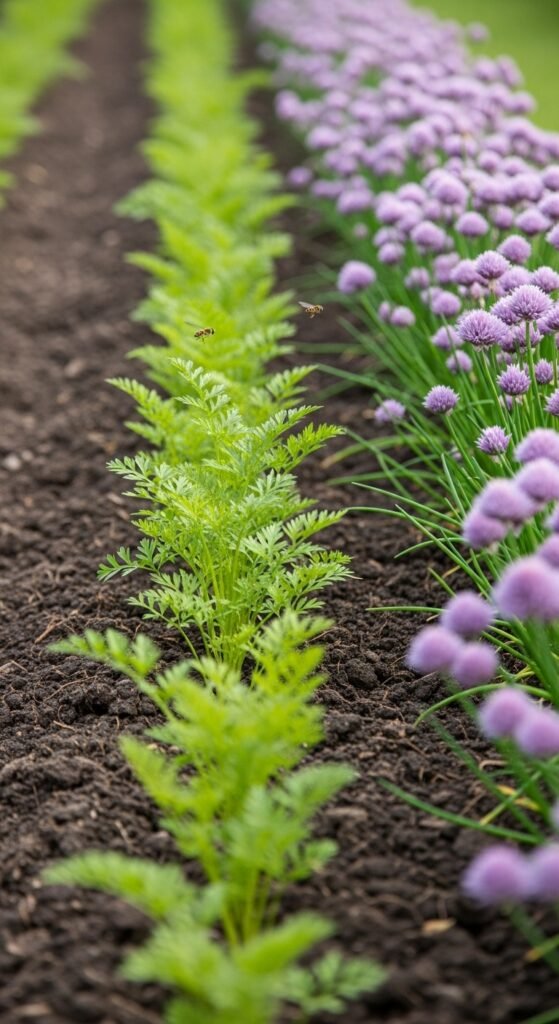
The mechanism behind this is chives’ sulfur compounds, which act as a natural repellent. They also attract hoverflies that consume soft-bodied insects. Sow chive seeds around carrot beds in full sun with loose soil, ensuring 6-8 inches between plants for proper growth.
To sustain this setup, divide chive clumps every few years and mulch to retain moisture. This method not only protects your carrots but enhances garden aesthetics with chive blossoms. Explore herb companion chart for additional compatible pairings.
5) Rosemary with Beans for Disease Prevention
You can plant rosemary alongside beans to deter bean beetles and improve air circulation, reducing fungal diseases. Rosemary’s woody structure provides a natural barrier, supporting bean vines while its aroma confuses pests.
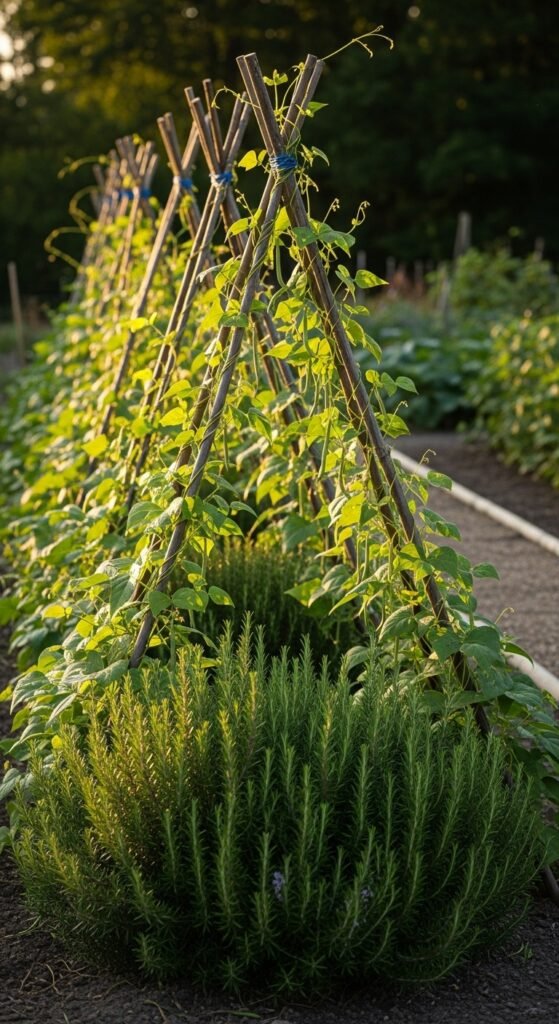
This works because rosemary’s essential oils have antimicrobial properties, helping prevent issues like rust on beans. Plant rosemary transplants near bean poles in sunny, dry conditions, with spacing of 24 inches to allow for rosemary’s growth.
Care involves pruning rosemary to shape and watering sparingly. The resulting benefit is robust bean production with fewer interventions. For pest-focused ideas, consider companion planting for pests to expand your strategies.
6) Sage with Strawberries for Fungal Control
You should integrate sage with strawberries to combat fungal infections like gray mold, thanks to sage’s antifungal qualities. This herb also attracts pollinators, enhancing strawberry fruiting.
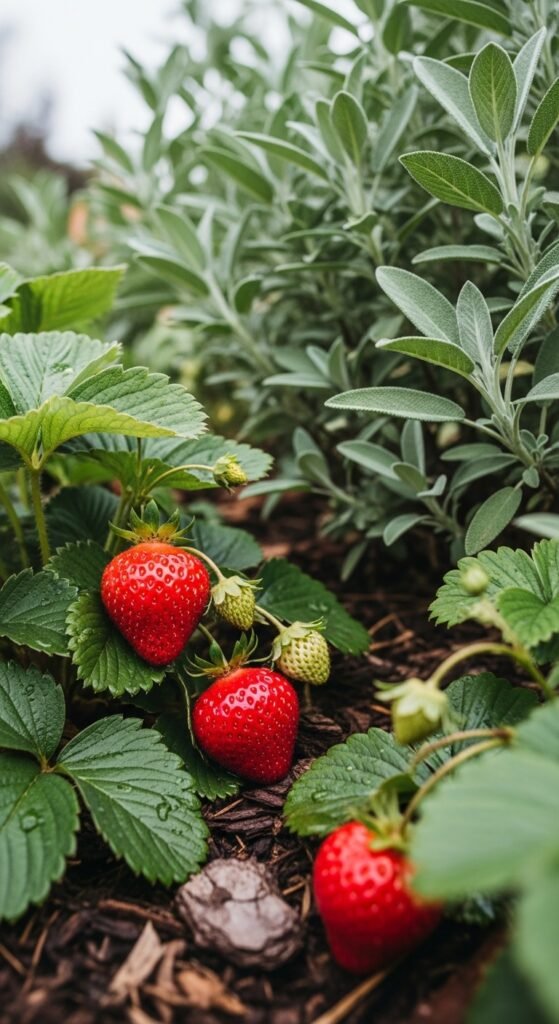
Why choose this? Sage’s dense foliage shades strawberry roots, conserving moisture and suppressing weeds. Position sage plants around strawberry patches in well-drained soil under full sun, with 12-18 inch spacing.
Maintenance includes harvesting sage leaves and mulching strawberries. This combination yields sweeter berries and healthier plants. Look into raised bed herb garden for elevated planting options.
7) Thyme with Eggplants for Beetle Deterrence
You can use thyme as a companion for eggplants to repel flea beetles and spider mites. Thyme’s creeping habit covers soil, reducing weed growth and retaining moisture for eggplants.
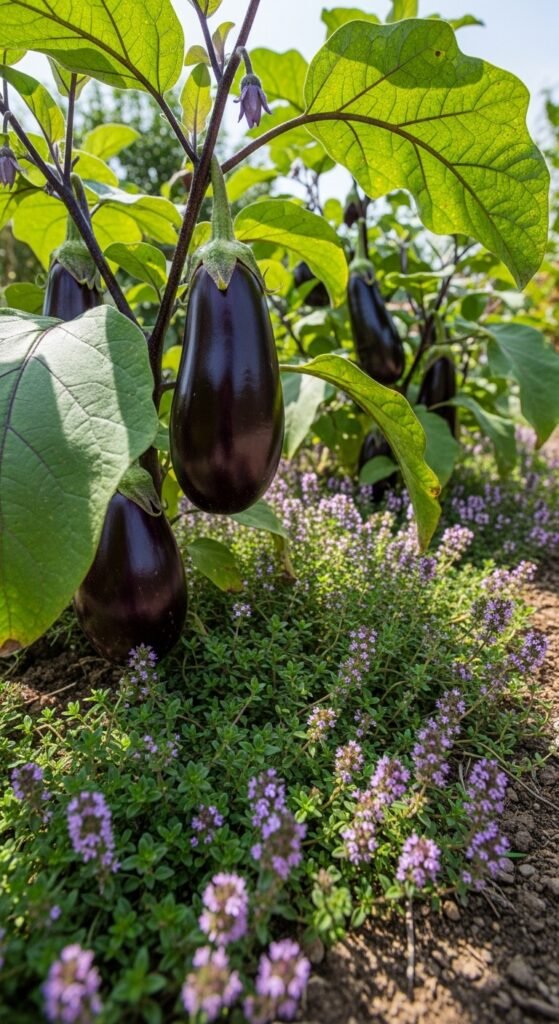
The effectiveness stems from thyme’s volatile oils that mask eggplant scents. Plant thyme around eggplant bases in sunny, sandy soil, spacing 10 inches apart.
Keep thyme trimmed for bushiness and monitor for overgrowth. Key advantages include improved eggplant quality and natural pest management. For design inspiration, see spiral herb garden.
8) Oregano with Peppers for Aphid Control
You’ll benefit from planting oregano near peppers, as it deters aphids and attracts beneficial insects. Oregano’s spreading nature provides ground cover, minimizing soil erosion.
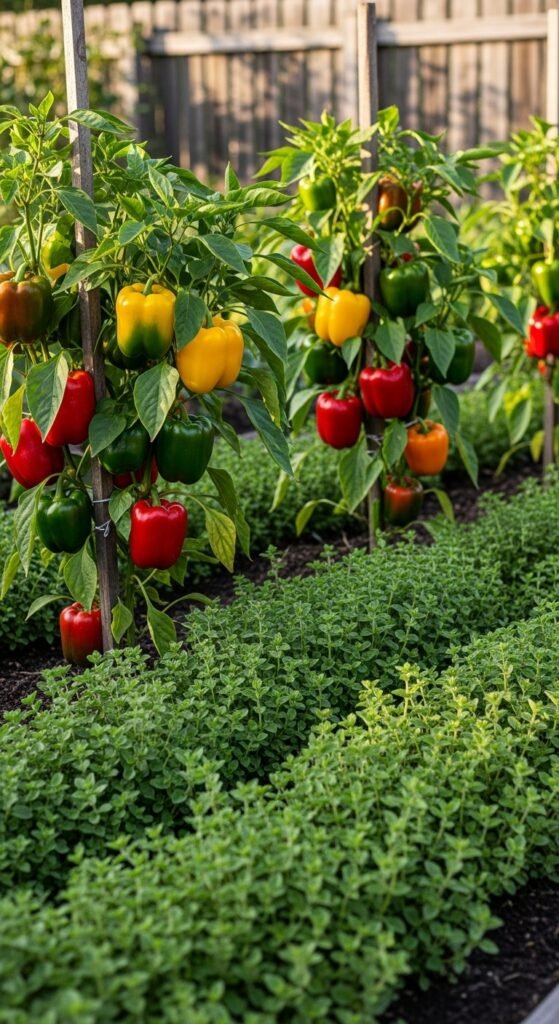
This pairing succeeds due to oregano’s pungent aroma confusing pests. Sow oregano in full sun with peppers, ensuring 15 inch spacing in fertile soil.
Harvest oregano regularly to encourage growth. This leads to spicier peppers and a resilient garden. Check permaculture guilds for multi-layer companions.
9) Parsley with Asparagus for Beetle Repulsion
You can companion parsley with asparagus to repel asparagus beetles. Parsley’s flowers draw predatory wasps, enhancing control.
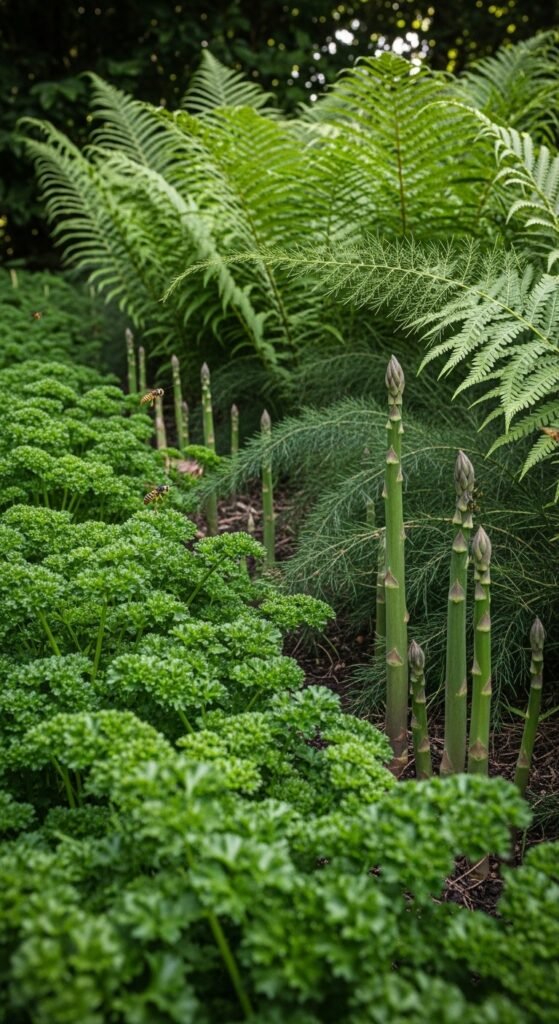
Why effective? Parsley improves soil structure and attracts pollinators for asparagus. Plant parsley borders around asparagus beds in partial shade with rich soil, 8 inches apart.
Maintain by biennial replanting of parsley. Enjoy extended asparagus harvests with this method. For vegetable integrations, explore companion planting vegetables.
10) Cilantro with Spinach for Shade and Pests
You should plant cilantro with spinach, where cilantro’s height provides light shade, preventing spinach bolting, and repels aphids.
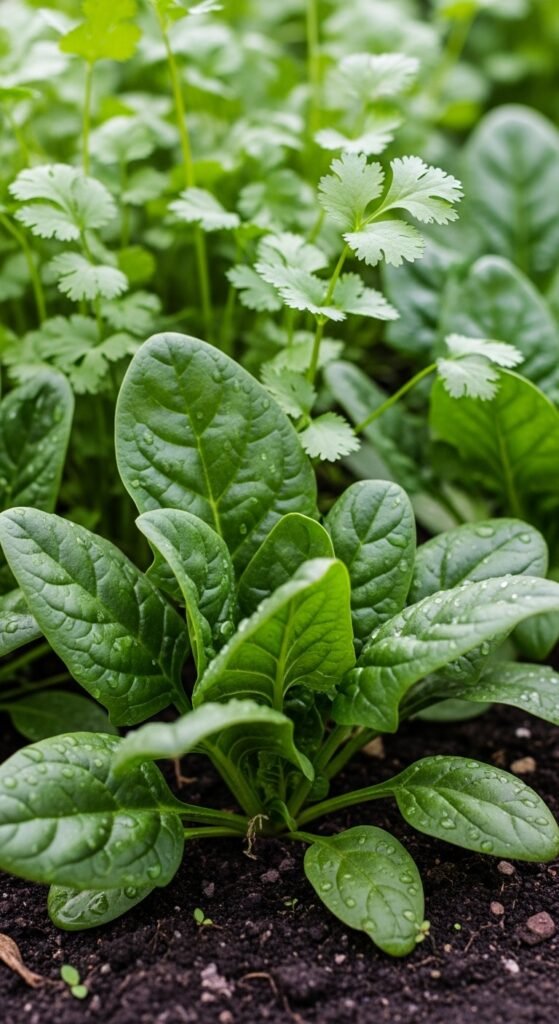
The synergy lies in cilantro’s quick growth complementing spinach’s needs. Direct sow both in cool, moist soil with 6 inch spacing.
Successive planting ensures continuous supply. Benefits include tender spinach leaves. Consider polyculture garden for diverse setups.
11) Fennel with Beneficial Insects for Broad Protection
You can use fennel alone or with herbs to attract lacewings and ladybugs, controlling pests across the garden. Fennel’s isolation prevents inhibiting other herbs.
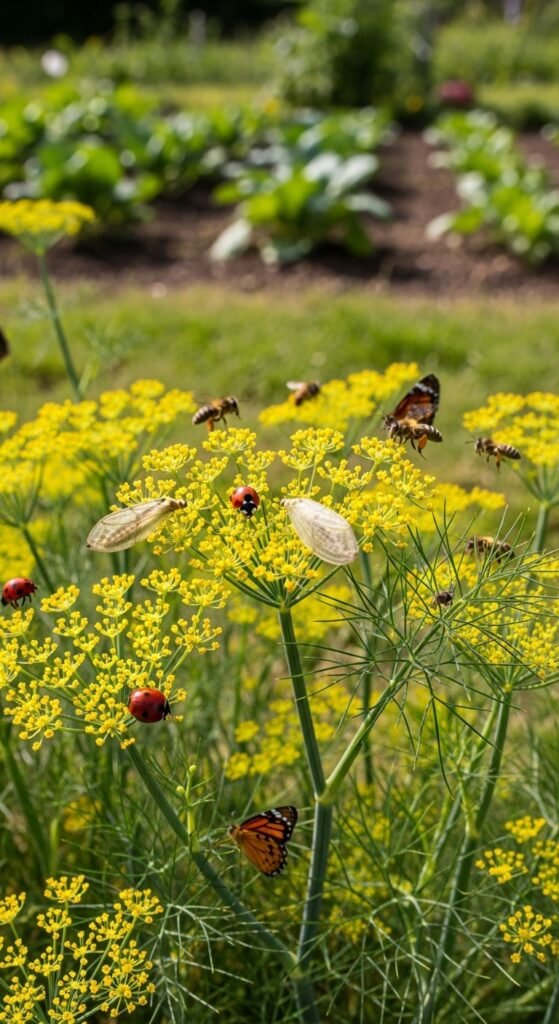
This works as fennel’s flowers are pollinator magnets. Plant fennel in sunny edges with well-drained soil.
Allow self-seeding for perpetuity. This broadens garden health. For charts, refer to herb companion chart.
12) Lavender with Roses for Aphid Deterrence
You’ll find lavender ideal with roses, repelling aphids and enhancing fragrance. Lavender’s drought tolerance matches roses.
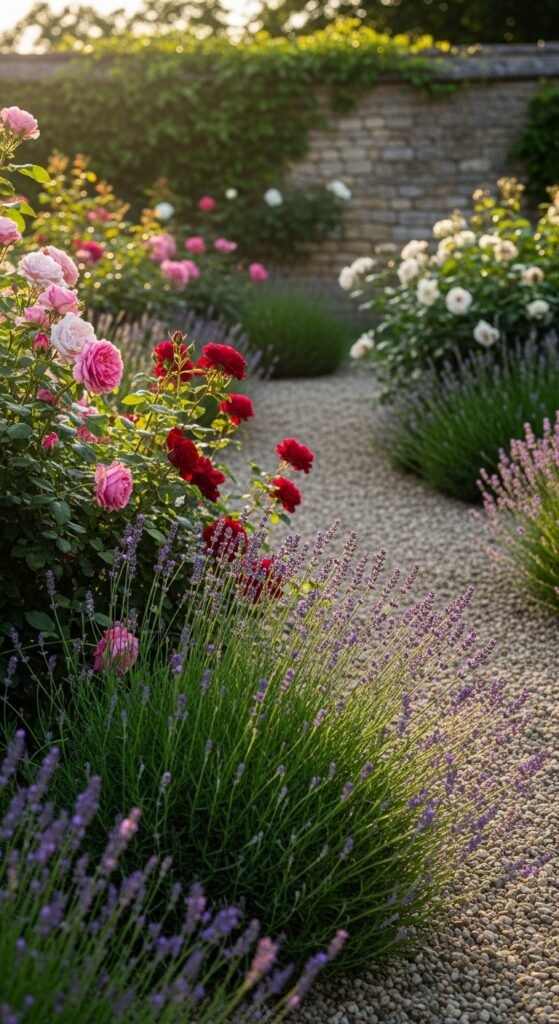
Effectiveness from lavender’s oils. Plant in sunny, alkaline soil with 18 inch spacing.
Prune both for vigor. Result: vibrant roses. See companion flowers for vegetables for extensions.
13) Borage with Squash for Pollination
You can pair borage with squash to attract bees, improving pollination and deterring squash bugs.
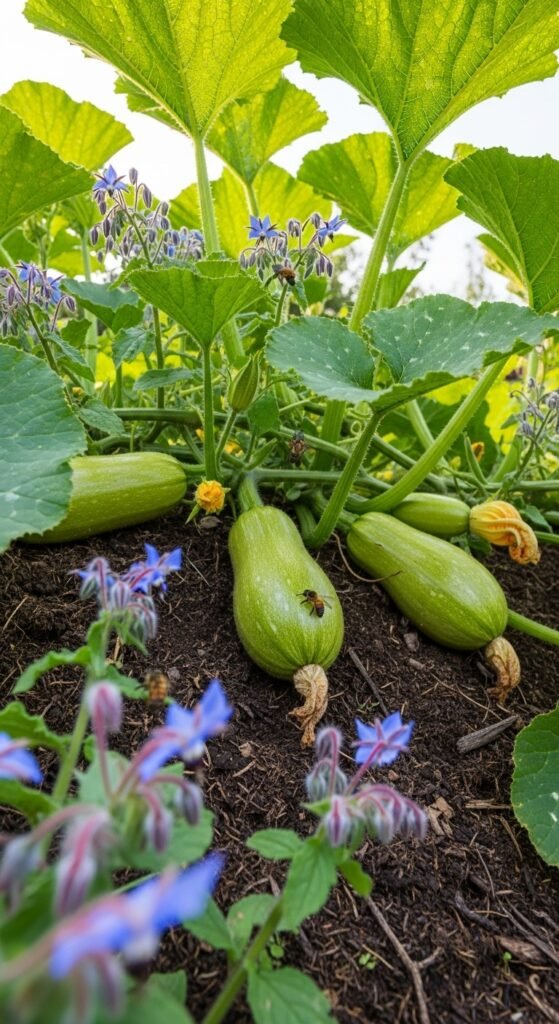
Borage adds nutrients upon decomposition. Plant in full sun with loose soil, 12 inches apart.
Self-seeding borage sustains. Enjoy abundant squash. Explore companion planting herbs for more.
14) Catnip with Potatoes for Beetle Control
You should plant catnip near potatoes to repel Colorado potato beetles. Catnip’s mint family traits provide protection.
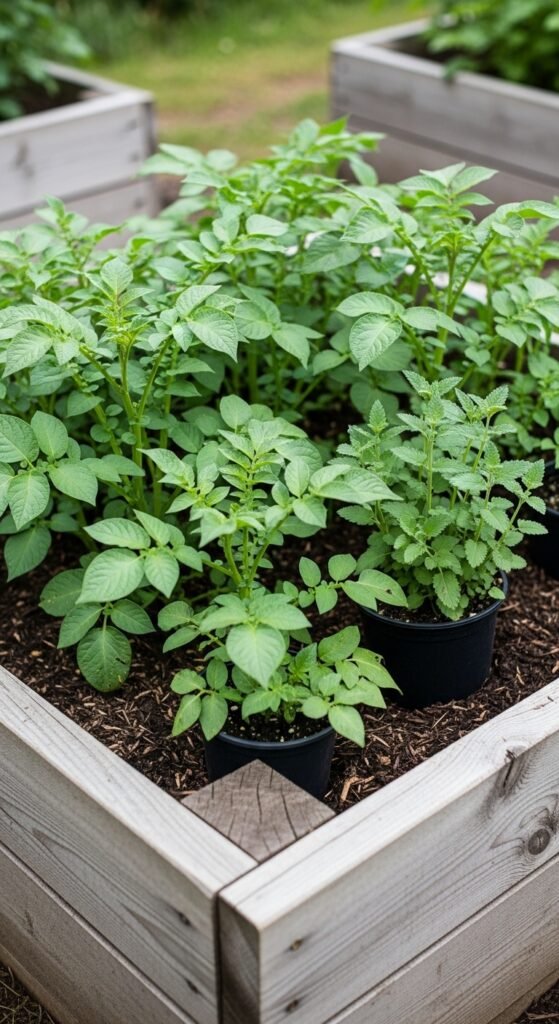
This deters through scent. Position in pots to contain, in sunny spots.
Harvest for teas. Healthier potatoes ensue. For pests, check companion planting for pests.
15) Chamomile with Onions for Fungal Resistance
You can companion chamomile with onions to prevent fungal diseases and improve onion flavor.
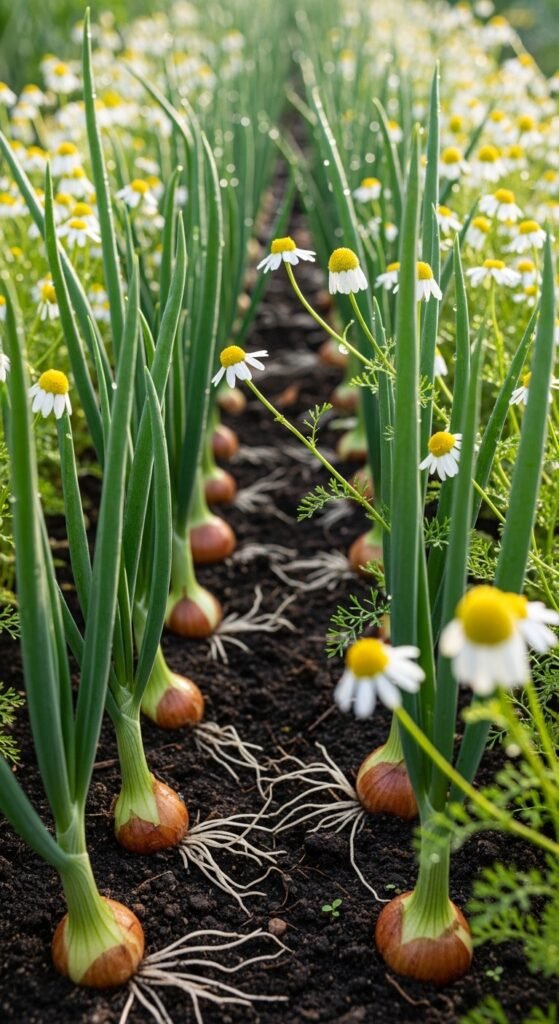
Chamomile’s antimicrobial properties aid. Sow in well-drained soil under sun, 10 inches apart.
Use chamomile tea for sprays. This yields robust onions. For guilds, see permaculture guilds.
Key Principles of Companion Planting Herbs
Understanding Plant Synergies
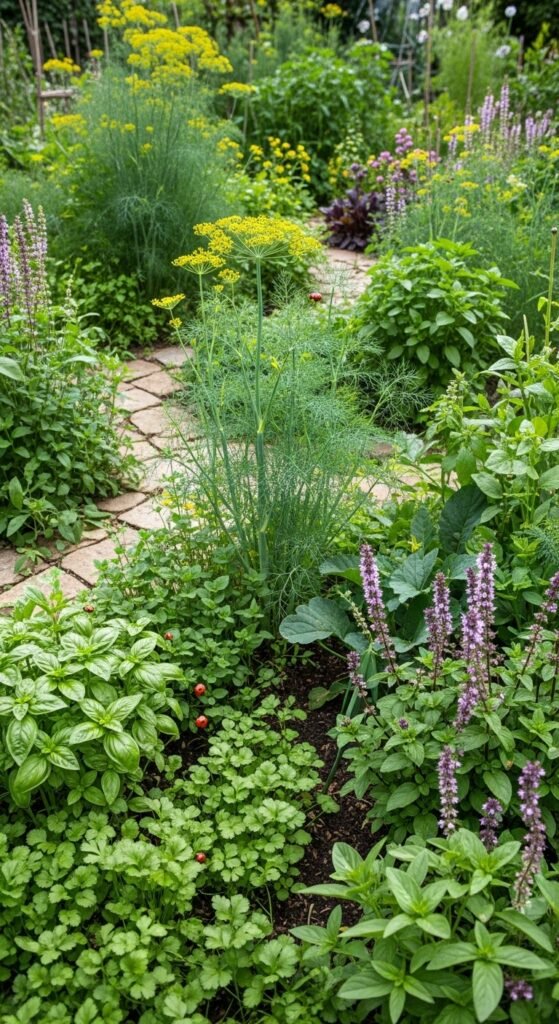
You must grasp how herbs interact, such as tall ones shading shorter companions or aromatic varieties masking scents.
Soil and Spacing Considerations

You should match soil preferences and space adequately to prevent competition, ensuring each plant thrives.
Pest Management Strategies
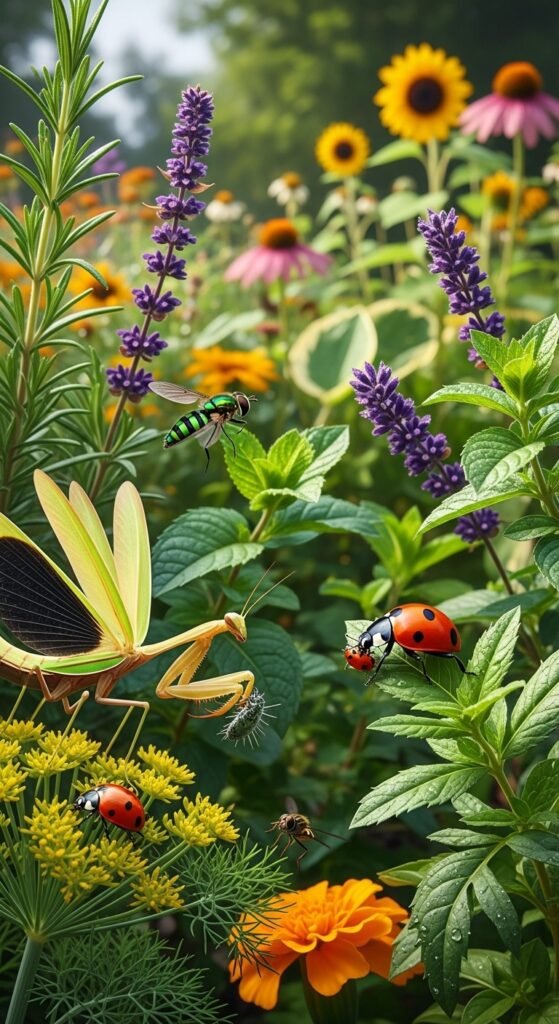
You can use herbs to attract predators or repel insects, creating a natural defense system in your garden.
Frequently Asked Questions
What is companion planting with herbs?
Companion planting with herbs refers to placing specific herbs near other plants to promote growth, deter pests, or enhance flavors through natural interactions.
Can all herbs be used in companion planting?
Most herbs work well, but some like fennel should be isolated as they may inhibit nearby plants’ growth.
How do I start companion planting herbs?
Begin by selecting compatible pairs based on your garden’s needs, then plant them in suitable soil and sunlight conditions while monitoring for balance.
What are common mistakes in companion planting herbs?
Avoid overcrowding, mismatched soil types, or ignoring invasive herbs, as these can lead to competition and reduced effectiveness.
Do companion planting herbs require special care?
They need standard herb care like proper watering and pruning, but observing interactions helps refine your approach for optimal results.