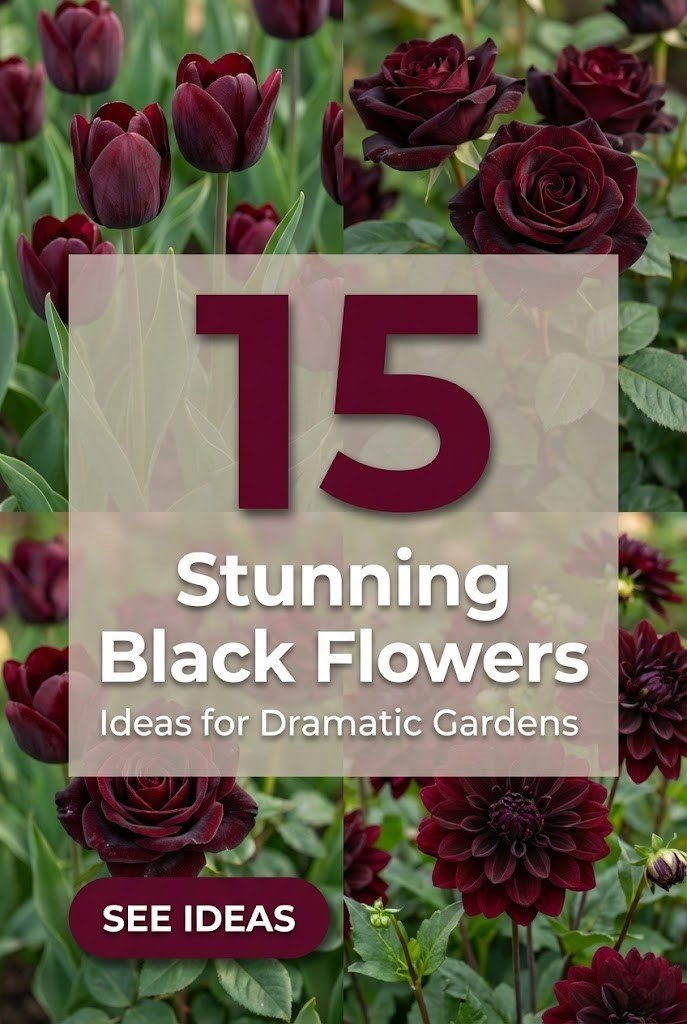
You’ve always admired gardens that stand out with their bold, mysterious allure, and incorporating black flowers can transform your outdoor space into a captivating masterpiece. Black flowers, though rare in nature, offer a striking contrast against green foliage and vibrant blooms, creating depth and drama that draws the eye. These dark beauties aren’t truly pitch black but boast deep shades of purple, maroon, or burgundy that appear black in certain lights, adding an element of sophistication to your landscape.
Whether you’re designing a gothic-themed garden or simply want to add edgy elegance, black flowers thrive in various conditions and pair well with lighter colors for maximum impact. You’ll discover how these unique plants can elevate your borders, containers, or cut arrangements. With proper care, you can enjoy their enigmatic charm season after season, making your garden the envy of the neighborhood.
Ready to dive into the world of black flowers? Explore these 15 ideas to inspire your next planting project, complete with tips on what makes them special, why they belong in your garden, and how to grow them successfully.
1) Queen of Night Tulip
You can’t go wrong starting with the iconic Queen of Night tulip, a deep maroon variety that appears almost black in shade. This perennial bulb flower blooms in late spring, producing velvety petals on sturdy stems up to 24 inches tall. What sets it apart is its silky texture and dramatic presence, perfect for creating focal points in your flower beds.
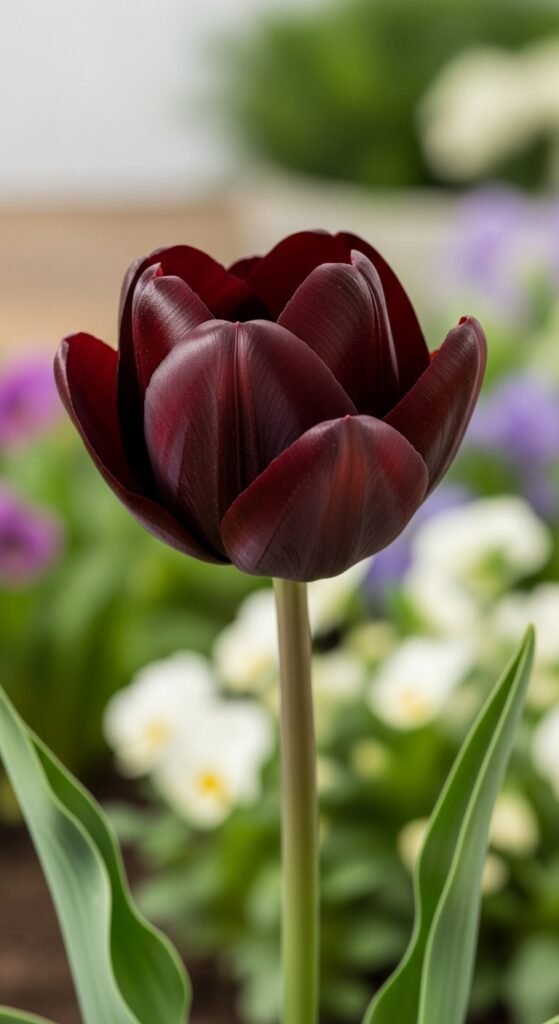
Why choose this for your garden? It adds instant sophistication and contrasts beautifully with lighter tulips or daffodils, enhancing visual interest. Plus, it’s deer-resistant and low-maintenance, ideal for busy gardeners like you.
To grow it successfully, plant bulbs in fall about 6 inches deep in well-drained soil with full sun. Water moderately and fertilize in spring for robust blooms. For more on tulip care, check out our guide to growing tulips. With minimal effort, you’ll have a stunning display that returns year after year.
2) Black Baccara Rose
Imagine the romance of a black rose gracing your garden—the Black Baccara hybrid tea rose delivers just that with its deep crimson buds that unfurl into near-black velvety blooms. Reaching 4-6 feet tall, this thorny beauty produces large, fragrant flowers ideal for cutting.
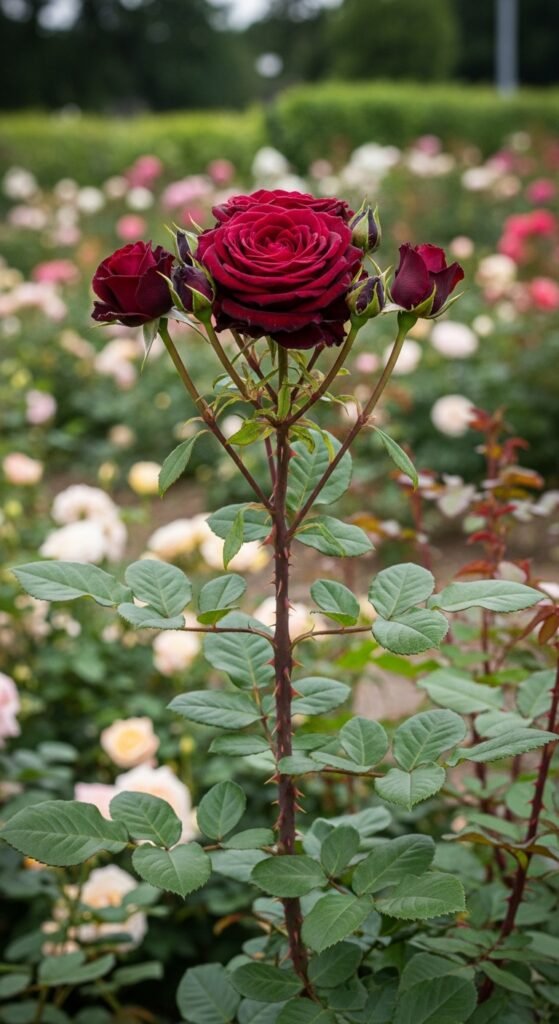
The appeal lies in its mysterious elegance, making it a standout in rose gardens or mixed borders. You’ll love how it symbolizes strength and passion, adding emotional depth to your landscape while attracting pollinators.
Plant in spring or fall in sunny spots with rich, well-drained soil. Prune annually to encourage growth, and apply rose fertilizer for healthy foliage. If you’re new to roses, our rose pruning guide can help you get started. With proper care, you’ll enjoy abundant blooms from summer to frost.
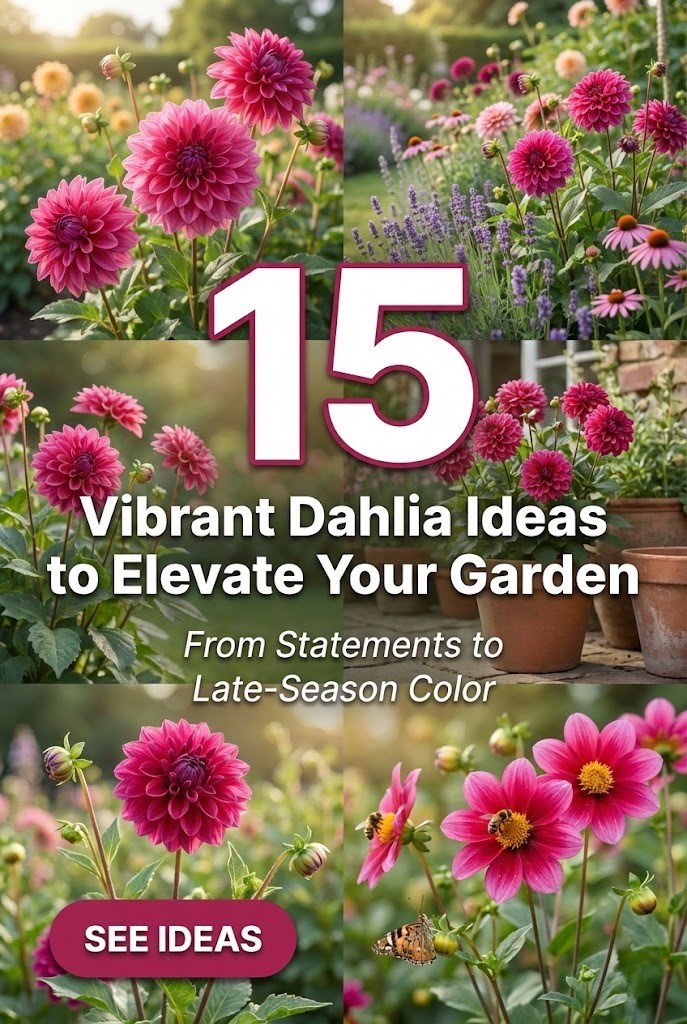
3) Black Dahlia
For a touch of vintage glamour, the Black Dahlia varieties like ‘Arabian Night’ offer dinner-plate-sized blooms in deep burgundy that mimic true black. These tuberous perennials grow 3-4 feet tall, flowering from midsummer to fall.
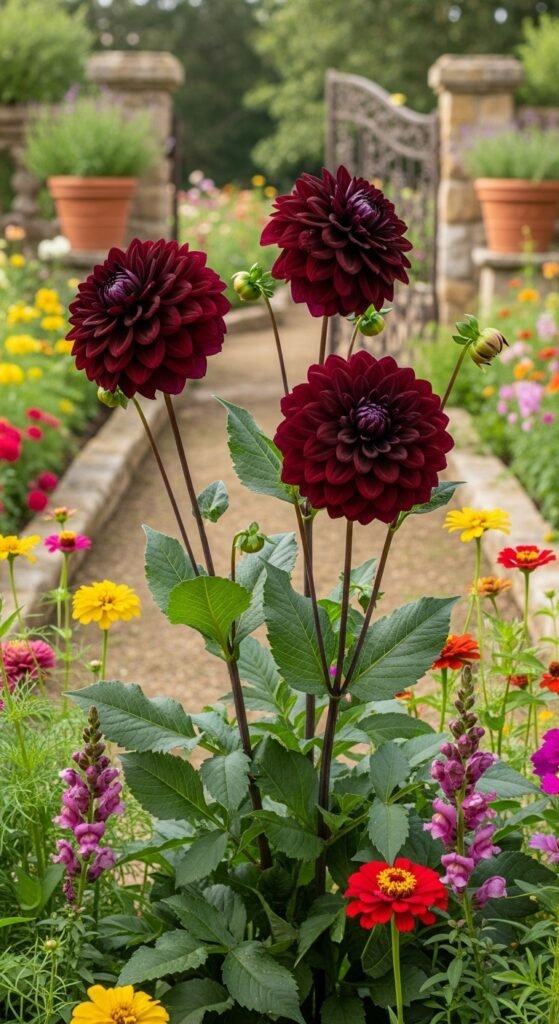
Why incorporate them? Their bold size and color create dramatic backdrops, perfect for cutting gardens or containers. You’ll appreciate their long blooming period and ability to thrive in heat.
Dig and plant tubers after the last frost in fertile soil with full sun. Stake taller stems and deadhead spent flowers to promote more buds. Lift tubers in fall for winter storage in colder zones. Explore more in our article on dahlias for expert tips.
4) Black Hollyhock
You’ll be enchanted by the towering spires of black hollyhock, such as ‘Nigra’, with near-black single flowers on stems up to 8 feet tall. This biennial or short-lived perennial blooms in summer, adding vertical drama.
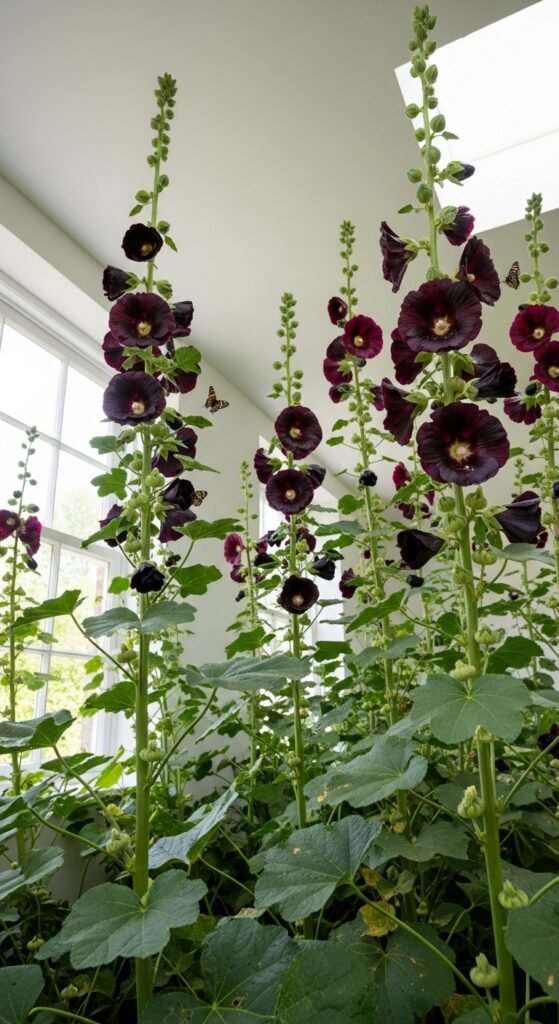
The reason to grow it is its architectural height, ideal for back borders or cottage gardens. It self-seeds easily, ensuring ongoing displays, and attracts butterflies and hummingbirds to your yard.
Sow seeds directly in spring in average soil with full sun. Provide support in windy areas and water during dry spells. For similar tall blooms, see our guide to delphiniums. With little fuss, you’ll have a gothic tower of flowers.
5) Black Pansy
Bring whimsy to your garden with black pansies like ‘Black Beauty’, featuring velvety dark petals with yellow centers. These annuals grow 6-8 inches tall, blooming profusely from spring to fall.
They’re perfect for edging, containers, or window boxes, offering continuous color and a playful contrast. You’ll find them resilient and easy to grow, even in cooler weather.
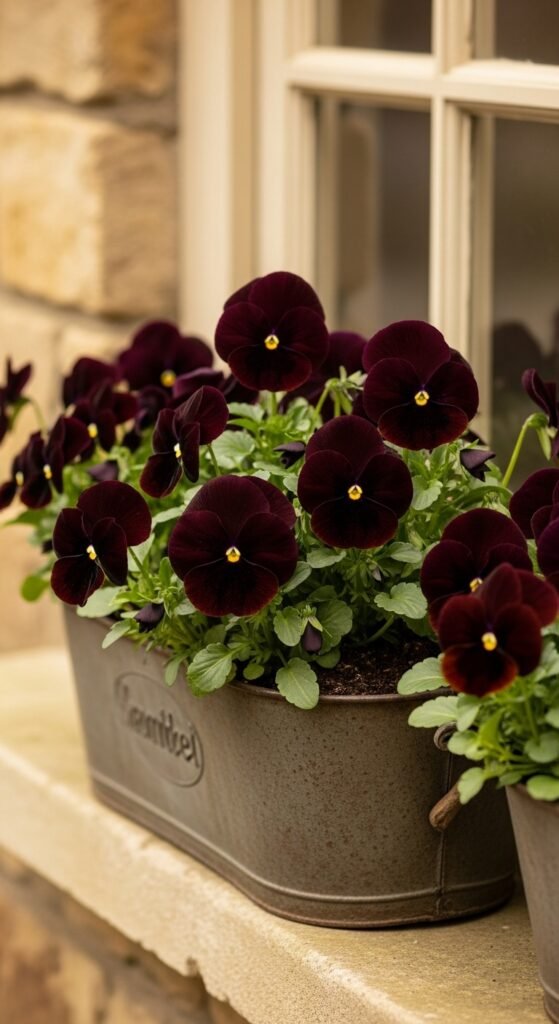
Plant seedlings in moist, well-drained soil in partial shade to full sun. Fertilize lightly and pinch back for bushier growth. Check our pansies care tips for more details. Enjoy their cheerful yet dark allure all season.
6) Black Velvet Petunia
You haven’t seen drama until you’ve grown Black Velvet petunia, with trumpet-shaped blooms in true velvety black. This annual trails or mounds up to 12 inches, ideal for hanging baskets.
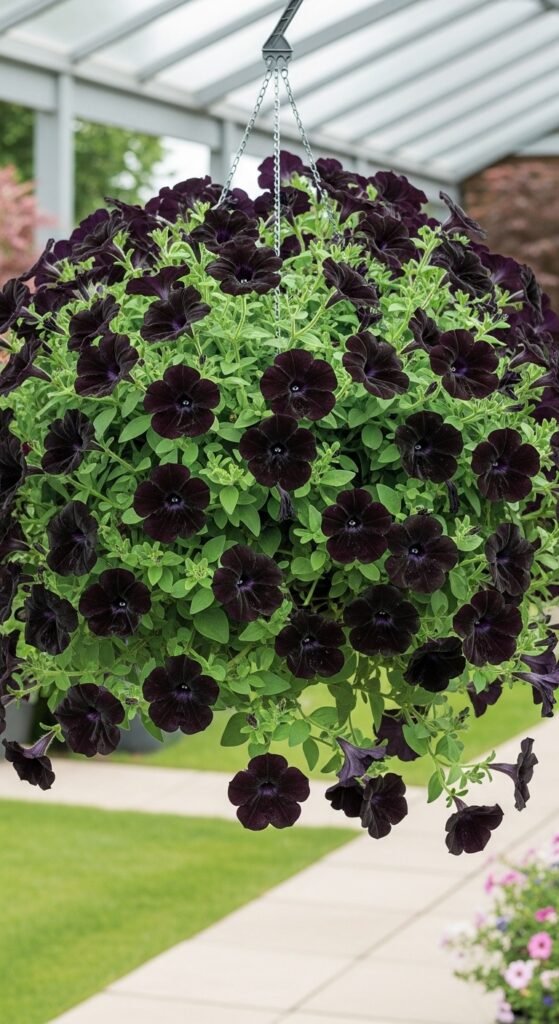
Why add it? Its unique color pops against greens, and it’s heat-tolerant for summer-long displays. You’ll love using it in mixed planters for a modern twist.
Start seeds indoors or buy plants, placing in full sun with fertile soil. Water regularly and feed with liquid fertilizer. For companion ideas, visit our container flowers section. Effortless beauty awaits.
7) Black Gamecock Iris
Delve into the elegance of Black Gamecock Louisiana iris, boasting deep purple-black petals with golden signals. This perennial grows 2-3 feet tall, thriving in moist areas.
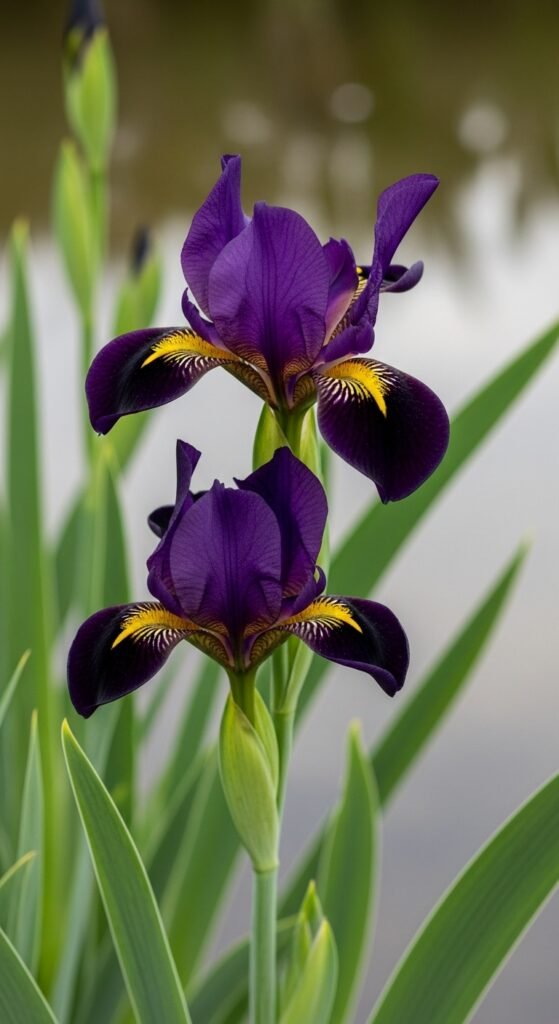
It’s a must for water gardens or boggy spots, providing striking color in late spring. You’ll appreciate its adaptability and wildlife attraction.
Plant rhizomes in spring in wet, acidic soil with partial sun. Divide every few years for vigor. Learn more from our spring flowers guide. A wetland wonder for your landscape.
8) Black Calla Lily
Elevate your garden with black calla lilies like ‘Black Star’, featuring dark spathes around yellow spadices. These bulbs grow 18-24 inches, blooming in summer.
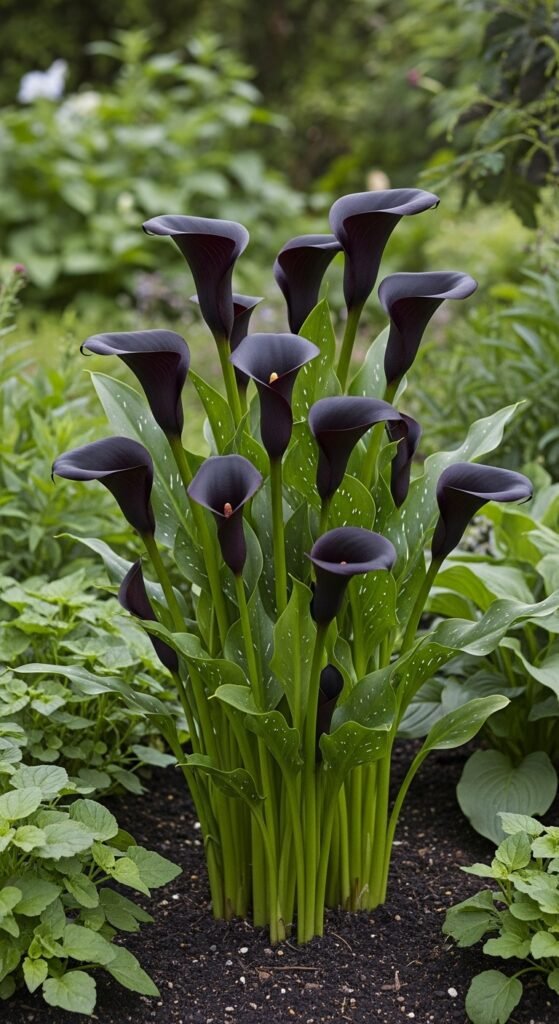
Their sleek form adds exotic flair to borders or pots. You’ll find them excellent for arrangements and tolerant of shade.
Plant in spring in rich, moist soil with partial shade. Overwinter indoors in cold climates. For bulb tips, see summer bulbs. Sophisticated and simple to grow.
9) Bat Flower
For something truly unique, try the bat flower (Tacca chantrieri), with whiskered black bracts resembling bats. This tropical perennial grows 2-3 feet in shade.
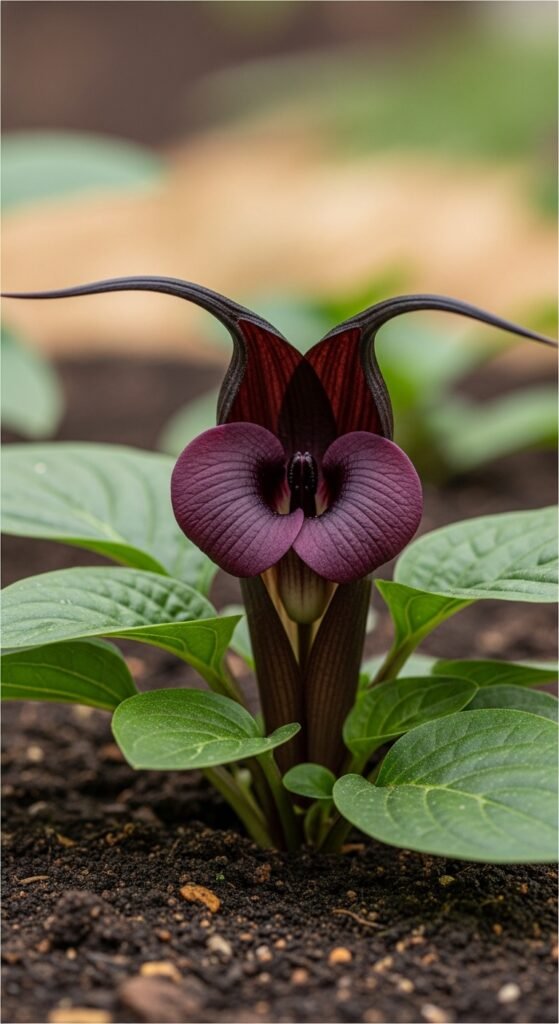
Why cultivate it? Its bizarre appearance sparks conversation and thrives in humid spots. You’ll enjoy its long-lasting blooms.
Grow in pots with rich, well-drained soil in indirect light. Keep humid and fertilize monthly. Similar to shade flowers. An intriguing addition for shaded areas.
10) Black Scabiosa
You’ll adore the pincushion blooms of black scabiosa, like ‘Ace of Spades’, in deep maroon-black. This perennial reaches 18 inches, flowering summer to fall.
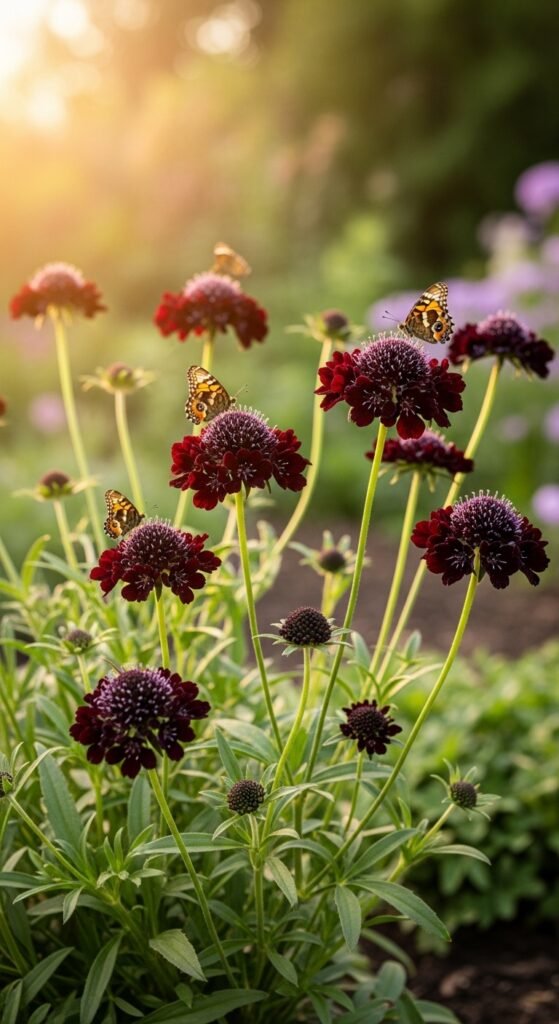
It’s great for pollinator gardens, attracting butterflies with its nectar-rich flowers. Easy to grow and drought-tolerant once established.
Plant in full sun with well-drained soil. Deadhead for extended blooming. Pair with our pollinator flowers ideas. A reliable performer.
11) Black Sweet William
Discover the charm of black Sweet William (Dianthus barbatus ‘Sooty’), with clustered dark maroon flowers. This biennial grows 12-18 inches tall.
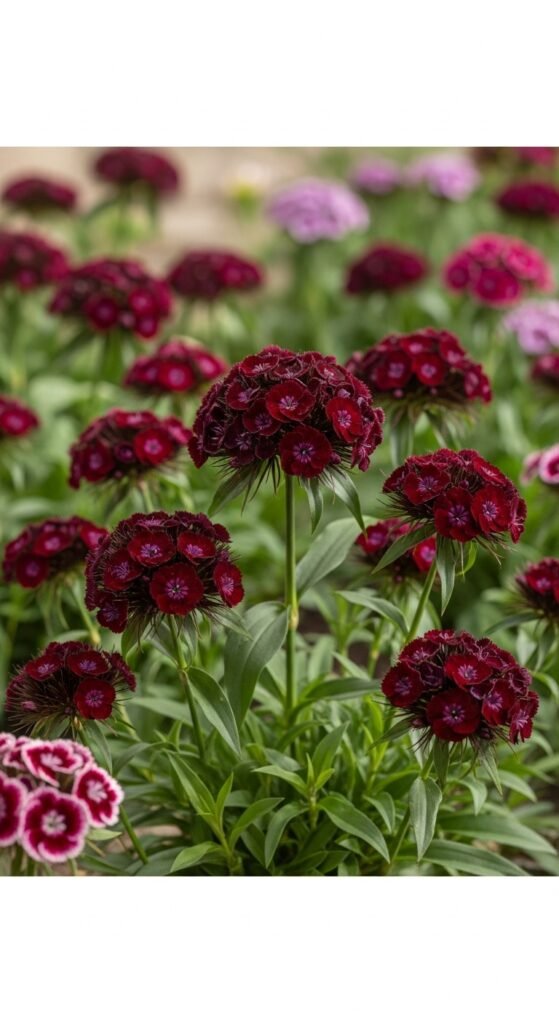
Perfect for cottage borders, it offers sweet fragrance and cut-flower potential. You’ll love its compact habit and color depth.
Sow seeds in spring in average soil with sun. Self-seeds for future displays. For more on dianthus, explore perennial flowers. Fragrant and fabulous.
12) Black Cornflower
Add texture with black cornflower (Centaurea cyanus ‘Black Ball’), featuring fluffy dark blooms. This annual grows 2-3 feet, blooming in summer.
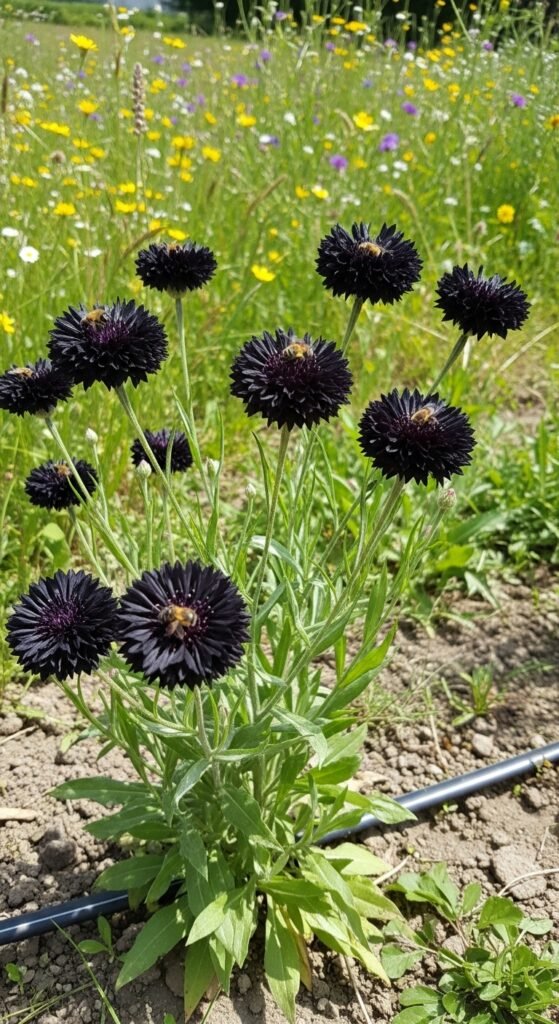
Why? It’s excellent for wildflower meadows and attracts bees. You’ll find it easy and prolific.
Direct sow in spring in poor soil for best results. Thin seedlings and water sparingly. See our wildflower meadow tips. Natural and noteworthy.
13) Black Viola
Embrace the petite beauty of black violas like ‘Molly Sanderson’, with small dark pansy-like flowers. These perennials spread 6-8 inches.
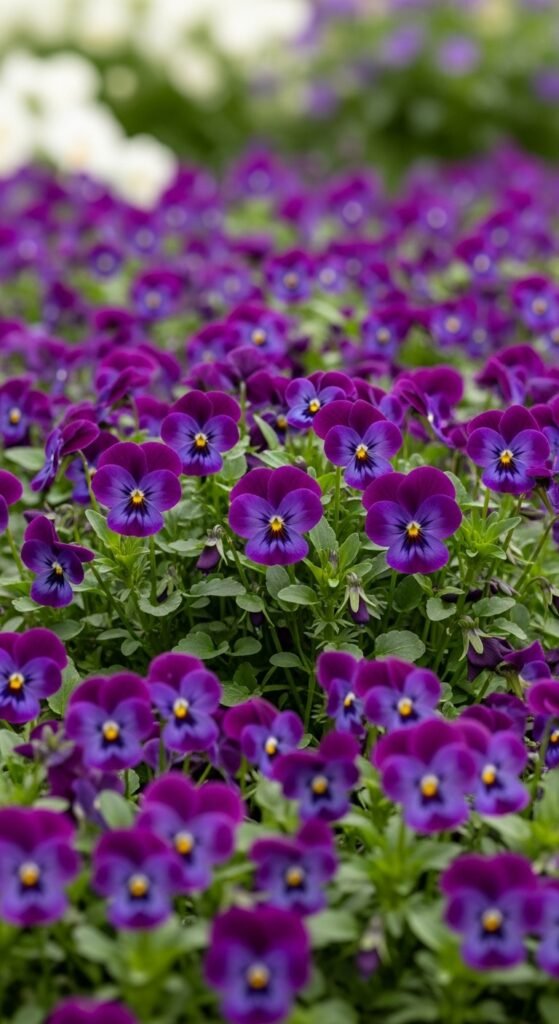
Ideal for groundcover or edging, they bloom nearly year-round in mild climates. You’ll appreciate their resilience.
Plant in partial shade with moist soil. Divide clumps as needed. Similar to groundcover flowers. Delicate yet durable.
14) Black Hellebore
For winter interest, black hellebores (Helleborus ‘Onyx Odyssey’) offer nodding dark blooms from late winter to spring. Perennials growing 18 inches.
They’re shade-loving and deer-resistant, perfect for woodland gardens. You’ll cherish their early color.
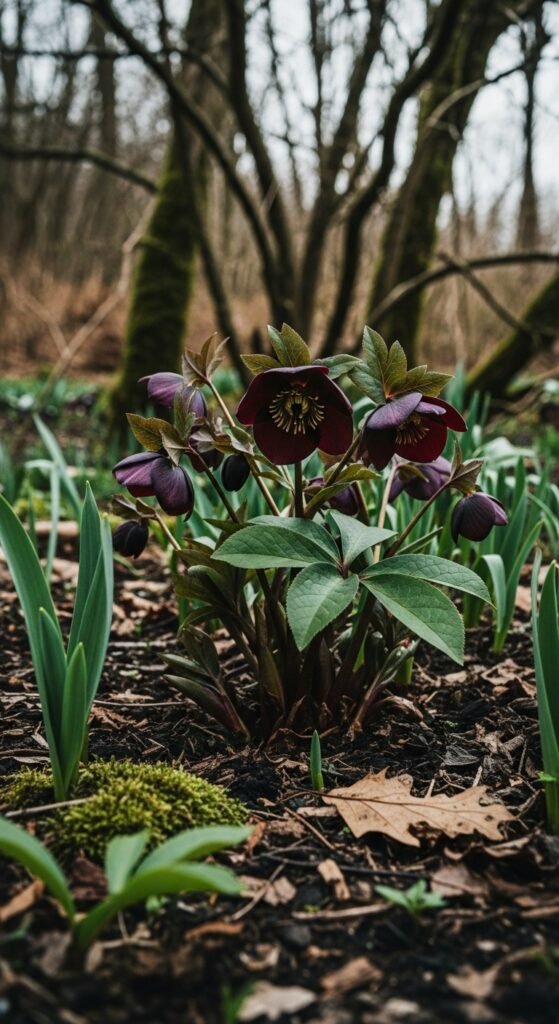
Plant in rich, well-drained soil in shade. Mulch for protection. Check winter flowers for companions. Timely and tough.
15) Black Mondo Grass
Round out your list with black mondo grass (Ophiopogon planiscapus ‘Nigrescens’), a grass-like perennial with dark foliage and subtle flowers. Grows 6-8 inches.
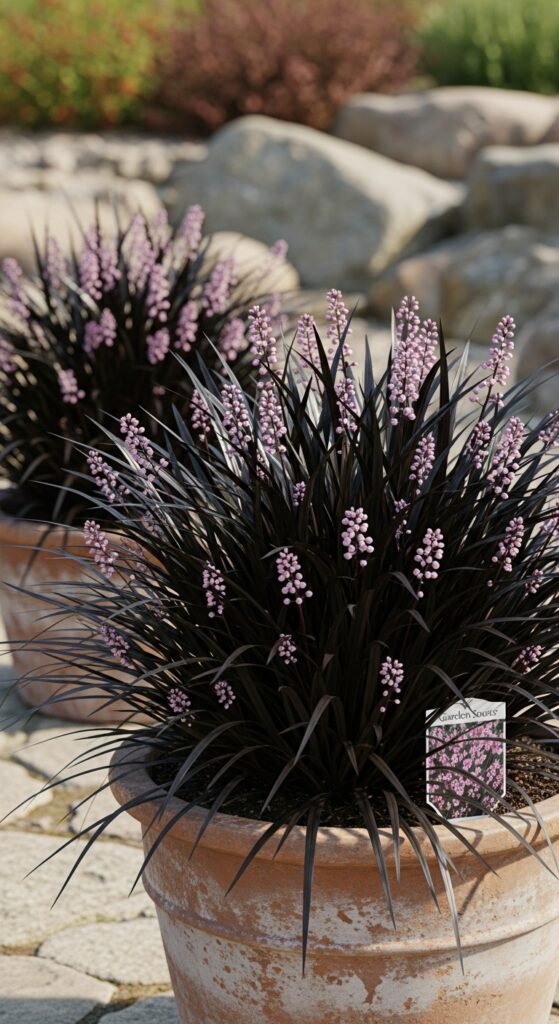
Great for borders or containers, it provides year-round contrast. You’ll love its low-maintenance nature.
Plant in partial shade with moist soil. Divide for propagation. For design ideas, see rock garden flowers. Versatile and visually striking.
Key Principles for Growing Black Flowers
Soil and Site Selection
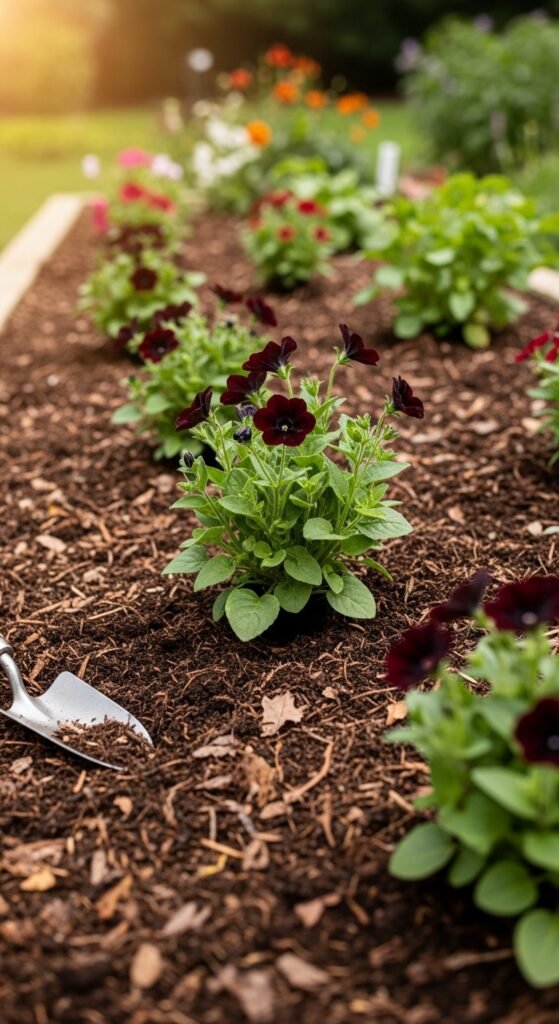
You’ll achieve the best results by choosing well-drained soil amended with organic matter. Most black flowers prefer full sun to develop their deepest colors, though some thrive in partial shade.
Care and Maintenance Tips
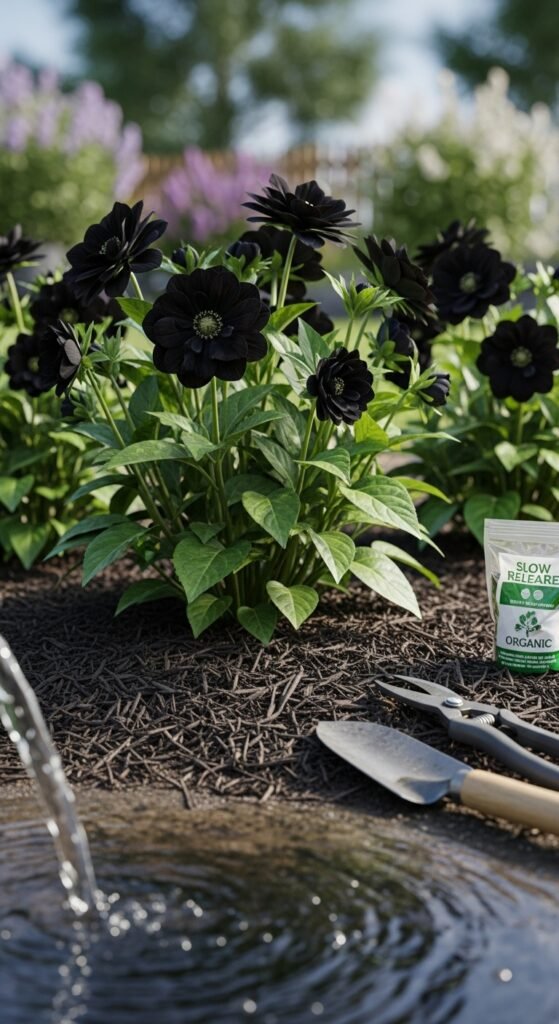
Regular watering, especially during establishment, is key. Mulch to retain moisture and suppress weeds. Fertilize sparingly to avoid leggy growth.
Design Integration
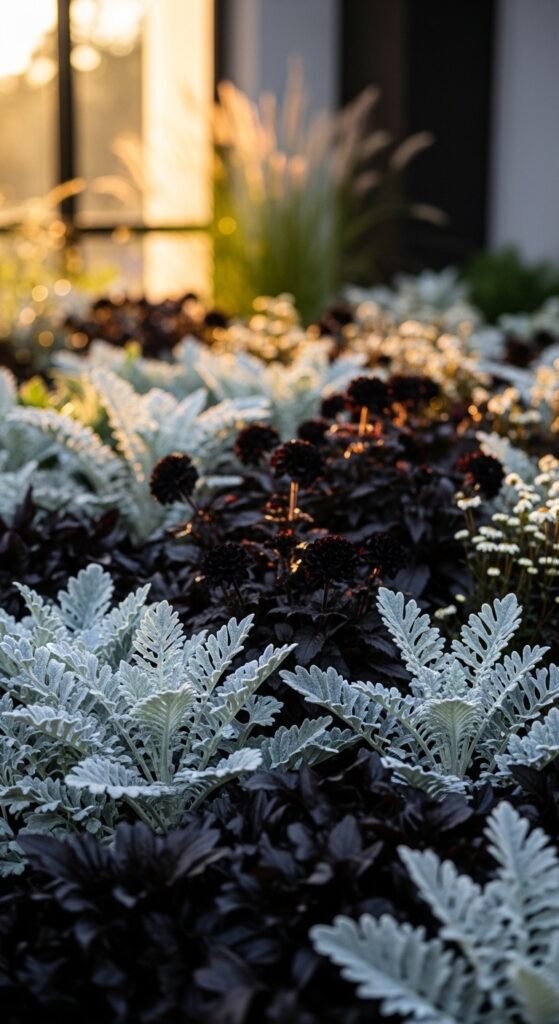
Pair black flowers with silvers or whites for contrast. Use them in themed gardens or as accents in mixed beds for maximum drama.
Frequently Asked Questions
Are black flowers really black?
No, most “black” flowers are deep shades of purple or red that appear black. True black pigmentation is rare in plants.
Do black flowers attract pollinators?
Yes, many do, especially those with contrasting centers or fragrance, drawing bees and butterflies effectively.
Can I grow black flowers in containers?
Absolutely, varieties like pansies and petunias excel in pots with proper drainage and soil.
How do I overwinter black flower bulbs?
Lift and store in cool, dry places for tender bulbs; hardy ones can remain in ground with mulch protection.
Are black flowers low-maintenance?
Many are, requiring standard care like watering and occasional feeding, making them suitable for various skill levels.