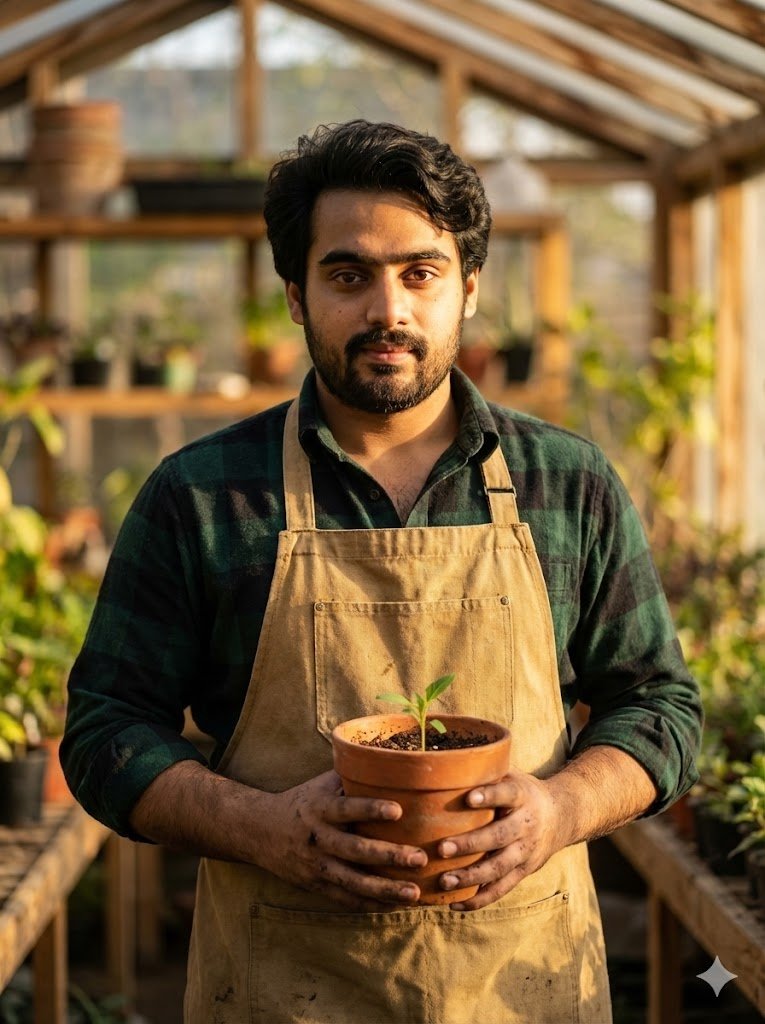
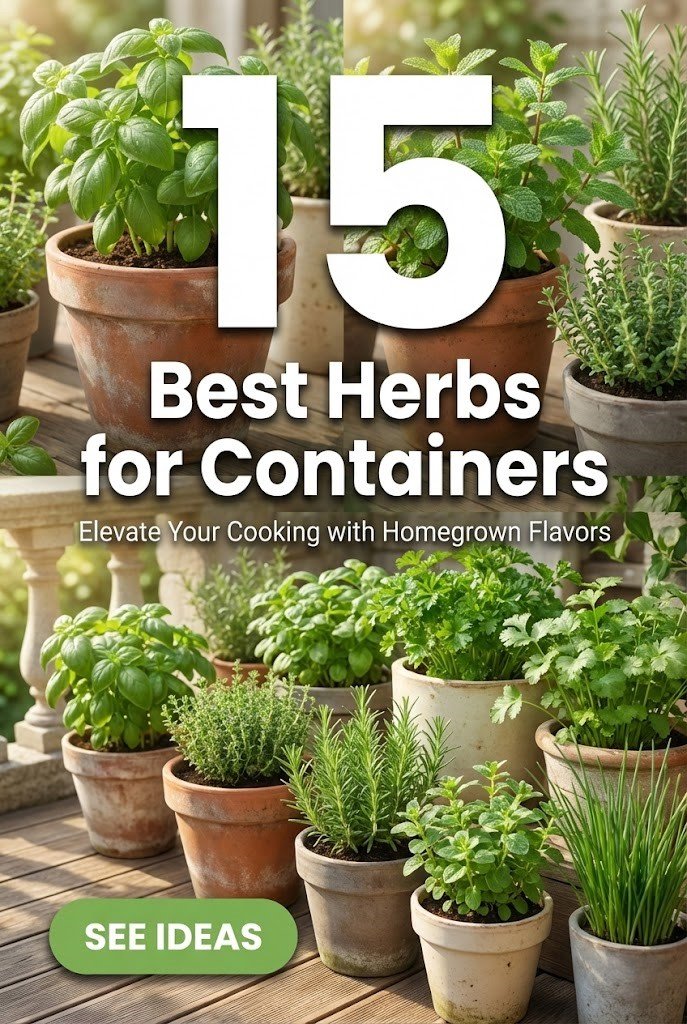
Growing the best herbs for containers offers you an efficient way to cultivate fresh, flavorful ingredients right at home, regardless of limited space. Whether you reside in an urban apartment or a suburban house with a small patio, container gardening allows you to enjoy the benefits of homegrown herbs without the need for extensive garden beds. These versatile plants thrive in pots, providing you with easy access to aromatic additions for your meals while enhancing your living environment with natural greenery.
Selecting the best herbs for containers involves considering factors such as sunlight requirements, water needs, and growth habits to ensure successful cultivation. This approach not only maximizes your space but also promotes sustainability by reducing reliance on store-bought produce. With proper care, you can harvest fresh herbs year-round, elevating your cooking and contributing to a healthier lifestyle.
In this article, you will discover 15 top choices, each detailed with practical advice on integration into your container setup. These selections are chosen for their adaptability, productivity, and ease of maintenance, making them ideal for both novice and experienced gardeners.
1) Basil
Basil stands out among the best herbs for containers due to its rapid growth and vibrant flavor profile. This annual herb, known scientifically as Ocimum basilicum, features lush green leaves that release a sweet, peppery aroma when crushed. You can choose from varieties like sweet basil for classic pesto or Thai basil for Asian-inspired dishes, ensuring versatility in your culinary applications.
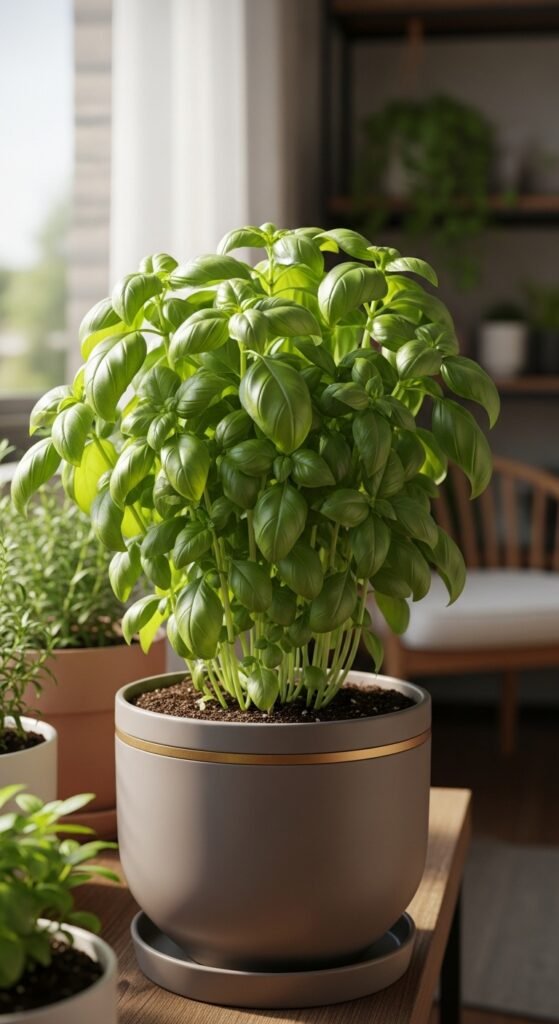
Key benefits include its ability to repel pests naturally and its high yield in compact spaces. Basil thrives in containers because it prefers well-drained soil and ample sunlight, making it perfect for balconies or windowsills. You will appreciate how it enhances your meals with fresh, homegrown taste while requiring minimal effort beyond regular pinching to encourage bushiness.
To grow basil successfully, plant seeds or seedlings in a pot at least 8 inches deep with good drainage. Position it in a spot receiving 6-8 hours of direct sunlight daily. Water consistently to keep the soil moist but not waterlogged, and fertilize every 4-6 weeks with a balanced organic fertilizer. For inspiration on arranging your setup, consider exploring patio herb garden ideas to optimize your outdoor space.
2) Mint
Mint, from the Mentha genus, is a perennial herb celebrated for its refreshing scent and vigorous growth habit. Varieties such as peppermint and spearmint offer distinct flavors, ideal for teas, cocktails, or garnishes. Its spreading roots make it particularly suited for containers, where you can control its expansion and prevent it from overtaking other plants.
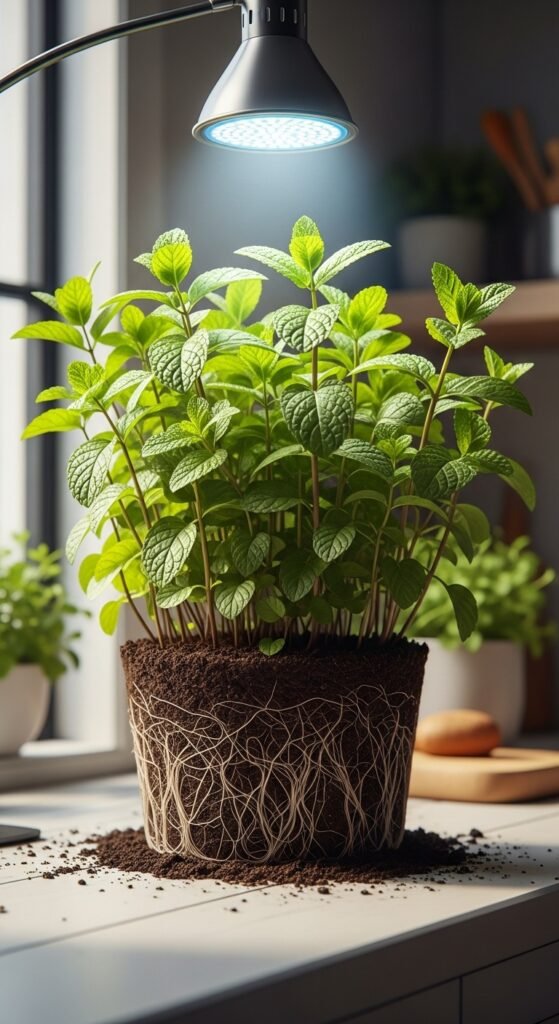
Key benefits encompass its medicinal properties, such as aiding digestion, and its low-maintenance requirements. Mint excels in containers as it tolerates partial shade and moist conditions, allowing you to place it in less sunny areas of your home or garden. You will find it rewarding to harvest leaves frequently, promoting denser foliage and continuous supply.
Start by planting mint in a wide, shallow container filled with rich, moist soil. Provide 4-6 hours of sunlight and water regularly to maintain even moisture. Prune aggressively to manage growth. If you are planning seasonal transitions, review spring container garden ideas for integrating mint with other herbs.
3) Rosemary
Rosemary, or Rosmarinus officinalis, is a woody perennial herb with needle-like leaves and a piney fragrance. It serves excellently in Mediterranean cuisine, seasoning meats and vegetables. Its upright growth form fits well in containers, where you can enjoy its ornamental blue flowers alongside its utility.
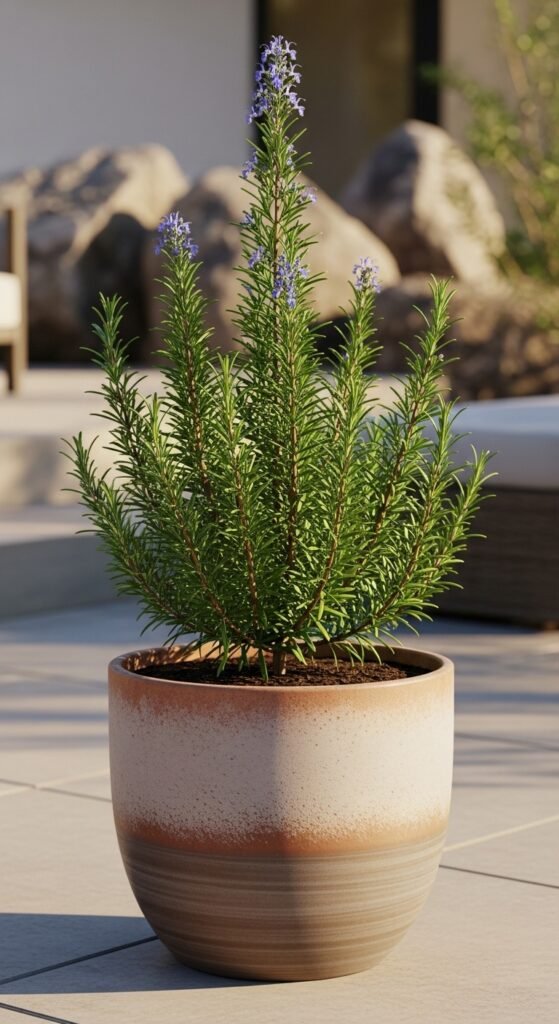
Key benefits include its drought tolerance and antioxidant-rich leaves, supporting both culinary and health applications. Rosemary performs optimally in containers with excellent drainage, mimicking its native rocky soils, and requires full sun to develop robust flavor.
Plant rosemary in a terracotta pot to promote air circulation around the roots. Ensure 6-8 hours of sunlight and water sparingly, allowing the topsoil to dry between sessions. Prune after flowering to shape the plant. For fall arrangements, incorporate insights from fall container garden ideas to pair rosemary with seasonal companions.
4) Thyme
Thyme, scientifically Thymus vulgaris, is a low-growing perennial herb with small, aromatic leaves used in soups, stews, and marinades. Varieties like lemon thyme add citrus notes, expanding your flavor options. Its compact size makes it one of the best herbs for containers, fitting neatly on shelves or tabletops.
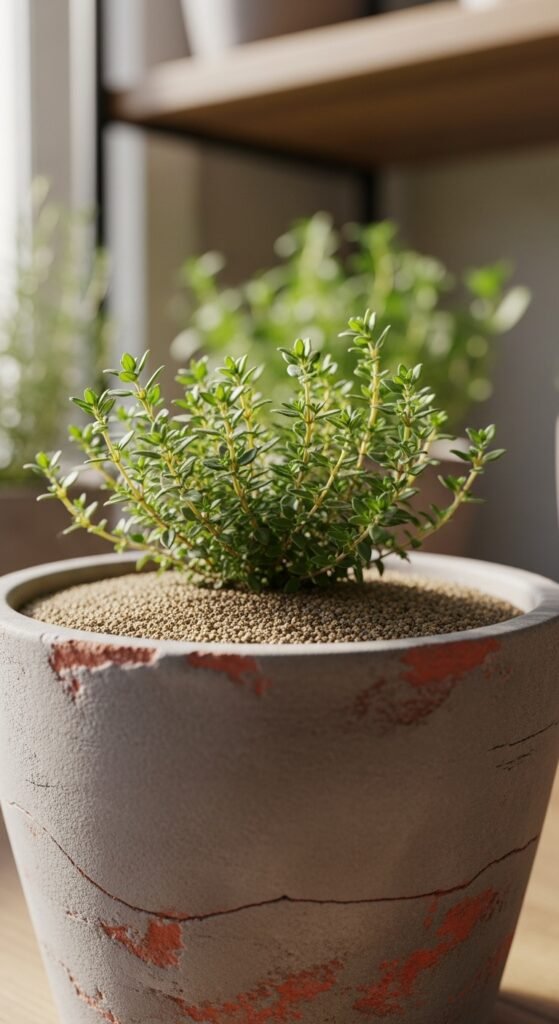
Key benefits feature its antimicrobial properties and resilience to neglect, thriving with minimal intervention. In containers, thyme benefits from gritty soil that prevents root rot, and it prefers bright, indirect light for optimal growth.
Sow thyme in a small pot with sandy soil mix. Position in a sunny location with 5-7 hours of light, watering only when dry. Harvest by snipping stems to encourage new growth. During colder months, draw from winter planter ideas to protect your thyme containers.
5) Parsley
Parsley, Petroselinum crispum, is a biennial herb available in flat-leaf or curly varieties, essential for garnishes and flavoring. It provides a fresh, slightly bitter taste that brightens dishes. Its rosette growth pattern suits container cultivation, where you can harvest outer leaves continuously.
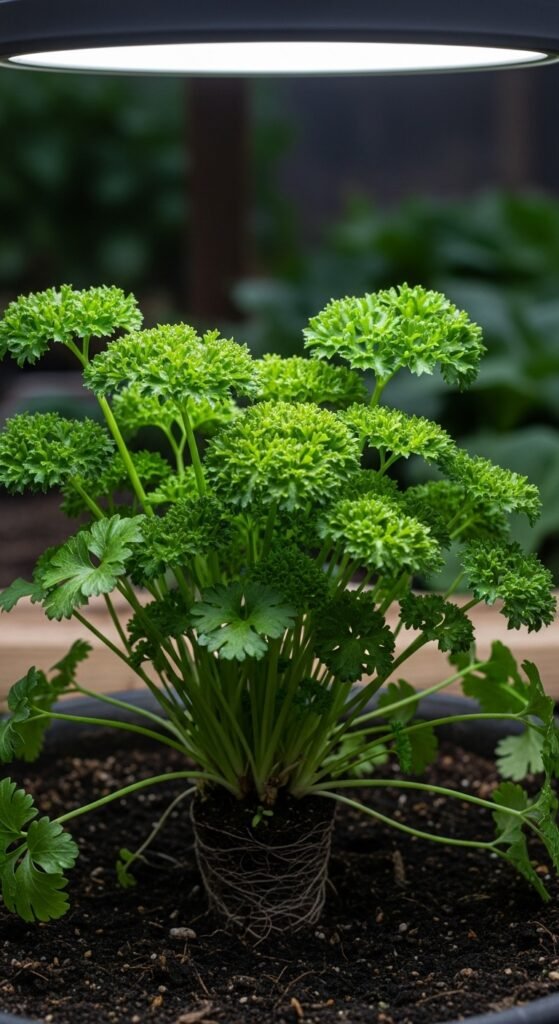
Key benefits include high vitamin content and its role as a breath freshener. Parsley adapts well to containers with consistent moisture, making it suitable for indoor or shaded outdoor spots.
Plant parsley in a deep container to accommodate its taproot, using nutrient-rich soil. Offer 4-6 hours of sunlight and keep soil evenly moist. Fertilize monthly. To ward off insects, consider companion planting with mosquito-repelling plants in your container setup.
6) Cilantro
Cilantro, also known as Coriandrum sativum, is an annual herb whose leaves add a citrusy zest to salsas and curries, while its seeds (coriander) spice various recipes. It bolts quickly in heat, but containers allow you to manage microclimates effectively.
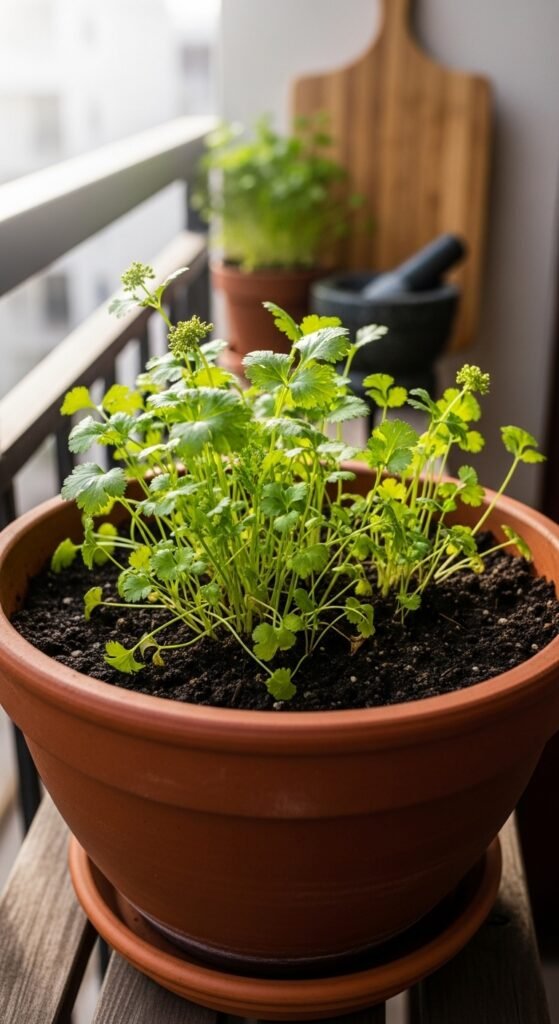
Key benefits involve its detoxifying effects and rapid harvest cycle. Cilantro flourishes in containers with cool, moist conditions, ideal for successive sowings to extend your supply.
Use a wide pot for cilantro, sowing seeds every few weeks in fertile soil. Provide partial shade and regular watering. Harvest before flowering. For spring starts, align with what to plant in spring guidelines to time your cilantro perfectly.
7) Oregano
Oregano, Origanum vulgare, is a perennial herb with pungent leaves integral to Italian and Greek cuisines. Its trailing habit enhances container aesthetics, cascading over pot edges. Greek oregano offers the strongest flavor for authentic dishes.
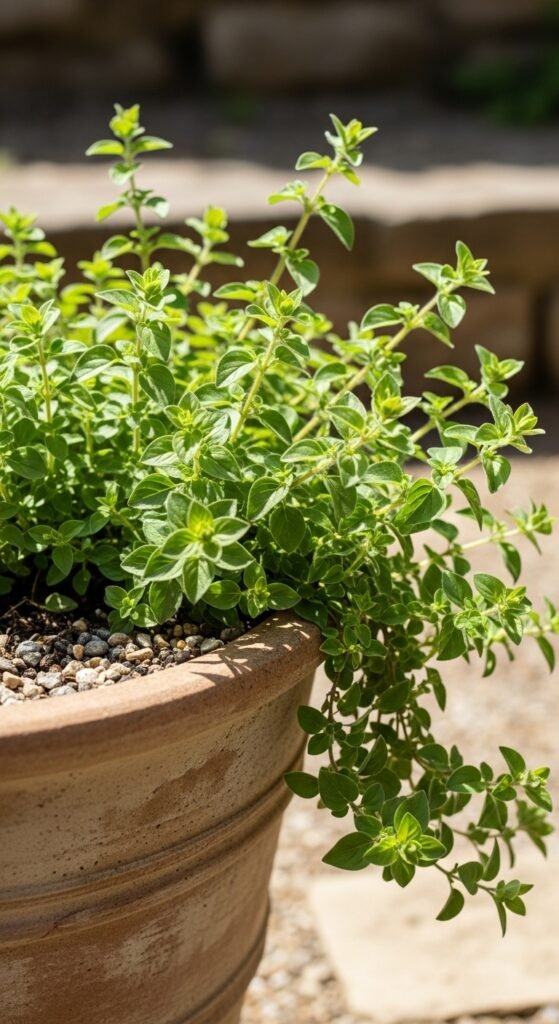
Key benefits include anti-inflammatory properties and hardiness in poor soils. In containers, oregano requires full sun and infrequent watering, simulating its Mediterranean origins.
Plant oregano in a well-draining pot with gravelly soil. Ensure 6-8 hours of sunlight and trim regularly. For efficient watering, explore wicking bed techniques adapted for herb containers.
8) Chives
Chives, Allium schoenoprasum, are perennial herbs with mild onion-flavored leaves and edible purple flowers. They add subtlety to salads and eggs. Their clumping growth is perfect for small containers, providing year-round greenery.
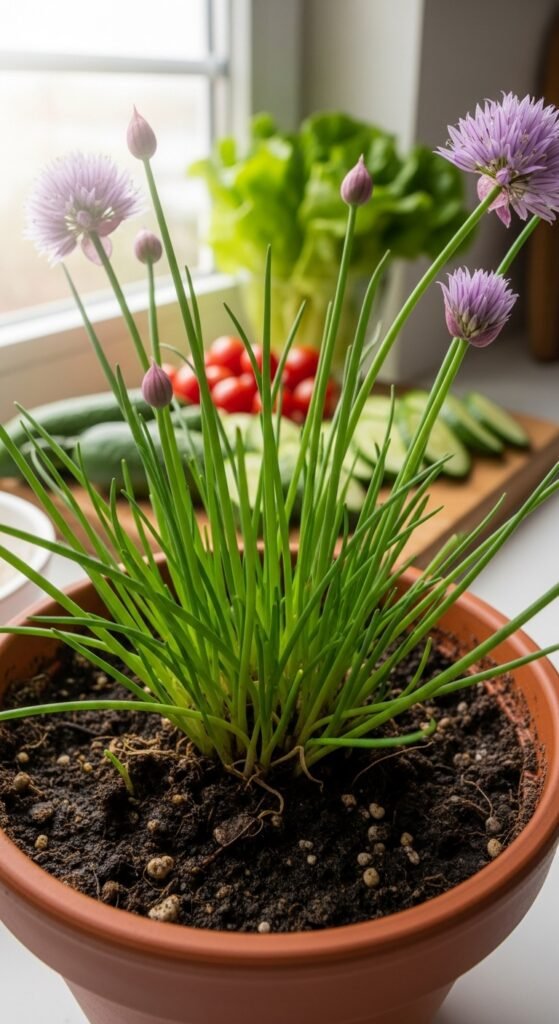
Key benefits encompass pest deterrence and nutritional value. Chives thrive in containers with moderate light, making them versatile for indoor gardening.
Grow chives in a compact pot with moist, fertile soil. Position for 4-6 hours of sun and snip leaves as needed. For unique designs, incorporate into keyhole garden concepts scaled for containers.
9) Sage
Sage, Salvia officinalis, is a perennial herb with gray-green leaves offering earthy flavor for poultry and stuffing. Varieties like pineapple sage introduce fruity notes. Its shrubby form fits larger containers, doubling as ornamentals.
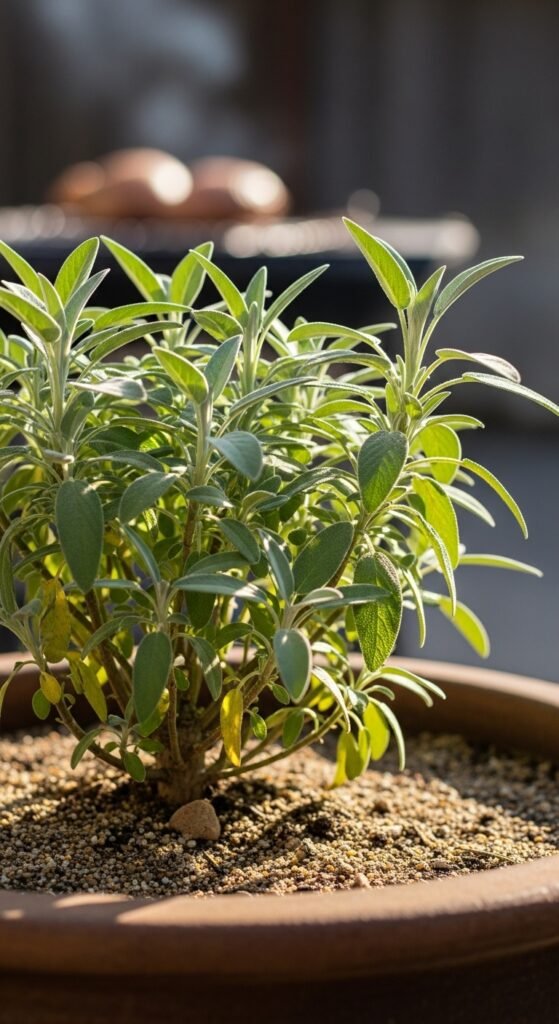
Key benefits include throat-soothing qualities and drought resistance. Sage performs well in containers with sandy soil and full exposure to sunlight.
Plant sage in a spacious pot, allowing room for woody stems. Water sparingly and prune annually. For indoor overwintering, refer to winter houseplant care strategies applicable to herbs.
10) Dill
Dill, Anethum graveolens, is an annual herb with feathery leaves and seeds used in pickling and seafood. It grows tall, so containers provide stability against wind. Its umbel flowers attract beneficial insects.
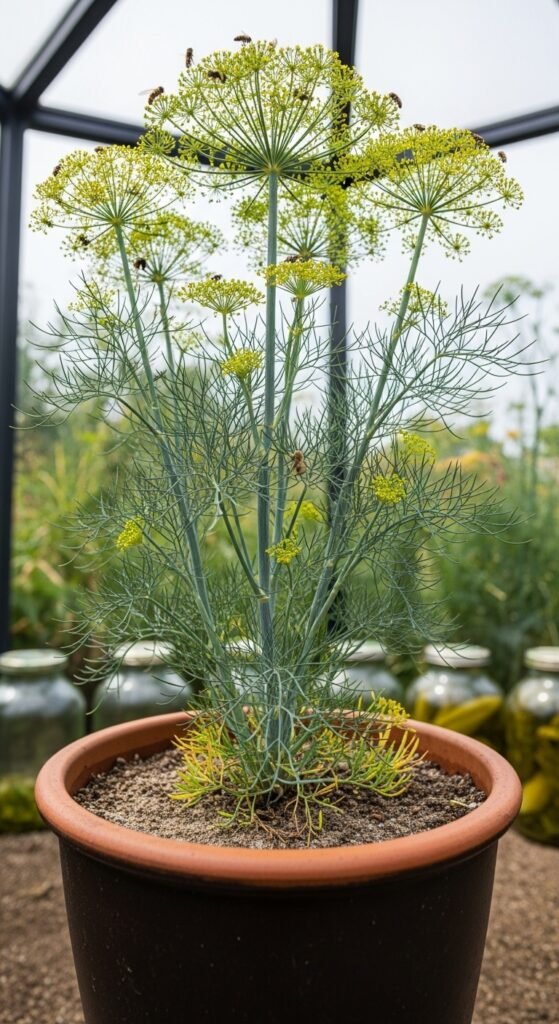
Key benefits feature digestive aid and quick maturation. Dill suits deep containers to support its height, preferring sunny, sheltered positions.
Sow dill directly in a tall pot with light soil. Offer 6-8 hours of sun and consistent moisture. Harvest foliage before seeding.
11) Lavender
Lavender, Lavandula angustifolia, is a perennial herb prized for its fragrant purple spikes in teas and sachets. English lavender is hardy for containers. It adds sensory appeal to your space.
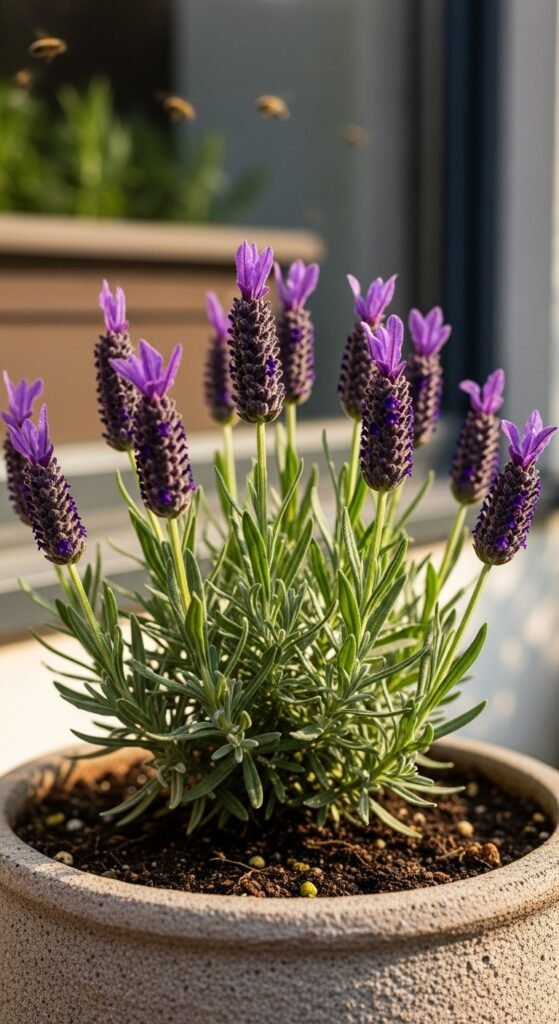
Key benefits include calming effects and pollinator attraction. Lavender excels in containers with alkaline, well-drained soil and ample sun.
Plant lavender in a porous pot, pruning after bloom. Water moderately. Enhance arrangements with spring window box ideas featuring lavender.
12) Tarragon
Tarragon, Artemisia dracunculus, is a perennial herb with anise-like leaves enhancing French cuisine. French tarragon is preferred for flavor. Its slender growth suits narrow containers.
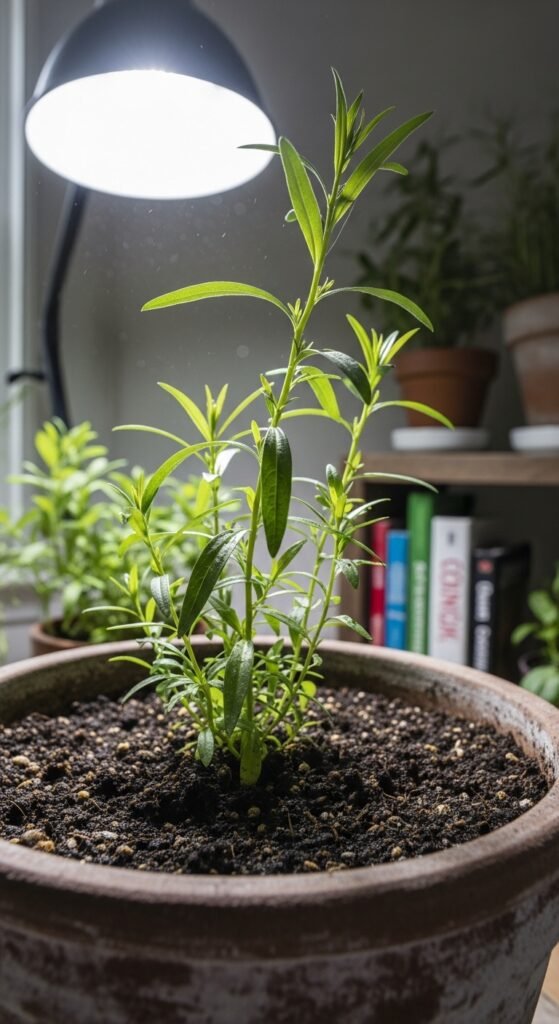
Key benefits encompass appetite stimulation and perennial reliability. In containers, tarragon needs protection from extreme cold and consistent care.
Grow tarragon in fertile soil with partial sun. Water evenly and divide every few years.
13) Lemongrass
Lemongrass, Cymbopogon citratus, is a tropical perennial with citrus-scented stalks for Asian dishes and teas. It forms clumps ideal for large containers, providing height and texture.
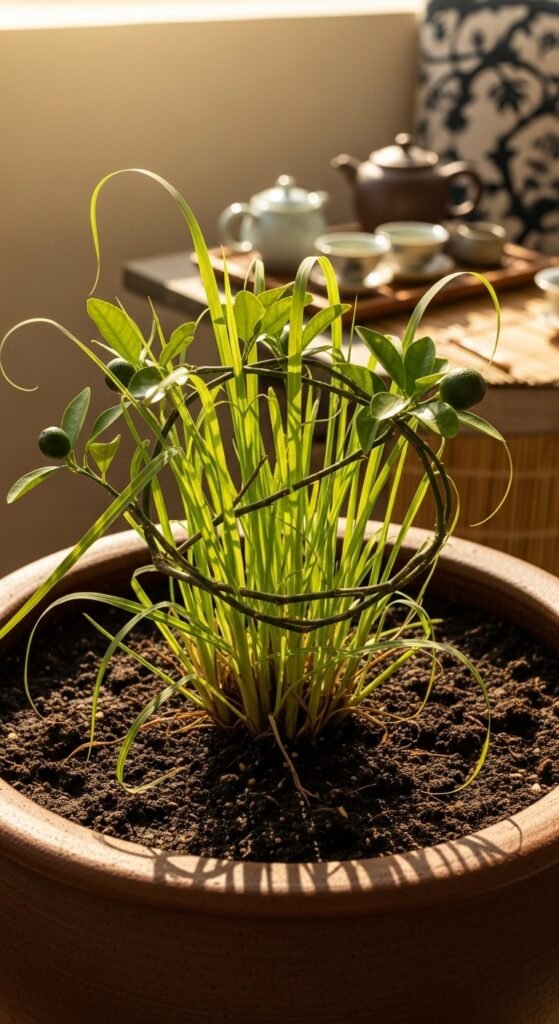
Key benefits include insect repellence and anti-inflammatory properties. Lemongrass thrives in warm, humid container environments with full sun.
Plant in a deep pot with rich soil. Water generously and overwinter indoors if needed.
14) Marjoram
Marjoram, Origanum majorana, is an annual or tender perennial with sweet, mild leaves similar to oregano but subtler. It complements meats and vegetables. Its compact bushiness fits small pots.
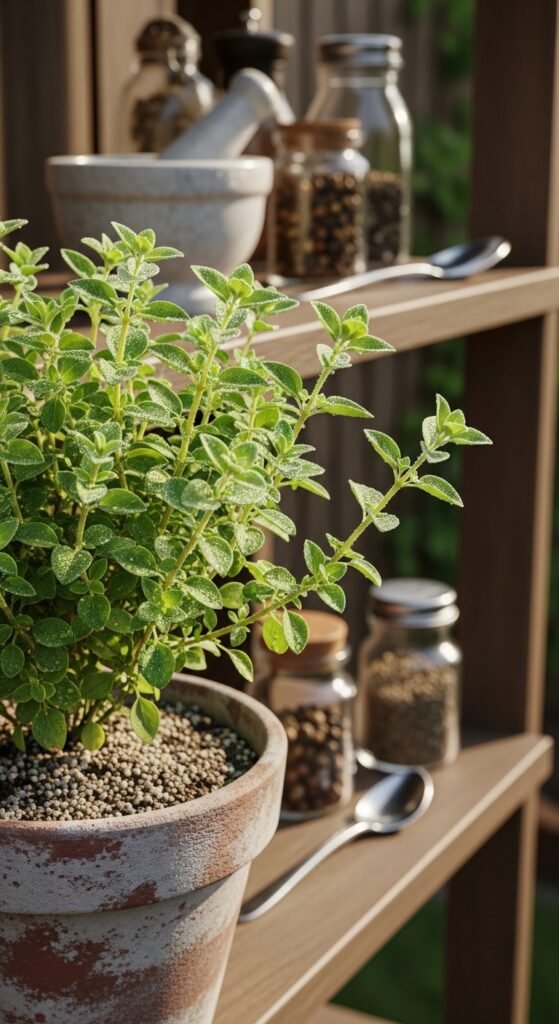
Key benefits feature soothing qualities and ease of drying. Marjoram prefers containers with light soil and moderate sun exposure.
Sow in spring, providing 5-7 hours of light and regular trimming.
15) Fennel
Fennel, Foeniculum vulgare, is a perennial herb with feathery leaves and licorice-flavored bulbs and seeds. Bronze fennel adds ornamental value. Containers control its size and spread.
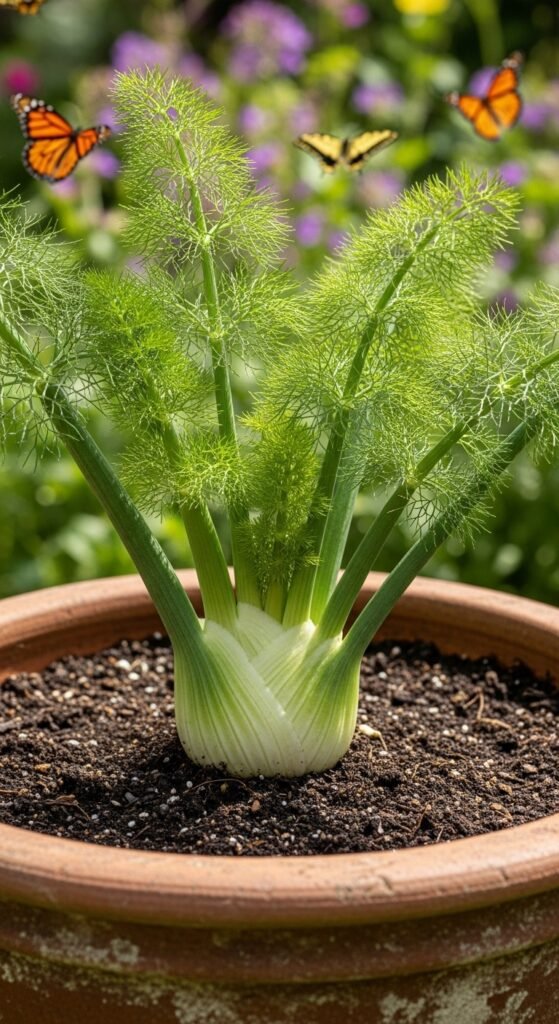
Key benefits include digestive support and butterfly attraction. Fennel grows best in deep containers with sunny, well-drained conditions.
Plant in a large pot, harvesting as needed. Avoid proximity to dill to prevent cross-pollination.
Essential Tips for Growing Herbs in Containers
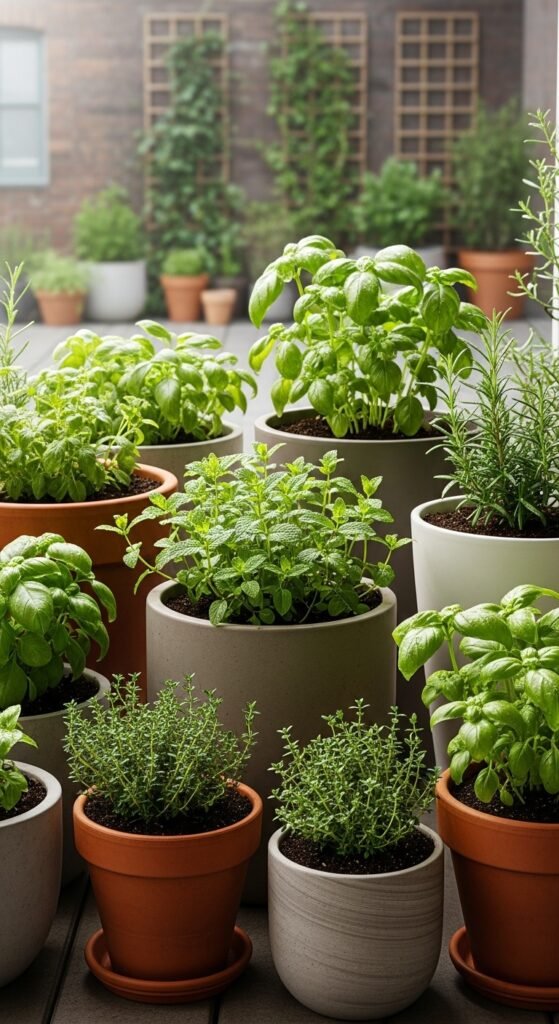
Choosing the Right Containers and Soil
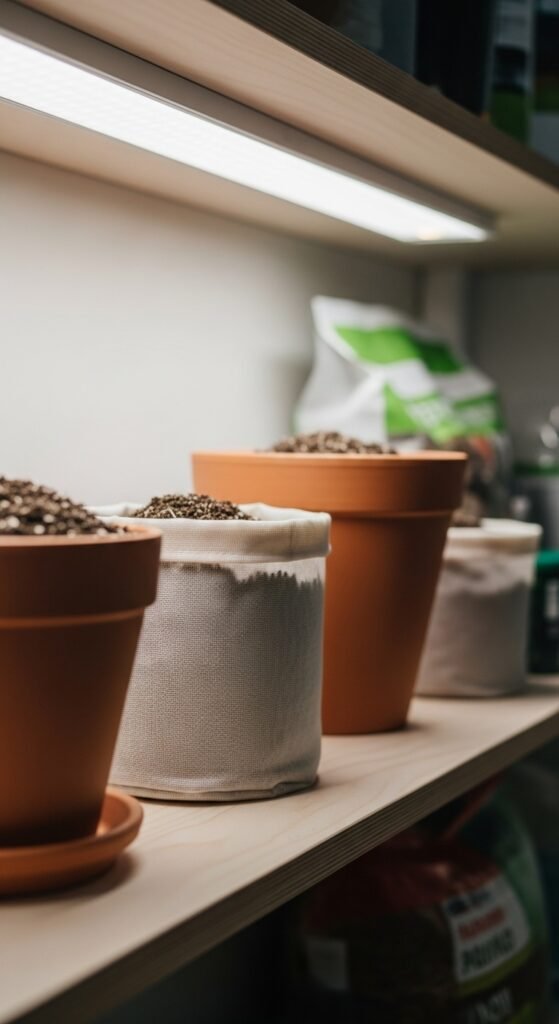
Select containers with adequate drainage holes to prevent waterlogging, opting for materials like terracotta for breathability. Use a high-quality potting mix enriched with perlite or vermiculite for improved aeration and nutrient retention, ensuring your herbs establish strong roots.
Watering and Fertilizing Practices
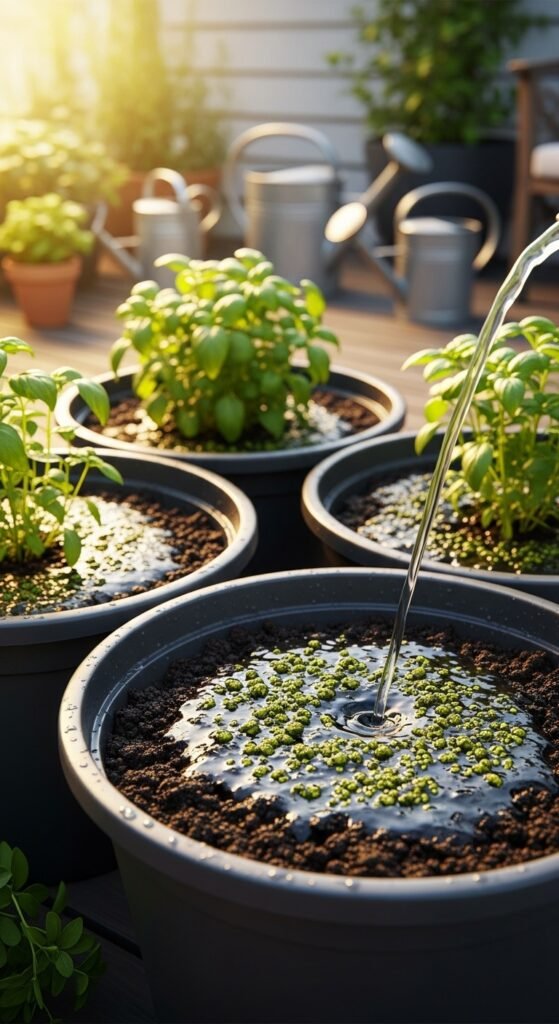
Maintain consistent moisture levels by checking soil daily, watering deeply when the top inch feels dry. Apply a diluted organic fertilizer every 4-6 weeks during the growing season to support vigorous growth without overwhelming the plants.
Sunlight and Placement Considerations
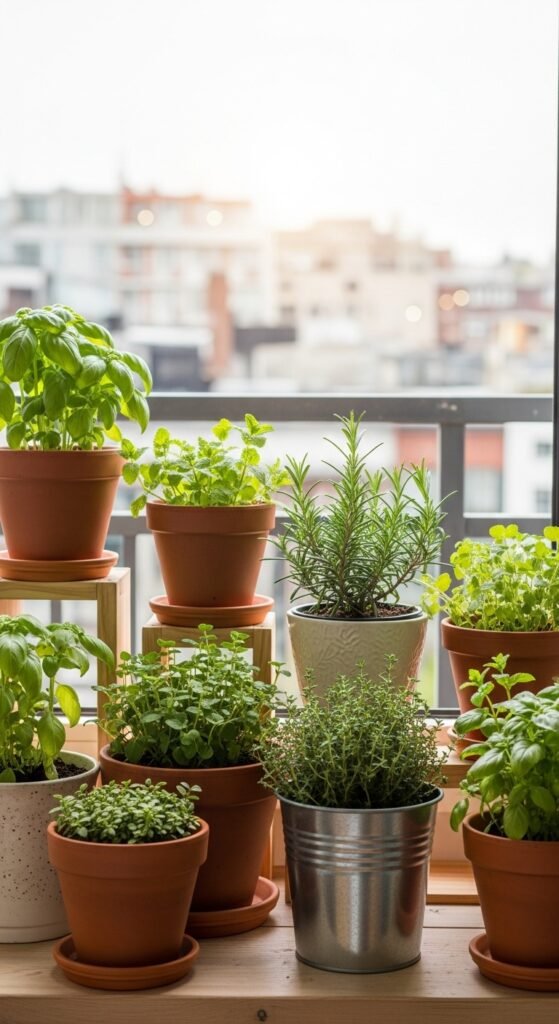
Position your containers in locations receiving appropriate sunlight based on each herb’s needs, rotating pots periodically for even exposure. Protect from extreme weather by moving indoors during harsh conditions to sustain productivity.
Frequently Asked Questions
What are the easiest herbs to grow in containers for beginners?
Beginners should start with hardy options like basil, mint, and chives, as they require minimal care and provide quick results. These herbs adapt well to various conditions and offer forgiving growth patterns.
How often should I water herbs in containers?
Watering frequency depends on the herb and environment, but generally, check the soil moisture daily and water when the top inch is dry. Overwatering can lead to root issues, so ensure proper drainage.
Can I grow herbs in containers indoors year-round?
Yes, many herbs thrive indoors with sufficient light from south-facing windows or grow lights. Maintain humidity and airflow to mimic outdoor conditions for healthy growth.
What size containers are best for herbs?
Use pots at least 6-8 inches deep for most herbs, larger for those with extensive roots like fennel. This allows ample space for development and prevents overcrowding.
How do I prevent pests in container herbs?
Inspect plants regularly and use natural remedies like neem oil. Encourage beneficial insects and maintain cleanliness to minimize pest infestations effectively.