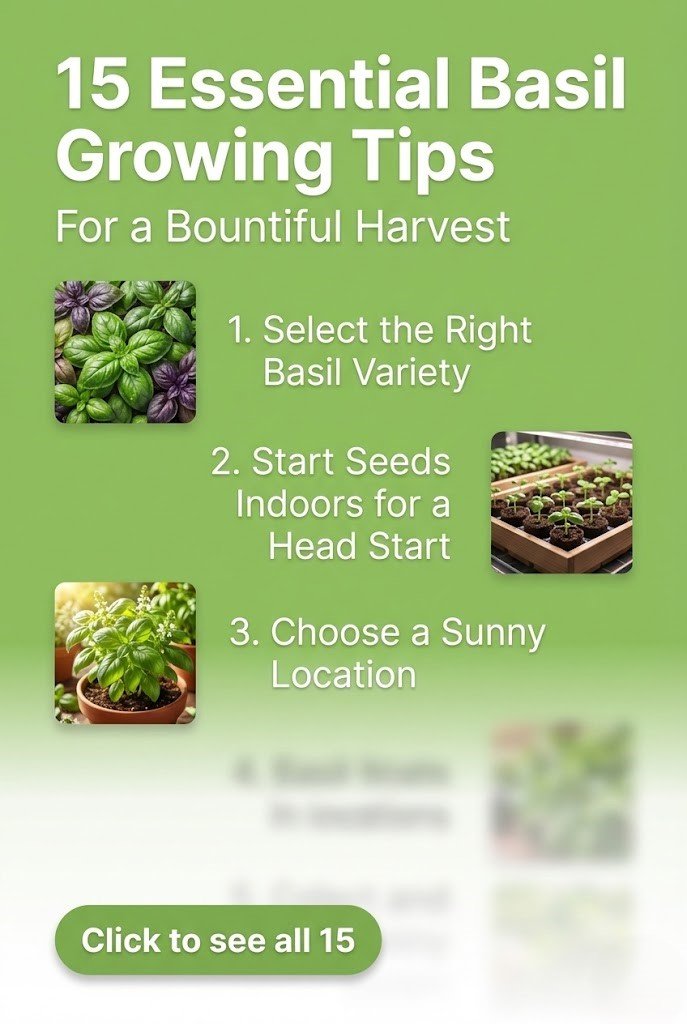
Basil, a versatile herb cherished in kitchens worldwide, thrives when given proper attention to its specific needs. As you embark on cultivating this aromatic plant, understanding basil growing tips ensures robust growth and flavorful leaves. Whether you’re a seasoned gardener or new to herb cultivation, these strategies will help you achieve abundant yields while avoiding common pitfalls.
Basil prefers warm conditions and nutrient-rich environments, making it ideal for both garden beds and containers. By focusing on soil quality, watering routines, and pest management, you can enjoy fresh basil throughout the growing season. Incorporating these basil growing tips into your routine not only enhances plant health but also maximizes your harvest for culinary delights like pesto and salads.
With careful planning and consistent care, your basil plants will flourish, providing you with a rewarding gardening experience. Let’s explore the key practices to elevate your basil cultivation success.
1) Select the Right Basil Variety
You should begin by choosing a basil variety suited to your climate and intended use. Sweet basil, such as Genovese, is popular for its classic flavor in Italian dishes, while Thai basil offers a spicier profile for Asian cuisine. Consider lemon basil for a citrusy twist or purple basil for ornamental appeal. Each type has unique growth habits and resistance levels to pests or diseases.
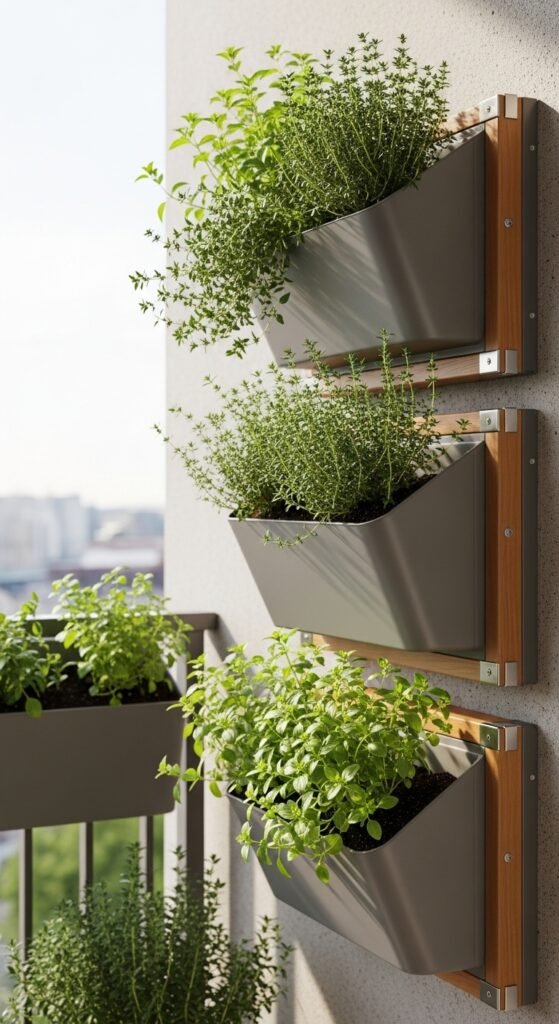
Why does variety matter? Selecting the appropriate one ensures better adaptation to your local conditions, leading to healthier plants and higher yields. For instance, heat-tolerant varieties perform well in warmer regions, reducing bolting risks. Research options that align with your garden’s sunlight and soil, and source seeds or seedlings from reputable suppliers.
To implement this, assess your growing zone and culinary preferences. Start with one or two varieties to experiment, then expand. This foundational step in basil growing tips sets the stage for success, allowing you to enjoy diverse flavors while minimizing cultivation challenges.
2) Start Seeds Indoors for a Head Start
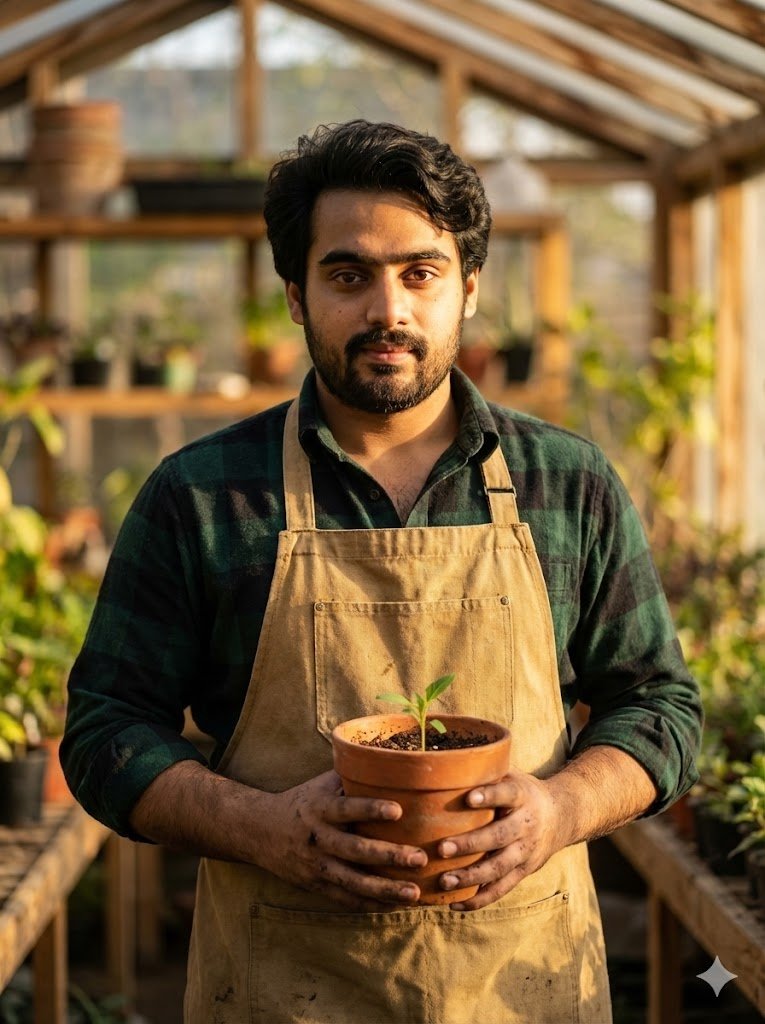
You can gain an advantage by starting basil seeds indoors 6-8 weeks before the last frost date. Use seed trays filled with a light, sterile seed-starting mix, sowing seeds shallowly at about 1/4 inch deep. Maintain consistent moisture and provide warmth around 70-75°F for optimal germination, which typically occurs within 5-10 days.
This method is beneficial because it protects young seedlings from outdoor fluctuations, resulting in stronger transplants and earlier harvests. Indoor starting also allows control over light exposure; employ grow lights if natural sunlight is insufficient, aiming for 14-16 hours daily.
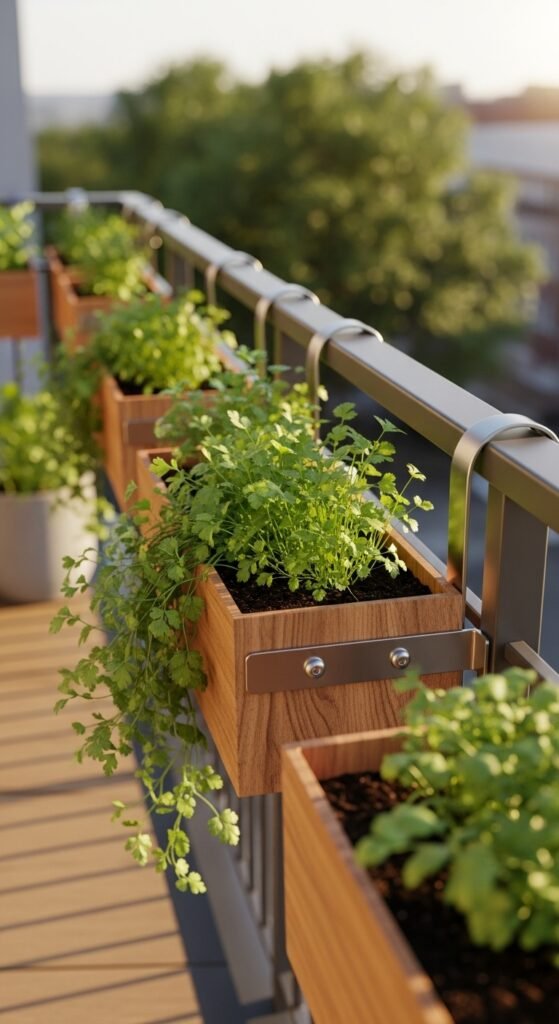
Once seedlings develop true leaves, thin them to prevent overcrowding. Harden off plants gradually before transplanting outdoors. For more on nurturing herbs from the beginning, explore our guide on herb gardening for beginners. This approach in basil growing tips extends your productive season effectively.
3) Choose a Sunny Location
You must position your basil in a spot receiving at least 6-8 hours of direct sunlight daily. Basil is a sun-loving herb that performs best in full sun, promoting vigorous growth and intense flavor development. Avoid shaded areas, as insufficient light leads to leggy plants with diminished aroma.
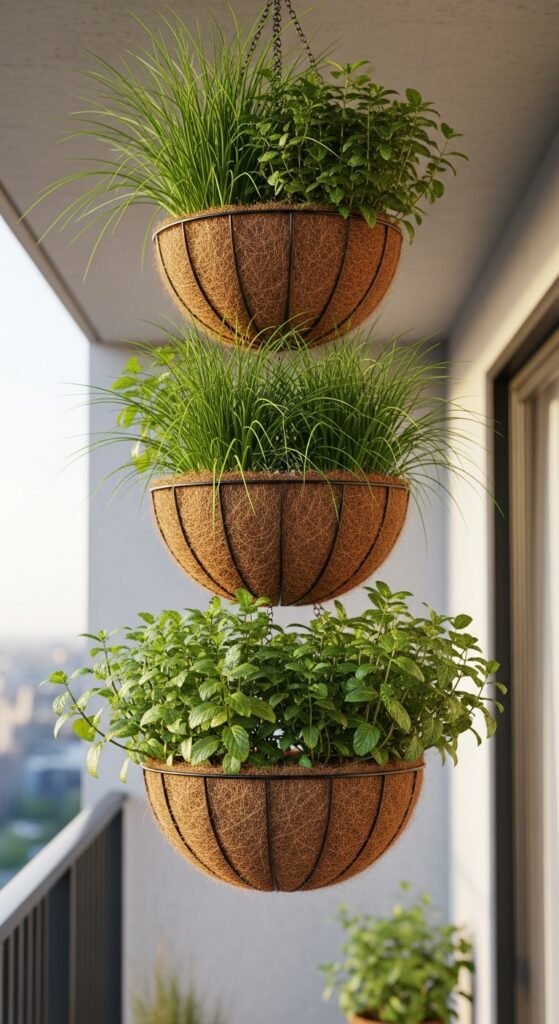
The reason sunlight is crucial lies in its role in photosynthesis, enabling robust foliage and essential oil production. In hotter climates, provide afternoon shade to prevent scorching, balancing exposure for optimal health.
To apply this, scout your garden for south-facing locations or use containers for mobility. Monitor light patterns throughout the day to confirm adequacy. This fundamental basil growing tip ensures your plants reach their full potential, yielding plentiful leaves for your culinary needs.
4) Prepare Well-Draining Soil
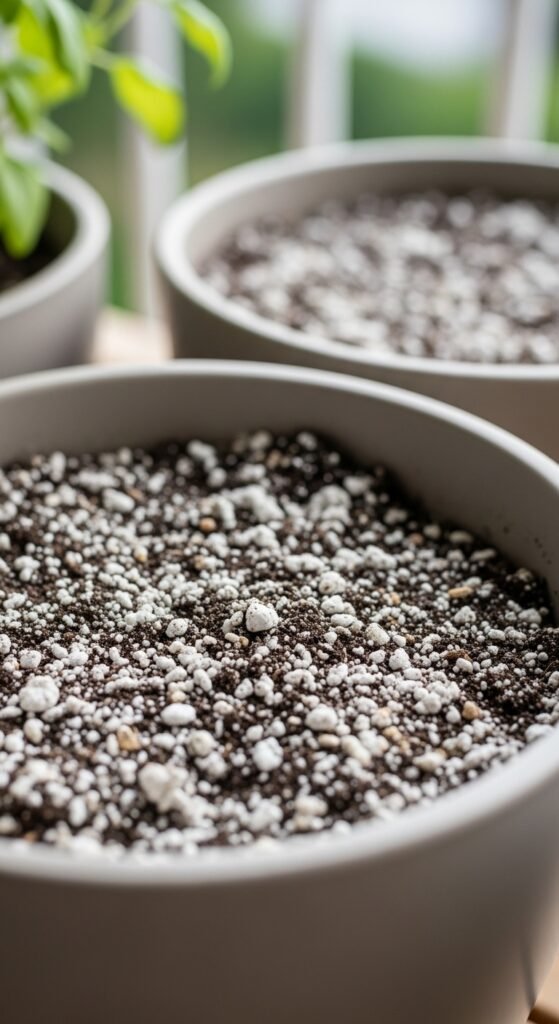
You need to ensure your soil is well-draining and rich in organic matter for basil to thrive. Amend heavy clay soils with compost or perlite to improve drainage, targeting a pH between 6.0 and 7.0. Test your soil beforehand to make necessary adjustments with lime or sulfur.
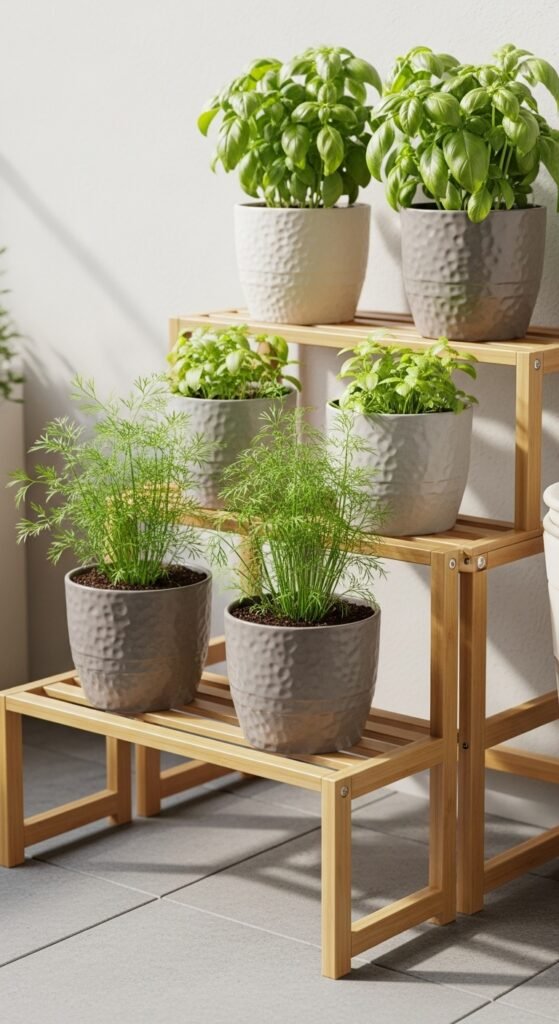
Proper soil preparation is vital because basil roots are susceptible to rot in waterlogged conditions, ensuring healthy root development and nutrient uptake. Well-draining soil also prevents nutrient leaching while retaining adequate moisture.
Mix in aged compost to boost fertility, and avoid compacted areas. For container growth, use a specialized soil mix for herbs to replicate ideal conditions. This basil growing tip forms the bedrock for vigorous plants and abundant harvests.
5) Plant at the Optimal Time
You should plant basil after the danger of frost has passed, when soil temperatures reach at least 70°F. In most regions, this means late spring or early summer. Transplant seedlings outdoors once they have 2-3 sets of true leaves and nighttime temperatures stay above 50°F.
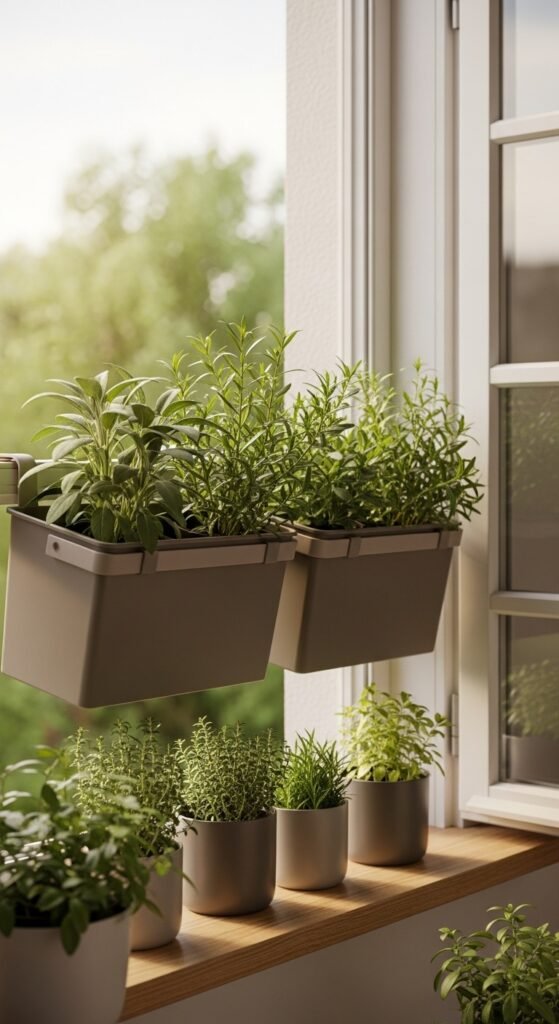
Timing is essential to avoid cold damage, which stunts growth, allowing for rapid establishment and prolonged productivity. Early planting in cool conditions can lead to bolting or poor development.
Consult your local frost dates and warm the soil with black plastic if needed. Space plants 12-18 inches apart for air circulation. Adhering to this basil growing tip maximizes your growing window and harvest potential.
6) Space Plants Appropriately
You ought to space basil plants 12-18 inches apart in rows separated by 24-36 inches. This arrangement provides ample room for growth, preventing overcrowding that can foster disease and reduce yields. For container planting, limit to 1-3 plants per pot depending on size.
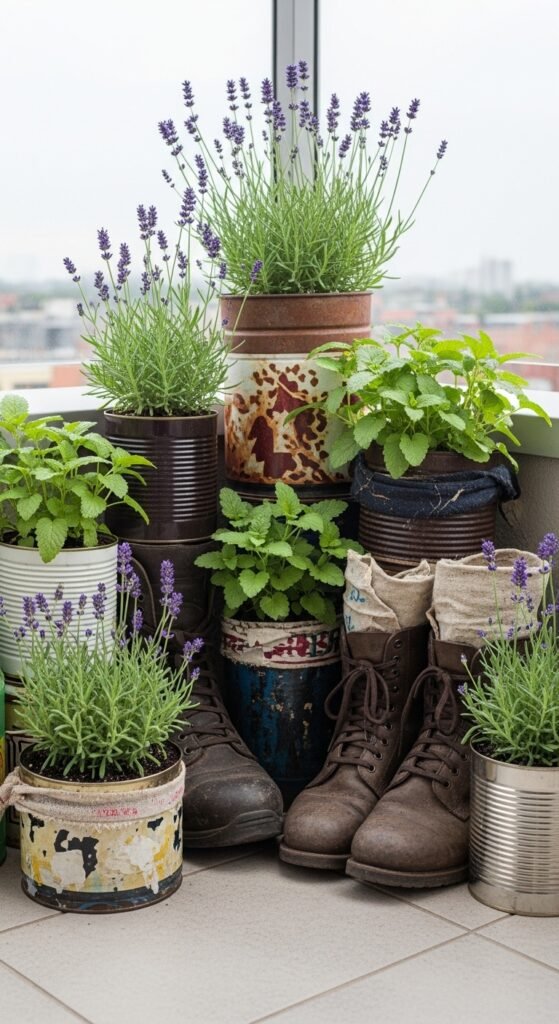
Adequate spacing promotes better airflow and light penetration, contributing to stronger stems and fuller foliage. It also facilitates easier harvesting and maintenance, minimizing competition for nutrients and water.
When planting, consider mature plant size and use a garden trowel for precise placement. This basil growing tip, when combined with companion planting strategies from our herb companion chart, enhances overall garden health and productivity.
7) Water Consistently and Deeply
You must water basil regularly, aiming for 1-1.5 inches per week, adjusting for rainfall and heat. Water at the base to keep foliage dry, preferably in the morning to allow evaporation and reduce disease risk. Use a soaker hose for efficient delivery.
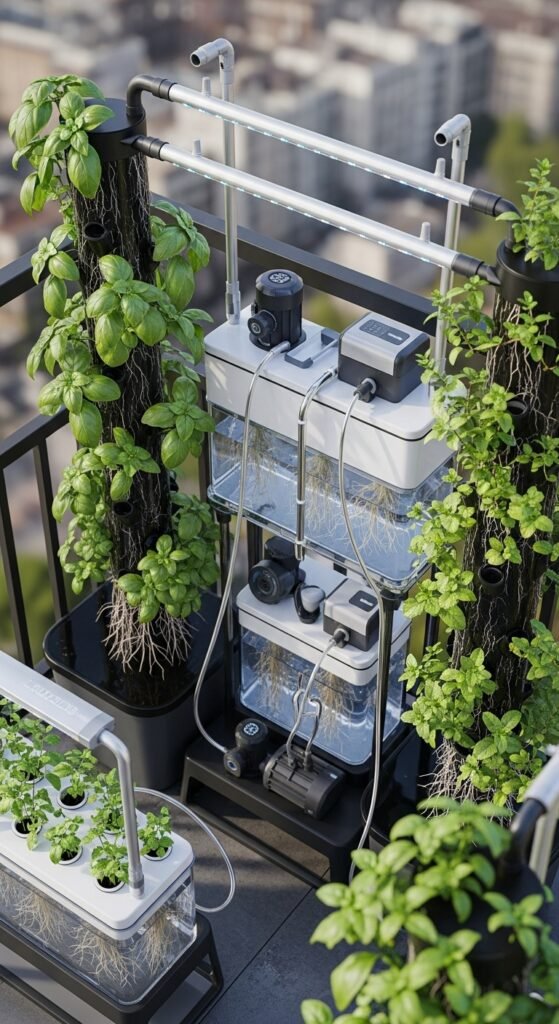
Consistent moisture is key because basil wilts quickly in dry conditions, yet overwatering invites root issues, ensuring plump leaves and sustained growth. Deep watering encourages robust root systems.
Check soil moisture by inserting a finger 1-2 inches deep; water if dry. Mulch to retain moisture. This basil growing tip maintains plant vigor throughout the season.
8) Apply Mulch for Moisture Retention
You can apply a 2-3 inch layer of organic mulch, such as straw or shredded leaves, around basil plants after planting. This suppresses weeds, conserves soil moisture, and regulates temperature, creating an ideal microclimate for growth.
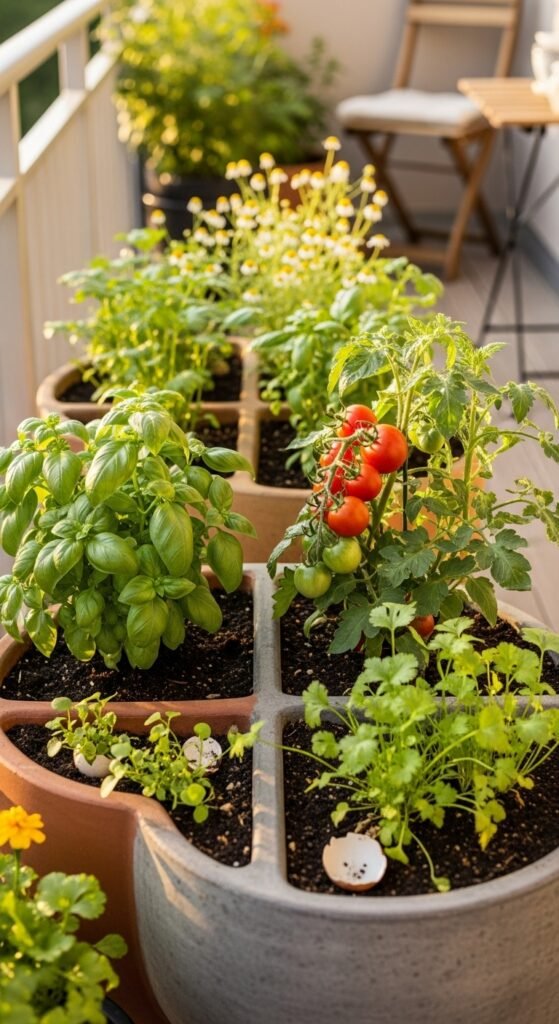
Mulching benefits basil by reducing evaporation and erosion, leading to less frequent watering and healthier soil. It also decomposes to add nutrients over time.
Spread mulch evenly, keeping it away from stems to prevent rot. Refresh as needed. Integrating this with other basil growing tips optimizes resource use and plant performance.
9) Prune Regularly to Encourage Bushiness
You should prune basil frequently by pinching off the top sets of leaves once plants reach 6 inches tall. Focus on removing flower buds promptly to prevent bolting and maintain leaf production. Use clean shears for precise cuts above leaf nodes.
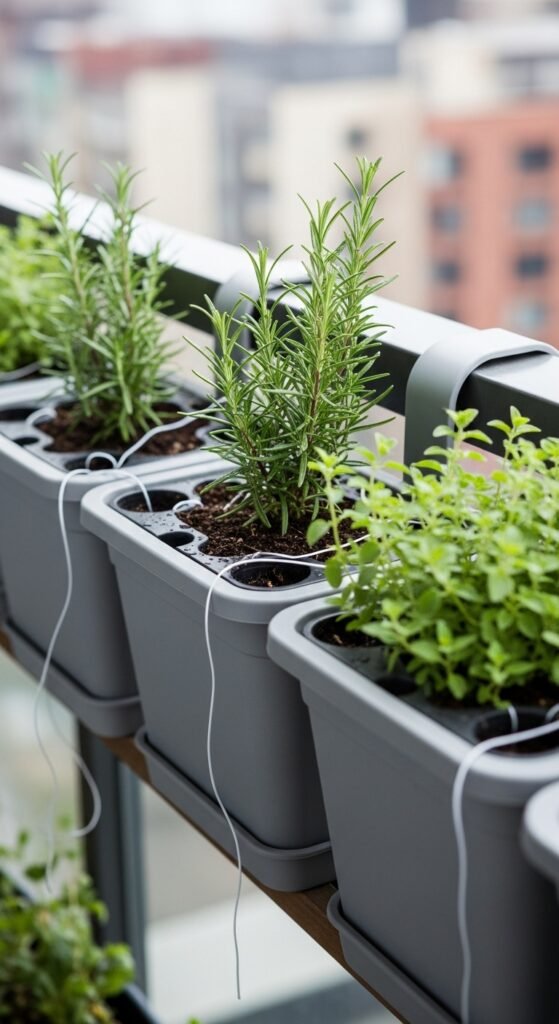
Regular pruning stimulates lateral growth, resulting in bushier plants and increased yields. It redirects energy from flowering to foliage, extending the harvest period.
Prune every 2-3 weeks, harvesting usable leaves in the process. For detailed techniques, refer to our article on basil pruning. This basil growing tip is crucial for maximizing your herb’s productivity.
10) Fertilize Moderately with Balanced Nutrients
You need to fertilize basil every 4-6 weeks with a balanced, water-soluble fertilizer diluted to half strength. Opt for organic options like fish emulsion or compost tea to provide essential nitrogen for leaf growth without overstimulating.

Moderate feeding supports steady development, yielding flavorful, abundant foliage. Excess fertilizer can lead to lush but tasteless leaves or attract pests.
Apply after watering to avoid root burn, and monitor plant response. This basil growing tip, when balanced with soil preparation, ensures nutritional needs are met efficiently.
11) Monitor and Prevent Common Pests
You must inspect basil regularly for pests like aphids, spider mites, or Japanese beetles. Introduce beneficial insects or use neem oil sprays as natural deterrents. Maintain garden hygiene by removing debris to discourage infestations.
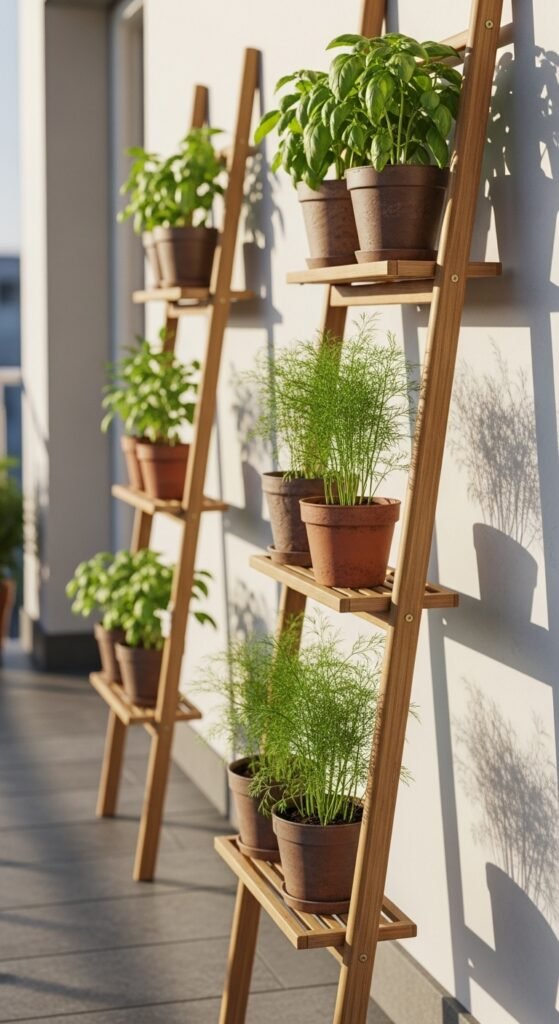
Proactive pest management preserves plant health, ensuring uninterrupted growth and quality harvests. Early detection prevents widespread damage.
Hand-pick larger pests and rinse leaves with water. For integrated approaches, consider our insights on companion planting herbs. This basil growing tip safeguards your crop effectively.
12) Watch for and Control Diseases
You should be vigilant for diseases such as downy mildew or fusarium wilt, which manifest as yellowing or wilting leaves. Improve air circulation and avoid overhead watering to minimize risks. Remove affected parts immediately to contain spread.
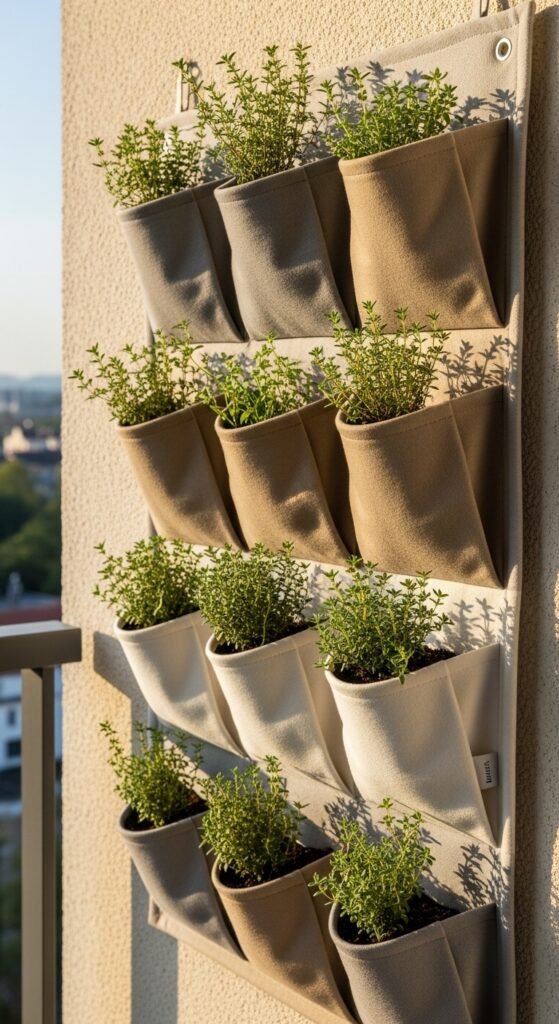
Disease control is critical to maintain productivity, offering resilient plants and sustained yields. Preventive measures reduce the need for interventions.
Use resistant varieties and rotate crops annually. Learn more about specific issues in our post on downy mildew on basil. Incorporating this basil growing tip protects your investment.
13) Harvest Leaves Correctly
You can harvest basil by snipping individual leaves or stems, starting from the top to encourage branching. Collect in the morning when oils are concentrated for peak flavor. Avoid removing more than one-third of the plant at once.
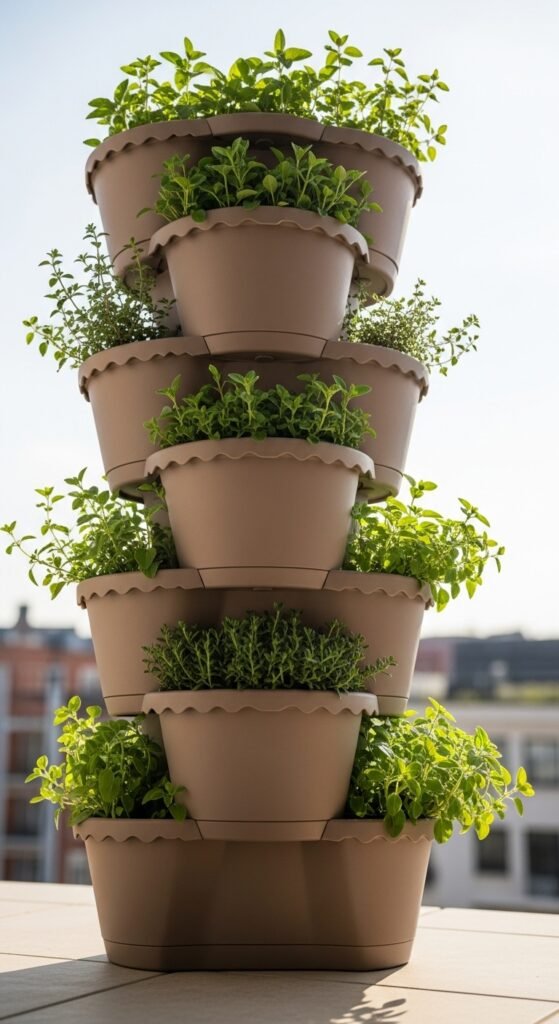
Proper harvesting techniques promote continuous production, providing fresh herbs over an extended period. It also prevents stress to the plant.
Use sharp scissors and store harvested leaves appropriately. For post-harvest handling, check our guide to harvesting herbs. This basil growing tip enhances your culinary experience.
14) Utilize Companion Planting
You ought to pair basil with compatible plants like tomatoes, peppers, or oregano to enhance growth and deter pests. Avoid planting near rue or sage, which can inhibit development. This strategy creates a balanced ecosystem.
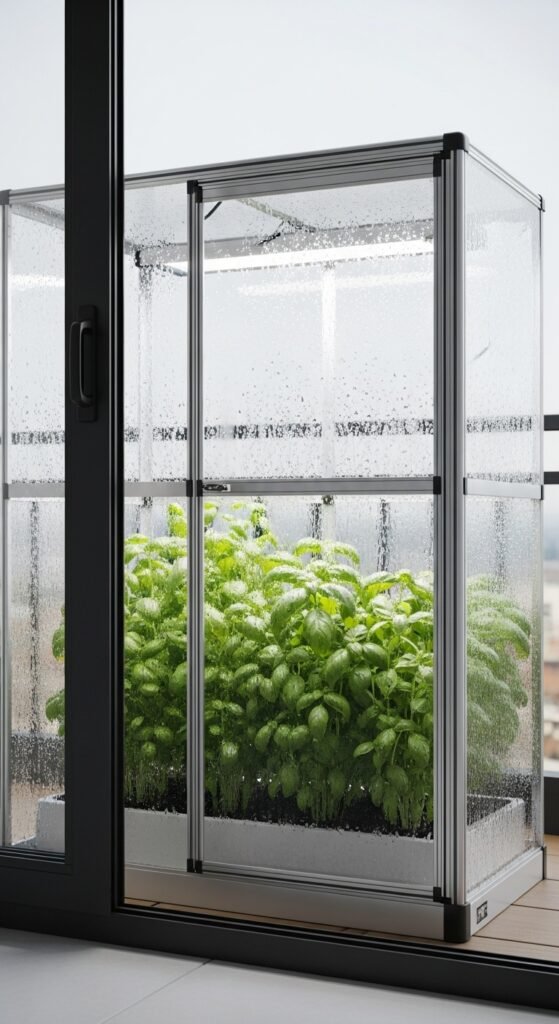
Companion planting boosts overall garden health, leading to improved flavors and natural pest resistance. It optimizes space and resources efficiently.
Plan your layout using proven combinations from our herb companion chart. This basil growing tip fosters a thriving, diverse garden.
15) Consider Overwintering for Perennial Growth
You may overwinter basil indoors in colder climates by bringing potted plants inside before frost. Provide bright light, perhaps with supplemental grow lamps, and reduce watering to match slower growth.
Overwintering extends plant life, offering year-round access to fresh basil. It saves on starting new plants each season.
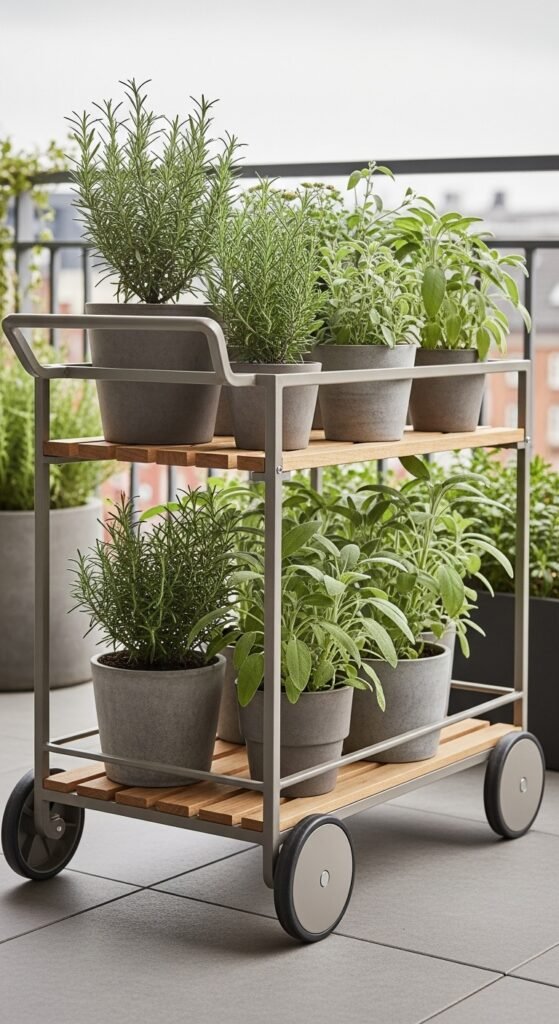
Select healthy specimens and acclimate gradually. For container specifics, see our tips on basil in pots. This advanced basil growing tip rewards dedicated gardeners with continuous supply.
Key Principles for Basil Success
Understanding Basil’s Growth Cycle
Basil is an annual herb in most climates, completing its life cycle in one season. Recognizing stages from germination to flowering helps you intervene timely, preventing premature bolting and extending usability.
Integrated Pest and Disease Management
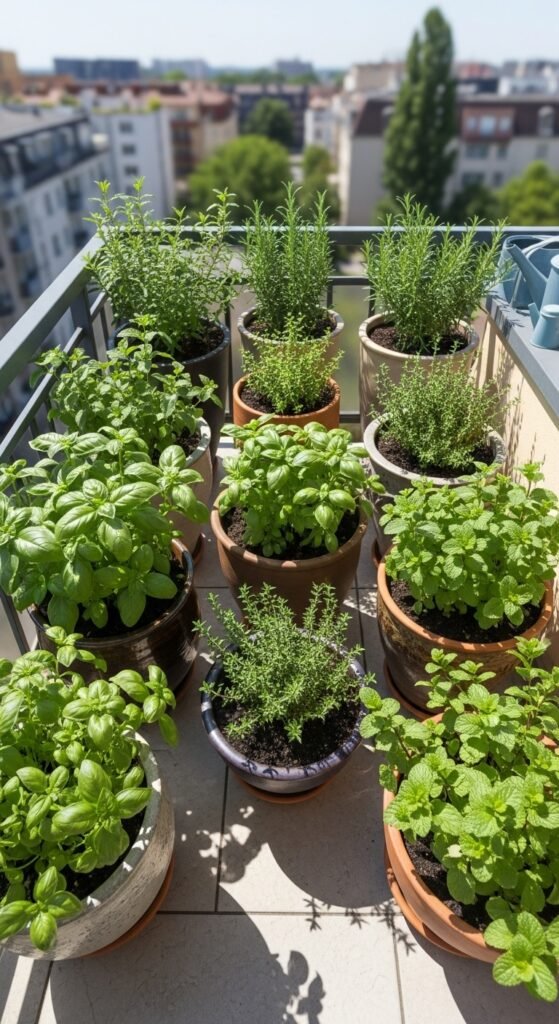
Combine cultural, biological, and organic methods for comprehensive protection. Rotate crops, encourage biodiversity, and use targeted treatments to maintain ecological balance without harsh chemicals.
Sustainable Cultivation Practices
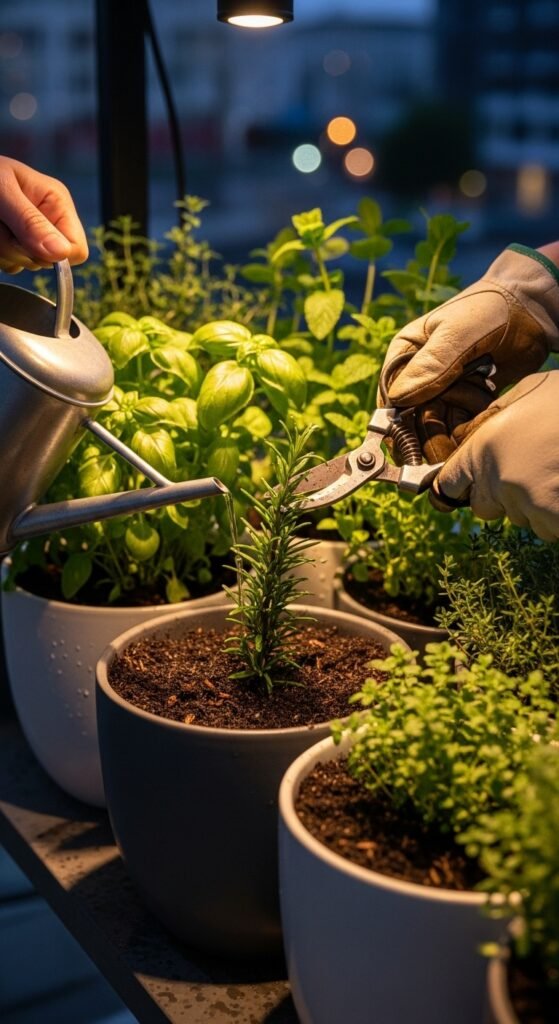
Adopt eco-friendly habits like water conservation, organic amendments, and pollinator support. These enhance soil health and biodiversity, ensuring long-term viability for your basil and garden overall.
Frequently Asked Questions
How often should I water my basil plant?
Water your basil when the top inch of soil feels dry, typically every 3-5 days depending on weather conditions. Ensure thorough soaking while allowing drainage to prevent root rot.
Why are my basil leaves turning yellow?
Yellowing leaves often indicate overwatering, nutrient deficiency, or pest issues. Check soil moisture, fertilize appropriately, and inspect for insects to address the underlying cause.
Can basil grow in shade?
Basil prefers full sun but can tolerate partial shade with at least 4 hours of direct light. Reduced sunlight may lead to leggier growth and less flavorful leaves.
How do I prevent basil from flowering?
Pinch off emerging flower buds regularly and harvest frequently to delay bolting. Provide consistent moisture and avoid extreme heat stress to prolong leaf production.
Is basil easy to grow from seed?
Yes, basil germinates readily from seed in warm conditions. Sow indoors for best results, then transplant after frost danger passes for a successful start.