Apple tree pollination is a critical process that determines the success of your orchard’s yield. Without effective pollination, your apple trees may produce fewer fruits or none at all, as most varieties require cross-pollination from compatible trees to set fruit. By understanding how pollen transfers from one bloom to another—often with the help of bees and other insects—you can implement strategies to enhance this natural occurrence and enjoy abundant harvests.
Whether you’re a novice gardener or an experienced orchardist, optimizing apple tree pollination involves selecting the right varieties, creating pollinator-friendly environments, and employing hands-on techniques when needed. These ideas will guide you through practical steps to boost pollination rates, leading to healthier trees and more delicious apples. With the right approach, you can transform your garden into a thriving fruit-producing haven.
1) Select Compatible Apple Varieties
You need to choose apple tree varieties that bloom at similar times for effective cross-pollination. What this means is researching pollination groups—apples are categorized into early, mid, and late bloomers. For instance, pairing a Granny Smith with a Golden Delicious ensures pollen compatibility.
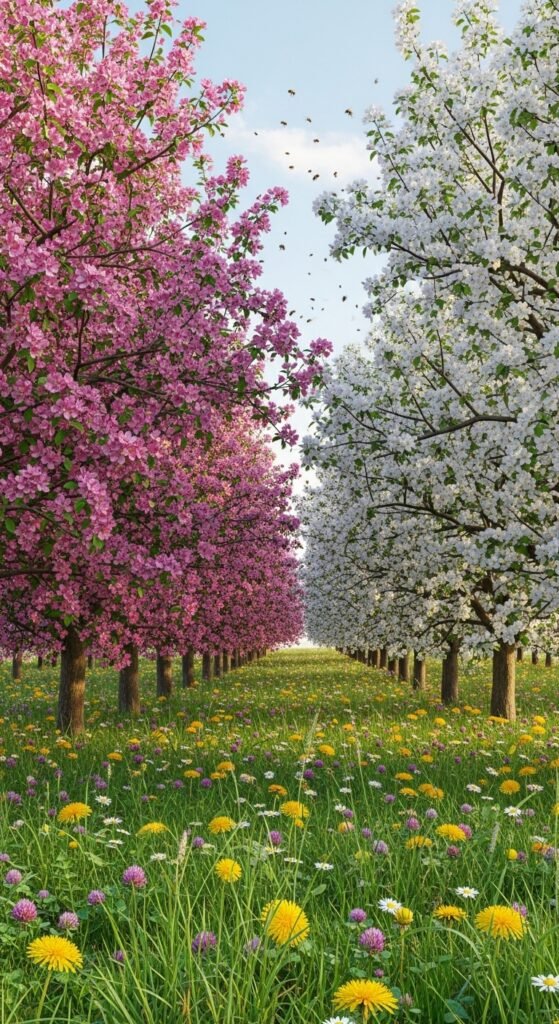
Why does this matter? Incompatible varieties lead to poor fruit set, reducing your overall yield. By selecting the right pairs, you maximize the chances of successful pollination, resulting in fuller, juicier apples.
How to do it: Check nursery tags or online charts for pollination requirements. Plant at least two compatible trees within 50 feet of each other. If space is limited, consider grafting multiple varieties onto one rootstock for self-contained pollination.
2) Plant in Close Proximity
You should position your apple trees close enough to facilitate easy pollen transfer by wind or insects. What involves spacing them 20-30 feet apart, depending on the variety’s size, to allow bees to hop between blooms effortlessly.
The reason is simple: Distance hinders pollinators, leading to uneven fruit development. Proper placement ensures consistent pollination across all trees, boosting your harvest quality and quantity.
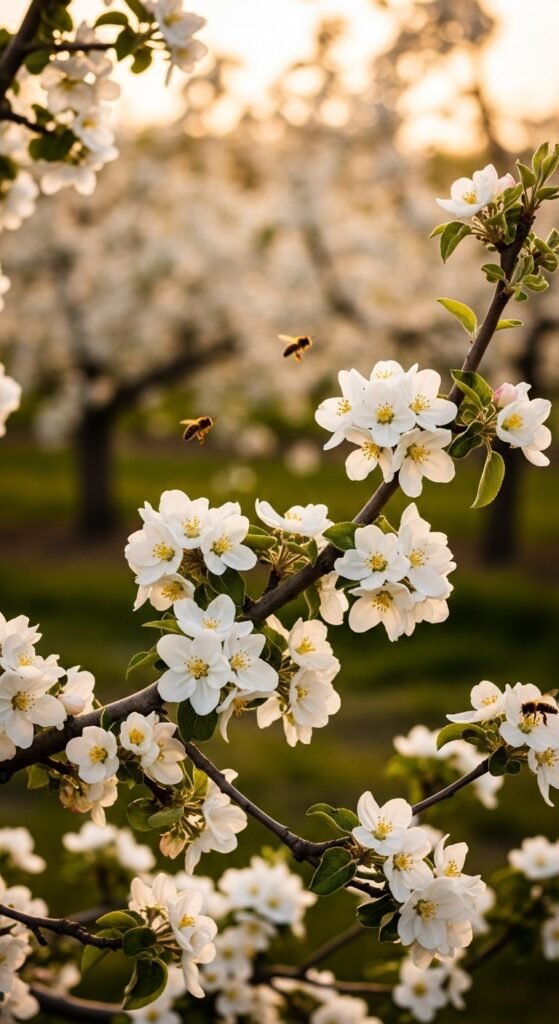
To implement this, map out your orchard layout before planting. Consider wind direction and natural barriers. If you’re expanding an existing setup, transplant younger trees to optimize spacing, always watering deeply post-move to minimize stress.
3) Time Blooms for Overlap
You can synchronize blooming periods by selecting varieties with overlapping flower times. This involves understanding your local climate and chill hours, as weather influences when trees flower.
Why is overlap crucial? Without it, pollen isn’t available when stigmas are receptive, causing failed pollination. Achieving sync leads to higher fruit set rates and more robust trees.
How: Use bloom charts specific to your region. Delay pruning on early bloomers to slightly postpone flowering if needed. Monitor weather forecasts to anticipate shifts, and adjust with protective covers during unexpected frosts.
4) Attract Bees with Companion Plants
You’ll want to surround your apple trees with flowers that draw in bees and other pollinators. What this entails is planting perennials like lavender or borage nearby, which provide nectar throughout the season.
The benefit? Bees are primary pollinators for apples, and increasing their presence enhances transfer efficiency, yielding larger, more uniform fruits.
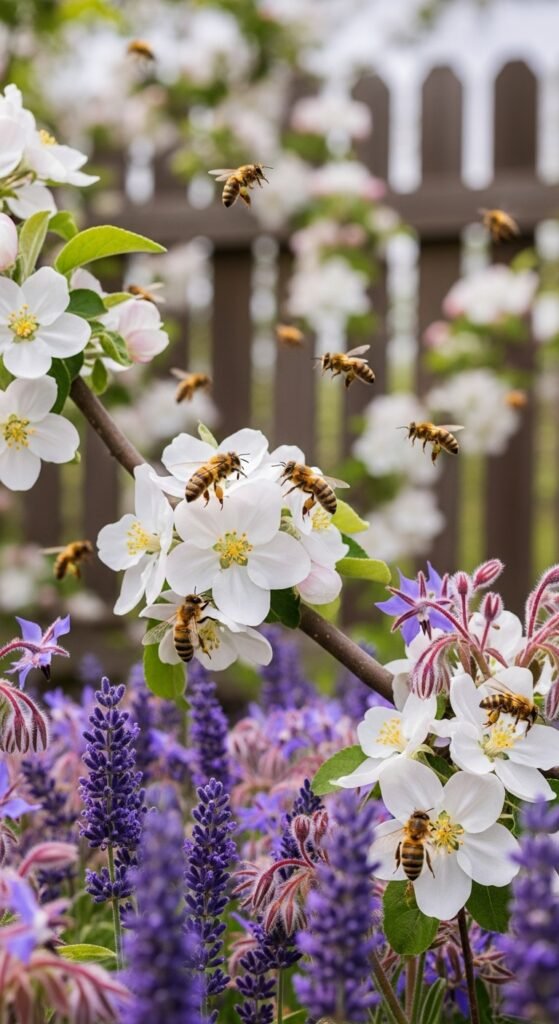
To get started, choose bee-friendly plants that bloom before and after your apples. Integrate them in borders or under trees, ensuring they receive adequate sun. Avoid pesticides to keep these helpers safe and active in your garden.
5) Create Bee Habitats
You can build or install bee houses to encourage native pollinators to reside in your orchard. This means providing nesting sites for mason bees, which are excellent at pollinating fruit trees.
Why bother? Managed habitats boost pollinator populations, leading to improved pollination success without relying solely on honeybees, which may be scarce.
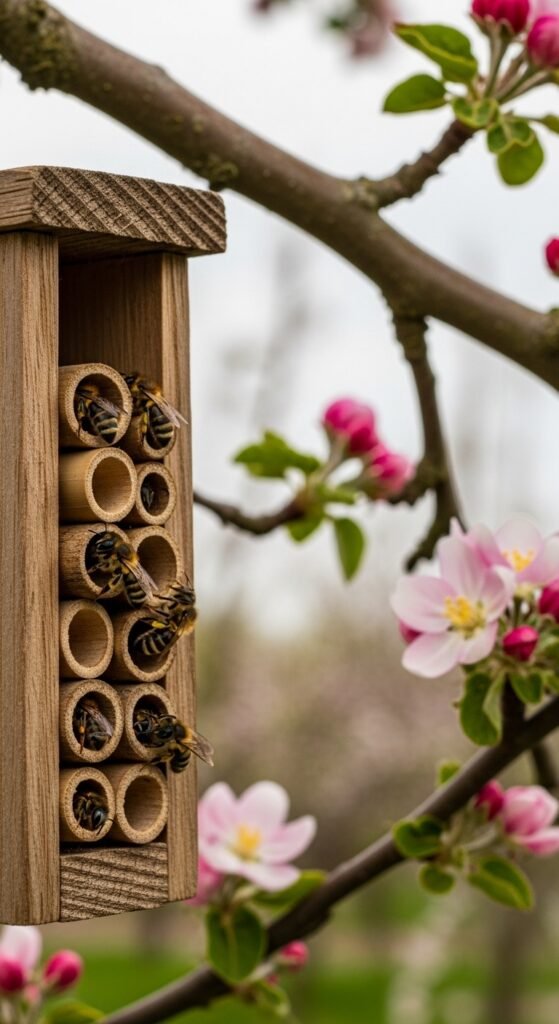
How to: Purchase or DIY bee hotels using bamboo tubes. Place them in sunny, sheltered spots near your trees. Release cocoons in spring to kickstart the population, and maintain cleanliness to prevent diseases.
6) Hand Pollinate Blooms
You might need to manually transfer pollen using a soft brush when natural pollinators are low. What this technique involves is gently brushing anthers of one flower and then the stigma of another.
The advantage is control over pollination in adverse conditions like rain or cold, ensuring reliable fruit production even in challenging years.
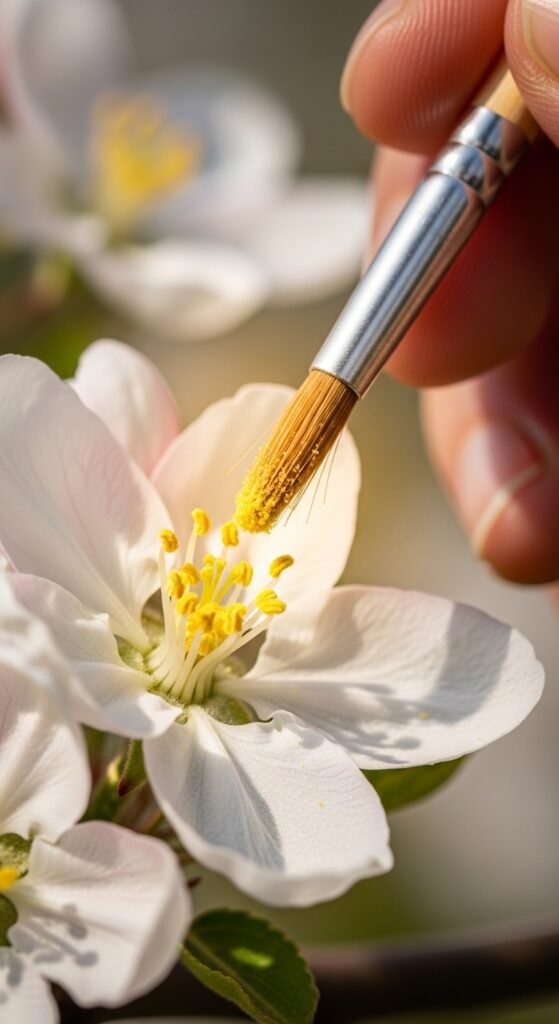
Steps: Identify open blooms on compatible trees. Use a clean paintbrush daily during peak flowering. Focus on central flowers first, as they set the best fruit, and repeat as needed for thorough coverage.
7) Use Mason Bees for Targeted Help
You should introduce mason bees, which are solitary and highly efficient pollinators for apples. This requires sourcing them from reputable suppliers and timing their release with bloom onset.
Why choose them? They forage in cooler weather than honeybees, providing early and consistent pollination, often increasing yields by up to 20%.
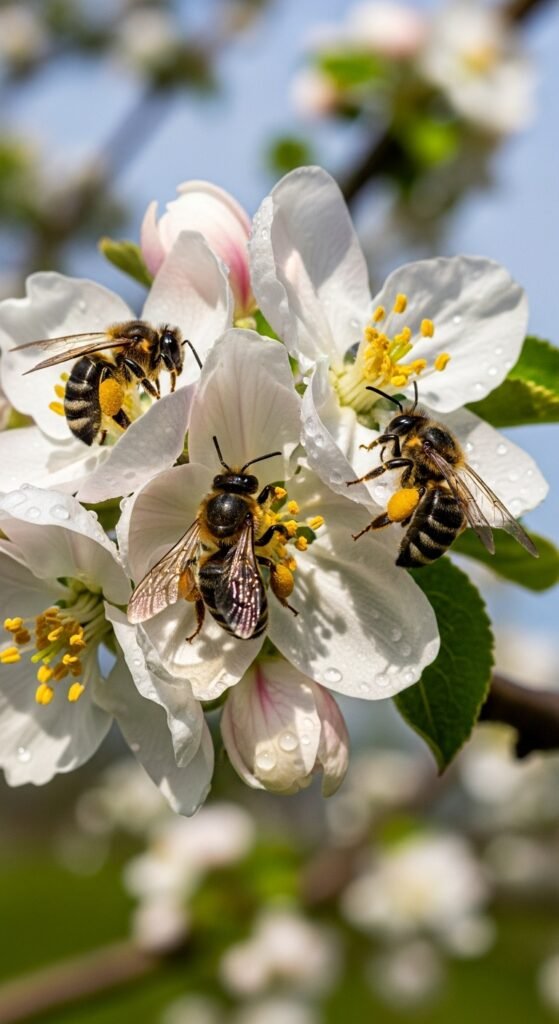
Implementation: Set up nesting blocks and release bees in early spring. Protect from birds and monitor activity. Harvest cocoons in fall for next year’s use, creating a sustainable cycle.
8) Avoid Harmful Pesticides
You need to minimize chemical use during blooming to protect pollinators. Opt for organic alternatives or apply treatments at dusk when bees are less active.
The rationale: Pesticides can kill beneficial insects, disrupting pollination and leading to poor harvests. Going natural preserves ecosystem balance for long-term health.
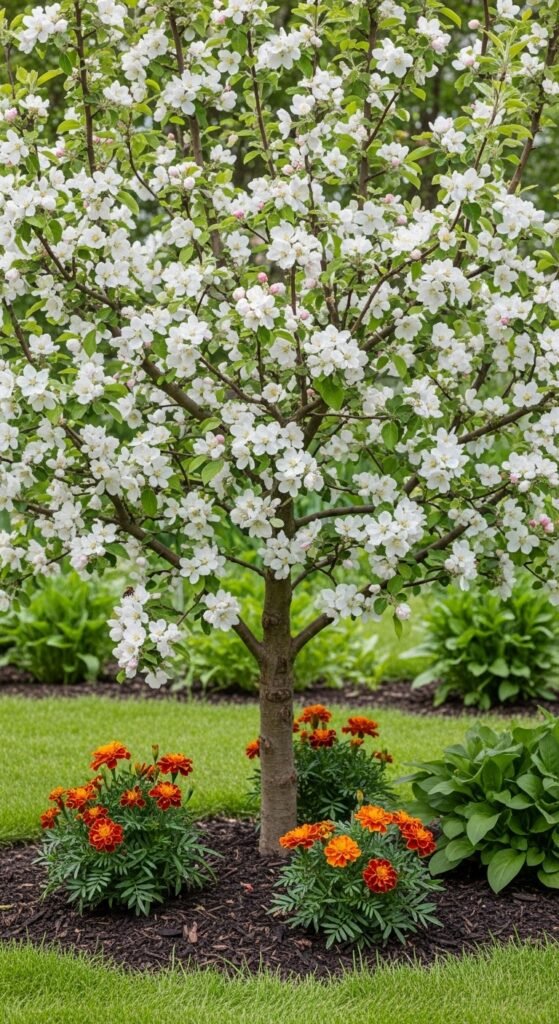
How: Scout for pests early and use neem oil or insecticidal soaps. Time applications carefully, and consider integrated pest management to reduce reliance on chemicals altogether.
9) Prune for Better Airflow
You can enhance pollination by pruning to improve air circulation and light penetration. This involves removing crowded branches to open up the canopy.
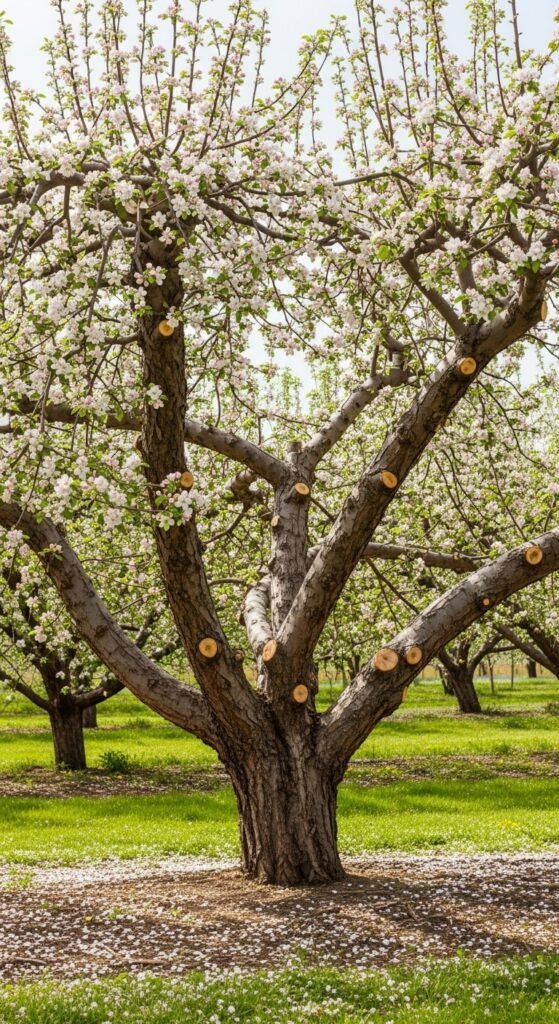
Why? Better airflow aids wind pollination and reduces fungal issues that might affect blooms, resulting in healthier, more productive trees.
To do it right, follow a prune apple tree guide during dormant seasons. Focus on central leaders and remove water sprouts. Annual maintenance keeps trees vigorous and pollination-ready.
10) Maintain Soil Health
You should enrich soil with organic matter to support robust blooming. This means adding compost and testing pH to keep it between 6.0-7.0 for optimal nutrient uptake.
Benefits include stronger trees that produce more flowers, attracting more pollinators and yielding superior fruit quality.
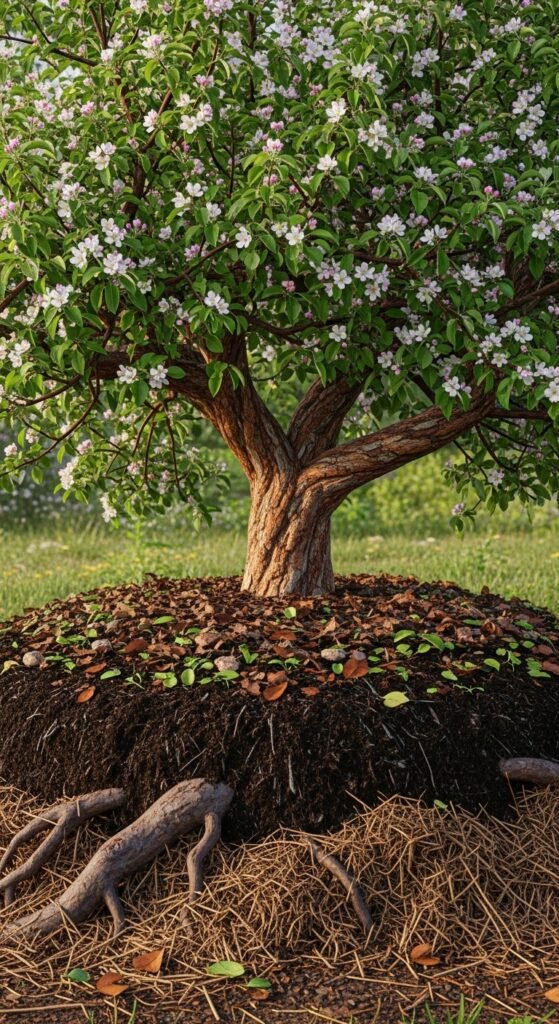
How: Mulch around bases to retain moisture and suppress weeds. Incorporate amendments in fall, and avoid over-fertilizing nitrogen, which promotes leaves over blooms.
11) Install Windbreaks
You can plant hedges or erect barriers to shield trees from strong winds that disrupt pollen transfer. Select evergreens for year-round protection.
Why important? Winds can scatter pollen inefficiently or damage blooms, but breaks create microclimates for effective pollination.
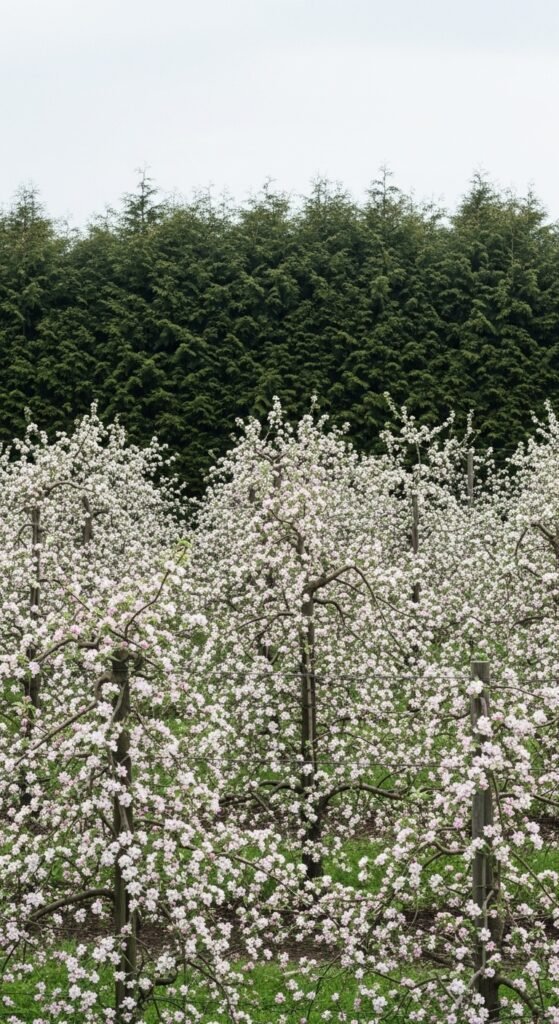
Setup: Position windbreaks on prevailing wind sides, 50-100 feet away. Choose species like arborvitae that don’t compete for resources, ensuring your orchard thrives.
12) Graft for Variety Diversity
You might graft scions from different apple varieties onto a single tree to enable self-pollination. This technique combines compatible types on one rootstock.
Advantages: Saves space while ensuring cross-pollination, leading to consistent yields without multiple trees.
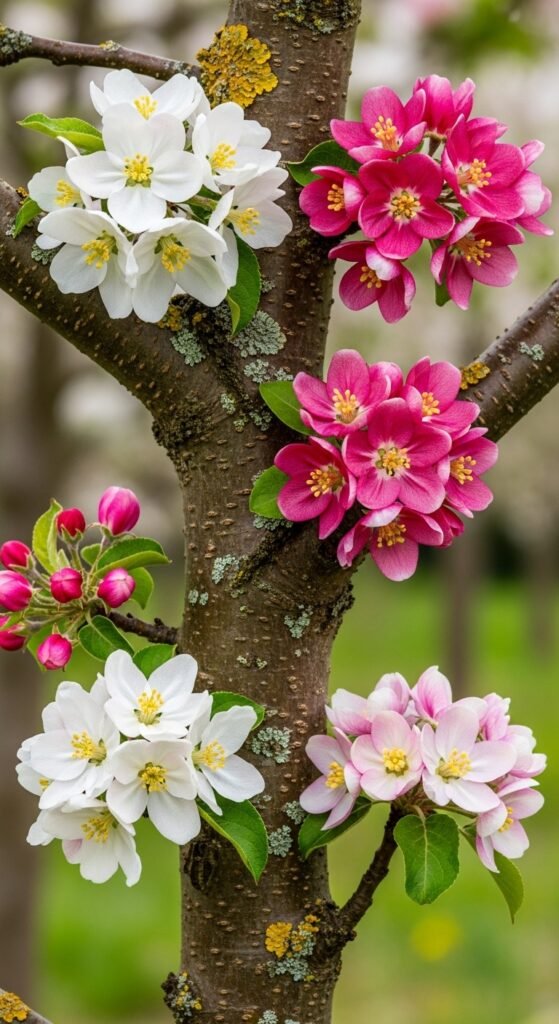
Learn basic grafting methods like whip-and-tongue. Perform in late winter, seal wounds, and monitor growth. It’s a skill that pays off in diverse, pollinated orchards.
13) Monitor Weather Conditions
You need to track forecasts during bloom time to protect flowers from frost or rain. Use covers or heaters if temperatures drop.
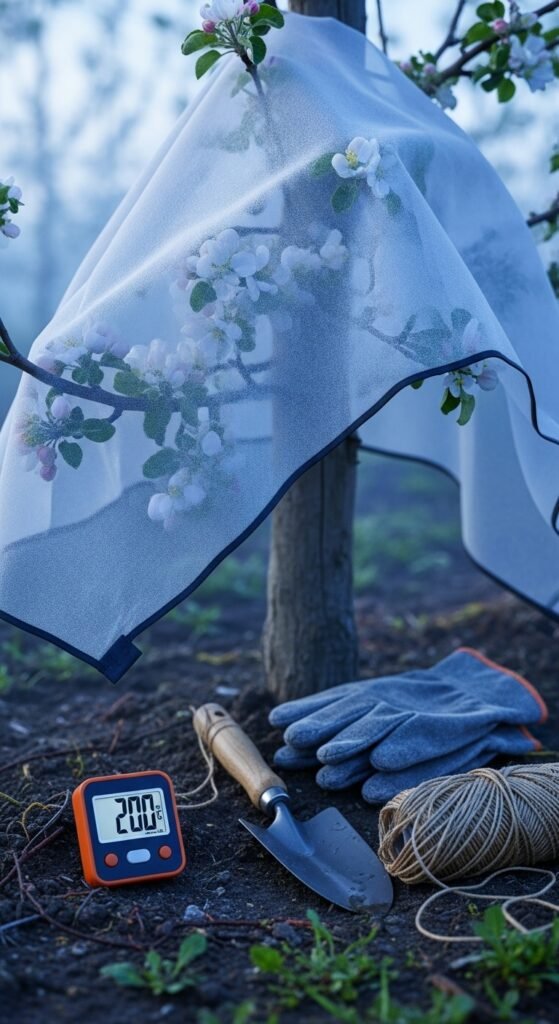
Reason: Adverse weather kills pollen or washes it away, but proactive measures secure uninterrupted pollination.
How: Install thermometers and use apps for alerts. Apply anti-transpirants for frost protection, and delay irrigation during wet spells to avoid excess moisture.
14) Design a Pollinator Garden Nearby
You can create a dedicated area with diverse plants to support a variety of pollinators year-round. Include natives for best results.
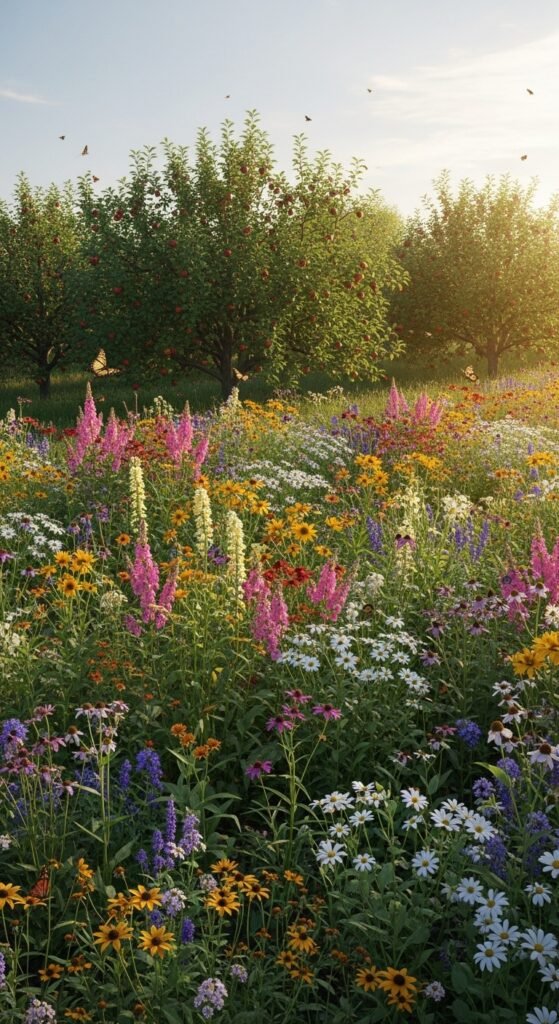
This boosts overall biodiversity, ensuring reliable apple pollination as insects thrive.
Plan with a pollinator garden design, layering heights and bloom times. Water consistently and avoid monocultures for sustained attraction.
15) Use Pollination Charts for Planning
You should reference detailed charts to match varieties precisely. These tools list compatibilities and bloom overlaps.
Why? Informed choices prevent mismatches, optimizing harvest potential from the start.
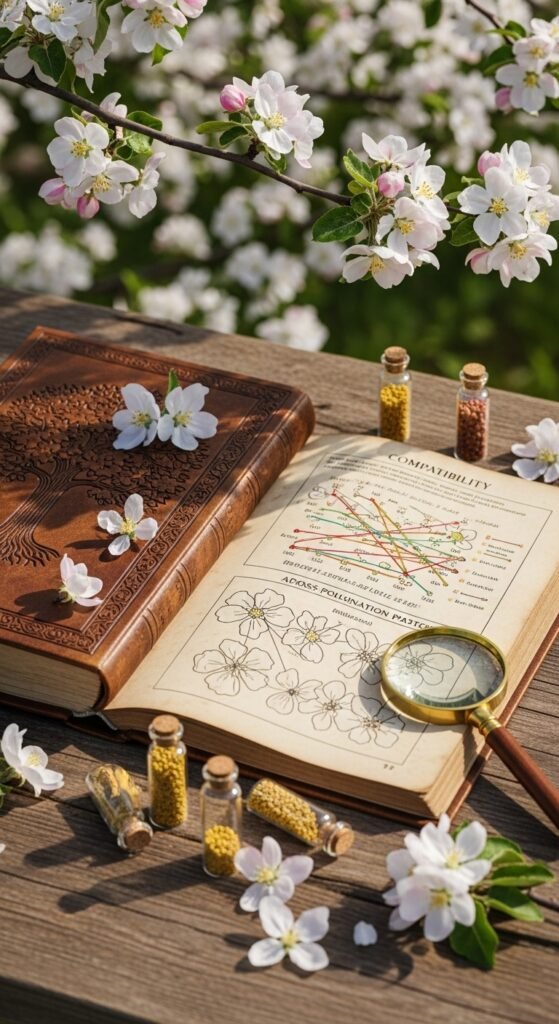
Access online resources or books. For similar fruits, check a plum pollination chart for insights. Update your plan annually based on tree performance.
Key Principles of Apple Tree Pollination
Understanding Cross-Pollination
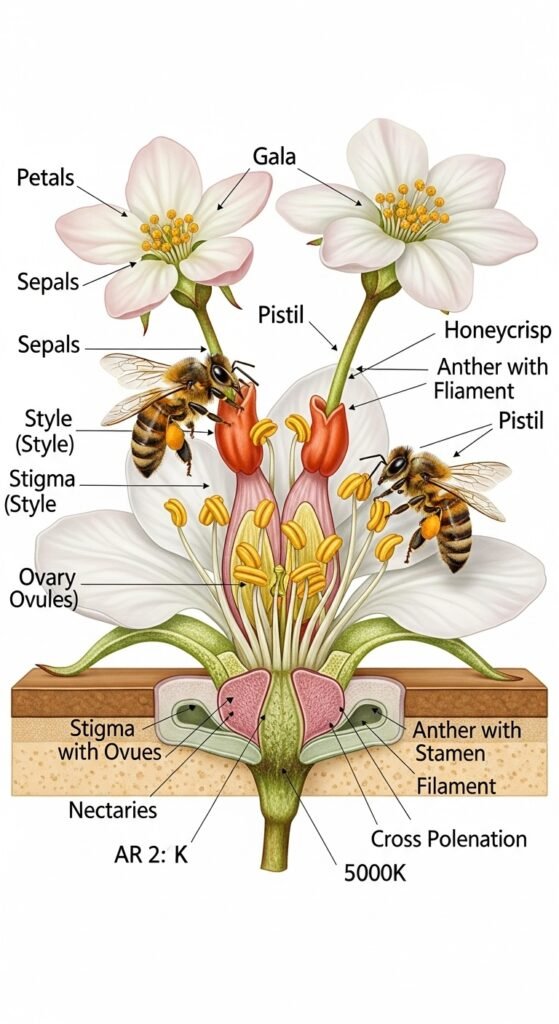
Most apple trees aren’t self-fertile, requiring pollen from another variety. Focus on triploid vs. diploid types for best matches.
Role of Pollinators
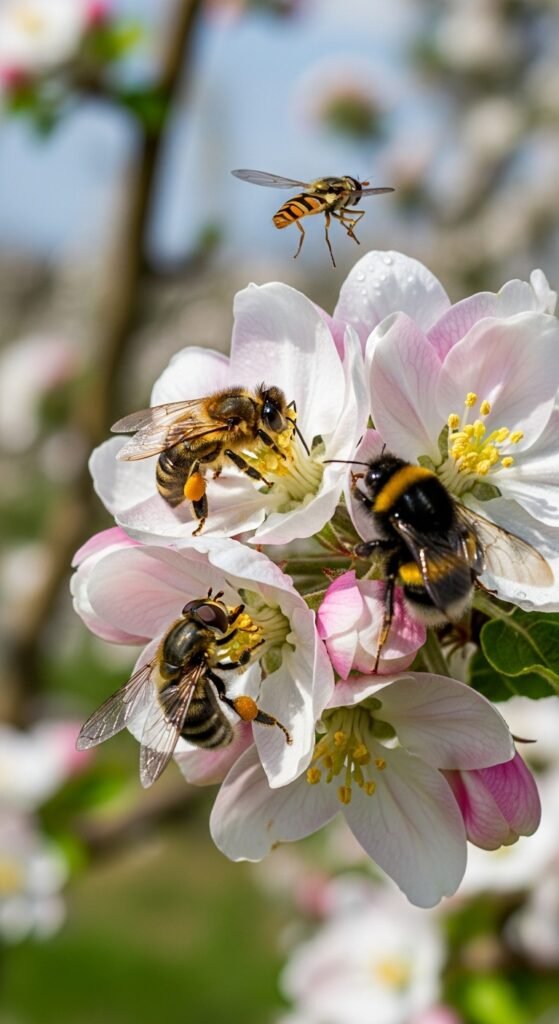
Bees handle 90% of pollination; diversify to include bumblebees and hoverflies for resilience.
Seasonal Timing Tips
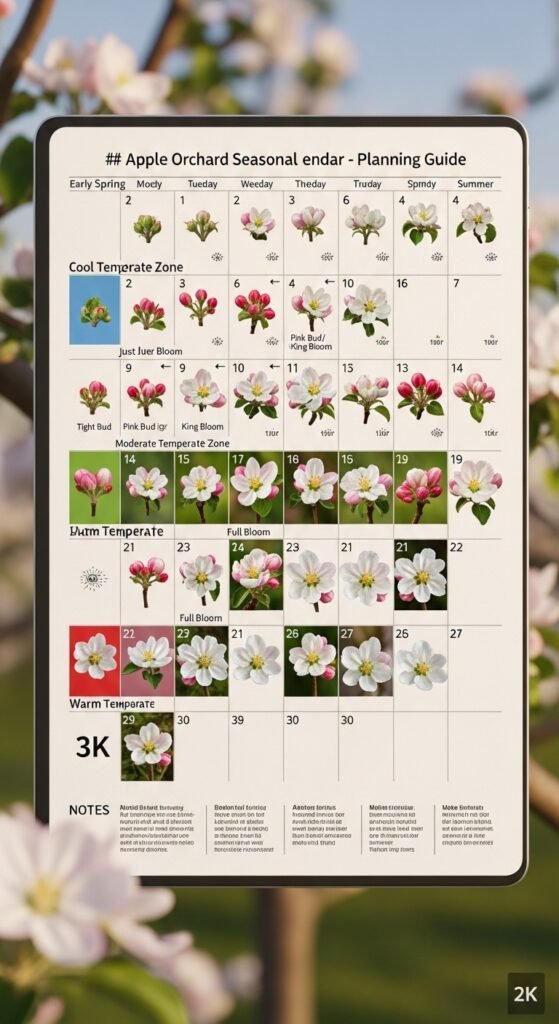
Align with your USDA zone; early springs may need extra monitoring for frost risks.
Frequently Asked Questions
Do all apple trees need a pollinator?
Most do, but some self-fertile varieties like Golden Delicious can produce alone, though yields improve with partners.
How far apart can apple trees be for pollination?
Ideally within 50 feet, but up to 100 feet works if pollinators are abundant.
Can I pollinate apple trees by hand?
Yes, using a brush to transfer pollen is effective in small orchards or poor weather.
What flowers attract pollinators to apple trees?
Plant dandelions, clovers, and asters nearby for continuous nectar sources.
Why are my apple trees not fruiting?
Common issues include lack of compatible pollinators, poor weather, or nutrient deficiencies—assess and adjust accordingly.